Skip to content

Commercial Trend Translation Solutions for Fashion Brands
Move approved trend directions beyond moodboards and into commercially executable womenswear with structured development, sampling, costing and production control.
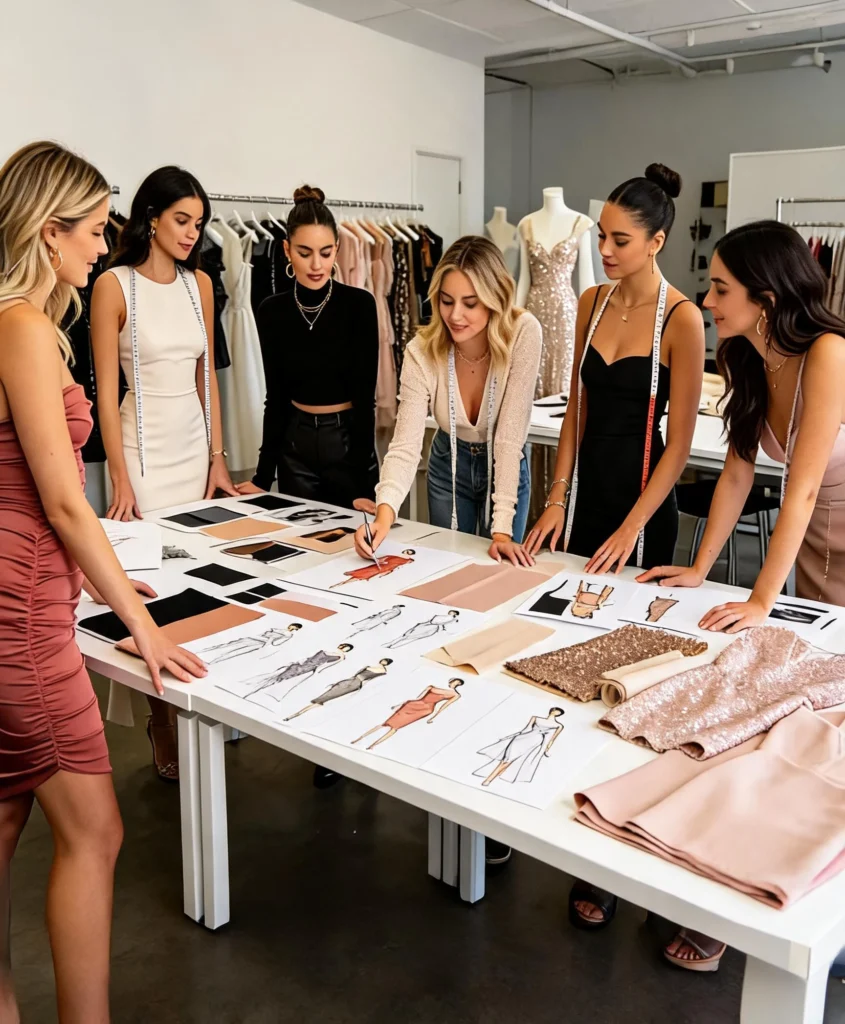
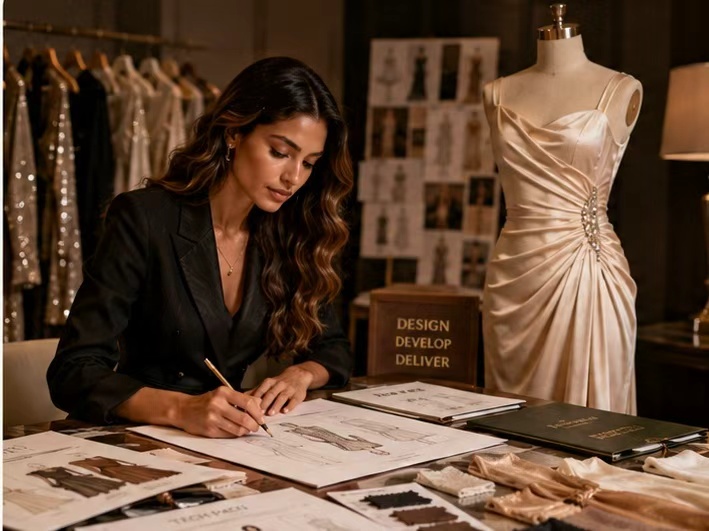
- Translate brand-approved concepts into defined silhouettes, fabrics, construction details and sample briefs instead of leaving direction at inspiration level.
- Work from moodboards, references, sketches, line sheets, color direction, target prices, launch seasons and size requirements supplied by established fashion teams.
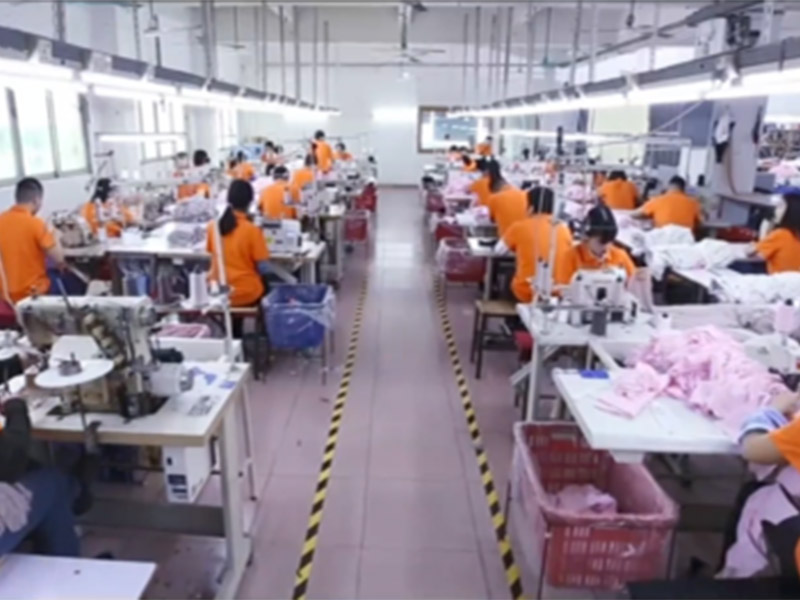
- Develop through 2 sample rooms, 7+ senior pattern makers and 20+ sample machinists before approved styles move toward production.
- Support multi-style programs through 18+ sewing lines, 6+ flexible production lines and structured QC from material review through finished garment inspection.


Where Commercial Trend Translation Becomes a Real Garment
Trend Intelligence
Trend intelligence identifies cultural movements, silhouettes, colors, materials, styling cues and category opportunities. Fashion teams may obtain those signals from internal research, retail data, runway analysis, social channels or specialist forecasting platforms. Jinfeng Apparel does not replace that work or claim to predict the next bestseller. Development starts after a brand has identified a direction worth exploring. From there, the discussion becomes more specific: which product category should carry the signal, which detail matters most visually, what can be simplified, what must remain, and whether the direction is suitable for the intended launch window.
- Share Trend References
- Review Product Direction
Brand Translation
A trend only becomes useful after it fits the brand. The same sheer story, sculpted waist, asymmetric neckline or romantic volume can produce completely different garments for occasionwear, partywear, resortwear or premium ecommerce. Brand positioning, sales channel, target retail price, existing fit standards, size range and launch season all change the translation.Jinfeng Apparel uses those inputs to understand the required product result before pattern work starts.
The aim is not to imitate a reference literally, but to identify which visual signals must remain strong enough for the finished garment to feel relevant to the intended collection.
- Define Brand Direction
- Send Your Line Sheet
Manufacturing Translation
Manufacturing translation begins when visual direction has to become measurable. Fabric weight changes drape. Stretch changes fit. A deeper neckline changes support requirements. Added ruching changes sewing time and consumption. A cut-out changes edge stability. A corset line changes pattern balance, boning and lining. Jinfeng Apparel reviews those relationships before and during sampling so a trend-led concept can move toward a reproducible garment rather than remaining an attractive sketch. Development includes fabric direction, structural review, pattern work, sample making, fit correction, costing impact and bulk-production risk before final approval.
- Review Manufacturing Fit
- Start Development Review
Built for Teams Turning Direction Into Seasonal Product

Design and Creative Teams
Design teams need enough manufacturing freedom to protect the original visual idea without creating a garment that fails during fitting or bulk production.
Jinfeng can work from moodboards, reference images, sketches, color direction and early line sheets, then identify areas requiring more definition such as neckline depth, waist placement, length, transparency, lining, fastening and trim. Creative details remain visible in the discussion, while structural questions are resolved before avoidable sampling rounds accumulate.
- Share Creative Direction
- Review Style Feasibility

Product Development Teams
Product development teams need clear movement from concept into pattern, first sample, fit review, revision and PP approval.Jinfeng reviews fabric behavior, bust-waist-hip balance, strap position, armhole shape, slit height, lining coverage, zipper placement and construction complexity.
Revision records can track pattern, measurement, fabric, trim and sewing changes so updated information moves forward with the style rather than remaining scattered across separate messages.
- Send Development Files
- Review Sample Plan

Merchandising and Planning Teams
- Plan Your Assortment
- Review Cost Direction
Sourcing and Production Teams
- Review Supply Fit
- Discuss Production Capacity
Development Capacity Behind Trend-Led Womenswear Execution
6 Owned Factories
Six owned women’s fashion factories provide a structured production base for dresses, skirts, jumpsuits, matching sets and other fashion-led womenswear.
Allocation is not based only on available space. Product category, fabric behavior, construction difficulty and expected production rhythm influence where a program is placed. Knit, woven, occasionwear and more complex fabric programs require different production strengths, helping approved development standards move into a suitable manufacturing environment.
- Review Factory Fit
- Discuss Style Allocation
10+ Production Partners
More than ten long-term satellite production partners provide additional coordinated capacity when product mix, volume or seasonal schedules require wider allocation. Those partners are not presented as owned factories. They form part of a longer-term production network managed around style suitability, production scheduling and quality requirements. For larger seasonal programs, the combined system supports phased production and multi-batch arrangements while keeping development files, approved samples and QC expectations centrally coordinated.
- Discuss Capacity Planning
- Review Production Route
2 Sample Rooms
Two sample rooms support first samples, fit samples, revised samples, photo-ready samples, salesman samples, PP samples and Golden sample management. Sample rooms are not only for making a garment look similar to a drawing.
They are used to test proportion, fabric behavior, construction, support, comfort and repeatability before bulk production.
Trend-led styles often need more validation because a strong visual idea may react differently once real fabric, lining and body movement are introduced.
- Start Sample Review
- Send Your Concept
7+ Pattern Makers
Seven or more senior women’s pattern makers support silhouette development, size-chart conversion, pattern correction and fit balancing.
Their work covers areas such as bust placement, waistline position, hip room, neckline depth, armhole shape, strap length, dress length and jumpsuit crotch balance. For trend-led garments, pattern work determines whether a dramatic reference becomes flattering and wearable or whether visual proportions collapse once the style is placed on a real body.
- Review Pattern Direction
- Discuss Fit Risks
20+ Sample Machinists
More than twenty sample machinists and sample sewers turn patterns and material decisions into physical garments. Sampling exposes construction risks that drawings cannot show clearly, including slippery satin seams, mesh stretch, lace placement, zipper flatness, lining behavior, ruching balance and support around fitted bodices. Their feedback also helps identify sewing methods that may work for one sample but become inefficient or unstable when repeated across a larger production order.
- Build First Sample
- Review Sewing Method
12+ Merchandisers
More than twelve merchandisers and order follow-up specialists coordinate fabric, trims, sample progress, approvals, production timing, QC, packing and shipment preparation.
Trend-led collections often contain several fabrics, different construction levels and multiple development priorities at the same time. Structured follow-up helps prevent a hero style, a supporting style and a simpler commercial style from becoming mixed together under one undifferentiated schedule.
- Plan Project Timeline
- Discuss Multi-Style Program
15+ QC Inspectors
More than fifteen QC inspectors support incoming material checks, cutting QC, sewing QC, in-line inspection, garment inspection, pressing review and packing QC. Inspection criteria change according to product and fabric.Satin requires attention to snagging, shade and pressing marks; mesh needs transparency and hole control; lace requires placement and damage checks; fitted garments require measurement stability. QC therefore follows the approved product rather than relying on one generic checklist.
- Review QC Priorities
- Discuss Quality Standards
18+ Sewing Lines
- Review Line Capacity
- Plan Bulk Production
Send the Direction Your Team Already Has

Trend and Visual Direction
- Moodboards, runway references, internal trend decks, competitor references, sketches, screenshots and selected product images can communicate the visual signal a team wants to explore. Jinfeng reviews silhouette, proportion, neckline, volume, cut-outs, drape, surface treatment and other visible details before discussing how they may translate into a real garment. References establish direction; they are not treated as permission to reproduce protected designs owned by another brand.
- Share Your Moodboard
- Review Visual Direction

Brand and Market Context
- Brand style direction, sales channel, launch season, intended wearing occasion and target consumer context help determine how aggressively a trend should be translated into product. A partywear interpretation may emphasize fit, shine and visual impact, while a resort interpretation may prioritize drape, print, movement and travel-friendly handling. Jinfeng uses commercial context to guide manufacturing questions rather than applying one default construction solution across every product.
- Define Product Context
- Discuss Launch Direction

Commercial Targets
- Target production price, intended retail position, quantity per style and color, size range, launch date and expected collection structure affect development from the beginning. A product that looks strong in an expensive fabric may need a different material, lining scope, trim choice or construction method to stay inside the planned cost. Early commercial inputs reduce late-stage redesign after time has already been spent on patterns and samples.
- Share Target Cost
- Review Commercial Fit

Technical References
- Tech packs, size charts, original samples, fabric swatches, trim cards, BOMs, label artwork and packaging requirements create a more exact development path. When a line sheet contains multiple styles, Jinfeng can group products by fabric, silhouette, construction risk and sample priority. Better technical information increases sample accuracy and makes quotation, development timing and later bulk handover easier to control.
- Upload Technical Files
- Start Formal Review
Turning a Trend Signal Into a Commercial Product
A strong trend cue can attract attention but still fail as a garment when proportion, fabric, fit, cost or production complexity are ignored. Jinfeng approaches commercial translation as a sequence of product decisions, moving from visual direction toward a specification that can survive sampling and bulk production.

Start With the Product Question, Not the Reference Image
A reference image can show the visual language of a trend, but it rarely provides enough information to make a production decision. The first development question is not “Can it be copied?” The stronger question is “What product should carry the signal for the intended collection?”
A sculpted waist trend could become a corset mini, a structured midi, a fitted jumpsuit or a matching top-and-skirt set. A transparency trend could become full mesh, a lined mesh bodycon, mesh panels, a sheer sleeve, a double-layer neckline or a controlled lace-and-mesh combination. A draped trend may work through satin bias, gathered jersey, soft crepe or chiffon depending on price, fit and occasion.
Jinfeng reviews the visible elements that create recognition: silhouette, neckline, shoulder treatment, waist position, cut-out placement, hem length, drape, surface texture, transparency and decoration. The development team then separates essential signals from optional complexity.
Essential signals need to remain strong enough to preserve the intended look. Optional complexity can be reconsidered if it raises cost, reduces wearability or creates production instability without adding equivalent visual value.
The result is a clearer development question before pattern work begins: which category, silhouette, fabric behavior and construction approach can carry the approved direction most effectively?
Filter the Direction Through Brand Position and Selling Context
Commercial translation changes once brand position enters the discussion. A visual direction intended for premium occasionwear cannot be engineered with the same balance as a casual jersey collection. Product expectations differ in structure, surface quality, lining, fit tolerance, trim finish, pressing and packaging.
Launch season also affects the development route. Resort collections may favor rayon, linen blends, chiffon and printed woven materials with movement and lower packing bulk. Party and occasion programs may use satin, stretch satin, mesh, lace, sequin, velvet or crepe, where surface protection and fit become more important. Fitted ecommerce styles may require stronger control over stretch recovery, bust-waist-hip measurements and repeat-order consistency.
Target price adds another filter. An expensive trim, double-layer structure, excessive handwork or difficult fabric may create a compelling sample but weaken margin at scale. Jinfeng can review alternatives such as similar-handfeel fabrics, adjusted lining coverage, simplified construction, different trim execution or reduced color fragmentation without automatically stripping away the key visual identity.
The objective is not to make every trend “safe.” Fashion still needs distinction. The objective is to understand where visual impact creates commercial value and where complexity creates cost or manufacturing risk without improving the garment enough to justify it.


Engineer the Direction Before Formal Sampling Begins
Once product category and commercial context are clearer, development moves into garment engineering. Pattern, fabric and construction have to work as one system.
A deep neckline may require altered bust shaping, support, tape, lining or strap positioning. A fitted bodice may require boning, bra cups or a more stable fabric. A low back changes zipper position and tension distribution. A high slit changes movement and coverage. Heavy ruching changes fabric consumption, seam bulk and sewing time. A lightweight satin may achieve the right shine but lose the required structure. A dense mesh may provide control but alter transparency and hand feel.
Jinfeng reviews those interactions before or during early sample work. Pattern makers establish proportion and fit. Fabric teams assess drape, stretch, transparency, shrinkage, surface risk, MOQ and lead time. Sample machinists test sewing behavior and construction sequence. Cost impact is checked when changes affect consumption, lining, trims or sewing time.
Formal sampling then starts from a more informed direction rather than from a visual guess. Development remains iterative, because some decisions only become visible on a physical garment. Early engineering simply reduces avoidable rounds caused by issues that could have been identified before fabric was cut.
Eight Commercial Filters Before a Trend Enters Sampling
Product Category Fit
The same visual signal behaves differently across a mini dress, midi dress, maxi dress, fitted top, skirt, jumpsuit or matching set. Category affects fabric consumption, fit points, closure, movement, lining and size risk. Jinfeng reviews whether the selected category supports the visual direction or whether another category would express the idea with fewer construction compromises. Category decisions also influence how easily a concept can extend across a wider collection.
- Review Category Direction
- Map Style Options
Wearability
A strong image can hide real wearing problems. Neckline exposure, strap security, slit height, transparency, bust support, armhole opening and movement need to work on a body rather than only in a static photograph. Jinfeng examines those areas during structure review and sampling.
Commercial adjustment may mean changing a depth, adding controlled lining, repositioning support or altering a proportion while preserving the visual feature that makes the style recognizable.
- Review Wearability Risks
- Discuss Fit Direction
Fabric Feasibility
Fabric determines whether a silhouette holds, drops, stretches, wrinkles, snags or becomes transparent. A trend direction based on fluid drape may fail in a stable woven.
A sculpted shape may collapse in lightweight satin. A bodycon silhouette may lose fit if recovery is weak.
Jinfeng reviews fabric hand feel, weight, drape, stretch, transparency, shrinkage, surface risk, supplier MOQ, cost and lead time before treating a material choice as confirmed.
- Review Fabric Options
- Request Material Direction
Construction Complexity
- Review Construction Risk
- Simplify Without Diluting
Target Cost
- Share Target Price
- Review Cost Options
Production Quantity
- Review Quantity Plan
- Discuss MOQ Structure
Launch Window
- Share Launch Date
- Plan Development Timing
Bulk Repeatability
- Review Bulk Risk
- Prepare Production Standard
Translate Trend Direction Into the Right Womenswear Format

Bodycon and Contour
Bodycon translation depends on more than making a silhouette tight. Fabric stretch and recovery, bust-waist-hip reduction, lining, seam placement and garment length determine whether the style shapes the body cleanly or becomes unstable after wear. Mesh overlays, ruching, asymmetric lines and cut-outs can carry strong trend signals, but each detail changes tension. Jinfeng reviews stretch direction, recovery and measurement control during sampling so the final product remains fitted without losing the intended visual energy.
- Develop Bodycon Styles
- Review Stretch Fit

Corset and Structured
Corset-inspired directions can move from runway drama into commercial dresses, tops and occasionwear when support is engineered correctly. Boning position, bra cups, neckline, seam lines, zipper placement, lining and waist shaping all influence the result. A visually strong bodice can still fail if the bust sits too high, the neckline gaps or the waist creates excessive pressure. Jinfeng uses pattern development and physical samples to balance structure, comfort and appearance before the construction is released for bulk.
- Develop Corset Styles
- Review Bodice Structure

Slip and Satin
- Develop Slip Dresses
- Review Satin Direction

Sheer and Mesh
- Develop Mesh Concepts
- Review Transparency Control

Volume and Maxi
- Develop Volume Styles
- Review Maxi Structure

Sets and Jumpsuits
A trend direction does not always need to remain a dress. Matching sets and jumpsuits can extend the same visual story into additional commercial categories.
Sets allow a corset, halter, satin, mesh or printed direction to separate into tops and skirts, creating more styling combinations. Jumpsuits introduce torso and crotch-length considerations that dresses do not have. Jinfeng reviews category-specific fit, fabric, closure and size behavior before extending a direction across the line.
- Extend Product Range
- Build Coordinated Styles
Fabric Choice Changes the Commercial Meaning of a Trend

Satin Direction
- Review Satin Options
- Develop Satin Styles

Mesh Direction
Mesh allows transparency, contour, layering and engineered cut-outs, but commercial results depend on density, stretch and recovery. Soft mesh can drape beautifully while offering limited support. Power mesh can add control but changes touch and visual transparency. Double layering alters both color and tension. Jinfeng reviews transparency, elastic recovery, lining coverage, seam behavior and hole risk while considering how the material performs across different sizes. A strong sheer concept therefore becomes a defined material system rather than a generic mesh choice.
- Review Mesh Options
- Develop Sheer Styles

Lace Direction
Lace can move a trend toward romantic, occasion, bridal-inspired, evening or textural product depending on motif scale, density, edge shape and backing. Placement becomes a major commercial issue when motifs need symmetry across bust, waist, neckline or side seams.
Cutting efficiency can also change cost significantly. Jinfeng reviews motif direction, placement, lining color, transparency, edge treatment and damage risk before sampling and during cutting.
Lace therefore needs both visual planning and production planning to remain consistent across a larger order.
- Review Lace Direction
- Plan Placement Details

Chiffon and Crepe
- Compare Fabric Options
- Review Drape Direction
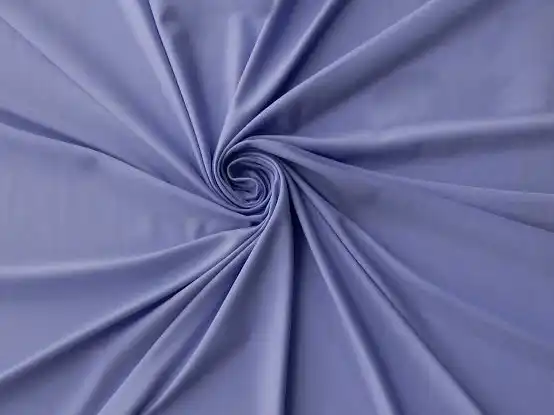
Jersey and Ponte
- Review Knit Options
- Develop Fitted Styles

Sequin and Embellishment
Sequin, rhinestone and decorative surfaces can turn a direction into a high-impact party or occasion style, but they change sewing, comfort, weight, packaging and QC. Dense embellishment may look strong in photography while creating scratch risk or heavy seam bulk around armholes and necklines. Jinfeng reviews placement, edge protection, lining, attachment stability, seam allowances and packing needs during development. The aim is to protect visual impact while removing avoidable discomfort and bulk-production instability.
- Review Embellishment Plan
- Develop Party Styles
Fit and Construction Decide Whether the Trend Sells
Commercial translation becomes visible on the body. A strong concept loses value when the neckline gaps, straps fall, the waist sits incorrectly, a cut-out distorts or the lining becomes visible. Jinfeng uses pattern work, sampling and measurement review to turn visual direction into controlled garment proportions.

Control the Upper Body Without Flattening the Design
Upper-body construction is one of the fastest places for a trend-led style to fail. Strapless, corset, halter, one-shoulder, deep-V, low-back and spaghetti-strap products all distribute tension differently.
A reference image may show a dramatic neckline, but the final garment still needs stable bust placement, controlled exposure and wearable movement. Strap length and angle influence armhole opening. A low back can reduce support and alter zipper placement. A narrow shoulder strap can pull differently in satin than in stretch mesh. A corset seam may look visually correct while placing the cup or boning in the wrong position for the target size chart.
Jinfeng pattern makers review neckline depth, bust shaping, armhole, strap position, back height, closure and lining as connected variables. Sample machinists then test whether seams lie flat, elastic creates the expected tension and internal support can be sewn consistently.
Commercial adjustment does not automatically mean making a style conservative. A deep neckline can remain deep while being supported more intelligently. A strapless body can remain clean while using better internal structure. A low back can remain visually open while closing and tension points are relocated.
The finished goal is recognizably fashion-led, yet stable enough to survive fitting, photography, movement and repeat production.
Balance Proportion Through Bust, Waist, Hip and Length
Trend imagery often exaggerates proportion. Commercial product development has to decide which proportions create the look and which proportions create fit failure.
A raised waist can lengthen the leg visually but may pull across the bust. A very fitted hip can strengthen a bodycon silhouette but cause hem riding. A shortened mini can create impact but needs coverage and sitting movement considered. A dramatic maxi can lose balance if the front and back lengths respond differently to body shape or fabric stretch.
Jinfeng reviews bust, waist, hip, garment length, strap length, armhole, neckline depth, slit height and other relevant points against the intended size chart. Physical samples are measured as well as visually assessed. Fit feedback can then be converted into pattern changes rather than recorded only as general comments such as “make it tighter” or “make it more flattering.”
The same principle applies across sizes. Trend-led garments often rely on narrow visual tolerances, so grading cannot simply add equal amounts everywhere. Critical relationships need to remain proportionate as sizes change.
Proportion control allows the silhouette to remain recognisable while reducing the risk of one sample looking strong and bulk garments fitting differently across the size range.


Turn Visual Details Into Repeatable Construction Standards
Trend recognition often sits in details: a particular ruching direction, cut-out shape, draped seam, lace placement, asymmetric line, slit, gathered panel or trim position. Those details need defined construction standards before bulk production.
Ruching requires direction, amount, placement marks and elastic tension. Cut-outs need edge stability and sufficient allowance around high-tension areas. Lace requires motif direction and alignment. Sequin surfaces need protected seam areas and skin-contact consideration. Satin needs seam flatness and pressing control. Zippers need suitable length, color, fabric compatibility and smooth installation.
Jinfeng uses sample revisions, PP approval, sewing instructions and QC checkpoints to turn visual details into production information. Approved patterns, fabric references, trim details and construction methods move forward together so the production line is not asked to interpret a photograph independently.
The objective is repeatability without removing the detail that makes the garment commercially distinctive. If an effect cannot be checked objectively, it is vulnerable to variation. Development therefore aims to make important visual details measurable through pattern marks, construction instructions, approved references or inspection criteria before production quantity increases.
Commercial Cost Decisions to Resolve Before Sampling
Cost is shaped long before a final quotation. Fabric, lining, trims, structure, sewing time, wastage, color count and packaging can change both product appearance and production economics. Early review helps protect the visual idea while preventing an expensive sample from becoming commercially unusable.
| Development Variable | Commercial Effect | Review Before Sampling | Typical Optimization Direction |
|---|---|---|---|
| Main fabric | Controls drape, hand feel, appearance and major material cost | Weight, width, stretch, MOQ, lead time, surface risk | Similar-handfeel alternative, available fabric, adjusted weight |
| Lining | Changes comfort, transparency, structure and consumption | Full, partial or local lining requirement | Reduce unnecessary coverage while protecting comfort |
| Corset structure | Adds support, pattern work, components and sewing time | Boning, cup, panel count, closure | Simplify internal structure where visual result allows |
| Ruching and drape | Raises consumption and sewing complexity | Amount, direction, placement, symmetry | Control gathering amount and simplify hidden sections |
| Lace or sequin placement | Raises cutting loss and manual handling | Motif, placement area, skin contact | Concentrate detail on high-visibility zones |
| Trims | Changes appearance, MOQ and lead time | Zippers, hardware, custom pullers, chains | Use approved alternatives with similar visual effect |
| Color count | Multiplies fabric, cutting, SKU and QC management | Quantity per color and supplier minimums | Consolidate around commercially stronger core colors |
| Size ratio | Affects cutting, measurement and packing efficiency | Size breakdown and grading complexity | Plan rational size distribution by sales requirement |
| Packaging | Changes unit cost and warehouse readiness | Labels, hangtags, barcode, polybag, carton rules | Match packaging level to channel requirements |
Build the Trend Into a Balanced Commercial Collection

Hero Style
A hero style carries the most recognisable expression of the approved direction. It may use stronger proportion, a more distinctive fabric, dramatic cut-outs, heavier ruching, corset construction, embellished surfaces or an unusual neckline. Development attention should be concentrated here because fit, photography and first impression matter most. Jinfeng can prioritise hero samples by launch date, material readiness and construction risk so the most commercially important style is not delayed behind lower-priority development.
- Develop Hero Style
- Set Sample Priority

Commercial Core
Commercial core styles interpret the same direction with greater wearability, clearer fit and more repeatable construction.
A dramatic mesh trend may become a lined mesh mini; a corset direction may become a structured midi with cleaner internal support; a satin drape story may become a simpler cowl or asymmetric dress. Core styles can preserve visual connection to the hero product without duplicating its full complexity, giving a collection broader price and wearing options.
- Build Commercial Core
- Review Range Balance
Supporting Extensions
Supporting extensions allow the direction to continue across lengths, colors and categories. A satin slip can extend into mini and midi lengths, a cami, skirt or matching set.
A fitted mesh story can expand into long sleeves, panelled versions or coordinated tops. Jinfeng can group related styles by fabric, pattern logic, trim and production method, helping a collection gain depth while reducing unnecessary material fragmentation and keeping later repeat-order information more organised.
- Extend Product Family
- Plan Style Grouping
From Moodboard and Line Sheet to Approved Sample
Sampling is where a commercial direction meets real fabric, real construction and real fit. Jinfeng uses the sample stage to verify whether proportions, material behavior, details, cost and repeatability work together before bulk production standards are locked.

Convert Early Creative Inputs Into a Development Brief
A mature brand may approach Jinfeng with a complete tech pack, but early-stage development can also begin from a moodboard, sketch, reference photo, original sample or line sheet.
The development team first identifies what is already clear and what still needs definition. Product category, silhouette, length, neckline, fabric direction, lining, closure, trim, target size range, target production price and launch date are reviewed before formal work advances. A line sheet containing several styles can be separated into fabric groups, construction groups and sample priorities.
For reference-led development, the aim is to understand proportion and structure rather than reproduce protected design details without authority. A reference can communicate the desired waistline, shoulder treatment, drape or volume while Jinfeng develops an independent production solution around the brand’s own direction.
Pattern makers then translate the confirmed brief into garment shapes and measurement relationships. Fabric and trim teams prepare suitable material options. High-risk areas such as strapless support, cut-outs, lace placement, mesh transparency, satin drape or complicated ruching are identified before sample sewing.
A clearer development brief reduces wasted sampling because everyone is working from defined product decisions instead of separate visual assumptions.
Use Sample Rounds to Resolve Fit and Commercial Risk
The first sample is used to test the direction in three dimensions. It is not treated as a ceremonial step before production.
Depending on structure and material readiness, straightforward styles may require roughly 7–10 days for a first sample, regular dress development commonly falls around 10–15 days, while corset, strapless, lace, mesh, sequin or more complex evening structures may require around 15–25 days. Final timing is reviewed by project rather than guaranteed as one universal number.
The sample is checked for proportion, fabric effect, construction, support, comfort, visual result and bulk repeatability. Key measurements such as bust, waist, hip, length, straps, armhole, neckline and slit are reviewed where relevant.
When revisions are required, changes should be specific. Pattern adjustment, measurement changes, fabric replacement, trim changes, sewing-method updates and lining corrections can be recorded against the sample version. Revision records reduce the risk of an old instruction returning later during PP or bulk production.
Photo-ready or salesman samples can also be discussed where the program requires them. A commercial trend direction becomes stronger when fit, photography and manufacturing requirements are considered together rather than as separate projects.


Lock the Approved Product Before Bulk Production Begins
The PP sample is the point where development decisions become a manufacturing standard.
Before bulk production, final pattern, fabric, trims, measurements, construction, lining, labels, hangtags, packing method and other confirmed requirements need to align. A Golden sample can be retained for key or higher-requirement programs as an additional physical reference for production and QC.
The purpose of PP approval is not bureaucracy. It prevents a trend-led style from changing informally after material has been ordered or production instructions have been issued. A late change to fabric, color, trim, neckline, lining or packaging can affect cost, timing and production consistency.
Approved information is then transferred into manufacturing documents and line instructions. Pattern files, size charts, fabric references, trim details, sewing standards and packing requirements follow the style into bulk production.
Where a later change is commercially necessary, the impact should be reviewed before implementation. Cost, material availability, lead time, pattern updates, sample requirements and QC standards may all need adjustment.
A controlled PP stage closes the gap between “the sample looks right” and “the production team has enough information to repeat it correctly.”
Control Multi-Style Trend Programs Without Development Chaos
Style Grouping
- Group Your Styles
- Review Collection Structure
Fabric Grouping
- Group Fabric Direction
- Review Material Complexity
Sample Priority
- Set Sample Priority
- Plan Launch Sequence
Revision Tracking
Multi-style programs create more risk when revisions sit across scattered emails and messages. Sample version, client comment, measurement change, pattern change, material update, trim revision and next action should remain traceable. Jinfeng can maintain revision records so approved changes move toward PP with less risk of an earlier instruction reappearing later.
- Review Revision Control
- Organize Sample Changes
Production Allocation
- Plan Factory Allocation
- Review Production Fit
SKU and Packing Control
A trend-led range becomes an operational program once colors, sizes, barcodes, labels and cartons are added. Style numbers, color codes, size breakdowns, barcode files, packing methods and shipment batches need consistent control. Jinfeng supports private-label and SKU-based packing so collection complexity does not continue unchecked after sewing is complete.
- Review SKU Structure
- Plan Packing Rules
Carry the Approved Trend Standard Into Repeatable Bulk Production
A commercial translation is not complete when the sample is approved. The real test is whether approved fit, materials and visual details can be reproduced through cutting, sewing, finishing, inspection and packing. Jinfeng transfers sample decisions into a controlled bulk-production standard before volume increases.

Turn the Approved Sample Into Production Information
An approved garment contains many decisions that need to exist outside the physical sample.
Final pattern, size chart, fabric reference, trim details, construction method, lining, zipper position, label placement and packing requirements need to be transferred into usable production information. Important visual features such as ruching direction, asymmetric seams, cut-out edges, lace placement or strap position need clearer instructions than “follow sample.”
Jinfeng uses PP approval and, where appropriate, Golden sample references to support the handover. Sewing instructions can define stitch type, seam allowance, thread, closure, lining method, ruching and other construction points.
Material arrival is also checked before cutting. Fabric direction, stretch direction, shade or batch separation, defects and other material-specific risks need attention according to product type. Stretch materials may require relaxing before cutting. Lace, mesh, satin, printed fabrics and sequins cannot be treated as interchangeable surfaces.
The handover stage converts an approved trend-led sample into a system a production line can follow. Without that conversion, an attractive sample remains dependent on the memory or interpretation of individual workers.
Find Production Errors Before They Spread Across the Order
In-line control matters most when a visual detail can be repeated incorrectly hundreds or thousands of times before final inspection.
Jinfeng’s QC process covers incoming material, cutting, sewing, in-line inspection, garment inspection, pressing review and packing QC. Inspection focus changes according to the product.
A corset dress may require attention to bust position, boning, zipper flatness and neckline symmetry. A mesh style needs transparency, holes, seam tension and lining coverage reviewed. Satin requires direction, snagging, pressing marks and shade consistency. Lace needs motif placement and damage control. Bodycon styles require measurement and recovery attention. Ruching needs placement and left-right balance.
When a problem is identified during production, correction can be made before the same issue moves further through the line. The objective is not to claim zero defects; the objective is to control where risk appears and reduce the chance of a repeated construction error becoming a full-order problem.
Trend-led products often carry more visible details than basic garments, making in-line review especially valuable.

Protect the Approved Look Through Finishing and Packing
Trend translation can still lose value after sewing if pressing, finishing or packing damages the product.
Satin can develop pressure marks or creases. Sequins and rhinestones can catch or scratch adjacent garments. Long dresses can lose presentation if folded without regard to fabric behavior. Lace can snag. Structured bodices can be crushed. Labels, hangtags or barcode errors can create a different commercial failure even when the garment itself is correct.
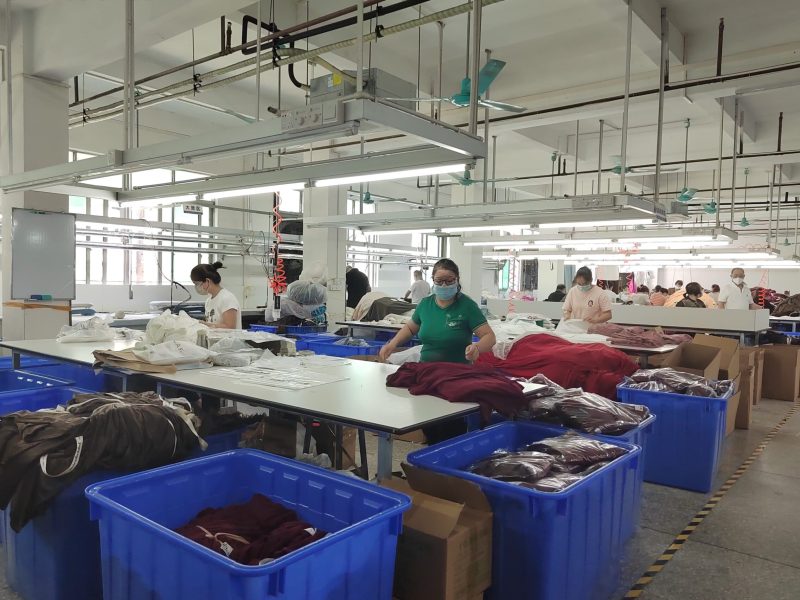
Jinfeng includes pressing review and packing QC within the production process. Private-label requirements can cover woven labels, size labels, care labels, hangtags, barcode stickers, polybags, SKU labels and carton marks according to the confirmed project.
Finishing standards therefore belong to the commercial product, not only to the shipping department. A trend-led garment is designed to reach photography, ecommerce, retail or warehouse use in a condition that still reflects the approved sample.
Packing instructions are confirmed before shipment, while multi-style orders can be separated by style, color, size, PO or required carton logic.
Commercial Development Programs Managed From Concept to Bulk
US Occasionwear Program
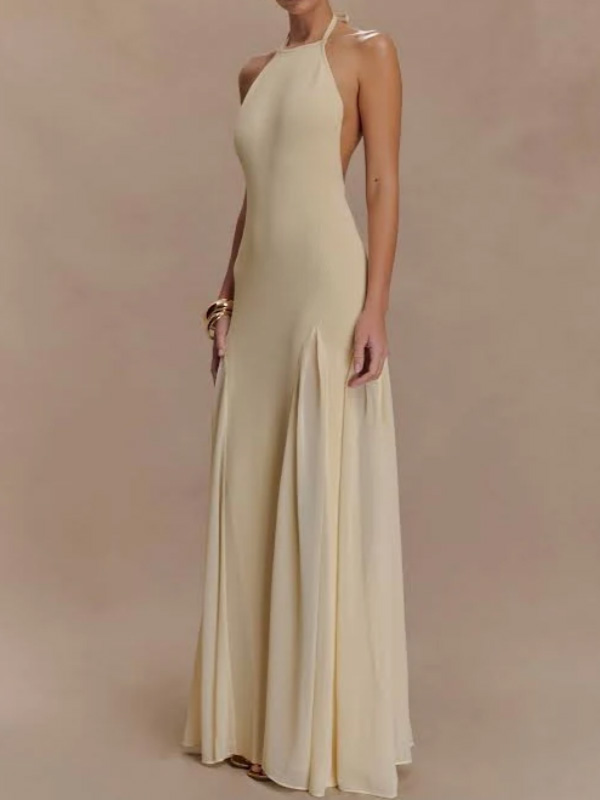
- An anonymous US occasionwear brand developed an 18-style program of approximately 42,600 garments across satin, stretch mesh, lace, crepe and selected embellished constructions. The range included fitted minis, structured midis, sheer-panel styles and occasion-led silhouettes designed around a defined seasonal direction.
- The main development challenge was not finding a trend. The brand already had its direction. The manufacturing challenge was keeping the collection visually connected while allowing different fabrics and structures to behave correctly.
- Jinfeng grouped the range by material and construction risk, reviewed bust-waist-hip proportions, adjusted lining coverage and zipper placement, and used revised samples before PP approval on styles requiring additional fit work. Satin styles received added attention around shade, snagging and pressing. Mesh styles required transparency and tension review. More structured products needed clearer support and sewing instructions before bulk.
- The program then moved through multi-style production, in-line QC, final garment inspection and private-label packing under a coordinated schedule.
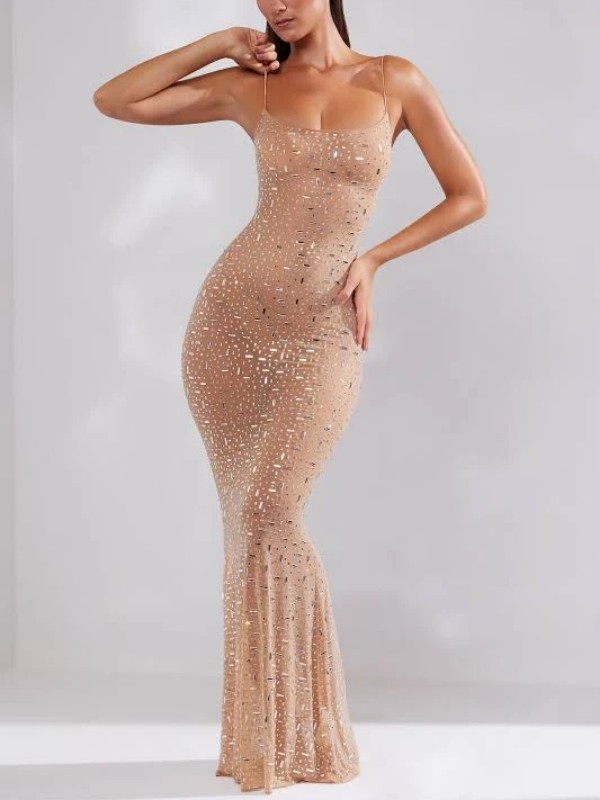
Australian Partywear Drop
- An anonymous Australian premium ecommerce brand developed a 12-style partywear drop totalling approximately 27,800 pieces. The commercial direction combined fitted silhouettes, cut-out details, mesh, satin, ruching and selected high-impact surface treatments intended for a concentrated launch period.
- Several references looked straightforward in imagery but created different risks once real fabrics were introduced. Stretch behavior affected cut-out position, satin changed the appearance of draping, and lining decisions altered transparency around the bust and hip. Jinfeng separated the range into construction groups, prioritised higher-risk samples and tracked revisions before PP approval.
- During production, key control points included neckline and strap stability, left-right ruching balance, zipper flatness, lining exposure, finished measurements and surface protection. Styles were packed according to private-label and SKU requirements before phased shipment preparation.
- The program demonstrates Jinfeng’s role after a brand has selected its trend and product direction: converting creative references into controlled samples and then into repeatable commercial production.
Where Jinfeng Fits From Trend Research to Production
Fashion brands may use several specialist partners before a product reaches market. Clear role definition prevents duplicated work and unrealistic expectations. Jinfeng sits between approved brand direction and repeatable manufacturing, translating creative and commercial decisions into garment development, samples and controlled bulk production.
| Partner Type | Primary Role | Typical Inputs | Typical Outputs | Where Jinfeng Connects |
|---|---|---|---|---|
| Trend intelligence platform | Identify emerging cultural, color, material and silhouette signals | Market data, social signals, runway and cultural research | Forecasts, trend direction, category insight | Jinfeng can receive brand-selected direction derived from external research |
| Brand design and merchandising team | Decide which directions fit brand identity, consumer, price and assortment | Brand data, historical sales, trend research, seasonal plan | Moodboard, line sheet, product brief, target price, launch plan | Jinfeng develops approved direction into manufacturable womenswear |
| Jinfeng Apparel | Translate product direction into controlled development and production | Moodboard, sketch, references, tech pack, sample, line sheet, size chart, target price | Fabric direction, pattern, sample, revisions, PP, bulk production, QC and packing | Bridges brand-approved direction with manufacturing execution |
| Production-only supplier | Execute against already completed technical instructions | Final tech pack, approved materials, specifications | Sewn production | Suitable when no development translation is required |
Frequently Asked Questions About Commercial Trend Translation

Send Your Trend Direction for a Commercial Development Review
If your design, merchandising or product team has already identified a direction worth developing, send the information available and Jinfeng Apparel can review how the concept may move into real womenswear development.
A useful project brief does not need to look identical for every collection. Clear commercial information, however, helps the development team evaluate fabric, structure, fit, cost and production route with fewer assumptions.
Please include where available:
- Moodboard, reference images, sketches, tech packs or line sheet
- Product categories and priority styles
- Target quantity per style and color
- Size range and existing size chart
- Fabric, color and trim direction
- Target production price or intended price level
- Required private-label and packaging details
- Photo-sample or salesman-sample requirements
- Target launch date and delivery window
- Testing, compliance or inspection requirements where applicable
Jinfeng can then review product feasibility, material direction, key construction risks, sampling requirements, MOQ fit and the next development step before a formal production program is opened.