 Skip to content

Custom Club Dresses
Custom clubwear development for fashion brands building body-focused, photo-ready collections with controlled fit, materials, workmanship and bulk consistency.
- 2 sample roomssupporting structured clubwear development from reference review to production-ready samples.
- 7+ senior pattern makersworking on bust, waist, hip, neckline, strap, cut-out, hem and support corrections.
- 20+ sample machinistssupporting fitted, mesh, satin, sequin, corset and multi-material styles.
- 15+ QC inspectorscovering material, cutting, sewing, garment, pressing and packing controls for bulk orders.
Jinfeng Apparel develops club dresses for fashion brands that need more than a visually strong sample. Each program is reviewed around fabric behavior, body proportion, support structure, exposure control, sewing feasibility, private-label requirements and bulk repeatability before production standards are locked.
Built for Fashion Teams Developing Commercial Clubwear
Fashion Brand Collections
Product Development Teams
Product development teams usually arrive with tech packs, line sheets, reference garments, sketches or images. Their main concern is whether design intent can survive fabric selection, pattern development, sampling and later bulk production.
The development process focuses on translating visual details into measurable standards: neckline depth, bust coverage, waist placement, hip fit, strap length, cut-out dimensions, dress length, lining coverage and decorative placement. Fit feedback then becomes pattern corrections rather than informal sewing adjustments, helping every approved style move toward a repeatable production standard.
Sourcing and Merchandising Teams
Sourcing and merchandising teams need visibility across more than garment appearance. Style count, fabric readiness, sample status, color plan, size ratio, production allocation, QC requirements, packaging files and shipment windows all influence commercial execution.
Jinfeng Apparel manages custom womenswear programs through requirement confirmation, timeline planning, fabric tracking, sample tracking, revision records, bulk updates, QC feedback, packing confirmation and shipment coordination.
Club Dresses Need More Than a Strong Visual
Fit Can Change the Entire Style
Materials Control the Final Look
Bulk Amplifies Small Errors
A five-millimeter shift in a sample may look minor. Repeated across hundreds or thousands of garments, the same shift can become a visible commercial problem.
Cut-out dimensions, ruching positions, strap length, neckline shape, zipper installation, sequin direction and lining coverage require clear production references. Approved measurements, patterns, sewing instructions and QC checkpoints help prevent one small inconsistency from spreading through a bulk run.
Club Dress Styles Built Around Real Selling Categories

Bodycon Mini Dresses

Mesh Club Dresses

Sequin Statement Dresses

Cut-Out Dresses

Backless Mini Dresses

Ruched Club Dresses

Corset-Inspired Minis

Halter and Strapless Styles
Fabric Direction for High-Impact Clubwear Collections
Club dresses respond strongly to material choice. Weight, stretch, recovery, transparency, surface shine and lining structure change the silhouette even when the pattern remains similar. Fabric decisions should therefore be made together with fit and construction planning.
Stretch Fabrics for Body-Focused Silhouettes
Jersey, rib knits, ponte, spandex blends and stretch mesh are widely used when the design depends on body contour. The first evaluation is not simply whether the fabric stretches, but how it stretches and how much shape it recovers after tension.
A soft jersey may drape closely but provide limited structure. Ponte can create a cleaner line with greater body and stability. Stretch mesh can produce sheer contour effects while requiring careful control over transparency. Rib knits can add texture while introducing direction-sensitive growth and recovery.
During development, stretch direction is aligned with the intended body tension. Bust, waist and hip measurements are reviewed together with recovery so the pattern is not made excessively small simply to create a close silhouette. Side seams, neckline edges and hem positions are observed during fitting because unstable stretch behavior often appears first in those areas.
Bulk material approval should also consider batch consistency. If a replacement fabric has noticeably different stretch or weight, the approved fit may no longer behave the same way. A fabric change therefore triggers a renewed review of pattern, measurements, lining and construction before large-scale production.


Mesh and Sheer Layering
Mesh is useful for sleeves, bodices, cut-outs, printed overlays and layered bodycon designs. Its visual value comes from controlled transparency, which means opacity needs to be judged on the body rather than only from a flat fabric swatch.
Stretching a mesh fabric can change both openness and color intensity. Nude or tonal linings can also create very different visual effects underneath the same outer layer. For clubwear, lining placement frequently becomes part of the design language: full lining, partial lining, bust-only coverage, brief-style coverage or strategically exposed zones.
Construction risks include holes, edge curling, seam distortion and stretching around neckline openings. Sewing methods and seam allowances need to match fabric fineness and elasticity. Printed mesh adds another variable because pattern placement, panel orientation and cut direction influence the finished appearance.
Jinfeng Apparel’s product knowledge specifically treats transparency, elasticity, holes, lining and neckline stability as key mesh-dress control points.
Satin, Sequin and Statement Surfaces
Clubwear often uses surface impact to create photographic value under evening lighting. Satin provides controlled shine and drape, while sequin and metallic surfaces produce stronger reflection. Each group requires a different production approach.
Satin requires attention to grain direction, shade consistency, snagging, zipper installation and pressing. A clean pattern can still look poor if the fabric is cut in inconsistent shine directions or pressed with visible marks. Lining is often used to improve opacity, comfort or structure.
Sequin fabric requires a different cutting and sewing strategy. Dense surface decoration can increase seam thickness and cause needle breakage. Exposed edges may need protection from skin contact, and trim placement must remain consistent across left and right garment panels.
Statement materials are selected for visual effect, but production planning must also consider bulk repeatability, damage prevention, packing pressure and commercial handling after delivery.

Body-Focused Fit Engineered for Movement and Proportion
Clubwear fit is measured on the body, not judged from a flat sample alone. Bust stability, waist definition, hip tension, mini length, neckline security and fabric recovery must work together before a style is ready for grading and production.

Bust, Waist and Hip Balance
Body-focused dresses magnify small pattern errors. Excess bust room can create neckline gaping; insufficient bust room can distort the neckline or pull the garment upward. Waist position affects both body proportion and where ruching, cut-outs or corset details sit. Hip tension can change side seams, hem level and walking comfort.
Jinfeng Apparel’s pattern team works across bust, upper bust, under-bust, waist, hip, front length, back length, neckline, strap and hem measurements rather than treating a fitted dress as one reduced body block. The company has 7+ senior pattern makers supporting product development.
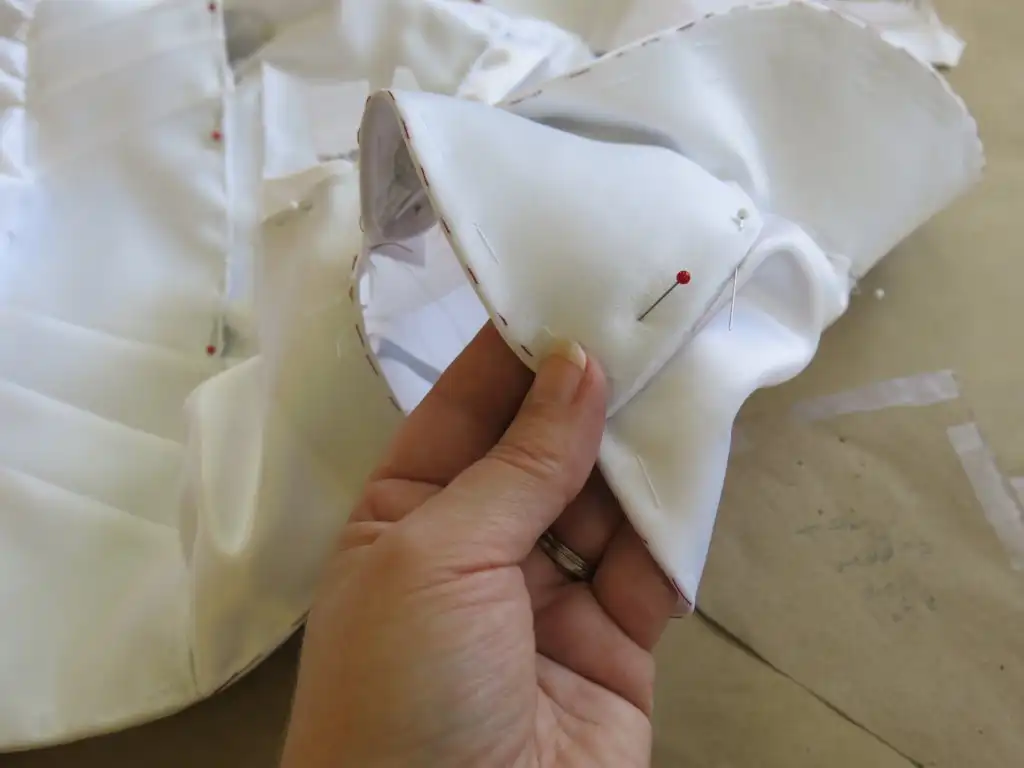
Fit comments are converted into specific pattern actions. For example, “the front feels too short” may originate from bust projection rather than the hem pattern itself. “The dress rides up” may relate to hip tension, fabric recovery or side-seam balance. Identifying the cause matters more than making an isolated measurement change.

Mini Length and Movement Safety
A club mini should photograph well while remaining wearable during movement. Front and back lengths cannot be evaluated independently because body shape, fabric stretch and posture change the apparent hem position.
Sampling checks the garment while standing, walking and sitting. Back length may need additional allowance depending on hip projection and silhouette. Lining coverage must also remain inside the intended visual area so it does not become exposed as the outer fabric moves.
Backless, cut-out and fitted styles introduce additional tension paths. A shorter hem combined with tight hips can cause the entire garment to migrate upward. A secure neckline does not solve the problem if the lower pattern is creating continuous vertical tension.
The development target is not simply a shorter garment. It is a controlled mini proportion where visual exposure, body fit and movement remain aligned.

Size Systems and Grading
Jinfeng Apparel can develop patterns around US, UK, EU and AU size systems, including alpha sizing such as XS–XL, with extended-size, plus-size and petite/tall adjustments reviewed according to the brand’s own standards.
The base sample establishes proportion, but grading still needs product-specific review. Increasing bust, waist and hip measurements mechanically does not guarantee that cut-outs, straps, necklines, corset sections or mini lengths remain visually balanced across the size range.
For clubwear, grading rules may need different treatment around strap length, bust coverage, cup volume, opening dimensions and hem proportion. Measurement QC later compares bulk garments against the approved size chart and tolerance requirements.
A brand’s existing size chart remains the preferred reference because commercial fit should remain consistent with the audience already purchasing the collection.
Sexy Structures Built for Stability and Wearability
Backless, strapless, cut-out and corset-inspired club dresses rely on structure hidden behind the visual effect. Pattern tension, support, lining and closures must hold the intended shape without turning the garment into an uncomfortable costume.
Backless and Cut-Out Engineering
Backless and cut-out styles change how tension travels through a garment. Removing fabric from the waist, back or bust area also removes part of the structure that normally stabilizes the dress.
Development therefore evaluates the remaining support path. Strap placement, shoulder or neck tension, side-panel width, elastic support, zipper location and lining coverage are reviewed together. The objective is to prevent gaping, rolling edges, uncontrolled openings or excessive pressure at a single attachment point.
Cut-outs also need repeatable dimensions. A visual opening that appears balanced in the sample may look very different if bulk cutting shifts only slightly. Pattern references, seam allowances and checkpoints should therefore define the opening rather than leaving its final size to sewing judgment.
Movement testing is important because many structural issues only appear when the wearer sits, bends or walks. The module library for backless and cut-out dresses specifically identifies coverage, elastic support, zipper position and movement safety as core development points.


Strapless and Halter Support
Strapless dresses cannot rely on shoulder straps to carry garment weight.
Depending on the design, support may come from shaped pattern panels, internal elastic, boning, cups, grip structures or carefully balanced circumference tension.
A neckline that looks clean while standing may still collapse when the wearer moves. The sample therefore needs evaluation around upper-bust tension, cup placement, under-bust support, side seam, back opening and neckline edge.
Halter styles create a different balance. Excess neck-strap tension causes discomfort and can pull the front body upward. Too little tension can reduce bust security. Adjustable systems can add flexibility but still require correct strap width, hardware and anchor placement.
Both directions need wear testing before PP approval because stability cannot be judged only by measurement tables.
Corset Structure and Internal Components
H3: Corset Structure and Internal Components
Corset-inspired club dresses require several construction elements to work together. Cup shape, boning channels, waist position, front-body length, closure type and lining determine whether the garment gives clean shaping or visible structural distortion.
Internal support must match fabric weight and stretch. A very soft outer fabric over rigid internal construction may show every bone or seam. A highly elastic body combined with weak support may fail to hold the intended bust and waist shape.
Sampling checks cup volume, bust position, under-bust line, boning placement, front length and comfort. Trim selection also matters: zipper strength, hook positions, bra cups and elastic components affect both performance and appearance.
The finished structure should reinforce the design without allowing internal engineering to dominate the visual surface.

Workmanship for Mesh, Sequins and Detailed Clubwear
Statement club dresses often combine several high-risk operations in one garment. Fine mesh, dense sequins, ruching, invisible zippers, linings and decorative trims need individual methods, then must still assemble into one clean finished product.
Mesh Sewing and Edge Control
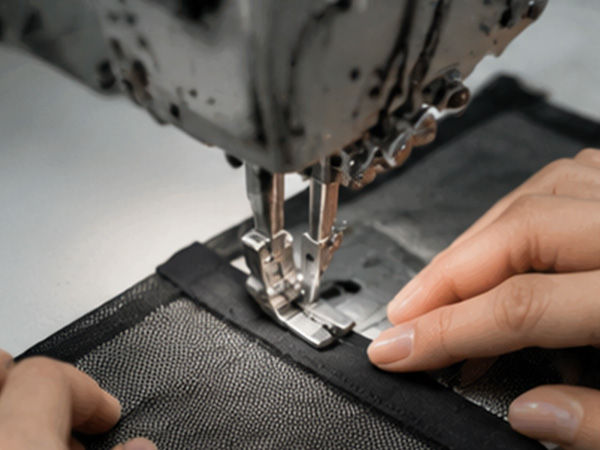
Mesh can stretch while sewing, distort around curved openings and develop holes when handled aggressively.
Fine constructions can also curl at raw edges, making alignment more difficult before stitching.
Production planning begins with identifying stretch direction and deciding which seams need stabilization.
Necklines, armholes, cut-out openings and body seams may use different handling methods depending on fabric weight and elasticity.
Lining attachment is especially important. Uneven tension between mesh and lining can create dragging, rippling or twisted side seams. If the lining is shorter or less elastic, the outer mesh can lose its intended drape.
QC checks include holes, stretched edges, neckline deformation, seam flatness, panel alignment, transparency and lining placement.
For printed mesh, cutting direction and artwork placement require additional review before bundle preparation.
Sequin and Rhinestone Construction
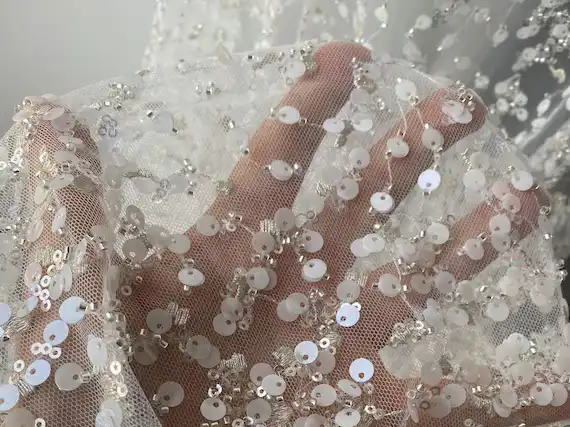
Sequins and rhinestones are chosen for visual impact, yet their production risks extend beyond decoration. Dense sequins increase thickness at seams, create needle-breakage risk and can leave sharp surfaces against the skin. Rhinestones and attached embellishments require adequate fixing strength for commercial handling.
Before sewing, seam areas may need preparation so excess decorative material does not accumulate inside allowances. Edge finishing and lining help isolate abrasive surfaces from the wearer. Zipper areas also need particular attention because bulky decoration can prevent a clean flat installation.
Left-right visual balance matters on bodycon and mini silhouettes. A misplaced decorative transition becomes much more obvious under direct lighting and photography.
Packing is part of workmanship control. Excessive folding pressure can damage raised surfaces, while unprotected embellishment may scratch neighboring garments.

Ruching, Zippers and Lining
Ruching depends on controlled gathering rather than random fullness.
Production instructions should define gathering ratio, starting position, ending position, elastic length where applicable and symmetry requirements.
Invisible zippers on fitted garments need to remain flat under tension.
Poor seam balance can produce zipper waves, especially in satin or stretch fabrics. Zipper length and placement also influence how easily the wearer enters a close-fitting dress.
Lining provides more than opacity. It can improve comfort, stabilize structural areas and protect the skin from sequins or internal components.
At the same time, lining must not pull against the outer body or become visible below mini hems and cut-out zones.
Strong clubwear workmanship comes from controlling interactions between details, not treating each component as an isolated operation.
Sampling Turns Clubwear Concepts Into Production Standards
A club dress sample should answer measurable questions about fabric, fit, structure and construction. Jinfeng Apparel supports multiple sample stages so visual ideas can be corrected before bulk quantities magnify unresolved issues.
Development Starts With Better Inputs
Sampling can begin from a tech pack, reference image, original sample, line sheet or sketch. More complete information usually reduces interpretation risk, especially for fitted, asymmetric or structurally complex designs.
Useful starting information includes style images, target fabric direction, intended size range, color plan, quantity per style and color, target market, branding requirements and delivery objective. Measurement charts and construction notes provide further control where available.
Before pattern development, the team reviews silhouette, fabric behavior, support requirements, exposure points, likely trims and production feasibility. A reference image may show the intended visual result, but internal construction still needs to be established through technical review.
Fabric availability is also assessed early because substituting material later can affect stretch, drape, opacity, pattern balance, price and production planning.
First and Fit Samples Verify the Core Product
The first sample is used to test whether the initial interpretation works in a real garment. It is not automatically the final bulk standard.
Evaluation covers body proportion, fabric response, neckline, bust, waist, hip, length, straps, lining, openings, zipper position and visual details. Fit-sensitive club dresses may require additional attention around stretch tension, mini length and body movement.
Comments are organized into actionable corrections. Measurement changes go back to the pattern. Material concerns go back to fabric review. Sewing or trim issues go into construction notes. Photos and measurement records help clarify the revision instead of relying on short conversational comments.
A revised fit sample can then verify whether corrections solved the underlying problem rather than simply changing the appearance in one area.
Photo, PP and Golden Standards
Photo-ready samples serve a commercial purpose. They need to present the intended fit, proportion and surface quality well enough for brand imagery, campaign preparation or internal line review.
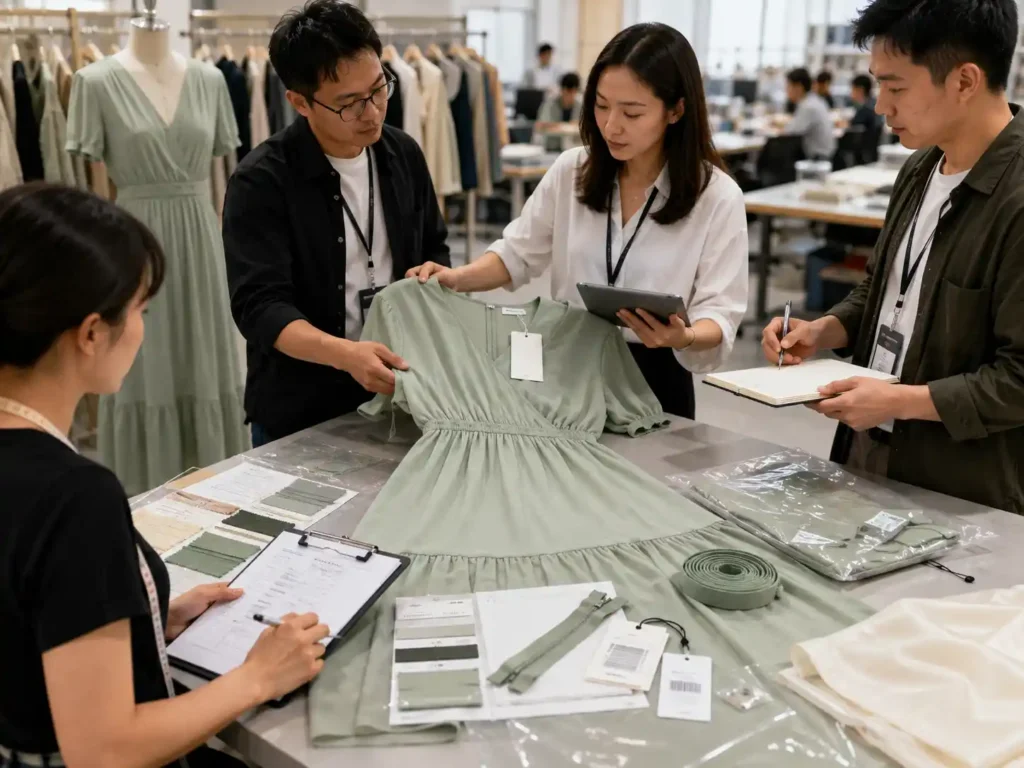
Before bulk production, the PP sample has a different role. It represents the approved combination of final pattern, material, construction, measurements and relevant branding or packing details. Once the PP direction is approved, uncontrolled changes should not continue because fabric purchasing, production instructions and QC standards are already being established.
Jinfeng Apparel distinguishes First Sample, Fit Sample, Revised Sample, Photo Sample, Salesman Sample, PP Sample and Golden Sample in its sampling system.
Sample timing is reviewed by style based on material readiness, trim requirements, pattern complexity and revision scope rather than presented as one universal lead-time promise.

Fit Revision Before PP Approval
Pattern Corrections

Material Corrections
PP Lock
Moving Approved Samples Into Bulk Production
The gap between a good sample and stable bulk production is managed through documentation and internal handover. Final patterns, measurements, materials, sewing instructions, labels and QC points need to reach the production team as one controlled package.
Production Files Carry the Approved Standard
Once sampling is complete, the approved style is translated into production references. Relevant files include final pattern, size chart, grade rule, fabric reference, trim details, sewing instructions, label placement, packing instructions and QC checkpoints.
For club dresses, production notes need to identify areas where visual inconsistency is most likely: ruching positions, cut-out dimensions, straps, neckline shape, sequin direction, mesh lining, zipper construction and mini length.
A sample alone should not be the only reference because many details are not visible from the outside. Production files explain how the approved garment was achieved and where tolerances matter.
Jinfeng Apparel’s sample-to-bulk system is designed to transfer pattern files, size charts, fabric references, trim information, sewing instructions, label placement and packing requirements before formal production.
Material and Size Standards Are Confirmed Again
Bulk preparation includes confirmation of fabric, trims, color, size chart, labels, packaging, production order and sewing instructions.
Material batches are reviewed because clubwear depends heavily on surface and stretch consistency. A different mesh recovery or satin shade can change an approved garment even when the pattern remains untouched.
Size ratios also need confirmation before cutting. The brand’s final size breakdown determines cutting bundles, label requirements, packing ratios and later measurement inspection.
Production should not begin simply because a sample was accepted visually.
The approved product needs to be converted into controlled data that can support several sizes and thousands of garments.
Version Control Prevents Sample-to-Bulk Drift
Clubwear programs often involve several styles developing simultaneously. Some styles may be in first sample while others are already at PP stage. Without clear version control, old measurements or outdated trim instructions can enter production.
Revision records should identify what changed, which sample incorporated the change and which file became final. Pattern records, color references, trim cards and packaging instructions also support future repeat orders.
Jinfeng Apparel manages custom womenswear projects with requirement confirmation, sample tracking, revision records, bulk updates, QC feedback and packing confirmation, helping multi-style projects remain traceable.

Bulk Control for Multi-Detail Club Dresses

Fabric Batch Review

Cutting Direction

Sewing Instructions
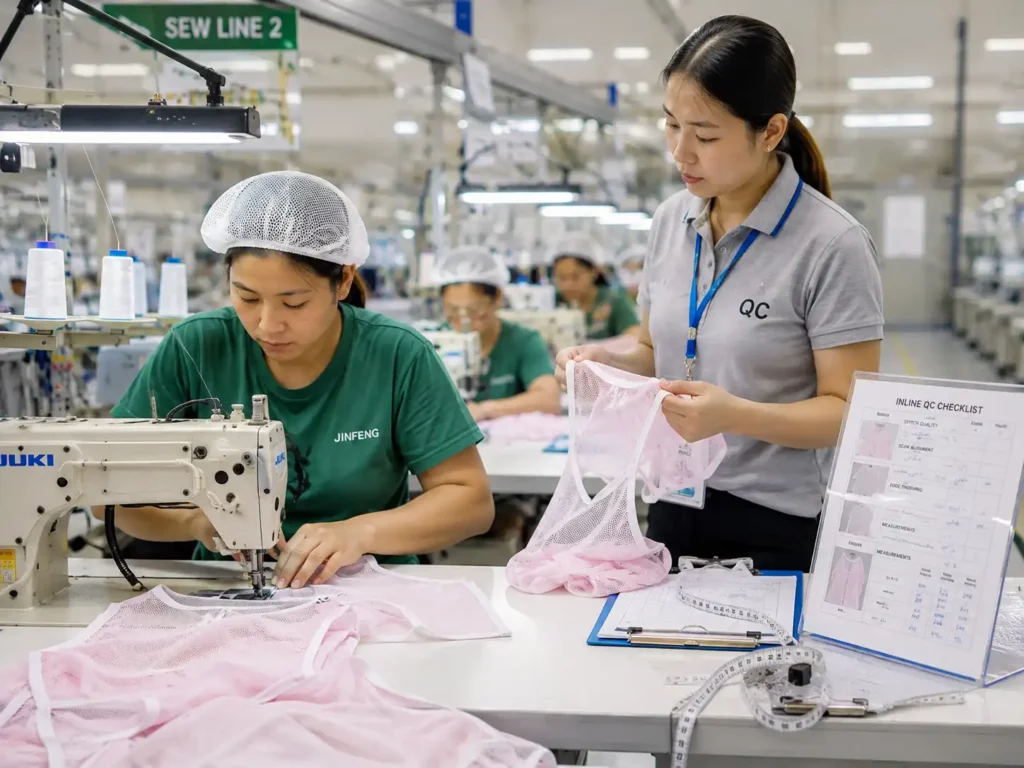
Inline Checks

Pressing and Finishing

Packing Control
Clubwear Quality Control by Product Risk
Clubwear QC should follow the garment’s material and structure rather than applying one generic checklist to every dress. Jinfeng Apparel’s quality system covers incoming materials, cutting, sewing, in-line checks, finished garments, pressing, packing and pre-shipment inspection.
| Clubwear Area | Main Bulk Risk | QC Focus | Commercial Reason |
|---|---|---|---|
| Bodycon Fit | Size drift, side-seam twisting, weak recovery | Bust, waist, hip, length, stretch recovery, side seams | Protects consistent fit across size runs |
| Mini Length | Riding hem, uneven front/back balance | Front length, back length, hip tension, lining coverage | Keeps intended exposure and movement safety |
| Mesh | Holes, excess transparency, neckline deformation | Mesh integrity, stretch direction, lining, edge shape | Prevents visible defects and coverage problems |
| Sequin | Missing sequins, abrasive edges, thick seams | Surface condition, seam finish, lining, edge protection | Protects appearance and wearer comfort |
| Cut-Out | Asymmetry, oversized openings, edge distortion | Opening dimensions, left/right balance, reinforcement | Keeps design proportion consistent |
| Strapless / Halter | Slipping, gaping, incorrect strap tension | Bust stability, neckline, support, strap length | Protects fit during movement |
| Ruching | Uneven fullness, changed hem length | Start/end points, symmetry, elastic tension | Maintains consistent visual shaping |
| Private Label Packing | Wrong SKU, barcode or label | Label placement, barcode, size sticker, polybag, carton mark | Reduces warehouse and selling errors |
Clubwear Production Planned Around Launch Dates

Sample and Photo Window

PP and Bulk Window

QC and Warehouse Window
Private Label Details Ready for Retail and Ecommerce
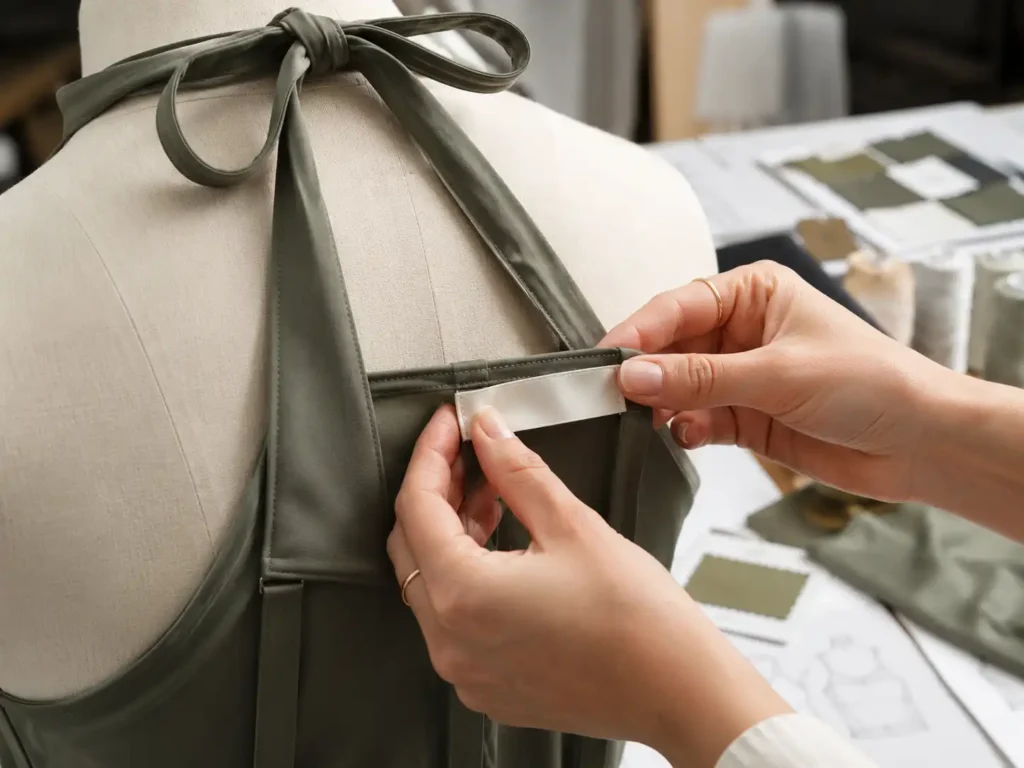
Woven Labels
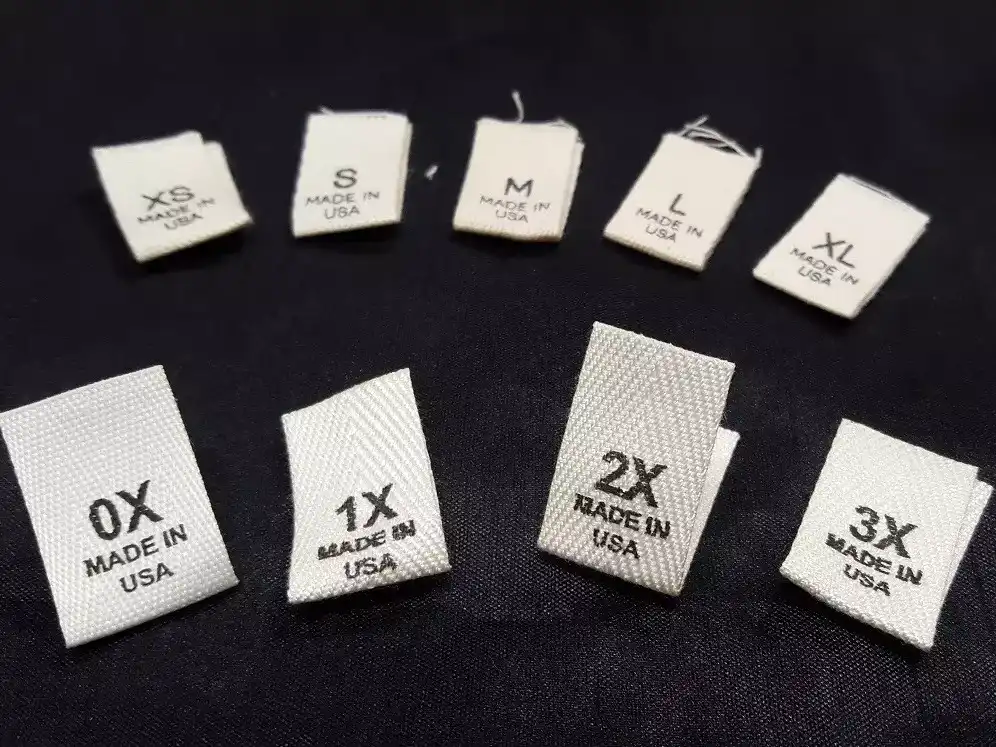
Care and Size Labels

Hangtags
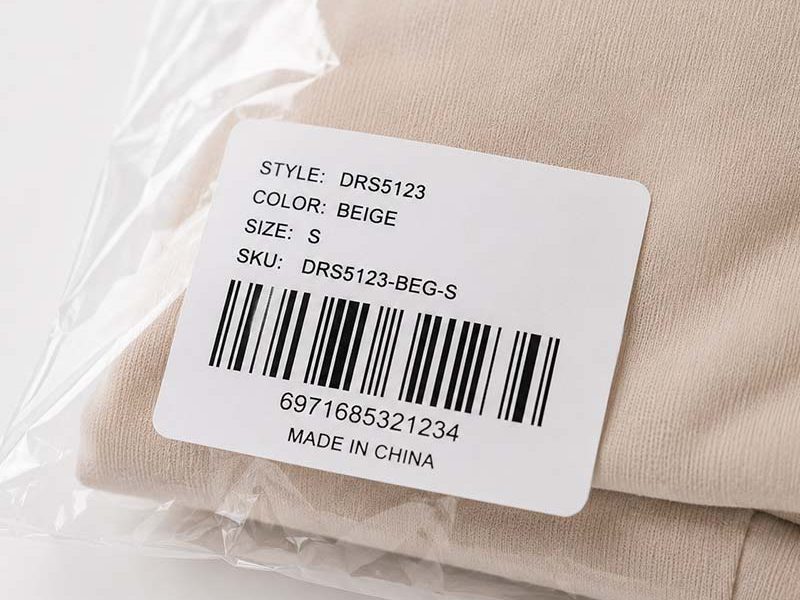
Barcode and SKU Labels

Polybags and Folding

Carton and Warehouse Marks
Club Dress Cost and MOQ Follow Product Complexity
Club dress quotations reflect material, structure, sewing time, finishing, QC and packing rather than one flat dress price. The same visual category can contain very different production requirements depending on fabric, support, decoration and size or color planning.
| Cost Driver | Clubwear Example | Production Impact |
|---|---|---|
| Fabric | Stretch jersey vs. specialty mesh vs. satin | Changes material price, consumption, sewing behavior and QC |
| Lining | Full lining, partial lining, bust-only coverage | Adds materials, cutting and sewing operations |
| Structure | Simple bodycon vs. corset or strapless support | Adds pattern work, internal components and assembly steps |
| Decoration | Sequins, rhinestones, chains, special trims | Adds material cost, handling, sewing and inspection |
| Construction | Ruching, asymmetric cut-outs, multiple panels | Adds cutting, sewing time and measurement control |
| Color Plan | Multiple custom colors or dye lots | Can affect fabric MOQ, shade control and material planning |
| Size Range | Standard range vs. extended grading | Adds pattern, grading and measurement management |
| Packaging | Basic private label vs. complex retail presentation | Adds supplier MOQ, materials and packing operations |
| Schedule | Normal planning vs. launch-sensitive production | May influence material sourcing, allocation and freight decisions |
Production Capacity for Multi-Style Clubwear Programs
6 Owned Fashion Factories
Jinfeng Apparel operates 6 owned women’s fashion factories supporting different womenswear product directions.
Production allocation is based on garment structure, material and complexity rather than treating every dress as interchangeable.
10+ Long-Term Production Partners
18+ Sewing Lines
The production system includes 18+ sewing lines, supporting parallel manufacturing across woven, stretch and fashion-dress programs while style allocation remains subject to fabric, workmanship and schedule requirements.
6+ Flexible Lines
100,000+ Monthly Capacity
Merchandising and QC Coordination
Turn Winning Club Dresses Into Repeatable Programs
Repeat the Approved Style
Extend Into New Colors
Build the Hero SKU Family
Anonymous US Clubwear Collection Program
A multi-style clubwear program shows manufacturing capability more clearly than a single sample. The project below reflects the scale and complexity typically managed for established fashion brands while protecting confidential brand information and unpublished designs.
18 Styles and 36,000 Pieces
An anonymous US fashion brand developed an 18-style clubwear and going-out collection totaling approximately 36,000 pieces.
The assortment included:
- 6 bodycon and ruched mini dresses
- 4 mesh and cut-out styles
- 3 sequin statement dresses
- 3 satin and fitted going-out dresses
- 2 corset-inspired minis
The collection used several material directions rather than one repeated fabric base, including stretch jersey, mesh, satin and sequin constructions. Sizes were distributed across the brand’s approved commercial range, with multiple color and SKU combinations moving through development at the same time.
The main manufacturing challenge was not the total quantity alone. Each group behaved differently during pattern development, fitting, sewing and QC, while the entire collection still needed consistent brand-level styling and private-label presentation.


Sample Revisions Focused on Fit and Structure
Development began from a combination of style references, measurements and brand specifications.
Bodycon styles required adjustment around bust, waist, hip and mini length. Mesh designs required review of opacity, lining coverage and cut-out dimensions. Corset-inspired styles needed changes around bust support and internal structure. Sequin garments were reviewed for seam thickness, skin comfort and zipper construction.
Instead of sending mixed comments directly to sewing, revisions were separated into pattern, material and workmanship actions.
Styles moved through appropriate first-sample, revised-fit and PP stages before being released for production.
The approach allowed each approved garment to carry clearer measurements, construction references and QC points into bulk rather than depending on visual comparison alone.
Bulk Production Followed Style-Specific Controls
Bulk production was organized by material and workmanship rather than treating all 18 styles as one sewing category.
Stretch garments received measurement and side-seam attention.
Mesh styles were checked for holes, transparency, lining placement and neckline stability. Sequin pieces received additional surface and packing protection. Private-label information included brand labels, care labels, size labels, hangtags, barcode details, polybags and carton marks.
Production updates, QC feedback and packing requirements were tracked across the program, with phased shipment planning aligned to the brand’s receiving requirements.
The case reflects Jinfeng Apparel’s broader anonymous-case policy: client identity, logos, tech packs, unpublished designs, pricing and confidential order information are not disclosed without authorization.

Custom Club Dresses Frequently Asked Questions

Start Your Custom Club Dress Collection
Send Jinfeng Apparel enough information to evaluate the product before requesting a final quotation. A clear collection brief helps the development team review fabric direction, pattern complexity, fit requirements, special workmanship, MOQ, sampling, private-label details and production planning as one connected program.
For an initial review, include:
- Reference images, line sheet or tech pack
- Planned number of styles
- Quantity per style and color
- Preferred fabrics or visual material direction
- Color plan
- Size range and size chart
- Bodycon, cut-out, backless, corset or support requirements
- Mesh, sequin, rhinestone or other special workmanship
- Main labels, care labels, hangtags and barcode requirements
- Polybag, carton and warehouse instructions
- Target launch or receiving window
- Any inspection or compliance requirements relevant to the program
Jinfeng Apparel can then review the collection from development through pattern, sampling, PP approval, bulk production, QC, private-label packing and shipment coordination.


