Skip to content

Evening Maxi Dress Collections
Private-label evening maxi dress development for established fashion brands requiring refined fit, premium fabrics, multi-style sampling and controlled bulk production.
- Floor-length evening programs across satin, chiffon, lace, mesh, velvet, sequin, crepe and tulle directions.
- 2 sample rooms, 7+ senior pattern makers and 20+ sample machinists support long-length, corset, slit, lining and structured-bust development.
- First, fit, revised, photo-ready, PP and Golden sample stages can be used according to collection complexity.
- 6 owned women’s fashion factories and 10+ long-term production partners support mixed-style collection allocation and phased production.
- 15+ QC inspectors control fabric condition, total length, hem balance, lining, zipper, surface finish, pressing and packing.
- Standard MOQ starts from 200 pcs per style/color; special evening fabrics, trims, dyeing and packaging may carry separate supplier requirements.
Built for Established Eveningwear Collection Programs
Fashion Brand Programs
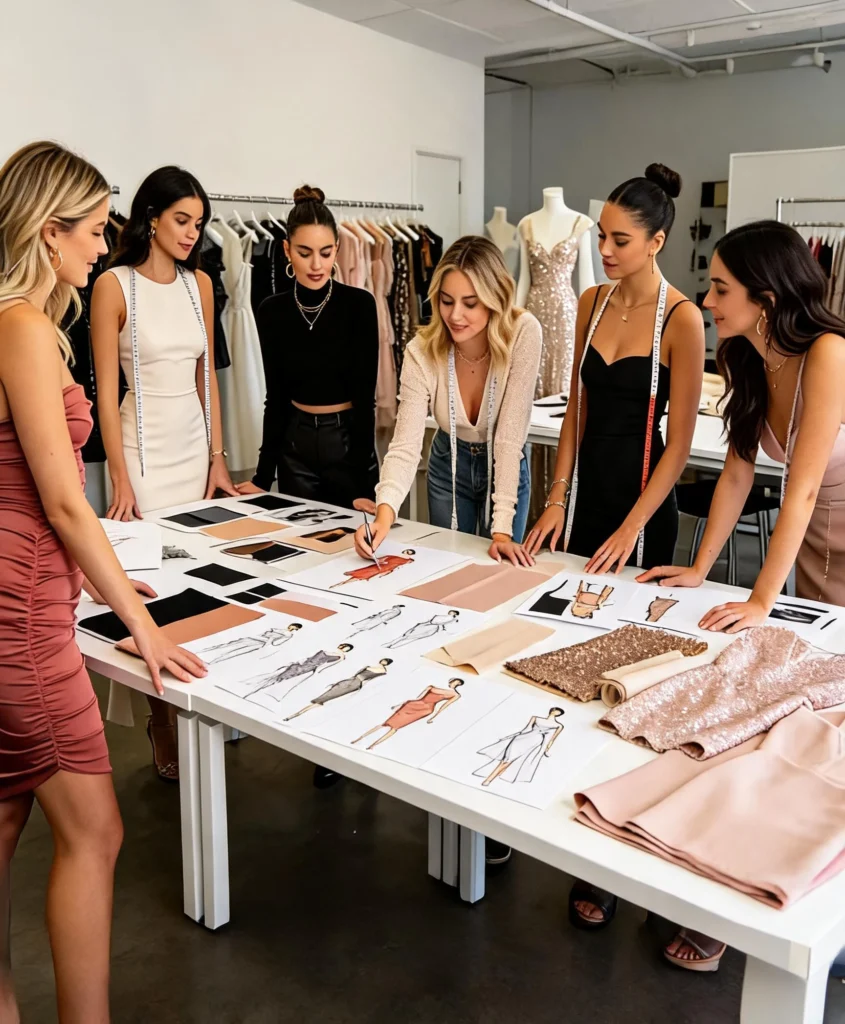
Established fashion labels usually arrive with a line sheet, tech packs, reference garments, a seasonal color direction or a clear product concept. Jinfeng can review style structure, fabric suitability, target quantity, size range, finishing level and launch timing before sample development begins. The working model is built around planned collection development: styles are grouped by fabric and construction, key photo samples are prioritized, revisions are recorded, PP standards are locked and bulk production is allocated according to product risk.
Sourcing and Product Teams
Evening Maxi Dress Collection Range

Satin Draped Maxi
Satin maxi dresses work well for black-tie, wedding guest, formal dinner and premium eventwear collections. Development needs control over shine direction, panel orientation, zipper flatness, bias or semi-bias behavior, lining compatibility and pressing.Draped necklines and gathered waists must fall cleanly without twisting the side seam or pulling the skirt off grain. During sampling, the team checks color appearance under different light, drape around the waist and hip, slit opening and hem balance before locking the bulk method.

Corset Evening Maxi

Chiffon Flowing Maxi

Lace Formal Maxi

Mesh Illusion Maxi

Sequin Statement Maxi

Velvet Column Maxi

Crepe Minimalist Maxi
Evening Occasions Need Different Product Mixes

Black-Tie Events
Black-tie assortments usually lean toward clean floor length, controlled exposure and refined fabric finish.
Satin, crepe, velvet and selected lace directions work well with column, one-shoulder, strapless and soft A-line silhouettes. Construction should keep the bust secure, the waist line intentional and the hem level after pressing.

Formal Weddings

Gala Collections

Prom and Formal Nights

Holiday Evening Drops

Premium Eventwear
Silhouettes for Commercial Evening Maxi Collections
Column Maxi

Mermaid Maxi

A-Line Maxi

Slip Maxi

Corset Maxi

Strapless Maxi

One-Shoulder Maxi
One-shoulder maxis create asymmetry that must still hang in balance. Shoulder tension, neckline angle, armhole shape and side-seam position can pull the skirt if the pattern is not corrected.
Draping and gathering should be distributed consistently so the approved sample can be reproduced across sizes.

Backless Maxi
Maxi Length Is a Pattern Engineering Decision
A maxi dress is not a midi pattern with extra centimeters added at the hem. Floor length changes balance, fabric consumption, movement, lining behavior, pressing and packing. Jinfeng reviews total length together with waist position, shoe allowance, slit placement, skirt sweep and fabric drape before the production pattern is locked.
Total Length and Body Proportion
For eveningwear, total length is part of the visual architecture. The pattern team reviews where the waist sits, how the skirt begins from the waist or hip, whether the intended hem should skim the floor, clear the shoe or extend into a fuller formal sweep, and how the proportion changes across sizes. A long dress can look short even when the measurement is technically long enough if the waistline is too high, while a low waist can make the lower body look heavy and alter slit placement.
Fit comments should therefore identify more than “make it longer” or “make it shorter.” Useful feedback includes target front length, back length, heel assumption, waist position, desired floor clearance and whether the style is intended for petite, regular or tall grading. For fitted maxis, hip ease also affects how much the garment rises during movement. Changes are converted into the revised pattern and measurement chart rather than handled only at the sewing stage.


Hem Balance, Drape and Slit Control
Long skirts amplify small cutting and sewing errors. Chiffon and satin can shift during cutting; bias or semi-bias panels can drop after hanging; heavy sequins can pull the skirt downward; velvet pile can create drag. The team checks front, side and back hem levels after the garment has been assembled and pressed. For fluid fabrics, final hemming may require observation after the material has relaxed rather than immediately after sewing.
Slit height is reviewed together with total length and wearer movement. A slit that looks correct on a mannequin may open more during walking or sitting. The opening should begin at the approved measurement point, remain secure at the reinforcement point and stay visually balanced with the skirt. Lining length must not become visible through the slit or under the hem unless the design intentionally calls for layered exposure.
Packing Long Dresses Without Losing Shape
A finished maxi can pass garment inspection and still lose quality during folding, compression or transport. Satin can develop hard creases, velvet can show pressure marks, sequins can abrade adjacent surfaces and corset bodices can lose shape if heavy skirt fabric presses against them. Packing therefore begins with the approved finished condition: pressing, cooling, surface inspection, protection of decorative areas and a folding method suited to the fabric and structure.
Long hems should not be crushed into a small package simply to reduce carton volume without review. The packing team considers garment length, fabric recovery, embellishment, bust structure and warehouse requirements before confirming the final fold. For premium programs, a packing sample can be reviewed before bulk packing so the brand can judge how the dress presents after unpacking.

Fabrics That Define Evening Maxi Dress Quality
Fabric choice determines far more than surface appearance. Weight, width, drape, transparency, stretch, shine, pile direction and embellishment affect the pattern, lining, seam method, sample result, bulk loss rate, MOQ and finished packing. Jinfeng evaluates evening fabrics against both design intent and production behavior.
Satin, Crepe and Structured Wovens
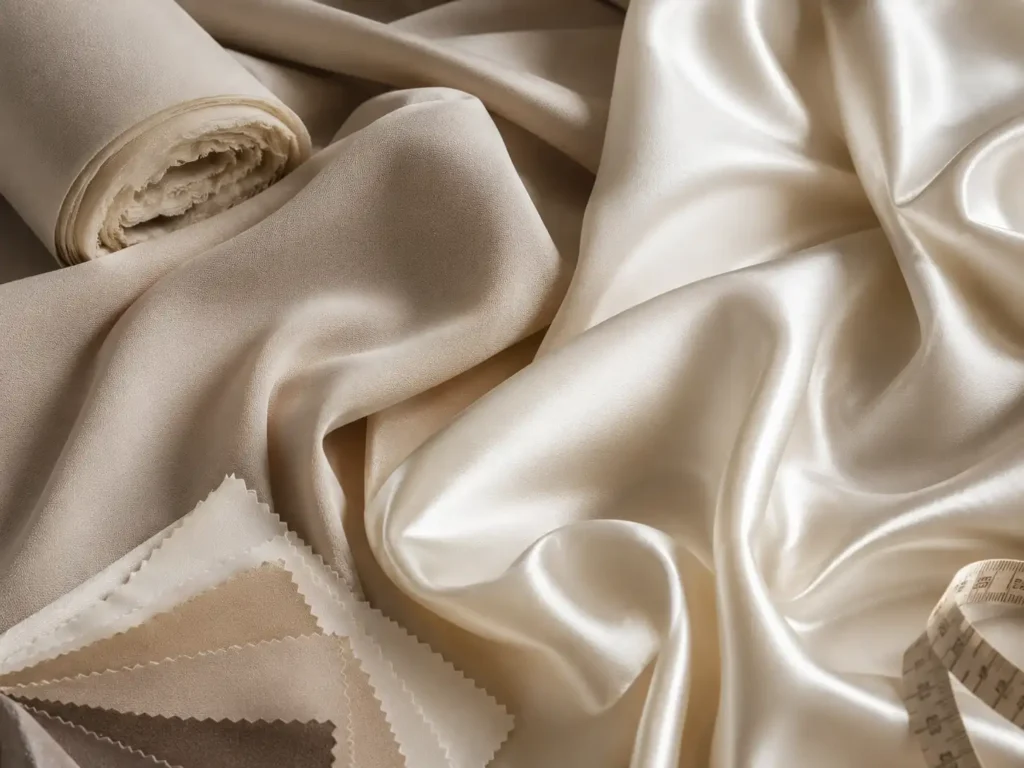
Satin gives eveningwear a strong premium signal, yet it exposes handling errors quickly. Shine direction must be consistent across panels, and some constructions show needle marks, seam puckering or zipper distortion more clearly than matte fabrics. Dark and light satin can also appear different under studio lighting because the surface reflects light strongly. Sampling should confirm drape, color appearance, lining weight, pressing temperature and whether the fabric suits the selected silhouette.
Crepe is more forgiving visually but still varies greatly by weight and construction. A light crepe may suit draped or fluid maxis, while a heavier crepe supports column and more structured designs. Structured woven fabrics can be used for cleaner corset or formal silhouettes when the brand wants a firmer line. Pattern ease and internal support should be adjusted to the chosen weight rather than copied from a different material.

Chiffon, Tulle and Mesh
Transparent and semi-transparent fabrics need deliberate layering. Chiffon creates softness and movement but can shift during cutting, stretch along bias areas and reveal seam or lining differences. Tulle can add volume or transparent structure, while mesh can create fitted illusion sections and cut-out effects. Each material should be tested for transparency under realistic lighting because studio light can reveal coverage issues not obvious on the cutting table.
The lining choice matters as much as the outer layer. Lining color, stretch, weight and length affect comfort and appearance. For mesh or tulle, seam placement may be visible through the garment, so internal finishing must be planned before the sample is sewn. For chiffon, hem method and layer count can change the movement of the skirt significantly.
Lace, Sequin and Decorative Surfaces
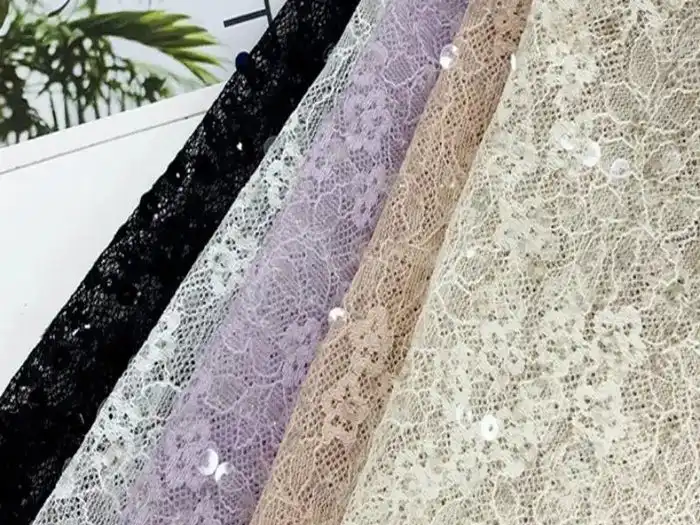
Lace and sequin fabrics carry stronger visual value but add material risk. Lace must be reviewed for motif scale, usable width, edge direction, damage and placement requirements. If a design needs motif matching at the neckline, waist or side seams, fabric consumption and cutting planning may increase. Lining tone also changes the final visual effect, especially in nude, ivory, black and jewel-tone combinations.
Sequin fabric needs checks for sequin attachment, base-fabric strength, direction and seam bulk. Dense sequins can interfere with zipper installation and create rough seam allowances. Decorative surfaces can also have supplier-specific MOQ, color limitations and higher loss. The team evaluates these variables before the final quotation is locked so a visually ambitious dress does not move into bulk with hidden material risk.

Velvet and Rich Seasonal Fabrics
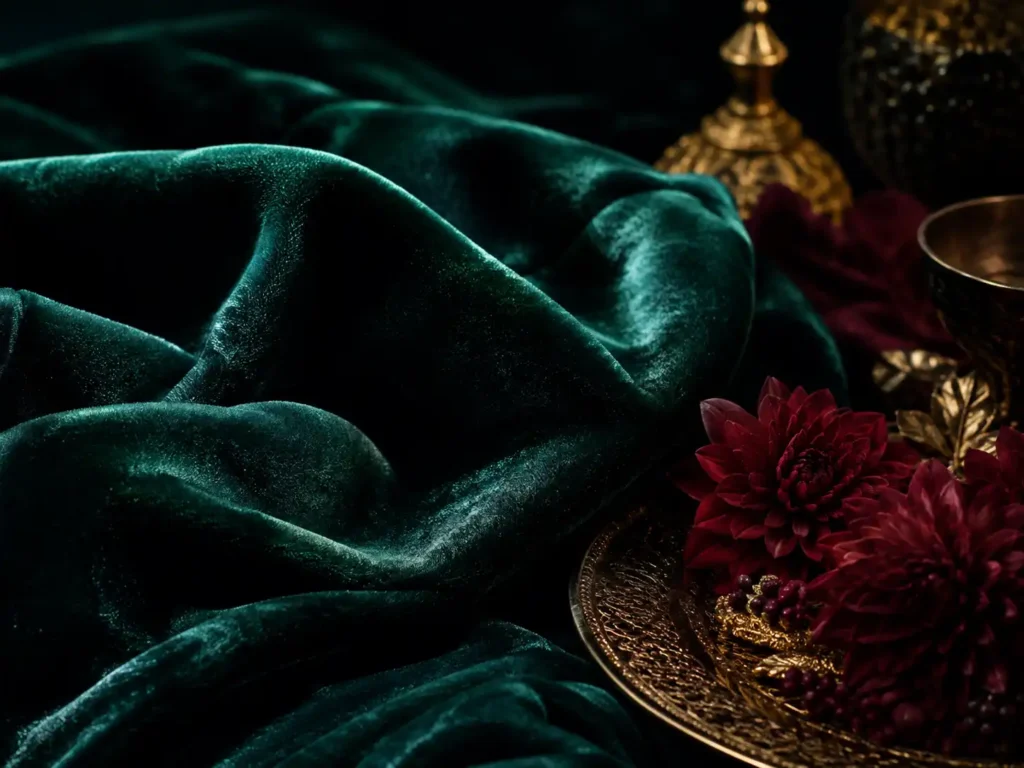
Velvet works well for holiday, winter gala and formal evening collections because the pile produces deep color and directional shine. Every cut panel should follow the approved pile direction. If pieces are reversed, the same dye lot can look like different colors when light hits the garment. Pressing also needs care because excessive pressure can flatten the pile and leave marks that are difficult to remove.
Packing is part of velvet quality control. Hard folds and concentrated pressure can leave visible lines. Garments should cool after pressing before packing, and the folding method should protect high-contact surfaces. When velvet is combined with corset structure, slit details or decorative trim, the pattern and packing plan should be tested together during sample development.
Color, Shine and Surface Control Across the Collection

Satin Shade Control
Velvet Pile Direction
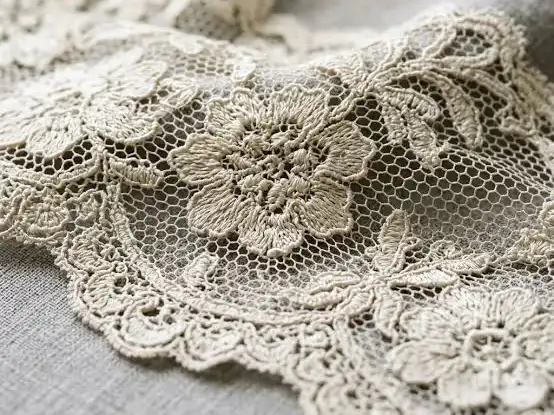
Lace and Lining Tone
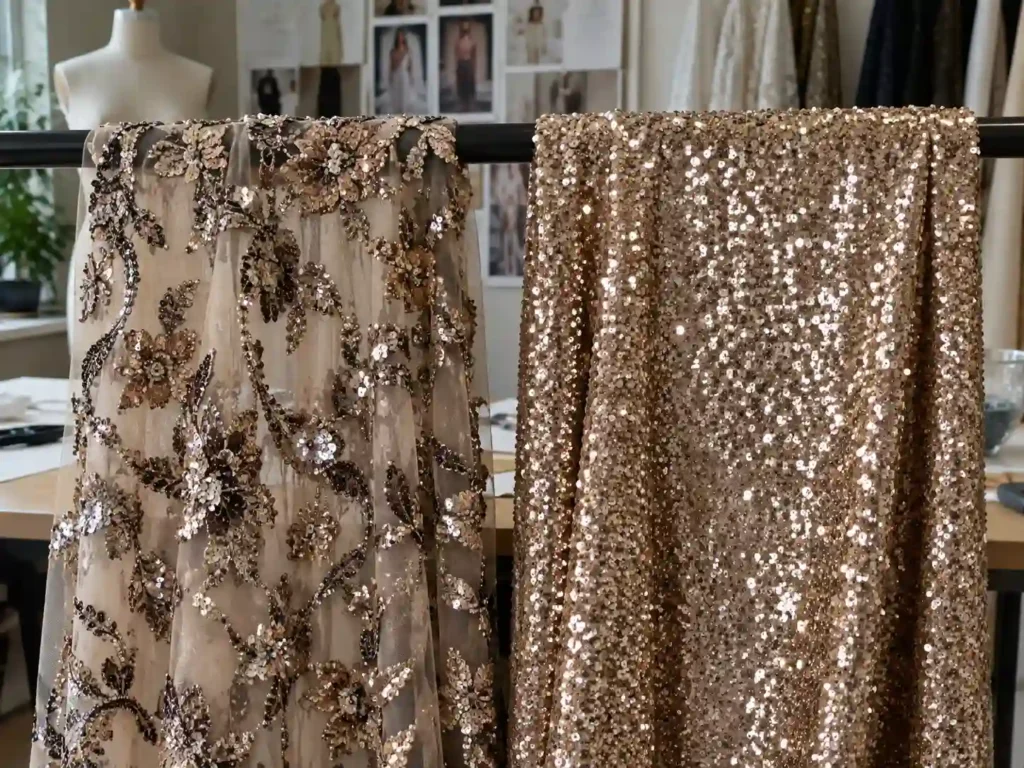
Sequin Reflection
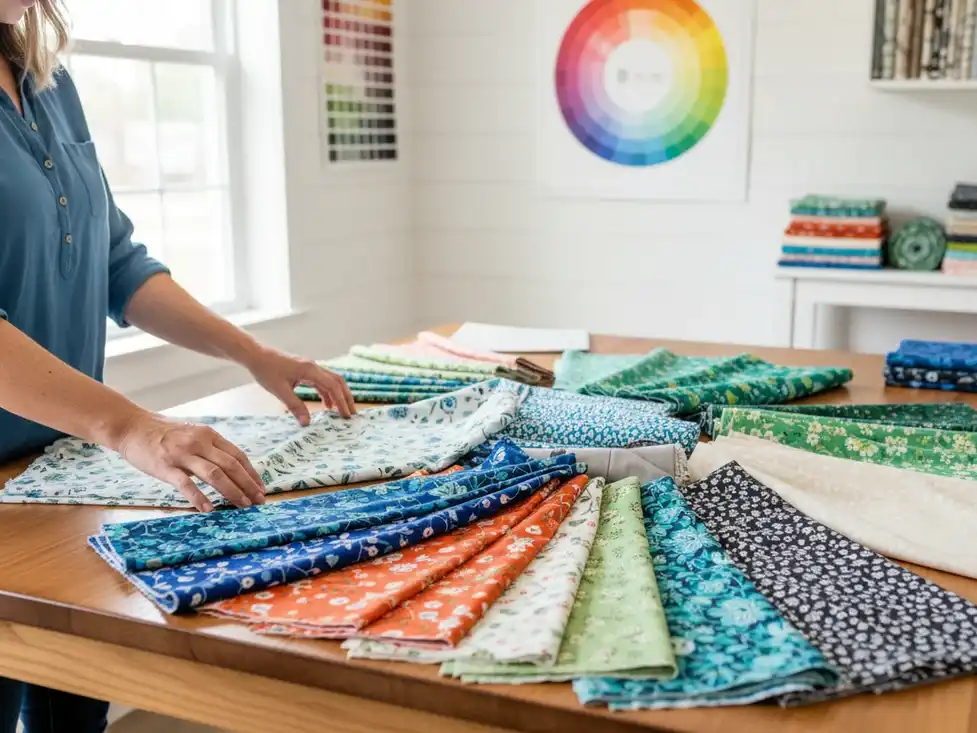
Multi-Color Collections

Dark and Light Risk
Very dark colors can show dye-lot differences, shine variation and surface dust, while pale colors can reveal transparency, stains, seam shadows and lining mismatch. QC criteria should reflect the actual color risk instead of using one generic inspection standard across the entire assortment.
Fit and Internal Structure for Evening Maxi Dresses
Formal length attracts attention, but fit determines whether the garment feels premium. Jinfeng treats bust support, waist placement, hip ease, neckline stability, slit position and internal construction as linked pattern decisions. Corrections are made during fit and revised samples before the style moves toward PP approval.
Bust Support and Neckline Stability
Strapless, corset, deep-neck and asymmetric designs need a stable upper body without excessive compression. Depending on the style, internal support can include cups, boning, anti-slip tape, lining and carefully shaped pattern panels. Cup size and placement must align with the approved target body, while boning should support the garment without creating visible ridges or uncomfortable pressure points.
Neckline shape is checked from front, side and movement views. A neckline may appear balanced on a static mannequin but gap when the wearer moves. Strapless styles also need enough anchoring at the waist and upper bust so the zipper does not carry the full load. Fit comments should identify coverage, stability and shape separately, making revision actions easier to translate into the pattern.
Waist, Hip and Long-Skirt Balance
The waist acts as the connection between upper-body structure and floor-length skirt. If the waist is positioned incorrectly, the full garment proportion changes. Fitted silhouettes need accurate hip ease so the skirt does not ride up, twist or pull the slit open. A-line and draped silhouettes need enough controlled volume to fall cleanly without creating bulk at the waist seam.
During sample review, measurements such as bust, waist, hip, total length, slit height and key strap or neckline positions are compared against the approved chart. Fit observations are then converted into pattern changes. For multi-size production, grading should preserve the intended visual proportion rather than simply increasing every point by the same amount.
Lining, Closures and Internal Comfort
Lining affects opacity, comfort, support and how the outer fabric moves. Stretch mesh may need stretch lining, while satin or chiffon can require a smoother woven lining with compatible drape.
The lining must not pull the outer shell, show below the hem or become visible through a slit unless the design specifies it. In corset and sequin styles, lining also protects the wearer from internal structure and rough surface areas.
Zipper specification and position influence both fit and appearance. Invisible zippers should sit flat without rippling the center back or side seam. Hooks, internal waist support or other closures can be added where appropriate.
The sample stage should confirm that the wearer can move, sit and enter the garment without damaging the fabric or overloading the closure.

Design Details Developed for Bulk Repeatability
Evening design relies on details that look effortless when finished but require accurate placement and construction. Jinfeng reviews decorative and structural details during sampling so the approved visual result can be translated into measurable bulk standards rather than left to operator interpretation.

Draping, Ruching and Asymmetry
Draping and ruching are controlled through pattern shape, fabric behavior, seam position and distribution marks. A sample may need several adjustments before the folds sit naturally on the body.
The team records where gathering begins and ends, how much fullness is distributed and which seam anchors the detail. Without these references, bulk garments can vary visibly from piece to piece.
Asymmetric necklines and one-shoulder designs require similar control. Shoulder tension, drape direction and side-seam balance must keep the garment from rotating on the body.
Final construction notes should identify seam positions and attachment points so the visual asymmetry remains intentional rather than inconsistent.

Slits, Cut-Outs and Open Backs
Slit height must balance appearance, movement and wearing security. The opening point, reinforcement and lining relationship should be measured on the approved sample.
Cut-outs and open backs add another layer of stability because exposed edges can stretch or distort, especially in satin, mesh and stretch fabrics. Internal tape, lining, facing or seam construction may be adjusted according to the material.
Backless evening dresses also depend on side-bust coverage and waist anchoring. The design can look correct from the back while becoming unstable from the side. Sample photography should therefore include front, side and back views, allowing pattern comments to address exposure, strap placement and overall balance together.
Lace, Rhinestone and Sequin Placement
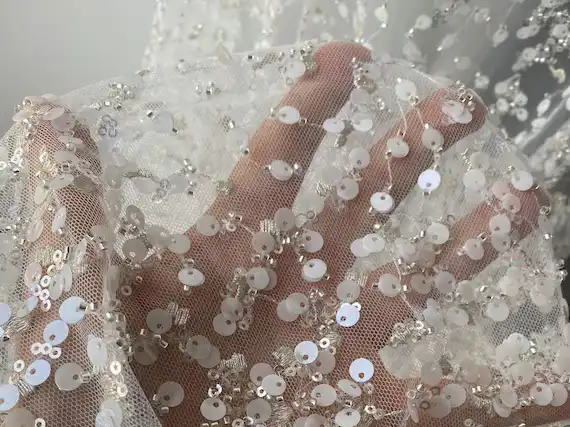
Decorative placement should follow defined reference points. Lace motifs may need alignment around the neckline or waist; rhinestones and bead chains need secure attachment and consistent spacing; sequins can require local clearing around seam allowances or zippers. Weight distribution also matters because heavy trim can pull light fabric out of shape.
Before bulk production, trim color, material, position and attachment method are approved. If decoration is a key visual feature, the PP sample should use the intended bulk trim whenever possible. Packaging protection is then selected according to the surface, preventing adjacent garments from rubbing against raised or sharp decorative components.
Workmanship Behind a Premium Floor-Length Finish
Workmanship is where fabric, pattern and design decisions become a consistent garment. Evening maxi production needs disciplined control through cutting, sewing, pressing and finishing because long seams, reflective surfaces and complex internal structures make small defects more visible.

Cutting Direction and Panel Control
Fabric direction is checked before cutting. Satin shine, velvet pile, print orientation, lace motif position and stretch direction can all change the finished appearance. Long skirt panels also increase the effect of cutting slippage. Bundling by size and style helps keep panels organized, while sensitive surfaces require clean handling to avoid snags, stains or pressure marks before sewing even begins.
Pattern version control is equally important. Bulk cutting should use the approved production pattern, not an earlier first-sample or revised version. Lining pieces, slit position, boning placement and trim marks should match the final construction file. For multi-style collections, clear style identification reduces the risk of similar components being mixed across related designs.

Sewing, Zippers and Internal Construction
Long vertical seams reveal twisting and puckering easily. Sewing teams monitor seam allowance, tension and symmetry while keeping the skirt on grain. Invisible zippers are checked for flat installation and smooth function. Corset styles require controlled boning channels, cup positioning and clean internal finishing, while mesh, lace and sequin styles need methods adapted to the surface rather than one generic seam treatment.
Lining should be secured without pulling the outer shell. At slits, necklines and open backs, the internal construction must remain hidden from normal viewing angles. For fitted styles, side seams and waist seams are checked during in-line inspection because small differences can change the garment’s balance before final pressing.

Pressing, Hemming and Final Presentation
Pressing completes the shape but can also damage sensitive fabric. Satin can mark under excessive heat or pressure; velvet pile can flatten; sequins can deform; lace can distort. Pressing settings and handling are matched to material behavior. Long hems are checked only after the garment hangs naturally, and floor-length balance is reviewed from several angles rather than at one front point.
Final presentation includes loose-thread removal, surface cleaning, zipper function, trim security and inspection of the hem, slit and lining. Garments should cool after pressing before packing. For premium eveningwear, the goal is not merely to pass production but to arrive with the silhouette, surface and structure close to the approved finished condition.
Sampling an Evening Maxi Collection Before Bulk
Sampling turns a collection concept into measurable production standards. Jinfeng can work from tech packs, reference images, original samples, line sheets or sketches, then develop patterns, fabric and trim directions, fit corrections and production-ready samples. Complex evening styles are prioritized according to launch and construction risk.
First and Fit Samples
The first sample is used to test the initial interpretation of structure, fabric direction, proportion and construction. It is not treated as the final bulk standard. For evening maxis, early review usually focuses on bust shape, waist position, total length, slit, drape, lining, zipper and the interaction between long skirt weight and upper-body fit. A separate fit sample may be used where body proportion needs deeper correction.
Typical internal reference timing depends on complexity:
- simple first samples may take about 7-10 days
- ordinary dresses around 10-15 days
- medium-complexity dresses or sets around 12-18 days
- corset, strapless, lace, mesh or sequin styles around 15-25 days
Styles requiring custom fabric or special trim development can take longer and follow supplier timing.
Revised and Photo-Ready Samples
Revision is based on recorded comments rather than memory.
Pattern changes, measurement changes, fabric replacement, trim adjustments, construction updates and appearance comments are documented before the next sample is made.
Revised samples commonly require around 7-15 days depending on the amount of change and material availability.
Photo-ready samples serve a different purpose from PP samples.
They may be prioritized for campaign photography, ecommerce shooting or sales review before the final bulk standard is locked. If the photo sample uses substitute fabric or trim, the difference should be clear so it is not mistaken for final production approval.
PP Sample and Golden Sample
The PP sample is the pre-production reference used to confirm the final combination of pattern, measurements, fabric, color, trims, construction, labels and packing requirements before bulk. PP sample timing is commonly around 7-15 days once final materials are available. Large structural changes after PP approval can affect material purchasing, production schedule and cost, so major design decisions should be resolved earlier.
A Golden sample can then serve as a reference for production, QC and future repeat orders. The approved sample is supported by the final pattern, size chart, BOM, fabric reference, trim approval, sewing instruction and packing instruction, giving production teams a documented standard rather than relying on appearance alone.
Collection Sample Priority
A 10-30 style collection should not send every style through the sample room with equal urgency. Hero campaign styles, complex corset or sequin designs, new fabric directions and styles with critical launch dates should normally be prioritized first. Related styles using the same fabric or pattern family can then follow with better information from the first approvals.
The priority plan can also separate photo deadlines, fit approval deadlines, PP deadlines and bulk material deadlines.
Such sequencing gives the brand more control over the collection calendar and reduces the risk of one complex style delaying all remaining styles.
Multi-Style Evening Collection Development Plan
For a collection with several fabrics and levels of complexity, development should be organized around dependencies rather than moving every style at the same speed. The matrix below shows how a typical evening maxi program can be structured before final production dates are confirmed.
| Development Stage | Main Work | Priority Styles | Approval Output | Timing Logic |
|---|---|---|---|---|
| Line Review | Style, quantity, color, size and launch review | All styles | Style list and risk grouping | Start before fabric commitments |
| Fabric Direction | Swatches, color, lining and trim review | Fabric-led hero styles | Approved fabric direction | Supplier availability affects next steps |
| First Sample | Pattern and construction validation | Corset, sequin, draped, new silhouettes | First fit comments | Complex styles start first |
| Fit / Revised Sample | Proportion and construction correction | Fit-sensitive styles | Updated pattern and measurements | Revision scope controls timing |
| Photo Sample | Campaign and ecommerce preparation | Launch-priority styles | Photo-ready reference | Can run before PP when clearly separated |
| PP Sample | Final bulk standard confirmation | Every bulk style | Approved PP standard | Final materials should be available |
| Bulk Release | Material, production and QC handover | Approved styles | Production file package | Release by style, not by assumption |
| Phased Delivery | Packing and shipment by priority | Launch or warehouse groups | Shipment documentation | Based on production and receiving plan |
Turning Approved Samples Into Bulk Standards
Sample approval only reduces risk when every approved decision is transferred into production files. Jinfeng uses the final pattern, measurement chart, fabric and trim references, construction instructions, labels, packing requirements and QC points to connect development with the production floor.
Final Pattern and Measurement Handover

Every bulk style should have a clearly identified production pattern.
Revised bust shape, waist placement, total length, slit position, strap length and other fit changes are updated before production release.
Size grading is based on the approved base fit and client size chart. Multiple sizes can be distributed within the confirmed style/color quantity according to the approved size ratio, while measurement QC follows the corresponding size specifications.
Pattern records can include lining patterns, cup position, boning position, strap marks, slit location, hem sweep and revision notes where relevant.
Keeping these details in the production package reduces the risk of a correct sample being followed by an outdated bulk pattern.
Material and Construction Lock

Fabric approval covers more than fabric name.
Composition, weight, width, stretch, hand feel, drape, transparency, color, dye lot and relevant risk notes can influence production.
Trim approval covers specification, color, size, material and attachment method. If the style changes from sample material to a different bulk material, the team reviews whether pattern, sewing method or measurements need to be rechecked.
Construction instructions then translate appearance into repeatable operations: seam type, lining attachment, zipper method, slit reinforcement, boning, cup positioning, ruching distribution, lace placement or sequin handling. PP approval is the point where these production-relevant variables should be substantially locked.
Labels, Packing and QC Release
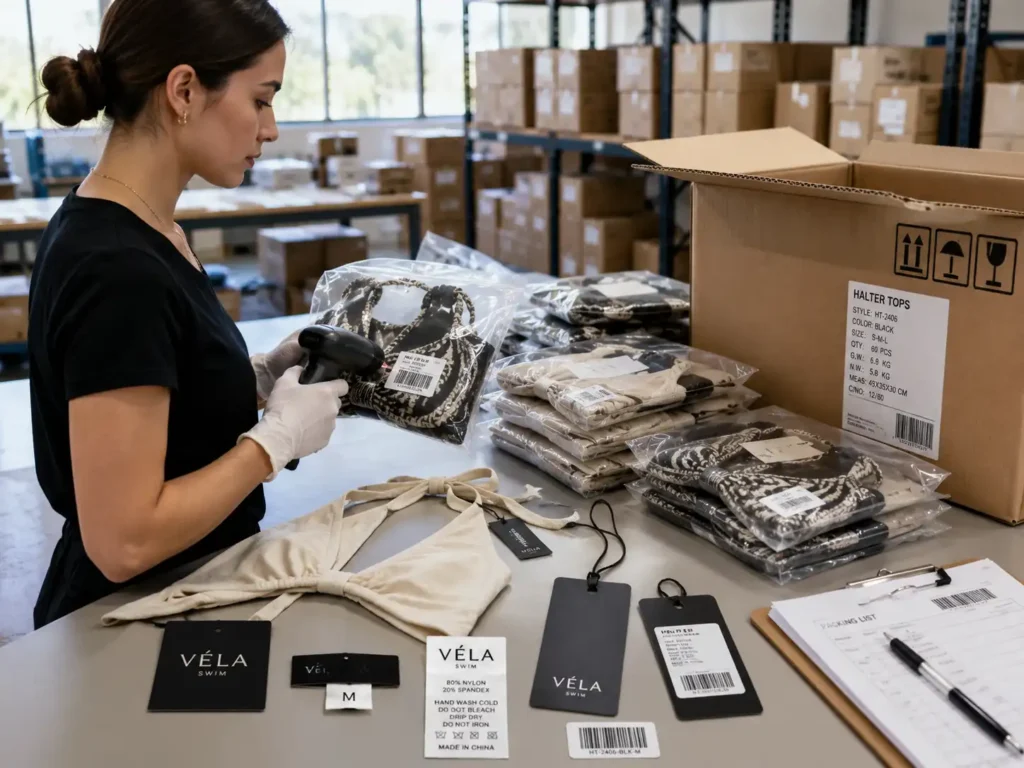
Private-label files are included before bulk packing begins. Woven labels, size labels, care labels, hangtags, barcodes, SKU labels, polybags and carton marks are checked against the approved artwork and order breakdown.
Packing instructions define folding, protection, size ratio and carton requirements where applicable.
QC receives the same bulk reference set, including measurement chart and garment-specific checkpoints.
For an evening maxi, those checkpoints may include total length, hem level, slit height, bust support, zipper flatness, lining exposure, surface condition, pressing and packing.
The goal is a single approved standard shared across production, inspection and packing rather than separate interpretations from each team.
Bulk Production for Mixed Evening Maxi Styles
Fluid Woven Styles
Structured Evening Styles
Decorative Surface Styles
Quality Control for Evening Maxi Dress Collections
Evening maxi QC must follow the garment from incoming material through cutting, sewing, garment inspection, pressing and packing. Long length and premium surfaces make defects more visible, while structured busts and decorative fabrics add checkpoints that ordinary dress inspection may miss.
Material and Cutting Control
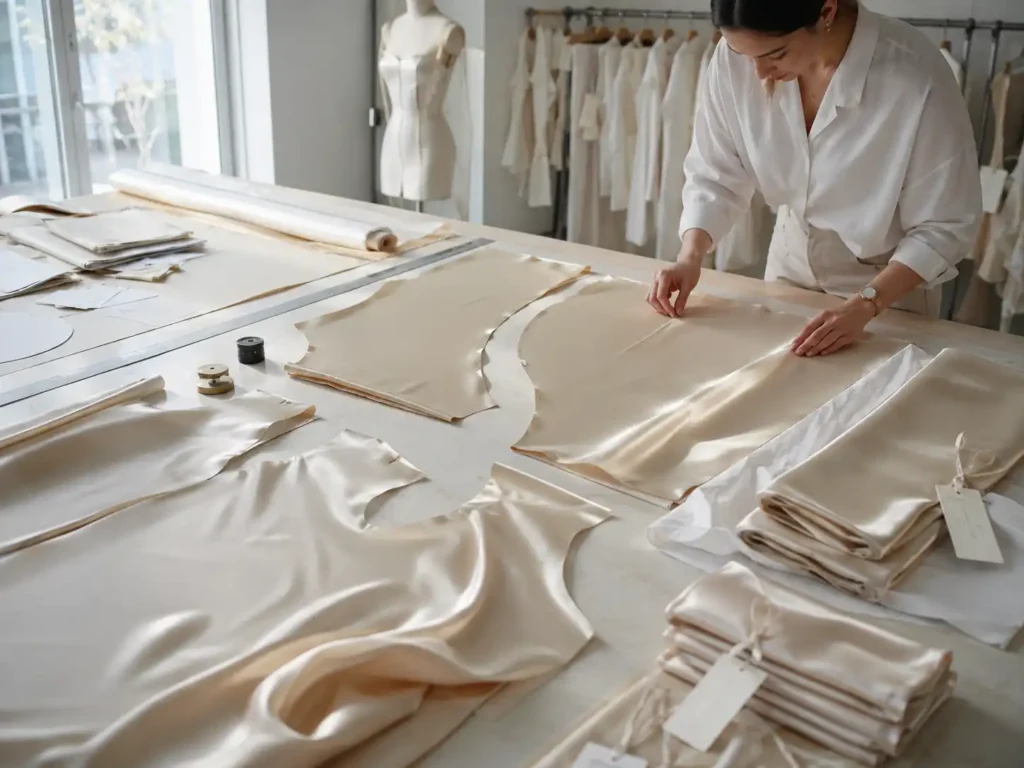
Incoming inspection reviews color, weight, hand feel, width, visible defects and material-specific risks such as satin shade variation, lace damage, mesh snags, velvet pile consistency or sequin loss.
For color-sensitive programs, approved swatches or lab-dip references are used to compare bulk material before cutting.
Cutting QC checks the correct pattern version, fabric direction, panel quantity, size bundling and relevant print or motif placement. Long skirt panels need particular care because slippage or direction errors become more obvious over floor length.
Stretch mesh and fitted materials are checked for stretch direction, while velvet and satin require orientation control to maintain consistent surface appearance.
Sewing and Measurement Control

In-line inspection checks stitch quality, seam allowance, symmetry, zipper flatness, strap position, ruching distribution, lace placement, lining attachment and slit reinforcement.
Corset styles add checkpoints for cup, boning and internal support placement. Detecting these points before the garment is fully closed is more effective than waiting for final inspection.
Finished garments are measured against the approved size chart. Key evening maxi measurements can include bust, waist, hip, total length, strap length, neckline depth and slit height according to the style.
Multi-size production uses the approved size ratio and grading rules, while out-of-tolerance findings are traced back to cutting, sewing or pattern causes rather than simply remeasured.
Surface, Pressing and Packing Control

Final garment inspection checks stains, snags, holes, loose threads, damaged lace, missing sequins, zipper function, trim security, lining exposure and overall balance.
The hem is reviewed after pressing and hanging so the front, side and back lengths can be judged together. Satin shine direction and velvet pile are checked visually, not only through measurements.
Pressing review confirms that the garment has shape without heat marks, flattened pile or distorted decorative surfaces. Packing QC then checks labels, hangtags, barcodes, size stickers, polybags, carton marks and packing ratios.
For long dresses, fold placement and surface protection are reviewed so the finished condition survives the transition from factory inspection to warehouse receiving.
Anonymous Multi-Style Dress Program for a US Client
A representative large-scale program shows how collection management becomes more important as style count, fabric variation and private-label requirements increase. Jinfeng protects client names, logos, tech packs, patterns and unpublished designs, so production experience is presented without identifying the brand.

Program Scope
An anonymous US large apparel client developed an 18-style womenswear program with Jinfeng Apparel, totaling around 28,000 pieces. The assortment covered satin, mesh, jersey, lace and crepe dresses, creating a mix of fabric behavior, construction complexity and SKU requirements. The project required coordinated sample versions, material tracking, private-label consistency, client inspection support and phased shipment rather than a single-style production approach.
For an evening-maxi-focused program, the same management logic is highly relevant: styles can be grouped by fabric family and construction risk, with structured, long-length and decorative styles moving through stricter approval points before bulk release.

Development and Coordination
The project team used a central progress structure to track style status, fabric and trim readiness, sample version and next approval action. Multi-style work becomes difficult when one style is in revised sampling, another is awaiting material, another is ready for PP and another is already in bulk. Clear status control prevents a late comment or outdated file from being applied to the wrong style.
Private-label requirements were handled alongside product development. Hangtags, barcodes, polybags and carton marks were standardized across the order while style and SKU differences remained traceable. Such coordination matters for evening collections because similar colors or silhouettes can be easy to mix when the packaging system is not connected to the style breakdown.

Bulk QC and Packing
Bulk control combined style-specific garment checks with common program standards. Fabric variation meant inspection criteria could not be identical across satin, mesh, lace, jersey and crepe. Surface condition, fit, measurements, seams and finishing were reviewed according to material and construction, while private-label packing followed the approved style and SKU records.
For floor-length evening dresses, equivalent controls would add total length, hem balance, slit height, lining exposure, pressing condition and packing protection. A collection should arrive as a coordinated brand program, not as individual garments packed without regard to style family or warehouse logic.

Delivery and Repeatability
The order required phased shipment and coordinated shipment documentation. Phasing can be useful when launch-priority styles need to move first, when production complexity differs across styles or when warehouse receiving is split by assortment. Each shipment needs a clear style, color, size and carton breakdown so the receiving team can reconcile the goods without unnecessary manual investigation.
After completion, approved patterns, material records, trim information, packaging references and QC history can support repeat orders and future collection extensions. Keeping such records is especially useful for evening programs where a successful silhouette may return in a new color, fabric or seasonal update.
MOQ and Cost Planning for Evening Maxi Collections
Jinfeng’s standard MOQ starts from 200 pcs per style/color, while fabric mills, trim suppliers and packaging suppliers may carry separate requirements. Evening maxi pricing is built from material consumption, construction, sewing time, finishing, QC, packing and other project-specific costs rather than one flat dress price.
| Cost or MOQ Driver | Evening Maxi Impact | Planning Approach |
|---|---|---|
| Fabric Type and Width | Long skirts consume more material; narrow or directional fabrics raise consumption | Confirm usable width and marker efficiency before final quote |
| Satin / Velvet Direction | One-way cutting can increase fabric use | Lock direction in sample and bulk marker |
| Lace / Sequin | Motif placement, damage allowance and surface handling raise risk | Confirm supplier MOQ, usable width and loss allowance |
| Corset Structure | Cups, boning, lining and additional sewing operations add cost | Lock internal structure before PP approval |
| Lining | Full-length or multi-layer lining increases material and labor | Match lining weight, stretch and length to outer shell |
| Color Count | Each color may require separate material MOQ or dyeing | Consolidate color groups where commercially sensible |
| Size Range | Multiple sizes can be distributed within the confirmed style/color order | Provide a planned size ratio for cutting and packing |
| Private Label | Labels, hangtags, printed polybags and special packs may have separate MOQ | Confirm artwork and supplier MOQ early |
| Special Testing | Testing scope depends on market and project requirements | Define required tests before final costing |
| Delivery Plan | Split shipment or urgent air movement changes logistics cost | Build shipment priorities into the launch plan |
Private Label Packing for Floor-Length Evening Dresses

Brand and SKU Accuracy

Surface and Structure Protection

Carton and Warehouse Readiness
Protecting Designs and Managing Collection Delivery
Design and File Protection
Project Tracking
Delivery and Repeat Orders
Evening Maxi Dress Frequently Asked Questions

Start Your Evening Maxi Dress Collection
Send the collection information already available, and Jinfeng Apparel can review product structure, fabric direction, sampling priorities, MOQ fit, private-label requirements and production risks before the program moves forward. A complete tech pack is helpful, but established development teams can also begin with line sheets, reference garments, detailed images, size charts or original samples when the intended product direction is clear.
For a more useful first review, include:
- Style count and priority styles
- Tech packs, line sheet or reference images
- Target quantity per style/color
- Preferred fabrics, colors and lining direction
- Size chart and planned size ratio
- Corset, cup, boning, slit or trim requirements
- Label, hangtag, barcode and packaging files
- Photo sample or salesman sample deadlines
- Target launch or warehouse receiving date
- Preferred shipping arrangement or nominated forwarder, if already decided
Jinfeng will use the information to identify development priorities, material dependencies and the next sample or quotation step. Complex evening maxis can then move through a controlled sequence from pattern and sample review to PP approval, bulk QC, packing and shipment.