Skip to content

Party Mini Dress Collections
Develop Event-Ready Mini Dress Collections Built for Fit, Visual Impact, and Repeatable Production
Party mini dresses sell through visual impact, flattering proportions, fabric character, and event relevance. Building a complete collection requires far more than placing several short dresses under one category. Each silhouette brings different decisions for bust structure, waist placement, stretch, lining, transparency, surface decoration, comfort, and bulk consistency.
- 10–30 stylescan be coordinated within a typical multi-style brand collection program.
- 2 sample roomssupport parallel development across different silhouettes and fabric groups.
- 7+ senior pattern makershandle fit-sensitive structures including corset, strapless, bodycon, halter, and open-back shapes.
- 20+ sample machinistssupport first samples, revised samples, photo-ready samples, PP samples, and Golden samples.
- Corset, strapless, lace, mesh, and sequin first samples commonly require around 15–25 days, depending on structure, material availability, and trim development.
- Development can continue through bulk production, QC, private-label packing, and multi-batch delivery.
Built for Fashion Brands Developing Commercial Party Collections
Seasonal Fashion Collections
Product and Sourcing Teams
Product developers and sourcing teams usually judge a party dress supplier on far more than sewing capability.
They need clear answers around fabric feasibility, fit risk, sampling sequence, cost drivers, material lead times, bulk handover, QC checkpoints, packing instructions, and delivery planning. A reference image may look simple while hiding difficult construction. A strapless mini can require internal support. A satin dress can expose seam tension and pressing problems. A mesh corset may require cup, boning, lining, transparency, and edge-control decisions before the first sample is approved. Jinfeng Apparel reviews those production variables before bulk commitment, allowing product teams to identify risks while changes are still manageable.
Party Occasions Shape the Collection Before Sampling Begins

Birthday Party Minis

Cocktail Mini Dresses

Night-Out Styles

Club and Going-Out Minis

Holiday Party Collections
Holiday assortments frequently introduce sequins, velvet, metallic surfaces, deeper colors, crystal details, embellished straps, statement necklines, and more formal finishing. Material lead time becomes more important because special sequins, rhinestones, trims, and packaging can take longer than standard stock components.

After-Party and Event Minis
Core Party Mini Dress Styles for Commercial Collections
A balanced party mini dress range normally combines proven silhouettes with visually distinctive pieces. Fabric, neckline, internal structure, fit sensitivity, sewing difficulty, and decoration should be planned together because each style creates a different sampling and bulk-production profile.

Corset Mini Dresses

Bodycon Mini Dresses

Strapless Mini Dresses
A strapless dress has no shoulder strap to share garment load, so bust support and upper-body stability become primary engineering concerns. A clean exterior may depend on internal cups, boning, elastic, gripper tape, shaped lining, seam positioning, or a carefully fitted upper bodice. The top edge must remain secure without excessive pressure. Underarm height needs enough coverage while avoiding digging. Waist position and bodice length influence whether the garment slides downward during movement.
Satin and structured woven fabrics may hold shape effectively but can expose puckering. Stretch fabrics provide flexibility but require careful recovery control. PP approval should include movement evaluation, not only static measurements.
Halter Mini Dresses
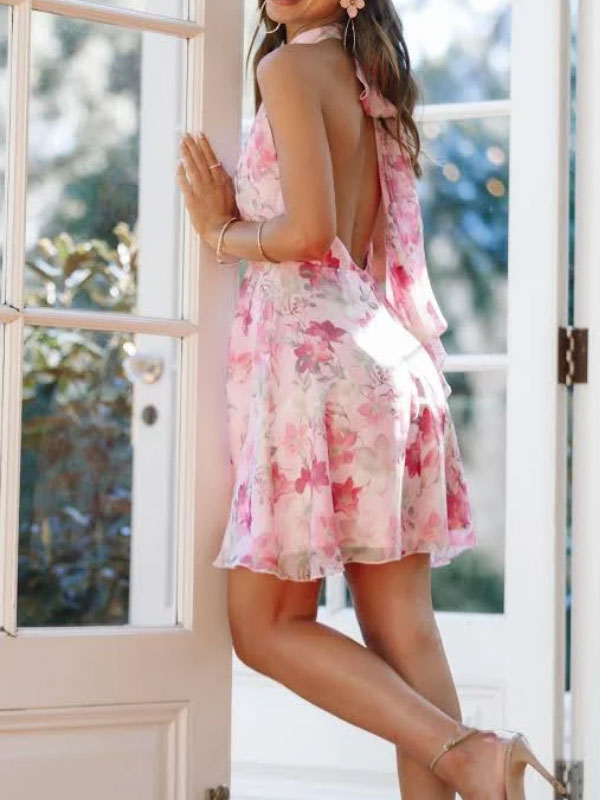
Halter dresses shift support toward the neck and upper torso. Neck strap length, back opening, bust coverage, armhole depth, and front neckline become linked rather than independent measurements. For fitted party minis, a small strap-length change can alter neckline depth and bust position. Low-back versions may also need hidden elastic, internal support, or a revised center-back structure. Satin, jersey, mesh, sequin fabrics, and stretch woven materials can all work, but each creates different sewing and comfort issues.
Strap joins should withstand repeated tension, and decorative neck hardware should be checked for skin contact and security.

One-Shoulder Mini Dresses

Ruched Mini Dresses

Satin Mini Dresses
Satin party minis can look premium with relatively clean designs because surface shine creates immediate visual value. The same shine also exposes manufacturing mistakes. Snags, needle marks, seam puckering, pressing gloss, shade differences, distorted bias sections, zipper waves, and uneven hems can all reduce the perceived quality of the garment. Fabric direction needs consistent cutting because light reflects differently across panels. Slip, corset, ruched, draped, cowl-neck, halter, and structured mini silhouettes can all use satin, but the fabric weight and construction should match the shape. Lining and seam finish deserve early review before bulk cutting begins.

Mesh Mini Dresses
Sequin Mini Dresses

Lace Mini Dresses
Embellished Mini Dresses

Cut-Out and Open-Back Minis
Fit Engineering Behind High-Impact Mini Dress Silhouettes
Short party dresses leave little room for pattern error. Bust position, waist placement, hip ease, neckline depth, strap length, back opening, lining coverage, and hem level work together. Jinfeng Apparel’s pattern team develops each silhouette around the body, fabric behavior, internal structure, and final wearing condition rather than relying on one generic mini-dress block.
Bust and Neckline Control
Bust fit is one of the first areas reviewed on corset, strapless, halter, deep-V, sweetheart, cowl, mesh-panel, and fitted party styles. A neckline can appear correct on a hanger yet become unstable after the garment is worn because fabric stretch, cup shape, upper-bust tension, armhole depth, and strap position change the way the bodice sits.
Development starts with the intended coverage and support level. Pattern makers review bust, upper bust, underbust, neckline depth, cup location, center-front length, side seam, and underarm height. Corset-style garments may also need cup, boning, underwire, gripper tape, or a shaped lining layer.
Strapless shapes require particular attention because the bodice must hold position without shoulder support. For halter designs, neck strap length changes both bust position and neckline depth. Deep-V designs need enough structural balance to prevent spreading or collapse.
Fit comments should be translated into pattern and measurement changes rather than remaining as visual notes. A revised pattern can then be compared against the approved sample before PP confirmation.


Waist, Hip, and Body Length
Party mini dresses frequently depend on a sharp waist-to-hip proportion. A waistline positioned 1–2 cm away from the intended visual point can change the entire silhouette, especially on corset, bodycon, ruched, low-waist, and fitted satin dresses.
Pattern review considers waist circumference, high-waist or low-waist position, hip level, front and back body length, side-seam balance, and fabric stretch. Bodycon styles may use controlled negative ease, but excessive reduction can create horizontal drag lines, transparency, riding, or seam strain.
Corset minis require the bodice length to align with the natural or designed waist position. If the torso is too short, the bust may sit high and the waist seam may pull upward. If too long, the bodice can collapse or dig into the hip area.
For open-back and low-back shapes, body length also affects back opening stability. Fittings should evaluate standing, sitting, and movement rather than relying only on static front photography.
Straps, Armholes, and Open Backs
Small components can carry major fit responsibility. Adjustable spaghetti straps, halter ties, asymmetric shoulder pieces, cross-back straps, chain straps, and decorative straps all influence how the upper body sits.
Strap length should be checked with the intended neckline position and bust support. Too long can expose the bust or create armhole gaping. Too short can pull the neckline upward and distort the back. Hardware should move smoothly while remaining secure.
Armhole depth is equally important on sleeveless and open-back party dresses. Excessive depth may expose underwear or side bust, while insufficient depth limits movement and creates pressure at the underarm.
Open backs need stable edge construction and appropriate support points. A visually dramatic back can still feel secure when ties, elastic, closures, lining, and pattern tension are planned together.


Mini Length and Movement
Mini length is both a design feature and a fit-control issue. Front length, back length, side-seam balance, hip shape, fabric stretch, slit position, and hem opening all influence how short a garment feels during movement.
A bodycon mini may climb upward if hip tension is too high. A flared mini can appear shorter at the back if seat allowance is insufficient. A bias satin mini can grow after hanging. A ruched style can change length depending on gathering tension.
Pattern development therefore checks more than the stated garment length. The team reviews hem level on the body, front-to-back balance, stretch recovery, sitting coverage, and the relationship between lining and shell.
Final PP approval should lock the intended length together with the approved size chart, construction, fabric, and finishing method.
Fabric Direction for Different Party Mini Dress Effects
Fabric selection changes the silhouette, shine, stretch, transparency, cost, sewing method, pressing method, and QC plan. Party collections often combine several fabric groups, so development should evaluate each material against the intended shape rather than selecting fabric only by appearance.
Satin for Shine and Draped Structure
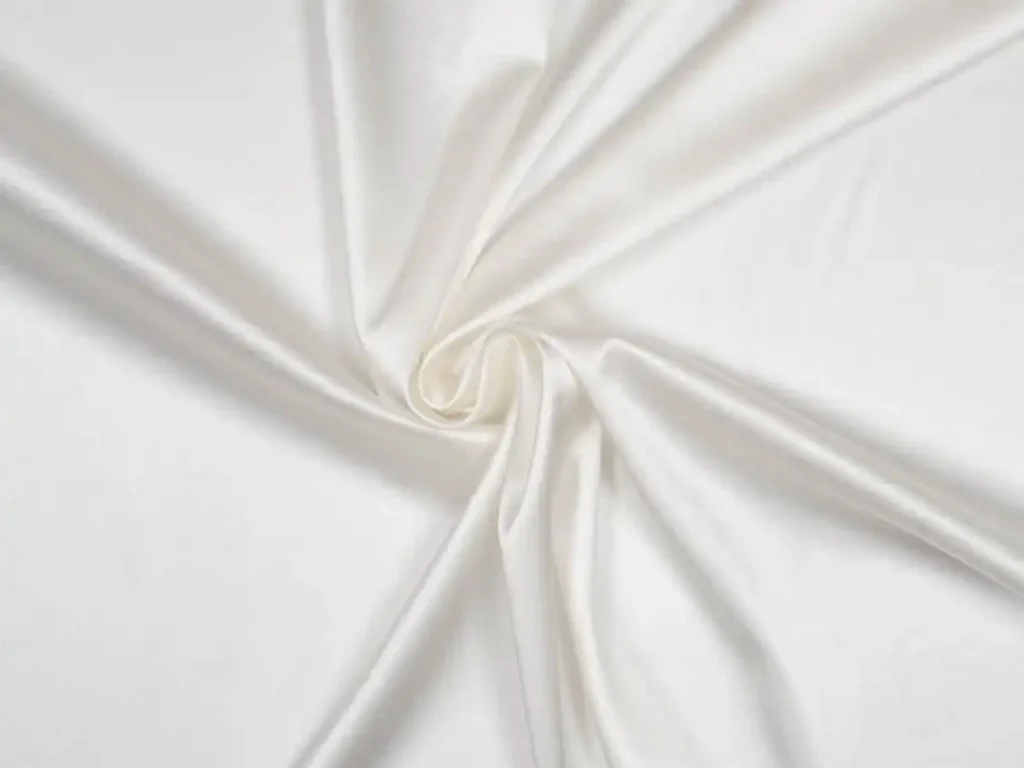
Satin works especially well for slip minis, corset dresses, ruched shapes, cowl necks, halter designs, draped fronts, and polished cocktail silhouettes. The surface gives strong visual value without requiring heavy decoration.
The main risk is sensitivity. Snags, needle marks, seam puckering, uneven pressing, zipper waves, dye-lot variation, and inconsistent cutting direction become highly visible under light. Matte and high-shine satins also produce different color impressions.
Fabric weight should match the structure. Lighter satin supports drape but may need lining and careful seam handling. Heavier satin provides more body but can create bulk around gathered seams and corsetry.
Before bulk cutting, teams should confirm fabric direction, shade, lining, thread, zipper, seam method, pressing method, and approved physical color reference.
Mesh for Sheer and Layered Looks
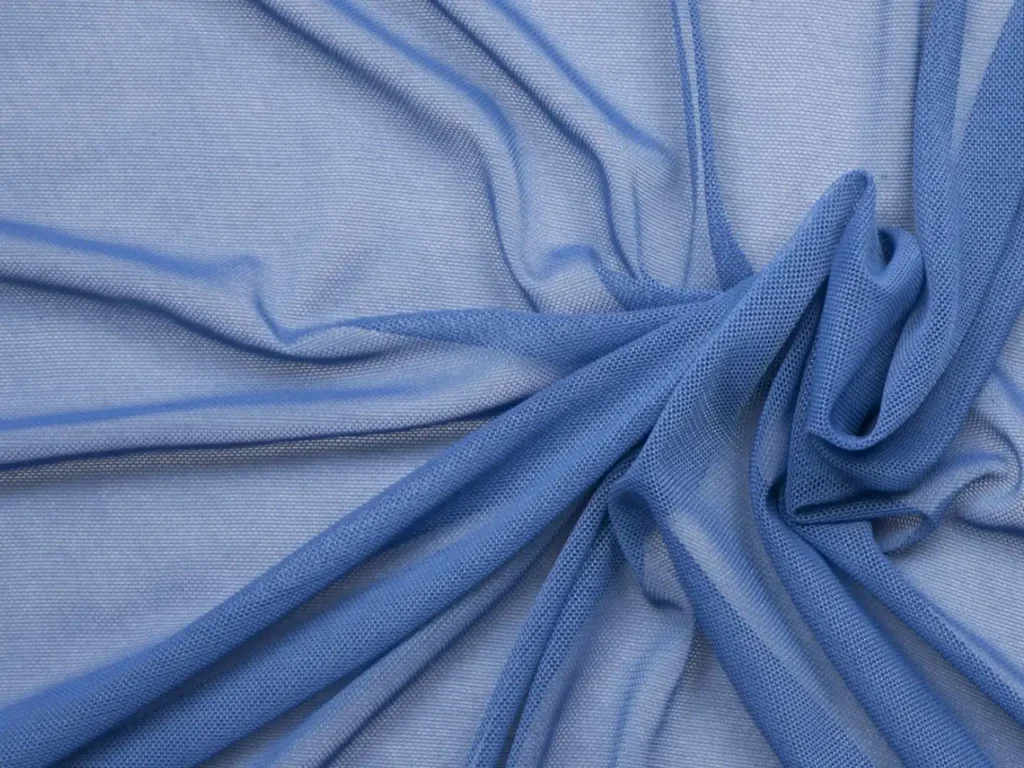
Mesh can create sheer panels, full-body overlays, corset sections, ruched surfaces, sleeves, cut-outs, and layered bodycon looks. Stretch mesh is especially useful for fitted party silhouettes.
Transparency must be planned intentionally. Some panels may remain sheer while bust, hip, or lower-body areas require lining. Lining color can either match the skin-effect concept or coordinate with the outer shell.
Mesh is easily damaged by rough handling, needles, sharp trims, sequins, rhinestones, and exposed hardware. Seam tension also requires control because stretching during sewing can create waves or uneven lengths.
For double-layer mesh bodycon styles, both layers should have compatible stretch. Bulk QC needs to check holes, seam damage, twist, transparency consistency, panel matching, and exposed seam allowances.

Lace and Decorative Surface Fabrics
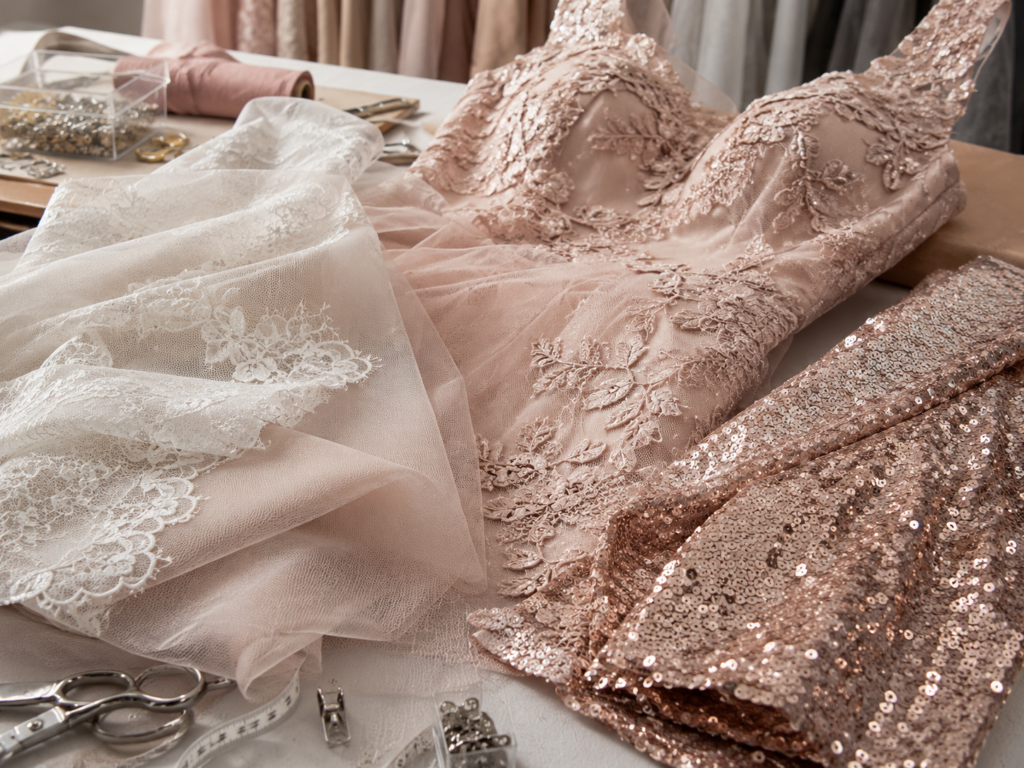
Lace can shift a mini dress toward romantic, cocktail, lingerie-inspired, or occasion positioning. The most important development question is not simply lace quality but how the motif interacts with the garment.
Large motifs may require placement planning at the neckline, center front, waist, side seam, or hem. Scalloped edges can become part of the design rather than being cut away. Stretch lace supports fitted silhouettes, while rigid lace usually needs more structured pattern shaping.
Standard lace trims may require around 7–15 days for development, while specially developed lace or decorative trims can require approximately 20–45 days, depending on supplier requirements.
Lace, lining, zipper, thread, and decorative trims should be color-approved together because slight differences become visible on tonal party dresses.
Sequin, Jersey, and Specialty Fabrics
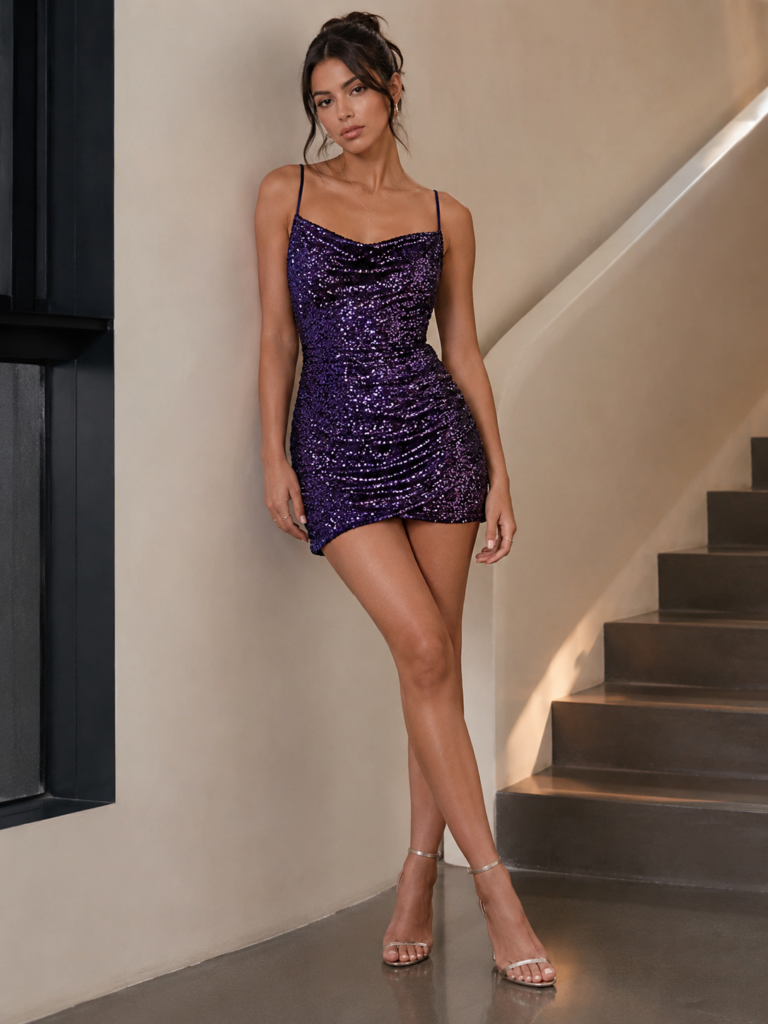
Sequin fabrics create the strongest surface impact but also bring higher sewing and QC difficulty. Standard or available sequin directions may require around 7–30 days for material preparation, while more specialized development can extend toward 30–45 days depending on the supplier and decoration.
Jersey and other stretch fabrics provide comfort and close fit. Their performance depends on stretch percentage, recovery, weight, opacity, and dimensional stability. Poor recovery can cause neckline growth, bagging, or distorted hems.
Velvet adds depth and evening character but needs consistent nap direction and protection from pressing marks. Chiffon and georgette introduce fluidity but can create transparency, slipping, uneven hems, and layer-control issues.
Fabric selection should therefore be tied to silhouette, lining, pattern, construction, sample approval, and expected launch timing.
Statement Details That Define Party Mini Dress Collections
Ruching and Draping
Corset Seaming
Cut-Out Placement
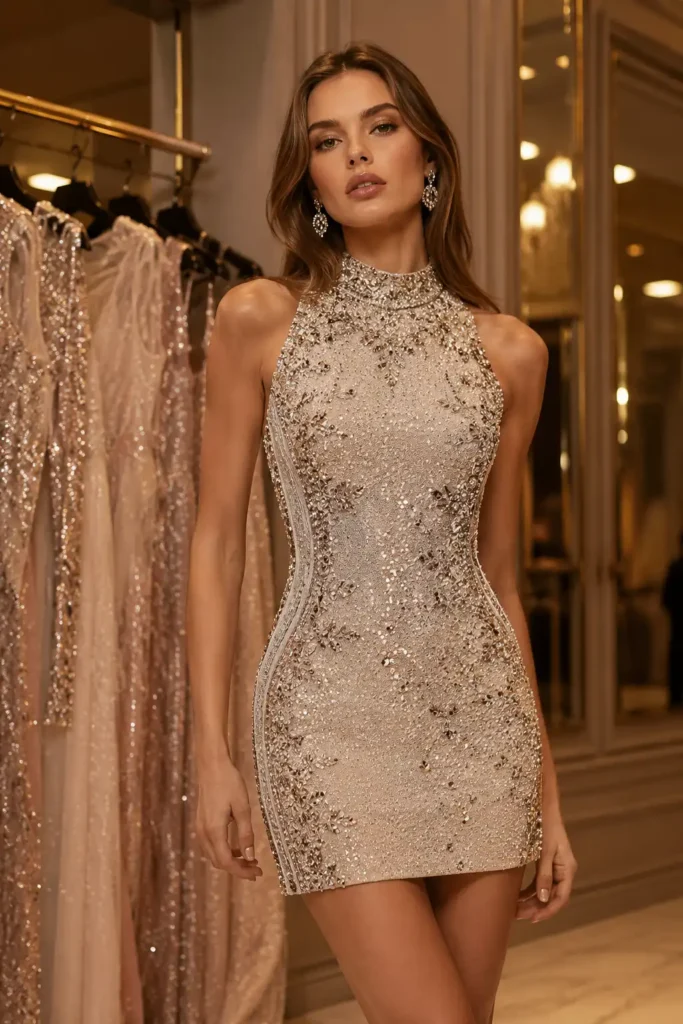
Rhinestone Details
Bows and Rosettes
Fabric bows, rosettes, and sculptural flowers can create strong hero pieces. Attachment areas may require reinforcement to prevent sagging or distortion, especially on stretch or lightweight fabrics.
Hardware Accents
Metal rings, buckles, sliders, chains, hooks, and decorative plates can change the visual level of a mini dress. Finish, weight, edge smoothness, corrosion risk, and skin contact should be checked before approval.
Open-Back Straps
Cross straps, tie backs, adjustable straps, and low-back constructions need stable anchor points.
Strap length should be included in the approved measurement and fitting record.
Contrast and Sheer Panels
Turning Fashion References Into Production-Ready Patterns
A strong reference image communicates appearance but rarely explains construction. Pattern development converts the visual idea into measurable panels, seam relationships, fit points, internal structure, lining coverage, closure placement, and grading rules that can be reproduced across samples and bulk production.
Structure Review Before Pattern Cutting
Development begins by identifying how the garment is expected to behave. A corset mini needs different internal logic from a draped satin slip. A stretch-mesh bodycon needs different ease from a rigid lace mini. A cut-out dress may require hidden support around an opening that is not visible in the reference image.
The review therefore examines neckline, bust, waist, hip, dress length, back opening, strap design, lining, closure, slit, ruching, cups, boning, and decorative components.
Fabric direction is considered before the pattern is finalized. Changing from rigid satin to stretch satin, or from single-layer mesh to double-layer mesh, can alter ease, seam position, drape, and support.
Early structure review reduces unnecessary sample rounds because engineering decisions are made before sewing rather than after problems appear on the finished sample.
Pattern Version Control
Multiple revisions create risk when old and new files circulate at the same time. Each approved change should move into an updated pattern, measurement chart, BOM, construction note, or sample revision record.
Typical modifications include bust circumference, neckline depth, waist placement, hip ease, strap length, back opening, armhole, dress length, slit height, cup position, or lining coverage.
Pattern version control becomes especially important in 10–30 style collections because several samples may be under review simultaneously. Style codes and revision status help prevent a correction intended for one dress from being applied to another.
Before PP sampling, the active pattern version should match the latest approved technical comments and material choices.
Translating Fit Comments Into Pattern Changes
Comments such as “too loose at the bust,” “waist sits high,” “hip feels tight,” or “back gaps” need technical interpretation.
A loose bust may come from cup volume, upper-bust circumference, neckline shape, strap length, fabric stretch, or incorrect body length. A tight hip may require more circumference, different seam shaping, revised negative ease, or a more suitable fabric.
Pattern makers separate the visible symptom from the underlying cause. The modification is then recorded in measurable terms so a revised sample can be evaluated against the previous version.
Clear translation from fitting feedback to pattern action is one of the strongest controls against endless sample rounds.
Preparing Patterns for Grading
Base-size approval is only the starting point for a commercial collection.
Sizes need proportional growth without losing neckline balance, strap position, waist location, cup relationship, or garment length.
Bodycon and corset silhouettes require particular care because standard increments can distort the intended fit. Open backs and cut-outs also need proportional adjustments so exposure does not change dramatically between sizes.
Grading follows the confirmed size chart and brand fit direction. The graded pattern, size labels, packing ratio, and measurement QC plan should align before bulk cutting.
Party Mini Dress Sampling From First Fit to PP
Sampling is where style, fabric, pattern, fit, construction, trim, and commercial feasibility meet. Jinfeng Apparel uses different sample stages for different decisions, allowing a party mini dress to move from visual concept toward a controlled production standard rather than treating the first sample as final approval.
First Sample: Establish the Garment
The first sample tests whether the reference, tech pack, fabric direction, and pattern create the intended silhouette.
For standard dresses, a first sample commonly requires around 10–15 days after materials and requirements are ready. Corset, strapless, lace, mesh, sequin, and other complex party styles commonly require around 15–25 days. Custom fabrics or special components can extend development toward 20–35 days or the supplier’s material schedule.
The first sample should answer major structural questions: Is the bust shape correct? Is the waist positioned properly? Does the hip have the intended fit? Does the neckline sit securely? Does the fabric support the silhouette? Does the lining cover the right areas?
It is a development sample, not automatic bulk approval.


Revised Sample: Convert Feedback Into Changes
Revisions often require around 7–15 days, depending on the number and complexity of changes.
A useful revision process does more than remake the garment. Fit comments are converted into updated pattern measurements, fabric or trim changes, construction instructions, and recorded decisions.
For example, a strapless corset might need a lower cup position, a slightly higher underarm, shorter boning, adjusted waist suppression, and stronger top-edge support. A mesh bodycon might need a revised lining length and different stretch distribution.
Keeping revision records becomes essential when several styles are being reviewed at the same time.
Photo-Ready and Sales Samples
Party collections often need samples before bulk production for campaigns, ecommerce photography, lookbooks, showrooms, presentations, or wholesale selling.
A photo-ready sample should be developed to a clearly agreed standard. Materials, trims, fit, decoration, and finishing need to be close enough to the intended product to represent the collection accurately.
Photo samples do not automatically replace PP samples. Changes after photography can affect pattern, fit, cost, fabric, trims, or production instructions.
Quantity, material availability, and required finishing level are reviewed separately for photo or salesman samples.


PP and Golden Sample Control
A PP sample is the key production approval stage. Final fabric, color, trims, measurement, construction, labels, packaging, and workmanship expectations should be locked before bulk sewing.
PP samples commonly require around 7–15 days once final materials are ready, with more time possible for complex revisions.
The Golden sample then becomes a visual and technical reference for production, QC, repeat orders, and dispute review. It should align with the final pattern, size chart, BOM, sewing instructions, label placement, and packing requirement.
Production begins from a controlled standard rather than from scattered chat messages or an early prototype.
Managing 10–30 Styles Without Losing Development Control
Style Grouping
Fabric Grouping
Sample Priority
Revision Tracking
Production Allocation
SKU and Packing Control
Moving Approved Samples Into Repeatable Bulk Standards
Final Pattern and Construction Handover
- Once fit and appearance are approved, the active pattern version is locked for production preparation. The handover should include the approved size chart, grade direction, key measurements, lining information, seam treatment, closure position, corset construction, ruching method, strap dimensions, slit details, and other style-specific controls.
- For fit-sensitive party dresses, verbal descriptions are not enough. Bust, waist, hip, strap, neckline, armhole, length, and lining coverage need measurable references.
- Production teams should work from the same approved information used to make the PP sample.
Material, QC, and Packing Handover
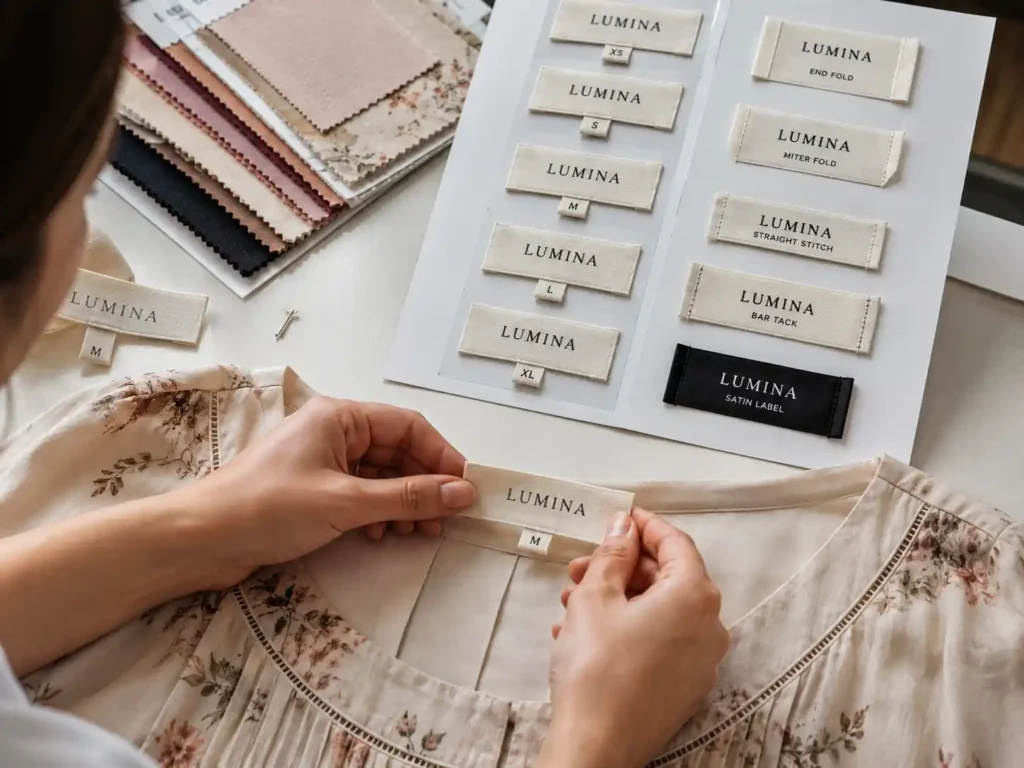
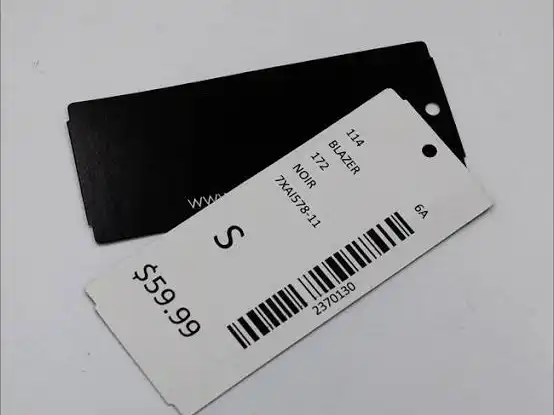
- Fabric reference, color approval, trim card, labels, hangtags, barcode information, polybag requirements, carton marks, packing ratio, and QC checklist should move into production with the garment specification.
- A sequin dress may need extra surface inspection and protective packing. A satin dress may need shade and pressing controls. A mesh dress requires transparency and hole checks. A corset mini requires cup, boning, and neckline stability checks.
- Linking product-specific QC to the approved sample reduces the gap between sample-room workmanship and bulk execution.
Production Capacity Built Around Multi-Style Womenswear Programs
6 Owned Factories
10+ Production Partners
18+ Sewing Lines
6+ Flexible Lines
Flexible production lines provide added support for styles requiring different sewing sequences, quantities, or launch timing.
15+ QC Inspectors
Dedicated QC staff support material, cutting, sewing, garment, pressing, measurement, and packing inspection stages.
Merchandising and Packing Teams
Workmanship Details That Decide the Final Party Dress Look
Party dresses often use fewer square meters of fabric than long eveningwear, yet workmanship is highly exposed. Short lengths, fitted shapes, shiny surfaces, sheer panels, corsetry, embellishment, and open construction leave little room for untidy seams or inaccurate placement.
Corset, Cup, and Boning Construction
Corset-inspired party minis may use decorative panel seams, functional boning, cups, underwire, lining, elastic support, or combinations of several methods. The correct construction depends on how much lift, shaping, and security the garment is expected to provide.
Boning channels should remain smooth and positioned according to the approved pattern. Boning should not extend into uncomfortable body points or create visible external ridges unless deliberately designed.
Cup shape and placement need left-right symmetry. Underwire, where used, should follow the selected cup shape and remain safely enclosed. Lining helps cover internal structure and reduces direct skin contact with stiff components.
Satin corsets need careful seam handling because excessive tension can create visible puckering. Mesh corsets expose internal construction, making neat channels and seam allowances particularly important.
A finished corset should look structured from the outside while remaining controlled and wearable inside.


Ruching, Draping, and Seam Control
Ruching is often treated as decoration, but consistent ruching requires repeatable construction. Operators need reference points for gathering length, elastic placement, drawcord channels, or seam fullness.
Left and right sides should visually balance unless the design is intentionally asymmetric. On fitted dresses, gathering should not distort the waist or hip measurement beyond the approved fit.
Draped satin needs smooth handling because the fabric surface magnifies pulling and seam tension. Bias sections may require resting before final hemming. Side seams should remain stable and not twist toward the front or back.
Invisible zippers require flat insertion without waves or trapped lining. Necklines and armholes should retain their intended shape after sewing and pressing.
Bulk workmanship should be judged against the Golden sample rather than operator interpretation.
Mesh, Lace, and Sequin Joining
Sheer and decorative fabrics demand cleaner internal work because seams may remain visible through the garment.
Mesh should be handled without overstretching the seam. Lining, elastic, binding, and thread should work with the stretch characteristics of the shell. Lace motif placement should follow the approved visual direction, especially at prominent center or neckline areas.
Sequin fabrics may need sequin removal near seam allowances or protected sewing paths. Loose sequin edges should not scratch the wearer. Heavy decorative fabric can also place extra load on straps and shoulder seams.
Seam strength must therefore be considered together with surface appearance. A beautifully decorated garment loses value quickly when loose decorations, rough edges, broken mesh, or opening seams appear during wear.

Finishing, Pressing, and Final Appearance
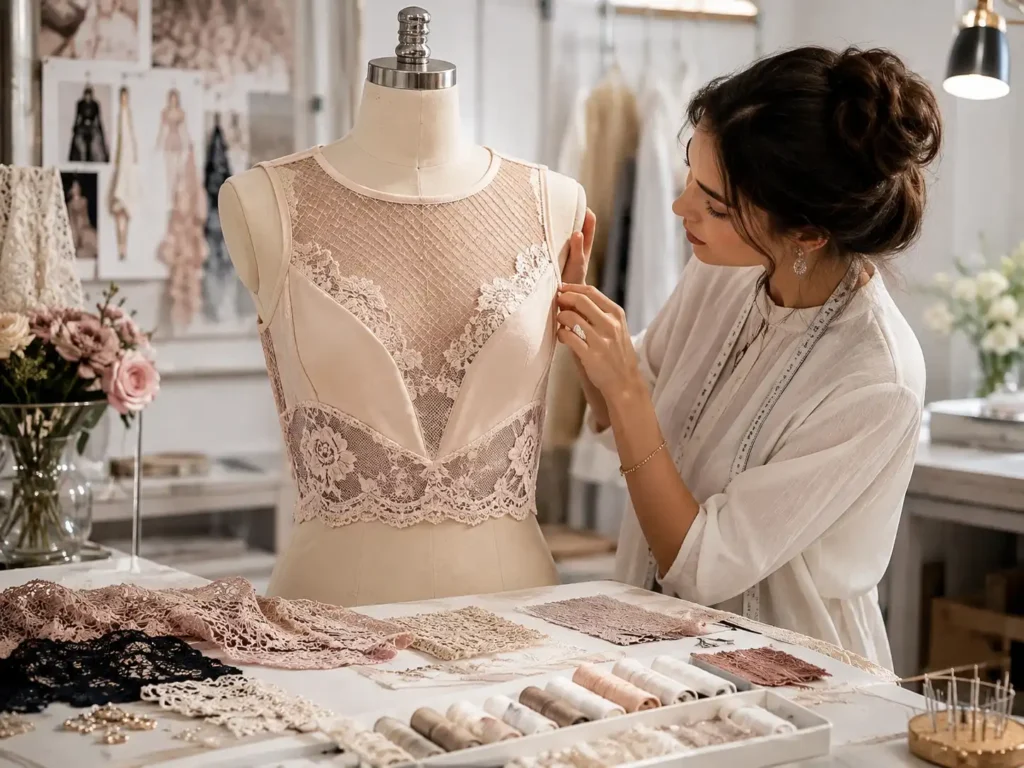
Pressing is not a generic final step. Satin can develop shine marks or seam impressions. Velvet can show crushed nap. Mesh can distort under heat. Sequins can melt, dull, or deform.
Finishing methods should therefore match fabric behavior. Loose threads, temporary markings, adhesive residue, rhinestone glue, exposed elastic, seam allowance, and lining edges are checked before packing.
Mini-dress hems need particular attention because an uneven hem is highly visible. Bias satin may need settling time before final leveling. Stretch bodycon hems should remain flat without excessive wave.
Final presentation should preserve the intended silhouette from sewing floor to packed garment.
Party Mini Dress QC Risk Matrix
Party styles combine fit-sensitive shapes with fabrics and decorations that can reveal manufacturing problems quickly. QC therefore follows the risk profile of each garment instead of relying only on a generic final inspection.
| Area | Typical Risk | Main Control Point | Production Reference |
|---|---|---|---|
| Corset Bust | Cup mismatch, collapse | Cup position, symmetry, support | Approved PP / Golden sample |
| Strapless Edge | Sliding, gaping | Top edge, grip, underarm fit | Fit sample + PP |
| Satin Surface | Snags, puckering, shine marks | Cutting, sewing tension, pressing | Fabric reference |
| Mesh Panels | Holes, distortion, excess transparency | Panel handling, lining, seam tension | Approved sample |
| Lace Placement | Misaligned motifs | Pattern placement, cutting direction | Placement reference |
| Sequins | Missing pieces, scratch risk | Seam edges, attachment, lining | Golden sample |
| Ruching | Uneven fullness | Gathering ratio, symmetry | Sewing instruction |
| Zipper | Bulging, trapped lining | Flatness, smooth operation | Garment inspection |
| Neckline | Gaping or overexposure | Depth, width, support | Size chart + fit approval |
| Hip Fit | Tightness, riding | Measurement, stretch, seam balance | Measurement QC |
| Hem | Uneven level | Front/back balance, settling | Approved length |
| Packing | Snagging or SKU errors | Surface protection, label/SKU check | Packing instruction |
Size and Grading Control for Fit-Sensitive Mini Dresses
Party minis often depend on close fit, short proportions, structured necklines, and defined waist-to-hip relationships. Size development therefore needs more control than simply increasing every measurement by the same amount. The approved base size, grade rule, fabric stretch, construction, and target fit direction should work together.
| Measurement Area | Why It Matters | Common Party Styles |
|---|---|---|
| Bust | Shapes overall upper fit | Corset, bodycon, satin |
| Upper Bust | Controls neckline stability | Strapless, sweetheart |
| Underbust | Supports structured bodices | Corset, bustier |
| Waist | Defines silhouette | Bodycon, corset, ruched |
| Hip | Controls movement and riding | Bodycon, fitted mini |
| Strap Length | Changes neckline and bust position | Halter, slip, cami |
| Armhole | Controls coverage and movement | Sleeveless, open back |
| Neckline Depth | Controls exposure | Deep V, halter, cowl |
| Dress Length | Determines final mini proportion | All mini dresses |
| Slit Height | Affects coverage and movement | Fitted party minis |
| Back Opening | Controls stability | Open-back designs |
| Lining Length | Prevents exposure | Mesh, lace, sequin |
How Brands Should Evaluate Party Mini Dress Manufacturers
Product Specialization
Pattern Capability
Sample System
Material Knowledge
Multi-Style Management
Bulk and QC Control
MOQ and Cost Planning Across a Multi-Style Collection
Style and Color Planning
- MOQ is normally calculated per style and color rather than by combining unrelated designs.
A collection containing 12 styles in two colors therefore has a different production structure from 12 styles in one core color. - Brands can improve efficiency by identifying hero colors, shared fabric groups, and realistic size ratios before material purchasing begins.
- Too many very small color splits increase fabric purchasing, cutting, label, SKU, packing, and QC complexity.
Fabric and Trim Cost
- Party dress cost can change significantly with material choice. Satin weight, lining, mesh layers, lace placement, sequin density, rhinestones, handwork, cups, boning, specialty zippers, custom hardware, and decorative straps all affect the final price.
- Standard trims may have manageable lead times, while custom lace, crystal chains, sequin materials, special colors, and bespoke hardware can carry additional MOQ and development requirements.
- Cost review should compare visual value against production complexity rather than simply removing quality-critical components.
Construction and Collection Efficiency
- Corsetry, double layers, ruching, complex draping, cut-outs, hand-applied details, and placement work add sewing time and QC requirements.
- Cost can sometimes be improved through fabric substitution, construction simplification, trim replacement, cutting-layout planning, color consolidation, size-ratio planning, or packing adjustments while preserving the intended appearance.
- A detailed style list and quantity plan allow more meaningful costing than a single inspiration image without specifications
Private Label Details From Garment to Warehouse Carton
Main Labels

Size Labels

Care Labels
Hangtags and Barcodes

Polybags and SKU Packing

Carton Marks
Launch Calendar Planning From Photo Sample to Shipment
Development Deadline
Photo Sample Window
PP Approval
Material Arrival
Bulk and QC Window
Packing and Freight
Representative Party Mini Dress Collection Programs

US Partywear Collection — 18 Styles / 46,800 Pieces

European Occasion Party Drop — 12 Styles / 24,000 Pieces

Multi-Channel Party Program — 26 Styles / 72,800 Pieces
Frequently Asked Questions About Party Mini Dress Collections

Start Your Party Mini Dress Collection Development
A strong party mini dress program begins with enough information to evaluate the product before costing and sampling. Send your line sheet, tech packs, reference images, original samples, or collection brief, and Jinfeng Apparel can review style structure, fabric direction, fit-sensitive areas, trims, sample complexity, MOQ fit, private-label requirements, and the production path needed for the collection.
For the most useful first review, include:
- Style count: planned number of mini dress designs.
- Reference files: tech packs, sketches, images, or original samples.
- Quantity plan: estimated pieces by style and color.
- Fabric direction: satin, mesh, lace, sequin, jersey, or other materials.
- Color plan: core colors and special-dye requirements.
- Size range: approved size chart or intended size curve.
- Design details: corset, cup, boning, ruching, cut-outs, rhinestones, hardware, or special trims.
- Private label: labels, hangtags, barcode, SKU, polybag, and carton requirements.
- Launch date: target photography, selling, warehouse, or delivery schedule.