 Skip to content

Prom and Homecoming Collections
Custom collection development for fashion, prom and formalwear brands preparing coordinated spring prom and fall homecoming programs.
Jinfeng Apparel develops prom and homecoming collections from product direction, fabric sourcing and pattern engineering through sampling, PP approval, bulk production, quality control and private-label packing. Programs can combine long formal gowns, corset dresses, short homecoming minis, satin styles, sequins, tulle, organza, lace and mesh while maintaining separate fit, construction and QC standards for each product group.
- 10–30 stylescan be coordinated within a multi-style collection development program.
- MOQ starts from 200 pcs per style/color, subject to fabric, trims, construction and packaging requirements.
- 2 sample rooms, 7+ senior pattern makers and 20+ sample machinistssupport structured sample development.
- 18+ sewing lines and 6+ flexible production linessupport different style and construction groups.
- 100,000+ pcs regular monthly production capacityacross Jinfeng’s structured womenswear production system.
- Prom and homecoming programs are managed around fit, photo performance, color, seasonal timing and bulk consistency, not simply garment appearance.
Manufacturing Capacity Behind Seasonal Dress Collections
Prom and homecoming programs require more than a sewing line. Multiple silhouettes, fabrics, colors, sample versions and launch deadlines have to move through development without losing product standards. Jinfeng Apparel combines owned production, long-term manufacturing partners, dedicated sample rooms, pattern development, merchandising and QC resources for coordinated collection programs.
Since 2008
6 Owned Factories
10+ Long-Term Partners
2 Sample Rooms
7+ Pattern Makers
Seven or more senior pattern makers support fit and structural development. Key areas include bust position, waist placement, neckline security, strap length, corset structure, skirt volume, mini length, long-gown balance and size grading.
Fit comments are converted into pattern revisions rather than left only in email or chat records.
15+ QC Inspectors
Prom and Homecoming Need Different Product Strategies
A combined collection should share a brand language without forcing prom and homecoming into the same silhouette, length or construction standard. Prom generally carries a stronger formalwear role, while homecoming favors shorter proportions, movement, youthful color and dance-ready shapes. Development becomes more efficient when each group has its own fit, fabric and production priorities.
| Development Area | Prom Collection | Homecoming Collection |
|---|---|---|
| Commercial Role | Formal hero styles and statement occasion dresses | Youth-focused school-event and party styles |
| Typical Length | Maxi, floor-length, high-low | Mini and short |
| Key Silhouettes | Corset, A-line, mermaid, fit-and-flare, ball gown | Corset mini, skater, bodycon, A-line, fit-and-flare |
| Core Fabrics | Satin, sequin, tulle, organza, lace, velvet | Satin, glitter mesh, sequin, lace, tulle, stretch fabrics |
| Main Fit Focus | Bust support, waist placement, gown length, skirt balance | Mini-length security, bust coverage, movement, strap fit |
| Construction Risk | Corsetry, layered skirts, heavy embellishment, long hems | Short proportions, stretch recovery, zipper flatness, coverage |
| Sample Priority | Fit, formal proportion, photo appearance, PP standard | Movement, short length, color, photo appearance, PP standard |
| Packing Focus | Hem protection, pressing, layered volume, embellishment | Clean folding, surface protection, color/SKU separation |
Built for Established Fashion and Formalwear Programs
Prom and Formalwear Brands
Specialty Retail Programs
Premium Ecommerce Brands
Sourcing and Product Teams
Build a Balanced Prom and Homecoming Assortment
A strong seasonal line needs more than variations of one dress. Different silhouettes should cover hero products, commercial core styles, visual statement pieces and easier-volume options. Jinfeng develops each style according to its own fabric behavior, fit points, sample risks and bulk controls while keeping collection-level color and brand direction aligned.

Long Satin Prom Gown

Corset Prom Dress
Corset prom styles require a relationship between cup shape, underbust position, boning route, waist placement and closure method. A bodice that looks correct on a hanger may still lift, collapse or gap during fitting.
Sample development therefore focuses on support and body proportion before visual embellishment is treated as complete. Bulk QC should verify structure as well as measurement.

Tulle and Organza Gown
Volume depends on layer count, fabric stiffness, gathering ratio and lining structure. Too little support produces a flat silhouette; too much volume can distort the waist or make packing inefficient.Tulle and organza also require edge, snag and hem review because long layered skirts expose small inconsistencies quickly. Each layer should contribute intentionally to shape rather than adding uncontrolled bulk.

Sequin Statement Dress

Corset Homecoming Mini

Fit-and-Flare Homecoming Dress

Sparkle Bodycon Mini

A-Line and Halter Mini
Choose Fabrics by Silhouette and Production Risk
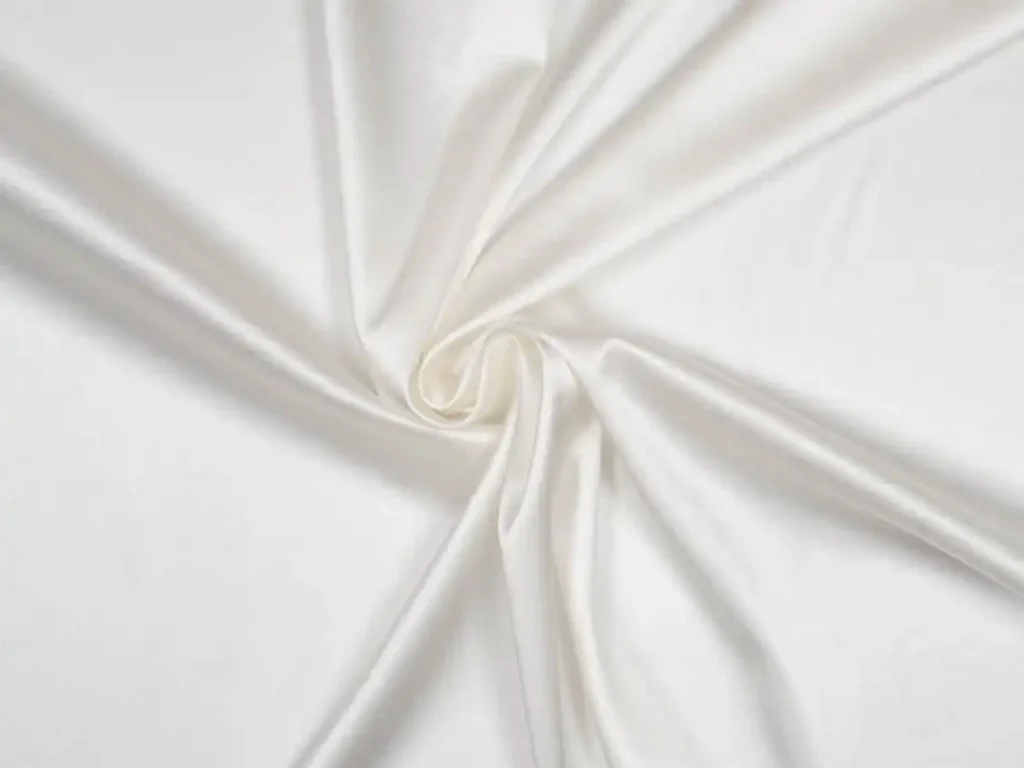
Satin

Sequin
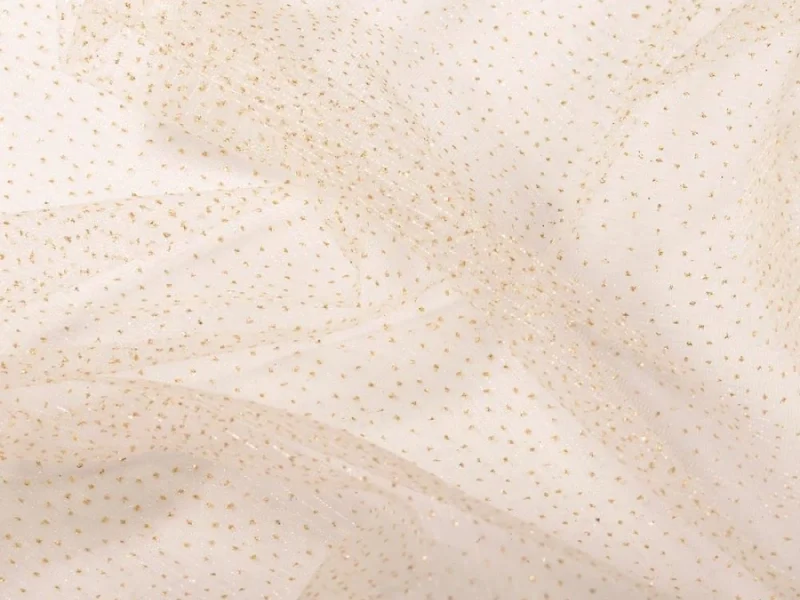
Sequin fabrics create immediate visual impact but add cutting, sewing, comfort and packing risks. Sequin density and backing affect garment weight and flexibility. Seam allowances may need preparation before sewing, lining should protect the skin, and zipper areas require clean construction.Finished garments are checked for loose or missing embellishment, sharp areas and surface damage before packing.
Tulle

Organza
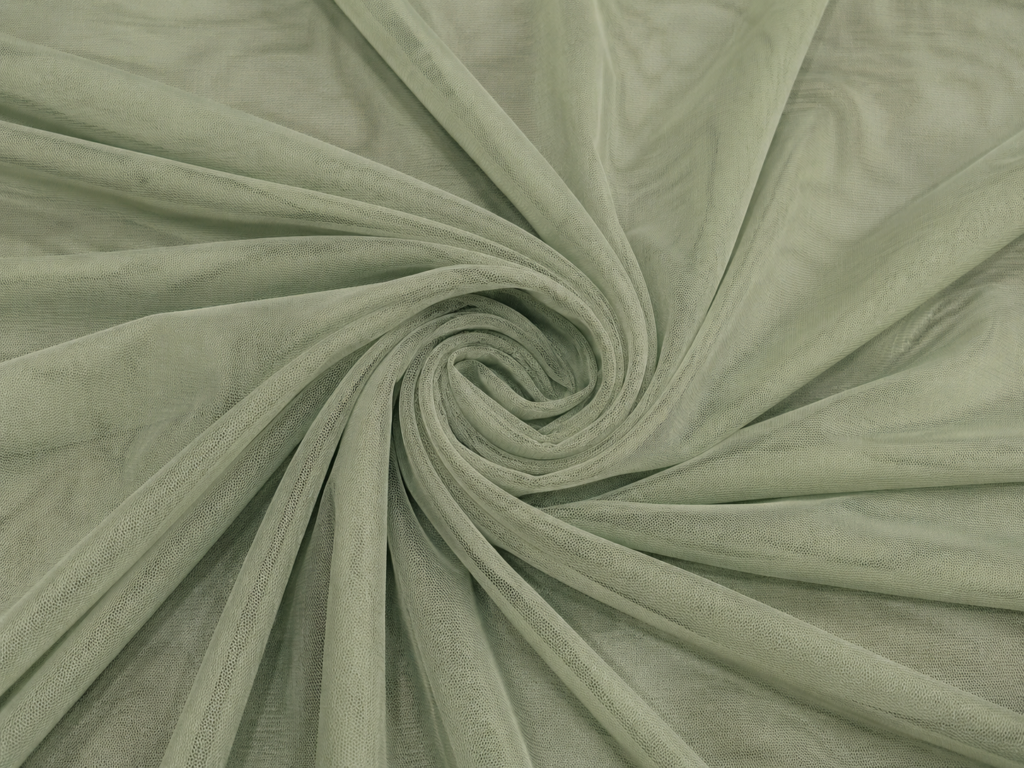
Mesh and Glitter Mesh

Lace
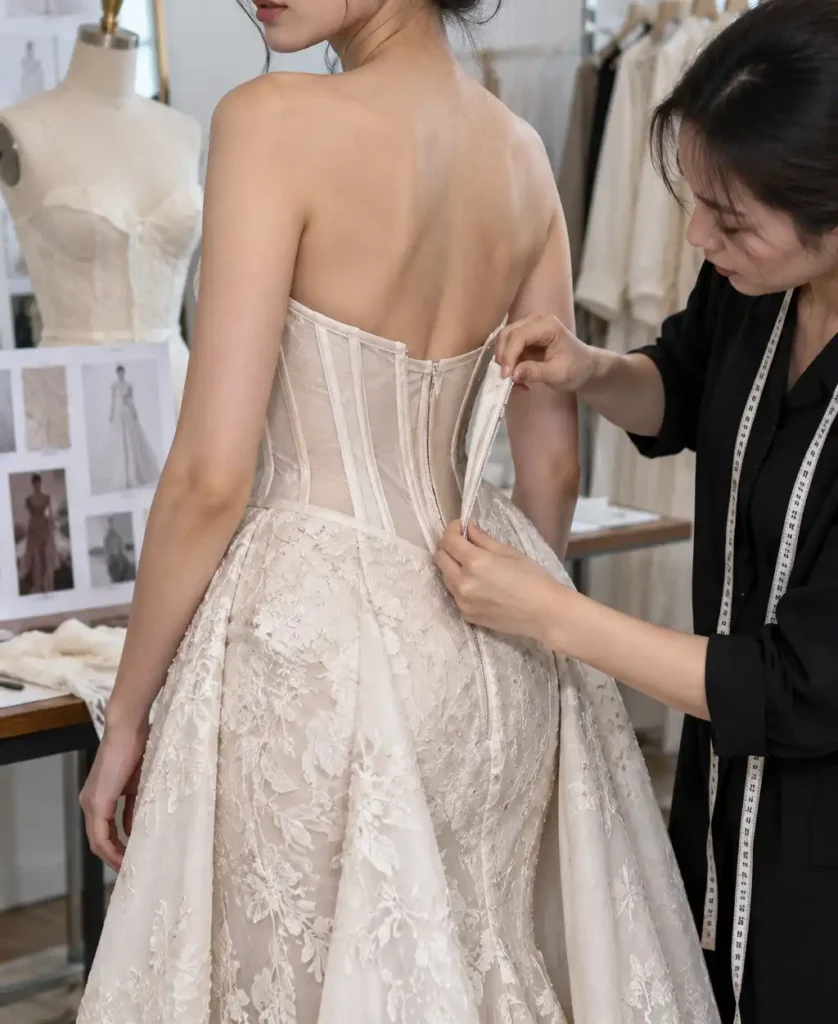
Corset Fit Must Work Beyond the Photo
Corsetry is one of the clearest separators between ordinary dress sewing and structured prom development. Cup position, support, boning, neckline, back construction and waist placement interact with fabric stretch and body proportion. Jinfeng treats the corset as a fitted structure first and a visual design feature second.
- Bust Support and Neckline Security
Bust fit begins with the relationship between cup position, neckline shape, underbust level and the intended size chart. A low neckline may require stronger internal control than a higher neckline, while strapless styles depend heavily on bodice structure and waist anchoring. Sample review checks whether the neckline sits against the body, whether cup placement remains balanced and whether the bodice can support movement without excessive pressure.
Feedback is recorded as pattern and construction changes. Depending on the issue, corrections may involve cup position, neckline depth, side seam, underarm height, boning route, lining tension or closure. A change affecting fit is not left as a visual note; it should transfer into revised pattern information before the next approved sample becomes the production reference.
- Boning, Waist and Back Construction
Boning should support the intended silhouette without creating visible distortion or uncomfortable pressure. Position, length and flexibility depend on bodice construction and fabric. Lace-up backs, center-back zippers and mixed closure systems also behave differently under tension. A corset waist that is positioned too high or too low can change the apparent torso length and affect where the skirt volume begins.
Prom gowns with layered skirts place additional load on the waist seam. Heavier embellishment or multiple tulle layers can pull on the bodice, making internal balance important. Homecoming minis have less skirt weight but greater movement demands. Development therefore considers the complete garment rather than evaluating the corset in isolation.
- Size Grading and Movement
Bulk orders can be produced in multiple sizes within the confirmed style/color quantity. The client’s size chart and size ratio form the basis for grading, while key fitted areas receive extra review. Corset grading cannot rely only on proportionally enlarging every dimension. Bust shape, strap length, armhole, neckline, waist position and boning placement may require size-sensitive rules.
Fit photos, measurement checks and movement review help identify where the pattern needs correction before PP approval. Measurement tolerance is agreed according to garment structure and project requirements. The goal is not to make every body look identical, but to preserve the intended silhouette, security and proportion across the planned size run.
Special Workmanship Needs Product-Specific Control

Corset Boning

Tulle Layering

Sequin Construction

Lace Placement

Ruching and Draping
Ruching can reshape the waist, hip and bust even when base measurements remain unchanged. Distribution should look intentional and remain balanced from left to right.Bulk sewing references need clear placement and fullness instructions so multiple operators do not create visibly different drape patterns.

Ruffles and Volume
Control Color, Size and Dress Length Together
Multi-color, multi-size occasion collections create management complexity before sewing even begins. Fabric shade, size ratio, label preparation, cutting bundles and packing records have to stay connected to the correct style. Jinfeng manages color, sizing and length as production data rather than separate styling choices.
Multi-Color Collection Control
A prom or homecoming line often includes core colors, seasonal brights, soft shades and high-impact finishes. Every color introduces fabric procurement, shade approval, cutting identification, labels, SKU preparation and packing separation. Satin and velvet can show shade or directional differences strongly, while sequin and glitter materials may vary visually between batches.
MOQ is calculated by style and color. Standard MOQ starts from 200 pcs per style/color, while custom dyeing, special lace, sequins, trims and printed packaging may carry separate supplier minimums. Color planning therefore works best when each shade has a clear commercial role rather than splitting quantities across too many options without production logic.
Size Range and Ratio Planning
Bulk size runs follow the approved size chart and planned ratio within each style/color quantity. XS–XL type runs, extended sizes or other brand-specific sizing can be reviewed according to the project. Size ratio matters because cutting, measurement inspection, labels, SKU management and carton breakdown all depend on accurate quantities.
Corset, bodycon and structured dresses require closer grading attention than loose silhouettes. Bust, waist, hip, neckline, strap and length relationships are reviewed according to garment type. Where larger structural changes appear between sizes, grading rules can be adjusted rather than using one simple scale factor.
Mini and Floor-Length Control
Length is both a fit measurement and a commercial feature. Homecoming minis need enough coverage for walking, sitting and dancing without losing the intended youthful proportion. Lining length should support the outer silhouette without becoming visible. Strap and waist position can also change the apparent skirt length once the garment is worn.
Prom gowns require floor-length control, balanced hems and appropriate lining length. Changes in heel allowance, skirt volume or fabric drape can affect the finished result. Final pattern, size chart and PP sample should therefore agree before bulk cutting begins.

Sampling Turns Collection Ideas Into Production Standards
Prom and homecoming development should not treat every sample as the final standard. Different sample stages answer different questions: structure, fit, photography, construction, materials and bulk readiness. Jinfeng records revisions so approved changes move into patterns, measurements, materials and production instructions.
First Sample
The first sample checks whether the intended silhouette, fabric direction, pattern proportion and construction approach work together. It is a development sample, not automatically the bulk standard. A corset may need bust adjustment, a tulle skirt may need different volume, or a homecoming mini may require length correction after the first fitting.
Fit and Revised Samples
Fit review focuses on measurements and wearing behavior. Bust, waist, hip, strap, armhole, neckline, back coverage, dress length and slit position are compared against the approved size chart and fit comments. Revisions are documented before another sample is made, helping prevent old measurements or construction instructions from reaching bulk production.
Photo-Ready Sample
Prom and homecoming collections rely heavily on photography. A photo-ready sample may require strong color accuracy, clean pressing, correct embellishment and a polished silhouette because it can support campaign, ecommerce or line-review work before bulk arrives. Photo appearance does not replace fit approval; visual and technical approval serve different purposes.
PP Sample
The PP sample is the production lock point. Fabric, color, trims, measurement, construction, label placement and packing requirements should be sufficiently confirmed before bulk release.
Changes requested after PP approval can affect material procurement, price, production schedule and consistency, so change control becomes more formal at that stage.
Sampling Schedule
Sampling time is reviewed by style rather than promised as one universal number. Fabric availability, custom color development, corset complexity, embellishment, trim readiness and the number of revision rounds all affect the schedule. Jinfeng tracks document review, pattern development, material preparation, cutting, sample sewing, internal measurement, photos, client comments and sample shipment as separate progress points.

Plan Prom and Homecoming Around Launch Windows
Seasonal formalwear loses commercial value when samples, photos or bulk arrive after the planned launch. Jinfeng works backward from the target launch or warehouse date, reviewing material readiness, sample approval, PP locking, production allocation, QC and packing before confirming a project schedule.
| Program Phase | Prom Collection Focus | Homecoming Collection Focus | Release Requirement |
|---|---|---|---|
| Assortment Planning | Long gowns, corsets, statement formal styles | Minis, fit-and-flare, sparkle, youthful silhouettes | Line sheet and target launch |
| Fabric Direction | Satin, sequin, tulle, lace, organza, velvet | Satin, mesh, sequin, lace, tulle, stretch options | Fabric feasibility review |
| First Sampling | Structure, bust support, skirt volume, gown length | Mini proportion, movement, bust coverage, color | Pattern and material readiness |
| Fit / Revision | Corset fit, waist, length, layered balance | Strap, neckline, waist, mini length, movement | Revision record |
| Photo / Sales Samples | Formal silhouette and campaign finish | Color, sparkle and online presentation | Photo requirements confirmed |
| PP Approval | Fabric, trims, construction, size and packing lock | Fabric, trims, construction, size and packing lock | Approved PP standard |
| Bulk Production | Complex style allocation and long-gown control | Multi-color, multi-size and short-style control | Material arrival and schedule |
| QC / Packing | Hem, structure, embellishment, pressing | Length, fit, color, sparkle, SKU accuracy | Shipping release |
Manage 10–30 Styles Without Losing Development Control
A multi-style collection creates a different challenge from one dress order. Twenty styles may involve four fabric groups, several construction types, multiple sample versions and different launch priorities. Jinfeng organizes collection development around product groups and approval status so key styles can move first without losing records on later styles.
Group Styles by Manufacturing Logic
Collection files are first separated by meaningful technical relationships. Satin corset styles may share fabric sourcing or structural development. Sequin minis can share embellishment and lining discussions. Tulle gowns can be grouped around layer, skirt-volume and hem controls. Stretch bodycon products require a different fit and fabric-recovery review.
Grouping does not mean forcing all styles into identical specifications. It reduces duplicated decisions while keeping style-specific differences visible. A fabric group can share one sourcing direction while each style still has its own pattern, measurement, construction and QC requirements.
Set Sample Priority by Commercial Role
Not every style needs the same development priority. Hero SKUs, campaign products, difficult structures and photo-critical styles may need earlier review.
Simpler commercial styles can follow once shared fabric and construction decisions are stable. Priority can be based on launch date, photo requirement, fabric readiness, construction difficulty and the role of the SKU within the assortment.
Jinfeng’s sample rooms, pattern makers, sample machinists and merchandising team can use the agreed priority to coordinate development instead of allowing all styles to compete for attention at the same stage.
Track Version and Approval Status
Every revision should answer three questions: what changed, where the change was recorded and what happens next.
Revision tracking can cover pattern changes, measurements, fabric replacements, trims, sewing methods, label instructions, packing and cost impact.
Status can be managed through stages such as first sample, revised sample, fit approved, photo sample, PP pending, PP approved and bulk ready.
Clear status control becomes especially important when a 10–30 style line has several versions moving simultaneously.
Transfer Approved Samples Into Repeatable Bulk Standards
A strong sample does not protect a collection unless the approved information reaches cutting, sewing, QC and packing. Jinfeng converts sample approvals into production documents so the factory works from the final version rather than old comments, early patterns or memory.
- Lock the Final Pattern and Measurements
Fit comments are transferred into revised pattern files and updated measurement information before production release. Records can include bodice shape, waist, skirt length, strap, neckline, boning, cup position, slit and hem sweep where relevant. Size grading follows the approved development direction rather than an early pattern version.
For multi-style programs, the production team needs clear identification of which pattern version belongs to each SKU. Pattern naming and revision records become particularly important when similar silhouettes share fabrics or construction details.
- Confirm Materials and Construction
Bulk handover includes the approved fabric reference, color, trim information, construction notes and garment details. A change from sample fabric to bulk fabric can affect drape, stretch, transparency, surface appearance or fit, so bulk material should be reviewed against the approved direction before cutting.
Construction notes can cover zipper placement, lining method, stitch requirements, ruching distribution, corset boning, cup position, lace placement, tulle layers and label location. Production instructions should make the sample standard reproducible rather than dependent on one sample machinist’s memory.
- Build QC and Packing Into the Handover
QC standards should be prepared before finished garments appear. Key measurements, visible construction points, fabric risks and packing details can be translated into checklists for incoming material, cutting, sewing, in-line and final inspection.
Private-label information follows the same handover route. Labels, hangtags, barcodes, SKU stickers, polybags and carton marks should correspond with the final style/color/size matrix. Sample-to-bulk transfer therefore connects product development directly with warehouse-ready execution.

Allocate Bulk Production by Product Complexity
Prom and homecoming lines contain very different manufacturing loads. A clean satin mini should not be planned like a heavily layered corset gown. Jinfeng reviews structure, material, workmanship, quantity and deadline before production allocation across its structured womenswear manufacturing system.
Match Factories to Construction
Six owned women’s fashion factories and more than 10 long-term satellite production partners support Jinfeng’s wider production system. Allocation considers whether a style is structured, stretch-based, layered, embellished or relatively clean. Matching product characteristics to suitable production resources is more valuable than presenting one capacity figure without context.
Corset gowns may require stronger structure and fit control. Sequin styles add cutting and sewing challenges. Tulle and organza gowns need volume and hem management. Satin styles demand surface and pressing discipline. Each group therefore enters production with its own manufacturing emphasis.
Use Capacity With a Production Plan
Jinfeng’s regular monthly production capacity is 100,000+ pieces across its womenswear system, supported by 18+ sewing lines and 6+ flexible production lines.
Capacity is scheduled according to the mix of products rather than treated as unlimited capacity for every complex formal style.
Material arrival, PP approval, cutting, sewing, in-line inspection, finishing, packing and shipment preparation all occupy time within the production calendar.
Bulk timing is confirmed after project details are reviewed.
Protect Seasonal Priorities
A seasonal collection can contain hero styles, core volume styles and later extensions.
Production priority can follow warehouse date, marketing calendar, material readiness and style complexity.
Where split shipments or phased production make commercial sense, the plan can be reviewed before bulk release.
Clear production allocation reduces the risk of a complex hero style delaying unrelated commercial styles simply because every SKU was placed on the same schedule.

Inspect Each Dress According to Its Failure Risk
Corset Structure
Satin Surface
Satin inspection includes shade, snags, seam appearance, zipper flatness, pressing marks and folding condition. Long gowns also need hem and lining balance. Surface damage can become more visible under photography or retail lighting than it appears during ordinary handling.
Sequin Security
Tulle and Organza Layers
Layer count, left-right balance, gathering distribution, hem level and visible damage require review.
Long layered skirts can hide problems until the garment is fully hung, so final inspection should assess the complete silhouette rather than only folded pieces.
Homecoming Length and Coverage
Color, Size and Packing
Private Label Packing for Multi-SKU Collections
Woven Labels
Size and Care Labels
Size labels and care labels must correspond with the approved size run and garment composition information. Market-specific labeling or testing requirements can be coordinated by project and should be confirmed against current client and destination requirements.
Hangtags
Hangtags can carry brand, product or merchandising information.
Attachment method and placement should avoid damaging delicate satin, mesh, tulle, lace or embellished surfaces.
Barcode and SKU Labels
Polybags and Protection
Cartons and Warehouse Marks
Plan MOQ, Cost and Quotation Before Sampling
MOQ by Style and Color
Cost by Construction
Rough Quote and Final Quote
A reference image and target quantity can support an initial direction review, but a final production price requires clearer information. Fabric, trims, construction, size/color ratio, packaging and delivery terms all affect the quotation. For a more useful review, send a tech pack or reference, quantity per style/color, fabric direction, size range, color plan, private-label requirements and target launch or delivery date.
Collection Programs at Brand-Level Order Scale

US Formalwear Prom Program
18 styles | approximately 36,000 pcs total
The assortment combined long satin gowns, corset dresses, tulle volume styles and selected sequin designs. Development risk came from using several construction systems inside one collection rather than repeating one base dress. Satin styles required surface and pressing review, corset styles needed bust and waist correction, while layered gowns required separate skirt-volume and hem standards.
Styles were grouped by construction and fabric before sampling. Hero formal styles received early pattern and fit attention, while related commercial styles followed once shared material and construction decisions became clearer. Approved changes moved into revised patterns, measurements and PP standards before bulk release. Production and QC checkpoints were separated by product risk instead of using one generic inspection routine.

US Homecoming Specialty Retail Program
24 styles | approximately 52,000 pcs total
The line mixed corset minis, fit-and-flare dresses, bodycon sparkle styles, satin minis, lace details and short A-line products across several colors and size ratios. The main management challenge was SKU complexity: every additional color and size affected fabric allocation, cutting bundles, labels, barcode preparation, packing and carton breakdown.
Sampling focused heavily on mini-length security, bust coverage, strap position, waist balance, stretch recovery and photo appearance. Styles were prioritized by launch role and complexity rather than developed in a random order.
Bulk handover connected final pattern, size chart, fabric reference, construction instructions, labels and packing data to each SKU group.

Multi-Season Occasionwear Program
12 styles | approximately 24,000 pcs total
A focused program combined formal prom silhouettes with shorter occasion styles intended to extend beyond one event window. Shared satin and lace directions helped create visual continuity, while corset, A-line and fitted products remained technically separate during pattern and QC review.
The program structure allowed material decisions to be shared where appropriate while protecting style-specific fit. Repeat-order records can retain pattern references, fabrics, trims, measurements, packing requirements and Golden sample information, allowing future color extensions or same-
pattern developments to begin from a controlled reference rather than rebuilding every specification from the beginning.
Protect New Designs and Prepare Repeat Orders
NDA and Unreleased Designs
Project Record Retention
Repeat and Color Extensions
Frequently Asked Questions About Prom and Homecoming Collections
Yes. A collection can include long formal gowns, corset prom styles, short homecoming minis, fit-and-flare dresses, bodycon styles and other occasion products. Each product group keeps its own fabric, fit, sampling and QC requirements.
Yes. Corset development can cover cup position, bust support, boning, waist placement, neckline, lining and closure construction. Fit is reviewed during sampling before the final production pattern is released.
Yes. Jinfeng works with satin, sequin, tulle, organza, lace, mesh, velvet and other womenswear materials. Material selection and availability are confirmed by project, with production controls adjusted to each fabric.
Yes. Photo-ready samples can be developed where the project requires campaign, ecommerce or line-review garments. Photo sample approval remains separate from PP approval because visual presentation and bulk production standards serve different functions.
Standard MOQ starts from 200 pcs per style/color. Special fabrics, custom colors, trims, printing and packaging may carry separate supplier minimums depending on the material and project.
Yes. Multiple sizes can be distributed within the confirmed style/color quantity according to the approved size chart and size ratio. Structured and fitted products may require additional grading review.
Sampling timing is reviewed after style complexity, fabric availability, trims, pattern work and required sample stages are known. Complex corset, sequin or layered styles should not be assigned the same schedule as simpler products without a project review.
Bulk timing is evaluated from PP approval, material arrival, order quantity, construction complexity, production allocation, QC, packing and target delivery. A schedule is confirmed after those conditions are reviewed.
Yes. Jinfeng supports woven labels, size labels, care labels, hangtags, barcode stickers, SKU labels, polybags, carton marks and related packing requirements. Special packaging may have separate supplier minimums.
Yes. Pattern, fabric, trim, measurement, packing and Golden sample references can be retained for confirmed programs. Repeat orders are reviewed again if materials, fit, construction or other specifications have changed.

Start Your Prom and Homecoming Collection Review
Send your collection information to Jinfeng Apparel for a structured development review. A useful inquiry allows our team to evaluate the assortment, fabric direction, construction difficulty, sample requirements, MOQ fit, production planning and private-label needs before development begins. Complete files are especially valuable for multi-style programs because they show how individual dresses fit into the wider color, size and launch plan.
Please include as many of the following items as available:
- Line sheet or seasonal assortment plan
- Tech packs, sketches or reference images
- Number of styles in the collection
- Quantity per style and color
- Preferred fabrics or target hand feel
- Color direction
- Size range and planned size ratio
- Corset, sequin, tulle, lace or other special workmanship requirements
- Photo sample or sales sample requirements
- Brand labels, hangtags, barcodes and packaging requirements
- Target launch or warehouse delivery date
- Any NDA or unreleased-design requirements
The review helps establish a realistic development path from product files to sampling, PP approval, bulk production, QC and branded delivery.


