 Skip to content

Night-Out Dress Collections
Custom night-out collections for fashion brands that need statement silhouettes, controlled fit, reliable sampling, and coordinated multi-style bulk production.
- 2 sample rooms, 7+ senior pattern makers, and 20+ sample machinists support fitted and complex night-out styles.
- 18+ sewing lines and 6+ flexible production lines support coordinated multi-style dress programs.
- 100,000+ pcs regular monthly capacity supports planned collection launches, repeat programs, and larger seasonal orders.
- MOQ starts from 200 pcs per style/color, subject to fabric, trims, color development, packaging, construction, and production schedule.
Development Capacity Behind Multi-Style Night-Out Collections
2 Sample Rooms
7+ Pattern Makers
20+ Sample Machinists
18+ Sewing Lines
6+ Flexible Lines
100,000+ Pcs Monthly
Build Collections Around Real Night-Out Occasions

Date Night

Dinner & Drinks

Girls' Night

Party

Club
Bodycon, mini, backless, cut-out, mesh, halter, and strapless silhouettes dominate many club-oriented assortments. Stretch recovery, bust support, side coverage, neckline stability, and movement safety matter because a design can look correct on a hanger and still fail during real wear.

Cocktail
Cocktail styles often need a cleaner premium finish than aggressive clubwear. Satin, crepe, lace, structured jersey, fitted midi silhouettes, one-shoulder designs, and controlled embellishment work best when line, proportion, pressing, lining, and closure construction remain refined across the full size run.
Structure a Night-Out Collection Beyond Individual SKUs
Length Mix
Silhouette Mix
Fabric Families
Construction Levels
Color Direction
Assortment Roles
Core Styles for Commercial Night-Out Dress Collections

Bodycon Mini

Ruched Mini

Corset Dress

Mesh Bodycon

Cut-Out Dress

Satin Slip

Halter Dress

Strapless Mini

Backless Dress

Sequin Party

Asymmetric Midi

Rhinestone Statement
Fabric Direction for Night-Out Dresses That Must Perform
Night-out fabrics are chosen for shine, stretch, transparency, texture, or visual impact, but every visual benefit creates production consequences. Fabric approval should cover hand feel, weight, stretch, drape, transparency, lining, shrinkage risk, color behavior, sewing response, and packing performance before the style is locked.

Satin and Stretch Satin Need Controlled Surface and Drape
Satin can make a simple silhouette look premium, yet it reveals color variation, pressing marks, zipper bulging, seam tension, snagging, and packing creases more easily than many matte fabrics. Development starts with fabric weight, width, hand feel, shine direction, opacity, drape, and whether the style is cut straight, on bias, or combined with stretch panels. Lining color must be checked because a mismatched lining can change the face color of lighter satin.
For fitted night-out dresses, stretch satin introduces another variable: recovery. A fabric may stretch enough during fitting but fail to recover cleanly around the hip, waist, or neckline after wear. Pattern ease must therefore follow actual fabric performance. Bulk control should keep fabric direction consistent across panels, review shade by lot, protect the surface during sewing and pressing, and confirm folding or hanging methods before shipment. Satin replacement should be evaluated by weight, shine, stretch, drape, opacity, cost, MOQ, and lead time rather than appearance alone.

Mesh and Power Mesh Require Transparency and Recovery Control
Mesh can create sheer panels, layered bodycon effects, sleeves, cut-outs, and lining transitions, but soft mesh and power mesh behave very differently. Development checks transparency under normal light, stretch direction, recovery, hole risk, edge stability, seam visibility, and whether the body requires nude, tonal, or contrast lining. Mesh that looks acceptable flat can become far more transparent once stretched over the bust or hip.
Power mesh may add support to corset, bodycon, or cut-out construction, while soft mesh is better suited to drape and layered transparency. Substitution between the two can change fit and neckline stability. Sample review should include front, side, and back views, movement, sitting, and close inspection of lining edges. Bulk QC should monitor holes, snags, neckline deformation, seam waviness, recovery, and panel alignment. For sheer designs, coverage must be defined in the pattern and BOM, not left to sewing interpretation.

Jersey, Rib and Ponte Need Measured Stretch Recovery
Stretch knits are common in going-out collections because they support bodycon fit, comfort, and movement. The key variables are stretch percentage, recovery, weight, density, direction of stretch, shrinkage, and surface appearance. A jersey with high stretch but weak recovery can produce bagging at the waist, hip, neckline, or hem. Rib knit may visually elongate the body but can grow differently along wale direction. Ponte gives more structure but needs careful seam balance and pressing.
Pattern development should avoid using the same negative ease across different knit qualities. Side seam twisting, neckline deformation, underarm gaping, hem riding, and wash-related dimensional change must be considered before size grading. Bulk measurement checks should focus on bust, waist, hip, total length, neckline, and key openings while also reviewing fabric recovery after handling. When the collection uses several stretch materials, each fabric family should have its own approved fit reference rather than one universal stretch assumption.

Sequin, Lace and Statement Fabrics Need Construction Planning
Sequin, lace, metallic, rhinestone, velvet, and decorative fabrics create campaign value, but they increase handling, inspection, packing, and cost complexity. Sequin work requires attention to skin scratching, decoration loss, seam thickness, zipper zones, lining, and protective packing. Lace requires placement, joining, edge finish, hole control, lining color, and motif balance. Metallic surfaces can crease or mark, while velvet needs nap direction and careful pressing.
Statement materials should be evaluated together with the silhouette. A dense sequin base can change the hang of a mini dress; lace may need reinforcement around cut-outs or neckline edges; rhinestone details can pull on lightweight mesh. Decoration should be mapped before sample sewing so placement is repeatable in bulk. Material MOQ and lead time also need confirmation before line planning, especially for custom colors, special trims, certified fabrics, placement designs, or custom-developed decorative components.
Fit Engineering for Body-Shaping Night-Out Silhouettes
Night-out dresses often use less fabric and more structure than everyday styles, making small fit errors highly visible. Pattern development must balance visual shape, support, comfort, movement, and coverage while preserving the brand’s intended fit across sizes and fabric changes.

Bodycon and Ruched Fit Starts With Fabric-Specific Ease
Bodycon development is not a matter of making the garment smaller. Pattern ease depends on fabric stretch, recovery, weight, lining, seam construction, and the degree of compression expected by the brand. Bust, waist, and hip measurements must work as a proportion, while side seams should remain visually vertical rather than rotating toward the front or back. Hem riding, neckline stretching, underarm gaping, and waist bagging are common warning signs during sample review.
Ruching adds another layer because gathered panels change visible length and fabric tension. A ruched side seam can shorten one side of the garment, pull the hem upward, or create asymmetry if gathering is not controlled. Sample comments should define gathering direction, amount, elastic tension or drawcord length, and final measurement method. When a fabric substitution changes stretch or thickness, the pattern and ruching specification may need to be rechecked instead of carrying the previous sample standard directly into bulk.

Corset and Strapless Fit Depends on Internal Support
Corset and strapless dresses require a support system that holds the garment without relying only on a tight circumference. Development reviews cup volume, upper-bust fit, under-bust relation, boning position, waist shaping, anti-slip structure, elastic, lining, center-front length, back height, and closure placement. The correct solution depends on fabric behavior and intended silhouette; a rigid satin corset and a stretch corset-style mini should not share the same internal construction by default.
Fit samples should be evaluated from front, side, and back, including movement and sitting. Pressure at the neckline, cup gaping, visible boning, back roll, top-edge drop, and excessive compression are important signs. Strapless styles may also need different grading logic around the upper bust compared with the waist and hip. Once approved, cups, boning, elastic, anti-slip components, measurements, and sewing methods should be included in PP and bulk control documents so internal support remains consistent.

Halter, Backless and Cut-Out Styles Need Support Mapping
Removing fabric from the shoulder, back, waist, or side changes where the garment can carry tension. Halter dresses transfer more load toward the neck; backless styles depend on strap angle, side coverage, and front structure; cut-outs can weaken a panel if the opening is placed near a high-stress area. Pattern development therefore maps where the garment exposes skin, where it needs support, and where lining or elastic must stabilize the edge.
Important review points include neck pressure, bust coverage, underarm depth, back height, strap length, side opening, zipper position, elastic recovery, and movement safety. A cut-out should keep its intended shape when the wearer sits or turns, not collapse or grow. Backless styles need enough front stability to avoid side gaping. Fit comments are converted into pattern changes rather than handled only as sewing adjustments, because opening position and strap geometry often originate in the pattern.
Control Exposure, Support and Movement in Statement Dresses
Cut-outs, sheer panels, low backs, narrow straps, and high slits create the visual language of many night-out collections. Successful construction keeps the intended exposure while preventing unstable edges, unexpected transparency, excessive pressure, or movement-related wardrobe problems.

Cut-Out Openings Must Hold Their Designed Shape
Cut-out construction starts with pattern placement rather than decorative cutting. The opening has to align with the waist, rib, bust, hip, or back exactly as the design intends, while allowing the surrounding panel to carry enough tension. If an opening sits too close to a seam or stretch direction is wrong, the shape can grow, collapse, twist, or pull the garment off balance. Elastic, binding, facing, lining, power mesh, or reinforced seam construction may be needed depending on the area and fabric.
Sample review should measure the opening and inspect it on-body from front, side, and back. The team checks whether the edge lies flat, whether the garment exposes more skin after movement, and whether the same proportion can be graded into larger sizes. Zipper position also matters because a nearby zipper can distort a cut-out when closed. Approved opening measurements and reinforcement methods should be transferred into pattern, sewing, and QC documents before bulk production.

Sheer Panels Need Defined Coverage, Not Guesswork
Mesh and lace panels can create a controlled sheer effect, but transparency changes once fabric stretches across the body.
Lining boundaries therefore need to be designed as part of the garment, including bust coverage, underarm coverage, brief-line coverage, skirt lining length, and the transition between opaque and sheer areas. Nude lining must also be checked against the outer fabric because color mismatch can make seams, cups, or panel edges more visible.
A sample should be reviewed under different lighting and from normal camera distance, not only at a worktable. Neckline and armhole edges need enough stability to avoid rolling or gaping. If the style uses power mesh for support, stretch recovery and pressure should be checked against comfort. Bulk QC should monitor holes, skipped stitches, panel alignment, lining migration, uneven edge tension, and transparency consistency across fabric lots.

Straps, Closures and Slits Must Survive Real Movement
Narrow straps, halter ties, lace-up backs, invisible zippers, hooks, snaps, high slits, and adjustable hardware can all become failure points if they are treated as visual details only.
Strap placement must match the direction of tension; sliders and rings need compatible webbing or strap width; zipper areas need enough stability to stay flat; high slits need reinforcement at the opening point to reduce tearing during walking or sitting.
Movement tests during sample review are especially important for short, fitted, or low-coverage designs. The garment should be evaluated while standing, sitting, lifting the arms, turning, and walking.
Final decisions on strap length, slit height, zipper position, hooks, anti-slip, lining, and reinforcement are then included in the approved construction standard. Strong visual design should remain wearable after the model leaves the fitting room.
Workmanship Details That Define Premium Night-Out Dresses
Small construction decisions are easy to notice on fitted or reflective garments. Ruching, boning, zippers, slits, lining, sequins, lace, rhinestones, and edge finishes need repeatable specifications so the approved sample look can survive a multi-style bulk order.

Ruching and Draping Need Repeatable Volume
Ruching is controlled through pattern length, gathering ratio, direction, elastic tension, drawcord specification, seam placement, and final length. The approved sample should define where fullness starts and ends, how left and right sides compare, and how the garment is measured after gathering. Draped details also need grain and fabric-weight control because a change in material can shift the visual line or pull the garment off center.

Boning, Cups and Anti-Slip Must Work Together
Built-in cups, boning, underwire where required, elastic, anti-slip tape, and lining are structural components rather than decorative additions. Cup size and position need to match neckline and target fit; boning should support without creating visible ridges or discomfort; anti-slip placement should help hold the garment without irritating skin. Construction is confirmed in sample and PP stages before bulk release.

Zippers, Slits and Hems Need Clean Tension
Invisible zippers can bulge on satin or fitted stretch fabrics if seam tension, interfacing, zipper length, or pressing is wrong. Slits need accurate height and reinforcement, especially on bodycon or occasion styles.
Mini hems must remain safe and level; asymmetric hems need balance from front and back. Pressing should support the fabric rather than flattening texture or marking reflective surfaces.
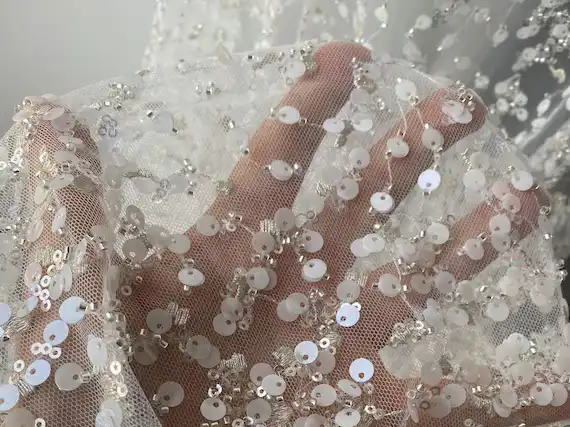
Sequins, Rhinestones and Lace Need Protection
Decorative materials require specific handling during cutting, sewing, inspection, and packing. Sequin loss, scratch points, rhinestone security, bead-chain tension, lace-edge fraying, motif alignment, and heavy seam areas should be checked before production. Protective tissue, folding direction, polybag size, or other packing adjustments may be needed for styles where decoration can press into the garment surface during transit.
Turn a Line Sheet Into a Production-Ready Collection
Brief Review
Fabric Direction
Pattern Engineering
Sample Validation
PP Lock
Bulk Planning
Complex Sampling Before Bulk Protects the Collection
Corset, mesh, lace, sequin, cut-out, strapless, and bodycon styles should prove their structure in sampling before bulk production. The sample stage is where fit, material behavior, internal support, visual accuracy, and manufacturability are tested at far lower risk than on the production line.

Sample Timing Depends on Construction and Material Readiness
For planning reference, a straightforward dress sample is commonly around 10-15 days after development information and workable materials are confirmed. Complex corset, sequin, lace, mesh, and related styles commonly need around 15-25 days, or a project-specific schedule when custom fabrics, special trims, certified materials, extensive embellishment, or major pattern work are involved. These ranges are development references rather than fixed promises.
A night-out collection rarely needs every sample at the same priority. Campaign hero styles, fitting blocks, key fabric groups, or styles with the highest construction risk can be moved first, while lower-risk extensions follow. This helps the brand receive useful fit and visual information earlier instead of waiting for every design to finish together. Sample fees are quoted separately because pattern work, material preparation, trims, sewing, measurement checking, and revision work are real development costs.

Fit Verification Must Match the Specific Silhouette
A first sample answers whether the design is physically workable; it is not automatically the final bulk standard. Bodycon dresses are checked for stretch recovery, bust-waist-hip balance, side seams, neckline, and hem behavior. Corset and strapless styles need cup, boning, upper-bust, anti-slip, and pressure review. Halter and backless styles need neck pressure, bust coverage, strap angle, side exposure, and back stability. Cut-outs require movement testing and opening measurement.
Fit comments should be specific enough to change a pattern: lower neckline by a defined amount, shorten strap, adjust side opening, add under-bust support, change hem length, revise waist ease, or move a slit. Large changes normally require a revised sample. Once fit is accepted, the updated pattern and measurements become part of the PP preparation rather than living only in chat messages or marked photos.

Fabric and Trim Verification Prevents Expensive Substitution Errors
A sample is also a material test. Satin is reviewed for drape, color, shine, zipper behavior, snagging, pressing, and folding.
Mesh is reviewed for transparency, recovery, hole risk, lining, and edge stability. Sequins and rhinestones are checked for decoration security, scratch points, weight, and packing. Cups, boning, anti-slip, zippers, straps, sliders, hooks, lace trims, and lining are confirmed according to the final construction.
When a replacement fabric or trim is proposed, the comparison should include composition, weight, width, stretch, hand feel, drape, transparency, color, MOQ, price, lead time, and pattern impact. A visually similar material can change fit enough to require another sample. Material approvals should therefore be linked to the style version used for PP rather than treated as an independent swatch decision.

Revision Records and PP Approval Create a Bulk Standard
All changes affecting bulk should move into revised patterns, size charts, BOM, fabric approvals, trim approvals, sewing instructions, label files, packing instructions, and QC checklists. Revision records should identify the issue, cause, action, pattern impact, cost impact, lead-time impact, required approval, and next sample step. Clear records prevent a team from producing from an old photo, obsolete measurement, or superseded trim decision.
PP approval is the point where fabric, color, trims, measurements, construction, labels, hangtags, polybags, carton marks, packing method, and QC requirements are locked for production. A Golden sample can then be used as the visible reference for bulk. If a major design change occurs after PP, the project should be reassessed rather than forcing the change into production without checking material, cost, quality, and schedule consequences.
Prioritize Samples Around Launch and Selling Importance
Hero Styles First
High-Risk Styles Early
Photo and PP Roles
Release in Waves
MOQ Planning for Multi-Style Night-Out Collections
Jinfeng Apparel’s standard MOQ starts from 200 pcs per style/color. MOQ is calculated by style and color, not by the combined quantity of an entire collection. Special fabrics, custom colors, trims, printing, embellishment, certification, and private-label packaging can carry separate supplier minimums.
| Collection Scenario | Quantity Structure | Standard Garment MOQ | Main Planning Issue | Recommended Action |
|---|---|---|---|---|
| 1 style, 1 color | 200 pcs | Meets standard MOQ | Basic fabric and trim availability | Confirm size ratio and packing |
| 1 style, 2 colors | 200 pcs per color, 400 pcs total | Meets standard MOQ | Color-specific material and dye lot | Confirm both colors before booking |
| 10 styles, 1 color each | 200 pcs per style, 2,000 pcs total | Meets standard MOQ | Multi-style sample and line coordination | Prioritize core and complex styles |
| 12 styles with 2 colors each | 200 pcs per style/color, 4,800 pcs total | Meets standard MOQ | More SKUs, color tracking, packing | Lock SKU table and production waves |
| Custom mesh, lace, sequin or special trim | Style/color MOQ may be met | Material MOQ may be higher | Supplier minimum, lead time, color availability | Check material MOQ before final assortment |
| Custom labels or special packaging | Garment MOQ unchanged | Packaging supplier MOQ may apply | Labels, hangtags, printed polybags, boxes | Confirm packaging quantities early |
Build Cost From Product Reality, Not a Generic Dress Price
Fabric and Lining
Construction and Labor
Assortment and Quantity
Packing and Delivery
Coordinate Multi-Style Bulk Production Without Losing the Sample Standard
Bulk production begins only after the approved style information can be translated into repeatable line instructions. For night-out collections, the main challenge is not merely capacity; it is keeping different fabrics, silhouettes, trims, size ratios, and packing requirements aligned while several styles move at different speeds.
Release Production From Locked PP Standards
Before line release, the production team should have the approved PP sample or Golden sample, final pattern, size chart, grade rule, BOM, fabric approval, trim approval, sewing instruction, label file, packing requirement, quantity breakdown, QC points, and target shipment plan. Missing decisions at this stage often become bulk inconsistency later, especially for cut-outs, corset structure, lining boundaries, and decorative placement.
Incoming materials are checked against approved requirements before bulk use. Cutting and sewing should follow the correct pattern version and component specification, while approved visual references remain available for comparison. Major design changes after production release are not treated as harmless comments because they may affect materials already booked, patterns already graded, work already completed, cost, and delivery timing.
Match Style Structure to the Right Production Unit
Jinfeng Apparel operates 6 owned women’s fashion factories with 10+ long-term satellite production partners, 18+ sewing lines, and 6+ flexible production lines. The value of this network is product allocation rather than raw numbers. Stretch bodycon and jersey styles need teams familiar with recovery and seam stability; woven satin styles need clean handling and pressing; complex party or occasion dresses need experience with lining, boning, lace, mesh, sequins, and controlled finishing.
Styles are allocated according to material, silhouette, construction difficulty, repeat-order history, and schedule. A multi-style program can therefore be managed as related production groups rather than a random mix. Unified PP information, QC checkpoints, packing instructions, and project follow-up are used to keep standards aligned across production units.
Track Bulk by Style, Material, QC and Shipment Priority
A collection should be followed by style status rather than one overall percentage. Material arrival, cutting, sewing, finishing, measurement checks, rework, packing, and inspection can progress differently across styles. Project follow-up tracks these differences so an unresolved trim on one statement dress does not hide the fact that other styles are ready for the next stage.
For launch-sensitive orders, split-shipment planning can be considered by project. An urgent portion such as 10-30% of selected SKUs may move by air while the remaining bulk moves by sea, depending on launch date, freight economics, warehouse needs, and client approval. Regular bulk is generally suited to sea freight, while samples commonly move by express. Exact production and shipping time is confirmed from style complexity, materials, quantity, destination, season, and transport mode rather than promised as one universal lead time.

Allocate Production by Fabric and Construction Risk
Stretch and Bodycon
Satin and Woven
Complex Partywear
Night-Out QC Must Follow the Risk of Each Style
A generic final inspection cannot replace product-specific control. Night-out dresses expose fit, surface, support, and trim errors quickly, so QC checkpoints need to follow the approved material, silhouette, construction, measurement, and packing standard from incoming materials through finished garments.

Stretch, Bodycon and Ruched Styles Need Recovery Checks
Incoming stretch fabric should be compared with the approved material for weight, hand feel, direction, color, stretch, and recovery. During sewing, side seams, neckline, armholes, ruching, elastic tension, and hem behavior are watched for distortion. Finished-garment measurements focus on bust, waist, hip, total length, and critical openings, but measurement alone is not enough if the fabric fails to recover after handling.
Bodycon bulk should also be reviewed for side-seam twisting, uneven gathering, waist bagging, neckline growth, and hem riding. Where the style uses several panels or mixed mesh and jersey, panel stretch must work together. The approved sample and measurement sheet provide the reference, while size-ratio checks help identify grading problems that may not appear in the base size.

Satin and Mesh Need Surface, Transparency and Edge Control
Satin QC pays attention to shade, shine direction, snagging, needle marks, zipper bulging, seam puckering, pressing, stains, and packing creases. Panels should follow the approved fabric direction so light reflects consistently across the garment. Lining should not change the intended color or show below the hem. Packing method needs enough care to protect the surface and reduce avoidable crease lines.
Mesh QC focuses on holes, snags, transparency, stretch recovery, seam appearance, neckline and armhole stability, lining position, and panel alignment. Sheer zones should match the approved sample and coverage specification. Because mesh becomes more transparent when stretched, inspection of fit-sensitive areas should consider how the garment behaves on-body, not only how it looks flat.

Corset, Strapless and Cut-Out Styles Need Structural QC
Corset and strapless inspection includes cup shape and position, boning placement, upper-bust measurement, waist shaping, anti-slip, lining, closures, and visible symmetry. Boning should not twist, protrude, or create avoidable pressure points. Cups should sit evenly and match the intended neckline. Strapless top edges need enough stability to avoid rolling or dropping.
Cut-outs and backless structures are checked for opening dimensions, strap length, elastic or binding tension, side coverage, zipper position, reinforcement, and movement stability. An opening that measures correctly but deforms under stretch still needs attention. Approved pattern points and sample photos help inspectors understand the intended proportion rather than judging only general appearance.

Sequins, Rhinestones and Packing Need Final Protection
Sequin and rhinestone styles are inspected for decoration loss, loose threads, scratch points, placement consistency, missing components, heavy seam areas, lining coverage, zipper clearance, and visible repair marks. Decorative materials can damage adjacent fabric during folding, so packing must be reviewed together with the garment. Tissue, protective layers, larger polybags, or adjusted folding may be used when required by the style.
Final packing checks cover garment cleanliness, correct size, color, hangtag, barcode, SKU label, polybag, quantity, carton mark, and carton-level color-size distribution. Client AQL requirements, third-party inspection, or client inspection support can be coordinated by project. Quality control is strongest when product risk, measurements, visual standard, and packing data point to the same approved version.
Private Label Packing Ready for Retail and Ecommerce
Brand Labels
Hangtags
Barcode and SKU
Individual Polybags
Carton Control
Warehouse Labels
Compliance, Inspection and Brand Protection for Mature Programs
Project-Based Compliance
NDA and Design Protection
Inspection and Documentation
Night-Out Collection Case With Multi-Style Coordination
The most useful manufacturing proof is not a logo list; it is a project structure that shows how styles, fabrics, fit, samples, bulk, QC, packing, and delivery are controlled together. Client identity and unpublished design information remain protected unless written authorization allows disclosure.

Collection Scope and Development
An anonymous US fashion brand developed a 22-style night-out dress program of approximately 48,000 pieces, within Jinfeng Apparel’s current multi-style order pattern of roughly 10-30 styles and 20,000-80,000 pieces per brand order.
The assortment combined commercial bodycon and ruched minis with satin slips and halter dresses, mesh and cut-out styles, corset and strapless designs, plus selected sequin and rhinestone statement pieces.
The program carried different technical risks instead of one repeated dress construction. Stretch styles needed recovery and bust-waist-hip control; satin styles needed surface, shade, zipper, and pressing discipline; mesh and cut-out designs required transparency, lining, opening stability, and movement review; corset and strapless styles needed cups, boning, upper-bust support, and anti-slip confirmation; embellished styles required trim security, skin-comfort review, and protective packing.
Development was prioritized by commercial importance and risk. Core fit blocks and campaign-facing styles moved earlier, while related extensions followed after key fit and fabric decisions were understood.
Styles with major pattern, material, or construction changes received revised samples before PP approval. The brand’s size chart, color plan, private-label files, SKU structure, packaging, and launch requirements were managed alongside product development rather than treated as a final packing task.

Bulk Coordination, QC and Delivery
After PP standards were locked, the 22 styles were grouped by material and construction for production allocation. Stretch bodycon styles were managed around recovery and measurement control; woven satin styles were handled around surface and zipper quality; complex partywear styles were assigned with additional attention to lining, support structure, mesh, cut-outs, and decoration. Project follow-up tracked material readiness, production status, QC findings, packing, and shipment preparation by style rather than relying on one overall progress figure.
QC followed product-specific checkpoints. Bodycon styles were measured at bust, waist, hip, and length with side-seam review; satin styles were checked for shade, snagging, zipper flatness, pressing, and crease control; mesh was checked for holes, transparency, lining, and neckline stability; corset and strapless styles were checked for cup, boning, anti-slip, and symmetry; decorated styles were checked for loose sequins, rhinestones, scratch points, and packing protection.
Private-label packing included approved labels, hangtags, barcodes, SKU labels, polybags, carton marks, and color-size carton control. Shipment planning followed the brand’s launch sequence and freight strategy. The case demonstrates the value of managing a night-out collection as a coordinated program – multiple silhouettes, materials, fit standards, and SKUs moving under one development and QC system – rather than treating 22 styles as unrelated purchase orders.
Night-Out Dress Collections Frequently Asked Questions

Start Your Night-Out Collection Review
Send the collection information your product and sourcing teams already use. Jinfeng Apparel can review the style mix, construction difficulty, fabric direction, fit risks, MOQ structure, sample priorities, private-label requirements, and bulk-production considerations before a formal development plan is confirmed.
Clear information at the beginning makes quotation, material sourcing, pattern work, sampling, and launch planning more accurate, especially when a collection contains bodycon, mesh, satin, corset, cut-out, sequin, or other fit-sensitive styles. A project review is used to identify workable directions and risk points before production commitments are made.
- Tech pack, line sheet, reference images, sketches, or original-sample photos
- Number of styles and expected quantity per style/color
- Fabric direction, colors, trims, and important construction details
- Target market, size chart, base size, and grade-rule preference
- Private labels, hangtags, barcodes, SKU, packing, and warehouse requirements
- Target price, launch date, testing needs, shipping terms, or nominated forwarder


