Skip to content

Structured Occasionwear Development
Built Around Fit, Support, Silhouette and Repeatable Production
Structured occasionwear needs more than an attractive sketch and clean sewing. Corseted bodices, strapless necklines, fitted waists, mesh panels, satin surfaces, lace placements and formal silhouettes all place different demands on pattern balance, internal support and bulk consistency. Jinfeng Apparel develops structured dresses from tech packs, reference images, original samples, sketches and line sheets, then moves approved standards through sampling, PP approval, production handover, QC and private-label packing.
- 7+ senior womenswear pattern makersfor fit, balance and structural pattern development
- 2 sample roomssupporting first, fit, revised, PP and Golden samples
- 20+ sample machinistsfor complex bodices, lining, boning and detailed dress construction
- 15-25 daysis a normal reference range for complex samples, depending on materials and construction
- 15+ QC inspectorscovering incoming materials, sewing, measurements, finishing and packing
- 100,000+ pcs monthly capacityacross the established womenswear production system
What Gives Structured Occasionwear Its Controlled Shape
Bust Support
Boning Structure
Waist Shaping
Stable Necklines
Internal Layers
Controlled Silhouette
Structured Occasionwear Styles Built for Commercial Collections

Corset Mini Dresses

Structured Midi Dresses

Strapless Cocktail Dresses

Bustier Occasion Dresses

Structured Satin Dresses

Mesh Bodice Dresses

Lace Structured Dresses

Sequin Occasion Dresses

Mermaid Evening Dresses
Where Structured Occasionwear Development Most Often Goes Wrong
Strong Sketch, Weak Fit
Unstable Bust Support
Fabric Fights Structure
Zipper Buckling
Lining Shows or Pulls
Sample-to-Bulk Drift
Bodice Engineering Behind a Stable Occasionwear Silhouette
A structured bodice should hold the intended shape, support the wearer and remain clean on the outside. Jinfeng develops the internal foundation around the actual garment design rather than applying the same corset solution to every dress.

Cup, Bust and Neckline Balance
Bust development starts with body proportion and the intended visual line. Upper bust, full bust and under-bust measurements influence cup volume, neckline position, side-panel shape and center-front length. A strapless or deep neckline may need more internal control than a halter or strapped silhouette, but support should stay hidden and comfortable.
Cup placement is checked against the pattern rather than treated as a trim that can be moved freely at the sewing stage. If the bust point sits incorrectly, the surrounding panels often develop drag lines or unwanted tension. Moving only the cup can create a second problem at the side seam or neckline. Pattern correction, cup specification and internal support therefore move together.
Neckline stability is reviewed during fitting from front, side and movement views. Opening edges, underarm exposure and uneven tension are corrected before PP approval. Depending on the style, solutions can include revised panel balance, lining support, stay tape, elastic, interfacing or selective reinforcement. The goal is a clean neckline that stays in position without creating visible stiffness.

Boning, Channels and Internal Support
Boning is used selectively to stabilize fitted panels, waist shaping and strapless bodices.
Placement normally follows structural seam lines or carefully planned internal channels. Length and rigidity need to support the silhouette while allowing normal movement. A longer or harder bone is not automatically better; incorrect length can press into the body, push the neckline outward or distort the waist.
Channel construction also matters. Boning needs secure placement so it does not migrate, twist or create rough internal edges. Ends should be finished to reduce pressure and protect lining. The surrounding seam allowance and lining structure need enough stability to carry the load created by the bone.
Internal support may also include cups, elastic, power mesh, interlining, stay tape, hook-and-eye components or reinforced panels. Each component is selected by function. Heavy reinforcement across the whole bodice can make a dress thick and uncomfortable, while insufficient support can allow collapse. Development therefore focuses reinforcement where the pattern and wearing behavior require it.

Closures, Lining and Wearability
Closures are part of the structure. Invisible zippers, exposed zippers, hook-and-eye closures or lace-up elements all change how tension is distributed through a fitted dress.
A zipper sewn into an over-tight pattern may buckle even when the sewing is technically clean. Fit correction and zipper construction must be reviewed together.
Lining protects the wearer from boning, seams, sequin edges and internal components while also supporting opacity and shape. The lining pattern needs its own balance and cannot always be copied directly from the shell.
Ease, attachment points and hem length are checked to prevent pulling or exposure.
Wearability is tested through sitting, walking, arm movement and normal body changes during wear.
A structured dress should feel secure without becoming restrictive. Development decisions aim for repeatable support, clean appearance and movement suitable for cocktail, party, wedding guest, graduation and evening use.
Pattern and Fit Development for Structured Dresses
Structured occasionwear reveals pattern errors quickly because the garment follows the body closely and often contains rigid or semi-rigid support. Jinfeng’s pattern team controls body proportion, style lines and movement before a design is transferred into production standards.
Building the Base Proportion
Jinfeng’s pattern development covers mini, midi, maxi, bodycon, corset, strapless, backless and related occasionwear silhouettes. The pattern team reviews full bust, upper bust, under bust, waist, high and low waist, hip, front and back length, shoulder, strap, armhole, neckline depth, slit height and lining balance according to the design.
Structured dresses need special attention to vertical proportion. A corset seam can be shaped correctly at the bust yet still place the waist too high or too low. A strapless bodice can hold securely but feel short through the torso. A fitted midi can measure correctly at waist and hip while still twisting because the front and back balance is wrong.
The first pattern is therefore treated as a technical interpretation of the design, not as a final answer. Reference photos are compared with measurements, fabric behavior and the intended market fit. Areas with limited tolerance are identified before sewing begins, reducing unnecessary sample rounds caused by avoidable pattern assumptions.
Fit Review on the Garment
Fit review looks beyond whether the garment can be zipped. The team examines bust shape, neckline contact, underarm coverage, waist placement, side-seam direction, hip ease, skirt balance, slit position and hem level. Structured styles are also checked for pressure points created by boning, cup edges, elastic or internal seam construction.
Front, side and back views help separate pattern problems from fabric or sewing problems. For example, diagonal drag lines may point to balance or shaping issues, while a wavy zipper may involve fabric stretch, seam tension or excessive suppression. A neckline that opens away from the body can come from panel balance rather than insufficient tightness.
Fit feedback is recorded so revisions can be applied to pattern files and measurement standards. Important changes are not left as verbal sewing-room notes. The goal is to make the approved fit reproducible across the size range and understandable to the production and QC teams.
Grading and Size Continuity
Structured occasionwear cannot be graded effectively by increasing every dimension at the same rate. Bust support, cup position, waist location, strap length, armhole coverage and neckline depth may need controlled grade rules to preserve the design across sizes. Larger or smaller sizes may also require changes in support placement rather than simple circumference adjustment.
Jinfeng uses the approved fit and size chart as the basis for grade review, then keeps key measurement points visible for production QC. Styles with complex corsetry, deep necklines or bodycon fit benefit from extra attention to bust-waist-hip relationships because small proportional changes can alter the silhouette strongly.
Size continuity becomes part of repeat production as well. Final patterns, grade rules, approved measurements and Golden sample references are retained for future color extensions or repeat orders, helping reduce drift between the first production run and later deliveries.
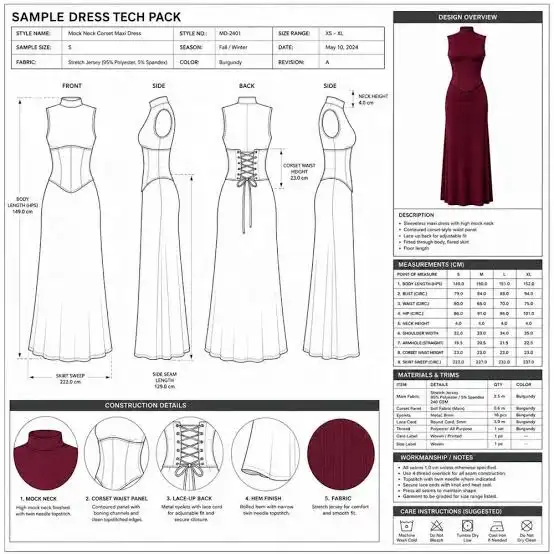
Match Fabric Behavior to the Required Structure
Fabric choice changes fit, support, drape, sewing behavior and bulk consistency. Jinfeng evaluates materials by how they behave inside the planned construction, not only by appearance. Structured occasionwear often needs a shell fabric and internal materials that perform different jobs.
| Fabric Direction | Structural Role | Main Development Risk | Control Focus |
|---|---|---|---|
| Satin | Clean formal surface, shaped bodices, fitted skirts | Shine direction, shade difference, zipper waves, pressing marks | Cutting direction, seam tension, lining support, pressing and packing |
| Stretch Satin / Crepe | Close fit with controlled movement | Overstretch, weak recovery, side-seam movement | Stretch direction, recovery, bust-waist-hip balance, seam stabilization |
| Mesh | Illusion panels, cut-outs, lightweight support zones | Transparency, snagging, distortion, edge growth | Stretch direction, reinforcement, lining coverage, clean attachment |
| Lace | Decorative shell or structured overlay | Motif mismatch, visible joins, damage, transparency | Motif placement, panel planning, lining tone, seam positioning |
| Sequin | High-impact event surface | Weight, sequin loss, scratch, zipper interference | Seam clearing, lining protection, attachment, controlled pressing |
| Lining / Interlining | Comfort, opacity and internal stability | Pulling, bulk, visible print-through, restricted movement | Ease, weight, attachment points, support only where needed |
Design Details Engineered for Fit and Production

Strapless Construction

Deep Necklines

Cut-Out Panels

Ruching and Draping

Slits and Openings

Asymmetric Shapes
Start Development With Clear Product Inputs
Tech Pack
Reference Images
Original Sample
Sketch
Line Sheet
Size Chart
Sample Development for Complex Occasionwear Styles
Sampling is where structure, fit and fabric behavior become measurable. Jinfeng uses different sample stages to separate design development from production approval, reducing the risk of treating an attractive early sample as a finished bulk standard.

First Sample: Test the Construction
The first sample checks whether the design can be translated into the intended shape. Pattern proportion, fabric choice, bust structure, neckline, waist position, closure, lining and key visual details are reviewed together. For structured styles, the team also checks whether boning or support components are doing the intended job without creating visible distortion.
A first sample may expose issues that were not visible in a sketch or tech pack. Cup volume can be wrong even when measurements look close. The waistline may need to move after the bodice is fitted. Satin may show seam pressure that a swatch did not reveal. Mesh may need reinforcement at attachment points.
Complex structured samples commonly require around 15-25 days as a working reference, depending on fabric sourcing, special trims, construction and revision scope. Schedule confirmation follows the actual design rather than a fixed promise for every style.

Fit and Revised Samples: Correct the Real Problem
Fit feedback is classified before changes are made. Problems may come from pattern balance, measurement, fabric behavior, support components, sewing method or design expectation. Jinfeng reviews front, side and back appearance and converts agreed corrections into updated patterns, size charts, BOM details and sewing notes.
Large structural changes normally require a revised sample. Moving a waistline, changing a cup, replacing boning, changing fabric stretch or rebuilding a neckline can affect several areas at once. A physical revised sample is more reliable than assuming the correction will work in bulk.
Version control matters when several styles are being developed in parallel. Each approved change needs a clear reference so the latest pattern and sample instructions are used by the next stage.

PP and Golden Samples: Set the Production Standard
A PP sample comes after fit, materials, trims, construction, labels and packing direction are sufficiently confirmed. The PP stage is used to establish the pre-production standard rather than to continue open-ended design exploration. Remaining bulk-critical details are reviewed before production release.
The Golden sample becomes the sealed physical reference for production meetings, inline comparison, final inspection and repeat-order records. Pattern files, measurement points, fabric and trim references, sewing instructions and QC checks should agree with the approved physical sample.
For structured occasionwear, locking the internal construction is especially important. Boning position, cup type, lining, zipper, support panels and seam methods cannot be treated as invisible details that may change freely after approval.
Fit Revision Before Structured Styles Reach Production
Sample feedback has value only when corrections are converted into updated production files. Jinfeng uses a diagnosis-and-revision approach so fit, construction and material changes move into the final pattern, PP sample and QC standard rather than remaining as informal comments.
Diagnose Before Changing
A tight or unstable garment does not always need more ease. The team first identifies whether the problem comes from bust-waist-hip proportion, torso length, neckline balance, strap length, armhole shape, fabric stretch, boning, cup position, zipper tension or lining. Correct diagnosis prevents one local adjustment from creating a new issue elsewhere.
Fit feedback can come from measurements, fitting photos, try-on notes, original samples or side-by-side comparison with the design reference. Structured occasionwear often needs several views because pressure, gaping or twisting may be hidden from the front.
Convert Feedback Into Files
Approved corrections are applied to the pattern and related production documents. Updates can include size chart points, BOM components, fabric or trim records, sewing instructions, QC checkpoints and packing details where relevant. Version control is especially important when several styles or colorways move at different speeds.
A revised sample is normally used when the pattern changes materially, the fabric changes, internal structure is rebuilt or a complex construction method is modified. Minor cosmetic comments may not require a full rebuild, but bulk-relevant changes still need documentation.
Lock the Corrected Standard
Once fit, fabric, color, trims, construction and commercial requirements are aligned, the corrected style can move into PP approval. The production team should receive the same final pattern, measurement standard and construction reference that created the approved sample.
Jinfeng keeps the PP sample and Golden sample connected to final files so inline QC can compare real garments against a known standard.
The aim is not endless revision; the aim is a clear point where development ends and controlled production begins.
Lock Critical Details at PP Sample Approval
PP approval defines the point where a developed style becomes ready for controlled production. Changes after the lock can affect fit, cost, material purchasing and schedule, so every bulk-critical element needs a clear approved reference.
| PP Lock Item | What Gets Confirmed | Bulk Risk if Left Open |
| Final Pattern | Panel shape, seam lines, balance, internal structure | Measurement drift, changed silhouette |
| Size Chart | Critical points and approved tolerances | Inconsistent fit across sizes |
| Shell Fabric | Color, weight, stretch, drape, surface | Different hand feel or silhouette |
| Cups / Boning | Type, size, length, position and attachment | Support changes, discomfort, visible distortion |
| Trims / Zipper | Specification, color, length and function | Closure issues, visual mismatch |
| Lining | Weight, color, coverage and ease | Pulling, opacity or comfort problems |
| Sewing Method | Seams, reinforcement, ruching, slit and finishing | Workmanship varies by line |
| Labels / Packing | Label placement, hangtags, polybag and carton standard | Retail and warehouse errors |
Transfer the Approved Sample Into Bulk Production
A strong sample is not enough unless production receives the same information used to build it. Jinfeng links the approved sample to final patterns, materials, sewing instructions and QC checkpoints so the development result can be repeated across a commercial order.

Final Pattern and Measurement Handover
Production receives the approved pattern version and size information rather than an earlier development file. Critical measurements for structured styles are highlighted according to the garment: bust, upper bust, under bust, waist, hip, bodice length, neckline depth, strap length, slit height or hem length.
Grade rules and size charts need to agree with the final base-size fit. If a revised sample changed waist position or bust shaping, the production pattern and measurement standard must reflect the change before cutting starts.
Pattern and measurement control protects the silhouette at scale. A small error repeated across many units becomes a commercial problem, so the handover focuses on the details that influence fit most strongly.

BOM, Materials and Construction References
The BOM links approved fabric, lining, cups, boning, zippers, labels and other trims to the style. Fabric references include the correct color and approved direction where shine, stretch or motif placement matters. Trim references reduce substitution at line level.
Construction instructions record seam methods, internal support, lining attachment, reinforcement, ruching, slit finishing and closure details. Structured garments often contain work that is hidden after completion, so internal methods need to be clear before sewing begins.
The PP sample and Golden sample give production teams a physical comparison point. The sample should agree with the written standard; conflicting references are resolved before bulk release.
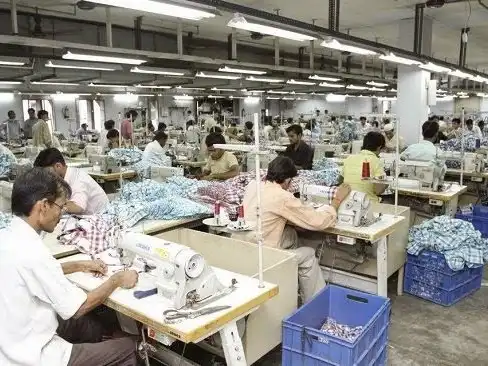
QC Handover and Line Control
QC checkpoints are built around the developed style. Structured bodices may need checks for cup symmetry, boning position, neckline shape and zipper flatness. Satin needs shade and surface control. Mesh and lace need damage, transparency and placement checks. Floor-length garments need hem balance and packing attention.
Inline inspection catches deviations while correction is still possible. Final inspection then reviews measurements, appearance, function, finishing, labels and packing against the approved standard.
A disciplined handover reduces the gap between the sample room and production floor, which is one of the main sources of sample-to-bulk inconsistency in complex womenswear.
Production Control for Structured Occasionwear Programs
Bulk production needs more than repeating the sample steps at higher volume. Materials, cutting, structured sewing and finishing each have their own control points, especially when several styles or colorways move through production at the same time.

Material Release and Cutting
Bulk fabric is checked before cutting for color, weight, hand feel, width, shrinkage risk, visible defects and style-specific concerns such as satin shade variation, mesh snags, lace damage or sequin loss. Materials are released only after the relevant approvals are in place.
Cutting control checks pattern version, fabric direction, stretch direction, panel quantity and size bundling. Satin needs consistent shine direction. Lace and printed materials may need placement control. Structured bodice panels require accurate cutting because small shape changes affect fit after assembly.

Structured Sewing and Assembly
Production sewing follows the approved construction standard for cups, boning channels, lining, zippers, seams, ruching, slits and reinforcement. Internal components are installed in the planned sequence so they do not distort outer panels or create unnecessary thickness.
Fitted styles need controlled seam allowance and tension. Strapless and corset garments require left-right balance. Mesh, lace and sequin sections need handling suited to the material rather than the same line method used for basic woven dresses.

Inline Inspection During Sewing
Inline QC reviews problems before garments reach final finishing. Stitch density, seam quality, symmetry, zipper flatness, strap length, ruching position, lace matching, lining attachment and slit height can be checked while production is active.
Structured garments also benefit from periodic measurement checks because small changes in seam allowance can alter bust, waist and hip fit. Early correction protects later output and reduces the amount of finished stock requiring repair.

Finishing and Packing Protection
Pressing is controlled according to fabric surface and internal construction. Satin can mark under excessive pressure, while boning and cups may create unwanted impressions if garments are pressed or folded carelessly. Sequin and lace styles need finishing methods that protect the surface.
Packing method considers garment length, decoration and crease sensitivity. Retail labels, barcodes, size stickers, polybags and carton marks are checked before shipment preparation so a technically strong garment also arrives ready for the intended sales channel.
Quality Control Built Around Structured Garment Risk
Quality control for structured occasionwear must follow the construction, not a generic final checklist. Jinfeng combines material, cutting, sewing, measurement, garment and packing checks so hidden structural details and visible presentation are reviewed through the production cycle.

Material and Cutting QC
Incoming inspection covers fabric color, weight, hand feel, width, shrinkage and visible defects according to the program. Satin receives attention for shade and surface direction; mesh for snags and stretch; lace for damage and motif condition; sequin fabric for loss and surface integrity.
Cutting QC confirms the correct pattern version, panel direction, stretch direction, quantity and size bundling. Placement-sensitive materials are checked before panels move into sewing. Accurate cutting is particularly important for corset and fitted bodices because panel shape creates much of the final fit.

Sewing and Structural QC
Inline sewing inspection reviews stitch quality, seam allowance, symmetry, zipper flatness, strap length, ruching placement, lining attachment and slit construction. Structured styles add checks for cup symmetry, boning placement, neckline stability and support-panel alignment.
Internal structure should remain secure and comfortable. Boning must stay in position, channels should not twist, and cup or lining edges should not create visible print-through. Issues are corrected while the line is active rather than left for final pressing.

Measurement and Appearance QC
Measurement checks focus on the points that control the silhouette. Bust, under bust, waist, hip, bodice length, neckline depth, strap length, slit height and overall length are selected according to the style. A measurement within a general range is not enough if the garment shape has visibly changed.
Final garment review also covers fit effect, pressing, stains, holes, loose threads, zipper function, lining exposure, color difference and overall symmetry or intentional asymmetry. Structured occasionwear needs to look controlled on the hanger and on the body.
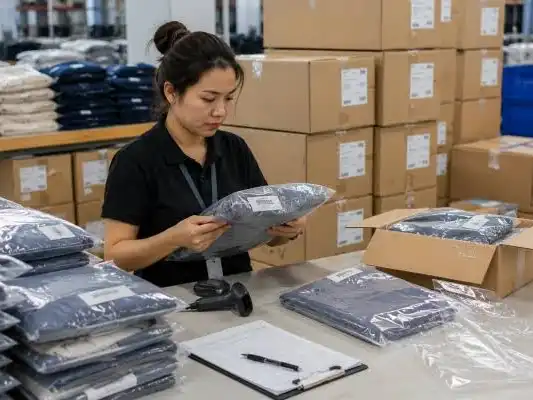
Packing and Inspection Support
Packing QC checks labels, care information, hangtags, barcodes, size stickers, folding, polybags, carton marks and packing ratios. Long gowns, satin surfaces and embellished styles may need packing methods that reduce crushing, severe folds or decoration damage.
Jinfeng can work to client quality manuals, agreed measurement tolerances, inspection requirements and third-party inspection arrangements by project. AQL can be used as a sampling framework when specified, while the exact standard and acceptance criteria are confirmed for the program.
Development Capacity for Multi-Style Occasionwear Programs
6 Owned Factories
10+ Production Partners
100,000+ Monthly Capacity
18+ Sewing Lines
2 Sample Rooms
15+ QC Inspectors
A Multi-Style Structured Occasionwear Program in Production
An anonymized US occasionwear program shows how development decisions move across several styles rather than one isolated dress. The program combined corset-inspired bodices, satin surfaces, mesh sections and fitted silhouettes with retail-ready private-label requirements.

Program Scope
The collection included 18 styles and approximately 36,000 pieces, within a larger brand program planned across multiple colors and sizes.
Product direction covered structured satin mini and midi dresses, corset-inspired cocktail styles, mesh-panel fitted dresses and selected evening silhouettes.
Several styles shared fabric families or trims, but construction could not be standardized blindly. Strapless pieces needed stronger upper-bust control, mesh styles required reinforcement at attachment points, and satin designs needed more attention to zipper flatness and pressing. Development was organized by structural risk and launch priority rather than by style number alone.

Development Challenges
The main development issues were bust stability, waist placement, zipper waves, lining comfort and consistency across multiple colorways. Some early fitting comments affected both pattern and internal support, so corrections were documented before revised samples were prepared.
Satin shade and shine direction also needed closer control because visually similar rolls could look different under event lighting. Mesh panels had to retain transparency without losing edge stability. Structured bodices needed support strong enough to hold shape while remaining comfortable for normal wear.
The program therefore required coordination between pattern, sample, fabric, merchandising and QC teams rather than a simple sample approval sequence.

Sample and PP Control
First and revised samples were used to resolve pattern balance, cup position, neckline contact, boning placement, lining and zipper behavior. Bulk-relevant changes were transferred into updated patterns, size charts, BOM details and sewing instructions.
PP samples were then reviewed against the final fabric, trims and construction direction. Golden samples provided the physical standard for production and QC. Multi-style tracking kept pattern versions, fabric approvals, trim references and packing requirements separated by style and color.
The development stage ended only after the production team had a clear handover package rather than a mix of old notes and sample-room memory.

Bulk and Delivery Result
Bulk control focused on satin shade consistency, structured bodice shape, zipper flatness, lining, measurements, labels and packing. Inline inspection was used to catch construction drift while the sewing lines were active, followed by final garment and packing checks.
Private-label requirements included size labels, care labels, hangtags, barcodes, polybags and carton marks. The program was planned for phased shipment according to production readiness and launch schedule.
The commercial lesson was simple: a multi-style occasionwear program stays stable when the approved fit, material and construction standards remain connected from development through packing. Order volume alone does not create consistency; controlled transfer and repeatable references do.
Keep Repeat Orders Close to the Approved Standard
Repeat the Same Style
Extend New Colors
Update the Collection
Structured Occasionwear Frequently Asked Questions
Support is developed through pattern balance, upper-bust and under-bust fit, cup position, boning or reinforcement, lining and closure tension. The team checks movement as well as standing fit. A slipping neckline is not automatically solved by making the bodice tighter; pattern length, side-panel shape and internal support may need correction together.
Yes. Development can begin from reference images, sketches, original samples or line sheets. The team identifies measurements, fabric direction, construction, support requirements and missing decisions before pattern work advances. A size chart and target commercial requirements are still important because visible photos cannot define every internal or fit detail.
Complex structured styles commonly require around 15-25 days as a working reference, depending on fabric sourcing, special trims, internal construction and revision scope. Simpler dress samples may move faster. The confirmed schedule is set after the design, materials and sample requirements are reviewed rather than applying one lead time to every style.
Cup type, position, boning length, channel placement, lining and attachment method are reviewed during sampling. Bulk-critical details are included in the PP approval and production instructions. Golden sample references help sewing and QC teams compare production garments against the approved structure rather than changing hidden components during bulk sewing.
The cause is checked before correction. Zipper waves can come from excessive waist suppression, fabric stretch, seam tension, zipper specification, interfacing or pattern balance. Depending on the diagnosis, the solution may involve pattern adjustment, seam stabilization, zipper changes or revised sewing method. Pressing alone should not be used to hide a structural problem.
Yes. Satin exposes shade, shine direction, seam pressure, zipper waves and pressing marks, while mesh brings transparency, stretch, snagging and reinforcement concerns. Both can be used in structured occasionwear, but pattern support, lining, cutting direction, sewing method and QC checkpoints need to reflect the material behavior.
The PP sample should align with final pattern, measurements, fabric, color, cups, boning, trims, construction, lining, labels and packing direction. Open structural or material questions should be resolved before bulk release. Changes after PP approval can affect cost, material purchasing, schedule and consistency, so major revisions are evaluated before production continues.
The approved standard is transferred through final pattern files, size charts, BOM, fabric and trim references, sewing instructions, PP and Golden samples, and QC checkpoints. Incoming material checks, cutting control, inline sewing inspection, measurement review and final garment inspection then compare production against the approved references.
Yes. Jinfeng supports multi-style women’s fashion programs with pattern, sampling, merchandising, production, QC, private-label packing and phased shipment coordination. Programs can include structured satin, mesh, lace, sequin, corset-inspired and evening styles. Style allocation and scheduling are evaluated according to complexity, material readiness and approved production standards.
MOQ starts from 200 pcs per style/color, with fabric, trim, construction and packaging conditions reviewed by project. Structured occasionwear programs from established brands often include multiple styles, colors and size ratios, so production planning focuses on collection structure, material commitments, line allocation and delivery requirements rather than treating the MOQ as the main purchasing decision.

Start Your Structured Occasionwear Development Program
Send the design information that best represents the collection: tech packs, line sheets, reference images, original sample photos, size charts or fabric direction. Jinfeng can review structure, fit risk, material requirements, sample route and production considerations before the project moves into pattern and sample development.
For multi-style programs, include the style count, planned quantity by style or color, target size range, private-label requirements and expected launch window so development and production priorities can be organized around the full collection.
Useful information for project review:
- Style images, tech packs, sketches or line sheets
- Planned quantity by style and color
- Target size range and measurement chart
- Fabric direction or approved material reference
- Cup, boning, lining, zipper and trim requirements
- Label, hangtag, barcode and packing standards
- Target sample stage and launch schedule
- Inspection or quality manual requirements