 Skip to content

PP Approval Record Standardization
Turn an approved PP sample into one controlled production reference for pattern, materials, workmanship, labels, packing and bulk QC.
A PP sample has value only when every approved detail can be traced into bulk production. Jinfeng Apparel structures PP approval around recorded revisions, locked production references and documented handover rather than a simple “approved” message. The workflow is supported by 2 sample rooms, 7+ senior pattern makers, 20+ sample machinists and 15+ QC inspectors, with merchandising coordination across development and production. The objective is simple: the factory floor, QC team and brand team should work from the same final standard.
- Lock the final pattern, measurement file, fabric, trims, construction, labels and packing direction before bulk release.
- Record sample version, issue category, revision action, approval status and the next production step.
- Transfer approved PP information into production instructions, QC checkpoints and Golden Sample control.
Where PP Approval Records Usually Break Down
Scattered Approval Comments
Email, messaging apps, annotated photos and spreadsheets can all carry useful feedback, but production becomes risky when final comments remain scattered across channels. A neckline comment may sit in email while a strap-length adjustment appears only in chat. The approval record should capture the final accepted action and connect it to the active sample version. Production teams should not be expected to reconstruct the decision history from conversation threads.
Unclear Sample Version
“PP approved” is incomplete if no one can identify whether PP V1, V2 or V3 became the final reference.
Every revision that changes fit, fabric, trim, construction, color, label placement or packing should move the record to a new controlled version.
Old samples and old files must remain clearly distinguishable from the final release set so that production cannot accidentally return to an earlier specification.
Old Measurement Files
A revised sample can look correct while an old size chart remains in the production pack.
That disconnect is dangerous because cutting, grading and QC often rely on documents rather than visual memory. Final measurements need to correspond with the approved pattern and PP sample.
Any fit correction affecting bust, waist, hip, length, strap position, armhole, slit or lining coverage should be reflected in the active measurement file before bulk cutting begins.
Material Substitution Drift
Construction Notes Missing
Packing Version Conflict

What Standardized PP Approval Should Achieve
A standardized PP approval system creates one traceable production baseline. The goal is not more paperwork; the goal is fewer interpretation gaps between development, merchandising, pattern, sample room, production, finishing and QC.
One Final Production Reference
- A mature approval process identifies a clear final set: approved PP sample, final pattern, active measurement chart, confirmed BOM, fabric and trim references, sewing instructions, label files, packing instructions and QC requirements. Every function should know which version is active. The record becomes the link between a physical garment and the documents needed to reproduce it at scale.
- For a fashion brand managing frequent seasonal drops, the difference matters. A sample can be visually excellent while bulk fails because a production line received an older trim reference or size chart. Standardization removes ambiguity by defining the approved version and the documents attached to it before release.
Approval Means Ready for Controlled Bulk
- PP approval should not mean “the sample looks close enough.” It should mean the remaining variables are controlled well enough for bulk planning and QC. Major fit, fabric, structural or construction questions should be resolved before PP approval. Minor administrative follow-up can be tracked separately, but unresolved points affecting the garment itself should not disappear under an “approved” status.
- Jinfeng treats PP sample approval as the stage where final production requirements are confirmed rather than a stage for unrestricted redesign. When major changes appear after PP approval, the impact on pattern, cost, material booking, lead time and the need for re-approval is reviewed before production continues.
Build a PP Readiness Gate Before Approval

Pattern and Fit Ready

Measurements Ready

Fabric and Color Ready

Trims and Structure Ready
Zippers, bra cups, boning, elastic, hooks, hardware, lace trims, rhinestones and other structural or decorative components can affect both appearance and wearability.
The PP stage should use the intended bulk direction whenever feasible. If a temporary component is used, the exception needs to be recorded and the final bulk trim requires separate approval before production release.

Labels and Packing Ready
Main labels, size labels, care labels, hangtags, barcode direction, polybag requirements and carton marks should be sufficiently developed to avoid a garment being production-ready while branding and packing remain undefined.
Not every packing file must be physically attached to the PP garment, but the release record should identify what is approved, pending or due before packing begins.

Commercial and Schedule Ready
What Belongs in a PP Approval Record
A useful approval record should answer three questions without searching through old messages: what was approved, which version was approved, and what bulk production must follow. The structure below keeps technical, material and commercial handover points connected.
| Record Category | Typical Fields to Control | Production Purpose |
|---|---|---|
| Style Identity | Style number, season, order reference, color | Prevents files from being applied to the wrong style or color |
| Sample Version | First, revised, PP V1/V2/V3, final status | Separates development history from the released PP version |
| Fit and Measurements | Final pattern reference, active size chart, key measurements, tolerance notes | Gives pattern, grading and QC teams a common reference |
| Fabric | Fabric reference, color, stretch/drape notes, approved substitute if applicable | Controls material identity and performance-related risk |
| Trims | Zipper, cup, boning, elastic, hardware, lace trim, decoration | Prevents unapproved component changes during bulk sourcing |
| Construction | Seam method, stitch details, lining, internal structure, reinforcement, finishing | Converts sample workmanship into repeatable sewing instructions |
| Labels | Main label, size label, care label, placement | Links branding requirements to garment construction and packing |
| Packaging | Hangtag, barcode, polybag, fold method, carton mark, SKU label | Prevents packing-stage version conflicts |
| Revision Record | Issue category, original comment, analysis, revision action, impact | Shows how comments were closed before approval |
| Approval Status | Approved, conditionally approved, revision required, approval date | Makes release status visible to all teams |
| Open Points | Remaining action, owner, due stage | Stops unresolved issues from disappearing after sign-off |
| Bulk Release | Production-ready status, linked files, Golden Sample/QC reference | Connects PP approval directly to controlled manufacturing |

Control Sample Revisions Before Final PP Sign-Off
Sample revision control should show the decision path, not only the latest garment. Jinfeng records the reason for a change before confirming the revision action, cost impact, timing impact and next sample step.
Classify the Issue First
- Every comment should be connected to a meaningful category such as fit, fabric, construction, trim or color. Classification prevents one revision from creating an unintended problem elsewhere. For example, a neckline reduction may affect pattern shape, lining, seam stability and visual balance. A zipper change may alter seam allowance, pressing and cost. Recording the category forces the development team to consider the full impact rather than treating each comment as isolated text.
- A strong internal review separates factory execution issues from design changes. If an approved instruction was missed, correction belongs to factory execution. If a brand changes the silhouette, fabric, decoration or packing direction after the sample was completed, the request becomes a new development change and requires impact review.
Record the Original Comment and the Action
- Revision records should keep the original brand comment visible alongside the factory analysis and the chosen action. Typical fields include sample version, issue category, client comment, internal analysis, revision action, pattern impact, cost impact, lead-time impact, approval needed and next step. The format makes handover easier because a new merchandiser, pattern maker or QC inspector can understand the history without reconstructing every message.
- Comments that affect bulk should feed into updated technical documents. Relevant changes can require a revised pattern, updated measurement chart, new BOM, updated fabric approval, new trim approval, revised sewing instruction, label file, packing instruction, QC checklist or PP comments. Important changes should not remain only in chat history.
Close the Revision Loop
- A revision is not closed merely because a new sample has been sewn. Closure needs a visible outcome: accepted, revised again, conditionally approved or moved to the next sample stage. When the new version is approved, superseded files should be treated as historical references rather than active production documents.
- The final PP record should therefore tell a simple story: what changed, what file was updated, which sample proved the change, who accepted the result and whether bulk is ready. Such discipline becomes more valuable as style counts increase across seasonal programs.
Lock Fit and Measurements Into the Approved Standard
Fit-sensitive womenswear can look correct on a hanger while failing on body balance. PP approval needs to convert fit decisions into measurable, repeatable production references rather than relying on visual memory alone.
Final Pattern Must Match Final Fit
- Pattern correction before bulk is one of the most important control points in dress manufacturing. Fit feedback can come from try-on comments, measurement review, photos, videos or annotated sample notes. The pattern maker evaluates the effect on bust, waist, hip, length, neckline, straps, armholes, back shape, slit, lining, support structure and overall proportion before updating the pattern.
- For structured dresses, corset-inspired styles, strapless shapes and low-back garments, small pattern changes can alter stability and comfort. For jumpsuits, changes around waist and hip can affect crotch length and movement. For stretch bodycon styles, fabric recovery and negative ease can change the relationship between flat measurements and on-body fit. A final approved pattern should capture the accepted balance rather than forcing production teams to “copy the sample by eye.”
Measurement Files Become QC References
- The final size chart should correspond with the accepted pattern and PP sample. Points of measurement need clear definitions so that sample room, production and QC teams measure the garment in the same way. Measurement tolerance should be agreed by style and construction rather than presented as one universal number for every garment.
- Bulk QC later relies on the same reference. If a strap was shortened, a neckline raised or a waistline repositioned during sampling, those changes must be reflected in the active measurement file where measurable. If the final garment shape depends on construction rather than a single linear measurement, the QC checklist should also describe the visual or functional checkpoint.
Grading Should Follow the Locked Base
- Once the approved base pattern and size chart are stable, grading rules should follow the brand’s size strategy. Multiple sizes can be produced within the confirmed order quantity, but the approved measurement logic needs to remain consistent across the size run. A change made only to the base sample without updating grading creates a common source of bulk inconsistency.

Standardize Fabric and Trim Approval Before Bulk
Fabric Reference

Color Reference

Structural Trims

Decorative Trims

Label Components

Substitution Control
Turn Approved Workmanship Into Repeatable Construction

Internal Structure
Lining and Coverage

Zipper and Closure Control
Keep Labels and Packing Under the Same Approval Discipline
Garment Labels
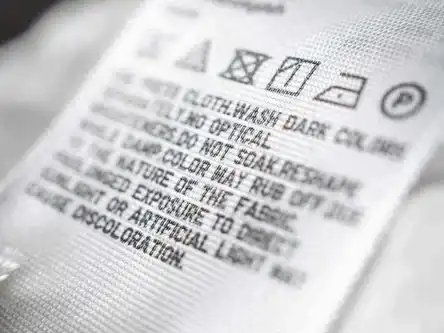
Main label, size label and care label placement should match the approved garment construction. Placement changes can affect comfort, seam method and appearance, especially on lightweight or low-back garments. Final artwork and content should be controlled through the approved label file rather than copied from a previous order without review.

Polybag and Fold Method

Carton and Warehouse Marks

Hangtags and SKU Identification

Manage Changes After PP Approval Without Losing Control
PP approval creates a production lock, not a ban on every future change. When a brand requests a change after sign-off, the factory needs a controlled impact review before updating the production standard.
- Step 1 – Register the Change
The request should identify the exact style, active PP version and requested change. A message such as “make the neckline slightly higher” is not enough for production. The revision should be converted into a measurable or clearly illustrated action wherever possible. - Step 2 – Review Technical Impact
Pattern, measurement, fabric, trim, construction, label and packing impacts need review according to the requested change. A new fabric can alter fit and pressing. A different cup can alter bust support. A trim change can affect sourcing MOQ and sewing method. A changed carton mark may not affect the garment but can still require a new packing file. - Step 3 – Review Cost and Timing
Changes made after PP approval can affect material booking, labor, sample cost, production allocation and delivery planning. Jinfeng records the cause before confirming revision cost, timing and the next sample action. Major pattern, fabric, stretch, bust-structure, neckline, cut-out or complex workmanship changes can require a revised or new PP sample rather than a simple document update. - Step 4 – Update Controlled Files
Accepted changes should flow into every affected active document. Depending on the request, updates may include pattern, size chart, measurement record, BOM, fabric approval, trim approval, sewing instruction, label file, packing instruction, QC checklist and PP comments. - Step 5 – Re-Approve and Release
Bulk should follow the new approved version only after the required review is closed. Old documents remain part of the history but should no longer function as production references. The final record should make the release decision obvious to merchandising, production and QC.
Transfer the Approved PP Standard Into Bulk Production
A strong PP record becomes valuable only when the production team receives the same approved standard. The handover should convert sample-room decisions into a production pack that can guide cutting, sewing, finishing, QC and packing.
- Final Pattern and Size Chart
The final pattern should be the production pattern, not an earlier development file. The active size chart and grading direction should correspond with the approved fit. Pattern corrections made during sampling need to be completed before bulk cutting because later changes can create re-cutting, line disruption and inconsistent size runs. - BOM, Fabric and Trim References
The bulk team needs confirmed material references rather than generic descriptions. The active BOM should identify the chosen fabric, color direction and trims, with substitutions clearly closed. For materials with visual or performance sensitivity, physical swatches, trim cards or approved references can support the digital files. - Sewing and Workmanship Instructions
Construction details observed in the PP sample should be translated into the production instruction where repeatability depends on them. Relevant examples include lining attachment, boning position, cup placement, seam treatment, zipper construction, decorative placement and finishing method. - Label and Packing Instructions
Branding and packing should enter the handover at style level. Main labels, size labels, care labels, hangtags, barcodes, polybags, carton marks and SKU requirements need active approved files. Production-ready garments should not reach packing while the team is still deciding which artwork or barcode version is correct. - QC Checklist and Golden Sample
The QC checklist should draw checkpoints from the approved PP standard. Measurements, fabric identity, trims, construction, visible appearance, label placement and packing can then be inspected against the same release set. A Golden Sample or approved physical reference provides an additional visual standard for production and QC. - Production Release
Bulk release is the moment when the approval record becomes an operating document. Merchandising, production and QC should all be able to identify the active version, remaining open points and the files that govern the order. A clean handover reduces dependence on verbal explanation and makes multi-style coordination easier.

Use a Golden Sample as the Physical Control Reference
Link the Sample to the Final Record
Use It During Production
Production supervisors and QC teams can compare bulk garments against the sealed reference for silhouette, fabric behavior, construction, trim position, label placement and overall visual balance.
The sample is not a substitute for measurement or written instructions; it works alongside them.
Keep It for Repeat Orders
Link PP Approval Directly to Bulk QC
PP approval should define what QC later checks. A good record turns development decisions into measurable or observable control points across incoming materials, cutting, sewing, inline inspection, garment inspection and packing QC.
| Approved PP Item | Bulk Control Point | QC Evidence |
|---|---|---|
| Final Measurements | Active size chart and production pattern | Measurement inspection against confirmed points and tolerances |
| Fabric | Approved fabric and color reference | Incoming material identity, shade and relevant visual checks |
| Trims | Confirmed trim card/BOM | Component identity, color, placement and function checks |
| Construction | Approved sewing and internal structure | Inline inspection of seam, lining, support and finishing details |
| Fit/Silhouette | Final pattern plus Golden Sample | Visual balance, proportion and key fit checkpoints |
| Decoration | Approved placement/reference | Position, attachment and surface-quality inspection |
| Labels | Final artwork and placement file | Label identity, content and position verification |
| Packaging | Active packing instruction | Barcode, polybag, fold, SKU and carton-mark checks |
| Approved Exceptions | Recorded conditional points | Verification that agreed conditions were closed before shipment |
| Final Appearance | Golden Sample and PP photos | Garment inspection before packing and release |
Standardize PP Approval Across Multi-Style Collections
Style-Level Status
Revision Tracking
Material Grouping
Sample Priority
PP Lock Status
Production Allocation
Packing and SKU Control
Repeat-Order Records
Apply PP Approval to Complex Womenswear Details

Satin Dresses

Mesh Dresses

Lace Dresses

Sequin Dresses
Sequin styles bring surface, comfort and packing risks. PP review should examine sequin loss, scratch points, seam bulk, zipper area, lining, finishing and protective packing.
A sequin fabric substitution may change weight and sewing difficulty, so the material reference should be locked before bulk. Packing approval also matters because surface damage can occur after a garment passes sewing QC.

Structured Dresses
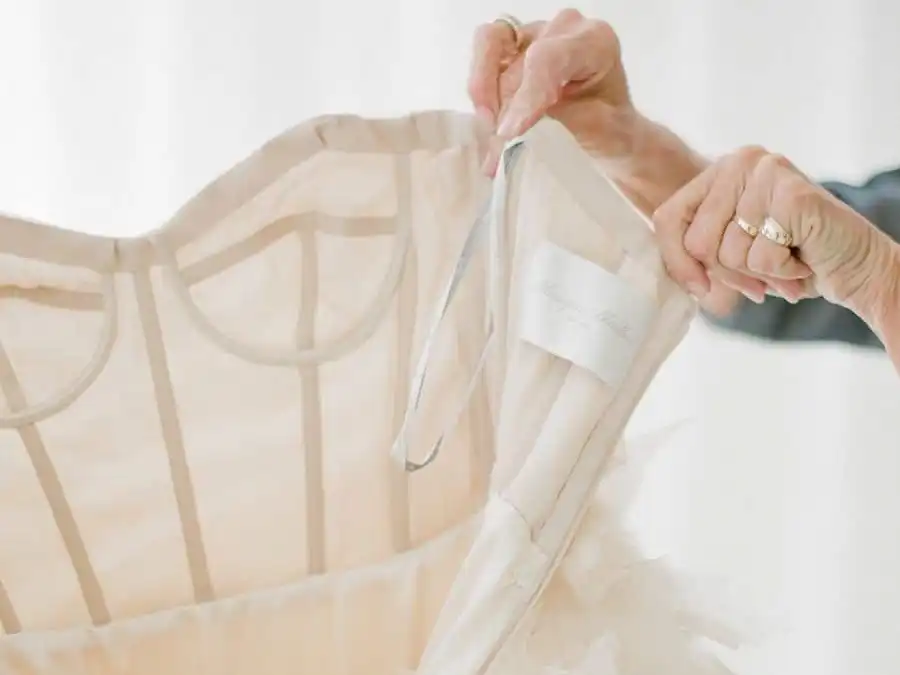
Corset-inspired and structured dresses depend on cup shape, boning, lining, support panels, elastic and neckline stability.
PP approval should capture internal construction as well as the outside appearance.
A bulk line needs clear placement and attachment guidance so support does not vary between operators or sizes.

Jumpsuits and Fit-Sensitive Styles
The Team Behind Controlled PP Approval
2 Sample Rooms
7+ Senior Pattern Makers
Senior pattern makers review fit and structure rather than treating every comment as a sewing adjustment. Their work can cover bust, waist, hip, length, neckline, straps, armholes, back shape, slit, lining, boning, cups, stretch and overall proportion. Pattern corrections are transferred into the final production pattern before bulk.
20+ Sample Machinists
12+ Merchandisers
15+ QC Inspectors
QC inspectors support incoming material checks, cutting and sewing control, in-line inspection, garment inspection, pressing review and packing QC. Their work becomes more precise when PP approval clearly defines the measurements, materials, construction and appearance that bulk production should reproduce.


Multi-Style PP Approval Case
A recent-style program illustrates how standardized approval records help when many garments move through development at the same time. The example below uses an anonymous brand project and keeps commercial identity confidential.
Program Scope
- The seasonal order covered 18 womenswear styles and approximately 42,600 pieces in total, including satin, mesh, lace and structured dress directions. Several styles shared related colors and private-label elements, while fit and construction requirements differed enough to require style-level approval control. Development comments arrived across multiple revision rounds, making version clarity more important than simply moving every style forward quickly.
Approval Challenge
- The main risk came from asynchronous approvals. A few styles reached acceptable fit while trim choices were still moving. Some label and packing files were updated after garment comments had already closed. Without a controlled record, the project could easily have ended with the correct PP sample but the wrong BOM, old label artwork or an outdated measurement file entering bulk.
Control Method
- Each style was managed through its own sample version, revision notes and release status. Fit changes were converted into updated patterns and measurement files. Fabric and trim references were confirmed before bulk release. Construction details were transferred into sewing instructions where repeatability depended on them. Label and packing versions were linked to the style record instead of treated as separate end-of-order paperwork.
- The final production handover connected the approved PP reference with the final pattern, active size chart, material direction, trim information, workmanship notes, label files, packing instructions and QC checkpoints. Styles became bulk-ready individually rather than being released only because the wider collection had reached a calendar deadline.
Production and QC Use
- QC checkpoints were taken from the approved style standard. Measurement inspection followed the active size file, material checks followed the approved fabric and trim direction, and visual inspection used the approved sample/Golden Sample reference where relevant. Packing control then checked label, barcode and carton instructions against the final style-level files.
The strongest result was not a marketing percentage. The operational gain came from reducing interpretation gaps across 18 styles and giving sample room, merchandising, production and QC the same release reference for a 42,600-piece program.
PP Approval Record Frequently Asked Questions
A PP sample is the pre-production sample used to confirm the final production direction before bulk. It should reflect the accepted pattern, measurements, fabric, trims, construction, labels and packing direction as far as the project requires. It is different from a first sample, fit sample or photo sample because the purpose is production readiness and QC reference rather than early design exploration.
Not always. The approved PP sample can become or support the Golden Sample, but the Golden Sample is the sealed physical reference used during bulk production, QC and repeat-order control. If approved changes occur after the PP sample is reviewed, the Golden Sample and linked files must reflect the final accepted standard.
Record the active sample version, final pattern and measurement reference, approved fabric and trims, key construction details, label and packing status, revision history, approval date, open conditions and bulk-release status. Supporting files can remain separate, but their active versions should be linked to the PP approval record.
Yes, but changes should go through impact review. Pattern, fabric, stretch, cup/boning structure, neckline, cut-out, major decoration or workmanship changes may require a revised or new PP sample. Smaller label or packing changes can sometimes be closed through controlled file updates, depending on whether the garment itself is affected.
Comments that affect production are translated into the relevant controlled files: revised pattern, size chart, measurement record, BOM, fabric or trim approval, sewing instruction, label file, packing instruction and QC checklist. Bulk release should use the updated set rather than the earlier development version.
PP approval defines the measurements, materials, construction, appearance, labels and packing that QC later verifies. Incoming material QC, cutting and sewing checks, in-line inspection, garment inspection and packing QC can then refer back to the same approved standard instead of using generic expectations.
Each sample version should be clearly identified, with comments and revision actions recorded against the correct version. Once a later version becomes final, older versions remain part of the development history but should be removed from the active production pack. Production, merchandising and QC need one visible final release status.
A substitution is reviewed for appearance, fit, construction, cost and timing impact before approval. A new mesh stretch, cup shape, boning stiffness, zipper or lace trim can change the garment even when the design remains similar. The accepted substitute should replace the previous reference in the active BOM or approval file.
Yes. Retained patterns, measurements, fabric references, trim details, sewing instructions, packing records, QC notes and Golden Sample information create a stronger starting point for replenishment. New fabric lots, colors, trims, packaging or delivery requirements still need confirmation before a repeat order is released.
Send the latest tech pack or design file, active size chart, sample comments, fabric and trim references, label artwork, packing requirements, planned quantity and required delivery direction. If earlier sample versions exist, identify which comments are already closed and which points remain open so the PP review can start from the correct baseline.

Send Your PP Files for a Controlled Production Review
If a style is approaching PP approval, the most useful starting point is the latest controlled information rather than a long message explaining the project from memory. Jinfeng can review the development status, identify missing approval points and prepare the handover path from final sample to bulk production.
The review is especially useful for multi-style dress programs, fit-sensitive garments, private-label collections and projects where several sample revisions have already occurred.
Please include as much of the following as available:
- Latest tech pack, sketch, line sheet or reference sample information
- Current sample version and open revision comments
- Active size chart and measurement notes
- Fabric and color references
- Trim, cup, boning, zipper, hardware or decoration requirements
- Label, hangtag, barcode and packing files
- Planned style count and quantity by style/color
- Target delivery window and launch priorities
- Any PP condition that must be closed before bulk release


