 Skip to content

Individual Garment Packaging
Retail- and ecommerce-ready womenswear packed around the garment, SKU and receiving requirements—not around a generic packing routine.
Jinfeng Apparel integrates individual garment packing into custom womenswear production so finished pieces leave the packing line identified, protected and prepared for the next handling stage.
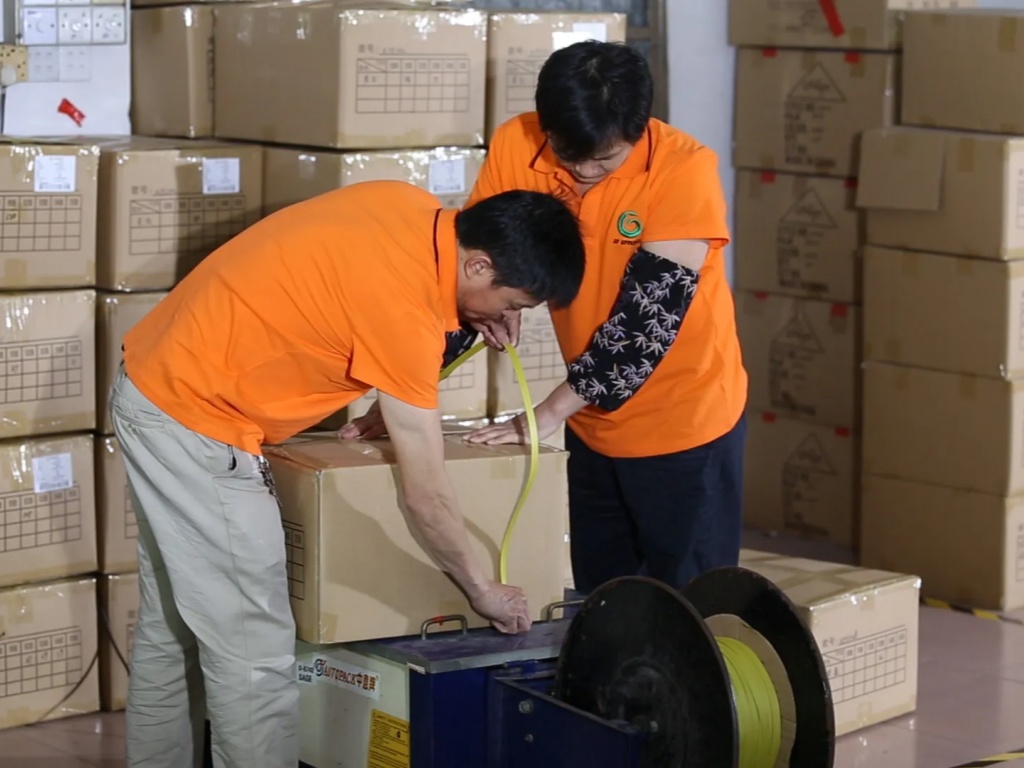
- 30+ finishing and packing workerssupport garment finishing, folding, individual packing and carton preparation.
- 15+ QC inspectorscover garment and packing checks across bulk programs.
- 12+ merchandiserscoordinate approved label, barcode, SKU and packing files with production.
- Individual packing can include polybag, size sticker, color sticker, SKU label, barcode, hangtag and carton identificationaccording to the approved program.
- Multi-style collections can be managed with separate style, color, size and packing instructions rather than one generic packing method.
Packaging Control Built Into Womenswear Production
30+ Packing Workers
15+ QC Inspectors
Packing quality depends on the garment being correct before it enters the bag.
Jinfeng’s QC coverage connects appearance, measurements, labels, finishing and packing checks so an incorrectly identified garment is less likely to travel downstream simply because sewing inspection has already been completed.
12+ Merchandisers
Merchandisers connect brand files with production execution. Relevant records can include style numbers, colors, sizes, SKU lists, barcode files, hangtag artwork, polybag requirements, carton marks and warehouse instructions.
Clear records are especially important when hundreds of style-color-size combinations move through one program.
Multi-SKU Handling
Retail-Ready Support
Retail programs can require hangtags, barcodes, size identification, carton ratios, carton marks, packing lists and receiving labels.
The final objective is not simply a sealed garment bag. Each packed unit and carton should remain understandable to the distribution process receiving it.
Ecommerce-Ready Support
Ecommerce programs often place greater emphasis on individual polybags, visible SKU information, size and color identification, barcode scanning and unit-level handling.
Packing instructions can be organized around the way the garments will be stored, picked and dispatched after import.
What Individual Garment Packaging Actually Includes
Garment Folding
Individual Polybag
Size Identification
Color Identification
SKU Labeling
Barcode Application
Carton Allocation
Carton Identification
Built for Fashion Brands With Complex Delivery Requirements
Different sales channels create different packing pressures. Jinfeng’s role is to translate an approved garment program into a packing structure that remains workable across production, inspection, warehousing and repeat orders.

Premium Ecommerce Brands
Online fashion programs often depend on quick product identification after stock reaches a fulfillment center. Individual polybags, SKU labels, barcodes, size stickers and color identification can reduce manual opening and sorting. Packing specifications also need enough discipline to remain consistent when the same successful styles are reordered several months later.

Specialty Retail Programs
Retail chains frequently add another layer of requirements around hangtags, price or retail labels, carton ratios, PO references, warehouse labels and carton marks.
A garment can pass sewing QC and still create receiving problems if the retail identification applied at the final stage does not match the approved merchandise file.

Global Fashion Collections
Large seasonal collections often contain many fabrics, silhouettes, colors and size ranges. Packaging therefore needs style-specific instructions where required. A satin midi dress, sequin mini dress, corset dress and two-piece set should not automatically share the same fold method simply because all four belong to one delivery.

Sourcing Operations
Sourcing and merchandising teams often send detailed packing manuals rather than a short packaging note. Successful execution depends on reading those instructions early enough to clarify bag specifications, label placement, carton ratios, barcode data and warehouse marks before the packing line begins.
Packaging Errors That Can Block an Otherwise Good Order
Wrong SKU Assignment
Barcode Mismatch
Size Label Conflict
Color Identification Error
Carton Ratio Error
Carton Mark Conflict
Individual Packaging Options for Finished Womenswear

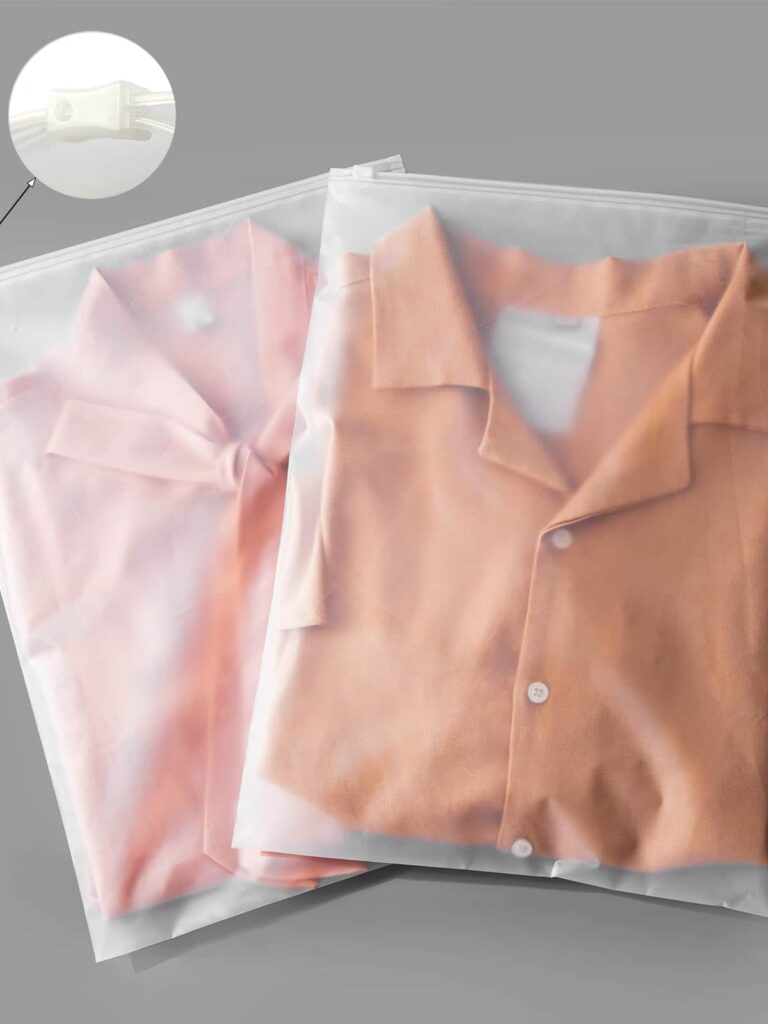
Clear Polybags

Printed Polybags
Printed polybags can carry brand graphics, handling information or other approved artwork.
They create stronger visual continuity than an unprinted bag but add another controlled component to the production program. Artwork, print position, bag dimensions, material, film appearance and sealing format need approval before bulk use. Printed polybags can also have packaging-supplier MOQs that differ from the garment MOQ.
For multi-style collections, one shared printed bag format may be more efficient when folded dimensions are compatible, while highly different garment sizes may still require several bag dimensions.

Tissue Paper Packing
Tissue paper may be added where presentation or surface separation is important. It can be useful for selected dresses, embellished pieces or brand programs where the opening experience matters, but it should not be applied automatically to every garment.
The tissue dimensions and fold method should suit the garment. Excess material can increase packing time and carton volume, while poorly positioned tissue may crease instead of protecting the garment.
When tissue is brand printed or specially colored, sourcing specifications and supplier MOQ need to be confirmed before production planning.

Garment Dust Bags
Dust bags may suit premium dresses, occasionwear or selected private-label programs requiring another protection or presentation layer.
They are especially relevant when a brand wants the final garment to remain protected after the outer shipping package is removed. Material choice, dimensions, closure, logo treatment and packing sequence should be reviewed together.
A dust bag adds volume and cost and may change carton utilization, so the decision needs to be made before final carton planning rather than added at the last packing stage.

Branded Inserts
Thank-you cards, stickers and other approved inserts can be packed with garments where the brand program requires them.
Their value comes from controlled execution rather than simply adding more material.
The packing instruction should state which SKU receives the insert, how many pieces are included, where the insert sits and whether different markets use different versions. When several insert versions run in the same production window, clear separation and checking are important to prevent market-specific materials from being mixed.
Boxes and Special Packs
Packaging Changes With Garment Construction and Fabric
One packing method cannot protect every womenswear style equally well. Surface sensitivity, garment length, internal structure, embellishment and two-piece coordination all change how a finished style should be pressed, folded, separated and packed.

Satin Dresses Need Surface and Crease Control
Satin makes poor packing decisions visible quickly. The smooth surface can show pressure marks, hard folds, snagging and uneven creases after a long period inside a carton. Packing should therefore begin with a clean finished garment and an approved folding method rather than folding around whichever bag happens to be available.
Fold placement: Strong fold lines across the bust, waist or front skirt can remain visible after unpacking. Fold positions should be chosen around the silhouette and garment length.
Surface contact: Hardware, sharp hangtag corners or rough decorative components should not be allowed to press directly into exposed satin surfaces.
Bag size: A bag that is too small can force compression and create extra folds. An unnecessarily large bag allows movement and a less controlled presentation.
Pressing sequence: Final pressing and cooling should occur before the garment is sealed. Packing a warm or incompletely settled garment can lock unwanted creasing into the finished presentation.
For satin programs, packing quality is inseparable from finishing quality. A well-sewn dress can arrive looking weak if folding and pressure control are treated as minor steps.

Sequin Styles Need Abrasion Separation
Sequins create a different risk profile.Their edges, stitching and surface texture can catch against adjacent fabric, another embellished garment or even parts of the same dress after folding.
Embellished-to-fabric contact: Folding should avoid pressing abrasive sequin areas into delicate mesh, lining or smooth outer fabric where possible.
Loose component check: Before individual packing, finishing inspection should identify loose sequins, exposed threads or sharp elements that could become more problematic in transit.
Garment separation: Individual packing prevents embellished garments from rubbing directly against other pieces inside a carton.
Compression: Overfilled bags or cartons can flatten dimensional decoration and increase friction between embellished layers.
Highly embellished partywear therefore benefits from a packing instruction written around the garment construction, not around a standard T-shirt folding routine.

Mesh Dresses Need Snag and Stretch Protection
Mesh garments are lightweight but often more vulnerable to snagging, distortion and concentrated pressure. A deep fold through a highly stretched area can also change presentation after storage.
Packing should keep rough accessories, hangtag strings and exposed hardware from catching the mesh. Where several materials are combined—such as power mesh, soft mesh, lace and lining—the fold method needs to respect the most delicate exposed area.
The packed garment should sit securely without being compressed into an undersized bag. For fitted mesh dresses, the shape created during pressing and finishing should remain stable until the piece reaches the next handling stage.

Lace Styles Need Placement Protection
Lace dresses may contain appliqué, scalloped edges, delicate openwork or layered construction. Folding without considering lace placement can create raised pressure points or snagging around decorative edges.
A packing plan should identify the visually important zones first. Decorative front panels, sleeve lace, appliqué sections and scalloped hems may need a different fold sequence from plain woven garments.
When tissue or another separation layer is specified, it should be used intentionally around the relevant area rather than added loosely. Final packing inspection should also confirm no hook, zipper component, hangtag string or decorative hardware is trapped against an exposed lace surface.

Structured Dresses Need Shape Protection
Corset-inspired dresses, boned bodices, cups and other structured elements should not be compressed simply to achieve a smaller shipping unit. Folding pressure placed directly across cups or internal structure can distort the silhouette that was approved during fitting.
The packing sequence should consider bodice shape, boning direction, cup volume and skirt length together. Garments with detachable straps, belts or other components also need a defined packing position so accessories do not mark the main garment or become separated.
For structured styles, the smallest possible package is rarely the only objective. Preserving the approved shape is more important than forcing maximum compression.

Matching Sets Need Pairing Control
A matching set introduces an identification risk that single garments do not have: two correctly manufactured pieces can still become the wrong commercial unit if tops and bottoms are mixed between sizes or colors.
The packing record should define whether both pieces share one SKU, carry separate internal identifiers or require a coordinated label structure. Before sealing, the top and bottom need to be checked for the correct style, color and size relationship.
Sets should also be folded so one component does not hide or damage the other. If the set includes different fabrics—such as a structured top with a soft skirt—the packing method needs to accommodate both rather than treating the product as one uniform textile.
From Finished Garment to Packed Sellable SKU
Packing begins only after the garment itself is ready. The sequence should preserve garment quality while progressively adding the brand and inventory information required for final delivery.

Final Garment Preparation Before Packing
The garment first moves through finishing and final presentation checks. Loose threads, visible marks, pressing quality and overall appearance need attention before any individual bag hides the garment from view.
Labels and attached components are also reviewed at this point. Main label, size label, care label and hangtag should belong to the correct style and market version. If a garment enters the bag with the wrong label, later barcode accuracy cannot correct the underlying mistake.
Pressing and folding are closely connected. The approved fold should begin from a garment whose silhouette and surface presentation are already stable. Sensitive satin, mesh, lace, sequin and structured styles may have separate instructions so their production details are not compromised during final handling.

Individual Pack and Unit Identification
After the approved fold, the garment is inserted into the specified individual packaging.
Bag size, seal direction, warning text or other project requirements should already have been confirmed before the line starts.
External identification is then applied according to the packing file. Depending on the program, the unit may carry a size sticker, color sticker, SKU label, barcode or combination of identifiers.
The important control point is identity consistency. The physical garment, sewn size label, external sticker, SKU data and barcode reference must describe the same commercial unit.
Visual similarity between garments is not sufficient for multi-color and multi-size programs.

Carton Allocation and Ratio Control
Individually packed garments are allocated into cartons according to the agreed packing method. Some programs use solid-size cartons; others use mixed sizes, mixed colors or planned ratios.
The carton packing record should state which SKUs belong inside each carton and in what quantity.
Carton count alone is not enough. A 40-piece carton can still be wrong if the intended size ratio is 8/12/12/8 and one size has been substituted accidentally.
Carton identification is applied after content allocation.
Carton number, style reference, PO information, size/color details, quantities and warehouse marks are handled according to the confirmed requirement.

Final Packing and Shipment Review
Before shipment, packing information is reviewed against the agreed records. Relevant checks may include carton quantity, packed quantity, carton mark, individual label information, packing list and warehouse receiving requirements.
Packing QC works as a final connection between production and logistics.
A shipment ready for export should not require the receiving warehouse to guess which carton contains which sizes or discover that a barcode list does not match physical goods.
The objective is a clean transfer of information from garment production into the brand’s next operational stage.
SKU and Barcode Control for Multi-Style Orders
SKU and barcode control becomes more demanding as style, color and size combinations multiply. Jinfeng organizes individual packing around approved merchandise files so the packed physical garment stays connected to the digital product record.

Build the SKU Structure First
Packing should not begin by looking at a finished garment and deciding which sticker seems suitable. The SKU structure needs to come from approved project information.
A typical record can connect:
- Style number
- Product name
- Color name or code
- Size
- SKU
- Barcode
- PO reference
- Packing ratio
- Carton number or rule
- Warehouse label requirement

Match the Physical Garment
SKU control begins with the actual garment.
Before individual packing, style, color and size need to match the intended commercial record.
The sewn size label provides one important reference, but it is not the only one.
Similar silhouettes may exist in multiple fabrics or colorways, and two colors can appear extremely close under factory lighting.|
Style numbers and approved color references therefore remain important during sorting.
Only after garment identity is established should external SKU and barcode information be applied.

Verify Barcode Data and Placement
A readable barcode is not automatically a correct barcode. The code can scan perfectly while pointing to the wrong size or color in a retailer’s system.
Barcode control should therefore cover both technical readability and data association. The barcode list supplied or approved for production needs to match the SKU record used by packing.
Placement also matters. Some brands require the barcode on a hangtag; others place it on the polybag or a retail label. Certain programs use more than one barcode for different handling stages. Position, orientation and label size should be locked before the bulk packing run.

Connect Unit Data to Carton Data
Unit-level identification must remain consistent when garments are moved into cartons. Packing staff should know which SKU quantities belong in each carton, while carton marks and packing lists need to reflect the actual content.
Mixed-size cartons require particular attention because several sizes may share one carton. A correct total quantity can hide an incorrect size distribution.
For multi-carton orders, carton numbering also creates traceability.
Clear carton records make it easier to compare packed quantities with the shipment packing list before goods leave the factory.
Folding and Unit Packing Need a Confirmed Setup

Confirm Fold Dimensions

Control Label Visibility

Secure Loose Components

Standardize Seal Direction
Ecommerce and Retail Packing Have Different Priorities
Both channels need accurate garment identification, but the operating emphasis can differ. Requirements should come from the brand’s actual fulfillment or retail receiving process rather than a generic packing template.
| Packing Requirement | Ecommerce-Ready Programs | Retail-Ready Programs |
|---|---|---|
| Individual Polybag | Common and often central | Common, depending on receiving system |
| SKU Label | High priority | High priority |
| Barcode | Often used for unit handling | Often used for receiving and retail |
| Size Sticker | Common | Common |
| Color Sticker | Useful for multi-color programs | Project-dependent |
| Hangtag | Brand-dependent | Common |
| Price Ticket | Less common at factory level | Common in selected retail programs |
| Warehouse Label | Often required | Often required |
| Size Ratio Packing | Important | Often highly structured |
| Mixed-Size Carton | Project-dependent | Common in some retail programs |
| Carton Mark | Required according to shipping plan | Required according to receiving plan |
| Packing List Match | Essential | Essential |
Private Label Packaging Is a Connected Brand System
A private-label garment is not complete when a logo label is sewn into the neckline. Brand identification continues through size, care information, hangtags, SKU records, barcodes, individual packaging and carton-level delivery.

Sewn Labels Start the Identity Chain
Main labels, size labels and care labels establish the garment’s internal identity. Their content, dimensions, material and placement should be approved before bulk sewing where applicable.
Size information must correspond with the confirmed size chart and the external packing identification. Care content should also be based on approved product information and market requirements rather than copied from an unrelated style.
When a program contains different fabrics or construction methods, care-label content may differ even though the garments belong to one collection. Label management therefore needs style-level control.

Hangtags Connect Product and Retail Information
Hangtags may carry branding, style information, barcode, price information or other approved retail content. Their role changes by sales channel, making artwork approval and SKU association important.
Attachment position should suit the garment. A hangtag placed carelessly on delicate mesh, lace or satin can create marks or snagging, while a tag hidden deeply inside the garment slows warehouse or retail handling.
For multi-market programs, tag versions need clear separation so the correct language, currency or commercial information travels with the intended stock.

Polybags Continue the Product Identity
Individual packaging adds another identification layer around the garment. An external size sticker, color sticker, SKU label or barcode allows the packed item to be recognized without repeatedly opening the bag.
Printed polybags may add branding, while clear bags can prioritize operational visibility. Either format needs to fit the garment and follow the approved packing file.
Special printed bags, branded boxes and other custom packaging materials can carry independent supplier MOQs. Packaging development therefore needs to be coordinated with garment quantity and timeline instead of added after bulk production is complete.

Cartons Complete the Delivery System
The outer carton is the final physical layer before freight and warehouse receiving. Carton marks, carton numbers, PO information, packed quantities and warehouse labels connect groups of individual garments to shipment documentation.
For mixed-size or multi-SKU cartons, carton records become especially important. Each outer carton should correspond with the packing list and actual packed quantities.
A private-label program is strongest when the same product identity travels consistently from sewn label to individual pack to carton—not when each step is managed as an unrelated task.
Packing QC Checks More Than the Outer Bag
Packing inspection is designed to catch identity and presentation problems before cartons are sealed and shipped. The control points move from garment-level accuracy to unit-level packing and finally carton-level consistency.
Garment Check Before Bagging
Before a garment disappears into individual packaging, inspectors and finishing staff need a clear view of its final condition.
Relevant points can include:
- Correct style and color
- Correct sewn size label
- Approved main and care labels
- Hangtag presence and version
- Appearance and visible workmanship
- Pressing condition
- Loose threads and surface cleanliness
- Detachable accessory completeness
Sensitive fabrics require additional attention. Satin surfaces can show pressure or marks, mesh can snag, lace can catch and sequin styles can carry loose or abrasive elements. Those issues are more difficult to correct efficiently after individual packaging.
Unit Check During Individual Packing
Individual packing adds several new possible error points.
The packed unit can be reviewed for:
- Correct folding method
- Correct polybag size or format
- Correct size sticker
- Correct color identification
- Correct SKU label
- Correct barcode
- Label placement
- Required insert or accessory
- Seal quality
- Overall presentation
The most important principle is agreement. Garment size, external size sticker, SKU and barcode must all describe the same piece.
Carton Check Before Sealing
Carton packing introduces quantity and ratio control.
Checks may include:
- Correct SKU allocation
- Correct pieces per carton
- Correct size ratio
- Correct color ratio
- Mixed-size arrangement where specified
- Carton number
- Carton mark
- PO reference
- Required warehouse label
Shipment Check Before Release
Before shipment, carton-level information is reconciled with packing and logistics records.
Packing list quantities, carton counts and identifying marks should agree with what has been physically prepared. Warehouse instructions supplied for the project can also be reviewed before goods are released.
Packaging QC does not replace garment QC. It completes the transition from a correctly produced garment to a correctly identified shipment.
Three Teams Connect Packing With Bulk Production
Merchandising Coordination
Quality Control
The 15+ QC inspectors work across the larger garment quality process, including packing-related inspection.
Their involvement helps connect the garment approved during production with the piece eventually sealed into its individual pack and allocated to a carton.
Finishing and Packing
Garment MOQ and Packaging MOQ Are Not the Same
Garment quantity, custom labels and special packaging materials do not always follow one MOQ rule. Packaging specifications should be reviewed early so supplier requirements do not appear unexpectedly after garments are already in production.
| Item | Typical Jinfeng Planning Basis | Additional MOQ Consideration |
|---|---|---|
| Custom Womenswear | From 200 pcs per style/color | Depends on fabric, trims, complexity and schedule |
| Standard Polybag | Confirmed by garment and project | Size/specification selected by program |
| Barcode Sticker | Based on SKU/order quantity | Confirm per SKU and artwork/data requirements |
| SKU / Size Sticker | Based on SKU/order quantity | Number of variants affects setup |
| Woven Label | Custom private-label item | Separate label-supplier MOQ may apply |
| Hangtag | Custom printed component | Separate printing MOQ may apply |
| Printed Polybag | Custom packaging material | Packaging-supplier MOQ may apply |
| Garment Dust Bag | Project-specific | Material and branding may create separate MOQ |
| Custom Paper Box | Project-specific | Structural and printing MOQ may be higher |
| Special Packaging | Quoted by specification | Material, print, dimensions and quantity all matter |
Send Clear Packing Files Before Bulk Production
Style List
Quantity Breakdown
Size Ratio
SKU File
Barcode List
Label Artwork
Packing Instruction
Warehouse Guide
Multi-Style Packaging Case for a US Fashion Program
A representative multi-style order shows where individual garment packaging becomes operationally important. The challenge is rarely putting garments into bags; the challenge is keeping every size, color, SKU, label and carton relationship accurate across tens of thousands of pieces.

Order Structure and Packing Complexity
An anonymized US fashion program covered 18 women’s fashion styles and approximately 42,000 garments, within a broader seasonal collection structure typical of Jinfeng’s established brand projects.
The lineup combined dresses and coordinated fashion pieces across multiple colors and an XS–XL size range.
Once style, color and size combinations were expanded, the packing team was managing well over 100 active commercial combinations rather than only 18 style names.
The brand required individual packing together with SKU identification, barcode handling, size recognition and carton-level records. Several visually similar colorways increased the risk of incorrect labeling if packing relied on visual judgment alone.
The project was therefore treated as a data-and-garment matching operation rather than a simple bagging job.

SKU and Barcode Preparation
Before volume packing began, style, color and size records were organized against the brand’s SKU and barcode information.
Packing staff needed a clear connection between:
Style → Color → Size → SKU → Barcode → Packed Unit
Color naming was kept aligned with the approved brand records. Size information on the sewn garment and external identification had to match.
The barcode stage was not handled as a printing exercise. Each barcode needed to correspond with the correct SKU combination. Packing references were prepared so similar garment silhouettes could be separated by style and color before labels were applied.
Once the structure was confirmed, the packing line could work from defined combinations rather than repeatedly interpreting spreadsheets during high-volume output.

Individual Pack and Carton Execution
Finished garments moved through final presentation preparation before folding and individual packing. Packing format followed the approved garment and order requirements.
Each packed unit received the required external identification. Garments were then allocated to cartons according to the confirmed size and SKU structure.
Mixed-size carton control received particular attention because a carton with the right total quantity could still contain the wrong distribution. Carton numbers and marks were linked to the packing records so quantities could be checked before release.
The process kept unit-level information connected with carton-level information rather than allowing the two stages to operate independently.

Repeatable Records for Future Orders
The long-term value of a controlled packing program appears when successful styles are reordered.
Packaging information from an approved program can be retained as part of the historical project record, including relevant label, packing, carton and SKU references.
A repeat order still requires confirmation of current quantities, colors, sizes and destination requirements, but the previous structure provides a stronger starting point than rebuilding the program from memory.
For brands ordering 10–30 styles and roughly 20,000–80,000 garments per program, repeatable packing records become increasingly important because even a small identification error can affect hundreds of physical units.
Individual Garment Packaging Frequently Asked Questions
Send Your Garment Packaging Requirements
If the garments need to arrive as organized commercial SKUs rather than anonymous factory output, packing requirements should be discussed while the production program is still being prepared. Jinfeng can review garment type, individual packing, private-label materials, SKU and barcode information, carton structure and warehouse instructions together so the finishing stage is built around the intended delivery method.
For a useful project review, send as much of the following information as available:
- Style images, tech packs or line sheet
- Quantity by style and color
- Size range and size ratio
- SKU file
- Barcode list
- Main label and care-label artwork
- Hangtag requirements
- Polybag or other packaging specification
- Folding instruction
- Size and color sticker requirements
- Carton packing ratio
- Carton mark
- Warehouse receiving guide
- Target shipment schedule


