Skip to content

Sheer Dress Lining and Coverage Solutions
Controlled transparency, carefully positioned coverage, balanced fit, and production-ready construction for sheer fashion collections.
- 3 critical views checked:front, side and back coverage must work together, not only look correct on a hanger.
- Multiple coverage structures:full lining, partial lining, mini inner layers, bodysuit bases, strategic opaque panels and layered mesh.
- 2 sample roomssupport structured development, fit correction and sample revision for complex women’s fashion.
- 7+ senior pattern makerssupport pattern development for mesh, lace, bodycon, corset and other fit-sensitive dresses.
- 20+ sample machinistssupport development before approved styles move toward production.
- MOQ starts from 200 pcs per style/color, while special fabrics, custom colors, trims and packaging are confirmed separately.
Development Capacity Behind Complex Sheer Dress Programs
Since 2008
6 Owned Factories
2 Sample Rooms
7+ Pattern Makers
20+ Sample Machinists
15+ QC Inspectors
Sheer Dresses Need Coverage Engineering, Not Extra Fabric
A transparent dress becomes commercially wearable when visual exposure, body coverage and garment structure are planned together. Simply adding an opaque layer can solve transparency while damaging the silhouette, drape, stretch or intended illusion effect.
Transparency Is Intentional
Mesh, lace, chiffon and tulle are often selected precisely because the body, an inner layer or another garment element remains partially visible. Covering every transparent area can remove the design feature that made the style commercially interesting.
Development therefore starts by identifying which zones are meant to remain visibly sheer. Sleeves may stay unlined while the bodice is covered. A maxi mesh shell may sit over a short inner dress. A lace bodice can use a skin-tone base while selected motifs remain visually open. A bodycon dress can combine opaque bust and hip coverage with a transparent waist.
The outer fabric is then reviewed in its actual wearing condition. Stretch mesh can appear considerably more transparent when pulled over the bust or hip than when inspected flat. Lace openness changes according to motif density. Chiffon may look acceptable in normal room light but reveal much more under strong photography or daylight.
Coverage Must Stay Positioned
A coverage panel that looks correct on a mannequin can move during walking, sitting or stretching.
Inner skirts can ride upward. Bust lining can shift below the intended neckline. A high slit can reveal the edge of an inner layer.
Shell and lining side seams can pull against each other when their stretch and recovery differ.
Jinfeng Apparel reviews on-body effect through front, side and back views and, when relevant to the style, movement and sitting conditions.
Pattern revisions may involve bust height, waist position, hip allowance, slit placement, lining length, armhole shape or internal support.
The objective is not maximum coverage. The objective is controlled coverage in the intended position.
Structure Protects the Design
Some sheer styles need an internal structure stronger than a conventional lining.
Corset-inspired pieces may require cups, boning, elastic or reinforced panels.
A sheer bodycon dress may need a fitted inner body.
A low-back style may need coverage anchored at seams rather than a loose hanging layer.
Structure is reviewed together with outer-fabric behavior.
Heavy internal construction can distort lightweight mesh or lace, while an overly soft foundation may fail to hold the coverage line in place.
A production-ready solution balances appearance, movement, support and sewing feasibility before the PP sample becomes the reference for bulk.
Coverage Structures for Different Sheer Dress Concepts
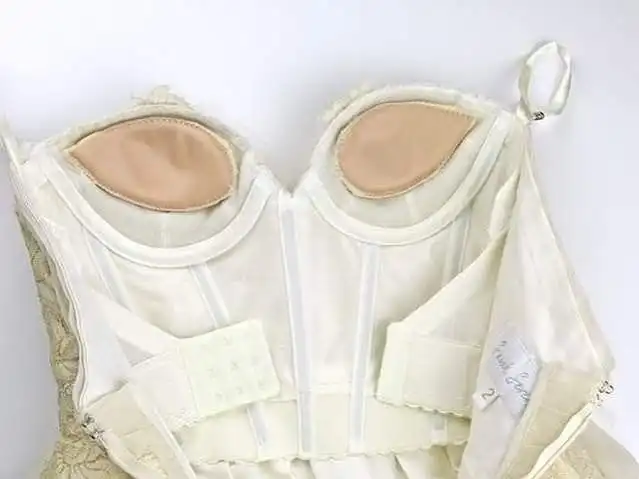
Full Body Lining
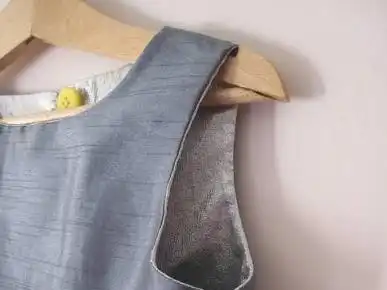
Partial Bodice Lining
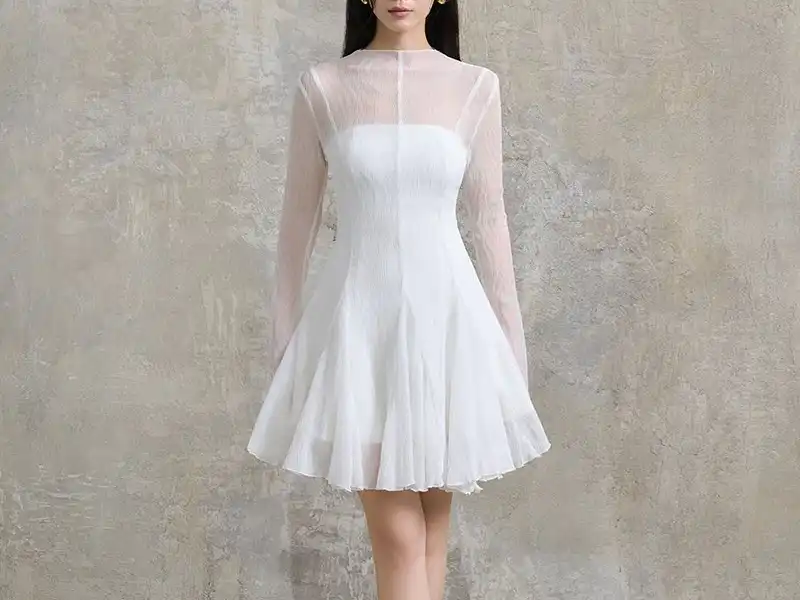
Mini Inner Dress
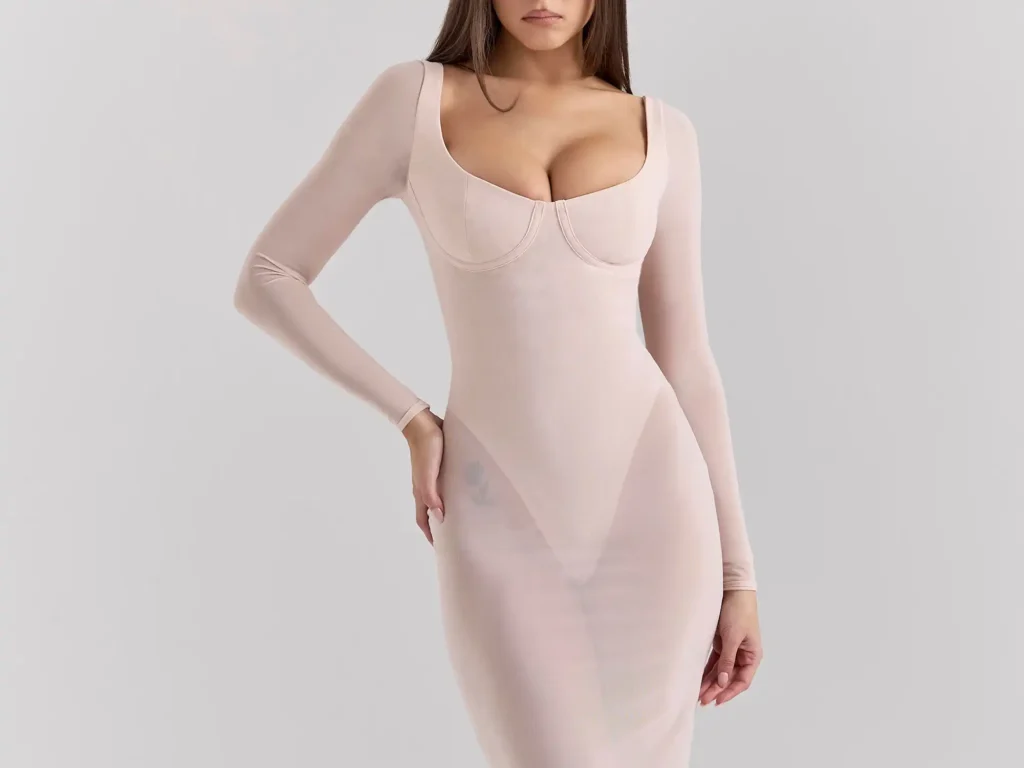
Built-In Bodysuit
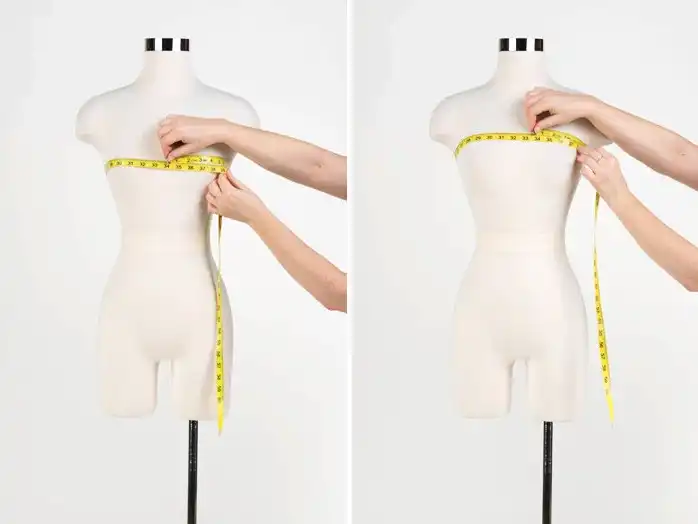
Bust and Hip Coverage
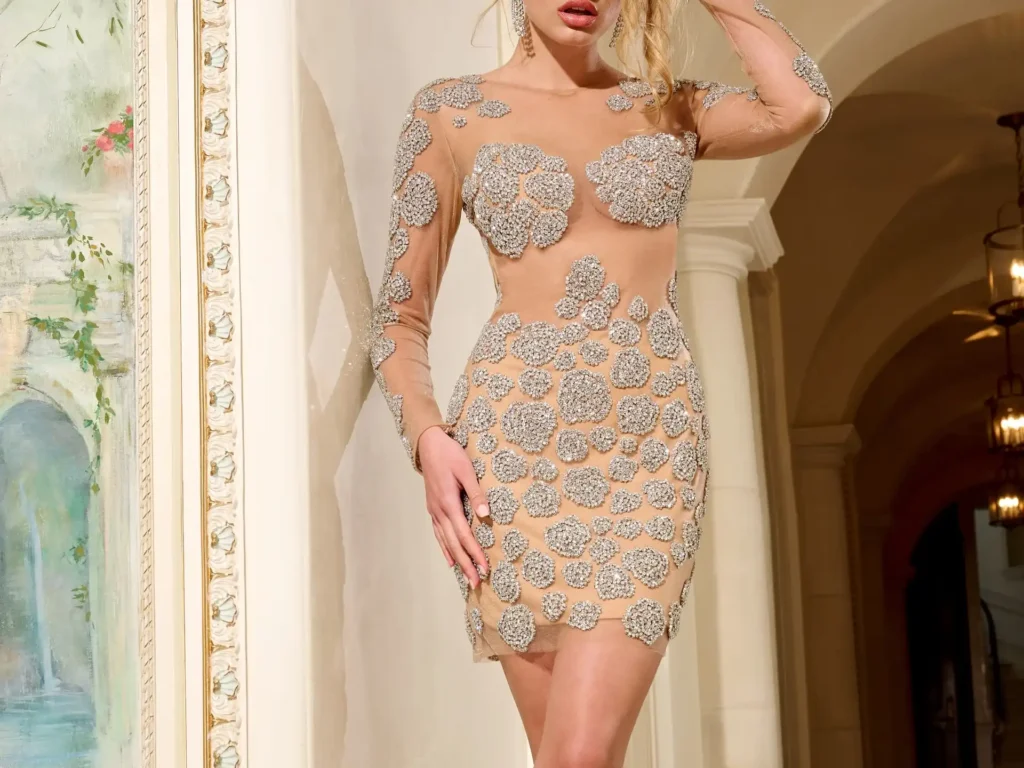
Nude Illusion Base
Double Mesh Layer
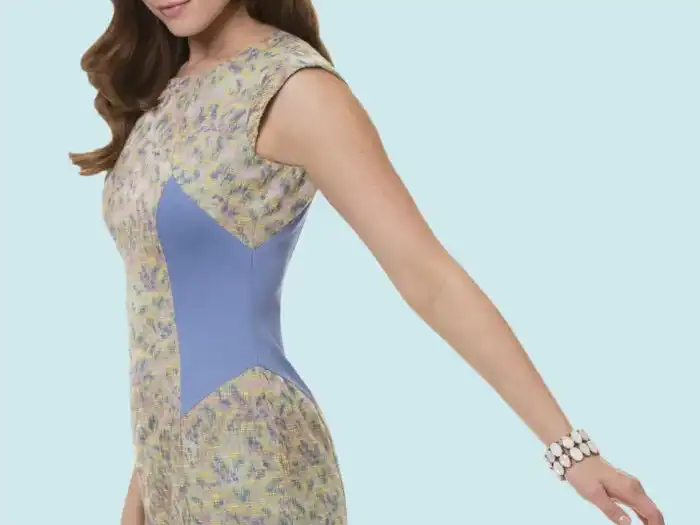
Strategic Opaque Panels
Map Coverage Before Building the First Sample
Coverage mapping turns a visual concept into clear construction instructions. Each body zone is reviewed for intended visibility, movement risk, supporting structure and the most suitable way to connect the internal layer to the outer dress.
| Dress Area | Main Coverage Concern | Common Development Direction | Sample Check |
|---|---|---|---|
| Bust | Exposure, shifting, neckline movement | Shaped lining, cups, double mesh or opaque panel | Front/side fit, neckline movement, cup position |
| Underarm | Lining edge showing or cutting too low | Adjusted armhole lining shape | Arm movement and side view |
| Waist | Intentional sheer zone losing definition | Unlined mesh, double mesh or shaped coverage boundary | Seam visibility and stretch |
| Hip | Fabric becoming more transparent when stretched | Fitted lining, bodysuit or double layer | Standing, walking and stretch condition |
| Back | Coverage line conflicting with low-back design | Partial lining or shaped inner panel | Rear view and movement |
| Slit | Inner layer exposed or excessive body exposure | Inner skirt length and slit relationship | Walking and sitting |
| Hem | Lining showing below the shell | Controlled shell/lining length relationship | Hanging and movement |
| Side Seam | Shell and lining pulling differently | Stretch/ease adjustment and seam anchoring | Side view and seam balance |
Sheer Fabrics Behave Differently Once Worn
Selecting a transparent outer fabric is only the beginning. Stretch, recovery, motif density, drape, stiffness, surface texture and layer count determine how much the garment reveals and how safely the approved look can be reproduced.
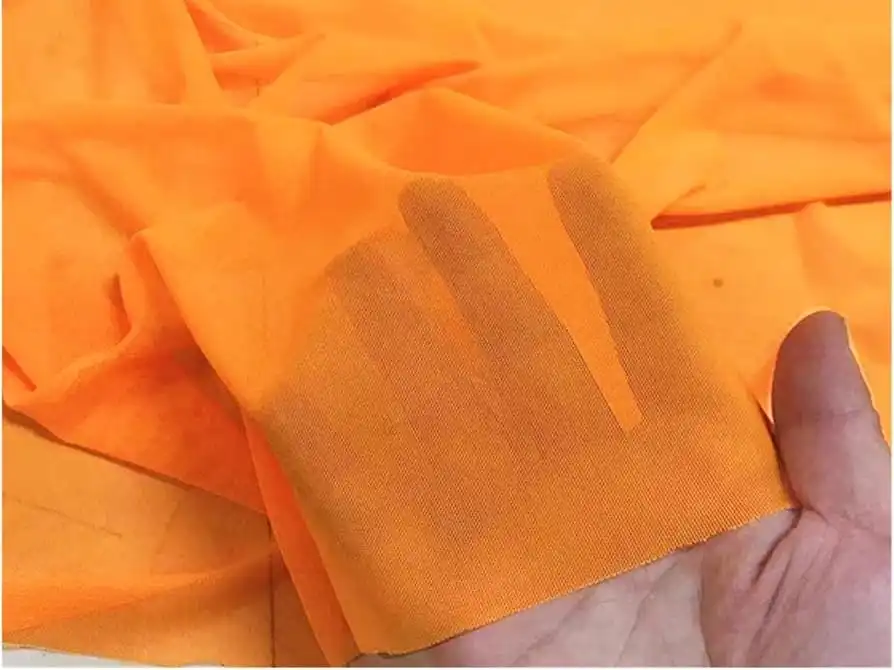
Stretch Mesh: Transparency Changes Under Tension
Stretch mesh is widely used for bodycon, club, party, cut-out and layered dresses because it follows the body while maintaining a lightweight appearance. The critical issue is that flat-table opacity does not represent worn opacity.
As the fabric stretches across the bust, waist or hip, openings between yarns expand and the underlying body or lining becomes more visible. Two fabrics that appear nearly identical when relaxed can produce noticeably different coverage once stretched.
Development review therefore considers:
- Stretch direction and usable stretch
- Recovery after extension
- Transparency in relaxed and worn states
- Surface snagging
- Edge curling
- Seam visibility
- Compatibility with lining stretch
- Print distortion when printed mesh is used
- Ruching behavior on fitted silhouettes
For bodycon construction, fabric relaxation and cutting direction also matter. Poor control can contribute to twisted seams, unstable length or uneven tension between panels.

Power Mesh: Support With Controlled Visibility
Power mesh generally provides greater recovery and support than lightweight fashion mesh.
It can be useful in areas where an internal layer must help hold the body, stabilize a fitted dress or anchor a coverage panel.
Greater support does not automatically mean a better solution. Excessive compression can change the intended fit or pull against a softer outer mesh.
The development team therefore evaluates whether the power mesh belongs across a full inner body or only selected areas.
Key checks include:
- Recovery and compression
- Skin feel
- Edge treatment
- Seam bulk
- Compatibility with outer-shell stretch
- Support around bust or waist
- Visibility through the shell
Power mesh can also be used as a hidden structural layer beneath lace or decorative mesh when the visual outer material does not provide enough stability by itself.
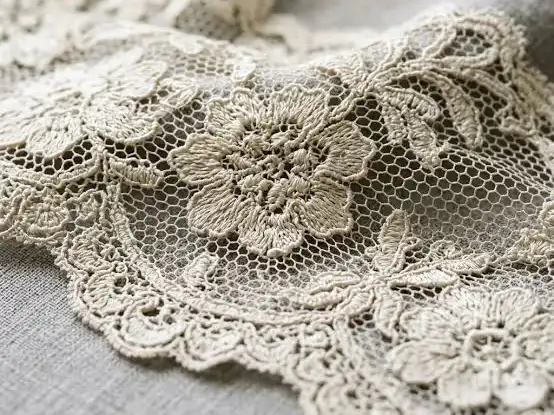
Lace: Coverage Depends on Motif Density
Lace transparency varies greatly across one piece of fabric.
Dense motifs can cover the body while open grounds expose much more skin. Placement therefore affects both appearance and coverage.
A lace dress may need motif positioning around the bust, waist or neckline rather than random cutting. When a skin-tone lining is used, the tone of the internal layer changes the visual contrast of the lace and can make the motif appear sharper or softer.
Development checks can include:
- Motif placement
- Pattern symmetry
- Join positioning
- Edge treatment
- Lining shade
- Transparency of open grounds
- Stretch, if stretch lace is used
- Fraying or hole risk
- Seam visibility through open areas
For lace-overlay dresses, the relationship between the outer motif and internal coverage line often matters as much as the lining fabric itself.
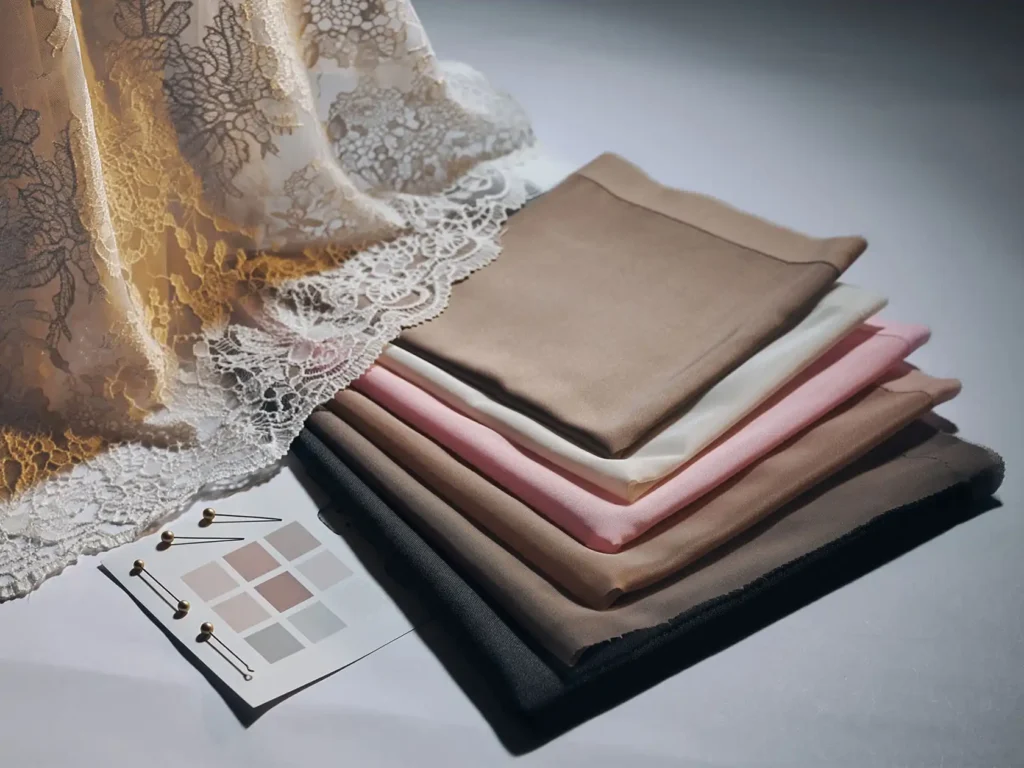
Chiffon: Lightness Can Be Lost Through Heavy Lining
Chiffon creates fluid movement and soft transparency, making it useful for occasion, resort, layered and flowing dresses. Its main challenge is preserving that movement once a second layer is introduced.
A lining that is too heavy, stiff or dense can pull the dress downward and make the chiffon shell appear flatter. A poorly balanced lining can also change how gathers, bias areas or flowing skirts hang.
Development should consider:
- Drape
- Transparency
- Surface movement
- Layer count
- Seam puckering
- Hem method
- Lining weight
- Color relationship
- Static and cling
- Wrinkling and pressing behavior
Where the outer chiffon is meant to float away from the body, a separate inner construction may work differently from a fully attached lining.
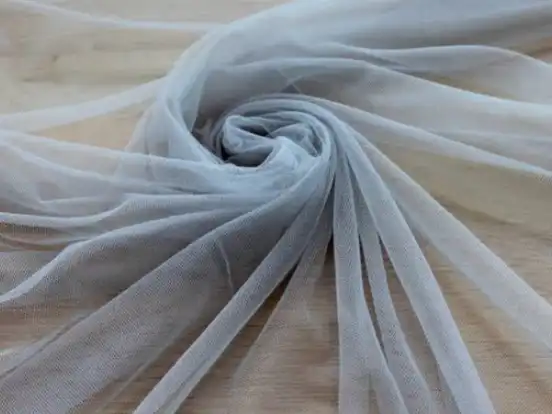
Tulle and Fine Net: Layering Changes Both Volume and Opacity
Tulle and fine net can create very different results depending on stiffness, hole size and number of layers. One layer may provide almost no coverage, while several layers can quickly increase opacity and volume.
For fitted sheer dresses, a stiff tulle may be uncomfortable or resist the desired body shape. For skirts and occasion silhouettes, controlled stiffness can instead become useful.
The sample stage should verify:
- Hand feel against skin
- Number of layers
- Transparency
- Volume
- Edge treatment
- Seam stiffness
- Layer movement
- Snagging risk
- Compatibility with embroidery or embellishment
Material selection is therefore tied to the intended final silhouette, not simply the fabric name written in a tech pack.
Choose Lining by Fit, Drape and Coverage Requirement
A suitable lining should deliver the required opacity without fighting the outer shell. Weight, stretch, recovery, hand feel, shade and surface friction all influence how the finished dress fits and moves.
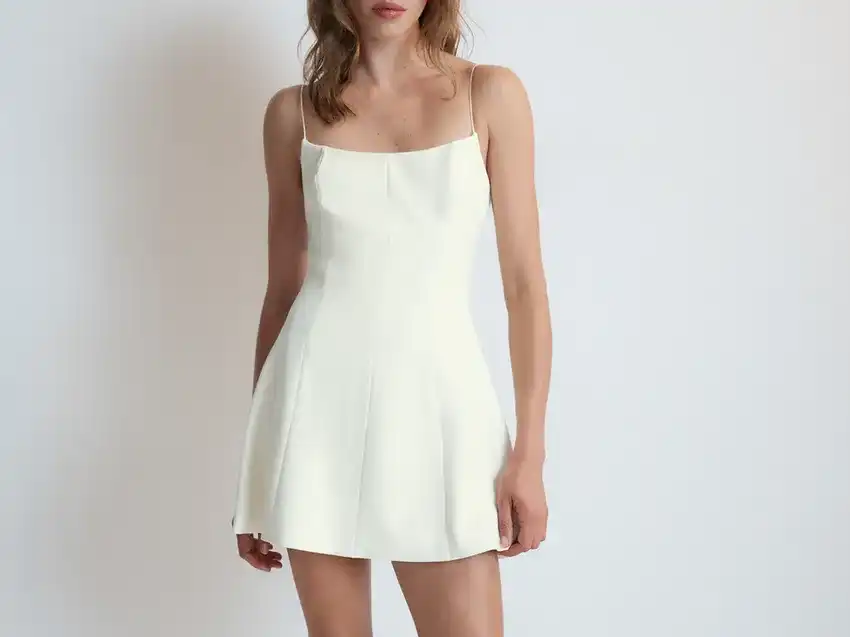
Stretch Lining for Fitted Dresses
Stretch lining is often considered for bodycon mesh, stretch lace and other fitted silhouettes. Its stretch should be evaluated against the outer fabric rather than selected independently.
If the inner layer stretches much less than the shell, it can restrict fit and change the silhouette.
If it stretches easily but recovers poorly, the lining can grow during wear and stop supporting the intended coverage position.
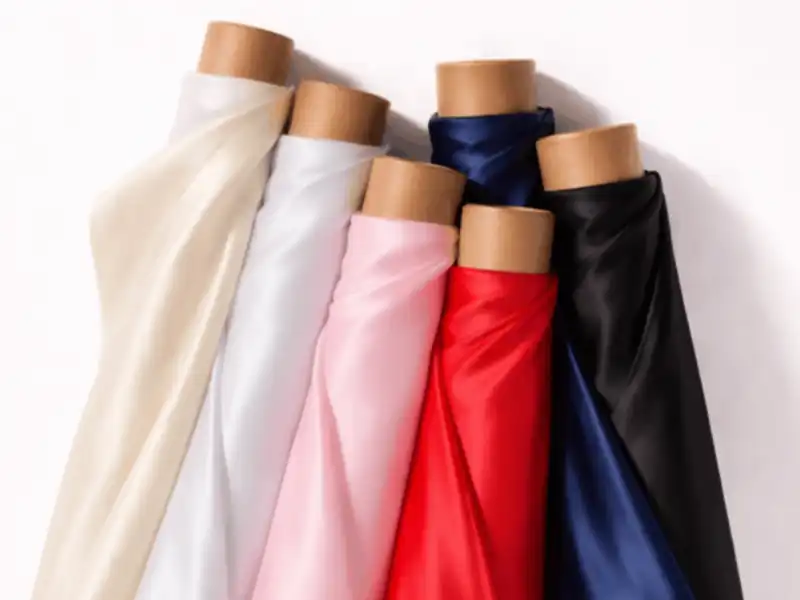
Lightweight Woven Lining for Flowing Shells
Chiffon, soft lace and some semi-sheer woven dresses may work better with lightweight woven linings where the goal is coverage without compression.
Drape must remain compatible with the shell. A lining that falls differently can cause the outer skirt to drag, twist or hang unevenly. Slit locations, hem lengths and zipper areas also need to function together.
For flowing dresses, development focuses on balance rather than tight anchoring.
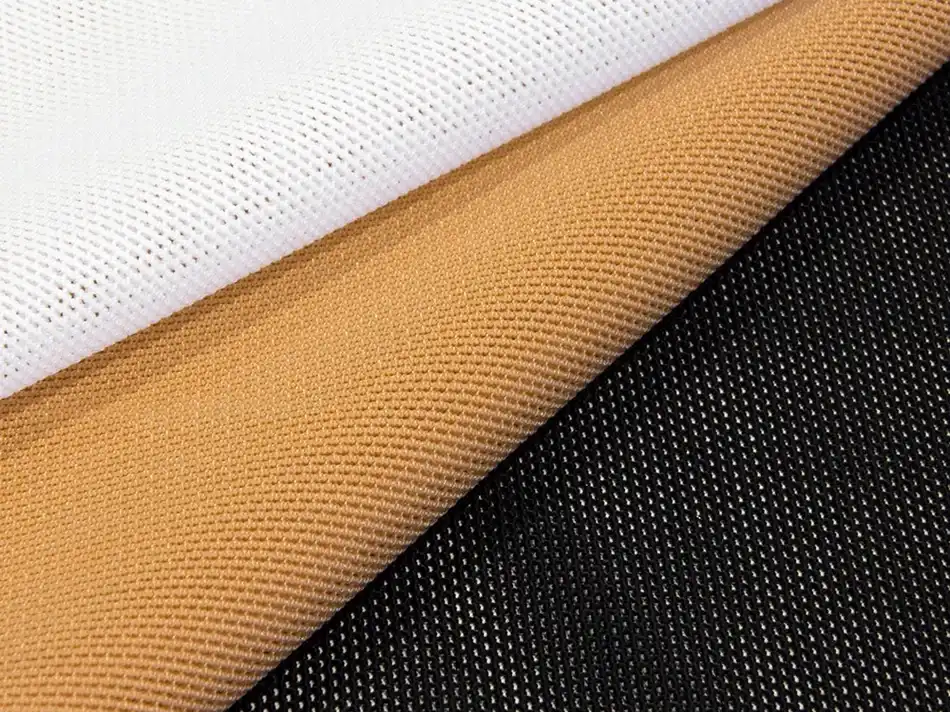
Power Mesh for Support Zones
Power mesh can serve as a support layer when greater recovery is needed around the torso, bust or waist.
It may sit behind a decorative sheer layer or form part of an internal bodysuit.
Because power mesh changes pressure on the body, it should not be substituted casually for ordinary stretch lining. Pattern ease, seams and coverage boundaries need to be tested with the actual material.
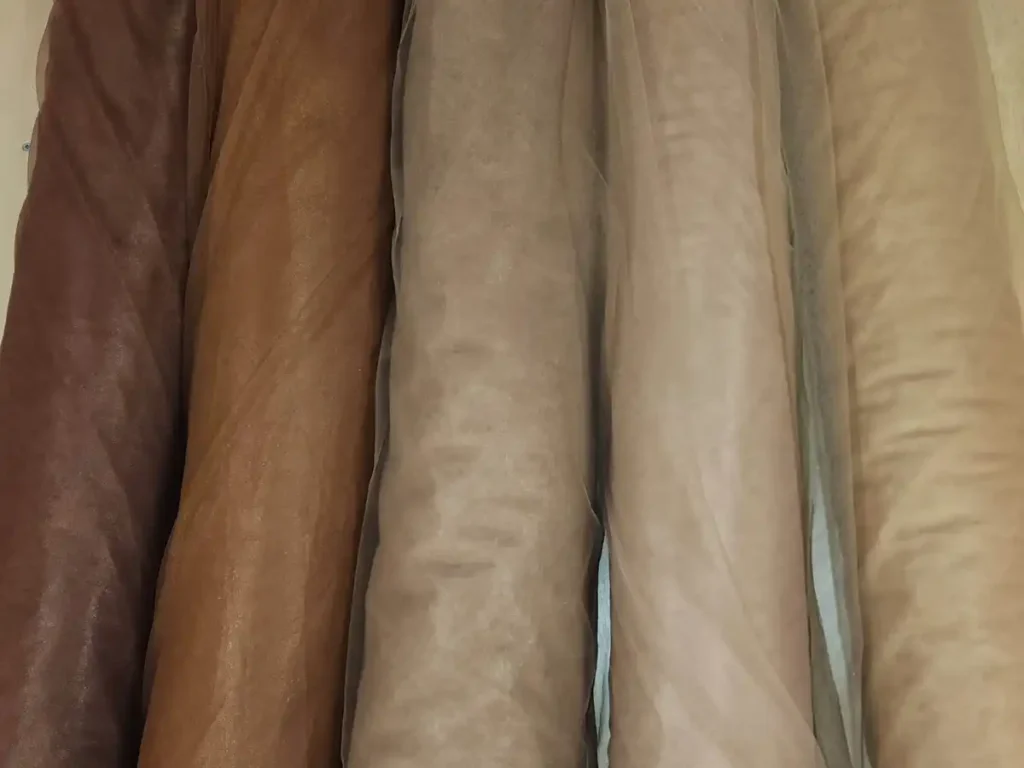
Skin-Tone Mesh for Illusion Effects
Skin-tone mesh can provide a light base for lace, applique, embroidery or strategic transparent panels.
The intended visual effect depends on shade and transparency together.
A lining that matches a swatch under one light source can appear noticeably different under studio lighting or against a large section of fabric. Physical fabric approval is therefore more useful than relying on screen color alone.
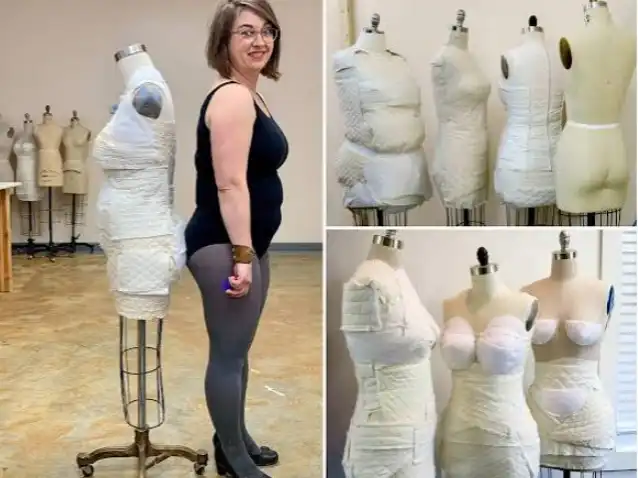
Double Shell Construction
Some designs can obtain extra coverage by doubling the same or a compatible shell fabric rather than adding a visibly different lining.
Double mesh may maintain a lighter appearance, but two layers can create extra tension, twisting or moiré-like visual effects depending on structure.
Both layers need controlled cutting direction and assembly.
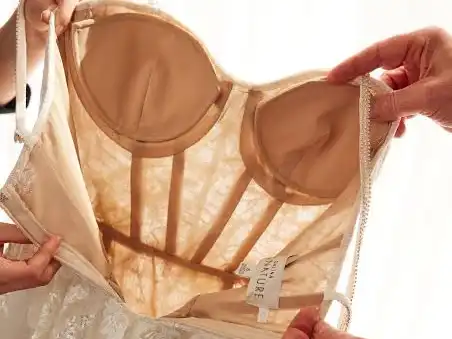
Lining Is Also a Cost and Production Decision
Changing from a simple hanging lining to a shaped stretch body, skin-tone illusion base or internal corset structure affects more than material consumption. Pattern work, sample sewing, assembly time and QC points also change.
For quotation, Jinfeng Apparel reviews fabric, trims, construction, pattern work, sample development, cutting, sewing time, QC, packing, wastage and related project requirements rather than assuming every lined sheer dress carries the same manufacturing cost.
Match Outer Fabric and Lining Before Pattern Approval
Material pairing determines whether a sheer dress keeps its original appearance after coverage is added. The table below highlights common combinations and the development risks that deserve attention before PP approval.
| Outer Material | Inner Direction | Intended Result | Main Development Risk | Key Review |
| Stretch mesh | Stretch lining | Fitted opaque coverage | Recovery mismatch | Worn fit and ride-up |
| Stretch mesh | Double mesh | Semi-sheer layered effect | Uneven tension | Transparency under stretch |
| Power mesh | Stretch lining | Firm body support | Excess compression | Comfort and body shape |
| Lace | Skin-tone stretch lining | Illusion lace effect | Shade mismatch | Motif and color balance |
| Lace | Opaque lining | Defined contrast | Lining edge visibility | Coverage boundary |
| Chiffon | Lightweight woven lining | Soft flowing coverage | Drape imbalance | Skirt movement |
| Fine net/tulle | Bodysuit base | Transparent outer silhouette | Inner shape showing incorrectly | Leg line and bust coverage |
| Sheer printed mesh | Tonal stretch lining | Print with controlled exposure | Print distortion | Stretch and color alignment |
Skin-Tone Coverage Requires More Than One Nude Shade
Shade Is Part of Construction
Stretch Changes Color and Opacity
A stretch lining or mesh can become visually lighter or more transparent when extended over the body.
The difference is especially noticeable around the bust and hip where fabric tension is higher.
For fitted silhouettes, shade approval should therefore consider the garment on body.
A color that looks correct relaxed may expose more skin tone after stretching, while a dense lining may create an obvious block of color beneath a delicate outer shell.
Coverage Edges Should Look Deliberate
Even a well-selected nude color can fail when the lining edge sits in an awkward position.
Straight coverage lines across the bust or thigh can appear accidental if the dress design calls for a softer illusion.
Shaped coverage panels, curved bodice edges, motif-based lace positioning or an integrated bodysuit can produce a cleaner transition. The correct solution depends on the garment rather than applying the same lining shape across every sheer style.
Pattern Engineering Keeps Shell and Lining Working Together
A sheer outer shell and internal coverage layer often behave like two garments occupying the same silhouette. Pattern relationships must allow both layers to move correctly without twisting, pulling or exposing unintended edges.
Outer and Inner Patterns Need Separate Review
Copying the outer pattern directly into lining fabric is not always suitable.
A gathered mesh shell may require a cleaner inner shape.
A bodycon outer layer and fitted lining may need different ease according to fabric stretch.
A long transparent skirt can sit over a much shorter opaque inner skirt.
Fitted Sheer Dresses Need Recovery Balance
Bodycon mesh places more stress on shell-to-lining compatibility. When the outer fabric recovers strongly but the inner fabric does not, the two layers can shift against each other. When the inner layer is too tight, it can pull the shell upward or alter the dress length.
Pattern corrections may involve changing inner-layer ease, repositioning seams or altering the point where layers are joined.
Fit review is based on the approved size chart and target body proportion rather than using one generic fit standard for every market.
Coverage Lines Become Pattern Specifications
Bust height, underarm coverage, back exposure and inner-skirt length should be converted from visual feedback into pattern and measurement records.
Comments such as “cover a little more” are too subjective for bulk production. Development should identify which pattern edge needs to move and update the approved sample documents accordingly.
When the fit changes, the team also checks whether the change affects neighboring areas. Raising bust coverage, for example, may influence neckline shape, armhole appearance or the location of a sheer waist panel.
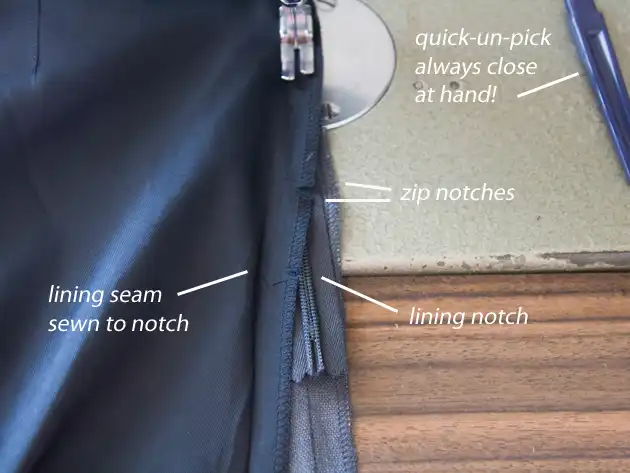
Control Coverage Where Exposure Risk Changes Fastest
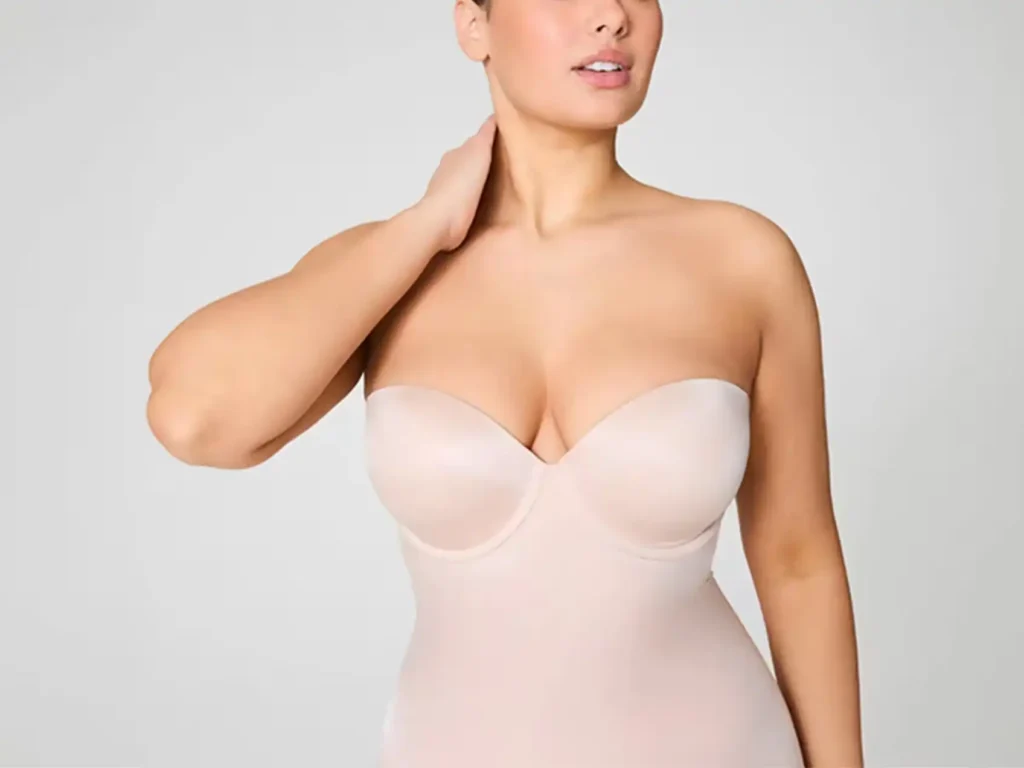
Bust Coverage
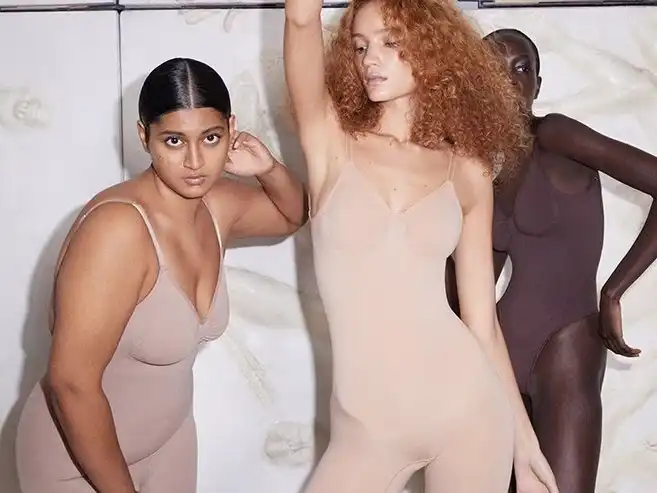
Underarm Coverage
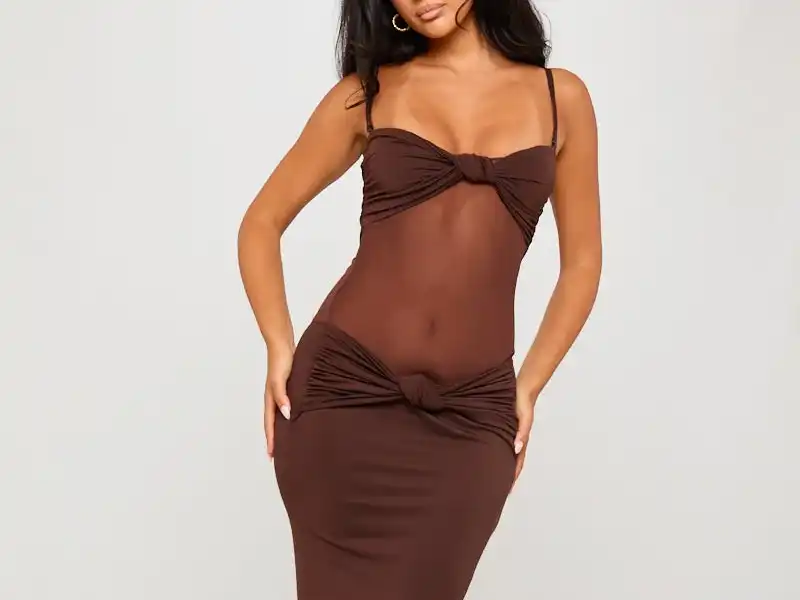
Waist Sheer Zone
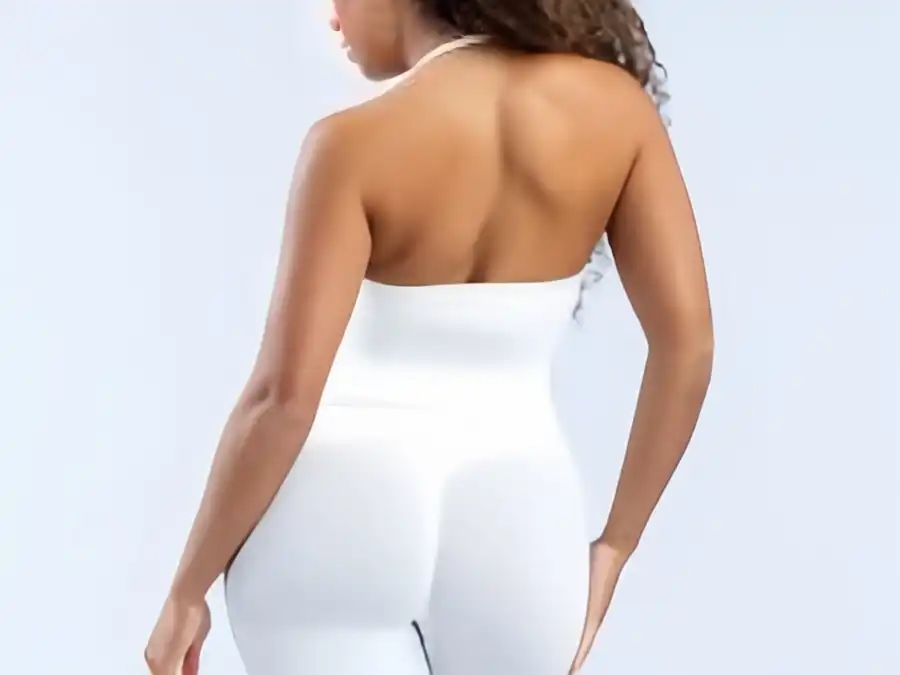
Hip Coverage
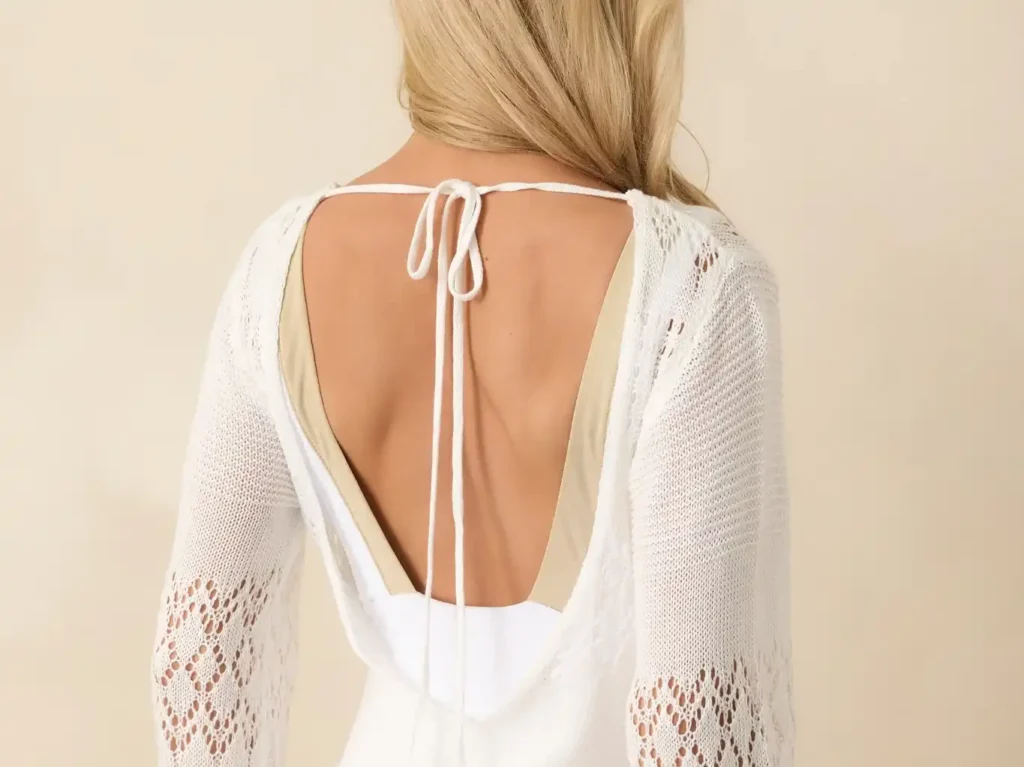
Back Coverage
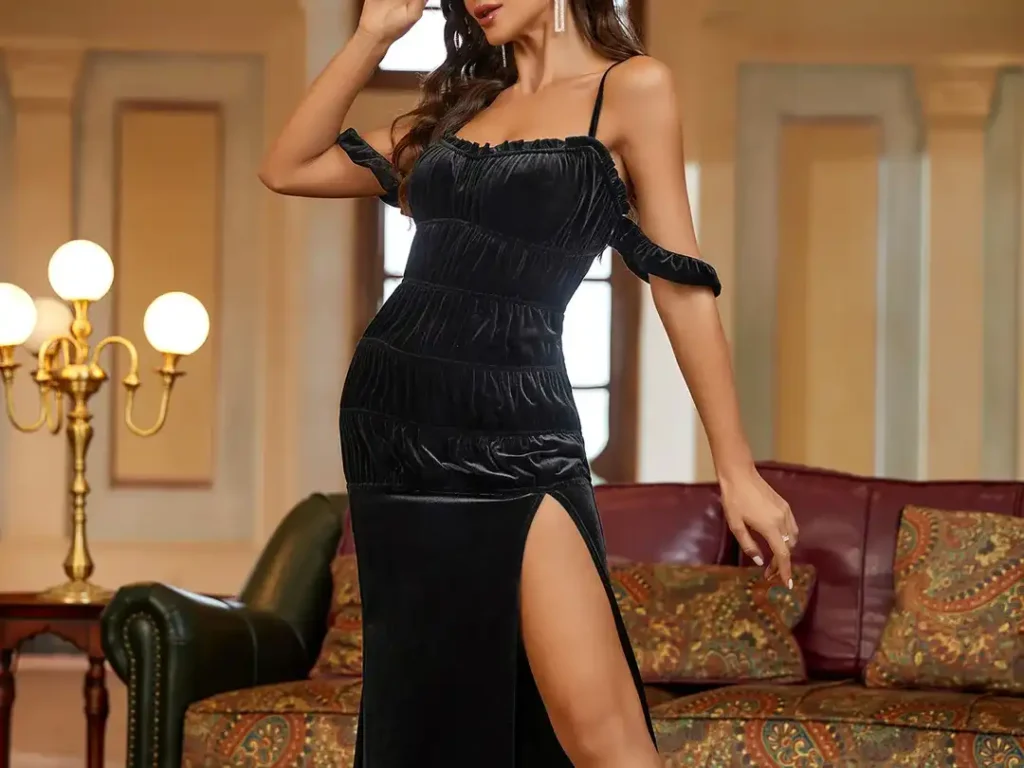
Slit and Hem
Add Internal Support Without Making Sheer Dresses Heavy
Built-In Cups
Removable Cups
Boning
Underwire
Power Mesh
Elastic Support
Stay and Support Tapes
Inner Bodysuit
Construction Details Decide Whether Sheer Dresses Look Finished
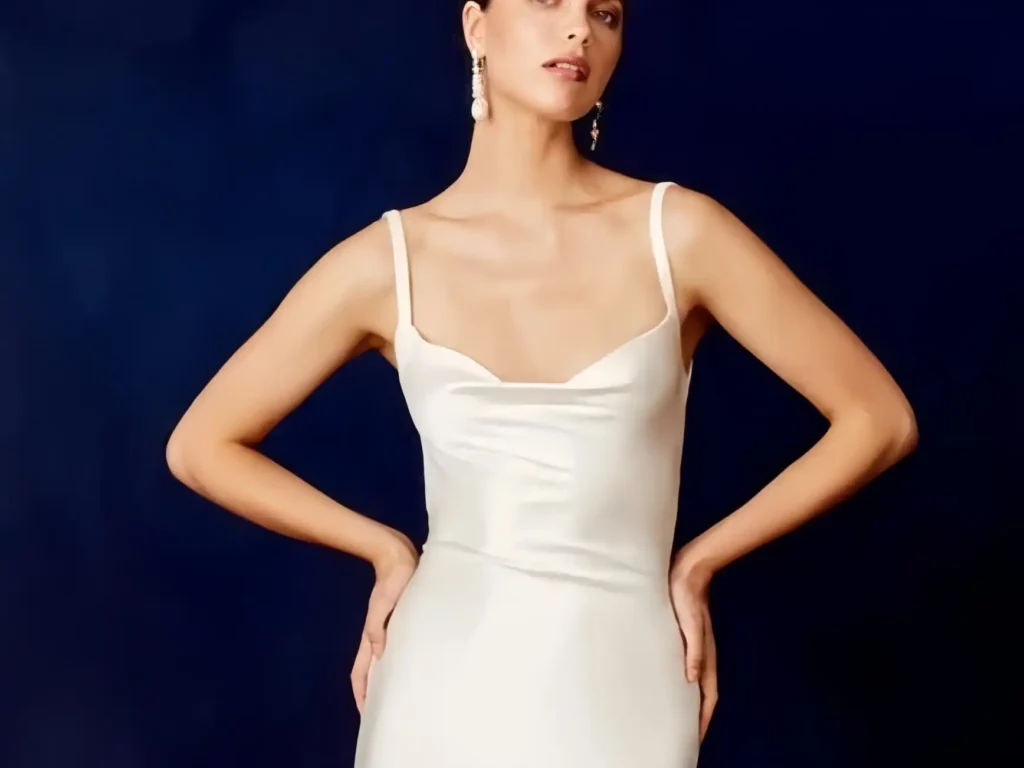
Clean Neckline Finish
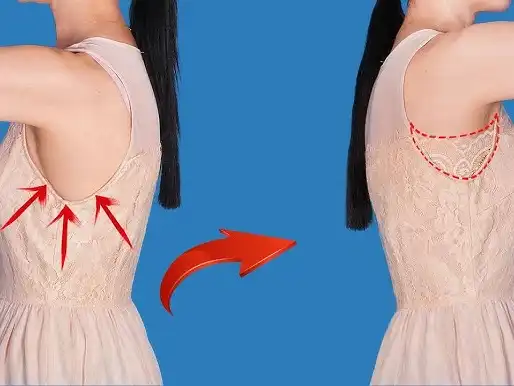
Controlled Armholes
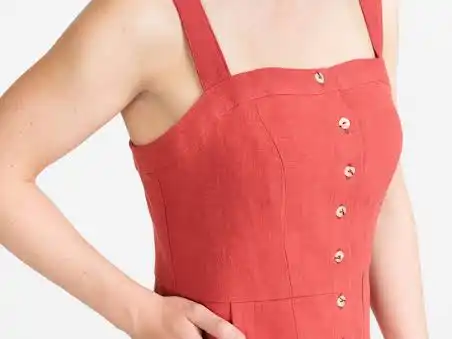
Balanced Side Seams
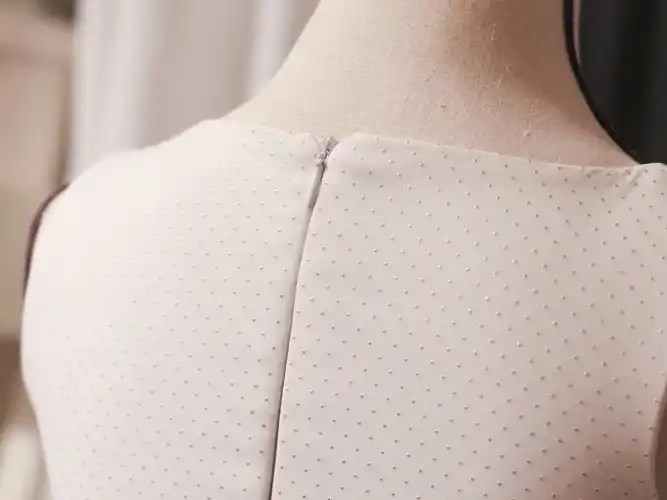
Stable Zipper Areas
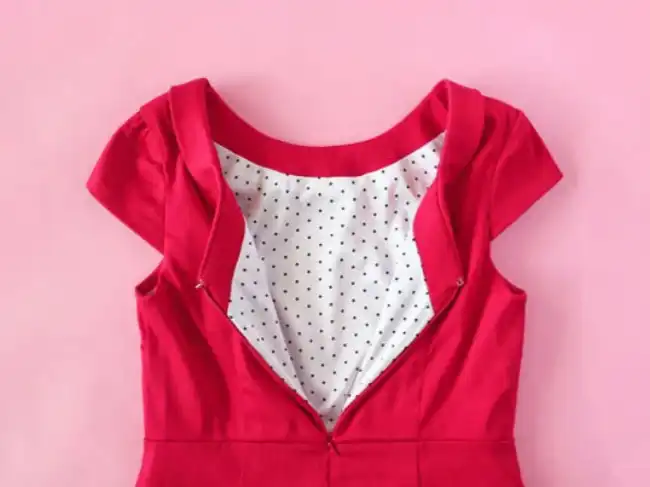
Secure Lining Attachment
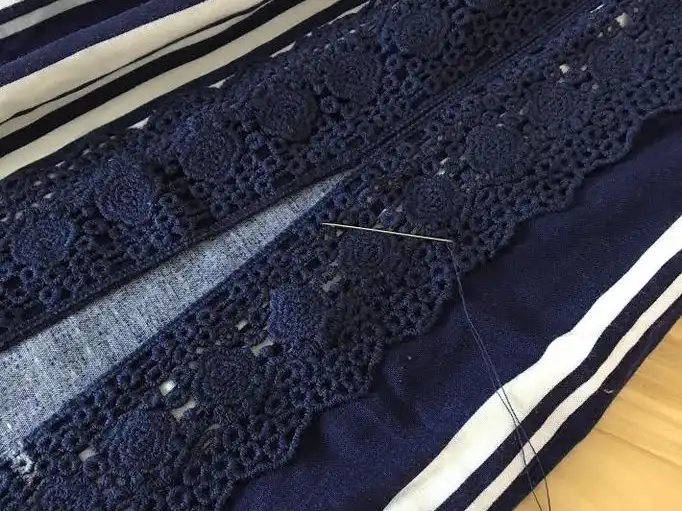
Clean Slit Construction

Controlled Hem Relationship
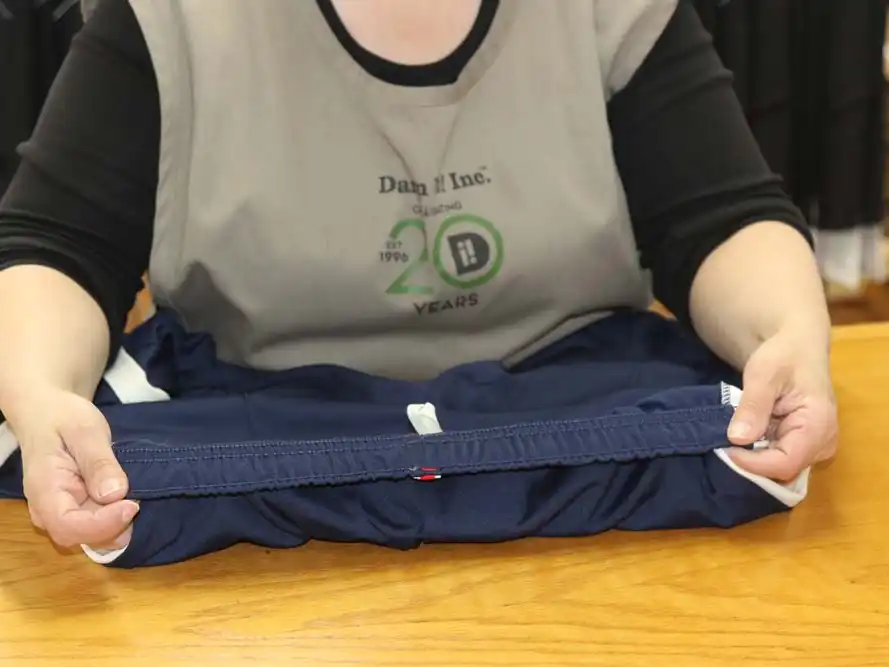
Inside-Garment Inspection
For complex sheer styles, internal workmanship can reveal more about production quality than the front photograph. Lining joins, support layers, cups, boning, seam finishes and concealed attachments should be reviewable as part of sample approval.
Bulk QC Protects the Approved Transparency and Coverage
Bulk control begins with the standards established during development. Fabric, lining, cutting, sewing, measurements and final appearance are checked through production so the approved sample does not become an isolated one-off result.
Incoming Material Control
Controlled Armholes
Balanced Side Seams
Stable Zipper Areas
Secure Lining Attachment
Clean Slit Construction
Controlled Hem Relationship
Inside-Garment Inspection
For complex sheer styles, internal workmanship can reveal more about production quality than the front photograph. Lining joins, support layers, cups, boning, seam finishes and concealed attachments should be reviewable as part of sample approval.
From Sheer Concept to Approved Bulk Production
Design Review
Coverage Planning
Fabric Direction
Pattern Development
First Sample
Fit Review
Sample Revision
PP Approval
Golden Sample
Bulk Production
Final QC
Packing and Shipment
Private-label packing, SKU, barcode, cartons, carton marks and export delivery are coordinated according to the agreed shipping plan.
Multi-Style Sheer Collection Development for a U.S. Fashion Program
An anonymized U.S.-market fashion program illustrates how sheer garments are managed when several silhouettes, coverage structures and materials must reach one consistent collection standard without exposing confidential brand information.

Collection Brief and Order Structure
The program covered 18 styles across mesh mini dresses, lace-overlay dresses, fitted midi silhouettes, long sheer shells and corset-inspired party styles. The confirmed collection moved into a bulk program of approximately 46,000 pieces across approved styles, colors and size ratios.
The brand direction relied on visible transparency, but coverage could not appear improvised. Some designs required opaque bust and hip zones, others used short inner dresses beneath longer sheer shells, while selected lace styles needed a close-to-skin lining appearance.
The main development risks were not identical across the 18 styles. Stretch mesh styles were sensitive to opacity and ride-up. Lace styles required cleaner motif and lining relationships. Structured pieces required stronger bust support without making the outer design look heavy.
Rather than treating the collection as 18 versions of the same mesh dress, styles were reviewed according to construction risk and sample priority.

Sample Problems Found During Development
Early sample review identified several recurring issues across the collection.
On selected fitted mesh styles, the inner layer restricted the outer shell because the stretch relationship was too different.
One long-shell silhouette showed the short inner skirt more prominently from the side than intended.
Several bust coverage edges needed repositioning after fit review because the flat pattern looked acceptable but the line sat too low once worn.
Another style combined lace with a nude-tone base. The first color direction created too much contrast under the lace, making the lining look like a separate garment rather than an illusion foundation.
Fit feedback was recorded by style rather than generalized across the collection. Pattern, lining shape, material direction and construction instructions were then updated for revised samples.
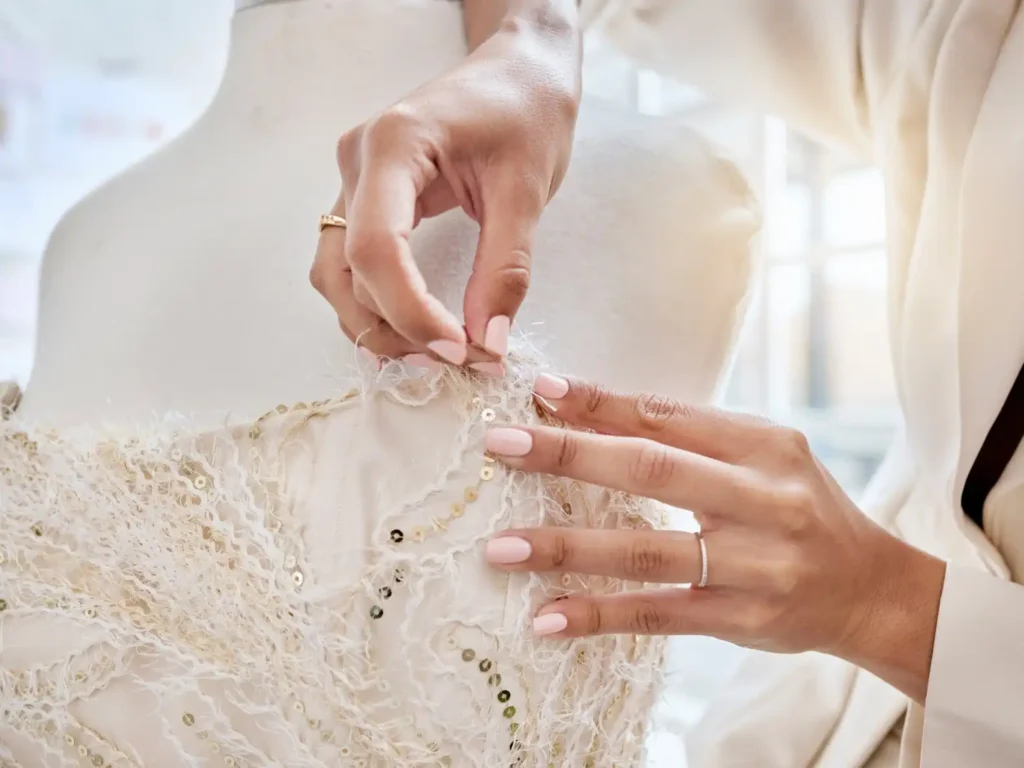
Coverage and Construction Adjustments
For fitted mesh pieces, lining ease and attachment points were revised to improve shell-to-lining balance.
Coverage boundaries around the bust and underarm were adjusted according to front and side fit views.
The long sheer styles were reviewed around inner-skirt length, slit position and walking movement.
Rather than simply increasing coverage everywhere, the inner structure was altered only where additional control was needed.
Lace styles were checked for motif position and lining shade together. Structured party styles were reviewed around cup position, boning, neckline security and the interaction between support components and sheer outer materials.
Each approved correction was transferred into the pattern, sample record and production instructions before PP approval.

PP Approval and Bulk Control
The collection moved toward production only after approved PP samples established the final reference for fabric, lining, pattern, color, construction, measurements and private-label requirements.
Bulk QC checkpoints were adapted to the garment type. Stretch mesh pieces emphasized measurement, side-seam balance, lining position and opacity. Lace styles emphasized placement and visible workmanship. Long sheer styles included inner-to-outer length relationships and slit checks.
Packing information was controlled by style, color, size and SKU before shipment.
The program demonstrates an important difference between producing individual sheer garments and managing a commercial collection: coverage decisions must become repeatable records that survive multiple styles, sizes and production batches.
Brand names, designs, tech packs, sample photographs, prices and other confidential project information remain protected unless written authorization is provided.
Private Label Details Continue Beyond the Sewing Line
Garment Labels
Hangtags
Barcode Control
SKU Labels
Individual Polybags
Carton Marks
Protect Development Records and Make Repeat Orders Easier
NDA and Design Protection
Jinfeng Apparel supports NDA-based cooperation for development programs. Protected project information can include tech packs, original samples, patterns, sample photographs, unpublished designs, label files, packaging files, pricing, order information and brand materials.
Without authorization, real brand names, logos, confidential designs and production files are not used as public proof. Client cases can instead be presented anonymously by market, product category, construction challenge and manufacturing solution.
For brands working on unreleased sheer collections, confidentiality matters especially during the sampling period when product photographs, new silhouettes and launch information may not yet be public.
Repeat-Order Records
After an approved style moves into production, repeat-order continuity is supported by retaining relevant records such as:
- Approved pattern
- Size chart
- Fabric reference
- Color reference
- Trim/BOM information
- Construction instructions
- QC checkpoints
- Label and packing records
- Golden sample reference
Sheer Dress Frequently Asked Questions
Yes. Partial lining can cover selected areas such as the bust, torso, hip or upper skirt while sleeves, waist panels, backs or longer outer layers remain intentionally sheer. The correct boundary depends on the design, material transparency, fit and movement.
The cause must first be identified. Lining shape, length, stretch, recovery, ease, surface friction and attachment points can all contribute. Fit review helps determine whether the correction belongs in the pattern, material selection or sewing construction.
Yes, skin-tone lining or mesh can be reviewed according to the selected outer fabric and desired appearance. Physical swatches, lining shade, lighting and stretched appearance should be considered because one generic nude color does not create the same effect beneath every mesh or lace.
Yes. A dress can use lined body panels with unlined sheer sleeves, shoulders, necklines or other areas. Armhole and lining-edge construction need careful planning so the internal coverage does not become visible where the transparent section begins.
Built-in cups can be developed for suitable designs, including selected corset-inspired, strapless and party dresses. Cup position, neckline, outer transparency and internal support must be reviewed together during sampling.
Transparency is reviewed with the actual outer fabric, lining and garment construction during sampling. For stretch styles, worn-state transparency is especially important because mesh can become more open across the bust or hip. Final material and construction direction should be confirmed through PP approval before bulk.
They can, but the relationship must work for the intended fit. A lining with insufficient stretch can restrict the shell, while poor recovery can create movement or ride-up. Material pairing and pattern ease are reviewed together.
Yes. Bulk production can include multiple sizes according to the confirmed size chart and size ratio. Jinfeng Apparel’s standard MOQ starts from 200 pcs per style/color, while sizes can be distributed within the confirmed style/color quantity.
The basic MOQ starts from 200 pcs per style/color. Special lace, custom-dyed or printed fabrics, certified materials, special trims and custom packaging may have separate supplier MOQ requirements.
A tech pack is ideal, but development can also begin from reference photographs, original samples, sketches or line sheets. Size charts, fabric references, BOM information, label files and clear notes on intended sheer and covered areas help make the first review more precise.

Start Your Sheer Dress Development With Clear Coverage Goals
Send Jinfeng Apparel the design information already available for your collection. A tech pack gives the clearest starting point, while reference photographs, sketches, original samples or line sheets can also be reviewed. For sheer dresses, include any notes showing where the garment should remain transparent, where full coverage is required and whether the inner structure should be visible, tonal or close to a skin-tone effect.
Before formal development, our team can review the proposed fabric direction, lining structure, fit-sensitive areas, trims, support requirements, MOQ fit and likely production risks. Complex mesh, lace, chiffon, cut-out or corset-inspired designs are evaluated according to their actual construction rather than treated as a standard lined dress.
Helpful project information includes:
- Tech pack, sketch, line sheet or reference images
- Original sample, when available
- Target outer fabric or fabric reference
- Preferred lining or coverage direction
- Clear bust, waist, hip, back and slit coverage requirements
- Size chart and target size range
- Color direction or physical color standard
- Built-in cup, boning, power mesh or support requirements
- Style count and planned quantity by style/color
- Woven label, care label, hangtag and barcode files
- SKU and packing requirements
- Target launch or required delivery schedule for project evaluation