 Skip to content
Resort Matching Sets Manufacturer for Fashion Brands
Build coordinated resort collections that move naturally from beach days and poolside lunches to sightseeing, dinners and destination events.
Jinfeng Apparel develops custom matching sets around fabric behavior, print direction, top-to-bottom proportion, fit, packing and commercial production requirements.
- Resort matching sets developed as coordinated top-and-bottom systems, not unrelated separates
- Support for printed woven, rayon, viscose, linen blends, chiffon, cotton blends, satin and selected lightweight knits
- 2 sample rooms with 7+ senior pattern makers and 20+ sample machinists for pattern and sample development
- 6 owned women’s fashion factories and 10+ long-term production partners for multi-style programs
- 100,000+ pcs regular monthly capacity across the established production system
- MOQ starts from 200 pcs per style/color, subject to fabric, print, trim and production requirements
Manufacturing Capacity Behind Resort Set Programs
6 Owned Fashion Factories
Production is allocated according to garment category, fabric behavior, construction complexity, order volume and planned delivery. Matching sets can therefore be placed with production units suited to woven tops, skirts, trousers, shorts, lightweight dresses and coordinated fashion pieces.
10+ Long-Term Production Partners
2 Sample Rooms
7+ Senior Pattern Makers
Pattern work covers crop tops, skirts, trousers, dresses, jumpsuits and matching sets, with attention to bust, waist, hip, rise, hem length, strap placement and top-to-bottom proportion.
20+ Sample Machinists
100,000+ Pieces Monthly Capacity
Explore Resort Matching Set Development
Styles
Fabrics
Prints
Fit & Sampling
Bulk & QC
Private Label
MOQ & Cost
Start Project
Built for Established Resort and Fashion Programs

Global Fashion Brands

Resortwear Labels

Premium Ecommerce Brands

Retail and Specialty Programs

Sourcing Teams

Collection Development Teams
More Than a Coordinated Vacation Outfit
Complete-Look Selling
Mix-and-Match Potential
- A shirt can work with separate linen trousers.
- A crop top can coordinate with an alternative skirt.
- A printed bottom can connect with a solid top.
Collection Extension
- One commercially strong fabric can support several related garments.
- A tropical print may move from a shirt-and-shorts set into a maxi skirt, halter top or dress.
- A linen blend can support a trouser set, shorts set and separate resort dress.
Merchandising Flexibility
Resort Matching Set Styles We Develop

Shirt + Shorts Set

Halter + Maxi Skirt

Crop Top + Maxi Skirt

Cami + Shorts Set

Top + Wide-Leg Pants

Vest + Wide-Leg Pants

Tie-Front Top + Skirt

Printed Blouse + Shorts

Strapless Top + Skirt
Strapless resort sets need more structural control than loose beach separates. Upper-bust fit, internal support, anti-slip solutions where required, zipper construction, skirt waist position and sitting comfort need sample validation. Lightweight fabrics may also require lining or internal reinforcement to maintain shape.

Relaxed Shirt + Pants

Cropped Blouse + Midi Skirt

Asymmetric Top + Skirt Set
Fabrics Engineered for Resort Wear Performance
Fabric selection changes the appearance, fit, care requirements, sample behavior and commercial risk of a resort matching set. Material decisions should therefore be made against the intended silhouette, travel environment, print requirements, opacity and bulk repeatability rather than selected from appearance alone.

Rayon and Viscose for Fluid Resort Sets
Rayon and viscose are strong options for printed skirts, flowing trousers, relaxed shirts and soft resort tops because the fibers can create a fluid hand feel and attractive drape. Development needs more than checking the fabric on a hanger. Shrinkage, wrinkling, washing response, color behavior and print clarity need review before the pattern is treated as production-ready.
A change in shrinkage can alter trouser length, skirt circumference or top-to-bottom proportion. A fabric that looks excellent in a first sample may require care-label adjustments or pattern allowance after wash evaluation. Jinfeng’s material system specifically recognizes rayon and viscose for resort and vacation products while identifying shrinkage, wrinkles and washing change as key risks.

Linen Blends for Natural Resort Texture
Linen blends create the dry, natural surface associated with summer resorts, coastal collections and warm-weather tailoring.
Suitable products include relaxed shirts, shorts, skirts, vests and wide-leg trousers. The final blend matters because pure visual texture alone does not determine commercial performance.
Development reviews opacity, stiffness, shrinkage, wrinkle appearance and batch variation. A fabric that is too rigid can make a wide-leg trouser stand away from the body; a very lightweight option may require lining in skirts or light colors. Linen-blend resort development should balance natural character with wearability and production consistency.
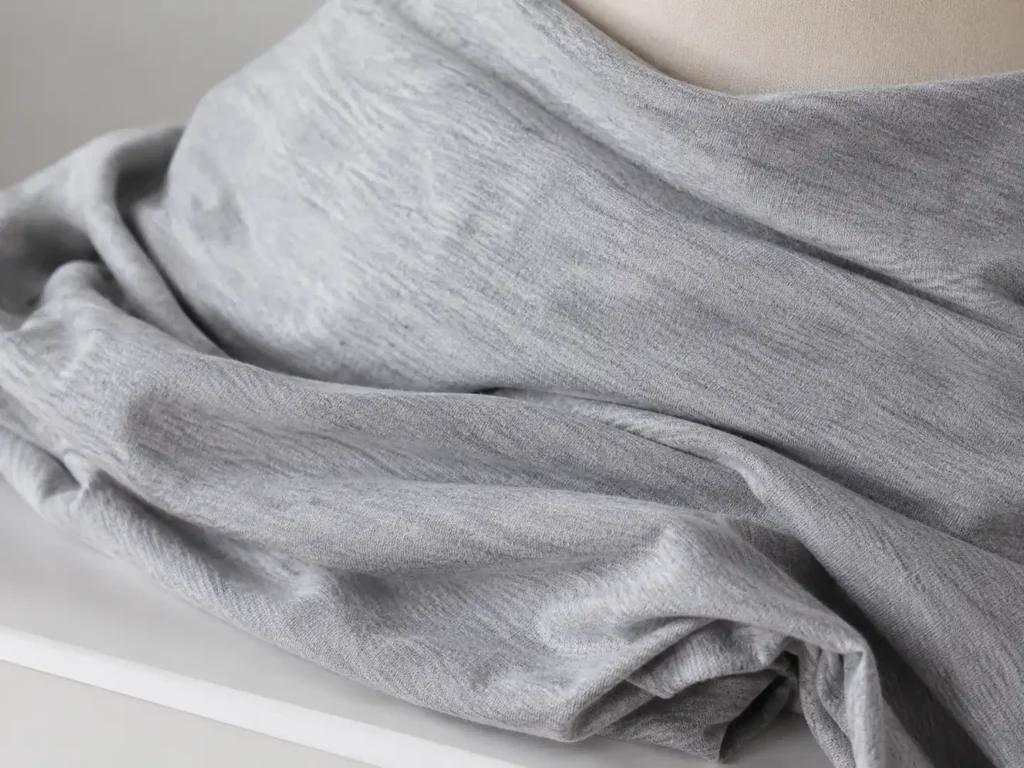
Cotton and Cotton Blends for Structured Casual Sets
Cotton poplin and related blends work well for shirt-and-shorts sets, cropped blouses, A-line skirts and relaxed resort coordinates.
Compared with highly fluid rayon, cotton can provide cleaner edges and more visible shape.
Fabric density, shrinkage, transparency in pale colors and pressing appearance still need control.
For printed cotton sets, motif scale should suit both the top and smaller shorts or skirt panels.
For solid colors, sewing puckering, collar shape and waistband finishing become more visible because the surface does not hide construction inconsistencies.

Chiffon for Layered and Feminine Sets
Chiffon can create lightweight movement in halter tops, layered skirts and flowing resort coordinates.
Transparency becomes the main structural question. Lining color, lining length, seam visibility and the relationship between sheer outer fabric and solid inner layers need to be planned before sampling.
Chiffon also reacts strongly to cutting direction and handling. Inconsistent panel direction or stretched edges can create uneven hems or distorted seams.
Soft structure should not mean uncontrolled construction.

Printed Woven Fabrics for Statement Collections
Printed woven materials are among the most commercially useful resort directions because the fabric itself establishes the visual story.
Floral, tropical, scarf-inspired, abstract and stripe designs can all move across tops, bottoms and coordinating dresses.
Base cloth, print scale, repeat, usable width, shrinkage, color fastness requirements and cutting orientation need agreement before bulk production.
Large motifs often require additional attention to front-body placement and the relationship between the top and bottom.

Satin for Elevated Resort Dressing
Satin moves matching sets toward evening resort restaurants, destination events and premium vacation collections.
Matte satin, stretch satin and selected heavier constructions can create very different results. Surface shine increases sensitivity to shade variation, pressing marks, scratches and direction changes between panels.
A flowing satin skirt paired with a structured top may require separate reinforcement strategies even when both pieces use the same outer fabric.
Packing should reduce hard folds and surface pressure before warehouse delivery.

Custom Prints and Color Stories for Resort Collections
Print development carries more commercial weight in resortwear than in many basic apparel categories. A strong floral or tropical artwork can connect several SKUs, but the artwork must survive fabric selection, scaling, cutting and bulk reproduction without losing the original visual intention.
- Artwork and Base Fabric Review
The same artwork behaves differently on rayon, cotton, chiffon or linen blends. Surface texture, absorbency, fabric color and print method influence sharpness and color appearance. Base cloth should therefore be approved together with the artwork rather than treated as a separate decision. - Print Scale and Repeat
A large botanical repeat may look balanced on wide-leg trousers but become awkward on a cropped top. A small all-over print offers easier placement but creates a different market appearance. Scale should be reviewed against every garment in the set. - Placement and Panel Direction
Front panels, center fronts, collars, waistbands, pockets and skirt panels can expose poor motif placement immediately. Cutting instructions need to define fabric direction and any controlled placement areas before panels are bundled for sewing. - Top-to-Bottom Visual Balance
Exact motif matching is not necessary for every all-over print, but the two garments must still look intentional together. A large focal flower sitting directly at the bust on the top and another unrelated focal motif at the center front of the skirt can make the set appear poorly planned even when print quality is technically acceptable. - Color Approval
Pantone references, physical standards, lab dips where relevant, strike-offs and approved swatches can form part of the development route depending on fabric and print method. Surface texture and lighting should be considered because the same color can appear different on matte woven fabric and glossy satin. - Bulk Repeatability
Exclusive prints, placement prints and special print routes may require supplier-specific minimum quantities and longer preparation. Jinfeng’s manufacturing guidelines treat custom printing as a development process covering base fabric, artwork scale, placement, width, color, printing route and MOQ rather than a simple decoration step.
Top-to-Bottom Proportion Defines the Final Look
Two garments can be individually well made and still fail as a matching set when the proportions do not work together. Jinfeng approaches matching-set patterns as a coordinated system involving crop distance, waist position, body length, rise and visual balance.

Crop Top + Maxi Skirt Proportion
Crop length and skirt rise determine the amount of exposed waist. A 20 mm change in either piece can noticeably alter the final appearance. Pattern comments should therefore record the visual gap as part of the combined fitting rather than correcting the top and skirt independently.
Key checks include bust position, top hem level, natural waist, skirt waistband height, hip transition and movement during sitting. High-waisted resort skirts need sufficient comfort without creating waistband gaping.

Top + Shorts Proportion
Shorts sets require a different visual balance.
A long relaxed shirt may intentionally cover part of the shorts, while a cropped blouse normally needs a clearly visible waistband and leg proportion.
Shorts rise, inseam, front opening, hem width and pocket placement all affect the final silhouette.

Top + Wide-Leg Pants Proportion
Wide-leg trousers add more visual weight to the lower body.
Tops may need a shorter or cleaner silhouette to preserve balance. Trouser rise, crotch depth, hip ease, leg width and hem length are reviewed together with top length and shoulder or bust volume.
Jinfeng’s product knowledge defines matching-set pattern control around top-bottom proportion, exposed-waist distance and coordinated sizing rather than treating the pieces as unrelated patterns.
Fit and Size Pairing Across the Full Set
Coordinated sizing deserves separate engineering from visual proportion. A brand may sell top and bottom together under one size, sell them separately, or use different internal grading rules for upper and lower garments. The intended retail structure should be known before final grading.
Bust and Upper-Body Fit
Camis, halter tops, cropped blouses and fitted resort tops require control over bust circumference, upper bust, neckline depth, underarm coverage, strap position and body length. Loose styling still needs defined measurements so bulk garments do not drift into inconsistent shapes.
Waist and Hip Relationship
Skirts, shorts and trousers must follow the target size chart while maintaining the intended silhouette. Waist-to-hip progression influences sitting comfort, side-seam balance and waistband stability. Elastic-waist styles also require recovery control so apparent flexibility does not become loose bulk sizing.
Rise and Crotch Depth
Shorts and trousers need enough front and back rise for movement. Overly short rises pull the waistband down and distort the top-to-bottom gap. Excessive rise can shift the intended resort silhouette and create fabric folds through the front body.
Skirt and Trouser Length
Mini, midi and maxi bottoms each carry different risks. Maxi skirts and wide-leg trousers require finished-length control and suitable footwear assumptions. Short styles require movement safety in addition to visual proportion.
Straps and Adjustable Elements
Adjustable sliders can help accommodate body differences in cami and halter-inspired pieces, but adjustment range, strap tension, attachment strength and hardware comfort should be tested rather than assumed.
Size Grading
Jinfeng’s pattern system supports US, UK, EU and AU size standards, alpha sizing such as XS–XL, and extended size development according to the brand’s own size chart. Pattern work covers bust, waist, hip, length, straps, neckline, lining and related fit points.
Sampling Resort Sets as One Product System
Sampling is where fabric, fit, color, proportion and construction are converted into a repeatable production standard. A resort matching set should be reviewed while both garments are worn together, because correcting only one piece can create a new problem in the combined look.

Style and Feasibility Review
Development begins with reference images, tech packs, original samples, sketches or line sheets.
The team reviews garment structure, fabric direction, print requirements, lining, trims, target sizing and intended order structure before patterns are started.

Fabric and Trim Confirmation
Available fabrics are compared by composition, weight, hand feel, drape, stretch, opacity, wrinkle behavior and expected production availability. Special buttons, adjustable sliders, elastic, labels or print requirements are included in the same review so a sample is not built around materials that cannot support commercial production.

Two-Piece Pattern Development
Upper and lower garments receive separate production patterns but are fitted as one visual system.
Crop length, waist position, skirt or trouser rise, hip relationship, overall length and movement are checked together.

First Sample
Medium-complexity dresses, matching sets and jumpsuits generally use an internal reference of around 12–18 days for a first sample, depending on fabric availability, trim development, pattern complexity and the completeness of development information. More complex structures or custom materials require project-based timing.

Fit Review
Measurements are compared against the approved size chart.
Photos, videos and fit comments can be translated into pattern changes covering bust, waist, hip, neckline, straps, length, rise, lining or proportion.

Revised Sample
A revised sample commonly requires around 7–15 days depending on the modification scope.
A change from rayon to a lower-stretch woven fabric, for example, may require more than a small sewing adjustment because fit and pattern behavior can also change.

Photo-Ready Sample
Where a campaign, lookbook, showroom or ecommerce shoot requires a dedicated sample, fabric, trims and visible construction should be clearly identified as either production-standard materials or temporary development alternatives. The distinction avoids later assumptions that photography samples automatically define bulk standards.

PP Sample
The PP sample becomes the final pre-production reference after approved materials are available.
The standard internal reference is commonly 7–15 days, depending on final material readiness and project complexity.

Production-Ready Standard
Approved changes should move into updated patterns, size charts, BOM information, sewing instructions and QC references.
The goal of sampling is not simply to produce an attractive one-off garment; it is to establish a repeatable standard for commercial production.
Construction Details That Change Bulk Quality

Waistband Construction

Straps and Adjusters

Buttons and Plackets

Lining and Opacity

Seams and Edge Finishing
Lightweight woven fabrics can expose puckering, seam twisting and bulky finishes. Seam type should respond to fabric weight and opacity. Clean internal finishing matters particularly on open shirts, wrap pieces and garments likely to be photographed in movement.

Hem and Pressing
Bulk Quality Control for Coordinated Resort Sets
Bulk control combines individual garment inspection with set-level verification. Fabric shade, print direction, measurements, labels and paired packing all affect whether the finished pieces can arrive as one commercially usable collection.
| Control Stage | Main Checks | Resort Matching Set Risk |
|---|---|---|
| Incoming Fabric | Color, weight, hand feel, width, shrinkage, defects, fabric surface | Top and bottom may differ in shade, hand feel or shrinkage |
| Cutting | Pattern version, print placement, fabric direction, panel quantity, size bundling | Motifs rotate, panels mix sizes, top and bottom use inconsistent direction |
| Sewing | Stitching, seam allowance, symmetry, straps, waistband, buttons, lining | Set looks uneven despite correct individual measurements |
| Measurement | Bust, waist, hip, rise, length, straps and garment-specific points | Paired garments no longer follow the approved size relationship |
| Garment Review | Appearance, fit effect, stains, holes, pressing and closure function | One piece passes while the coordinated outfit looks visually inconsistent |
| Packing | Hangtags, barcodes, size stickers, polybags, packing ratio and carton marks | Wrong top-bottom pairing or incorrect warehouse identification |
Travel-Friendly Finishing and Packing

Wrinkle Behavior

Pressing Before Packing

Folding Method

Transparency Protection

Print and Surface Protection

Carton Planning
Build a Resort Capsule Around Hero Sets

Printed Tropical Capsule
- Printed maxi dress
- Printed halter top
- Printed wide-leg trousers
- Printed midi skirt

Linen-Blend Capsule
- Linen-blend shorts
- Button-front vest
- Midi skirt
- Relaxed resort dress

Fluid Rayon Capsule
- Printed midi dress
- Relaxed blouse
- Pull-on trousers
- Short resort skirt

Elevated Satin Capsule
- Satin wide-leg trousers
- Halter top
- Slip dress
- Evening resort skirt
Private Label and Paired SKU Management
Combined Set SKU
Separate Top and Bottom SKUs
Woven and Size Labels
Care and Composition Labels
Care information should reflect the final approved fabric and garment construction. Rayon, viscose, linen blends, chiffon and satin may require different washing, drying or ironing instructions.
Hangtags and Barcodes
Polybags and Cartons

Work Backward From Your Resort Launch Date
A resort collection can lose commercial value when the product misses photography, preorder, warehouse or seasonal selling windows. Production planning should therefore begin with the intended launch and work backward through the milestones required to reach it.
- Launch and Warehouse Window
Start with the planned selling date and required warehouse receiving date. Different destinations, shipping modes and retail receiving rules affect how much time must remain after production. - Final QC and Packing Window
Inspection, corrections, final packing, carton verification and shipment documentation need protected time after garment production. A schedule that ends sewing on the required ship date leaves no realistic room for quality closure. - Bulk Production
A firm production calendar can be confirmed after PP approval, final quantities, materials, trims, labels, packaging and production allocation are ready. Bulk timing is project-specific rather than a fixed promise because style complexity, quantity and supply-chain requirements vary. - PP Approval
PP approval should occur before bulk cutting and sewing. Late design changes after PP approval may require revised costing, materials, patterns or scheduling. - Photo Sample and Campaign Needs
Campaign samples may be needed earlier than bulk standards. Photography requirements should therefore be identified during initial planning instead of requested after production has already started. - First Sample and Revisions
Initial development needs enough time for fit corrections, material replacements or print changes. A resort set involving custom artwork or special fabric development should reserve more development time than a style using approved stock materials.
Capacity for Multi-Style Resort Collections
100,000+ Pieces Regular Monthly Capacity
18+ Sewing Lines
Multiple sewing lines allow production resources to be assigned according to garment category.
A relaxed woven shirt set does not necessarily belong on the same production route as a fitted satin crop-and-skirt set.
6+ Flexible Production Lines
Flexible lines support fashion programs with multiple SKUs, seasonal replenishment and mixed style requirements.
Allocation remains coordinated through production management and QC standards.
Multi-Batch Delivery
Repeat Orders
MOQ, Cost and Quotation Planning
Jinfeng Apparel’s base garment MOQ starts from 200 pieces per style/color. Commercial feasibility still depends on the materials, print route, trims, size structure, packaging and production complexity selected for the resort set.
| Cost or MOQ Factor | Typical Effect on Resort Sets |
| Stock Fabric | Easier material planning when suitable quality, color and quantity are available |
| Custom Dye | Adds lab-dip approval, dye-lot control and supplier-specific minimums |
| Exclusive Print | Artwork, base fabric, print route and print-mill minimums may increase requirements |
| Placement / Border Print | Requires more controlled layout, cutting and material planning |
| Linen Blend | Cost and MOQ vary by composition, weight, source and color |
| Rayon / Viscose | Shrinkage and wash behavior may require testing or pattern allowance |
| Complex Top Structure | Boning, cups, internal support or special closures increase development and sewing work |
| Multiple Colors | Each color affects material purchasing, cutting, production and packing efficiency |
| Private Labels | Woven labels, hangtags, printed bags and specialty packaging may have separate supplier MOQ |
| Rush Requirement | Material procurement, production allocation and transport strategy require individual review |
Anonymous Resort Matching Set Program
An established US fashion brand approached Jinfeng Apparel for an 18-style resortwear program built around coordinated vacation products rather than a single hero garment. The planned order totaled approximately 42,000 pieces across matching sets, lightweight dresses, separate skirts and resort tops, fitting the brand’s normal seasonal order structure of multiple commercial styles within one launch.

Collection Structure
The assortment included printed shirt-and-shorts sets, halter-and-maxi-skirt sets, top-and-wide-leg-trouser combinations, relaxed resort dresses and coordinating separates. Several prints appeared across more than one silhouette so the final assortment could merchandise as a connected resort story.

Fabric Challenges
Rayon and viscose fabrics delivered the required drape but needed shrinkage and wrinkle review. Linen-blend pieces required opacity and hand-feel checks. Printed woven styles required print-scale and panel-direction control. Lighter colors needed lining decisions before patterns could be treated as final.

Pattern and Sample Development
The sample team reviewed upper-body fit, waist position, exposed-waist distance, shorts and trouser rise, maxi lengths and overall set proportion. Comments from the first sample stage were transferred into revised patterns before approval progressed toward PP standards.

Bulk Coordination
The program involved several materials, color groups and garment structures. Production was allocated by style and construction requirements instead of forcing every SKU through one production route. Fabric status, sample versions and production readiness were tracked style by style.

Quality Control
QC focused on shade consistency, print direction, measurements, waistbands, straps, closures, garment appearance and paired packing.
Sets sold as coordinated units required size and identification checks before entering final packaging.

Private Label Delivery
Woven labels, care labels, hangtags, barcode information, polybags and carton instructions followed the brand’s final SKU structure.
Packing was organized for phased shipment according to the agreed launch and warehouse schedule.
Frequently Asked Questions About Resort Matching Sets

Develop Your Next Resort Matching Set Collection
- Reference images, tech packs, sketches or line sheets
- Planned set combinations such as top + skirt, shorts or trousers
- Quantity per style and color
- Target fabric or required hand feel
- Print artwork or print direction where applicable
- Target market and size range
- Private-label and barcode requirements
- Packaging or warehouse instructions
- Required campaign, launch or delivery window
- Any fit, fabric or quality problems experienced with previous production


