 Skip to content
Custom Maxi Dresses Manufacturer for Fashion Brands
Develop commercial maxi dress collections with a manufacturing partner experienced in fashion-led dresses, complex fabrics, fit development and repeatable bulk production. Jinfeng Apparel supports established fashion brands, premium ecommerce labels, sourcing teams and private-label programs from product development through shipment.
- Since 2008 in women’s fashion manufacturing
- 6 owned women’s fashion factories
- 18+ sewing lines for multi-style production
- 100,000+ pcs monthly standard womenswear capacity
- 2 sample rooms with 7+ senior pattern makers
- 20+ sample machinists for development and revision
- Standard commercial MOQ: 200 pcs per style/color
- Maxi dress development covering satin, chiffon, mesh, jersey, crepe, viscose, linen blends, velvet and embellished fabrics
Manufacturing Capacity Built for Commercial Maxi Dress Programs
A maxi dress collection rarely consists of one isolated SKU. Established brands often release coordinated groups of silhouettes, fabrics, colors and occasion stories within the same selling period. Production therefore needs enough development capacity to move several styles from pattern work into approved bulk production without losing control of measurements, fabric behavior or finishing standards.
Since 2008
6 Owned Factories
18+ Sewing Lines
2 Sample Rooms
7+ Pattern Makers
15+ QC Inspectors
Developed for Established Fashion and Private-Label Collections
Global Fashion Brands
Premium Ecommerce Brands
Buying and Sourcing Teams
Occasion and Partywear Labels
Resort and Vacation Collections
Designer-Led Womenswear
Custom Maxi Dress Styles We Manufacture

Satin Maxi Dresses
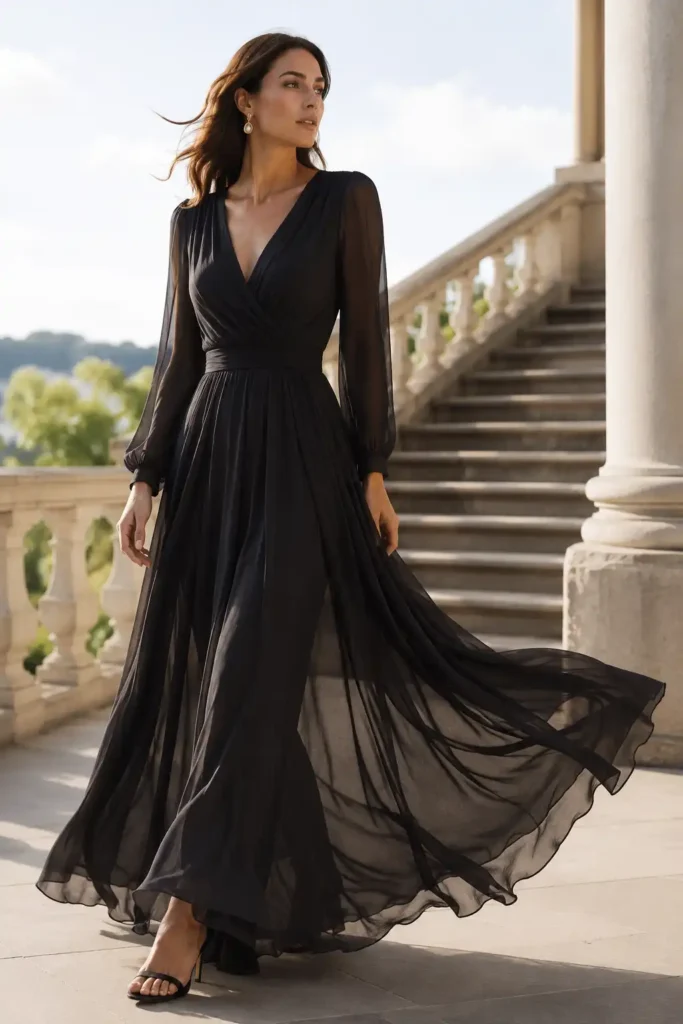
Chiffon Maxi Dresses

Mesh Maxi Dresses

Bodycon Maxi Dresses

Backless Maxi Dresses

Halter Maxi Dresses
Maxi Dresses for Different Commercial Collections
Resort and Vacation
Party and Night-Out
Wedding Guest
Evening and Occasion
Summer Collections
Holiday Collections
Fabrics That Shape Maxi Dress Fit and Movement
Fabric selection influences much more than surface appearance. A maxi dress uses a larger continuous area of fabric than many shorter garments, so weight, drape, stretch, opacity and shrinkage can alter the silhouette from shoulder to hem. Material decisions therefore need to be connected directly to pattern work, lining construction and bulk consistency.
| Fabric | Suitable Maxi Dress Directions | Manufacturing Focus | Main Risk to Control |
|---|---|---|---|
| Satin / Stretch Satin | Slip, occasion, cowl neck, bias, evening | Grain, seam tension, pressing, surface protection | Puckering, pulls, bias growth |
| Chiffon | Resort, wedding guest, layered occasion | Fine seams, lining, layer balance | Transparency, uneven hem |
| Stretch Mesh | Bodycon, ruched, party, sheer effects | Stretch matching, gathering, lining | Sagging, twisting, recovery loss |
| Jersey | Fitted, column, casual bodycon | Stretch direction, recovery, hem method | Growth, torque, measurement change |
| Crepe | Occasion, wrap, fluid tailored styles | Drape, pressing, seam stability | Surface marks, weight imbalance |
| Rayon / Viscose | Resort, summer, printed maxi | Shrinkage control, drape, cutting | Dimensional change |
| Linen Blends | Vacation, relaxed summer styles | Grain, shrinkage, pressing | Wrinkling, inconsistent dimensions |
| Velvet | Evening, holiday, long fitted styles | Nap direction, cutting, pressing | Shade difference, pile damage |
| Sequin Fabrics | Party, evening, holiday styles | Panel handling, seam preparation, lining | Weight, abrasion, loose sequins |
Satin and Bias Control
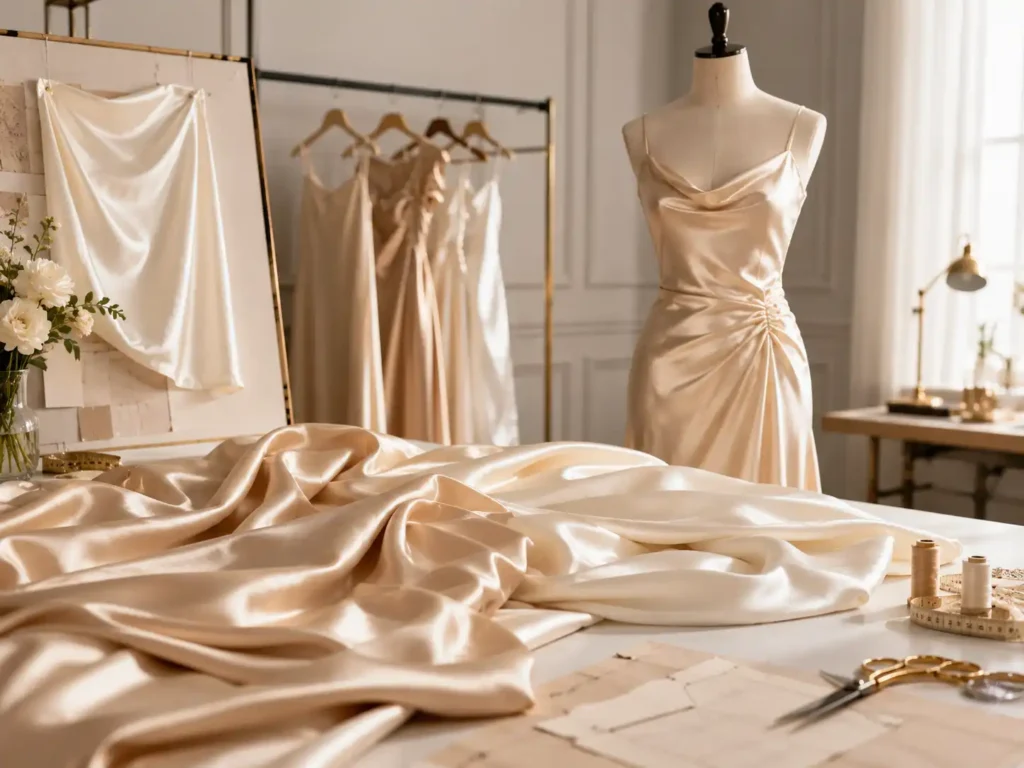
Bias-cut maxi dresses require fabric relaxation before final assessment. A style that measures correctly immediately after sewing can gain length after hanging because the fabric settles along the bias. Sample review should therefore assess hem balance after the garment has stabilized, not only directly after pressing.
Chiffon and Lining Balance

Chiffon becomes visually heavy when the lining is too stiff and unstable when the lining is too short, tight or lightweight. Outer and inner layers need compatible movement. Hem lengths should also be checked independently because the two layers can behave differently during pressing and wearing.
Mesh and Stretch Recovery

Mesh alone does not determine fit. Outer mesh, lining, elastic and seam construction create a combined stretch system.
If the lining recovers more aggressively than the shell, the garment can gather unintentionally. If the lining is too weak, fitted areas may lose support.
Rayon, Viscose and Shrinkage
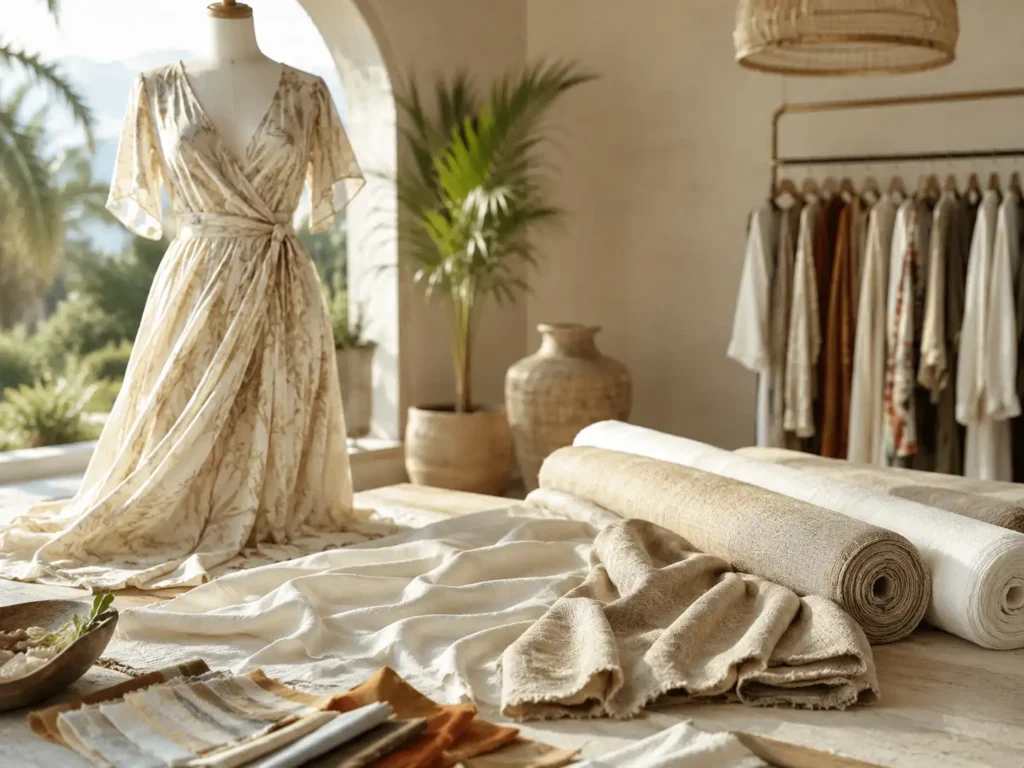
Fluid cellulosic fabrics are attractive for resort maxi dresses but should be reviewed for dimensional stability.
Fabric relaxation and approved shrinkage allowances need to be considered before grading and bulk cutting.
Specialty Fabrics

Velvet, sequins, lace and metallic fabrics often need separate handling rules. Nap, motif direction, embellishment weight and cutting waste can affect both cost and final appearance. Material approval should therefore include construction feasibility, not only color and handfeel.
Design Details Developed Around Maxi Dress Construction
A design detail can change the entire engineering of a maxi dress. Neckline depth may affect support, an open back can alter garment balance, and a thigh slit can influence both walking comfort and seam reinforcement. Development therefore treats key details as construction decisions rather than decorative additions.

Necklines
Cowl, plunge, square, halter, asymmetric, bandeau and sweetheart necklines require different support and stabilization. Neckline shape is checked together with bust fit, strap position and fabric stretch.

Back Designs
Low backs, lace-up backs, open-back cut-outs and draped backs change how weight is carried through the garment. Waist anchoring, elastic support and back-neck tension may be required to keep the silhouette stable.

Straps
Fixed straps, tie straps, halter ties, spaghetti straps and asymmetric straps are reviewed for width, attachment strength and finished length. Small strap differences can change bust position noticeably on fitted maxi dresses.

Ruching
Ruching can control fit or create purely decorative texture. Gathering ratio, seam length and elastic behavior need to be documented so bulk production reproduces the approved sample rather than producing inconsistent fullness.

Draping
Draped styles rely on fabric behavior as much as pattern shape. Drape direction, anchor points and fabric weight are checked during sampling, particularly around waist and hip areas.

Cut-Outs
Cut-outs need clean edge control without distorting nearby fit points. Seam reinforcement, binding, lining and elastic placement are selected according to stretch and location.

Print Placement
Large motifs, directional patterns and border prints are reviewed before cutting. Center fronts, wrap panels and skirt seams often require defined placement rules.

Slits
Front, side and back slits are evaluated for position, opening height and stress at the top point. Reinforcement prevents seam failure while preserving a clean appearance.

Corsetry
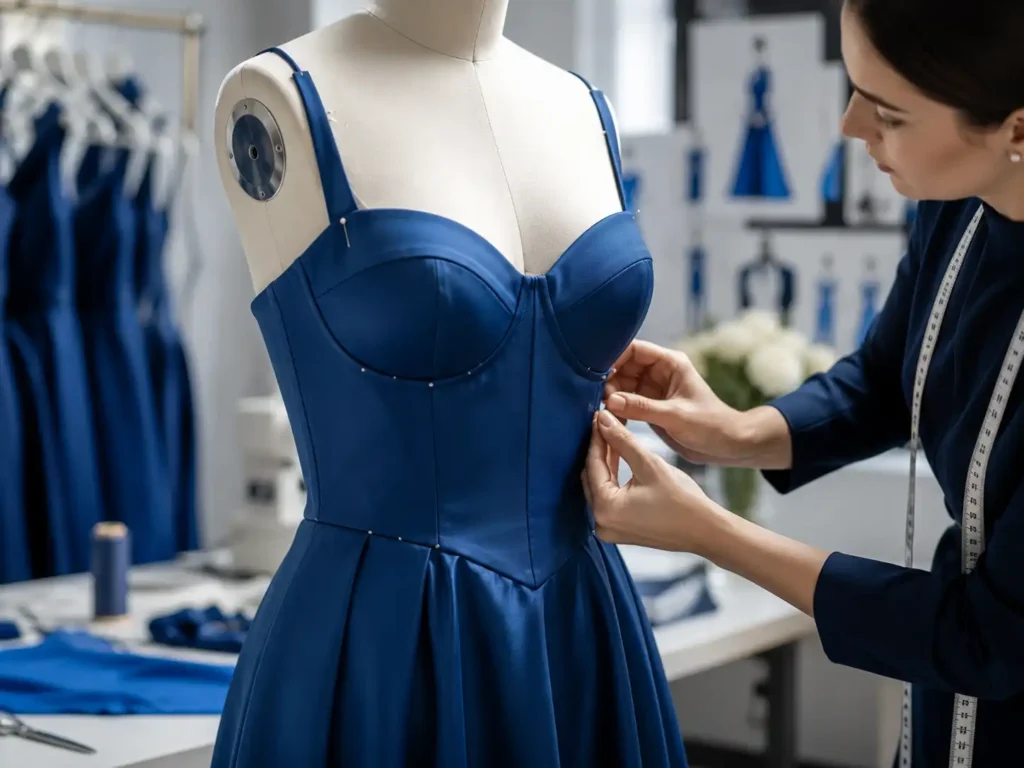
Boning channels, cup shaping, interfacing, lining and closure placement are coordinated with outer fabric so the bodice gives support without appearing bulky.
Maxi Dress Pattern and Fit Control from Bodice to Hem
Maxi dress fit cannot be controlled by checking bust, waist and hip alone. Garment length amplifies small balance errors, while fitted or open constructions place additional demand on support and movement. Jinfeng’s pattern development covers mini, midi and maxi dresses as well as bodycon, corset, slip, halter, strapless and backless silhouettes.
Bust and Underbust
Bust shaping is reviewed according to neckline, cup coverage, stretch and support. Underbust position matters particularly in corset, halter and plunge styles because a small vertical error can change the complete upper-body proportion.

Waist Position
Natural-waist, high-waist and dropped-waist designs create different skirt proportions. Waist position is checked against bodice length and intended visual balance rather than copied from a generic block.

Hip and Seat
Bodycon and bias styles require enough room for movement without breaking the intended line. Stretch ratio, recovery and fabric weight influence how much pattern reduction is appropriate.

Shoulder and Strap Length
Strap length affects neckline depth, armhole position and bust placement. Fixed straps need accurate finished length, while adjustable straps require enough adjustment range without creating excess hardware or bulk.

Armhole
Open or low armholes can expose lining or create gaping. Armhole depth is checked against bust coverage and strap position before grading.

Neckline
Deep or asymmetric necklines may need stabilization to prevent stretching during production. Neckline shape is evaluated while worn rather than only on a flat pattern.

Back Opening
Backless styles require balanced tension between side seam, waist and shoulder or neck support. Excessive openness can also change side-seam alignment.

Slit Position
Slit height is measured from defined garment reference points so bulk pieces remain consistent across sizes. Stress reinforcement is placed where the opening begins.

Full Length
Maxi length is checked against silhouette, intended footwear and garment proportion. A fitted column dress and a flowing resort dress do not require the same hem allowance or floor clearance.

Hem Balance
Long skirts reveal front-to-back balance errors quickly. Bias fabric, asymmetric drape and heavier panels may continue to settle after sewing, so hem level is reviewed during development before being locked for bulk production.

Lining Length
Lining should support opacity and comfort without pulling the shell or showing below the outer hem. Stretch compatibility also matters in fitted styles.

Movement and Comfort
Fit approval includes standing, walking and sitting rather than relying only on static measurements. High slits, narrow skirt shapes and structured waists need enough movement allowance for commercial wearability.
Construction Methods Behind Clean Long-Dress Finishing
Long dresses expose workmanship problems that may be less noticeable in shorter garments. A slightly twisted side seam can travel the full skirt length, while unstable hems, poorly controlled satin seams or mismatched lining can affect the garment immediately when worn. Sewing methods therefore need to follow the behavior of each fabric and silhouette.
Satin Seam Control
Fine satin can show needle marks, seam puckering and pressing damage. Needle selection, thread tension, seam allowance and pressing method are reviewed during sampling. Surface protection also matters during handling because pulls and shine marks are difficult to repair after assembly.
Bias-Cut Handling
Bias panels can lengthen and rotate during sewing. Panels should be handled consistently and allowed to relax before final hem confirmation. Side seams and center seams are checked for twisting after hanging.
Chiffon Seam Finishing
Light chiffon requires narrow, controlled seam finishes that do not create visible bulk. Layer alignment is particularly important on gathered skirts and multi-layer hems.
Invisible Zippers
An invisible zipper should sit cleanly without rippling, excessive seam tension or misalignment across waist seams. Reinforcement may be needed in delicate fabric areas before insertion.
Slit Reinforcement
The top of a slit receives repeated stress during walking. Reinforcement should control seam opening without creating a visible hard point on the garment surface.
Lining Attachment
Lining needs enough ease to follow outer fabric movement. Underlining, partial lining and full lining are selected according to opacity, structure and construction rather than automatically applying one method to every style.
Ruching Consistency
Gathering points and fullness ratios should be defined so multiple operators reproduce the same approved appearance. Uncontrolled hand gathering can create noticeable variation across bulk garments.
Corset Construction
Boning, interfacing and lining are assembled to support the silhouette while keeping seam lines clean. Excess internal thickness can distort satin or other smooth outer fabrics.
Mesh Joining
Stretch mesh seams need enough elasticity for dressing and movement. Overly rigid stitching can break under tension, while excessive stretch during sewing can create waviness.
Hem Construction
Rolled hems, narrow turn-back hems, blind hems and cover finishes are selected according to fabric weight and design. Full-length skirts require careful handling because even small inconsistencies remain visible around a wide circumference.
Pressing and Final Shape
Pressing is used to establish seam shape and finish, not simply flatten the garment. Satin, velvet, mesh and embellished surfaces all require different handling to avoid shine, pile damage or distortion.
Development Can Start from More Than a Finished Tech Pack
A complete tech pack makes development more efficient, but established product teams often begin individual styles from different levels of information. Jinfeng can review available development materials before confirming the most suitable route into pattern and sampling.
Requirement Review
Construction Review
Fabric and Trim Review
Cost Feasibility
Pattern Preparation
Sampling Turns Design Decisions into Bulk Production Standards
Sampling is not only a visual approval stage. Each approved sample should reduce uncertainty before bulk production by converting comments into measurable pattern, construction and material decisions.
Development timing is confirmed after style complexity and material readiness are reviewed. Jinfeng does not apply one fixed sample lead time to every maxi dress because a single-layer jersey style, a bias satin style and a corseted embellished maxi require very different development work.
First Development Sample
The first sample checks whether the supplied design has been translated correctly. Silhouette, neckline, length, fabric behavior, internal construction and major details are reviewed together.
Fit Review
Fit assessment focuses on bust, underbust, waist, hip, armhole, strap length, neckline, slit position and full length. Long-dress balance is reviewed from front, side and back views.
Revision Tracking
Fit and construction comments are converted into updated pattern information rather than left as informal messages. Measurement changes, seam changes and construction corrections need to remain traceable.
Material Confirmation
Fabric, lining and trim approvals are connected to the sample version. A sample made in one fabric cannot automatically validate bulk production in another fabric with different weight or stretch.
PP Sample
Pre-production approval confirms the version intended for bulk manufacturing. Fabric, measurements, trims, workmanship and presentation should correspond to the production specification.
Golden Sample
The confirmed reference becomes a production and QC benchmark. Operators and inspectors need a physical and documented standard for areas where visual appearance cannot be captured fully by measurements alone.
What Changes the Cost of a Custom Maxi Dress
A meaningful quotation needs to reflect garment construction rather than assigning one standard price to every maxi dress. Full-length garments can consume substantially more fabric than short dresses, while lining, print, draping, corsetry and embellishment can change both material use and production time.
| Cost Driver | Why It Matters | Typical Development Decision |
|---|---|---|
| Fabric consumption | Maxi lengths increase total material usage | Review width, marker efficiency and skirt volume |
| Full lining | Adds fabric and sewing operations | Select full, partial or targeted lining |
| Bias cutting | Higher consumption and handling complexity | Confirm grain, relaxation and hem process |
| Print development | Adds artwork, strike-off and color approval | Confirm repeat and placement early |
| Ruching / draping | More sewing time and consistency control | Define gathering ratio and anchor points |
| Corset structure | Requires lining, boning and additional assembly | Engineer internal support before costing |
| Sequin / beading | Adds material cost and labor | Confirm placement and reinforcement |
| Special trims | May carry separate supplier minimums | Check MOQ before sample approval |
| Packaging | Branded components add sourcing steps | Lock packaging specification before bulk |
| Testing | Depends on market and program requirements | Define required testing before shipment |
MOQ Planning for Commercial Maxi Dress Orders
Factors Influencing Final Order Structure
- Fabric stock availability
- Custom color development
- Printed fabric requirements
- Specialty trims
- Construction complexity
- Label and packaging minimums
- Production scheduling
Separate Supplier Minimums for Custom Components
Certain custom components may carry separate supplier minimums. Special-color or metal zippers can require approximately 300–500 pieces depending on specification, while custom buttons, hardware, labels, hangtags or printed packaging may require higher supplier quantities.
Multi-style Program Planning
For multi-style programs, order planning should therefore begin with the collection architecture rather than looking only at garment
MOQ. Grouping fabrics, colors or approved trims across compatible styles can often create a cleaner production plan.

Bulk Production Planned Across Styles, Colors and Deliveries
Once the PP standard is approved, production planning moves from individual garment development into material booking, line allocation, QC scheduling and shipment coordination. Multi-style maxi collections need enough structure to prevent one delayed fabric or trim from disrupting every SKU.
- PP Approval: Patterns, measurements, fabric, trims, workmanship and presentation are locked before bulk cutting.
- Material Booking: Approved fabrics and trims are ordered according to the confirmed production quantity. Lot control becomes especially important for colors where visual consistency affects the whole collection.
- Cutting: Grain direction, print placement, nap and panel consistency are checked according to style requirements. Bias panels and directional fabrics require additional attention.
- Sewing: Styles can be allocated according to construction type and delivery sequence rather than forcing very different dresses through an identical production route.
- Inline Inspection: Measurement, workmanship and assembly issues are checked during production so deviations can be corrected before the full quantity reaches finishing.
- Finishing: Pressing, thread cleaning, final appearance and garment presentation are completed according to approved standards.
- Packing: Labels, hangtags, folding, polybags and carton information are checked against the packing specification.
- Shipment Release: Final inspection and documentation are completed before the order is released for the agreed logistics route.
Jinfeng’s production structure includes 6 owned women’s fashion factories, 18+ sewing lines and 6+ flexible production lines with standard monthly womenswear capacity above 100,000 pieces. The network supports programs containing multiple styles and planned repeat orders instead of relying on one line for every product category.
Maxi Dress Quality Control from Fabric to Final Packing
Quality control needs to follow the points where risk is created. Inspecting only finished garments cannot fully correct shade variation, unstable cutting, incorrect stretch handling or construction problems already built into the garment. Jinfeng uses fabric, inline, final and packing inspection stages supported by 15+ QC inspectors.
Incoming Fabric
Fabric inspection focuses on visible defects, shade consistency, usable width, handfeel and project-specific performance concerns. Stretch fabrics also need consistency in stretch and recovery because changes can alter finished measurements.
Fabric Relaxation and Shrinkage
Selected fabrics may require relaxation or shrinkage consideration before cutting. Rayon, viscose, jersey and certain stretch materials can change dimensions if pattern measurements are approved without considering fabric behavior.
Cutting Control
Cut panels are checked for grain, direction and alignment. Printed garments may require motif placement or directional control. Velvet and other nap fabrics need consistent orientation.
Sewing Inspection
Inline inspection checks seam quality, gathering, zipper application, lining attachment, symmetry and key measurements while corrections can still be made efficiently.
Bust and Waist Control
Structured and fitted maxi dresses are checked at critical fit points rather than relying only on total garment measurements. Corset and strapless styles require special attention to support and placement.
Strap and Armhole Control
Strap length and armhole depth affect neckline position and bust coverage. Variation can become visually obvious even when body width remains within tolerance.
Slit Control
Slit opening position and height are checked against the approved specification. Reinforcement should remain secure without creating visible bulk.
Long-Hem Control
Full-length garments require inspection of hem level around the complete circumference. Bias settling, panel weight and pressing can create front-to-back or side-to-side differences.
Lining Control
Lining length, opacity and freedom of movement are checked against the outer garment. Lining should not pull the shell or become visible below the hem.
Surface Inspection
Satin is checked for pulls, shine marks and seam puckering. Mesh is checked for damage and stretch distortion. Embellished garments are checked for loose or missing decorative elements.
Measurement Inspection
Critical measurements are checked according to the approved size specification. Consistency matters across the size run as well as within one size.
Final Appearance
Garment balance, symmetry, pressing, thread cleaning and overall presentation are assessed before packing.
Packing Inspection
Main labels, size labels, care labels, hangtags, folding and carton information are checked against the approved requirements.
Pre-Shipment Control
Client inspection, AQL-based inspection or third-party inspection can be coordinated according to the program requirements before release.

Private Label Finishing for Retail-Ready Maxi Dresses
Private-label production extends beyond sewing the garment. Label placement, care information and packaging need to be consistent with the final retail channel, especially when one collection ships across multiple sizes, colors and destinations.
Jinfeng can coordinate:
- Main brand labels
- Size labels
- Care labels
- Hangtags
- Barcode labels
- Branded polybags
- Printed packaging
- Carton marks
- Assortment packing
- Project-specific retail presentation
Label and packaging materials can carry their own supplier minimums, so artwork and specifications should be confirmed early enough to align with the garment production schedule.
Retail-ready finishing is reviewed together with the packing specification so bulk garments do not reach the end of production while packaging components are still awaiting approval.
Testing, Compliance and Inspection Support
Different markets and retail channels can require different garment, fabric and labeling controls. Jinfeng can coordinate testing and documentation according to the actual product, destination and brand requirement rather than applying one generic certification claim to every order.
Support can include:
- Fabric testing
- Garment testing
- Colorfastness testing
- Dimensional stability review
- Fiber-content labeling support
- Care-label coordination
- AQL inspection
- Client-appointed inspection
- Third-party testing coordination
- Audit-related documentation support
Jinfeng’s supply-chain resources can include fabrics connected with OEKO-TEX, GOTS, organic cotton or GRS programs where applicable. Certification status must be confirmed according to the specific supplier, fabric, color, batch and certificate scope before any compliance claim is applied to a production order.
Testing requirements should be identified before bulk shipment rather than treated as a final-stage formality. Fabric composition, decoration, care method and destination market can all change the appropriate testing plan.


Logistics Planning Around Launch and Replenishment Schedules
Completed maxi dress orders can be coordinated through express, air, sea or split air-and-sea arrangements depending on shipment quantity, launch priority and commercial requirements.
Supported trade arrangements can include EXW, FOB, CIF, DAP and DDP where the specific project and destination permit. Jinfeng can also work with a brand-appointed freight forwarder when a centralized logistics system is already in place.
Shipment preparation can include coordination of:
- Commercial invoice
- Packing list
- Carton marks
- Carton measurements and weight
- B/L or AWB documentation
- Certificate of Origin where required
- Inspection documentation
- HS-code support
Delivery planning is confirmed according to production readiness, route and destination rather than presented as one fixed global transit promise. Split shipment can be considered when launch-critical quantities need to move earlier than the balance of the order.
Representative Maxi Dress Programs for Established Brands

US Occasionwear Collection
The collection combined satin slip maxis, draped occasion dresses, corset-led silhouettes and coordinated midi styles. Key development risks included satin seam appearance, bias growth, neckline control and consistent fit across several silhouettes.
Development focused on separating each construction into its own pattern and workmanship requirements. Bias styles were reviewed for length stabilization, while structured styles required defined lining and support. Approved revisions were transferred into patterns, measurements and sewing instructions before bulk production.
The program was planned across several production groups rather than loading all 18 styles onto a single line, allowing similar constructions to be managed together while maintaining one approval system for measurements, trims, QC and packing.

EU Resort Collection
The collection included printed viscose maxis, lightweight chiffon dresses, halter silhouettes, open-back styles and coordinated vacation pieces. Material behavior created more risk than sewing complexity because several fabrics had different shrinkage, opacity and drape characteristics.
Fabric approval therefore included handfeel, dimensional behavior and lining requirements before final patterns were locked. Print direction and panel placement were reviewed for styles where the visual repeat crossed seams or wrap sections.
Production sequencing was organized around material readiness and shared fabric groups. The approach allowed the collection to retain a consistent color and handfeel direction while different silhouettes moved through separate development and production paths.

Premium Ecommerce Partywear Program
The program used stretch mesh, jersey and satin across fitted maxi and bodycon silhouettes. Important control points included bust and hip fit, stretch recovery, lining compatibility, ruching consistency and slit position.
Development samples were reviewed on garment balance and movement rather than static measurements alone. Mesh and lining combinations were adjusted where recovery differed, and gathering specifications were documented to prevent visible variation across bulk pieces.
Inline inspection concentrated on key fit measurements, seam stretch and gathering placement. Final inspection added long-hem balance, surface condition and label presentation before packing.

Multi-Market Private-Label Program
The collection contained multiple dress categories intended for several commercial markets. The main operational challenge was not a single difficult garment but the number of simultaneous approvals across styles, colors, labels, packaging components and delivery priorities.
A structured handoff from development into bulk production separated pattern approval, material approval, workmanship requirements and packing specifications. Shared trims and packaging were consolidated where possible, while specialty components remained style-specific.
Production planning used multi-line capacity to separate construction groups while maintaining centralized merchandising and QC communication. The program scale demonstrates why large dress collections need an organized development and production system rather than only sewing capacity.
Frequently Asked Questions About Custom Maxi Dresses

Start Your Custom Maxi Dress Program
A successful maxi dress collection needs more than an attractive first sample. Pattern balance, fabric behavior, lining, garment length, construction, production repeatability and final inspection all need to remain connected as the program moves from development into bulk manufacturing.
Jinfeng Apparel supports established fashion brands and sourcing teams developing commercial maxi dress collections across satin, chiffon, mesh, jersey, crepe, viscose, linen-blend, velvet and embellished fabric directions. Projects can begin from complete tech packs or from earlier design materials that require pattern and construction development.
For a useful first review, send the information already available for the collection:
- Tech packs or reference images
- Planned maxi dress styles
- Preferred fabric direction
- Colorways
- Size range
- Approximate quantity by style/color
- Label and packaging requirements
- Target market
- Target launch or delivery window
- Any existing sample or fit concerns
The development team can then review style complexity, material requirements, pattern needs, production structure and areas that should be resolved before sampling begins.


