 Skip to content
Managing MOQ Across Multiple Dress Styles
Plan a stronger dress collection by coordinating style quantities, colors, fabric commitments, size ratios and production priorities before bulk ordering begins.
A multi-style collection becomes difficult when every dress is treated as an isolated order. Jinfeng Apparel reviews the assortment as a coordinated production program, then evaluates each style according to fabric, color, construction, quantity, sampling priority and manufacturing requirements.
- 200 pcs per style/color is the standard starting MOQ for regular programs, subject to fabric, trim, construction and production review.
- Established brand programs commonly contain 10–30 dress styles in one development cycle.
- Brand orders typically fall within 20,000–80,000 total pieces across approved styles, colors and sizes.
- 2 sample rooms, 7+ senior pattern makers and 20+ sample machinists support parallel dress development and revision work.
Built for Teams Planning Multi-Style Dress Collections
Fashion Brand Groups
Large and established fashion labels often develop several dress categories at the same time: party dresses, bodycon styles, satin slips, occasion dresses, mesh designs, corset silhouettes and seasonal fashion pieces.
Quantity cannot be divided evenly simply to make a line sheet look balanced.
Core styles, statement pieces and technically difficult dresses usually need different sampling priorities, material planning and production allocations.
Jinfeng reviews the collection as a coordinated program rather than a list of unrelated purchase orders.
Merchandising and Sourcing Teams
Merchandising teams need enough assortment breadth to support a launch while controlling inventory exposure. Sourcing teams need quantities that remain commercially workable for fabric purchasing, cutting, sewing, QC and packing. A stronger plan connects:
- Quantity per style and color
- Fabric families
- Size ratios
- Target launch order
- Material availability
- Construction complexity
- Repeat-order potential
Product Development Teams
Development teams are usually dealing with another layer of complexity: some styles already have approved fabrics, while others are still being sourced; some patterns need minor correction,
while corset, mesh, sequin or fitted styles may require several technical reviews.
Jinfeng groups development work by fabric readiness, pattern difficulty, trim requirements and sample priority so approved commercial styles can move forward without being delayed by every experimental or technically difficult dress in the collection.
Where Multi-Style MOQ Planning Usually Breaks Down
Style Multiplication
Ten styles at one quantity level may look manageable. Adding three colors to every design changes the commercial structure completely because production is no longer managing ten decisions. It is managing thirty style-color combinations, each with its own cutting quantities, SKU records, labels, packing breakdown and QC references. A broad assortment therefore needs quantity priorities rather than equal allocation across every dress.
Material Fragmentation
Two dresses can share a similar retail position while requiring completely different manufacturing inputs.
A stretch mesh bodycon dress, satin bias dress and sequin corset mini may each carry separate fabric sources, linings, closures, trims and production methods. When material families are fragmented, a high total garment order does not automatically solve individual fabric or trim minimums.
Quantity Without Commercial Priority
MOQ Is More Than One Garment Number
A garment MOQ only describes one layer of a dress program. Fabric mills, dye houses, trim suppliers, label suppliers and packaging vendors can each introduce separate minimums. Multi-style planning becomes more reliable when every minimum is identified before final quantities are approved.
| MOQ Layer | What It Controls | Typical Planning Question | Can Styles Automatically Combine? |
|---|---|---|---|
| Garment MOQ | Production quantity | How many pieces per style/color? | No |
| Fabric MOQ | Fabric purchasing or production | Can several dresses use the same approved fabric specification? | Sometimes at material level |
| Color MOQ | Fabric color or dye lot | Does each color require its own fabric commitment? | Usually evaluated separately |
| Trim MOQ | Zippers, hardware, lace, boning, cups and decorative parts | Can trims be shared across styles? | Only when specifications match |
| Label MOQ | Woven labels, care labels and hangtags | Can one brand specification serve the collection? | Often possible |
| Packaging MOQ | Printed bags, boxes, inserts and special packing | Is packaging common across several SKUs? | Depends on packaging design |
How Jinfeng Evaluates a Multi-Style MOQ Plan
A multi-style program starts with the line sheet and quantity plan, not with an isolated question such as “What is your MOQ?” Jinfeng first establishes which parts of the collection can be coordinated and which must remain independent. Standard garment MOQ begins from 200 pcs per style/color, while material availability, custom colors, special trims, construction difficulty, packaging and production scheduling are reviewed separately.
Start With Style-Level Commercial Intent
A dress line is reviewed style by style before quantities are grouped into a production plan. Each design is classified by its commercial role, construction difficulty and material direction.
A satin slip dress with a stable fabric source may have a straightforward path from sample approval into bulk. A sequin corset dress may require separate fabric confirmation, lining, boning, cups, zipper review, sequin protection and more detailed workmanship control. Equal order quantities do not make those two products equally simple to manufacture.
Jinfeng therefore reviews:
- Planned quantity per style
- Quantity per color
- Size range
- Fabric specification
- Main trims and closures
- Construction complexity
- Sample status
- Target launch priority
- Packaging requirements
Group What Can Be Grouped
Commercial efficiency comes from finding genuine commonality rather than artificially combining unrelated styles.
Several dresses may use one satin base quality, the same lining family, identical concealed zippers or a common brand-label system.
Those shared elements can improve fabric purchasing, trim ordering, approval work and production documentation.
Grouping is only valid when specifications actually match.
Two “black satin” dresses cannot automatically share fabric if one needs a lightweight bias-cut satin while another requires a heavier structured satin for a corset silhouette.
Fabric composition, weight, stretch, handfeel, width, finish and color standard must all be suitable for the product.
Separate What Must Stay Independent
Several areas normally remain style- or color-specific:
- Finished garment MOQ
- Pattern and fit approval
- Color quantities
- Special dye lots
- Unique trims
- Special lace or sequin fabrics
- Construction instructions
- Measurement files
- Style-specific packing requirements
Clear separation prevents a common sourcing mistake: assuming a large total purchase order removes every upstream minimum.
A 30,000-piece collection may still contain one complicated style whose fabric quantity is commercially inefficient. Identifying the issue before sampling or material booking allows the merchandising team to adjust color count, fabric direction, quantity or construction before unnecessary cost is committed.

Prioritize Styles Instead of Ordering Every Style Equally

Hero Styles

Core Commercial Styles

Statement Styles

Extension Styles
Group Dress Styles by Fabric Before Finalizing MOQ

Satin Family
Satin collections may include slips, cowl-neck dresses, corset minis, midi occasion dresses and floor-length gowns, but one satin quality rarely works equally well for every silhouette. Key review points include:
- Fabric weight and drape
- Surface shine
- Bias-cut behavior
- Snagging risk
- Lining requirement
- Wrinkling
- Color consistency

Mesh Family
Stretch mesh can support bodycon dresses, ruched designs, layered sheer dresses and selected cut-out constructions.
Important variables include stretch direction, recovery, transparency, GSM, lining coverage and edge stability.
Using one approved mesh family across related styles can simplify material purchasing, but lining colors and structural requirements may still differ between designs.

Jersey and Stretch Family
Bodycon and fitted fashion styles often benefit from a more standardized stretch-fabric platform.
Fabric width, stretchpercentage, recovery, weight and shrinkage influence both garment yield and fit.
A stable base quality can support several silhouettes while pattern and measurement files remain style-specific.

Chiffon and Lightweight Wovens

Lace and Specialty Mesh

Sequin and Embellished Fabrics
Build a Controlled Color Plan Across Styles
Core Colors
Seasonal Colors
Seasonal colors can create assortment freshness without forcing every dress into a broad palette.
Limiting seasonal colors to selected silhouettes keeps dye, fabric, SKU and inventory complexity under control. Custom colors require additional review because Pantone matching, lab dips, dye-lot quantities and fabric minimums may apply.
Color Extensions
Successful styles can later be evaluated for additional colors when fabric availability, trim compatibility and quantity support production. Color extension is usually safer when the pattern, workmanship standard, measurement file and packing instruction already exist, although the new fabric batch and color still require confirmation.
Plan Size Ratios Without Fragmenting Production
Build From Real Sales Ratios
Size planning should follow market data rather than distributing equal quantities automatically.
A US retail program may require a different curve from a European or Asian distribution program.
The order should clearly show pieces per size for every style and color before production preparation begins.
Keep Grading and MOQ Separate
Size grading determines how one approved base pattern develops into additional sizes. MOQ determines whether production volume is commercially workable.
Adding more sizes does not reduce the garment MOQ. Every added size creates additional cut-part identification, measurement checkpoints, labels and packing data.
Connect Size Ratios to QC
A multi-style order produces a large measurement matrix. Bust, waist, hip, dress length, strap length, neckline depth, slit height and other points may vary by design.
Size breakdown, measurement tolerance and packing breakdown should therefore move together from the approved sample into bulk documentation.
Separate Garment MOQ From Trim and Label Minimums
Zippers and Closures
Boning and Bra Components
Lace and Appliqué
Custom lace, appliqué and engineered motifs can carry material-specific minimums.
Motif scale, width, color and placement also affect garment yield.
Decorative Trims
Rhinestone chains, fringe, feathers, specialty elastic, sequins and custom hardware may introduce their own quantities, colors and supplier lead requirements.
Brand Labels
Retail Packaging
Manage Multi-Style Sampling as a Production Program
Sampling twenty dresses is not the same as making one sample twenty times. Every style can sit at a different stage: fabric sourcing, pattern preparation, first sample, fitting, revision, material replacement or PP approval. Without grouping and status control, high-priority styles can become trapped behind lower-priority work.
Jinfeng supports multi-style development with 2 sample rooms, 7+ senior pattern makers and 20+ sample machinists, allowing development work to be divided according to fabric readiness, construction difficulty and launch priority.
Group Samples Before Work Starts
A line sheet should be divided into workable development groups before every style enters the sample room.
One group may contain satin dresses using related fabric directions. Another may contain fitted stretch styles. Complex corset, mesh or sequin designs can move through a separate technical review because they require different construction checks.
Grouping helps pattern and sample teams prepare the right sequence instead of treating all twenty styles as equally urgent.
A useful sampling tracker includes:
- Style number
- Reference or tech pack status
- Fabric status
Prioritize Commercially Important Samples
Photo deadlines, campaign launches, sales meetings and production windows often make a few styles more urgent than the rest of the collection.
Priority can be set according to:
- Hero SKU importance
- Launch date
- Fabric readiness
- Construction difficulty
- Photo-sample requirement
- Bulk production timing
A style with approved fabric and clear specifications should not necessarily wait for a complex embellished dress whose materials are still being resolved.a
Keep Revision Records Style-Specific
Multi-style projects create a high risk of comment confusion. Pattern changes, measurement changes, fabric replacements, trim adjustments and sewing-method changes must stay attached to the correct style.
Revision records should identify:
- What changed
- Why it changed
- Which sample version is current
- Which measurements were revised
- Which fabric or trim changed
- Whether the change affects cost or MOQ
- Whether approval has been granted
Once approved, the final style information can move into PP and production preparation without relying on scattered chat messages.

Lock Approved Styles Before Bulk Production Starts
MOQ planning only works when approved product information survives the transition from sampling to production. A strong sample followed by weak production handover can create inconsistent bulk garments even when order quantities were planned correctly.
Create a Production Standard Per Styleefore Work Starts
After sample approval, the production file should represent the final commercial garment rather than an earlier development version.
Key references include:
- Final pattern
- Approved size chart
- Fabric reference
- Color reference
- Trim card
- Construction instructions
- Label positions
- Packing instructions
- QC checkpoints
For a twenty-style order, twenty sets of style-level standards may exist even when several materials are shared across the collection.
Use PP Approval as a Lock Point
PP approval should confirm the main production variables before large-scale cutting and sewing.
Areas normally locked include:
- Fabric
- Color
- Trims
- Measurements
- Construction
- Lining
- Label placement
- Hangtags
- Polybag method
- Carton marks
Late changes after PP approval can affect material bookings, cutting plans, cost, delivery sequencing and production allocation. Change requests should therefore be reviewed for their impact rather than inserted informally.
Carry Standards Into Production and QC
The approved sample cannot remain only in the sample room. Production teams need the same reference information used during development.
QC should then compare bulk garments against approved measurements, workmanship, fabric, trims and packing instructions.
Multi-style projects need clear separation by style and color so one correction does not become incorrectly applied to another design.

Balance Assortment Breadth, Cost and Inventory Commitment
The strongest MOQ strategy is rarely the lowest possible quantity. A commercially healthy collection balances enough style variety for merchandising with enough production volume for consistent materials, controlled workmanship and sensible unit economics.
Assortment Breadth
More styles can create a stronger merchandising story, but each additional SKU adds pattern work, sample management, material decisions, QC files and inventory.
Adding five strong dresses can be more valuable than adding fifteen weakly differentiated designs using unrelated fabrics and very fragmented quantities.
Unit Economics
Unit cost is influenced by more than sewing labor. Fabric, trims, cutting, construction complexity, QC, packing, special colors and order quantity all matter.
Reducing quantity while keeping a highly customized fabric, many colors, complex trims and premium packaging can make a dress commercially inefficient even when production remains technically possible.
Inventory Exposure
High quantities across unproven styles create inventory risk. Extremely fragmented quantities create production inefficiency.
A stronger collection often combines larger commitments on commercially important products with disciplined quantities on supporting and technically complex styles, while maintaining the required production minimum for every approved style/color.
The objective is not to make every SKU equal. The objective is to make each SKU commercially justified.

Different Dress Styles Need Different MOQ Planning
One quantity formula cannot reflect the manufacturing reality of every dress. Silhouette, material, internal structure and finishing method determine how easily each style fits into a larger production program. Quantity planning should therefore consider fabric availability and production complexity rather than assuming every dress consumes the same resources.

Satin Slip Dress

Mesh Bodycon Dress

Corset Dress

Sequin Party Dress
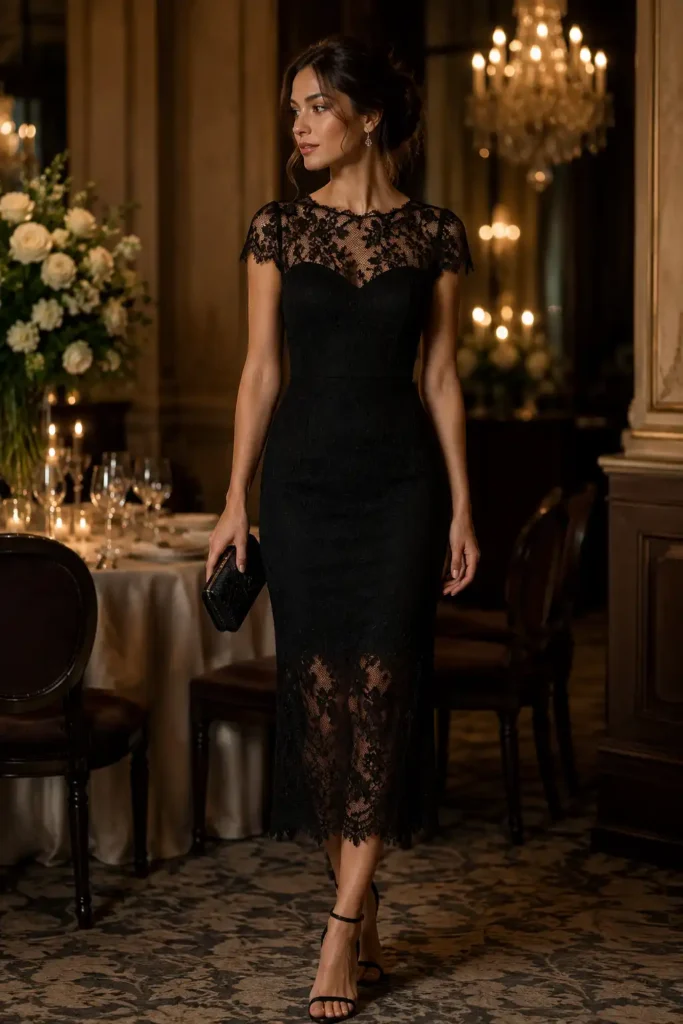
Lace Occasion Dress
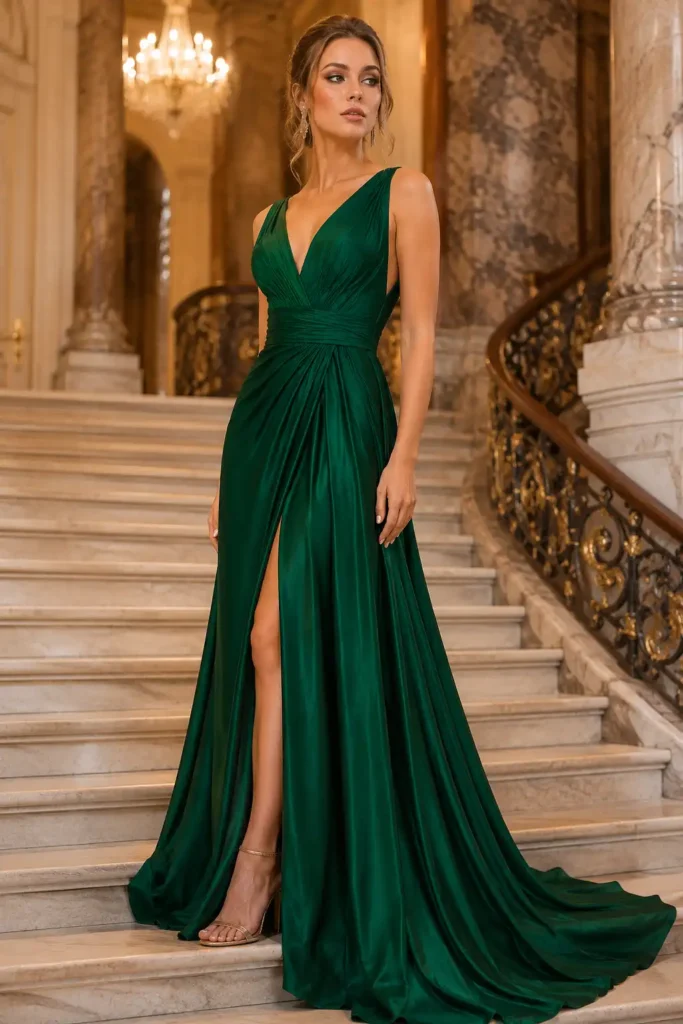
Maxi and Evening Dress
Allocate Styles to the Right Production Resources
Multi-style orders require capacity, but capacity alone does not solve complexity. Jinfeng operates with 6 owned women’s fashion factories, 10+ long-term production partners, 18+ sewing lines and more than 100,000 pieces of monthly production capacity. Production resources are allocated according to garment construction, fabric, workmanship, quantity, approval status and delivery sequence.
Match Production to Product Complexity
A simple stretch dress and a detailed corset or embellished evening dress should not be assigned using quantity alone.
Production planning reviews:
- Fabric handling requirements
- Construction complexity
- Internal structure
- Trim application
- Measurement sensitivity
- Workmanship standards
Keep Multi-Style Standards Unified
Different production resources still need one project standard.
Approved patterns, measurement files, fabric references, trims, sewing instructions, labels, packaging requirements and QC expectations remain controlled at style level.
Production allocation should change the manufacturing route, not the approved product specification.
Sequence Bulk Production Around Readiness
Not every style becomes production-ready on the same day.
A style with confirmed fabric, approved PP sample and complete packaging information can move into production preparation while another technically difficult style remains under revision.
Sequencing reduces unnecessary idle time and allows a 10–30 style program to move progressively rather than waiting for the final unresolved SKU before any work begins.
Multi-Style MOQ Examples at a Glance
| Collection Example | Initial Assessment | Main Reason |
|---|---|---|
| 1 style × 1 color × 200 pcs | Can be reviewed | Meets standard garment MOQ starting point |
| 1 style × 2 colors × 200 pcs each | Can be reviewed | Each style/color reaches 200 pcs |
| 1 style × 2 colors × 100 pcs each | Usually not standard | Colors cannot normally be combined to create one 200-piece MOQ |
| 4 styles × 50 pcs each | Not standard | Total 200 pcs does not replace MOQ per style/color |
| 10 styles × 1 color × 200 pcs each | Can be reviewed | 2,000 pcs total, subject to fabric, trims and construction |
| 10 styles sharing one approved fabric family | Needs material review | Shared fabric may improve purchasing efficiency but does not cancel garment MOQ |
| 20 styles with several custom colors | Needs detailed review | Dye lots, fabric minimums and SKU fragmentation increase |
| Multi-style order using lace, sequins and corset trims | Needs detailed review | Specialty fabrics and trims may introduce independent minimums |
From Line Sheet to a Production-Ready MOQ Plan
Line Sheet
Style Quantity
Color Breakdown
Size Ratio
Fabric Grouping
Trim Review
List zippers, hardware, boning, cups, lace, decorative parts and branding materials that may create separate sourcing requirements.
Sample Priority
Rank hero products, photo samples and launch-critical styles. Priority allows development resources to focus on the commercial schedule.
MOQ and Production Review
Representative Multi-Style Dress Order Planning Example
A representative established-brand program can show how collection-level planning works more clearly than an isolated MOQ number. The example below uses order sizes consistent with Jinfeng’s current multi-style brand programs, where individual developments commonly contain 10–30 styles and total order quantities typically range from 20,000 to 80,000 pieces.
Example: 18-Style Seasonal Dress Program
Collection scope
- 18 dress styles
- 42,000 total pieces
- 1–3 colors per style
- Multiple size ratios by market
- Satin, stretch mesh, jersey, lace, sequin and structured woven groups
- Private labels and retail packing
- Mixed commercial and statement styles
The program would not be divided into 2,333 pieces for every style simply because 42,000 divided by 18 produces an average. Such an allocation would ignore sales priority, fabric structure and production difficulty.
Instead, styles can be classified commercially and technically.
Fabric Planning
The 18 styles may be reorganized into several fabric families instead of 18 completely independent fabric programs.
For example:
- Several satin dresses can be reviewed around compatible satin specifications.
- Stretch bodycon styles can use a controlled jersey or mesh family where performance allows.
- Lace and sequin products remain more independent because pattern, color, width and loss may vary.
- Structured corset styles require material decisions based on support and construction rather than appearance alone.
Common fabric planning may improve purchasing efficiency without combining garment MOQ incorrectly.
Sampling and Bulk Sequence
Hero and launch-critical dresses enter sampling priority first. Stable styles can move toward PP approval while complex styles continue revision.
After PP approval, every dress retains its own:
- Final pattern
- Measurements
- Fabric reference
- Trim reference
- Construction standard
- Label placement
- Packing instructions
- QC checkpoints
Bulk production is then allocated by fabric, construction, approved status, quantity and scheduling needs.
The commercial value comes from coordination: 18 styles remain separate products, yet the overall collection can be managed through shared fabric logic, clear priorities and controlled production handover.

Is Jinfeng the Right Manufacturing Fit?
Strong Fit
Jinfeng is well suited to established fashion programs with:
- Clear dress or womenswear direction
- 10–30 style collection development
- Tech packs, line sheets, samples or reference images
- Planned quantities by style and color
- Sampling and revision requirements
- Private-label packaging needs
- Bulk production planning
- Long-term product development potential
The strongest working relationship begins when design, merchandising and sourcing teams are prepared to discuss product structure as well as unit price.
Not Designed For
The manufacturing model is not designed around:
- No-MOQ production
- One-piece fulfillment
- Dropshipping
- Ready-stock wholesale
- 1–50 piece trial orders
- Large numbers of colors at highly fragmented quantities
- Projects focused only on the lowest possible unit price
- Complex premium construction without a matching development and material budget
Clear boundaries protect sample quality, material consistency and bulk-production control for established programs.
Frequently Asked Questions About Multi-Style MOQ
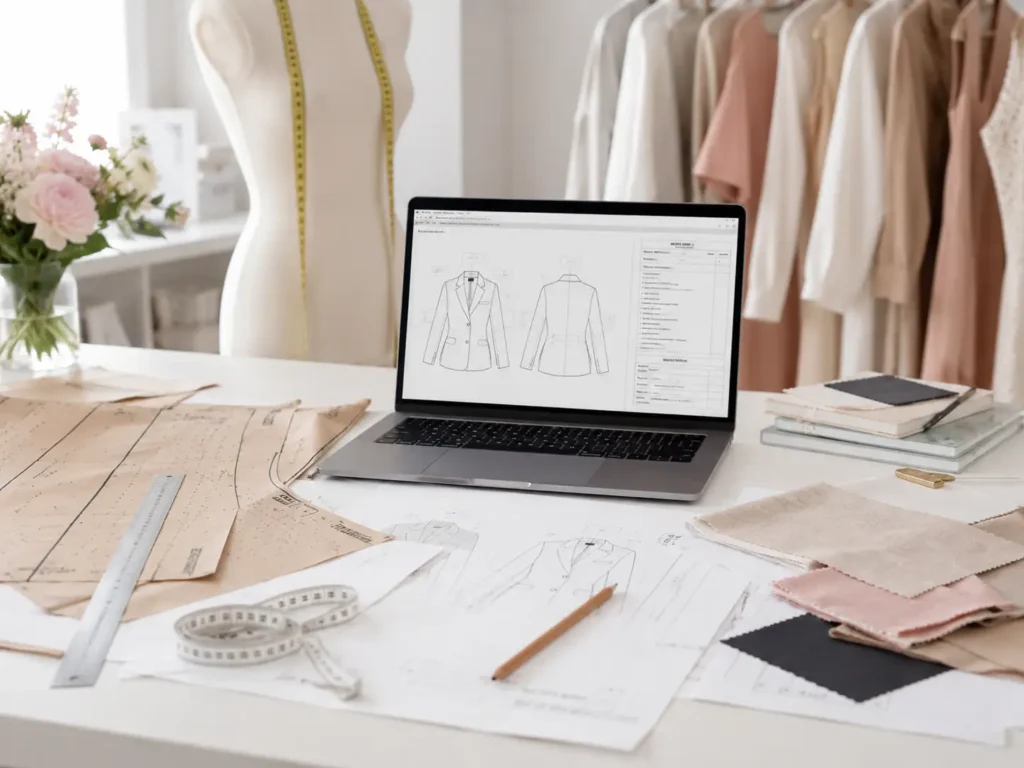
Send Your Multi-Style Dress Plan for Review
- Line sheet or style list
- Reference images or tech packs
- Planned quantity per style and color
- Fabric direction or approved fabric references
- Color list
- Size range and size ratio
- Main trims and closures
- Private-label and packing requirements
- Hero styles and sample priorities
- Target production and delivery window


