 Skip to content
Commercial Design Adaptation for Fashion Brands
Turn Creative Womenswear Concepts Into Commercial Styles Ready for Sampling, Bulk Production, Private Label Delivery and Repeat Orders
- 2 sample roomssupport design review, pattern development, sample correction, PP samples and production preparation.
- 7+ senior pattern makerstranslate visual proportions into workable garment structure, fit points and production patterns.
- 20+ sample machinistssupport complex dresses, stretch styles, mesh, lace, satin, corset structures and detailed womenswear development.
- Current brand programs commonly involve 10–30 styles, requiring coordinated fabric, fit, sample, approval and bulk-production decisions.
- 6 owned womenswear factoriesand 100,000+ pcs regular monthly capacity connect design decisions with real manufacturing conditions.
- Commercial adaptation focuses on preserving the selling character of a style while improving fabric suitability, fit, construction, cost control and bulk repeatability.
Development Capability Behind Commercially Adapted Womenswear
Design Input Review
Development can begin from a tech pack, reference image, original garment, sketch or line sheet. The first review is not limited to visual appearance. Product direction, silhouette, fabric expectation, construction, quantity, size range and intended selling position are considered before sampling. Clear early review helps identify areas where an attractive concept may create fit, material, cost or production problems later.
Sample Room Support
Pattern Engineering
Sample Making Team
Manufacturing Connection
Quality Handover
When Fashion Designs Need Commercial Adaptation
Fabric Misses The Effect
A reference image may show fluid drape, sharp structure, high shine, soft transparency or strong stretch without identifying the original material. Selecting a visually similar but technically different fabric can change fit, sewing behavior, lining needs and final appearance. Commercial review considers:
- Fabric weight and hand feel
- Drape or structural support
- Stretch and recovery
- Transparency and lining
- Surface finish and shine
- Material MOQ and bulk stability
The aim is not simply to find a similar-looking textile. The selected fabric must support the intended silhouette while remaining suitable for sampling, sewing, pressing, quality control and planned production quantities.
Fit Looks Good Only Once
A concept may look balanced on a sketch, mannequin or single reference model but become unstable when translated into a complete size range.
Bodycon garments can ride up, strapless styles can slip, deep necklines can expose too much area, and jumpsuits can become uncomfortable through the rise.
Commercial adaptation reviews the relationship between visual proportion and garment measurement. Bust, waist, hip, shoulder, strap, armhole, neckline, slit and length decisions are converted into measurable pattern points.
Problems discovered during fitting are corrected before bulk release rather than accepted as unavoidable design characteristics.
Construction Becomes Too Complex
Multiple layers, excessive seams, difficult cut-outs, heavy decoration or unnecessary internal construction may create long sewing time without adding equal selling value. Complexity can also increase variation between operators and make bulk quality harder to control. Review focuses on where complexity is commercially valuable and where the same visual character can be achieved with a more stable method. Typical review areas include:
- Lining architecture
- Corset and support construction
- Ruching distribution
- Mesh and lace layering
- Cut-out finishing
- Decorative attachment methods
Target Cost Conflicts With Design
Fabric, lining, trims, pattern work, sewing time, embellishment, pressing, wastage and packaging all influence the final garment cost. A target price may become unrealistic when several expensive decisions are combined inside one style.
Commercial adaptation identifies which elements create selling value and which add cost without a proportionate visual return. Options can include fabric substitution, construction optimization, trim replacement, color consolidation or adjusted material use. Cost control remains tied to brand-level appearance instead of becoming a race toward the cheapest possible garment.
Sample Cannot Scale Reliably
A sample can be produced through extra manual attention that is difficult to repeat across thousands of garments. A single highly skilled operator may solve one complicated detail, but bulk production requires a method that multiple trained workers can follow and QC teams can inspect consistently. Commercial adaptation therefore asks whether each approved detail has:
- A defined construction method
- Repeatable pattern geometry
- Clear sewing instructions
- Measurable quality points
- Stable material specifications
- Production-friendly finishing
Collection Decisions Are Unbalanced
Commercial risk also appears at collection level. A 20-style drop can become inefficient when every style requires a different fabric, custom trim, unique color process or completely different construction method.
For brand programs involving 10–30 styles, adaptation may include grouping fabrics, prioritizing hero styles, consolidating trims, coordinating color stories and sequencing samples according to launch importance.
Commercial adaptation is therefore not limited to redesigning individual garments; it can also improve how an entire womenswear collection moves through development and production.
Preserve Design Intent While Improving Production Feasibility
Commercial adaptation should not erase the creative reason a style deserves to exist. The strongest decisions protect the visual elements people notice while changing hidden or inefficient elements that create avoidable fit, cost, sewing and bulk-production risks.

Preserve The Elements That Create Product Recognition
A fashion style normally contains a small number of elements responsible for most of its commercial identity. The silhouette may be sharply corseted, softly draped, tightly ruched, deliberately sheer, asymmetric, low-backed or defined by a particular neckline. Those characteristics should be identified before any construction change begins.
Jinfeng Apparel reviews the design from the outside inward. The first question is not “How can sewing become easier?” It is “Which visual decisions must remain for the garment to keep its intended character?”
Important preservation points can include:
- Silhouette:The overall body line, volume and proportion should continue to communicate the original concept.
- Hero detail:A signature cut-out, neckline, draped panel, corset line or decorative feature may carry most of the style’s selling strength.
- Fabric impression:Shine, softness, transparency, texture and movement influence how the product is perceived even when the exact original textile is unavailable.
- Fit character:A bodycon style should remain fitted; a fluid maxi should retain movement; a structured mini should not become soft simply because construction was simplified.
- Brand language:A modification should still feel compatible with the wider collection rather than becoming an unrelated factory interpretation.
Clear preservation priorities also improve communication. Pattern makers, sample machinists, merchandisers and production teams can distinguish between dimensions that may be engineered and visual features that cannot drift without approval.

Adapt Hidden Complexity, Material Risk and Production Weakness
Once the protected design elements are identified, technical adaptation can focus on areas that do not need to remain identical to the original construction concept.
An internal support layer, seam method or trim specification may change while the final appearance stays close to the approved design direction.
Common adaptation work includes:
- Fabric substitution:Replacing a material with one offering similar drape, stretch, shine or texture while improving availability, stability or cost.
- Pattern correction:Adjusting bust coverage, waist position, hip ease, strap length, neckline depth, armhole shape or garment length to create reliable wearability.
- Construction optimization:Reducing unnecessary layers, redesigning internal support, improving seam access or changing finishing methods where the visual result can be preserved.
- Trim engineering:Replacing difficult, fragile or high-MOQ trims with alternatives that retain the intended visual effect.
- Production standardization:Turning sample-room solutions into repeatable sewing methods, measurable checkpoints and documented instructions.
- Packing consideration:Fabrics that wrinkle, crush, snag or deform may need folding, protection or finishing decisions that protect the final retail appearance.
A successful adaptation should be almost invisible to the person wearing the garment.
The commercial gain appears behind the product: fewer unresolved variables, clearer production standards, more stable cost logic and a stronger path from sample approval into repeat orders.
Design Inputs We Can Review Before Sampling

Reference Image
- Best for visual direction
- Requires fabric review
- Requires structure interpretation
- Quantity plan should be supplied

Tech Pack
- Measurement review
- Construction review
- BOM review
- Cost and MOQ check

Original Sample
- Physical structure reference
- Fabric hand comparison
- Measurement review
- Construction interpretation
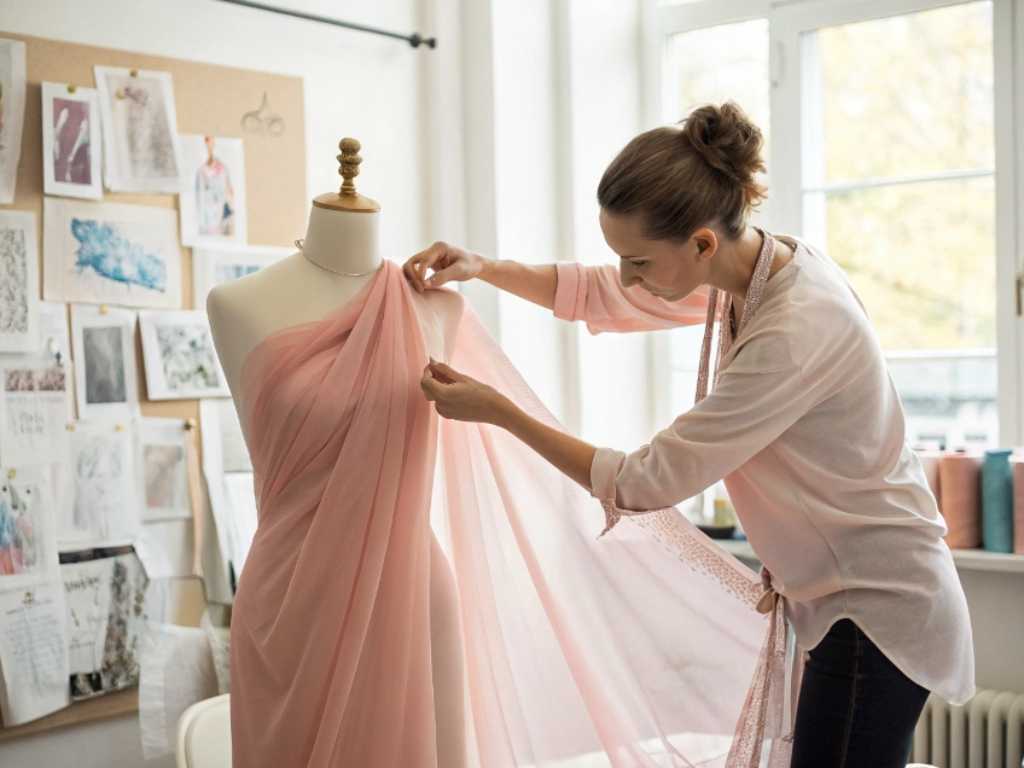
Design Sketch
- Early development input
- Good for ODM work
- Supports structure planning
- Requires commercial brief

Line Sheet
- Collection-level review
- Fabric grouping
- Style prioritization
- Quantity planning

Commercial Brief
- Target market
- Quantity per style/color
- Size plan
- Launch and packing needs
Six Areas We Review Before Commercial Production

Fabric Direction
- Hand feel and drape
- Stretch and recovery
- Transparency and lining
- Surface finish
- Shrinkage or wrinkle risk
- Fabric MOQ and availability
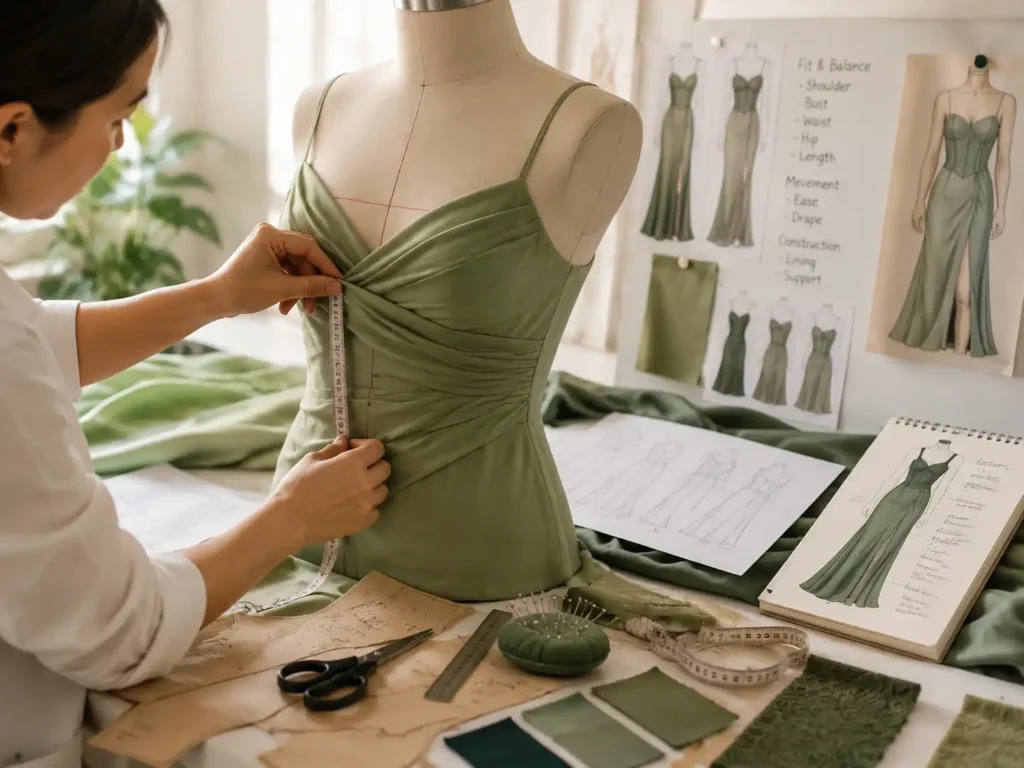
Fit And Pattern
- Bust-waist-hip balance
- Waistline position
- Strap length
- Armhole coverage
- Neckline depth
- Slit and hem balance

Construction Method
- Seam accessibility
- Layer count
- Internal support
- Edge finishing
- Stitching stability
- Repeatability in sewing

Details And Trims
Zippers, bra cups, boning, elastic, sliders, lace trims, rhinestones, beads, buttons and labels all interact with fit and construction. A trim selected only for appearance can introduce high MOQ, difficult sourcing, breakage or sewing problems later. Commercial review considers:
- Visual importance
- Structural function
- Supplier availability
- Attachment security
- Color coordination
- Production tolerance
Important decorative elements can be retained while specifications are adjusted around realistic sourcing and manufacturing conditions.

Cost And MOQ
- Fabric substitution
- Construction simplification
- Trim replacement
- Color consolidation
- MOQ planning
- Size-ratio planning

Bulk Repeatability
- Final pattern
- Approved material
- Trim specification
- Sewing instruction
- PP approval
- QC reference
Womenswear Styles Suitable for Commercial Adaptation

Bodycon And Mini Dresses

Corset And Structured Dresses

Satin Occasion Dresses

Mesh And Cut-Out Dresses

Lace And Romantic Dresses

Sequin And Party Styles

Maxi And Resort Dresses

Jumpsuits And Matching Sets
Fabric Adaptation for Appearance, Fit and Production
Fabric selection can completely change a design even when pattern lines remain identical. Commercial adaptation therefore starts with the visual and wearing result required from the garment, then evaluates whether available materials can deliver that result through sampling and repeatable production.
Match Drape, Surface and Structure to the Intended Silhouette
A material should be selected for the job it performs in the garment, not because its fiber name sounds similar to the reference. A satin slip dress needs controlled drape and surface shine; a corset mini requires more structure around the body; a resort maxi depends on movement; a tailored matching set needs enough body to maintain clean lines.
Jinfeng Apparel’s womenswear material system covers chiffon, satin, stretch satin, lace, mesh, power mesh, jersey, rib knit, ponte, crepe, velvet, sequin fabric, organza, tulle, rayon, viscose, linen, denim, suiting fabrics and common blends.
Commercial review looks at:
- Weight:A heavier fabric can pull down a neckline or change the shape of ruching; an overly light fabric may expose seams or fail to support the desired silhouette.
- Drape:Fluidity affects folds, gathers, skirts and bias-like effects. A visually similar textile with stiffer drape can make the finished garment appear completely different.
- Surface:Matte, glossy, brushed or textured surfaces influence color perception and photographic appearance.
- Structure:Corsetry, waist shaping and tailored silhouettes often need a stable base or supporting layer.
- Pressing response:Satin, velvet and delicate surfaces need finishing methods appropriate to their visible face.
Material direction is normally validated through swatches and samples before a fabric becomes a bulk standard.
Control Stretch, Transparency and Layering Before Fit Is Locked
Stretch materials change the relationship between pattern measurements and the body.
A bodycon dress made with weak recovery may fit well initially but lose shape after wear.
A power mesh panel can provide support while a soft fashion mesh mainly provides appearance. Treating both as interchangeable will affect fit.
Transparency also has commercial consequences. Lace, mesh, chiffon and light woven fabrics require deliberate decisions around lining color, coverage and layer count.
Important review points include:
- Stretch percentage and recovery behavior
- Direction of stretch
- Sheerness under normal lighting
- Lining coverage at bust and hip
- Double-layer versus single-layer construction
- Seam visibility through transparent areas
- Edge finishing around cut-outs
- Interaction between elastic and fabric recovery
A fabric change made during sampling may require a revised pattern because drape, stretch and shrinkage influence measurements and body balance. Jinfeng therefore treats a material change as a technical change rather than a cosmetic swap.
For exposed partywear and fitted fashion, commercial adaptation aims for controlled sensuality rather than accidental exposure. Fit, stretch, transparency and lining should support the intended styling before the style enters PP approval.
Use Material Substitution Without Weakening Brand-Level Appearance
The exact material imagined during design development may not always be commercially suitable. MOQ may be too high, availability may be unstable, production lead time may be unsuitable, or the fabric may require a construction method that moves the garment outside its intended cost position.
Material substitution should begin by identifying the feature responsible for the original appeal.
Examples include:
- Silk-like visual direction may be reviewed through premium satin options with appropriate weight and drape.
- A high-MOQ lace concept may be reviewed against available lace qualities with similar scale, softness or transparency.
- An overly delicate mesh may be combined with a stronger support mesh in selected areas.
- A highly wrinkled woven direction may be reviewed against more stable blends where travel or ecommerce packing matters.
- Special color development can sometimes begin from commercially suitable stock-color directions before custom development is approved.
Substitution does not mean materials are identical. Swatches and samples remain necessary because hand feel, shine, stretch and drape influence pattern and construction.
The commercial objective is to keep the visible product position strong while bringing material choice into alignment with planned quantity, cost structure, sampling needs and future repeat orders.
Pattern and Fit Adaptation for Commercial Womenswear
Fashion drawings communicate proportion; production patterns control real bodies. Jinfeng Apparel converts visual design direction into measurable fit points, then uses sample feedback to correct proportion before size grading and bulk-production standards are released.

Convert Visual Proportion Into Measurable Garment Structure
A sketch may place the waist higher, deepen the neckline, shorten the skirt or exaggerate the hip line to create a stronger fashion impression. Production development needs to decide how those proportions work on an actual body while protecting the visual character.
Jinfeng’s pattern review can cover bust, upper bust, under bust, waist, high waist, low waist, hip, dress length, front and back body length, shoulder width, strap length, armhole, neckline depth, slit height, lining and jumpsuit crotch length.
Different products create different risks:
- Strapless dresses:Upper-bust stability, anti-slip support and waist shaping affect whether the garment stays in position.
- Deep-V dresses:Neckline depth, bust coverage and internal support need to work together.
- Bodycon dresses:Fabric recovery, hip ease, waist shaping and skirt length influence both appearance and movement.
- Maxi dresses:Waist position, body length and hem balance affect overall proportion.
- Jumpsuits:Torso and crotch length must allow standing, walking and sitting without distorting the waistline.
- Cut-out styles:Opening position must follow body movement rather than only a flat sketch.
Commercial fit adaptation therefore does not aim to make every garment conventional. It allows strong fashion proportions to remain intentional and wearable.

Diagnose Fit Problems by Cause Instead of Guessing
When a sample looks wrong, the visible symptom is not always the real cause.
A zipper that appears wavy may be affected by fabric tension or pattern balance.
A strapless neckline may gape because of upper-bust shaping rather than the neckline pattern alone. A bodycon side seam can twist because the fabric was cut or relaxed incorrectly.
Fit review may combine garment measurements, front-side-back sample images, fitting comments and pattern inspection.
Common diagnosis areas include:
- Bust coverage and cup position
- Waistline mismatch
- Hip tightness or excess ease
- Strap length
- Armhole exposure
- Neckline opening
- Slit height
- Uneven hem
- Lining exposure
- Crotch comfort for jumpsuits
Once the cause is identified, revisions should move into the pattern record rather than remain as informal sewing-room corrections.
Jinfeng uses revised patterns, size-chart updates and sample revisions to create a more reliable basis for PP approval. Major pattern, fabric or construction changes normally require another sample review because changing one element can alter several others.

Build a Fit Standard That Can Survive Size Grading and Bulk QC
A good sample in one size does not automatically create a reliable size range.
Commercial production requires clear grade logic and measurable checkpoints so the garment character remains recognizable as sizes change.
Fitted products may need careful review of how bust, waist and hip increments interact with stretch.
Corset structures need support proportions to scale logically. Petite, tall or extended-size programs may require changes to body proportion rather than simple length additions.
Before bulk production, final pattern decisions should align with:
- Approved size chart
- Grade rules
- Fabric stretch or structure
- Closure and support method
- Strap and neckline positioning
- Length and slit standards
- Measurement QC points
- PP and Golden Sample references
Jinfeng does not treat “close enough” fitting as a bulk standard. Fit comments with production impact need to be resolved and documented before release.
The commercial advantage is continuity. When pattern, measurements, fabric and sample standards agree, later repeat orders can refer to established records instead of rebuilding the garment from memory.
Construction Details Adapted for Reliable Bulk Production

Corset Structure
- Cup shape and position
- Boning location
- Upper-bust coverage
- Waist shaping
- Anti-slip support
- Lining integration

Ruching And Draping
- Ruching amount
- Start and end points
- Elastic or stitch method
- Left-right balance
- Fabric recovery
- Bulk inspection reference

Cut-Out Engineering
- Opening proportion
- Edge support
- Elastic recovery
- Seam placement
- Bust and waist security
- Size grading behavior

Lining And Layering
Lining influences opacity, comfort, structure and garment movement. Using more layers is not automatically better and can increase heat, stiffness, sewing time and cost.
- Full versus partial lining
- Color matching
- Double-layer mesh
- Support panels
- Seam concealment
- Hem method
Layer choices are matched to the garment’s visible effect and wearing requirements rather than applied as a generic formula.

Lace, Mesh And Sequins
- Lace placement
- Mesh transparency
- Sequin direction
- Edge finishing
- Decorative attachment
- Packing protection

Closures And Trims
- Zipper flatness
- Hook position
- Slider security
- Elastic tension
- Cup compatibility
- Trim sourcing
Cost Engineering Without Weakening Brand-Level Appearance
Commercial adaptation should remove inefficient cost before removing visible product value. Jinfeng Apparel reviews fabric, construction, trims, color planning and production method to improve cost logic while protecting the design features responsible for the garment’s market position.
Understand Where Garment Cost Actually Comes From
A dress cost cannot be determined from a picture alone.
Fabric cost, fabric width, lining, trims, pattern work, cutting, sewing time, pressing, QC, packing, wastage, testing requirements, quantity and logistics can all affect the final calculation.
Construction matters especially in fashion womenswear.
Double layers, heavy ruching, corset structures, lace placement, sequin surfaces, hand-applied decoration, unusual cut-outs and complicated internal support increase labor or handling requirements.
Commercial review therefore separates the garment into cost-driving components.
A useful review may ask:
- Which fabric characteristic creates the premium appearance?
- Which details are visible enough to influence sell-through?
- Which internal steps consume labor without changing the external result?
- Can one trim serve several styles in the collection?
- Can lining construction become cleaner without reducing coverage?
- Can material use improve through pattern or cutting-layout changes?
- Does every proposed color justify its own material and SKU complexity?
The purpose is not to promise a fixed low price before development. A defensible quotation depends on the real garment structure and approved materials.
Cost engineering becomes most effective before PP lock, when design, material and construction options can still be compared without disrupting bulk production.
Keep High-Value Visual Features and Rework Low-Value Complexity
Some details carry strong visual value and should remain protected. Others add manufacturing difficulty but are barely visible once the garment is worn.
A corset line may define the entire style, while an excessive internal layer may add little.
A rhinestone neckline may be essential to a party dress, while full-garment decoration could add substantial weight and sewing risk. A premium drape may matter more than using the exact fiber content imagined during early concept work.
Jinfeng can review options such as:
- Fabric substitution with similar commercial appearance
- Reduced unnecessary layer count
- Simplified internal construction
- Adjusted ruching volume
- Alternative trim specification
- Localized decoration
- Shared trims across related styles
- Color consolidation
- Size-ratio planning
Every change needs an impact review.A cheaper material that changes drape or shine may weaken the product more than the saving justifies. A simplified seam that alters a corset silhouette may remove the reason the style was selected.
The guiding principle remains cost control without weakening brand-level appearance.Samples provide the safest way to judge whether a proposed saving remains visually acceptable before the adapted specification is approved.
Plan Cost at Collection Level, Not Only Style by Style
For a collection of 10–30 styles, commercial decisions should also be reviewed across the group. Developing every SKU with unrelated materials and trims can create unnecessary sourcing complexity, even when each individual design is viable.
Collection-level adaptation can consider:
- Shared satin or mesh qualities across several styles
- Core color stories instead of excessive color fragmentation
- Reusable closure or label specifications
- Grouped lace or trim sourcing
- Hero styles receiving higher-cost details
- Supporting styles using cleaner construction
- Coordinated size ratios
- Planned shipment priorities
Current Jinfeng brand programs commonly total 20,000–80,000 pieces per brand order, so commercial decisions need to work beyond a single sample. Small changes in material use, sewing time or trim sourcing can become significant when applied across multiple styles and thousands of garments.
The objective is a balanced assortment: hero pieces keep the design features that justify attention, while surrounding styles are engineered to support the collection’s margin, production flow and launch plan.

Design Decisions That Affect MOQ and Production
Commercial feasibility depends on material sourcing, color planning, trims and order structure as well as design creativity. Jinfeng Apparel’s standard MOQ starts from 200 pcs per style/color, while special material or packaging requirements may create separate supplier minimums.
| Design Decision | Commercial Effect | Jinfeng Review Direction |
|---|---|---|
| Stock fabric | More compatible with standard production MOQ when suitable quality and color are available | Confirm fabric quality, color, quantity and bulk availability |
| Custom dyeing | Each developed color may carry a fabric-mill MOQ | Review color importance, quantity per color and available alternatives |
| Custom print | Printing setup and fabric quantity can increase minimum requirements | Confirm artwork, placement, repeat, base fabric and planned volume |
| Special lace or sequin | Material suppliers may impose separate MOQ and lead-time requirements | Compare available qualities, visual importance and alternative materials |
| Custom trims | Molded hardware, exclusive decoration or special accessories may require minimum quantities | Review whether the trim is essential or can be substituted |
| Multiple colors | MOQ is normally calculated by style and color, not by combined order total | Concentrate first orders around commercially important colors |
| Complex construction | More operations can increase sewing time, sampling work and production risk | Protect visible value while optimizing hidden complexity |
| Private-label packaging | Custom labels, printed bags or special packaging may carry supplier MOQ | Confirm artwork, packing method and quantity before final costing |
Sampling Validates Every Commercial Adaptation Decision

Project Review
- Reference or tech pack review
- Fabric direction
- Construction risk
- MOQ and cost factors
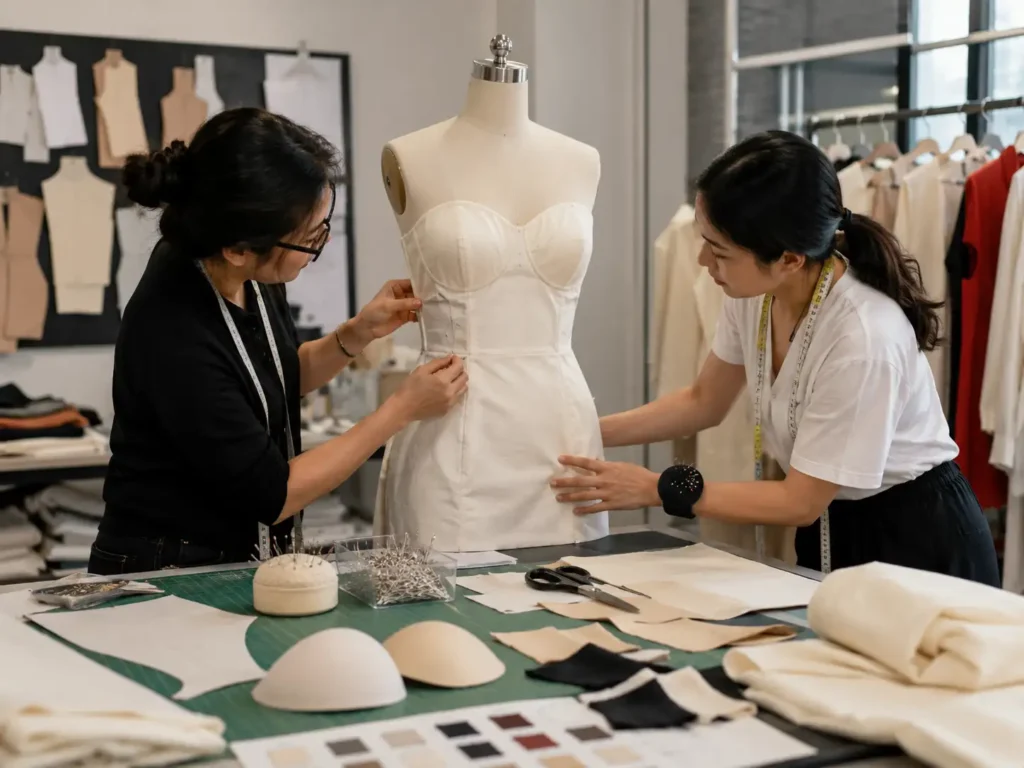
First Sample
- Silhouette
- Fabric behavior
- Structural feasibility
- Initial fit
- Workmanship route

Fit Sample
- Measurement review
- Front-side-back balance
- Wearing security
- Pattern correction

Revised Sample
- Updated pattern
- Changed material
- New construction
- Revised details

PP Sample
- Final production reference
- Material confirmation
- Construction confirmation
- Label and packing alignment

Golden Sample
- Approved appearance
- Workmanship reference
- Key construction details
- Repeat-order comparison
Keep Design Revisions Controlled and Traceable
Diagnose Before Changing
- Observed issue
- Likely cause
- Pattern impact
- Material impact
- Construction impact
- Cost or schedule impact
Record Every Revision
- Version status
- Change requested
- Technical action
- New material reference
- Approval status
- Need for resampling
Transfer Approved Changes
Once a revision is accepted, its production impact needs to move into the relevant working files. Updated pattern, size chart, BOM, fabric reference, trim record, sewing instruction or QC requirement should agree with the approved sample direction. The objective is simple:
- No old pattern paired with new comments
- No obsolete trim mixed into bulk preparation
- No sample-room fix missing from production instructions
- No approved fit change forgotten during QC
Commercial adaptation becomes reliable when every accepted decision has a production destination.
Correct Patterns Before Releasing Styles Into Bulk
Sample approval should not hide unresolved fit problems. Jinfeng Apparel converts fitting comments and measurement findings into final pattern decisions before the style becomes a production standard, reducing the risk of repeating an avoidable error across a large order.

Turn Sample Feedback Into Final Pattern Corrections
Feedback can arrive through physical fitting, garment measurements, detailed photos or written notes. A useful correction process separates subjective styling comments from measurable pattern problems.
For example, “the neckline feels too open” can involve neckline depth, upper-bust contour, strap position or fabric stretch. “The skirt rides up” may involve hip ease, fabric recovery or pattern balance. “The jumpsuit feels short” may relate to torso or crotch length rather than leg length.
- Bust and upper-bust proportion
- Waist position
- Hip fit
- Front and back length
- Shoulder and strap position
- Armhole coverage
- Neckline depth
- Slit height
- Hem balance
- Jumpsuit rise
Once the cause is confirmed, changes should be made to the pattern instead of repeatedly corrected during sewing.

Align Final Pattern, Size Chart and Production Measurements
Bulk release requires more than marking a sample “approved.” Final pattern files, size charts and measurement checkpoints need to describe the same garment.
For fitted womenswear, measurement control can include bust, waist, hip, dress length, strap length, armhole, neckline depth and slit position. Jumpsuits may also require inseam and crotch-related points. Exact measurement and tolerance requirements can follow the brand’s own technical standards or an agreed project specification.
Pattern correction before bulk normally connects:
Fit feedback → Pattern correction → Revised measurement → Sample verification → Final pattern → Grade rule → PP sample → QC measurement points
Any disconnect creates risk. An old size chart can conflict with a corrected pattern. A grading rule can exaggerate a neckline or cut-out across sizes. A production team can follow outdated measurements even when the sample looks correct.
Jinfeng therefore treats fit approval as a documented technical handover rather than a visual sign-off alone. The resulting records also improve repeat orders because the brand does not need to recreate previously solved fit decisions.
Transfer Approved Samples Into Repeatable Bulk Standards
Commercial design adaptation reaches its most important stage after sample approval. Jinfeng Apparel converts the approved garment into patterns, material references, construction instructions and QC checkpoints so production teams can reproduce the intended result without relying on memory.
Lock the Technical Record Behind the Approved Garment
An approved sample contains many decisions that may not be obvious from appearance alone. Fabric weight, lining choice, zipper specification, seam method, ruching placement, boning position, label location and measurement corrections all need a documented destination.
The production record can include:
- Final pattern
- Size chart and relevant grade rules
- BOM and trim specifications
- Approved fabric reference
- Color references
- Sewing instruction
- Label placement
- Packing instruction
- QC checklist
- PP or Golden Sample reference
The record protects development work already completed. Without proper transfer, a production team can easily reproduce the early design idea instead of the final approved adaptation.
For example, a corset sample may have received several hidden support changes. If only the outside sample image reaches the line, boning placement or cup construction can drift. A satin dress may have a newly approved zipper or lining specification that needs to appear in both material records and sewing instructions.
Technical locking turns sample development into a reproducible manufacturing standard.
Convert Sample-Room Solutions Into Production Instructions
Sample machinists can solve difficult details through experience, but bulk production cannot depend on one person’s memory.
Construction needs to be communicated so a production line understands how the result should be achieved.
Instructions may define:
- Stitch or seam method
- Seam allowance where required
- Thread direction or relevant color
- Zipper placement
- Lining method
- Ruching position
- Boning or cup placement
- Label position
- Critical symmetry points
- Finishing requirements
Production handover also identifies which quality points carry high visual or fit risk.
A mesh cut-out may require transparency and edge checks.
A satin dress may require zipper flatness and pressing control.
A fitted jersey style may require measurement and side-seam checks.
The objective is not paperwork for its own sake. Clear production instructions reduce interpretation gaps between development, sewing and QC.
Control Changes After PP Approval
Once PP direction is approved and materials are prepared for production, uncontrolled changes can create cost, timing and consistency problems. A new color, different lining, changed trim or altered measurement can affect material purchasing, patterns, sewing instructions and inspection criteria.
Important PP-lock areas can include:
- Fabric
- Color
- Trims
- Measurements
- Construction
- Labels
- Hangtags
- Polybags
- Carton marks
- Packing method
Necessary changes can still be reviewed, but their production impact should be understood before implementation.
A disciplined change process is especially important for 10–30 style programs, where one late decision can affect material groups, packing files or several related styles.
Commercial adaptation therefore ends with control, not creativity alone. A style becomes production-ready when its final design decisions can be identified, communicated, inspected and repeated through bulk manufacturing.

Commercial Adaptation for Multi-Style Brand Collections

Group Styles Intelligently
Multi-style programs can be grouped by fabric family, silhouette, construction and trims before sampling begins.
Satin styles may share material direction; mesh or stretch styles can be reviewed together; corset garments can be separated from softer constructions requiring different technical attention.
Useful grouping includes:
- Fabric family
- Pattern complexity
- Construction type
- Shared trims
- Color story
- Product category
Grouping helps identify where one material decision influences several styles and where a high-risk garment requires separate development.

Prioritize Commercially Important Styles
Not every style needs equal development priority at the same moment.
Hero SKUs, photo-sample requirements, fabric readiness and launch dates can guide the sampling sequence.
A 20-style collection may include:
- Hero launch styles
- Core commercial styles
- Supporting silhouettes
- New material experiments
- Repeat structures
- New-color extensions
Priority management allows the brand to resolve high-value or high-risk decisions early without losing visibility across the wider collection. Sample status and revision records remain important as several styles move in parallel.

Release Bulk in Controlled Groups
Approved styles can move toward production according to material readiness, PP status and delivery priorities rather than waiting for every SKU to reach the same stage.
For brand orders between 20,000 and 80,000 pieces, production planning may need to coordinate:
- Style quantities
- Colors and sizes
- Material arrival
- Factory allocation
- Production priority
- QC status
- Packing requirements
- Shipment planning
Commercial adaptation becomes a collection-management capability when design decisions remain connected to real launch and production requirements.
Manufacturing Capacity Behind Commercial Design Adaptation
6 Owned Factories
10+ Satellite Partners
18+ Sewing Lines
6+ Flexible Lines
100,000+ Monthly Capacity
Structured Support Teams
Bulk QC Protects the Approved Design Standard
Quality control should protect the decisions made during development, not merely look for obvious defects before shipment. Jinfeng connects approved fabric, measurements, construction, trims and packing requirements with production-stage inspection and final garment review.
| Control Area | Commercial Adaptation Standard | Bulk QC Focus |
|---|---|---|
| Fabric | Approved weight, hand feel, color, stretch, transparency and surface direction | Fabric defects, shade consistency, stretch behavior, visible damage |
| Fit & measurements | Final pattern, size chart and approved sample proportion | Bust, waist, hip, length, straps, neckline, slit and other specified points |
| Construction | Approved seams, lining, corset support, ruching and cut-out methods | Stitching, symmetry, seam security, construction consistency |
| Closures & trims | Approved zipper, cups, boning, elastic, buttons and decorative trims | Position, attachment, function, security and visual alignment |
| Appearance | Approved silhouette, surface finish and detail balance | Shape, pressing, wrinkles, puckering, exposed lining and distortion |
| Labels & private label | Approved label placement, SKU and packaging instructions | Correct label, size, barcode, position and garment-pack match |
| Packing | Approved folding, polybag, carton and carton-mark requirements | Garment presentation, quantity, assortment and packing accuracy |
| Issue correction | Development and production changes recorded in working files | Rework, reinspection and prevention of repeated defects |
Commercial Design Adaptation in Real Brand Programs

US Occasionwear Program
An established US occasionwear brand developed an 18-style program totaling approximately 42,000 pieces, covering satin mini dresses, midi dresses, lace combinations and wedding-guest styles.
Early references emphasized clean shine, fitted waists and fluid skirts, while the initial fabric direction created inconsistent zipper flatness, lining visibility and color appearance across several styles.
Jinfeng reviewed satin weight, drape, lining color, waist-hip patterns and zipper specifications.
Selected styles required revised samples before PP approval, while related silhouettes were grouped around common fabric directions to reduce material fragmentation.
Commercial adaptation concentrated on preserving the polished occasionwear appearance rather than changing the collection identity.
Final production preparation linked approved patterns, fabric references, zipper and lining specifications, sewing instructions and QC points.
Bulk inspection focused on shade consistency, zipper flatness, waist-hip measurements, pressing and lining exposure across the program.
US Going-Out Collection
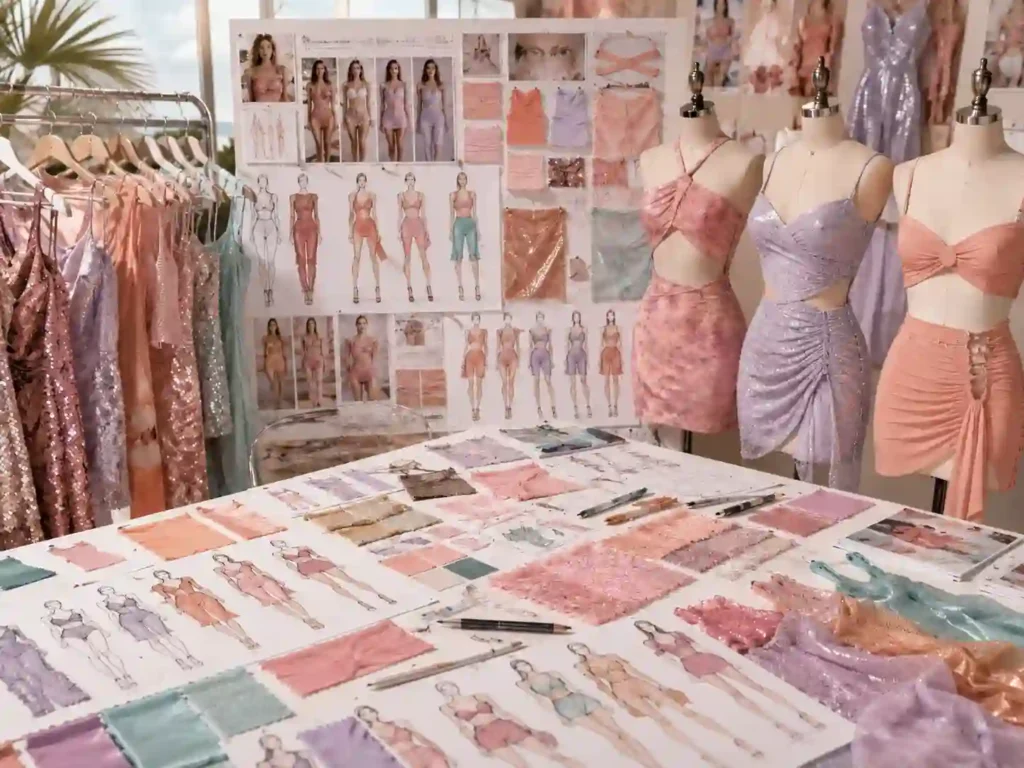
A US fashion brand developed a 14-style going-out and party collection of approximately 28,000 pieces, including mesh bodycon dresses, ruched mini dresses, cut-out styles and fitted jersey pieces.
The key challenge was translating highly visual reference concepts into garments that maintained controlled transparency, stretch recovery, bust coverage and stable cut-out proportions.
Jinfeng reviewed stretch mesh, power mesh and lining combinations, then adjusted pattern points around bust, waist, hip, neckline and cut-out positioning.
Several details that depended on manual sample-room adjustment were converted into clearer construction instructions so approved proportions could be repeated in production.
Sampling compared fabric recovery and layering before selected styles entered PP approval.
Bulk standards then focused on measurement stability, side-seam balance, mesh transparency, elastic recovery and edge finishing.
The resulting program kept the fitted, exposed styling direction while moving high-risk details into measurable production standards.

Multi-Category Brand Collection
An established international private-label fashion program covered 26 styles and approximately 68,000 pieces, including corset dresses, party dresses, jumpsuits, matching sets and supporting fashion separates. Development involved different fabric families, structured and soft silhouettes, multiple trim groups and private-label packing requirements.
Commercial adaptation began at collection level. Styles were grouped by fabric and construction, with high-risk corset and structured pieces prioritized for pattern and sample review. Cup shape, boning position, upper-bust fit, lining and anti-slip support were refined on structured garments, while softer styles focused on drape, fit and material availability.
Shared trims and selected fabric directions were coordinated where commercially suitable, reducing unnecessary fragmentation without forcing unrelated styles into identical specifications.
After sample and PP approvals, final patterns, BOM details, trims, label files, QC requirements and packing instructions were transferred into production groups. The program demonstrates how commercial adaptation can support an entire seasonal assortment rather than only one garment.
Commercial Design Adaptation Frequently Asked Questions
It means reviewing a fashion concept for fabric, fit, construction, trims, cost, MOQ and bulk repeatability before production. The goal is to preserve the important design character while converting unresolved creative details into a garment specification suitable for sampling and scalable manufacturing.
Not automatically. Jinfeng first identifies which features define the style and which elements create production risk. Adaptation can involve fabric, pattern, internal construction, trims or production methods while protecting the visible design direction. Significant changes are discussed before sample approval.
Yes. Development can begin from reference images, sketches, original samples, line sheets or tech packs. A picture alone does not contain all manufacturing information, so fabric, measurements, construction, quantities, sizes and commercial requirements still need review.
Yes. Jinfeng can review a tech pack for fabric direction, pattern and measurement logic, construction, trims, MOQ and manufacturing feasibility. A tech pack is treated as a technical development input rather than followed mechanically when conflicting or high-risk details are identified.
Jinfeng supports NDA-based cooperation and protects tech packs, samples, patterns, private-label files, packaging information and unpublished designs. Client brand names, logos and confidential development materials are not published without authorization.
No. Some adaptations improve production stability rather than reduce cost. Cost optimization can involve fabric substitution, construction simplification, trim replacement or planning changes, but decisions should not weaken brand-level appearance simply to create a lower price.
Standard MOQ starts from 200 pcs per style/color. Special fabrics, custom colors, printing, lace, sequins, special trims or custom packaging can carry separate supplier minimums. MOQ is assessed by style and color rather than total quantity across unrelated styles.
Timing depends on garment complexity, fabric and trim readiness, pattern work, required revisions and the sample type. Jinfeng reviews the project first and then confirms an appropriate development schedule rather than promising one fixed sampling time for every garment.
A style should have its fit, fabric, measurements, construction, trims and relevant packing requirements sufficiently confirmed. PP approval, final pattern, size information, BOM or trim records, sewing instructions and QC requirements then provide the basis for production handover.
Yes. Multi-style development is supported and is common in current Jinfeng brand programs. Styles can be grouped by fabric, construction and priority, while sample status and revisions are tracked separately. MOQ still follows the per-style/per-color production rule.

Send Your Design for Commercial Development Review
A fashion concept becomes commercially stronger when fabric, fit, construction, cost and production requirements are resolved before large quantities are committed.
Send Jinfeng Apparel the materials already available for your program. A complete tech pack is welcome, but established brand teams can also begin with reference images, original sample photos, sketches or line sheets when the commercial direction is clear.
For a more useful initial review, include the information available for:
- Product direction: dress, skirt, jumpsuit, matching set or related womenswear category
- Design files: tech pack, reference image, sketch, line sheet or original sample photos
- Planned quantity: quantity per style and per color
- Fabric direction: preferred fabric, required surface effect, stretch, drape or transparency
- Size range: intended size structure and any special fit requirements
- Color plan: core colors and planned extensions
- Private label: labels, hangtags, barcodes, polybags or retail packing requirements
- Launch requirement: target development and delivery schedule
- Known concerns: target cost, fit problem, material risk, construction difficulty or existing sample issue


