 Skip to content
Fit-Sensitive Product Development
Built for womenswear where small changes in pattern, fabric behavior, support, proportion or grading can change the entire on-body result.
Jinfeng Apparel develops fit-sensitive womenswear through pattern review, controlled sampling, measured fit feedback and production-ready standards. The development team focuses on garments where bust position, waist placement, hip balance, strap length, neckline, armhole, stretch behavior, support structure and size progression directly affect wearability and sell-through.
- 7+ senior womenswear pattern makers for pattern and structure development
- 2 dedicated sample rooms supporting controlled development and revision work
- 20+ sample machinists for first samples, revised samples and pre-production development
- 15+ QC inspectors supporting measurement, construction and finished-garment checks
Development Resources Built Around Fit-Sensitive Womenswear Programs
7+ Pattern Makers
2 Sample Rooms
20+ Sample Machinists
15+ QC Inspectors
12+ Merchandisers
100,000+ Monthly Capacity
Built for Teams Managing Fit, Scale and Repeatability
Global Fashion Brands
Product Development Teams
Technical Design Teams
Premium Ecommerce Brands
Sourcing Offices
Designer Fashion Labels
Fit Problems Usually Begin Before Bulk Production Starts

Bust Gaping
- Check upper-bust and under-bust balance
- Review neckline opening during movement
- Confirm cup, boning or lining position where used
- Transfer approved corrections into the next sample
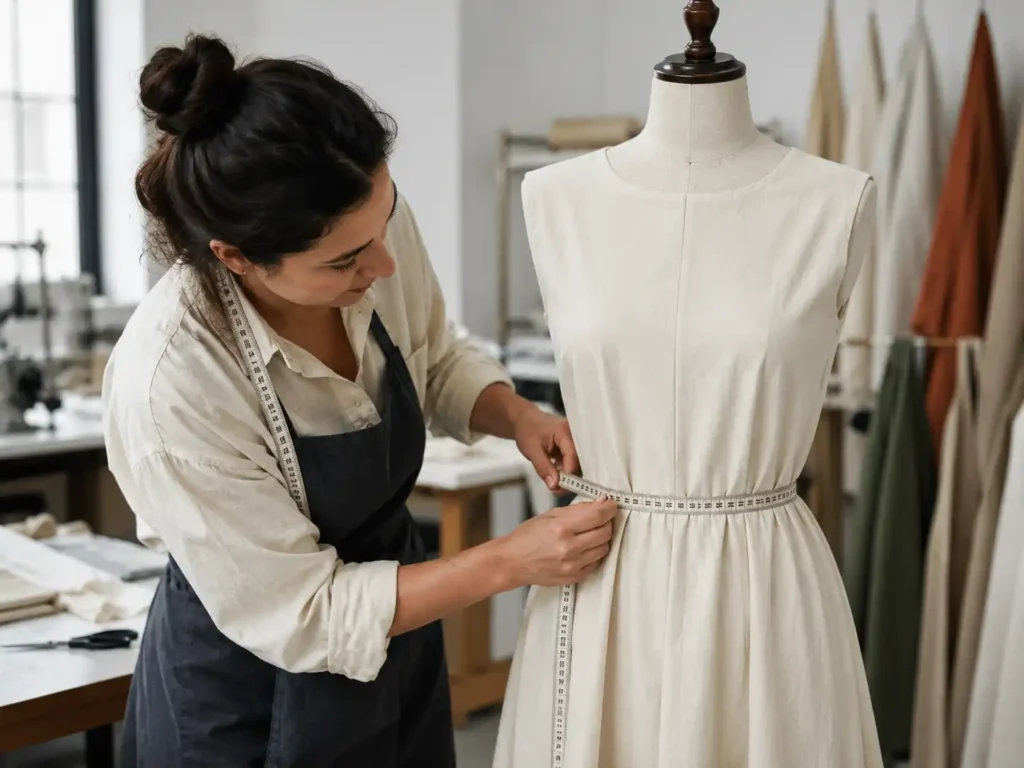
Waistline Mismatch
- Compare front, side and back waist position
- Check torso length and vertical balance
- Review waistband or corset seam tension
- Lock approved waist placement into final pattern records

Hip Restriction
- Review hip ease against fabric behavior
- Check side-seam position from waist to hem
- Observe walking and sitting movement
- Confirm revised measurements before grading

Strap Instability
- Check front and back attachment positions
- Review adjustable range where sliders are used
- Confirm armhole and neckline coverage after adjustment
- Inspect strap twist and sewing consistency in bulk

Neckline Exposure
- Review neckline depth and gap
- Check edge stretch or stability
- Confirm lining coverage and support details
- Recheck after fabric or trim substitutions

Jumpsuit Rise Imbalance
- Compare torso balance and waist position
- Review front and back rise separately
- Test sitting and walking comfort
- Verify key rise measurements in size progression
Fit-Sensitive Styles Need Different Development Rules by Silhouette

Bodycon Dress
- Fabric focus: jersey, rib, ponte, stretch mesh, stretch satin
- Sample focus: compression, recovery, side seam, hem ride-up
- Size focus: bust, waist, hip, length
- Bulk focus: measurement stability and fabric consistency

Corset Dress
- Fabric focus: stable satin, lace, structured woven, lining
- Sample focus: cup shape, boning, bust coverage, waist compression
- Size focus: upper bust, under bust, waist, torso length
- Bulk focus: support placement and measurement consistency

Slip Dress
- Fabric focus: satin, stretch satin, fluid woven
- Sample focus: drape, neckline, strap, hip, hem balance
- Size focus: bust, strap length, hip, total length
- Bulk focus: fabric direction, pressing and hem consistency

Strapless Dress
- Fabric focus: stable woven, satin, structured stretch
- Sample focus: upper-bust hold, anti-slip, cup and boning
- Size focus: upper bust, under bust, waist, neckline
- Bulk focus: support placement and closure security
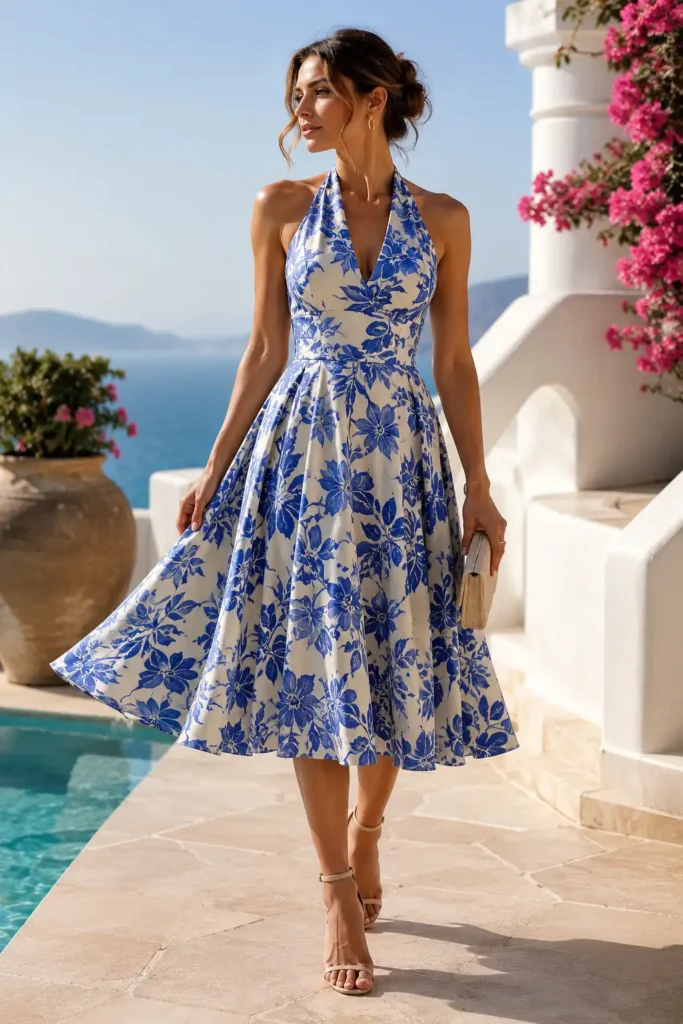
Halter Dress
- Fabric focus: satin, jersey, mesh, lightweight woven
- Sample focus: neck pressure, bust position, armhole coverage
- Size focus: strap or tie length, bust, armhole, neckline
- Bulk focus: attachment strength and proportional grading

Backless Dress
- Fabric focus: satin, stretch woven, mesh, jersey
- Sample focus: back opening, side coverage, bust stability
- Size focus: bust, strap, side seam, back depth
- Bulk focus: edge stability and closure placement

Structured Occasion Dress
- Fabric focus: satin, lace, crepe, structured woven
- Sample focus: support, lining, zipper, slit and drape
- Size focus: bust, waist, hip, length
- Bulk focus: workmanship, pressing and final balance

Jumpsuit
- Fabric focus: woven, crepe, ponte, stretch woven
- Sample focus: torso balance, waist, rise, hip, movement
- Size focus: bust, waist, hip, rise, inseam
- Bulk focus: vertical balance and measurement control
Fit Control Works Best as One Connected Development System
Review the Product
- Check silhouette and construction complexity
- Identify fit-sensitive body areas
- Review expected fabric behavior and lining needs
- Confirm size range and planned order structure
Set Fabric Direction
- Match stretch direction to silhouette
- Review recovery for close-fitting products
- Check drape and bias behavior for fluid styles
- Confirm lining, support and transparency requirements
Build and Test Pattern
- Establish base-size structure
- Build measurable fit points
- Confirm construction allowance and seam logic
- Produce sample for fit and movement review
Record and Revise
- Log each fit issue and agreed correction
- Update pattern and measurements together
- Track fabric or trim changes that affect fit
- Confirm whether another sample is required
Grade Approved Fit
- Apply approved grade rules
- Review sensitive measurements by size
- Check proportion and construction interactions
- Set measurement tolerances for bulk control
Transfer to Bulk
- Lock PP or Golden sample reference
- Transfer final pattern and size chart
- Carry key measurements into QC checks
- Preserve records for repeat orders and new colors
Critical Fit Points Are Managed as Connected Relationships

Bust and Upper Bust

Waistline Position

Hip and Seat Balance

Strap Length and Angle

Neckline Shape

Armhole Coverage
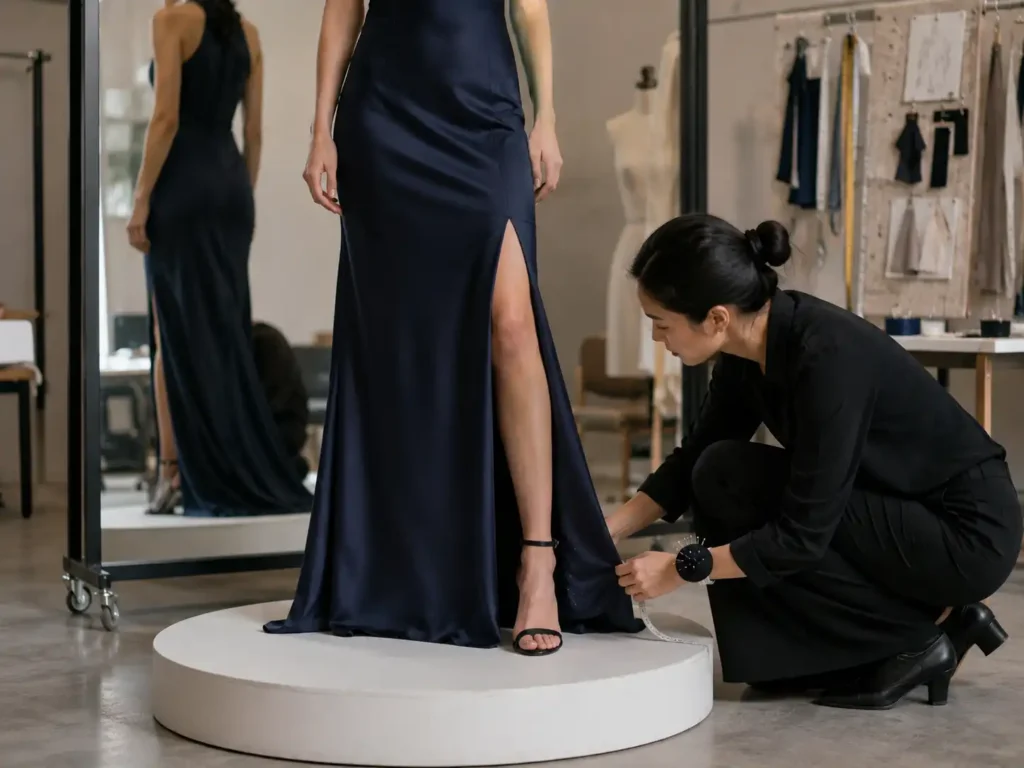
Slit and Hem Balance

Jumpsuit Rise
Fabric Behavior Changes the Pattern and the Final Fit
Material choice can improve or destroy an otherwise sound pattern. Fit-sensitive development therefore treats stretch, recovery, drape, thickness, transparency and support as pattern inputs, not as finishing details selected after the silhouette has already been fixed.

Stretch and Recovery Must Match the Intended Compression
Bodycon dresses, fitted knit skirts, stretch jumpsuits and close-fitting tops depend on more than a fabric’s stated stretch percentage. Direction of stretch, recovery after extension, fabric weight and surface construction all influence how much negative ease a pattern can carry without becoming uncomfortable or unstable. A fabric that stretches easily but recovers poorly may look correct during an initial fitting and then loosen at the waist, hip, neckline or hem after wear.
Jinfeng reviews the fabric together with the target silhouette before finalizing close-fit pattern decisions. Development can include checking stretch direction, recovery, hand feel, opacity and the way seams react under tension. Side seams are watched for twisting, waistlines for growth, necklines for distortion and hems for ride-up. If a replacement fabric behaves differently from the original direction, pattern ease, lining or sample confirmation may need to change rather than forcing the new material into the old pattern.
Production control also matters. Fabric relaxation, cutting direction and consistent handling can affect dimensions before sewing begins. Measurement QC then focuses on the areas most exposed to stretch variation, especially bust, waist, hip and garment length. For repeat orders, a new fabric batch or color should still be reviewed because recovery and hand feel can shift even when the nominal composition appears unchanged. Bulk planning should therefore retain both the approved pattern and the relevant fabric reference, so later comparisons are based on the same technical relationship rather than composition alone.

Drape and Bias Behavior Change Length, Balance and Movement
Slip dresses, fluid midis and lightweight occasion styles rely on drape for their visual effect.
Satin, rayon, viscose and other fluid woven fabrics can move differently across the grain, around the hip and along long seams.
Bias-inspired cutting increases sensitivity because fabric can grow or settle after cutting, sewing, hanging and pressing.
A pattern that looks balanced on paper can produce an uneven hem or distorted side seam if the material’s behavior is ignored.
Development starts by confirming fabric direction and the intended amount of body skimming or ease. Bust and hip shaping need to respect drape rather than creating hard tension points. Strap length and neckline height are checked after the garment has settled, while side seams and hems are reviewed for vertical balance. A fluid fabric may also require different lining behavior so the inner layer does not restrict movement or pull the outer shell off line.
Bulk preparation should preserve cutting direction, seam handling and pressing standards. Long hems, curved hems and bias-influenced sections may need additional attention before final measurement. Packing is also relevant because heavy folding or poor pressing can distort the presentation of a delicate slip or fluid dress even when the underlying pattern is technically correct.

Structure and Support Need Stable Materials and Precise Placement
Corset, strapless and structured occasion styles place higher demands on fabric stability because the garment has to shape and support the body rather than simply follow it. Main fabric, lining, cup, boning, anti-slip tape, closures and seam placement all affect the final load path. A softer or thinner substitution may weaken support, while a heavier material can add bulk and change seam behavior around the bust or waist.
Pattern development therefore works together with internal construction. Cup position is checked against upper-bust and under-bust shape. Boning must support the intended line without creating pressure or visible distortion. Waist shaping needs enough structure to hold form while remaining wearable. Strapless styles add another requirement: the upper edge has to stay secure through movement without relying on excessive tightness alone.
Sample review should include movement and comfort, not only a front-view photograph. When support components are adjusted, the next sample needs the change captured in pattern or sewing instructions. Before bulk, approved cup, boning, anti-slip and closure positions are treated as controlled production details. Measurement checks remain important, but placement and workmanship are equally critical because a support component positioned a few centimeters incorrectly can alter the entire fit. Support references are therefore checked against the approved sample during production setup.

Transparency and Lining Change Coverage, Stretch and Silhouette
Mesh, lace, chiffon and lightweight satin often require lining decisions that directly affect fit. Lining is not simply added for opacity. Its stretch, weight, length, seam construction and attachment points can change how the outer garment moves over the body. A stretch mesh shell combined with a low-stretch lining can restrict the hip or bust, while an overly loose lining can shift, wrinkle or become visible through openings and slits.
Development begins by defining the intended coverage and which areas should remain sheer. The lining material is then assessed for compatibility with the shell. On bodycon or mesh dresses, stretch direction and recovery need to work together. On lace or occasion styles, lining color and placement influence both appearance and seam bulk. Neckline, armhole, slit and hem positions are reviewed to make sure the inner layer supports the intended silhouette without extending into visible areas.
Before bulk, lining length, attachment method, seam allowance and key measurements are transferred into production standards. Finished-garment QC checks for exposure, twisting, puckering and movement restrictions. If the brand changes the outer fabric or lining during development, fit should be reconsidered rather than assuming the previous pattern will behave identically. A seemingly minor lining substitution can alter stretch, friction and movement enough to justify a focused fit recheck before PP approval.
Development Starts With a Technical Project Review
Project Feasibility Review
Jinfeng can begin from a tech pack, reference image, original sample, sketch or line sheet. The review checks silhouette, construction, key fit areas, lining, closures, support components, embellishment and size range together with the intended quantity.
Missing information is identified before pattern work advances.
The aim is to determine what must be confirmed, what can be proposed by the development team and which details create a higher risk of fit change during sampling.
- Reference or tech pack completeness
- Target fabric and available alternatives
- Fit-sensitive measurements and structures
- Planned size range and order quantity
Sampling Route
- First sample for structure and initial fit
- Revised sample when fit or construction changes require rechecking
- PP sample after final materials and production details are ready
- Golden sample retained as an approved production reference where required
Commercial Readiness
Fit-sensitive development also needs a realistic commercial framework. Quantity per style and color, fabric MOQ, custom-dye requirements, trims, private-label packing, target launch date and inspection expectations can affect whether the approved development route is suitable for bulk. Jinfeng reviews those factors before final production scheduling.
Bulk lead time is confirmed after PP approval, materials, quantities, packing and QC requirements are aligned, avoiding a generic delivery promise that ignores style complexity or supply conditions.
- Quantity by style and color
- Fabric and trim availability
- Label, barcode and packing requirements
- Launch and delivery planning
Base Pattern Development Turns Design Into Wearable Structure
The base pattern is where visual design becomes body proportion, movement allowance and production geometry. For fit-sensitive womenswear, pattern development must account for silhouette, material behavior and construction details before the first sample can provide meaningful fit feedback.
Start With the Intended Silhouette, Not a Generic Block
A bodycon mini, corset dress, slip dress and jumpsuit should not be developed by applying cosmetic changes to one generic dress block. Each silhouette carries different relationships between ease, support, vertical balance and material response. Jinfeng pattern makers review the reference or tech pack to identify the intended line through the bust, waist, hip and hem, then map the construction points that must preserve that line on body.
For a close-fitting knit, the pattern may need controlled negative ease based on stretch and recovery. A structured corset requires bust shaping, cup relationship, boning placement and waist support. A slip dress relies more on drape, strap placement and hip movement. A jumpsuit must connect upper-body balance with waist and rise. The initial pattern therefore reflects the product’s actual wearing logic rather than only its flat dimensions. Pattern balance is also considered from front, side and back so the intended silhouette remains stable when the garment is worn instead of only when it is laid flat.
The brand’s size chart and design measurements remain important inputs, but the pattern is also checked for seam placement, closure, lining, internal support and finishing. Areas likely to create exposure, pressure or movement restriction are identified early so the first sample can test the right questions instead of discovering basic construction problems too late.
Build the Key Measurement and Balance Relationships
Fit-sensitive pattern work is built around relationships between points, not independent numbers. Bust width affects armhole and neckline behavior. Waist position changes torso proportion. Hip ease influences side-seam balance and hem movement. Strap length can shift neckline height and bust placement. On jumpsuits, waist location interacts with front and back rise. A change to one measurement can therefore require a related pattern adjustment somewhere else.
Jinfeng controls key points such as bust, upper bust, under bust, waist, high or low waist, hip, front and back length, shoulder width, strap length, armhole, neckline depth, slit height, lining and crotch or rise. Product-specific points are added when needed. Corset styles may require cup and boning placement references; mesh or lace styles may require lining boundaries; bodycon styles need stretch-sensitive measurement logic.
The first pattern does not need to pretend every decision is final. Its purpose is to establish a coherent structure that can be tested on body. Clear measurement points make later feedback more precise because the team can distinguish a true pattern problem from a fabric, construction or sewing issue. Reference points also make comparison between first, revised and PP samples more consistent, reducing ambiguity when several people review the same style.
Account for Fabric Before the First Fit Is Judged
Pattern accuracy cannot be judged separately from material choice. A stable woven and a four-way stretch knit can share a nominal size chart yet require very different ease. Stretch satin may behave differently from jersey even if both contain elastane. Fluid satin and viscose can settle around long seams or hems, while structured woven fabrics hold shape but offer less forgiveness at the bust and hip.
Before the first sample is evaluated, Jinfeng reviews fabric stretch, recovery, drape, weight, transparency, lining relationship and likely shrinkage where relevant. If the exact bulk fabric is not available at the first stage, the sample fabric should be close enough in behavior to produce useful fit information. Significant substitutions are flagged because they can change the meaning of a fit comment.
For close-fitting styles, recovery and stretch direction may alter ease and seam stability. For structured products, thickness and stiffness can affect cup, boning and zipper areas. For fluid dresses, grain direction and drape can change hem balance. Treating fabric as part of pattern development creates a more reliable base for revision and grading. The same logic also helps quotation and production planning because a material change can affect sewing difficulty, lining, support details, wastage and the amount of technical validation needed before bulk.
Prepare the Pattern for Controlled Revision
The first sample should generate information that can be transferred back into the pattern. Jinfeng records relevant measurements and comments so changes can be made at the correct source rather than patched into one garment. A neckline gap may require shape correction instead of only shortening a strap. A twisting side seam may point to fabric direction, cutting or pattern balance rather than hip circumference. A jumpsuit rise problem may involve torso length as well as crotch depth.
After fit review, approved corrections are applied to the pattern and related records. If the change affects construction, the sewing instruction or BOM may also need an update. If a fabric or support component changes, the effect on pattern and fit is reconsidered. Revised samples are produced where physical confirmation is necessary.
A stable base pattern becomes the foundation for grading, PP approval, measurement QC and repeat development. The objective is not a perfect first attempt; it is a controlled path from design information to an approved production standard with every significant change traceable. Once the base pattern is stable, later grading and QC decisions can reference a known approved structure instead of rebuilding fit logic at every stage. The same reference also supports clearer costing and repeat development.
Fit Feedback Works Best When Evidence Is Measurable

Front View Evidence
- Full front standing image
- Close-up of bust or neckline where needed
- Waist and center-front reference
- Relevant measurements recorded beside the comment

Side View Evidence
- Full side standing image
- Side-seam position from armhole to hem
- Bust, waist and hip balance
- Rise or seat detail for jumpsuits

Back View Evidence
- Full back standing image
- Strap attachment and back opening
- Zipper or closure line
- Waist and hip symmetry

Movement Evidence
- Walking for hem and side-seam behavior
- Sitting for hip, waist and rise comfort
- Raising arms for armhole and neckline movement
- Turning for strap and back stability

Measurement Review
- Compare actual sample against size chart
- Mark out-of-tolerance points
- Separate measurement problems from shape problems
- Update approved points before the next sample

Revision Record
- Issue and root cause
- Pattern or construction correction
- Measurement change
- Approval status and next sample requirement
Pattern Correction Must Happen Before Production Standards Are Locked
Fit comments only create value when they change the correct technical source. Jinfeng converts approved feedback into pattern, measurement and construction updates before PP approval, reducing the risk of carrying a known sample problem into bulk production.

Diagnose the Cause Before Changing the Pattern
A visible fit problem does not always come from the measurement that appears wrong. Neckline gaping may relate to upper-bust shaping, strap angle or edge stability. Side-seam twisting can come from fabric direction, pattern balance or uneven tension. A jumpsuit rise problem may originate from torso length, waist placement or front and back rise distribution. Adding or removing one centimeter without diagnosing the cause can create another problem elsewhere.
Jinfeng reviews fit photos, sample measurements, pattern relationships, material behavior and construction before agreeing on the correction. The goal is to identify whether the issue belongs to pattern shape, measurement, fabric, trim, sewing or a combination. Brand comments remain central, but the technical route should explain what change will be made and what other areas could be affected.
A clear diagnosis also determines whether the next step can move directly toward PP or whether a revised fit sample is needed. High-impact changes around bust support, rise, neckline, cup, boning or material behavior normally deserve physical confirmation before production standards are locked. The same rule applies when one correction changes the balance of adjacent areas, such as a strap adjustment that also shifts bust and armhole coverage. A short revision loop is preferable to locking a structural uncertainty into grading.

Apply Corrections to the Source Files, Not Only the Sample
Once the correction is agreed, the physical sample is not the only item that changes. The base pattern, size chart, BOM, sewing instruction, fit comment record or QC checklist may need corresponding updates. Without those changes, the next sample can look correct while the bulk line still works from outdated information.
Pattern corrections can include reshaping, seam movement, dart adjustment, strap attachment, neckline modification, armhole adjustment, waistline repositioning, hip ease, slit height or jumpsuit rise. Material or support changes may require BOM and construction updates. Measurement changes need to remain consistent with the revised pattern rather than appearing as disconnected numbers in a spec sheet.
Revision control becomes even more important in multi-style programs. When several styles share fabric, trims or base blocks, a change on one style should not be assumed to apply everywhere without review. Each approved style needs a clear current version before the next sampling or production stage begins. The revision record should also identify superseded versions so an earlier pattern or spec is not accidentally reused when the project moves between sample room, merchandising and production teams. Related construction notes are updated at the same time when the correction changes sewing execution, material placement or QC inspection points.

Recheck the Corrected Garment Under the Same Fit Conditions
A revised sample should be assessed against the same fit objectives used for the first one. Comparing front, side, back and movement under similar conditions makes it easier to see whether the correction solved the original problem without creating a new imbalance. Measurements are taken again at the relevant points and compared with the updated size chart.
For a bodycon dress, a hip correction may affect side seam and hem ride-up. For a corset dress, moving the cup or boning can change upper-bust security and waist pressure. For a slip dress, shortening straps can alter neckline and armhole exposure. For a jumpsuit, changing rise can affect waist placement and seat balance. Rechecking the connected areas prevents local fixes from being accepted too quickly.
When fit and measurements are stable, the corrected base becomes suitable for grading and PP preparation. If the fabric or trim direction changes after approval, the team reviews whether another fit confirmation is required rather than assuming the previous correction remains valid. A final review also checks whether the agreed correction has altered cost, workmanship or production efficiency enough to require an updated commercial confirmation. The revised garment is then compared with the original fit objective before approval.

Lock the Approved Correction Into PP and Golden Standards
The final correction should appear consistently across the final pattern, size chart, grade rule, fabric and trim references, sewing instruction and QC measurements. The PP sample confirms the intended production configuration after final materials and details are ready. A Golden sample can then serve as a retained reference for production, inspection, repeat orders and future comparison where the project requires one.
PP approval is not a convenient stage for uncontrolled redesign. Major changes after materials, quantities and production details are locked can affect cost, schedule and consistency. If a late change is necessary, the impact should be reviewed formally and the relevant documents updated again.
By treating pattern correction as a documented bridge between fitting and production, the development team reduces a common failure mode: a brand approves an improved sample, but the bulk order is cut from an earlier pattern or inspected against an outdated measurement standard. The locked version therefore needs to be identifiable across pattern, spec, sample and QC references before bulk release. Approval status, material version and the relevant sample reference should remain consistent across the handover package. A final cross-check prevents old comments from surviving beside newly approved measurements or construction details. Production release follows only after the current references agree.
Size Grading Extends Approved Fit Without Losing Proportion
A successful sample size is only the starting point. Grading has to preserve silhouette, support, coverage and movement across the planned range, while sensitive points may require different progression from ordinary circumference increases. Representative size review can be added where the product or range creates higher fit risk.
| Fit Area | Development Risk Across Sizes | Grading Focus | Validation Method |
| Bust / Upper Bust | Gaping, pressure or reduced coverage | Circumference, shaping, neckline relationship | Size-chart review, representative fit check |
| Waist | Waistline shifts or shaping becomes too tight/loose | Circumference plus vertical waist placement | Measurement review and silhouette check |
| Hip | Drag lines, excess ease or side-seam rotation | Hip progression, ease and side balance | Measurement and movement review |
| Strap | Neckline drops or shoulder pressure changes | Strap length, angle and attachment position | Strap measurement and coverage check |
| Armhole | Underarm exposure or restricted movement | Depth, width and relationship to bust | Measurement plus arm movement |
| Neckline | Depth changes too quickly between sizes | Opening width, depth and support relationship | Front-view and movement check |
| Length / Slit | Mini becomes unsafe or maxi loses balance | Garment length, slit height, lining length | Finished measurement and wear review |
| Jumpsuit Rise | Sitting comfort changes across sizes | Front rise, back rise, torso and inseam progression | Measurement plus sitting/walking review |
PP Approval Connects Fit Development With Bulk Production
A well-fitted sample can still fail commercially if the approved pattern, materials and measurements are not transferred into production. PP locking creates one controlled reference package so development decisions remain visible to cutting, sewing, QC and packing teams.

Final Pattern and Size Chart Must Match the Approved Fit
Before bulk release, the latest approved pattern and size chart are checked against the final sample route. Any correction made during fit review should already be reflected in the current files. The production team should not rely on an early pattern simply because the physical revised sample looks correct. Key measurements, construction points and grade rules need to align with the approved base fit.
For fit-sensitive products, the production package highlights the areas most likely to drift: bust, waist, hip, strap, armhole, neckline, slit, length and rise where relevant. The measurement table also includes agreed tolerances according to product type, material and brand requirements. Zero-error claims are avoided because soft-goods manufacturing requires realistic executable tolerances; the key is to define what is acceptable and inspect against it consistently.
If a size range includes different body proportions or extended sizing, the grade rules and representative checks are confirmed before bulk cutting. A strong transfer prevents production teams from interpreting fit decisions independently once the style is already on the line. Final files should also identify the approved revision date or status so obsolete patterns are not mistaken for current production standards. The production handover should make the current base pattern and measurement version unmistakable to each department.

Materials and Support Components Are Locked With the Fit Standard
Fabric, lining, cups, boning, anti-slip tape, zippers, elastics and other trims can change fit even when the pattern stays the same. PP preparation therefore aligns the approved material references with the pattern standard. A substituted stretch knit with different recovery or a new lining with less stretch may require another technical review before bulk, because the garment can no longer be assumed to behave like the approved sample.
Structured products need placement details for support components. Corset boning, cup position and anti-slip location should be controlled rather than left to individual sewing preference. Slip and cami styles need strap construction and slider range clarified. Mesh or lace products require lining boundaries and seam details. Jumpsuits need closure and rise construction consistent with the approved fit.
Once those elements are confirmed, the BOM and sewing instructions provide a reference for purchasing and production. Late changes are evaluated for cost, timing and fit impact instead of introduced casually after PP approval. For support-heavy styles, placement references can be checked against the approved sample during early production so deviations are corrected before they spread across the order. The same applies to strap, elastic and lining details whose placement directly affects the approved fit.

Sewing and QC Instructions Carry Fit-Sensitive Details Into the Line
Bulk consistency depends on how accurately the line reproduces the approved construction. Sewing instructions should identify details that affect fit, including seam allowance, elastic application, strap attachment, cup and boning placement, zipper handling, lining connection and reinforcement at slits or openings. A technically correct pattern can still perform poorly if those operations are inconsistent.
QC receives the same fit-sensitive priorities. Incoming fabric is checked for relevant characteristics, cutting follows approved direction, inline checks monitor construction and finished-garment inspection verifies key measurements and visual balance. Product-specific points are used rather than one identical checklist for every style. Bodycon products need stretch and dimension attention; corset styles need support placement; slip styles need strap and hem balance; jumpsuits need vertical measurements and rise.
The goal is to preserve the approved wearing result during production, not simply to produce garments that look similar on hangers. Inline findings can be fed back to sewing supervisors and QC so recurring deviations are corrected at the operation level rather than repeatedly repaired only after garments are finished. Early production pieces can also be compared with the PP or Golden reference before the line reaches full output. Fit-sensitive measurements and placement details are checked together during the comparison.

Golden Sample and Records Support Reorders and New Variations
Where required, a Golden sample becomes a retained production and QC reference after PP approval. Jinfeng can also retain pattern files, size charts, fabric references, trim records, sewing instructions, packing details and QC notes for repeat-order support. Those records reduce the amount of reconstruction needed when an established style returns in a new color or later season.
Reorders still require confirmation. Fabric batches, color, hand feel, stretch, packaging, quantity and delivery conditions can change. A new fabric should be compared with the previous reference, especially on bodycon, slip, corset and other styles where material behavior influences fit. If the difference is significant, pattern or sample review may be needed again.
The value of retained records is consistency and faster restart, not a promise that every reorder can bypass technical checks. A disciplined comparison keeps the original approved fit as the reference while accounting for variables that may have changed since the last production run. When a repeat order adds sizes, changes fabric or modifies support details, the development team can identify which original approvals remain valid and which need renewed confirmation. New variations can therefore build on the original style without assuming every earlier condition is unchanged. The retained record acts as a controlled baseline rather than a shortcut around necessary review.
Bulk Fit Consistency Depends on Product-Specific Quality Control
Fit-sensitive quality control should follow the way each garment fails. Measurement, fabric stability, construction placement and visual balance are checked at different production stages so problems are identified before the full order reaches final packing.
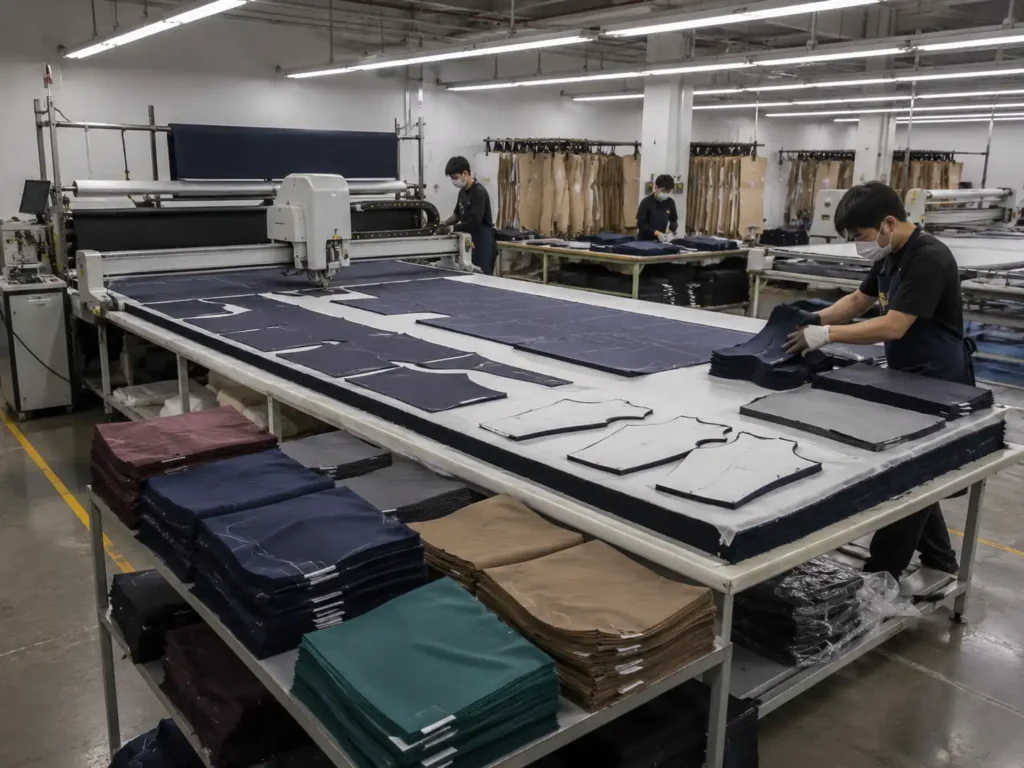
Fabric and Cutting Control Protect the Pattern Before Sewing
Fit consistency begins before the first seam is stitched. Stretch fabrics may need relaxation and direction control so pieces are not cut while the material is distorted. Fluid satin and lightweight woven fabrics can shift during spreading and cutting, affecting seam balance and finished length. Lace and mesh add placement, transparency and damage risks. Structured fabrics must remain compatible with the support components approved during sampling.
Incoming and pre-cut review focuses on the characteristics relevant to the style: color, surface defects, stretch, recovery, hand feel, direction, transparency and batch consistency where applicable. Cutting follows the approved pattern and grain or stretch direction. When a material behaves differently from the development reference, the issue should be reviewed before large quantities are cut rather than discovered after finished garments begin measuring differently.
Accurate cutting is especially important around bust shaping, waist seams, corset panels, armholes, slits and jumpsuit rise. Small cutting deviations can multiply after sewing, making later measurement correction difficult without affecting appearance. Early fabric and cutting control therefore protects both fit consistency and production efficiency by preventing avoidable rework from entering the sewing line. Cutting checks can also compare critical panels and lengths against the approved pattern before bundles move forward.

Inline Sewing Checks Focus on Construction That Changes Fit
Inline QC is most useful when it watches the operations that can change the wearer’s experience. Strap attachment, elastic application, zipper insertion, cup position, boning channels, lining connection and seam tension are examples. A garment can be made from correctly cut pieces and still lose fit if those operations vary from the approved standard.
Bodycon styles need seam tension and side-seam balance monitored so stretch remains even. Corset and strapless products need cup, boning and anti-slip placement checked. Slip dresses need strap length, neckline edge and side seams controlled. Jumpsuits require waist, rise and inseam relationships watched through assembly. Lace, mesh and satin constructions add their own workmanship risks that can distort the final shape when handled poorly.
Inline checks create an opportunity to correct the process while production is still moving. Waiting until final inspection to discover repeated strap, zipper or support-placement errors increases rework and can make fit consistency harder to recover. Measurement trends can also be watched during production so gradual drift is identified before it becomes a full-order issue. Repeated deviations are traced back to operation, handling or material conditions instead of being treated as unrelated finished-garment defects. Supervisors can then adjust the process before more units follow the same pattern.

Finished Measurements Are Checked Against Product-Specific Points
Finished-garment measurement is not limited to a generic bust-waist-hip check. The measurement set is matched to the product. Bodycon dresses may need bust, waist, hip, length and side balance emphasized. Slip dresses add strap and neckline. Corset products add upper bust, under bust or support placement references according to the approved spec. Jumpsuits need rise, inseam and torso-related measurements along with standard circumferences.
Tolerances are agreed according to brand requirements, product structure and fabric behavior. Stretch garments and stable woven products cannot always use identical tolerance logic. Measurements outside the agreed range are reviewed together with visual fit risk rather than treated as isolated numbers. A small deviation at a critical strap or neckline point can matter more than the same deviation at a less sensitive area.
The inspection objective is repeatable fit within an agreed manufacturing standard, not unrealistic claims of zero variation across soft goods production. When a critical point moves outside the agreed tolerance, the team reviews the cause and affected quantity instead of treating every dimensional deviation as an isolated final-inspection event. Corrective action can then focus on the production source before more pieces are completed, reducing the risk of widespread rework or mixed measurement results.

Final Review Connects Fit, Appearance and Packing Condition
Fit-sensitive garments should reach packing with both technical and visual standards intact. Finished review includes measurement, workmanship, seam balance, closure function, lining position, support components, pressing and overall symmetry. Satin and fluid garments need careful pressing and folding so wrinkles or distortion do not undermine presentation. Structured corset and occasion styles need packing that protects cups, boning and shape. Mesh, lace and embellished products require protection from snagging or surface damage.
Private-label details are checked separately from fit, but packing errors can still affect commercial readiness. Size labels, barcodes, SKU information and carton marks need to match the correct garment and size. A technically correct fitted dress shipped under the wrong size identifier creates the same downstream problem as a fit error.
Pre-shipment review therefore closes the loop between approved development, bulk measurements, construction and final delivery condition. The fit standard remains part of the quality system until the order is released. Packing and size identification are checked against the final production information so the physical garment and the commercial SKU remain aligned through shipment. Final presentation is reviewed so pressing, folding or compression does not undo the fit-sensitive shape already controlled during manufacturing. Structured and fluid garments receive packing attention according to their own risk.
Fit-Sensitive Development in Multi-Style Brand Programs
Anonymous program examples show how fit control can be organized across real collection scale. Client names, unpublished designs, tech packs and proprietary pattern details remain protected; the focus stays on development challenges, controls and production outcomes.

22-Style Stretch Dress Program - 56,000 Pieces
An established fashion brand developed a 22-style fitted dress program totaling about 56,000 pieces across bodycon minis, ruched midis, stretch mesh dresses and fitted jersey styles. Several silhouettes shared a close-to-body direction, yet fabric behavior varied enough that one base ease assumption could not be used across the full collection. The main risks were stretch recovery, bust-waist-hip proportion, side-seam rotation, neckline deformation, hem ride-up and size stability after wear.
Jinfeng grouped the collection by fabric behavior and silhouette before sampling. Pattern review focused on the relationship between negative ease and recovery rather than simply reducing measurements for a tighter result. Fit samples were measured at bust, waist, hip and length, with side seams and hems reviewed during standing, walking and sitting. Styles using stretch mesh also required lining stretch and transparency to be evaluated together.
Fit comments were recorded by style and transferred into revised pattern and measurement files. Approved base fits were graded only after the team confirmed the relevant stretch direction and silhouette. Before bulk, final pattern, size chart, fabric reference, sewing instructions and key QC measurements were aligned with PP standards. Production checks concentrated on fabric relaxation, cutting direction, side-seam balance, bust-waist-hip measurements and finished length. The approach allowed different stretch categories to remain visually related without forcing every style into one technical formula.
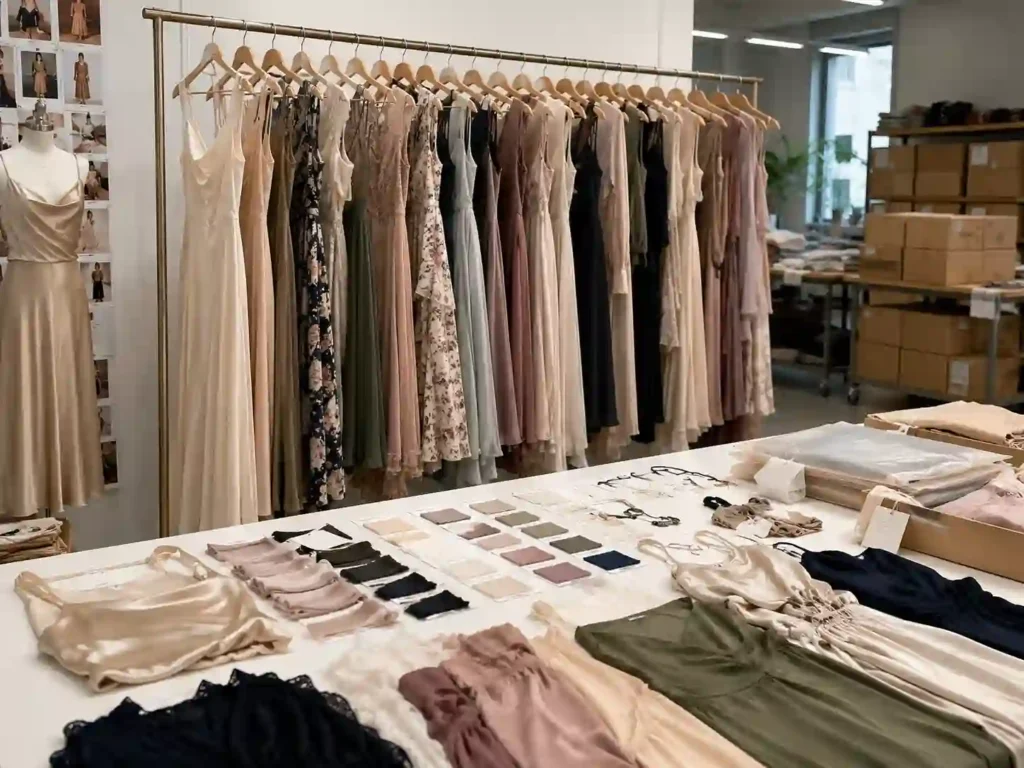
14-Style Structured Dress Program - 28,000 Pieces
A premium fashion label developed a 14-style structured program totaling about 28,000 pieces, including corset minis, strapless dresses, fitted occasion styles and selected low-back silhouettes. The strongest fit risks centered on cup shape, upper-bust security, boning position, anti-slip performance, waist shaping, zipper stress, lining placement and comfort during movement. Several designs looked visually clean in flat presentation but needed additional on-body work before the support system could be released to production.
Jinfeng reviewed main fabric, lining and support components together with the pattern. First fittings compared front, side and back balance, followed by movement checks for slipping, bust coverage and waist pressure. Corrections included changes to upper-bust shaping, cup position, boning placement and neckline control where required. Revised samples were used for high-impact structural changes rather than moving directly into PP from the first fit round.
After fit approval, the corrected base patterns were connected to size charts, grade rules and support-placement instructions. PP and Golden references were used to transfer the approved structure into bulk. QC concentrated on key measurements together with cup, boning, anti-slip, zipper and lining placement, because structure can fail even when circumference measurements remain acceptable. Retained pattern and construction records also created a cleaner starting point for later variations and repeat development.
MOQ and Cost Follow the Technical Requirements of Each Style
Fit-sensitive development carries different material, sampling and production demands by silhouette. Jinfeng quotes after reviewing style information, fabric, quantity, size range, trims, private-label requirements and development complexity rather than using one price assumption for every fitted garment.
| Commercial Factor | Jinfeng Reference | Fit-Sensitive Impact |
|---|---|---|
| MOQ | Starts from 200 pcs per style/color | Special fabrics, custom dyeing, prints, certified materials or trims may carry separate supplier MOQs |
| Pattern Development | Based on style and structure | Corset, jumpsuit, bodycon and complex openings require different pattern work |
| Sample Fee | Charged separately by project | Sample fee depends on fabric, trims, pattern difficulty and construction; qualifying bulk orders may receive project-based deduction |
| Sample Timing | Regular dress first sample commonly 10-15 days; complex styles often 15-25 days | Custom materials or special trims can extend development timing |
| Fabric | Cost depends on composition, weight, finish and MOQ | Stretch recovery, drape, transparency and stability can change both fit and construction |
| Trims / Support | Cups, boning, anti-slip, zippers, sliders, elastic, lining | Placement and specification can affect fit, comfort and workmanship time |
| Grading / Size Range | Based on approved base fit and range | More sensitive size progression may require additional technical review |
| Bulk Lead Time | Confirmed after PP, materials, quantity, packing and QC requirements | Complex construction and special materials require project-specific scheduling |
Brand-Ready Support Continues After Fit Approval
Private Label System
Packing Standards
Delivery Coordination
Repeat Order Records
NDA and Design Protection
Project Follow-Up
Fit-Sensitive Product Development Frequently Asked Questions
A style becomes fit-sensitive when small changes in proportion, fabric behavior or construction can noticeably change on-body appearance, coverage, comfort or movement. Bodycon dresses, corset dresses, slip dresses, strapless shapes, halters, backless products and jumpsuits are common examples because bust, waist, hip, strap, neckline, armhole, support or rise relationships need closer control than a loose silhouette.
Yes. Stretch direction, recovery, fabric weight and construction influence how much ease a fitted pattern can use. A fabric with high stretch but weak recovery may grow during wear, while a stable woven needs more physical ease. If a replacement material behaves differently from the approved sample fabric, pattern, lining or sample confirmation may need to be reviewed again.
Fit photos, measurements and written comments are reviewed together to identify the likely cause. The correction may involve pattern shape, measurement, strap position, neckline, armhole, support, fabric or sewing construction. Approved changes are transferred into the relevant pattern, size chart, BOM, sewing instruction or QC record. A revised sample is produced when the change needs physical confirmation before PP.
No. The approved base size provides the foundation for grading, but bust, waist, hip, strap, neckline, armhole, length and rise do not always progress at identical rates. Grade rules are reviewed against the intended size range, and sensitive points can receive representative size checks or additional measurement validation before bulk production.
Bodycon programs focus on fabric stretch and recovery, bust-waist-hip proportion, side-seam balance, garment length and post-wear or post-wash stability where relevant. Fabric direction and cutting handling are controlled before sewing, while finished garments are measured against approved tolerances. A tighter pattern is not automatically better; the material must recover and remain wearable.
Development reviews upper-bust shape, under-bust relationship, cup position, boning, waist shaping, anti-slip control, neckline security, lining and closure behavior. Fittings include movement so the garment can be checked for slipping, pressure and coverage rather than judged only in a static pose. High-impact corrections are normally confirmed through revised sampling before PP approval.
Front, side and back standing images provide the core reference. Movement images or short clips can show walking, sitting, arm movement and turning. Close-ups are useful for neckline, strap, armhole, zipper, waist, slit, lining or support issues. Photos become more useful when the related measurement and a clear written comment are provided at the same time.
Grading should begin after the base fit is sufficiently stable and the main pattern corrections are approved. The grade rule then extends the approved silhouette across the planned size range. Fit-sensitive areas such as bust, strap, neckline, armhole, length, slit and jumpsuit rise are reviewed carefully because simple equal increments do not always preserve the intended proportion.
Final pattern, size chart, grade rule, fabric and trim references, BOM, sewing instructions, label and packing requirements, PP or Golden sample and QC measurements are aligned before bulk release. Production and inspection teams work from the locked standard. Material or construction changes after PP are reviewed for fit, cost and schedule impact before implementation.
Yes. Jinfeng can retain pattern files, size charts, fabric references, trim records, sewing instructions, packing details, QC notes and Golden samples to support repeat-order preparation. New fabric batches, colors, quantities and delivery conditions still need confirmation. If material behavior changes significantly, fit or sample review may be required again before bulk production.

Send Your Fit-Sensitive Womenswear Project for Technical Review
Share the product information that helps the development team understand the silhouette, material behavior, fit problem and commercial plan before sampling begins.
Jinfeng can review a tech pack, reference image, original sample, sketch or line sheet and identify the main structure, fabric, pattern and sizing points that should be confirmed. Stronger input produces a more focused development route, especially for bodycon, corset, slip, strapless, backless, structured and jumpsuit styles.
Sampling, quotation and bulk scheduling are confirmed according to actual style complexity, material availability, size range, quantity, private-label requirements and approval steps rather than one generic promise.
Please include:
- Style image, tech pack, sketch or original-sample reference
- Target fabric, fabric preference or approved swatch information
- Current fit issue or areas that require special control
- Size chart and planned size range
- Quantity by style and color
- Required labels, barcode, SKU and packing details
- Target launch or delivery requirement
- Fit photos or existing sample comments where available


