
Floral Resort Dresses
Custom floral resort dress development for fashion brands building vacation, cruise, destination and seasonal collections.
Jinfeng Apparel develops floral resort dresses from artwork, fabric direction and pattern engineering through sampling, print approval, bulk production, quality control and private-label packing. Collections can combine multiple silhouettes, floral scales and lightweight fabric directions while maintaining consistent fit, print orientation and production standards across colors and sizes.
- Develop mini, midi, maxi, wrap, halter, slip, tiered and shirt-dress silhouettes within one floral resort collection.
- Seasonal programs can be structured around 10–30 styles, grouped by floral family, base fabric, construction and launch priority.
- Standard garment MOQ starts from 200 pcs per style/color; custom printing, exclusive artwork and special materials may carry separate supplier MOQ requirements.
- Sampling is supported by 2 sample rooms, 7+ senior pattern makers and 20+ sample machinists for structured development and revision work.
Manufacturing Capacity Behind Floral Resort Collections
Since 2008
6 Owned Factories
10+ Production Partners
18+ Sewing Lines
2 Sample Rooms
15+ QC Inspectors
Floral Resort Dress Styles for Seasonal Collections

Floral Maxi Resort Dress
Maxi resort dresses create the strongest visual canvas for medium and large floral repeats, tropical botanicals and directional prints. Development needs careful control because lightweight fabrics, long skirt panels and wide hems can magnify cutting errors. Common directions include halter maxi, slip maxi, tiered maxi, wrap maxi and waist-defined A-line shapes. Rayon, viscose, chiffon, crepe and lightweight printed woven fabrics can create different levels of movement and visual density. Key controls include:
- Total dress length and finished hem balance
- Print direction from front body into skirt panels
- Floral scale relative to body width
- Lining coverage and lining length
- Side-seam hanging balance
- Skirt sweep and fabric consumption
- Shrinkage before final bulk specification
- Packing method to reduce deep fold marks

Floral Midi Resort Dress
Floral midi dresses work well for resort restaurants, destination boutiques, cruise collections and elevated daytime dressing. Midi proportions depend heavily on waist placement, skirt length and print scale because the silhouette sits between casual mini and dramatic maxi categories.
Common designs include square-neck midi dresses, smocked-waist styles, fitted-bodice dresses, wrap midi dresses and soft A-line silhouettes. Small and medium floral repeats usually create more balanced visual coverage across the bodice and skirt.
Development should control neckline depth, armhole exposure, waist position, zipper flatness, lining coverage and finished hem. For printed panels, the position of dominant flowers around the bust and center front should also be reviewed before cutting approval.

Floral Mini Vacation Dress
Mini resort dresses are commercial for warm-weather drops, beach towns, vacation retail and younger fashion assortments.
Shorter silhouettes make print placement around the bodice more visible, especially when oversized flowers or strong color contrasts are used.
Product development needs enough movement and coverage for real wear rather than judging appearance only from campaign photography. Important points include bust stability, armhole exposure, neckline depth, back opening, mini length, lining coverage and hem behavior after washing or steaming.
Smocked backs, adjustable straps, waist ties and elastic panels can improve flexibility, but each detail changes sewing time, grading and fit behavior.

Floral Wrap Resort Dress
Wrap dresses give floral collections a relaxed resort character while allowing movement and waist definition.
The apparent simplicity can hide several fit risks. Overlap depth must remain sufficient across sizes, waist ties must sit at the intended body level, and printed motifs should not become visually broken where the front panels cross.
Soft viscose, rayon, crepe and lightweight printed woven fabrics usually work well because they allow the overlap to fall naturally.
Excessively stiff fabric can cause the front to stand away from the body, while very slippery fabric may create movement and coverage problems.

Floral Halter Resort Dress
Halter silhouettes naturally connect with destination, summer and vacation merchandising. They can be developed in mini, midi and maxi lengths, but the upper-body pattern requires careful control.
Neck strap length, neck opening, armhole depth, side-bust coverage and back stability should be reviewed together. When a large floral print is used, artwork placement around the upper chest becomes especially visible.
For longer halter dresses, skirt weight can also pull on the upper body. Fabric choice, waist support and pattern balance should be tested during fitting rather than corrected after bulk cutting.

Floral Slip Resort Dress
A floral slip dress can look uncomplicated, yet lightweight fabric exposes every imbalance in neckline, strap length, side seam and hem.
Printed slip dresses are especially sensitive because crooked fabric direction can be visible across the whole body.
Adjustable straps, clean neckline finishing, controlled lining coverage and correct fabric grain help create a cleaner result.
For bias-influenced silhouettes, hanging behavior should be reviewed before final hem confirmation.

Floral Tiered Resort Dress
Tiered resort dresses work well with all-over florals because the volume creates movement in photography and travel-oriented merchandising. Development should define tier depth, gathering ratio and finished length before sample approval.
Floral interruption between tiers must also look intentional. With directional prints, uncontrolled cutting can cause adjacent tiers to face different directions. Gathering density should remain consistent across production so the first garment and bulk units carry a similar silhouette.

Floral Shirt Resort Dress
Shirt-dress constructions create a more polished resort direction suitable for destination retail, brunch and day-to-evening assortments. Botanical prints, medium florals and linen-inspired fabrics work especially well.
The placket becomes a critical visual point. Large motifs should not create awkward interruption around buttons or center front.
Collar structure, shoulder width, sleeve opening, waist belt position and hem balance also need to be coordinated with the weight and drape of the selected fabric.
Resort Occasions Behind Commercial Floral Dress Programs

Resort Vacation

Cruise Collection

Beach-to-Dinner

Summer Drop

Destination Boutique

Tropical Holiday
Build a Resort Collection Instead of Isolated Styles
Length Architecture
Hero Styles
Floral Families
Fabric Tiers
Color Planning
Reorder Planning
Custom Floral Print Development for Resort Dresses
Floral artwork is not production-ready simply because it looks attractive on a screen. A successful print program must connect artwork scale, base fabric, repeat construction, garment dimensions, color approval and cutting direction before bulk fabric is committed. Resort styles make these relationships especially visible because many designs use larger skirt areas, soft fabrics and open silhouettes.
Artwork Scale, Repeat and Garment Proportion
Print scale should be evaluated against actual garment dimensions rather than viewed only as a digital tile. A flower measuring well on an A4 printout can look unexpectedly oversized across a mini bodice or too small across a full maxi skirt.
Development should define:
- Actual repeat width and height
- One-way or non-directional repeat
- Dominant motif size
- Background-to-floral ratio
- Artwork orientation
- Garment panel width
- Size-range effect
- Required border or placement position
A multi-style collection may need more than one artwork scale. For example, the same botanical family can use a smaller repeat for mini dresses and a larger repeat for maxi silhouettes while keeping common colors.
Large motifs around the bust, waist and center front should be reviewed before final production. Print placement is part of garment engineering, not only surface decoration.
Print Method and Base Fabric Selection
Digital printing gives flexibility for multi-color florals, detailed botanical artwork and lower artwork setup complexity, while screen printing can be suitable for other repeat structures and production volumes. Placement prints and border prints require more precise garment planning because the printed area must align with final pattern pieces.
The print process must be selected together with the base fabric. Chiffon, viscose, rayon, cotton blends, linen blends and lightweight polyester woven fabrics absorb or display color differently.
Approval should examine:
- Color clarity
- Background coverage
- Strike-through
- Fabric hand after printing
- Shrinkage
- Colorfastness requirements
- Print edge definition
- Repeat alignment
- Potential white cracking or distortion where relevant
- Bulk-lot variation
Strike-Off Approval Before Bulk Printing
A print strike-off allows artwork, color and scale to be reviewed on the intended fabric before bulk printing. It is particularly important when original artwork, exclusive colorways, placement printing or unfamiliar base fabric is involved.
A proper strike-off review can check whether warm colors have shifted, dark outlines have bled, small botanical details remain visible and the actual background color works with lining, trims and labels.
For complex artwork, one approval may not be enough. Revised color or scale versions can be compared before final bulk fabric confirmation.
Custom print programs may have separate printing-mill MOQ requirements depending on base fabric, printing method, artwork dimensions and production setup. Jinfeng’s standard garment MOQ starts from 200 pcs per style/color, while custom printing requirements remain subject to fabric and print supplier confirmation.

Resort Occasions Behind Commercial Floral Dress Programs
Resort fabric should support more than a visual mood. Drape, transparency, wrinkle behavior, shrinkage, print clarity, breathability, pressing response and lining requirements all affect how a floral dress performs from sample room to retail delivery.
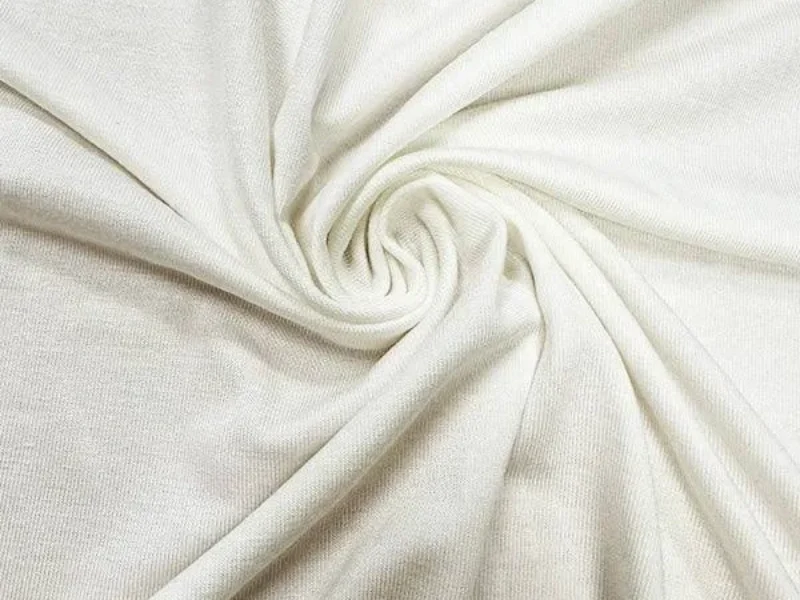
Rayon and Viscose
Rayon and viscose are strong directions for flowing floral maxi, midi and wrap dresses because they provide softness and natural movement. Their drape works particularly well with tiered skirts, fuller hems and feminine silhouettes.
The same softness also requires control. Shrinkage, washing change and seam stability should be considered before final pattern measurements are locked. Printed viscose can appear excellent during sampling and change after wash if fabric preparation and care expectations were not reviewed early enough.
For multi-size production, the fabric should maintain enough stability to prevent side seams, necklines and long hems from growing unpredictably.
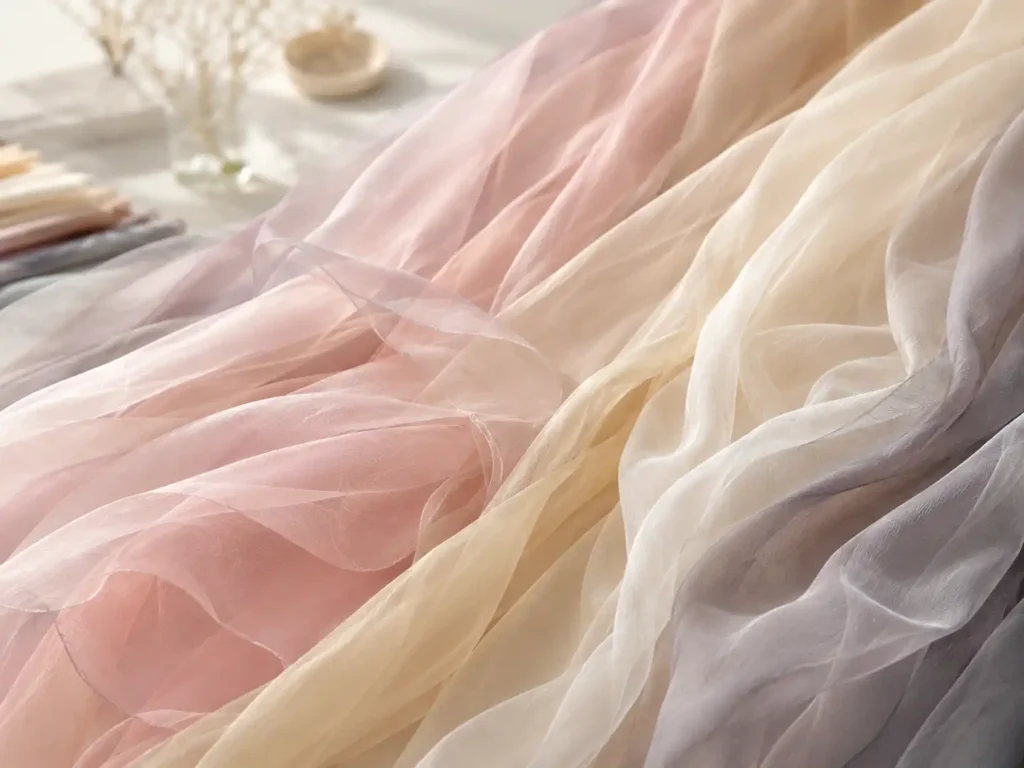
Chiffon and Lightweight Woven Fabrics
Chiffon creates movement and an elevated resort character, especially in maxi dresses, layered skirts and soft sleeves.
Transparency is the first decision point. Lining coverage should be planned around neckline, armhole, slit and final dress length rather than added after the garment is already developed.
Printed chiffon also demands careful cutting because slippery layers and directional floral artwork can create alignment problems. Hem treatment must suit fabric weight. A heavy finish on very light chiffon can distort movement, while an unstable edge can create an uneven hem after hanging.

Linen Blends
Linen-blend floral dresses suit natural, premium and destination-focused resort stories. Linen-cotton, linen-rayon and other blends can create different combinations of texture, drape and wrinkle character.
The key is agreeing on which level of wrinkling belongs to the intended design. Natural texture can support the product identity, but uncontrolled shrinkage, transparency or batch variation can become a quality issue.
Linen-blend sampling should evaluate handfeel, wash behavior, print sharpness, opacity and finished garment structure before bulk material is approved.
Cotton and Cotton Blends
Cotton blends suit floral shirt dresses, smocked dresses, casual minis and summer midis where comfort and a cleaner woven structure are required.
Fabric density affects transparency and print definition. Lighter cotton can need lining or partial lining, while denser cotton may support structured collars, button plackets and gathered skirts more effectively.
Shrinkage and colorfastness should be reviewed according to fabric construction, print process and intended care instructions.
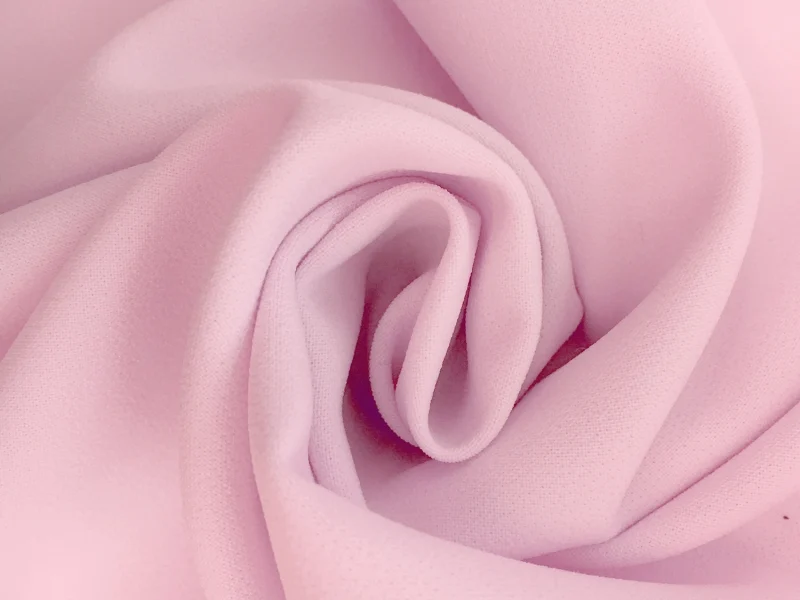
Lightweight Crepe
Crepe offers a useful balance between drape and stability. Floral wrap dresses, midi dresses and day-to-evening resort shapes can benefit from a surface that is less slippery than satin while maintaining movement.
The exact crepe construction still matters. Weight, stretch, texture and recovery should be evaluated before fit is finalized.
Lighter crepe may need lining in pale grounds, while heavier crepe changes gather ratio and skirt movement.

Printed Satin
Printed satin can move a resort program toward a more elevated dinner, occasion or premium vacation direction. Shine changes how floral colors are perceived under photography and natural light.
Important controls include print clarity, surface snag risk, sewing tension, seam puckering, zipper flatness and pressing temperature.
Satin requires cleaner finishing because light reflection makes irregular seams and pressing marks easier to notice.

Printed Polyester Woven
Polyester woven fabrics can offer useful print consistency, wrinkle resistance and travel-friendly properties for resort programs. Performance depends on construction, weight and finish rather than fiber name alone.
Product development should evaluate drape, breathability, static behavior, opacity and heat response during pressing. Lightweight printed polyester can be commercially effective when fabric hand and appearance match the intended price positioning.

Lining Selection
Lining should support the outer fabric rather than fight it. Color, weight, stretch and finished length must be coordinated with the shell.
For pale floral grounds, lining color can change the apparent outer color. For slit dresses, lining length should protect coverage without becoming visible during movement.
For maxi garments, excess lining weight can affect drape and pull on the upper body.
Match Floral Scale With Resort Dress Silhouettes
Print and silhouette should be planned together. The same artwork can produce very different results depending on garment length, panel width, neckline shape and skirt construction.
| Resort Silhouette | Floral Direction | Fabric Direction | Main Production Control |
|---|---|---|---|
| Maxi Dress | Medium to large repeat | Rayon, chiffon, printed woven | Hem balance and print direction |
| Midi Dress | Small to medium floral | Viscose, crepe, cotton blend | Waist proportion and motif balance |
| Mini Dress | Small floral or controlled placement | Cotton, viscose, woven | Bust placement and safe finished length |
| Wrap Dress | All-over repeat | Viscose, rayon, crepe | Front overlap and print continuity |
| Halter Dress | Open botanical or vertical floral | Chiffon, rayon, crepe | Neckline, side-bust coverage and motif position |
| Tiered Dress | Continuous repeat | Lightweight woven, viscose | Tier direction and gather consistency |
| Slip Dress | Refined all-over print | Satin, crepe, viscose | Strap balance and grain direction |
| Shirt Dress | Botanical or medium repeat | Cotton, linen blend, woven | Placket, collar and center-front alignment |
Pattern and Fit Engineering for Resort Dresses
A flowing dress still needs controlled engineering. Resort silhouettes often look relaxed, but neckline movement, strap length, bust coverage, waist position, wrap overlap and total dress length have direct impact on wearer confidence, photography and return risk.
Upper-Body Balance

The upper body determines whether a floral resort dress feels polished or unstable. Halter, spaghetti-strap, square-neck and open-back designs require more than following a standard chest measurement.
Pattern review should consider:
- Neckline depth
- Front chest width
- Armhole shape
- Side-bust coverage
- Strap length
- Strap angle
- Back opening
- Elastic or smocking tension
- Lining edge position
Waist, Hip and Skirt Proportion

Resort dresses can use natural-waist, empire, dropped or elasticized waist treatments. The chosen position changes the perceived body proportion and determines where the skirt begins to move.
Wrap and tie-waist dresses also need enough adjustment without allowing the garment to rotate or open during wear.
For midi and maxi styles, skirt width must be balanced against fabric weight. Too little sweep creates stiffness; excessive sweep can increase fabric cost, packing volume and hem-control difficulty.
Grading should preserve intended waist placement across sizes rather than simply expanding every area at the same rate.
Maxi Length and Hem Engineering

Long lightweight dresses can change after cutting, sewing, pressing and hanging. Fabric relaxation can make one section of the hem fall lower than another, especially on bias-influenced panels or flowing rayon constructions.
Maxi development should verify:
- Shoulder-to-floor length
- Waist-to-hem length
- Front/back balance
- Side seam balance
- Finished shoe clearance
Wrap Coverage and Slit Safety

Wrap fronts and high slits create visual movement but must remain wearable. Approval should review garment behavior while walking, sitting and turning rather than only standing still.
Overlap depth, tie position, inner fastening and lining strategy can be adjusted according to fabric weight and styling direction.
A resort dress should still function outside controlled campaign photography. Wearability is part of the manufacturing specification.
Design Details That Shape Resort Dress Identity

Halter Neck

Spaghetti Straps

Smocked Panels

Ruffle Details

Tiered Skirts

Side Slits

Open Backs

Waist Ties
Sampling Floral Resort Dresses Before Bulk Production
Sampling should reduce uncertainty at every development stage. Floral resort dresses combine artwork, fabric behavior, fit, lining, garment length and seasonal launch timing, so approval needs more structure than producing one attractive prototype and moving directly into bulk.
Artwork and Fabric Review
Development starts by reviewing the style reference, tech pack, original sample or line sheet together with proposed fabric and floral artwork.
The review should identify:
- Base fabric suitability
- Artwork scale
- Print direction
- Motif placement risks
- Fabric transparency
First Sample and Fit Review
The first sample establishes the initial relationship between pattern, fabric and design detail. It should not be treated as the final bulk standard.
Fit review can assess neckline, bust, waist, hip, strap position, length, slit, lining and overall balance. Floral samples also reveal whether motif size and visual placement work on the actual garment.
Comments should be converted into measurable revision points rather than general statements such as “make it more flattering.”
PP Sample and Golden Sample Control
The PP sample is a production checkpoint, not an open-ended design stage. Fabric, color, print, measurements, construction, trims, labels and packing should be sufficiently defined before bulk production.
Once approval is complete, the final reference can be retained as the Golden Sample together with pattern, measurement, fabric, trim and production records.
Jinfeng’s sampling structure distinguishes first sample, fit sample, revised sample, photo sample, salesman sample, PP sample and Golden Sample rather than treating all samples as interchangeable.

Ready to Review Your Floral Resort Program?
- Style images or line sheet
- Floral artwork or print reference
- Fabric direction
- Quantity per style/color
- Size range
- Target launch or delivery window

Transfer Approved Samples Into Repeatable Bulk Standards
Sample approval only creates value when the same information reaches the production team accurately. Jinfeng uses approved development records to connect pattern, fabric, trims, measurements, labels, sewing details and QC requirements before the first bulk pieces enter the sewing line.
Final Pattern and Measurement Handover

After fit corrections are approved, final pattern files and measurement specifications should become production references.
The production handover needs more than a garment hanging in the sample room. It should identify important points such as neckline depth, finished strap length, waist position, slit height, garment length, lining length and tolerances.
For floral products, panel direction and any print-placement requirement should also be attached to cutting instructions.
Size grading should follow the approved measurement framework. A technically correct base size is not enough if grading changes neckline exposure, wrap overlap or skirt proportion unexpectedly in larger or smaller sizes.
Fabric, Print and Trim References

Production teams need a clear material standard covering shell fabric, lining, print, zipper, elastic, buttons, labels and other relevant trims.
For floral resort programs, print approval should identify the approved artwork version, base fabric, colorway and repeat orientation.
Any substitute material must be reviewed before use.
A visually similar fabric can create different shrinkage, drape, opacity or sewing behavior and therefore change the approved garment result.
Sewing and Finishing Standard

Construction details should define seam finish, gathering, strap attachment, neckline finishing, zipper installation, slit reinforcement, hem method, lining position and pressing expectations.
A Golden Sample can show the finished appearance, while written production notes help explain details that may not be obvious from visual inspection alone.
Packing and QC Handover

Label placement, hangtag requirements, barcode information, polybag method, folding, carton marks and relevant warehouse requirements should be confirmed before packing begins.
QC checkpoints should also be linked to the approved product rather than using only a generic checklist.
Bulk Production for Printed Resort Dresses
Bulk production should preserve the decisions already made during artwork approval, fit development and sampling. Floral resort programs create additional pressure at cutting and finishing because long printed panels, light fabrics and varied silhouettes make small deviations easy to see.
Material Preparation and Fabric Inspection
Bulk fabric should be checked before cutting for visible defects, shade variation, print quality, width, quantity and other approved requirements.
Printed programs should verify that delivered bulk fabric matches the approved artwork and color reference. Different rolls should also be reviewed for visible variation before garments from several rolls are mixed in the same shipment.
Lightweight rayon, viscose and woven fabrics may require relaxation before cutting depending on fabric behavior.
Cutting and Print Direction
Cutting is one of the most important stages for floral resort dresses. Once directional fabric has been cut incorrectly, later sewing cannot restore proper artwork orientation.
Cutting control should verify:
- Pattern version
- Fabric face and back
- Grain direction
- Print direction
- Placement requirement
Sewing and In-Line Control
Sewing teams should follow approved construction standards for neckline, strap, waist, side seam, zipper, gathering, tiers, slit, lining and hem preparation.
In-line inspection helps identify repeated sewing deviations before a full production batch is completed.
Particular attention is needed around lightweight necklines and armholes because over-stretched edges can permanently change the fit.
Pressing, Hanging and Final Hem
Pressing temperature and pressure should suit the selected fabric and print process. Excess heat can create shine, flatten texture or affect some printed surfaces.
Long dresses should be evaluated for finished hanging balance before final release.
Rayon, chiffon and bias-influenced fabrics can settle after sewing, creating an uneven hem if garment behavior is not considered.
Packing for Travel-Oriented Product
Resort dresses are often produced in fabrics selected partly for softness and packability, yet incorrect folding can still create severe creases.
Packing method should consider garment length, ruffles, straps, surface decoration and fabric wrinkle behavior.
Private-label information, barcode, SKU sticker, size ratio and carton configuration should remain accurate during final packing.

Quality Control for Floral Resort Dress Production
Fabric QC
- Print quality
- Shade consistency
- Fabric defects
- Width
- Handfeel
- Approved fabric reference
Cutting QC
- Correct pattern
- Print direction
- Fabric grain
- Front/back orientation
- Motif placement where required
- Size bundle accuracy
Sewing QC
- Seam quality
- Neckline shape
- Strap attachment
- Armhole balance
- Gathering
- Tier position
- Zipper
- Slit reinforcement
- Lining position
Measurement QC
- Bust
- Waist
- Hip where relevant
- Strap length
- Neckline depth
- Dress length
- Slit height
- Lining length
Appearance QC
- Stains
- Snags
- Loose threads
- Twisting
- Wrinkles
- Uneven hem
- Exposed lining
- Asymmetry
- Zipper bulging
Packing QC
- Main label
- Care label
- Size label
- Hangtag
- Barcode
- Polybag
- Carton mark
- Quantity per carton
Private Label and Retail-Ready Resort Dress Delivery
Main Labels
Size Labels
Care Labels
Hangtags
Barcode and SKU
Retail Packing
Multi-Style Capacity for Seasonal Resort Programs
Group Styles by Fabric
Group Floral Artwork
Prioritize Hero Styles
Allocate Production
Track Approvals
Plan Multi-Batch Delivery
MOQ and Cost Drivers for Floral Resort Dresses
A floral resort dress quotation changes according to fabric, print development, garment structure and project volume. Standard garment MOQ begins at 200 pcs per style/color, while custom printed fabric, exclusive artwork, special trims or custom packing can carry separate supplier requirements.
| Cost or MOQ Driver | What Changes | Commercial Impact |
|---|---|---|
| Stock Printed Fabric | Existing fabric and available colorway | Usually simpler material preparation |
| Custom Digital Print | Artwork, base fabric and print setup | Additional strike-off and supplier MOQ may apply |
| Screen Print | Color separation and production setup | Volume and artwork complexity affect feasibility |
| Placement Print | Garment-specific artwork position | Requires pattern and print coordination |
| Border Print | Border position and panel planning | Cutting consumption and direction become more critical |
| Exclusive Floral Artwork | Dedicated print version | Requires artwork control and production confirmation |
| Lightweight Lining | Added coverage and material | Changes fabric consumption and sewing time |
| Tiered Construction | More panels and gathering | Increases sewing time and fabric use |
| Large Maxi Sweep | Greater garment consumption | Raises fabric consumption and hem-control workload |
| Private-Label Packing | Labels, tags, barcode and packaging | Supplier MOQ may apply to branded components |
| Multiple Colorways | More material and artwork combinations | Adds approval and production complexity |
| Rush Calendar | Compressed material and production planning | Feasibility must be reviewed before commitment |
A Multi-Style Floral Resort Collection From Development to Delivery
An established U.S. fashion label required a coordinated resort collection built around several floral artwork families rather than isolated printed dresses. The program combined campaign-led hero styles with commercial repeat silhouettes and required consistent fit, artwork handling and retail-ready packing across a large seasonal order.
Program Structure
The anonymized collection profile included:
- 18 dress styles
- 46,800 total garments
- 3 floral artwork families
- 7 primary colorways
- 4 fabric directions
- 6 sizes across the approved range
- Mini, midi and maxi silhouettes
- Halter, wrap, tiered, slip and waist-defined structures
- Two planned bulk shipment windows
The commercial objective was to create enough product variety for a complete resort launch without allowing every style to become an independent development system.
Floral and Fabric Development
The collection used a combination of lightweight viscose, printed woven, chiffon and crepe directions.
Large botanical artwork required a different scale from smaller commercial prints. Maxi styles could carry broader motifs, while mini and fitted bodices needed tighter control around the chest and center front.
Strike-off review focused on color clarity, background tone and actual motif size on fabric.
Chiffon styles required lining review because pale floral grounds became more transparent under strong natural light. Viscose styles were evaluated for shrinkage and finished hanging behavior before final measurement standards were confirmed.
Fit and Sampling Corrections
The first development round identified several issues typical of resort products:
- Excess armhole exposure on one halter group
- Inconsistent wrap overlap across sizes
- A maxi hem dropping at side seams
- Lining showing below one lightweight midi shell
- A large floral motif sitting too close to center bust
- Tier gathering creating too much volume in smaller sizes
Pattern corrections, print-scale changes and construction adjustments were recorded before PP approval.
Hero styles moved through photo-sample priority first so campaign preparation did not wait for the entire 18-style program.
Bulk Production Control
Before bulk cutting, each style received a production handover covering approved pattern, measurements, fabric, print version, trims, construction and packing requirements.
Directional prints were identified on cutting instructions. Size bundles were kept separate, and in-line inspection focused on straps, neckline, gathering, tiers, lining and slit construction.
Maxi styles received additional hem-balance review during finishing.
Retail packing included style/color/size identification, barcode information, polybag requirements and carton breakdown according to the label’s warehouse plan.
Delivery Result
The program moved as a coordinated seasonal collection instead of 18 unrelated factory jobs.
Grouping by floral family and fabric simplified material tracking. Prioritizing campaign styles reduced pressure around photography dates. Product-specific QC reduced repeated errors before final inspection, while production records created a stronger reference for potential repeat colors and future seasonal extensions.
The case also reflects Jinfeng’s confidentiality rules: brand identity, original artwork, unpublished designs, pricing and project files remain private unless disclosure is specifically authorized.

Floral Resort Dresses Frequently Asked Questions

Develop Your Next Floral Resort Collection With Jinfeng
- Tech pack, line sheet or reference images
- Floral artwork or print direction
- Planned styles and silhouettes
- Quantity per style/color
- Required size range
- Preferred fabric direction
- Private-label and packing requirements
- Target launch or delivery window
- Any inspection, testing or warehouse requirements


