 Skip to content
Special-Effect Fabric Production
Turn distinctive surface effects, textures and reflective fabrics into production-ready womenswear with controlled sampling, construction and bulk consistency.
Jinfeng Apparel develops fashion collections where fabric appearance has to survive more than a swatch review. Material direction, garment structure, sewing behavior, pressing, lining and bulk consistency are evaluated together before production is released.
- 2 sample rooms and 7+ senior pattern makers support fabric-to-garment validation.
- 15+ QC inspectors cover incoming material, sewing, garment and packing checks.
- Established-brand programs commonly span 10-30 styles and 20,000-80,000 pcs in total.
Manufacturing Capacity Behind Complex Fabric Programs
Since 2008
Six Owned Factories
Two Sample Rooms
Pattern Team
Quality Team
Monthly Capacity
Teams That Need Special-Effect Fabric Control
Product Development Teams
Sourcing Directors
Quality Teams
Merchandising Teams
Common Risks in Special-Effect Fabric Development
Reference Effect Mismatch
- Compare base fabric, weight and handfeel.
- Review surface texture under normal and directional light.
- Confirm whether the effect must be subtle, dense, reflective or dimensional.
- Move into garment sampling only after the material direction is commercially workable.
Changed Fabric Behavior
- Recheck drape and stretch after the effect is applied.
- Review lining and support requirements.
- Assess whether seam allowances become bulky.
- Confirm pattern or construction changes during sampling rather than after bulk cutting.
- Compare movement and recovery on the actual garment silhouette before approval.
Sample-to-Bulk Variation
- Confirm approved reference swatch or sample standard.
- Check incoming color, handfeel and visible surface defects.
- Separate abnormal rolls before cutting.
- Keep bulk garment appearance aligned with the approved PP and Golden sample standards.
Cutting and Sewing Damage
- Confirm fabric and effect direction before marker planning.
- Protect delicate surfaces during bundling and sewing.
- Adjust seam method where thickness or decoration creates pressure.
- Inspect high-risk areas such as zippers, neckline edges, side seams and hems during production.
Durability Uncertainty
- Define expected use and care method.
- Select test items according to material and market risk.
- Review rubbing, colorfastness, shrinkage or strength where relevant.
- Align care labeling with the approved material and garment construction.
MOQ and Timing Surprises
- Garment MOQ starts from 200 pcs per style/color.
- Special fabrics may carry independent supplier MOQ.
- Custom color or effect development can add approval stages.
- Final lead time is reviewed after material route, sample status, testing and production schedule are confirmed.
Special-Effect Fabric Directions for Fashion Collections

Metallic and Foil

Flocked Surfaces

Pleated Textures

Embossed Effects

Laminated and Bonded

Laser and Perforated

Printed Surface Effects

Sequin and Embellished
Match Base Fabric, Effect and Garment Behavior
A special effect only works when the base fabric still performs the job required by the garment. The matrix below connects common womenswear bases with likely effect directions, resulting behavior, main production concerns and the validation step needed before bulk release.
| Base Fabric | Effect Direction | Garment Behavior | Main Production Risk | Validation Before Bulk |
|---|---|---|---|---|
| Satin / Stretch Satin | metallic print, reflective surface, texture | fluid to body-skimming, high light response | shade difference, snagging, crease marks, zipper visibility | swatch, drape check, garment sample, pressing review |
| Mesh / Power Mesh | glitter, flock, print, embellishment | sheer, stretch-sensitive, layered | holes, deformation, effect cracking, transparency mismatch | stretch review, lining test, seam sample, fit sample |
| Chiffon | print, crinkle, pleat, subtle sheen | light, fluid, movement-led | slipping, hem imbalance, transparency, pleat inconsistency | swatch, lining check, long-length sample, hem review |
| Organza / Tulle | iridescent, print, dimensional surface | crisp, transparent, structured | crease, edge damage, stiffness, volume change | handling test, construction sample, pressing test |
| Velvet | surface pattern, print, embellishment | rich texture, directional nap | pressure marks, shade shift, nap mismatch | direction approval, seam sample, packing test |
| Jersey / Ponte | print, glitter, selected coating | stretch-led, close fitting | recovery loss, cracking, seam wave, size instability | stretch/recovery check, fit sample, measurement review |
| Lace | contrast effect, print, embellishment | decorative, open structure | motif damage, mismatch, lining exposure | motif review, placement plan, lining sample |
| Sequin Fabric | reflective texture, mixed embellishment | high visual impact, heavier surface | sequin loss, scratching, seam thickness | sewing trial, comfort review, packing protection |
Fabric Matching Starts With the Finished Garment
Strong material development begins with the garment outcome. Jinfeng reviews surface effect together with drape, stretch, transparency, body support, lining and construction so a selected fabric can move from attractive swatch to approved silhouette without creating avoidable changes later.
Start With Silhouette, Not the Finish Name
A metallic effect suitable for a structured mini dress may fail on a fluid bias silhouette, while a delicate flock that looks refined on mesh may restrict the stretch needed for a bodycon style. Development begins by defining what the garment has to do on the body. The team reviews the reference, intended occasion, garment length, fit level, neckline, support structure, movement requirements and visual emphasis before deciding which base fabric and special-effect route deserves sampling.
For close-fitting styles, stretch direction and recovery carry more weight because a rigid surface treatment can change bust, waist and hip fit after the base fabric is modified. For long dresses, drape and hem balance matter more because added weight or stiffness can change how the skirt falls. For sheer dresses, lining and transparency must be approved together with the surface effect. For corset or strapless styles, fabric appearance cannot override structural needs such as support, zipper stability, boning, cups and secure top-edge construction.
Jinfeng can compare candidate materials by handfeel, weight, stretch, drape, transparency, surface texture, color, MOQ and estimated garment impact. The recommendation is not a promise that every visual reference can be duplicated exactly. The goal is to identify a route that preserves the desired fashion impression while remaining suitable for sampling and scalable production.
Evaluate the Effect After Fabric Transformation
A base fabric can behave differently after coating, printing, flocking, lamination, pleating, embellishment or other surface development. Even when the original substrate is familiar, the transformed material deserves a fresh review. Weight may increase, stretch may decrease, the surface may become less breathable, edges may become harder to turn, and heat sensitivity may change. Those differences can affect seams, darts, gathers, hems, zippers and pressing.
Jinfeng evaluates the resulting material as a new production input rather than assuming the original fabric specifications still describe its garment behavior. A swatch should be large enough to judge handfeel and drape, and high-risk constructions may need a sewing trial or partial garment test before a complete sample is made. When decoration is concentrated in one area, the team also reviews weight distribution and skin contact. When the effect is directional, cutting orientation and marker planning become part of the approval discussion.
Any material change made after a first sample is assessed again for pattern, lining, construction, cost, MOQ and timing. A visually better fabric is not automatically a production improvement if it creates unstable fit or large commercial penalties elsewhere in the program. Material approval therefore includes an explicit decision on whether the selected effect is ready for a full garment sample, needs another swatch round or should be replaced before more development cost is committed.
Approve Material and Garment as One Standard
Bulk consistency is easier to protect when approval records connect material and garment decisions. The approved swatch, color reference, fabric characteristics, trims, lining, pattern version, measurements, sewing method and PP sample should not exist as separate pieces of information that can drift during production. Jinfeng records bulk-relevant revisions and converts them into updated development documents before production release.
During PP approval, fabric source, color, handfeel, construction, fit, labels and packing are reviewed against the final garment standard. A change in fabric, color, surface intensity or finishing route after PP approval can affect price, lead time, pattern behavior and QC requirements, so major changes need reassessment rather than being treated as a minor substitution.
The resulting standard gives production and QC teams a clearer reference when bulk fabric arrives. Incoming inspection can then compare appearance, shade, surface defects and relevant physical characteristics against the approved direction, while cutting and sewing teams work from the confirmed pattern and construction instructions. The objective is to reduce the gap between creative approval and factory execution. The same linked record also gives merchandising, production and QC teams a common reference when questions arise during bulk, which is especially important when several colors or related styles use similar but not identical special-effect fabrics.
From Effect Brief to Approved Fabric Direction

Define Visual Target
- Identify the dominant effect and where it appears on the garment.
- Clarify whether the effect is all-over, placement-based or trim-based.
- Note required softness, stretch, transparency and weight.
- Record color references and launch timing before sourcing begins.

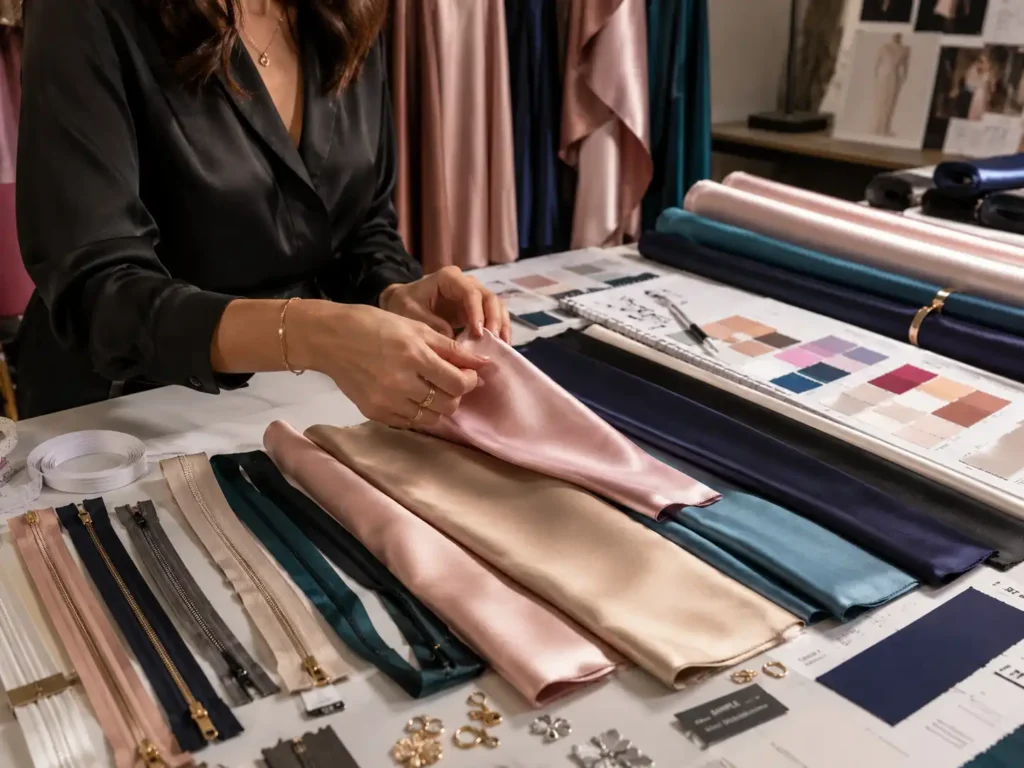
Select Base Fabric
- Compare at least one viable alternative where the original direction is high risk.
- Check whether lining or support material will be required.
- Review supplier MOQ and color availability early.
- Avoid approving only from online photos when surface feel is important.
Confirm Effect Route
- Confirm whether the route is stock, custom color, print, embellishment or special finish.
- Review MOQ and expected development steps.
- Identify likely testing or durability concerns.
- Keep alternative sources or materials available when the first route is unstable.

Approve Swatch Standard
- Compare under consistent lighting.
- Check both face and reverse sides.
- Review fold, recovery and abrasion-sensitive areas by hand.
- Mark approval status and comments before sampling proceeds.
- Keep the physical approved reference with the development record for later comparison.
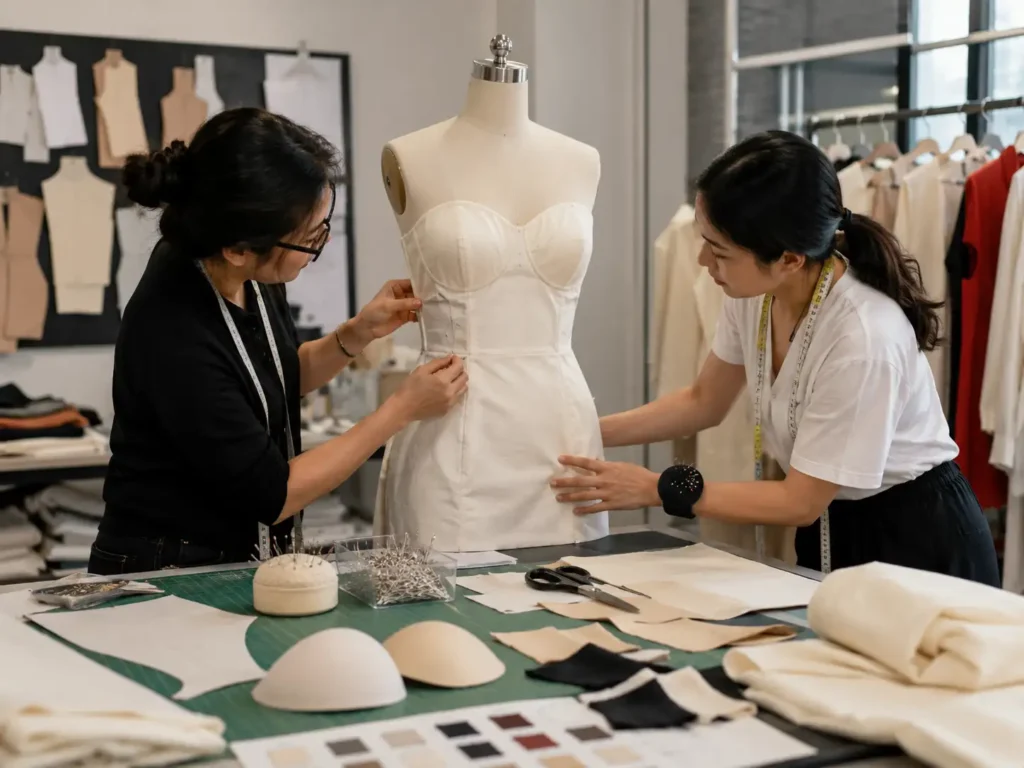
Build Garment Sample
- Measure key points against the size chart.
- Review front, side and back appearance on body or mannequin.
- Check seam, zipper, lining and high-friction zones.
- Record every bulk-relevant revision for the next sample stage.
- Photograph critical areas when visual comparison will help the next review round.

Lock PP Standard
- Lock pattern and measurement version.
- Confirm fabric, color, lining and trim records.
- Finalize sewing and QC checkpoints.
- Align packing and labeling requirements before release.
- Confirm any effect-specific handling note that production and QC teams must follow.
Swatch Approval Before Garment Sampling

Visual Standard
- Confirm color reference or approved lab dip where applicable.
- Record face direction and effect orientation.
- Review obvious surface defects and pattern repeat.
- Keep the approved swatch available for later material comparison.
- Photograph directional shine when camera angle changes the visible effect.
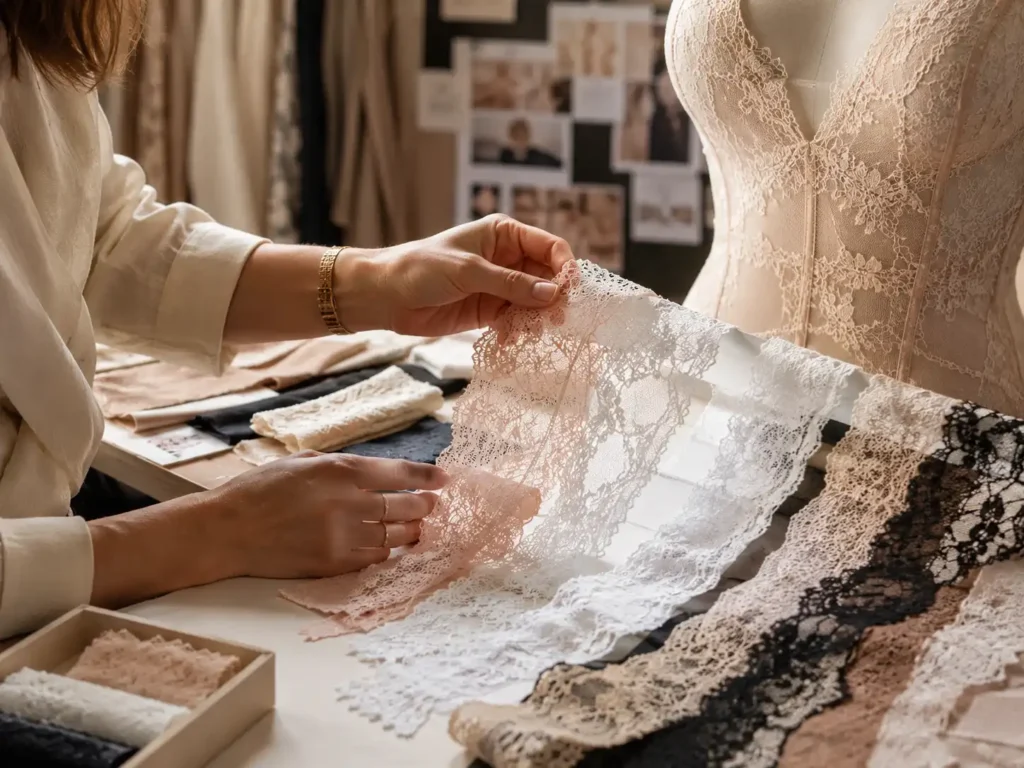
Handfeel and Drape
- Compare flat and hanging behavior.
- Check whether the finish creates boardiness or tackiness.
- Review weight against garment length and volume.
- Decide whether pattern or lining needs to compensate for the new behavior.
- Compare the fabric on a hanger and on body where drape is critical.

Stretch and Recovery
- Check stretch direction and approximate recovery behavior.
- Compare treated and untreated areas when effects are placed selectively.
- Review likely tension at bust, waist and hip.
- Move high-risk styles into fit sampling before bulk commitment.
- Check treated areas after repeated stretching when surface cracking is a concern.

Transparency and Lining
- Review shell and lining together.
- Check exposure around bust, armhole, slit and hem.
- Match lining stretch where the shell requires movement.
- Confirm finished garment opacity rather than approving layers separately.
- Review the combination under strong light before final approval.
Special Effects Must Survive Garment Construction
The hardest part often begins after the fabric is approved. Cutting, sewing, shaping, pressing and packing place mechanical stress on surfaces that looked perfect as flat material. Construction planning protects the effect while keeping fit, comfort and garment appearance under control.
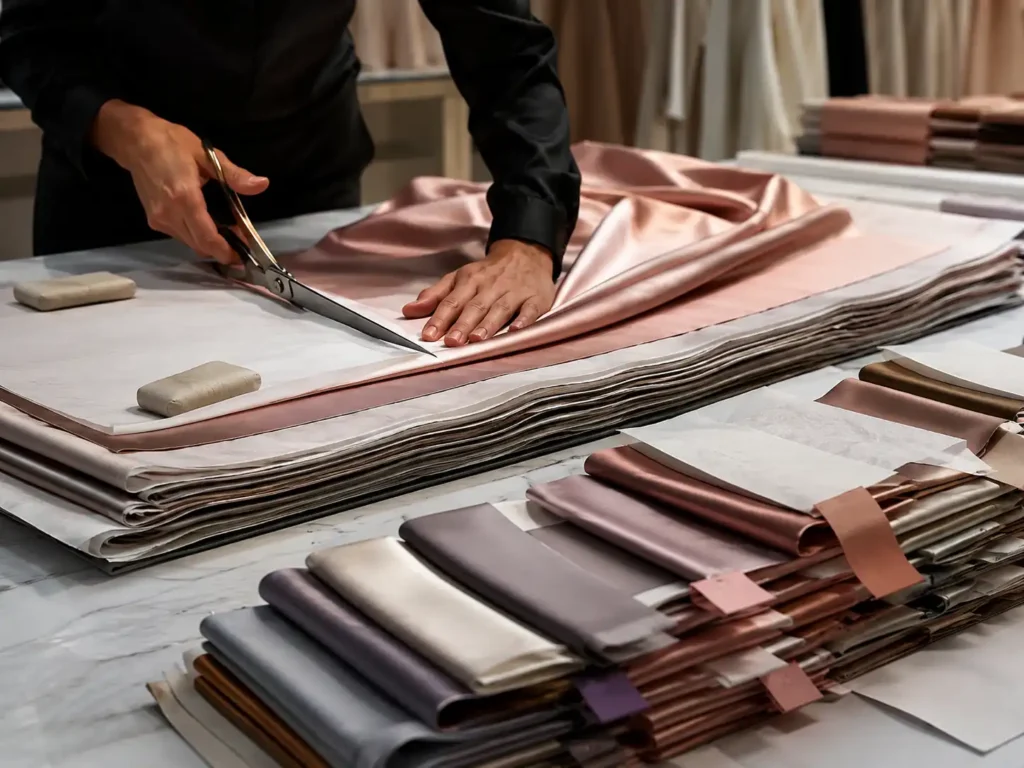
Cutting Direction Controls Visible Consistency
Directional surfaces need deliberate marker planning. Velvet nap, reflective shine, printed motifs, sequins, pleats and textured patterns can look different when panels are cut in opposing directions. A front bodice and skirt panel may technically use the same fabric yet appear to be different shades under light if direction is inconsistent. Jinfeng reviews fabric direction, stretch direction, pattern placement and panel orientation before cutting instructions are released.
For placement-sensitive effects, the pattern needs to work with the artwork or motif. Large flowers, foil areas, perforations or embellished zones can land awkwardly at darts, side seams or center front if marker planning ignores the visual design. High-tension zones such as bust, waist, hip and zipper openings also deserve attention when the surface is less flexible than the base fabric.
Cutting QC can check pattern version, panel quantity, size bundling, print or motif placement, direction and visible damage before sewing starts. Any material roll showing abnormal shade, surface defects or inconsistent effect should be separated rather than mixed casually into the same garment run. Early control is less expensive than discovering directional mismatch after complete garments have been sewn and pressed. For multi-size production, placement rules should also remain stable across graded pattern pieces so the visual effect does not drift noticeably from smaller to larger sizes.

Sewing Method Must Protect the Surface
Special surfaces can create needle, seam and handling problems that ordinary fabric does not. Sequins can interfere with stitch lines, flock can flatten under pressure, coating can mark, fine mesh can snag, satin can pull, and stiff laminated layers can create bulky seams. The sewing method may therefore need different needle selection, seam allowance, edge finish, pressing protection or sequence of assembly according to the material and garment structure.
Zipper areas are especially revealing on fitted dresses. A bulky or rigid surface can cause zipper bulging, while a delicate material can distort if the seam is stretched during installation. Strap attachment, neckline finishing, hems and slits are other points where surface appearance and structural strength meet. Jinfeng’s sewing QC reviews seam quality, symmetry, zipper flatness, strap length, ruching or decoration placement, lining attachment and other style-specific details during production.
When dense decoration sits near the skin, comfort must also be considered. Lining, backing or placement adjustment may be needed to reduce scratching. The production objective is not to preserve a special effect at any cost; it is to preserve the intended visual effect while keeping the garment wearable and structurally stable. Inline inspection should therefore compare workmanship against both construction requirements and the approved visual standard, especially where decoration or surface treatment crosses seams.

Pressing Can Change the Approved Effect
Heat, steam and pressure are necessary for many garments, yet they can damage special surfaces. Satin may show press marks, velvet can flatten, lamination or coating can react to heat, pleats can lose definition if handled incorrectly, and embellishments can become scratched or deformed. Pressing requirements should therefore be treated as part of the production method rather than a final cosmetic step.
Sample development is the best place to identify limits. Pressing can be tested on hidden areas or trial pieces before operators handle completed garments. Protective cloth, lower pressure, controlled temperature, reduced steam or alternative finishing methods may be needed depending on the material route. The approved garment appearance should define the finishing target, not a generic pressing routine.
Garment QC after pressing checks color difference, stains, holes, snagging, wrinkles, asymmetry, exposed lining, zipper shape, surface damage and overall appearance. A visually strong material can lose retail value quickly if final finishing creates shine spots, crushed texture or inconsistent panel appearance, so the handoff from sewing to finishing deserves its own control. Operators also need a clear reference for which areas may be pressed normally and which surfaces require reduced contact or protective handling. Trial pieces can document safe handling before bulk finishing begins.
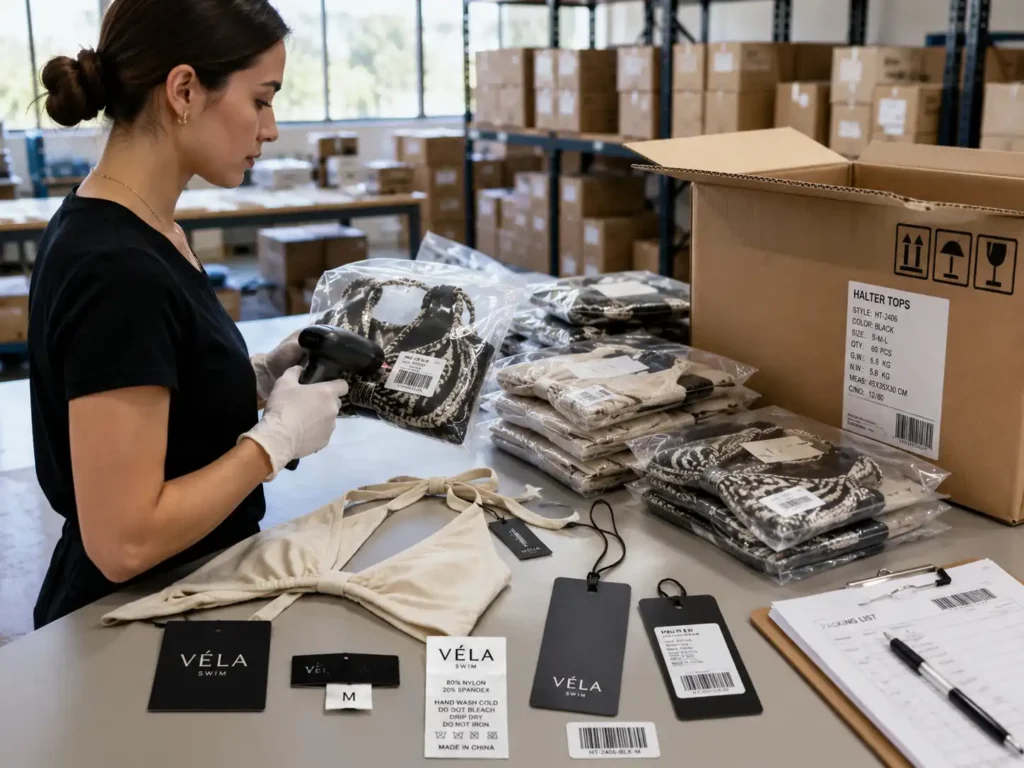
Packing Must Prevent Surface Damage
Special-effect garments can leave the factory in good condition and still arrive damaged if packing ignores abrasion, compression or decoration contact. Sequins and rhinestones can scratch neighboring pieces, flock and velvet can show pressure marks, crisp organza can crease, metallic surfaces can rub, and heavily embellished garments can distort when compressed too tightly. Packing design needs to protect the specific surface rather than follow the same folding method used for basic apparel.
Jinfeng’s finishing and packing process can include thread trimming, pressing, labeling, barcode application, folding, polybags, carton marks and color-size ratio control. For sensitive surfaces, tissue, protective layers, adjusted folding or reduced pressure may be reviewed according to the project. Garments with raised decoration also need enough space so hard surfaces do not concentrate pressure during transit.
Packing QC checks labels, hangtags, barcodes, size stickers, polybags, folding method, packing ratio, carton marks and other brand requirements. Surface protection should be included in the approved packing instruction when material risk makes it necessary. The finished product standard extends all the way to how the garment is presented after transport, not only how it looked at the sewing line. Packing trials can be worthwhile for highly dimensional or pressure-sensitive styles when the normal fold creates visible marks after storage.
Sampling Converts Fabric Effects Into Production Standards
Special-effect fabric approval becomes meaningful only after the garment has been sampled, fitted and revised. Jinfeng uses sampling to identify whether problems come from material behavior, pattern, construction, lining, trims or visual execution, then records corrections before PP release.

First Sample Finds Interaction Problems
A first sample puts the selected fabric under real garment conditions. Bust shaping, waist tension, hip fit, neckline depth, strap position, armhole, slit, hem and zipper all reveal whether the material behaves as expected.
A finish that reduced stretch can tighten a bodycon style; extra stiffness can change a maxi silhouette; a heavy embellished area can pull a neckline; a highly reflective surface can make seam distortion more visible.
Jinfeng compares the sample with the tech pack, reference, original sample or design brief while reviewing measurements, body appearance and construction.
Feedback is classified rather than handled as one vague “sample not right” comment. Material, fit, workmanship, color, trim, design accuracy and cost alignment can each lead to a different corrective action.
When the issue comes from fabric, alternative weight, handfeel, stretch, drape, transparency, color or surface direction may be reviewed.
When the issue comes from pattern or construction, the relevant pattern pieces, measurements or sewing method are updated. The objective is to identify the cause before repeating the sample, reducing random revisions that solve one problem while creating another. For effect-led designs, close-up photography and on-body views can be reviewed together so the team can separate a surface-appearance issue from a true fit or construction problem.

Revised Sample Records Every Bulk-Relevant Change
A revised sample should carry the learning from the previous round into controlled documentation. Jinfeng records pattern changes, measurement adjustments, fabric replacements, trim changes, sewing-method updates, lining changes, client comments and approval status. The record matters because special-effect programs often involve several moving parts, and verbal confirmation can easily become inconsistent after multiple revisions.
Bulk-relevant changes are converted into updated pattern files, size charts, BOM information, fabric records, trim records, sewing instructions and QC checkpoints. A change from plain mesh to a textured or embellished mesh, for example, may require a new lining choice, different seam handling and another fit check. A new metallic or reflective direction may alter pressing and packing instructions. Those dependencies need to move together.
Major fabric, structure or construction changes usually justify another sample because the previous garment no longer represents the new production conditions. Sample cost and timing can also change when a revision requires new material development, complex trims or additional testing. Clear revision records help brand teams make those decisions with fewer surprises. Version control is particularly important when several swatches or effect intensities are reviewed in parallel, because the garment team must know exactly which approved material belongs to each revised sample.

PP Approval Locks the Commercial Production Standard
PP approval is the bridge between development and bulk manufacturing. The final pattern, measurements, fabric source, color, lining, trims, construction, labels, packing and key QC points should be sufficiently confirmed before a style is released. The Golden sample can then serve as a physical workmanship and appearance reference during production and inspection.
Special-effect materials make the PP stage especially important because small changes in surface, shade, weight or flexibility can affect garment appearance more strongly than on basic fabrics. A new dye lot, finishing batch or substitute material should not be treated as automatically equivalent. Material records need to remain linked to the approved garment standard, and significant changes should trigger another risk review for fit, construction, cost and timing.
Once PP is locked, production teams can work from one controlled version instead of scattered comments. Incoming material inspection, cutting, sewing, pressing, final garment inspection and packing can all refer back to the confirmed standard. The goal is a repeatable manufacturing reference, not an endless development file that changes after bulk has already started. PP approval also establishes the point from which any major material or construction change must be assessed for commercial impact before production instructions are revised and redistributed.
Keep the Effect Without Breaking the Commercial Plan
Match Visual Priority
- Protect the signature visual feature first.
- Compare material under movement and lighting.
- Keep silhouette and body effect in the decision.
- Approve substitution through sampling, not only price comparison.
Control MOQ Exposure
- Separate garment MOQ from fabric-supplier MOQ.
- Group styles where shared material makes sense.
- Review color count before custom development.
- Keep launch and reorder plans in the sourcing decision.
Protect Garment Performance
A substitute is unacceptable when it preserves appearance but damages fit, comfort or durability. Changing a stretch mesh to a stiffer glitter base can tighten a dress; replacing a fluid satin with a heavier coated fabric can distort drape; changing lining can alter transparency and movement. Jinfeng reviews material alternatives together with pattern, seam, lining, care and QC implications so cost optimization does not create hidden production or return risk.
- Recheck stretch, drape and weight.
- Reassess pattern and lining where needed.
- Confirm sewing and pressing response.
- Update costing only after the substitute route is technically credible.
Bulk Control for Special-Effect Fabric Programs
Bulk production introduces roll variation, handling pressure, line movement and packing conditions that do not exist in a small development sample. Control points are placed before cutting and throughout garment production so visual effects remain connected to the approved PP standard.
| Production Stage | Main Risk | Control Focus | Evidence / Reference |
| Material Arrival | shade, surface variation, snags, loss, width or handfeel change | color, weight, handfeel, visible defects, relevant fabric checks | approved swatch, fabric record, incoming inspection |
| Cutting | wrong direction, motif shift, stretch-direction error, surface damage | pattern version, panel orientation, print or effect placement, size bundling | marker/cutting instruction, approved pattern |
| Sewing | seam distortion, decoration loss, zipper bulging, scratching, bulky seams | stitch quality, seam allowance, zipper flatness, lining, placement, comfort | sewing instruction, inline QC checklist |
| Measurement | transformed fabric changes fit or recovery | bust, waist, hip, length, strap, neckline, slit and style-specific points | approved size chart, tolerance standard |
| Pressing / Finishing | heat marks, crushed texture, wrinkles, shine change | temperature/pressure method, appearance, symmetry, surface protection | PP/Golden sample appearance |
| Packing | abrasion, compression, decoration damage, SKU mistakes | folding, protective layers, labels, barcodes, polybags, carton ratio | packing instruction, packing QC record |
Testing Support Based on Material and Market Risk
Composition Review
Colorfastness Checks
Shrinkage Stability
Physical Strength
Chemical Requirements
Third-Party Inspection
Womenswear Styles That Benefit From Special Effects

Party Dresses

Evening Dresses

Cocktail Dresses

Bodycon Dresses

Mesh Dresses

Corset Dresses

Fashion Skirts

Matching Sets
Cost, MOQ and Timing Depend on the Material Route
Base Fabric Cost
- Compare price per usable garment, not only fabric meter price.
- Include width and cutting efficiency.
- Consider lining and support requirements.
- Recheck cost after the final base is approved.
- Include any fabric inspection or special handling that adds labor to the garment route.
Surface Development Cost
- Define the exact effect area.
- Confirm whether tooling, screens or artwork setup apply.
- Review minimum processing quantity.
- Include likely rejection or handling allowance where relevant.
- Compare all-over and placement-effect costs separately when the coverage area changes by style.
Color Development
- Lock color references early.
- Review shell and lining together.
- Confirm batch and shade control expectations.
- Avoid late color changes after PP release.
- Keep approved physical color references available for bulk comparison when directional shine affects perception.
- Review trim and lining color at the same approval stage when visible together.
Supplier MOQ
- Separate garment and material minimums.
- Group compatible styles only when fabric use is truly shared.
- Confirm color-level requirements.
- Recalculate when the material route changes.
- Review whether a multi-style program can share a verified material specification without compromising design intent.
Construction Complexity
- Review seam and trim complexity.
- Include lining, cups, boning or special closures where required.
- Account for pressing and handling limits.
- Cost from the approved construction, not the first sketch alone.
- Include extra inspection time when decoration, surface sensitivity or directional cutting increases quality-control work.
Testing and Delivery
- Define test requirements before bulk booking.
- Reserve approval time for custom effects.
- Confirm production and QC windows after PP lock.
- Select freight mode according to launch priority and finished-goods plan.
- Allow enough calendar space for corrective action when testing or final inspection identifies an issue.
Production Resources for Multi-Style Fabric Programs

Factory Allocation
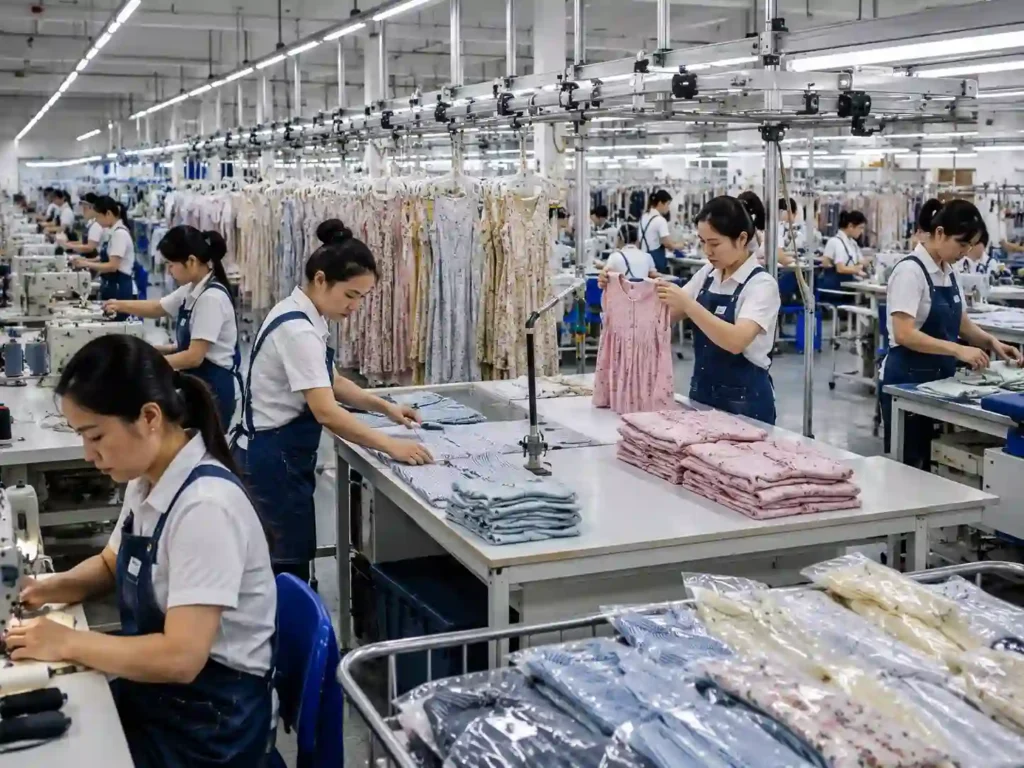
Flexible Line Planning

Merchandising Control

Finishing and Packing
Special-Fabric Programs at Brand Scale
Jinfeng protects brand names, unpublished designs, tech packs, packaging files and commercial details. The examples below use anonymized profiles and representative order data within current established-brand program ranges, showing how complex materials are managed across 10-30 styles and 20,000-80,000 total pieces.

U.S. Partywear Program - 18 Styles, 32,400 Pieces
A U.S. partywear label developed an 18-style collection built around sequin mesh, high-shine satin, stretch mesh and reflective decorative trims. The program totaled approximately 32,400 pieces across multiple colors and sizes. The main development problem was not obtaining visually strong fabric; it was keeping different material behaviors consistent enough for a cohesive launch. Sequin styles created seam thickness and skin-contact concerns, stretch mesh needed recovery checks, and satin exposed zipper and pressing issues under studio lighting.
Jinfeng grouped the collection by material and construction risk rather than handling all 18 styles through one identical sample route. Sequin and heavily decorated pieces received early sewing and lining checks. Stretch styles were reviewed around bust, waist, hip and neckline behavior. Satin styles focused more on shade, snagging, zipper flatness and crease control. Sample comments were converted into updated patterns, measurements, fabric records, trim records, sewing instructions and QC checkpoints before PP approval.
Bulk planning separated material arrival and production groups while maintaining one collection-level merchandising schedule. Incoming QC checked visible fabric issues before cutting; inline checks focused on seam quality, placement, zipper shape and decoration security; packing instructions protected raised surfaces from abrasion. The result was a production structure suited to a high-visual program without pretending every special material needed the same manufacturing treatment.
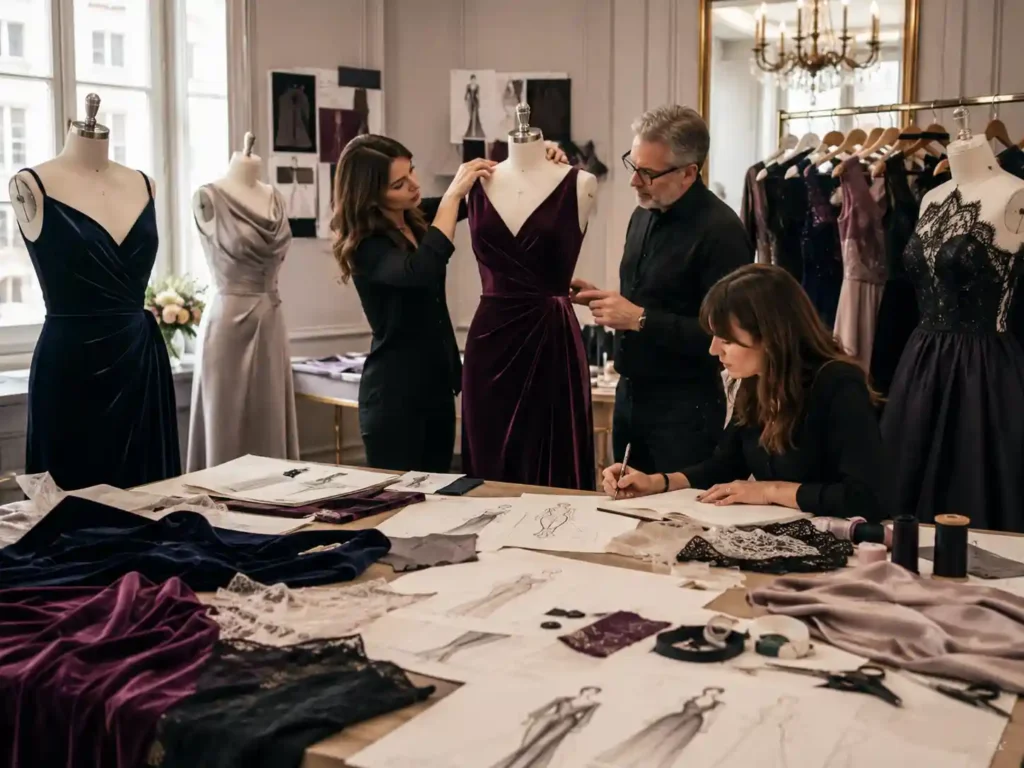
European Occasionwear Program - 24 Styles, 48,000 Pieces
A European occasionwear program covered 24 styles and approximately 48,000 pieces using satin, lace, chiffon, mesh and pleated directions across midi and maxi dresses. The largest risk came from how the materials interacted with longer silhouettes. Chiffon and pleated sections needed stable hem balance, satin required careful pressing and shade review, lace needed motif and lining control, while mesh areas had to preserve intended transparency without exposing seams or support construction.
Development began with material swatches and garment references rather than selecting fabrics in isolation. Each style was grouped by silhouette, fabric family and key construction risk. Sample reviews concentrated on dress length, bust-waist-hip balance, lining length, neckline, slit position, zipper behavior and surface appearance. Where a material change altered drape or stiffness, pattern and lining decisions were reassessed before revised samples moved toward PP approval.
For bulk, fabric direction, color batches and visible surface issues were checked before cutting. Longer dresses received added attention to panel direction and hem consistency, while final garment inspection reviewed wrinkles, snagging, lace placement, exposed lining, zipper shape and overall presentation. Packing methods were aligned with fabric sensitivity so the finish remained suitable for retail presentation after transport. The program shows how special fabric control becomes a garment-engineering task once several materials and silhouettes share one collection calendar.

Australian Fashion Drop - 12 Styles, 21,600 Pieces
An Australian fashion label planned a 12-style drop totaling approximately 21,600 pieces, combining bodycon dresses, mini dresses and matching sets in power mesh, sequin fabric, velvet and stretch satin. The commercial priority was strong visual impact with enough consistency for ecommerce photography and repeatable sizing. Material selection therefore had to protect fit as much as appearance, especially where stretch surfaces or decoration crossed high-tension body areas.
Jinfeng used sample development to compare stretch direction, recovery, handfeel, lining, zipper position and seam method before finalizing the material route. Bodycon styles were measured around bust, waist and hip after the selected surface effect was confirmed. Sequin garments received comfort and seam-thickness review. Velvet required direction and pressure-mark awareness, while stretch satin styles needed careful zipper and pressing control. Revisions were recorded before PP release so bulk teams did not rely on informal comments.
Production planning grouped styles by construction complexity and material sensitivity. QC checkpoints followed the approved garment standard through incoming material, cutting, sewing, measurement, final appearance and packing. Ecommerce labeling and packing requirements were also controlled by SKU and size ratio. The program demonstrates how a relatively compact 12-style drop can still require differentiated material handling when each silhouette uses a different special surface or stretch behavior.
Repeat Orders Need Material Records, Not Memory
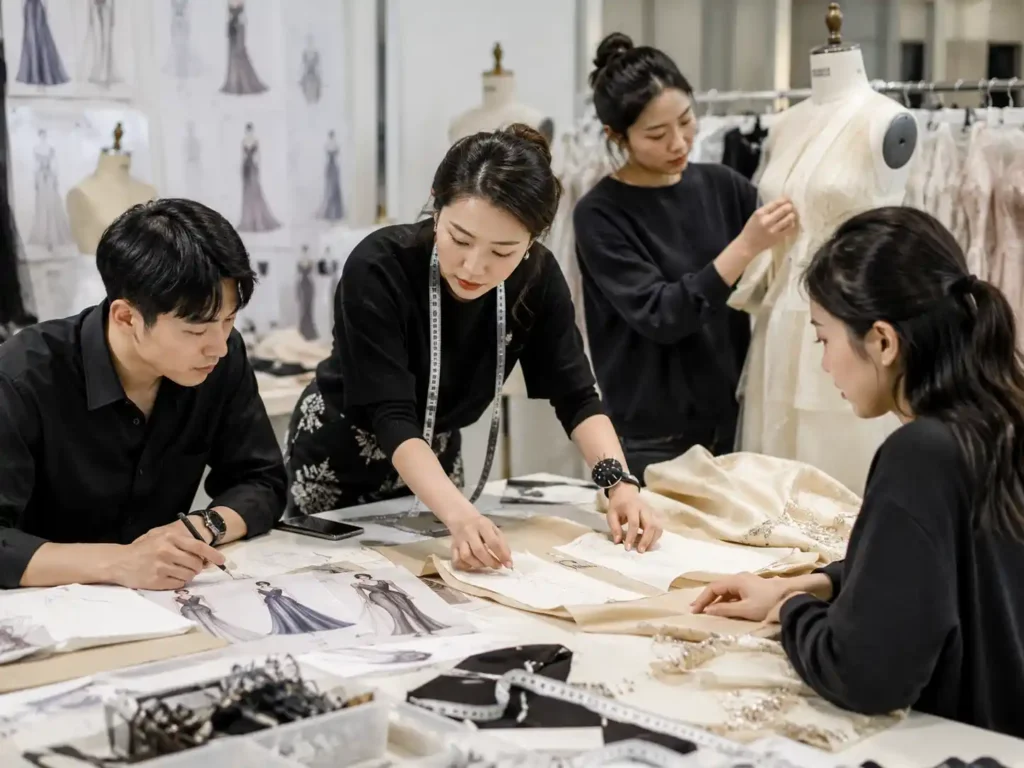
Pattern Records
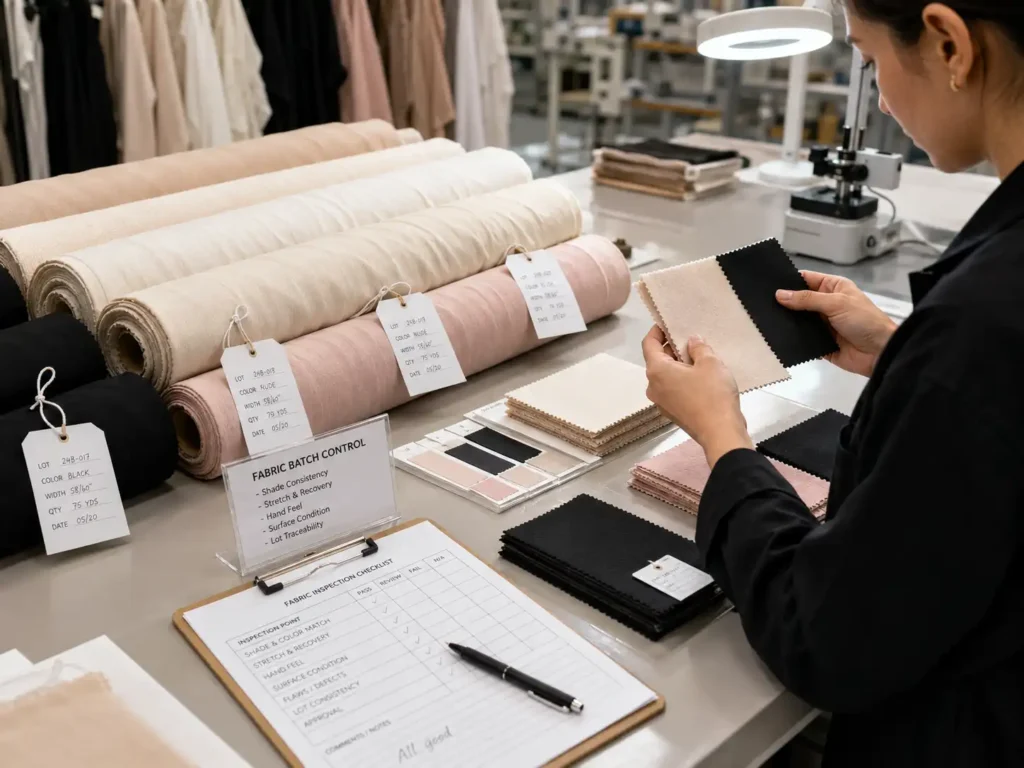
Fabric Records

QC Records
Packing Records
Special-Effect Fabric Frequently Asked Questions

Send Your Special-Effect Fabric Project for Review
A productive review starts with enough information to connect the visual effect to a real garment and production plan. Send the reference material you already have, whether it is a tech pack, close-up image, original garment, swatch, mood board or artwork. Add the planned garment type, quantity per style/color, color list, size range, target surface effect, preferred base fabric, launch timing, target market and any testing or private-label packing requirements.
Jinfeng can then review the likely fabric route, garment risks, sampling needs, pattern or lining implications, MOQ factors and the steps required before PP approval and bulk production. If the material direction is still open, include the visual priority – shine, texture, transparency, stretch, drape or dimensional effect – so alternative options can be compared against the finished-garment goal rather than selected from a generic fabric catalogue.
Please include where available:
- Tech pack, reference images, original sample or swatch
- Target effect and preferred base fabric
- Quantity per style/color and planned style count
- Color list and size range
- Target market and launch window
- Testing or compliance requirements
- Label, barcode and packing requirements
- Target price range if already defined


