 Skip to content
Occasionwear Return-Reduction Solutions
Reduce preventable product-related returns before occasionwear reaches the market. Jinfeng Apparel connects fit engineering, size grading, fabric evaluation, sample correction, pre-production approval and production QC into one development system for occasion dresses, partywear, wedding guest collections, cocktail dresses, eveningwear and seasonal dress programs.
- 7+ senior pattern makerssupport fit review, pattern correction and size development.
- 2 sample rooms and 20+ sample machinistssupport fit, revised and pre-production sample development.
- 15+ QC inspectorssupport measurement, appearance, workmanship and packing control.
- 18+ sewing lines and 100,000+ pcs monthly regular capacitysupport scaled multi-style production after standards are approved.
Return reduction starts long before a return label is printed. For fit-sensitive occasionwear, the highest-value work often happens while patterns, fabric, lining, construction, grading and production standards can still be corrected.
Which Occasionwear Returns Can Manufacturing Help Reduce?
A garment manufacturer cannot control every reason a shopper returns a dress. Change-of-mind returns, wardrobing, policy abuse and website merchandising sit outside production control. Product-related returns are different. When complaints repeatedly involve tightness, looseness, bust fit, slipping straps, excessive transparency, uncomfortable construction, unexpected fabric feel, poor bulk consistency or incorrect size labels, development and manufacturing decisions deserve investigation.
Manufacturing-Related Return Risks
Fit and size inconsistency can often be traced back to pattern balance, ease, grade rules, fabric stretch or measurement drift.
Appearance complaints may involve fabric weight, lining choice, drape, pressing or finishing. Construction discomfort can come from boning, zipper placement, seams, lace edges, sequin contact or unstable shoulder straps. Packing mistakes can send the correct garment in the wrong labelled size or SKU.
Returns Outside Factory Control
A well-developed garment may still be returned because the shopper changed their mind, ordered several styles for one event, intentionally bracketed sizes, missed an event date or prefers another product after delivery. No responsible manufacturer should promise to eliminate those returns.
The goal is narrower and more useful: identify preventable product causes and remove as many of them as possible before bulk production.
Development Resources Behind Return-Risk Control
7+ Senior Pattern Makers
Pattern balance, fit correction, grade-rule review and production pattern development.
2 Sample Rooms
Separate sampling resources support development before styles move into bulk planning.
20+ Sample Machinists
Fit samples, revised samples, photo samples and PP preparation for dress programs.
15+ QC Inspectors
Measurement, workmanship, appearance and packing checks across production stages.
18+ Sewing Lines
Production resources suitable for dress-led and multi-style fashion programs.
100,000+ Pieces Monthly
Regular production capacity supports scaled programs once fit, fabric and production standards are locked.
Built for Occasionwear Collections Where Fit and Appearance Matter
Wedding Guest & Event Dress Brands
Party & Cocktail Dress Programs
Prom & Graduation Collections
Eveningwear Programs
Premium Ecommerce Dress Collections
Multi-Style Seasonal Programs
Map Return Reasons Back to Product Decisions
Not every return reason should lead to the same correction. “Too small” does not automatically mean increasing every measurement. “Looks different” does not automatically mean changing the fabric. Return comments become useful only after they are connected to a specific product variable and development stage.
| Reported Return Reason | Possible Product Cause | Manufacturing Control |
|---|---|---|
| Too tight | Negative ease, grade rule, low fabric stretch | Pattern, fit sample, grading |
| Too loose | Excess ease, waist/hip balance, grading | Pattern correction, size review |
| Bust fit feels wrong | Bust shaping, cup position, support, neckline | Fit sample, pattern correction |
| Straps keep slipping | Strap length, angle or attachment position | Fit sample, measurement control |
| Dress is too long | Length rule or target-height mismatch | Grading, measurement QC |
| Slit feels too high | Slit position not adjusted by size or length | Pattern, grading, QC |
| Too sheer | Shell weight, color, lining coverage | Fabric and lining approval |
| Fabric feels different | Handfeel, weight, finish or stretch mismatch | Fabric validation |
| Zipper bulges | Pattern balance, seam tension, zipper installation | Sample review, sewing control |
| Bulk differs from sample | Fabric batch, sewing, pressing or measurement drift | PP sample, inline QC, final QC |
| Wrong size received | Size label, barcode or packing mismatch | Packing inspection |
Occasionwear Styles Carry Different Return Risks

Satin Occasion Dresses
Satin can create strong photography and premium visual impact, but its surface exposes construction mistakes quickly. Zipper bulging, puckered seams, pressing marks, snagging, excessive wrinkles and shade differences become highly visible. Fabric weight also changes how a bias, slip or fitted silhouette falls on the body. A satin selected only for color or shine may photograph well while wearing very differently from the approved reference.
Return-risk control should include fabric handfeel, drape, opacity, seam response, zipper flatness, lining interaction and pressing review before production standards are finalized.
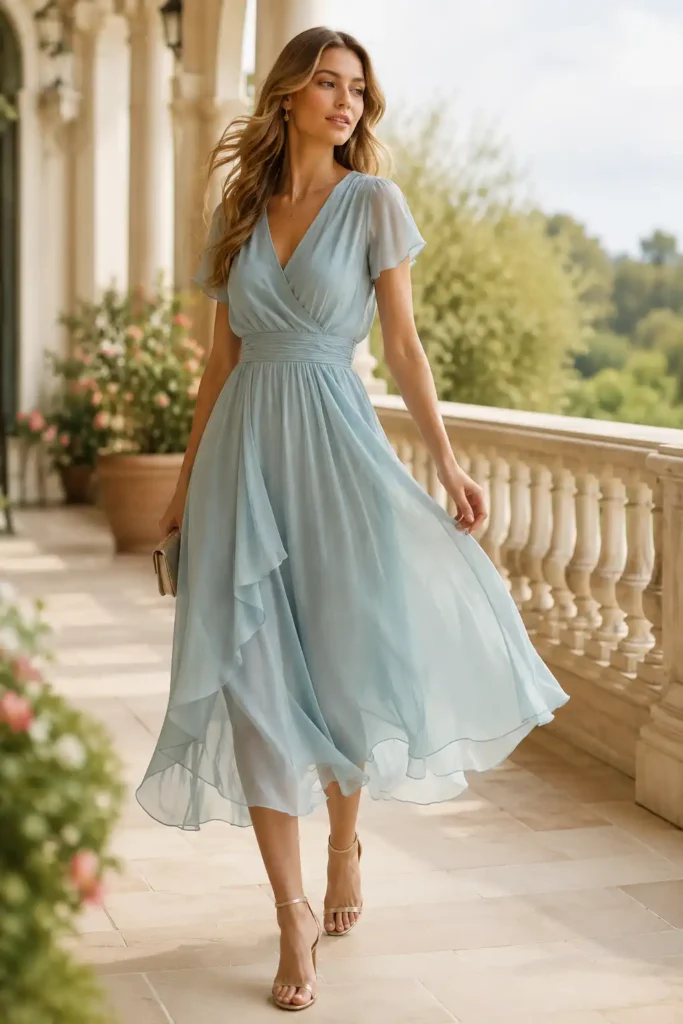
Chiffon & Draped Dresses
Chiffon depends on movement, layering and transparency control.
Problems often appear around lining length, uneven hems, neckline stability, excessive transparency and bulk finishing.
A beautiful development sample can still fail commercially when production units use inconsistent shell or lining tension.
Fabric approval, lining coverage, hanging balance and final hem appearance deserve dedicated review.

Lace Occasionwear
Lace dresses introduce motif placement, edge finishing, skin contact, lining color and transparency risks.
A lace edge can look refined on a hanger while feeling uncomfortable around an armhole or neckline.
Motif positioning can also shift dramatically if cutting is not organized around visible areas.

Mesh Dresses
Mesh return complaints frequently involve transparency, stretch recovery, neckline deformation and unstable cut-outs. Shell and lining stretch must work together rather than fight each other.

Sequin Party Dresses

Structured & Corset Dresses
Fit Engineering Starts With the Areas Shoppers Actually Feel
Occasionwear fit cannot be reduced to bust, waist and hip measurements alone. Event dresses frequently expose more of the shoulder, back, neckline or leg than everyday garments, so small changes in position can alter comfort and perceived fit considerably.

Bust Shape and Support
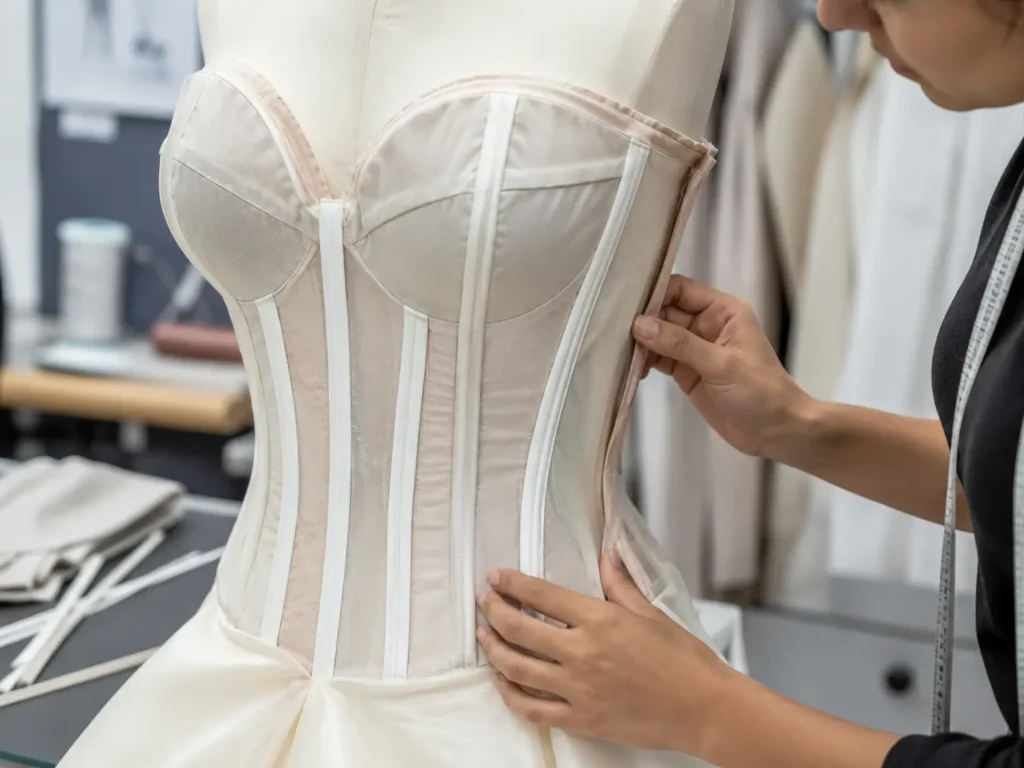
Bust complaints may come from insufficient room, excessive room, misplaced shaping, cup position, neckline depth or weak support. Corset, strapless and fitted bodice styles need particular attention because correcting only the bust circumference may leave cup height, underbust position or neckline balance unchanged.
Fit review should ask whether the bust sits in the intended position, whether coverage remains appropriate during movement and whether support changes across the planned size range.

Waist Placement
A technically correct waist measurement can still look wrong if the waist seam sits too high or too low.
Occasionwear silhouettes often depend on a very specific waist position to create proportion.
Pattern correction may involve vertical balance rather than simply adding circumference.
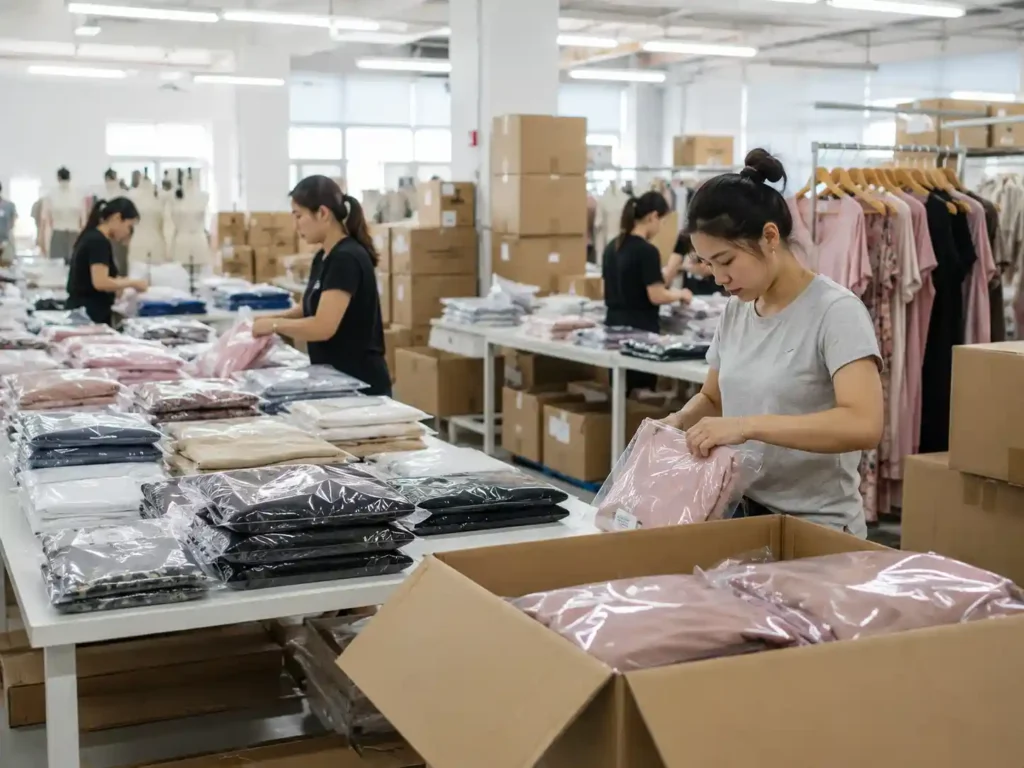
Hip Ease and Body Movement
Bodycon, bias and fitted woven dresses react differently around the hip. Stretch direction, fabric recovery and negative ease influence how closely the garment follows the body. A style that feels acceptable while standing may become restrictive when walking or sitting.

Strap Length and Position
Shoulder and halter straps can cause repeated returns when they are too long, too short or attached at an unstable angle. Strap measurement should be reviewed with neckline position, bust level and armhole shape instead of treated as an isolated trim measurement.

Neckline and Armhole
Gaping, excessive exposure and armhole cutting are common fit-sensitive areas in low-back, sleeveless, halter and strapless occasionwear. Small pattern changes may have a large visual effect.
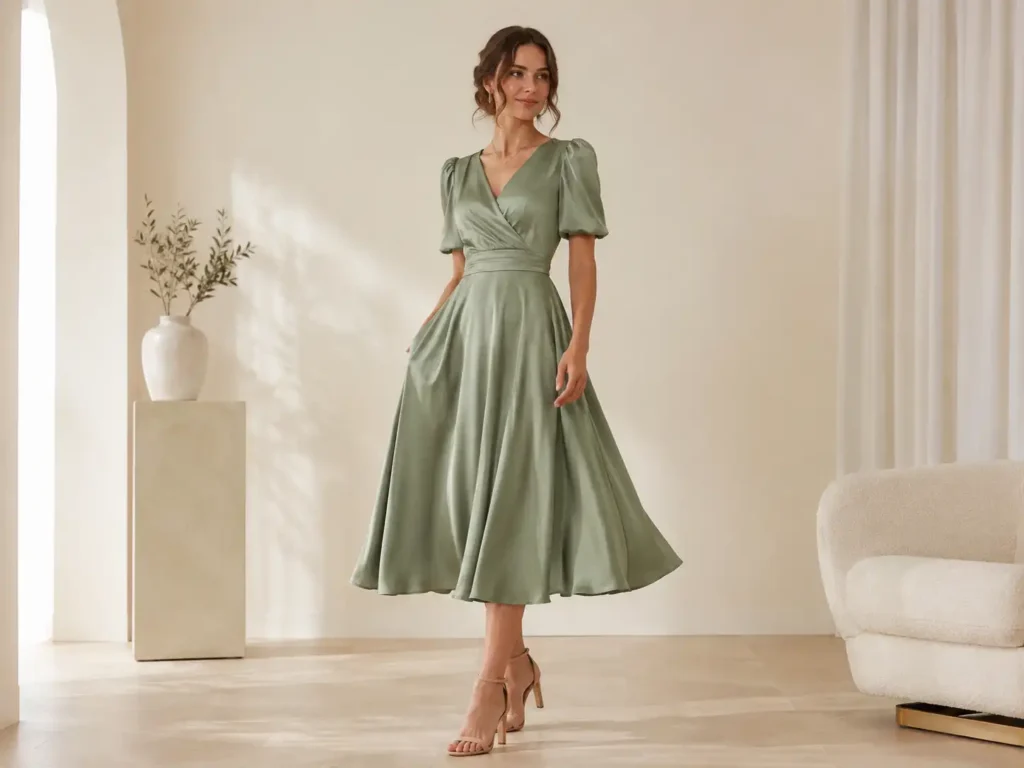
Dress Length and Slit Position
Mini, midi and maxi lengths need different balance. Slit height must be considered with the total garment length and size grade so coverage does not change unexpectedly across sizes.
A Good Sample Size Does Not Guarantee Good Fit Across Sizes
Approving one base size is only the beginning. An occasion dress may look excellent in a sample size and still generate returns when the same proportions are expanded across XS–XL or a broader size range.

Grade Rules Need Product Logic
Bust, waist and hip increments do not always solve shoulder, strap, neckline, armhole, slit or vertical-balance changes. Different garment structures require different attention.
A fitted corset dress may need close review around bust support and waist positioning. A halter dress may be especially sensitive to strap length and neckline depth. A maxi dress may create dissatisfaction primarily through length. A bodycon style may depend more heavily on fabric stretch and hip ease.

Vertical Measurements Matter
Size grading is not only horizontal enlargement.
Dress length, strap length, armhole depth, neckline position and slit height can alter how a garment looks and feels as sizes increase.

Measurement Tolerance Must Be Defined
Professional size control does not mean claiming zero variation.
Bulk manufacturing works to agreed measurement standards and tolerances.
Critical points should be identified before production so QC knows which dimensions require closer attention.

Grade Rules Must Reach Bulk QC
A corrected size chart has little value if production inspection does not use it.
Measurement QC should compare completed garments against approved specifications and focus on product-specific points rather than taking the same measurements for every silhouette.
Fabric and Lining Shape Both Appearance and Return Risk
A shopper cannot touch an occasion dress before an online purchase. Photography, video and product descriptions create an expectation about shine, drape, weight, movement, softness and coverage. Manufacturing decisions determine whether the physical garment delivers something close to that expectation.
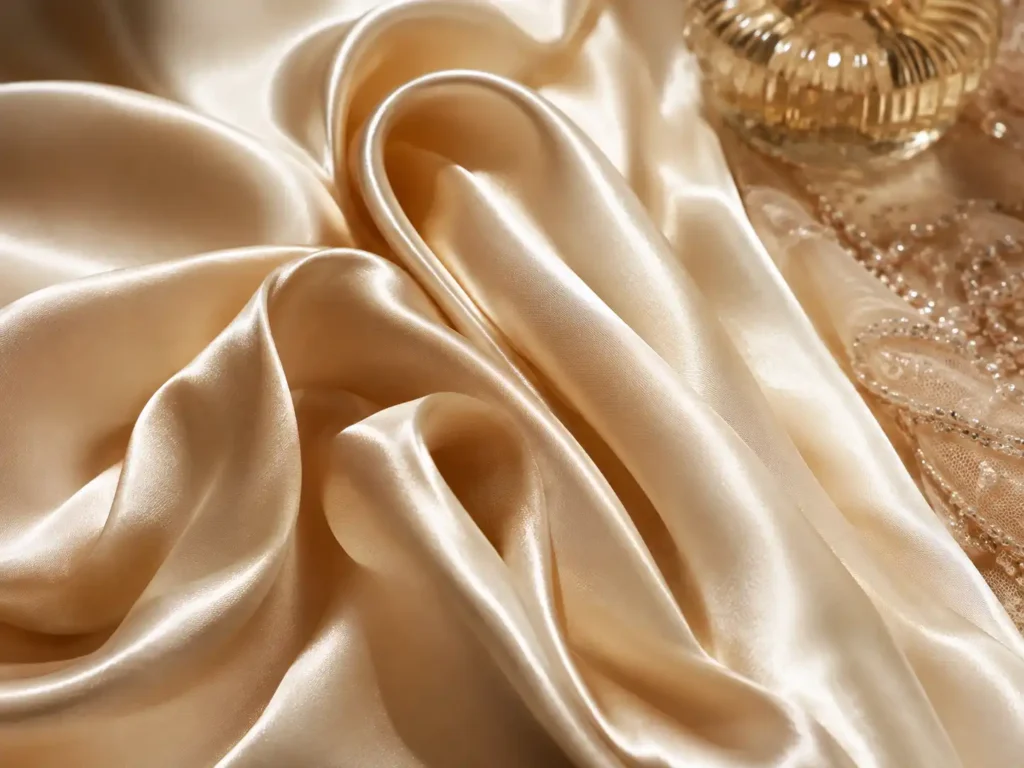
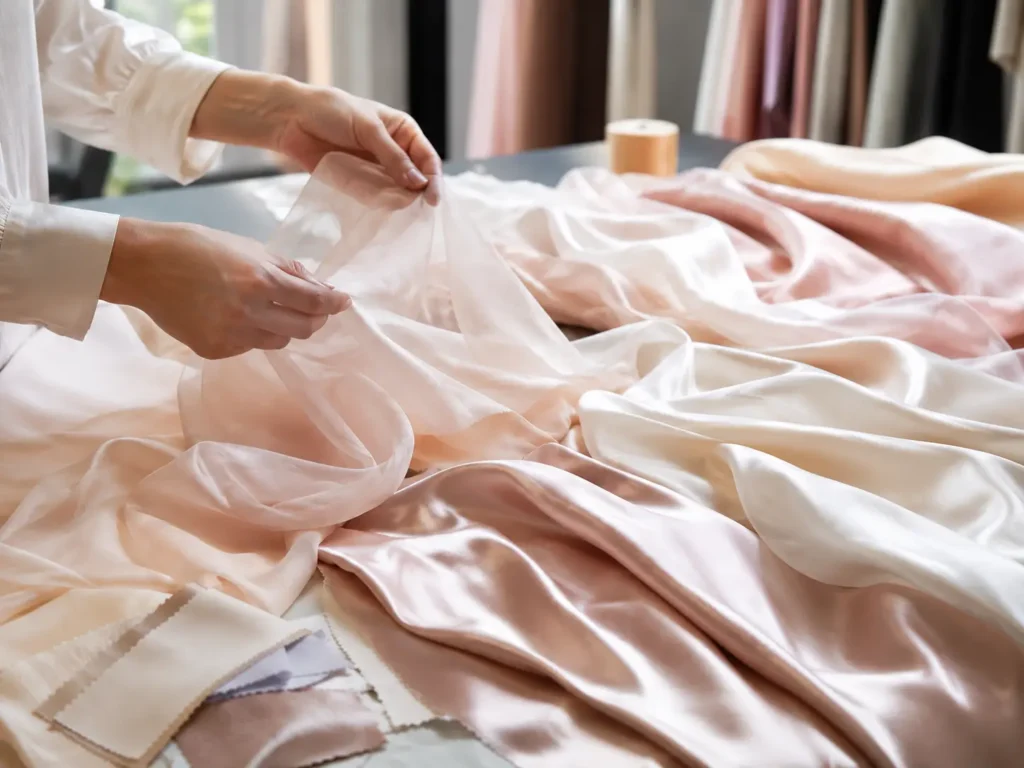
Satin: Shine Is Only One Variable
Two satin fabrics with similar color can behave very differently. Weight affects drape. Surface structure affects snagging. Stretch changes fit. Thickness affects seam visibility and opacity. A fitted satin dress may need one fabric behavior while a loose bias silhouette needs another.
Chiffon: Transparency Needs a System
Shell color, fabric density, number of layers and lining coverage work together. Lining that ends too high can become obvious under light. Lining that is too heavy can destroy the movement the design was intended to create.

Lace: Beauty Depends on Placement and Contact
Lace requires evaluation around motif scale, transparency, edge comfort, lining compatibility and visible placement. A harsh lace edge near the armhole can create a wear problem even when the dress looks correct in photography.

Mesh: Stretch Must Match Structure
Mesh dresses are sensitive to stretch direction, recovery, transparency and lining interaction. If the outer mesh stretches differently from the lining, seams and cut-outs can distort after wear.

Sequin: Surface Decoration Affects Comfort
Sequin orientation, backing, seam construction and internal protection can influence scratching and garment weight. Packing also matters because compression or friction can damage visible surfaces.

Lining: A Hidden Component With Visible Consequences
Lining influences opacity, comfort, drape and internal appearance. Coverage should be reviewed around bust, side seams, slits, mini lengths and light-colored garments.
Small Construction Details Often Create Large Wear Complaints
The construction review at Jinfeng focuses on visible and wearable details such as strap placement, zipper flatness, lining coverage, ruching symmetry, lace finishing, sequin protection and pressing quality.

Zipper Flatness

Strap Placement

Lining Coverage

Ruching Symmetry
Boning and Bust Structure

Lace Edges

Sequin Protection

Pressing and Final Shape
Sampling Is Where Return Risk Becomes Visible
Sampling should not be treated as a ceremonial step before production. For occasionwear, samples are where assumptions about fit, fabric, support, transparency, construction and appearance become physical and measurable.
First Sample
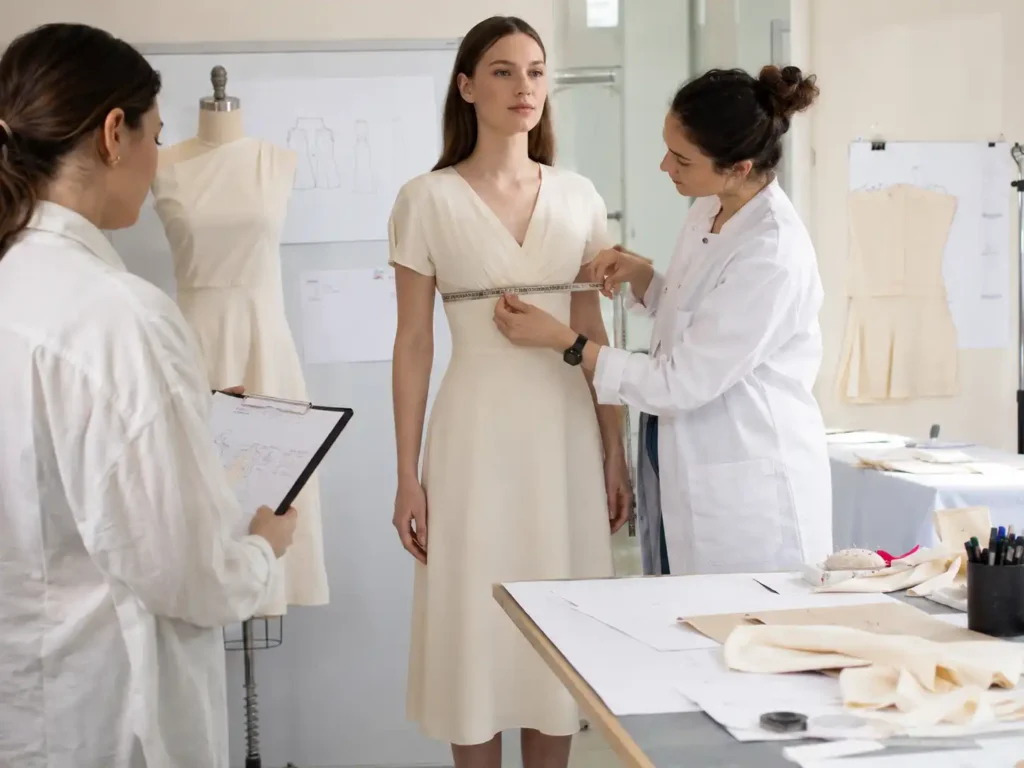
The first sample checks whether the design can be translated into a workable garment. Neckline position, bust shape, waistline, hip balance, length, fabric behavior, lining, zipper and construction feasibility become visible for the first time.

Fit Sample
Fit review asks whether the garment works on the body. Measurements are only part of the evaluation. Bust position, waist placement, strap tension, armhole shape, neckline security, skirt movement and slit location may require correction.

Revised Sample
Fit comments and construction feedback should be translated into specific changes. Pattern, measurements, fabric, trims and sewing methods may all be updated depending on the issue.

Photo Sample
For ecommerce-driven collections, visual presentation matters. A photo sample allows teams to assess how fabric, drape, color and fit appear under photography before campaign assets are finalized.
PP Sample
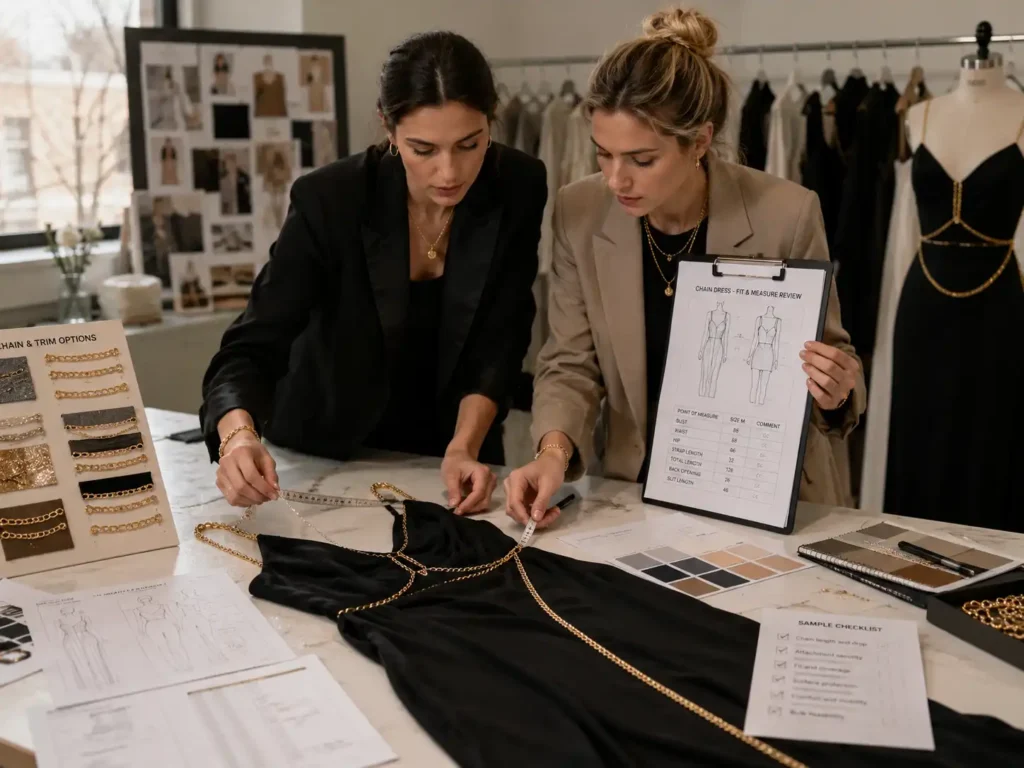
The PP sample is a pre-production lock point after fabric, trims, measurements, construction and related details have been approved. It creates a far stronger production reference than screenshots, chat messages or scattered comments.

Golden Sample
The Golden Sample becomes a physical comparison standard for bulk production, QC and repeat orders.

Fit Comments Must Become Pattern Changes Before Bulk
Comments like these are useful only when somebody translates them into production information.
Review the Feedback
- Fit comments are checked against measurements, photos, garment balance and intended silhouette. A complaint may involve one measurement, several connected pattern points or the behavior of the selected fabric.
Correct the Pattern
- The pattern maker determines where changes belong. Adjusting a neckline may affect bust coverage or strap position. Changing waist position may alter skirt balance. Adding hip room may require another look at side seams or drape.
Update Measurements
- Changes that affect measurable points must be reflected in the size chart or sample measurement record. The pattern and specification should not tell different stories.
Verify With a Revised Sample
- For meaningful fit changes, the revised sample provides a physical check before the project moves toward PP approval.
Carry Approved Changes Into Grading
- A corrected sample size cannot remain isolated. Approved pattern logic must be translated into the intended size range through grade rules.
Lock the Production Standard
- Final pattern, approved size chart, grade rules, PP sample, Golden Sample and QC measurement references should agree before bulk production begins.
Jinfeng’s workflow is designed to prevent unresolved sample problems from becoming thousands of repeated production problems. Pattern correction is the bridge between fit feedback and a repeatable bulk standard.
PP and Golden Samples Keep One Standard in Front of Everyone
PP and Golden Samples are especially valuable in occasionwear, where subtle changes in drape, neckline, support, surface finish or pressing may be more visible than on basic garments.
PP Sample: Approve Before Production
- Fabric
- Color
- Trims
- Measurements
- Sewing method
- Label position
- Hangtags
- Packing direction
- Other approved project-specific details
Golden Sample: Compare During Production
The Golden Sample provides a physical reference for production and QC. Teams can compare garment appearance, construction, trim placement, measurement direction and finishing against an approved garment rather than interpreting old messages differently.
Golden Sample records also support repeat orders. Historical standards can improve consistency, although new fabric batches, trim availability, color and packing materials still require reconfirmation.
PP and Golden Samples are especially valuable in occasionwear, where subtle changes in drape, neckline, support, surface finish or pressing may be more visible than on basic garments.
Prevent the “Great Sample, Different Bulk” Problem
A strong development sample has little commercial value if bulk production cannot reproduce the approved standard. Large occasionwear programs introduce new variables: bulk fabric batches, multiple sewing lines, repeated operations, size distribution, pressing, packing and thousands of handling points.
Bulk Fabric Must Match the Approved Direction
Bulk fabric can differ from sample yardage in shade, handfeel, weight or stretch. Material approval should therefore extend beyond the first sample.
For satin, shade and surface appearance are highly visible. For stretch mesh or jersey, recovery can affect fit. For chiffon and lace, transparency and lining interaction matter. New material batches should be reviewed according to the product risk rather than assumed equivalent.
Construction Methods Need Clear References
Production teams need clear sewing and workmanship direction.
Strap attachment, zipper method, ruching, slit finishing, lining position and internal support should not depend on individual operator interpretation.
Critical Measurements Need Production Attention
Occasionwear return risk is often concentrated in a relatively small set of measurements.
Bust, waist, hip, dress length, strap length, neckline and slit height may deserve more attention than low-impact measurements.
Inline Inspection Stops Repetition
Waiting until thousands of garments are complete makes correction expensive. Inline sewing QC is intended to identify stitching, seam, strap, neckline, zipper, ruching, slit, symmetry and lining issues while production is still active.
Finishing Cannot Be Treated as Decoration
Pressing affects satin, chiffon, tailored bodices and formal lengths dramatically. Wrinkles, shine marks, seam impressions and distorted hems can change the perceived value of a dress even when measurements are correct.

QC Should Focus on the Defects Most Likely to Become Returns
QC is not a claim that no defect can ever occur. The stronger standard is a clear process for identifying high-risk issues, stopping repeated errors, correcting affected units and recording findings for later production.

Measurement QC
Measurement inspection checks product-specific critical points against the approved size chart and agreed tolerances. For occasionwear, common points include bust, waist, hip, dress length, strap length, armhole, neckline depth and slit height.

Fit-Sensitive QC
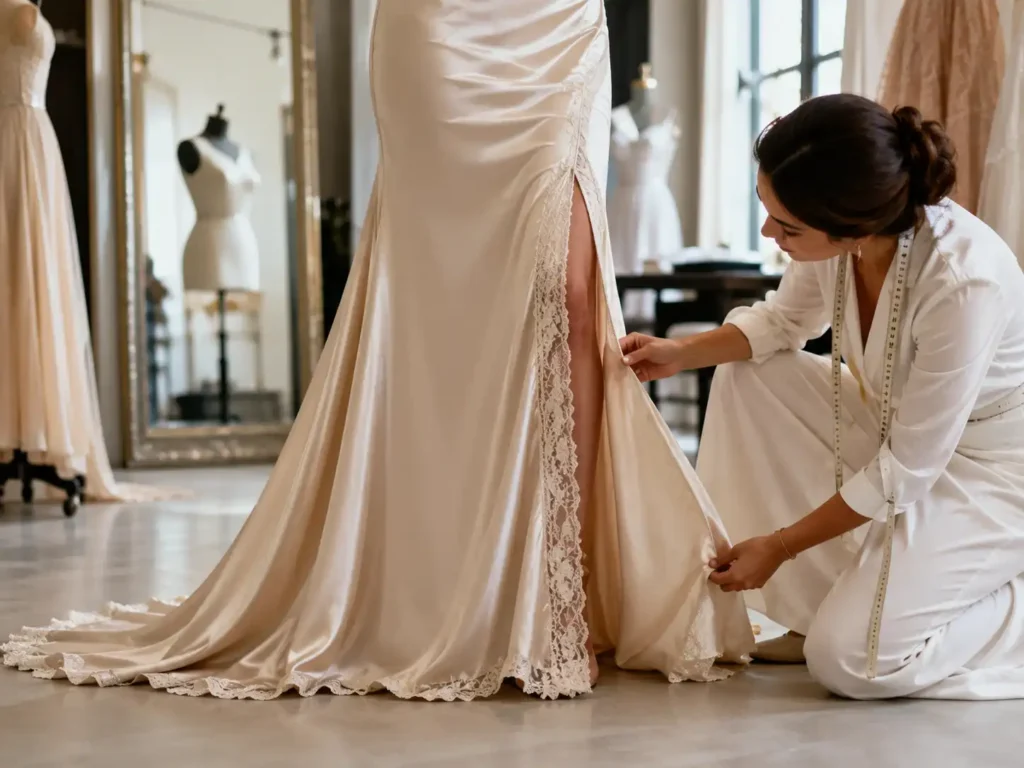
Garment Appearance QC
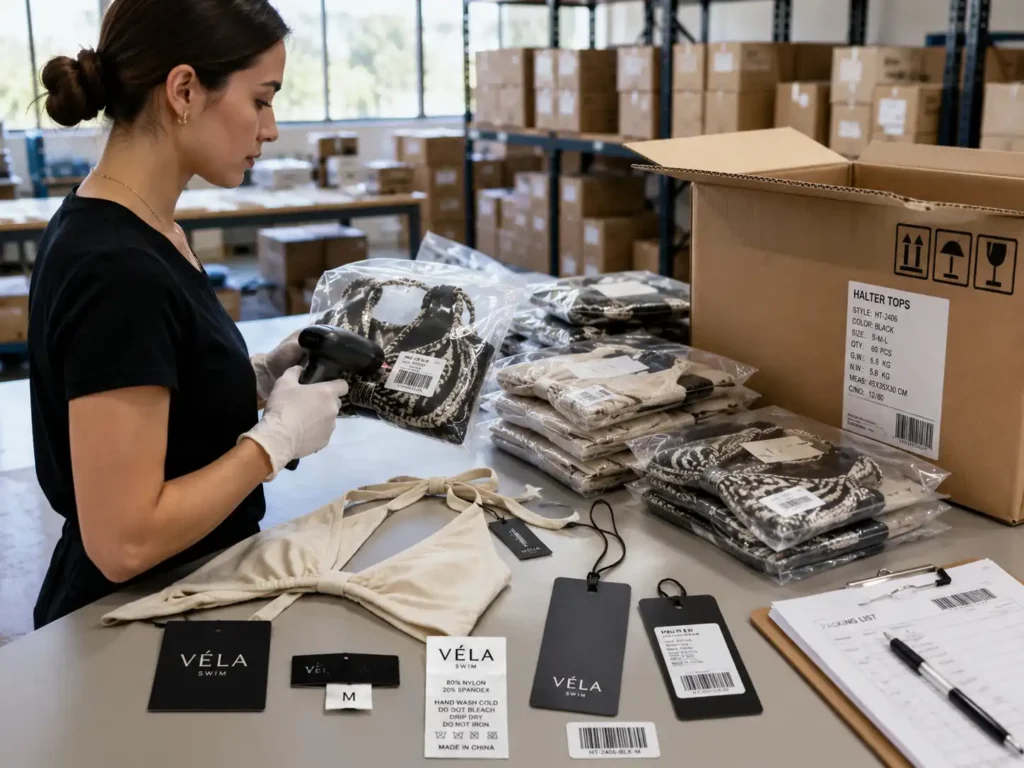
Packing Accuracy
Turn Return Reasons Into the Next Product Improvement
Return data becomes valuable when it reaches the development team in a form that can change the product.
Collect Return Reasons
Group comments by style, size, fabric and problem rather than reading isolated reviews.
Find Concentration
A high “too small” rate across every style suggests a different issue from one corset dress performing poorly only in larger sizes.
Diagnose the Product Variable
Possible causes may include pattern balance, grade rules, fabric stretch, bust support, length, lining or bulk measurement drift.
Rework the Product Standard
Pattern, measurements, grade rules, fabric, construction or workmanship details are revised according to the diagnosis.
Validate With Samples
Changes should be tested physically before another bulk run.
Update Production and QC Records
Approved changes need to reach pattern files, size charts, production instructions, PP references and QC checkpoints.
Occasionwear Return-Reduction Frequently Asked Questions
No. Manufacturing can only influence product-related causes such as fit, grading, fabric, construction, bulk consistency, workmanship and packing accuracy. Change-of-mind returns, wardrobing, purchasing several sizes intentionally or return-policy behavior cannot be controlled by a garment factory. A credible project should focus on preventable product causes and measure results against actual brand data.
Common problems include bust fit, waist position, hip ease, slipping straps, neckline gaping, armhole exposure, incorrect dress length and unsafe slit position. Structured, strapless, halter, bodycon and low-back silhouettes are particularly sensitive because several fit points interact. Fit comments should be translated into measurable pattern changes before production.
Yes. One approved sample size does not prove consistency across the full size range. Bust, waist, hip, strap length, neckline, armhole, dress length and slit position may require different grade logic. The graded size chart also needs to reach bulk measurement QC so approved rules remain visible during production.
Fabric affects drape, stretch, recovery, transparency, weight, handfeel, wrinkles, seam appearance and overall visual quality. Switching from one satin, mesh, chiffon or lace to another may change fit and construction behavior even when color looks similar. Fabric direction should therefore be validated together with the pattern and lining rather than approved as an isolated material decision.
A PP sample locks the approved direction for important elements such as fabric, color, trims, measurements, sewing method and related production details. It gives production teams a clearer reference before volume begins and reduces the risk of different departments working from different versions of comments or specifications.
Priorities depend on the style. Measurement QC may focus on bust, waist, hip, length, straps, neckline and slit position. Appearance QC checks issues such as snagging, stains, wrinkles, zipper bulging and exposed lining. Fit-sensitive styles may require extra review around support, coverage and proportion. Packing inspection also helps prevent size-label and SKU mistakes.
Yes. Return information can be grouped by style, size and complaint category, then compared with product construction, fabric, size charts and fit history. The purpose is to identify recurring patterns that may point to pattern, grading, fabric, workmanship or production-control issues. Exact return-rate improvement cannot be promised before baseline and post-launch data are available.
Jinfeng’s documented reference is approximately 7–10 days for simple styles, 10–15 days for regular dresses and 15–25 days for complex styles. Material sourcing, special trims, embroidery, sequin work, structural complexity and revision requirements can change the schedule. Sampling speed should never come at the expense of unresolved fit or fabric issues.
Yes. Jinfeng supports collection development and bulk programs using multiple factories and production resources. Multi-style programs require fabric grouping, style grouping, sample prioritization, production allocation, SKU control and differentiated QC rather than treating every style independently. The company operates 6 owned womenswear factories plus 10+ long-term satellite partners.
Useful starting information includes high-return style images, return-reason reports, existing tech packs, size charts, fit comments, fabric composition, previous samples, planned size range, quantity by style and color, target market and production schedule. More complete information allows the development team to separate likely fit, grading, fabric, construction and bulk-control risks more accurately.

Send Your High-Return Occasionwear Styles for Review
Recurring returns around fit, sizing, transparency, fabric feel, construction or bulk inconsistency should not automatically be accepted as the cost of selling occasionwear. When the same complaint appears repeatedly by SKU, size or material, the product deserves a technical review before the next production cycle.
Jinfeng Apparel supports established fashion brands, premium ecommerce collections, sourcing teams and multi-style occasionwear programs that need deeper control from development through bulk production. Share the styles creating the highest return pressure, and the project can be reviewed from a manufacturing perspective.
Useful information includes:
- High-return SKU or style list
- Return-reason data
- Reference images or current product photos
- Tech packs
- Current size charts
- Fit comments
- Fabric composition or fabric direction
- Existing sample if available
- Planned size range
- Quantity per style and color
- Packing requirements
- Target launch or delivery window


