 Skip to content
Dress Trim Sourcing
Integrated trim sourcing for fashion dresses, from specification matching and sample validation to bulk control, private label and repeat orders.
Jinfeng Apparel integrates dress trim sourcing into the full womenswear development and manufacturing process. Trim decisions are made around fabric behavior, garment construction, fit, wearing comfort, visual effect, target cost and production feasibility rather than selecting isolated accessories.
- 6 trim groups coordinated across closure, adjustment, support, decoration, branding and packaging
- 2 sample rooms for garment-level trim fitting and construction validation
- 15+ QC inspectors supporting material, production, garment and packing control
- Regular dress samples usually require 10–15 days; complex corset, sequin, lace and mesh styles commonly require 15–25 days or project-based review
Dress Trim Sourcing Built Into Womenswear Production
6 Owned Factories
10+ Production Partners
2 Sample Rooms
12+ Merchandisers
15+ QC Inspectors
100,000+ Monthly Capacity
Small Trim Errors Create Large Garment Problems
Zipper Shape Problems
Support Trim Mismatch
Decorative Trim Failure
Color Matching Failure
Late Trim Arrival
Branding And Packing Errors
Dress Trims Managed Across Six Functional Groups

Closure Trims

Adjustment Trims

Support And Structure

Decorative Trims

Branding Trims

Packaging Materials
Trim Selection Changes With Every Dress Construction
Dress trim sourcing becomes meaningful when components are selected around fabric behavior and garment architecture. A zipper suitable for a crepe midi dress may not behave well on lightweight satin, while internal support used in a corset dress would be unnecessary or uncomfortable in a fluid resort style. Jinfeng reviews trims as part of garment engineering.

Satin Dresses Need Flat Closures And Clean Internal Support
Satin exposes construction problems more quickly than many textured fabrics. Smooth surfaces reflect light along the seam, so even a small zipper wave, lining pull or uneven attachment can become visible in photos and retail presentation.
Invisible zipper selection therefore starts with the garment rather than the zipper alone. Fabric weight, stretch level, seam position, zipper length and sewing tension influence whether the back or side seam stays flat. Zipper color also needs to coordinate with the satin body and lining, particularly for pale or reflective shades.
Slip and occasion satin styles may include narrow straps with adjustable sliders. Slider dimensions need to match strap width without looking oversized or creating excessive weight. When a satin design includes bust support, internal cups, lining or light structural support must be balanced against the fluid hand feel expected from the outer fabric.
Sampling is essential because satin can react differently after pressing. A zipper that appears acceptable during early assembly may show arching once the garment is fully finished. PP approval should therefore review zipper flatness together with waist and hip fit, lining behavior, seam appearance and pressing standard.
Trim sourcing for satin is not only an accessory task. It is part of surface control, fit and final visual quality.

Corset And Strapless Dresses Depend On Structural Trims
Corset, bustier and strapless dresses rely heavily on components hidden inside the garment. Bra cups, boning, anti-slip tape, lining, hooks and invisible zippers influence bust shape, waist shaping, neckline stability and wearing security.
Cup selection begins with the intended silhouette. A deep neckline, balconette-inspired shape and straight strapless neckline do not require the same cup profile. Cup thickness and edge shape also interact with outer fabric and seam placement. Poorly matched cups can create visible ridges or incorrect bust proportions even when the outer pattern is accurate.
Boning requires similar evaluation. Excessively soft boning may provide little structural benefit, while excessively rigid boning can create pressure or make a short party dress uncomfortable during movement. Boning placement also matters more than the number of bones used.
Anti-slip tape can improve upper-bust stability in strapless designs, but width, position and contact feeling need to be checked during fitting. Back closures and invisible zippers must work together with the internal support system rather than fighting the tension created by the corset structure.
Development therefore combines pattern work, trim sourcing, sample fitting and revision. Structural trims should be approved only after the garment provides the required support, shape and comfort.

Bodycon Dresses Need Controlled Stretch And Recovery
Bodycon construction works through fabric stretch, pattern reduction and body tension. Elastic, binding, zipper and internal reinforcement can influence how the dress returns after movement and whether openings remain stable.
Elastic selection should be based on more than width. Recovery, softness and tension need to suit the shell fabric. An elastic component stronger than the garment fabric can create gathering, indentation or uncomfortable pressure. An elastic with insufficient recovery can allow necklines or openings to loosen after wear.
Zippers used in fitted dresses introduce a non-stretch section into an otherwise stretch-sensitive garment. Side seam or back seam placement must therefore be reviewed together with waist and hip measurements. Uneven tension between zipper tape and shell fabric can contribute to waviness or distortion.
Power mesh, lining or support layers may also be used in selected styles. Their stretch direction needs to coordinate with the outer garment rather than restrict movement in isolated areas.
A successful bodycon trim package keeps tension balanced across the complete dress instead of allowing each component to behave independently.

Mesh Dresses Need Edge Stability And Controlled Transparency
Mesh dress development involves transparency, stretch direction, lining coverage and edge stability. Trims can either solve these issues or create new ones.
Bindings and tapes around neckline, armhole or cut-out edges need suitable flexibility. A rigid edge trim can distort soft mesh, while a weak finish may allow the edge to grow during sewing and wear. Elastic may be needed in selected areas, but tension has to be controlled to prevent rippling.
Lining becomes part of the trim and construction system. Coverage areas need to match the intended design while maintaining comfort and movement. Lining color also affects how the mesh reads visually, especially in skin-tone, black, white or high-saturation colorways.
Decorative trims require extra caution because mesh provides less structural support than dense woven fabrics. Rhinestone chains, metal decorations or heavy attachments can pull the fabric out of shape. Reinforcement or altered placement may be required.
Sampling allows stretch, transparency and decorative weight to be reviewed on the body before PP approval.

Lace Dresses Need Color And Motif Coordination
Lace can appear as the primary fabric or as a trim applied to another base material.
The distinction matters because placement, edge treatment and support requirements change.
Lace trims should be reviewed for motif scale, border shape, color tone, fraying tendency and attachment method. A narrow floral edge may work well around a neckline, while the same trim may look uneven around a curved hem.
Motif direction also needs attention when left and right garment sections should appear balanced.
Lining color strongly affects finished lace appearance. Matching only the lace trim without considering the lining can produce a result that appears too warm, too cool or too contrastive.
When lace trim is joined with satin, crepe or mesh, seam thickness and edge finishing should be reviewed during sampling.
Bulky joining can damage the refined look expected from occasionwear.
Approval therefore needs to include both the trim card and the completed garment section.

Sequin And Party Dresses Need Attachment And Skin Protection
Party dresses often combine visual impact with demanding production conditions. Sequins, rhinestones, bead chains and metal decorations create additional weight, sharp edges and sewing complexity.
Attachment strength needs to reflect the location and movement of the garment. Decoration around a neckline or underarm requires greater attention to skin contact than trim placed on an outer skirt panel. Chain weight can also pull lightweight fabric out of shape.
Sequin and rhinestone placement should be coordinated with seam lines, zipper areas, darts and pressing zones. Excess decoration around a closure can make sewing difficult or prevent the zipper from lying flat.
Lining becomes important for comfort where decorative components create rough internal surfaces. Packing also needs consideration because pressure and folding can damage raised decoration.
Sampling should review appearance, movement, scratch risk and attachment security before bulk production standards are locked.
Every Trim Request Starts With Garment Requirements
Tech Pack And BOM
Fabric Behavior
Garment Structure
Trim Function
Color And Finish
Quantity And MOQ
Target Cost
Delivery Window
Supplier Matching Goes Beyond Finding Available Stock
Jinfeng Apparel approaches trim sourcing around specification, production suitability and continuity. The sourcing team evaluates available options against garment needs, then coordinates sampling, approval and bulk purchasing. No trim manufacturer is presented as an automatic solution for every dress program.
Standard Sources For Proven Specifications
Standard trims can be the most efficient choice when design requirements do not require special branding, custom finishes or unique dimensions.
Common zippers, hooks, elastic, lining, basic sliders and other established specifications often reduce development variables because construction and availability are easier to evaluate.
Selection still requires technical comparison.
A standard invisible zipper may be available from several sources, but tape softness, tooth size, slider movement, color range and production consistency can differ.
The final choice needs to suit the garment rather than simply match a written zipper length.
For ongoing dress programs, sourcing teams also consider availability across future colorways and repeat orders.
A component that works for one sample but is difficult to reproduce in bulk creates unnecessary risk.
Jinfeng therefore records the approved trim specification and uses the garment sample as the final reference. Standard sourcing is useful because it reduces complexity, not because every standard trim can be substituted freely.
Custom Development For Brand-Specific Details
Custom development becomes necessary when brand identity or garment construction cannot be achieved with existing trim options. Examples can include custom-color zippers, branded metal components, specific decorative trims, woven labels, hangtags, printed polybags or special packaging materials.
Development usually adds variables:
- artwork or specification approval;
- supplier MOQ;
- color or finish confirmation;
- sampling cost;
- mold or tooling review where applicable;
- production lead time;
- bulk color and finish consistency.
The correct decision is not automatically “custom.” Some visual goals can be achieved more efficiently through an available specification, while other programs need fully developed details to preserve brand identity.
Jinfeng evaluates the design intention, order scale, repeat potential and target cost before recommending a sourcing direction. When custom components are selected, approval needs to happen early enough to avoid holding the garment production schedule.
Continuity Matters After First Approval
Large fashion programs need sourcing continuity, especially when one dress expands into multiple colors or returns as a repeat order. Availability, dye lot, finish, supplier production schedule and packing requirements can change over time.
Approved records therefore include more than a supplier name. Zipper type, length and color, button specification, cup type, boning type, anti-slip tape, lace trim, rhinestone reference, labels and packaging information are retained for future review.
Repeat production still requires confirmation because original components may become unavailable or change by batch. When a trim cannot be reproduced, the replacement should be compared against the approved garment before production rather than changed silently.
Continuity is therefore managed through records, physical references and renewed confirmation when variables change.

Standard Trims And Custom Trims Require Different Planning
Standard and custom trims can both support premium dress programs. The correct route depends on design specificity, order scale, brand identity, available lead time and expected repeat volume. Custom development introduces additional approval and supplier-management requirements.
| Trim Area | Standard / Stock Direction | Custom Development Direction | Main Planning Point |
|---|---|---|---|
| Invisible Zippers | Existing type, length and color range | Special color, specification or branded detail | Fabric compatibility, zipper flatness, color, bulk availability |
| Metal Hardware | Existing buckle, hook, ring or slider | Logo hardware, special plating, custom shape | Size, weight, finish, comfort, supplier MOQ |
| Elastic And Tapes | Standard width and recovery | Special width, color or performance requirement | Stretch recovery, tension, skin contact |
| Decorative Trims | Existing lace, rhinestone or chain designs | Custom motif, color, scale or placement concept | Weight, attachment, durability, lead time |
| Brand Labels | Standard production structure with supplied artwork | Custom woven construction, finish or special brand detail | Artwork approval, content accuracy, MOQ |
| Packaging | Standard polybag and carton solution | Printed polybag, dust bag, box, sticker or special retail pack | Artwork, warehouse needs, material MOQ, packing labor |
Trim Specifications Must Survive Fabric, Fit And Production
Appearance on a sourcing card is only the first check. Production-ready trim specifications need to work with garment fabric, sewing construction, body tension, pressing, finishing and packing. Jinfeng records approved parameters so sourcing decisions can be transferred into bulk production.
Lock The Specification Before Bulk Purchase
“Black invisible zipper” is not a complete production specification. Length, zipper type, tape behavior, color reference, slider, application position and garment construction all influence the result.
The same principle applies to structural and decorative components. A boning reference should identify the selected type and intended position. Bra cups need a defined shape and size direction. Strap sliders need to match strap width. Lace trims need approved color and motif direction.
Specification locking reduces substitution risk during bulk purchasing. Any material change after PP approval can affect garment cost, sewing method, fit or schedule, so alterations should return to evaluation rather than move directly into production.
Color Is Reviewed Across Materials
Fabric, lining, zipper tape, thread, elastic and labels are made from different materials and may absorb or reflect color differently. A single color number cannot guarantee identical visual appearance across all components.
Jinfeng can work from approved swatches and provided Pantone references where applicable. Trim matching then considers how components appear beside the shell fabric rather than in isolation.
Satin and velvet need additional care because surface direction changes reflected light. Sequin materials can also create a color impression different from flat woven fabrics. Under these conditions, a zipper or lining that seems numerically close may still appear wrong on the finished garment.
Weight And Rigidity Affect Fit
Trim weight can alter garment behavior. Heavy chain decoration can pull mesh or lightweight satin.
Rigid zipper tape can disturb soft fabric. Strong boning can change waist and bust shape. A thick label or seam attachment may show through a delicate garment.
Sourcing decisions therefore include material hand feel and rigidity. Components placed near the neckline, bust, underarm or waist also need comfort review because these areas experience repeated body contact and movement.
Garment fit provides the clearest test. If a trim changes drape, pulls a seam, creates a pressure point or becomes visually dominant, a different specification may be required even when the component meets its basic functional purpose.
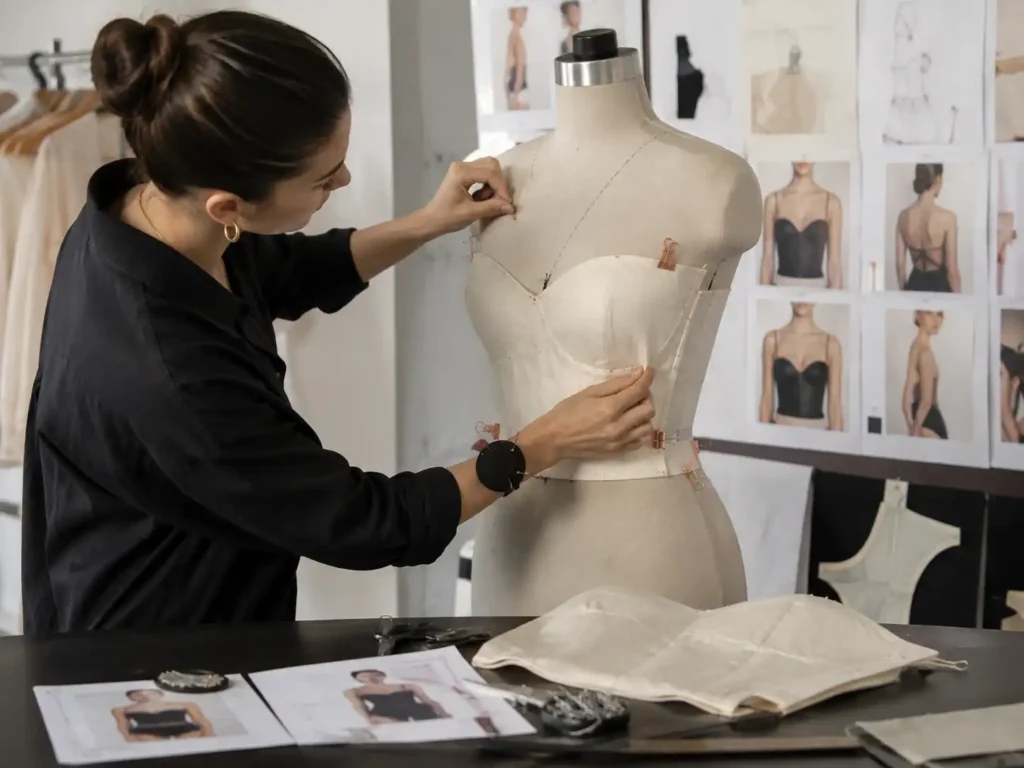
From Trim Brief To Bulk Production In Twelve Steps
Requirement Review
Trim Breakdown
Option Sourcing
Cost And MOQ Review
Color And Finish
Trim Sample Review
Garment Integration
Fit And Wear Review
Brand Approval
BOM And Trim Card
PP Sample Lock
Bulk Purchase And QC
Trim Approval Happens On The Garment, Not Only Cards
A trim card can confirm color, finish and dimensions, but only the finished sample reveals how a component interacts with body fit, fabric tension, sewing, pressing and movement. Jinfeng uses the sampling process to convert sourcing choices into production-ready garment standards.
First Samples Expose Structural Conflicts
The first sample confirms whether the original trim direction works with the actual garment.
For a satin dress, the review may reveal that an invisible zipper creates waviness along the back seam. A corset sample may show that the selected bra cup does not match the neckline or that boning creates pressure around the waist. A mesh style may show that decorative hardware pulls the fabric or that elastic distorts the edge.
These findings are more valuable than simply confirming that the factory can sew the requested component.
During first-sample review, Jinfeng records fit and construction observations alongside trim changes. When a component needs replacement, the revised direction should be evaluated against the same garment objective rather than changed only on the basis of price.
Regular dress samples usually require around 10–15 days. Complex corset, sequin, lace, mesh and similarly demanding styles generally require around 15–25 days or project-based confirmation. Special trims, custom materials and multiple revisions can extend development timing.
Revised Samples Confirm The Correction
A revised sample converts feedback into a new physical standard.
Trim corrections may involve:
- changing zipper type or length;
- moving boning;
- adjusting cup shape;
- changing anti-slip position;
- reducing decorative weight;
- replacing lace trim;
- adjusting strap-slider size;
- modifying elastic tension;
- changing lining coverage.
Fit and appearance need to be reviewed again because trim changes can alter construction. A softer boning solution may improve comfort but reduce shaping. A stronger elastic may stabilize an opening but distort fabric. A lighter chain may improve drape but change the intended visual weight.
Jinfeng’s sample team records fit corrections, construction changes, fabric changes and approvals so revised-sample learning can move forward into PP preparation.
PP Sample Turns Trim Choices Into A Production Standard
By PP stage, key elements should be confirmed:
- fabric;
- color;
- trim specification;
- measurements;
- construction;
- label placement;
- hangtags;
- packing direction.
A PP sample does more than show the final look. It connects design approval with purchasing, sewing, QC and packaging instructions.
Changing a critical trim after PP approval can create new cost, MOQ, material-arrival and fit risks. Any necessary change should therefore be documented and reviewed rather than inserted informally into the bulk order.

BOM And Trim Cards Turn Approval Into Production Control
Verbal approval is not enough for multi-style dress production. Approved trim details need to become clear production files so sourcing, merchandising, sewing, QC and packing teams follow the same standard.
BOM Creates A Commercial Material Structure
A dress BOM can include shell fabric, lining, zipper, buttons, hooks, bra cups, boning, elastic, decorative trims, woven labels, care labels, hangtags, polybags and other program-specific materials.
BOM review helps identify whether a quotation or production plan is missing an important cost or sourcing element. Complex dresses often contain hidden support materials that may not be obvious from a front-view sketch.
A structured BOM also makes change control clearer. When one component changes, sourcing and costing teams can identify which specification, supplier MOQ or production step may be affected.
Trim Card Creates A Physical Reference
A trim card connects written data with physical material.
Depending on the program, records can include zipper type, zipper length, zipper color, button specification, hook and eye, strap adjuster, elastic, cup type, boning, anti-slip tape, lace trim, rhinestone, bead chain, sequin trim and label references.
Physical references reduce ambiguity between similar colors, finishes or dimensions.
A photo of a trim can be useful during communication, but a retained approved reference provides stronger support for bulk comparison.
PP Lock Protects Bulk Consistency
After PP approval, fabric, color, construction, trims, measurements, labels and packaging should move into bulk as a controlled standard.
A change to zipper specification may influence sewing. A new cup can change fit. A new decorative chain can alter garment weight. A revised label can delay packing. PP locking therefore protects more than appearance; it protects the production plan.
Changes remain possible when necessary, but they should be evaluated for cost, MOQ, timing and garment impact before release.
Production Handover Connects Teams
Approved sample information is transferred into final pattern files, size charts, fabric references, trim cards, sewing instructions, label placement, packing instructions and QC checkpoints.
Production teams receive one organized standard rather than piecing together decisions from previous messages.
For a 20-style dress program, disciplined handover becomes especially important because one incorrect zipper, label or packing reference can affect thousands of garments before the error is noticed.
Trim Arrival Is Managed Against The Production Calendar
Closure Materials
Structural Materials
Adjustment Materials
Decorative Materials
Brand Materials
Packing Materials
Trim QC Covers Function, Comfort And Visual Accuracy
Trim quality control needs to answer more than “is the component present?” Jinfeng evaluates specification, color, quantity, placement, attachment, comfort, appearance and packing correspondence. More than 15 QC inspectors support material, production and garment control across the manufacturing system.
Incoming Trim Inspection
Bulk trim inspection starts by comparing received materials against approved references.
Checks can include:
- type and specification;
- color and finish;
- dimensions;
- quantity;
- visible defects;
- packaging identification;
- style and color allocation.
A zipper supplied in the correct length but wrong tape color is not acceptable simply because it functions. Likewise, a bra cup with the right nominal size can still differ in shape from the approved sample.
Incoming checks reduce the risk of incorrect components reaching multiple sewing lines before the problem is detected.
Closure Function And Zipper Flatness
Closures are reviewed after installation because garment construction affects performance.
Zippers need smooth movement and suitable alignment.
Invisible zippers on satin or fitted dresses receive additional attention to seam waviness and arching.
Hook-and-eye positions should align without creating excess tension.
Button and snap placement also needs to follow approved garment measurements.
Small placement shifts can affect neckline, waist or opening alignment.
Functional inspection therefore includes the completed garment rather than only loose components.
Support And Comfort Checks
Structural trims require both visual and wear-oriented review.
Bra cups are checked for position, symmetry and visible shape. Boning should follow intended construction without creating uncomfortable pressure points. Anti-slip tape needs appropriate contact and positioning. Underwire or other rigid support should not create exposed or sharp areas.
Corset and strapless products receive more attention because internal support directly affects whether the garment stays in position.
A visually correct dress is not considered fully resolved when structural trims create discomfort.
Decorative Attachment Control
Sequins, rhinestones, bead chains, lace trims and similar components are checked for placement and attachment security.
- missing decoration;
- loose attachment;
- asymmetry;
- exposed sharp edges;
- snagging risk;
- skin-contact areas;
- interference with zipper or seam areas.
Label And SKU Accuracy
Brand trims require document accuracy.
QC may verify woven label placement, care-label content against approved files, size-label correspondence, hangtags, barcode stickers, SKU labels and color identification.
Multi-color and multi-size programs create higher mixing risk, especially when visually similar garments move through packing simultaneously.
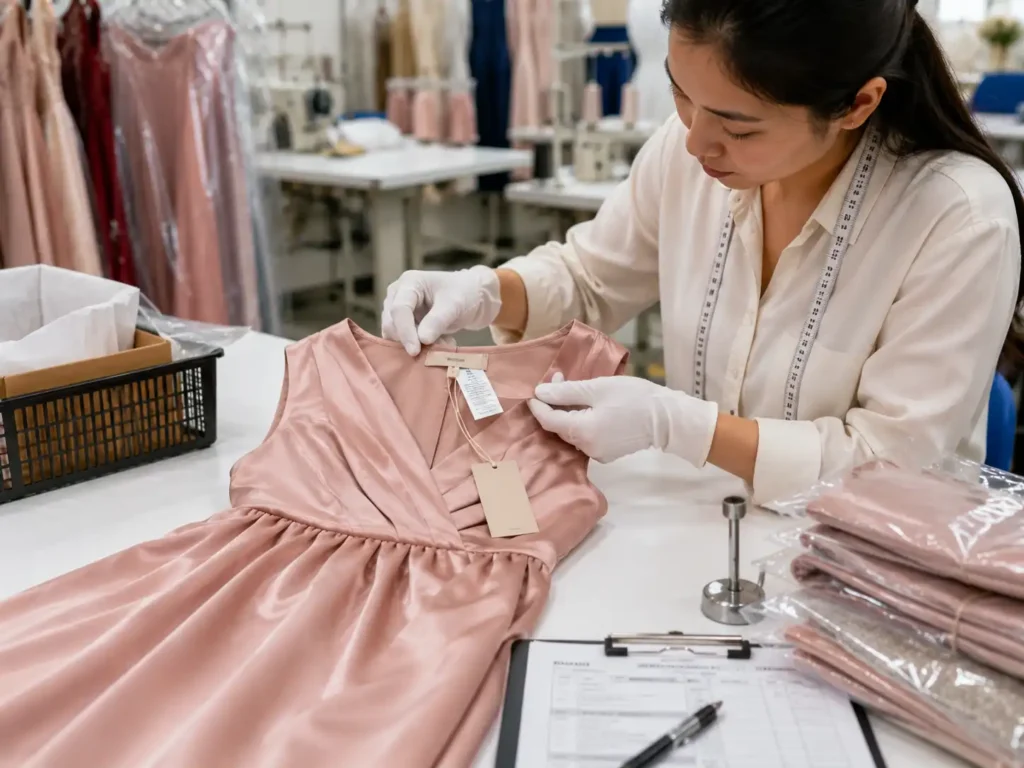
Final packing control compares the garment, label, bag and carton information before shipment preparation.

Trim Cost Engineering Protects Garment Value
Standardize Where Possible
Match Quality To Function
Simplify Construction
Control Decoration Density
Consolidate Colors
Plan Packaging Levels
Brand Trims Continue Beyond The Sewing Line

Woven Labels

Care Labels
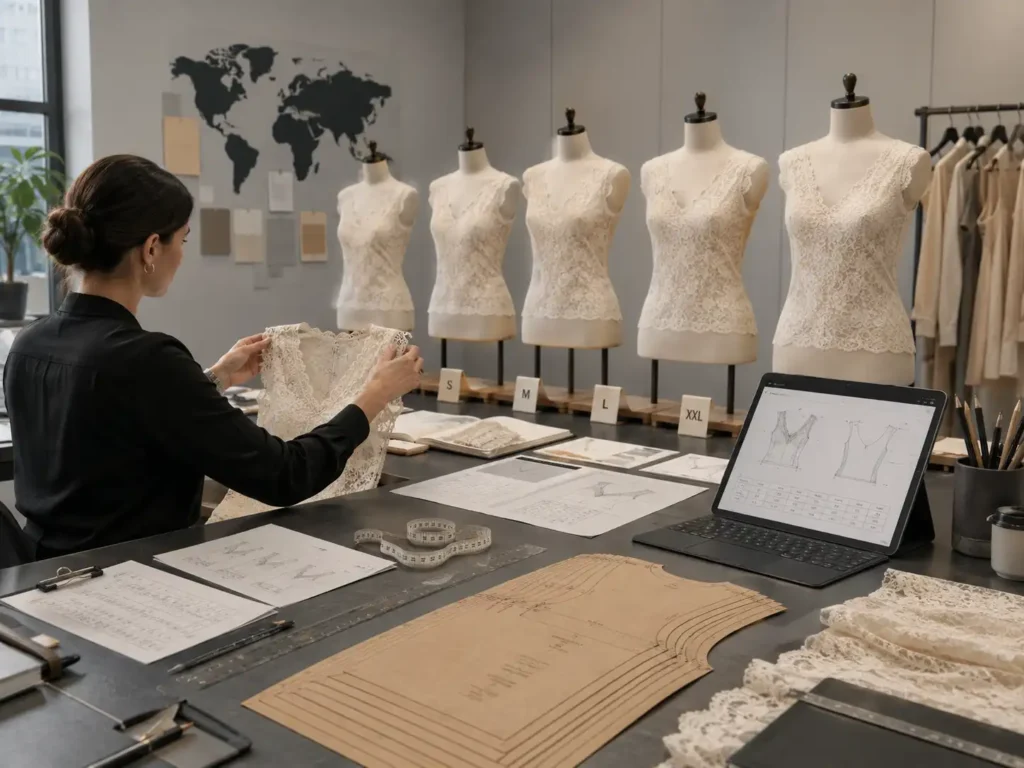
Size Labels
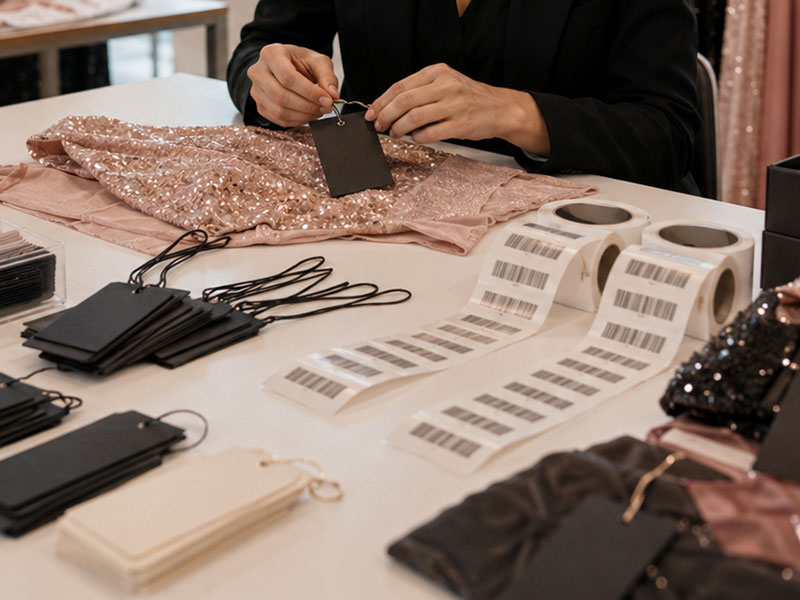
Hangtags
Barcode And SKU

Polybags And Cartons
Dress Programs Where Trim Control Changes The Result

US Occasionwear Program — 14 Styles / 32,000 Pieces
An anonymous US occasionwear program covered 14 satin, lace and crepe mini and midi dresses with a combined order volume of approximately 32,000 pieces.
Trim requirements included invisible zippers, adjustable strap sliders, hooks, lining, lace trims, woven labels, care labels, hangtags and retail packing materials.
The main development risks came from satin zipper flatness, lining color, narrow-strap hardware and trim consistency across several colorways.
Instead of confirming trims separately, the development team reviewed zipper behavior on sample garments, coordinated lining tones with the shell fabric and checked slider width against finished shoulder straps.
Approved references moved into trim cards and PP samples before bulk purchasing.
Production control focused on zipper seam appearance, trim allocation by color, label accuracy and final packing correspondence.
The program structure illustrates an important sourcing principle: the correct zipper or slider is not defined only by specification. It must work with satin weight, garment tension and the final visual standard across thousands of pieces.
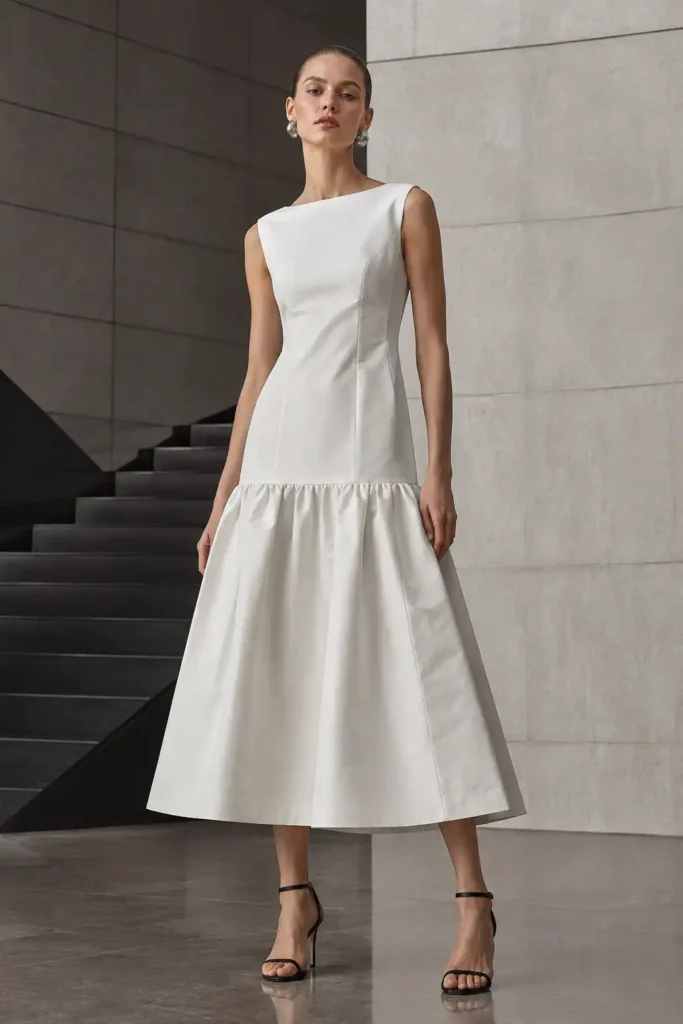
Structured Dress Program — 12 Styles / 26,000 Pieces
An anonymous structured dress program covered 12 corset, bustier and strapless styles with approximately 26,000 pieces across the collection.
Key trims included bra cups, boning, anti-slip tape, invisible zippers, hooks, lining and selected decorative details.
The development challenge was balancing shaping with comfort. Cup profiles had to work with different necklines, while boning positions needed enough stability to support the waist and bust without making short occasion dresses feel excessively rigid. Anti-slip placement was also reviewed around upper-bust fit rather than applied as a generic strip.
First and revised samples were used to compare cup shape, boning behavior and neckline stability. Corrections were transferred into pattern and trim records before PP approval.
During production, QC attention focused on cup symmetry, boning position, zipper alignment, neckline stability and exposed internal support.
The program shows why structural trim sourcing belongs inside pattern and sample development. Buying the components first and solving fit later would create significantly more revision risk.

Private Label Program — 24 Styles / 68,000 Pieces
An anonymous multi-style private label dress program contained 24 styles and approximately 68,000 pieces across satin, mesh, jersey, lace and crepe categories.
The sourcing challenge was not one difficult trim. Complexity came from managing many trim references at the same time: zippers, elastic, lining, support materials, lace trims, brand labels, size labels, care labels, hangtags, barcode stickers, polybags and carton marks.
Each style needed a controlled material record so similar-looking components were not mixed between styles or colorways.
Merchandising follow-up connected trim approval dates with sample versions, PP samples, bulk material arrival and sewing schedules.
The final packing stage required label and barcode accuracy across a large SKU structure.
Carton marks and packing information were checked against the approved style, color and size breakdown before shipment preparation.
Multi-style programs depend less on isolated sourcing speed and more on disciplined records, approvals and production handover.
Why Fashion Brands Use Jinfeng For Trim-Integrated Production
Dress-Specific Knowledge
Integrated Sourcing
Sample Validation
Project Management
QC Integration
Repeat-Order Records
Dress Trim Sourcing Frequently Asked Questions
Jinfeng manages closure, adjustment, support, decorative, branding and packaging materials, including zippers, buttons, hooks, strap sliders, elastic bands, bra cups, underwires, boning, anti-slip tape, linings, lace trims, rhinestones, bead chains, sequins, woven labels, care labels, hangtags, polybags and cartons.
Yes. A tech pack can provide BOM, trim specification, dimensions, color direction, placement and construction requirements. Jinfeng first reviews whether the requested component is complete and production-feasible before moving into sourcing and sampling.
Custom trim development can be evaluated according to specification, artwork, color, finish, quantity, target cost and timeline. Custom hardware, labels, special colors and printed packing materials may carry independent supplier MOQ, development cost or lead-time requirements.
Zipper color can be reviewed against approved fabric or color references. Satin, velvet and other reflective materials may show color differently from zipper tape, so physical comparison can be more reliable than relying only on a digital color value.
Cup and boning direction is based on neckline, bust shape, support requirement, garment construction, outer fabric and comfort. Corset and strapless styles normally require garment sampling because cup shape and boning position can alter fit significantly.
They can. Jinfeng’s garment MOQ starts from 200 pieces per style/color, while custom labels, logo trims, special zippers, printed packaging and other developed components may have separate supplier MOQ requirements. MOQ is reviewed during sourcing rather than assumed.
Regular dress samples usually require around 10–15 days. Complex corset, sequin, lace, mesh and similarly demanding styles generally require around 15–25 days or project-based confirmation. Custom materials, special trims and additional revision rounds can extend development time.
Trim samples are reviewed for specification, color, finish and function, then high-impact components are validated inside garment samples. Final trim requirements move into BOM, trim card, PP sample and production files before bulk purchasing and sewing.
Jinfeng retains trim references, pattern files, size charts, color records, sewing instructions, labels, packing information and Golden sample standards. New supplier batches, new colors, unavailable trims or changed packaging are rechecked before repeat production.
Yes. Jinfeng supports woven labels, size labels, care labels, hangtags, barcode stickers, polybags, carton marks and related private-label packing requirements. Artwork, data, material MOQ and packing instructions are reviewed before bulk production.

Send Your Dress Trim Requirements For Project Review
A useful trim review starts with garment information rather than a request for a generic accessory price.
Send the available design and production files, and Jinfeng Apparel can review the dress structure, fabric direction, trim functions, sourcing requirements and approval path before sampling or bulk planning begins.
For a more accurate project review, include:
- Reference images, sketches or line sheets
- Tech pack and size chart when available
- BOM or existing trim specifications
- Fabric direction or approved fabric swatches
- Required colors and metal finishes
- Order quantity per style and color
- Size range and SKU structure
- Woven label, care label and hangtag artwork
- Barcode or warehouse-label requirements
- Packaging and carton instructions
- Target delivery or launch window
- Existing trim samples or supplier references when available


