 Skip to content
Custom Corset Tops
Jinfeng Apparel develops custom corset tops for established fashion brands, product teams and sourcing teams that need more than surface-level styling. Development covers fabric and trim sourcing, structured patterns, cup and boning placement, fit correction, sample revision, PP approval, bulk production, quality control and private-label packing.
- Complex corset styles typically require 15–25 days for sample development, depending on fabric, trims and construction.
- Structured corset projects commonly move through 1 first sample + around 2 revision roundsbefore PP review, depending on fit and design changes.
- Standard bulk MOQ starts from 200 pcs per style/color, with separate supplier requirements possible for special fabrics, trims, dyeing, printing or packaging.
- Corset development focuses on cup shape, upper-bust stability, waist contour, boning position, neckline balance and bulk repeatability.
Built for Fashion Teams Developing Structured Tops
Fashion Brands
Product Development Teams
Sourcing Teams
Multi-style orders require reliable coordination between sampling, fabric, trims, production, inspection, labeling, packing and shipment preparation. Jinfeng Apparel manages corset top development as part of a wider women’s fashion production system, making structured tops easier to combine with skirts, dresses, jumpsuits and matching sets within one seasonal program.
Development Capacity Behind Structured Corset Programs
2 Sample Rooms
7+ Senior Pattern Makers
20+ Sample Machinists
15+ QC Inspectors
6 Owned Factories
100,000+ Monthly Capacity
Custom Corset Top Styles for Fashion Collections

Satin Corset Tops

Mesh Corset Tops

Lace Corset Tops

Bustier Corset Tops

Strapless Corset Tops

Corset Crop Tops

Longline Corset Tops

Denim Corset Tops

Structured Woven Corsets

Lace-Up Corset Tops

Underwire-Inspired Corsets

Corset Set Tops
Fabrics Selected Around Corset Structure and Fit

Satin

Stretch Satin

Lace

Mesh
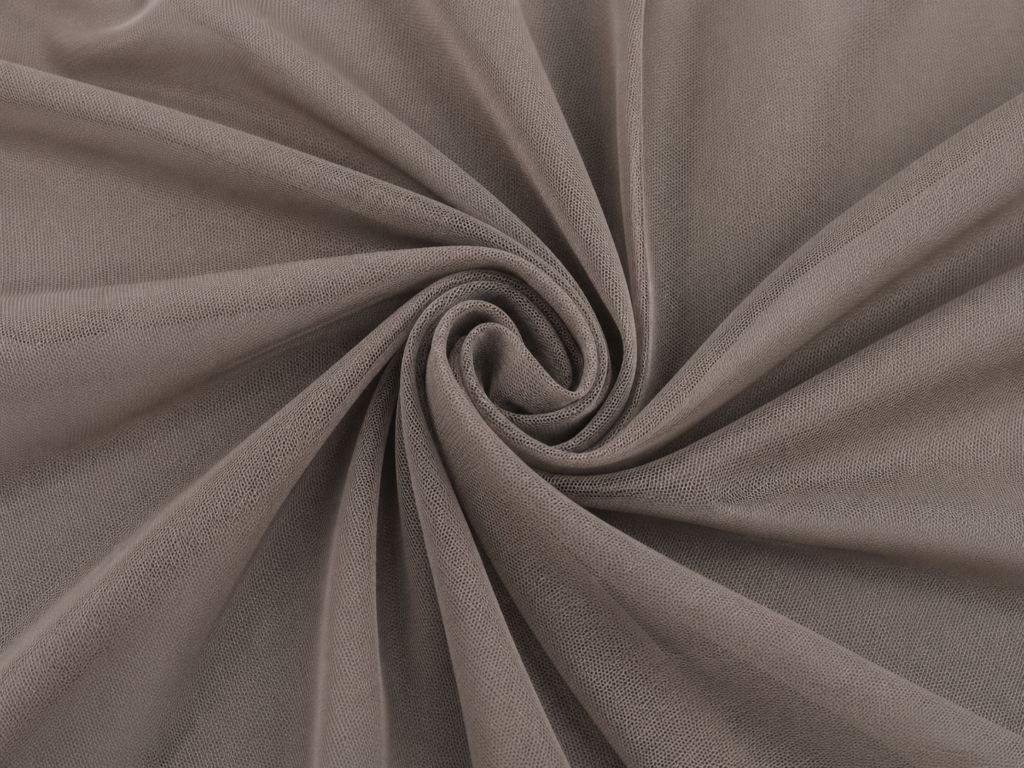
Power Mesh

Velvet

Ponte and Structured Knit

Structured Wovens
Corset Structure Built Before the Outer Shape
Strong corset development begins inside the garment. Cup geometry, boning lines, panel seams and closure tension work as one system. Changing one element can alter bust support, waist shaping, neckline stability or comfort, so the internal structure is reviewed before production standards are finalized.
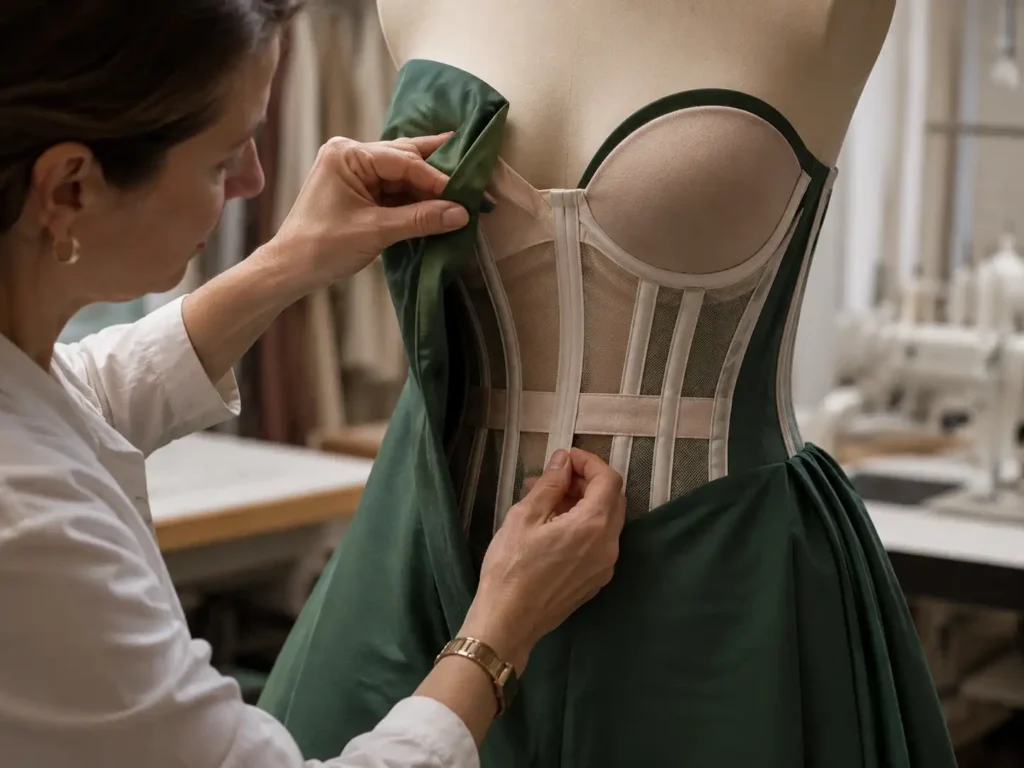
Cup Shape and Bust Position
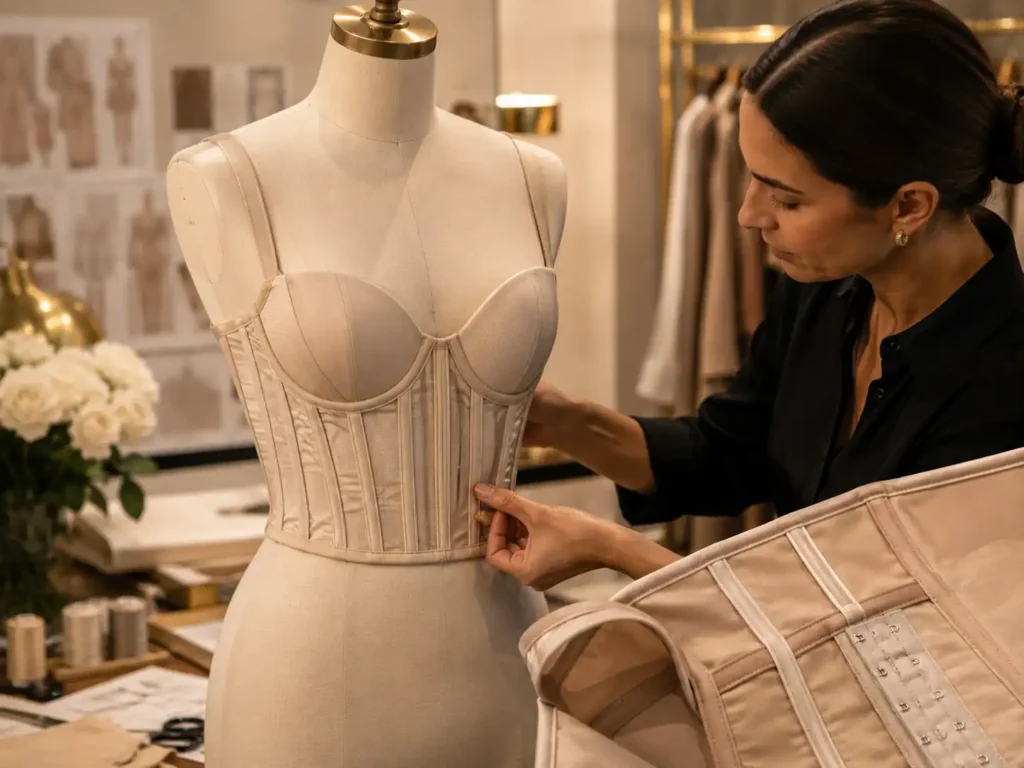
A corset cup cannot be judged only by its flat measurement. Cup height, depth, width and spacing influence where the bust sits inside the finished top. A cup positioned too high can reduce coverage at the neckline, while a cup positioned too low may create empty volume or an unnatural bust line.
Development starts by comparing the design with the intended base size, neckline, upper-bust measurement and side coverage. Built-in cups can be reviewed according to shape, thickness, softness and support requirement. For molded or more structured cup directions, position becomes part of the pattern rather than an accessory added at the final sewing stage.
Fit samples are used to check how the cup behaves on the body. Comments may involve raising or lowering the cup, shifting the apex, changing neckline height, adjusting side coverage or refining the relationship between cup and lining. Any approved changes then need to enter the updated pattern and sewing information before PP review.
A fashion corset should create the intended bust shape while remaining suitable for the collection’s wearing occasion. Party, occasion and evening tops may need stronger visual definition, while softer day-to-night styles may use a less rigid cup construction.

Boning Placement and Support Lines
Boning is used to support the corset silhouette, reduce panel collapse and maintain waist and bust structure. More boning does not automatically mean better construction. Position, length, end protection and interaction with seams matter more than adding unnecessary rigid components.
Boning lines are reviewed against center front, princess seams, side panels, cup edges and waist shaping. Incorrect placement can cause visible ridges, uncomfortable pressure or a distorted neckline. Ends also need protection so support components do not create sharp pressure against the wearer or damage surrounding fabric.
Fabric type changes the approach. Satin may show boning lines through the outer surface, lightweight mesh may need a carefully engineered channel, and thicker denim may create excess bulk if a channel is constructed exactly like one used for a lightweight woven top.
Bulk production requires repeatable boning placement. Approved positions should be represented clearly in sample references and production instructions so different sizes and production batches retain the intended silhouette.

Panel Engineering and Waist Contour
Corset shaping is created through the combined geometry of multiple panels. Center-front width, princess lines, side panels, back panels and seam curves determine how a flat fabric shell becomes a three-dimensional garment.
Pattern development reviews bust-to-waist transition rather than reducing the waist measurement in isolation. Excessive suppression can make the top uncomfortable or shift pressure to the upper bust and lower edge. Insufficient shaping produces a garment that looks like a fitted tank top with decorative seams rather than a corset-inspired fashion piece.
Symmetry becomes especially important around curved seam lines. A small difference in sewing allowance or panel feeding can become visible across a satin or solid-color garment. Marking points, seam matching and controlled sewing help maintain the approved curves.
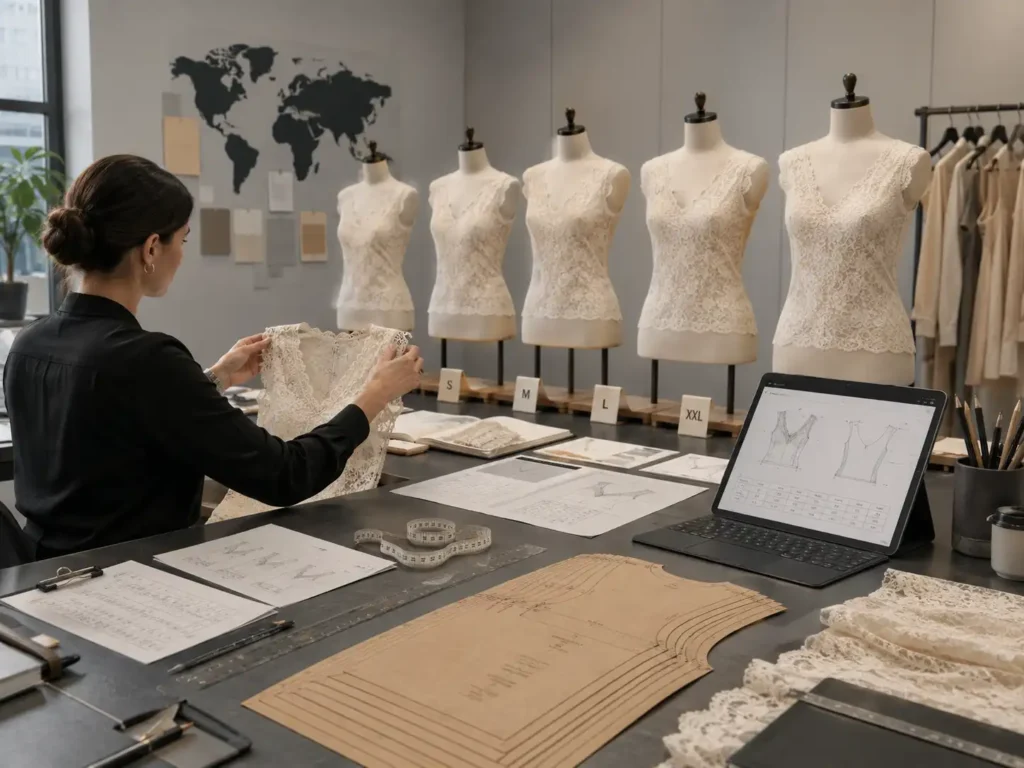
The final structure must also work with size grading. Panel proportion should remain visually balanced as sizes change, rather than simply enlarging every line at the same percentage.

Closures and Back Stability
Zippers, lace-up systems and hook-and-eye constructions affect both wearing function and shape.
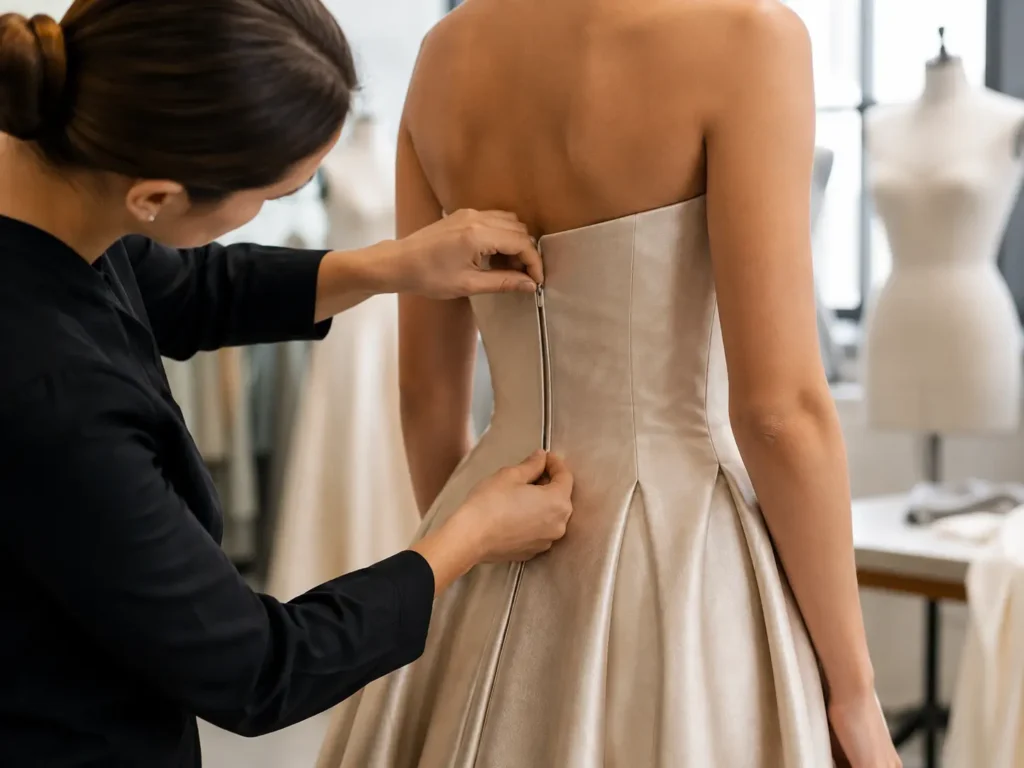
A center-back zipper needs enough support to remain flat under waist tension. A lace-up opening needs reinforcement and controlled spacing so the back does not distort. Hook-and-eye systems require alignment, comfortable backing and enough structural stability around the opening.
Closure selection is reviewed alongside fabric weight and fit. A lightweight satin top with strong waist shaping may require more attention around zipper support than a firmer woven style. Lace-up designs need a defined target back opening, eyelet spacing and reinforcement strategy.
Fit review checks whether the garment can be put on comfortably, whether closure edges remain level and whether tension is distributed evenly.
Bulk inspection later checks zipper flatness, back alignment, hardware security and visual symmetry against approved standards.
Fit Control Where Corset Tops Usually Fail

Bust and Underbust

Waist Contour
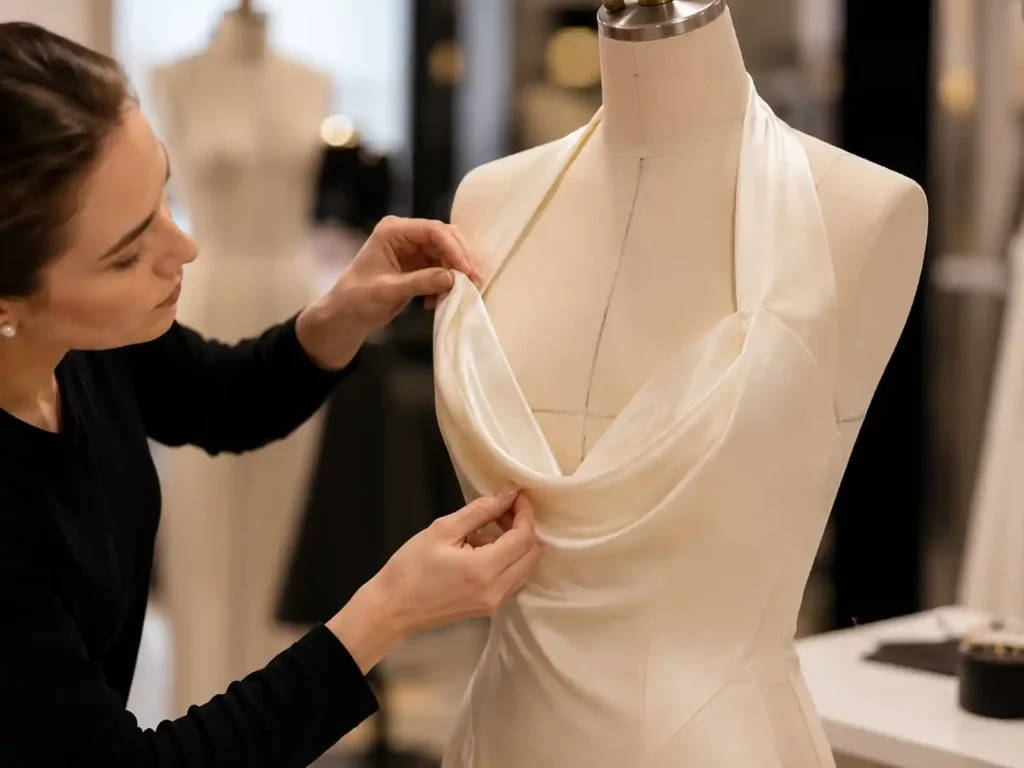
Neckline Stability
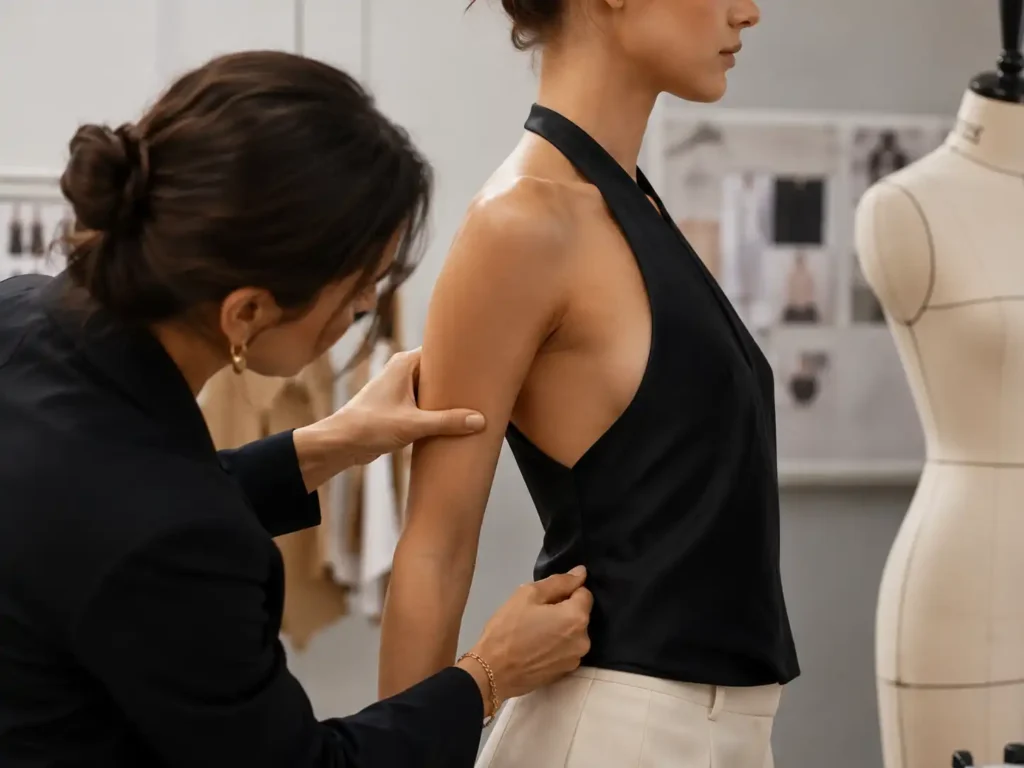
Side Coverage

Back Balance
Size Grading
Corset Components Chosen by Construction Requirement
Internal components should support the selected fashion direction rather than being added because they are traditionally associated with corsetry. Final specifications are reviewed by style, fabric, comfort target, appearance and bulk feasibility.
| Component | Development Direction | Main Control Point | Common Risk |
| Boning | Type and position reviewed by style | Support line, length, channel, end protection | Visible ridges, collapse, discomfort |
| Built-In Cups | Fixed cup or structured bust solution | Cup volume, apex, height, position | Empty cup, overflow, uneven bust shape |
| Lining | Full, partial or structural lining | Coverage, stretch compatibility, hand feel | Lining exposure, tension mismatch |
| Zipper | Invisible or other suitable zipper | Flatness, strength, length, seam support | Bulging, waviness, difficult closing |
| Lace-Up Back | Eyelets and lacing system | Reinforcement, spacing, target back gap | Distortion, weak eyelets, asymmetry |
| Hook & Eye | Project-specific closure | Alignment, backing, comfort | Bulk at closure, uneven fastening |
| Anti-Slip Support | Reviewed for strapless structures | Position, grip and comfort | Rolling, skin pressure, visible edge |
| Interfacing | Selected for required stability | Weight, hand feel, bonding compatibility | Excess stiffness, bubbling, show-through |
Sampling Built Around Corset Risk Before Bulk Production
Complex corset, lace, sequin and mesh styles usually require more development time than simple garments. A typical complex sample cycle may fall around 15–25 days, subject to fabric and trim readiness, while structural revisions are handled according to actual fit findings rather than a fixed number promised before development begins.
First Sample: Find the Structural Gaps
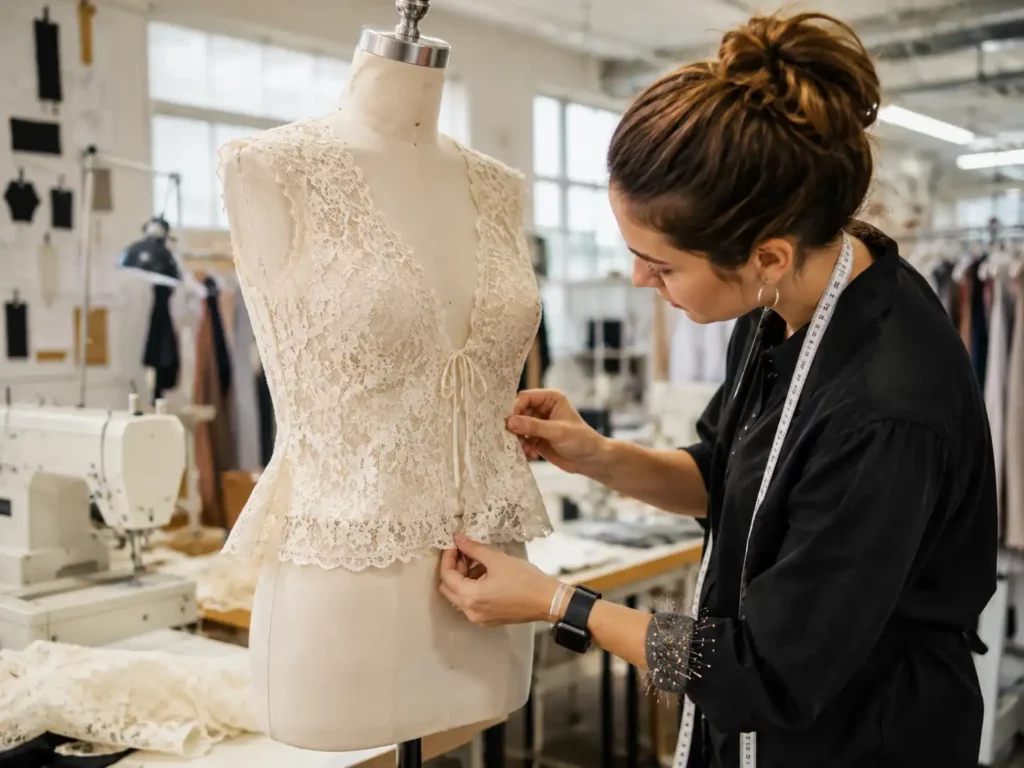
The first sample answers a fundamental question: can the proposed design, fabric and construction become the intended garment?
For corset tops, first-sample review pays close attention to cup shape, bust coverage, boning position, neckline, waist shaping, side coverage, closure and overall silhouette.
Fabric behavior is evaluated at the same time. A satin shell may reveal puckering around curved seams; mesh may show unexpected transparency; a structured woven may feel too rigid once lining and boning are combined.
The first sample is not treated as the final bulk standard. Problems found at this stage are useful because they identify where the pattern, material or construction needs correction before a larger production commitment.
Photos, measurements and internal observations can support the review, followed by brand comments and revised development instructions.
Fit and Revised Samples: Correct the Body Relationship
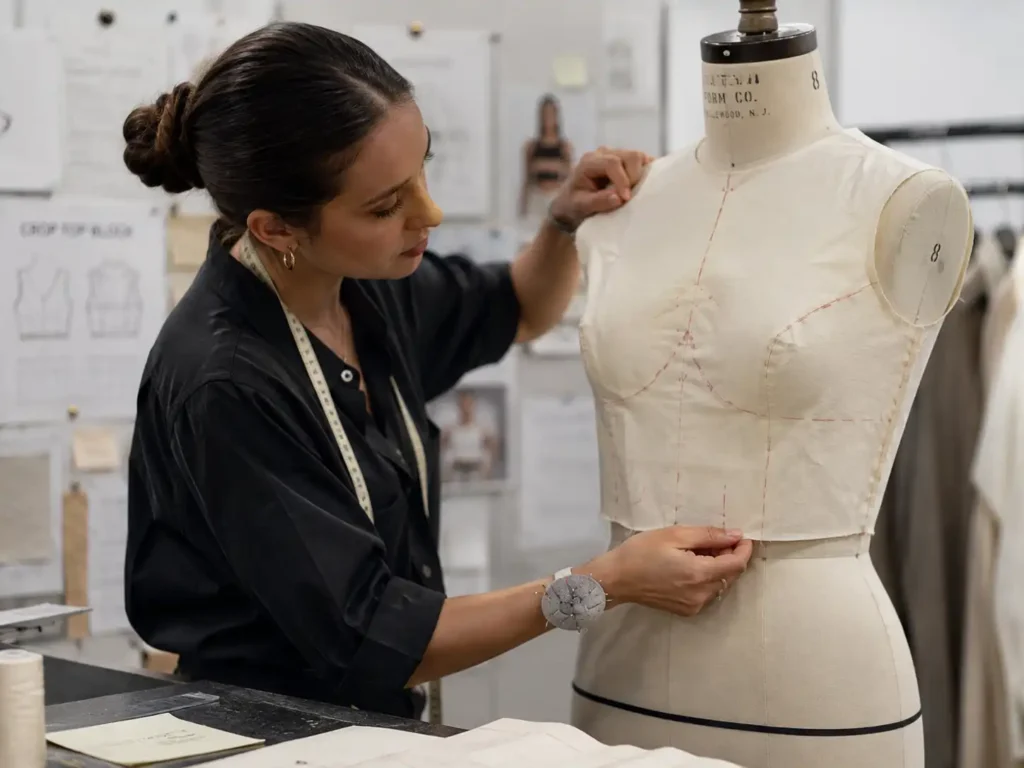
Fit review moves beyond visual design accuracy. A corset may look similar to a sketch on a hanger but sit incorrectly across the upper bust, cup, waist or back once worn.
Complex corset and related fit-sensitive styles commonly involve around two revision rounds after the first sample, depending on structural complexity and design changes. Some styles resolve faster; major fabric or structure changes can require further development.
Revision records can include sample version, original comments, changed measurements, pattern impact, fabric or trim changes, construction changes, cost impact and lead-time impact. Cup position, boning lines, neckline, side coverage, waist tension, zipper location and lining can all be revised where needed.
The goal is not endless sample making. Each round should remove defined risks and move the garment closer to a production-ready standard.

PP Sample: Lock the Production Direction
PP approval comes after core style structure, measurements, fabric, color, trims and construction have been confirmed. The PP sample represents the final pre-production direction for bulk execution.
For corset tops, PP review can include cup position, boning arrangement, neckline, waist shape, panel symmetry, zipper or lace-up construction, lining, labels and relevant packing details. Any change affecting bulk should be transferred into the updated tech pack, pattern, size chart, BOM, sewing instruction or QC checklist.
Major structural changes after PP approval can affect fabric usage, production scheduling, cost and delivery planning, so they require formal review rather than informal adjustment.
A Golden sample may then be retained as a physical reference for production, QC, repeat orders and later comparison.
Sample to Bulk: Keep Approved Details Alive
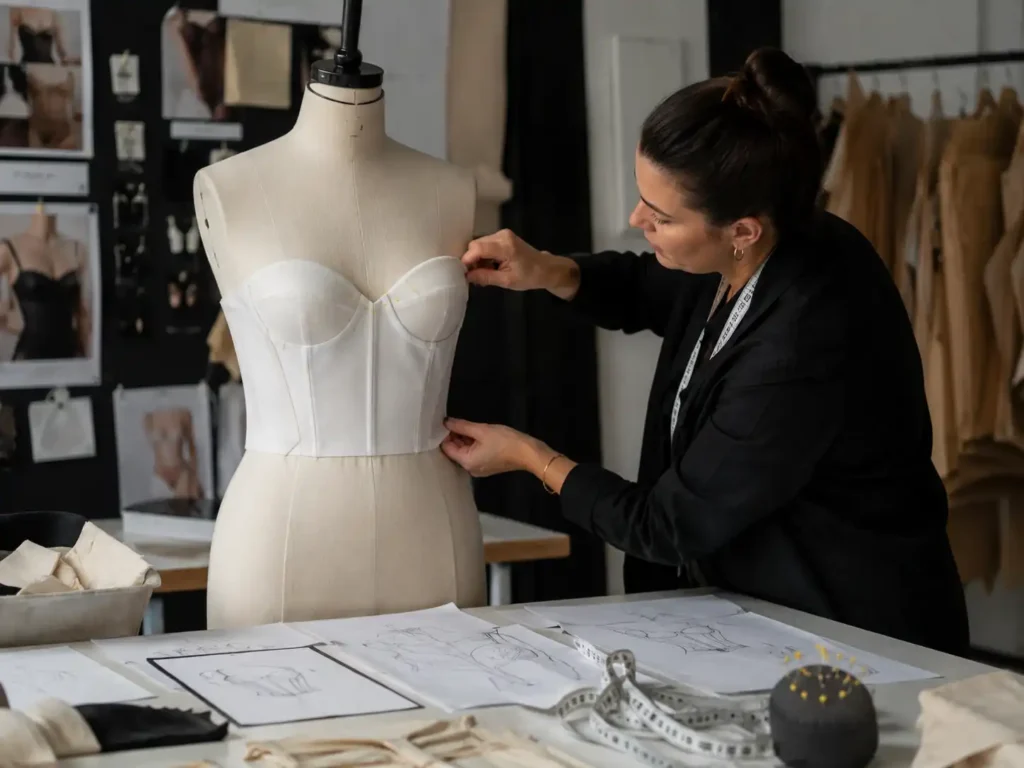
Many quality problems appear not because the sample was poor, but because approved corrections were not transferred into the production system.
Jinfeng Apparel converts sample comments into updated records covering patterns, measurements, materials, construction and packing.
Production teams receive the approved standards before cutting and sewing. QC points are set around garment-specific risks rather than relying only on generic appearance inspection.
For repeat programs, records such as pattern, fabric reference, color, trims, sewing notes, packing requirements, QC notes and Golden sample can be retained.
Current fabric batch, color, trim availability, packing materials and schedule are still reconfirmed before a repeat order begins.
Pattern Development Turns Corset Ideas Into Fit
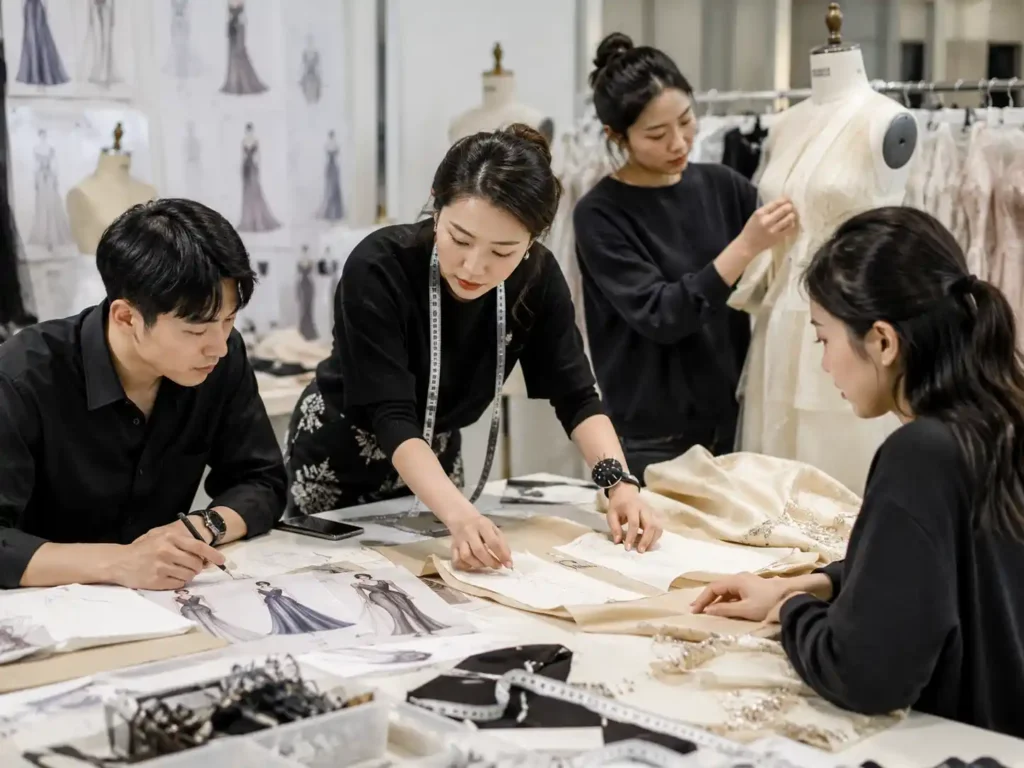
A reference image can show a silhouette, but it cannot fully define the pattern, cup volume, panel shape, seam allowance, lining, internal support or grade rules. Jinfeng Apparel develops structured patterns around the intended garment behavior before bulk production begins.
From Design Lines to Pattern Lines
Fashion sketches often show narrow waists, lifted bust lines and clean curved panels without explaining how those shapes are created. Pattern development translates the visual concept into measurable garment sections.
Work begins with available design information such as a tech pack, original garment, reference photo, sketch, line sheet or size chart. The team reviews neckline, front length, back length, cup zone, panel distribution, waist position, side seam, hem line and closure. Fabric direction is considered early because a rigid woven, stretch satin and mesh-backed construction cannot use identical pattern logic.
Panel seams are then positioned to create shaping while supporting the visual design. Corset-inspired lines may follow princess seams, center-front panels or more decorative curves. A line that looks attractive in artwork still needs enough sewing control for bulk production.
Pattern decisions remain open during early samples. Fit comments can result in adjusted cup position, waistline, side seam, neckline or panel curvature. Development only becomes meaningful when the approved changes are entered into updated production files.

Pattern Correction From Fit Feedback
A first sample is used to reveal where the original pattern and real fabric differ from the intended wearing result. Common corset corrections can include upper-bust gaping, low cup position, tight side coverage, loose waist zones, excessive compression, neckline imbalance or back closure distortion.
Revision work should identify the cause rather than only hiding the symptom. For example, pulling in a loose neckline at one seam may shift the cup or create a new tension line. A better correction can involve neckline shape, cup position, seam curve and internal support together.
Measurement comments are connected to pattern comments. Bust, upper bust, underbust, waist, body length, strap length where relevant, neckline depth and other points are reviewed according to the garment structure. Changes are recorded so the revised sample can be compared against the previous version.
Once the fit direction is accepted, approved pattern information becomes part of the PP preparation rather than relying on memory from the sample room.

Grading Structured Shapes Across Sizes
Size grading for structured tops needs controlled proportion. A corset top may have several narrow panels, a defined cup area and a fixed neckline geometry. Applying one expansion value everywhere can distort the silhouette.
Grading considers how bust volume changes relative to waist, how panel widths remain visually balanced and how strap or neckline positions move across sizes. Closure length, body length and lower-edge circumference also need attention. For bustier-inspired styles, cup-related areas may require more careful grade review than a simple woven camisole.
Brands can provide an existing size chart and grade rules where available. Jinfeng Apparel works from the approved base sample and confirmed measurements, then translates the approved pattern into the required size range.
Bulk measurement standards are connected back to the graded patterns, giving QC teams a defined reference instead of judging fit only by garment appearance
Design Details Engineered for Production, Not Decoration Alone

Sweetheart Neckline

Straight Strapless Edge

Lace-Up Back
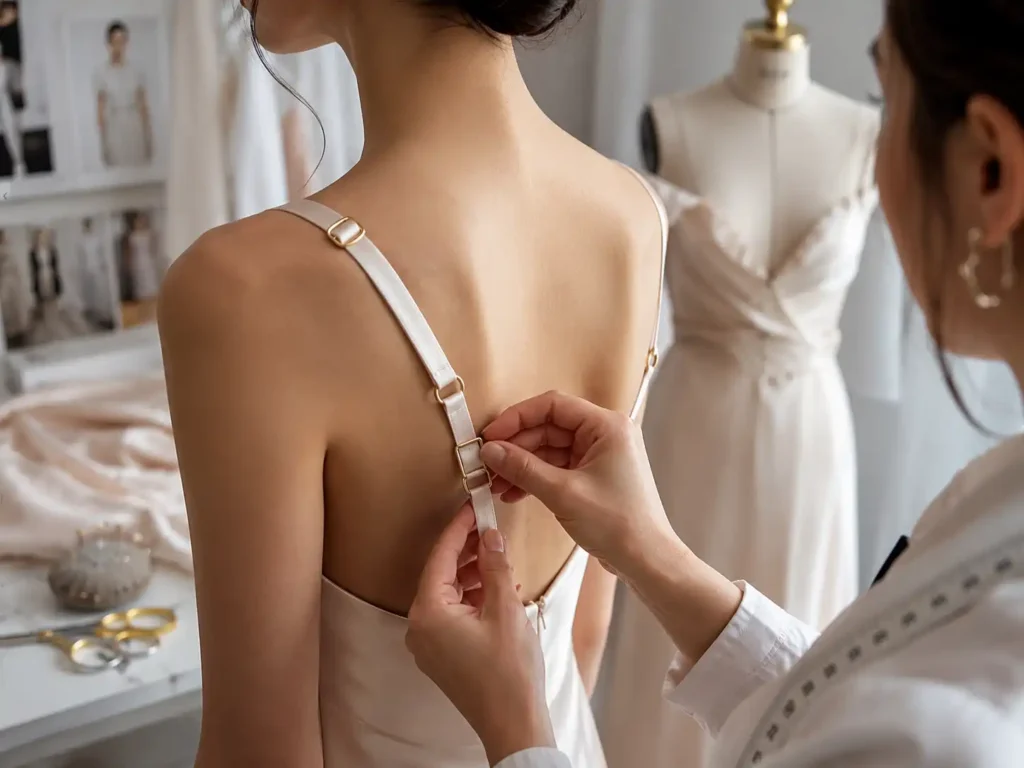
Adjustable Straps

Sheer Mesh Panels

Lace Placement

Contrast Piping
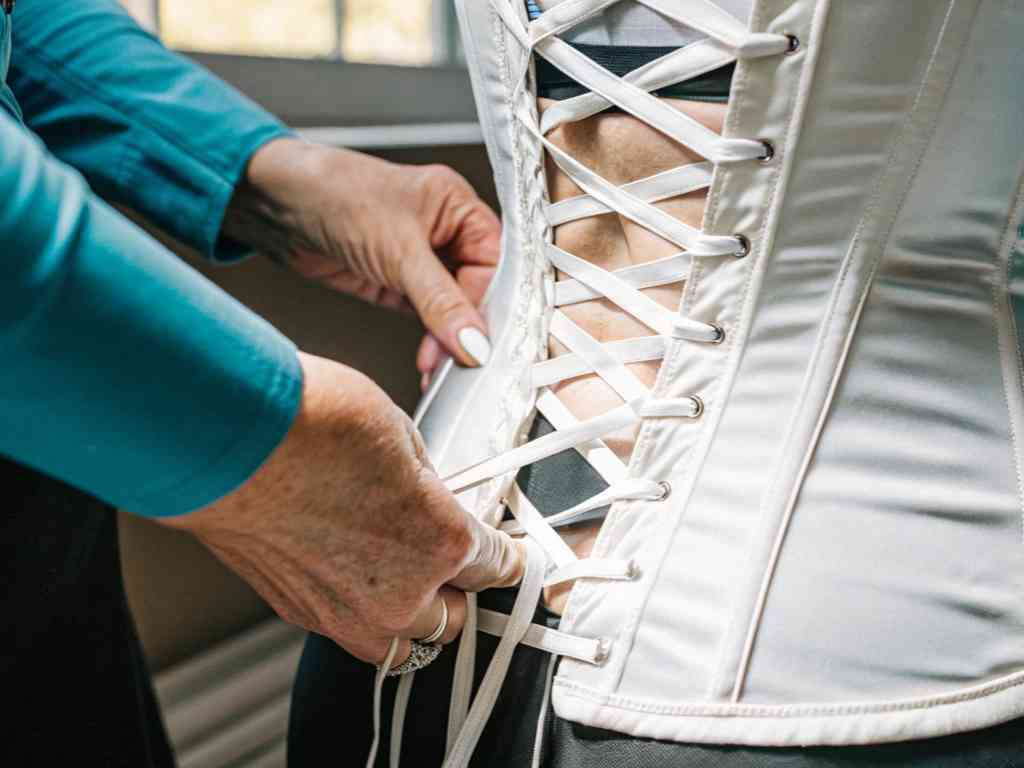
Eyelets and Hardware
From Tech Pack Review to Approved Production Standard
Requirement Review
Fabric and Trim Direction
Pattern Development
Sample and Fit Review
PP Approval
Golden Standard
Bulk Production Controlled Around the Approved Corset Standard
Bulk quality begins before sewing. PP approval, material confirmation and production files have to reach the assigned production unit in a form that can be repeated across sizes, colors, operators and production batches.
Before Cutting: Lock Materials and Files
Bulk preparation starts from the approved sample direction. Fabric, lining, cups, boning, zippers, eyelets, labels, packing requirements and relevant color information are checked before production release.
Fabric behavior is particularly important for corset tops. Stretch satin and mesh may need relaxing and directional control, while lace placement or velvet pile direction can influence cutting. Structured woven styles may require precise panel marking because the garment relies heavily on pattern shaping.
Production files should reflect the latest approved version. Updated patterns, size charts, BOM information, sewing instructions, QC checkpoints and packing requirements reduce the chance of an old sample comment entering bulk production.
Cutting plans then follow the approved fabric direction and style requirements rather than simply maximizing fabric utilization at the expense of appearance or fit.
During Sewing: Control High-Risk Structure
Corset production requires attention to the sequence in which panels, cups, support components, lining and closures are assembled.
Panel matching affects symmetry. Boning position affects support. Cup insertion affects bust shape. Zipper installation can change the back line. Lace-up reinforcement affects long-term stability. A small shift at one construction stage can influence several visible areas after pressing.
In-line checks focus on risks while garments are still in production, allowing problems to be identified before an entire lot reaches final inspection. Sewing teams can compare workmanship against approved physical or documented standards.
Multi-style programs are managed by style because a satin corset, lace bustier and denim corset may require different production handling even when they belong to the same collection.
Finishing and Release: Protect the Final Shape
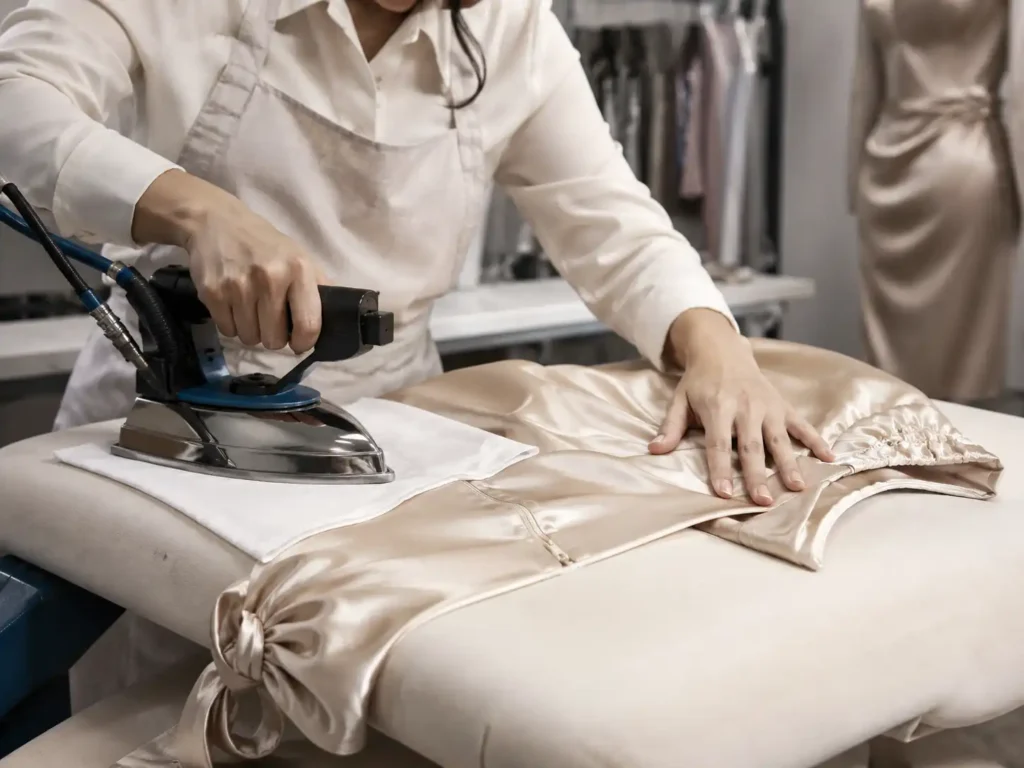
Corset tops need careful finishing because pressing can improve or damage the structure. Excess pressure can flatten cup shape, mark satin or distort boning channels. Insufficient pressing can leave curved seams looking unfinished.
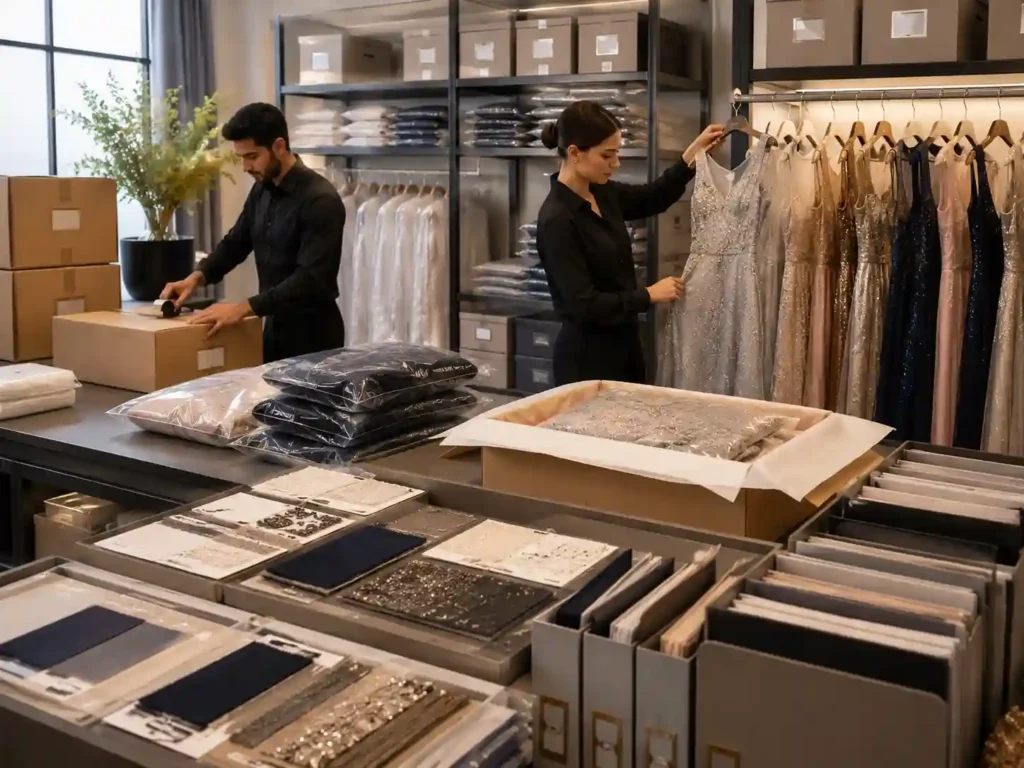
Finished garments are reviewed for overall appearance, measurements, cup symmetry, neckline, waist contour, closure, lining, thread condition and relevant decorative details. Packing methods should also protect structured areas from unnecessary compression or creasing.
For multi-SKU programs, labels, barcodes, size information, polybags, carton marks and packing ratios are checked according to approved instructions before shipment preparation.
Corset-Specific Quality Checks Before Shipment Release
Generic garment inspection can miss problems that matter most on structured tops. Corset QC follows the relationship between measurement, structure, sewing, appearance and function, with inspection points connected to the approved style.
| QC Area | Key Checkpoints | Risk Being Controlled |
|---|---|---|
| Incoming Fabric | Color, hand feel, stretch, recovery, transparency, visible defects | Batch variation, wrong fabric behavior |
| Cutting | Grain/stretch direction, panel accuracy, lace placement where required | Twisting, asymmetry, motif mismatch |
| Bust Structure | Cup position, cup symmetry, coverage, upper-bust shape | Uneven bust, empty cup, exposure |
| Boning | Position, channel, length, end protection | Collapse, pressure, visible distortion |
| Panel Sewing | Seam matching, curved seams, left-right balance | Uneven waist or silhouette |
| Measurements | Bust, underbust where specified, waist, body length, straps where used | Size inconsistency |
| Neckline | Height, symmetry, contact with body | Gaping, rolling, uneven edge |
| Closure | Zipper, lacing or hook system | Bulging, weak reinforcement, misalignment |
| Lining | Position, coverage, seam compatibility | Lining exposure, pulling, discomfort |
| Appearance | Puckering, pressing, loose threads, surface damage | Poor retail presentation |
| Private Label | Main label, size, care information, hangtag, barcode | SKU and brand errors |
| Packing | Garment protection, polybag, carton mark, packing ratio | Deformation, warehouse receiving errors |
Workmanship Visible in Every Corset Construction Detail

Panel Seam Accuracy
Cup Symmetry

Boning Channels
Zipper Flatness

Lining Control
Pressing and Packing
Private Label Details Prepared for Retail Distribution
Woven Brand Labels
Size Labels
Care Labels
Hangtags
Barcode and SKU Labels
Polybags and Carton Marks
MOQ and Cost Planning for Custom Corset Tops
MOQ by Style and Color
Structure Drives Sewing Cost
Fabric Changes More Than Material Cost
Cost Control Without Losing Shape
Expand One Corset Idea Into a Full Collection

Corset Mini Dresses
Structured Matching Sets

Bustier Fashion Tops

Corset Jumpsuits

Strapless Occasion Dresses

Partywear Capsules
Brand Protection, Compliance Support and Export Coordination
Design and NDA Protection
Compliance and Testing Support
Logistics and Shipment Coordination
Custom Corset Tops Frequently Asked Questions
Yes. Development can begin from reference images, tech packs, sketches, original samples, line sheets or size charts. More complete information improves development accuracy. Structure, fabric, cups, boning, lining, closures, measurements and construction still need to be reviewed before bulk standards are confirmed.
Standard MOQ starts from 200 pcs per style/color. MOQ is calculated by style and color, not by combining unrelated styles into one total. Special fabrics, dyeing, printing, trims, hardware or custom packaging may have separate supplier MOQ requirements.
Complex corset, lace, mesh and similarly structured samples typically require around 15–25 days, subject to fabric, trim and construction requirements. Special materials can extend the schedule. Timing for revised or PP samples depends on the scope of changes and material readiness.
Complex corset and related structured styles commonly move from one first sample through around two revision rounds before PP review, depending on fit and construction. Major design changes, new fabrics or changed internal structures can require additional development.
Yes. Satin is suitable for party, occasion and evening corset tops. Development pays particular attention to fabric weight, cup and panel shape, seam puckering, zipper flatness, lining, pressing and protection of the satin surface during finishing and packing.
Yes. Mesh development reviews transparency, stretch, recovery, lining and seam stability. Lace development also considers motif placement, edge finishing, backing and symmetry. Material selection and construction are reviewed together before PP approval.
Cup shape is first resolved through pattern and sample development. Position, volume, neckline relationship and symmetry are reviewed during fit and revision stages. Approved information then enters the production files and QC checkpoints used during sewing and garment inspection.
Boning placement and support level are reviewed according to garment structure, fabric and comfort target. Length, channel construction, position and end protection are considered during sampling. Fashion corset construction is developed around the intended silhouette rather than maximizing rigidity.
Yes. Private-label support can include woven labels, size labels, care labels, hangtags, barcode stickers, SKU information, polybags, carton marks and warehouse-related packing requirements according to approved project files.
Yes. Corset tops can be developed alongside skirts, dresses, jumpsuits and matching sets. Coordinated programs allow fabric, color and visual direction to connect across a collection while every style keeps its own pattern, construction, sample approval and QC standard.

Develop Your Next Custom Corset Top Collection
Share the information already available for your corset program and Jinfeng Apparel can review the development direction before sampling begins.
A complete tech pack is useful, but structured review can also start from reference images, an original garment, sketches, line sheets or an existing size chart.
For faster project evaluation, include:
- Tech pack, sketch, reference images or original sample
- Target corset style and intended wearing occasion
- Fabric preference or required appearance
- Cup, boning, lining and closure requirements
- Target quantity for each style and color
- Planned color range and size range
- Existing size chart or measurement requirements
- Main label, size label, care label and hangtag needs
- Barcode, SKU, polybag, carton or warehouse requirements
- Target launch or delivery window
- Any inspection, testing or documentation requirements
- Files requiring NDA-based handling


