 Skip to content
Custom Skirts Manufacturer for Fashion Brands
Develop trend-driven skirt collections from concept and pattern through approved samples, controlled bulk production and retail-ready delivery.
- Custom skirt programs commonly cover 10–30 styles across seasonal collections, with total brand orders typically ranging from 20,000–80,000 pieces.
- 2 dedicated sample rooms supported by 7+ senior pattern makers and 20+ sample machinists for fit-sensitive skirt development.
- 6 owned womenswear factories, 10+ long-term satellite production partners and 100,000+ pcs/month normal production capacity.
- Mini, midi, maxi, bodycon, pleated, satin, mesh, sequin, structured and matching-set skirts developed for different market positions.
- Pattern, fabric, construction, private-label details, QC standards and bulk requirements are reviewed before production release.
Manufacturing Capacity Behind Every Skirt Program
Since 2008
6 Owned Factories
100,000+ Pcs Monthly
2 Sample Rooms
18+ Sewing Lines
Dedicated QC Team
Built for Established Fashion and Retail Programs
Best Fit
Manufacturing Scope
Production is organized for genuine custom development rather than single-piece personalization, ready-stock resale or dropshipping. Each style is reviewed around fabric availability, pattern requirements, construction difficulty, order quantity per style and color, branding specifications, inspection requirements and target delivery window.
Projects involving custom dyeing, printing, lace, sequins, certified fabrics, specialized trims or branded packaging may also carry supplier-level material minimums. These requirements are identified during development so purchasing and production decisions can be made before bulk commitments.
Custom Skirt Styles Developed for Different Fashion Markets

Mini Skirts

Midi Skirts

Maxi Skirts

A-Line Skirts

Pencil Skirts

Pleated Skirts

Bodycon Skirts
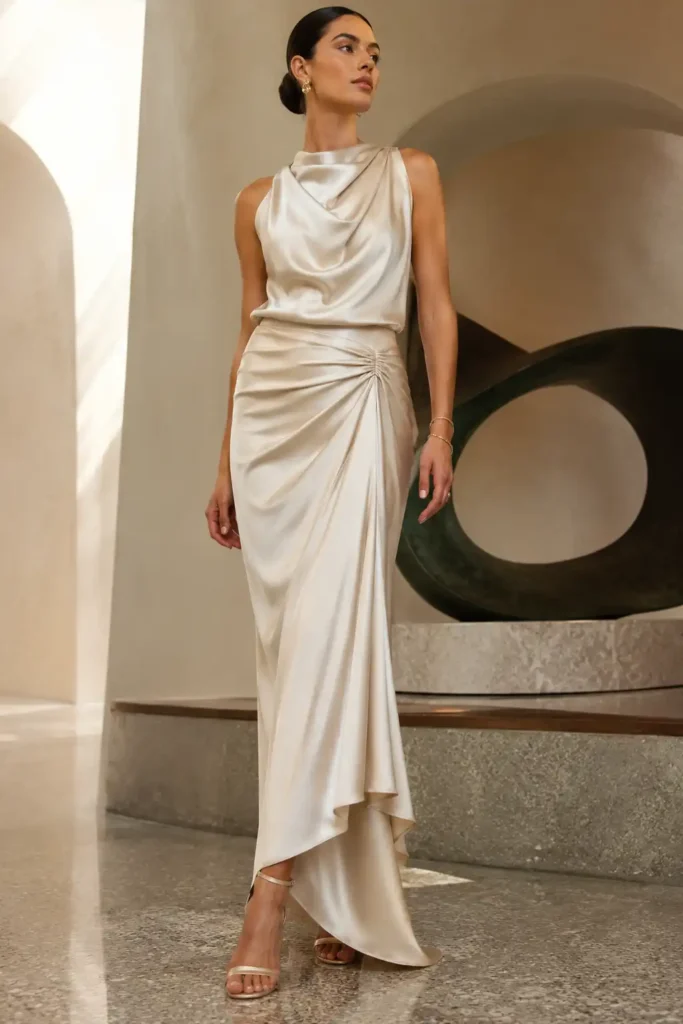
Ruched Skirts

Wrap Skirts

Slit Skirts

Ruffle Skirts

Matching-Set Skirts
Fabric Engineering for Better Custom Skirt Results
Fabric changes far more than the surface appearance of a skirt. Weight, stretch, recovery, drape, transparency, grain stability, shine and crease behavior all influence pattern balance, sewing method, lining, pressing and packing. Fabric selection therefore becomes part of garment engineering.
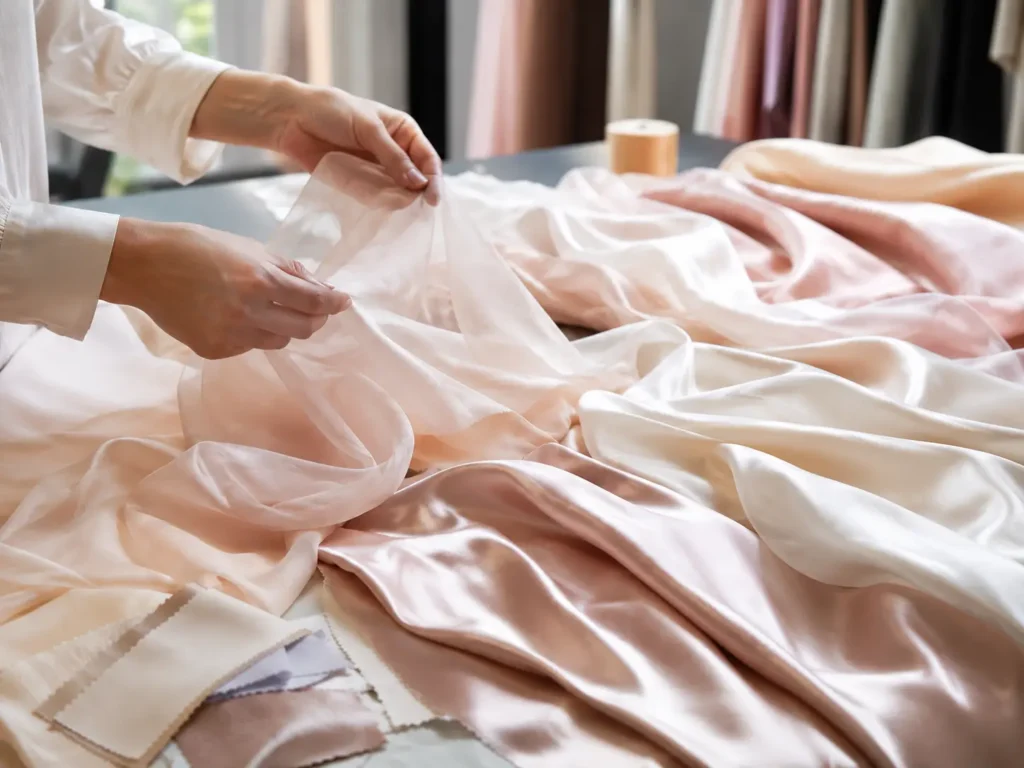
Satin and Stretch Satin
Satin creates strong visual impact but exposes construction problems quickly. Shine direction makes inconsistent cutting orientation visible, while surface sensitivity can show needle marks, snagging, pressing impressions and handling creases. Light reflection also makes side-seam waviness, puckering and zipper distortion easier to notice than on matte fabrics.
For straight or bias-influenced satin skirts, grain direction and panel balance are controlled before cutting. Waistband and zipper construction need enough stability to remain flat without creating a heavy edge. Lining should support opacity and comfort without restricting the shell or creating a second visible hem line.
Stretch satin introduces another variable: recovery. Stretch percentage alone does not determine performance. A body-skimming skirt needs enough recovery to return after sitting and movement. Seam type, needle selection, waistband support and pressing method must work with the material rather than against it.
Packing also matters. Finished satin skirts should be folded and protected in ways that reduce hard crease lines, abrasion and surface marking before retail delivery.
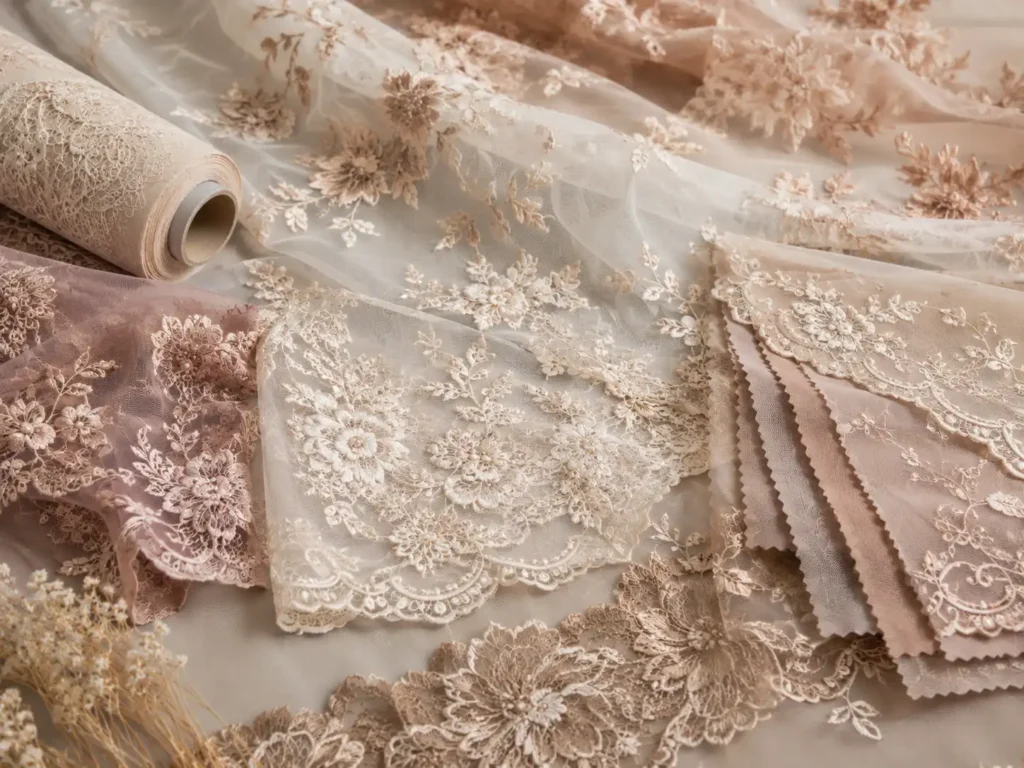
Mesh, Lace and Sequin
Mesh skirts combine transparency, stretch and edge stability. Soft mesh can drape beautifully but may distort around seams or waistband joins. Power mesh provides more support but changes comfort, silhouette and seam tension. Lining placement, seam visibility and stretch direction need to be determined before the pattern is finalized.
Lace adds motif placement and edge-management questions. Floral direction, repeat size and scalloped borders may affect cutting consumption and panel placement. A lined lace skirt also requires careful coordination between shell and lining so neither layer pulls the other during wear.
Sequin materials demand another production route. Sequin direction, scratch risk, needle path, seam bulk and falling embellishments can affect both sewing efficiency and final appearance. Sensitive surfaces also need extra protection during pressing, inspection and packing.
Instead of treating mesh, lace or sequin as decoration added after pattern development, the material is incorporated into construction planning from the beginning.
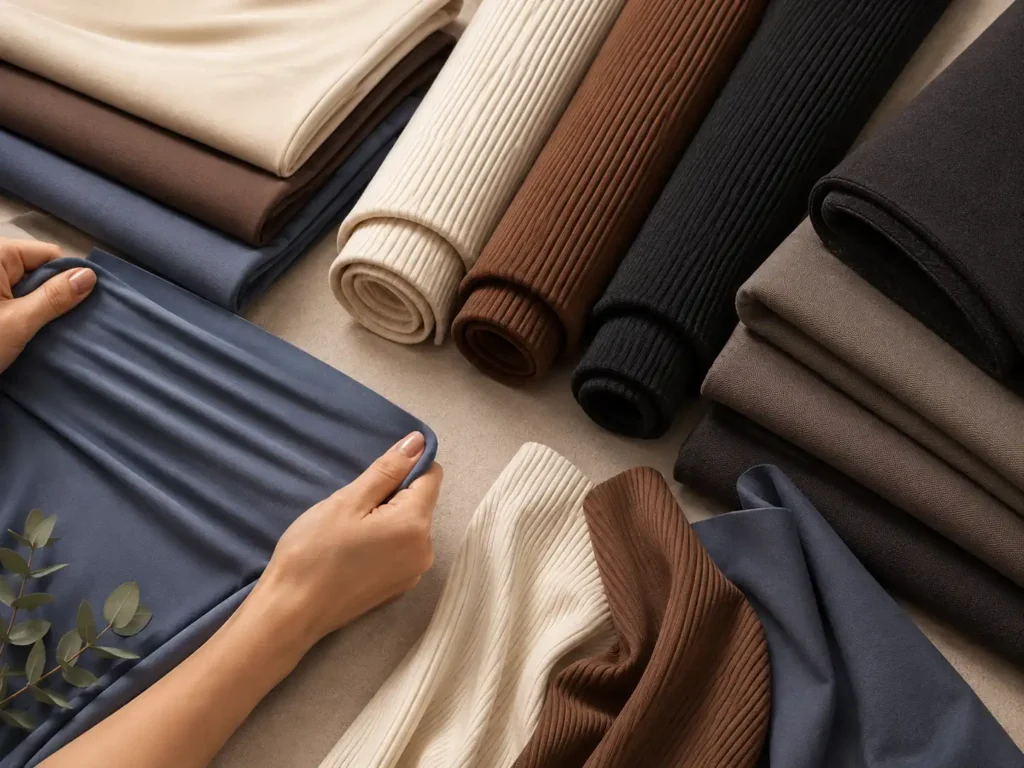
Jersey, Ponte and Stretch Knits
Stretch skirts depend on the relationship between fabric elasticity, recovery and pattern ease. A lightweight jersey mini skirt may require different seam and waistband control from a dense ponte pencil skirt even when both appear fitted.
Fabric is reviewed for stretch direction, recovery, opacity, surface stability and expected silhouette. Negative ease is applied according to the material rather than copied automatically from another style. Side seams are monitored for twisting, while hems need enough stability to remain flat without losing elasticity.
Waistbands can be self-fabric, elastic-supported or structured depending on the design. Recovery is especially important around the waist and hip because repeated movement can expose weak fabric performance quickly.
For multi-color programs, fabric behavior should remain sufficiently consistent across approved colors. Significant differences in stretch, hand feel or weight can alter fit even when every garment uses the same pattern.

Woven, Linen, Denim and Soft-Drape Fabrics
Structured woven skirts depend on accurate shaping because the fabric does not compensate for pattern errors through stretch. Darts, panel seams, waist shaping, interfacing and zipper positions become major fit tools.
Linen and rayon blends may create a softer resort look but introduce wrinkle, shrinkage and drape considerations. Denim requires attention to weight, wash treatment, shrinkage, topstitching and hardware. Chiffon or soft crepe may require additional lining and careful hem handling to preserve an even silhouette.
Fabric substitution is reviewed against the original design rather than selected only by composition or price. A visually similar material can behave very differently once cut into a long maxi skirt, fitted pencil silhouette or heavily gathered design.
The most reliable fabric choice is the one that supports the intended silhouette, construction method, production stability and commercial appearance together.
Design Details Controlled Before Bulk Production
Small skirt details often create the largest differences between an approved sample and an inconsistent bulk order. Every construction element needs a defined position, measurement, material and sewing method before production release.

Waistband and Rise
Waistband height, finished circumference, curve and internal support determine how the skirt sits on the body. High-waist, natural-waist and low-rise designs require different pattern shaping. Interfacing, elastic, facing and clean-finish construction are selected according to fabric weight and desired structure.

Pleats and Gathers
Pleat depth, direction and spacing influence finished circumference and fabric consumption. Gathers require controlled ratios so fullness remains consistent across production. Stitch references, not operator judgment alone, are used to maintain repeatable placement.

Slits and Openings
Slit height, position and reinforcement affect both appearance and movement. Lined skirts require a coordinated lining opening, while fitted styles need enough strength at the top of the slit to prevent stress damage during wear.

Zippers and Closures
Invisible zippers, exposed zippers, buttons, hooks and wrap ties must remain aligned with the skirt structure. Zipper application is reviewed for flatness and seam balance, especially on satin or fitted woven fabrics where distortion is highly visible.

Linings
Lining controls opacity, comfort and internal finish. Length, width and attachment points must allow the shell to move freely. A lining that is too narrow or too short can pull the outer skirt, change drape and create visible distortion.
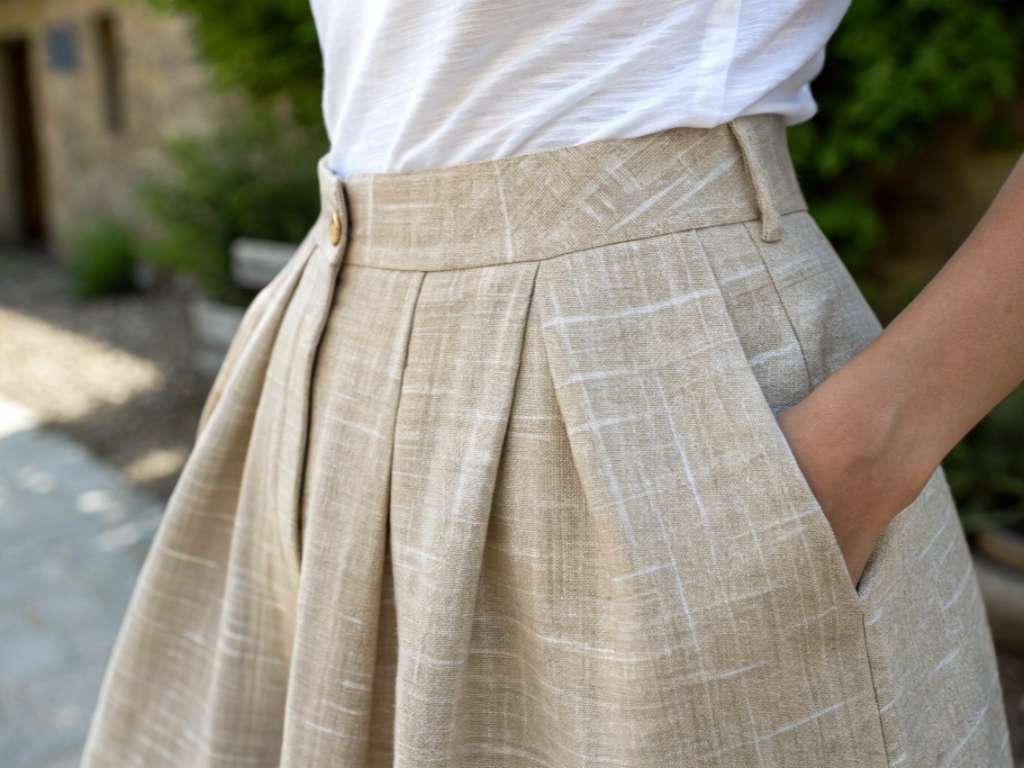
Pockets
Side-seam, patch and welt pockets change more than functionality. Pocket bag size, opening reinforcement and placement can add bulk around the hip or interrupt a clean silhouette. Pocket engineering is adjusted according to fabric and fit.

Panels and Seams
Panel lines can create shaping, visual length or asymmetric effects. Matching seam positions between sizes is important during grading, while fabric grain and print direction influence how individual panels should be cut.

Trims and Hardware
Buttons, buckles, eyelets, chains, decorative zippers and other trims are reviewed for weight, finish and attachment strength. Hardware should support the intended appearance without pulling, scratching or distorting the garment.
Pattern and Fit Engineering for Consistent Skirt Silhouettes
A skirt can look simple on a hanger while requiring close control across waist, hip, grain and hem. Fit engineering focuses on how measurements interact rather than checking isolated numbers after the garment has already been sewn.

Control Waist-to-Hip Balance
Waist circumference is only the starting point. High hip, full hip, waist-to-hip vertical distance and side-seam shaping determine how the skirt follows the body.
A pencil skirt with a correct waist but insufficient hip release may pull horizontally and force the side seam forward. A high-waisted mini can feel tight even when the waistband measurement appears correct if the upper-hip curve has not been shaped properly. An A-line skirt may stand away from the body if excessive volume is released too early.
Pattern development therefore reviews circumference and vertical placement together. Dart intake, panel shaping, seam curves and waistband geometry are adjusted according to the intended silhouette.
For stretch styles, negative ease is established according to fabric recovery. For rigid woven styles, wearing ease and movement allowance are distributed without losing the designed profile.
Size grading follows the same logic. Increasing every measurement mechanically does not always preserve proportion. Waist, hip, length, slit position and waistband depth need coordinated grade rules so the style remains recognizable across the selected size range.

Control Length, Grain and Hem Balance
Finished skirt length is affected by more than the vertical measurement recorded in a specification sheet. Grain direction, fabric drape, bias influence, flare distribution and body shaping can change how the hem hangs.
Long midi and maxi skirts reveal imbalance quickly. Side seams can appear longer than center front, soft panels can drop after hanging, and bias areas may relax differently from straight-grain areas.
Pattern pieces are checked for grain orientation before bulk cutting. Sample garments are evaluated both flat and worn so hem balance can be reviewed against the intended silhouette.
Hem sweep is also important. A narrow pencil skirt needs enough movement through the lower body, while an A-line or maxi skirt must create the desired flow without unnecessary weight. Slits, vents and panel openings can provide mobility when additional sweep would change the design.
For sensitive fabrics, garment hanging and pressing behavior are considered before final hem approval.

Grade Fit Without Losing the Original Design
Size grading should preserve visual proportion rather than simply enlarge the base size. Waistband height, pocket position, slit height, ruffle placement and seam details may need controlled grade rules in addition to circumference changes.
Fit-sensitive programs often benefit from reviewing more than one size before bulk. Differences become particularly important for fitted mini skirts, pencil silhouettes, bodycon constructions and styles with fixed decorative placement.
Measurement charts are linked to the approved pattern. When fit comments change a dimension, both records are updated. Relying on verbal comments while leaving the production pattern unchanged creates avoidable bulk inconsistency.
Final production references therefore connect pattern, size chart, construction details and approved sample together. QC teams can inspect against the same standards used during development instead of applying a separate interpretation at the end of production.
Match Skirt Style, Fabric and Production Control
A useful development decision connects silhouette, material behavior and factory control. The combinations below show how different skirt categories shift technical priorities before sampling and bulk production.
| Skirt Type | Suitable Fabric Direction | Main Production Risk | Key Control Focus |
| Bodycon Skirt | Jersey, ponte, power mesh, stretch satin | Poor recovery, seam twisting, ride-up | Stretch direction, negative ease, waistband recovery, seam stability |
| Satin Midi | Satin, stretch satin, crepe-back satin | Shine mismatch, puckering, creasing | Grain direction, zipper flatness, lining, pressing and packing |
| Pleated Skirt | Polyester woven, crepe, structured blends | Uneven pleat depth or waist bulk | Pleat ratio, pressing, waistband construction, finished circumference |
| Pencil Skirt | Ponte, suiting, stretch woven | Restricted movement, hip pulling | Waist-to-hip balance, vent/slit, zipper and lining |
| Maxi Skirt | Rayon, chiffon, crepe, satin | Uneven hem, twisting, excessive weight | Grain, panel balance, hem sweep, lining and hanging behavior |
| Mesh Skirt | Soft mesh, power mesh, lined mesh | Transparency, distortion, visible seams | Lining, seam choice, stretch direction and edge stability |
| Structured Mini | Denim, twill, suiting, faux leather | Bulk, rigid fit, visible seam distortion | Pattern shaping, interfacing, topstitching and closure |
Sampling Stages Before Custom Skirts Enter Production

First Sample

Fit Sample
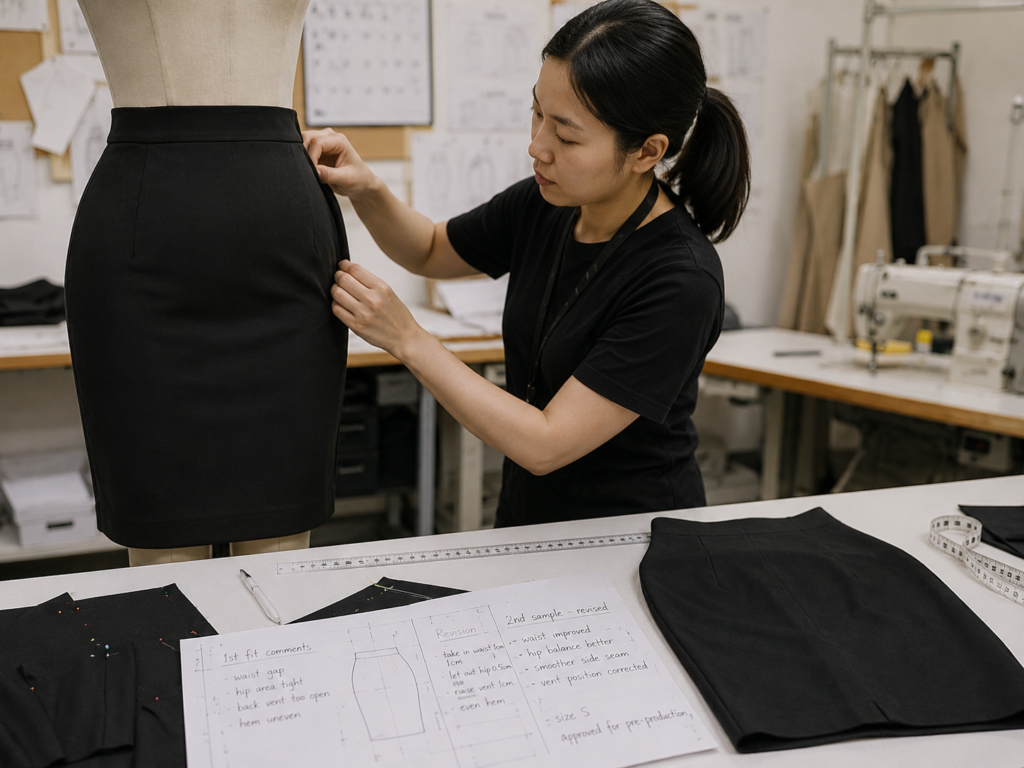
Revised Sample
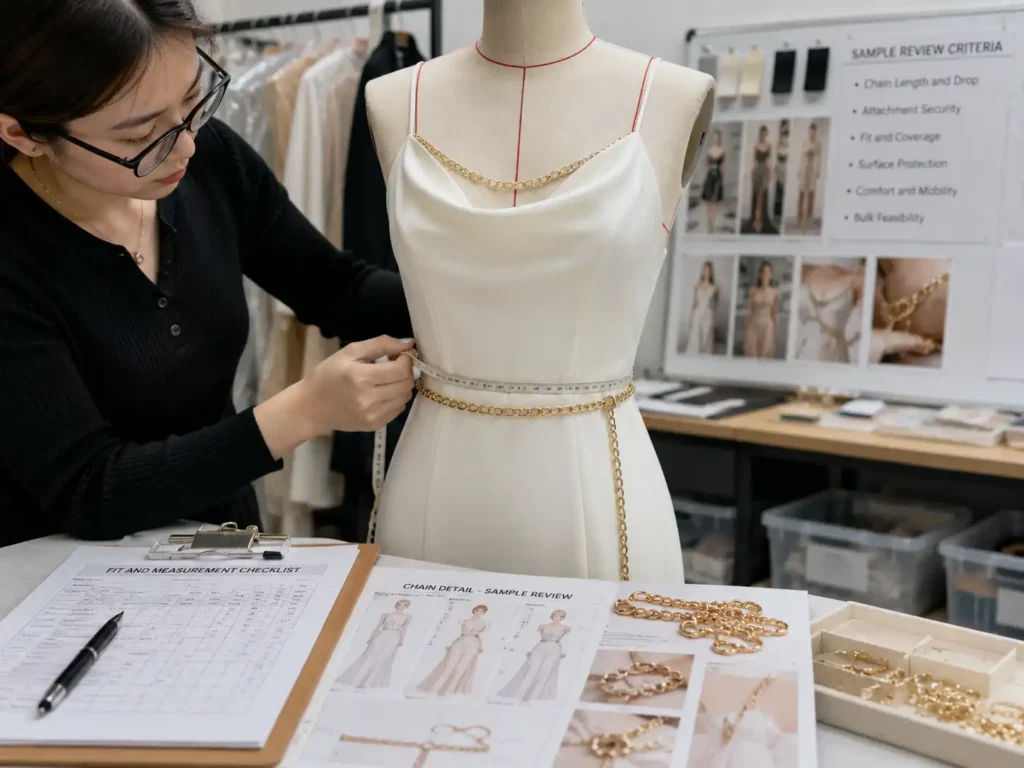
Photo or Sales Sample
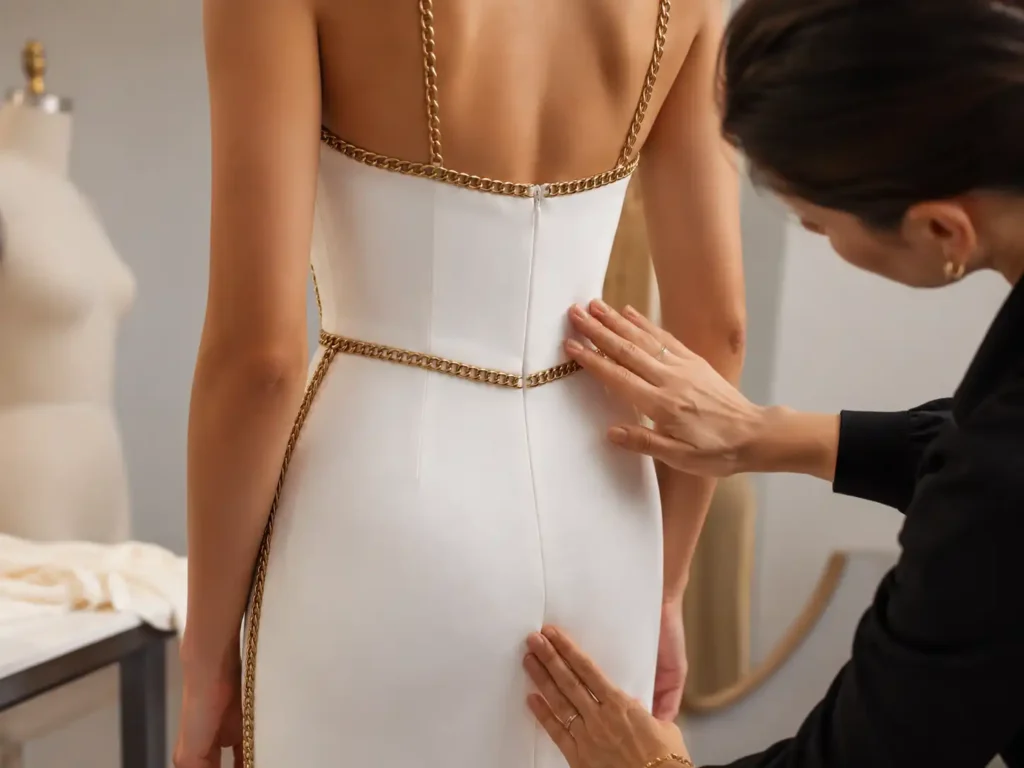
PP Sample

Golden Sample
Sample Revisions Converted Into Production Controls
Successful sample development depends on what happens after comments are received. Every accepted change must become part of the production standard so bulk teams are not forced to interpret old images, email threads or isolated annotations.

Turn Fit Comments Into Measurable Changes
Comments such as “waist feels loose,” “hip looks tight,” or “hem needs more movement” are translated into specific pattern and measurement actions.
If the waist is reduced, the revised circumference and corresponding pattern change are recorded. If the hip needs more ease, distribution between side seam, darts or panels is reviewed. If a maxi skirt feels too narrow while walking, the solution may involve hem sweep, slit length, panel shape or fabric behavior rather than simply enlarging every measurement.
Fit comments are reviewed against fabric properties. A 1 cm adjustment can create a different effect in rigid suiting compared with stretch jersey. Size range also matters because a change made to the base size may require updated grading logic.
The revised sample then confirms whether the change achieved the intended result. Approved measurements are transferred to the working size specification so QC teams can inspect bulk garments against the same numbers.

Lock Construction Before PP Approval
Design details need the same discipline as fit.
Waistband structure, zipper type, pleat depth, stitch method, lining attachment, hem construction, slit reinforcement, pocket dimensions and trim position should be finalized before production release.
When a material or trim changes during development, BOM information is updated. When a sewing method changes, sewing instructions and relevant QC checkpoints follow. When a visual detail changes position, the pattern or placement reference should reflect the new standard.
PP approval becomes meaningful only when the physical sample and technical records describe the same garment.
Jinfeng uses the PP stage to reduce the gap between sample room work and production-line execution. Final details can then be carried into Golden Sample records, bulk instructions and inspection criteria.
Bulk Production Flow for Multi-Style Skirt Programs
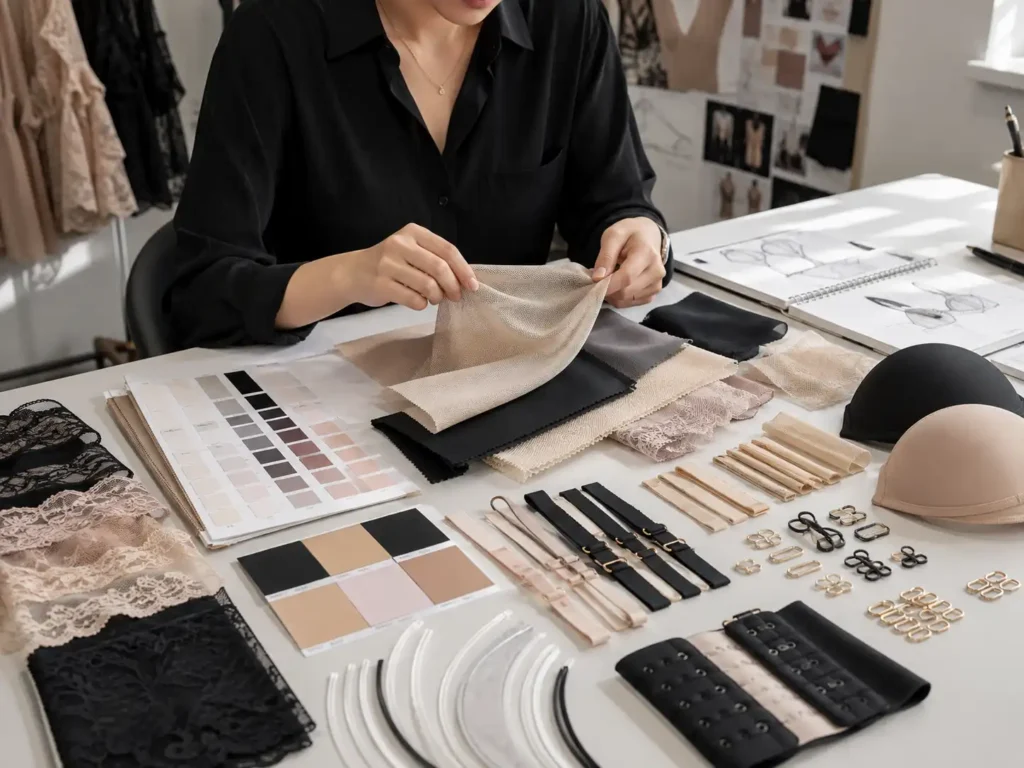
Material Confirmation

Incoming Material QC

Fabric Preparation

Cutting Control

Sewing and Inline QC

Pressing and Finishing

Finished Garment QC
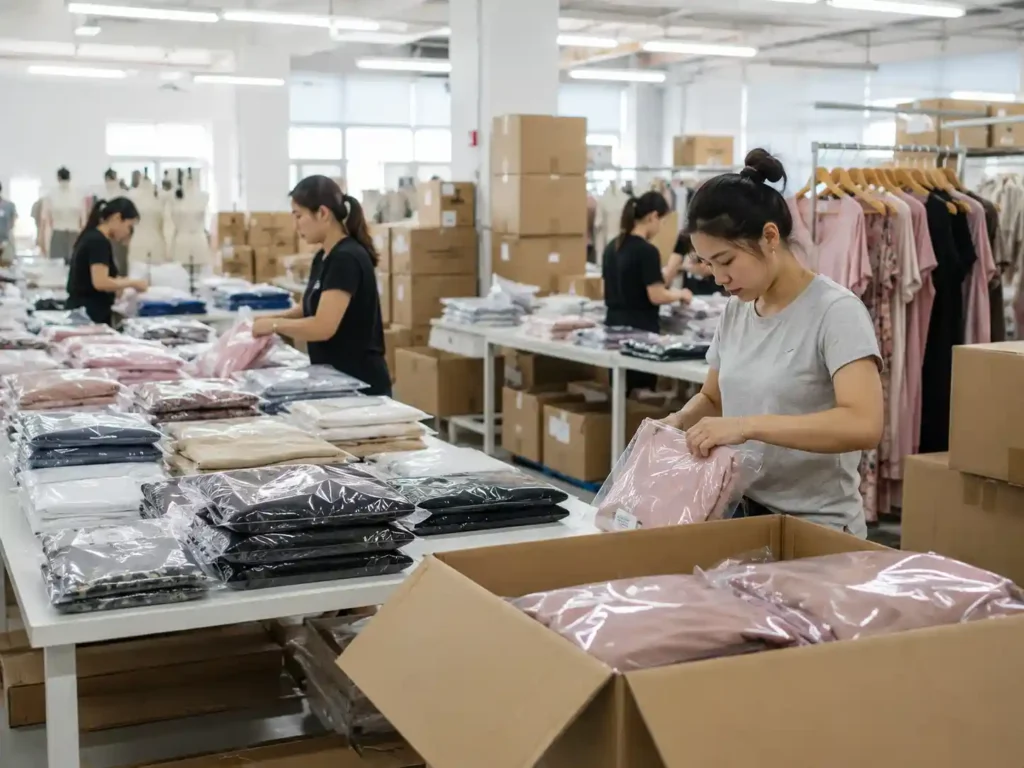
Packing and Final Release
Workmanship Details That Shape the Finished Skirt
Experienced garment production is visible in areas shoppers may never consciously name. Waistband flatness, seam balance, zipper installation, pleat consistency, lining behavior and pressing determine whether a skirt feels professionally built when worn, photographed and handled in retail.
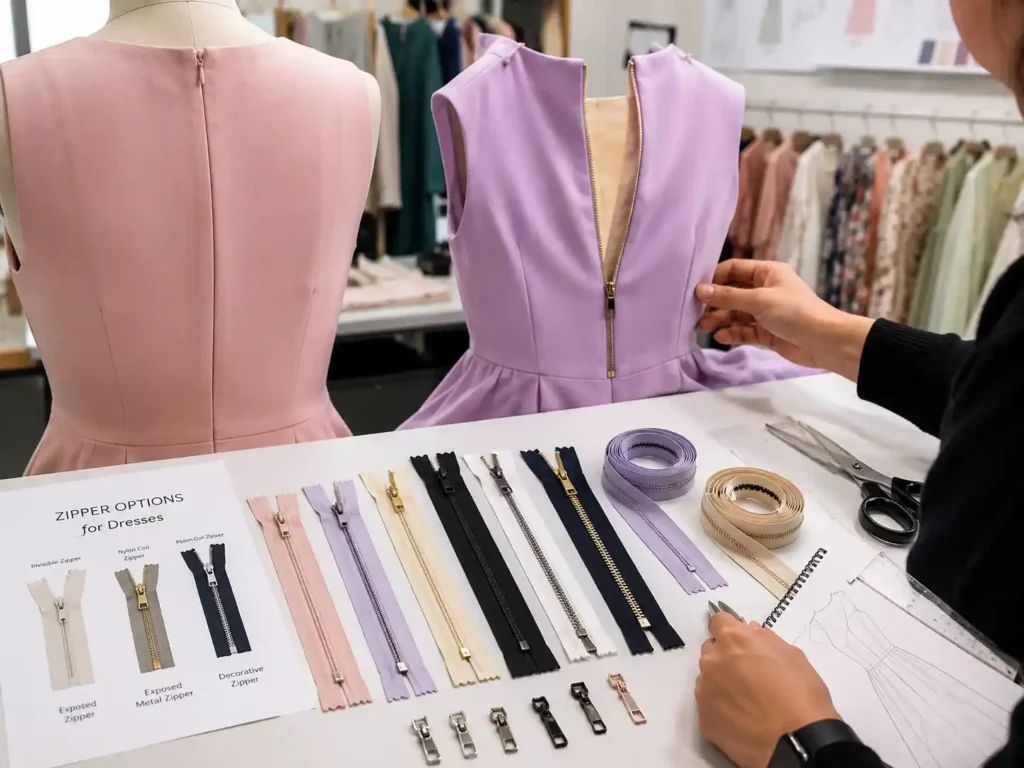
Waistbands, Zippers and Side Seams
The upper section of a skirt controls both fit and visual stability. A waistband should sit smoothly without rolling, stretching out or creating unexpected bulk. Construction may involve interfacing, elastic support, facing or clean-finish methods depending on fabric and silhouette.
Zippers need to remain flat against the body. Satin and lightweight woven fabrics expose zipper puckering quickly, while fitted skirts can show distortion when seam tension is not balanced. Invisible zippers are checked for smooth operation, consistent top alignment and clean joining at waistband seams.
Side seams reveal pattern and sewing accuracy. They should remain visually balanced when the skirt is worn rather than twisting toward front or back. Stretch garments require seam elasticity and recovery, while long soft skirts need grain control to reduce torque.
These details are monitored during sample development and carried into bulk sewing instructions so the line reproduces the approved appearance rather than creating its own interpretation.

Pleats, Gathers, Ruffles and Slits
Pleats need consistent width, depth and direction. Pressing should set the desired visual line without scorching or flattening sensitive fabrics incorrectly. When pleats meet the waistband, excess bulk must be controlled so the upper edge remains clean.
Gathers and ruching are defined by placement and fullness. If operators judge gathering by eye, garment-to-garment variation becomes obvious across a retail rail. Reference points and finished measurements help keep the distribution consistent.
Ruffles introduce additional seams and fabric weight. Gathering ratio, circular construction or layered placement should be stabilized before bulk.
Slits create movement but also concentrate stress at the opening. Reinforcement needs to protect the seam without producing an obvious hard patch. Lining, seam allowance and top opening must remain aligned through repeated wear.
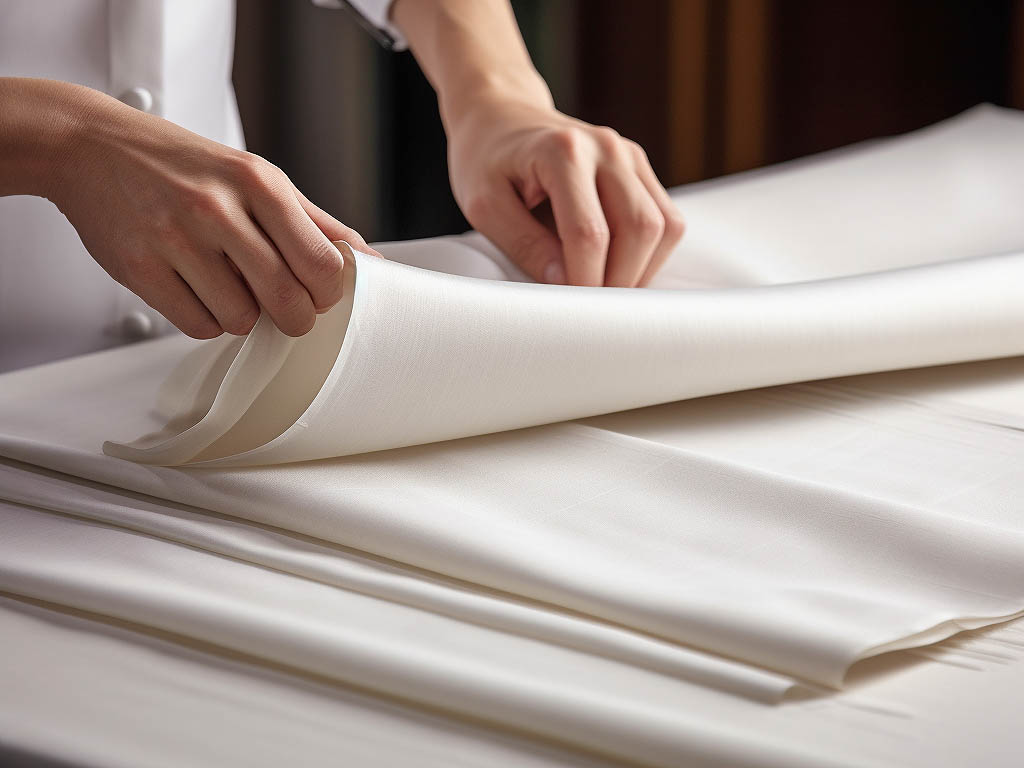
Linings, Hems and Internal Finish
A well-made lining should support the skirt without becoming visible in the wrong places.
Lining length is controlled so it stays above the outer hem and does not pull the shell upward. Circumference must allow sufficient movement. Attachment points should prevent twisting while still allowing the two layers to move naturally.
Hem construction depends on fabric. Lightweight chiffon may use a narrow finish, structured woven skirts may need a wider turned hem, and stretch styles may use coverstitch or other elastic finishing. The chosen method must support the intended drape.
Internal seam finishing also matters for comfort and durability. Overlocking, clean binding, lining coverage or other treatments are selected according to garment construction and market position.
Inspection looks at both exterior appearance and internal execution because an attractive outside can still hide construction problems that emerge after wear.
Pressing and Surface Protection
Pressing is part of garment construction rather than a cosmetic step at the end.
Waistbands, pleats, darts and seams are shaped through controlled pressing, yet excessive heat or pressure can permanently damage satin, synthetic fabrics, faux leather and embellished surfaces.
Protective methods may be needed to reduce shine, seam impressions or crushing.
Sequin and decorated garments also require surface-aware handling during finishing.
Finished skirts are reviewed for crease lines, press marks, puckering and shape before packing.
Sensitive styles receive packing methods suited to the material so the approved finish has a better chance of surviving storage and transit.
Multi-Stage Quality Control for Custom Skirt Orders
Incoming Material QC
Cutting QC
Sewing QC
Inline Inspection
Finished Garment QC
Pressing Review
Packing QC
Final Inspection Support
Private Label Details Prepared for Retail Delivery

Main Labels
Care and Size Labels
Hangtags
Barcodes and SKUs

Polybags and Folding
Carton Marking
MOQ, Capacity and Multi-Style Collection Planning
Order planning combines style count, color count, fabric sourcing and production capacity. Jinfeng is structured for commercial skirt programs where development can continue from an initial seasonal order into replenishment, new colorways and related collection extensions.
| Production Reference | Jinfeng Apparel |
| Standard MOQ | Starts from 200 pcs per style/color |
| Typical Established Brand Program | 10–30 skirt or womenswear styles |
| Typical Total Brand Order | Approximately 20,000–80,000 pcs per program |
| Normal Monthly Capacity | 100,000+ pcs |
| Owned Womenswear Factories | 6 |
| Long-Term Satellite Partners | 10+ |
| Sewing Lines | 18+ |
| Flexible Production Lines | 6+ |
| Sample Rooms | 2 |
| Senior Pattern Makers | 7+ |
| Sample Machinists | 20+ |
Compliance and Inspection Support by Project
Quality Systems
Social Audits
OEKO-TEX Resources
GOTS and Organic
GRS and Recycled
Third-Party Testing
Custom Skirt Programs From Development to Bulk Delivery

12-Style US Trend Skirt Program
A US fashion label developed a 12-style skirt capsule covering bodycon minis, ruched jersey skirts, satin midis and two matching-set bottoms. Total bulk volume reached approximately 28,800 pieces across coordinated color groups.
Development risk centered on fit consistency because the collection used both stretch and non-stretch fabrics. Jersey styles required recovery and negative-ease control, while satin styles required separate waist-to-hip shaping and lining decisions.
Fit comments were converted into pattern and measurement revisions before PP approval. Satin grain direction, zipper flatness and packing protection were added to production controls, while stretch styles received seam-recovery and waistband checks.
The program moved into bulk using separate technical records for each style while preserving shared color, label and packing requirements across the collection.

18-Style Occasion Skirt Collection
An established womenswear program developed 18 skirts for party, evening and event-driven sales, with approximately 46,000 pieces across the total order. Fabrics included satin, mesh, lace, sequin materials and structured woven bases.
The main challenge was not style count alone. Surface-sensitive materials required different cutting, sewing, pressing and packing methods while the collection still needed a consistent premium appearance.
Mesh styles were reviewed for transparency and lining coverage. Lace designs required motif and edge consideration. Sequin styles needed seam and surface protection, while satin skirts were controlled for shine direction, puckering and crease marks.
Production allocation followed fabric and construction difficulty rather than placing every style on one identical line. PP and Golden Sample references helped align workmanship standards across the program.

26-Style Seasonal Skirt Expansion
A multi-channel fashion brand expanded a successful skirt category into 26 seasonal styles with a total order of approximately 72,000 pieces. The range included A-line, pleated, mini, maxi, fitted, slit and matching-set skirts across several fabric families.
The development priority was maintaining one brand-level fit language while allowing different silhouettes to perform correctly. Waist position, hip ease, skirt length and hem behavior were reviewed by product group rather than applying one fit rule to every style.
Patterns, size charts, BOM details and QC checkpoints were retained after approval. The record system also supported same-pattern color extensions and later fabric updates without rebuilding every style from the beginning.
The program structure allowed collection growth while keeping technical standards tied to individual style records.
Custom Skirts Frequently Asked Questions
Standard MOQ starts from 200 pieces per style/color. Different styles cannot normally be combined to meet one style’s minimum. Custom dyeing, printing, lace, sequins, certified fabrics, special trims and branded packaging may carry separate supplier minimum requirements.
Development can begin from a tech pack, sketch, reference photo, original sample, line sheet, size chart, fabric swatch or related design files. Clear information about quantity, size range, fabric direction, branding and target delivery helps the team review feasibility more accurately.
Simple skirt developments typically require around 7–10 days. Regular styles often require around 10–15 days, while complex fabrics, trims or construction may take approximately 15–25 days. Material sourcing and development requirements can change the actual schedule.
Yes. A reference image can establish visual direction, but production still requires pattern development, measurements, fabric decisions, construction details and fit approval. The goal is to convert the visual concept into a repeatable manufacturing specification.
Yes. Fabric sourcing can cover satin, stretch satin, mesh, lace, sequin materials, jersey, ponte, chiffon, crepe, linen blends, denim and other womenswear materials according to the project. Fabric suitability is reviewed against silhouette, fit and construction.
Yes. Size grading can be developed from the approved base pattern and size specification. Waist, hip, length, slit position, decorative placement and other proportions are reviewed according to the style rather than enlarged mechanically without fit consideration.
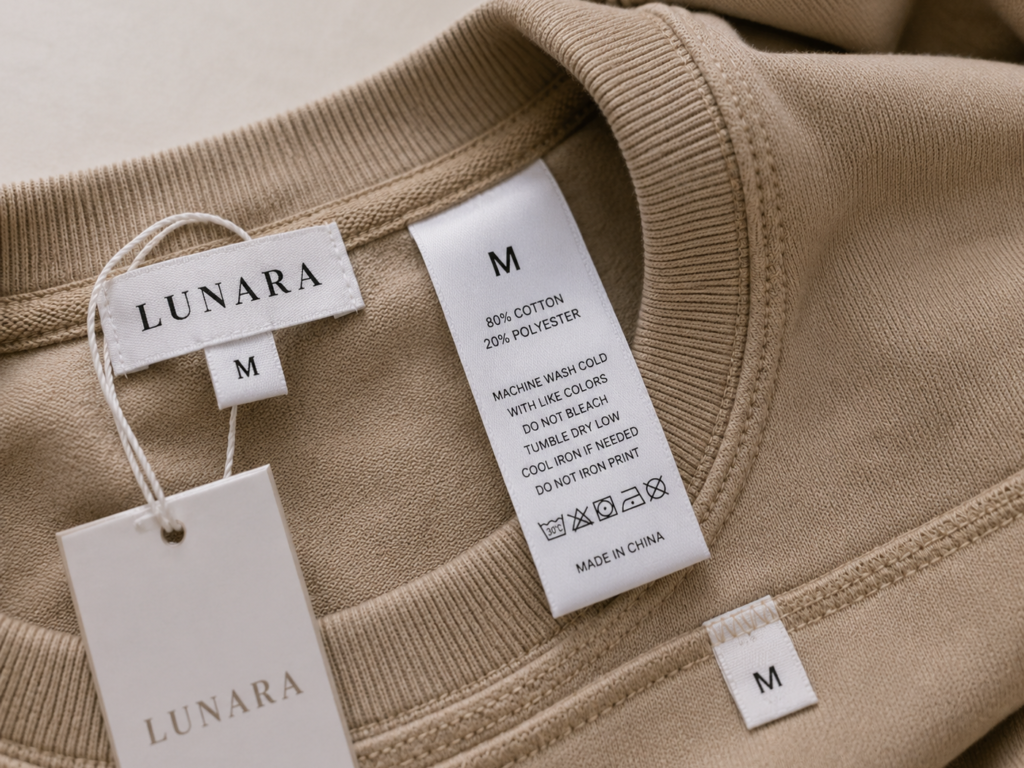
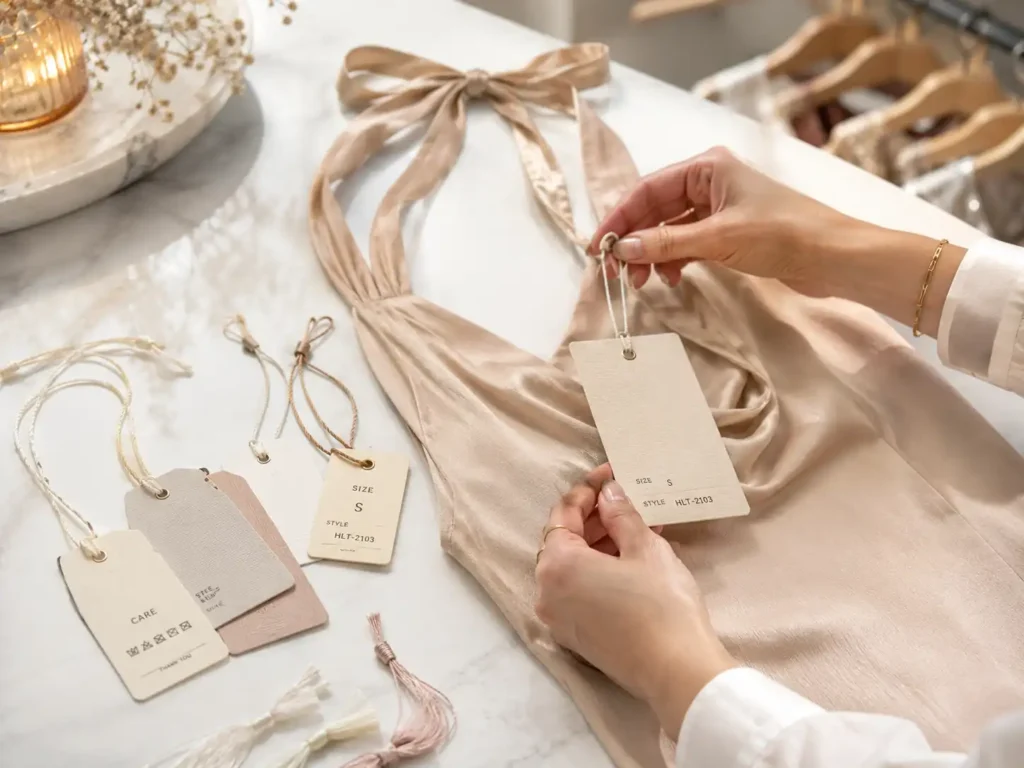
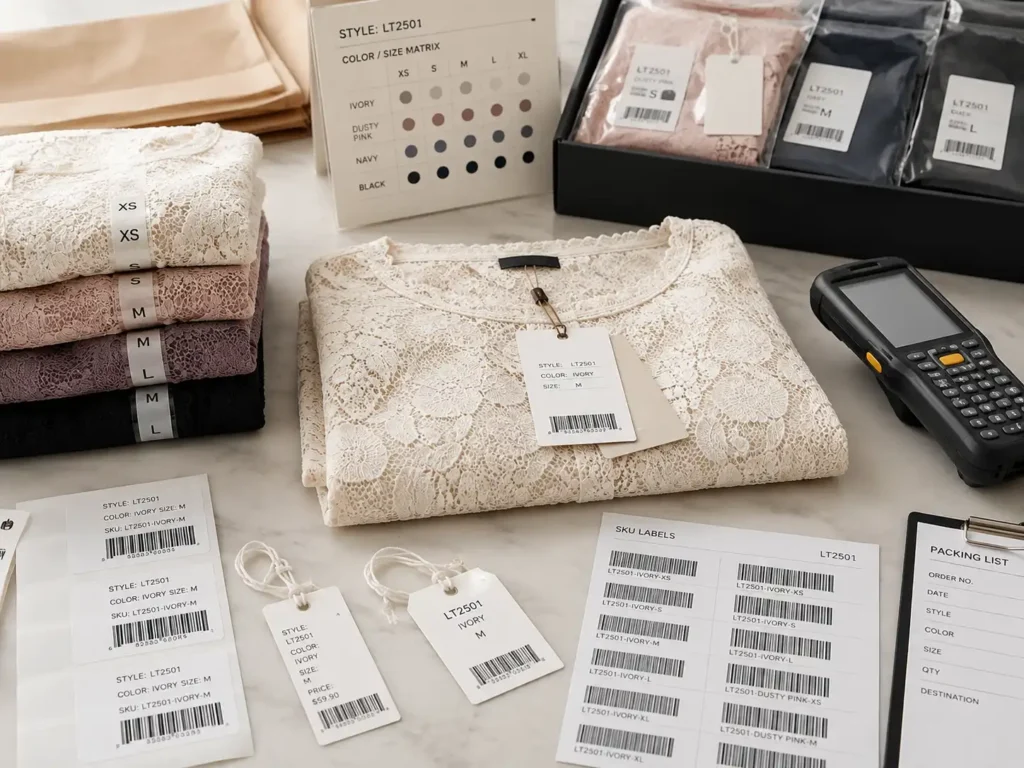
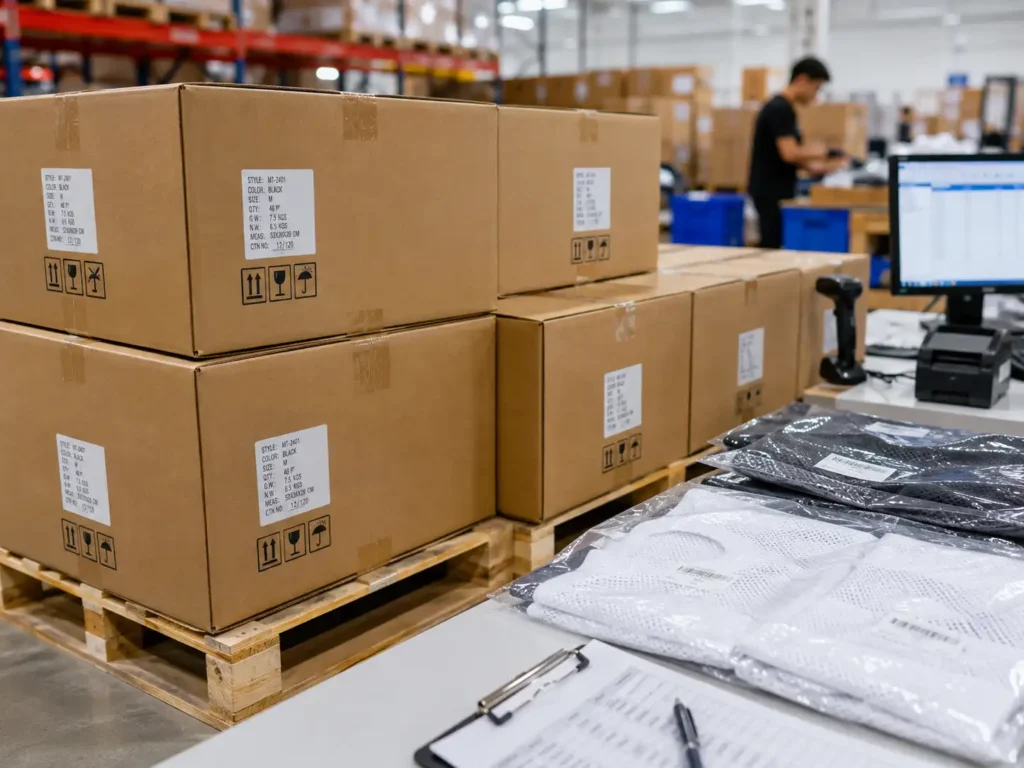
Yes. Programs can include main labels, care labels, size labels, hangtags, barcode or SKU stickers, polybags, folding specifications and carton markings according to supplied brand requirements and approved production details.
Bulk control connects approved patterns, size charts, BOM information, sewing instructions, PP samples, Golden Samples and QC checkpoints. Material, cutting, sewing, inline, finished-garment, pressing and packing stages each address different production risks.
Yes. Client-appointed inspection and third-party inspection can be supported. SGS, Intertek, Bureau Veritas, ITS and other inspection or testing arrangements may be coordinated according to the agreed project scope and acceptance requirements.
Yes. Pattern, size, fabric, trim, BOM, sewing, packing, QC and Golden Sample records can support repeat production, subject to current material availability and project review. Existing styles can also be evaluated for new colors, fabrics or seasonal extensions.

Send Your Custom Skirt Program for Production Review
Share the information already available for your skirt collection and Jinfeng Apparel can review development direction, fabric requirements, pattern and sampling needs, production feasibility and bulk planning.
A complete tech pack is helpful but not the only way to begin. Reference garments, sketches, images, line sheets, size specifications or fabric swatches can also provide a starting point when the intended product, quantities and commercial requirements are clear.
For faster project review, include:
- Skirt style or collection overview
- Tech pack, sketch, image or original sample reference
- Quantity per style and color
- Target fabric or required material characteristics
- Size range and measurement information
- Private label, hangtag and packaging requirements
- Testing or inspection requirements
- Target launch or delivery window
- Relevant artwork, trim or construction files


