 Skip to content
Custom Dresses
Custom dress development and manufacturing for fashion brands that need distinctive silhouettes, reliable fit, controlled fabrics, production-ready samples and repeatable bulk quality.
Jinfeng Apparel develops custom dresses from tech packs, reference images, original samples, sketches and line sheets. Our dress manufacturing workflow connects fabric selection, pattern development, sample revision, PP approval, bulk production, quality control and private-label packing so approved designs can move into commercial production with fewer avoidable changes.
- 200 pcs/style/colorstarting production MOQ for standard programs
- 2 sample roomssupporting dress development and revisions
- 7+ senior pattern makersfocused on fit and production patterns
- 20+ sample machinistssupporting development and complex samples
- 15+ QC inspectorsacross production and finishing stages
- 100,000+ pcs/monthregular womenswear production capacity
What Custom Dresses Mean for Fashion Brands
Brand-Specific Product
Production-Ready Fit
Repeatable Manufacturing
Built for Established Fashion and Dress Programs
Global Fashion Brands
Occasionwear and Partywear Labels
Premium Ecommerce Brands
Sourcing and Buying Teams
Multi-Style Dress Collections
Private-Label Programs
Manufacturing Capacity Behind Custom Dress Production
6 Owned Factories
10+ Production Partners
18+ Sewing Lines
6+ Flexible Lines
100,000+ Monthly Capacity
12+ Merchandisers
Custom Dress Styles Developed for Commercial Collections

Mini Dresses

Midi Dresses

Maxi Dresses
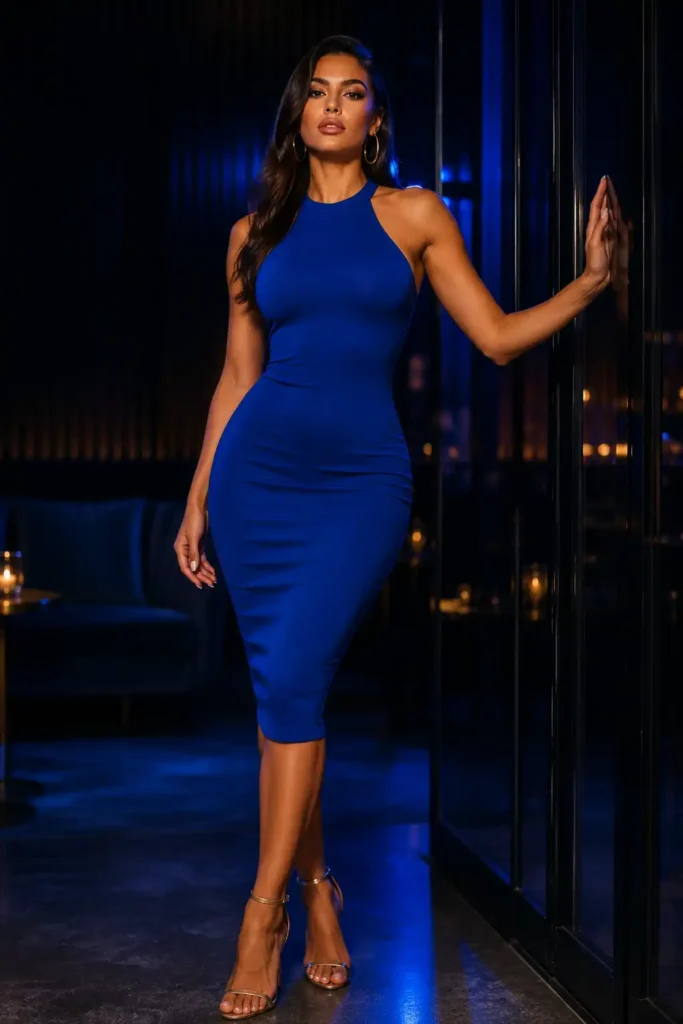
Bodycon Dresses
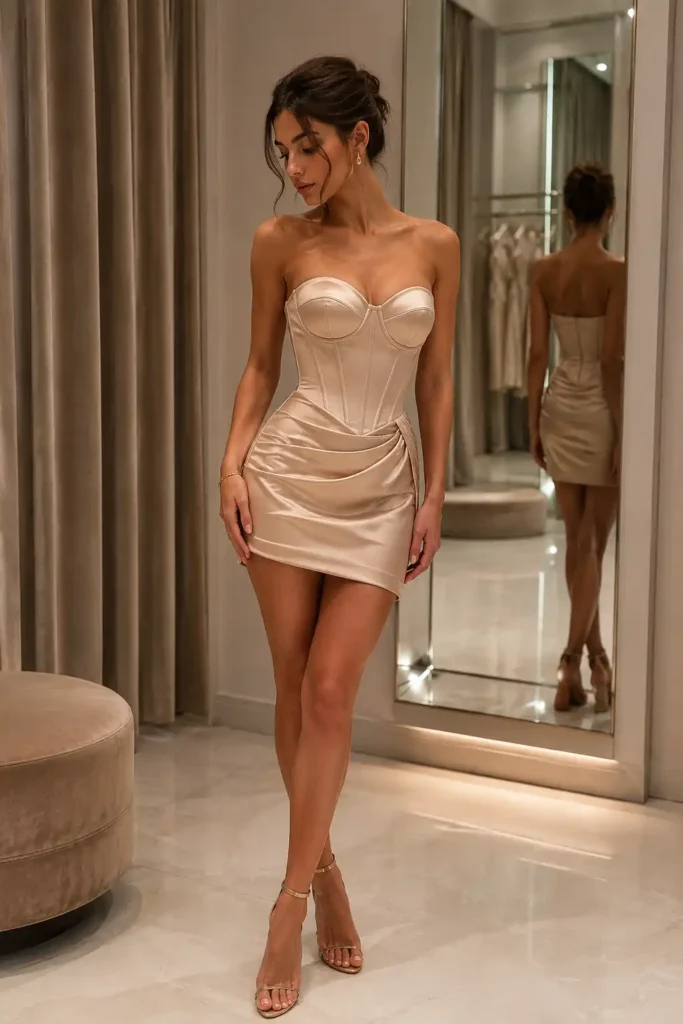
Corset Dresses

Slip Dresses

Party and Occasion Dresses
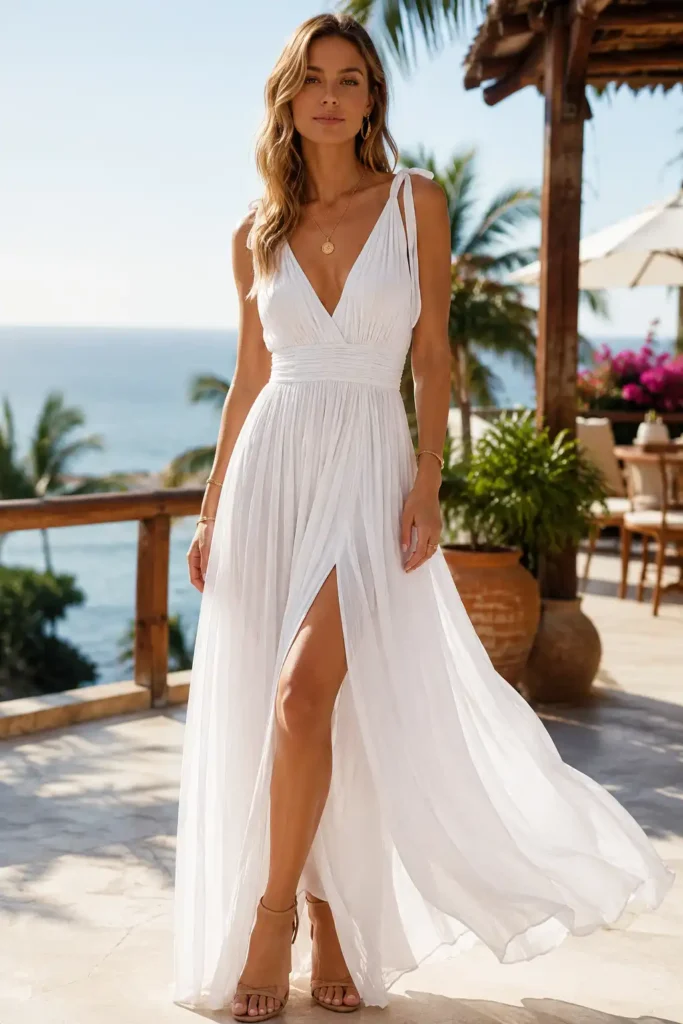
Resort Dresses
Fabrics Shape the Final Look of Custom Dresses
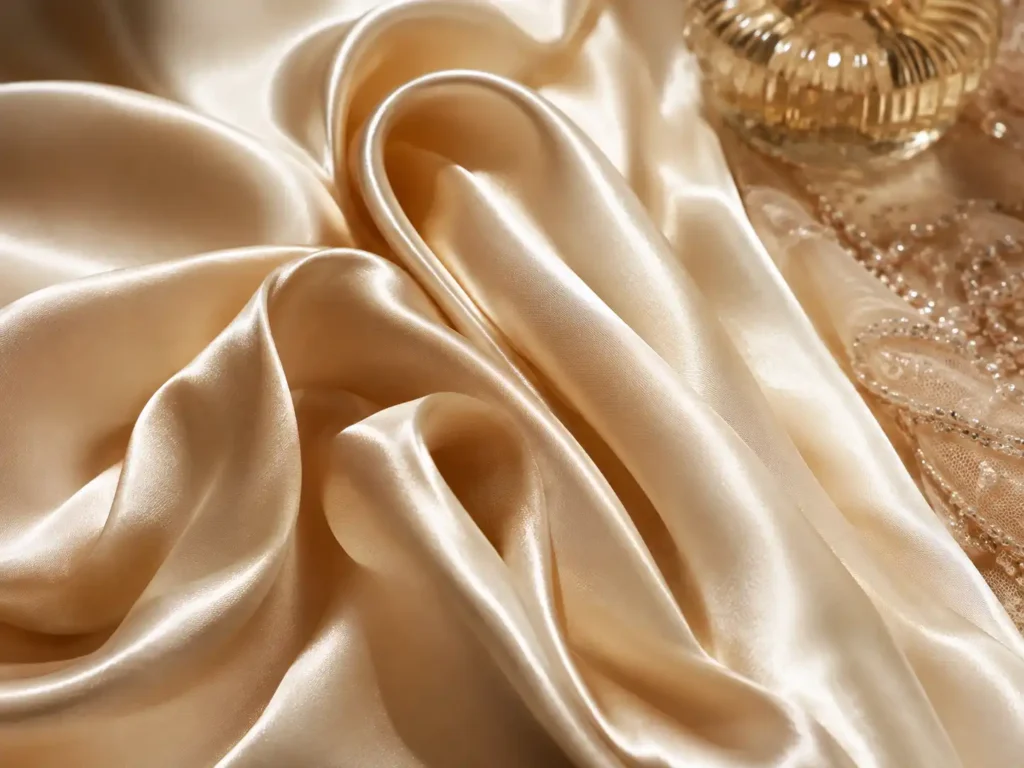
Satin and Stretch Satin
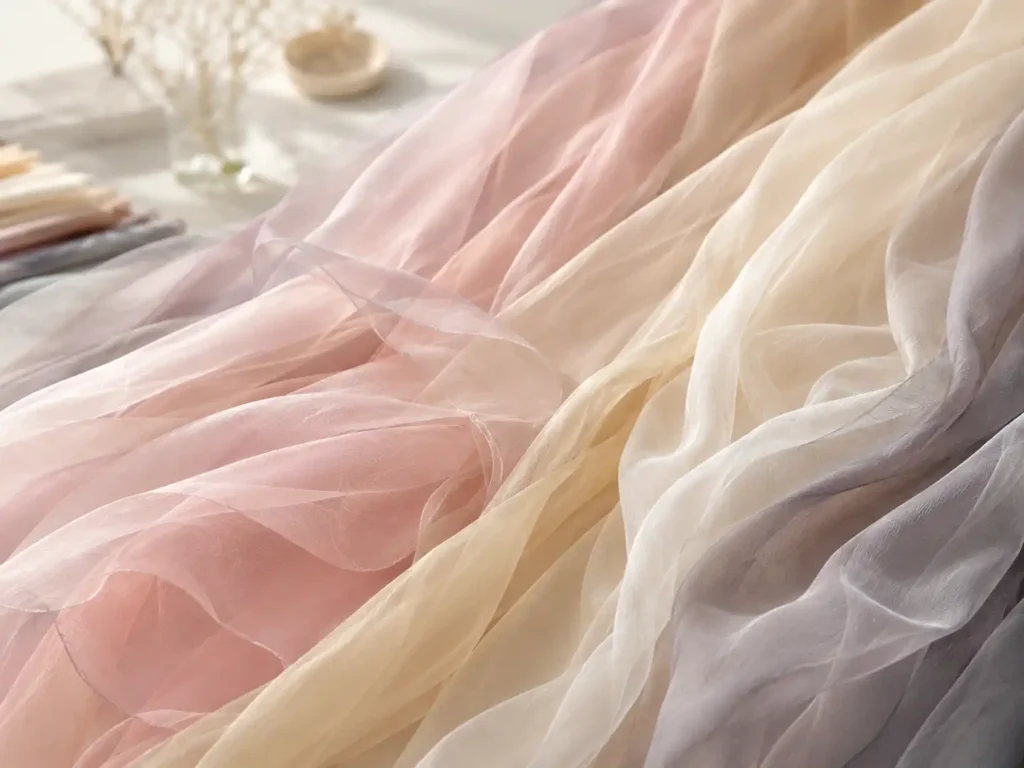
Chiffon

Lace
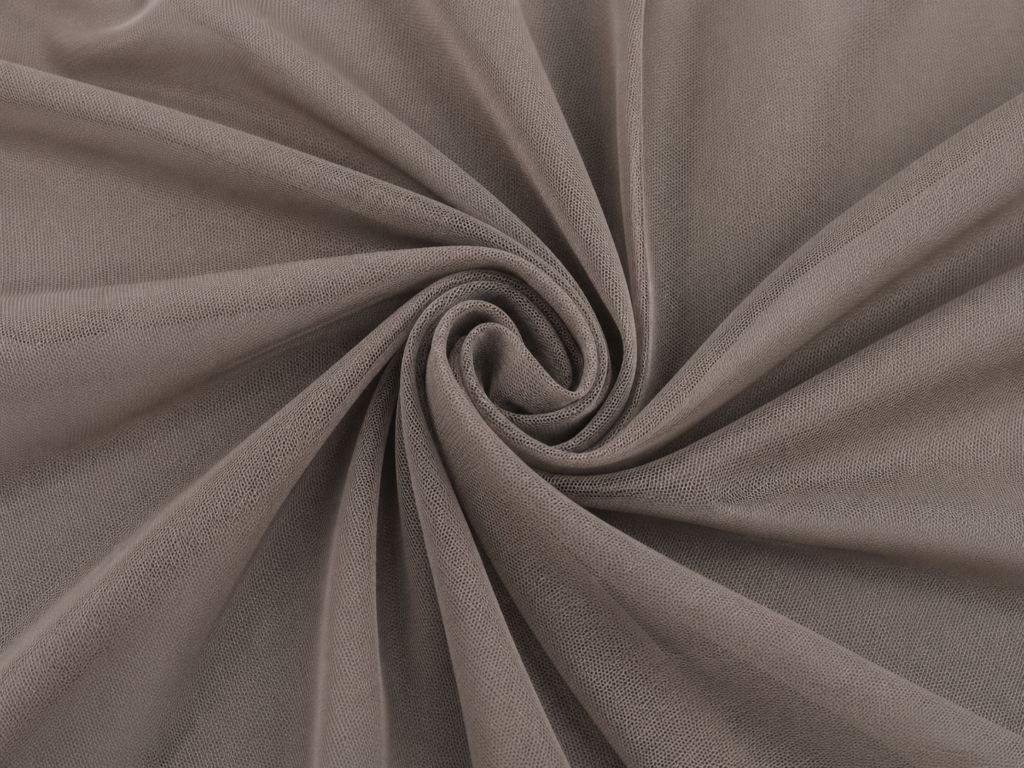
Mesh and Power Mesh
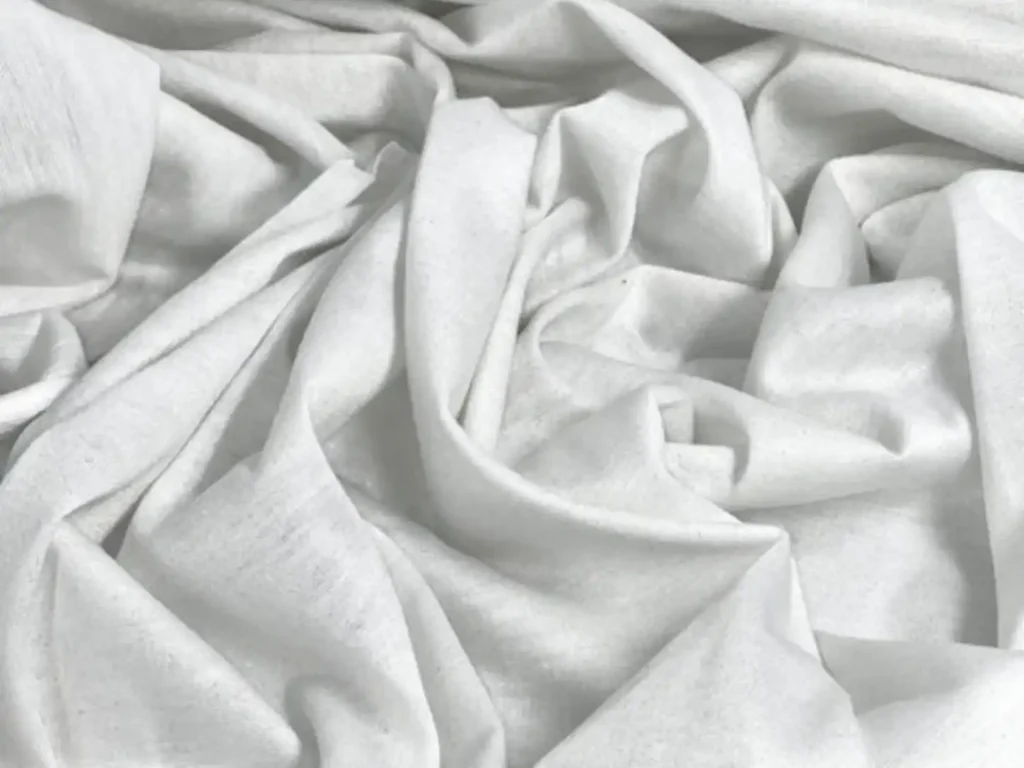
Jersey and Stretch Knits
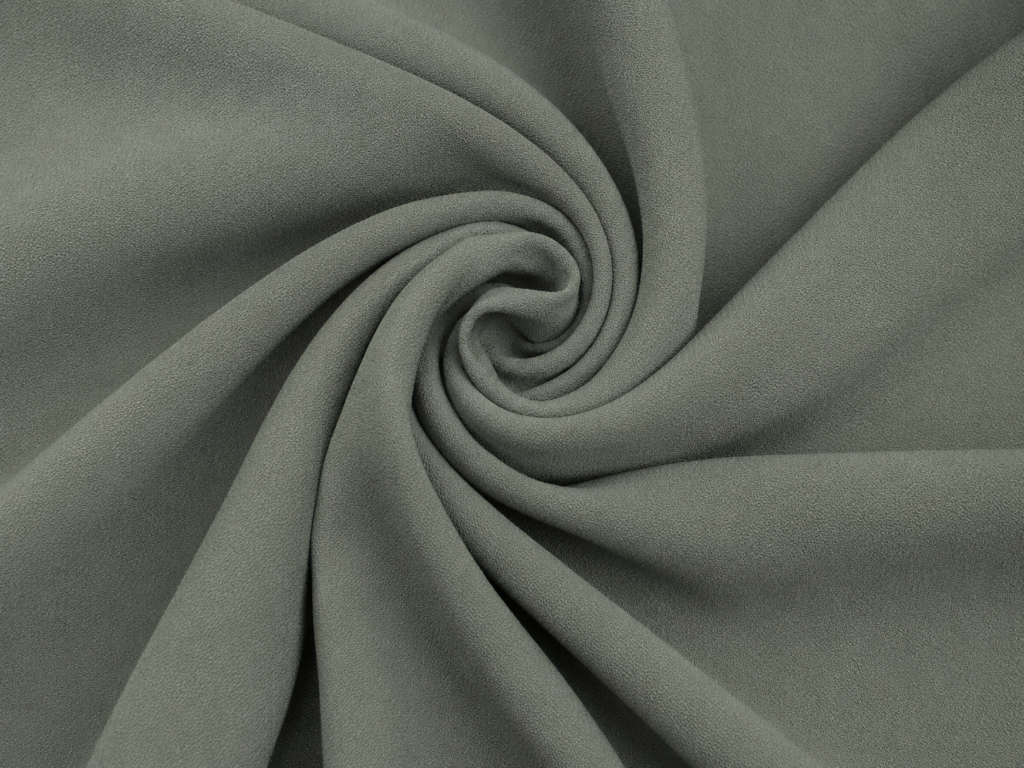
Crepe

Sequin Fabric

Rayon, Viscose and Linen Blends
Fit and Pattern Development for Commercial Dress Ranges
A dress can look correct on a hanger and still fail once worn. Fit development converts visual proportion into measurable relationships between neckline, bust, waist, hip, armhole, strap, torso length, skirt balance and overall length. Jinfeng Apparel uses pattern review, fitting feedback and sample revision to move these points into a production-ready standard.
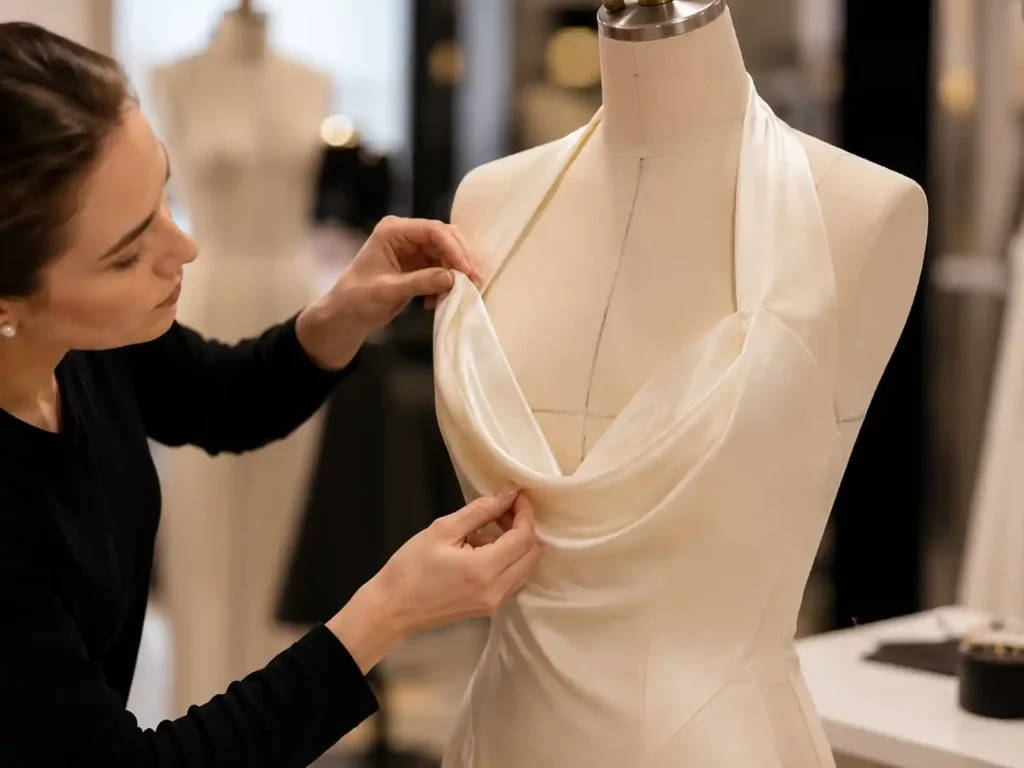
Bust, Neckline and Upper Body Balance
The upper body controls how the dress sits before the skirt is even considered. Neckline depth, cup position, shoulder width, strap length and armhole shape need to work with the target fit. Corset dresses may require structured support; slip dresses depend on strap and neckline balance; bodycon styles need fabric stretch to work with bust and underarm measurements. Sample comments should identify the exact point requiring change rather than using broad feedback such as “make the top tighter.”
For structured styles, pattern corrections may involve cup shape, center-front length, side seam position or back neckline tension. For soft styles, small changes in strap length or neckline width may improve the entire silhouette. Final measurements should translate visual comments into repeatable production standards.

Waist, Hip and Silhouette Control
The relationship between waist and hip determines whether a fitted dress appears smooth or strained. Bodycon products rely heavily on controlled negative ease and fabric recovery. Woven dresses need sufficient shaping through darts, seams, panels or waist construction. Corset and occasion designs may deliberately suppress the waist, creating greater tension at closures and seams.
Pattern correction should therefore consider body proportion, not only individual garment widths. Increasing hip room without checking side seam shape can distort the silhouette. Tightening the waist without reviewing zipper tension can create rippling. Approved fit should be converted into final pattern lines and measurement tolerances before grading.

Length, Slit and Proportion
Dress length affects the entire impression of a silhouette. A mini dress that moves 2–3 cm shorter can shift from commercial fashion to an uncomfortable fit. A midi dress with an incorrectly positioned slit may restrict movement or expose more than intended. Maxi dresses need front and back length balance, especially with soft fabrics or heeled styling.
Petite and tall ranges require more than adding or removing hem length. Waist position, strap length, armhole height, neckline depth and slit position may also need adjustment. Extended size ranges similarly require proportion, support and ease decisions rather than mechanical enlargement.

Grading Into the Approved Size Range
Once the fit sample is approved, grading should preserve the intended silhouette across the brand’s size range.
Grade rules determine how bust, waist, hip, shoulder, armhole, length and other measurements change between sizes. Complex styles may need different rules for structured cups, corsetry, stretch fabrics or decorative placements.
Bulk QC then checks production measurements against the approved specification. The aim is not simply to fit a garment inside a tolerance table, but to preserve the visual and functional balance approved during development.
Construction Details That Need Production Control

Ruching and Gathering

Corsetry and Boning

Cut-Out Construction

Linings

Invisible Zippers

Pleats, Ruffles and Slits
Start Development From the Files You Already Have
Tech Pack
Reference Image
Original Sample
Sketch
Line Sheet
Size Chart and BOM
From First Sample to Production-Ready Custom Dresses
Sampling is where an idea becomes measurable. Jinfeng Apparel uses 2 sample rooms, 7+ senior pattern makers and 20+ sample machinists to support development across fitted dresses, soft woven dresses, stretch styles, corset constructions, mesh, lace, satin and other fashion-driven products.
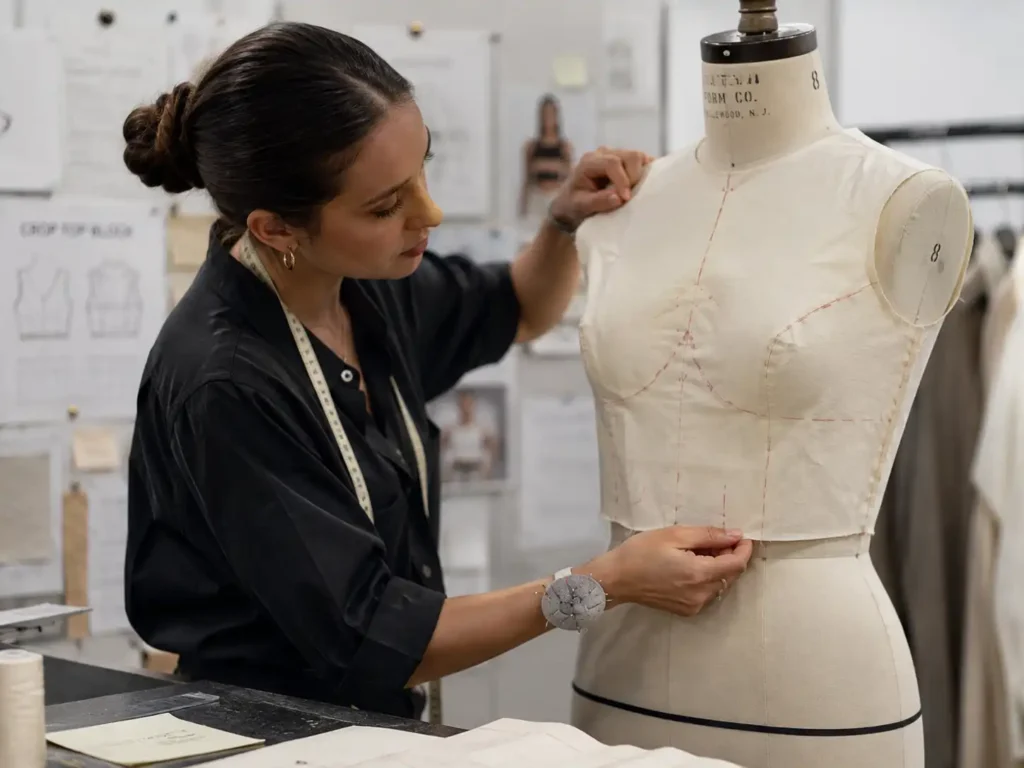
First Sample: Confirm the Product Direction
The first sample validates whether the intended silhouette can work with the selected fabric, pattern and construction. The objective is not to force an immediate bulk approval. It is to bring the design into a physical form where proportion, fit, fabric behavior and sewing decisions can be reviewed clearly.
Key review points often include neckline shape, bust placement, waist position, hip balance, strap length, sleeve opening, dress length, slit height, lining coverage, zipper behavior and fabric drape. Complex decorative elements may also be checked at this stage to determine whether the original concept needs adjustment for stable production.
Feedback should be specific. Measurement corrections, photographs, marked areas and written comments allow pattern and sewing changes to be traced rather than interpreted loosely.

Fit Sample: Confirm How the Dress Wears
A fit sample focuses on the relationship between garment measurements and the intended body shape.
Fitted and stretch styles need movement review because a garment can measure correctly on a table while behaving differently once worn.
For bodycon dresses, the team may review bust-waist-hip tension, side seam balance, recovery and hem movement.
Corset dresses require attention to cup position, support, waist compression and zipper stress. Slip dresses need strap, neckline, underarm and drape review. Maxi dresses need overall balance and hem behavior.
Fit comments that affect construction are returned to the pattern instead of being treated only as sewing changes.

Revised Sample: Close the Important Gaps
A revised sample confirms whether agreed corrections have achieved the intended result.
The development team compares the revised garment against the previous comments rather than restarting evaluation from zero.
Changes may include pattern shape, measurement points, fabric substitution, lining coverage, trim placement, zipper length, seam position or finishing method.
Where one change affects another area, the relationship should be reviewed before approval. Tightening a waist, for example, may alter zipper tension and hip balance.
Revision records become important when several styles are being developed at the same time because they prevent old instructions from reappearing later.

Photo-Ready Sample: Review Commercial Appearance
For fashion brands selling through ecommerce, campaign photography and social media, a sample may need to demonstrate the intended commercial appearance before production begins. Surface quality, drape, pressing, decorative placement and fit become especially important under photography lighting.
Satin should be checked for directional shine and pressing marks. Mesh should be checked for transparency. Sequin styles should be reviewed for surface continuity. Corset dresses should maintain clean structure from multiple angles.The goal is to ensure the product photographed for launch remains achievable in bulk production.

PP Sample: Lock the Bulk Standard
The pre-production sample is a control point rather than another creative round.
Fabric, color, trims, measurements, construction, labels, hangtags, packing and relevant finishing should be aligned with the intended bulk standard.
Any major change after PP approval can affect material purchasing, patterns, sewing instructions, packaging and production timing.
For that reason, significant revisions should be resolved before bulk cutting begins whenever possible.
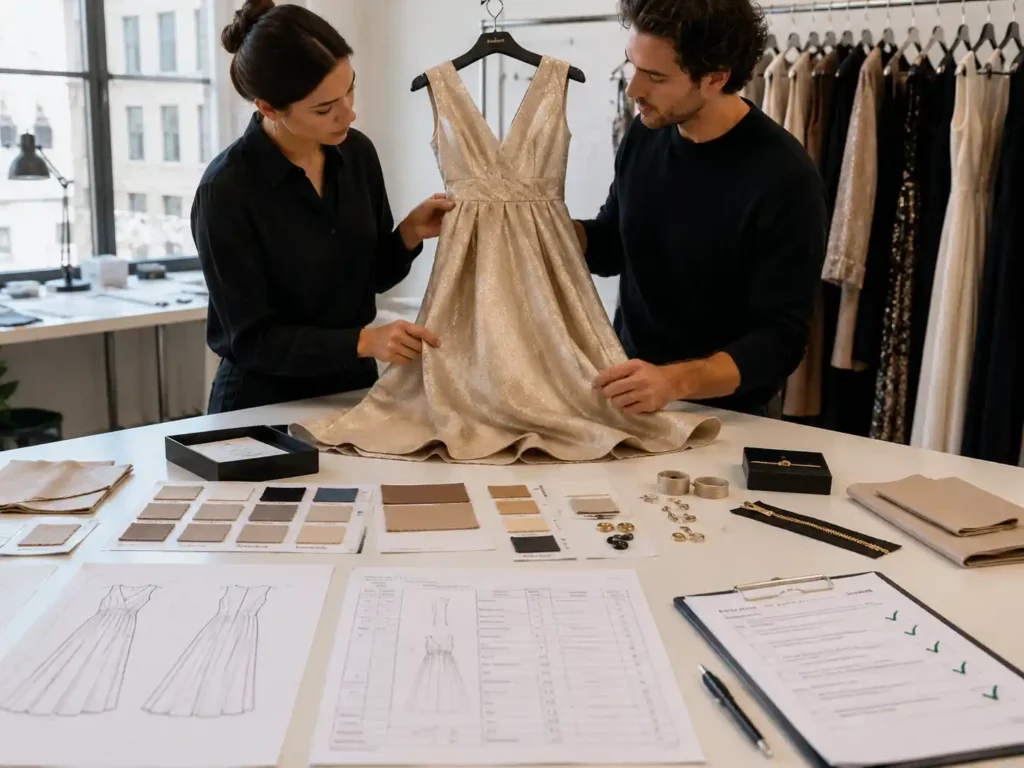
Golden Sample: Preserve a Physical Reference
A confirmed reference sample can support production, QC, packing review and future repeat orders. It gives merchandisers, production teams and inspectors a physical comparison point beyond written specifications.
Together with pattern files, measurements, fabric references, trim records and packing requirements, the approved sample helps reduce interpretation differences between development and bulk production.
Lock the Dress Before Bulk Cutting Begins
Final Pattern and Size Standard
PP Standard
Golden Reference
Bulk Production Follows the Approved Dress Standard
Moving from sample to volume is one of the highest-risk stages in custom dress manufacturing. Jinfeng connects final pattern information, material approval, production instructions and QC checkpoints before finished garments reach packing.
Material Preparation and Batch Review
Bulk fabric and trims are checked against approved references before cutting. Color, handfeel, stretch, width and visible surface differences can affect fit and appearance even when the fabric name is unchanged.
Satin requires attention to surface and direction. Stretch fabrics need suitable recovery. Lace and sequin fabrics require motif or decoration review. Printed and dyed materials should be checked before all components are committed to production.
Cutting and Bundle Control
Pattern pieces need correct grain direction, orientation and size identification.
Directional fabrics must remain consistent within each garment. Lace, prints and decorative fabrics may require placement rules that increase cutting attention.
Cut pieces are organized so components from different sizes, shades or styles are not mixed during sewing.
Sewing and Inline Review
Production instructions define seam method, seam allowance, zipper position, lining attachment, ruching placement, slit construction and other style-specific points.
Inline inspection is used to identify problems while production is still underway. Correcting neckline distortion, uneven ruching or zipper issues during sewing is more efficient than discovering the same defect after an entire batch is finished.
Finishing and Pressing
Pressing changes the final appearance of fashion dresses. Satin can develop shine marks; pleats can lose definition; mesh or decorative materials may respond poorly to excessive heat. Finishing instructions therefore need to reflect the approved fabric and construction.
Loose threads, surface marks, shape, measurements and garment presentation are checked before packing.
Packing and Shipment Preparation
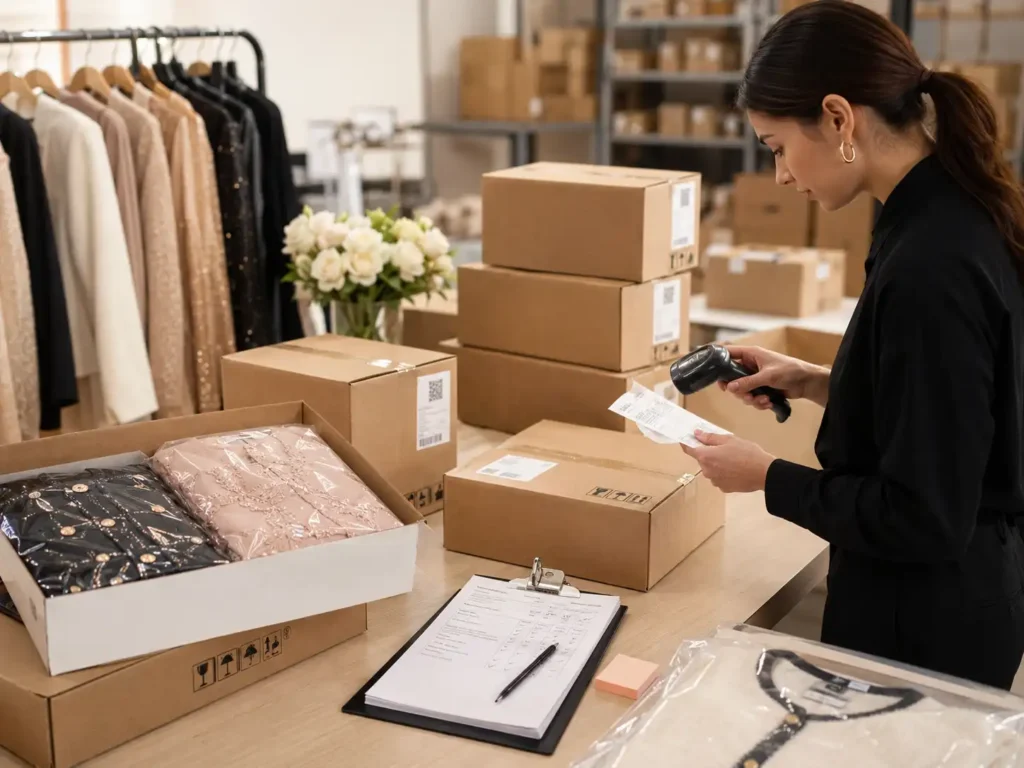
Private-label components, SKU information, polybag requirements, size ratios and carton marks need to match the final packing instructions. Long dresses, satin garments and embellished styles may require more careful folding or surface protection.
Production is only complete when the garment, branding and packing information are aligned.
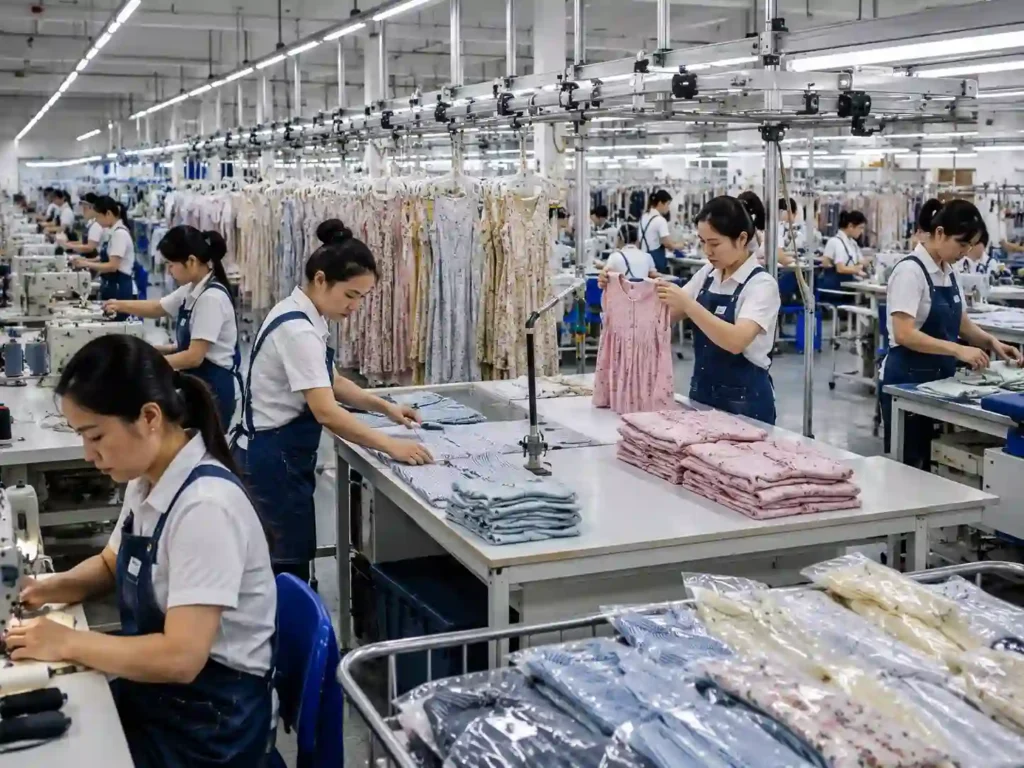
Workmanship Details Visible in the Finished Dress

Clean Necklines

Balanced Side Seams

Flat Zipper Areas
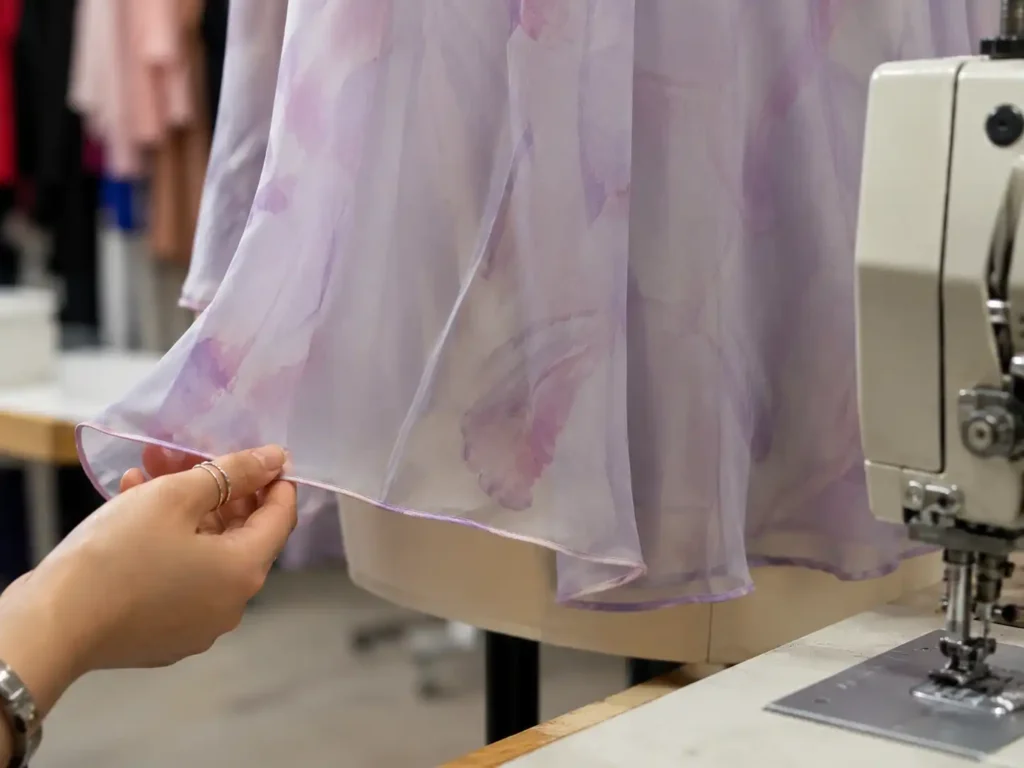
Controlled Hems
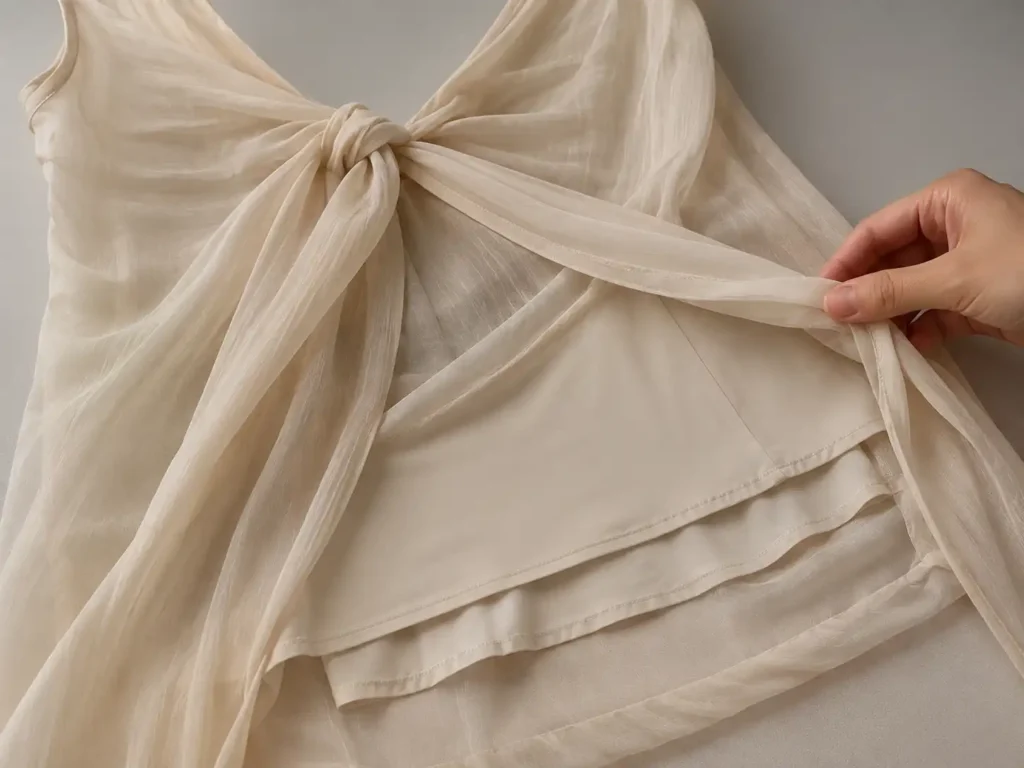
Stable Linings
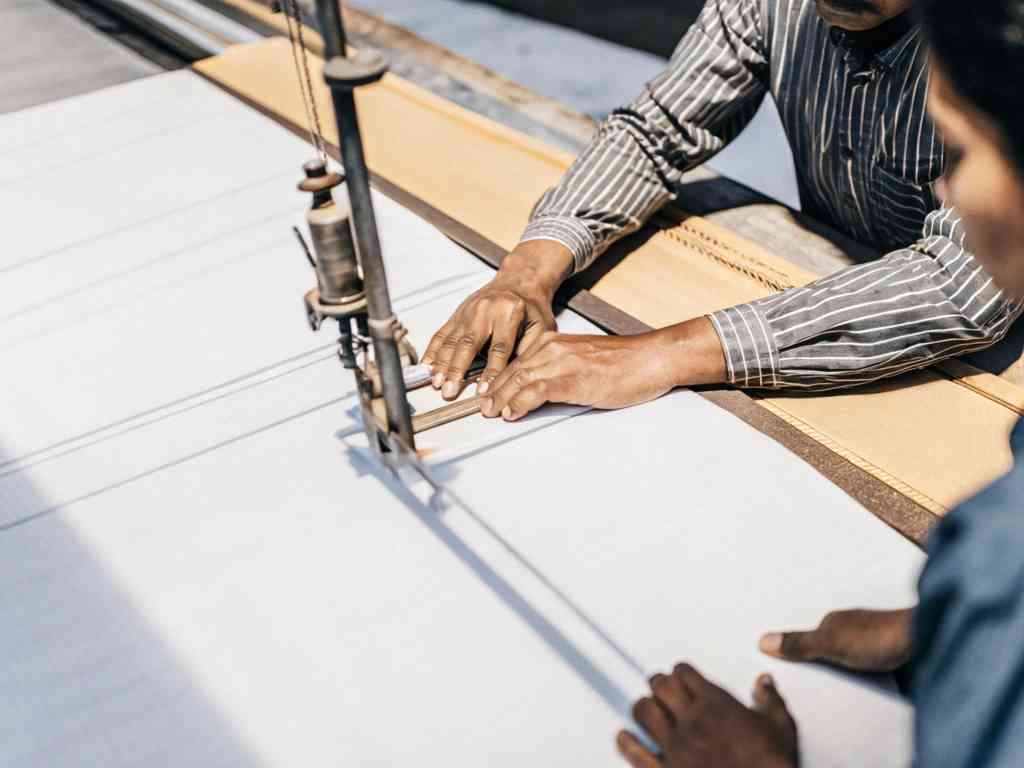
Accurate Detail Placement
Quality Control for Custom Dress Production
Fabric Inspection
Cutting Inspection
Sewing Inspection
Inline Measurement
Finished Garment Inspection
Pressing Review
Packing QC
Pre-Shipment Review
MOQ and Cost Planning for Custom Dresses
Dress QC needs to follow the manufacturing process rather than wait until garments are packed. Jinfeng Apparel uses 15+ QC inspectors across relevant stages to help prevent fabric, fit, sewing and packing issues from spreading through larger production quantities.
| Cost or MOQ Factor | What Changes the Requirement |
|---|---|
| Fabric | Weight, width, consumption, stretch, surface quality, supplier MOQ |
| Color | Stock color, custom dyeing, shade matching, minimum dye lot |
| Construction | Corsetry, ruching, cut-outs, lining, pleats, complex seams |
| Decorative Material | Lace, sequins, beads, rhinestones, special trims |
| Size Range | Grading work, material consumption, packing ratios |
| Private Label | Woven labels, hangtags, printed polybags, custom packaging |
| Testing | Market requirements, fabric testing, client-appointed standards |
| Delivery | Production window, packing method, freight arrangement |
Private Label and Retail-Ready Dress Delivery
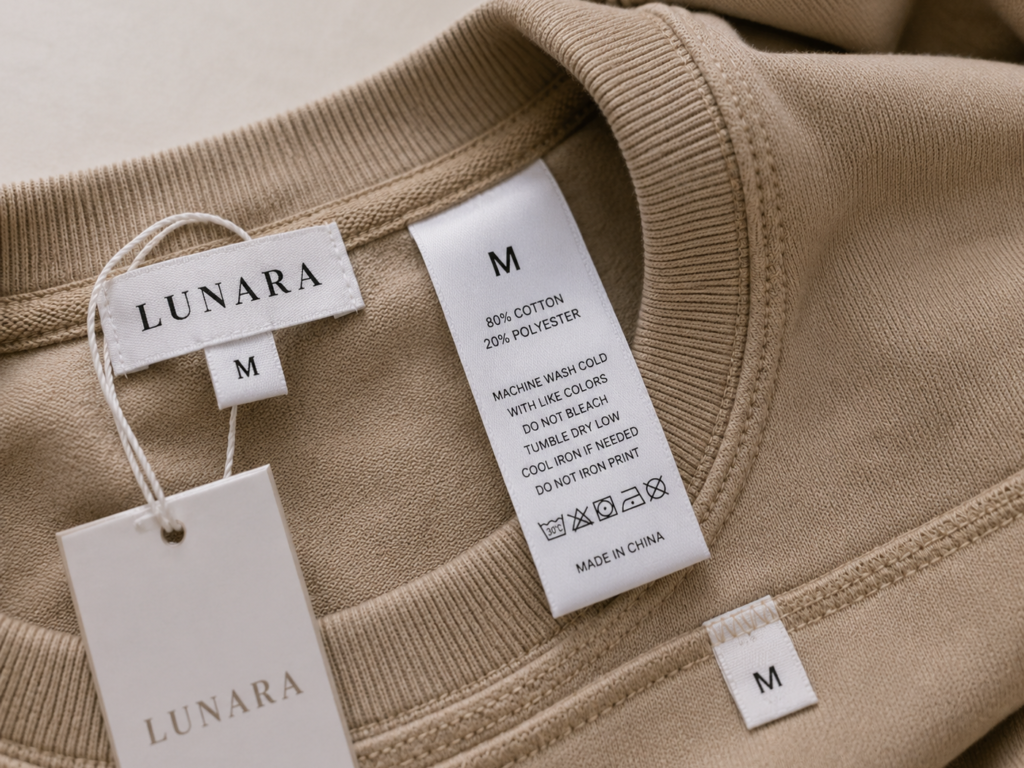
Woven Labels
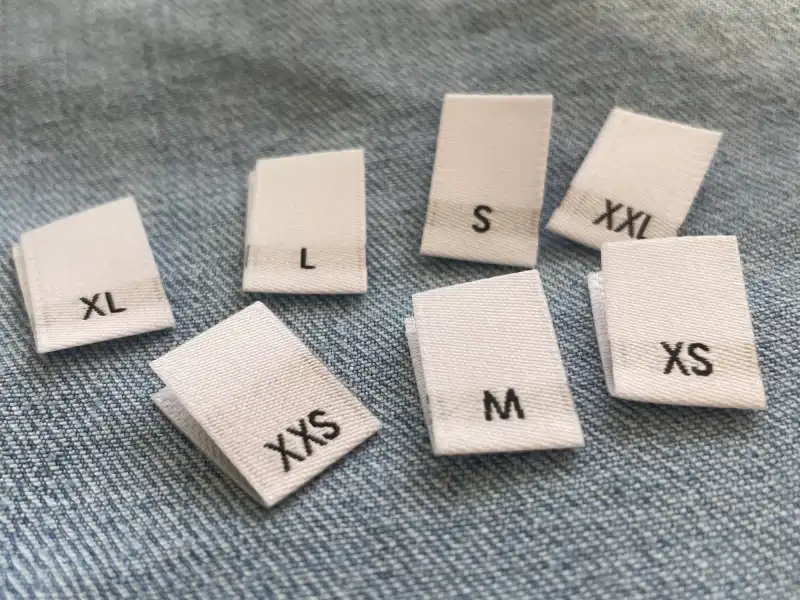
Size Labels
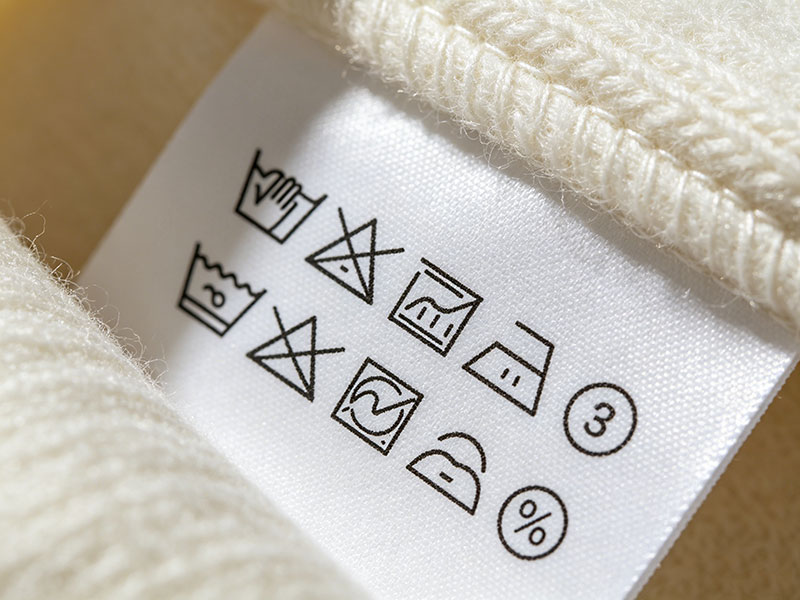
Care Labels

Hangtags
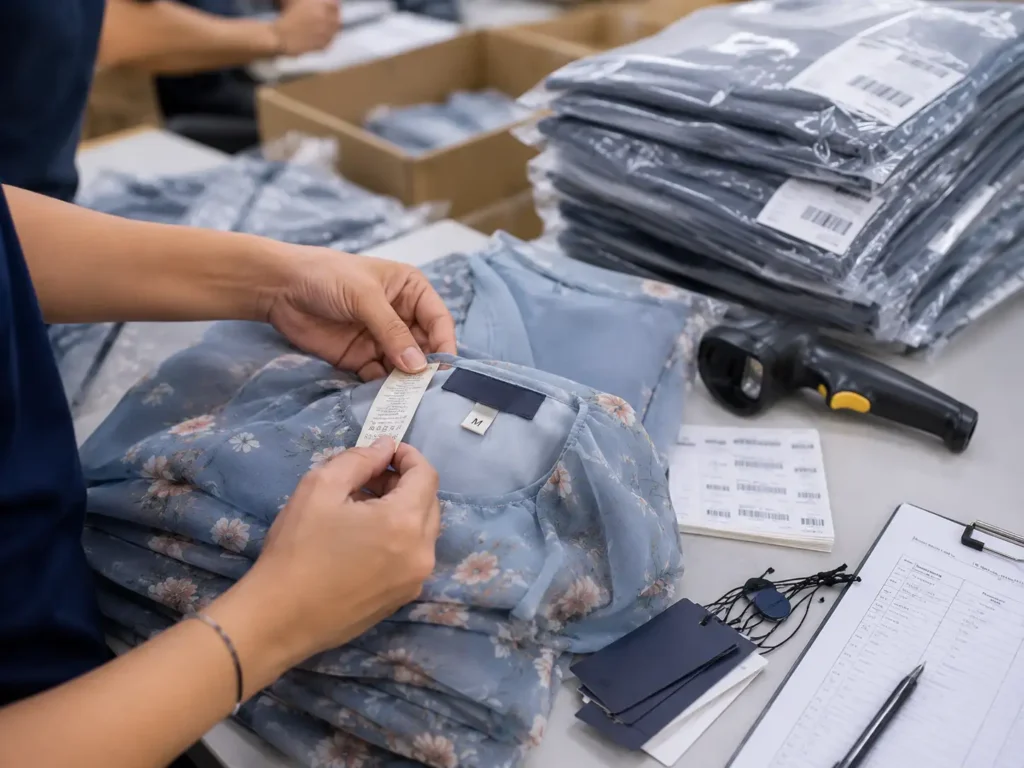
Barcode Stickers

SKU Labels
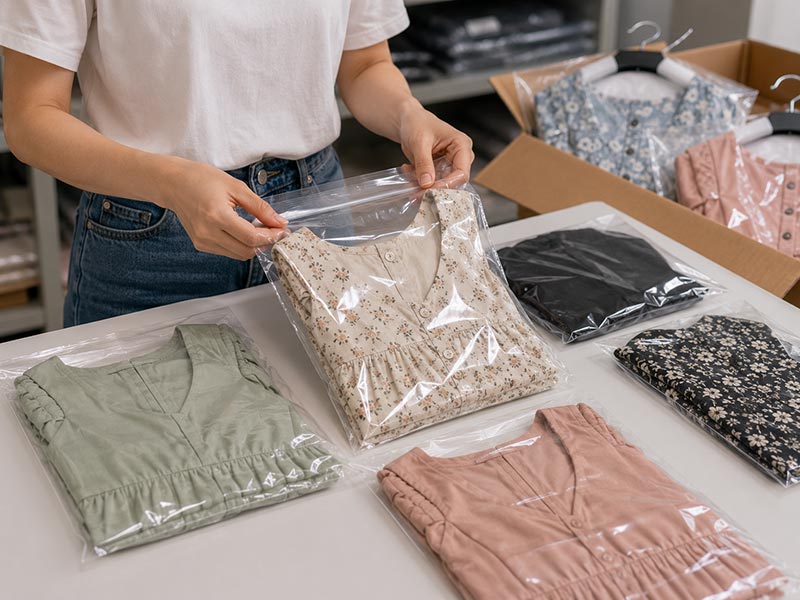
Polybags
Carton Marks
NDA, Design Protection and Compliance Coordination
Design and File Protection
Tech packs, patterns, original samples, line sheets, size charts, label artwork, packaging files and unpublished designs can be managed as confidential project information.
Brand names or unreleased products should not be used publicly without authorization.
Fabric and Testing Support
Material resources with OEKO-TEX, GOTS, GRS or related documentation may be reviewed through the supply network when a project requires them. Availability depends on fabric type, supplier, batch, color, MOQ, certification scope and current documentation. Third-party testing can also be arranged by project through recognized laboratories or a brand-appointed testing partner. Required test scope should be confirmed according to the target market and product.
Project-Based Compliance Review
Compliance requirements vary between markets, products and distribution channels.
Care labels, fiber content, test requirements, factory review documents and packing information should therefore be confirmed against the actual program rather than treated as one universal certification package.

Multi-Style Collections Need More Than Sewing Capacity
Large dress collections become complex long before the first production line starts. A 10–30 style program may contain several fabric groups, fitted and loose silhouettes, multiple colors, different trims, different sample priorities and separate launch windows. Jinfeng uses production planning, sample tracking and retained technical records to keep these programs organized.
- Style and Fabric Grouping
Styles sharing satin, mesh, crepe, jersey or related materials can be grouped during sourcing and review. Grouping also helps identify where one fabric substitution could affect several products. - Development Priority
Photo samples, launch-critical styles and technically difficult dresses may need to move earlier than simpler styles. Sample priority should reflect the commercial calendar instead of treating every SKU identically. - Production Allocation
Jinfeng’s 6 owned factories, 10+ long-term satellite partners, 18+ sewing lines and 6+ flexible lines allow dress programs to be allocated according to construction, fabric and timing rather than forcing all styles through one production unit. - Repeat-Order Records
Pattern files, measurement records, fabric references, trim details, production notes and packing requirements can be retained for repeat orders. Reorders still require confirmation of current fabric availability, color, quantity and production timing, but archived standards reduce unnecessary redevelopment.
How to Evaluate a Custom Dress Manufacturer
A strong sourcing decision should examine whether a supplier can move a dress from concept to repeatable production. Price alone does not show whether fit, fabric, sampling, QC and packing will remain controlled after the first sample is approved.
| Evaluation Area | What an Established Fashion Brand Should Check |
|---|---|
| Product Development | Can the team turn a tech pack, sample or design reference into a manufacturable dress? |
| Fabric Knowledge | Can fabric behavior, substitutes, transparency, stretch, drape and risk be explained clearly? |
| Fit Development | Are pattern correction, fit samples, grading and size standards part of development? |
| Sampling | Is there a clear path from first sample to revision, PP and approved reference? |
| Bulk Control | Are patterns, materials, sewing instructions and production checkpoints locked before bulk? |
| Quality Control | Are problems checked during production as well as before shipment? |
| Private Label | Can labels, barcodes, SKU information, polybags and carton marks be controlled? |
| Program Management | Can multiple styles, colors, sizes and delivery groups be organized without losing standards? |
| Confidentiality | Can tech packs, patterns, packaging and unreleased styles be protected? |
| Repeat Orders | Are pattern, material, measurement and packing records retained for future production? |
Representative Custom Dress Production Programs

US Occasionwear Dress Program
18 styles | approximately 36,800 pieces total
The program combined satin mini dresses, fitted midi dresses, mesh-panel styles and corset-inspired silhouettes.
Development was divided by construction level rather than processed in one sequence. Satin products focused on zipper flatness, surface direction and pressing. Mesh styles required lining and transparency review. Structured dresses required cup, boning and waist-shaping confirmation.
Sampling moved through first sample, fit correction and PP review before bulk allocation. Production planning separated high-risk styles from simpler silhouettes so QC attention could be concentrated where fit and surface problems were more likely. Packing included private labels, hangtags, SKU identification and size-based carton organization.

Australian Partywear Collection
24 styles | approximately 58,000 pieces total
The collection included bodycon, ruched, sequin, cut-out and fitted occasion dresses across several fabric groups. The main challenge was keeping the visual impact consistent while managing different stretch and surface behavior.
Stretch styles were reviewed for recovery, side-seam balance and hem movement. Sequin garments required lining protection and surface inspection. Ruched styles used defined gathering points so left/right symmetry remained controlled. Cut-out areas were reviewed during fitting for gaping and edge stability.
Bulk production used grouped material planning, sample references, inline inspection and final packing verification. Production quantities were distributed by construction difficulty so complex garments did not rely on the same workflow as simpler stretch dresses.

European Resort and Occasion Program
14 styles | approximately 27,600 pieces total
The range combined printed maxi dresses, rayon midi dresses, chiffon layers and satin occasion styles. Material behavior created more risk than the sewing complexity itself. Lightweight fabrics required transparency, shrinkage and hem review, while long silhouettes needed balance and controlled packing.
Development started with fabric grouping and line-sheet review. Maxi and layered products received additional length checks during sampling. Bulk fabric was compared with approved references before cutting. Packing methods were adjusted by garment length and surface type to reduce avoidable creasing and distortion in transit.
Archived pattern, measurement and packing information also provided a clearer starting point for later repeat styles using related silhouettes.
Frequently Asked Questions About Custom Dresses

Start Your Custom Dress Production Program
A strong custom dress project starts with enough information to evaluate fit, materials, construction and production requirements before sampling or quotation is finalized.
Jinfeng Apparel can review an individual hero style, a seasonal dress line or a multi-style program and identify the development steps needed to move the concept toward commercial production.
For a more useful project review, prepare:
- Reference images, sketches, tech packs or line sheets
- Planned quantity per style and color
- Preferred fabric or target handfeel
- Target size range and fit direction
- Color plan
- Special construction or decorative details
- Private-label and packaging requirements
- Target launch or delivery window
- Existing sample comments, where available


