...

Fashion Bodysuit Manufacturer for DTC Brands

Fashion-first bodysuit development built around fit, visual impact, repeatable production and ecommerce-ready delivery.

Jinfeng Apparel supports established DTC womenswear brands from design review and stretch-fabric direction to pattern development, fit sampling, PP approval, bulk production, quality control and private-label packing. Each program is reviewed as a sellable fashion range, not as a basic top with a gusset added at the end.

  • 12 product directions: ribbed, long-sleeve, halter, strapless, ruched, mesh, lace, cut-out, corset-inspired, party, layering and sculpted fashion bodysuits.
  • 9 fit control points: bust, waist, hip, torso length, armhole, neckline, leg opening, gusset and snap position.
  • MOQ from 200 pcs: calculated per style and color, with size allocation confirmed inside the approved quantity.
  • Multi-style development: 2 sample rooms, 7+ senior pattern makers and 20+ sample machinists support structured sample priorities.

Development Capacity for Multi-Style Bodysuit Programs

A bodysuit range requires more than sewing capacity. Pattern control, sample sequencing, stretch-material review, inline measurement and repeat-order records must work together when several styles, colors and size sets move at the same time.

Since 2008

Long-term womenswear manufacturing experience across fashion-led dresses, tops, jumpsuits, matching sets and fitted product categories.

6 Owned Factories

Production can be matched by fabric type, construction complexity, order rhythm and finishing requirements.

10+ Production Partners

Long-term satellite support provides added flexibility for multi-style programs and staggered production schedules.

2 Sample Rooms

Key styles, fit samples, campaign samples and revisions can be sequenced instead of entering one mixed queue.

7+ Pattern Makers

Pattern work covers torso balance, bust and waist shaping, leg opening, gusset length and size grading.

15+ QC Inspectors

Quality checks cover incoming fabric, cutting, sewing, measurements, finished garments, labels, packing and final inspection.

Built for Established DTC Fashion Brands

The strongest partnerships begin with a clear product direction, a planned launch window and a production quantity that supports disciplined development. Jinfeng Apparel works best when design, merchandising, sourcing and operations teams need one coordinated route from concept to branded delivery.

Product and Merchandising Teams

  • Ideal programs include seasonal drops, hero-SKU development, partywear capsules, premium essentials, trend-led mesh or lace ranges, matching-set extensions and repeat-order color updates.
  • Teams can begin with a tech pack, original sample, reference image, line sheet, size chart or fabric swatch.
  • Early review focuses on structure, fabric suitability, visual positioning, target cost, launch timing and whether each style belongs in the same pattern or material family.

Sourcing and Operations Teams

  • The operating model suits brands that need defined sample stages, MOQ clarity, production records, private-label packing, barcode control, inspection coordination and repeat-order continuity.
  • Large programs are easier to manage when quantities, color plans, size ratios, packaging instructions and delivery priorities are shared before material purchasing.
  • Jinfeng Apparel can also coordinate with an appointed forwarder and prepare commercial invoices, packing lists, carton information and shipment details.

Where DTC Bodysuit Programs Usually Go Wrong

Bodysuit failures rarely begin at final inspection. Most originate in fabric selection, pattern balance, sample approval or production setup. Online sales make those errors visible through fit comments, returns, review photos and delayed campaign launches.

Photo Sample Mismatch

A campaign sample may look strong on one model while the production pattern remains unresolved. Neckline coverage, torso tension, leg opening and snap placement must be approved for wearing performance, not only for photography. Jinfeng separates visual sample review from fit and PP approval so a photogenic sample does not become an unstable bulk standard.

Torso Fit Returns

A short torso can pull at the shoulders, distort the neckline and create gusset pressure. An overly long torso can wrinkle through the waist and drop at the crotch. Pattern review connects body length, bust depth, waist shaping, hip volume and gusset extension instead of treating each measurement as an isolated point.

Recovery Loss

Stretch percentage alone does not predict performance. Fabrics with similar hand feel can recover very differently after wearing, steaming or washing. Development checks consider extension, recovery, weight, opacity, direction of stretch and seam behavior so the approved silhouette remains close to the original fit after repeated use.

Size Grade Drift

Mechanical grading can create a neckline that becomes too open, a leg opening that cuts into larger sizes or a gusset that does not grow with torso length. Grade rules must reflect the product structure. Size-set review checks proportional changes across bust, waist, hip, shoulder length, body rise and closure position.

Launch Calendar Misses

A late hero style can hold back photography, product uploads, influencer seeding and paid-media preparation. For 10-30 style ranges, sample priorities are grouped by launch importance, material readiness and pattern difficulty. Critical SKUs move first while dependent colorways or related styles follow a controlled sequence.

Reorder Variation

A repeat order can look different when fabric lots, trim suppliers, pattern versions or packing instructions are not recorded. Jinfeng retains approved pattern versions, size charts, fabric references, color records, trim details, workmanship notes and packing requirements to reduce unnecessary redevelopment when a successful style returns.

Fashion Engineering Beyond Basic Shapewear Production

Jinfeng Apparel approaches the bodysuit as a fashion garment with commercial styling, body-fit demands and production constraints. The aim is to preserve brand-level appearance while making the design stable enough for repeatable bulk manufacturing.

Fashion-Led Design

Mesh placement, lace scale, cut-out geometry, ruching direction, asymmetry, corset references, neckline shape and surface detail are evaluated as design systems. Each detail affects coverage, stress points, sewing sequence, lining and size grading. A strong silhouette must remain intentional across product photography, movement and several sizes, rather than appearing correct only on a flat sketch.

Body-Fit Engineering

Bodysuit patterns connect upper-body fit with torso length and lower-body closure. Bust depth, waist suppression, hip ease, leg opening, shoulder tension and gusset position are reviewed together. Stretch and negative ease are adjusted by material behavior, while fit samples and size sets confirm whether pressure and coverage remain acceptable across the planned size range.

DTC Launch Execution

A sellable range requires sample priorities, color decisions, product photography, SKU setup, labels, barcodes, packaging and delivery planning. Jinfeng aligns the development sequence with hero styles and launch dates, then carries approved materials, patterns and workmanship into bulk production. Repeat-order records support faster discussion when winning colors or sizes require replenishment.

Fashion Bodysuits Developed for DTC Collections

Product direction should be decided by selling occasion, visual identity, fabric behavior and fit risk. Each option below requires a different balance of stretch, coverage, structure, finishing and sample validation.

Ribbed Tank Bodysuit

A strong option for premium essentials and layering collections. Rib direction, wale definition, fabric weight and recovery control the visual quality. Neck and armhole bindings must lie flat without pulling. Torso length and leg opening should feel secure while remaining comfortable for daily wear. Light colors require opacity review, and bulk lots should be checked for width, shrinkage and texture consistency.

Long-Sleeve Bodysuit

Suitable for seasonal essentials, evening layering and sleek monochrome drops. Sleeve pitch, bicep tension, shoulder mobility and cuff recovery influence comfort. The body cannot be shortened simply to create a closer fit because sleeve and shoulder pull may increase. Testing includes reaching movement, neckline stability, underarm balance and wash recovery, especially when viscose or lightweight jersey is used.

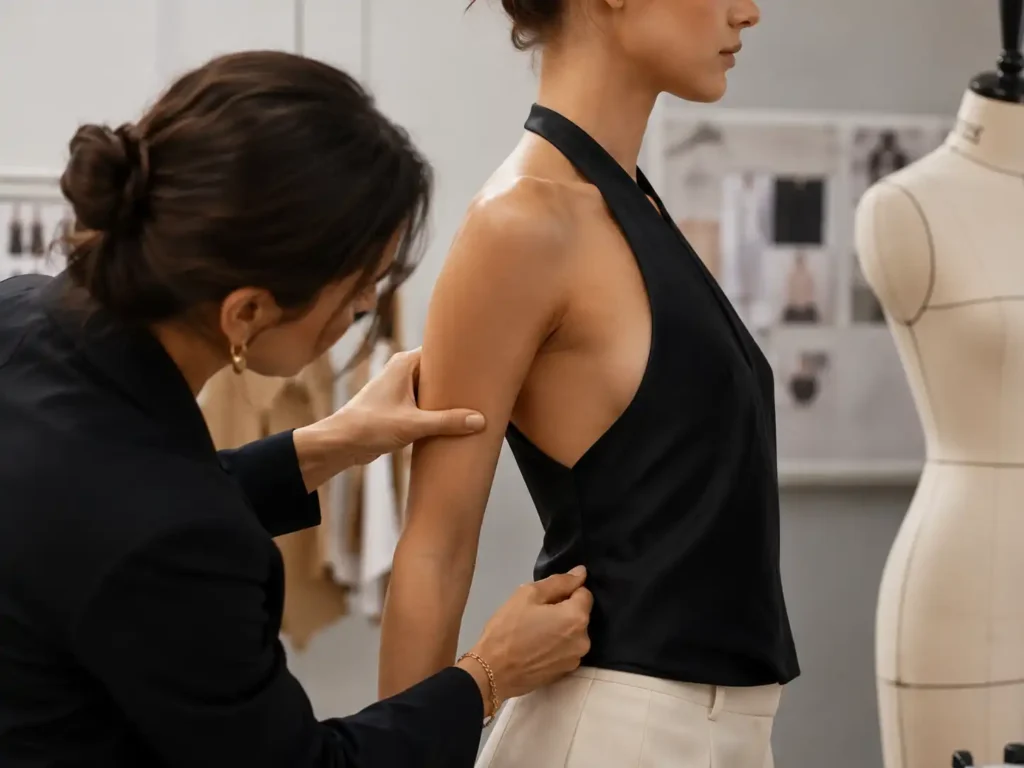
Halter Neck Bodysuit

Designed for partywear, resort styling and high-impact social content. Neck pressure, bust coverage, armhole exposure and back stability require careful balance. Adjustable hardware, elastic support or lining may be needed depending on fabric and cup coverage. A fit sample should confirm that the neckline remains stable without overloading the neck during extended wear.

Strapless Bodysuit

A strapless silhouette needs more than a tight upper edge. Internal elastic, silicone options, lining, cup construction, boning or supportive panels may be considered according to the intended shape. The upper edge must resist rolling while the body length avoids downward pull. Sample review should include movement, sitting, arm lifting and repeated closure use.

One-Shoulder Bodysuit

Asymmetric designs create uneven stress across the neckline and torso. The supported shoulder, exposed armhole and diagonal neckline must work as one pattern system. Stretch direction and internal stabilization help prevent twisting. Bulk control focuses on neckline shape, shoulder length, side seam balance and consistent placement of any ruching or cut-out detail.

Ruched Bodysuit

Ruching can soften fit and add visual value, but uncontrolled fullness may create bulk or distort the waist. Development defines the direction, length and ratio of gathered fabric, then locks the stitching method and reference placement. Side seams, bust points and cut-outs must align after gathering. Bulk inspection compares ruching distribution against the approved sample rather than checking dimensions alone.

Mesh Bodysuit

Power mesh, soft stretch mesh and decorative mesh behave differently in recovery, transparency and edge stability. Coverage zones, lining shape and seam placement should be planned before pattern completion. Raw edges, bindings or enclosed seams are selected according to comfort and appearance. Mesh panels are checked for direction, snags, holes, tension marks and color consistency under studio lighting.

Lace Bodysuit

Lace scale and motif placement strongly affect perceived quality. Stretch lace must recover sufficiently while scalloped edges, panel joins and neckline shapes remain balanced. Placement plans reduce random motif variation across garments. Skin-contact areas may need soft lining or seam protection. Bulk checks cover matching, edge quality, broken yarns, shade, elastication and closure alignment.

Cut-Out Bodysuit

Cut-outs require stable geometry across sizes. Openings that appear controlled in a sample can widen, collapse or move when grading is not engineered around stress. Pattern work reviews anchor points, elastic support, binding tension, skin exposure and movement. Size-set approval is important because the visual ratio should remain deliberate from the smallest to largest planned size.

Corset-Inspired Bodysuit

Corset references may include cups, boning, panel seams, power mesh, hooks, zippers or shaped lining. Support must be designed around the fashion result rather than added as decoration. Sampling verifies bust position, waist shaping, boning length, edge comfort, closure strength and torso movement. Production requires clear panel numbering, reinforcement rules and consistent internal construction.

Party Bodysuit

Party styles may combine mesh, sequins, metallic yarns, draping, cut-outs or high-shine surfaces. Surface impact is important, but the inside must remain wearable. Development considers scratching, heat sensitivity, seam bulk, lining coverage and packing protection. Photo samples should be reviewed under direct light, while PP approval locks the materials and finishing required for bulk reproduction.

Layering Bodysuit

A layering bodysuit should sit smoothly under skirts, trousers, denim or tailoring without creating heavy seams or excess volume. Neckline shape, sleeve length, fabric weight and closure thickness affect styling. The product can share fabric or color with matching separates, improving range consistency. Packaging should protect surface finish and keep SKU identification clear across several colors and sizes.

Build Bodysuits Into a Stronger DTC Collection

A bodysuit can function as a hero item, an outfit anchor or a repeatable core. Range planning becomes stronger when styling, fabric groups, color logic and companion products are considered before sampling begins.

Premium Essential Range

Develop ribbed, jersey and double-layer styles with disciplined color planning and consistent fit. A core range may include tank, short-sleeve and long-sleeve options using one fabric family. Shared labels, trims and packing reduce unnecessary variation, while neckline and coverage changes create clear product differences.

Partywear Drop

Combine mesh, ruched, cut-out and one-shoulder shapes around a coordinated color story. Hero styles can receive campaign-sample priority, while related silhouettes reuse approved fabric and trim directions. Packaging needs additional surface protection when sequins, metallic yarns or delicate mesh are involved.

Clubwear Capsule

Build fitted bodysuits with mini skirts, low-waist skirts, trousers and matching mesh layers. Torso shaping and exposure points should stay consistent with the brand’s visual identity. Shared color lots help reduce shade differences between separates intended to be photographed or sold together.

Layering Collection

Use smooth jersey, rib and fine nylon-spandex bases under denim, suiting or outerwear. Seams, bindings and closures should remain low-profile. Product photography can show several styling combinations, while fit records allow winning necklines or sleeve lengths to extend into future color drops.

Matching Set Program

A bodysuit can share fabric, color and design details with skirts or trousers. Development must control color batch, texture direction, waistband relationship and outfit proportions. Separate SKU packaging allows each piece to sell independently, while coordinated images support complete-look merchandising.

Seasonal Content Drop

Use a compact 8-16 style story around one season, campaign or launch moment. Fabric families and pattern blocks can be grouped to reduce development disorder. Hero SKUs, campaign colors and priority sizes are identified first, followed by supporting styles and replenishment options.

Stretch Fabrics Selected for Fit and Recovery

Fabric choice controls opacity, compression, drape, seam behavior, surface quality and long-term recovery. Weight alone is not enough. Development reviews composition, stretch direction, return force, shrinkage, width, shade, hand feel and compatibility with bindings, linings and closures.

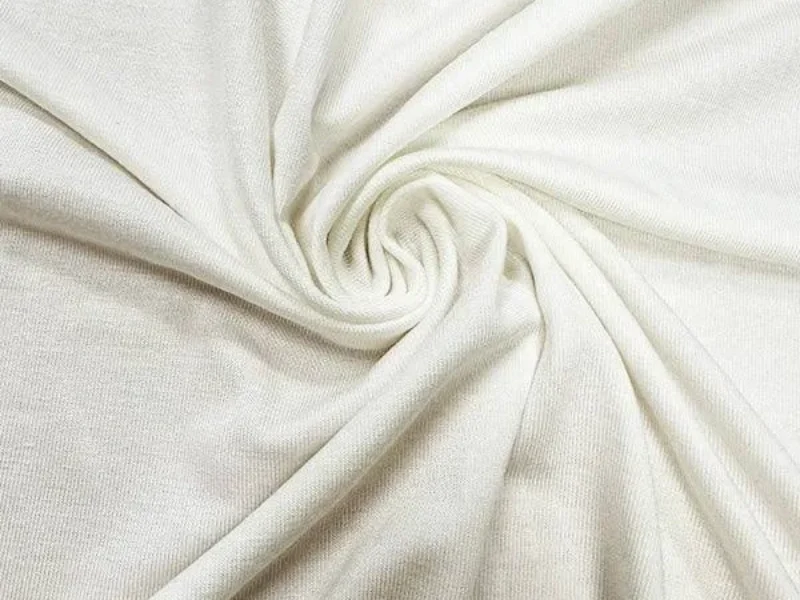
Cotton-Spandex Jersey

Soft, breathable and familiar for premium essentials. Development focuses on recovery, pilling, shrinkage and surface quality. Lower weights may become transparent in light colors, while high cotton content may relax after wear. The pattern is adjusted around the approved lot rather than copied directly from a firmer nylon-based fabric.

Nylon-Spandex Jersey

Smooth hand feel, strong stretch and cleaner recovery make nylon blends suitable for sleek fashion and sculpted silhouettes. Shine level, snag resistance and heat sensitivity vary by construction. Seam and binding tension must avoid tunneling or edge curl. Shade and surface appearance should be reviewed under strong photography lighting.
5. Rayon Viscose Spandex Knit

Viscose-Spandex Knit

A soft drape can produce a refined body-skimming look, but dimensional stability needs attention. Fabric relaxation, shrinkage and side-seam twist are checked before cutting. Overly light qualities may grow through the torso or lose recovery. Suitable uses include long-sleeve fashion basics, draped necklines and soft ruched styles.

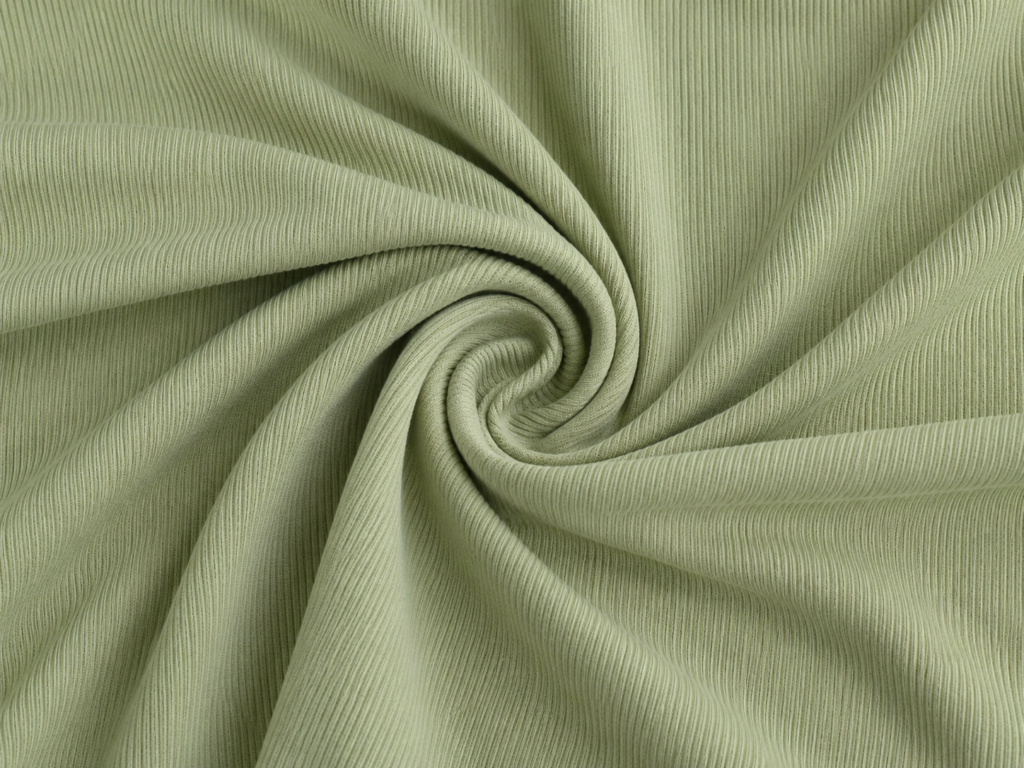
Rib Knit

Rib construction creates texture and high stretch, often within an 180-320 gsm working range. Wale direction, width recovery and edge behavior influence quality. The fabric can suit tank, square-neck and long-sleeve essentials, but the approved weight should match the intended support. Light shades and stretched areas require opacity review.

Ponte or Roma

A denser knit offers structure and a smoother line for fashion bodysuits that need more coverage. Too much thickness can create bulk at the gusset and bindings, while insufficient stretch can reduce comfort. Development checks weight, return force, seam thickness, heat response and whether the silhouette needs single or double-layer construction.

Stretch Mesh

Soft mesh adds transparency and layering without heavy compression. Mesh direction, openness, recovery and snag risk must be identified before pattern cutting. Coverage zones may use lining or double layers. Binding and seam choices depend on how the mesh behaves under tension, particularly around necklines, armholes and cut-outs.

Power Mesh

A firmer mesh can support shaping panels, internal reinforcement and corset-inspired designs. Compression must be balanced against comfort and breathing. Panel orientation, seam strength and edge finishing are important because excessive tension can distort adjoining fashion fabric. Development often combines power mesh with softer outer materials.

Stretch Lace

Lace brings surface value but requires control of motif scale, stretch, recovery, shade and skin contact. Scalloped edges may define necklines or leg openings, while placed motifs require a cutting plan. Lining and elastic choices affect comfort. Bulk inspection includes broken yarns, motif consistency, shade and edge quality.

Typical Fabric Development Ranges

The ranges below are working references for development discussions, not fixed specifications. Final weight and performance depend on mill construction, composition, color, finish and the approved sample.

Cotton-spandex jersey

180-240

High / medium-high

Premium essentials

Shrinkage, opacity, relaxation

Nylon-spandex jersey

180-260

High / high

Sleek fitted styles

Shine, snagging, seam tension

Viscose-spandex knit

180-240

High / medium

Soft draped styles

Growth, twist, wash stability

Rib knit

180-320

High / medium-high

Tank and long-sleeve basics

Wale direction, width recovery

Ponte / Roma

240-360

Medium-high / high

Structured fashion shapes

Thickness, gusset bulk, comfort

Stretch mesh

60-140

High / medium-high

Sheer panels and layering

Direction, holes, edge stability

Power mesh

140-220

Medium-high / high

Support panels

Compression, seam stress

Stretch lace

90-180

Medium-high / medium-high

Lingerie-inspired fashion

Motif, shade, edge quality

Bodysuit Fit Starts With Torso Engineering

A bodysuit cannot be fitted as a standard top because upper-body shape, body rise and lower-body closure act together. Measurement review, negative ease, fabric recovery and size grading must support the same wearing result.

Bust Fit

Bust width, depth and apex position influence neckline stability and overall torso tension. A style with cups, seams or mesh panels requires more than circumference measurements. Fit review checks coverage, compression, gaping, underarm exposure and whether the bust position remains balanced after the garment is snapped closed.

Waist Shaping

Waist suppression creates the intended silhouette but excessive reduction can pull side seams forward, increase torso pressure or force the garment upward. The approved amount depends on fabric recovery, style direction and hip relationship. Ruched or panelled designs also require controlled placement so the waist looks intentional across sizes.

Hip Relationship

Hip width affects leg opening, gusset position and the way the garment sits under skirts or trousers. A narrow hip can cause cutting or riding, while excess width creates wrinkling. Pattern review connects hip ease with back coverage, front rise and fabric return force rather than enlarging one area independently.

Torso Length

Body length is one of the most important measurements. Too short may pull the shoulders, lower the neckline or create crotch pressure. Too long may wrinkle through the waist and drop at the gusset. Evaluation considers shoulder-to-crotch length, body shape, stretch direction and closure construction.

Armhole Shape

Armhole depth and contour affect bust security, underarm comfort and sleeve mobility. A high armhole may cut into the body, while a low armhole may expose too much or gape. Bindings and elastic change the final opening, so the pattern must account for finishing tension and material recovery.

Neckline Coverage

Square, scoop, deep V, halter and asymmetric necklines each create different stress. The neckline should preserve the intended visual line without collapsing, rolling or exposing more than approved. Development reviews depth, width, reinforcement, lining and movement, then checks graded sizes for proportional coverage.

Leg Opening

High-leg, thong, brief and full-coverage shapes require different curves and tension. The opening must stay smooth without cutting, rolling or shifting. Elastic width, attachment ratio, fabric recovery and hip grade all affect performance. Fit review includes standing, walking and sitting rather than a static front view only.

Gusset Length

The gusset connects front rise, back rise and torso length. Short extensions create pressure and pulling; long extensions may wrinkle or sit too low. Width, lining, seam allowance and closure position influence comfort. The approved construction should remain clean under fitted bottoms and stable after repeated opening.

Snap Position

Closure placement affects comfort, function and manufacturing consistency. Snap spacing, reinforcement, opening force and skin contact must be considered together. The position should align when the garment is worn, not only when laid flat. Bulk inspection checks symmetry, attachment strength and smooth operation without sharp edges.

Construction Details That Protect Wearability

Design details carry visual value only when internal construction supports comfort, strength and consistent production. Each trim or seam choice is reviewed against fabric behavior, wearing pressure, finishing sequence and bulk inspection requirements.

Gusset Construction

Single-layer, lined and double-layer gussets offer different comfort and opacity. Seam placement should avoid hard ridges, while the lining material must suit skin contact and washing. Construction sheets define layer order, seam allowance, turning method and final dimensions so the bulk result remains consistent.

Snap Closure

Metal or resin snaps are selected by appearance, strength, finish and skin-contact requirements. Reinforcement prevents tearing at the base fabric. Sample testing reviews opening force, repeated use and alignment. Bulk checks confirm count, spacing, attachment, finish and whether the closure lies flat under the body.

Binding Finish

Self-fabric, elastic binding and fold-over elastic create different edge profiles. The attachment ratio must be controlled because excess tension causes puckering or cutting, while weak tension creates gaping. Binding width, stitch type, seam overlap and join position are locked after sample approval.

Elastic Selection

Elastic controls necklines, armholes, leg openings and internal support. Width, recovery, softness and heat response should match the outer fabric. The specification includes cut length or attachment ratio, placement and overlap. Comfort testing is essential when elastic remains in direct contact with the body.

Adjustable Straps

Strap width, slider size, ring shape and elastic strength affect both appearance and support. Hardware should move smoothly without slipping under tension. Sample review checks strap angle, back placement and adjustment range. Bulk inspection confirms hardware direction, secure bartacks and consistent finished length.

Bra Cups

Cup shape, thickness and placement should support the intended neckline and size range. Cups may require pockets, lining, underbust elastic or seam anchoring. A cup that works in one size cannot always be scaled mechanically. Fit review checks position, edge visibility, compression and movement before the specification is locked.

Lining Coverage

Full, partial and strategic lining change opacity, support and seam appearance. Coverage lines should follow the design rather than becoming visible through mesh or lace. The lining needs compatible stretch and recovery. Pattern pieces, shade matching and attachment points are confirmed so the outer layer remains smooth.

Boning Support

Flexible boning can reinforce corset-inspired panels, side seams or strapless shapes. Length, channel width, end protection and placement determine comfort. Boning must stop before pressure points and closures. Production sheets define channel construction and insertion direction to prevent twisting or uneven support.

Mesh Panel Joining

Mesh can be joined with overlock, coverstitch, enclosed seams or binding depending on transparency and stress. Seam bulk, thread softness and stretch compatibility matter. Panel notches and direction marks reduce distortion. Finished garments are checked for holes, skipped stitches, tension lines and uneven transparency.

From Bodysuit Concept to Approved Production Sample

A controlled development route prevents late changes from moving into production. Each stage answers a different question: commercial direction, technical feasibility, fit, visual approval or bulk readiness.

Project Review

Jinfeng reviews reference images, tech packs, original samples, line sheets, target quantity, color plan, size range, target price, packaging and launch date. Missing information is identified before a detailed quotation or development schedule is issued.

Structure Analysis

The style is broken into pattern zones, stretch zones, support areas, openings, lining, closures and surface details. Risks such as exposed seams, unstable cut-outs, short torso length or excessive gusset bulk are identified early.

Fabric Direction

Available fabrics are compared by weight, composition, stretch direction, recovery, opacity, hand feel, width, MOQ and lead time. Trims and linings are reviewed together because the outer fabric alone does not determine performance.

Pattern Development

Pattern work establishes bust, waist, hip, body rise, neckline, armhole, leg opening and gusset balance. Existing blocks may be adapted when suitable, while distinctive structures require dedicated pattern development and version control.

First Sample

The first sample tests construction and visual direction. It is not automatically the bulk standard. Measurements, fit comments, fabric behavior, seam quality, closure function and design placement are recorded for the revision decision.

Fit Review

Fit is reviewed on the intended body form or fitting model. Photos and measurements are compared with the brief. Movement, neckline stability, torso pressure, leg opening, gusset comfort and strap behavior are included in the comments.

Sample Revision

Revisions are separated into pattern, fabric, trim, workmanship and visual changes. A tracker records what changed and why. Multi-style ranges are grouped by pattern family and priority so dependent styles benefit from approved corrections.

PP Approval

The PP sample confirms final fabric, color, pattern, size chart, workmanship, trims, labels and packaging. A Golden Sample and production file can then guide cutting, sewing, inline inspection, finishing and final quality review.

Samples Built Around Your DTC Launch Calendar

Campaign timing, fit approval and bulk readiness should not be compressed into one sample. Separating the purpose of each sample helps merchandising, creative and production teams make decisions without weakening the final standard.

Campaign Sample

A campaign sample prioritizes visual accuracy for photography, content production and line presentation. Color, surface finish, neckline, silhouette and key design details need to be close to the intended product. For a 10-30 style range, 2-6 hero styles can be prioritized for photography while the remaining fit and material work continues. A campaign sample still requires later PP confirmation before bulk production.

Fit and Size Samples

Fit samples resolve torso length, bust and waist balance, hip relationship, leg opening, strap tension and gusset comfort. A size set may be requested when grading risk is high or the range extends across several body types. Measurements are reviewed with wearing comments because a garment can meet flat dimensions while still pulling, gaping or riding during movement.

PP and Golden Sample

The PP sample locks production details after fit, fabric, color, trim, label and packaging decisions are complete. The Golden Sample becomes the physical reference for production and quality review. Changes after PP approval are controlled because material purchasing, cutting instructions and line setup may already depend on the approved specification.

Turning Approved Samples Into Consistent Bulk Production

Bulk consistency is created through records, approvals and staged inspection. The approved look must be translated into material references, pattern versions, measurement rules, workmanship instructions and packaging details that production teams can follow.

Lock the Production Standard

Final approval includes the fabric lot or approved reference, color standard, trim specification, pattern version, size chart, grade rules, workmanship sheet, labels, hangtags, barcode format, folding method and carton plan. Complex styles may include placement diagrams for lace, mesh, cut-outs, cups, boning or ruching. A Golden Sample provides a physical benchmark, while the technical file explains dimensions and construction that cannot be judged from appearance alone.

Control Fabric Before Cutting

Incoming fabric is reviewed for width, weight, shade, surface defects, stretch direction and relevant shrinkage or recovery risk. Knit materials may require relaxation before cutting so dimensions stabilize. Dye lots are separated and recorded. Directional rib, mesh, lace or high-shine fabrics need clear laying instructions. Cut parts are checked for size, notches, pair accuracy and placement before sewing begins, reducing the chance that pattern or material errors travel through the full order.

Measure During Sewing, Not Only at the End

Inline inspection focuses on high-risk points while correction remains possible. For bodysuits, those points include torso length, bust and waist, leg opening, gusset position, snap alignment, neckline and armhole finishing, strap length, seam stretch and panel placement. Finished-garment inspection then checks measurements, appearance, closure function, labels and packing.

Records from the first order become useful references for replenishment and future color extensions.

Sample and Approval Control​

Quality Checks Designed for Fashion Bodysuits

Quality control follows the garment from materials to packing. Product-specific checks are added because a general final inspection cannot reliably identify stretch direction, torso imbalance, closure pressure or graded fit problems after the entire order is finished.

StageWhat Is CheckedBodysuit RiskControl Record
Incoming fabricWidth, weight, shade, surface, stretch directionWrong recovery or dye-lot variationFabric inspection record
Fabric preparationRelaxation and shrinkage riskCut parts change after sewing or washingRelaxation / test note
CuttingPattern version, direction, notches, pair accuracyTorso or panel mismatchCutting QC record
Early sewingSeam type, tension, reinforcementPopping seams or tunnelingFirst-piece approval
Inline measurementBust, waist, hip, torso and gussetSize drift across the lineInline measurement sheet
OpeningsNeckline, armhole and leg openingGaping, cutting or rollingOpening check
ClosuresSnap position, strength and operationMisalignment or hard skin contactClosure function check
Design placementMesh, lace, ruching, cut-outs, cupsUneven visual resultPlacement comparison
Finished garmentMeasurements, symmetry, appearance, pressingBulk differs from Golden SampleFinal inspection record
Wash / performanceDimensional change and recovery when requiredGrowth, shrinkage or deformationProject test record
PackingLabels, barcode, size, color, folding, polybagWarehouse or SKU errorsPacking QC record
Pre-shipmentAQL or agreed inspection planShipment-level quality riskInspection report

Reduce Fit Complaints and Product Return Risk

Return reasons often describe wearing symptoms rather than manufacturing causes. Linking those comments to pattern, fabric and construction decisions helps prevent repeat problems before the next color or reorder enters production.

Riding Up

Often connected to short torso length, narrow hip, tight leg openings or weak fabric recovery. Fit review checks body rise and movement, while size grading protects the relationship between torso and hip. The approved material lot must match the recovery used during fitting.

Shoulder Pulling

May result from insufficient torso length, tight armholes, sleeve restriction or over-tensioned straps. The neckline can also be pulled downward. Movement tests and shoulder-to-crotch measurements help distinguish a body-length issue from a strap or sleeve problem.

Gaping Neckline

Can be caused by excessive width, weak edge recovery, low binding tension or incorrect bust shaping. Deep V and asymmetric styles may need reinforcement or lining. Size-set review confirms that coverage and edge tension remain proportional.

Excess Transparency

Light colors, low fabric weight and stretched zones can reveal more than expected. Opacity is reviewed on the body, under strong lighting and at the intended stretch. Strategic lining or double layers may be used without making the full garment unnecessarily heavy.

Uncomfortable Gusset

Hard seams, narrow width, short extension, bulky layers or poorly placed snaps can create pressure. Gusset shape, lining, seam allowance and closure location are reviewed together. Repeated opening and movement tests support a more reliable final construction.

Weak Snap Closure

Closures may pop open when the snap force, reinforcement or torso tension is not balanced. Testing checks attachment strength and repeated use. The pattern must not rely on the closure to compensate for an overly short body length.

Scratchy Seams

Mesh, lace, metallic yarns, elastic and internal support can create skin irritation. Seam type, thread, lining coverage, elastic softness and end finishing are reviewed in sample development. Inside-garment inspection matters as much as the outer appearance.

Wash Deformation

Shrinkage, growth, twisting or edge wave may appear after washing when fabric, binding and thread respond differently. Project-specific wash checks and approved care instructions reduce unexpected dimensional change. Repeat-order materials are compared with the recorded reference.

Private-Label Packing Ready for Ecommerce Operations

A finished bodysuit must enter the brand’s SKU, warehouse and fulfillment system without avoidable relabeling or sorting. Label placement, barcode accuracy, folding and carton allocation are confirmed before packing begins.

Main Label

Brand labels are matched to the approved design, size and attachment position. Placement must avoid uncomfortable contact, particularly on close-fitting necklines or back panels. Sewing direction and thread color are included in the workmanship standard.

Care Label

Fiber content, care symbols, country information and required language are supplied by the brand or confirmed for the project. Care labels should remain readable and securely attached without creating excessive skin irritation.

Size Label

Size identification must match the garment, polybag, barcode and carton allocation. Multiple market-size systems require a clear approved format. Packing QC checks size consistency before units are sealed.

Hangtag

Hangtag artwork, string, fastener, position and sequence are reviewed before mass application. Delicate mesh or lace requires a tag position that avoids snagging or visible holes.

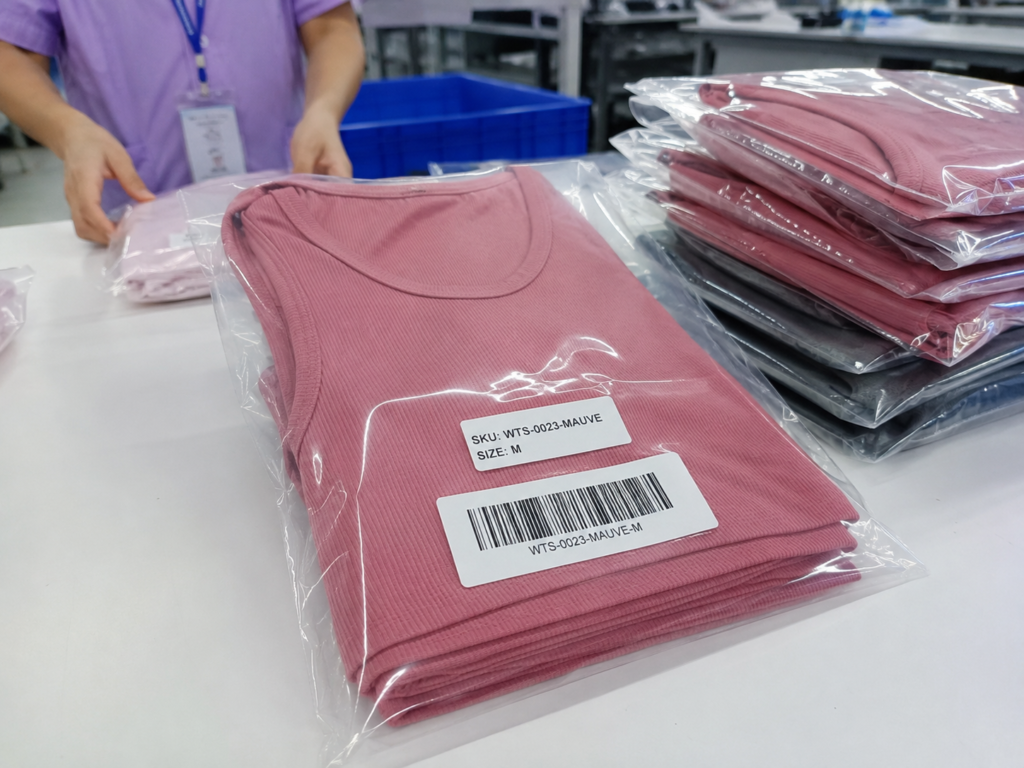
Barcode

UPC, EAN or internal barcode files are linked to style, color and size. Scannability and human-readable information are checked. A barcode approval sample can prevent full-order relabeling.

SKU Sticker

Polybag stickers identify style, color, size and barcode according to the brand’s warehouse rules. Position and print clarity should remain consistent for faster receiving and picking.

Individual Polybag

Bag size, warning text, ventilation, adhesive and folding method are confirmed by product. Mesh, lace, sequins and high-shine fabrics may need tissue, backing or reduced compression to protect the surface.

Export Carton Mark

Carton marks, quantity, size-color mix, dimensions and gross or net weight are coordinated with the packing list. Carton allocation should support warehouse receiving, split shipments and priority launch batches.

MOQ and Cost Planning for Bodysuit Programs

MOQ and unit cost should be read through the product structure, material supply and order split. Jinfeng Apparel starts from 200 pieces per style and color, while special fabrics, dyeing, printing, trims and custom packaging may carry separate supplier requirements.

MOQ Calculation

MOQ is calculated by style and color, not by the combined total of unrelated designs. One style in two colors usually requires 200 pieces per color, creating a 400-piece program before size allocation. A 12-style range with two colors at the standard MOQ represents 4,800 pieces. Sizes can be divided within each approved style-color quantity according to the agreed ratio. Custom-dyed fabric, exclusive prints, special lace, molded components, hardware or branded packaging may increase the required quantity.

Cost Structure

Quotation reflects fabric, lining, trims, pattern development, sample work, cutting, sewing time, workmanship complexity, pressing, quality control, packing, expected loss, testing, logistics requirements and a reasonable production margin. Mesh placement, double layers, boning, cups, ruching, bindings and closures create different labor and risk. Quantity can improve material utilization and production efficiency, but complex construction remains more expensive than a simple single-layer jersey style. The aim is cost control without weakening brand-level appearance.

Capacity for Multi-Style Drops and Repeat Orders

Established brand programs commonly contain 10-30 styles and 20,000-80,000 total pieces. Reliable delivery depends on grouping styles intelligently, protecting shared materials and recording approvals for future replenishment.

Factory Matching

Jinfeng matches production by fabric category, construction complexity, workmanship, order rhythm and finishing needs. A mesh corset bodysuit and a ribbed essential should not be placed into the same production logic simply because both share the same product name.

Style Grouping

Styles are grouped by pattern family, fabric family, trim set and technical difficulty. Shared blocks or materials can improve coordination, while high-risk structures receive separate control. Grouping also supports more accurate sample priorities and bulk scheduling.

Material Planning

Fabric, lining, elastic, snaps, labels and packaging are planned against approved quantities and color splits. Long-lead or exclusive materials are identified early. Dye lots and shared colors are recorded when pieces need to coordinate across a collection.

Staggered Production

Large ranges can move through approvals and production in controlled waves. Hero styles, launch colors or priority sizes may be completed first when the packing and shipment plan supports separation. Remaining styles follow without mixing unapproved changes into the first batch.

Repeat-Order Records

Pattern versions, measurements, grade rules, fabric references, color records, trims, workmanship and packing instructions are retained. Reorders still require material and schedule confirmation, but recorded standards reduce repeated discussion and lower the risk of unintended variation.

Delivery Coordination

Jinfeng can work with appointed forwarders and prepare packing lists, commercial invoices, carton marks, carton dimensions, weights and pickup information. Air, sea or split-shipment planning should be decided against the launch date, inventory position and warehouse rules.

Fashion Bodysuit Programs for Established Brand Operations

The anonymous program profiles below show how large multi-style orders can be structured. Brand identities, original designs, prices and unpublished materials remain protected. Quantities and schedules reflect realistic commercial planning for established fashion programs.

US Clubwear Launch - 18 Styles, 32,400 Pieces

An established US online clubwear label planned 18 bodysuit styles across mesh, ruched jersey, cut-out and one-shoulder directions. The range covered three main colors and sizes XS-XL, with style quantities weighted toward six campaign-led SKUs. Development began by grouping patterns into fitted jersey, mesh-panel and asymmetric families. The main risk was inconsistent torso pressure between materials: the mesh styles needed lining and edge control, while the ruched jersey group required stable gathering ratios and side-seam placement. Four hero samples were prioritized for photography, followed by fit samples and a full PP approval set. The bulk order was scheduled for 38 days after final material, size and PP confirmation. A 2,400-piece priority launch batch was packed separately for air shipment; the balance moved by sea. Inline checks concentrated on body length, leg opening, cut-out placement and snap alignment. SKU stickers and carton allocation followed the brand’s US warehouse file.

Premium Essentials Range - 12 Styles, 48,000 Pieces

A premium ecommerce brand developed 12 ribbed and smooth-knit bodysuits in tank, square-neck, short-sleeve and long-sleeve shapes. Colors ranged from core neutrals to seasonal shades, with sizes XXS-2XL. Fabric evaluation compared weight, width, recovery, shrinkage and opacity because the same pattern could not be transferred unchanged between rib and nylon-spandex qualities. The grading review focused on torso growth, armhole depth, neckline width and leg-opening comfort across the expanded size range. First-sample planning was set at 10-15 working days by style group after materials were confirmed. Size sets were approved for the highest-volume tank and long-sleeve shapes, then shared grade principles were applied to related styles. Bulk production took 42 days after PP approval and complete material readiness. Six weeks after launch, the brand placed an 18,000-piece replenishment across four colors. Pattern, fabric, label and packing records allowed the reorder discussion to begin from the approved standard rather than restarting development.

Partywear Capsule - 26 Styles, 64,800 Pieces

A North American partywear brand created a 26-style capsule combining stretch lace, power mesh, corset-inspired panels, halter necklines and metallic surface details. Sizes ran XS-XL with a concentrated quantity in S and M. The program was divided into three sample waves over 21 days: campaign-led mesh and lace styles first, structured corset references second, and supporting colorways third. Material groups were separated to manage transparency, cup placement, boning length, edge comfort and surface protection. The bulk calendar was 45 days after all PP samples, packaging and color references were approved. A 6,000-piece first shipment covered campaign colors and priority sizes, followed by the remaining units through the brand’s nominated forwarder. QC used placement comparisons for lace, cups and cut-outs, plus inline torso and gusset measurements. Delicate units were folded with protective tissue and packed by SKU to reduce warehouse sorting and surface damage.

Design Protection and Compliance Support

Established brands often require confidentiality, factory review, material documents and third-party inspection coordination before production approval. Support is provided against the actual factory, material supplier, batch and project requirement rather than through broad unsupported claims.

NDA and Design Protection

Jinfeng Apparel supports NDA-based cooperation and protects tech packs, original samples, patterns, size charts, material plans, private-label files, order quantities, prices and unpublished designs. Public case material remains anonymous unless written authorization is provided.

Factory Audit Coordination

Brand or sourcing teams can request factory profiles, production-process information, QC procedures, packing workflows and audit-related documents. Available records are confirmed against the facility selected for the order and the latest valid documentation.

Material Document Review

OEKO-TEX, GOTS, GRS or other material-related documents depend on the supplier, fabric type, color, batch, certificate scope, validity, MOQ and lead time. Jinfeng can review available options and provide supporting documents when the selected material qualifies.

Third-Party Inspection

The production plan can accommodate an agreed AQL inspection, client inspection or nominated third-party inspection. Required checkpoints, report format, booking notice and shipment release rules should be confirmed before final packing and dispatch.

Frequently Asked Questions About Fashion Bodysuit Manufacturing

MOQ starts from 200 pieces per style and color. The quantity is not calculated across unrelated styles or colors. One style in two colors normally requires 200 pieces in each color, with sizes divided inside the approved quantity. Custom-dyed fabrics, exclusive prints, special lace, molded components, hardware and branded packaging may carry separate supplier requirements. Jinfeng reviews the exact construction and material plan before confirming the final MOQ.
Yes. A reference image can begin a feasibility review, but pattern, fabric, measurements, internal construction, trims and finishing still need definition. Jinfeng examines the silhouette, neckline, torso balance, gusset, closure, transparency, support and likely production risks. A more accurate development plan is possible when the image is accompanied by target quantity, size range, preferred fabric, desired color, target price and launch date.
Yes. Tech packs, original samples, size charts, line sheets and fabric swatches can all support development. Jinfeng checks whether the supplied information is internally consistent before pattern work begins. Differences between the original sample, measurement chart and desired material are discussed because a change in fabric stretch or recovery can require pattern adjustment. Original samples and confidential technical files can be managed under NDA.
A first-sample date is confirmed after fabric, trim, pattern and construction review. Straightforward jersey or rib styles commonly fall within a 7-15 working-day planning range after material readiness, while lined mesh, lace, corset-inspired or multi-component styles may require longer. Multi-style ranges receive a sample priority plan based on hero SKUs, launch timing, material readiness and pattern complexity. Fit, revised, campaign and PP samples are treated as separate approval stages.
Size ranges are defined by the brand’s market and fit standard rather than by one universal chart. Jinfeng can develop multi-size programs and review grade rules across bust, waist, hip, torso length, armhole, neckline, leg opening and gusset. Extended ranges may require size-set samples or additional fit review because mechanical grading can distort coverage and pressure. Final size availability also depends on material performance and the approved quantity split.
Common directions include cotton-spandex jersey, nylon-spandex jersey, viscose-spandex knit, rib knit, Ponte or Roma, stretch mesh, power mesh and stretch lace. The correct option depends on opacity, support, compression, drape, recovery, surface appearance and selling occasion. Jinfeng reviews fabric weight, stretch direction, shrinkage, width, shade and compatibility with bindings, linings, elastic, cups or boning before the pattern is finalized.
The PP sample, Golden Sample, approved fabric reference, pattern version, size chart, grade rules, trim specification, workmanship sheet, labels and packing standard form the production reference. Incoming fabric, cutting, early sewing, inline measurements, finished garments and packing are checked in stages. Bodysuit-specific points include torso length, neckline and armhole tension, leg opening, gusset position, snap alignment, panel placement and stretch-seam performance.
A common bulk planning range is approximately 30-45 days after PP approval and full material readiness for straightforward programs. Complex multi-style ranges, special materials or detailed private-label requirements may require 40-60 days. Transit planning depends on the destination and mode: express or air commonly requires about 5-10 days, while sea freight may require roughly 18-35 days by route. Final dates are confirmed against materials, production capacity, inspection and the launch calendar.
Yes. Jinfeng can support main labels, care labels, size labels, hangtags, barcode stickers, SKU labels, individual polybags, carton marks and packing lists. The brand should provide approved artwork, barcode data, placement instructions, folding rules and warehouse requirements. Packing QC checks style, color, size and barcode consistency. Delicate mesh, lace, sequin or high-shine garments may need additional protection to reduce snagging, pressure marks or surface damage.
Yes. Jinfeng supports repeat orders, seasonal extensions and multi-batch production while retaining approved pattern versions, measurements, fabric references, colors, trims, workmanship and packing instructions. Material availability, dye lots and production dates are reconfirmed for every reorder. NDA cooperation can protect brand names, tech packs, original samples, patterns, private-label files, quantities, prices and unpublished designs throughout development and production.

Start Your Fashion Bodysuit Project

Send the available project files to Kelly for an initial manufacturing review. Jinfeng Apparel will assess the bodysuit structure, fabric direction, fit risk, trim requirements, MOQ, sample route, production complexity and information needed for quotation. A clear brief helps the team separate campaign priorities from fit and PP approvals, identify long-lead materials and build a realistic path toward bulk production. For a multi-style drop, include the line sheet and launch calendar so styles can be grouped by material, pattern family and priority rather than reviewed as unrelated items.

  • Tech pack, reference image or original sample
  • Target quantity by style and color
  • Color plan and intended size range
  • Preferred fabric, swatch or performance requirement
  • Private-label, barcode and packing instructions
  • Target launch date and shipment destination

Tell Us About Your Dress Project

Share your product details, estimated quantity and development requirements. Our team will review your project and provide practical OEM/ODM production feedback.

Premium Women’s Apparel Production for Fashion Brands

From dress sample development to bulk production, JF Apparel supports fashion brands with confidential OEM/ODM manufacturing, reliable quality control and scalable production support.

START YOUR DRESS PROJECT

Ready to Develop Your Next Dress Collection?

Share your design concept, product requirements or sourcing plans with our team. We’ll review your project and provide practical feedback on development, materials, MOQ and production.

7-10 Days

Sample Development

200 PCS

Starting MOQ

Fast Response

Professional Follow-Up