...

Bodysuit Manufacturer for Fashion Brands

Custom fashion mesh bodysuits developed for established womenswear labels, multi-channel retailers, sourcing teams and private-label collection programs.

Jinfeng Apparel develops mesh bodysuits as fashion products rather than generic stretch garments. Each project is reviewed around transparency, fabric recovery, body length, neckline stability, gusset construction and bulk repeatability before a pattern moves into production.

  • Since 2008, with 6 owned womenswear factories and 10+ long-term production partners.
  • 2 sample rooms, 7+ senior pattern makers and 20+ sample machinists support fit-led development.
  • MOQ starts from 200 pieces per style and color, subject to fabric, print, trim and packing requirements.
  • 15+ QC inspectors support incoming material checks, in-line control, measurement inspection and packing review.

Manufacturing Facts Relevant to Fashion Bodysuit Programs

A bodysuit supplier must support development, fit correction and repeatable production rather than only produce a presentable first sample. Jinfeng Apparel combines dedicated knitwear allocation, experienced pattern teams and multi-factory production planning for structured fashion programs.

Since 2008

Jinfeng Apparel has focused on custom women’s fashion development and production since 2008. Long-term work with overseas brands has built experience around fit-sensitive garments, stretch materials, seasonal collections, private-label requirements and export coordination. Bodysuit projects benefit from a manufacturing team that understands how product development decisions affect bulk sewing, inspection, packing and later repeat orders.

Six Owned Factories

Six owned women’s fashion factories allow styles to be allocated by material, silhouette and process rather than placed into a general sewing line. Bodysuits, jersey garments and other close-fitting products are directed toward the production unit experienced in knit and stretch womenswear, while related woven, partywear or collection pieces can be managed through suitable specialist units.

Dedicated Knit Allocation

Factory 3 is the principal production unit for bodysuits, bodycon dresses, jersey dresses, knit dresses, crop tops and stretch jumpsuits. Its working scope includes jersey, rib knit, ponte, Roma, stretch mesh and stretch satin. Production allocation still depends on construction complexity, material behavior, order volume and confirmed quality requirements.

Two Sample Rooms

Two sample rooms support first samples, revised samples, photo-ready pieces, salesman samples and pre-production approval. Separate development capacity is valuable when a bodysuit range contains different necklines, sleeve structures, gusset options or fabric groups. Sample progress is organized around confirmed priorities instead of sending every style into development without a launch sequence.

Seven Pattern Makers

More than seven senior womenswear pattern makers work with measurements such as bust, upper bust, waist, hip, shoulder width, armhole, neckline depth, front length, back length and crotch length. Bodysuits require these points to function together, so pattern correction is based on wearing behavior and approved specifications rather than simply reducing a top pattern below the waist.

MOQ From 200 Pieces

Standard custom production starts from 200 pieces per style and color. Actual minimums depend on fabric availability, custom dyeing, trim sourcing, color count, size breakdown, closure requirements and packing materials. The order structure is reviewed before quotation so brands receive a workable material and production plan instead of an unrealistic entry price.

Built for Established Womenswear Development Teams

Fashion bodysuits are sold through different channels, yet each channel applies its own standards to fit, styling, margin, launch timing and warehouse delivery. Jinfeng Apparel structures development around the commercial role of the product rather than treating every bodysuit as the same basic garment.

Global Fashion Brands

Established fashion brands often manage several silhouettes, colors and size ranges in one seasonal program. Their priorities include style consistency, controlled approvals, documented changes and reliable bulk replication. Jinfeng supports coordinated development from technical review through sample approval, production allocation, QC, private-label packing and multi-batch delivery when required.

Premium Ecommerce Brands

Online fashion ranges depend heavily on fit, visual finish and consistent measurements because shoppers cannot touch or try the product before ordering. Bodysuit development therefore needs careful control of neckline coverage, opacity, torso tension, leg opening and garment recovery. Packaging, barcode accuracy and clean presentation also influence warehouse receiving and the final unboxing experience.

Partywear Labels

Partywear and going-out bodysuits often combine mesh, lace, cut-outs, ruching, open backs, deep necklines or decorative trims. The visual impact must be balanced with coverage, support and movement comfort. Jinfeng reviews material combinations, edge finishing, lining placement and seam security before the style is considered ready for bulk production.

Product Development Teams

Product developers need clear feedback on whether a concept can be produced at the expected appearance, cost and delivery window. Our review addresses fabric weight, stretch direction, construction sequence, grading risk, closure selection and sample priorities. Comments are translated into revised patterns, updated measurements and clear production instructions rather than remaining as informal messages.

Sourcing Offices

Sourcing teams need transparent boundaries around MOQ, production allocation, material sourcing, inspections and shipment documents. Jinfeng can review supplier onboarding requirements, project files and third-party inspection requests according to the selected production unit. Factory and material compliance records are confirmed for the actual order instead of presented as universal claims.

Private-Label Programs

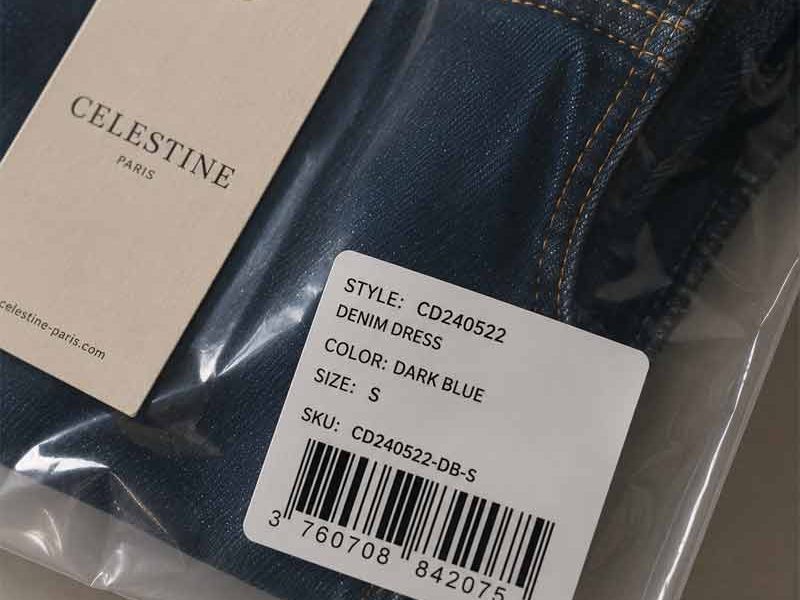
Private-label work extends beyond attaching a main label. Care content, size identification, heat-transfer compatibility, hangtags, barcodes, SKU stickers, polybags, carton marks and packing ratios must match the approved artwork and warehouse instructions. Jinfeng coordinates these details with garment production to reduce receiving errors after the goods arrive.

Three Failures That Damage Bodysuit Sell-Through

A bodysuit may look simple on a hanger but fail after dressing, movement or washing. Most commercial problems can be traced to fit, fabric or bulk replication. Addressing these risks before production protects launch timing, return rates and the ability to reorder a successful style.

Fit Failure

Excessive torso tension pulls the neckline downward, raises the leg opening and makes the gusset uncomfortable. Too much body length creates wrinkles at the waist or back. An oversized armhole exposes the side bust, while a narrow one cuts into the wearer. Pattern review must connect front length, back length, bust, waist, hip, crotch depth and intended bottom coverage rather than correcting one point in isolation.

Fabric Failure

A fabric can look suitable in a swatch and still perform poorly as a finished bodysuit. Low recovery causes the neckline and seat to loosen after wear. Light colors may become transparent under stretch. Unstable shrinkage changes body length after washing, while weak dimensional stability can twist side seams. Fabric selection therefore includes stretch direction, recovery, weight, opacity, hand feel, lining need and bulk-lot consistency.

Bulk Replication Failure

A good development sample does not guarantee stable production. Bulk risk appears when operators use inconsistent seam tension, snaps shift from the approved position, leg openings vary, shade groups are mixed or finished measurements drift between sizes. Production controls must be based on the approved pattern, size chart, material card, sewing instruction, golden sample and inspection checklist.

Fashion Bodysuits Developed for Distinct Selling Scenarios

Jinfeng Apparel focuses on cut-and-sew fashion bodysuits that extend a womenswear collection. Each category below carries a different fabric, pattern and bulk-control logic, allowing a brand to build coordinated basics, going-out pieces and seasonal statement styles within one manufacturing program.

Tank Bodysuits

Tank bodysuits work as elevated essentials, layering pieces and coordinated bottoms for skirts or trousers. Commercial success depends on neckline stability, shoulder width, armhole coverage and a smooth waist transition. Cotton-spandex jersey, viscose-spandex and double-layer constructions are common directions. Light colors require stretch-opacity review, while clean neck and armhole finishing must recover without rippling after dressing.

Short-Sleeve Bodysuits

Short-sleeve versions introduce sleeve-head balance and underarm comfort to an already fit-sensitive body. A sleeve that is too narrow restricts movement, while excessive sleeve width changes the polished silhouette. Pattern development considers bicep measurement, armhole shape, shoulder position, fabric stretch and intended compression. Bulk inspection checks sleeve symmetry, underarm seam strength and neckline recovery.

Long-Sleeve Bodysuits

Long sleeves suit core basics, evening styling and cooler-season collections. Material recovery must remain stable across the shoulder, elbow and wrist without pulling the torso upward. Rib, jersey, stretch mesh and nylon-spandex blends can create very different results. Sleeve length, cuff opening, armhole mobility and seam elongation are verified during sampling before grading into the complete size range.

Mock-Neck Bodysuits

Mock-neck and high-neck styles create a refined line but place extra stress around the neckline and back opening. The collar must sit cleanly without choking, rolling or stretching out after wear. Construction may use a back zipper, keyhole, shoulder opening or sufficient stretch for pull-on dressing. Material thickness and collar height are balanced to prevent bulky seams and heat discomfort.

Halter Bodysuits

Halter structures are suitable for going-out, resort and party collections. Neck pressure, side-bust coverage and back tension require careful attention because the upper body support is concentrated through fewer points. Ties, hooks, elastic or fixed straps must be selected according to fabric weight and styling. Sample review includes sitting, turning and arm movement rather than only a static front photograph.

Mesh Bodysuits

Mesh bodysuits create visual layering, illusion panels and statement silhouettes. Development controls transparency, stretch variation, edge recovery, seam comfort and the position of lining or double-layer zones. Power mesh, soft stretch mesh and decorative mesh behave differently under tension. Bulk QC checks holes, snags, seam puckering, panel alignment and shade consistency before packing.

Cut-Out Bodysuits

Cut-outs need stable edges that preserve the intended shape during wear. Placement must follow the body rather than the flat pattern alone, particularly around the bust, waist, side seam and hip. Binding, lining, elastic reinforcement or clean-finish construction may be required. Sampling establishes whether the opening stays smooth when the wearer sits, reaches or turns.

Party Bodysuits

Party and going-out bodysuits may include ruching, draped mesh, lace, stretch satin, crystals or asymmetric openings. The garment must remain photo-ready without sacrificing skin comfort or structural security. Construction planning considers support, lining, trim attachment, abrasion risk and packing protection. These styles benefit from a focused PP review because decorative placement and fit must be repeated across every production size.

Clear Manufacturing Scope for Every Bodysuit Concept

Reliable product development begins with an honest capability review. Jinfeng Apparel evaluates fashion bodysuits according to structure, fabric and required function, then confirms the appropriate development route before sampling. Projects outside the standard cut-and-sew scope are identified early rather than accepted without technical review.

Core Fashion Scope

Our principal scope covers jersey, rib, ponte, Roma, stretch mesh, stretch lace and selected stretch-satin bodysuits designed as outerwear, layering pieces, clubwear or coordinated fashion tops. Common features include sleeveless, short-sleeve, long-sleeve, halter, mock-neck, ruched, cut-out, open-back, brief and thong constructions. Each style moves through pattern, sample, fit and PP approval before bulk production.

Structured Styles for Review

Built-in cups, light boning, deep necklines, complex mesh layering, strong bust support, asymmetric openings and swim-inspired finishes require a detailed feasibility check. Our team reviews support level, seam position, lining, closure method, skin contact, wash care and production repeatability. Sample validation determines whether the proposed structure can meet the intended appearance and comfort across the complete size range.

Specialist Functions Assessed Separately

Medical compression, advanced circular-knit seamless shaping, highly technical performance swimwear and regulated functional garments require specialized systems beyond standard fashion cut-and-sew production. When a concept includes these functions, Jinfeng clarifies the manufacturing boundary and recommends a project-specific assessment. Clear scope protects design expectations, costing accuracy and delivery planning for both sides.

Stretch Fabric Selection Based on Fit and Wear

Bodysuit fabric is selected by the required silhouette, stretch direction, recovery, opacity, surface appearance and skin contact. A softer fabric is not always more comfortable if it loses shape, while a heavier fabric is not automatically more supportive if the pattern and seam construction are wrong.

Fabric DirectionTypical Weight and StretchHand and AppearanceBest Bodysuit UseLining or Construction NotesMain Bulk Controls
Cotton-Spandex JerseyApproximately 180-260 gsm; usually two-way or four-waySoft, familiar, matte and breathableTank, short-sleeve and everyday layering bodysuitsLight colors may need double-layer fronts; neck and armhole recovery must be stabilizedShrinkage, twisting, pilling, opacity and neckline recovery
Viscose-Spandex JerseyApproximately 180-240 gsm; fluid stretchSmooth, soft and drapey with a refined surfaceFitted basics, ruched bodies and soft long sleevesCan show body lines and grow during wear; pattern may need less easeRecovery, wash shrinkage, seam waving and length stability
Nylon-SpandexApproximately 180-320 gsm; strong four-way stretch optionsSmooth, sleek and close to the bodySecond-skin, clubwear and contour bodysuitsSuitable for clean finishes and double layers; heat sensitivity must be consideredRecovery, color migration, shine variation and seam stretch
Rib KnitApproximately 190-300 gsm; stretch varies by rib structureTextured, casual or elevated-basic appearanceSquare-neck, scoop-neck, henley and everyday bodysuitsRib direction and width affect visual symmetry and garment lengthRib alignment, growth, shrinkage, side-seam twist and neckline shape
Ponte or RomaApproximately 260-360 gsm; controlled stretchCompact, smooth and more structuredSculpted fashion bodies, square necklines and cool-season stylesBulkier seams require careful edge and gusset constructionSeam thickness, pressing marks, recovery and measurement tolerance
Stretch MeshApproximately 80-180 gsm; variable four-way stretchSheer, lightweight and visually layeredIllusion panels, sleeves, cut-outs and full mesh statement piecesOften paired with lining, binding or double-layer zonesHoles, snags, transparency, panel tension and seam puckering
Stretch LaceApproximately 120-220 gsm; stretch depends on motif and baseDecorative, feminine and texture-ledParty, lingerie-inspired and layered fashion bodysuitsMotif placement and skin comfort may require lining or clean backingPattern matching, edge damage, color variation and abrasion
Stretch SatinApproximately 160-260 gsm; moderate stretchSmooth, lustrous and evening-focusedDraped, corset-inspired and party bodysuitsGrain direction, lining and seam pressure influence appearanceSnagging, shade, shine direction, seam puckering and packing creases

Bodysuit Fit Engineering From Shoulder to Gusset

A bodysuit pattern has no isolated fit point. Neckline depth changes bust coverage; torso length affects shoulder pressure and leg opening; gusset position affects waist smoothness and sitting comfort. Jinfeng’s pattern and sample teams evaluate the complete vertical and horizontal balance before a style moves into production.

Torso Length and Rise Balance

Front torso length, back torso length and shoulder-to-crotch measurement establish how the garment sits through the body. Insufficient length pulls the neckline down, raises the leg opening and increases pressure at the shoulder and gusset. Excessive length creates folds around the waist, lower back or seat. The required balance also changes with neckline depth, back opening, fabric recovery and brief or thong coverage.

During sample review, measurements are compared with the approved size chart and wearing feedback. Static mannequin appearance is not enough. The fit should be observed while standing, sitting, reaching and rotating. Comments such as “too tight” are separated into the responsible areas: shoulder pressure, short front body, short back rise, narrow gusset, tight leg elastic or limited fabric extension. Pattern changes are recorded so the next sample can be measured against a defined correction.

Bust, Waist and Armhole Control

Bust fit determines whether the neckline sits securely and whether side coverage remains acceptable in movement. A low neckline may need a revised curve, more underarm coverage, an internal layer or a different stretch level. Armholes must stay flat without cutting into the body or exposing the side bust. The waist should follow the intended contour without over-compressing the garment and transferring tension into the shoulder or crotch.

Material behavior is part of the pattern decision. A soft viscose jersey may need a different negative ease from a compact nylon-spandex or ponte. Double-layer fronts change extension and recovery. Built-in lining changes seam thickness and bust capacity. Jinfeng reviews these variables through the first sample, fit comments, revised pattern and PP sample rather than applying one generic close-fit block to every style.

Leg Opening and Back Coverage

Brief, high-cut, cheeky and thong bottoms create different tension lines through the hip and seat. Leg openings must hold their position without rolling, digging in or showing through outerwear more than intended.

Elastic specification, application ratio, seam type and fabric recovery influence the final result. Back coverage also affects the required crotch length and the direction in which tension travels across the body.

For size grading, the team checks whether added width and length preserve the same wearing intent rather than simply scaling the pattern equally in every direction.

Critical points may include high hip, full hip, back rise, gusset width, leg opening and snap placement. Approved measurements and construction notes become bulk inspection references for each production size.

Gusset Shape​

Design Options Engineered for Stable Fashion Production

Visual details create commercial differentiation, but each detail changes tension, coverage, sewing sequence or finishing. Jinfeng reviews design options as production decisions so statement features remain consistent from the approved sample to the complete size run.

Neckline Shapes

Scoop, square, crew, mock, sweetheart, plunge and asymmetric necklines require different stabilization methods. The chosen edge may use binding, facing, lining, elastic or a clean-finish turn. Review focuses on neckline recovery, bust coverage, corner sharpness, seam thickness and how the shape changes under stretch. Deep or wide openings may need added internal support or a revised dressing method.

Sleeve Options

Sleeveless, cap, short, elbow, long, glove and mesh sleeves create different mobility and recovery demands. Sleeve-head shape is balanced with the armhole and shoulder position, while bicep, elbow and wrist measurements follow the intended fit. For sheer or delicate fabrics, seam selection and handling are adjusted to reduce puckering, holes and visible bulk.

Open-Back Structures

Low, scoop, cross-strap and cut-out backs shift support toward the shoulders, side seams and lower body. The opening must stay smooth when the wearer moves. Strap length, back width, edge recovery and closure position are confirmed during fitting. A style that looks balanced from the front can still pull or gap at the back if torso length is not adjusted.

Mesh Panels

Mesh panels can shape the body visually, improve ventilation or create illusion exposure. Panel direction and stretch must follow the intended support line. Construction controls include seam allowance, binding, lining transition, panel symmetry and transparency. Production inspection compares panel placement against the approved sample because small shifts are highly visible on close-fitting garments.

Cut-Out Placement

Waist, side, bust and back cut-outs are tested on the body to confirm exposure and edge stability. The flat opening often appears larger or smaller after the garment stretches. Reinforcement may use elastic, lining, binding or internal tape depending on the fabric. Grading rules must preserve the visual proportion across sizes without creating excessive opening or tension.

Ruching and Gathering

Ruching adds shape and visual texture but changes garment length and stretch distribution. Gathering ratio, elastic length, stitch density and seam anchoring must be documented. Side ruching should remain balanced between left and right, while center-front or bust ruching must avoid bulk and distortion. Bulk operators work from marked notches and approved measurements rather than estimating by eye.

Cup and Lining Options

Soft cups, removable pads, double-layer fronts and partial lining can improve coverage and support. Each option affects thickness, stretch and washing behavior. Cup position must follow the graded bust point, while lining should not pull against the outer fabric. More structured support, boning or complex internal engineering enters a separate feasibility review before sampling.

Brief and Thong Bottoms

Bottom shape determines coverage, leg opening, seam visibility and gusset construction. Brief versions support broader everyday use, while thong versions reduce visible lines under fitted bottoms. Edge finishing can use fold-over elastic, self-fabric binding, clean-finish lining or cover stitching. The selected method is tested for recovery, skin comfort and wash durability.

Gusset and Closure Details That Protect Wearing Comfort

The gusset is a small area with a large effect on fit, hygiene, movement and product reviews. Jinfeng treats gusset shape, snap selection and seam finishing as controlled construction points rather than minor accessories added at the end of sampling.

Gusset Shape and Position

Gusset width and length must suit the bottom shape, body length and intended coverage. A gusset positioned too far forward creates pulling at the back; one positioned too far back can feel uncomfortable and distort the waist. The transition between front body, gusset and back body should remain smooth without excessive seam bulk. For thong styles, the narrower back section requires careful tapering and seam placement.

Skin-contact areas may use a soft lining according to the design and care requirement. The lining is reviewed for fiber content, hand feel, shrinkage and edge construction. When the outer fabric is mesh, lace or decorative, an internal layer may be needed to protect comfort and closure stability. All layers must move together without curling or extending beyond the approved edge.

Snap Selection and Reinforcement

Common options include metal or resin snap systems selected according to appearance, garment weight and wearing use. Diameter, finish, color, quantity and spacing influence both comfort and opening strength. Reinforcement is required when the main fabric is lightweight, highly elastic or delicate. The reinforcement must support repeated opening without forming a hard ridge against the body.

Sampling checks alignment when closed, ease of opening, edge smoothness and whether the snaps remain covered by the gusset shape. Bulk QC checks component color, position, attachment security and closure pairing. Pull testing or repeated opening checks can be arranged according to the approved quality plan and component supplier specification.

Seam and Edge Comfort

Gusset seams experience repeated tension during dressing, sitting and movement. Seam type, thread, stitch density and allowance should provide extension without excessive thickness. Raw edges, loose thread ends and rigid reinforcement can create irritation even when the garment looks correct from the outside. Internal finishing is therefore checked as carefully as external appearance.

The final PP sample confirms the closure method, gusset measurements, lining, seam construction and snap placement. These details are recorded in the sewing instruction and QC checklist so production units follow the approved method. Any later material or component change requires review because a different snap or lining may alter thickness, stretch and attachment strength.

Zipper Engineering​

Files Needed for an Accurate Bodysuit Review

Clear input allows the development team to identify fabric, fit, costing and scheduling issues before sampling begins. Complete files are helpful, but a structured review can also start from a line sheet, reference sample or well-defined concept supported by quantities and launch timing.

Reference Image

Front, back and detail images help identify neckline, sleeve, bottom coverage, gusset and finishing. Multiple angles are more useful than one edited campaign image because hidden construction often determines feasibility and cost.

Tech Pack

A tech pack provides measurements, construction, stitch, material and labeling requirements. Missing or conflicting information is marked for confirmation before pattern work begins, reducing avoidable sample revisions.

Original Sample

A physical sample can clarify hand feel, stretch, fit and finishing that photographs cannot show. Jinfeng records which elements must be matched and which should be improved for the new program.

Fabric Direction

Composition, weight, hand feel, stretch, color and target appearance guide sourcing. A physical swatch, supplier code or clear performance requirement helps narrow options and estimate material risk.

Size Range

The intended base size and complete size range influence pattern development, grading, material use and fit review. Inclusive grading may require additional fit checks at key sizes.

Quantity Plan

Pieces per style, color and size allow the team to assess fabric minimums, trim procurement, production allocation, unit costing and delivery planning.

Brand Requirements

Main labels, care labels, hangtags, barcodes, polybags, SKU stickers and warehouse instructions should be shared early because they affect cost, lead time and packing control.

Launch Date

The required delivery date is converted into a working schedule for material sourcing, sampling, revisions, PP approval, bulk production, inspection, packing and shipment.

Bodysuit Sampling From Concept to PP Approval

Sampling is used to resolve fit, material and construction before production resources are committed. A typical first sample may be planned within 7-10 working days after the required material and technical details are confirmed; complex mesh, structured support, special trims or unavailable fabrics require additional time.

Project Review

The team reviews reference files, target quantity, size range, material direction, labeling and delivery needs. Feasibility questions are raised before pattern development so the sample plan reflects the actual commercial program.

Fabric Direction

Available swatches, supplier options and substitutes are compared for weight, stretch, recovery, opacity, surface and cost. The selected development fabric should represent the intended bulk behavior as closely as possible.

Pattern Development

The pattern maker builds or adjusts the base pattern around neckline, bust, waist, hip, front and back torso length, armhole, leg opening, gusset and closure position.

First Sample

The first sample tests silhouette, construction sequence and material behavior. Internal measurement and workmanship checks are completed before photographs or physical shipment are prepared for review.

Fit Review

Comments should identify location, direction and target result. Fitting images, pinned corrections and revised measurements help separate pattern issues from fabric or construction issues.

Revised Sample

Approved comments are converted into pattern, measurement and construction updates. A revised sample verifies whether the correction solved the original issue without creating a new one elsewhere.

Size and Color Review

Key sizes or colors may require additional confirmation when opacity, stretch, grading or trim performance changes. Light shades and extended sizes often deserve focused checks.

PP Sample Approval

The pre-production sample locks the approved fabric, color, pattern, measurements, construction, trims, labels and packing direction. Bulk production starts after the required approvals and materials are ready.

Fit Corrections Converted Into Production Standards

Fit comments only create value when they are converted into controlled documents. Jinfeng uses sample review to update the pattern, measurements, grading instructions, material approvals, sewing details and inspection points before the bodysuit enters bulk production.

Classify the Real Cause

A neckline that pulls downward may come from short torso length, excessive negative ease, limited fabric stretch, a tight leg opening or the wrong gusset position. Increasing neckline height alone may hide the symptom without solving the cause. The development team separates fit, material and workmanship factors before choosing a correction.

Comments are organized by body area and priority. Critical issues affect wearability, exposure, closure or movement. Major issues change silhouette or commercial appearance. Minor issues concern finishing and visual refinement. Clear classification prevents a long comment list from being applied without understanding how one change influences another.

Update the Pattern and Size Chart

Approved corrections are entered into the working pattern and measurement file. Points such as front length, back length, bust, waist, hip, armhole, shoulder, leg opening, gusset width and crotch length are updated with tolerances where appropriate. The revised file becomes the reference for the next sample and later bulk inspection.

Grading is reviewed after the base size is approved.

Bodysuits cannot rely on width grading alone because larger and smaller sizes may require different vertical balance, bust point, armhole depth and gusset placement. Key-size verification is recommended when the range is broad, the neckline is low or the style includes complex openings.

Lock the Golden Sample

After PP approval, the final sample, pattern, measurements, material cards, trim details, label placement, packing instruction and QC checklist form the production standard.

Bulk units are compared with these references during inline and final inspection. Any approved change after PP status is documented so the production team and brand team work from the same version.

Record retention also supports repeat orders. Historical patterns, size charts, material references, color records, trim information and packing requirements help restart a successful style efficiently.

New colors or replacement materials are still reviewed because dye lots, stretch and recovery can change the finished fit.

Pattern Development

Workmanship Control for Stretch Bodysuit Production

Bulk production begins with the approved PP standard, material readiness and a production plan matched to the style. Jinfeng controls knit and stretch bodysuits through fabric preparation, cutting direction, seam engineering, inline checks, finishing and measurement review instead of relying on end-of-line appearance alone.

Fabric Preparation and Cutting

Incoming fabric is reviewed for color, visible defects, width, hand feel and relevant performance requirements. Stretch direction is confirmed before marker planning because placing panels in the wrong direction changes body length, recovery and wearing comfort. Fabric relaxation may be arranged according to material behavior so tension from rolling and transport does not distort cutting measurements.

Shade groups are managed when color variation is possible. Light-colored fabrics receive opacity attention, while mesh and lace are checked for holes, motif direction and edge damage.
Cutting pieces are reviewed for grain, rib alignment, notches, panel orientation and size identification. Mixed or reversed pieces can create twisting and asymmetric tension even when sewing appears neat.

Stretch Sewing and Structural Control

Thread, needle, stitch type and seam tension are selected according to the material and approved construction. Seams must extend with the fabric without popping, tunneling or creating rigid lines. Necklines, armholes and leg openings need enough recovery to sit flat after dressing. Mesh panels, cut-outs and ruching require controlled handling so left and right sides remain balanced.

Gusset layers and snaps are reinforced according to the approved sample. Operators follow marked placement and construction sequence rather than estimating positions. Inline checks focus on seam elongation, panel alignment, neck shape, side-seam direction, leg-opening balance, closure security and visible workmanship. Problems are corrected at the responsible operation before they spread through the production quantity.

Finishing, Measurement and Packing Shape

Pressing temperature and pressure are controlled to avoid shine, flattening, heat damage or distorted elastic areas. Stretch satin, nylon-spandex, mesh and rib each react differently to heat. Finished garments are allowed to recover before final measurement where necessary, preventing temporary stretching from creating misleading results.

Measurements are checked against the approved size chart and tolerance at defined points. Appearance review covers neckline shape, symmetry, seam smoothness, fabric surface, gusset alignment and snap closure. Folding is designed to limit deep creases and component pressure. Labels, barcodes, size stickers and packing ratios are verified before cartons are closed.

Pattern Development

Quality Checks Designed for Fit-Sensitive Bodysuits

A fashion bodysuit needs fabric, dimensional, closure and appearance controls. Jinfeng’s QC process covers incoming material, cutting, inline sewing, measurement, final garment, packing and pre-shipment review, with inspection points adjusted to the approved product structure. For large programs, internal AQL inspection or third-party pre-shipment inspection can be coordinated according to agreed standards. Findings are classified and corrected before final release rather than treated as paperwork completed after packing.

Stretch Direction Check

Fabric panels are checked against the approved stretch orientation. Incorrect direction can shorten the torso, limit movement or distort the neckline even when composition and color are correct.

Recovery Review

Sample and bulk fabric are assessed for how well the garment returns after extension. Weak recovery may cause loose necklines, bagging at the seat or unstable leg openings during wear.

Shrinkage Control

Relevant wash or material information is reviewed before final measurements are locked. Shrinkage can alter body length, sleeve length, width and gusset comfort, especially in cotton and viscose blends.

Seam Stretch Check

Critical seams are extended to identify thread breakage, stitch popping, excessive tunneling or rigid construction. Gusset, side, shoulder, underarm and leg-opening seams receive focused attention.

Closure Security

Snaps are checked for correct pairing, alignment, finish, attachment and comfortable opening. Component tests can be arranged according to the approved quality plan and supplier specification.

Garment Measurement

Defined points may include bust, waist, hip, front length, back length, armhole, sleeve, leg opening, gusset and total body length. Size identification must match the garment and packing data.

Transparency Review

Light colors, mesh and high-stretch areas are checked under extension and normal lighting. Lining coverage, seam show-through and label visibility are reviewed against the intended design.

Packing Accuracy

Main label, care label, size label, hangtag, barcode, SKU sticker, polybag, color-size ratio, carton quantity and carton mark are checked before shipment release.

Private-Label Finishing Ready for Retail Distribution

Private-label delivery connects garment identity, care information, warehouse data and physical packing. Jinfeng coordinates approved artwork and packing instructions with the production schedule so branding is accurate and receiving teams can identify every style, color and size.

Main Labels

Woven, printed or heat-transfer branding is reviewed for size, color, position, attachment and skin comfort. Stretch compatibility is important because a rigid label can distort a lightweight bodysuit.

Size Labels

Size identification must match the garment measurement, care label, barcode, polybag sticker and carton breakdown. Placement should remain readable without creating irritation.

Care Labels

Fiber content, care symbols, country requirements and brand wording are supplied or approved by the brand. Label construction and position are checked against skin contact and stretch.

Heat Transfers

Heat-transfer branding can suit close-fitting jersey and nylon-spandex styles. Compatibility, adhesion, stretch, wash performance and heat effect on the fabric are reviewed before bulk application.

Hangtags

Hangtag artwork, string, attachment point and style information are confirmed before production. Placement must avoid snagging mesh, lace or delicate surfaces during packing.
5.-Barcode-SKU-Sticker

Barcode and SKU

Barcode lists are matched with style, color, size and purchase-order data. Scan checks and packing verification reduce warehouse receiving errors and relabeling work.

Polybag Packing

Bag size, warning text, ventilation, fold method, tissue or protective material and sticker position follow the approved requirement. Delicate surfaces may need extra protection.

Carton and Warehouse Labels

Carton marks, size ratios, color ratios, gross and net weight, carton quantity and warehouse labels are checked against the packing list before shipment coordination.

MOQ, Sampling and Production Planning by Project

Commercial planning is based on the confirmed style, material, colors, size range, quantity, packaging and delivery target. Lower quantities do not always move faster because custom dyeing, special trims, complex construction and pending approvals can become the controlling lead-time factors.

Project StageTypical Planning RangeRequired Inputs or ApprovalMain VariablesWorking Output
Initial Review1-3 working days after complete files are receivedReference image or tech pack, quantity, fabric direction, size range, delivery targetMissing measurements, unclear construction, special componentsFeasibility notes, information request and development route
Fabric Sourcing3-10 working days for available market optionsApproved material direction and target priceCustom color, special composition, supplier minimum, certificate requestSwatches, alternatives, price and lead-time effect
First SampleCommonly 7-10 working days after material and details are confirmedPattern information, sample fabric, trims and constructionMesh layering, built-in support, unavailable components, complex cut-outsMeasured first sample and internal workmanship review
Sample RevisionCommonly 5-10 working days per structured revisionConsolidated fit and construction commentsPattern changes, replacement fabric, new trims, additional fittingRevised pattern, updated measurements and revised sample
PP ApprovalScheduled after final fit, materials and branding are confirmedFinal sample approval, size chart, BOM, labels and packing directionLast-minute changes, testing, packaging artworkPP sample, golden sample and production standard
Bulk ProductionCommonly 15-30 days after PP approval and material readinessPurchase order, approved materials, production files and deposit termsQuantity, style count, color count, line allocation, complexityFinished garments ready for final inspection and packing
Inspection and PackingPlanned within the bulk scheduleApproved QC standard and packing instructionAQL level, third-party booking, barcode and warehouse rulesInspection record, packed cartons and final quantity breakdown
Shipment CoordinationBased on route and required deliveryShipping instruction, forwarder and export documentsExpress, air, sea, split shipment, destination requirementsCommercial invoice, packing list and shipment coordination

Production Management for Multi-Style Bodysuit Collections

A collection containing ten or more bodysuit styles needs more than line capacity. Development priorities, material groups, pattern status, production allocation, inspection and packing data must remain connected. Jinfeng manages the program through specialized teams and factory matching rather than placing every style into one production flow.

Product-Based Factory Allocation

Bodysuits and other knit or stretch styles are principally allocated to Factory 3, where the production focus includes bodycon dresses, jersey dresses, crop tops and stretch garments. Related collection pieces can be assigned to other owned factories according to woven, partywear, set or repeat-order strengths. Allocation is reviewed after the final material and construction are known.

Multi-Style Planning

A large collection is divided by development priority, fabric family, complexity and required launch sequence. Core jersey styles may progress differently from mesh, lace or structured statement pieces. Priority samples are identified for campaign photography, sales meetings or early purchase decisions, while material booking and bulk allocation follow the approved assortment.

Merchandising Coordination

More than twelve merchandisers and order follow-up specialists support communication among the brand, pattern team, sample rooms, material suppliers, production units, QC, packing and logistics. Their role is to keep decisions, approvals and file versions aligned. Progress reporting focuses on unresolved actions and their schedule effect rather than sending vague status updates.

Quality Team Coverage

More than fifteen QC inspectors support fabric, cutting, inline sewing, measurement, garment, packing and pre-shipment checks across production. Inspection plans are adjusted to product risk.

Bodysuits receive fit-sensitive points such as neckline, torso length, armhole, leg opening, gusset, closure and stretch recovery in addition to standard appearance review.

Finishing and Packing Control

A finishing and packing team of more than thirty workers handles trimming, pressing, label checking, barcode application, folding, polybagging, carton marking and quantity verification.

Large style-color-size assortments are checked against the approved packing breakdown to reduce warehouse receiving errors and mixed-SKU cartons.

Capacity and Repeat Orders

Jinfeng’s network combines six owned factories, more than ten long-term satellite partners and monthly capacity above 100,000 pieces across women’s fashion categories. Capacity is allocated according to product suitability and quality requirements, not treated as unlimited. Repeat orders use retained patterns, measurement files, fabric references, trim records and packing instructions, while new lots are still confirmed before production.

Anonymous US Bodysuit Collection From Fit Review to Delivery

A representative program for an established US online fashion brand involved 18 bodysuit styles and 46,800 pieces across jersey, rib, stretch mesh and nylon-spandex groups. The assortment covered tank, long-sleeve, mock-neck, square-neck, ruched, mesh-panel and cut-out silhouettes in XS-XXL, with black, white, chocolate, wine and seasonal accent colors.

nitial Program Risk

The brand’s earlier development notes showed four recurring risks: body length varied between styles, light colors became transparent under stretch, thong gussets pulled forward during movement, and mesh-panel tension changed between the base size and extended sizes. Product photography was scheduled before the bulk order, so the sample sequence also had to prioritize twelve campaign styles without delaying the remaining six.

Jinfeng divided the assortment into three development groups. Core jersey and rib styles used shared measurement logic where appropriate, while mesh and cut-out pieces received independent pattern and construction review. The team compared front and back torso length, neckline coverage, armhole position, high hip, leg opening, gusset width and snap placement. White and pale shades were tested with double-layer or lining options before final material approval.

Sample and Approval Control

The first twelve priority samples were planned within a 7-10 working-day window after material and construction confirmation. Six more complex styles followed after mesh, lining and trim details were locked.

Comments were consolidated by style and body area, then converted into revised patterns and updated measurement charts. Two styles required an additional fit round because the cut-out edge and back rise changed differently across sizes.

Before PP approval, the brand confirmed golden samples, final colors, label artwork, barcodes, polybag stickers and carton ratios. The approved size range used separate verification at the base size and two key graded sizes. Final documentation connected the sample status with the bulk BOM, sewing instruction, measurement tolerance and QC checklist.

Bulk Production and QC

The 46,800-piece order was divided by fabric family and production sequence rather than by style number alone. Material lots were reviewed for shade, stretch direction, recovery and visible defects. Inline control focused on neckline shape, side-seam direction, seam extension, leg-opening balance, gusset alignment and snap reinforcement. Light colors received opacity checks under normal stretch, while mesh styles were checked for holes, panel symmetry and puckering.

Bulk production was completed within a 28-day window after PP approval and material readiness. The order used internal inspection with an AQL 2.5 standard requested by the brand, followed by barcode, size-color ratio and carton-mark verification. No critical findings remained at release; minor sewing and packing findings were corrected before cartons were closed.

Delivery and Repeat Readiness

The shipment was split into two deliveries to match campaign and warehouse timing. Priority colors moved first, followed by the balance after final packing confirmation. Commercial invoice, packing list, carton dimensions, gross and net weights, style-color-size breakdown and warehouse labels were prepared with the brand’s nominated forwarder.

After delivery, approved patterns, measurement files, fabric references, trim details and packing requirements were retained for repeat-order review.

The program later added two new colors and one revised neckline using the same approved fit foundation, while new fabric lots and color opacity were checked again before production.

Design Protection and Project-Specific Compliance Support

Fashion brands share unreleased silhouettes, patterns, size systems, launch dates and packing information during development. Jinfeng limits the use of these files to the corresponding project and supports supplier-review requirements through records applicable to the selected production unit and material source.

NDA and Unreleased Designs

An NDA can be signed before detailed tech packs, samples, patterns, labels, packaging files or unreleased collection information are reviewed. Client designs and sample photographs are used for development, production and project records only. Public content uses authorized work, internally developed samples or anonymized descriptions that do not reveal the brand or private style details.

Pattern and File Protection

Patterns, size charts, BOMs, material approvals, trim details, labels, barcodes, SKU data, packing artwork, quantities, pricing and launch plans remain connected to the approved project. Historical records may support the same brand’s repeat orders, but client-specific patterns and files are not repurposed for other labels.

Factory and Material Records

Social-compliance documents, factory profiles, production information and audit-related files can be reviewed according to the factory assigned to the order and the latest available records. Material certifications such as OEKO-TEX, GOTS or GRS are checked by supplier, fabric type, color, batch, certificate scope, validity, MOQ and lead time when requested. No certificate is presented as automatically covering every fabric or order.

Inspection Cooperation

Jinfeng can support internal AQL inspection and coordinate third-party pre-shipment inspection by an agreed provider. The quality standard, sampling level, booking time, report recipient and correction process should be confirmed before shipment. Inspection is integrated with production and packing rather than arranged after goods are already closed and scheduled to leave.

Frequently Asked Questions About Bodysuit Manufacturing

Yes. A structured review can begin from clear front, back and detail images supported by fabric direction, size range, quantity and target delivery. A tech pack or original sample improves accuracy, especially for gusset, closure, neckline, internal support and grading details that are not visible in campaign photographs.
MOQ starts from 200 pieces per style and color. The final requirement depends on fabric availability, custom color, supplier minimums, special trims, size breakdown, construction complexity, testing and private-label packing. A collection plan can be reviewed by style and material group to establish the most workable production structure.
A typical first sample may be planned in 7-10 working days after sample fabric, trims and construction information are confirmed. Complex mesh layering, built-in support, unavailable components, custom color or major pattern reconstruction require more time. Each revision is scheduled after consolidated comments are received.
A common planning range is 15-30 days after PP approval, material readiness and production confirmation. Style count, quantity, color count, custom dyeing, component lead time, construction, inspection, packing and seasonal capacity can extend the schedule. Delivery timing should be planned backward from the required warehouse date.
Common directions include cotton-spandex jersey, viscose-spandex, nylon-spandex, rib knit, ponte, Roma, stretch mesh, stretch lace and selected stretch satin. The correct option depends on opacity, recovery, hand feel, support, surface, lining, target price and wearing scenario. Final fabric is confirmed through sample evaluation.
Yes. Brief, high-cut, cheeky and thong constructions can be evaluated within the cut-and-sew fashion scope. Gusset width, body length, leg opening, back coverage, lining and snap position are developed according to the approved fit and size range rather than using one standard bottom shape for every style.
Soft cups, removable pads, double layers and selected light-support constructions can be reviewed. Boning, strong bust support, deep-V engineering or complex internal structures require feasibility review and sample validation. The team confirms whether the requested support can be repeated comfortably across production sizes.
Opacity is reviewed under normal garment stretch, not only on an unstretched swatch. Options may include a heavier fabric, adjusted composition, double-layer front, partial lining or color-specific construction. White and pale shades can require a different solution from dark colors within the same style.
Yes. Jinfeng supports main labels, size labels, care labels, heat transfers, hangtags, barcode stickers, polybags, SKU labels, carton marks and retail or ecommerce packing. Artwork, content, placement, scan data and packing ratios are confirmed before bulk application.
Yes. Third-party pre-shipment inspection can be coordinated according to the agreed standard and booking plan. Internal QC covers fabric, cutting, inline sewing, measurement, garment appearance, packing and pre-shipment review. Inspection requirements should be shared early enough to reserve the required production and packing window.
Yes. Jinfeng supports NDA-based cooperation. Tech packs, samples, patterns, size charts, material and trim information, labels, barcodes, packaging files, quantities and launch plans are used only for the corresponding project and are not published or shared without authorization.
Yes. Approved patterns, measurements, material references, trims, sewing notes and packing requirements can be retained for future production. New colors, replacement fabrics and new material lots are still checked because shade, opacity, stretch and recovery may change the finished fit.

Start a Bodysuit Program With Clear Production Inputs

Send the information already available for your collection, whether it is a complete tech pack, line sheet, original sample or a well-defined reference package. Kelly will coordinate an initial review covering style feasibility, fabric direction, fit risk, MOQ, sample route, private-label requirements, production planning and delivery timing. The goal is to establish a workable development plan before pattern and material costs are committed.
Please include:

  • Company and market information
  • Reference image, tech pack, line sheet or original-sample photos
  • Styles and estimated quantity per style and color
  • Preferred fabric, weight, hand feel or stretch requirement
  • Base size, complete size range and fit standard
  • Main label, care label, hangtag, barcode and packing requirements
  • Target sample date, launch date and required delivery date
  • Inspection, testing, audit or warehouse receiving requirements

Tell Us About Your Dress Project

Share your product details, estimated quantity and development requirements. Our team will review your project and provide practical OEM/ODM production feedback.

Premium Women’s Apparel Production for Fashion Brands

From dress sample development to bulk production, JF Apparel supports fashion brands with confidential OEM/ODM manufacturing, reliable quality control and scalable production support.

START YOUR DRESS PROJECT

Ready to Develop Your Next Dress Collection?

Share your design concept, product requirements or sourcing plans with our team. We’ll review your project and provide practical feedback on development, materials, MOQ and production.

7-10 Days

Sample Development

200 PCS

Starting MOQ

Fast Response

Professional Follow-Up