Skip to content
Private Label Jumpsuit Manufacturer
Fashion jumpsuit development, private label execution and controlled bulk production for established womenswear brands and multi-style programs.
- Since 2008, Jinfeng Apparel has supported custom womenswear development from references and tech packs through PP approval, bulk production, quality control and export delivery.
- Six owned women’s fashion factories and more than ten long-term production partners support programs commonly spanning 10-30 styles and 20,000-80,000 total pieces.
- Two sample rooms, seven-plus senior pattern makers and twenty-plus sample machinists help control torso length, rise, waist placement, hip balance, inseam and movement comfort.
- Production starts from 200 pieces per style and color, with final requirements determined by fabric availability, dyeing, trims, construction, labeling, packaging and schedule.
Jumpsuit Development Capacity for Established Fashion Brands
Since 2008
Six Owned Factories
Ten-Plus Partners
Two Sample Rooms
Seven-Plus Pattern Makers
MOQ From 200
Built for Structured Jumpsuit Development and Bulk Programs
Established Fashion Brands
- Seasonal or monthly launch calendars
- Multi-style and multi-color programs
- Defined retail or ecommerce channels
- Ongoing sampling and repeat-order demand
Prepared Product Teams
- Design reference or technical file
- Quantity by style and color
- Target market and size range
- Branding, packing and timing requirements
Private Label Manufacturing Beyond Simple Garment Relabeling

OEM From Tech Packs

ODM From References

Material and Trim Development
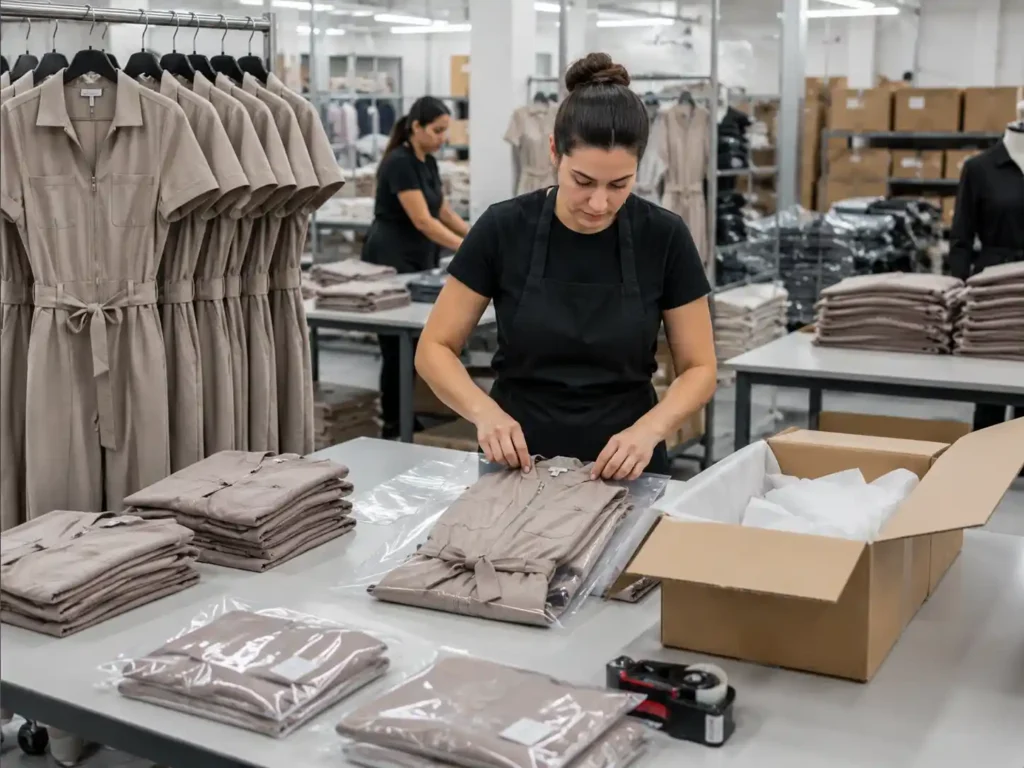
Retail-Ready Delivery
Private Label Jumpsuits Developed for Distinct Fashion Markets
Different jumpsuit categories require different fabrics, pattern decisions and production controls. Jinfeng Apparel focuses on fashion womenswear silhouettes where proportion, drape, waist definition, surface quality and retail presentation directly influence sell-through and return rates.

Tailored Wide-Leg

Satin Occasion

Party and Evening

Resort and Vacation

Utility Fashion

Jersey and Ponte

Rompers and Playsuits

Cut-Out and Backless
Jumpsuit Fit Engineering Beyond Standard Size Charts
A jumpsuit joins bodice and trouser fit in a single structure. Chest, waist and hip measurements alone cannot predict comfort or balance. Pattern development must connect vertical torso length, rise, closure access, leg shape and movement before the style can be approved for bulk production.
Torso Length and Rise
Shoulder-to-crotch length is one of the most important jumpsuit measurements. A pattern that is too short creates pulling at the crotch, strain across the shoulder and upward movement when the wearer sits or raises her arms. A pattern that is too long produces a dropped crotch, excess fabric at the lower back and an unstable waistline. Front and back rise also need separate evaluation because posture, bust volume and seat shape affect the garment differently.
Development begins by comparing the body measurement, garment measurement, fabric stretch and intended ease. A close-fitting jersey style may use controlled negative ease, while a woven satin or crepe style requires enough vertical and horizontal room to move without wrinkles radiating from the crotch. Fit notes record whether length should be added above the waist, below the waist or through the rise, because adding the same amount everywhere can shift the intended proportion.
Bust Waist Hip Balance
The bodice and trouser sections must meet at a stable waist position. When the bust is too tight, fabric may pull the waist seam upward; when the hip or seat is too tight, the lower body can drag the seam downward.
A visually centered waistline therefore depends on the full bust, underbust, waist, high hip, full hip and back length working together.
Pattern corrections are made around the design rather than by simply increasing every circumference.
A tailored jumpsuit may require a shaped waist dart and controlled hip ease, while a draped resort style may distribute fullness through gathers or pleats.
Belt loops, elastic channels, internal waist stays and cut-out positions are reviewed after the base balance is established so design details do not hide a structural problem.
Movement and Sitting Comfort
Standing photographs reveal only part of a jumpsuit’s fit.
Sample review includes sitting, walking, stepping, bending and raising the arms.
These movements show whether the crotch length is adequate, whether the waist seam remains level and whether the armhole or neckline opens during use. A garment can appear smooth on a mannequin yet become restrictive on a moving body.
Movement allowance is planned according to fabric and silhouette. Utility twill needs engineered ease at the back body, seat and thigh, while stretch satin may rely on both pattern ease and controlled elasticity.
Wide-leg styles require enough stride without excessive bulk at the crotch. Fit comments are translated into exact pattern and measurement changes, then checked again in a revised sample.
Closure and Dressing Access
The closure must allow the wearer to enter and remove a one-piece garment without damaging the neckline, makeup, hairstyle or fabric. Back zippers provide a clean appearance but need sufficient length and a stable seam. Side zippers can protect a back design but may be difficult to operate when the torso is fitted. Front openings support utility styles but affect the visual center and bust fit.
During sampling, zipper length, seam support, hook placement, placket width and puller access are reviewed together. Lightweight satin may require seam reinforcement to prevent rippling, while heavier twill may need a stronger zipper and controlled seam bulk. A closure decision is not considered complete until the sample can be dressed, worn and removed without excessive force.
Size Grading by Zone
Jumpsuit grading should not enlarge the entire garment by one uniform percentage. Bust, waist, hip, torso length, rise, inseam, thigh and leg opening have different growth requirements. Small sizes may need proportionally less vertical growth, while larger sizes often require additional back length, rise and bicep allowance to maintain comfort and visual balance.
The approved base pattern is converted into a grade rule that identifies each measurement point and its increment.
Critical sizes are reviewed against the final size chart, and selected graded samples may be produced when the range or construction carries additional risk. Bulk measurement reports then use the same points so development and quality control remain connected.
Fabric Selection Matched to Jumpsuit Structure and Use
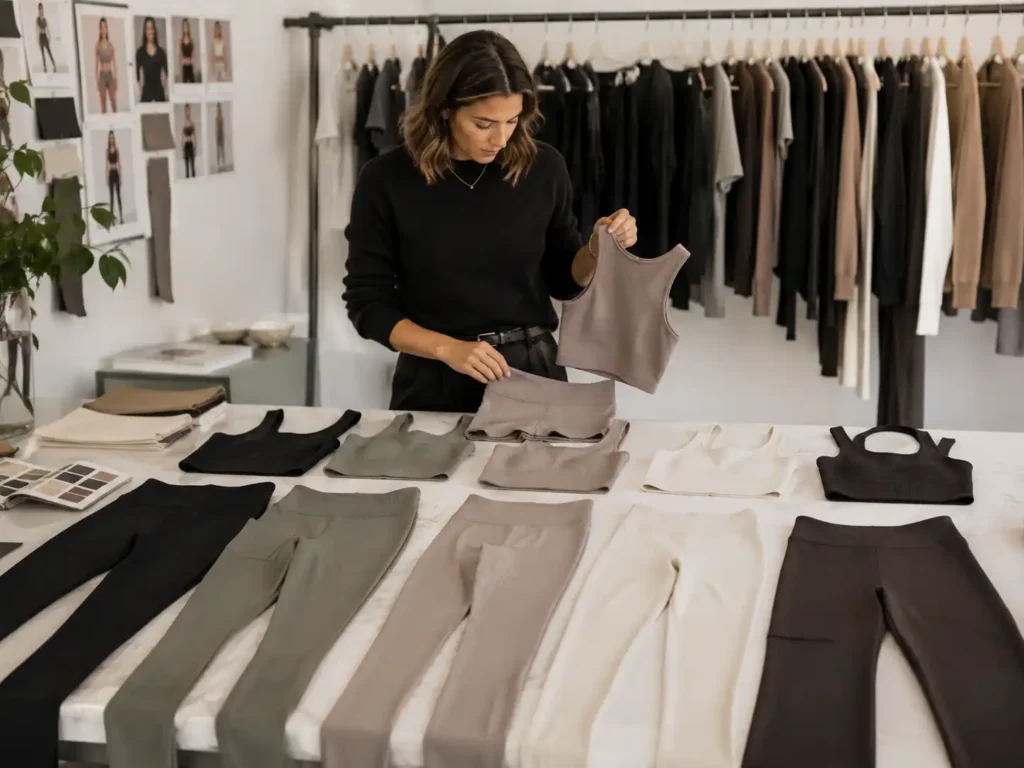
Fabric changes more than surface appearance. Weight, stretch, recovery, drape, opacity, shrinkage and pressing behavior affect pattern ease, lining, seam construction, MOQ, sample timing and bulk inspection. The matrix below connects common fashion jumpsuit categories with workable material directions and control priorities.
| Jumpsuit Direction | Suitable Fabrics | Key Material Checks | Pattern and Production Focus |
|---|---|---|---|
| Tailored wide-leg | Crepe, suiting blends, structured viscose, ponte | Drape, crease recovery, shrinkage, color consistency | Waist stability, hip ease, pocket shape, leg fall, pressing |
| Satin occasion | Stretch satin, matte satin, charmeuse, satin-backed crepe | Snagging, surface marks, shade, stretch, pressing temperature | Grain direction, seam tension, zipper support, sitting comfort |
| Resort and vacation | Linen blends, rayon, viscose, printed woven, cotton blends | Shrinkage, opacity, print direction, colorfastness, crease behavior | Relaxed ease, lining coverage, pocket function, hem balance |
| Utility fashion | Twill, denim, cotton-poly blends, structured nylon | Weight, abrasion, wash response, hardware compatibility | Reinforcement, pocket symmetry, zipper load, topstitching |
| Body-fit fashion | Jersey, ponte, rib knit, power mesh combinations | Stretch and recovery, opacity, pilling, relaxation | Negative ease, torso length, crotch comfort, seam growth |
| Party and evening | Satin, lace, mesh, sequin, velvet, organza accents | Skin comfort, abrasion, decoration loss, weight, color transfer | Internal support, lining, seam bulk, closure, protective packing |
| Rompers and playsuits | Cotton blends, linen, rayon, light crepe, printed woven | Opacity, shrinkage, softness, print placement | Rise, leg opening, movement, underarm and neckline coverage |
| Pleated wide-leg | Polyester crepe, heat-set pleated fabric, lightweight blends | Pleat retention, heat response, shade, shrinkage | Pleat alignment, waist join, hem level, packing pressure |
Construction Details That Define a Premium Fashion Jumpsuit

Neckline Support

Waist Definition

Zipper Engineering

Pocket Construction

Lining and Coverage

Pleats and Cut-Outs
From Jumpsuit Concept to Production-Ready Sample
Sampling converts commercial direction into controlled production information. Each stage has a different purpose, from verifying structure and material behavior to locking the final pattern, measurements, workmanship, labels and packaging before bulk cutting begins.
Project and Structure Review
Development starts with the available design information: tech pack, reference images, original garment, sketch, target price, quantity plan, color plan, size range and delivery window.
The team reviews whether the requested silhouette, fabric and construction are compatible. A wide-leg satin jumpsuit with a close-fitting body, for example, may need stretch, lining or additional closure length to achieve both appearance and dressing access.
Open questions are listed before pattern work begins.
These may include neckline support, bra coverage, waist position, pocket function, belt construction, zipper location, torso ease and intended shoe height. Early clarification prevents a first sample from becoming an expensive collection of assumptions.
Pattern and Material Setup
Pattern development translates the design into measurable geometry. The base size is planned around the target market, fit standard and material behavior. Shoulder-to-crotch length, bust-waist-hip relationship, front and back rise, inseam, leg width and armhole are connected to the intended silhouette. Fabric and trim references are prepared at the same time because material changes can alter ease, seam support and pressing.
When the selected material is unavailable for immediate sampling, a development substitute may be proposed with clear differences recorded. Final approval still requires the production material or an accepted equivalent. Labels, zippers, elastic, buttons and lining are also identified early enough to avoid a structurally correct sample that cannot be repeated with the planned components.
First Sample Construction
The first sample verifies the design direction, overall proportion, construction sequence and initial fit. It is not treated as a finished commercial garment when unresolved questions remain. Measurements are taken before fitting, workmanship is reviewed and photos are recorded from front, side and back.
The sample is then tested for dressing access, sitting, walking, arm movement and closure function.
Comments should distinguish appearance changes from measurement changes. A waist that looks high may be caused by insufficient torso length rather than an incorrect waist measurement.
Wrinkles near the crotch may indicate rise balance, hip restriction or grain distortion. Identifying the cause leads to a more accurate revision.
Revision and Fit Approval
Revision notes are translated into pattern, measurement, material or workmanship changes. Each item receives an owner and a confirmation status. The revised sample is checked against the previous comments rather than evaluated from memory. When several sizes or body proportions carry risk, selected graded samples can be produced before the full range is released.
Typical timing depends on design complexity, material readiness and feedback speed. A straightforward jumpsuit may require roughly 7-12 working days for an initial sample after materials are available, while complex lining, embellishment, custom fabric or multiple fit rounds may extend development. Clear consolidated feedback keeps the schedule more predictable than fragmented comments sent over several days.
PP and Golden Sample
The pre-production sample uses approved materials, final pattern information, confirmed measurements, workmanship, branding and packing details. Approval freezes the information required for bulk production. Any change after PP approval is evaluated for cost, material, pattern, schedule and production impact before acceptance.
A Golden sample or equivalent approved reference remains available for production and final comparison. The associated file set includes final pattern, size chart, grade rule, material and trim references, sewing instructions, label placement, packaging requirements and approved comments. These records support quality control during the first order and faster, more consistent repeat production.

Fit Validation Before Jumpsuit Bulk Production Begins

Measurement Review

Standing and Sitting

Movement Testing

Graded Size Review
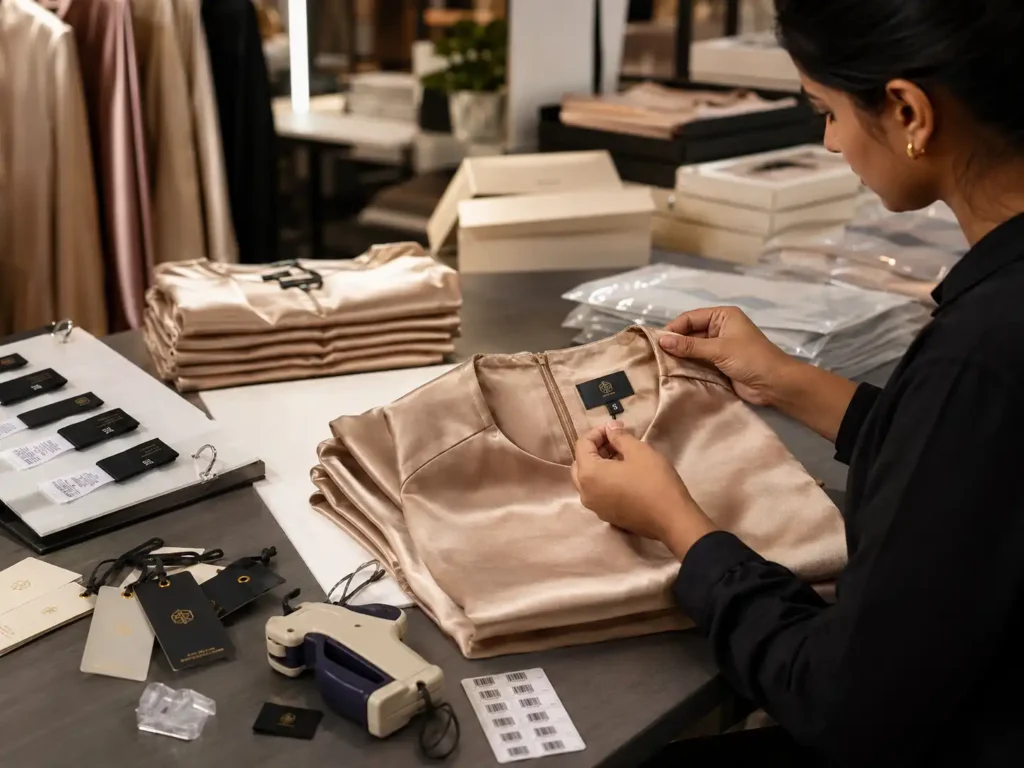
Complete Private Label Branding and Retail-Ready Packaging
Main Brand Label
Size Label
Care Composition Label
Hangtag System
Barcode and SKU
Individual Packaging
Carton Marking
Packing Instructions
Private Label Jumpsuit Manufacturing From Brief to Delivery
Project Review
Design files, original samples, quantities, target market, size range, branding and timing are reviewed to identify missing information and major technical risks.
Fabric Direction
Material options are compared by weight, stretch, recovery, drape, opacity, shrinkage, cost, availability and color requirements before sampling begins.
Pattern Development
The base pattern connects torso length, rise, bust-waist-hip balance, inseam, leg shape, neckline and closure access to the approved silhouette.
Sample Making
The first sample verifies construction, fit and material behavior. Measurements, workmanship, movement and appearance are recorded for review.
Fit Revision
Consolidated comments are converted into controlled pattern, measurement, trim or workmanship changes. Revised samples are checked against each comment.
PP Approval
Production materials, final pattern, size chart, grade rule, workmanship, labels and packing are locked in the pre-production approval.
Bulk Production
Material receipt, cutting, sewing, in-line checks, finishing and measurement follow the approved production file and planned line allocation.
Quality Inspection
Fabric, workmanship, dimensions, closures, labels, appearance, barcode and packing are checked at defined stages, with records linked to the order.
Packing Delivery
Finished garments are packed by approved assortment, inspected, documented and coordinated for the agreed shipment sequence and destination.
Production Capacity Organized Around Style Complexity and Timing
Owned Factory Control

Partner Capacity Coordination

Program-Based Allocation
Quality Control Focused on Jumpsuit-Specific Production Risks
Jumpsuit quality control must connect material behavior, one-piece fit, closure function, workmanship and private label accuracy. Inspection records use the same approved measurement points and construction references established during sampling, helping prevent separate development and production standards.
| Control Stage | Main Risks | Jumpsuit-Specific Checks | Recorded Evidence |
|---|---|---|---|
| Material receipt | Shade variation, defects, shrinkage, stretch inconsistency | Batch identity, width, weight, stretch direction, opacity, surface quality | Fabric inspection and batch records |
| Cutting | Grain distortion, panel mismatch, direction error | Satin grain, print placement, paired panels, notches, size bundle accuracy | Cutting check and bundle records |
| Sewing in-line | Twisting, seam tension, uneven waist, closure problems | Crotch seam, waist join, zipper, pockets, lining, reinforcement, topstitching | In-line inspection and correction notes |
| Measurement | Torso or rise deviation, inconsistent leg length | Bust, waist, hip, shoulder-to-crotch, front/back rise, inseam, outseam | Measurement report by size |
| Function review | Restricted movement, difficult dressing, weak hardware | Sitting comfort, arm movement, zipper operation, snap and belt function | Functional check records |
| Appearance finishing | Press marks, imbalance, puckering, visible lining | Waist level, leg fall, neckline, seam smoothness, stain and thread removal | Final appearance photos and checklist |
| Branding check | Wrong label, size, barcode or placement | Label content, placement, SKU, barcode scan and hangtag attachment | Branding and barcode checklist |
| Packing inspection | Wrong assortment, pressure damage, carton error | Folding, protection, size-color ratio, carton mark, pieces per carton | Packing report and shipment records |
Managing Multi-Style Jumpsuit Collections Without Production Confusion
Style Grouping
Fabric Grouping
Sample Priority
Color Control
Size Ratio Planning
Launch Tracking
Jumpsuit MOQ and Quotation Factors Explained Clearly
Style and Color Quantity
Fabric Requirements
Construction Complexity
Size and Color Range
Private Label Scope
Schedule and Revisions
Compliance Support and Protection for Unreleased Designs

Project-Based Testing

Document Coordination

NDA-Based Development

Private Label Confidentiality
Retail-Ready Packing and Coordinated Export Delivery
Packing Accuracy
Export Documentation
Multi-Batch Delivery
How to Evaluate a Private Label Jumpsuit Manufacturer
Real Jumpsuit Experience
Pattern Development Depth
Material Knowledge
Sample Revision Records
Private Label Completeness
Bulk Quality Evidence
Factory Allocation Clarity
Repeat-Order Support
Anonymous Jumpsuit Programs Built for Brand Launches

US Occasionwear Launch

Multi-Channel Wide-Leg Range
A multi-channel womenswear business developed 24 tailored and resort jumpsuit styles totaling 72,000 pieces.
The range used crepe, suiting blends, linen-viscose, printed rayon and structured jersey. Several styles shared color stories but required different lining, zipper and belt treatments. Sizes ran from XXS to XXL, with separate assortment plans for ecommerce and retail distribution. Material timing created the greatest scheduling pressure. Jinfeng organized the range into four fabric groups, prioritized eight hero styles for early sampling and photography, and aligned trim approvals with the related material group. Grade rules were reviewed by zone because the extended size range needed controlled growth in torso length, rise, hip and bicep rather than uniform scaling. Bulk production used staged line allocation and weekly approval tracking. In-line measurement concentrated on shoulder-to-crotch, waist level, hip, front/back rise and inseam. Barcode and carton data were checked against separate retail and ecommerce packing plans. The program shipped in three launch-based batches, and approved patterns and packing standards were used for later replenishment.

Australian Resort Collection
An Australian resortwear label ordered 12 jumpsuit and romper styles totaling 28,600 pieces. Fabrics included linen blends, printed viscose, lightweight crepe and cotton-rayon.
The collection required relaxed movement and travel-friendly presentation while maintaining bra coverage, stable necklines and consistent print direction across sizes. Early samples identified shrinkage and opacity differences between colorways. Jinfeng separated the material approvals, adjusted selected styles with partial lining and refined torso ease for humid-climate comfort. Print placement and directional cutting were added to the cutting standard, while short rompers received extra review around rise, leg opening and sitting coverage. The final range moved into production after two main fitting rounds and PP confirmation. Fabric batches were checked for shade and shrinkage before cutting, and final packing used tissue separation for light colors and printed surfaces. The order was delivered in two batches aligned with the brand’s campaign and warehouse dates, followed by a repeat request for four top-performing styles.
Frequently Asked Questions About Private Label Jumpsuits
Start Your Private Label Jumpsuit Project
Send the available design and commercial information so Kelly and the development team can review the project as a complete manufacturing program. A tech pack, reference image, original sample or line sheet helps identify the structure. Quantity by style and color supports MOQ and capacity planning. Fabric direction, color plan and target size range help the team evaluate material, grading and fit risk. Brand labels, hangtags, barcode files and packaging instructions define the private label scope. A target launch date allows sampling, material approval, production, inspection and shipment timing to be mapped in the right order. When some information is still under development, send the current version and mark the open decisions. Jinfeng Apparel will separate confirmed requirements from assumptions and outline the next steps for material review, quotation or sample development.
- Reference image, tech pack, line sheet or original sample
- Target quantity for each style and color
- Color plan, size range and target market
- Preferred fabric, lining, trims and construction details
- Main label, care label, hangtag, barcode and packaging needs
- Target sample date, launch date and delivery destination