 Skip to content
Premium Womenswear Production
From design direction to production-ready garments for established fashion brands.
Jinfeng Apparel supports premium womenswear programs where fabric behavior, fit, construction, finishing and bulk consistency matter as much as the original design. Our teams coordinate pattern development, sample revision, material approval, bulk production, quality control, private-label packing and export preparation around one objective: turning approved designs into commercially repeatable garments.
- Since 2008in custom women’s fashion manufacturing
- 2 sample rooms + 7+ senior pattern makers
- 20+ sample machinistssupporting development and revisions
- 15+ QC inspectorsacross production and finishing stages
- 100,000+ pcs regular monthly capacityacross a structured production network
Built for Established Fashion Programs
Global Fashion Brands
Premium Ecommerce Brands
Occasionwear Labels
Sourcing Teams
Product Development Teams
Multi-Style Programs
What Makes Womenswear Feel Premium?
Fabric Character
Pattern Balance
Fit Performance
Construction Control
Finishing Quality
Bulk Repeatability
Premium Womenswear We Produce

Occasion Dresses

Party Dresses
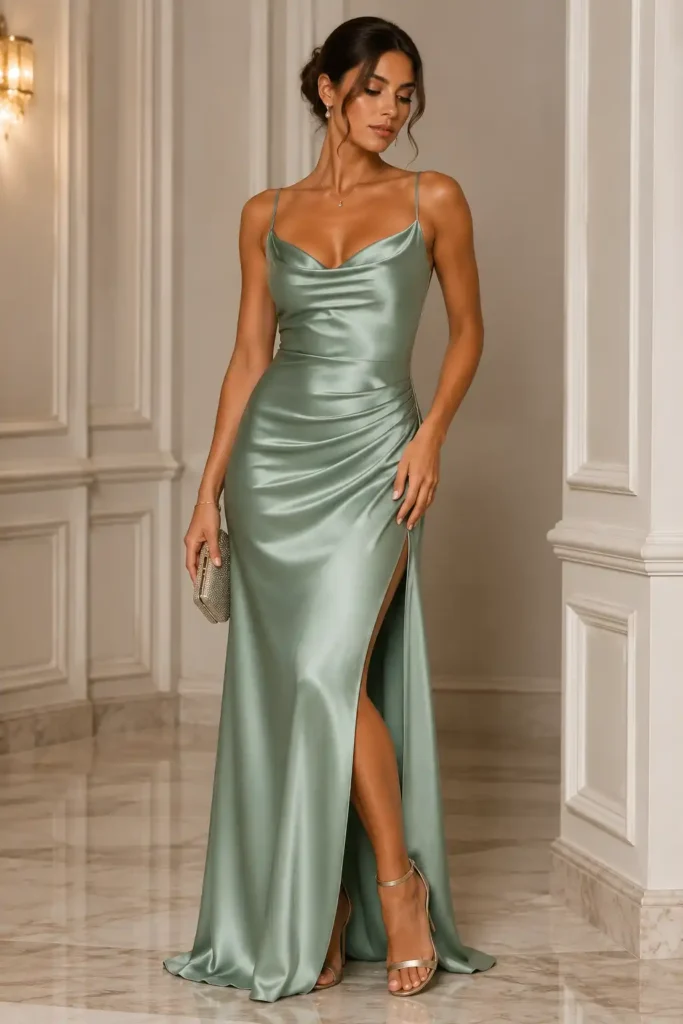
Satin Dresses
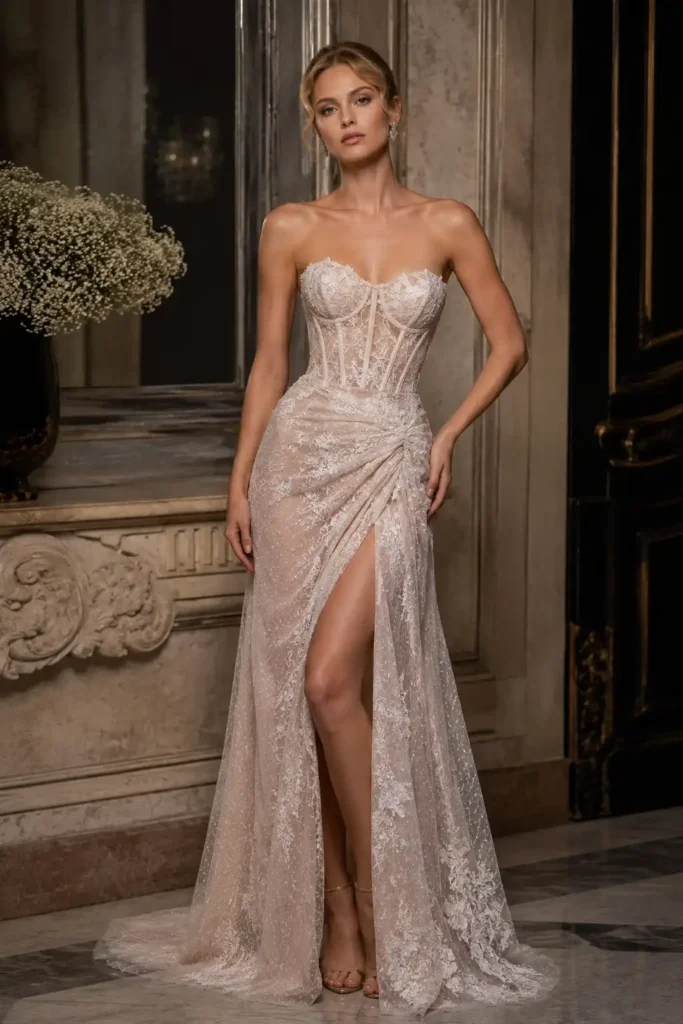
Corset Dresses

Bodycon Dresses

Resort Dresses

Jumpsuits

Matching Sets
Fabric Drives Premium Quality
Material decisions influence silhouette, sewing behavior, comfort, cost, MOQ and bulk consistency. Jinfeng Apparel reviews fabric direction as part of product development rather than treating fabric sourcing as a separate purchasing step. The objective is to select material that supports both the desired appearance and repeatable production.
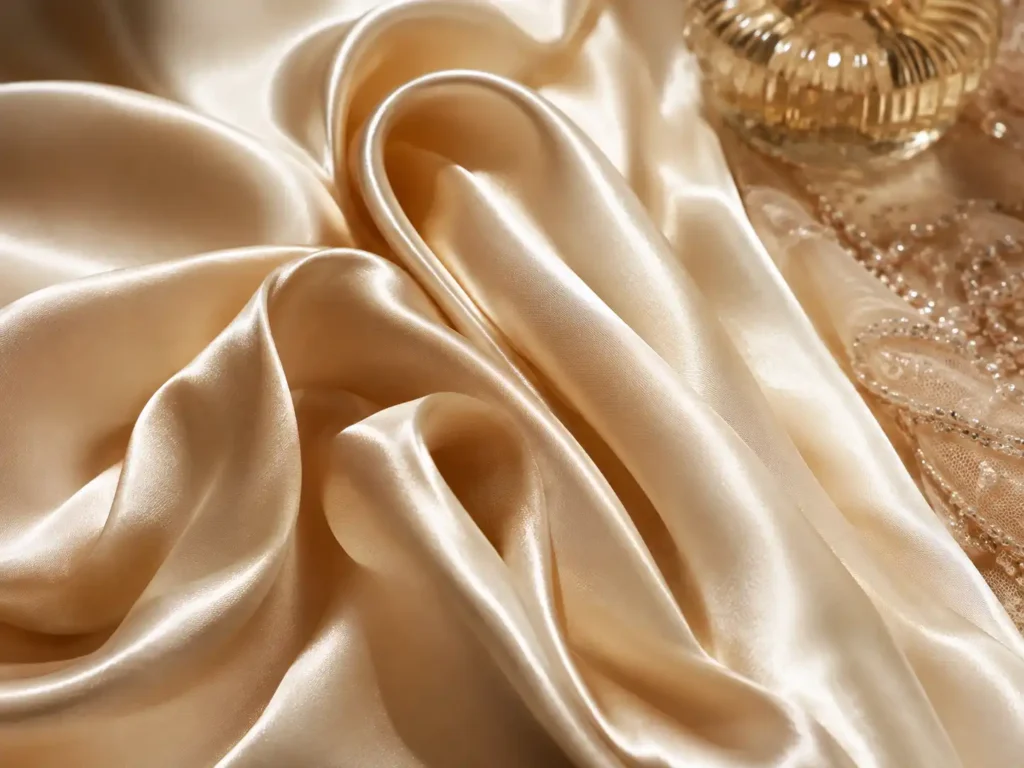
Satin Needs Surface Discipline
Satin can create a strong premium impression, but its smooth surface exposes problems that heavier textured materials may hide. Weight and weave construction influence drape, while shine direction changes how panels appear under light. Cutting direction therefore needs consistency across the garment.
Seams require careful control because excessive tension can create puckering. Zipper installation should remain flat without creating a ridge through the center back or side seam. Pressing temperature and technique also matter because excessive heat or pressure may leave visible marks.
For lined satin dresses, the lining needs compatible weight and movement. A stiff lining can disturb the outer drape, while an overly light lining may not provide enough coverage. Packing should minimize sharp folds across visible areas.
Key review points include:
- Fabric weight and surface sheen
- Panel direction and color appearance
- Seam tension and puckering risk
- Zipper flatness
- Lining weight and color
- Pressing response
- Snag protection during finishing
- Packing fold positions
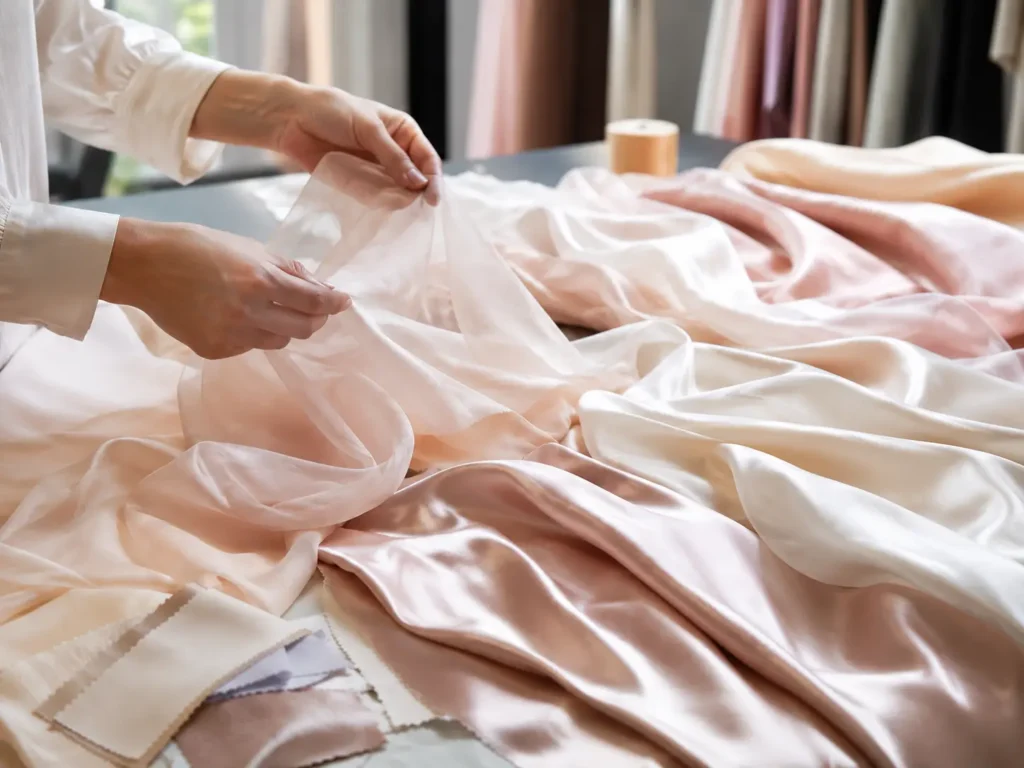
Chiffon Needs Drape Control
Chiffon creates movement and visual softness, but its low weight makes cutting accuracy and seam construction more demanding.
Transparency also means internal details may remain visible through the outer layer, so seam allowances, lining boundaries and finishing methods need consideration during development.
Long dresses require careful evaluation of hem balance because uneven grain direction can change the way sections hang.
Layered designs also need weight distribution to avoid one area pulling another out of shape.
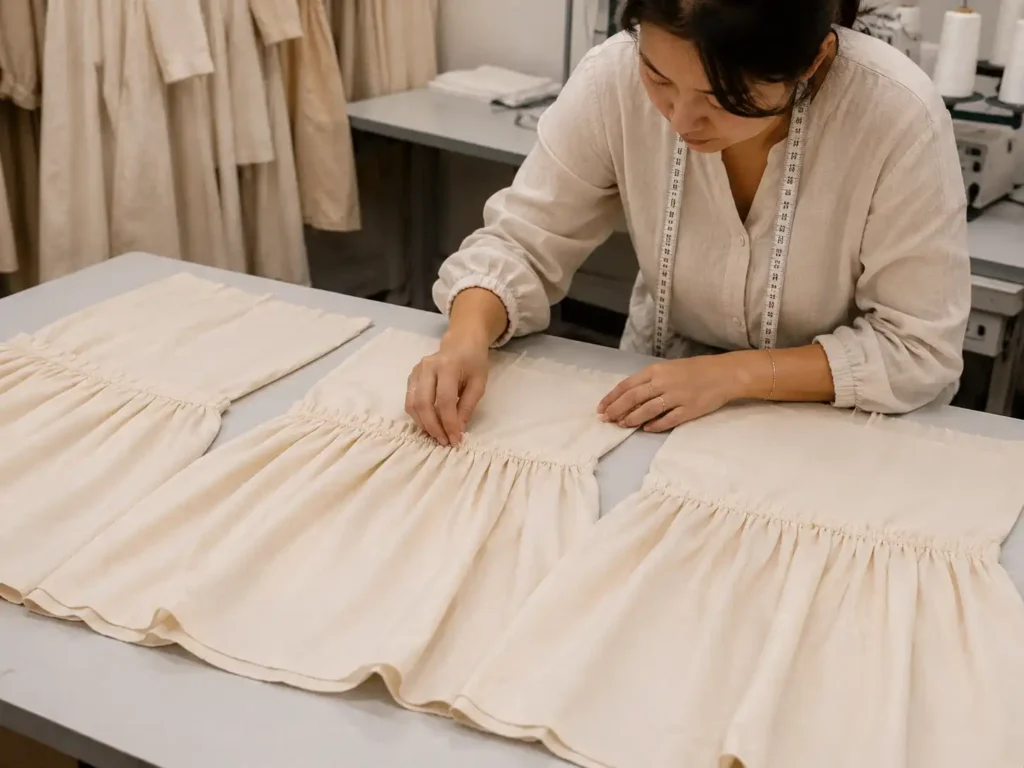
For styles with gathered panels or ruffles, the amount of fullness should be documented rather than estimated during production. Excessive gathering creates bulk while insufficient gathering weakens the intended silhouette.
Key review points include:
- Transparency and lining coverage
- Grain direction
- Hem balance
- Gathering ratio
- Seam visibility
- Layer interaction
- Pressing and steaming response
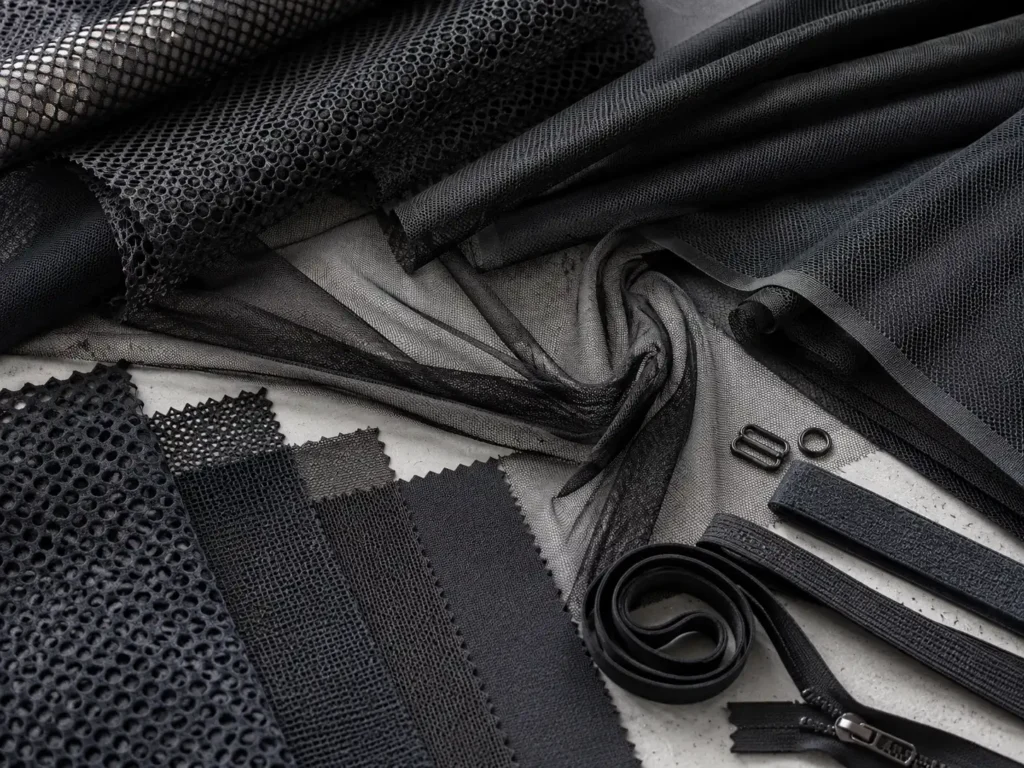
Mesh Needs Stretch Planning
Mesh should be reviewed for stretch percentage, recovery, transparency and handfeel before a pattern is finalized.
Two visually similar meshes may behave very differently after sewing. A pattern designed around a firm mesh may become unstable when replaced by a softer, higher-stretch alternative.
Placement also matters. Mesh at a neckline, bust, waist or side panel may need different support from mesh used only as an overlay.
Lining boundaries need careful positioning so coverage looks deliberate rather than accidental.
For close-fitting designs, recovery is especially important. A material that stretches easily but fails to recover can change garment measurements after wear.
Key review points include:
- Stretch direction
- Stretch recovery
- Transparency
- Bust coverage
- Neckline stability
- Lining placement
- Seam reinforcement
- Finished measurement behavior

Lace Needs Placement Accuracy
Lace quality is strongly influenced by pattern placement and symmetry.
Large motifs often need deliberate positioning around the neckline, bust or center front.
Random cutting can make a garment look visually unbalanced even when construction measurements are technically correct.
Lace edges, scallops and open areas also influence seam choices. Some styles benefit from using the natural edge of the fabric; others require internal finishing or lining support.
Color coordination between lace and lining should be reviewed under realistic light.
Key review points include:
- Motif direction
- Left-right symmetry
- Neckline placement
- Lace-to-lining color
- Edge treatment
- Seam joining
- Hole inspection
- Bulk cutting consistency

Sequin Needs Comfort Engineering
Sequin garments combine visual impact with additional production challenges. Surface weight, sequin direction and stitch placement influence how the material hangs and how easily it can be sewn. Areas around the armhole, neckline and side seams need special consideration because exposed or compressed sequins may irritate the skin.
Internal seam thickness should be reviewed on the sample. A seam that looks acceptable from outside may feel uncomfortable when worn. Lining, edge binding or localized construction changes can improve comfort without removing the intended visual effect.
Packing should also prevent heavy decorated surfaces from pressing against delicate panels.
Key review points include:
- Sequin direction
- Surface weight
- Edge comfort
- Seam bulk
- Lining
- Decoration loss
- Needle damage risk
- Packing protection
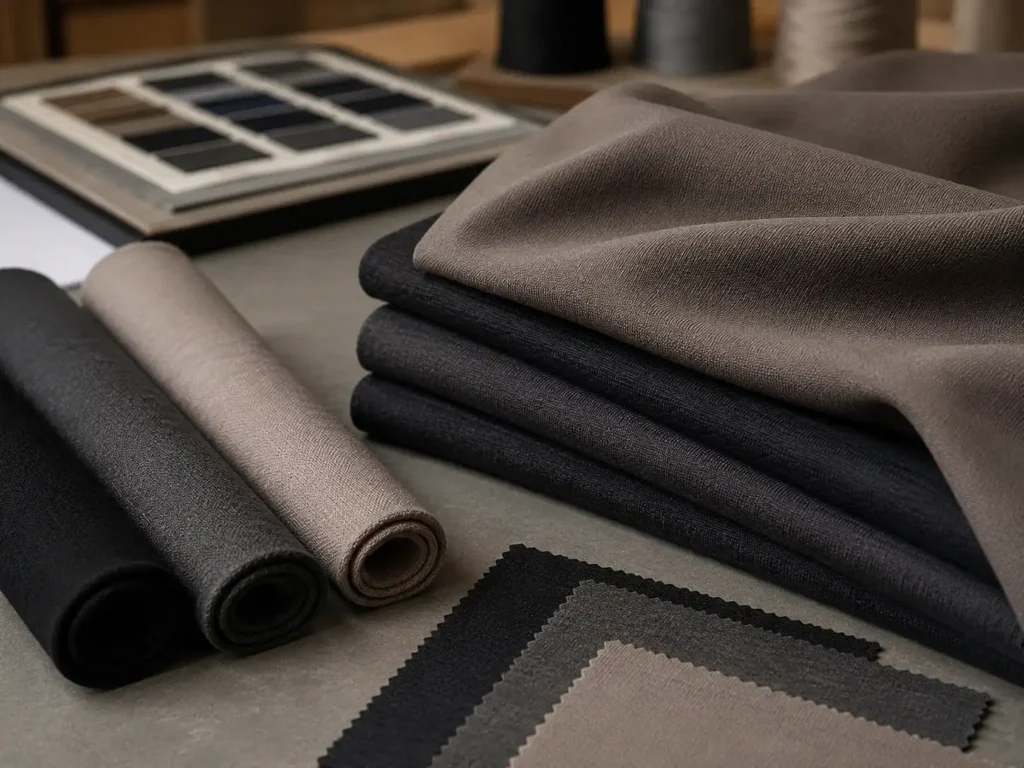
Jersey and Ponte Need Recovery
Stretch bodycon and fitted dresses depend on the relationship between fabric elasticity and pattern reduction.
Fabric should not be selected only by softness. Weight, stretch, recovery, shrinkage and dimensional stability determine whether a fitted style keeps its intended silhouette after sewing and wear.
Ponte generally gives more structure, while lighter jersey can create more drape and body definition.
Both need appropriate seam construction and measurement control.
Key review points include:
- Fabric weight
- Stretch percentage
- Recovery
- Shrinkage
- Side-seam stability
- Body measurement relationship
- Hem method
- Finished garment relaxation
Match Fabric to the Right Style
Fabric selection becomes more useful when linked to silhouette and manufacturing risk. The matrix below shows common starting directions; final material approval still depends on design intent, target handfeel, construction, color, MOQ and commercial positioning.
| Style Type | Useful Fabric Directions | Use Carefully | Main Production Controls |
| Bodycon Dress | Jersey, ponte, stretch satin | Non-stretch lightweight woven | Stretch recovery, bust-waist-hip fit, side seams |
| Slip Dress | Satin, viscose, rayon, cupro-like fabrics | Heavy rigid fabrics | Drape, neckline, strap position, seam smoothness |
| Corset Dress | Structured satin, stable woven + lining | Very soft unsupported fabrics | Boning, cups, bust shaping, zipper, lining |
| Maxi Dress | Chiffon, rayon, satin, lightweight woven | Very stiff fabrics | Grain, drape, hem balance, lining |
| Party Dress | Mesh, sequin, stretch woven, satin | Fragile unsupported trims | Fit, decoration, lining, comfort, finishing |
| Lace Dress | Lace + compatible lining | Inconsistent motif fabrics | Pattern placement, symmetry, edge finish |
| Resort Dress | Rayon, linen blends, chiffon | Heavy high-crease structures | Drape, shrinkage, transparency, packing |
| Jumpsuit | Woven, stretch woven, jersey by design | Fabric with poor recovery | Torso balance, crotch length, waist, movement |
Pattern and Fit Development
Premium womenswear starts to become manufacturable when a design is converted into a controlled pattern and measurable fit standard. Reference images and tech packs provide visual or technical direction, but pattern development determines how the garment actually sits on the body and whether approved proportions can be reproduced across bulk production.
Design Input Becomes Pattern Logic
Development may begin from a tech pack, reference photo, original sample or sketch.
Our team first reviews the overall silhouette, likely material behavior, construction method and key fit risks before pattern work progresses.
Important decisions include:
- Where the waistline should sit
- How the bust is shaped or supported
- How much ease is needed through the hip
- Whether the neckline requires reinforcement
- How strap length affects front and back balance
- Whether a slit changes walking ease
- Whether lining changes overall fit
- Whether stretch requires pattern reduction
A reference photograph can show the intended appearance, but it does not provide all measurements or construction details.
Missing information needs to be translated into specific development decisions before accurate production costing can be finalized.
Fit Is Reviewed by Measurement Zone
Women’s fashion fit is rarely solved by one overall garment measurement. Different zones affect each other.
Bust: Cup position, neckline coverage, dart or panel shaping and fabric stretch determine how the upper body sits.
Waist: Waist circumference and waistline position should both be reviewed. A technically correct waist measurement can still look wrong when the visual waistline sits too high or low.
Hip: Bodycon, skirt, jumpsuit and fitted dress programs need appropriate hip ease based on material stretch and silhouette.
Straps: Strap length influences neckline height, armhole position and bust security.
Neckline: Depth, width and tension need to balance visual intent with wearability.
Slit: Height affects both styling and movement. Placement needs to stay consistent through grading and production.
Jumpsuit crotch: Torso and crotch length must work together to avoid pulling or excess fabric.
Revisions Become Production Files
Sample feedback should not remain as chat messages. Changes affecting bulk production are transferred into updated technical records.
Typical records include:
- Revised pattern
- Updated measurement chart
- Fabric approval
- Trim approval
- BOM updates
- Sewing instructions
- Sample revision notes
- QC checkpoints
- Packing instructions where affected
The goal is not simply to produce a visually improved second sample. Each approved change should create a clearer production standard so the bulk team is not asked to interpret old information.

Construction Details Change the Finished Value

Bust Support

Zipper Finish

Lining Balance
Gathering and Ruching

Slits and Hems

Straps and Necklines
From Design to Production Standard
Requirement Review
Fabric Direction
Pattern Development
First Sample
Fit Review
Revised Sample
PP Sample
Golden Sample
Bulk Production
Sampling Before Bulk Production
Sampling is product engineering in physical form. Each sample stage should answer a different question instead of producing multiple versions without a clear decision. Jinfeng Apparel uses sample development to move a garment progressively toward a production-ready standard.

First Sample
The first sample checks whether the intended design has been translated correctly into fabric and construction. Attention goes to silhouette, major proportions, material behavior and structural feasibility.

Fit Sample and Measurement Review
Fit review focuses on the relationship between pattern, body proportions and material response. Measurements may include bust, waist, hip, garment length, strap length, armhole, neckline depth, slit height and jumpsuit crotch length when relevant.
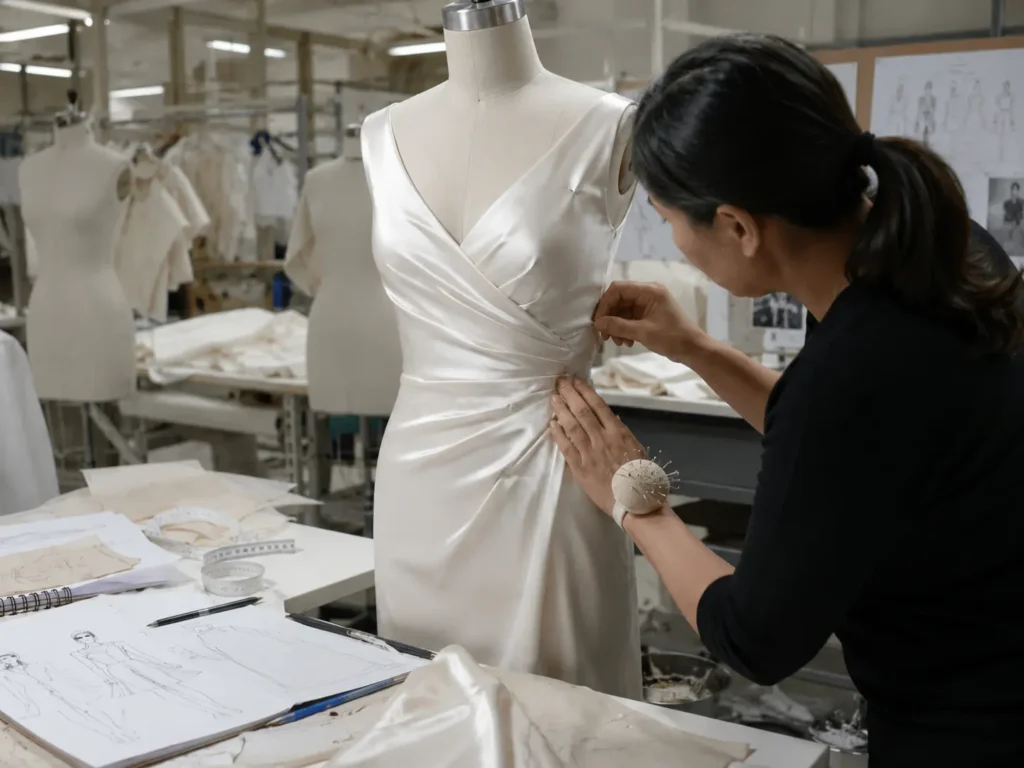
Revised Sample
A revised sample verifies material changes, pattern corrections or construction adjustments. Revised samples commonly require around 7–15 days, while larger structural changes or replacement materials are assessed separately.

PP Sample
The PP sample is the final production confirmation before bulk manufacturing. Fabric, color, pattern, measurements, trims, sewing method, labels and relevant packing direction should be sufficiently settled.

Golden Sample
A Golden Sample provides a shared physical reference for production teams, QC and repeat orders. It helps align expectations around approved appearance, construction and measurements after development decisions have been finalized.

Sample Records Support Bulk
The most valuable output from sampling is not only the garment itself. Development produces a body of records used for manufacturing:
- Updated patterns
- Measurement records
- Material references
- Trim details
- Sewing instructions
- Revision notes
- QC checkpoints
- Label and packing instructions
Keep Bulk Close to Approved Samples
One of the most expensive apparel failures occurs when an attractive approved sample becomes inconsistent during volume production. Bulk consistency is therefore managed before production starts, not only through final inspection.
Lock the Approved Inputs
Before bulk cutting, production direction should be supported by confirmed material, color, trims, measurements, construction and private-label information. A late change in one area can affect several connected processes.
A fabric replacement may require:
- Pattern re-evaluation
- Updated consumption
- New sewing settings
- Revised lining
- Updated quotation
- New sample validation
A trim change may affect closure performance, garment balance or packing specifications.
Convert Approval Into Production Instructions
Approved sample information moves into production documents such as pattern files, measurement charts, BOM records, sewing instructions, QC checklists and packing instructions.
Bulk teams should not rely on memory or informal visual interpretation when a measurable standard can be documented.
Control During Production
Consistency checks should happen while garments are being made. Waiting until all units are complete increases the cost of correction.
Control points include:
- Incoming material review
- Cutting checks
- Sewing checks
- In-line inspection
- Measurement verification
- Finished garment review
- Pressing review
- Packing inspection
Use the Golden Sample as Reference
Approved physical standards help operators, merchandisers and QC teams compare actual bulk output against the development target. Repeat-order teams can also use preserved records to identify what must remain unchanged and what requires new confirmation.
New Colors Still Need Review
Using an existing style in a new color may simplify development, but color extensions still affect fabric availability, shade approval, lining color, zipper color, thread color, barcode information and MOQ per color.
New Fabric Is a New Variable
Keeping the same pattern does not guarantee the same result when fabric changes. Drape, shrinkage, stretch, weight and seam behavior may require measurement or construction adjustments.
Production Scale With Style-Based Allocation
Jinfeng Apparel operates a structured womenswear manufacturing network built around different garment requirements rather than treating every style as interchangeable production.

Woven Dress Programs
Woven dress production benefits from units familiar with fabric direction, seam appearance, lining, closures and pressing. Satin, chiffon and structured woven styles are allocated according to actual construction needs.

Stretch and Knit Styles
Bodycon and stretch programs require teams experienced in material relaxation, stretch behavior, seam stability and finished measurement control.

Occasionwear and Complex Styles
Corset, lace, mesh, sequin and structurally demanding dresses need more experienced handling. Style difficulty is reviewed before production allocation rather than assigning complexity after problems appear.
Quality Control for Premium Womenswear
Quality inspection works best as a sequence of controls rather than a single final check. Jinfeng Apparel uses product-specific inspection points across material receiving, cutting, sewing, finishing and packing so problems can be identified closer to the stage where they occur.
Incoming Material QC
Material review can cover fabric identity, visible defects, color direction, surface condition and project-specific requirements before cutting.
Sensitive fabrics such as satin, lace, mesh and sequin require additional attention because surface defects may become highly visible in finished garments.
Cutting QC
Cutting accuracy influences symmetry, grain direction and finished measurement.
Pattern placement becomes especially important for lace motifs, directional satin and garments with mirrored design features.
Sewing and In-Line Inspection
Sewing checks focus on construction quality before the entire lot is complete.
Relevant points may include:Seam smoothness、Stitch security、Gathering consistency、Zipper flatness、Strap attachment、Lining placement、Boning or cup position、Decoration security
Measurement Control
Measurements are reviewed against approved specifications and project tolerances. Fit-sensitive garments may require focused checks at bust, waist, hip, length, strap, neckline, slit and other product-specific points.
Finished Garment and Pressing Review
Finished garments are reviewed for appearance, workmanship and presentation. Pressing requires particular care on shiny, delicate or structured materials because excessive heat or pressure can change the surface or silhouette.
Packing QC
Quality does not stop when sewing ends. Labels, hangtags, barcodes, SKU stickers, polybags, carton marks and packing ratios need to match approved packing instructions.
Private Label and Retail-Ready Finish
Garment Labels
Hangtags
Barcode and SKU
Polybag Packing
Carton Marks
Warehouse Requirements
Multi-Style Collection Production
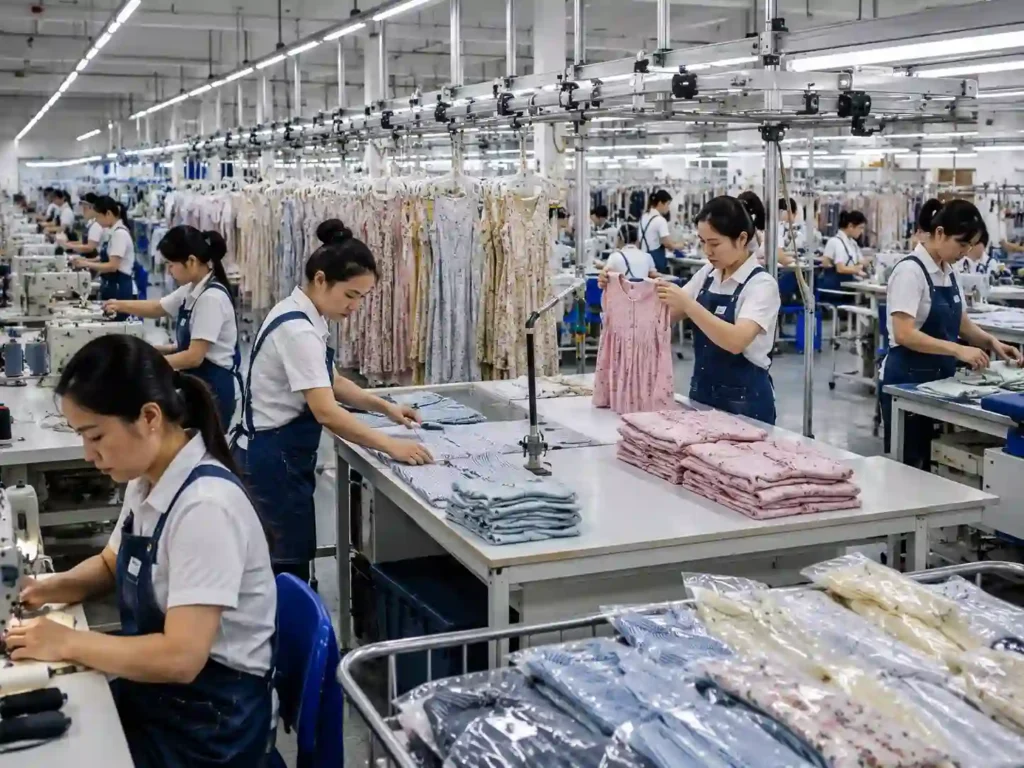
Collection orders become more complex as style count, colors, sizes and fabrics increase. A 20-style program is not simply twenty independent purchase orders. Shared materials, development priorities, production slots, SKU structures and launch dates create dependencies that need to be managed together.
| Program Variable | Production Control |
| Style Count | Group by silhouette, construction difficulty and launch priority |
| Fabrics | Consolidate where suitable and separate sensitive material programs |
| Colors | Track shade, trim matching, SKU information and per-color MOQ |
| Sizes | Confirm size chart, grading logic and planned size ratio |
| Samples | Prioritize photography, sales or key approval styles where required |
| Factory Allocation | Match styles to production units based on fabric and complexity |
| QC | Define product-specific checkpoints before bulk production |
| Packing | Control style/color/size barcode and carton identification |
| Delivery | Plan production and shipment around approved launch priorities |
MOQ and Cost Without Weakening Quality
Fabric Substitution
Construction Optimization
Trim Planning
Color Planning
Size Ratio Planning
Packing Choices
NDA, Compliance and Brand Protection
NDA and Design Protection
Testing and Compliance
Confidential Production Records
Premium Womenswear Production Cases

US Occasionwear Program
18 styles | 42,600 pcs total | 5-size commercial range
The collection combined satin, mesh and lace dresses with fitted silhouettes, structured bust details and multiple colorways.
Development risk was concentrated around neckline fit, lining coverage, satin seam appearance and mesh stretch response.
Sampling was prioritized by construction risk rather than style number. Structured and mixed-material styles entered development first so pattern and material questions could be resolved before simpler variations followed.
Key controls included:
- Satin shine direction and seam flatness
- Mesh stretch and lining placement
- Lace motif positioning
- Bust-waist proportion
- Strap and neckline stability
- PP sample approval before bulk allocation
- SKU separation by style/color/size
- Final packing verification
Bulk production was divided according to fabric and construction capability rather than placing all 18 styles on one production route.

Premium Ecommerce Collection
24 styles | 68,400 pcs total | Dresses, skirts, jumpsuits and sets
The program required a broader product mix and more SKU coordination. Several silhouettes shared material families, allowing sourcing and color planning to be grouped while development remained style-specific.
Commercial priorities included photo-ready appearance, accurate size grading, retail-ready packing and the ability to preserve approved files for later repeat orders.
Production organization covered:
- Style priority by launch calendar
- Fabric grouping across related styles
- Pattern and revision records
- Multi-color trim matching
- PP sample locking
- In-line measurement checks
- Barcode and SKU verification
- Carton-level packing identification
Higher-volume styles received early material and capacity planning while lower-volume fashion styles were grouped around appropriate production windows.
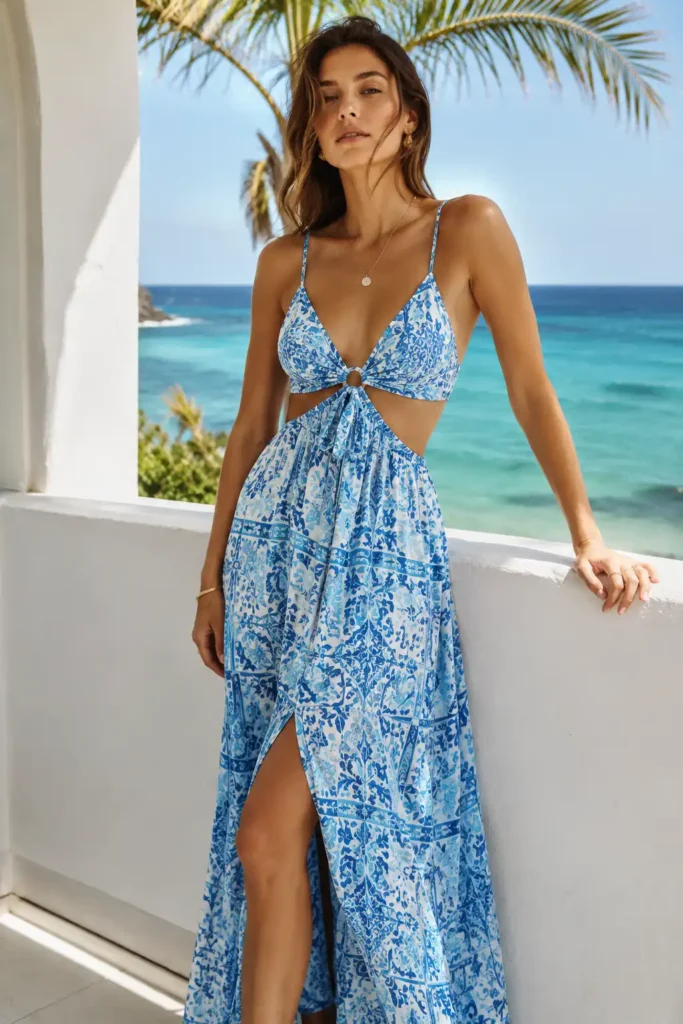
Resortwear Collection
12 styles | 26,400 pcs total | Lightweight woven program
The assortment focused on soft movement, light fabrics and travel-oriented presentation.
Rayon, chiffon and linen-blend directions created different shrinkage, transparency and pressing risks even though the overall collection shared a relaxed visual language.
Development focused on:
- Fabric drape
- Lining coverage
- Hem balance
- Waist placement
- Print or color consistency where relevant
- Lightweight seam construction
- Packing folds
- Repeat-order material records
The collection moved from material review and first samples into revised fit approvals before PP samples established final production direction.
Premium Womenswear Frequently Asked Questions
Premium production is managed through fabric selection, pattern development, fit correction, construction control, sample approvals, bulk consistency, QC and finishing. The focus is on creating a repeatable production standard rather than relying only on expensive fabric or visual styling.
Core categories include dresses, skirts, jumpsuits, matching sets and private-label womenswear, with strong experience in occasionwear, partywear, resortwear and styles using satin, chiffon, lace, mesh, sequin, jersey and related fashion fabrics.
MOQ starts from 200 pcs per style/color. Final requirements depend on fabric availability, custom colors, trims, construction, packaging and supplier-specific material minimums.
Yes. Tech packs can be reviewed together with size charts, fabric direction, trims, labels, packing instructions, quantity plans and launch dates to establish development and production requirements.
Yes, subject to project review. Reference images can support structure analysis, fabric direction and initial pattern planning, but final bulk pricing requires clearer material, measurement, quantity, color and construction information.
Simple first samples are commonly around 7–10 days, standard dresses around 10–15 days and complex corset, strapless, lace, mesh or sequin styles around 15–25 days. Special materials or trims can extend the timeline.
Comments are reviewed by issue type and converted into updated patterns, measurements, material records, construction notes or revised samples. Bulk-relevant changes should be documented before PP approval.
PP and Golden samples, approved patterns, measurement charts, material records, trims, production instructions and QC checkpoints create the reference system used during cutting, sewing, finishing and packing.
Yes. Programs can include woven labels, size labels, care labels, hangtags, barcode stickers, SKU labels, polybags, carton marks and warehouse-related identification based on approved requirements.
Yes. NDA-based cooperation is supported. Client quality manuals, measurement tolerances, AQL requirements and third-party inspection needs can be reviewed by project.

Start Your Premium Womenswear Project
A useful production review begins with enough information to understand the garment, material direction, quantity structure and commercial timing.
Send the files already available; our team can identify which details still need confirmation before sampling or formal quotation.
For a more effective first review, include:
- Tech pack, line sheet or reference images
- Product categories and style count
- Planned quantity per style/color
- Fabric direction or swatches
- Size chart or intended size range
- Color plan
- Private-label requirements
- Packaging or warehouse instructions
- Target launch or delivery window
- Existing QC or inspection requirements

