Sheath Dress Development
From fitted silhouette and pattern engineering to approved samples and repeatable bulk production.
Jinfeng Apparel develops sheath dresses for established fashion brands, product development teams and large apparel programs where fit, proportion and production consistency matter. A successful sheath dress depends on far more than creating a close-fitting shape. Bust shaping, waist position, hip ease, fabric behavior, zipper flatness, lining, slit construction and size grading all influence the final garment.
- 7+ senior pattern makerssupporting women’s fit and structure development
- 2 sample roomsfor first samples, fit samples, revised samples and PP development
- 20+ sample machinistssupporting sample sewing and construction verification
- Development focused on bust, waist, hip, neckline, armhole, back balance and slit control
- From fit validation to PP approval and Golden Sample standards
Explore Sheath Dress Development
Structure & Styles
Pattern Development
Fit Engineering
Fabric Direction
Sampling
Size Grading
Bulk & QC
Supplier Evaluation
Built for Structured Fashion Development Programs
Product Development Teams
Sourcing and Merchandising Teams
Sourcing teams need a development partner capable of moving beyond an attractive sample.Production capacity, project ownership, MOQ clarity, quality controls, private-label requirements and repeat-order consistency all affect vendor qualification.
Sheath programs can be developed as individual styles or as part of broader officewear, cocktail, occasion, premium ecommerce or seasonal dress assortments.

What Sheath Dress Development Actually Involves
Design Interpretation
Fabric Direction
Pattern Engineering
Fit Validation
Revision
Production Standardization
Sheath Dress Structures We Can Develop
Classic Darted Sheath
Princess-Seam Sheath
Waist-Seamed Sheath
Sleeveless Sheath
Stretch Sheath
Office-to-Evening Sheath
How We Develop a Sheath Dress Pattern
Pattern development is the foundation of a successful sheath program. Jinfeng Apparel’s pattern team works from design references, measurements and material behavior to build a fitted silhouette that can be sampled, corrected, graded and reproduced in bulk.

From Design Reference to Initial Pattern
Development starts by identifying what creates the intended silhouette rather than mechanically tracing the reference image.
A pattern maker reviews:
- Bust position and required shaping
- Waistline height and suppression
- Hip level and wearing ease
- Shoulder slope and garment balance
- Neckline dimensions
- Armhole depth and coverage
- Center-front and center-back lengths
- Side-seam position
- Dress length
- Slit or vent position
- Zipper placement
- Lining relationship

Bust, Waist and Hip Relationship
Three measurements can have identical numeric values on two patterns while producing very different fit.Distribution matters.
Bust shaping needs sufficient room over the fullest point without excess fabric above or below it.
Waist suppression must create shape without diagonal pulling.
Hip ease needs to maintain the slim silhouette while still supporting walking and sitting.
Side seams provide an important visual diagnostic.
A seam moving toward the front or back can indicate imbalance between the corresponding pattern sections.

Pattern Development for Bulk Production
An attractive sample is not the final objective. Approved pattern information must later support grading, marker preparation, cutting, sewing and measurement inspection.
Fit revisions therefore need clear version control. Important changes may affect:
- Revised pattern pieces
- Updated size chart
- Measurement tolerance
- Fabric specification
- Lining dimensions
- Zipper length
- Slit height
- Seam allowance
- Construction instruction
- QC checkpoints
Fabric Direction for Sheath Dress Development
Fit is the defining technical issue in sheath dress development. A loose silhouette can hide minor balance problems; a sheath silhouette exposes them through pulling, gaping, drag lines, twisting seams or restricted movement.
| Fabric Direction | Best Use | Development Focus | Main Production Risk |
|---|---|---|---|
| Crepe | Office, cocktail, premium midi | Drape, clean body line, pressing | Zipper waviness, seam impression |
| Ponte / Roma | Structured stretch sheath | Recovery, support, reduced ease | Growth, seam distortion |
| Suiting Fabric | Tailored sheath | Structure, pressing, shape retention | Excess stiffness, puckering |
| Structured Jersey | Contemporary fitted dress | Stretch balance, comfort | Twisting, inconsistent recovery |
| Satin | Occasion sheath | Drape, surface, clean seams | Snagging, shine direction, zipper rippling |
| Lined Woven | Premium fitted dress | Shell-lining balance | Lining pulling or exposure |
Construction Details That Control the Final Fit
Clean sheath silhouettes depend heavily on workmanship. Small construction problems become visually obvious because the garment contains fewer gathers, layers or decorative details to disguise them.
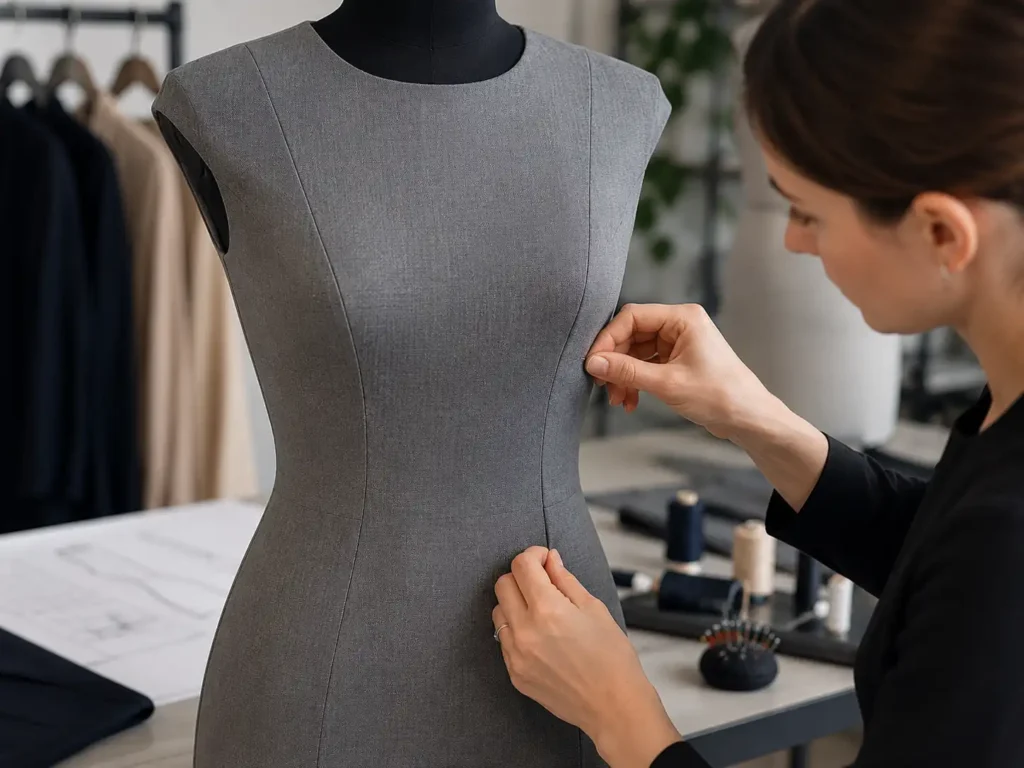
Dart and Princess-Seam Shaping
Bust darts should terminate at a controlled distance from the bust point and press smoothly without producing a visible peak.
Princess seams demand even greater control because a long curved seam shapes the garment from upper body through the waist. Sewing tension, seam clipping, pressing and fabric behavior all affect the final curve.
During sample development, the seam is reviewed both flat and on-body. A seam that appears clean on the hanger can still twist or collapse under body tension.

Invisible Zipper Flatness
A center-back zipper is common in fitted sheath designs. Rippling beside the zipper immediately damages the clean vertical line of the garment.
Control points include:
- Stable zipper area
- Correct zipper length
- Balanced seam tension
- Accurate waistline matching
- Flat zipper installation
- Smooth top closure
- Lining clearance
- Final pressing
Fabric with stretch, satin surfaces or lightweight crepe may require different handling.

Lining and Shell Balance
Lining should improve comfort and coverage without changing the intended silhouette.
If lining dimensions are too small, the lining can pull the outer shell.
If too long, it may appear below the hem or inside a slit.
If too short around a fitted hip, it may ride upward.
The sample stage confirms lining length, ease, seam attachment and interaction with the slit or vent.
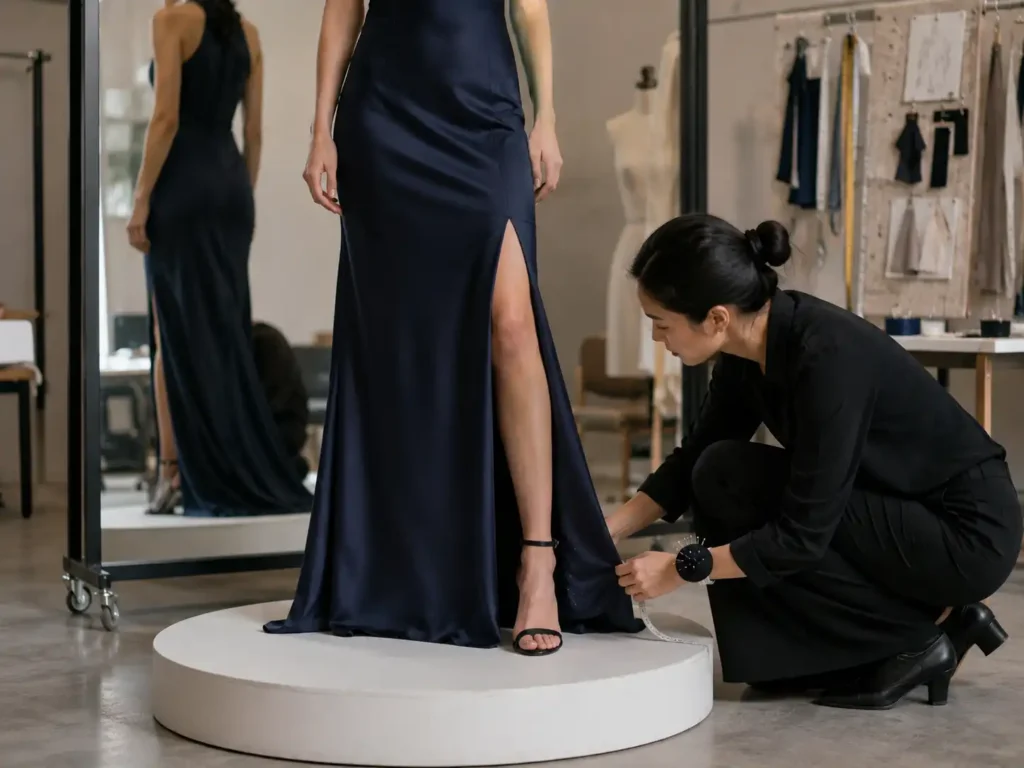
Slit and Vent Construction
A sheath dress often requires a back, side or front slit to maintain movement.
Development considers:
- Slit height
- Sitting coverage
- Walking comfort
- Reinforcement
- Lining opening
- Seam allowance
- Target-market appropriateness
A slit is therefore both a design feature and a functional pattern component.

Pressing and Final Shape
Pressing plays a structural role in fitted woven garments.
Darts, curved seams, waist seams and hems should be pressed to create the intended three-dimensional form rather than flattened indiscriminately.
Final inspection should review seam impressions, shine marks, zipper flatness, hem balance and the overall body line.
Design Details We Engineer Before Sampling

Neckline Depth
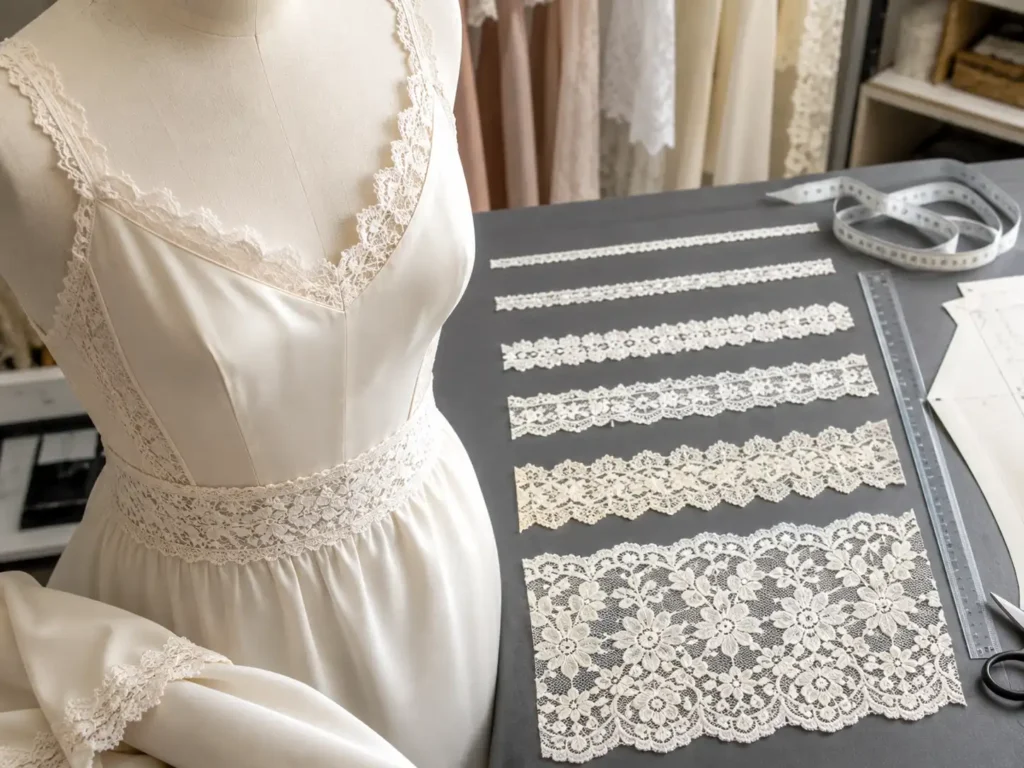
Shoulder Width
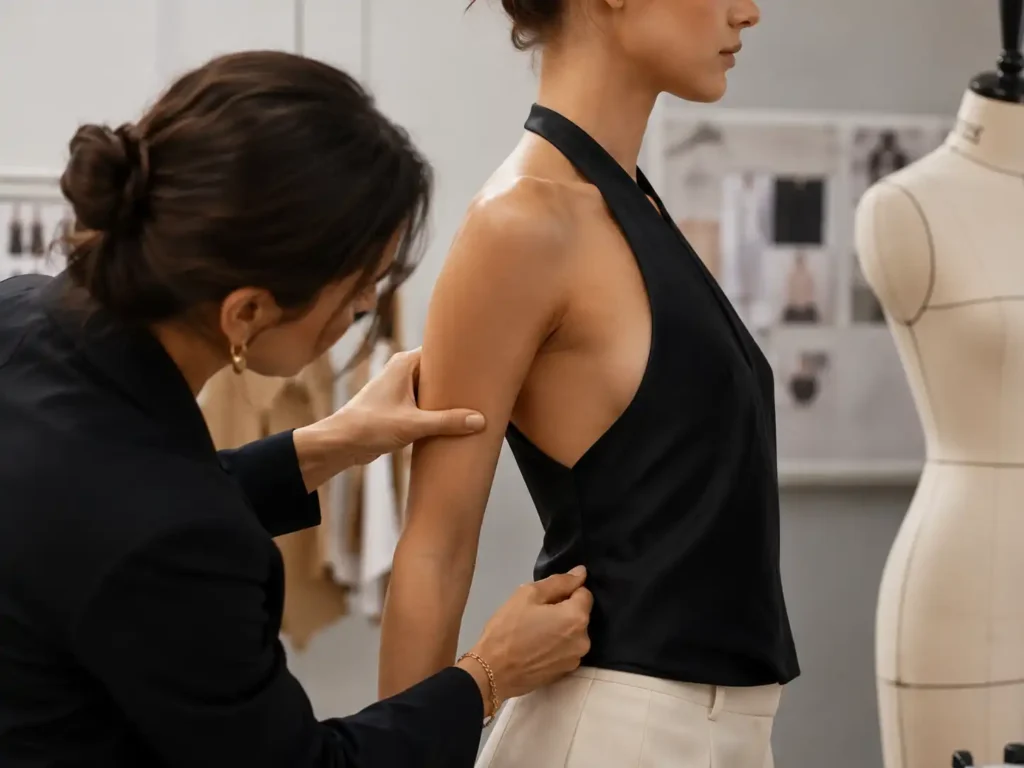
Armhole Coverage

Dart Placement

Princess Seam Position

Waistline Placement

Zipper Length

Slit Height
From Development Brief to Approved Sample
Development Brief
Tech pack, reference image, original garment, sketch, size chart or line sheet is reviewed.
Structure Review
Pattern architecture, fit-sensitive areas and production risks are identified.
Fabric Direction
Material weight, stretch, drape and surface are matched with the intended silhouette.
Initial Pattern
The base pattern establishes bust, waist, hip, length and construction relationships.
First Sample
The first physical garment validates design direction, structure and fabric performance.
Fit Review
Measurements and front, side and back wearing balance are assessed.
Revised Sample
Pattern, fabric, trim or construction corrections are incorporated where required.
PP Sample
Final production specifications are confirmed before bulk preparation.
Golden Sample
The approved standard is retained for production, QC and repeat-order reference.
First Sample, Fit Sample and Revision Control
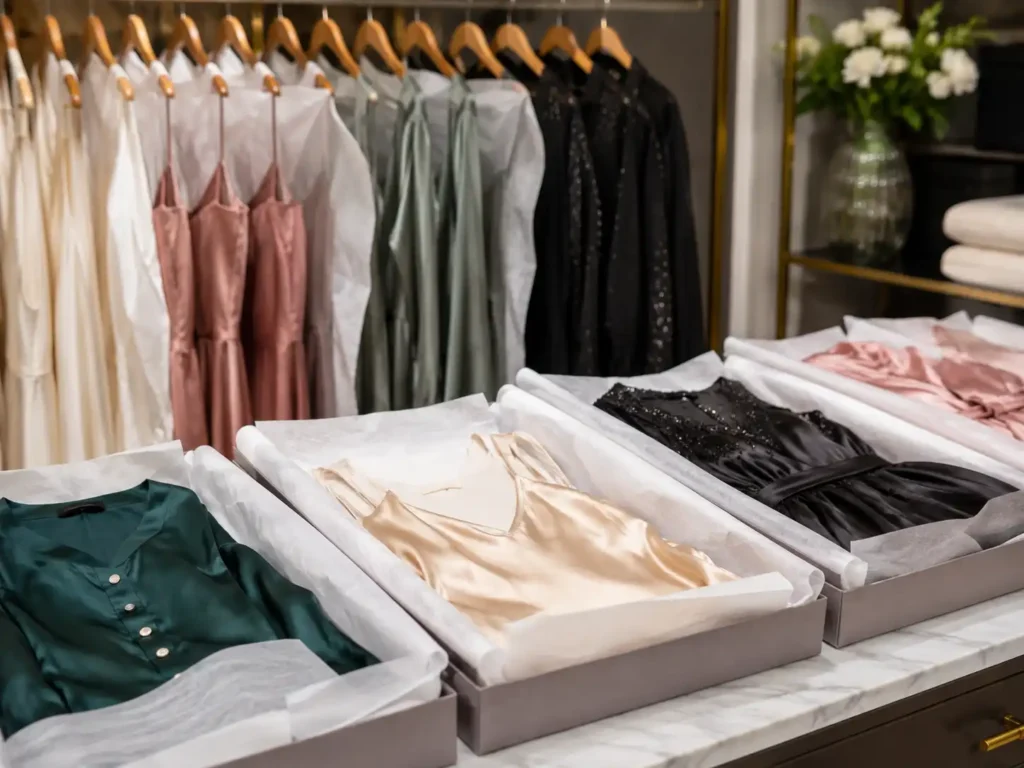
From an Idea to a Measurable Garment Standard
A first sheath sample should not be judged only by whether it looks attractive in a photo. Its purpose is to expose structural questions early enough for correction.Typical areas reviewed include neckline, bust, waistline, hip ease, garment length, fabric drape, lining, zipper behavior and slit movement.
For sampling references across Jinfeng’s wider women’s dress development system, simple styles may require around 7–10 days, ordinary dress structures around 10–15 days, and more complex constructions around 15–25 days.
Special fabrics, trims or substantial design changes can extend the timeline and are confirmed by project.

Fit Sample Review
A fit sample checks whether the silhouette works on the body rather than only on a hanger.
Strong fit feedback should include:
- Front fitting image
- Side fitting image
- Back fitting image
- Relevant close-up images
- Actual measurement differences
- Written correction list
- Priority of required changes
Useful comments identify a visible issue and its location.
“Waist feels tight by approximately 2 cm” gives the pattern team more actionable information than “fit is not right.”

Revised Sample Decisions
Not every modification requires the same development action.
A minor label-position adjustment may be handled differently from:
- Significant bust correction
- Fabric replacement
- Major neckline modification
- Change from darts to princess seams
- Different stretch level
- Large slit-position change
- New lining construction
Major structural or material changes can affect sampling cost, timing and eventual bulk pricing, so they should be re-evaluated before the next version.
Jinfeng classifies fit, fabric, construction, trim and measurement issues before updating the relevant technical records.
Turning Fit Comments Into Production Files
A fit correction has no production value until the approved change is transferred into controlled documentation.
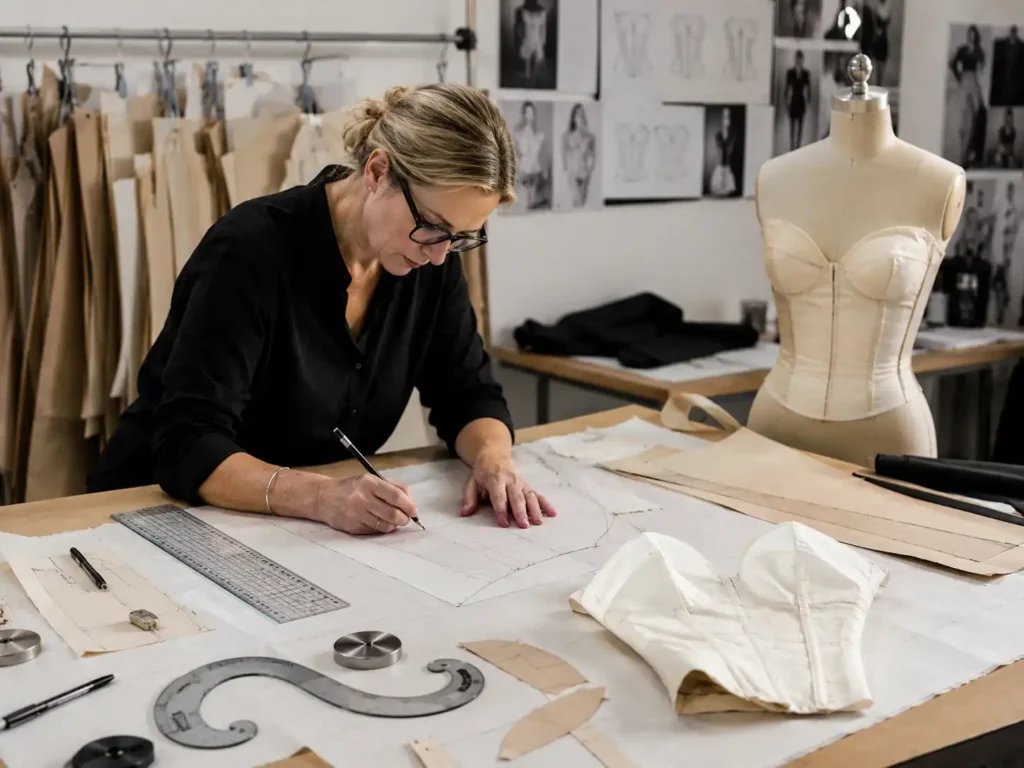
Comment to Pattern Action
A brand team may report pulling at the hip, excess fabric at the back waist or gaping around the armhole. The pattern maker reviews the issue against measurements, photos, fabric behavior and the existing pattern.
The correction can then affect:
- Pattern shape
- Dart intake
- Princess seam
- Side-seam position
- Waist position
- Hip ease
- Armhole
- Neckline
- Length
- Slit
- Lining

Revision Records
Changes affecting bulk production should move into formal records such as:
- Updated tech pack
- Revised pattern
- Updated size chart
- Updated measurement tolerance
- Updated BOM
- Fabric record
- Trim record
- Sewing instruction
- QC checklist
- PP sample comments
Jinfeng’s internal development rule is that bulk-relevant modifications should not remain only inside email or messaging conversations.
They are converted into production information before bulk manufacturing.

From Revised Sample to PP
Once silhouette, core measurements, fabric, trims and construction have reached the intended standard, development can progress to PP confirmation.
Large structural changes should be resolved before PP approval.
The PP stage exists to confirm the intended bulk standard rather than continue uncontrolled redesign.
Locking the Sheath Dress Before Bulk Production
Final Pattern
Measurement Standard
Material Standard
Construction Standard
PP Sample
Golden Sample
Sheath Dress Quality Control Matrix
Sheath dress QC should focus on silhouette-specific risks rather than applying only generic garment inspection.
| Control Area | Common Failure | Development Control | Bulk Inspection Focus |
|---|---|---|---|
| Bust | Pulling or excess fabric | Dart / seam correction | Measurement and visual balance |
| Waist | Wrong position or tightness | Waistline and shaping adjustment | Circumference and placement |
| Hip | Drag lines or restriction | Ease and pattern distribution | Hip measurement |
| Side Seam | Twisting | Front/back pattern balance | Seam position |
| Princess Seam | Puckering or ridge | Curve and sewing adjustment | Seam smoothness |
| Zipper | Waving or opening distortion | Sample construction correction | Flatness and function |
| Slit | Excess opening or weak seam | Height and reinforcement review | Position and strength |
| Lining | Pulling or exposure | Shell-lining balance | Length and attachment |
| Hem | Uneven body line | Pattern and hanging balance | Final length |
| Overall Fit | Inconsistent silhouette | Fit sample + PP approval | Golden Sample comparison |
Development Capacity Behind Your Sheath Program
6 Owned Factories
10+ Production Partners
18+ Sewing Lines
6+ Flexible Lines
2 Sample Rooms
7+ Pattern Makers
20+ Sample Machinists
15+ QC Inspectors
Ready for Multi-Style and Large Brand Programs
Multi-Style Development
Project Merchandising
NDA and Design Protection
Private Label
MOQ Planning
Repeat Orders
Sheath Dress Development Frequently Asked Questions
Sheath dress development converts a fitted dress concept into a production-ready garment. Work normally includes design interpretation, fabric direction, pattern making, fit sampling, revision, size grading, PP approval and preparation of production and QC standards.
The silhouette follows the bust, waist and hip closely, leaving less ease to hide pattern imbalance. Dart position, princess seams, waist placement, hip ease, neckline, armhole and back balance therefore have a strong effect on appearance and comfort.
Yes. Reference images can be reviewed for structure and proportion, but additional information such as target fabric, size range, quantity, market and desired fit helps create a more accurate development direction. A complete tech pack remains the most efficient starting point for established brand programs.
Common directions include crepe, ponte, Roma, suiting, structured jersey and selected satin constructions. Fabric choice depends on the desired structure, stretch, drape, surface appearance, comfort and commercial positioning.
Fit feedback is reviewed with measurements, fitting photos and the existing pattern. Corrections can involve darts, princess seams, side seams, waist placement, torso length, hip ease or other pattern areas. Approved changes are recorded before the next sample or PP stage.
Fit validation is strongly recommended for fitted silhouettes. A fit sample helps assess front, side and back balance, bust shape, waist position, hip ease, armhole, neckline, length, slit and movement before bulk production.
Yes. Princess seams can provide clean shaping across the bust, waist and hip and are particularly useful when the design requires more distributed shaping than traditional darts.
The approved base size is expanded according to the brand’s grade rule. Bust, waist, hip, armhole, neckline, length and slit progression should be reviewed rather than scaling every pattern area by an identical percentage.
PP approval should confirm final pattern, measurements, fabric, color, trims, construction, lining, labels, packaging and relevant QC standards before bulk production begins.
Jinfeng Apparel’s standard MOQ starts from 200 pcs per style/color. Fabric sourcing, custom colors, special trims and private-label packaging may carry additional supplier minimums and are reviewed according to each project.

Start Your Sheath Dress Development Program
Send your development information to Jinfeng Apparel for an initial review of structure, fabric direction, pattern requirements, sampling and bulk-production planning.
Clear project information allows the pattern, sample and merchandising teams to identify fit risks earlier and provide a more useful development direction.
For an efficient review, include:
- Tech pack, sketch or reference image
- Existing sample photos if available
- Target fabric or fabric direction
- Target market
- Size range and size chart
- Quantity per style and color
- Private-label requirements
- Target price range if available
- Required launch or delivery window
- Any known fit problems from previous samples