
Bodycon Dress Quality Control
Stretch-led fit engineering, disciplined sampling and production-stage inspection for reliable bodycon dress collections at brand scale.
- 6 control layers covering fabric, pattern, fit, sewing, bulk production and retail-ready packing.
- 12-step development route from requirement review to PP approval and Golden sample sealing.
- 10 fit-and-motion checkpoints focused on coverage, balance, side seams, hem movement and wearing comfort.
- 15+ QC inspectors supporting incoming material, cutting, sewing, finished-garment and packing control.
Bodycon dresses expose small development errors quickly. Weak recovery changes the silhouette, excessive stretch creates transparency, unbalanced patterns twist side seams, and unstable sewing causes waves or seam failure during movement. Jinfeng Apparel controls these risks before and during bulk production through fabric review, pattern and fit development, approved sample records, production-stage inspection and private-label packing checks. The process supports established fashion brands managing multi-style collections, multiple colorways, size ranges and repeat-order requirements.
Six Controls Behind Reliable Bodycon Dress Quality
Fabric Stretch and Recovery
Pattern and Negative Ease
Fit and Wearing Balance
Stretch-Safe Construction
Size Range Consistency
Sample-to-Bulk Discipline
Quality Information for Every Brand Decision Maker
Design Directors
Product Developers
Sourcing Managers
Quality Managers
Merchandising Teams
Operations Teams
Common Bodycon Dress Defects and Root Causes
Visible defects often trace back to earlier decisions in fabric approval, pattern balance, grading, cutting or sewing. The matrix below links common failures with the control stage where action is most effective.
| Quality Issue | Likely Cause | Commercial Risk | Best Control Stage |
|---|---|---|---|
| Fabric becomes sheer | Low density, excessive extension or unsuitable lining | Returns, negative reviews and inconsistent color coverage | Fabric approval and fit sample |
| Hem rides up | Excessive negative ease, short front length or hip imbalance | Poor comfort and unstable wearing length | Pattern, size set and movement review |
| Side seams twist | Pattern imbalance, fabric torque or uneven sewing tension | Visible distortion and poor fit perception | Pattern review, cutting and in-line QC |
| Neckline or armhole waves | Binding tension, stretch mismatch or unstable edge finish | Low-end appearance and loss of coverage | Sample construction and first-piece approval |
| Seams break during wear | Low seam extension, skipped stitches or weak stress-point control | Product failure and high return risk | Construction test and sewing QC |
| Ruching is uneven | Inconsistent gathering ratio, notches or operation method | Style imbalance across the order | PP sample, operation standard and in-line QC |
| Zipper area ripples | Zipper tape and fabric behavior are not balanced | Back distortion and poor fit | Sample review and sewing setup |
| Sizes fit differently | Unstable grading, measurement drift or inconsistent stretch | Higher size-related return rate | Size set, cutting and finished measurement QC |
| Colorways behave differently | Dye, finish or lot differences change stretch and density | One color fits or covers differently from another | Color-specific fabric approval |
| Sample and bulk do not match | Uncontrolled substitutions, unclear records or weak line transfer | Launch delays, rework and brand inconsistency | PP approval, Golden sample and production records |
Stretch Fabric Control Before Pattern Development
Bodycon quality begins with fabric behavior. Pattern work should not advance on appearance alone; extension, recovery, density, surface and color-lot behavior influence fit, coverage, sewing and long-term shape retention.
Map Stretch Direction Before Cutting
Two fabrics with the same fiber composition can behave very differently because knit structure, yarn, finishing and weight change the amount and direction of stretch. Fabric review records usable width, dominant stretch direction and whether extension is balanced across the width and length. Pattern placement follows the approved direction so the body receives the intended compression and movement. Incorrect orientation may create excessive vertical growth, poor recovery around the hip, unstable necklines or twisting after washing. Fabric should also be relaxed before cutting according to material behavior; cutting immediately after a tightly rolled fabric is opened may produce measurement change after panels recover. For multi-color programs, each color requires comparison because dark dyes, coatings or finishes may alter hand feel, density and stretch.
- Confirm fiber composition, construction, usable width and fabric weight.
- Record stretch direction and compare extension across colorways and lots.
- Relax fabric before cutting when roll tension may affect dimensions.
- Align pattern grain and stretch direction with the approved sample standard.
Recovery and Opacity Are Separate Decisions
High stretch does not automatically mean good recovery. A fabric may extend easily but remain loose after repeated movement, producing bagging at the seat, waist, neckline or elbow. Recovery is reviewed after controlled extension and repeated handling, with comparison against the approved reference. Opacity is checked under tension rather than only on a flat inspection table. White, pastel, nude and high-contrast prints may require extra review because skin tone, undergarments or seam allowances can become visible when the fabric stretches. Lining selection also needs compatible extension and recovery. A rigid lining inside a highly elastic shell can restrict movement, pull the outer fabric or change the silhouette. A weak lining may stretch excessively and fail to support coverage.
- Compare immediate recovery and residual growth after extension.
- Check opacity at bust, hip and seat tension rather than flat only.
- Review shell and lining as one stretch system.
- Confirm color-specific coverage because lighter shades often expose more.
Lot, Shade and Finish Control
Bulk fabric is checked against the approved swatch or sample reference before cutting. Shade, width, surface defects, hand feel, stretch, recovery and shrinkage can vary between lots. Mixing lots within one garment or one delivery can create visible shade differences, inconsistent fit or different wash behavior. For rib knit and textured surfaces, width and rib direction also affect panel dimensions and visual alignment. Mesh and power mesh require review for holes, snags, uneven density and edge curling. Satin stretch needs surface protection and careful handling because pressure marks, pulls and shine changes remain visible on a fitted silhouette. Approved lots should be identified in production records so cutting, sewing and later repeat orders can trace the material source.
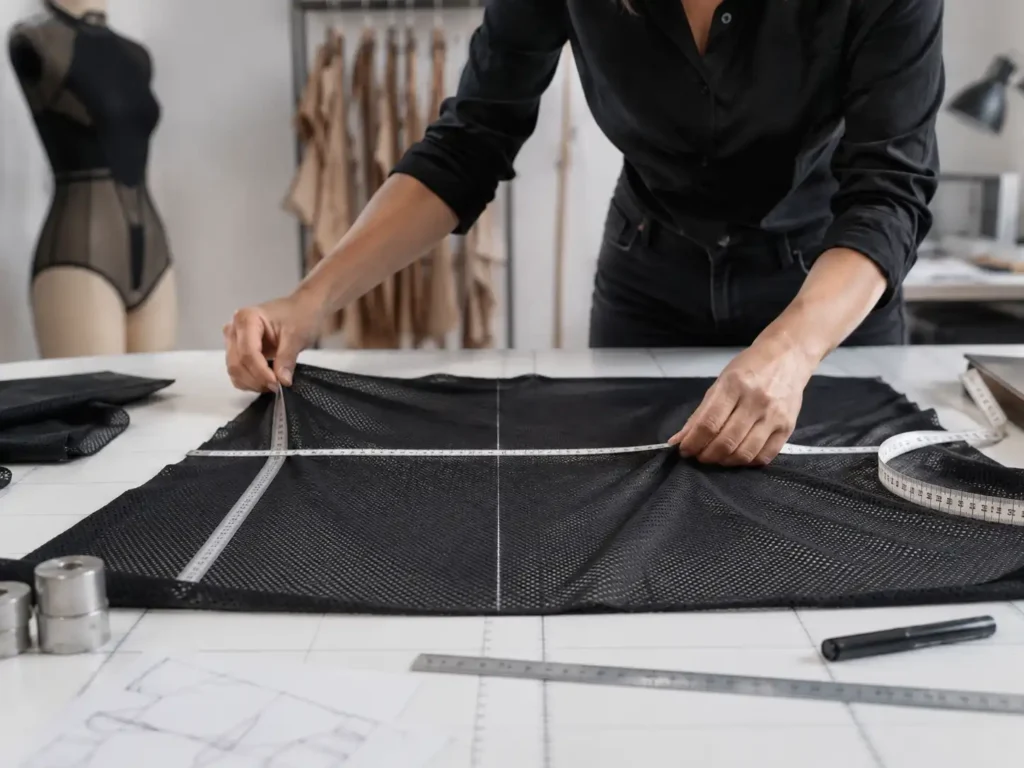
Negative Ease Without Fit or Coverage Failure
A bodycon pattern is not a standard dress pattern reduced by one percentage. Fabric behavior, body zone, style structure, target compression and size range determine how much reduction is workable.
Use Zone-Based Pattern Decisions
Bust, waist and hip zones respond differently under tension. The waist may need more shaping, while the bust requires enough coverage and front length to prevent the neckline from dropping. The hip and seat need balanced width and length so the skirt does not climb excessively during walking. Pattern development therefore considers horizontal reduction together with vertical growth. A highly elastic fabric can lengthen or shorten visually when stretched across curves; front and back lengths may need separate correction. Side seams should remain vertical after the garment is worn, and the center front and center back should not pull toward one side. Pattern notches, dart or panel placement, seam positions and shaping lines support repeatable sewing and grading.
Control Neckline, Armhole and Strap Geometry
Low necklines, halter shapes, cut-outs, narrow straps, open backs and strapless styles create additional tension paths. Small pattern errors can become large coverage problems once the dress stretches. Neckline depth is reviewed on the body, not only from a flat measurement. Armhole shape needs sufficient coverage without cutting into the front or back arm crease. Strap length and attachment position should hold the neckline without lifting the underarm or distorting the bust. Strapless and corset-led bodycon dresses need support from internal structure, seam placement, lining, cups, boning or grip elements where specified. Decorative openings require reinforcement so corners do not stretch, tear or curl.
Balance Slits, Ruching and Dress Length
Slit height changes as the garment stretches over the hip and during movement. A slit that appears acceptable on a hanger may become too high when worn. Ruching adds visual flexibility but also changes length and tension; the gathering ratio, placement marks and finished length need controlled operation standards. Mini bodycon styles need careful front-to-back balance because even small length differences affect coverage. Midi and maxi bodycon styles require walking ease so the wearer can move without excessive hem lift or seam stress. Fit review records waist position, side seam direction, hem level, slit opening, ruching symmetry and movement behavior before the PP sample becomes the bulk standard.

Size-Set Validation Across the Bodycon Range
Lower Size Review
Core Size Review
Upper Size Review
Movement and Recovery Review
Seam Engineering for Stretch and Body Movement
A bodycon seam must look clean, extend with the garment and recover after movement. Stitch appearance alone cannot prove performance.
Build Sufficient Seam Extension
Seam construction is selected according to fabric stretch, garment zone and visual requirement. Areas across the hip, seat, underarm, waist and slit opening may experience repeated stress. A seam that is too rigid can break thread or restrict the garment even when the fabric itself has adequate extension. A seam with excessive looseness may tunnel, ripple or look bulky. Sample review checks seam extension by controlled handling and movement, while stress points receive reinforcement where the design allows. Seam allowances must remain consistent so the finished measurement and visual line do not change across operators or production lines.
Control Needle, Thread and Tension Effects
Skipped stitches, damaged yarns, laddering and seam waves often relate to needle condition, thread choice, feed balance or tension. Stretch knits can be marked or cut by unsuitable needle points. Mesh may snag or distort under uneven feeding. Satin stretch can show puckering or shine near seams. Production setup begins with an approved first piece that confirms stitch appearance, elasticity, seam width and handling method. In-line inspection watches for drift after operators change rolls, colors or sizes. When a defect appears repeatedly, correction focuses on the operation method and setup rather than only trimming or pressing the finished garment.
Stabilize Edges, Zippers, Linings and Hems
Necklines and armholes need edge finishes that recover without waves or gaping. Zipper tape can restrict stretch and create ripples if the surrounding pattern and sewing sequence are not balanced. Linings should move with the shell fabric and remain anchored without pulling. Hems need a clean finish that survives stretching while preserving a smooth line; excessive heat or pressure can leave marks on fitted fabrics. Slits, cut-out corners, strap joins and ruching channels require accurate reinforcement. Each detail is inspected against the PP sample and sewing instruction before the line reaches full production speed.

Quality Risks Change With Bodycon Construction

Mesh Bodycon Dresses

Ruched Bodycon Dresses

Corset Bodycon Dresses

Strapless Bodycon Dresses

Cut-Out Bodycon Dresses

Sequin Bodycon Dresses
Quality Control Across Every Production Stage
Bodycon quality is built through connected inspection points. Final inspection confirms the order condition but cannot replace material, cutting, sewing and in-line controls.
| Stage | Bodycon Control Focus | Typical Record or Reference |
|---|---|---|
| Incoming material | Shade, width, weight, surface, stretch, recovery, shrinkage, opacity and lot identity | Fabric inspection record and approved swatch |
| Fabric relaxation | Roll tension release, usable width and dimensional stability before cutting | Relaxation and cutting preparation record |
| Cutting | Grain, stretch direction, panel orientation, notches, layer accuracy and shade separation | Cutting QC sheet and bundle identification |
| First-piece approval | Measurements, seam extension, stitch appearance, edge tension, zipper and lining behavior | Approved first piece and operation comments |
| In-line sewing | Side seam direction, waves, skipped stitches, seam width, ruching, reinforcement and measurements | In-line inspection report |
| Mid-production review | Size, color and line consistency before the order is completed | Mid-line report and corrective action |
| Finished garment | Measurements, appearance, fit-risk points, function, stains, damage and pressing | Garment inspection checklist |
| Packing | Size labels, care labels, barcode, SKU, folding, polybag, carton mark and assortment | Packing approval and carton checklist |
| Final inspection | Order-level workmanship, measurement, quantity, packing and shipment readiness | AQL or client-defined final report |
Bodycon Dress Inspection Checklist for Bulk Approval
Fabric and Color
Measurements and Grading
Fit and Movement
Construction and Function
Appearance and Finishing
Labels and Packing
Keeping the Approved Sample Consistent in Bulk
Sample-to-bulk consistency depends on controlled references, line transfer and traceable decisions. A good sample cannot protect production when files, materials or instructions change without approval.
Create One Approved Production Package
The production package should connect the final pattern, size chart, measurement method, fabric reference, color standard, BOM, sewing instruction, trim approval, label artwork, packing instruction, PP comments and Golden sample. Each record needs a visible version so teams do not work from older files. When a material or construction change is necessary, the effect on fit, cost, lead time and quality should be reviewed before production continues. Bodycon programs are especially sensitive to substitutions because a small change in stretch, recovery, lining or zipper behavior can alter the silhouette.
Transfer Standards to the Production Line
Before full production, relevant teams review the approved sample, operation sequence and control points. The first piece confirms measurement, stitch formation, seam extension, binding tension, zipper lay, lining movement, ruching, edge finish and pressing. In-line inspection checks whether those conditions remain stable as colors, sizes, fabric lots or operators change. Problems are documented with corrective action rather than repaired silently at the end. Multi-line or multi-factory programs require the same approved references and reporting language across every production unit.
Preserve Repeat-Order Accuracy
Repeat orders are faster and more reliable when the final pattern, BOM, fabric and color records, trim details, size chart, packing standard, QC findings and Golden sample are retained. A repeat order still needs material and schedule confirmation because fabric lots, trims and production allocation may change. Historical records help identify what must remain identical and what needs fresh approval. They also reduce repeated explanation, support color extensions and allow previous quality findings to guide later production.

Private-Label Packing Without Retail Receiving Errors
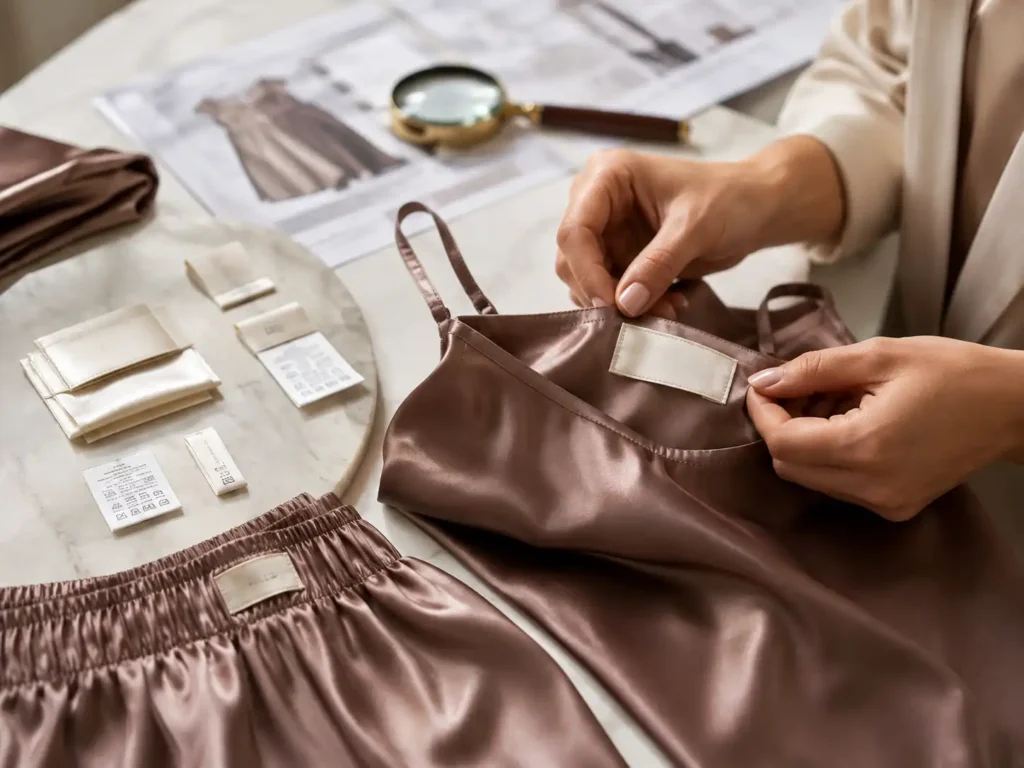
Labels and Care Information
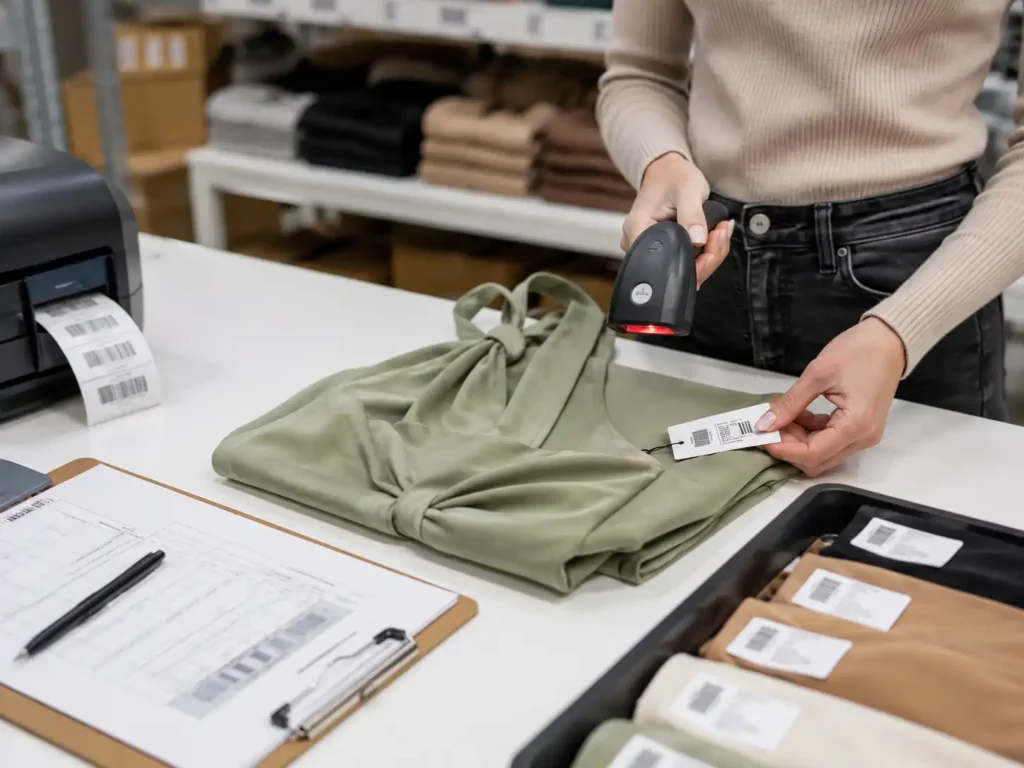
Barcode and SKU Accuracy
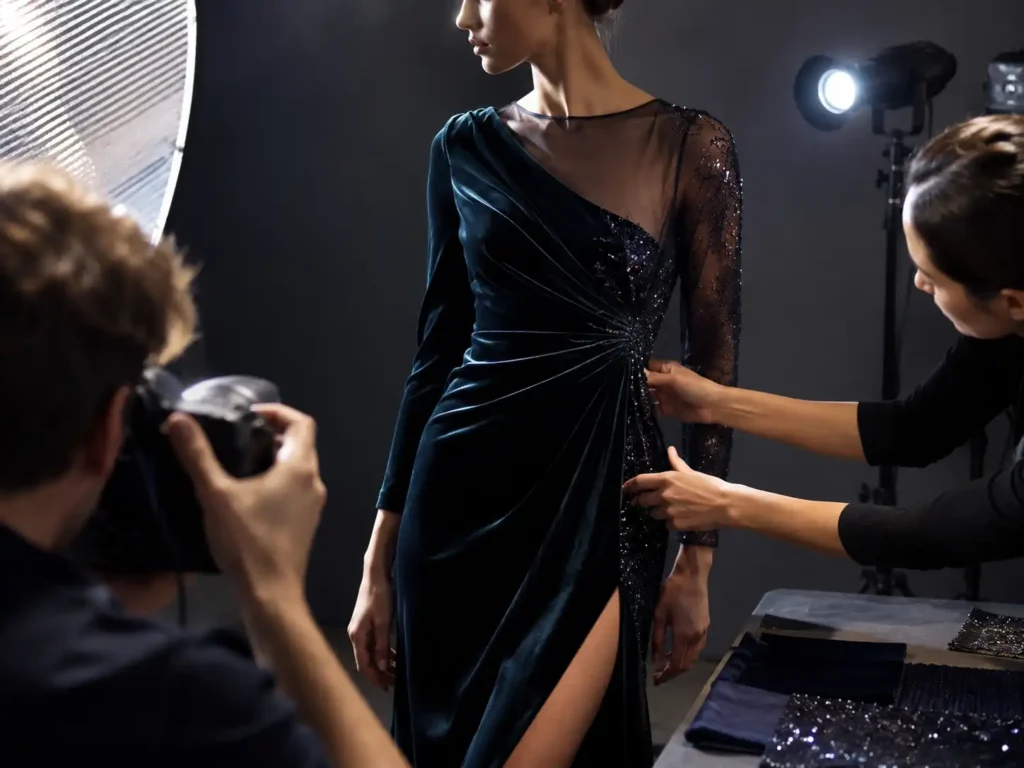
Folding and Surface Protection

Cartons and Shipment Files
Quality Management for Multi-Style Brand Programs
Multi-Style Development Control
Multi-Color and Multi-Size Control
Multi-Batch and Repeat Delivery
Bodycon Quality Control Case Examples

18 Styles | 42,600 Pieces | Four Colorways

24 Styles | 68,400 Pieces | Mixed Constructions
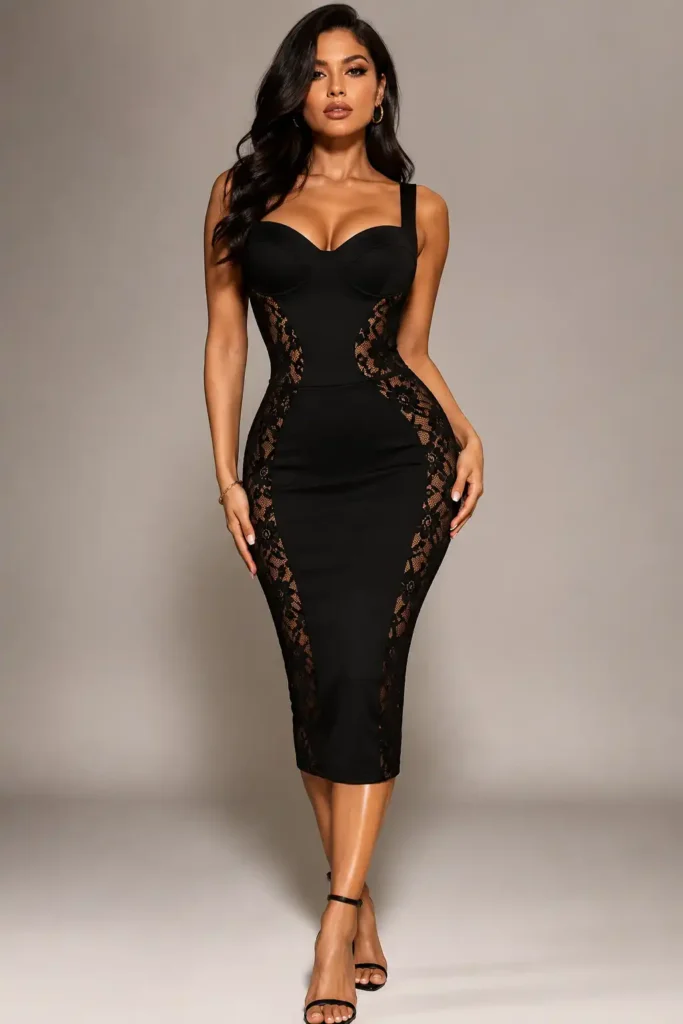
12 Styles | 26,800 Pieces | Repeat-Order Recovery
Bodycon Dress Quality Control Frequently Asked Questions
Key checks include composition, weight, usable width, stretch direction, extension, recovery, shrinkage, surface quality, shade consistency and opacity under tension. Lining compatibility also matters because shell and lining must move together without restricting fit or exposing the body.
Opacity is reviewed while the fabric is stretched at body-sensitive zones, not only while flat. Color, density, extension and lining are compared together. Lighter shades and upper-size tension points may require separate approval or a revised material combination.
Negative ease is based on fabric behavior, body zone, silhouette, construction and size range. Bust, waist, hip and length are evaluated separately. One fixed percentage is not applied to every bodycon style or every fabric.
Control begins with hip balance, front and back length, fabric recovery, negative ease and slit or ruching placement. Fit review includes walking, sitting and returning to a neutral position so excessive rise can be corrected before PP approval.
No. A photo sample supports visual or campaign needs, while a PP sample confirms the approved bulk-production standard. Fabric, pattern, measurements, construction, labels and packing requirements must be aligned before PP approval.
Representative size points are checked against the approved size chart and grade rules. Review covers measurements, bust coverage, neckline, armholes, strap placement, side seams, front length, hip tension, slit height, hem movement and construction stress.
No. AQL is a statistical sampling method used for final order evaluation. Incoming material checks, cutting checks, first-piece approval, in-line inspection, finished-garment review and packing control remain separate quality stages.
MOQ starts from 200 pieces per style/color. Fabric availability, custom colors, trims, complex construction, size breakdown, private-label components, packaging and production scheduling may affect the final requirement.
Yes. NDA-based cooperation can protect tech packs, patterns, samples, trims, labels, packaging, unpublished designs and order information. Client names, confidential fit data and unreleased styles are not published without authorization.
Third-party inspection, testing and compliance support can be coordinated by project. Scope, laboratory, inspection level, certificate validity, material batch, destination market, timing and cost need confirmation before production or shipment.

Send Your Bodycon Dress Project for Quality Review
A useful review begins with enough information to understand fabric behavior, fit expectations, construction risk and launch timing. Share the available files even when the development package is not yet complete.
Jinfeng Apparel can review the product direction, identify missing specifications, assess bodycon-specific risks and outline the next development steps. Clear information supports more accurate fabric recommendations, sample planning, MOQ evaluation, production scheduling, quality checkpoints and packing preparation. Confidential files can be handled under NDA-based cooperation.
Please include the following where available:
- Tech pack, reference photos, sketches, line sheet or original sample notes.
- Size chart, target fit, size range and required measurement tolerances.
- Preferred fabric, colorways, lining, trims and construction details.
- Quantity by style and color, target price and planned launch date.
- Private-label artwork, barcode, SKU, folding and packing requirements.
- Shipping destination, warehouse requirements and inspection expectations.


