 Skip to content
ODM Womenswear Development for Fashion Brands
From Brand Direction to Production-Ready Womenswear
Turn sketches, reference garments, line sheets, mood boards or incomplete technical files into commercially viable womenswear. Jinfeng Apparel connects collection planning, fabric development, pattern engineering, sampling, fit correction and bulk manufacturing within one coordinated development system.
- Womenswear manufacturing experience since 2008
- 6 owned women’s fashion factories and 10+ long-term production partners
- 2 dedicated sample rooms with 7+ senior pattern makers
- 20+ sample machinists supporting structured and soft-fashion development
- 18+ sewing lines and 6+ flexible production lines
- MOQ from 200 pieces per style and color, subject to material and trim requirements
Development Capacity Behind Every Womenswear Collection
Since 2008
6 Owned Factories
2 Sample Rooms
7+ Senior Pattern Makers
20+ Sample Machinists
15+ QC Inspectors
Built for Established Womenswear Product Teams
Global Womenswear Brands
Fast-Fashion Product Teams
Occasionwear Labels
Established Ecommerce Brands
Retail and Private Label Programs
Sourcing and Merchandising Offices
ODM, OEM and CMT Are Not the Same
ODM womenswear development begins before a complete production package exists. A brand may provide a market direction, collection plan, sketch, reference sample or partial specification, while Jinfeng Apparel helps define the materials, pattern, construction, measurements, sample standards and production method needed to manufacture the garment consistently.
| Cooperation Model | Information Provided by the Brand | Jinfeng Apparel’s Role | Typical Output |
|---|---|---|---|
| CMT | Approved pattern, materials and complete sewing instructions | Cutting, making and trimming according to supplied standards | Garments made from fully prepared production inputs |
| OEM | Complete Tech Pack, size chart or approved reference sample | Material sourcing, sampling, production and quality execution | Bulk garments based on a completed design |
| ODM | Brand direction, sketches, line sheet, reference images, sample garment or partial specifications | Product analysis, material direction, pattern development, sampling, fit correction and production engineering | A production-ready womenswear style or collection |
| Private Label Ready Style | Selection from an existing commercial style | Label, color, packaging or minor specification changes | Adapted product based on an established design |
Begin Development From the Information You Already Have
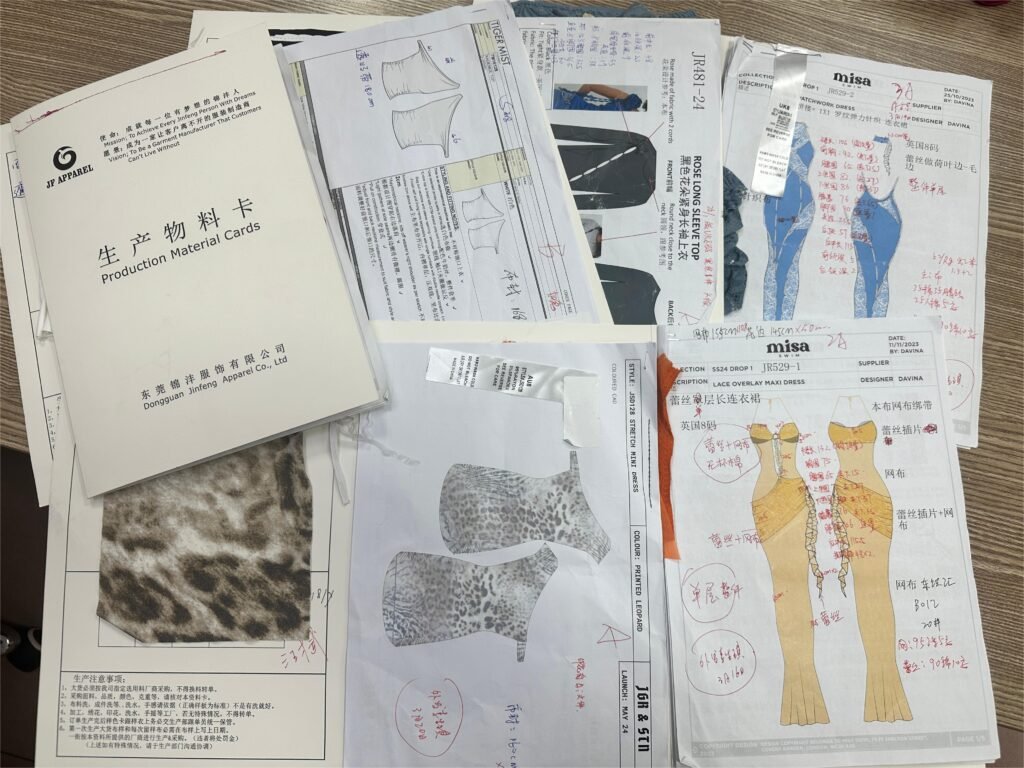
Complete Tech Pack
Line Sheet

Fashion Sketch
Reference Images

Existing Garment
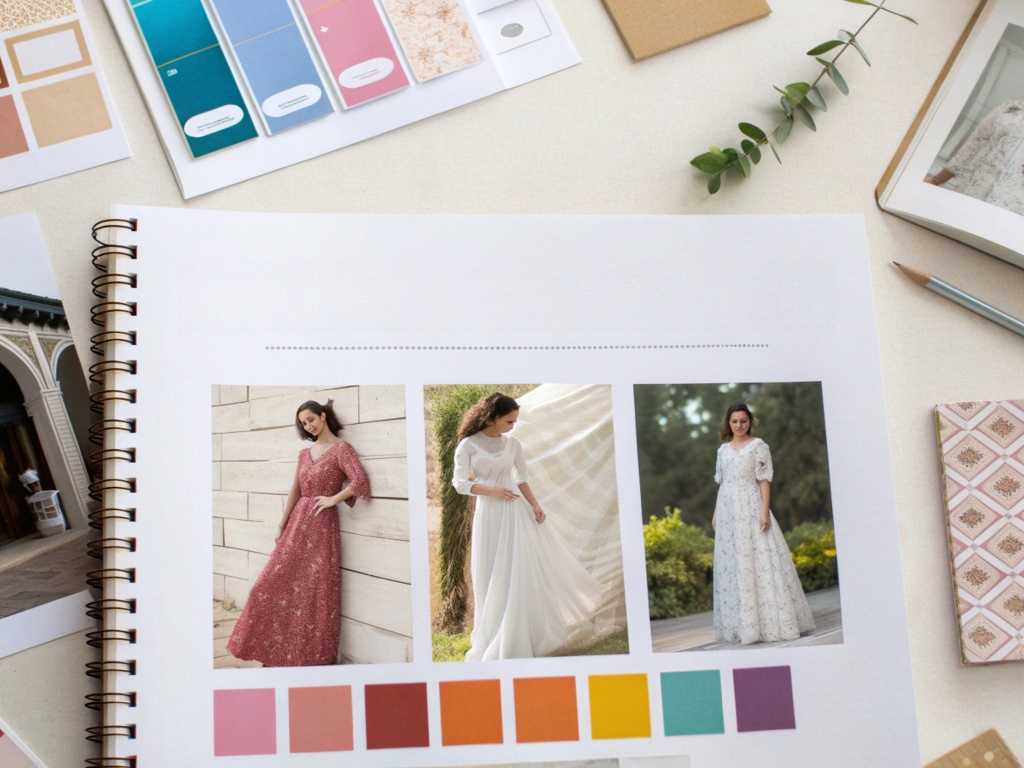
Mood Board

Fabric Swatch
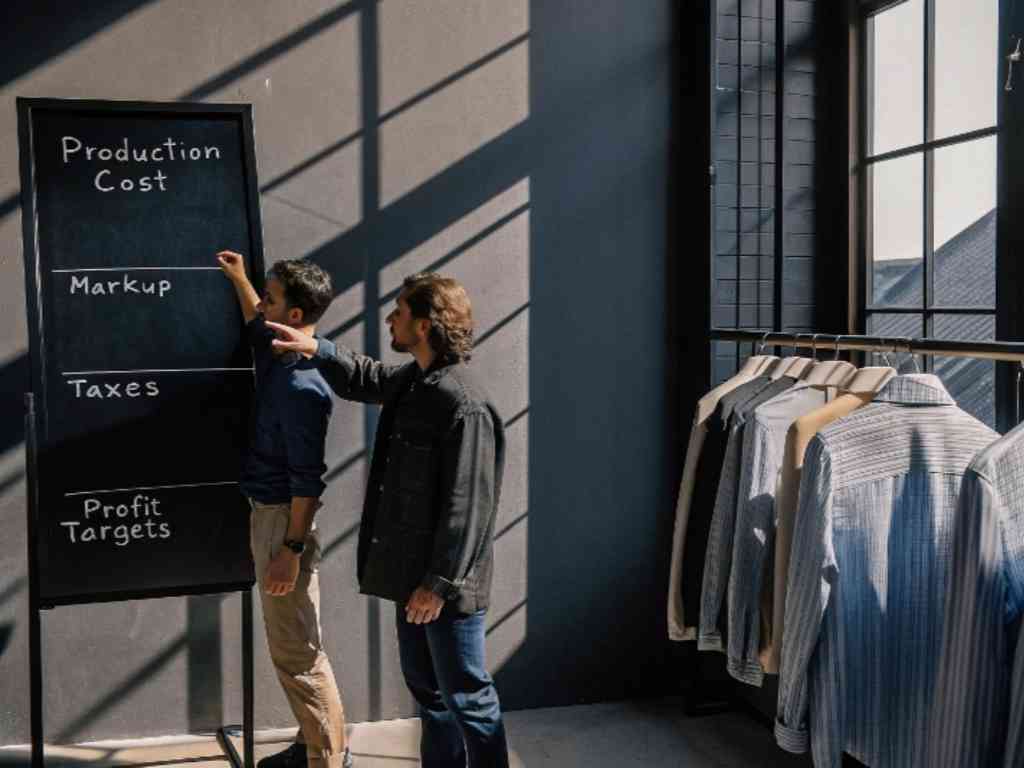
Target Cost and Quantity Plan
From Brand Direction to Production-Ready Styles
A controlled ODM process moves through clear approval points. Each stage adds information needed by the next team, reducing the chance of producing a visually attractive sample that cannot be repeated reliably in bulk.
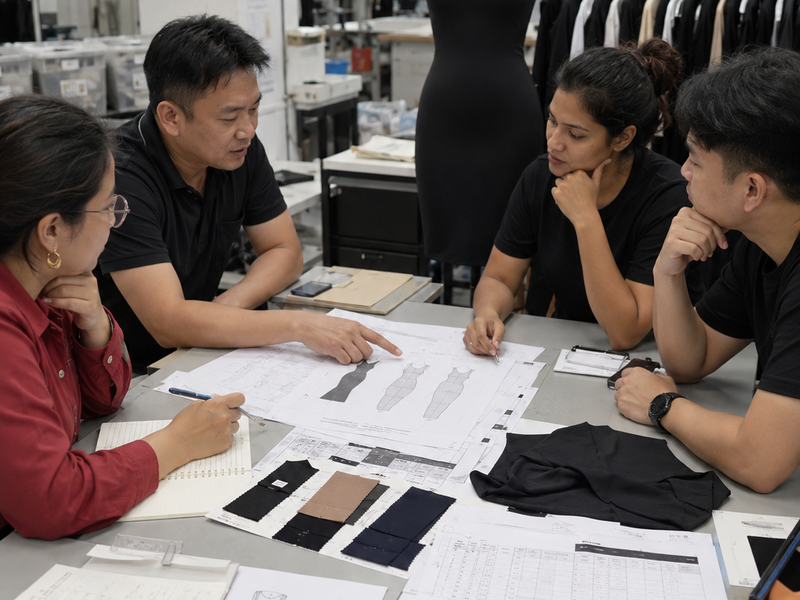
Project Review
The development team reviews the target market, product category, intended retail level, quantity plan, launch date and available design materials. Missing decisions are listed before sampling begins.

Collection Structure
Styles are organized by silhouette, material, commercial role and development priority. Hero products, supporting designs and volume-driving styles can follow different approval schedules.
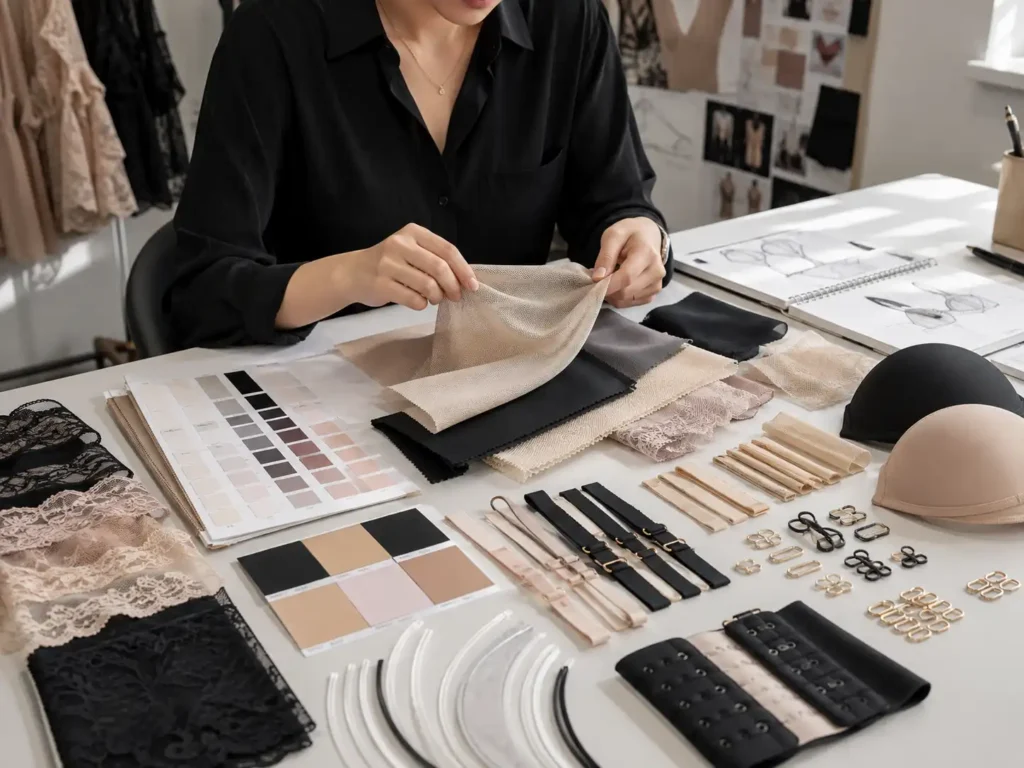
Material Direction
Fabric and trim options are assessed for appearance, weight, stretch, availability, MOQ, cost and manufacturing compatibility. Alternative materials can be prepared when the first option creates excessive risk.

Construction Analysis
Pattern and sewing teams review seams, support layers, closures, lining, reinforcement, edge finishing and decorative details. Difficult areas are resolved before the first pattern is finalized.

Pattern Development
The visual design is converted into pattern pieces, measurements, balance points, seam allowances and construction references suitable for sample sewing.

First Sample
The first sample tests silhouette, proportion, fabric behavior, construction and visual direction. Internal measurements and workmanship are reviewed before the sample is presented.
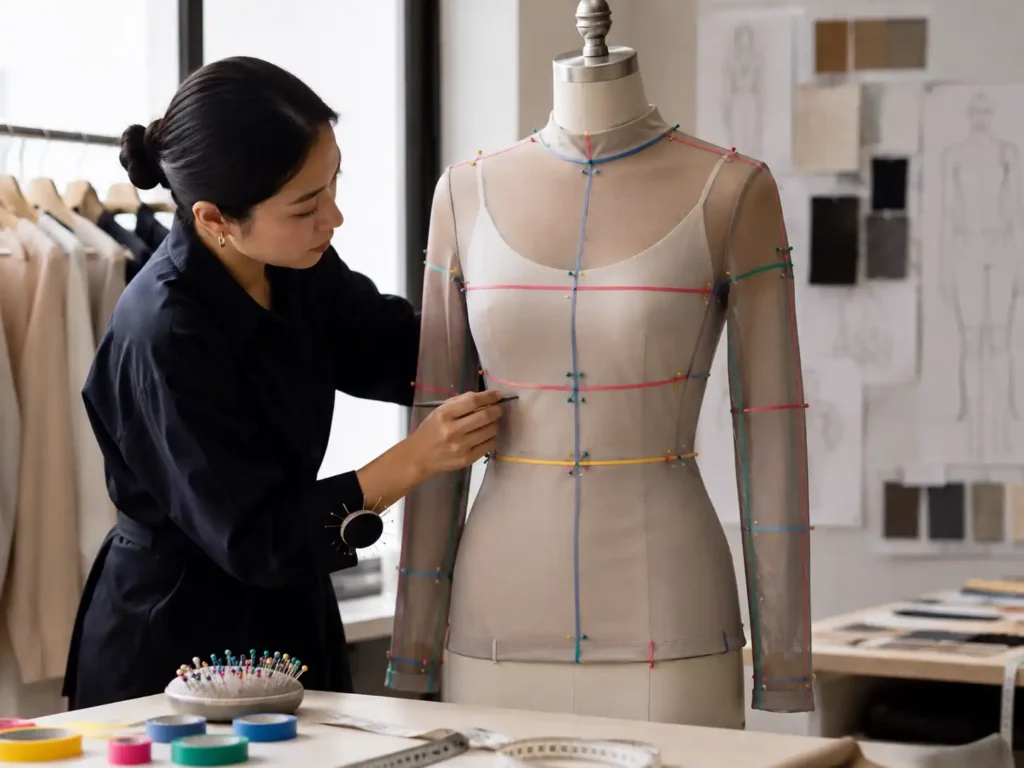
Fit and Revision
Comments are translated into pattern updates, size-chart changes, material adjustments and revised sewing instructions. Changes are recorded rather than left in disconnected messages.

Cost Engineering
Confirmed materials, consumption, trims, construction time, finishing, labels and packing are reviewed against the intended cost and order volume.

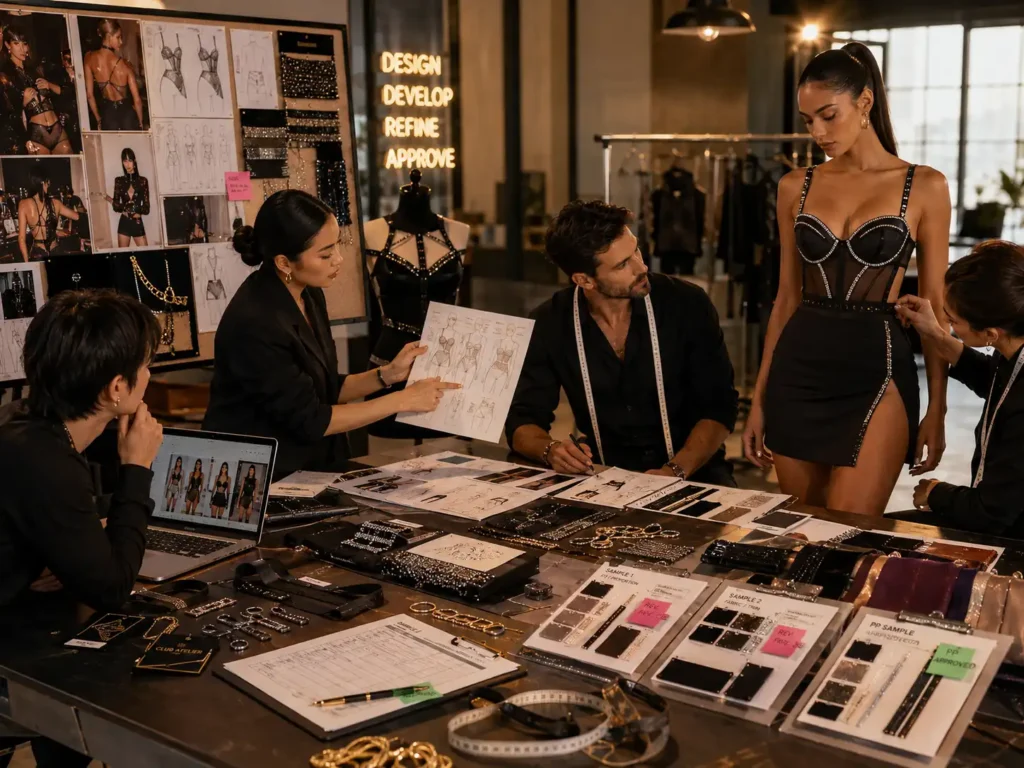
PP and Golden Sample
The pre-production sample confirms the final production standard. The Golden Sample becomes the physical reference for bulk sewing, inspection, repeat orders and dispute prevention.
Womenswear Categories Developed Around Fit and Fabric
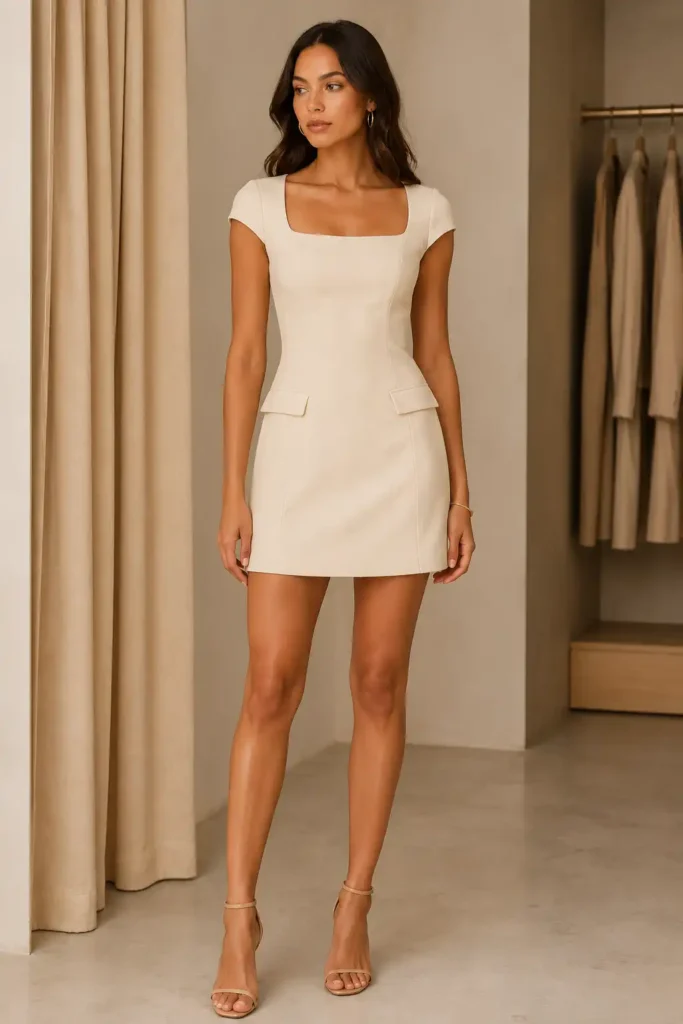
Mini Dresses
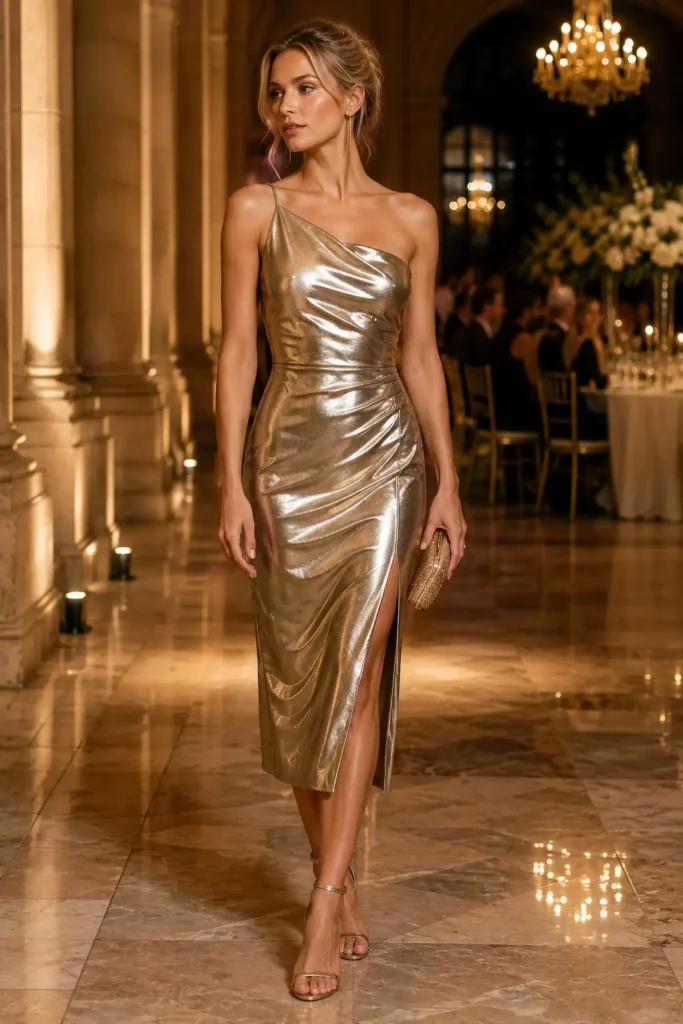
Midi Dresses
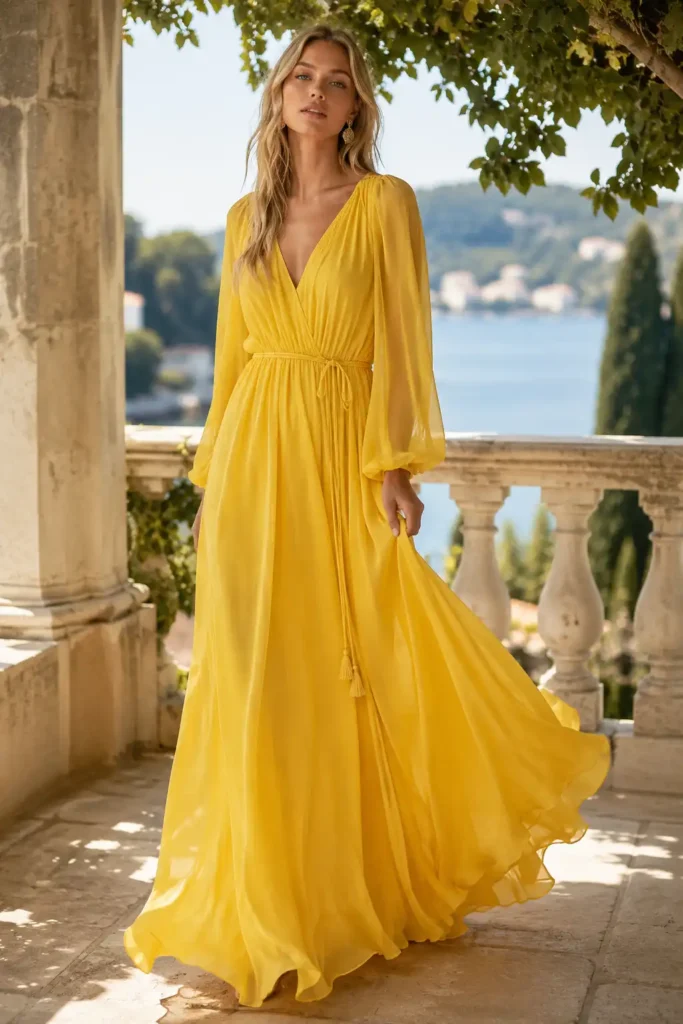
Maxi Dresses

Party and Cocktail Dresses
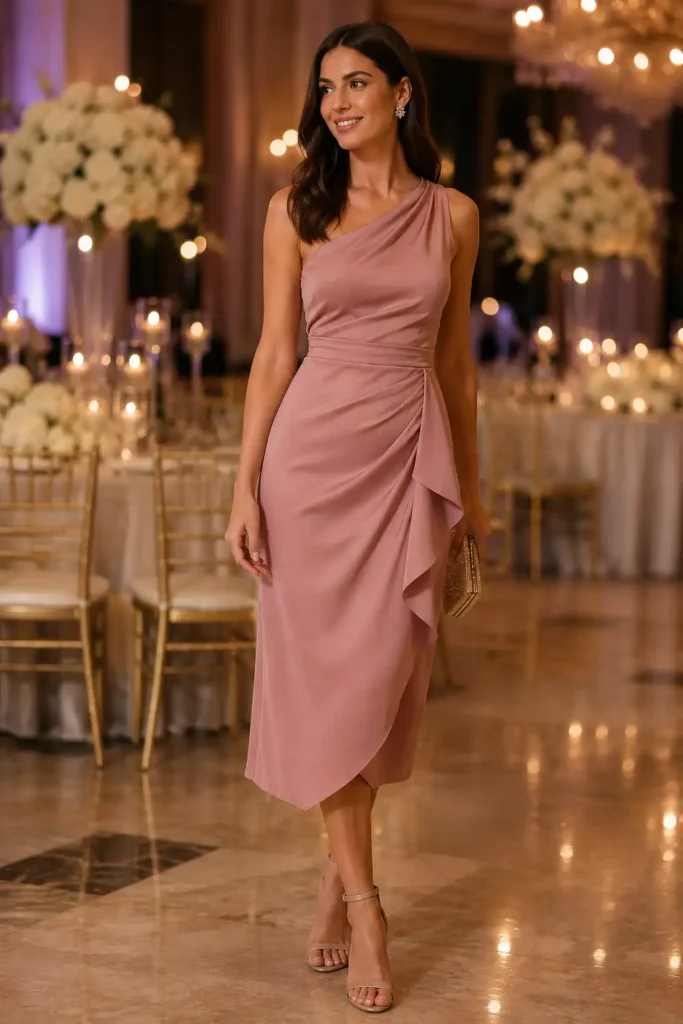
Evening and Wedding Guest Dresses
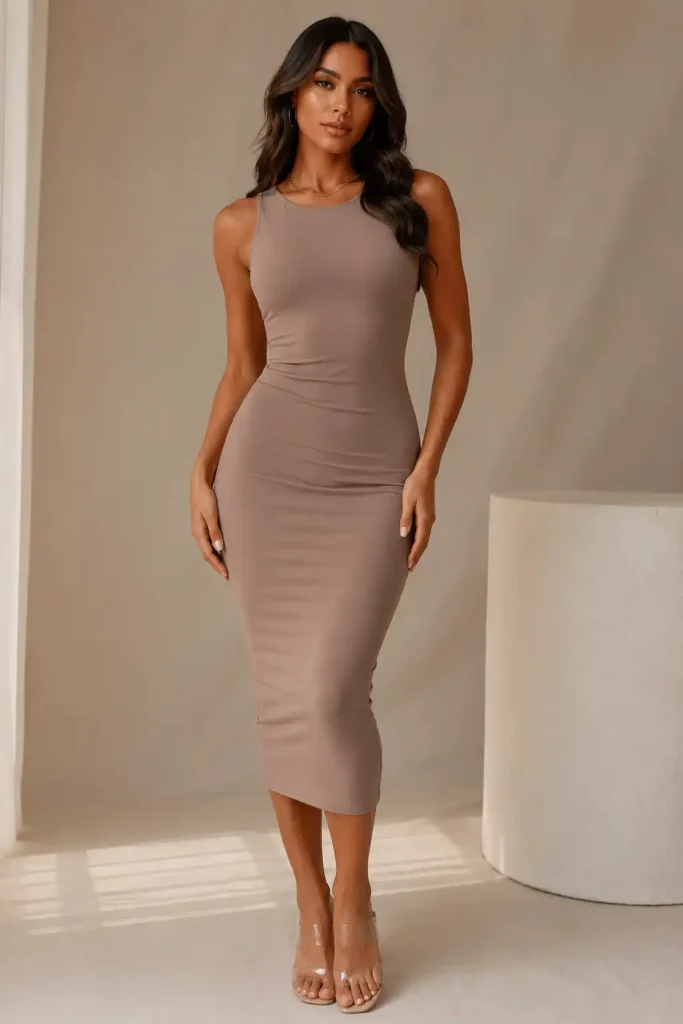
Bodycon Styles

Corset and Structured Dresses

Resortwear

Jumpsuits
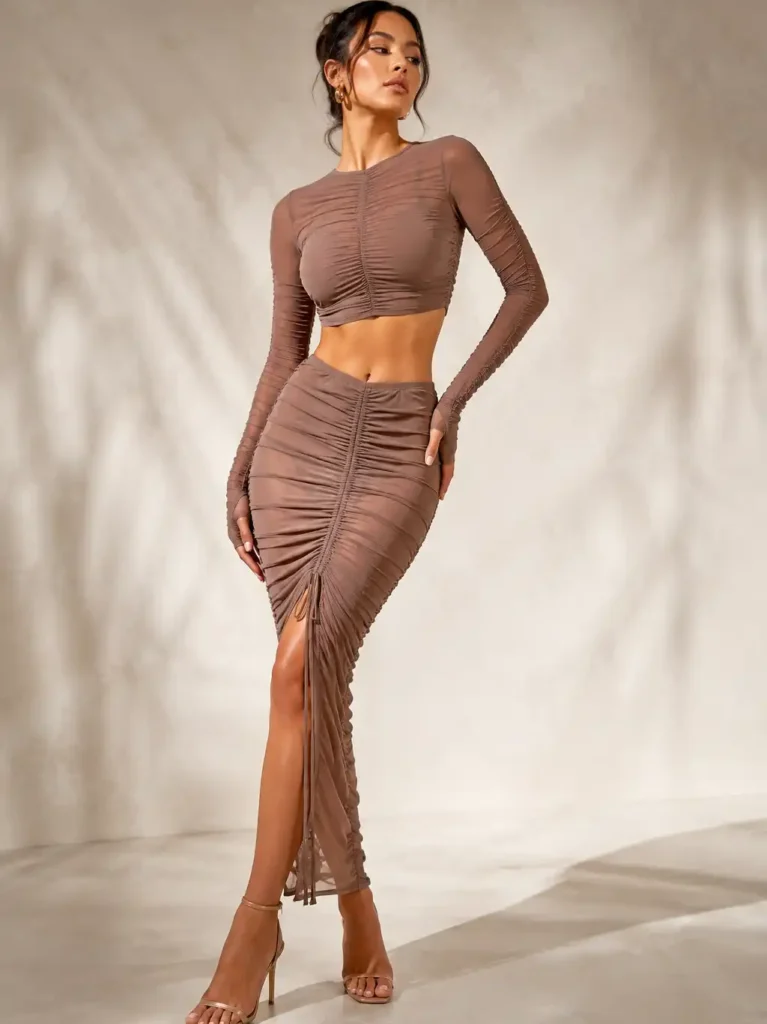
Matching Sets

Fashion Tops and Bodysuits

Skirts
Collection Planning Without Losing Brand Identity
Strong ODM development begins by understanding the commercial role of every style. A collection cannot rely on isolated attractive designs that compete for the same use occasion, price point or visual position. Jinfeng Apparel works from the brand’s creative direction and helps convert it into a balanced, manufacturable product plan.
Translate Creative Direction Into Product Decisions
Mood boards, historical sales, reference images and retail targets are reviewed for recurring silhouettes, lengths, neckline directions, materials, colors and details. The aim is not to replace the brand’s design language. Development work clarifies how the direction can be expressed through patterns, fabrics and construction methods that support repeat production.
Balance Hero Styles and Commercial Volume
Highly distinctive products may establish the collection identity but require more sample time, specialized materials or controlled production capacity. Supporting styles can reuse selected fabrics, trims or construction components, improving consistency and reducing unnecessary material fragmentation.
Build Coherence Across Multiple Styles
A 10-to-30-style program benefits from shared decisions on color standards, lining quality, hardware finishes, label placement, seam quality and packaging. Repeated components are standardized where appropriate, while signature design elements remain distinct.
Prioritize the Development Calendar
Complex corset, embellished, draped or specially dyed styles should begin earlier than straightforward products. Sample room capacity can then be allocated according to technical difficulty, photography deadlines, sales meetings and planned production windows.
Protect the Commercial Purpose
Every design is reviewed against intended retail positioning, quantity and target cost. When a detail creates disproportionate fabric waste, sewing time or defect risk, development teams can propose alternatives that preserve the visible design intent.
Fabric, Color and Trim Development for Reliable Production
Fabric selection changes the way a garment fits, moves, photographs, wears and performs in production. A material that looks suitable in a small swatch may react differently after cutting, sewing, pressing or size grading. Jinfeng Apparel evaluates materials as part of product engineering rather than treating sourcing as a separate purchasing step.
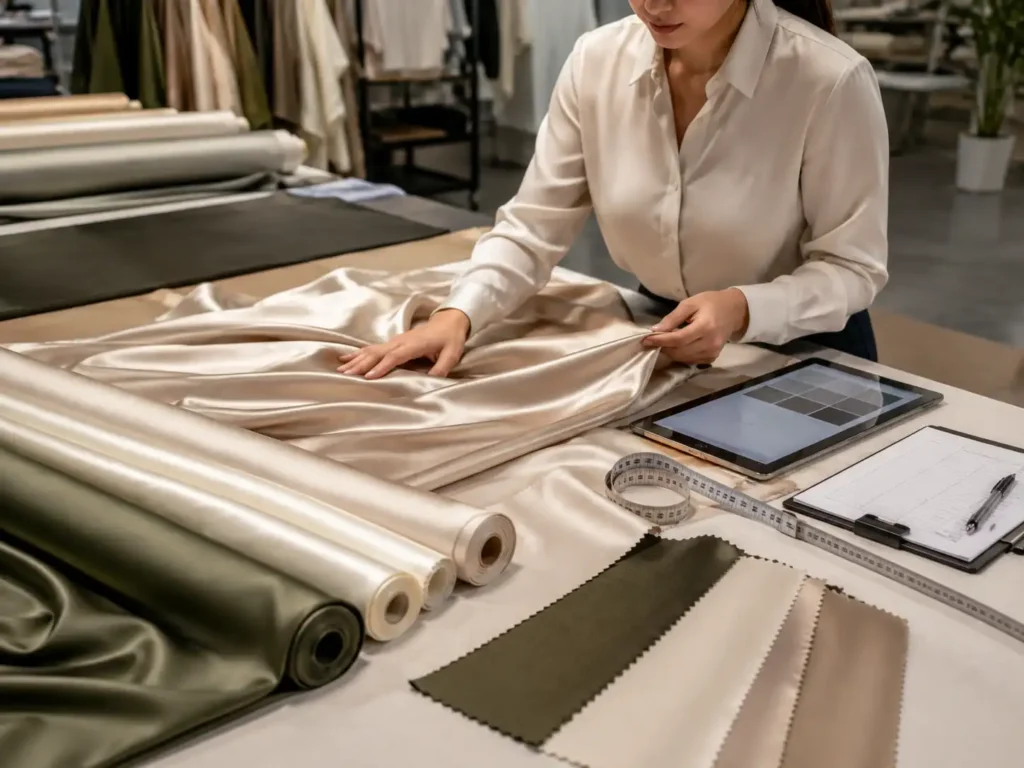
Fabric Performance Review
Each proposed material is reviewed according to composition, usable width, weight, stretch direction, recovery, drape, opacity, shrinkage, colorfastness, surface sensitivity and production availability. The assessment also considers how the fabric interacts with the intended silhouette.
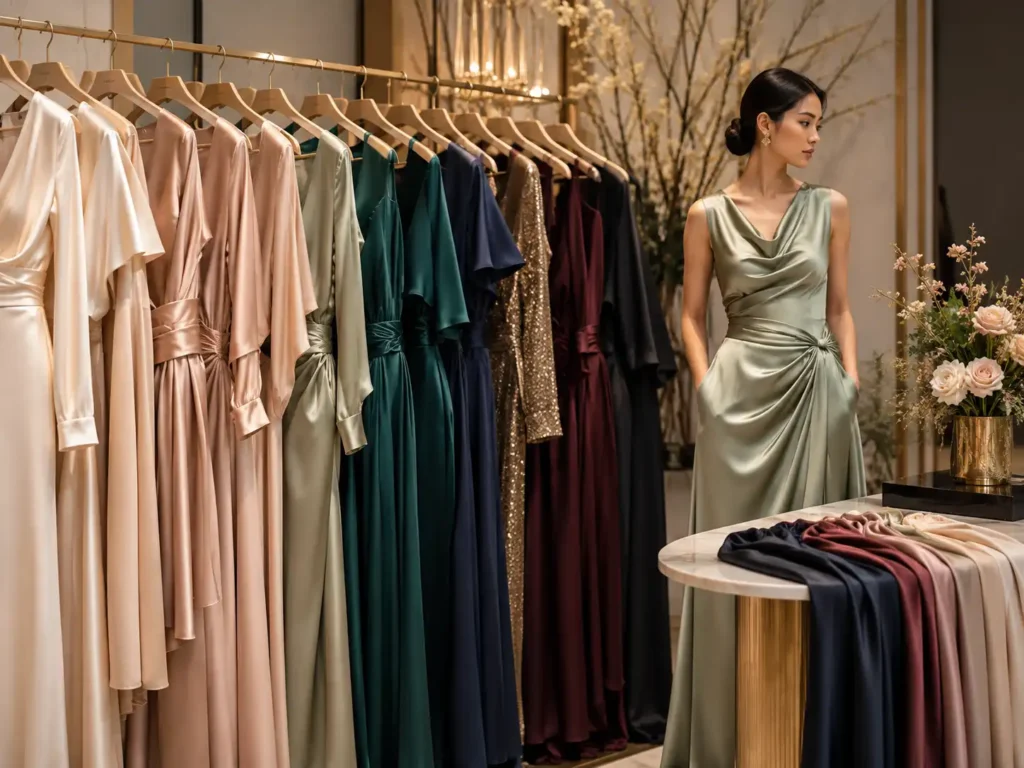
Color Development
Color approval may involve available stock colors, supplier shade cards, lab dips, print strike-offs or custom dyeing. Approval standards should define lighting conditions, reference samples and acceptable shade variation. Bulk fabric lots are checked against the confirmed color rather than relying only on digital images.

Trim Compatibility
Zippers, hooks, cups, boning, elastics, linings, lace, mesh, labels and decorative components must work with the selected fabric and garment structure. A heavy zipper can distort lightweight fabric, while an unsuitable elastic may lose recovery or create visible pressure lines.
Material MOQ and Availability
Special colors, custom prints, certified materials and branded trims can carry separate supplier minimums. Early confirmation prevents late substitutions after a collection has already been photographed, costed or sold.
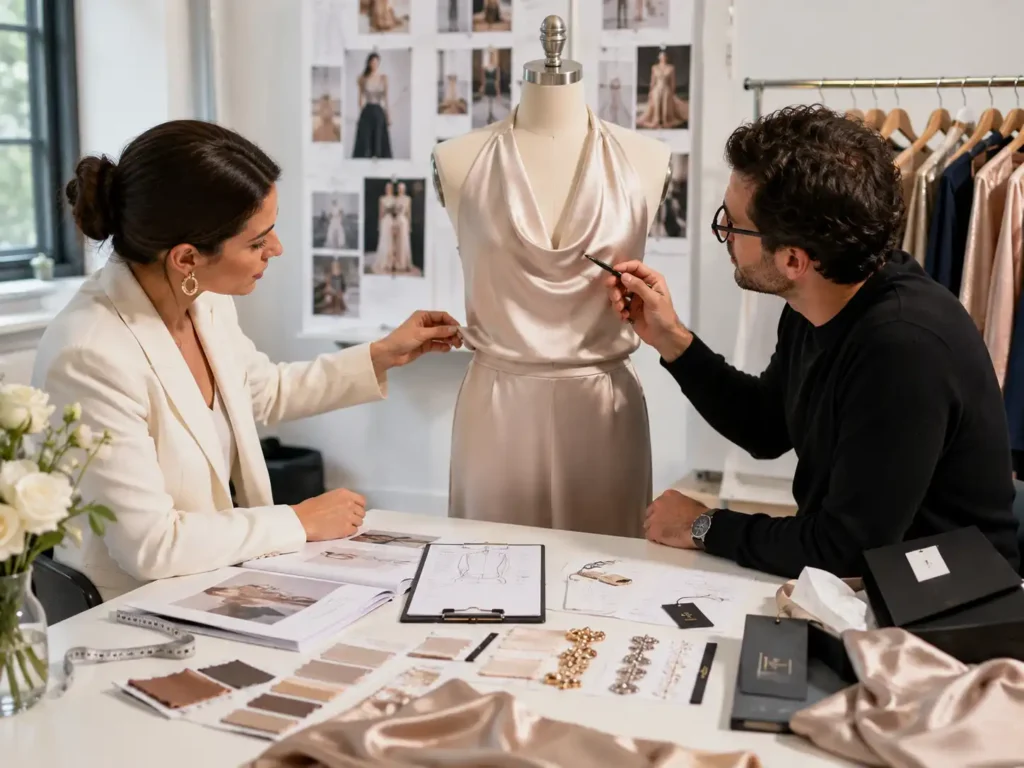
Sample Validation
Materials are validated through swatches, sample garments and relevant testing. Observations from cutting, sewing, pressing and fitting are recorded before bulk commitment. Approved material references then become part of the production package.
Pattern Engineering for Womenswear Fit and Balance
Women’s fashion patterns must control three-dimensional shape, movement and visual proportion across several sizes. A design sketch can show the intended silhouette, but the final result depends on how accurately the pattern manages bust contour, waist position, hip balance, neckline stability, garment length and fabric behavior.

Bust and Neckline Control
Darts, princess seams, cups, gathering and stretch allowance are selected according to the intended silhouette and material. Low necklines and strapless styles require additional stability so the garment does not gape, collapse or shift during wear.

Waist and Hip Balance
Waist placement affects the perceived proportion of the entire garment. Fitted dresses and jumpsuits also need sufficient hip shape and movement allowance without creating drag lines, excessive ease or distorted seams.

Straps, Sleeves and Armholes
Strap length, shoulder angle, armhole depth and sleeve construction are checked together. Small positional errors can create slipping straps, restricted movement, underarm exposure or neckline distortion.
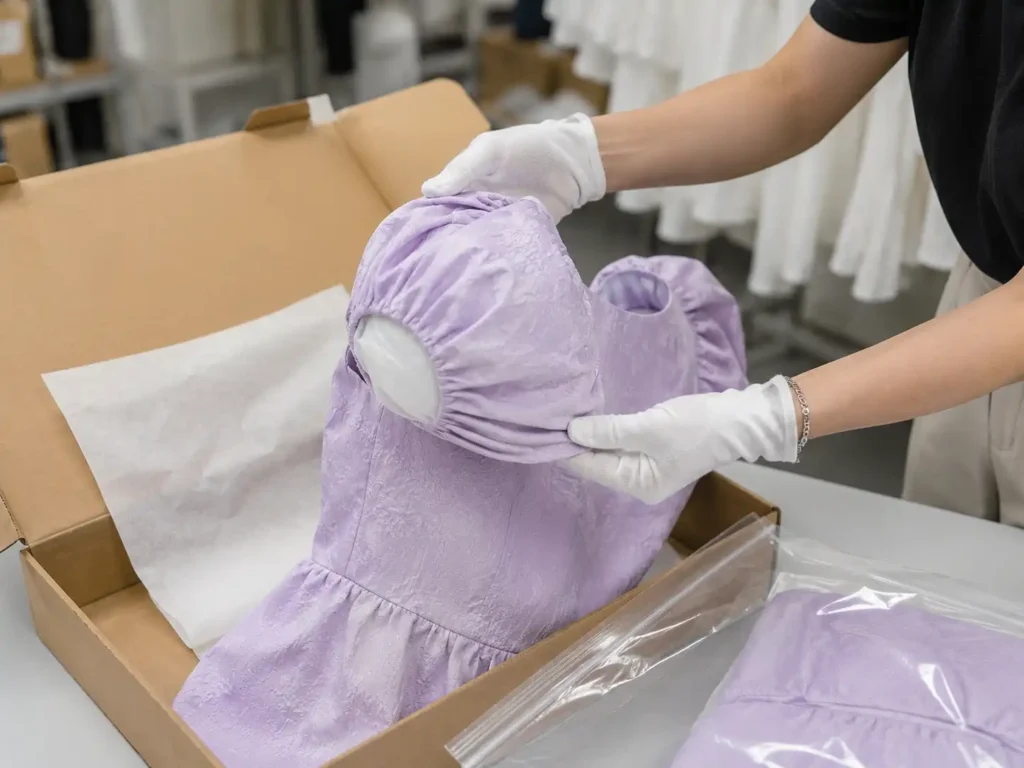
Structured Components
Corset, bustier and supported styles may use boning, cups, interfacing, power mesh, lining and reinforced seams. Pattern pieces and internal layers must align accurately so support is distributed without visible twisting or discomfort.
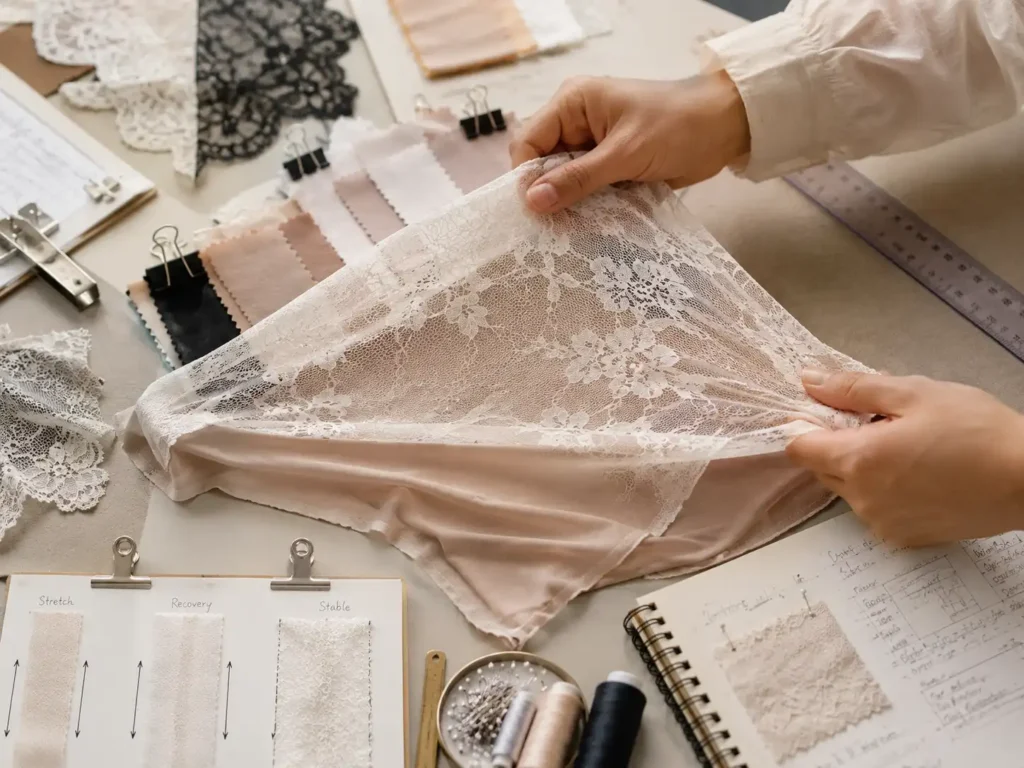
Stretch and Negative Ease
Stretch garments require material-specific calculations. A fabric with strong widthwise stretch but weak recovery cannot use the same pattern reduction as stable compression fabric. Fit samples are reviewed after wearing and recovery, not only immediately after sewing.
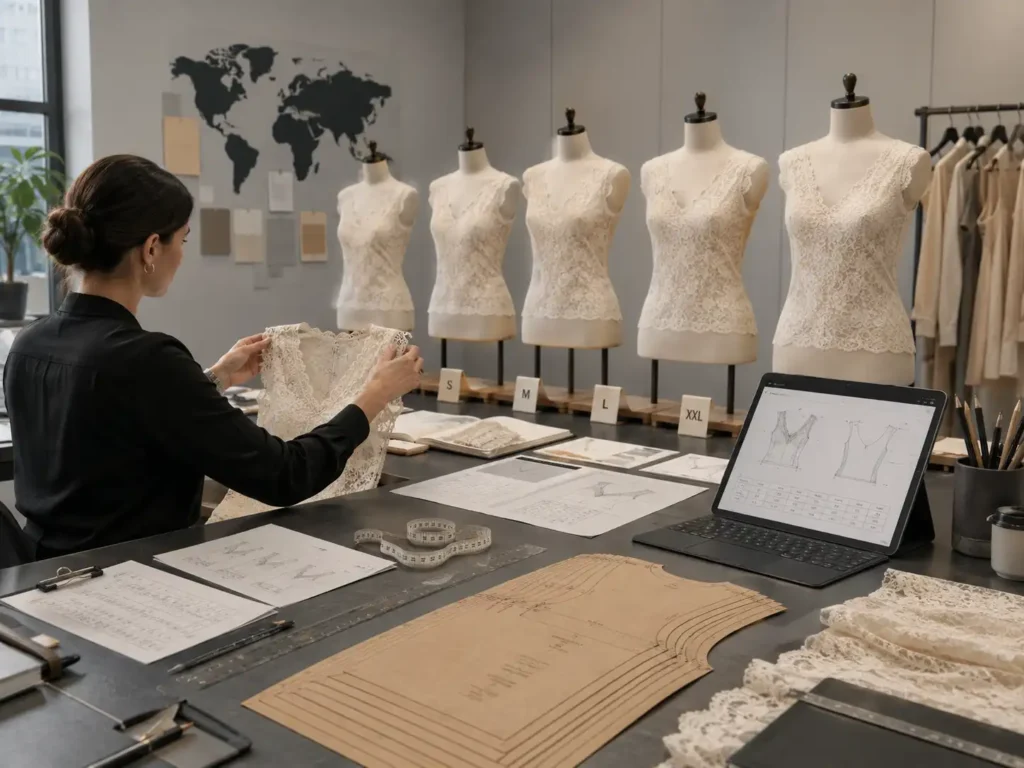
Size Grading
Approved base-size proportions are translated into the full size range using controlled grade rules. Bust, waist, hip, length, strap position, neckline depth and opening dimensions may require separate grading logic. Equal increases at every point rarely produce a reliable women’s fit.
Sampling Timelines Matched to Style Complexity
Sampling verifies more than appearance. Each round tests material suitability, pattern balance, dimensions, support structure, sewing methods, finishing and production feasibility. Timelines depend on design complexity, material readiness and the number of decisions still open at the start of development.
| Sample Stage or Style Type | Typical Working Time | Main Purpose |
|---|---|---|
| Simple first sample | 7–10 days | Confirm basic silhouette, proportions and construction |
| Regular dress sample | 10–15 days | Review fabric behavior, fit, details and measurements |
| Medium-complexity dress, set or jumpsuit | 12–18 days | Resolve multiple panels, linings, closures or coordinated pieces |
| Corset, strapless, lace, mesh or sequin style | 15–25 days | Validate support, surface treatment, reinforcement and specialist workmanship |
| Custom-developed material sample | 20–35 days or supplier-dependent | Wait for custom color, print, fabric or trim development |
| Revised sample | 7–15 days | Apply consolidated fit and construction comments |
| Pre-production sample | 7–15 days after materials are ready | Confirm the final standard before bulk cutting |
Cost Engineering Before Bulk Commitment
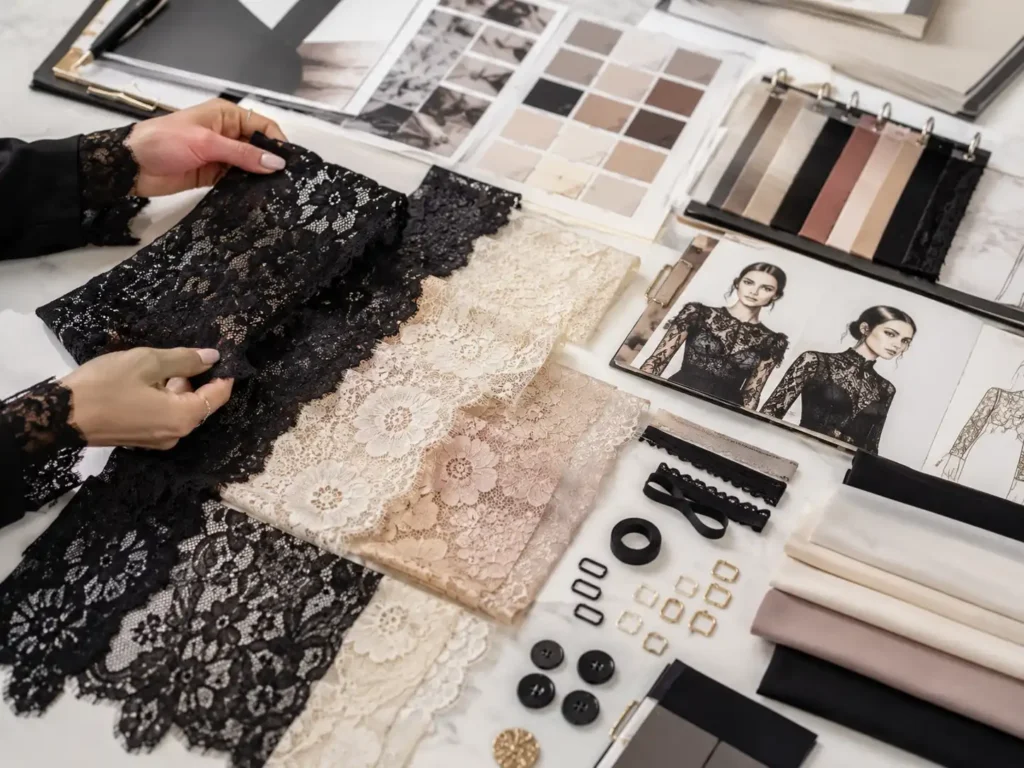
Material Consumption

Material Minimums
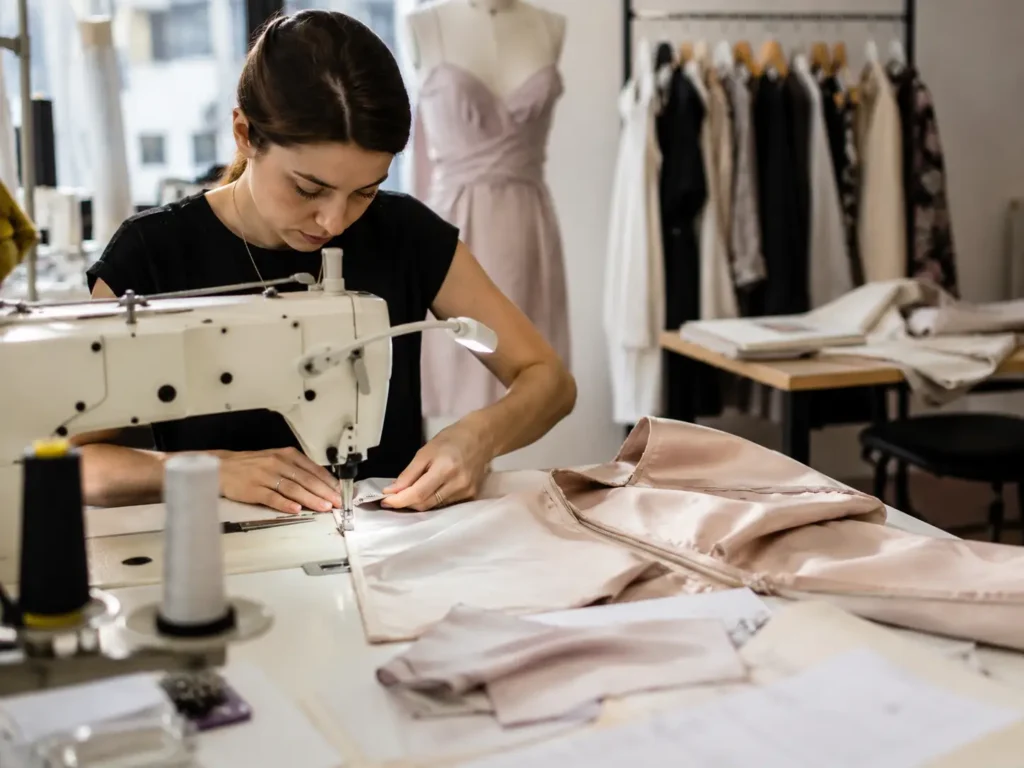
Sewing Time

Finishing Risk
Sensitive surfaces can require protected handling, lower-temperature pressing, individual hanging or additional inspection.
Finishing requirements are considered before packaging decisions are finalized.

Size and Color Structure
A broad size range or many low-volume colorways can create material fragmentation and line-change pressure.
Quantity planning should be reviewed at style, color and size level rather than only as one total order number.

Design-Preserving Alternatives
When a feature creates excessive cost or production risk, three adjustment routes can be considered:
- Retain the visible design while selecting a more stable material
- Preserve the silhouette while simplifying hidden internal construction
- Reduce the area of a costly embellishment while keeping its focal impact
Approved Samples Become Controlled Production Standards
Moving from sample approval to bulk manufacturing requires a disciplined handover. Verbal confirmation or a single reference photo cannot control thousands of garments across cutting, sewing, finishing and packing. Jinfeng Apparel builds the production package around approved physical and technical references.
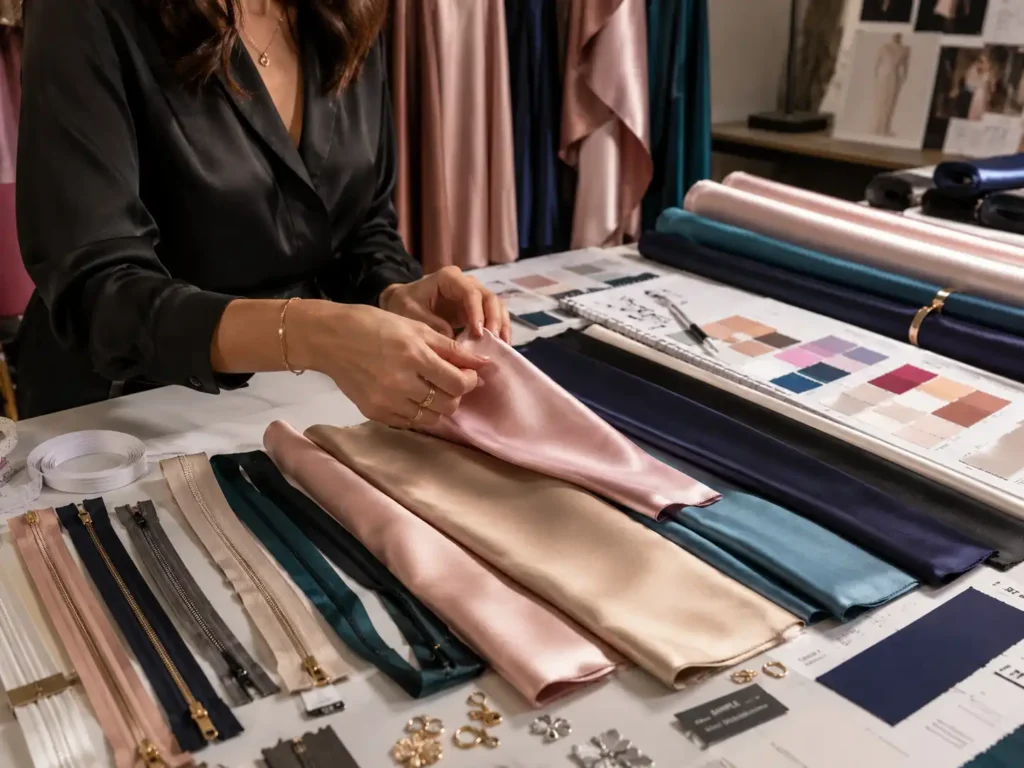
Material Preparation
Bulk fabrics and trims are checked against approved references. Relevant points include color, width, weight, stretch, shrinkage, defects, quantity and compatibility between components.
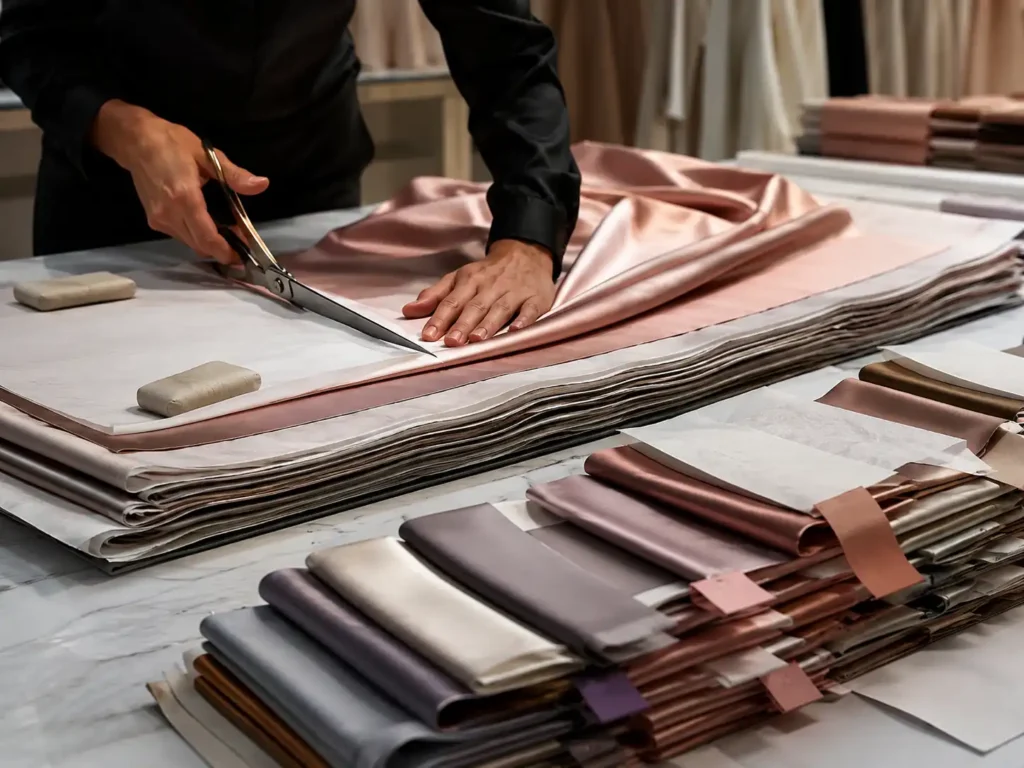
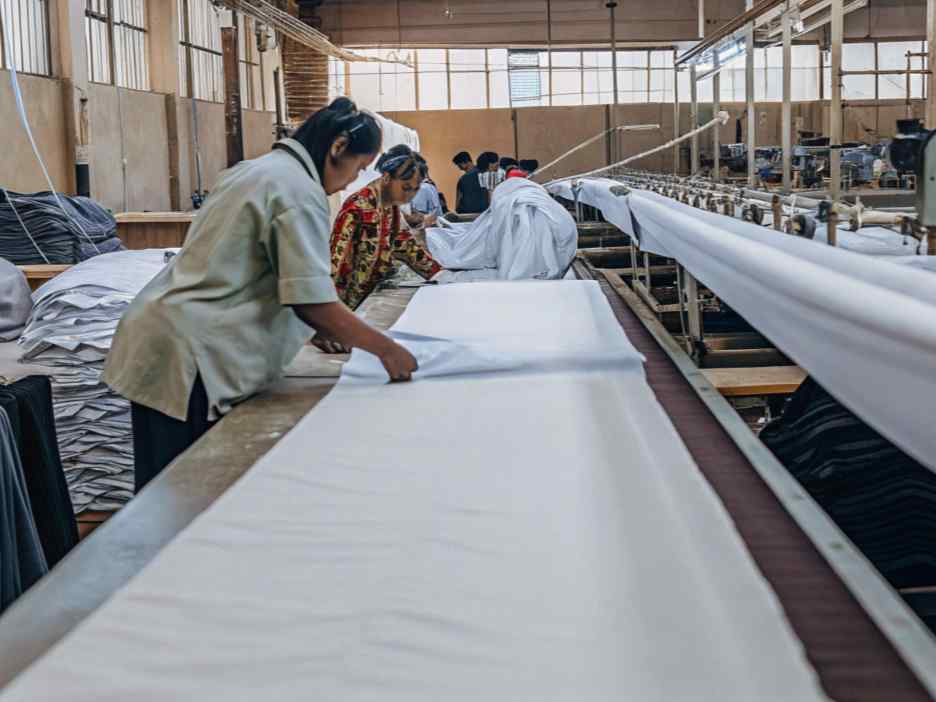
Cutting Control
Fabric preparation, marker planning, cutting accuracy, panel direction and bundle identification influence later garment consistency. Stripes, prints, lace placement, sequins and directional surfaces require additional controls.
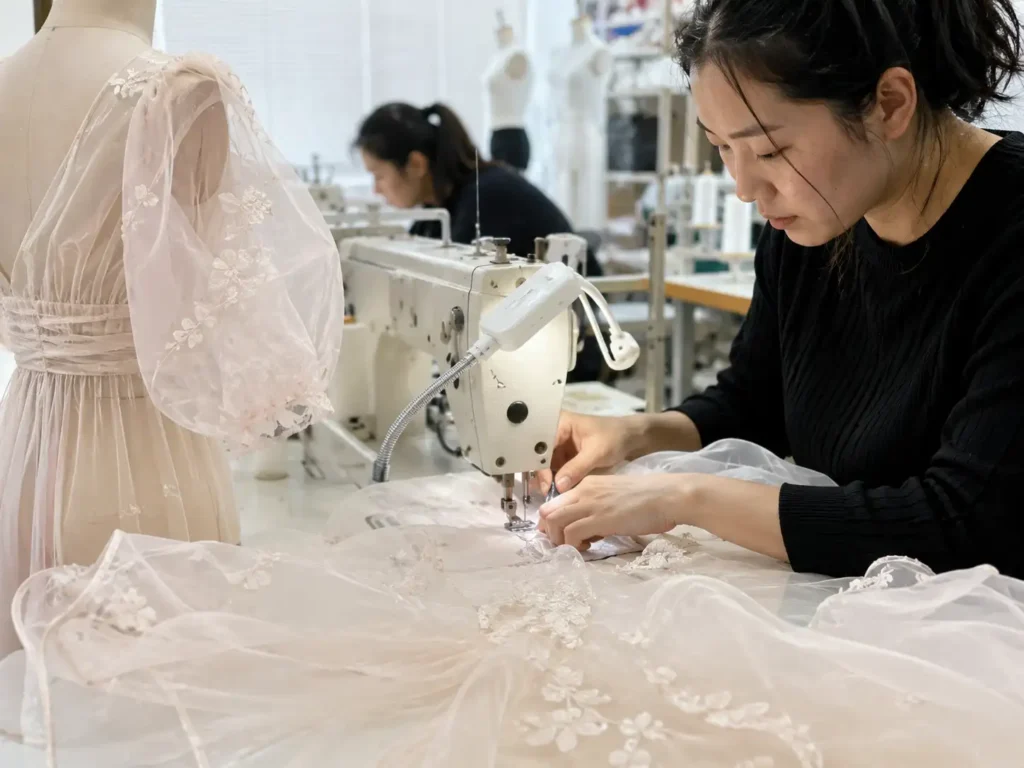
Sewing Execution
Production lines receive the approved sample and operation requirements. Critical areas may include neckline shape, zipper installation, support structure, ruching distribution, seam stretch, lining attachment and hem appearance.

Inline Inspection
Measurements and workmanship are checked while production remains in progress. Early correction prevents the same error from continuing through an entire order.

Finishing and Final Inspection
Garments proceed through thread trimming, pressing, appearance review, measurement checks, label confirmation, packing inspection and final quality review. AQL or an appointed inspection company can be coordinated according to the project agreement.
Flexible Production Planning for Multi-Style Programs
6 Owned Women’s Fashion Factories
10+ Long-Term Production Partners
18+ Sewing Lines
6+ Flexible Lines
100,000+ Pieces Regular Monthly Capacity
Coordinated Merchandising and QC
Quality Control, Compliance and Design Protection
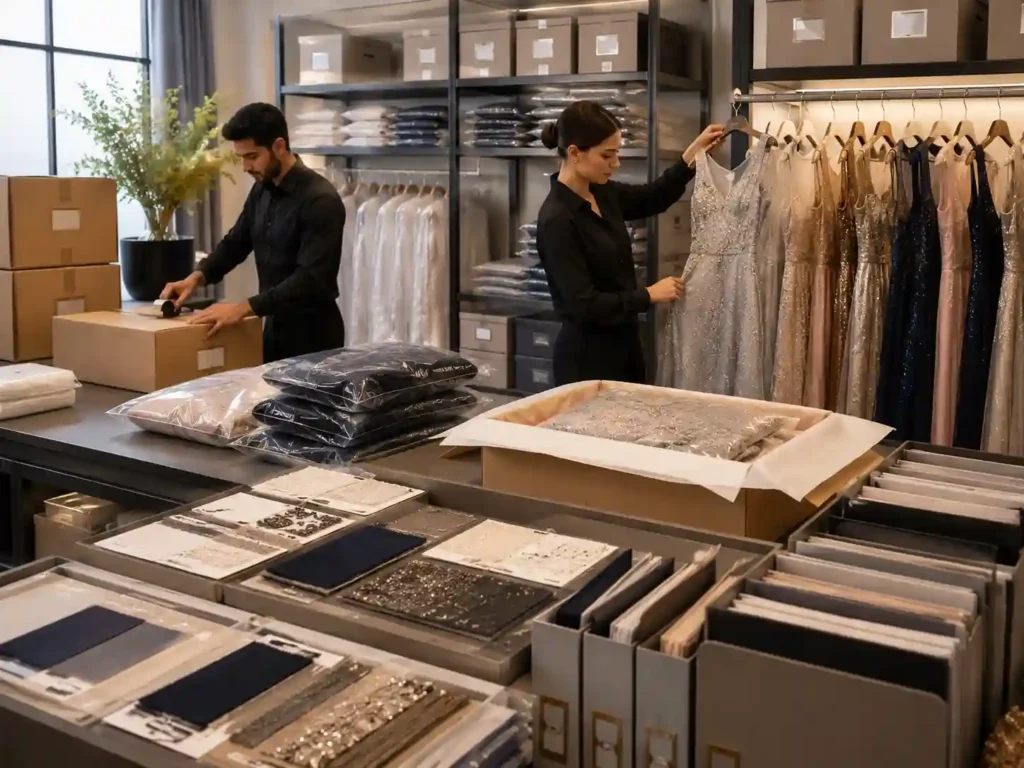
Quality Control Across Production
- Fabric and trim inspection against approved references
- Cutting accuracy and panel-direction checks
- First-piece and sewing-line confirmation
- Inline measurement and workmanship inspection
- Finished garment measurement review
- Surface, pressing and appearance checks
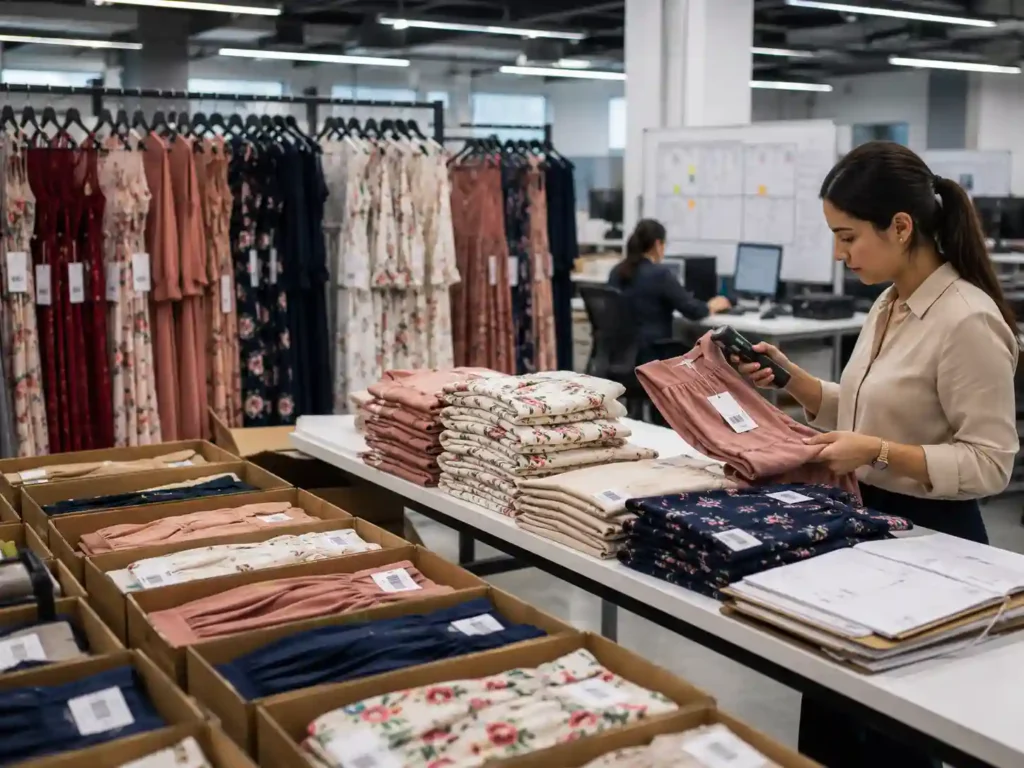
- Label, barcode and packaging verification
- Final inspection under agreed sampling standards

Project-Specific Compliance
- AQL inspection
- SGS, Intertek, Bureau Veritas or ITS testing
- BSCI, SMETA or brand-appointed factory assessment
- OEKO-TEX, GOTS, GRS or other material documentation
- Fiber-content, care-label and country-of-origin information
- Restricted-substance or performance testing
NDA and Information Protection
Confidentiality arrangements can cover:
- Tech Packs and design files
- Line sheets and unpublished styles
- Patterns and size charts
- Samples and fit comments
- Fabrics, trims and material developments
- Labels, packaging and barcodes
- Quantities, pricing and launch dates
- Product photography and commercial information
Brand names, logos, patterns, unreleased designs and project records are not used publicly without written authorization.
Representative ODM Womenswear Development Programs

US Occasionwear Collection — 22 Styles and 64,800 Pieces
The program included fitted mini dresses, mesh midis, satin maxis, corset styles and coordinated sets across six size options. Early samples showed inconsistent bust shaping between stretch and non-stretch materials, while several satin styles developed seam impressions after pressing.
Development work separated the fit standards by material group, revised cup and boning positions, adjusted negative ease for stretch products and introduced protected satin handling during sewing and finishing. Three controlled sample rounds were completed for the most structured styles, while simpler silhouettes moved forward earlier.
Approved PP samples, measurement charts and construction checkpoints were released by style group. Production was divided according to fabric handling and technical difficulty rather than placing all 22 styles on one line.
Program data
- 22 styles
- 64,800 total pieces
- 5 principal fabric groups
- Sizes XS–XXL
- 2–3 sample rounds by complexity
- Separate QC checkpoints for corset, mesh and satin products

US Digital Fashion Brand — 18 Styles and 31,200 Pieces
The collection combined bodycon dresses, cut-out tops, skirts and jumpsuits for several online product drops.
The original line sheet established the visual direction but lacked complete measurements, lining details and closure specifications.
Pattern development began with priority photography styles. Material testing identified one stretch fabric with weak recovery, which would have created size inconsistency and bagging after wear. A replacement with more stable recovery was selected before the full size range was graded.
Photo samples and production samples followed separate approval records so styling changes made for photography did not enter bulk production without review. SKU, label and packing information were linked to the final style-color-size matrix.
Program data
- 18 styles
- 31,200 total pieces
- 4 launch groups
- Sizes XXS–XL
- 3 main color families
- 100% style-color-SKU record matching before packing
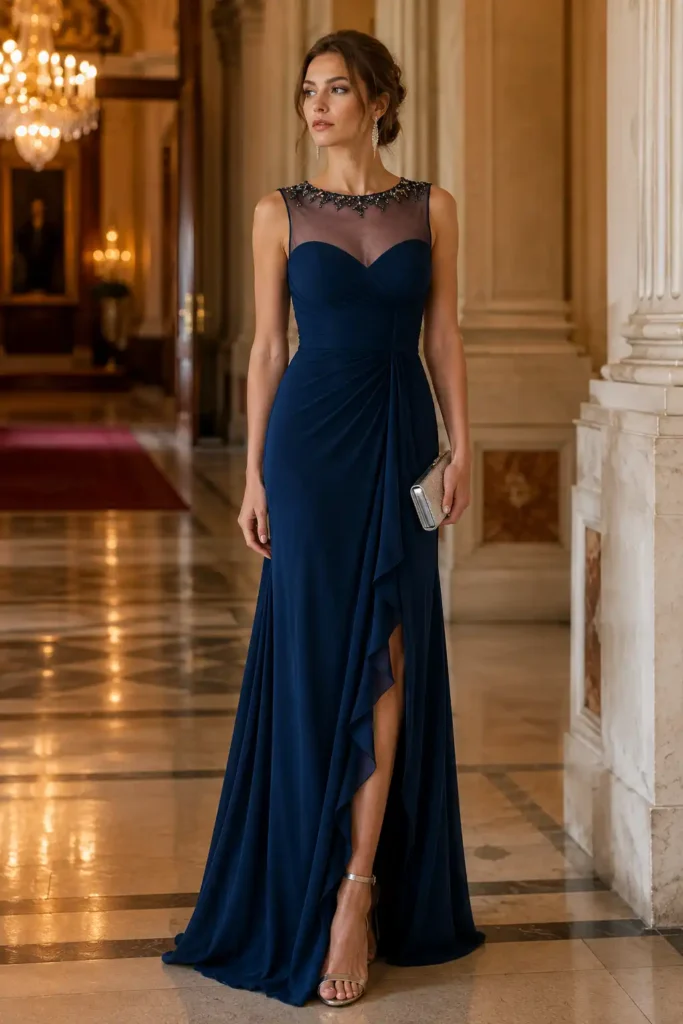
Multi-Channel Private Label Range — 27 Styles and 78,000 Pieces
A seasonal private-label program included dresses, matching sets, fashion tops, skirts and jumpsuits using lace, woven stretch fabric, mesh and printed materials. The main challenge involved coordinating 27 styles without creating excessive fabric and trim fragmentation.
Collection planning grouped products by material family and standardized selected linings, zipper finishes, hooks, labels and packaging components. Signature products retained their distinctive structures, while supporting styles reused compatible materials to improve purchasing and color consistency.
Complex lace and mesh styles entered sampling first. Stable woven products followed a shorter development route. Golden Samples and measurement checkpoints were archived by style, allowing repeat-order discussions to begin from the same approved reference.
Program data
- 27 styles
- 78,000 total pieces
- 7 material families
- 4–7 colorways by style group
- Sizes XS–XXL
- Phased production and delivery planning
ODM Womenswear Development Frequently Asked Questions
ODM development can include collection review, fabric and trim direction, pattern engineering, sample making, fit correction, size-chart development, production costing, PP approval, bulk manufacturing, quality control, labels, packing and shipment preparation. The exact scope depends on the files and decisions already available when the project begins.
Yes. Clear front, back and detail images can provide an initial direction. Additional information is needed for fabric, stretch, fit, lining, measurements, colors, quantity and target cost. Protected designs should not be copied without authorization, and development may require adjustments to create an original, production-ready product.
A complete Tech Pack is not mandatory for the first review. Jinfeng Apparel can also assess sketches, line sheets, mood boards, reference garments, fabric swatches and partial specifications. Missing information must be completed and approved before reliable sampling and bulk production.
Yes. Programs commonly include 10–30 styles across dresses, tops, skirts, sets and jumpsuits. Collection planning can organize development priority, shared materials, color direction, sample rounds, photography needs and production sequence.
Simple first samples generally require 7–10 days. Regular dress samples usually require 10–15 days, while medium-complexity products may require 12–18 days. Corset, lace, mesh, sequin and structured styles can require 15–25 days. Custom materials may extend the schedule.
The standard starting MOQ is 200 pieces per style and color. Fabric mills, custom colors, prints, certified materials, trims and branded packaging may have separate or higher minimums. Final feasibility is reviewed from the complete style-color-size plan.
Sample development is charged separately because it includes pattern work, material preparation, sample sewing, fit review and revision records. The fee may be credited against a qualifying bulk order for the same approved style when the agreed quantity and commercial conditions are met. It is not an unconditional cash refund.
The PP sample confirms the final fabric, trims, pattern, measurements, construction, labels and finishing before bulk cutting. A Golden Sample can then be retained as the physical standard for production, quality inspection, repeat orders and claim review.
Yes. An NDA can cover design files, Tech Packs, line sheets, patterns, samples, size charts, materials, labels, packaging, quantities, pricing and launch information. Project content is not used publicly without written authorization.
Yes. Development can include main labels, size labels, care labels, hangtags, barcodes, individual packaging and carton requirements. The production and shipment schedule is confirmed after materials, PP approval, quantity breakdown, inspection method and packaging details are finalized.
Start Your Womenswear Development Program
Share the information already available, even when the product package is not yet complete.
Jinfeng Apparel will review the collection direction, product structure, material requirements, sample priorities and production feasibility before defining the next development steps. A useful first submission may include:
- Tech Packs, line sheets or fashion sketches
- Front, back and detail reference images
- Existing samples or sample photographs
- Planned style count
- Color and size breakdown
- Estimated quantity per style and color
- Fabric or trim direction
- Target price range
- Required sample date
- Planned launch or delivery window
- Label and packaging requirements
- Testing, audit or inspection requirements


