 Skip to content
Full-Package Dress Production
From design files and fabric direction to approved samples, controlled bulk production, branded packing, and delivery preparation.
Jinfeng Apparel supports established fashion brands and large apparel programs that need one accountable manufacturing team across the full dress production cycle. Each project is reviewed around product structure, fabric behavior, fit, quantity, launch timing, packaging, and production risk before development begins.
- 10-30 styles per collection programcan be organized through grouped fabric plans, sample priorities, production files, and style-level tracking.
- 20,000-80,000 pieces per brand programcan be planned across owned factories and long-term production partners according to complexity, materials, and delivery windows.
- 2 sample rooms, 7+ senior pattern makers, and 20+ sample machinistssupport first samples, fit corrections, revised samples, PP samples, and production-ready standards.
- 15+ QC inspectorscover material, in-line, garment, pressing, packing, and final inspection stages.
Production Capacity Built for Complete Dress Programs
A full-package program needs more than a sewing line. Product development, material sourcing, pattern control, sample revision, production allocation, inspection, packing, and delivery preparation must move through one coordinated operating structure. Jinfeng Apparel combines dress-focused development teams with scalable production resources so each style can be assigned according to fabric, construction, volume, and launch timing.
Since 2008
6 Owned Factories
10+ Production Partners
18+ Sewing Lines
6+ Flexible Lines
100,000+ Monthly Capacity
What Full-Package Dress Production Actually Includes
Full-package dress production places product development, sourcing, sampling, manufacturing, quality control, private-label packing, and delivery preparation under one coordinated production partner. The brand still approves the commercial direction, design details, materials, fit, quantity, and launch requirements, while the manufacturing team manages the technical path from initial review to shipment-ready garments.
| Production Model | Brand Provides | Manufacturing Partner Manages | Best Used When |
|---|---|---|---|
| Full-Package Production | Design direction, references or tech pack, quantity plan, target market, approvals | Development review, fabrics, trims, pattern, samples, bulk production, QC, private-label packing, delivery preparation | One accountable team is needed across the full program |
| CMT | Approved pattern, graded sizes, fabric, trims, complete production instructions | Cutting, sewing, trimming, and agreed finishing operations | The brand already controls materials and technical files |
| OEM | Detailed tech pack, BOM, size chart, workmanship and packing requirements | Product review, sampling, production, QC, and packing to supplied specifications | Technical requirements are already clearly defined |
| ODM | Brand concept, visual references, market direction, target range | Product interpretation, material direction, pattern, sample development, and production planning | Additional design-development support is required |
| Private Label | Brand identity, artwork, label rules, packing and retail requirements | Main labels, care labels, hangtags, barcode support, packing, carton preparation | Finished garments must arrive under the brand’s own identity |
Built Around Established Fashion Brand Requirements
Full-package production is most valuable when a dress program involves multiple styles, several fabric families, fit-sensitive silhouettes, private-label details, and a fixed launch calendar. Jinfeng Apparel organizes the production scope around the commercial pressure carried by each type of fashion operation rather than applying one generic service description to every account.
Global Fashion Brands
Sourcing and Buying Teams
Premium Ecommerce Brands
Occasionwear and Partywear Labels
One Coordinated Path from Concept to Delivery
Project Review
Design File Review
Fabric and Trim Direction
Pattern Development
Sample Making
Revision and PP Approval
Bulk Production
QC and Branded Packing
Delivery Preparation
Dress Categories Managed Under One Production System

Mini and Midi Dresses
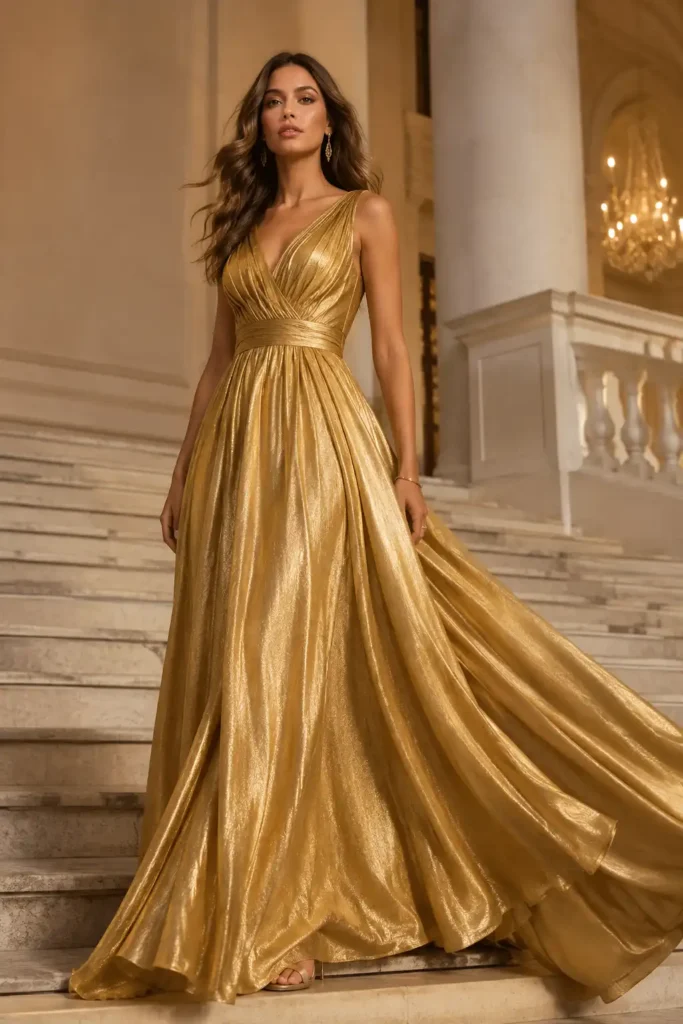
Maxi and Occasion Dresses
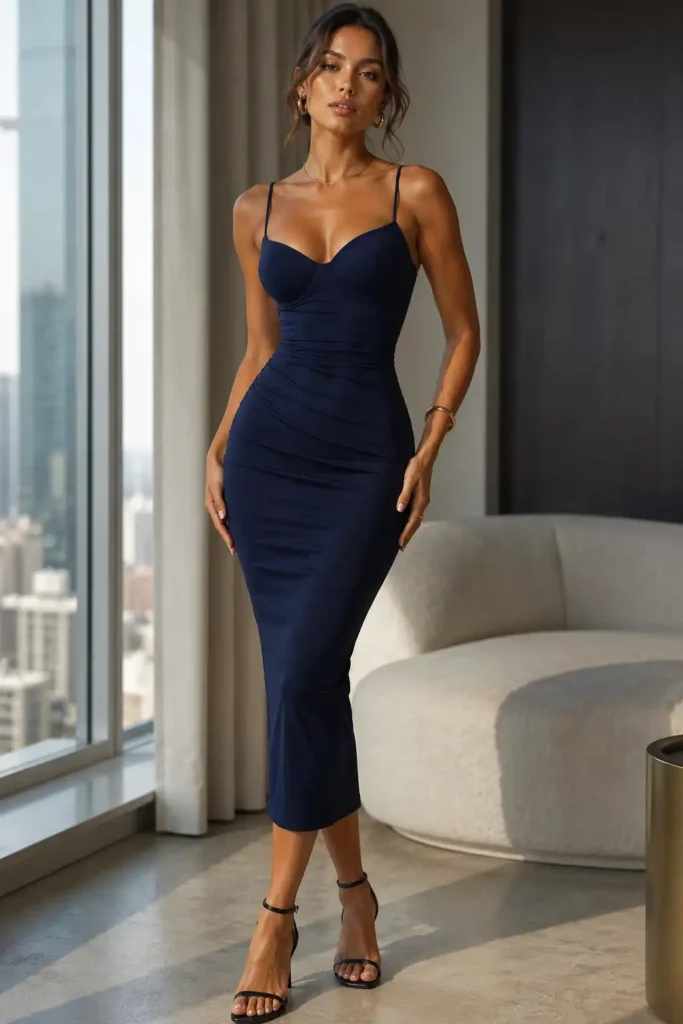
Bodycon and Knit Dresses

Satin and Slip Dresses
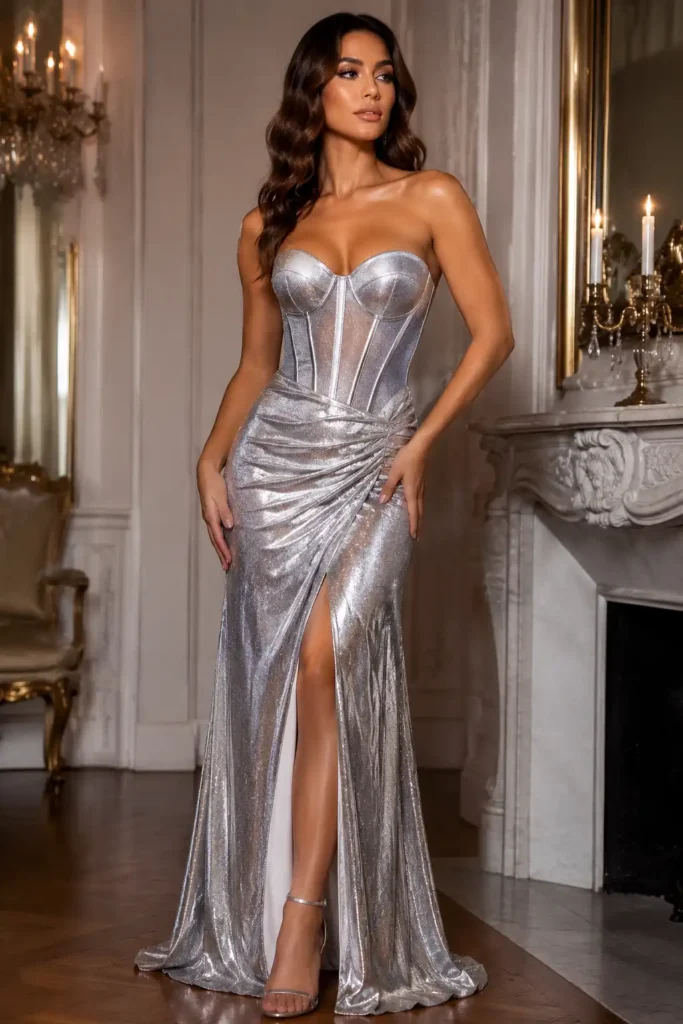
Corset and Structured Dresses

Mesh and Lace Dresses

Sequin and Party Dresses
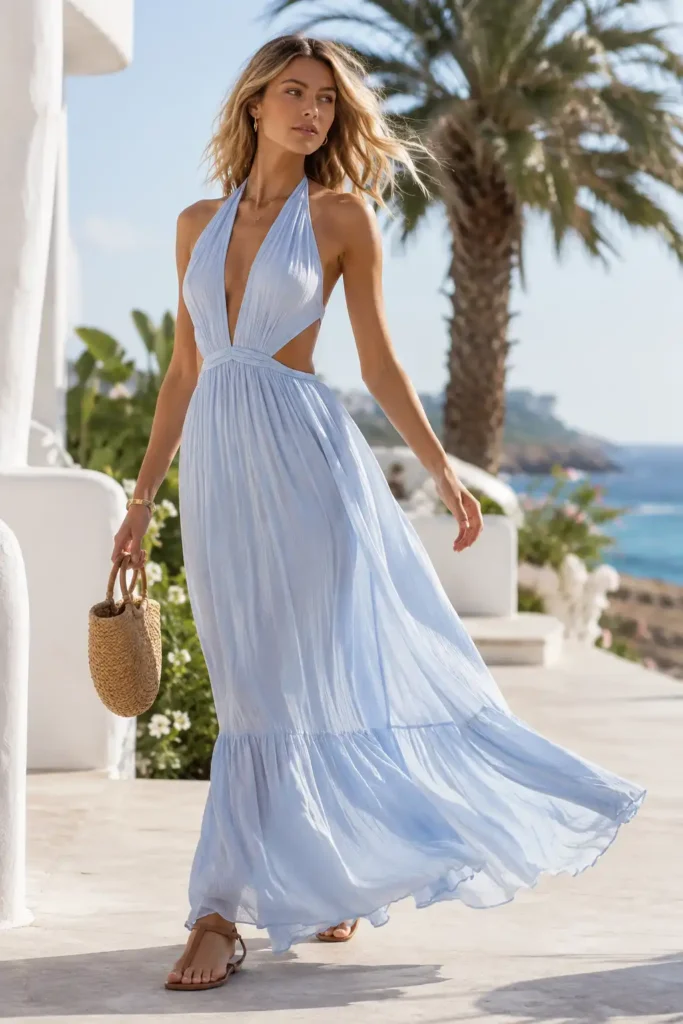
Resort and Printed Dresses
Project Information Needed Before Development Starts
Reference Image or Tech Pack
Quantity per Style and Color
Fabric Direction
Size Range and Fit Standard
Private-Label Requirements
Target Delivery Window
Design Review That Prevents Production Problems
A full-package partner should do more than accept artwork and pass it to a sample room. Jinfeng Apparel reviews visual intent, garment engineering, material behavior, fit, construction sequence, and scale-up risk before the first pattern is released. The aim is not to redesign a brand concept, but to identify where an attractive idea may fail in sampling, bulk production, wearing performance, or cost.
Turning Reference Images into a Production Direction
A reference image rarely contains enough information for controlled manufacturing. The development team separates visible style features from hidden construction requirements and reviews the garment from front, back, inside, and wearing perspectives.
- Silhouette and proportion:Overall length, waist position, bust shaping, hip ease, skirt volume, sleeve proportion, and cut-out placement are translated into measurable relationships rather than copied by eye.
- Construction logic:Seams, darts, panels, lining, closures, support pieces, facings, elastic, boning, cups, and finishing methods are mapped before pattern development.
- Material compatibility:A silhouette photographed in heavy stretch fabric cannot be reproduced reliably in lightweight woven satin without pattern and construction changes. Fabric direction is therefore evaluated together with shape.
- Commercial use:Party, resort, graduation, wedding guest, office, and ecommerce products require different coverage, movement, durability, packing, and presentation standards.
- Originality and authorization:Reference images can guide proportion and construction analysis, but development must respect brand ownership and authorized design rights.
The review produces a development brief that identifies confirmed details, open decisions, material options, fit risks, and information still required from the brand.
Reviewing a Tech Pack Before Sampling
A detailed tech pack can still contain contradictions or incomplete production information. Jinfeng checks the document for consistency across measurements, sketches, BOM, workmanship, labels, and packaging.
- Measurement consistency:POM names, base size, tolerances, finished measurements, and garment diagrams are checked for conflicts.
- BOM completeness:Shell fabric, lining, interlining, zippers, buttons, cups, boning, elastic, thread, labels, and packing materials are reviewed against the sketch.
- Construction feasibility:Seam types, stitch requirements, edge finishing, support structure, and decoration methods are checked against fabric behavior and bulk efficiency.
- Fit risk:Bust shaping, waist position, hip ease, neckline depth, shoulder angle, strap length, armhole exposure, dress length, slit height, and jumpsuit rise receive targeted attention.
- Bulk reproducibility:Details that look acceptable on one sample but are difficult to repeat consistently are identified before approval.
- Cost and lead-time impact:Custom color, printing, lace, hardware, embellishment, special packing, and testing requirements are flagged early.
Comments are converted into a clarified sampling file rather than left as informal chat messages.
Updated measurements, material notes, construction changes, and approval status should remain traceable throughout the program.
Planning a Multi-Style Collection
A 10-30 style collection should not enter sampling as an unstructured list. Jinfeng groups the program so decisions can be shared where appropriate without losing style-level control.
- Hero styles:Priority designs for campaign shoots, sales meetings, or first launch receive early material and sample attention.
- Fabric groups:Styles using related satin, jersey, mesh, lace, crepe, or printed bases can be reviewed together for color, hand feel, MOQ, and purchasing efficiency.
- Shared components:Zippers, cups, boning, labels, hangtags, polybags, and cartons are standardized where the brand direction permits.
- Sample priority:High-risk corset, sequin, mesh, or complex draped styles start earlier than straightforward silhouettes.
- Approval gates:First sample, revised sample, PP sample, bulk material, labels, packaging, and final shipment approvals are tracked separately.
- Production grouping:Styles are assigned according to material and construction strengths, not merely by the order in which files were received.

Pattern, Fit, and Sample Approval System
Sampling is the bridge between design intention and repeatable production. A visually attractive first sample is not enough. Measurements, pattern balance, material behavior, structure, workmanship, comfort, and production feasibility must be converted into controlled files before bulk cutting begins.
Pattern Development for Dress Proportions
Jinfeng’s 7+ senior pattern makers develop and correct patterns from tech packs, original samples, line sheets, sketches, or approved reference directions. Pattern work focuses on areas with the greatest effect on appearance and wearability.
- Bust and neckline:Bust shaping, cup position, neckline depth, armhole exposure, cleavage coverage, gaping, and support are checked according to fabric and silhouette.
- Waist and hip:Waist level, shaping, ease, seam direction, hip curve, and negative ease are adjusted so the intended fit remains balanced across sizes.
- Straps and shoulders:Strap length, angle, placement, slider range, shoulder slope, and attachment strength influence neckline position and comfort.
- Dress length and hem:Mini safety, midi proportion, maxi clearance, high-low balance, slit height, and hem level are reviewed on-body.
- Structured styles:Corset panels, cups, boning, interlining, closures, and support must align with the body’s shape and grading logic.
- Jumpsuits and rompers:Rise, torso length, waist position, hip ease, inseam, and movement require special review because upper and lower body proportions interact.
First Sample: Testing the Development Direction
The first sample evaluates whether the selected fabric, pattern, construction, and visual details can achieve the intended product.
It is reviewed through photos, video, measurements, internal workmanship, and fit feedback.
Typical review points include:
- silhouette and overall proportion;
- bust, waist, hip, shoulder, and length measurements;
- neckline, armhole, strap, slit, and cut-out placement;
- lining coverage and movement;
- zipper and closure function;
- fabric drape, stretch, transparency, and surface condition;
- ruching, pleats, gathers, lace, sequin, or decoration placement;
- pressing, hem balance, and photo appearance;
- production difficulty and likely bulk risks.
A first sample is a development stage, not the final bulk standard.
Revised Sample: Converting Feedback into Controlled Changes
Sample feedback must be specific enough to update the product system. Comments such as “make it fit better” or “use nicer fabric” are translated into measurable and traceable actions.
Changes may include:
- revised pattern and measurement values;
- different fabric or lining specifications;
- adjusted cup, boning, elastic, or support structure;
- corrected neckline, strap, waist, hip, slit, or hem position;
- updated seam, stitch, or finishing method;
- changed trim size, color, placement, or attachment;
- revised packing or label requirements;
- cost and lead-time impact.
PP Sample and Golden Sample Control
The PP sample is the final pre-production reference. Before approval, the team confirms:
- final shell fabric and lining;
- color and material batch direction;
- approved trims and closures;
- final pattern and graded size rules;
- measurements and tolerances;
- workmanship and construction;
- labels, hangtags, barcodes, and packing;
- inspection focus and acceptance requirements.
After PP approval, major structural changes should not be introduced without evaluating new cost, timing, pattern, and production consequences.
A Golden sample or equivalent approved reference supports sewing, QC, repeat orders, and issue resolution.
Product-Specific Controls for High-Risk Dress Styles
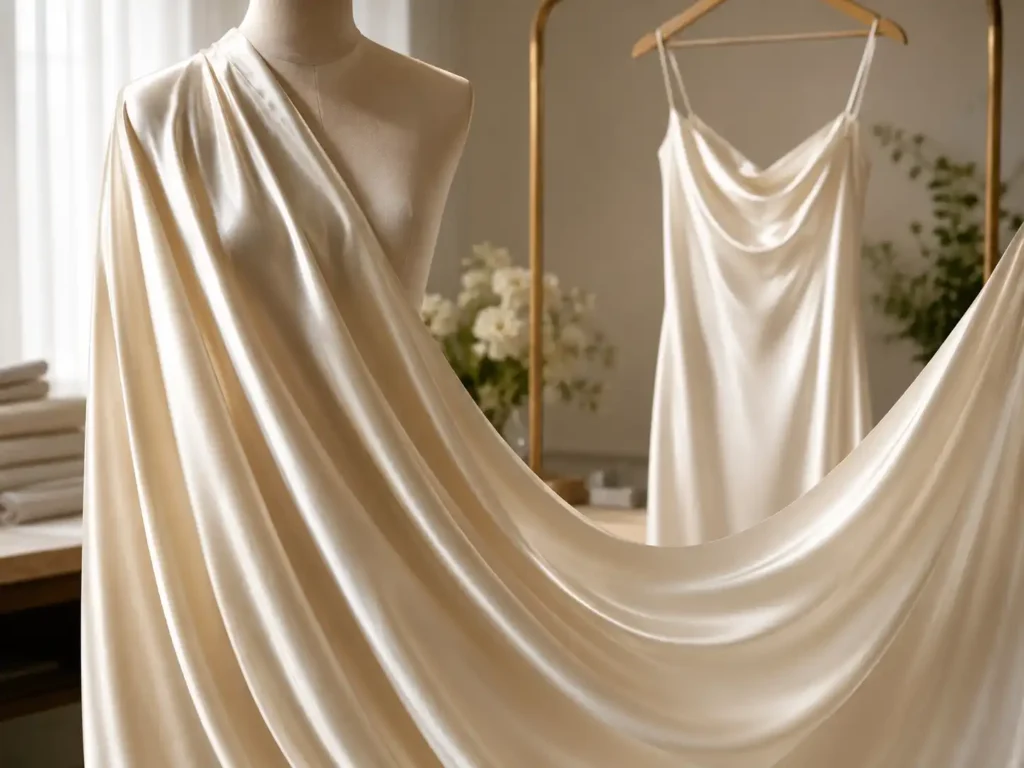
Satin Dress Control

Bodycon Dress Control

Corset Dress Control

Mesh and Lace Control

Sequin Dress Control

Jumpsuit and Romper Control
Bulk Production Controlled from PP Approval Forward
Bulk production begins only after the garment standard, materials, measurements, workmanship, labels, packing, quantity, and schedule are sufficiently defined. Jinfeng Apparel manages the transition from sample room to production floor through documented handoffs rather than assuming the sewing team can interpret a finished sample without supporting files.
Pre-Production Lock and Order File Release
Before purchasing and cutting, the production team reviews the complete order package:
- approved PP sample or Golden sample;
- final pattern and graded size set;
- size chart and tolerances;
- BOM and material approvals;
- color and shade approvals;
- sewing and construction instructions;
- label, hangtag, barcode, and placement files;
- folding, polybag, carton, and assortment instructions;
- quantity by style, color, and size;
- QC checklist and inspection requirements;
- delivery plan and shipment split.
Open decisions are listed and resolved before they can interrupt production. A confirmed sample without a confirmed bulk fabric, label file, or packing rule is not treated as a complete production release.
Material Arrival, Inspection, and Preparation
Bulk fabric and trims are checked before cutting. The inspection scope is selected according to the material and garment risk.
- fabric name, composition, color, lot, hand feel, weight, width, stretch, transparency, and visible defects;
- lining and interlining compatibility;
- zipper length, color, teeth, slider, and function;
- cups, boning, elastic, hooks, buttons, hardware, lace, rhinestones, or chains;
- labels, hangtags, barcodes, polybags, stickers, inserts, cartons, and carton marks;
- quantity against the production requirement;
- documentation for preferred or certified materials where applicable.
Stretch or unstable materials may require relaxation before cutting. Satin, velvet, mesh, lace, prints, sequins, and directional fabrics receive material-specific handling and marker planning.
Factory Allocation by Product Risk
Jinfeng operates 6 owned womenswear factories and coordinates 10+ long-term production partners. Allocation considers:
- knit versus woven construction;
- simple versus structured silhouettes;
- satin, chiffon, lace, mesh, sequin, velvet, denim, or suiting experience;
- corset, occasionwear, partywear, set, or jumpsuit specialization;
- quantity and size-color complexity;
- available line window and finishing capacity;
- required inspection and delivery schedule;
- repeat-order continuity.
Production is not distributed solely to maximize theoretical capacity. The assigned team must be able to reproduce the approved construction and material handling standards.
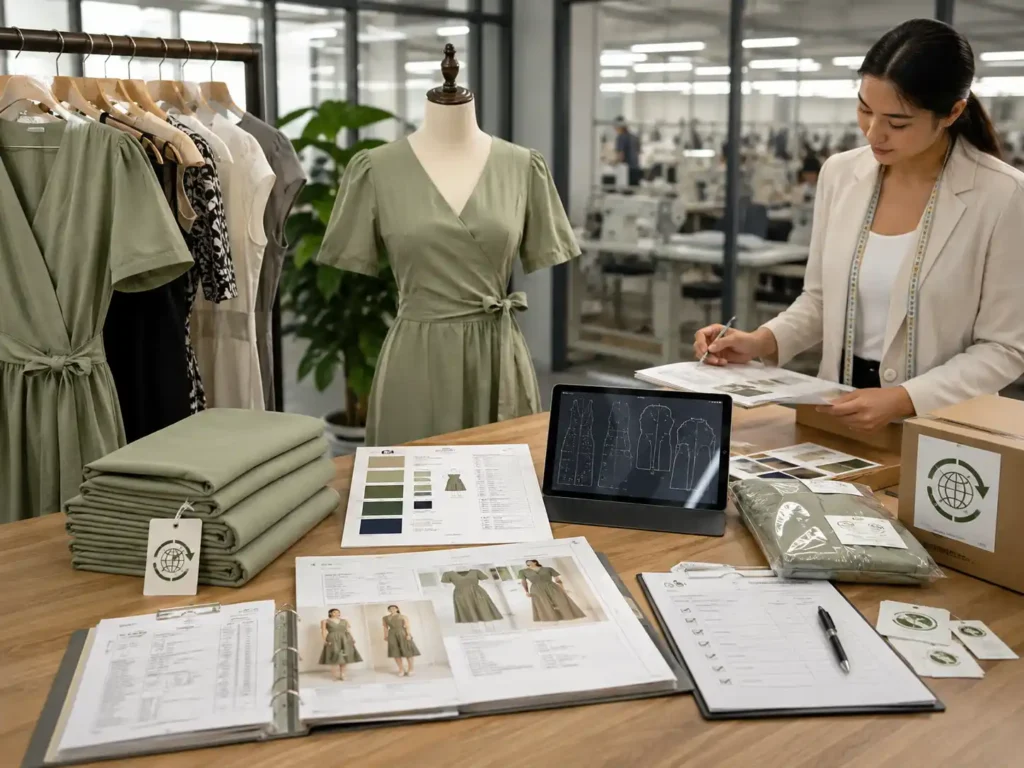
Quality Control from Material Intake to Shipment
Quality control is built around the approved garment standard, production files, material approvals, measurements, workmanship, labels, packing requirements, and shipment instructions. Inspection is not limited to a final visual check after production has already been completed.
| QC Stage | Main Inspection Scope | Typical Dress Risks Controlled | Reference or Record |
|---|---|---|---|
| Incoming Material QC | Fabric, lining, trims, labels, packaging, quantity, color and defects | Shade difference, wrong stretch, holes, snagging, trim mismatch, missing materials | Material approval, swatch, supplier record |
| Cutting QC | Pattern version, direction, grain, stretch, print or lace placement, panel quantity | Wrong panels, twisting, uneven motifs, size mixing, damaged cut parts | Pattern, marker, cutting order |
| Sewing QC | Stitch, seam allowance, zipper, lining, cups, boning, straps, ruching and labels | Repeated workmanship defects, distortion, weak attachments, asymmetry | Sewing instruction, approved sample |
| In-Line QC | Measurements, structure, symmetry, appearance, component position | Bulk measurement drift, neckline or strap error, seam puckering, fabric damage | Size chart, PP sample, QC checklist |
| Garment QC | Finished measurements, fit-sensitive points, appearance, function and cleanliness | Wrong length, stains, loose threads, zipper failure, poor coverage, uneven hem | Golden sample, measurement file |
| Pressing and Finishing QC | Shape, sheen, surface, hem, drape, decoration and final presentation | Satin pressure marks, velvet nap damage, sequin loss, distorted hems | Pressing standard, visual reference |
| Packing QC | Labels, care content, hangtags, barcodes, size stickers, folding, polybags and ratios | Wrong SKU, missing label, mixed sizes, warehouse rejection | Packing instruction, barcode list |
| Final Inspection | Defect classification, random inspection, carton verification and shipment readiness | Uncontrolled major defects, incorrect assortments, carton-data errors | AQL or client standard, final report |
Private-Label Packing Ready for Retail Operations

Brand Labels and Care Information

Hangtags, Price Tickets, and Barcodes
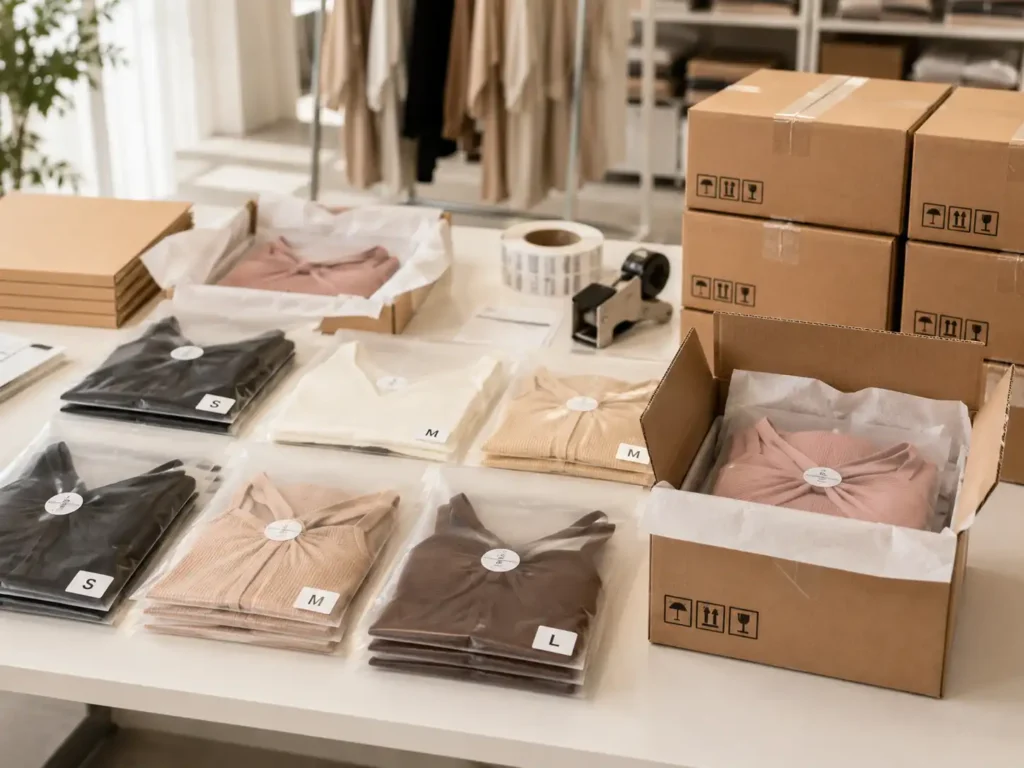
Folding, Polybags, and Product Protection

Carton and Warehouse Preparation
Scalable Collection Programs with Style-Level Control
Scale is useful only when a production partner can keep styles, materials, sizes, colors, samples, QC standards, packaging, and shipment batches organized. Jinfeng Apparel combines a coordinated factory network with dress-focused development and merchandising teams to support recurring programs rather than isolated sewing orders.

Managing a 10-30 Style Seasonal Collection
A multi-style collection is separated into manageable groups:
- hero styles required early for sales, campaign, or lookbook use;
- fabric families sharing related satin, jersey, lace, mesh, crepe, chiffon, or printed bases;
- simple, medium, complex, and high-risk construction groups;
- styles requiring special cups, boning, hardware, decoration, or packaging;
- sample priority and PP approval sequence;
- production allocation by material and construction strength;
- shipment priority by market or launch wave.
A central line sheet or project tracker records sample status, open decisions, material status, approved colors, quantities, production progress, inspection, packing, and shipment.
Style-level files remain separate so one change does not unintentionally alter the whole collection.

Representative Scenario: 18-Style Partywear Program
An anonymized scenario based on Jinfeng’s target order profile can include 18 styles and 36,000 pieces across satin, mesh, stretch knit, and sequin categories.
- Program structure:6 satin styles, 4 mesh or lace styles, 5 knit bodycon styles, and 3 sequin or embellished styles.
- Development sequence:High-risk sequin, corset, and mesh styles begin first; knit and regular satin silhouettes follow after fabric direction is confirmed.
- Shared resources:Label set, hangtag system, polybag artwork, carton standards, and selected zipper or cup specifications are standardized where compatible.
- Production allocation:Knit, woven, and complex-decoration styles are assigned to suitable units rather than mixed on one line.
- QC focus:Satin surface protection, mesh holes, sequin loss, bust support, bust-waist-hip measurement, barcode accuracy, and style-color-size packing.
- Delivery structure:Campaign styles can be packed and shipped first, followed by the main retail assortment.
The commercial benefit comes from coordinated approvals and shared program planning without weakening style-specific control.

Representative Scenario: 24-Style Occasionwear Collection
A second anonymized scenario can include 24 styles and 58,400 pieces across maxi, midi, corset, bridesmaid, wedding guest, and graduation directions.
- Size architecture:Related size charts are grouped, but corset and structured styles retain dedicated fit blocks.
- Color management:Shared color stories are planned across satin, chiffon, lace, and lining while bulk shade approvals remain material-specific.
- Sample planning:Photo samples are prioritized for campaign use; PP samples remain the final bulk references.
- Material planning:Chiffon, satin, lining, lace, zippers, cups, boning, labels, and cartons are ordered against approved style quantities and expected loss.
- Production management:Long hems, slits, multi-layer skirts, bust support, and complex pressing are assigned to experienced teams.
- Packing:Long dresses receive controlled folding or hanger preparation according to destination requirements.
Timeline Planning Around Real Approval Milestones
A reliable delivery plan starts from the required receiving date and works backward through transport, packing, final inspection, finishing, production, material arrival, PP approval, revisions, and first sampling. Sewing time alone does not represent the full lead time of a full-package program.
Development Review and Material Direction
First Sample and Revision Cycle
PP Approval and Bulk Material Readiness
Bulk Production, QC, and Delivery Preparation
Brand Protection, Testing, and Factory Review Support
NDA and Unpublished Design Protection
Testing and Preferred Material Support
Factory Audit and Assigned-Factory Review
Export Delivery and Repeat-Order Coordination
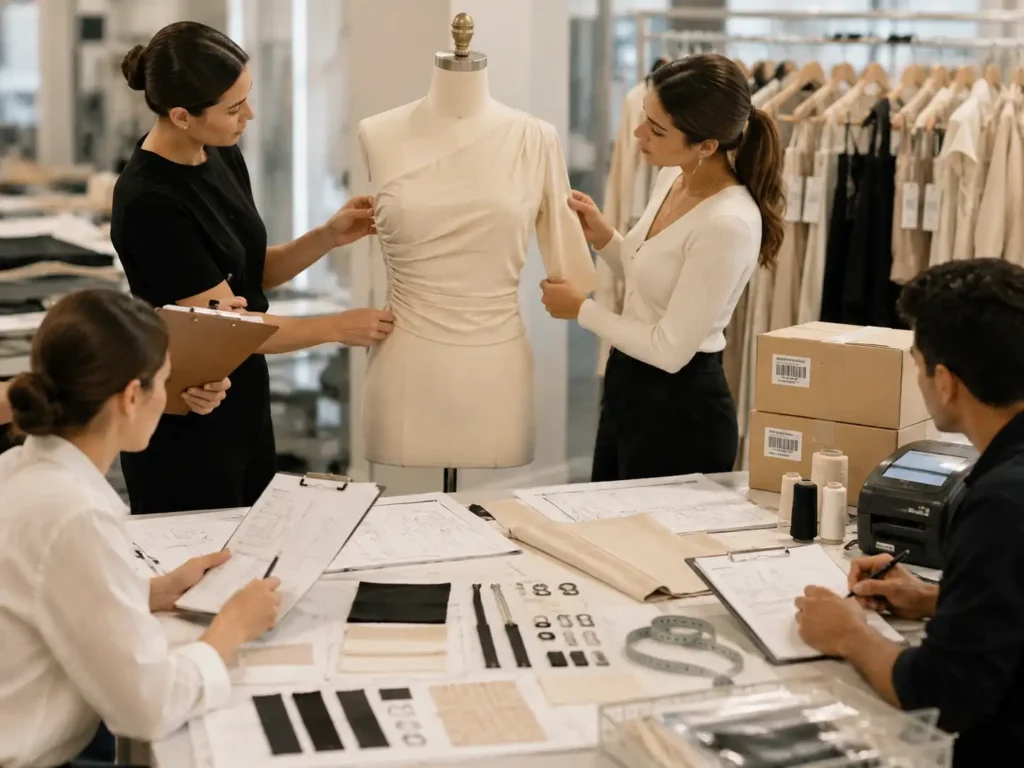
Sample and Courier Delivery
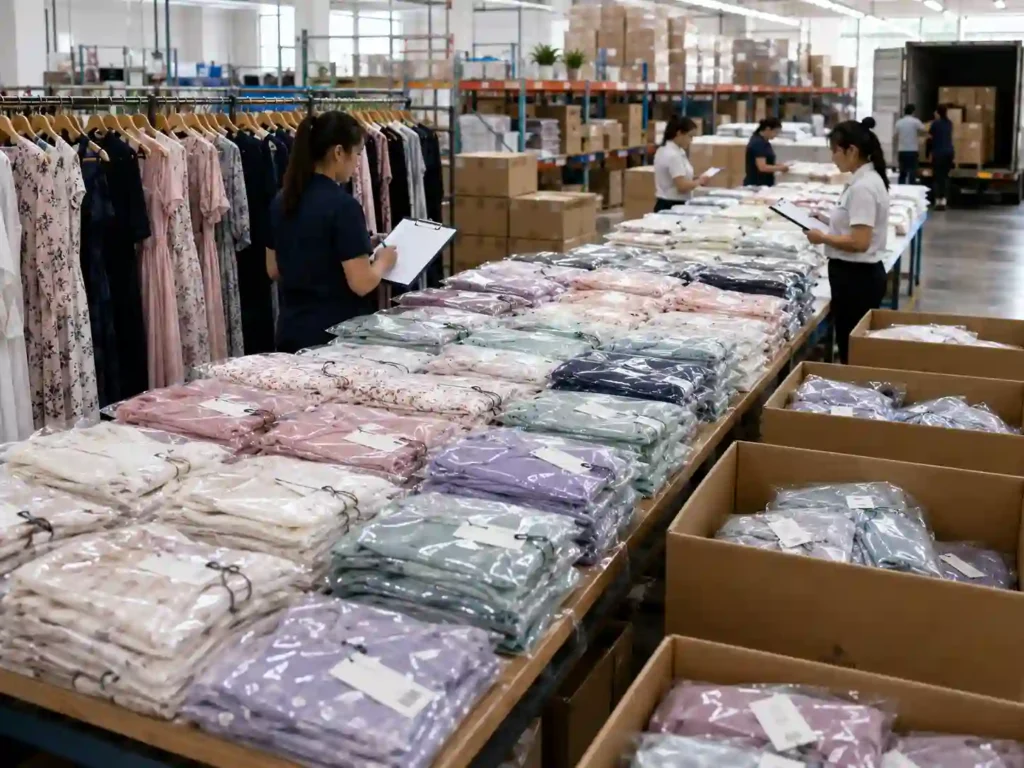
Air, Sea, and Split Shipment
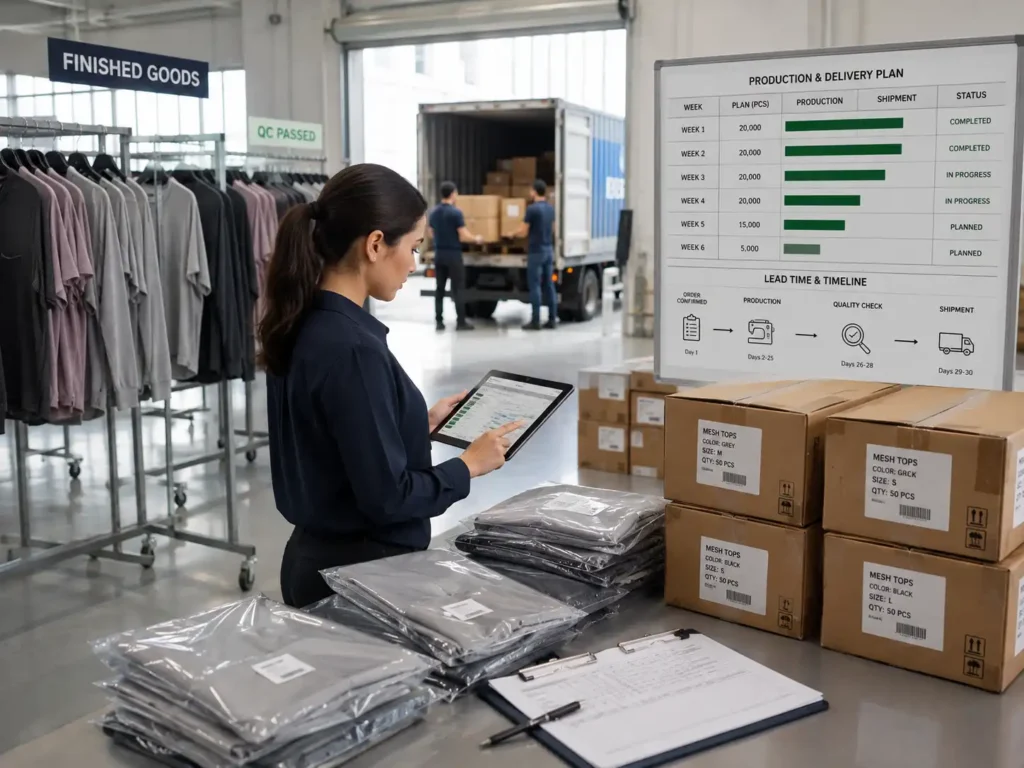
Multi-Batch and Multi-Warehouse Delivery

Repeat Orders and Historical Records
Full-Package Dress Production Frequently Asked Questions
It covers coordinated product review, fabric and trim sourcing, pattern development, sample making, revisions, PP approval, bulk production, quality control, private-label packing, and delivery preparation. The exact scope is confirmed by project because design support, testing, packaging, and shipping responsibilities can vary.
Under CMT, the brand normally supplies approved patterns, materials, trims, and production instructions, while the factory cuts, sews, and trims. Full-package production places more development, sourcing, coordination, QC, packing, and delivery responsibility with one manufacturing partner.
A complete tech pack is preferred for accurate development, but evaluation can begin from a reference image, line sheet, sketch, or original sample. Missing measurements, materials, construction, quantity, and packing information must be clarified before accurate sampling and final costing.
MOQ starts from 200 pieces per style and color. Custom dyeing, printing, lace, sequin materials, special trims, hardware, certified materials, or printed packaging may require higher quantities according to supplier and production conditions.
Simple samples may take 7-10 days, regular dresses commonly 10-15 days, and corset, strapless, lace, mesh, sequin, or other complex styles commonly 15-25 days. Special materials or trims can extend the schedule. Courier time is separate.
Yes. Jinfeng can source or match shell fabrics, linings, zippers, cups, boning, elastic, lace, hardware, labels, hangtags, and packaging. Options are reviewed for appearance, performance, MOQ, cost, availability, and lead time before approval.
Comments are converted into updated patterns, measurements, BOMs, construction instructions, material notes, and revised samples. Simple styles may need one revision, while structured or complex styles may require additional rounds according to the issues and changes.
Control relies on the approved PP or Golden sample, final pattern, size chart, material approvals, BOM, sewing instruction, QC checklist, label files, packing requirements, and production-order records. In-line and final inspections compare output with these standards.
Yes. Main labels, care labels, size labels, hangtags, barcodes, polybags, stickers, inserts, cartons, carton marks, and warehouse preparation can be coordinated from supplied artwork and specifications. Material and packaging MOQ may apply.
Yes. NDA-based cooperation can protect unpublished designs and project files. Brand or third-party factory reviews can be coordinated for the assigned production unit, subject to project scope, available documentation, timing, and current audit validity.

Build Your Dress Program with One Accountable Team
Jinfeng Apparel supports established fashion brands and large womenswear programs that need coordinated dress development, material sourcing, pattern making, sampling, production, inspection, branded packing, and delivery preparation.
The team reviews each program around product risk, fabric behavior, fit, quantity, private-label requirements, and launch timing before issuing the development and production route.
For a useful first review, please provide:
- reference images, tech packs, line sheets, or original sample photos;
- expected quantity per style and color;
- preferred fabric, hand feel, stretch, weight, and color direction;
- target size range and existing brand measurements;
- label, hangtag, barcode, and packing requirements;
- destination country, warehouse needs, and target delivery window;
- any NDA, testing, audit, or material-documentation requirements.


