Bust Support Improvement for Occasion Dresses
Manufacturing-backed pattern correction, internal support development and fit validation for structured occasionwear.
A beautiful occasion dress must remain secure through sitting, walking, raising the arms and extended wear. Jinfeng Apparel helps established fashion brands improve bust support by correcting bodice patterns, repositioning cups, engineering boning and inner layers, validating multiple sizes and converting every approved detail into repeatable production standards.
Our development teams work with strapless dresses, corset dresses, bustier styles, deep-V silhouettes, low-back designs, one-shoulder dresses and other fit-sensitive occasionwear. Each project is reviewed around the intended body shape, fabric behavior, support level, price position and production volume rather than applying one standard construction to every design.
- 7+ senior pattern makers for cup, neckline, underbust and grading correction
- 2 sample rooms supporting fit, revised, size-set, PP and Golden samples
- 20+ sample machinists for structured bodice development
- 12–25 days for most structured samples, depending on complexity and materials
- Programs commonly cover 10–30 styles and 20,000–80,000 total pieces
- MOQ starts from 200 pieces per style and color
Manufacturing Facts Behind Better Bust Support
7+ Senior Pattern Makers
2 Dedicated Sample Rooms
20+ Sample Machinists
15+ Quality Inspectors
18+ Sewing Lines
100,000+ Pieces Monthly Capacity
Where Occasion Dress Bust Support Usually Fails
Bust Gaping
Dress Sliding Down
Cup Mismatch
Weak Internal Structure
Excessive Pressure
Unstable Size Grading
Bust Support Solutions by Dress Structure

Strapless Dresses
- Cup height and spacing
- Underbust measurement
- Front and side boning positions
- Back height and back-panel stability
- Waist anchoring
- Zipper or lace-up tension
- Garment weight below the waist seam
- Neckline contact during movement

Corset and Bustier Dresses
- Cup volume and bust-point alignment
- Boning direction around the cups
- Center-front stability
- Side-panel shaping
- Waist reduction level
- Back closure strength
- Seam bulk and skin comfort
- Boning visibility through the outer fabric
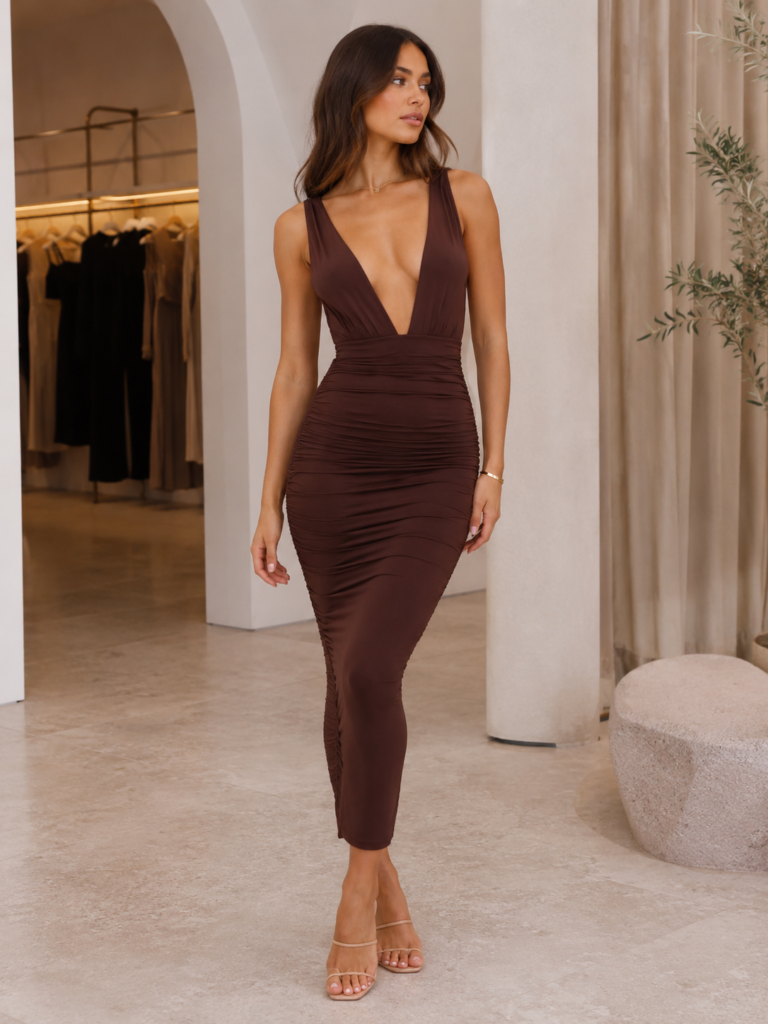
Deep-V Dresses
Deep-V designs have limited support at the center front and may expose cup edges or internal layers.
Hidden mesh, narrow support panels and underbust structures can provide stability without closing the neckline visually.
Pattern development reviews the V depth, V width, bust point, shoulder balance and center-front stretch.
The outer fabric and hidden mesh must recover together, or the neckline may open during movement.
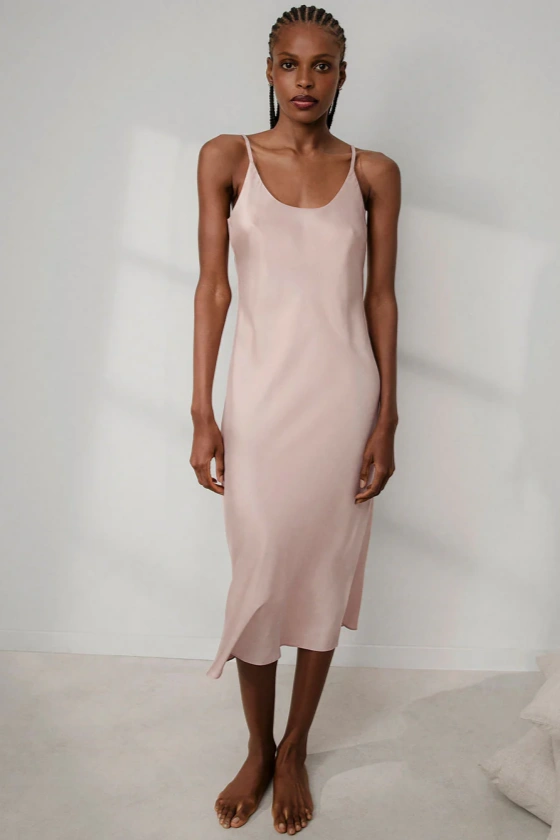
Low-Back Dresses

Off-Shoulder Dresses

Fuller-Bust and Extended-Size Dresses
Engineering the Internal Support System
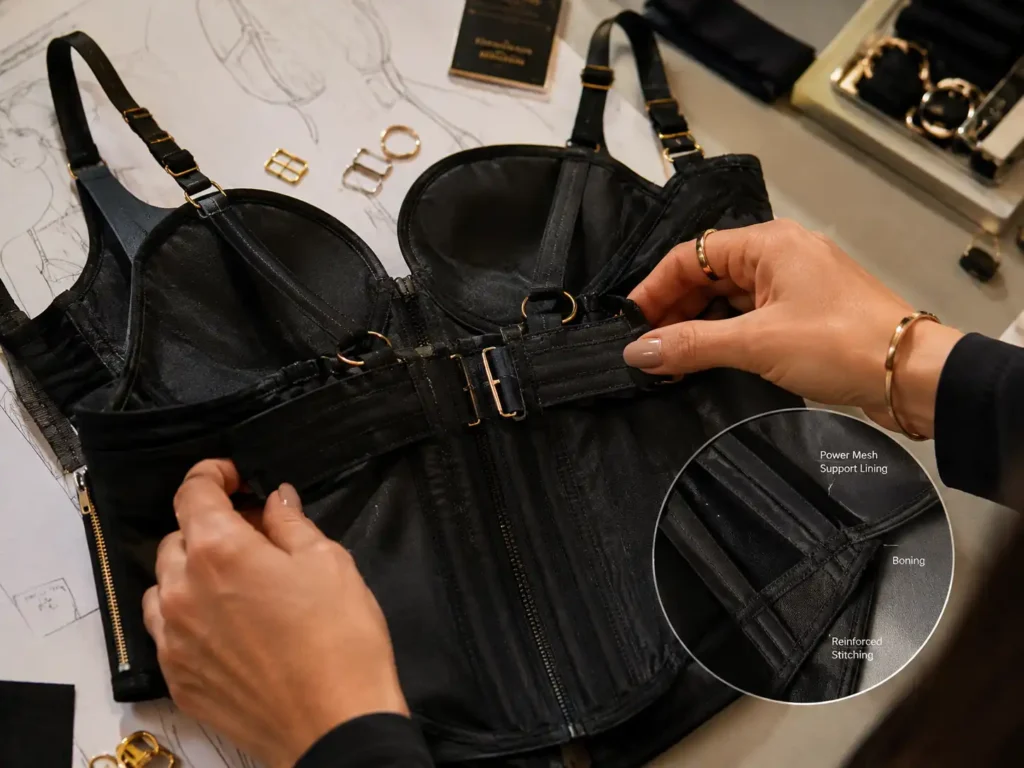
A structured occasion dress works as a complete support system. Cups shape the bust, boning maintains vertical structure, inner layers stabilize the fabric and closures keep the garment anchored. Weakness in one area can reduce the effectiveness of every other component.
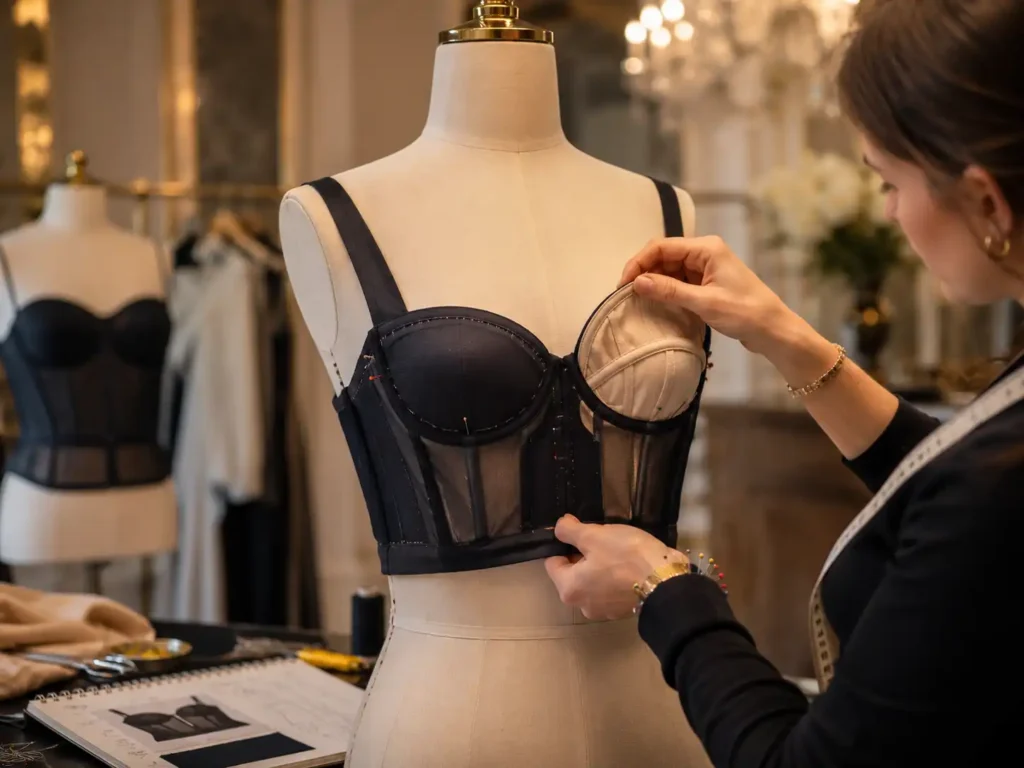
Cups and Cup Placement
Cup selection begins with the intended silhouette.
A soft natural bust line requires a different cup from a highly defined corset shape.
Neckline depth, side coverage and target size range also influence the cup specification.
Important development points include:
- Cup height relative to the neckline
- Cup width relative to the princess seams
- Cup depth and projected shape
- Distance between the cups
- Bust-point alignment
- Cup angle at the center front
- Side-bust coverage
- Connection to the support layer
- Cup edge visibility
- Cup recovery after washing or packing
Cup placement must be measurable.
Pattern marks, templates or fixed reference distances can be used so operators do not position cups by visual judgment alone.
For multi-size programs, the grading plan should state which sizes share a cup specification and where a different cup is introduced.
The surrounding pattern must also be adjusted so the new cup fits naturally within the bodice.
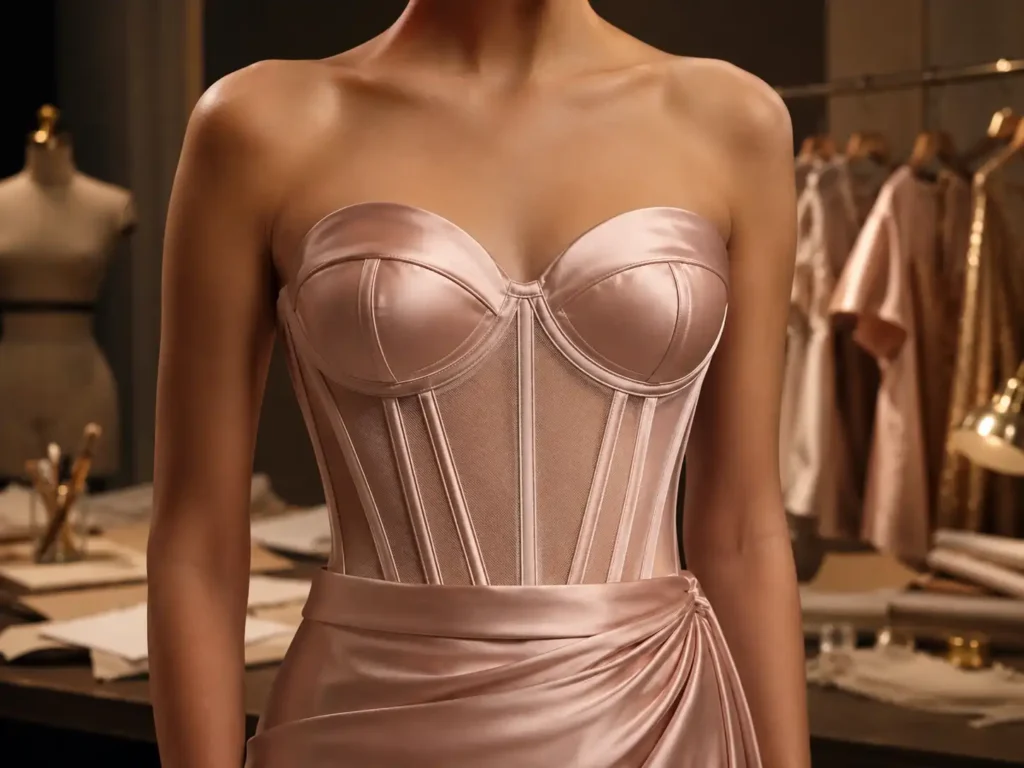
Boning and Boning Channels
Boning choice depends on support level, garment weight, fabric thickness, movement and visual requirements.
Flexible plastic boning may suit lightweight party dresses, while spiral or stronger support components may be considered for structured corset styles. Material selection is only one part of the decision. Correct placement normally has a greater influence on fit.
Boning development reviews:
- Number of boning lines
- Length of each piece
- Distance from the cup
- Position relative to princess seams
- Direction of natural body movement
- Channel width
- Channel attachment
- End protection
- Waist and underbust connection
- Outer-fabric marking
- Pressure during sitting
- Recovery after bending
Boning ends must be protected so they do not push through the channel or create hard pressure points. The upper end should also remain below sensitive areas unless the style specifically requires a higher structure.

Lining, Interlining and Support Panels
Outer fabrics rarely provide enough stability alone.
Satin may show every internal edge.
Chiffon has almost no structural strength.
Mesh can stretch and reveal support components.
Sequins add weight and bulk.
Inner construction may use:
- Stable woven lining
- Lightweight interlining
- Power mesh
- Local support panels
- Underbust tape
- Waist stay
- Edge tape
- Elastic support
- Clean-finish lining
- Skin-contact protection
Support layers should be mapped only where needed.
Overbuilding the entire bodice can increase heat, stiffness and cost while reducing comfort.
Local reinforcement often gives better control with less bulk.
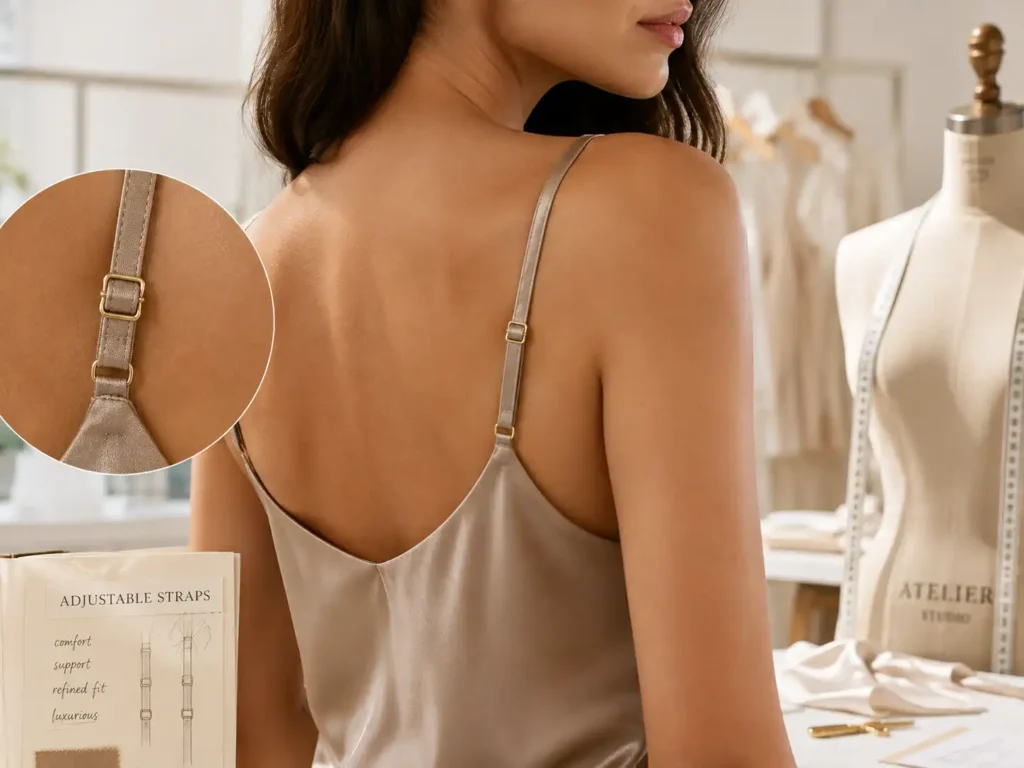
Closures, Straps and Grip Components
Closures carry a significant part of the garment tension. An invisible zipper chosen only for appearance may not be suitable for a heavily structured bodice without additional support.
Development reviews:
- Zipper type and strength
- Zipper length
- Hook-and-eye reinforcement
- Lace-up back construction
- Adjustable strap hardware
- Strap width and stretch
- Halter pressure
- Grip-tape width
- Elastic recovery
- Back-panel stretch
- Dressing access
- Closure protection against skin contact
Grip tape can improve upper-edge contact, but excessive grip may irritate the skin or distort delicate fabrics. Strap tension should lift and stabilize without pulling the neckline upward or creating visible drag lines.

Pressure Distribution and Comfort
Support should feel secure rather than restrictive.
Fit sessions examine where pressure is applied while standing, sitting and moving.
Common pressure areas include:
- Upper cup edge
- Side bust
- Underbust
- Boning ends
- Waist seam
- Side seam
- Zipper
- Halter neckline
- Shoulder straps
- Underarm edge
Corrections may involve redistributing ease, changing boning length, adjusting cup angle, softening an edge or strengthening a different support zone.
Comfort is treated as part of technical performance rather than a final styling preference.
Pattern and Measurement Points That Control Support
Support quality becomes easier to manage when every important area has a clear reference point. The following controls help development, production and inspection teams evaluate the same garment using consistent criteria.
| Control Point | Main Function | Sample Evaluation | Production Control |
|---|---|---|---|
| Bust Point | Aligns the cup and garment projection | Front and side fit photographs | Position measured from HPS and center front |
| Cup Height | Controls coverage and neckline balance | Upper edge remains close to the body | Approved cup and placement template |
| Cup Width | Controls bust containment | Cup does not cut into or float away from the bust | Width and spacing checked before lining closure |
| Underbust | Anchors the support structure | Secure without excessive compression | Measurement tolerance and elastic specification |
| Neckline Length | Prevents gaping or rolling | Static, movement and raised-arm review | Pattern edge length and stay-tape control |
| Side-Bust Coverage | Improves security and comfort | Side view checked in all test sizes | Side-panel width and armhole position |
| Center Front | Controls cup separation and neckline depth | Symmetry and body contact | Center-front length and seam alignment |
| Back Height | Supports strapless stability | Sitting and movement review | Back-panel measurement and closure position |
| Strap Length | Controls lift and neckline balance | Pressure and adjustability checked | Length, stretch and hardware position |
| Waist Position | Transfers garment weight | Waist seam follows the intended body level | Waist seam position and measurement |
| Boning Length | Maintains vertical structure | No pressure while sitting or bending | Cut length, channel position and end protection |
| Zipper Position | Controls access and back tension | Garment can be worn without distortion | Zipper length, seam allowance and reinforcement |
Matching Fabrics With the Right Support Structure
Fabric affects stretch, recovery, seam visibility, pressure marks and garment weight. Support components should be selected after testing the final or approved bulk-equivalent material.
| Fabric Direction | Main Support Risk | Development Approach | Production Focus |
|---|---|---|---|
| Satin | Visible boning, puckering and needle marks | Smooth interlining, controlled channels and minimal seam bulk | Pressing temperature, seam tension and surface protection |
| Chiffon | Almost no structural stability | Separate inner bodice beneath the outer layer | Layer alignment, transparency and clean finishing |
| Mesh | Stretch, transparency and exposed internal parts | Power mesh or localized stable support | Recovery, seam strength and concealed attachment |
| Lace | Low stability and disrupted motifs | Stable underlayer with motif-aware seam placement | Lace matching, seam reinforcement and edge control |
| Sequin Fabric | Heavy weight, thick seams and skin abrasion | Strong internal base and protected support channels | Sequin removal at seams, closure strength and lining comfort |
| Stretch Jersey | Neckline growth and reduced recovery | Recovery testing, elastic support and controlled negative ease | Stretch consistency and neckline stabilization |
| Velvet | Bulk, pressure marks and directional shading | Reduced channel bulk and concealed reinforcement | Nap direction, pressing and seam appearance |
| Crepe | Variable stretch and fluid drape | Fabric-specific cup and lining trials | Grain control, seam stability and final measurements |
| Taffeta | Crisp structure but visible internal edges | Clean support mapping and shaped seam allowances | Wrinkling, pressing and boning visibility |
| Brocade | Heavy weight and limited flexibility | Strong anchoring with reduced seam bulk | Pattern matching, closure stress and movement comfort |
Movement Tests Before Sample Approval
Raise-Arm Test
Sitting Test
Walking Test
Bend and Turn Test
Dressing and Removal Test
Extended-Wear Test
Size Grading for Cups, Boning and Necklines
Structured occasion dresses require more than proportional grading. Cup volume, neckline shape, side-bust coverage, boning length and back tension may need different rules across the size range.
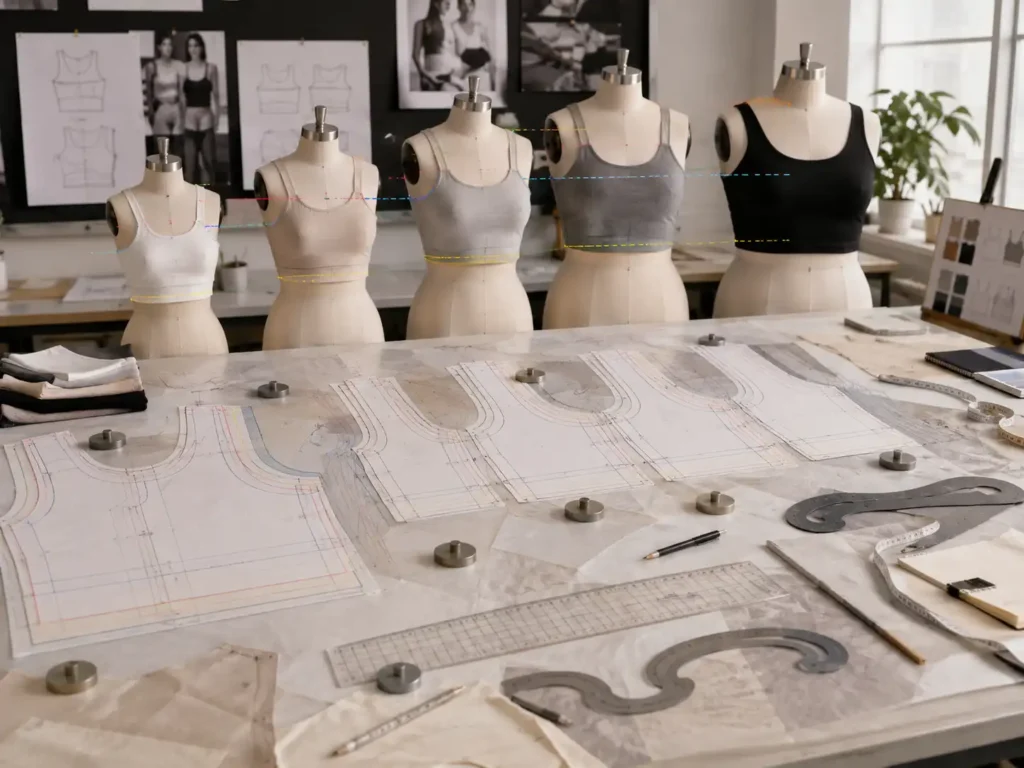
Grading Is Not Simple Enlargement
When every component is enlarged by the same percentage, visual proportions and body alignment can change.
Common grading failures include:
- Bust point moving too low
- Cups spreading too far apart
- Neckline becoming excessively deep
- Side-bust coverage remaining too narrow
- Armhole cutting into the body
- Boning ending at an uncomfortable point
- Back height becoming visually unbalanced
- Strap position moving too far outward
- Waist support becoming too loose
- Zipper carrying excessive tension
Pattern grading should preserve the intended design while respecting how body proportions change between sizes.

Cup Planning Across the Size Range
A cup specification plan can identify:
- Sizes sharing the same cup
- Sizes requiring a wider cup
- Sizes requiring a deeper cup
- Changes in cup spacing
- Cup-height adjustments
- Side-panel changes
- Fuller-bust options
- Different support levels for extended sizes
The garment pattern must be reshaped around each cup group.
Replacing the cup without adjusting the princess seams, neckline and underbust can create new fit problems.
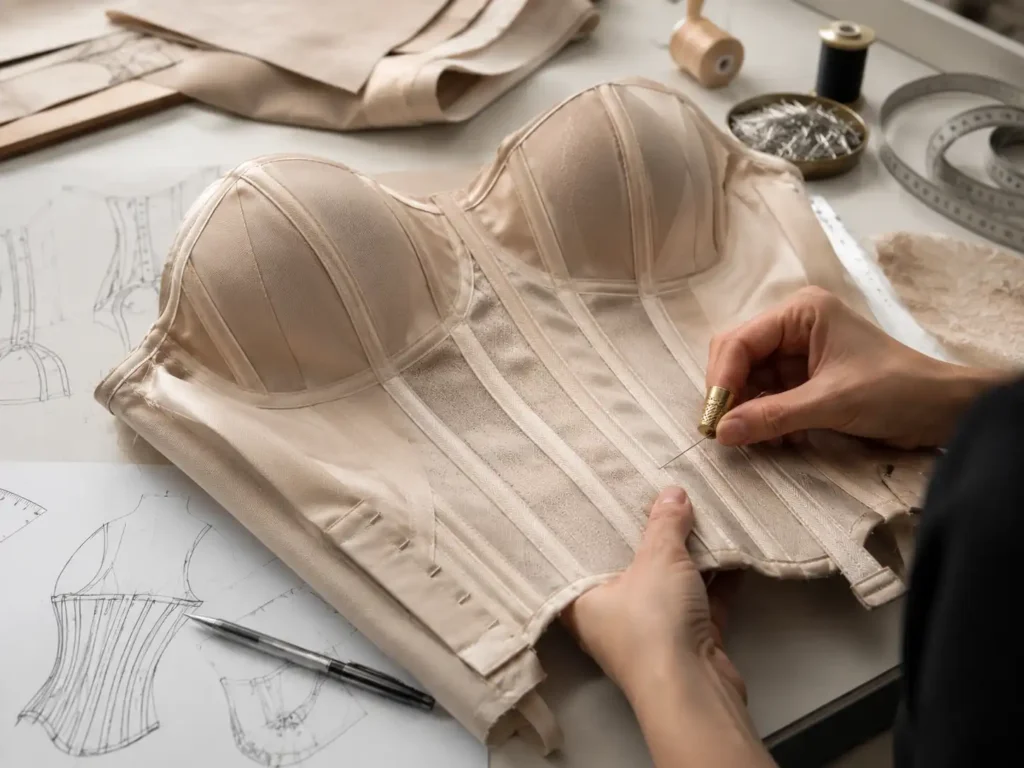
Boning Adjustment by Size
Boning may require changes in:
- Length
- Flexibility
- Position
- Distance from the cup
- Channel spacing
- Side support
- Center-front support
- Back support
- Waist connection
- End position
A boning length that works in a smaller size may end too high or too low in a larger size. Fit testing should confirm the wearer can sit and move without pressure.
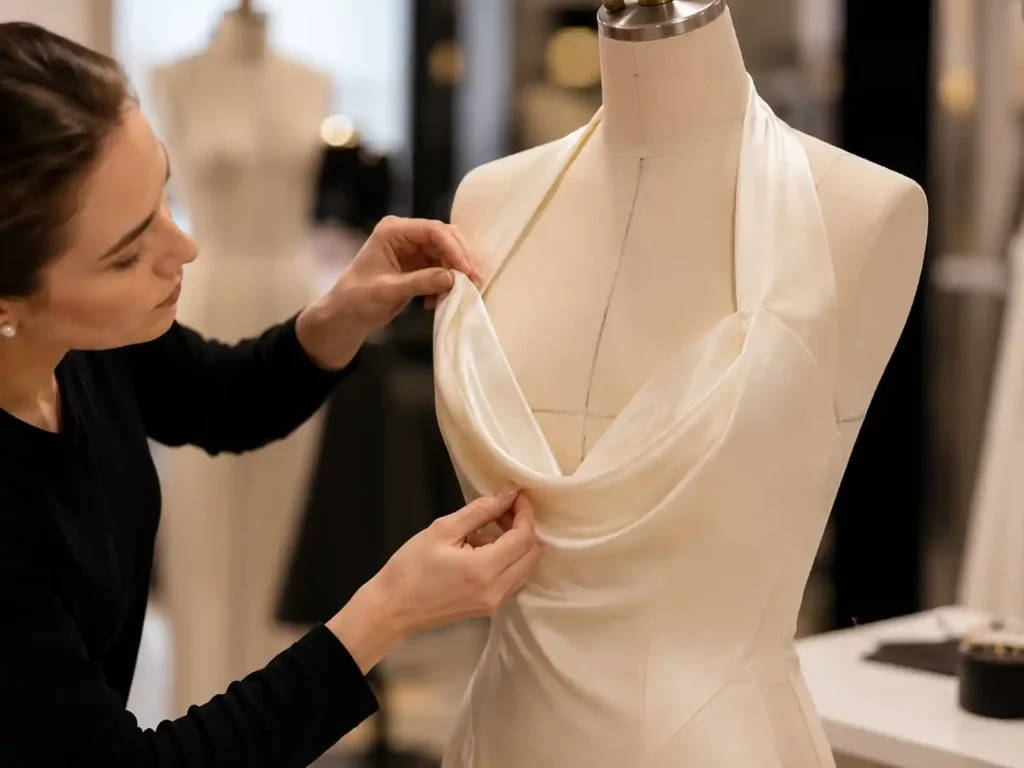
Neckline and Side-Bust Control
Neckline width and depth should retain the intended visual proportion.Side-bust coverage may need to increase faster than the visible neckline changes.
Recommended Size-Set Review
For a standard XS–XL range, development should normally include at least:
- One smaller size
- The main sample size
- One larger size

Grade Rules Become Production Standards
Approved grade rules are recorded in the pattern, size chart and component plan. Production teams should know where cup specifications change and whether boning, straps, elastic or closures also change by size.
Locking the PP Sample for Bulk Production
Final Garment Structure
- Bulk fabric or approved equivalent
- Color
- Lining
- Interlining
- Cups
- Boning
- Support panels
- Grip tape
- Elastic
- Straps
- Zipper
- Hooks
- Labels
- Measurements
- Construction
- Finishing
- Packaging direction
Production File Package
- Updated pattern
- Size chart
- Grade rules
- Bill of materials
- Cup specification
- Boning map
- Construction sheet
- Sewing details
- Measurement method
- Tolerance chart
- Artwork files
- Label placement
- QC checklist
- Packing instruction
Golden Sample Reference
- Sewing appearance
- Internal construction
- Fit balance
- Cup position
- Boning placement
- Measurements
- Pressing
- Labels
- Packing
- Final inspection
- Reorders
Bulk QC for Structured Occasion Dresses
Incoming Support Materials
Cutting Accuracy
First-Piece Approval
Cup Position Control
Boning Placement Control
Inline Measurement Review
Closure and Strength Review
Final Appearance and Packing
Why Jinfeng for Fit-Sensitive Occasion Dresses

Pattern-Led Problem Diagnosis

Complete Sample-to-Bulk Route

Structured Production Control
Jinfeng operates six owned women’s fashion factories and works with more than ten long-term satellite factories.
More than eighteen sewing lines and six flexible lines support programs with different construction levels.
Complex corset styles, handwork-heavy dresses and simpler occasionwear can be assigned according to their production needs instead of being forced through one line structure.
Support for Established Brand Programs
- MOQ from 200 pieces per style and color
- 12+ merchandisers coordinating development and production
- 15+ QC inspectors
- 30+ finishing and packing staff
- Normal monthly capacity above 100,000 pieces
- NDA support for confidential designs
- Private-label development
- Fabric and trim sourcing
- Production planning across multiple styles
- Export coordination for major markets
Bust Support Frequently Asked Questions
We review the existing sample, tech pack, fit photographs, size chart, fabric and internal construction. The cause may involve cup position, neckline length, underbust shaping, boning, back tension, side-bust coverage or grading. Corrections are developed through a revised pattern and sample, followed by movement testing, selected size-set samples and PP approval before bulk production.
Built-in cups mainly provide shape and coverage. Stable strapless support usually also requires correct pattern balance, underbust and waist anchoring, suitable boning, a stable inner layer, controlled neckline tension, back support and an appropriate closure. Grip tape may improve contact but cannot correct a poorly balanced bodice.
The choice depends on support level, fabric, garment weight, movement and the desired appearance. Lightweight party dresses may use flexible support, while structured corset dresses may require stronger components. Length, position, channel construction and end protection are often more important than selecting the stiffest boning available.
Yes. Localized support panels, correctly positioned boning, stable underbust sections and controlled neckline construction can improve security without reinforcing the entire bodice. The development goal is the lightest construction capable of delivering the required shape, comfort and movement stability.
Bust gaping is corrected by reviewing cup position, bust point, upper-neckline length, side-bust coverage, fabric stretch and the balance between the front and back bodice. Stay tape, elastic or grip tape may help, but trim changes should follow pattern correction rather than replace it.
Yes. One cup may not suit the full size range. Larger sizes may require wider or deeper cups, different spacing, greater side coverage and adjusted surrounding patterns. The size plan should identify where cup specifications change and how boning, neckline and support panels are adjusted with them.
Selected size-set samples can be developed when the fit risk requires them. A common review includes one smaller size, the main sample size and one larger size. Extended-size ranges or major cup transitions may require additional samples before PP approval.
The PP sample should confirm final fabric, color, lining, cups, boning, support layers, elastic, grip tape, closures, measurements, construction, labels and finishing. The approved details are transferred into the production file package and Golden sample before bulk cutting.
Cup positions can be controlled through pattern marks, measurements or templates. Boning is checked for material, length, channel position, endpoints, symmetry and end protection. First-piece, inline and final inspections also review neckline contact, zipper tension, measurements and external appearance.
Yes. NDA arrangements can be completed before sensitive tech packs, samples, patterns, fit comments, artwork or unreleased collection information are reviewed. The agreement should clearly define confidential information, permitted use and the parties involved.

Send Your Occasion Dress for Structure Review
Share the current fit problem, intended size range and available development files. Jinfeng Apparel will review whether the issue is mainly related to pattern balance, cup position, boning, neckline control, fabric behavior, grading or production consistency.
Projects can begin from a complete tech pack, an existing sample, fit photographs, reference images or a partially developed design. More complete information allows the pattern and sampling teams to recommend a clearer development route and prepare a more accurate quotation.
Please include:
- Company name and work email
- Target market
- Product category
- Existing sample or reference images
- Front, side and back fit photographs
- Tech pack or measurements
- Current bust-support problem
- Fabric and color direction
- Target size range
- Quantity per style and color
- Number of styles
- Required launch or delivery period
- Private-label and packing requirements
- Testing or inspection requirements
Sensitive files can be reviewed under NDA. After the initial information is received, the team can assess project suitability, development requirements, sample timing, MOQ, material risks and the next approval stage.