...

Armhole Fit Improvement Solutions

Turn underarm exposure, gaping, tightness and restricted movement into corrected patterns, approved samples and measurable bulk standards.

Armhole fit affects coverage, movement, strap balance, neckline stability and the visual finish of sleeveless and fitted womenswear. Jinfeng Apparel reviews the complete upper-body structure rather than changing one curve in isolation. Fit comments are translated into pattern corrections, revised samples, size-set checks and production controls for dresses, jumpsuits, matching sets and other private-label womenswear programs.

  • 7+ senior womenswear pattern makers focused on fit and structure
  • 2 sample rooms for first, fit, revised, PP and Golden samples
  • 20+ sample machinists supporting complex sample development and correction
  • 15+ QC inspectors covering materials, sewing, measurement and packing
  • 18+ sewing lines for approved styles moving into coordinated bulk production
  • 100,000+ pcs regular monthly capacity across the structured factory network

Built for Brands That Need Production-Ready Fit Corrections

Armhole correction is most valuable when a design must move beyond a single sample and remain stable across sizes, fabrics, repeat orders and production batches. Jinfeng Apparel works with development, technical design, sourcing and quality teams that need clear diagnosis, controlled sample revision and documented bulk standards.

Best Fit for Your Program

  • Suitable projects include established fashion collections, premium ecommerce ranges, occasionwear, partywear, resortwear, private-label dresses and multi-style seasonal programs.
  • Strong project inputs usually include a tech pack, original sample, existing pattern, size chart, fit comments, target fabric and planned quantity.
  • Brands may also submit reference photos when the original structure still requires development.

What the Service Is Not

  • The service is not a consumer alteration counter, ready-stock source or one-piece repair service.
  • Jinfeng Apparel evaluates fit correction as part of professional womenswear development and bulk manufacturing.
  • Project suitability depends on product direction, pattern access, sample requirements, fabric feasibility, target size range, private-label needs and the ability to move an approved standard into production.

Armhole Fit Improvement Solution

An armhole fit improvement solution identifies whether gaping, tightness, restricted movement or underarm exposure comes from the armhole itself or from connected areas such as the bust, shoulder, side seam, strap, neckline, sleeve or fabric. The finding is then converted into pattern corrections, revised samples, size grading rules and measurable production standards.

  • Diagnosis Before Pattern Cutting

    A front armhole gap may come from excess front length, an incorrect bust relationship, shoulder balance or strap placement. A low armhole may expose the side body and still restrict movement because the garment lifts when the arm rises. Tightness can result from insufficient depth, narrow upper chest, sleeve-cap imbalance, rigid binding or fabric with less stretch than the approved sample. Reliable correction begins by comparing the garment, body measurements, pattern, size chart and fit evidence together.

  • Correction Must Protect the Design

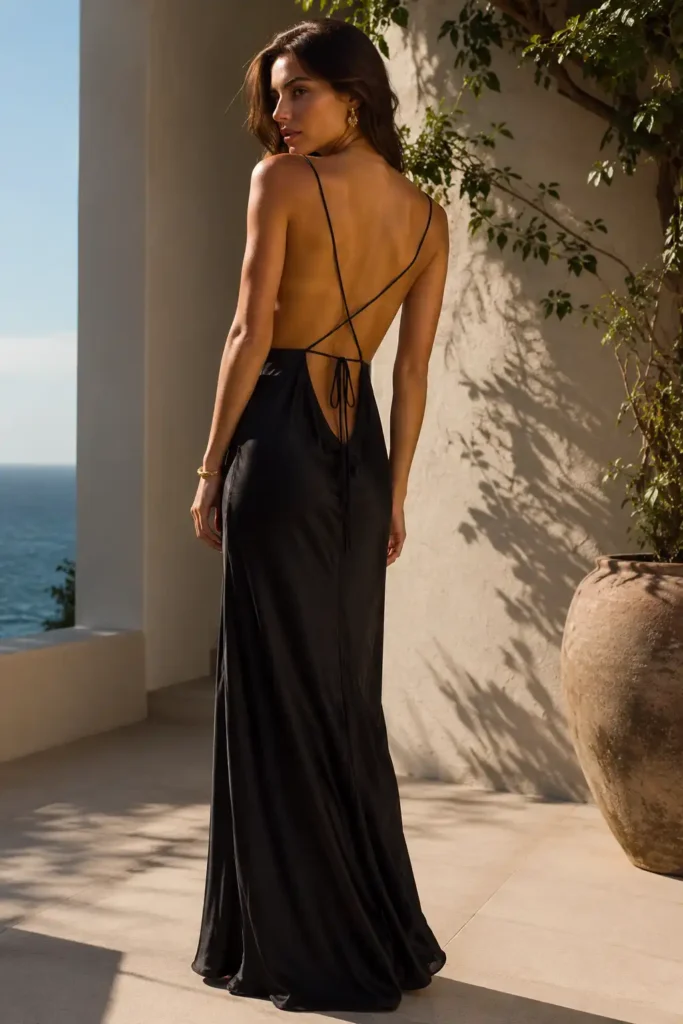
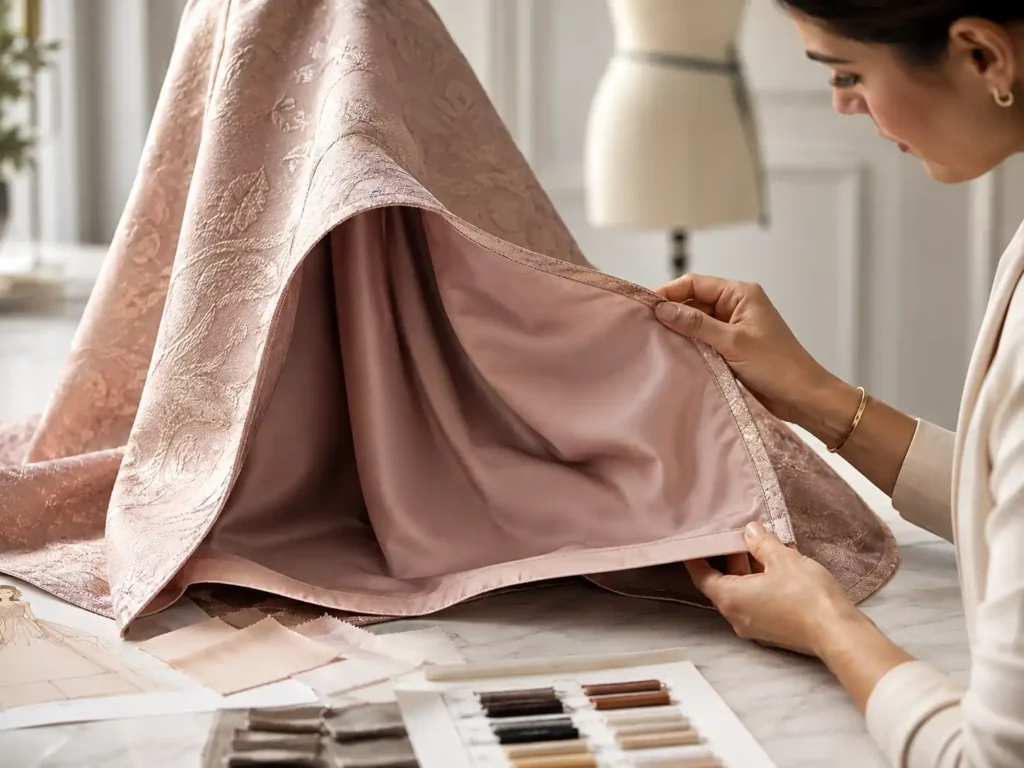
    Fit improvement should not erase the intended silhouette. A slip dress still needs a clean, minimal line; a bodycon style must remain close to the body; an evening dress may require controlled exposure without visible lining; a jumpsuit needs enough reach and torso mobility without a loose upper body. Jinfeng Apparel reviews how each correction influences neckline depth, bust coverage, strap angle, side seam, back width, lining and the overall visual proportion before the revised sample is released.

  • Approval Must Be Measurable

    Comments such as “make it fit better” are converted into defined actions: reshape the front or back armscye, adjust shoulder width or slope, raise the underarm point, change strap position, revise bust ease, correct lining coverage or rebalance a sleeve. Updated measurements, pattern notes, sample photographs, revised size charts and QC checkpoints give production teams a repeatable standard instead of relying on visual memory.

Six Armhole Problems That Often Signal a Deeper Fit Issue

Visible symptoms help locate the problem, but the first visible area is not always the root cause. Each symptom should be checked against body measurements, pattern balance, fabric behavior and the intended wearing position.

Front Armhole Gaping

Excess fabric opens away from the body near the front underarm. Common areas to review include upper-bust balance, bust shaping, front width, shoulder length, strap angle and front armscye length. Simply trimming the curve may reduce seam allowance without correcting the underlying relationship.

Tight Underarm Pressure

The wearer feels pinching, rubbing or pressure when the arms rest or move. Armhole depth, upper-chest width, side-seam height, binding width, sleeve shape and fabric recovery all require review. Raising or lowering one point without checking the full curve can create new drag lines.

Garment Lifts During Movement

The bodice rises when the wearer reaches forward or lifts the arms. A low armhole, poor sleeve and armscye balance, insufficient back width or limited fabric give may be involved. Movement tests reveal problems that a standing front photograph cannot show.

Underarm or Bra Exposure

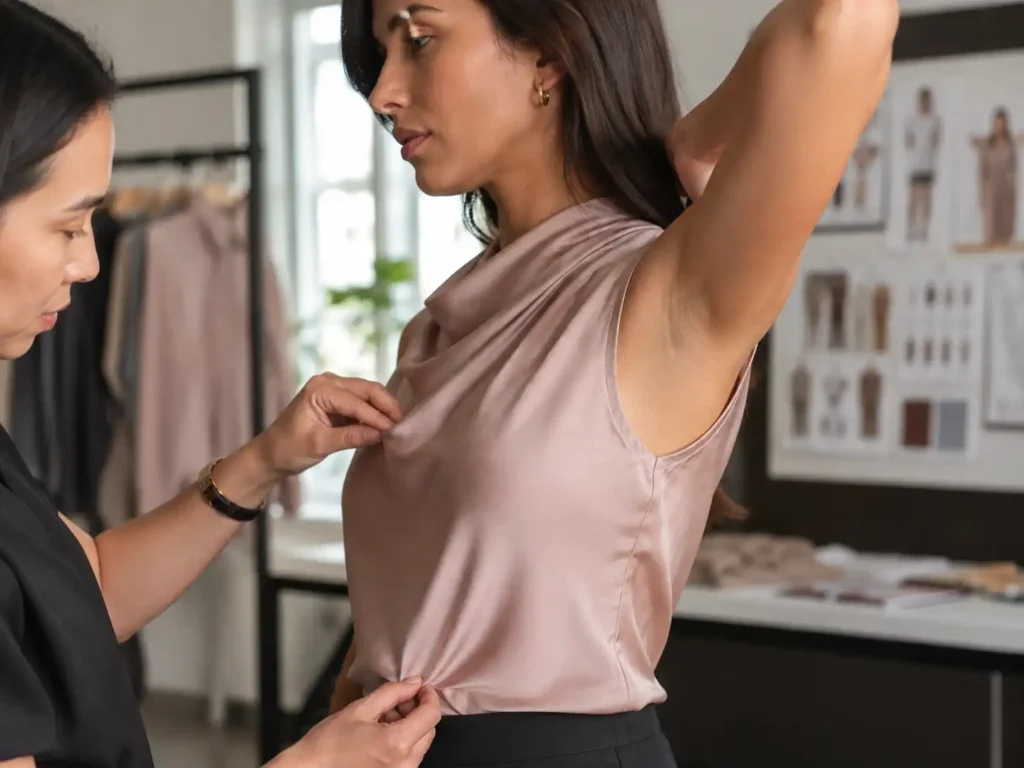
Too much side-body exposure can come from armhole depth, strap location, narrow side panels, low side seams or an unsuitable neckline-to-armhole proportion. Coverage must be judged in front, side and raised-arm views, especially for slip, halter and resort styles.

Back Armhole Wrinkles

Diagonal or horizontal wrinkles near the back armhole may indicate shoulder slope, back width, posture balance or sleeve mobility issues. Removing fabric at the wrinkle alone can tighten the back and reduce reach. The pattern team checks shoulder and back relationships before reshaping the curve.

Visible Lining or Edge Distortion

Lining that rolls outward, binding that waves, or edges that twist may appear to be a sewing defect but can also reflect a mismatched lining pattern, unstable bias direction, excessive turn-of-cloth or inadequate understitching. Pattern and workmanship must be assessed together.

Diagnose the Cause Before Choosing the Correction

The matrix below separates visible symptoms from the areas that normally require review. Final corrections are confirmed only after the garment, pattern, size chart, body information and fabric are checked together.

Visible SymptomLikely Areas to ReviewPossible Correction DirectionConnected Areas to Recheck
Front armhole gapingUpper bust, front width, bust shaping, shoulder, strap angleRedistribute excess, revise front armscye, correct bust or shoulder balanceNeckline, bust coverage, side seam, lining
Tight underarmArmhole depth, chest width, side-seam height, binding, fabric giveReshape curve, adjust depth or width, revise edge constructionBust, shoulder, movement, seam allowance
Bodice lifts with raised armsArmhole position, sleeve cap, back width, shoulder mobilityRebalance armscye and sleeve or improve upper-body easeHem recovery, neckline, back, side seam
Excess side exposureUnderarm point, strap placement, side panel, neckline proportionRaise coverage, move strap, revise side seam or bodice panelBust fit, bra coverage, lining, back
Back pulling or wrinklesShoulder slope, back width, posture balance, sleeve mobilityCorrect back or shoulder pattern before reshaping armscyeNeckline, sleeve, side seam, movement
Visible lining or wavy edgeLining pattern, facing, bias direction, stitch tension, turn-of-clothCorrect lining or facing and stabilize edge constructionArmhole shape, seam bulk, pressing, symmetry


Critical Measurements Behind Better Armhole Fit

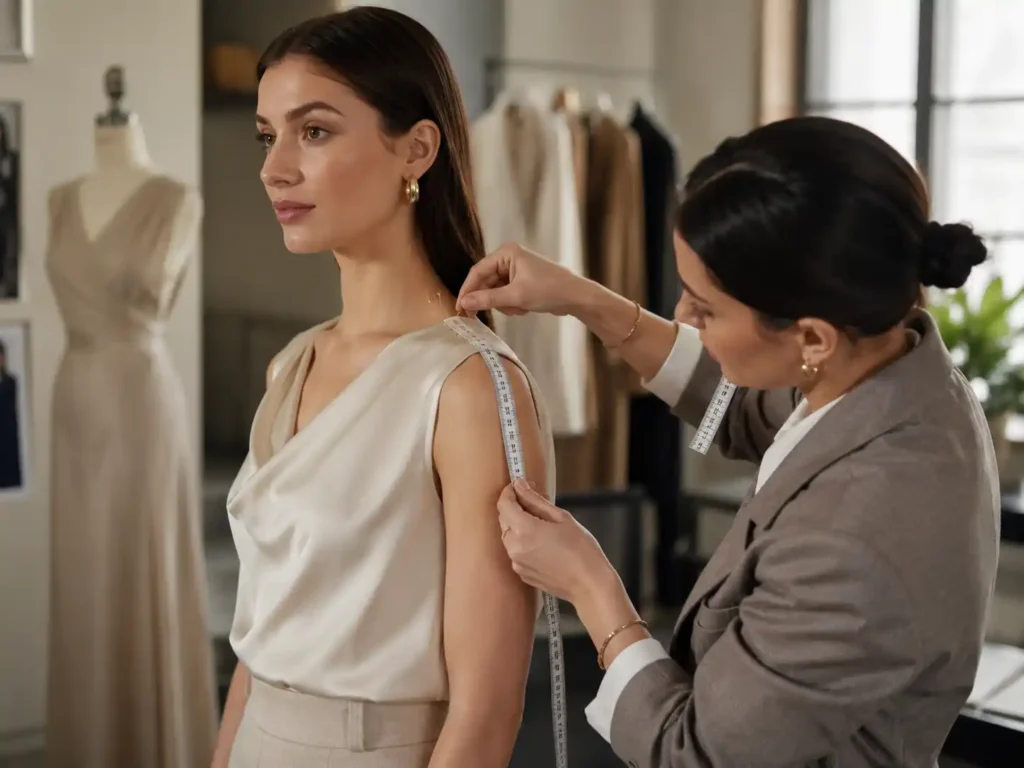
A clean armhole depends on several linked dimensions. Jinfeng Apparel reviews the approved size chart and garment measurements together, then establishes checkpoints for samples, size sets and bulk production.

Armhole Depth

Measured from the shoulder reference to the underarm level according to the agreed method. Excess depth may increase exposure and cause the body to lift during movement; insufficient depth may create pressure. The measuring method must remain consistent across sample versions and sizes.

Front and Back Armscye Length

Front and back curves are assessed separately because the body does not require equal distribution. The lengths influence shoulder balance, bust accommodation, sleeve setting and edge stability. Pattern walking and seam matching help identify imbalance before sewing.

Shoulder Width and Slope

Shoulder position controls where the armhole begins and how the garment hangs. A shoulder that is too wide may drop the armhole; a narrow or incorrectly sloped shoulder may cause pulling, gaping or neckline distortion. Shoulder corrections are checked before finalizing the armscye.

Upper Bust and Across Front

Upper-bust balance helps determine whether the front armhole lies close to the body. A full-bust shape, narrow upper chest or insufficient front shaping can create gaps even when the full bust measurement appears correct. Fit review must distinguish circumference from body shape.

Strap Position and Length

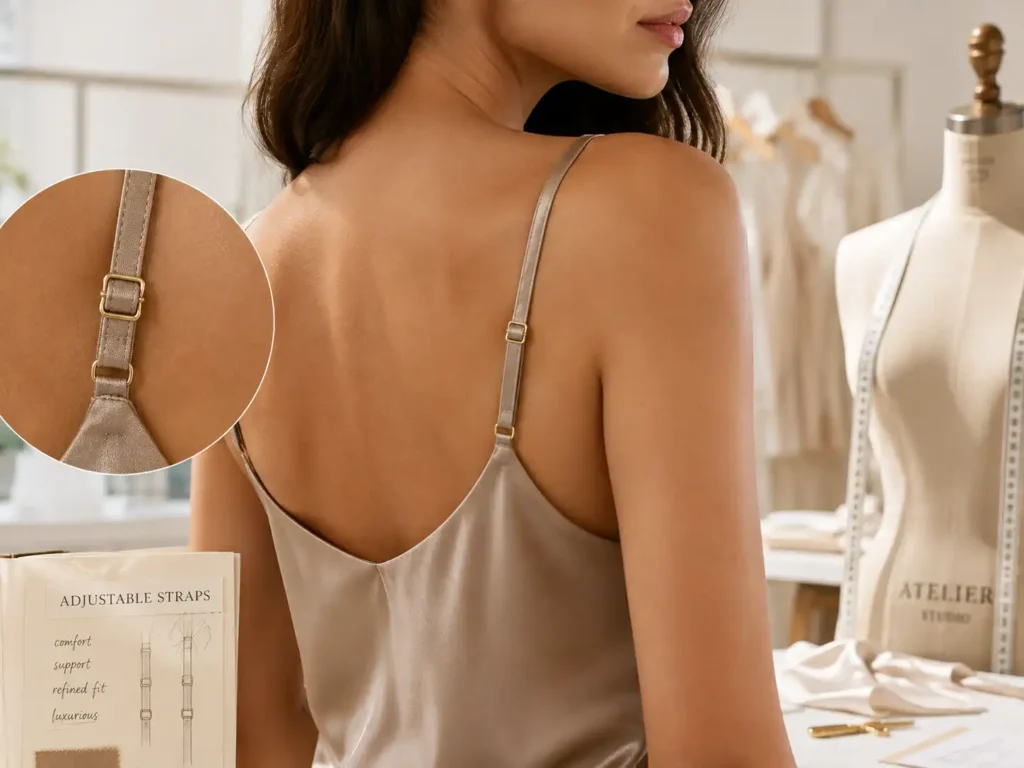
For slip, cami and halter products, strap placement controls armhole height, bust coverage and neckline position. A small strap shift can change underarm exposure and visual balance. Fixed and adjustable straps require separate review of angle, slider position and bulk repeatability.

Side Seam and Lining Coverage

The side seam establishes underarm height and the lining controls interior coverage and edge behavior. Both layers must follow the intended shape without pulling against each other. Finished samples are measured for symmetry, lining containment and side-body coverage.

Armhole Solutions for High-Volume Women's Fashion Styles

The same armhole rule cannot be copied across every silhouette. Product structure, wearing position, stretch, lining and visual exposure change the fit target. Jinfeng Apparel develops and corrects armholes around the commercial purpose of each style, then connects the approved fit to size grading and bulk QC.

Sleeveless Mini and Midi Dresses

Sleeveless dresses require clean underarm coverage without a heavy or closed appearance. Development focuses on front and back armscye shape, shoulder width, bust relationship, lining containment and side-seam height. Mini styles also need movement checks because short lengths can rise when the upper body is restricted. Bulk controls include left-right symmetry, armhole depth, shoulder position, lining visibility and finished-edge flatness.

Slip and Cami Dresses

Slip and cami products are sensitive to strap length, strap angle, neckline depth and armhole exposure. A correction made at the armhole can change bust coverage or make the neckline collapse. Jinfeng Apparel reviews fixed or adjustable straps, slider position, side-body coverage, lining or facing width and the intended bra compatibility. Revised samples are checked while standing, walking and raising the arms before PP approval.

Halter and Backless Styles

Halter and backless garments transfer support away from a conventional shoulder. Neck tension, back height, bust stability and side exposure must work together. The armhole curve cannot be judged only from a flat pattern because strap tension changes the wearing position. Fit review checks neck pressure, front coverage, side-body security, back anchoring, lining and edge stability across the approved size range.

Bodycon and Stretch Dresses

Stretch garments may look correct on a mannequin yet pull, twist or ride up on the body. Fabric recovery, cutting direction, negative ease, side-seam balance and armhole binding all influence the result. Jinfeng Apparel checks stretch direction, recovery and sample measurements before altering the curve. Size grading is reviewed carefully because larger sizes need controlled coverage without losing the close-fit silhouette.

Jumpsuits and Rompers

Upper-body fit in a jumpsuit is connected to torso length, crotch depth and reach. A restrictive armhole may become more obvious when the wearer sits, bends or reaches, while excess torso length can create apparent armhole looseness. The pattern team reviews shoulder, chest, back width, waist placement and rise together. Dynamic fitting and size-set approval are especially important before bulk cutting.

Occasion and Evening Dresses

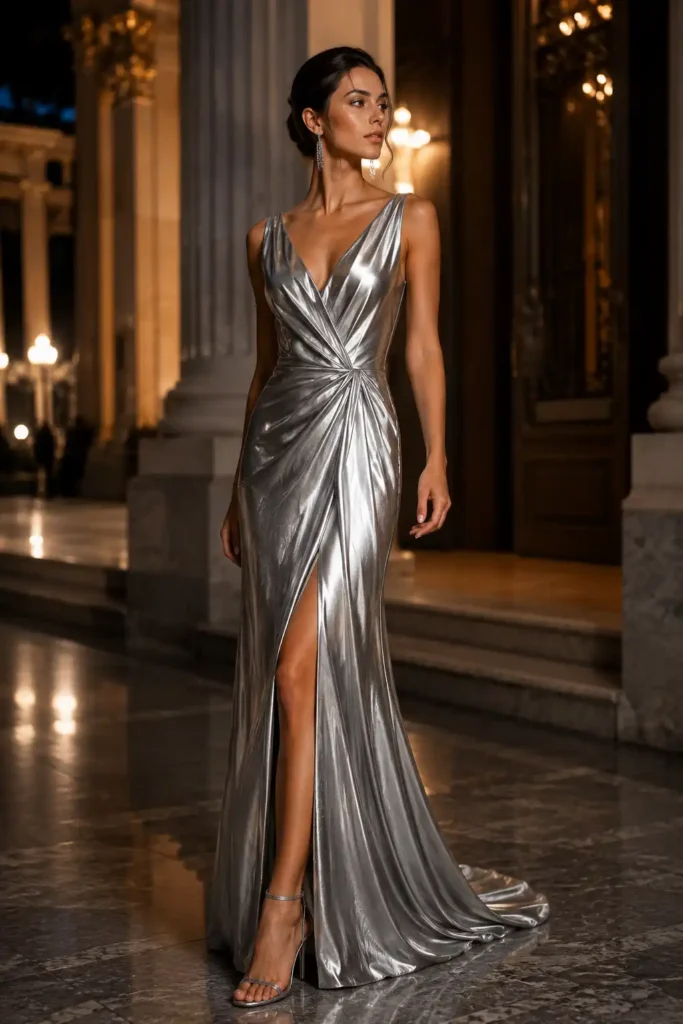
Satin, lace, mesh, corset structures and embellished fabrics create additional edge and support risks. A low or sculpted armhole must balance visual exposure with stability, lining coverage and comfort. Seam bulk, boning, cups, anti-slip support, invisible zippers and pressing can influence the final shape. Complex styles proceed through fit and revised samples before the PP and Golden sample standards are locked.

How Fabric Behavior Changes Armhole Fit
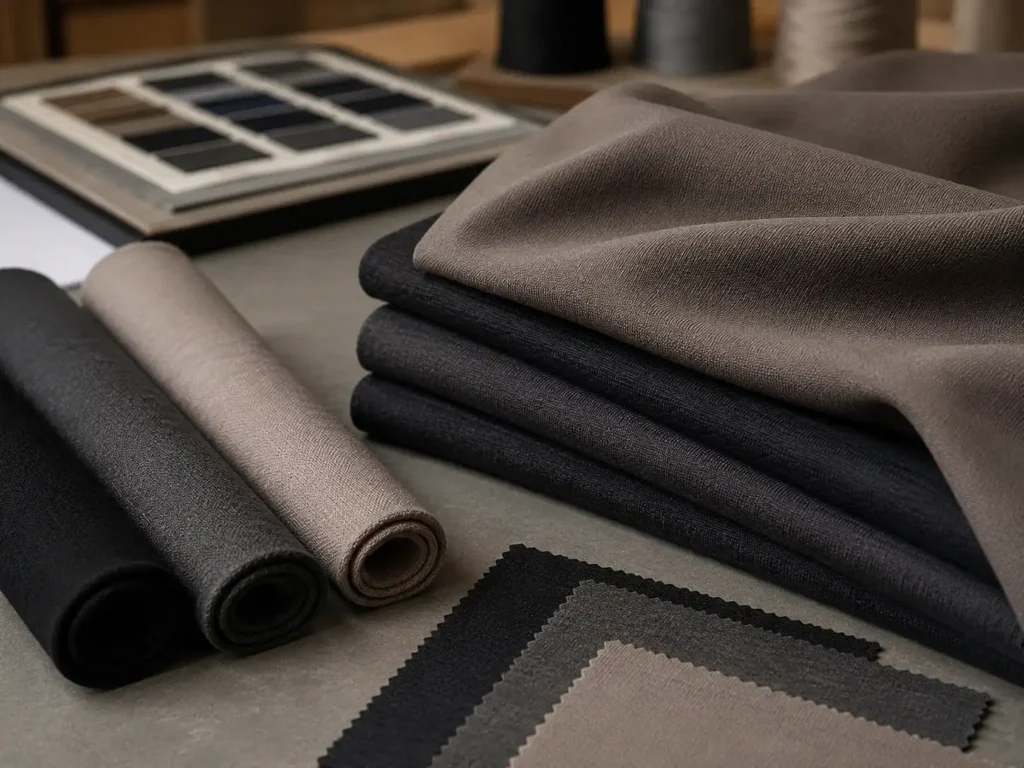
A paper pattern cannot be approved independently of the final material. Weight, width, stretch, recovery, drape, transparency, surface friction, seam bulk and lining choice can change how the same curve sits on the body. Material substitutions are therefore reviewed for pattern impact before production.

Jersey, Ponte and Stretch Knits

Stretch percentage alone is not enough. Directional stretch, recovery after extension, fabric weight and edge construction determine whether an armhole stays close to the body or grows during wear. Light jersey can wave at bindings; dense ponte can create underarm pressure; weak recovery can increase gaping after movement. Jinfeng Apparel compares the intended negative ease with actual material behavior, checks fabric relaxation before cutting and confirms whether a pattern revision or binding change is required.

Satin, Crepe and Lightweight Wovens

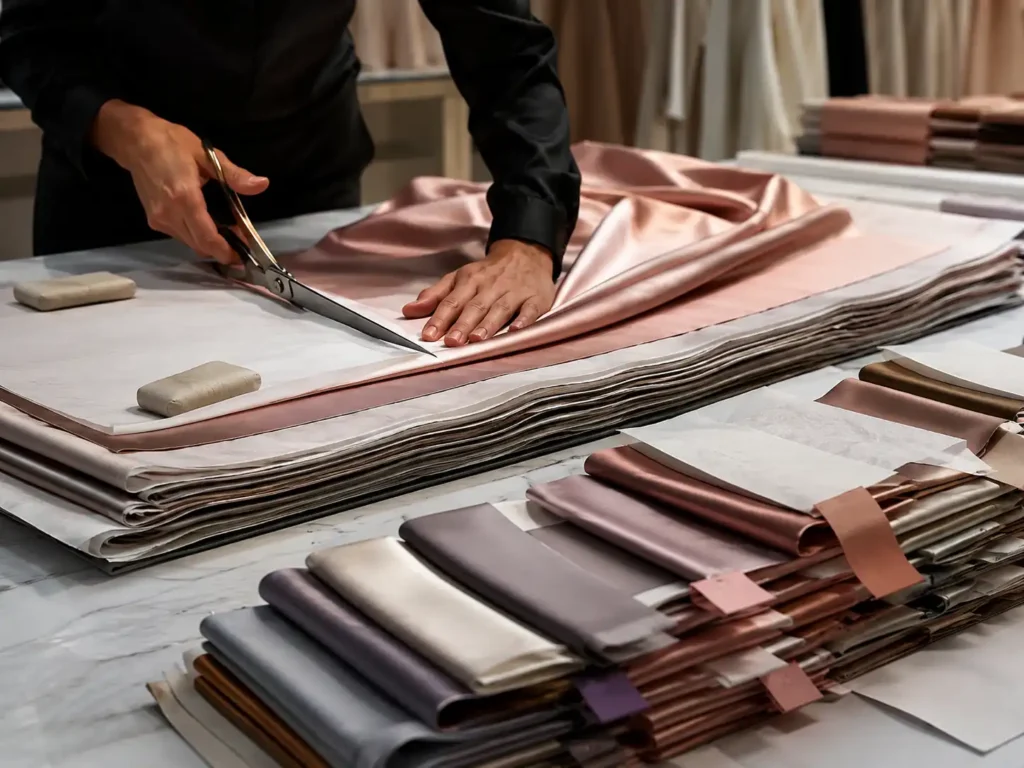
Woven fabrics provide less forgiveness and make small pattern imbalances more visible. Satin also shows puckering, seam impressions, shine direction and pressing marks. Chiffon or lightweight crepe may stretch on the bias and distort around curved edges. Development controls grain direction, stay stitching, seam allowance, lining relationship, facing width and pressing method. Armhole measurements are confirmed after the garment has settled, not only immediately after sewing.

Mesh, Lace and Transparent Materials

Mesh and lace require decisions about transparency, support and skin contact before the curve is finalized. Power mesh may stretch and recover differently from decorative mesh; lace placement can create uneven thickness; raw or trimmed edges may irritate the underarm. Jinfeng Apparel reviews lining coverage, motif placement, elastic support, seam position and edge finish. Fit samples show whether the intended exposure remains secure during movement and across sizes.

Design Details That Must Be Rebalanced With the Armhole

Armhole correction can shift the visual and structural balance of the entire upper body. Each connected detail is rechecked before a revised pattern moves forward.

Bust Shaping

Darts, princess seams, cups and panel shapes influence how much length and volume the front body needs. Front gaping may be reduced by improving bust shaping rather than removing fabric directly from the edge. Bust point, upper-bust tension and seam placement are compared with the target size chart and fit model.

Shoulder Position

Shoulder length and slope determine where the armscye begins. Correcting a dropped or narrow shoulder may resolve drag lines and improve movement without changing the lower curve. Any shoulder change is rechecked against neckline width, sleeve attachment, strap placement and overall garment balance.

Strap Engineering

Fixed straps, adjustable straps, cross-back straps and halter ties distribute tension differently. Strap angle can pull the armhole outward or raise the underarm area too high. The team reviews attachment points, slider travel, strap width, reinforcement and symmetry before the standard is transferred to bulk sewing.

Neckline Stability

A neckline and armhole share the same upper-body balance. Taking excess from one area may cause the other edge to gape, pull or sit too high. Square, deep-V, cowl, halter and asymmetric necklines need individual review of depth, edge support, lining and movement.

Back Coverage

Low-back, lace-up and open-back products rely on limited anchor points. Back height, tie position, zipper location and strap tension affect front and side coverage. Corrections are tested for bust stability and side-body security rather than judged only by the back visual.

Lining and Facing

The interior layer must support the outer armhole without rolling out, pulling inward or adding visible thickness. Lining patterns may need separate correction because stretch, shrinkage and seam turn differ from the shell. Understitching, tack points, edge pressing and seam grading are included in the workmanship standard.

Armhole Fit Must Work Beyond a Standing Pose

A balanced sample should maintain coverage and comfort through normal movement. Fit review therefore combines static photographs, garment measurements and movement checks. The goal is not unlimited athletic mobility; the goal is movement appropriate to the product category without pulling the garment out of position.

Natural Standing Position

Check whether both armholes sit at the same height, the edges lie flat, the shoulder or straps remain level and the neckline holds its intended position. Static review establishes the starting balance before movement.

Arms Raised Forward

Forward reach reveals back-width restriction, shoulder pulling and front armhole distortion. The team observes whether the neckline opens, the back rides up or the side seam rotates.

Arms Raised Overhead

Overhead movement shows whether the armhole is too low, the bodice lifts excessively or the underarm edge cuts into the body. The garment should return close to its original position after the arms lower.

Arms Crossed

Cross-body movement tests the back, shoulder and sleeve relationship. Wrinkles are evaluated by direction and location rather than removed without diagnosis.

Sitting and Walking

Sitting changes torso length and bust position, while walking adds repeated arm movement. Jumpsuits, fitted dresses and structured bodices require special attention to combined upper-body and torso tension.

Recovery After Movement

Stretch fabrics and adjustable straps are checked after repeated motion. The armhole should not remain enlarged, twisted or displaced. Recovery findings may lead to fabric, elastic, strap or pattern changes.

Send Fit Evidence Our Pattern Team Can Use

Clear fit evidence reduces unnecessary sample rounds and helps separate pattern issues from styling preferences. Files should show the garment in its intended wearing position and identify which design elements must remain unchanged.

Front View

Photograph the full upper body with arms relaxed. Mark gaping, pulling, neckline movement, bust pressure and left-right differences. Avoid extreme camera angles that change proportions.

Side View

Show underarm coverage, side-seam direction, strap position and how the garment sits over the bust. A side image often reveals whether the armhole is genuinely low or only appears low from the front.

Back View

Capture shoulder level, back width, wrinkles, strap placement and center-back alignment. For low-back products, show the intended back height and fastening tension.

Raised-Arm View

Provide one forward-reach image and one overhead image when movement is a concern. Short video clips are useful for showing lifting, restriction and recovery.

Close-Up Details

Photograph the armhole edge, lining, facing, binding, seam allowance and any irritation point. Include a ruler when a location or finished width needs to be confirmed.

Measurement and Comment Sheet

List sample size, wearer measurements, garment measurements, target change and priority level. Separate fit defects from new design changes because they affect cost, timing and the next sample action differently.

From Fit Comment to Corrected Production Pattern

Each development step produces a defined output so fit decisions do not disappear inside email threads or chat messages.

Receive Project Files

Tech pack, size chart, pattern, original sample, fit images, material details and quantity plan are collected.

Classify the Issue

Fit, construction, material, workmanship and design-change comments are separated before correction.

Measure and Compare

Sample measurements are checked against the approved method, body data and previous sample record.

Identify Root Cause

Bust, shoulder, armhole, strap, neckline, back, side seam, sleeve and fabric relationships are reviewed.

Revise the Pattern

Affected shell, lining, facing, sleeve, strap and grading rules are updated with a clear revision note.

Make Revised Sample

The corrected pattern is sewn in approved or representative material for fit, movement and workmanship review.

Confirm Measurements

Fit comments, movement behavior and key measurements are recorded before the next approval stage.

Release PP Standard

Final pattern, size chart, BOM, sewing instruction, QC checklist and packing requirements are aligned for production.

Sampling That Separates Fit Correction From Bulk Approval

A revised armhole is approved through controlled sample stages, not through one visual check. Jinfeng Apparel distinguishes development samples by purpose so design, fit, material and production decisions are not mixed together. Typical first or revised sample development is approximately 5-15 working days after pattern direction, material availability and fit instructions are confirmed; complex structures or custom materials require project-specific timing.
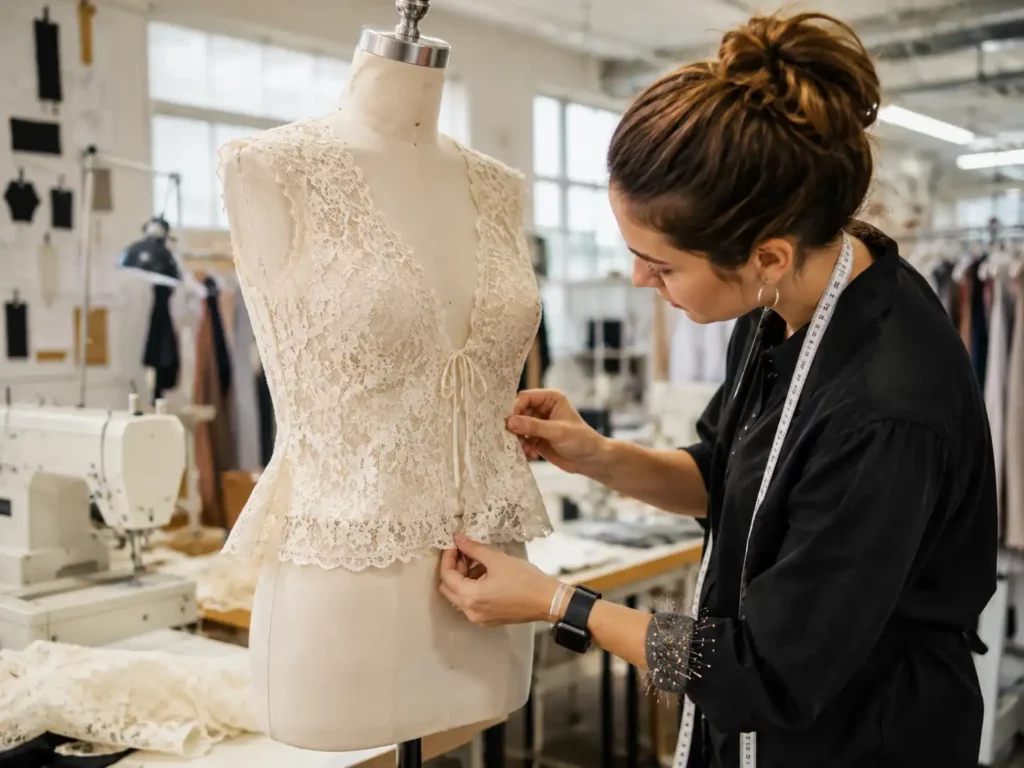
First and Fit Samples

The first sample tests whether the design can be translated into a wearable structure. A fit sample then focuses on body relationship, movement and measurements. Armhole review covers front and back curve, depth, underarm position, shoulder, bust, strap, neckline, side seam and lining. A first sample is not treated as the final bulk standard, especially when the original reference lacks complete measurements or construction details.

Revised Samples

When fit comments affect the pattern, a revised sample verifies the actual correction. Changes may include raising underarm coverage, redistributing front length, changing shoulder slope, moving a strap, correcting lining, rebalancing a sleeve or adjusting ease. The revised version is compared with the earlier sample so the team can confirm which problems were resolved and whether new tension or exposure appeared elsewhere.

Photo-Ready and Salesman Samples

Photo-ready samples prioritize visual finish, pressing, fabric presentation and detail cleanliness for campaigns, lookbooks or sales meetings. They may support launch planning, but a photo sample does not automatically equal a PP sample. Final bulk fabric, trims, measurements, labeling and construction still require separate confirmation. Brands should identify whether a sample is intended for photography, showroom review, fitting or production approval before development begins.

PP and Golden Samples

The PP sample locks the final material, color, pattern, measurements, lining, trims, construction, labels and packing requirements before bulk production. Once approved, major structural changes are not introduced without a new review. The Golden sample becomes the physical reference for sewing, measurement, QC, repeat orders and dispute comparison. Armhole checkpoints are transferred into production instructions and measurement records rather than left as verbal comments.

A Correct Base Size Must Remain Correct Across the Size Set

Armhole corrections can behave differently in smaller and larger sizes. Jinfeng Apparel reviews grading relationships rather than applying an identical increment to every connected point. Size-set requirements follow the brand’s own size chart and market standard.

Size-Set ControlSmaller-Size RiskLarger-Size RiskApproval Evidence
Armhole depthUnderarm becomes too high or restrictiveCoverage becomes too low or exposedFinished measurement plus fit images
Front and back curve distributionCurve becomes sharp or pulls at shoulderExcess length creates gaping or wrinklesPattern comparison and sample balance
Shoulder and strap positionStrap moves too close to neck or armStrap drifts outward and reduces supportAttachment-point measurement and symmetry
Bust and upper-bust relationshipFront armhole may cut into bodyFull-bust needs may create front gapingBody data, garment measurement and fitting
Lining and facingEdge becomes bulky in a small openingLining may lack coverage or pull shellInterior photos and finished-edge check
Sleeve or upper-arm relationshipSleeve cap may become tightUpper arm and back mobility may be restrictedSize-set movement test and seam matching

Workmanship Details That Protect the Corrected Armhole

A sound pattern can still fail when curved edges are sewn, lined or pressed incorrectly. Jinfeng Apparel connects pattern approval with construction instructions and in-line checks so the finished armhole retains its intended shape.

Seam Allowance Control

Curved seam allowances must follow the approved width and clipping method. Excess width can create bulk and pulling; insufficient allowance can weaken the edge or change the finished curve. Sewing instructions identify allowance, notch positions, clipping or grading requirements and critical matching points.

Binding and Facing Stability

Bindings and facings require controlled length, grain direction and tension. Stretching a binding during sewing can pull the edge inward; applying too little control can create waves. Finished width, seam position, join location and understitching are checked on samples and during production.

Lining Containment

The lining should remain inside the garment without rolling out or shortening the outer edge. Shell and lining patterns are compared for turn-of-cloth, stretch and shrinkage behavior. Tack points and understitching are used where appropriate, while preserving comfort and the intended clean interior.

Strap Reinforcement

Strap attachment points carry repeated tension and can distort the armhole when positioned or reinforced incorrectly. Bartacks, back-tacking, internal reinforcement, slider direction and strap symmetry are defined by product. The finished garment is checked for twisting, uneven tension and visible pulling.

Symmetry and Seam Matching

Left and right armholes are compared for depth, curve, strap location and edge finish. Side seams, shoulder seams, lining seams and sleeve notches must align with the approved pattern. Symmetry is reviewed before and after pressing because heat and handling can reveal distortion.

Pressing and Final Shape

Pressing sets the final appearance of satin, crepe, woven and lined armholes. Excess pressure can create shine or seam impressions, while insufficient pressing leaves puckering and uneven curves. Product-specific pressing methods, protective layers and cooling time are controlled before final inspection.

Bulk Quality Control for Stable Armhole Fit

Approved fit must survive material intake, cutting, sewing, pressing, size distribution and packing. Jinfeng Apparel uses incoming, cutting, sewing, in-line, garment and packing checks rather than relying only on final inspection.

Incoming Material Review

Shell, lining, binding, elastic and support materials are checked for color, weight, width, stretch, recovery, hand feel and visible defects. A material change can affect armhole shape, so substitutions are not released solely on color similarity.

Pattern and Cutting Check

Cutting teams verify pattern version, size, grain direction, stretch direction, notches, paired pieces and quantity. Incorrect grain or fabric relaxation can change the finished curve even when the paper pattern is correct.

In-Line Sewing Inspection

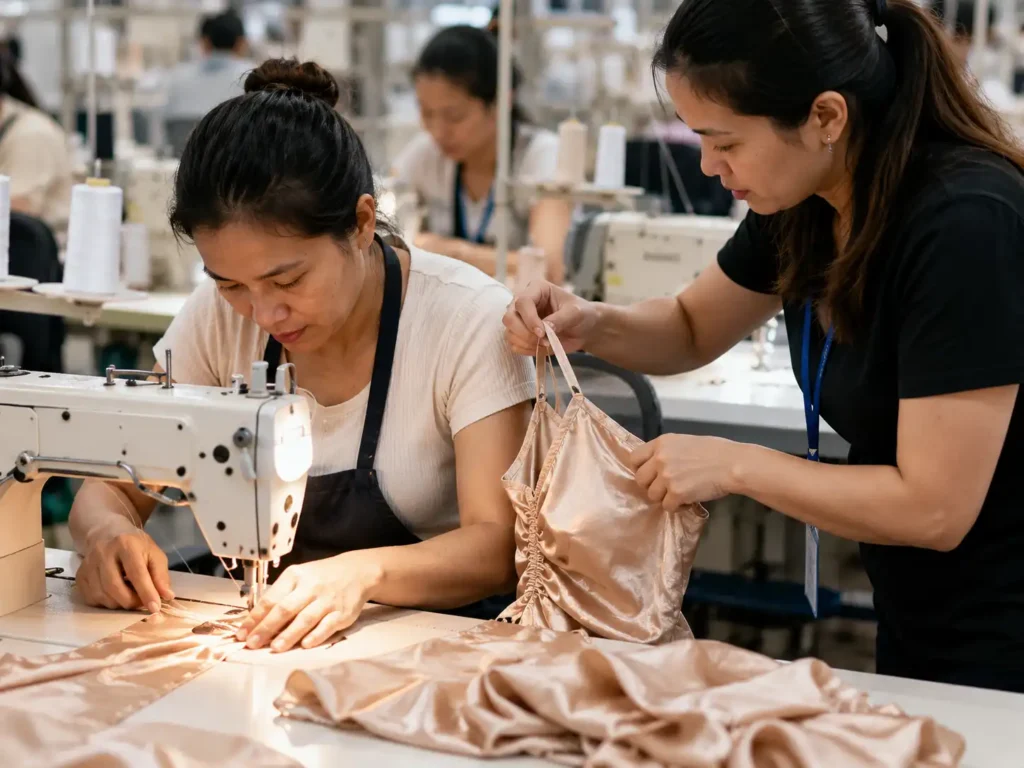
Inspectors review seam allowance, stitch quality, edge tension, strap attachment, lining position, side seam, shoulder seam and symmetry while production is running. Early correction prevents the same error from spreading through an entire batch.

Garment Measurement

Finished armhole depth and connected measurements are checked according to the approved method and tolerance. Bust, shoulder, strap, neckline, side seam and lining may be included because a single isolated measurement cannot prove fit stability.
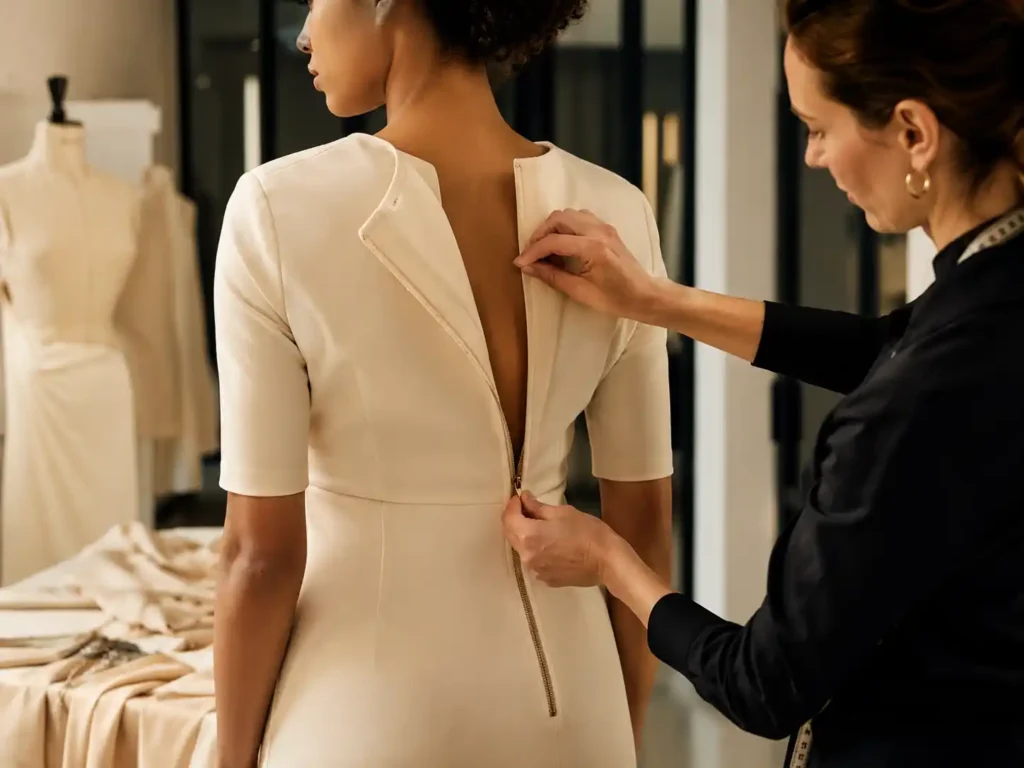
Appearance and Movement Review

Selected garments are checked for gaping, pressure, exposure, twisting, lining visibility and edge distortion. Product-appropriate movement can be reviewed on a form or wearer when required by the project.

Final and Packing Inspection

Final checks confirm labels, size stickers, SKU information, polybags, carton marks and size ratios in addition to garment quality. AQL or third-party inspection can be arranged according to the order and agreed quality requirement.

Frequently Asked Questions About Armhole Fit Improvement

Common causes include upper-bust imbalance, excess front armscye length, insufficient bust shaping, shoulder position, strap angle or a mismatch between the pattern and fabric. The edge should not be trimmed automatically. Jinfeng Apparel compares the body, garment measurements, pattern and fit evidence before selecting a correction.
Yes. Existing digital or paper patterns can be reviewed together with the tech pack, size chart, sample and fit comments. The team identifies which shell, lining, facing, sleeve or strap pieces are affected, records the revision and confirms whether a revised sample is required.
Photos and movement videos can support an initial diagnosis, especially when front, side, back, close-up and raised-arm views are provided. Accurate correction may still require garment measurements, body data, an original sample or the existing pattern. Photo evidence alone is not treated as a guaranteed final pattern approval.
Provide the brand size chart, sample size, wearer measurements and agreed garment measuring method. Armhole depth, bust, upper bust, shoulder, strap, neckline and side-seam measurements are often relevant. Jumpsuits may also require torso and rise measurements because upper-body restriction can originate below the armhole.
Fit review may include natural standing, forward reach, overhead reach, crossed arms, walking and sitting according to the product. The team checks pulling, lifting, exposure, neckline movement, side-seam rotation and recovery after movement. The required mobility level depends on the silhouette and wearing occasion.
Often, yes. The armhole is connected to bust shaping, shoulder, strap, neckline, back width, side seam, sleeve and lining. Every correction is rechecked against connected areas so solving one symptom does not create a new gap, pressure point or visual imbalance.
A revised sample is recommended when the pattern, structure, fabric, lining or support system changes enough to affect fit or production. Minor internal corrections may be handled differently, but any bulk-relevant change is documented and reviewed before PP approval.
Jinfeng Apparel reviews the relationship among armhole depth, front and back curve, shoulder, strap, bust and side-seam coverage across the brand size range. Selected size-set samples and measurement checks may be used before full production, especially for fitted, plus-size, stretch or structured products.
The approved pattern, size chart, PP sample, Golden sample, BOM, sewing instruction and QC checklist are aligned before production. Material, cutting, in-line sewing, garment measurement and final inspection checks help keep the armhole close to the approved standard across sizes and batches.
Send a tech pack or reference file, existing pattern if available, size chart, fit sample photos, movement video, fabric details, target size range, planned quantity and launch timing. Clear fit comments should identify the symptom, location, priority and design details that must remain unchanged.

Send Your Armhole Fit Issue for Review

Share the files already available, even when the collection is still in development. Jinfeng Apparel can review whether the issue is likely connected to pattern balance, measurements, fabric behavior, workmanship or a design change, then outline the next sample action.

A more accurate review is possible when the submission includes clear product information rather than a single front photograph.

  • Tech pack, reference image or original sample information
  • Existing pattern and latest size chart, when available
  • Front, side, back and raised-arm fit photographs
  • Short movement video for pulling, lifting or restriction
  • Fabric composition, weight, stretch and lining details
  • Sample version, fit comments and target correction
  • Planned quantity, color plan, size range and launch timing
  • Label, packing, QC or third-party inspection requirements
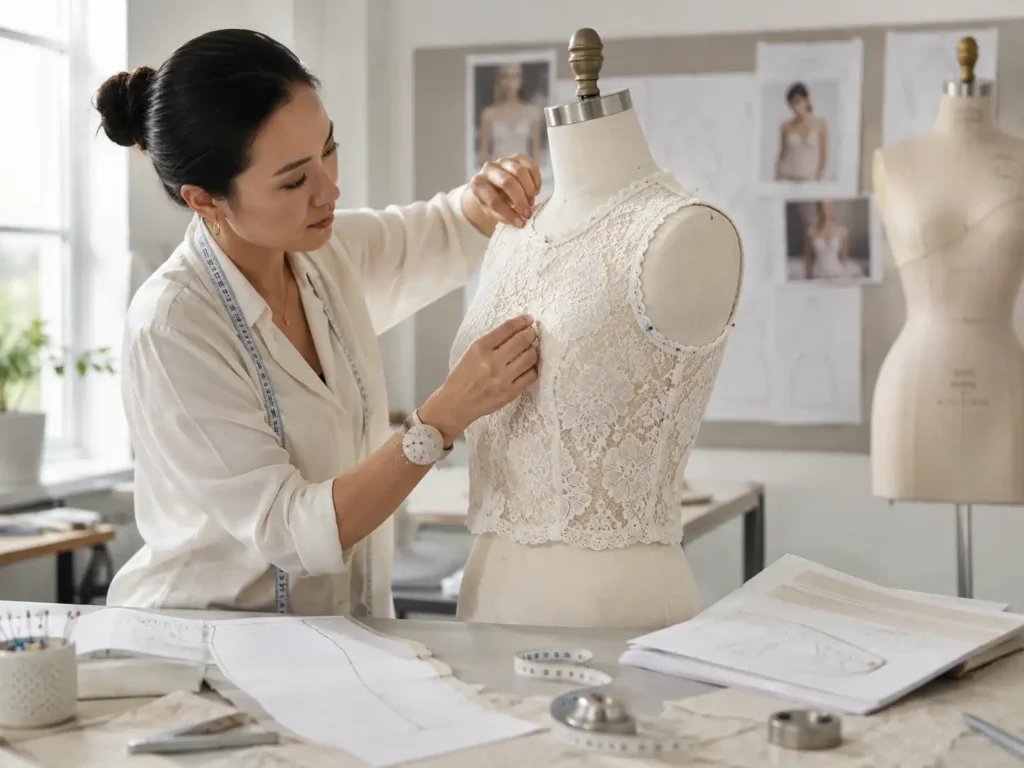
Tell Us About Your Dress Project

Share your product details, estimated quantity and development requirements. Our team will review your project and provide practical OEM/ODM production feedback.

Premium Women’s Apparel Production for Fashion Brands

From dress sample development to bulk production, JF Apparel supports fashion brands with confidential OEM/ODM manufacturing, reliable quality control and scalable production support.

START YOUR DRESS PROJECT

Ready to Develop Your Next Dress Collection?

Share your design concept, product requirements or sourcing plans with our team. We’ll review your project and provide practical feedback on development, materials, MOQ and production.

7-10 Days

Sample Development

200 PCS

Starting MOQ

Fast Response

Professional Follow-Up