 Skip to content
Neckline Gaping Correction Solutions
Pattern, fit, fabric and production control for necklines that must sit cleanly on the body from sample approval through repeatable bulk production.
A neckline can look correct on a sketch and still open away from the chest, collapse near the shoulder, twist at a V point or lose stability after grading. Jinfeng Apparel reviews the full upper-bodice system rather than hiding excess with a temporary alteration. Pattern balance, shoulder position, bust volume, neckline contour, lining, stabilizer, sewing sequence and size progression are checked together before an approved correction moves into production.
- 7+ senior pattern makers assess neckline shape, shoulder balance, bust capacity and structural support.
- 2 sample rooms separate development, revision and approval work from bulk-production pressure.
- 20+ sample machinists execute first samples, fit samples, revised samples, PP samples and sealed standards.
- 15+ QC inspectors convert approved neckline measurements and appearance points into production checks.

What Causes a Neckline to Gape?
Neckline gaping appears when the neckline curve, upper chest, shoulder line, bust volume, fabric behavior or construction method does not match the intended body contour. A reliable correction begins by identifying whether the excess comes from the pattern, fit model, material, sewing process, grading rule or bulk execution.
For a fashion brand, a visible gap is rarely an isolated edge problem. Pulling the neckline inward without checking the rest of the bodice can create a shorter shoulder, a distorted armhole, a tight bust, a raised waistline or an unstable V point. A production-ready solution keeps the original design language while restoring clean contact with the body.
- Built for Development Teams: The service is structured for product developers, technical designers, sourcing teams, fit specialists, merchandisers and quality teams working on custom dresses, tops, jumpsuits and coordinated collections. Jinfeng can begin from a tech pack, original sample, reference image, sketch, size chart, fit photographs or a marked sample.
- Correction, Not Concealment: A finished garment may sometimes be improved with a small dart, shortened strap or concealed elastic. Those methods can rescue individual pieces, but they do not create a repeatable production standard. Brand-level correction returns the excess to the pattern, updates related components and verifies the result in a revised sample.
Diagnose the Gaping Before Changing the Pattern
Visible symptoms provide useful clues, but no single symptom proves the root cause. The first review compares body position, garment balance, fabric direction and approved specifications before any line is moved on the pattern.
| Visible Symptom | Likely Root Cause | Technical Checks | Avoid the Shortcut |
|---|---|---|---|
| Front neckline opens at center | Upper-chest excess, bust capacity mismatch or an overlong front neckline | Bust apex, center-front length, neckline seam length, dart intake and fit-model posture | Do not reduce the full bust circumference before checking where the excess originates. |
| Gap appears near shoulder | Shoulder width, shoulder slope or front-to-back shoulder imbalance | High point shoulder, shoulder seam angle, back neck position and armhole balance | Do not alter only the front neckline and leave the back shoulder unchanged. |
| V-neck stretches or ripples | Bias edge distortion, missing stabilization or unsuitable sewing tension | Staystitching, seam handling, lining length, pressing and stitch direction | Do not rely on pressing alone when the cut edge has already grown. |
| Straps move outward | Strap position too wide, strap length too long or insufficient upper-bodice support | Strap points, upper chest width, cup position, back attachment and wearing movement | Do not pinch only the center neckline if the support line is misplaced. |
| Sample fits, bulk production gapes | Material batch change, cutting direction, handling or construction drift | Golden sample, fabric batch, cut-piece control, in-line measurements and sewing sequence | Do not treat every affected garment as an isolated alteration issue. |
| Only selected sizes gape | Grade rule does not preserve shoulder, neckline and bust relationships | Neck width, neck depth, HPS, strap spread, bust growth and size-set fitting | Do not apply the same correction amount to every size. |
Six Root Causes Behind Neckline Gaping
Pattern Excess
Shoulder Imbalance
Bust Volume Mismatch
Fabric Distortion
Construction Mismatch
Grading or Bulk Drift
Necklines and Garments Requiring Closer Fit Control

Deep V Neck

Square Neck

Scoop Neck
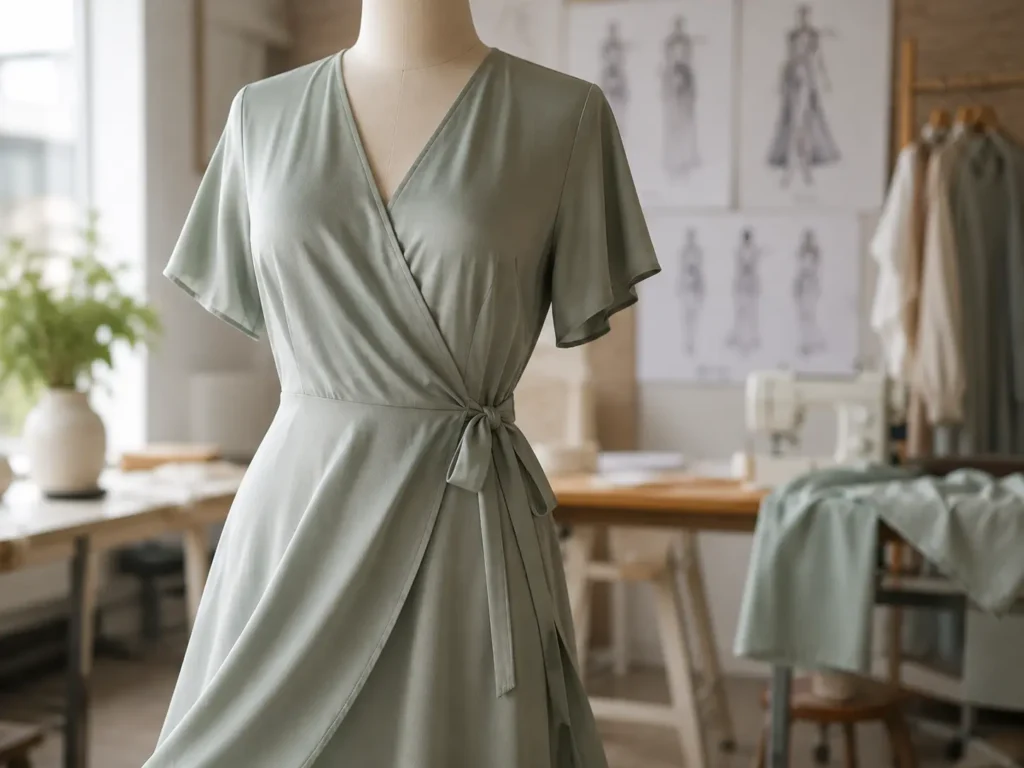
Wrap Neck
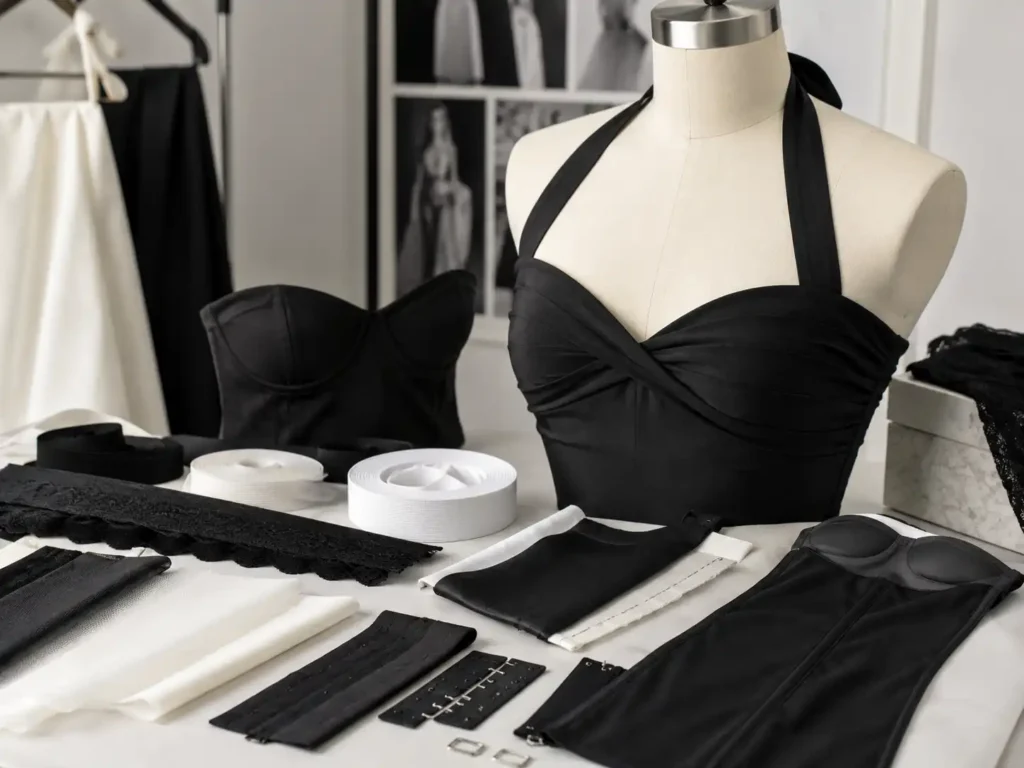
Halter Neck

Strapless Neck
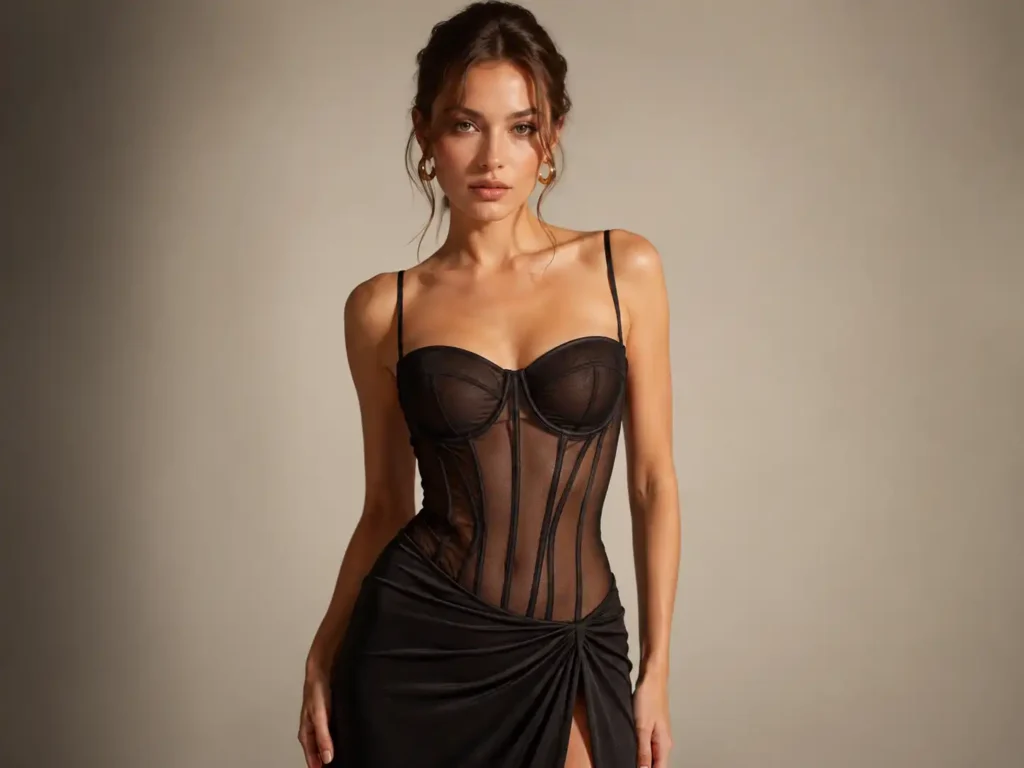
Corset Neck
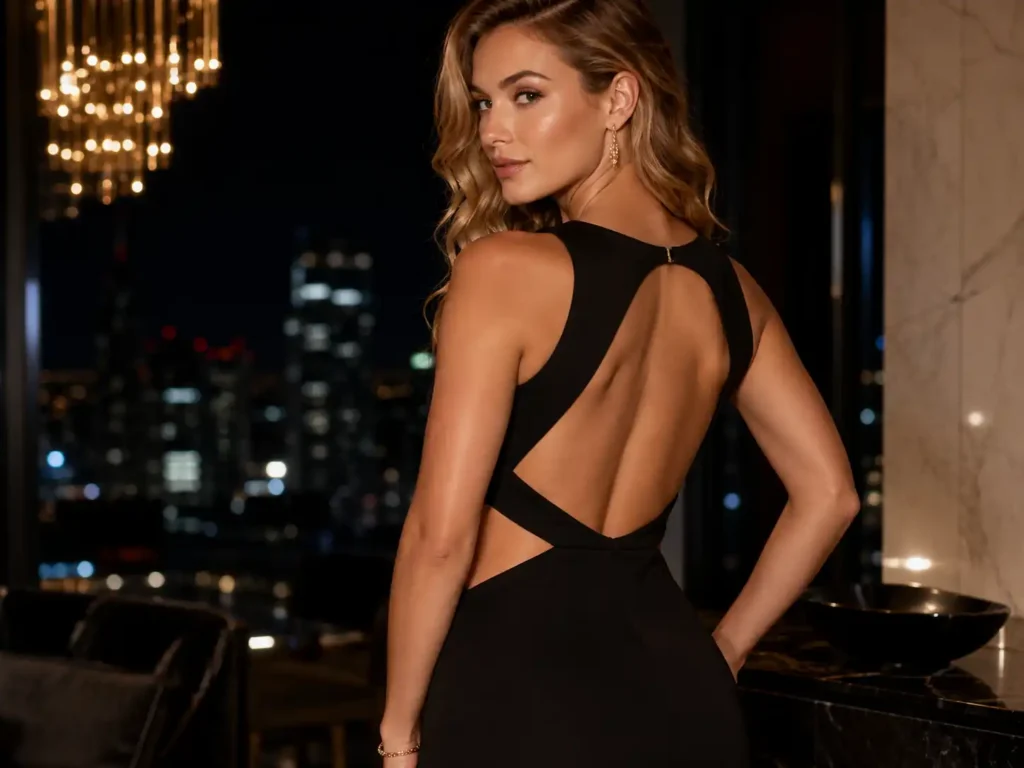
Backless Neck
Pattern Corrections for a Closer Neckline Fit
Pattern correction begins only after the excess has been located on the body or fit form. Jinfeng records where the neckline leaves the body, how much excess is present, whether the garment shifts during movement and which design lines must remain unchanged.
Remove Excess at Its Source
The sample is pinned or marked at the true excess location, then the amount is transferred to the flat pattern. Excess near center front, shoulder, bust or side chest requires a different correction route. A controlled slash-and-overlap, contour adjustment, dart transfer or shoulder adjustment may be used depending on style structure. Seam walking confirms that adjoining edges still match after the change.
Rebuild the Neckline Curve
After excess is removed, the neckline is redrawn as a smooth production line rather than a series of sharp corrections. Neck width, neck depth, high point shoulder, front length and design symmetry are rechecked.
Deep V and square necklines receive special attention because small line changes can alter coverage, visual proportion and perceived quality.
Rebalance Shoulder, Dart and Armhole
A neckline adjustment can change front shoulder length, shoulder angle, armhole position or bust shaping. Jinfeng compares front and back shoulder seams, checks the sleeve or sleeveless armhole, then reviews dart intake, princess seams and bust apex position. The goal is a clean neckline without transferring distortion into another area.
Update Every Related Component
Facing, lining, binding, neckband, stabilizer, stay tape and internal support patterns are updated with the main shell. Sewing specifications, notch positions and seam allowances are revised at the same time. A corrected shell paired with an old lining or facing can recreate the same gap during assembly.
Fit Corrections Beyond the Neckline Edge
Many gaping problems originate away from the neckline seam. Upper-body proportions and support structures must be evaluated as a connected system.
Upper Chest and Hollow Chest
A flatter upper chest may leave unused volume between the shoulder and bust. The correction can involve upper-chest reduction, neckline contouring or dart redistribution while preserving bust room. The fit review distinguishes true hollow-chest excess from a shoulder or size-selection problem.
Shoulder Width and Slope
A shoulder that is too wide can push straps outward and allow a scoop or square neckline to stand away from the body. Incorrect slope can also lift one area while collapsing another. Jinfeng checks high point shoulder, seam angle, front and back balance and the armhole before shortening or rotating the shoulder.
Bust Cup and Apex Position
A neckline can gape when the pattern cup is too small, too large or positioned incorrectly. Bust apex, dart point, princess-seam shape, cup coverage and center-front length are reviewed together. Corset, strapless and underbust structures often require cup and support correction rather than a simple edge reduction.
Straps and Internal Support
Strap position, strap length, cup anchoring, boning, anti-slip tape, elastic and lining tension can determine whether an open neckline remains stable during movement. Support is selected according to garment weight, fabric stretch, target appearance and wearing comfort.
Prevent Gaping Through Fabric and Construction Control

Stretch and Recovery

Grain and Bias Direction
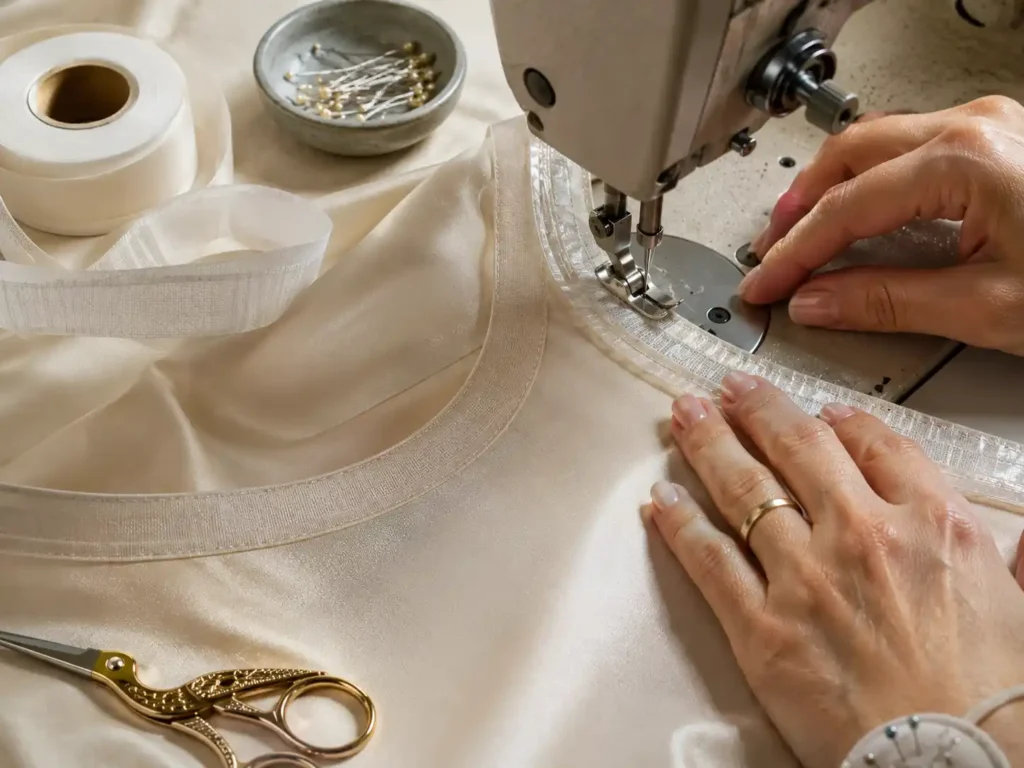
Staystitching and Stabilization

Lining Compatibility

Interfacing Weight

Binding and Neckband Ratio
Correction Options at Each Development Stage
Design and Pattern Stage
First Sample Stage
Revised Sample Stage
PP Sample Stage
Bulk Production Stage
Finished Garment Stage

How Jinfeng Corrects Gaping During Sampling
Sampling is managed as a technical development process. Each fit comment is converted into a measurable change and carried forward into the production standard.
- 1. Fit Evidence Review
Jinfeng reviews front, side and three-quarter photographs, movement video, marked samples, size charts, tech packs and fabric information. The team records when the gap appears: standing, walking, sitting, lifting the arms or after the garment has been worn for a period. - 2. Structure and Material Analysis
Pattern makers inspect neckline length, shoulder balance, bust shaping, strap direction, armhole position, lining and support components. Sample machinists review seam handling, stabilization, pressing and construction order. The assessment separates design fit from sewing distortion. - 3. Pattern and Specification Revision
Approved changes are entered into the pattern, measurement chart, BOM, sewing instruction and QC checklist. Related lining, facing, binding and support patterns are revised together. Version names and dates are controlled so old files do not return during production. - 4. Revised Sample Verification
The revised sample is checked internally for neckline contact, symmetry, comfort, coverage and movement. Photographs or video are prepared for remote review. Further changes are recorded with exact location, amount and effect on cost or schedule. - 5. PP and Golden Sample Approval
Once fit, fabric, trims, color, construction, labels and packaging are approved, the PP sample establishes the production-ready standard. A sealed Golden sample supports line briefing, QC comparison, repeat orders and resolution of any later discrepancy. - 6. Typical Sample Timing
Simple styles generally require about 7-10 days for a first sample. Standard dresses commonly require 10-15 days. Corset, strapless, lace, mesh, sequin and evening structures commonly require 15-25 days, with additional time when special fabrics or trims must be developed.
Keep the Corrected Neckline Stable Across Sizes
Neck Width
Neck Depth
High Point Shoulder
Strap Spread
Bust Capacity
Size-Set Validation

Transfer the Approved Fit Into Bulk Production
Sample approval only creates value when the same fit can be reproduced across thousands of garments. Jinfeng links the approved sample to materials, cutting, sewing, measurement and quality records before production begins.
- Lock the Production Standard: The final pattern, size chart, grade rule, BOM, sewing instruction, neckline stabilization method, support components, label positions and packing requirements are reviewed before release. The PP sample and Golden sample remain the visual and dimensional references.
- Control Material Preparation: Fabric batch, color, weight, stretch, recovery, grain direction, lining and support materials are confirmed. Stretch fabrics may require relaxation before cutting. Satin, mesh, lace and sequin materials receive handling instructions according to their known risks.
- Protect the Neckline During Cutting: Cutting teams confirm pattern version, grain direction, piece numbering, size separation and bundle handling. Bias and open neckline edges are protected from stretching before assembly. Mixed or incorrectly oriented pieces are stopped before they reach sewing.
- Standardize Sewing and Pressing: Line briefing covers staystitching, tape or elastic application, facing and lining sequence, seam tension, understitching, corner treatment, V-point construction and pressing temperature. Early units are reviewed before the operation continues at scale.
- Verify During Production: In-line checks compare neckline width, depth, symmetry, shoulder position, strap placement and visible contact with the Golden sample. Problems are corrected while quantities remain limited, reducing the risk of large-scale rework.
Neckline Fit and Quality Control Checklist
Quality control follows the neckline from incoming material through packing. Measurements and visual checks are connected to the approved pattern and sample rather than judged by general appearance alone.
| Control Stage | Key Checks | Typical Risk | Evidence |
|---|---|---|---|
| Incoming Material | Fabric batch, stretch, recovery, weight, color, lining and support material | Different behavior from approved sample | Material record and approved swatch |
| Cutting | Pattern version, grain direction, neckline edge protection, size bundling | Bias growth, wrong version or mixed sizes | Cutting checklist and bundle record |
| Sewing Start-Up | Staystitching, tape, elastic, seam tension, lining sequence and pressing | Edge stretch, V-point distortion or facing roll-out | First-piece approval |
| In-Line Inspection | Neck width, depth, symmetry, HPS, straps, shoulder seam and visible contact | Process drift before final assembly | In-line measurement sheet |
| Finished Garment | Coverage, comfort, movement, zipper flatness, lining control and appearance | Static fit passes but wearing fit fails | Garment inspection and fit comparison |
| Size-Set Review | Selected sizes compared with grade rule and approved fit intention | Only small or large sizes gape | Size-set measurement record |
| Packing QC | Correct style, color, size, label, barcode, folding and carton ratio | Wrong SKU or pressure from unsuitable folding | Packing checklist |
| Final/AQL Review | Appearance, measurements, workmanship, labels, packaging and quantity | Shipment released with unresolved fit or packing defects | Inspection report |
The Development Team Behind Each Fit Correction
7+ Pattern Makers
2 Sample Rooms
20+ Sample Machinists
15+ QC Inspectors
12+ Merchandisers
6 Owned Factories
How Similar Neckline Problems Were Resolved

US Occasionwear Program - 12 Styles / 24,000 Pieces

Australian Partywear Program - 16 Styles / 32,000 Pieces

US Private-Label Collection - 18 Styles / 48,000 Pieces
A multi-style order included corset, strapless, satin, lace and backless dresses. Several early samples had top-edge lift, strap movement or uneven neckline pressure. The correction could not rely on one pattern method because support structures varied by style. Corset and strapless pieces required cup, boning, anti-slip and upper-bust review; satin styles required bias-edge and lining control; lace styles required motif-aware edge finishing. Jinfeng created separate fit action records by style group, updated patterns and BOMs, then sealed Golden samples for production. QC teams used grouped checklists covering top-edge contact, cup position, strap attachment, support materials, lining visibility and packaging protection.
Prepare Your Neckline Fit Review
Submit Fit Evidence
Protect Unreleased Designs
Use a Structured Checklist
The Neckline Gaping Diagnosis and Sample Review Checklist should record product type, neckline type, problem location, wearing movement, affected sizes, fabric direction, lining and support structure, previous corrections, target launch date and planned quantity. The same file becomes a useful reference during sample revision and production handover.
Neckline Gaping Frequently Asked Questions
Common causes include excess upper-bodice volume, incorrect shoulder balance, bust-capacity mismatch, an overlong neckline curve, fabric stretching, lining or facing mismatch, unsuitable support and grading errors. A fit review determines which cause is active before the pattern is changed.
Yes. Jinfeng can review an existing pattern together with fit photographs, sample measurements, fabric information and written comments. The correction may update the main pattern, lining, facing, binding, support pieces, size chart, sewing instruction and QC checklist.
Photographs and video can support an initial diagnosis, especially when front, side and movement views are provided. Final pattern correction normally requires clear measurements, sample information and enough evidence to distinguish pattern fit from fabric or construction distortion.
No. Some problems come from stretched edges, incorrect lining length, unstable binding, missing support, sewing tension or pressing. The pattern should not be altered until material and construction causes have been checked.
Yes. Stretch recovery, bias direction, weight, drape, open structure and pressing response can change neckline length and stability. Satin, mesh, lace, jersey and stretch woven fabrics require different handling and support methods.
The review checks center-front length, bust shaping, V-point position, neckline seam length, bias growth, lining and stabilization. Excess is removed at the correct pattern location, the V line is redrawn, related components are updated and a revised sample confirms coverage and movement.
Strapless stability may depend on cup shape, boning, anti-slip support, upper-bust contour, side-seam tension, back fit and fabric strength. Reducing only the top-edge length can create pressure without creating secure support.
The base-size correction must be translated through a controlled grade rule. Neck width, depth, shoulder position, strap spread and bust capacity are reviewed across selected sizes, with size-set sampling used for higher-risk products.
The approved pattern, grade rule, PP sample, Golden sample, material specifications, sewing instructions and QC checkpoints are released together. Cutting, start-up sewing and in-line inspections compare production with the approved standard.
Send a tech pack or reference image, sample photographs or video, size chart, fit-model measurements, fabric information, written comments, planned size range, style list, quantity plan and target schedule. An original sample can also be reviewed.

Send Your Fit Issue for Technical Review
Share the garment information available and Jinfeng will review whether the visible gap is most likely related to pattern balance, upper-body proportion, fabric behavior, internal construction, grading or production execution.
The first response focuses on feasibility, missing evidence and the recommended sampling route rather than offering a blind correction from one photograph.
- Reference image, sketch, tech pack or original sample details
- Front, side and movement photographs or video
- Sample size, size chart and fit-model measurements
- Fabric composition, weight, stretch and lining information
- Previous pattern or construction changes
- Style list, planned quantity and target launch schedule
- Label, packaging or quality requirements relevant to the project


