...

Backless Jumpsuit Manufacturer for Premium Clubwear Brands

Structured development for open-back, cut-out and body-contouring jumpsuits built for high-impact clubwear collections.

  • Complex first samples are typically planned for 15-25 days after fabric and trim direction is confirmed.
  • 7+ senior pattern makers focus on torso length, rise, waist placement, bust coverage and movement balance.
  • 20+ sample machinists support first samples, fit revisions, photo-ready samples, PP samples and Golden Samples.
  • MOQ starts from 200 pieces per style/color, subject to material, color, trim and construction requirements.

Built for Premium Clubwear Product Programs

Jinfeng Apparel supports established fashion businesses developing backless jumpsuits for nightlife, party, performance, occasion and social-commerce collections. The focus stays on controlled fit, reliable structure, repeatable bulk production and branded delivery rather than generic ready-made garments.

Premium Clubwear Brands

Strong clubwear depends on more than a dramatic back view. Open-back depth, strap geometry, bust coverage, torso length and crotch comfort must work together while the garment remains stable during walking, sitting, dancing and photography. Jinfeng Apparel develops styles from tech packs, sketches, reference images or original samples, then converts approved corrections into production patterns, measurement files, construction instructions and quality checkpoints. Brand direction remains visible through fabric character, cut-out proportion, hardware selection, color development and private-label finishing.

Ecommerce Fashion Teams

Online sales magnify every fit and finish issue. A back edge that gaps, a zipper that waves or a mesh panel that becomes too transparent under studio lighting can weaken product imagery and increase returns. Development work therefore covers photo-ready appearance, size consistency, clean pressing, fabric recovery, close-up workmanship and packaging protection. Multi-color and multi-size programs are organized by style code, fabric group, sample version, label file, barcode and packing instruction so each SKU arrives ready for warehouse intake and product launch.

Sourcing and Development Teams

Experienced sourcing, merchandising and product-development teams need clear decisions rather than broad promises. Project review covers structure feasibility, fabric direction, trim availability, sample complexity, MOQ fit, cost drivers, bulk-production risks and launch timing. Each stage has a defined output: approved fabric references, final pattern, size chart, PP sample, Golden Sample, bill of materials, sewing instruction, QC checklist and packing instruction. The result is a production file that can be followed, measured and reviewed across development, bulk manufacturing and repeat orders.

Where Backless Jumpsuits Commonly Fail

Many backless jumpsuits look convincing on a sketch but lose proportion, support or comfort when converted into a real garment. Early identification of structural risks prevents repeated sampling, unstable fit and widespread bulk defects.

Back Edge Gaping

A deep open back can lift away from the body when the edge length, fabric recovery or curve shape is wrong. The problem becomes more visible during bending and movement. Pattern correction may involve reshaping the back curve, changing seam tension, adding controlled elastic, revising lining placement or moving strap anchor points. A flat garment measurement alone cannot prove success; fit testing must confirm how the edge follows the shoulder blades, waist and upper hip without pulling the front neckline out of position.

Bust Instability

Removing the back also removes part of the garment’s natural support system. Poorly planned styles may slide, flatten the bust, expose the side chest or force too much load onto narrow neck straps. Support can come from cup position, under-bust shaping, side panels, power mesh, partial boning, double layers or carefully placed elastic. The correct combination depends on neckline depth, fabric stretch, desired silhouette and target size range. Sample fitting checks support, comfort and coverage together rather than treating the bust as a decorative area.

Torso Length Errors

A jumpsuit links the upper body and trousers in one continuous pattern. Even a small torso-length error can move the waistline, pull the crotch upward, create back-waist folds or distort the bust. Front rise and back rise also behave differently because the body requires additional length and shaping through the seat. Jinfeng Apparel reviews shoulder-to-waist, waist-to-crotch, front rise, back rise and hip balance during sample fitting, then records corrections in the final pattern and size chart before PP approval.

Movement Failure

Static fitting can hide problems that appear when the wearer sits, raises her arms, walks or dances. Straps may shift, the neckline may drop, the back opening may widen or the crotch seam may become uncomfortable. Movement review checks range of motion, recovery after stretching, seam security and coverage under realistic clubwear use. The goal is not to make the garment loose; it is to place the necessary ease and support in the correct areas while keeping the intended body-contouring silhouette.

Backless Jumpsuit Styles We Develop

A focused collection can combine several open-back constructions while retaining one recognizable brand language. Each silhouette requires its own fabric, support, fitting and bulk-control plan rather than one generic jumpsuit pattern.

Halter Backless Jumpsuit

Halter construction creates a clean open back but concentrates load around the neck and upper bust. Development reviews neckline depth, neck strap width, closure method, cup position and under-bust shaping. Stretch jersey suits body-contouring versions, while crepe or stretch satin supports a more polished evening direction. Fit testing checks whether the neckline stays balanced when the wearer turns or lifts her arms. Bulk control focuses on strap length, symmetrical attachment, neckline shape and consistent back depth across sizes.

Strappy Open-Back Jumpsuit

Multiple straps can turn a simple silhouette into a recognizable clubwear piece, yet every anchor point changes tension and body coverage. Jinfeng Apparel maps strap direction, adjustment range, hardware size and reinforcement before sewing the first sample. Narrow straps require soft edges and secure attachment without bulky bar tacks showing through. The sample is checked from front, side and back views because excessive tension can distort the bust or pull the waist upward even when the back appearance looks correct.

Cut-Out Bodycon Jumpsuit

Waist, side and back cut-outs must stay stable without rolling, stretching or exposing lining. The pattern needs controlled negative ease, clean edge finishing and enough recovery to return after movement. Double-layer jersey, compact stretch knit and power mesh are common options. Development checks cut-out placement relative to the natural waist, hip bone and bra line. Bulk inspection measures opening dimensions and compares left-right symmetry so the collection retains the approved visual proportion in every color and size.

Ruched Club Jumpsuit

Ruching can shape the waist, hip or center back while adding visual texture under club lighting. The effect depends on controlled gathering ratio, elastic length, stitch security and balanced distribution. Too much gathering creates bulk; too little loses the intended shape. Jinfeng Apparel records ruching start and end points, finished length, elastic specification and stitch method in the production instruction. Inline checks compare gathered sections before assembly so an error does not spread through an entire bulk batch.

Mesh Panel Jumpsuit

Mesh panels create selective transparency and visual contouring, but different stretch rates between mesh and main fabric can cause waves, twisting or weak seams. Power mesh can add support, while softer stretch mesh provides a lighter appearance. Development checks panel placement, transparency under flash photography, seam softness and lining coverage. Cutting direction and panel symmetry are controlled during bulk production. Dark colors also require rub and color-transfer review when mesh sits directly against the skin.

Corset-Inspired Jumpsuit

Corset-inspired jumpsuits may use shaped cups, boning channels, under-bust seams, hook-and-eye support or structured lining. Upper-body architecture must connect smoothly with the trouser section so the waist does not collapse or rise. Pattern work covers cup position, center-front length, side-seam balance, back opening and torso ease. Boning hardness and length are tested for support without discomfort. PP approval locks cup, lining, boning, zipper and seam specifications before materials are booked for bulk production.

Flared-Leg Jumpsuit

A flared leg adds movement and balances a close-fitting upper body, but the silhouette depends on inseam, knee level, hem width and total body proportion. The flare should begin at the intended point rather than spreading randomly from the thigh. Fabric weight also matters: stretch crepe produces controlled drape, while lighter jersey creates more movement. Sample review includes standing and walking views, hem clearance and side-seam balance. Bulk cutting controls grain direction to prevent legs from twisting after wear or pressing.

Sequin Statement Jumpsuit

Sequin fabric delivers immediate nightlife impact but introduces abrasion, weight, direction and packing risks. Seam allowances may need partial sequin removal, and lining protects the skin from rough edges. The open-back area requires careful finishing because exposed sequins can scratch the wearer or damage adjacent panels. Development reviews motif direction, stretch behavior, zipper area, seam thickness and garment weight. Final packing uses suitable folding and surface protection to reduce crushing, snagging and missing sequins during transit.

Engineering a Secure Backless Structure

Open-back design works when visual exposure, support and movement are solved as one system. Pattern lines, fabric recovery, internal layers and strap placement are developed together, then tested on a fitted sample before production standards are locked.

Back Shape and Edge Control

Back depth begins with the intended visual line, but the final curve must follow the body rather than simply reproduce a flat sketch. Shoulder-blade shape, waist position, side-seam height and upper-hip contour all influence whether the opening lies flat. A deeper back often needs greater control along the edge, yet adding strong elastic everywhere can create puckering or discomfort. Jinfeng Apparel selects the control method according to fabric behavior: clean binding for stable stretch fabric, concealed elastic for recovery, stay tape for selected seams, or shaped lining when the opening needs a smooth premium finish.

The edge is reviewed in three conditions: relaxed standing, forward bending and upper-body rotation. Pattern changes are made when the back lifts, collapses or pulls the front neckline. Lining endpoints are also checked because a short or poorly anchored lining can roll outward. For cut-out styles, opening dimensions and left-right symmetry are recorded so the bulk team can measure the approved shape rather than judge it visually. The goal is a deliberate open back that stays in position without feeling rigid.

Bust Support Without a Full Back

Backless clubwear requires selective support because a conventional full-back lining or bra closure may be impossible. The support plan starts with the intended neckline, cup coverage, fabric stretch and wearer activity. Some designs only need shaped front seams and a double layer. Others may require fixed cups, power-mesh side panels, under-bust elastic, partial boning or a reinforced center front. Adding every support component is not automatically better; excess structure can make the garment heavy, visible or uncomfortable.

Cup shape, thickness and position are confirmed in the sample rather than chosen from a generic specification. Under-bust control should hold the garment without cutting into the body. Side support must prevent outward movement while preserving the planned armhole and back opening. For extended size ranges, support proportions may need separate grading rules rather than simple enlargement. The approved combination is documented through trim references, lining shape, placement measurements and sewing instructions before the PP sample is sealed.

Strap Tension and Anchor Points

Straps connect the visual back design to the garment’s mechanical support. Width, stretch, adjustment range, angle and attachment position determine how load is distributed across the neck, shoulders, bust and back. A strap that is one centimeter too long can lower the neckline or reduce support; a strap that is too short can pull the crotch upward and make the neck uncomfortable. Adjustable hardware can help, but slider size, strap width and skin contact must match the garment’s quality level.

Anchor points are reinforced according to fabric weight and expected tension. The reinforcement must be secure without creating a hard lump or visible distortion. Cross-back straps are checked for correct intersection and symmetry. For narrow straps, color consistency between hardware, strap fabric and main garment affects the premium finish. Sample fitting verifies whether the wearer can move freely while the neckline, back edge and waist remain in position. Bulk QC then checks strap length, adjustment range, attachment security and left-right balance.

Fit Engineering Beyond Bust, Waist and Hip

A jumpsuit cannot be fitted like a dress with trousers added underneath. Torso length, rise, crotch depth, waist placement and movement allowance connect every part of the garment and determine whether the approved look can be worn comfortably.

Torso Length Controls Proportion

Torso length links the shoulder or neckline to the waist and crotch. If the pattern is short, the garment pulls downward at the neckline, raises the natural waist and creates uncomfortable pressure at the crotch. If the torso is long, fabric may fold at the back waist, the bust can sit too low and the silhouette loses tension. Jinfeng Apparel compares body measurements, garment measurements and fit observations rather than relying on one length point.

Backless designs add another variable because strap angle and back depth influence how the upper body hangs. A halter style may need a different shoulder-to-waist balance from a thin-strap style. Fit feedback is converted into specific pattern changes: add length at the upper torso, reshape the waist, redistribute length between front and back, or adjust strap position. Once accepted, the final torso measurement and pattern version become part of the PP standard and grade rule.

Front and Back Rise Need Separate Control

Front rise and back rise do different jobs. The front must provide comfort without excess folds, while the back needs enough length and shape for the seat. Using one simple crotch-depth number often creates pulling lines, a dropped crotch or a waistband that tilts. Stretch fabric may hide the problem in a standing photo but become uncomfortable during sitting and movement.

Sample review checks the crotch curve, inseam junction, seat shaping, waist tilt and horizontal drag lines. The fit team observes whether tension runs from the back waist into the crotch or from the front neckline downward. Corrections can include changing crotch extension, adding back-rise length, adjusting seat angle or redistributing ease.

Bulk measurements then include rise and inseam points, while inline inspection checks seam security in the highest-stress area of the garment.

Waist and Hip Balance Shapes the Look

Clubwear jumpsuits often aim for a defined waist and close hip, but simply reducing measurements creates distortion. The waistline must sit at the planned body level, side seams must remain vertical and the hip needs enough shaped room for movement. A waist that rises at the back or drops at the front signals a torso or rise imbalance rather than a styling detail. Horizontal lines across the hip may indicate insufficient ease, wrong stretch direction or an unsuitable fabric weight.

Jinfeng Apparel reviews waist placement, high hip, full hip and seat shaping together. For ruched or cut-out styles, the design line must stay aligned after fit corrections. Grade rules are checked so the waist and hip relationship remains stable across sizes. Where a collection includes petite, tall or extended-size blocks, separate adjustments may be needed for torso, rise, strap length and inseam rather than only changing overall garment length.

Movement Allowance Is Measured in Use

Movement allowance does not mean adding loose fabric everywhere. The right amount is placed where the body changes shape during sitting, walking, turning and raising the arms. A bodycon jumpsuit can remain visually fitted while using stretch direction, crotch shaping, armhole balance and strategic ease to support movement. Recovery after movement matters as much as initial stretch; weak recovery leaves knees, seat and waist areas bagged out.

Fit testing includes a movement sequence rather than one standing pose. The wearer sits, steps forward, raises both arms, twists and returns to a neutral position. The team checks neckline position, strap tension, back-edge contact, crotch comfort, seam stress and fabric recovery. Findings are recorded in the revision tracker and transferred into final measurements, pattern corrections and QC checkpoints. The approved sample must look strong in a campaign image and remain stable through real wear.

Fabrics Selected for Shape, Recovery and Impact

Fabric selection determines whether a backless jumpsuit feels sculpted, fluid, supportive, glossy or dramatic. Every option is reviewed for weight, stretch direction, recovery, transparency, handfeel, surface risk, color behavior and bulk availability.

Compact Stretch Jersey

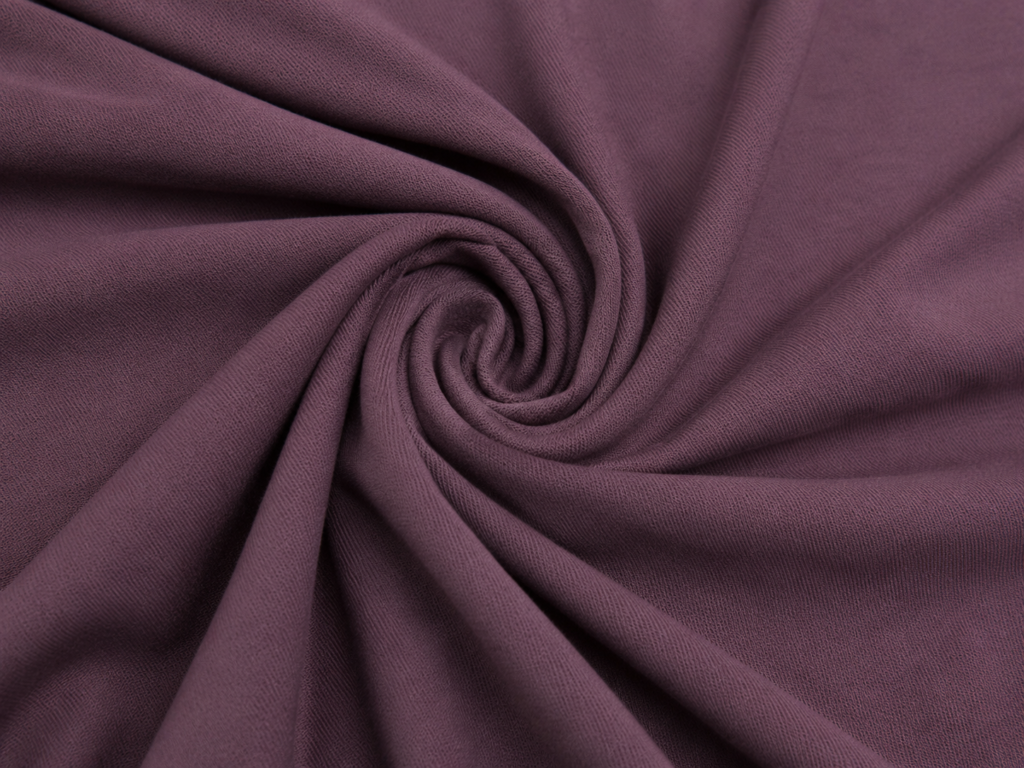
Compact jersey supports body-contouring silhouettes with a smooth face and controlled stretch. Suitable weight and recovery help the waist, seat and knee return after movement. Development checks opacity at full extension, edge curling, seam impression and wash stability. A very light jersey may reveal underwear lines or lose shape; an overly heavy version can make ruching bulky. Cutting direction is marked clearly so all panels use the approved stretch orientation. Bulk inspection compares shade, weight, handfeel and recovery before cutting begins.

Double-Layer Jersey

Double-layer construction improves coverage and can create a stronger sculpted appearance without heavy external structure. Both layers must stretch and recover together; mismatched fabrics can twist, bubble or pull the outer layer off grain. The lining pattern may need controlled reduction so it supports without restricting movement. Seam thickness, zipper installation and edge finishing are tested in the sample. During production, layer alignment and basting control are important because hidden shifting may only become visible after pressing or wear.

Stretch Satin

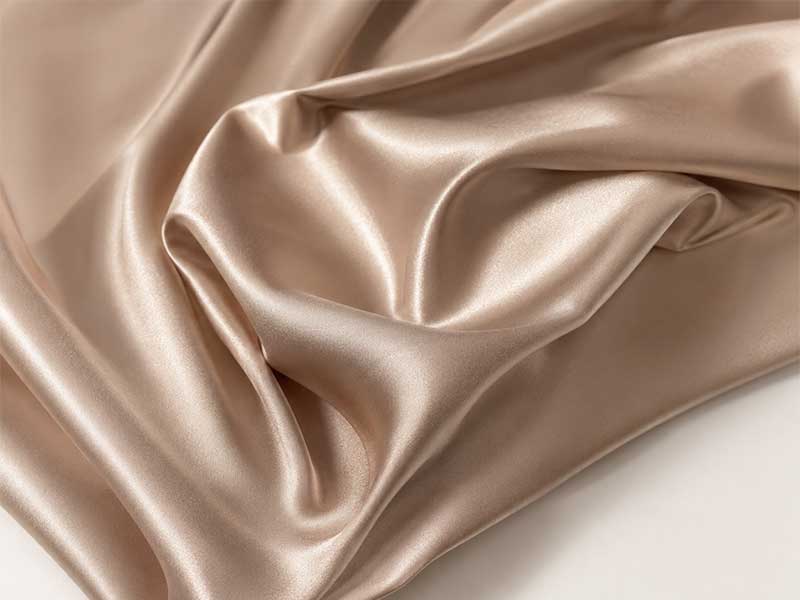
Stretch satin combines clubwear shine with greater mobility than rigid satin, yet the surface remains sensitive to snagging, needle marks, seam puckering and pressing temperature. Shine direction must stay consistent across panels, especially around the bust, waist and trouser legs. The fabric’s stretch level is measured before the pattern is finalized because satin recovery varies widely. Bulk control covers dye lot, surface direction, zipper flatness, seam tension and protective packing to reduce fold lines and abrasion.

Power Mesh

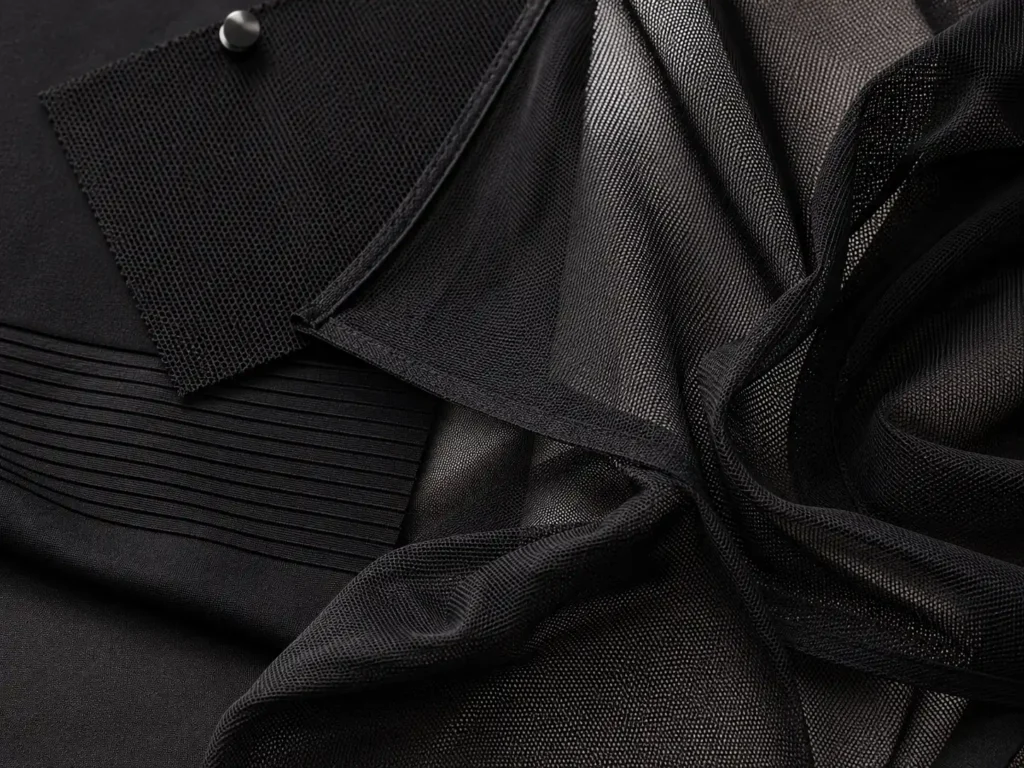
Power mesh provides selective support while preserving transparency and a lightweight appearance. It can stabilize the bust, side body, waist or cut-out edges when used as an internal layer or visible panel. Recovery, softness and transparency differ by supplier and color. Black mesh may look opaque in normal light but become more transparent under flash. Sample review checks skin comfort, edge pressure, seam behavior and visual coverage. Bulk cutting follows stretch direction, and panels are inspected for holes, runs and shade variation.
7Stretch velvet

Stretch Velvet

Stretch velvet offers depth and luxury under low lighting, making it suitable for autumn, holiday and evening clubwear. Nap direction must remain consistent or panels will reflect different shades. Velvet can show pressure marks, seam impressions and crushed areas during pressing and packing. The pattern is adjusted for the fabric’s stretch and thickness, especially at the crotch, zipper and gathered seams. Bulk handling controls cutting direction, clean work surfaces, temperature, steam and packing pressure to protect the pile.

Sequin and Coated Stretch

Sequin and coated stretch fabrics create metallic or high-shine impact but carry elevated sewing and packaging risk. Sequin direction, base-fabric stretch, missing pieces, rough edges and seam thickness are reviewed before approval. Coated surfaces may crack or transfer if stretched beyond their limit. Development may include clearing sequins from seam allowances, adding soft lining, reinforcing stress points and testing fold recovery. Bulk QC checks surface damage, color consistency, missing decoration, skin contact and protective packing before cartons are sealed.

Support Components Hidden Inside the Design

The most important clubwear details are often invisible from the outside. Cups, elastic, mesh, boning, sliders and closures must work with the approved pattern without creating bulk, discomfort or visible distortion.

Bra Cups

Fixed cups can improve shape and coverage when conventional underwear is not possible. Cup profile, thickness, softness and position are selected according to neckline, fabric and target support. The sample checks whether the cup follows the bust rather than creating a separate hard shape. Placement measurements are recorded for bulk production, and larger sizes may require adjusted cup proportions or support rather than a simple grade. Lining attachment must prevent shifting while keeping the interior clean and comfortable.

Power Mesh Lining

Power mesh can reinforce the front body, side bust, waist or cut-out edges without adding a heavy opaque layer. The selected mesh must have enough recovery to support the main fabric while remaining comfortable against the skin. Pattern reduction, seam placement and edge finishing are tested carefully because excessive tension creates visible ridges. The lining area is marked in the production file, and bulk inspection checks panel direction, holes, runs, shade and attachment security before the outer garment is completed.

Elastic and Stay Tape

Elastic controls selected edges, gathers and under-bust areas, while stay tape stabilizes seams that should not stretch. Neither should be applied as a universal fix. Elastic width, recovery and finished length must suit the fabric and wearing position. Too much tension creates puckering or discomfort; too little allows gaping. Stay tape is used where shape needs to remain stable, such as selected neckline or zipper areas. Specifications include material, width, color, placement and finished measurement for repeatable production.

Strap Sliders

Adjustable sliders help manage differences in torso and shoulder proportion, especially on narrow-strap backless styles. Hardware material, color, internal opening and surface finish must match the strap width. A slider that is too loose will move during wear; one that is too tight can damage the strap surface. The adjustment range is tested on the sample and recorded in the final specification. Bulk checks cover color matching, smooth adjustment, skin comfort, correct threading and secure strap-end finishing.

Invisible Zippers

An invisible zipper must open wide enough for dressing while lying flat across the waist, hip or side seam. Stretch fabric can pull the zipper into waves, and thick lining or sequin fabric can create bulk around the tape. Development reviews zipper length, position, color, seam stabilization and top closure. Bulk production controls zipper lot, tape color, smooth operation, seam matching and reinforcement at the lower stop. Pressing must flatten the seam without damaging satin, velvet or coated surfaces.

Boning and Support Panels

Partial boning or shaped support panels may be used in corset-inspired jumpsuits to maintain front shape and distribute tension. Boning length, hardness, channel width and endpoint protection affect comfort. The structure should support the approved silhouette without digging into the waist or lifting away from the bust. Sample fitting checks sitting and bending, not only standing posture. Production instructions define boning type, length, placement and securing method, while QC checks symmetry, exposed ends and internal comfort.

Workmanship Built for Close-Up Clubwear

Premium clubwear is inspected at camera distance and body distance. Clean internal construction, balanced tension, secure stress points and controlled finishing protect both visual impact and long-wear performance.

Clean Edge Finishing Around Exposure Areas

Back openings, cut-outs, deep necklines and mesh transitions draw attention to every edge. Binding must remain flat, facings must not roll outward and lining must stop at a deliberate position. Stretch edges are tested for wave formation after sewing and recovery after extension. Seam allowance is selected according to fabric thickness and transparency; bulky seams can show through compact jersey, while narrow unprotected seams may fail under tension.

Jinfeng Apparel develops edge methods during sampling rather than leaving the choice to bulk operators. The approved sample identifies whether an opening uses self binding, clean-turn lining, elastic binding, concealed elastic, narrow facing or another controlled method. Stitch length, thread, tension and finished width are documented. Inline inspection compares opening dimensions, symmetry and flatness before major panels are assembled, reducing the risk of discovering distorted cut-outs at final inspection.

Reinforced Stress Points Without Visible Bulk

Strap anchors, zipper ends, crotch junctions, under-bust seams and tight cut-out corners carry concentrated stress. Reinforcement is planned to prevent tearing, skipped stitches or seam separation while keeping the exterior smooth. A large visible bar tack may be secure but unsuitable for a refined clubwear finish. Depending on the area, reinforcement can involve internal tape, back stitching, hidden support patches, seam construction changes or controlled stitch density.

Stress points are reviewed during movement testing and sample inspection. When the fabric stretches more than the thread or lining, the construction must absorb the difference without breaking. Production files mark the exact reinforcement areas so operators do not apply inconsistent methods. Bulk QC includes gentle pull checks at selected points, seam opening review and inspection for needle damage, especially on mesh, satin, velvet and coated fabrics.

Pressing, Finishing and Surface Protection

A garment can be correctly sewn and still look poor if pressing is uncontrolled. Satin shows seam impressions, velvet crushes under pressure, coated fabric may mark, and mesh can distort with excessive heat. Pressing standards are matched to fabric and construction. Operators shape seams without flattening ruching, cups or structured panels. Threads, chalk, adhesive residue and surface dust are removed before final inspection.

Packaging also forms part of workmanship because surface-sensitive clubwear can be damaged after final QC. Sequin styles need protection from abrasion; satin needs controlled folding to reduce hard creases; velvet requires reduced pressure; hardware should not scratch adjacent panels. Folding method, tissue or protective layer, label placement and polybag size are confirmed before bulk packing. The garment should arrive with the same visual confidence approved in the Golden Sample.

Sampling Timelines and Approval Gates

Backless jumpsuits are treated as complex fit products. Development time depends on fabric readiness, support construction, trim availability and the clarity of the initial files. Faster progress comes from complete measurements, focused feedback and early material decisions.

Development StagePlanning Range or GateMain Output
Project review1-3 working days after complete files are receivedStructure risks, fabric direction, MOQ fit and development plan
Fabric and trim directionUsually 3-15 days for standard options; special sequins, hardware or custom materials may take longerSwatches, trim references, color direction and availability
First complex sampleTypically 15-25 days after material direction is confirmedFirst fitted garment for structure, movement and measurement review
Revised sampleUsually 1-2 rounds for complex backless, mesh, sequin or corset-inspired stylesUpdated pattern, corrected fit and revised construction
PP sample approvalStarts after fit, fabric, color, trims, labels, cost and bulk plan are lockedFinal production reference and confirmed measurement standard
Golden SampleSealed after PP approvalProduction, QC, repeat-order and dispute reference
Bulk timetableIssued after PP approval, material booking, order quantity and packing requirements are confirmedProduction milestones, QC window, packing plan and shipment target

Start from the Files You Already Have

Project entry does not require one rigid document format. Jinfeng Apparel can begin from a complete tech pack, a strong visual reference or an original garment, provided ownership and development rights are clear.

Tech Pack Development

A complete tech pack gives the fastest route to a reliable assessment. Useful information includes front and back flats, construction callouts, size chart, grade rules, fabric composition, weight, stretch direction, trim list, color references, label placement and packing requirements. Jinfeng Apparel reviews whether the proposed structure is production-ready and highlights conflicts before pattern work begins. When measurements, fabric or support details are incomplete, recommended additions are discussed rather than silently assumed. The final approved information is transferred into production and QC files.

Reference Image Development

A reference image can communicate silhouette and visual direction, but it rarely shows internal construction, exact measurements or material behavior. Development begins by defining neckline, back depth, strap design, closure, lining, support level, leg shape, target fit and fabric direction. The team then proposes a pattern and sample approach instead of promising an exact bulk price from the image alone. Clear target-market, size-range, order-volume and launch information helps balance appearance, cost, production feasibility and delivery planning.

Original Sample Development

An original garment allows direct measurement, construction review and fit comparison. Jinfeng Apparel can study panel shape, seam method, fabric behavior, trims and garment balance, then develop an adjusted version according to the authorized brief. Changes may include improved back stability, revised torso length, updated size chart, different fabric, new trim or branded packaging. An original sample is not copied blindly; production feasibility, intellectual-property rights, target fit and bulk repeatability are reviewed before a new pattern is approved.

From Clubwear Concept to Retail-Ready Delivery

A controlled workflow connects design decisions with materials, pattern files, samples, bulk instructions, quality checks and packing. Each stage closes a defined risk before the next stage begins.

Project Review

Reference files, quantity by style/color, target price, size range, private-label needs and launch date are reviewed together. The output identifies missing information, style complexity, likely material direction and whether the project fits the manufacturing model.

Fabric Direction

Main fabric, lining and support materials are compared for weight, stretch, recovery, opacity, handfeel, shine and availability. Swatches or videos are reviewed before the pattern is finalized when fabric behavior affects fit.

Pattern Development

The pattern team converts design lines and measurements into a production-oriented base pattern. Torso length, rise, waist placement, back depth, strap length, cup position and leg proportion receive priority for jumpsuits.

First Sample

The sample room sews the first garment using the selected construction direction. Internal checks cover measurements, appearance, movement, edge stability, closure operation and workmanship before photos, video or the physical sample are sent.

Fit Revision

Feedback is recorded by location, issue, requested change and affected file. Pattern, size chart, BOM, trim reference or sewing instruction is updated as needed. Complex styles often require one or two focused revision rounds.

PP Approval

The pre-production sample locks structure, measurements, fabric, color, trims, labels, packaging, allowable tolerances and QC focus. Major changes after approval require a formal review of cost, materials and timing.

Bulk Production

Materials are inspected before cutting. Production follows the final pattern, approved sample, BOM and sewing instruction. Complex first-time styles are allocated to suitable production units according to fabric and construction.

Quality Control

QC covers fabric, cutting, sewing, measurements, fit-related points, finishing, labels, packing and final AQL inspection. Problems are recorded, corrected and rechecked rather than passed to the next stage.

Branded Delivery

Approved labels, barcodes, polybags, carton marks and packing ratios are applied. Packing lists, commercial documents, carton data and shipment coordination support the appointed forwarder, warehouse or delivery plan.

Locking the Approved Look Before Bulk

Bulk consistency depends on how accurately sample decisions are transferred into production files. A visually approved garment is not enough; every relevant element must be named, measured and controlled.

PP Sample Locks Commercial Decisions

The PP sample represents the final combination of pattern, measurement, fabric, color, lining, support, trims, labels and packing direction. For a backless jumpsuit, approval includes back depth, strap length, neckline position, torso measurement, rise, crotch comfort, waist placement, leg silhouette and movement performance. Fabric stretch and color are linked to the approved supplier reference and batch plan. Any open issue is closed before production booking.

Once approved, major structural changes are not treated as small comments. Changing fabric, back opening, cup, zipper, size specification or trim after PP can alter consumption, pattern balance, sewing method and lead time. Changes are reviewed for cost and production impact before acceptance. Clear PP discipline protects the launch schedule and prevents operators from receiving mixed instructions.

Golden Sample Connects Development and Production

The Golden Sample is sealed as the physical reference for the production team, QC inspectors, final inspection and future repeat orders. It works together with the final pattern, size chart, BOM, trim card, construction instruction and packing file. Production staff can compare shape, seam position, ruching, back opening, strap arrangement, zipper, lining and surface finish against a real garment rather than interpreting a sketch differently.

For multi-style programs, every style keeps its own sample version and document set. A style code, color code and sample approval status prevent files from being mixed across similar designs. Repeat orders can start faster because the approved pattern, fabric reference, trim details, measurement standard and packing requirements remain archived, subject to material availability and a new bulk review.

Production Handover Converts Feedback into Action

Sample comments only protect bulk quality when they are transferred into working documents. Fit corrections update the final pattern and size chart. Material decisions update the BOM and trim references. Sewing changes update construction instructions. Label and packing approvals update placement and packing files. QC-sensitive points become measurable checkpoints.

A production handover reviews the approved sample, high-risk operations and tolerances before line work begins. For backless jumpsuits, attention may include strap attachment, cut-out edge width, cup position, center-back depth, torso length, rise, crotch seam, zipper flatness and mesh-panel symmetry. Inline inspection focuses on the same points, creating a continuous link between development decisions and bulk execution.

Quality Checks for Backless Clubwear Jumpsuits

Quality control follows the risks of the product rather than one generic checklist. Backless jumpsuits require combined control over materials, stretch direction, torso measurements, support, high-stress seams, exposed edges, surface finish and branded packing.

Inspection StageKey ChecksTypical Risk Controlled
Fabric inspectionShade, weight, stretch direction, recovery, opacity, surface defects and batch identityColor variation, transparency, weak recovery, snagging or surface damage
Cutting QCGrain or stretch direction, panel symmetry, cut-out shape, mesh pairing and size bundle separationTwisted legs, unequal openings, mixed sizes or inconsistent panels
Sewing QCStrap attachment, binding, cups, boning, zipper, crotch seam, ruching and liningBroken seams, waves, poor support, zipper bulging or skin irritation
Measurement QCTorso length, back depth, strap length, bust, waist, hip, front rise, back rise and inseamWaist shift, neckline drop, crotch pulling, fit imbalance or size inconsistency
Movement reviewSitting, arm lift, walking, turning, back-edge contact and recoveryGaping, slipping, exposure, restricted movement or bagging
Final finishingSymmetry, loose threads, pressing, stains, decoration security and surface protectionUneven appearance, damage, crushed velvet, satin marks or missing sequins
Packing QCMain label, size label, care label, hangtag, barcode, polybag, fold, size ratio and carton markWrong SKU, warehouse receiving errors, surface damage or mixed packing

Managing Multi-Style Clubwear Collections

Established clubwear programs often contain 10-30 styles, several fabric groups, multiple colors and thousands of SKUs. Order control depends on grouping, version discipline, production allocation and packing accuracy rather than treating every style as one undifferentiated order.

Style and Fabric Grouping

Styles are grouped by construction and material behavior: compact-jersey bodycon, power-mesh cut-out, stretch-satin evening, velvet holiday, sequin statement and corset-inspired support. Shared fabric groups can improve color and material coordination, but every style retains its own pattern, sample version, measurements and QC focus. High-risk styles are sampled and approved earlier so material and production decisions do not delay the full collection. Fabric availability is reviewed against the combined order rather than one style at a time.

Priority and Production Allocation

Hero styles, campaign samples and launch-critical colors receive clear priority. Complex first-time jumpsuits stay with production units experienced in stretch, backless, mesh, sequin or structured work. Repeated or less complex styles can be scheduled through additional long-term capacity under the same approved standards. A collection plan tracks material arrival, sample status, PP approval, cutting, sewing, QC, packing and shipment. The schedule is adjusted when one fabric or trim threatens the wider launch rather than allowing the entire program to wait without a decision.

SKU and Packing Control

Style, color, size, barcode, label and packing data are managed as separate controlled fields. One incorrect size sticker or carton ratio can create warehouse problems even when garment quality is acceptable. Packing instructions define folding, polybag, barcode position, hangtag, carton mark, size ratio and shipment grouping. Split shipments can prioritize hero styles, key colors or core sizes while maintaining clear packing lists and carton separation. Final checks compare physical goods with the approved SKU and packing files before cartons are released.

Private Label Details Ready for Brand Delivery

A finished garment becomes retail-ready only when identification, labeling, packaging and warehouse information are accurate. Private-label control begins during sampling and is locked before bulk packing.

Woven Main Labels

Main labels are reviewed for material, size, fold, edge comfort, color, logo clarity and placement. Backless garments require careful positioning so the label does not become visible through an open back or irritate the skin. Placement is shown in the sample or packing file, and bulk inspection checks orientation and secure attachment.

Size Labels

Size labels must match the garment, barcode, polybag sticker and carton ratio. For multi-market collections, the format may include several regional size references. Placement should remain readable without affecting comfort. Packing teams separate sizes by controlled bundle and verify labels before garments move into final folding and polybagging.

Care Labels

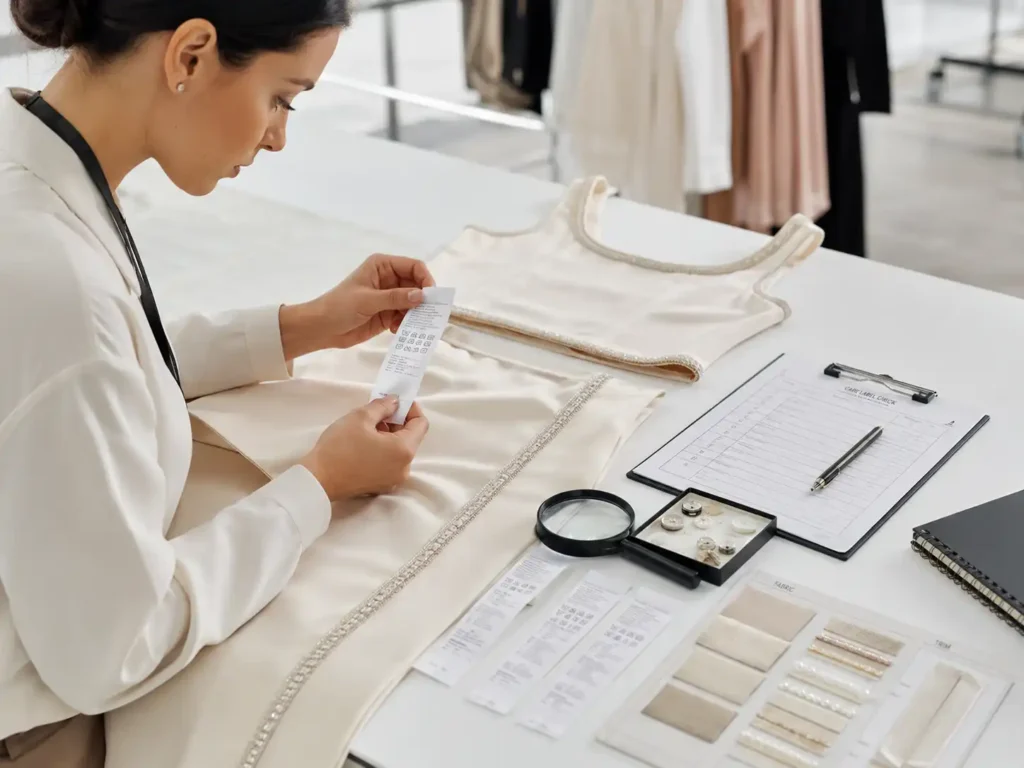
Care information reflects fiber content, construction, decoration and market requirements. Satin, velvet, mesh, coated and sequin garments may need different handling instructions. The final artwork, language, fiber statement and position are approved before bulk. Label material is selected for durability and skin comfort, especially when placed inside close-fitting garments.

Hangtags

Hangtags communicate brand identity, product information and retail handling. Paper, finish, string, safety pin or attachment position are confirmed against the garment and packaging. Sharp attachments must not damage stretch fabric, satin or mesh. Bulk packing checks correct hangtag style, information and secure but removable placement.

Barcode and SKU Labels

Barcode data links the garment to ecommerce, retail and warehouse systems. Style, color and size must match across hangtag, polybag and packing list. A controlled data file reduces manual re-entry. Sample scans or print proofs can be reviewed before bulk printing, followed by random scan checks during packing.

Polybags and Carton Marks

Polybag size, thickness, warning text, ventilation and sticker placement are chosen according to garment volume and market needs. Carton marks, size ratio, gross weight, net weight and carton dimensions support warehouse receiving and shipment documents. Surface-sensitive garments may require additional protection or adjusted folding to prevent damage in transit.

Production Capacity for Established Fashion Brands

Jinfeng Apparel operates a structured women’s fashion production system in Guangdong, combining owned factories, long-term production partners and dedicated development, merchandising, QC and packing teams. Capacity is allocated according to product risk, material and launch schedule.

Structured Factory Allocation

The production network includes 6 owned women’s fashion factories and more than 10 long-term satellite production partners. Complex first-time styles, stretch jumpsuits, mesh, lace, sequin, satin and support-heavy designs are assigned according to proven production suitability rather than whichever line is open. Repeated styles, selected regular programs and peak-season volume can use additional long-term capacity under unified Jinfeng Apparel standards. The allocation plan considers fabric behavior, sewing complexity, order quantity, size range, color count, delivery window and QC intensity.

Development and Project Ownership

Two sample rooms, 7+ senior pattern makers and 20+ sample machinists support development from first sample through revised, PP and Golden Sample stages. Twelve-plus merchandisers coordinate materials, sample comments, production status, packing approvals and shipment details.
Each major project has clear owners for commercial communication, sample development, bulk follow-up, quality and logistics. The structure reduces information loss between the sample room and production units, especially when a collection contains 10-30 styles moving at different speeds.

Production, QC and Packing Scale

The system supports more than 100,000 pieces of women’s fashion capacity per month across suitable product groups, with 18+ sewing lines and 6+ flexible lines used according to order structure. Fifteen-plus QC inspectors and 30+ finishing and packing workers support inline checks, final inspection, private-label packing and multi-batch delivery. Monthly capacity is not treated as unlimited capacity for every complex style.

Material booking, PP approval, production allocation and QC windows are confirmed before a reliable timetable is issued.

MOQ and Quotation Factors for Custom Jumpsuits

Order planning is reviewed by style and color, then matched with fabric, trim, size, construction and packing requirements. Clear quantity and specification files allow a more accurate cost and production assessment.

MOQ by Style and Color

MOQ starts from 200 pieces per style/color. One black style at 200 pieces can be assessed as one production unit.

One style divided into black 100 pieces and white 100 pieces does not normally meet the standard color quantity. Two colors at 200 pieces each create a 400-piece order for the style. Custom dyeing, special sequins, exclusive hardware, certified materials or custom packaging may carry separate supplier minimums. Multi-style programs are planned by each style/color rather than combining unrelated styles into one MOQ total.

What Builds the Quotation

A backless jumpsuit quotation combines main fabric, lining, support materials, cups, boning, elastic, hardware, zipper, pattern work, sample development, cutting, sewing time, pressing, quality control, packing, wastage, testing needs, logistics terms and reasonable factory margin. Cost rises with deep support structures, complex cut-outs, controlled ruching, mesh binding, sequin work, difficult zipper installation and surface-sensitive finishing. Jinfeng Apparel can discuss fabric substitution, construction simplification, color consolidation and size-ratio planning to control cost without weakening brand-level appearance.

Anonymized Clubwear and Partywear Programs

The following project summaries use anonymized identities and commercially reasonable order structures. They illustrate how fit-sensitive, multi-style programs are planned without exposing brand names, original designs, prices or private launch information.

US Premium Clubwear Drop

Market: United States. Program: 18 backless, cut-out and corset-inspired jumpsuit styles across compact jersey, power mesh, stretch satin and coated stretch groups. Order scale: approximately 42,600 pieces across six core colors and a managed XS-2XL size run. Development: two priority hero styles were sampled first, followed by grouped sampling for remaining styles. Most complex styles required two focused revision rounds before PP lock. The main risks were torso length, side-bust coverage, cut-out stability, strap tension and zipper waves on stretch satin. Fit comments were converted into final patterns and grade rules, while the material team consolidated fabrics to control shade and recovery. Bulk production ran for 46 days after PP approval and full material readiness. Hero styles and core black sizes shipped first by air, with the main volume following by sea. QC concentrated on back opening measurements, crotch comfort, strap security, barcode matching and surface protection.

Australian Partywear Collection

Market: Australia. Program: 14 mesh-panel, ruched and open-back jumpsuits designed for a summer party and festival calendar. Order scale: approximately 28,400 pieces in four color stories, including black, deep red, metallic charcoal and seasonal brights. Materials included stretch jersey, soft mesh, power mesh and selected sequin panels. The sample plan prioritized photo-ready styles for campaign shooting while additional color lab dips and trim options were still being finalized. Flash photography revealed greater mesh transparency than normal room lighting, so lining coverage and panel placement were revised before PP approval. Ruching lengths were standardized by measurement rather than visual judgment, and narrow strap anchors received hidden reinforcement. Bulk production and packing were completed in 40 days after all materials and PP samples were locked. Final inspection focused on mesh damage, left-right panel symmetry, ruching distribution, color transfer, size labels and polybag sticker accuracy.

European Ecommerce Program

Market: European Union and United Kingdom. Program: 26 private-label clubwear and occasionwear styles, including backless jumpsuits, bodycon dresses and matching sets. Order scale: approximately 68,200 pieces across eight fabric groups, eleven colors and several delivery batches. The assortment required coordinated main labels, multilingual care labels, hangtags, barcodes, individual polybags and warehouse-specific carton marks. Development was divided into fabric groups so stretch blocks, satin blocks and embellished styles could move through sampling with the right technical teams. Key jumpsuit styles received torso and rise corrections before grade rules were approved. Production was allocated across suitable units, while one merchandising file tracked sample version, PP status, material arrival, cutting, sewing, QC and packing. The schedule used 52 days from complete PP lock and material readiness to final packing. Three shipment batches prioritized campaign products, high-volume black styles and remaining seasonal colors.

Frequently Asked Questions About Backless Jumpsuits
MOQ starts from 200 pieces per style/color. Quantity is calculated by each style and each color, not by adding unrelated designs together. A style in two colors normally requires 200 pieces in each color. Material suppliers may set additional minimums for custom dyeing, exclusive sequins, special hardware, certified fabrics or custom packaging. Send a quantity plan by style, color and size so fabric availability, production allocation and quotation can be assessed accurately.
A complex backless, mesh, sequin, corset-inspired or support-heavy sample is typically planned for 15-25 days after the fabric and trim direction is confirmed. Standard materials move faster than custom-dyed fabric, special hardware or exclusive decoration. Development timing also depends on the completeness of the tech pack, size chart and feedback. A project timeline is issued after structure, materials and sample requirements are reviewed rather than promising one fixed schedule before the design is understood.
Yes. A reference image can establish silhouette and visual direction, while the development review defines measurements, fabric, lining, support, closure, strap system, leg shape and target fit. A reference image rarely contains enough information for an accurate bulk quotation, so the first step is a feasibility and specification review. Clear target quantity, size range, color plan, target market and launch date help the team recommend a realistic sample and production direction.
Built-in support can be developed when the design, fabric and neckline allow it. Options may include fixed cups, double-layer fronts, under-bust elastic, power-mesh side support, shaped seams, partial boning or structured panels. The correct solution depends on coverage, stretch, desired silhouette and size range. Support is tested in the sample for comfort, movement and appearance. Adding every component is not recommended because excessive structure can become visible, heavy or restrictive.
Fit review covers torso length, waist placement, front rise, back rise, crotch depth, hip shape and inseam together. The garment is evaluated during standing, sitting, walking, arm lifting and turning. Pulling, dropped crotch, back-waist folds or neckline movement are traced to specific pattern causes. Approved corrections update the final pattern, size chart and grade rules before PP approval. Bulk QC then measures the sensitive points and compares production garments with the Golden Sample.
Complex backless, mesh, sequin, corset-inspired and structured jumpsuits commonly require one or two focused revised samples after the first sample. More rounds may be needed when the design, fabric or support structure changes substantially. Each revision should close defined issues rather than repeat broad comments. Feedback is recorded by location, measurement and requested result, then transferred into the pattern, size chart, BOM, sewing instruction or trim reference before the next sample is made.
Consistency is built through PP sample approval, Golden Sample sealing, final pattern control, size chart, grade rules, fabric and trim references, BOM, sewing instruction, QC checklist and packing instruction. A production handover reviews high-risk points before line work begins. Inline checks identify errors while production is still in progress. Final inspection covers measurements, appearance, labels and packing. Changes after PP approval are reviewed formally because they can affect cost, materials, construction and delivery timing.
Yes, based on the brand’s size strategy and approved measurement standards. Petite and tall adjustments are not limited to inseam length; torso, rise, waist position, strap length, armhole and overall proportion may also need changes. Extended sizes may require revised cup proportions, support, strap width, hip ease and grade rules rather than simple enlargement. The appropriate sample and grading plan is reviewed according to the intended size range, fabric and silhouette before bulk production.
Yes. Private-label delivery can include woven main labels, size labels, care labels, hangtags, barcode or SKU stickers, individual polybags, carton marks, packing ratios and warehouse-related labels. Artwork and placement are confirmed before bulk packing. Barcode, style, color and size information must match across the garment, polybag and packing list. Surface-sensitive satin, velvet, sequin and coated garments may require adjusted folding or protective materials to reduce transit damage.
Yes. An NDA can be signed before detailed tech packs, original samples, patterns, size charts, labels, packaging files or unpublished collection information are reviewed. Project files are used only for the approved development, production, quality and shipment work. Brand names, design files, sample photos, order quantities, pricing, launch plans, barcodes and private-label information are not published without permission. Public examples use authorized material, anonymized descriptions or internally developed samples.

Send Your Backless Jumpsuit Project for Review

A useful first review starts with enough information to evaluate structure, materials, MOQ, sample complexity and production timing. Send a tech pack, reference image, line sheet or original-sample photos together with the planned quantity by style/color. Add the intended size range, color plan, preferred fabric, support requirements, private-label details, destination market and target launch window. Kelly will coordinate an initial project assessment with the development team and identify missing specifications before a sample or quotation plan is confirmed.
Please prepare:

  • Tech pack, reference images, sketches or original-sample photos
  • Quantity per style/color and planned size breakdown
  • Preferred fabric, color and surface direction
  • Back depth, cut-out, strap and bust-support requirements
  • Main label, care label, hangtag, barcode and packing needs
  • Target launch date, warehouse window and shipping preference
  • Any required testing, audit documentation or inspection standard

Tell Us About Your Dress Project

Share your product details, estimated quantity and development requirements. Our team will review your project and provide practical OEM/ODM production feedback.

Premium Women’s Apparel Production for Fashion Brands

From dress sample development to bulk production, JF Apparel supports fashion brands with confidential OEM/ODM manufacturing, reliable quality control and scalable production support.

START YOUR DRESS PROJECT

Ready to Develop Your Next Dress Collection?

Share your design concept, product requirements or sourcing plans with our team. We’ll review your project and provide practical feedback on development, materials, MOQ and production.

7-10 Days

Sample Development

200 PCS

Starting MOQ

Fast Response

Professional Follow-Up