...

Mesh Skirt Manufacturer for Clubwear Brands

Custom mesh skirt development built around stretch recovery, controlled coverage, club-ready fit and repeatable bulk production. Jinfeng Apparel develops mesh skirts for clubwear, partywear, festival and going-out collections from fabric direction and pattern work through sampling, bulk production, quality control and private-label packing.

  • MOQ starts from 200 pcs per style/color for standard custom production.
  • Simple samples usually require 7-10 days; standard styles 10-15 days; complex mesh or embellished styles 15-25 days.
  • US, UK, EU and AU sizing can be developed from XS-XL, with extended, petite, tall or plus-size grading by project.
  • 6 owned factories, 10+ long-term production partners, 2 sample rooms and dedicated pattern, sampling, merchandising, QC and packing teams.

Built for Structured Clubwear Programs

Clubwear brands need more than a skirt sewing source. Development, fit, material control, multi-style coordination and bulk verification must work as one production system.

Since 2008

Long-term womenswear manufacturing experience supports product development, fit correction, bulk planning and repeat production for trend-led collections.

6 Owned Factories

Core manufacturing resources are allocated by product structure, fabric behavior, workmanship level and approved delivery plan.

10+ Production Partners

Long-term satellite partners add controlled capacity for multi-style programs without treating every factory as interchangeable.

2 Sample Rooms

Separate sample development capacity helps move fabric trials, fit samples, revisions and PP approvals in a controlled sequence.

7+ Pattern Makers

Senior pattern makers develop waist, high-hip, full-hip, length, slit, lining and built-in short structures for target markets.

15+ QC Inspectors

Quality teams follow materials, cutting, sewing, measurements, appearance, embellishment security, packing and shipment preparation.

Why Clubwear Mesh Skirts Need Specialized Manufacturing

High visual impact only works when transparency, stretch, lining, fit and workmanship remain controlled through sampling and bulk production.

Transparency Drift

Mesh opacity changes with color, mesh opening, layer count, lining shade and body stretch. A skirt that looks balanced on a hanger may become noticeably more transparent across the hip. Development begins with an agreed coverage direction under normal light, bright light and camera flash conditions.
  • Approve mesh and lining as a pair.
  • Review transparency while stretched.
  • Record approved layer count and color.

Stretch Mismatch

Outer mesh and inner lining can pull against each other when their stretch direction or recovery differs. The result may be a loose outer layer, tight lining, twisted side seams or an uneven hem. Both layers are evaluated before pattern and seam decisions are locked.
  • Compare widthwise and lengthwise stretch.
  • Check recovery after repeated extension.
  • Balance negative ease across both layers.

Lining Movement

Briefs, shorts and partial linings need secure attachment without restricting movement. Incorrect anchoring can cause the lining to rise, twist or become visible during sitting, walking or dancing. Attachment points and lining length are checked on body, not only on a dress form.
  • Confirm lining coverage by size.
  • Check leg opening and rise.
  • Verify movement before PP approval.

Weak Seam Control

Fine mesh can show needle damage, seam waving, stretched edges or opening at stress points. Seam choice, stitch balance, reinforcement and edge finish are selected around fabric weight, elasticity and the planned silhouette rather than copied from a standard woven skirt.
  • Inspect needle marks and seam flatness.
  • Reinforce slits and hardware points.
  • Test recovery after sewing.

Custom Mesh Skirt Styles for Clubwear Collections

A strong range combines distinct silhouettes with a shared fabric and fit language. Each style below can be developed from a tech pack, original sample, reference image or coordinated line sheet.

Sheer Mesh Mini

A fitted or lightly shaped mini with deliberate transparency. Development focuses on hip coverage, lining length, waistband tension and a clean hem that remains balanced after the mesh stretches on body.
  • Best for: nightlife and going-out drops.
  • Common structure: partial lining or attached brief.
  • Key QC: transparency, skirt rise and hem level.

Ruched Bodycon

Controlled gathering adds texture and visual compression, but uneven thread tension or inconsistent gathering marks can change the shape from piece to piece. Pattern notches and production reference measurements help keep ruching density repeatable.
  • Best for: fitted clubwear capsules.
  • Common structure: double-layer stretch mesh.
  • Key QC: left-right symmetry and hip placement.
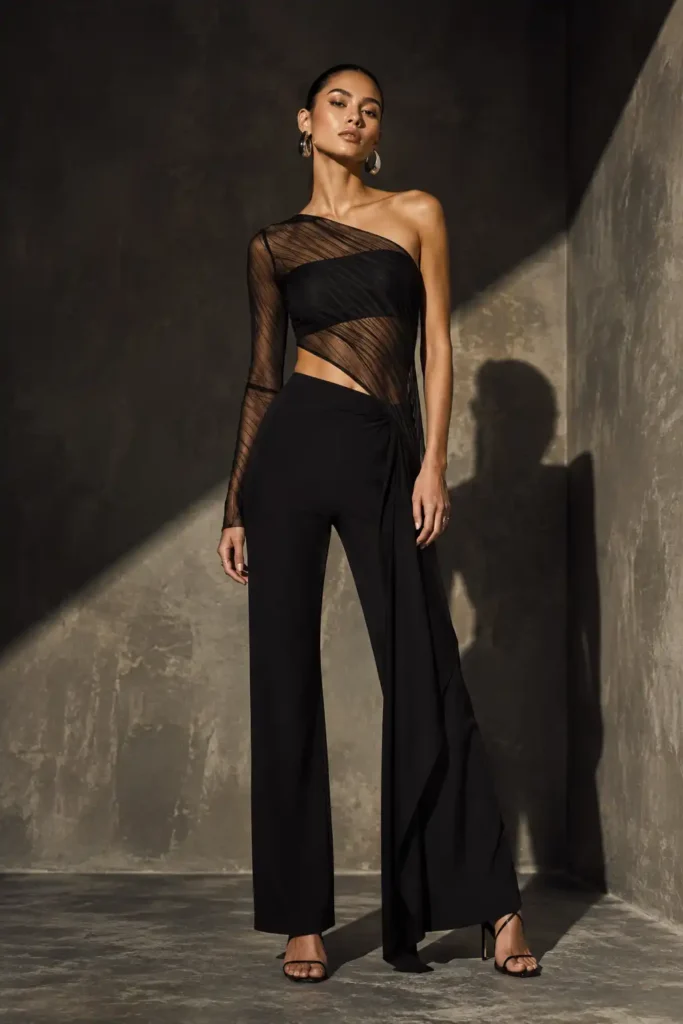
Asymmetric Mesh

An asymmetric hem creates movement and a strong styling line. Grain direction, layer length and side-seam balance need careful control because lightweight mesh can distort during cutting, hanging and sewing.
  • Best for: editorial and partywear stories.
  • Common structure: mesh overlay with short lining.
  • Key QC: hem drop and side balance.

Layered Mesh Skirt

Multiple mesh or tulle layers create volume without heavy structure. Layer sequence, mesh softness, edge finish and lining length determine whether the skirt looks refined or bulky.
  • Best for: festival and statement looks.
  • Common structure: two to four visible layers.
  • Key QC: layer spacing and hem consistency.

Mesh Overlay Midi

A longer sheer overlay can extend beyond a fitted mini lining or short. The contrast between coverage and transparency must remain intentional across sizes, especially when body stretch changes the visible lining proportion.
  • Best for: elevated night-out collections.
  • Common structure: fitted inner skirt plus sheer midi overlay.
  • Key QC: lining-to-overlay proportion.

Cut-Out Mesh Skirt

Cut-outs combine exposure with structural stress. Opening position, edge stabilization and grade rules are reviewed so the design remains aligned across waist and hip sizes without uncontrolled stretching.
  • Best for: directional clubwear ranges.
  • Common structure: local lining and stabilized openings.
  • Key QC: opening shape and stress-point security.

Flocked Mesh Skirt

Flocked surfaces add depth and pattern, but rubbing, folding and sewing can damage the finish. Fabric direction, protected handling and packing methods are planned before bulk cutting.
  • Best for: dark romantic and holiday capsules.
  • Common structure: soft lining under decorative mesh.
  • Key QC: flock loss, pressure marks and color consistency.

Sequin Mesh Skirt

Sequin mesh creates strong light response for clubs and events. Sequin direction, seam allowance preparation, skin contact, lining coverage and decoration loss need dedicated checks.
  • Best for: party, performance and festive launches.
  • Common structure: fully lined sequin mesh.
  • Key QC: missing sequins, abrasion and seam bulk.

Mesh Skirt With Shorts

Built-in shorts improve movement confidence for mini, slit and high-activity styles. Rise, inseam, leg opening and attachment points must work with the skirt instead of pulling the outer mesh upward.
  • Best for: festival, dance and active nightlife.
  • Common structure: integrated stretch shorts.
  • Key QC: shorts migration and outer-layer balance.

Choosing Mesh Fabric for Fit and Visual Impact

Mesh selection starts with the required silhouette, coverage and movement. Weight alone cannot predict performance. Stretch direction, recovery, mesh opening, surface treatment, layer interaction and lining compatibility all affect the finished skirt. Fabric approval should include a physical swatch and, for fitted styles, a stretch comparison rather than color approval alone.

Mesh DirectionVisual ResultStretch ProfileBest UsePrimary Control
Stretch MeshSoft, flexible sheernessMedium to highBodycon, ruched and cut-out skirtsRecovery, seam wave and layer balance
Power MeshFirm, sculpted supportHigh with stronger recoveryFitted minis and supportive inner layersCompression, comfort and size grading
Double-Layer MeshControlled depth and coverageDepends on both layersSheer bodycon and tonal layered stylesLayer alignment and combined stretch
Soft TulleAiry volume and shapeLowLayered, flared and asymmetric skirtsHand feel, edge finish and static
Flocked MeshPatterned depth and textureLow to mediumStatement holiday and clubwear stylesSurface protection and cutting direction
Sequin MeshReflective, high-impact surfaceMediumParty, performance and festival skirtsDecoration loss, seam bulk and skin contact
Printed MeshGraphic color and visual movementMediumDrop-led and coordinated capsule rangesPrint stretch, registration and color approval
Rhinestone MeshSparkle with localized weightMediumNight-out and stage-inspired stylesStone security, drape and protected packing

Engineer Sheerness Without Losing Wearability

Coverage becomes part of the design, not an afterthought. Mesh color, lining shade, layer length and movement all influence how a skirt performs under club lighting, daylight and photography.

Full Stretch Lining

Full lining gives the most stable coverage and can support fitted silhouettes when lining stretch and recovery are compatible with the mesh. Color, hand feel and negative ease are confirmed together. A lining that is too firm may drag the outer layer; a lining that is too loose may wrinkle or move independently.
  • Use for bodycon minis and retail-safe coverage.
  • Approve lining color under natural and bright light.
  • Measure outer and inner layers after wear movement.

Partial Lining

Partial lining keeps selected areas covered while preserving transparent lower panels or side sections. The lining edge becomes a visible design line, so its position must remain consistent across sizes and during movement.
  • Use for sheer midi overlays and high-slit designs.
  • Check lining edge at front, side and back.
  • Grade lining length with the skirt proportion.

Attached Brief

An attached brief works well for micro lengths, high slits and directional cut-outs. Rise, leg opening and crotch depth are developed from the target size chart rather than borrowed from a standard underwear block.
  • Use for editorial clubwear and high-exposure minis.
  • Check leg opening under movement.
  • Keep attachment points smooth beneath the mesh.

Built-In Shorts

Built-in shorts offer more coverage for festival and dance-oriented styles. The shorts must stretch and recover with the outer skirt without pushing the waistband upward or changing the hem line.
  • Use for high-activity collections.
  • Confirm inseam, rise and leg opening by size.
  • Check migration after sitting and repeated steps.

Fit Control for Movement and Confident Wear

A mesh skirt must look right in motion, retain the approved level of coverage and hold its intended waist-to-hip proportion across sizes. Fit development links body measurements, fabric behavior and final construction.

Waist and High Hip

Waist placement may be natural, low-rise or shaped. Waistband length, elastic recovery and seam allowance affect grip and comfort. High-hip measurements are reviewed early because mesh skirts often begin shaping before the full-hip point.
  • Control points: waist, waistband height, high hip and side seam.
  • Check rolling, gaping and downward movement.
  • Develop separate low-rise proportions when required.

Full Hip and Length

The full hip determines stretch load, transparency and ride-up risk. Front length, back length and side length may need separate corrections because fitted mesh stretches differently over body curves.
  • Control points: full hip, front length, back length and hem level.
  • Review opacity at the widest body point.
  • Confirm mini length while standing, sitting and walking.

Grading and Size Range

US, UK, EU and AU blocks can be developed from brand specifications. XS-XL is common, while extended, plus-size, petite or tall grading is handled from the approved base pattern and brand-specific grade rules.
  • Bundle and identify cut parts by size.
  • Measure waistband, hip, length, lining and slit height.
  • Keep visual proportions consistent across the range.

Design Details Built for Clubwear Collections

Clubwear details must survive movement, stretch, dressing and repeated wear while preserving the intended exposure and silhouette. Every detail below needs a sample-stage control point and a bulk-stage inspection point.

Adjustable Ruching

Drawcord or tie-controlled ruching gives variable length and texture. The casing, cord exit and reinforcement points are placed to avoid tearing fine mesh. Gather range and finished length are recorded for bulk consistency.
  • Check minimum and maximum length.
  • Protect cord exits and bar-tack areas.
  • Confirm ties do not catch the outer mesh.

Asymmetric Hem

Diagonal and high-low hems create movement but magnify cutting and hanging differences.

Pattern direction and reference points keep the silhouette stable through size grading.

  • Mark balance points on the pattern.
  • Allow fabric to relax before final hem review.
  • Inspect left-right drop against the approved sample.

Side Slit

Slits increase stride and exposure. Slit height, reinforcement and lining interaction are developed together so the opening remains clean without pulling or spreading under movement.

  • Confirm slit height by size.

  • Reinforce the top of the slit.

  • Check lining remains inside the intended coverage zone.

Cut-Out Panels

Cut-outs require controlled edges and clear grade rules. An opening that looks balanced in the base size may become too wide or shift position in larger sizes unless the pattern is adjusted deliberately.

  • Review exposure at waist and hip.

  • Stabilize edges without making them rigid.

  • Check openings after repeated stretch.

Rhinestone Application

Rhinestones add concentrated weight to fine mesh. Stone size, spacing, adhesive or attachment method and fold lines must be considered before bulk placement.

  • Approve a placement mockup.

  • Test security and surface flexibility.

  • Use protective packing between embellished areas.

Sequin Embellishment

Sequin direction and density affect drape, comfort and seam bulk. Decorations near seam allowances may need controlled removal or repositioning before sewing.
  • Protect skin contact with suitable lining.
  • Inspect missing or reversed sequins.
  • Avoid pressure damage during folding.

Contrast Lining

A contrast lining changes the color story without changing the outer mesh. Shade interaction must be checked under multiple lighting conditions because the same mesh can look significantly different over nude, black, red or metallic lining.
  • Approve mesh and lining together.
  • Check color consistency across dye lots.
  • Record the approved combination in the BOM.
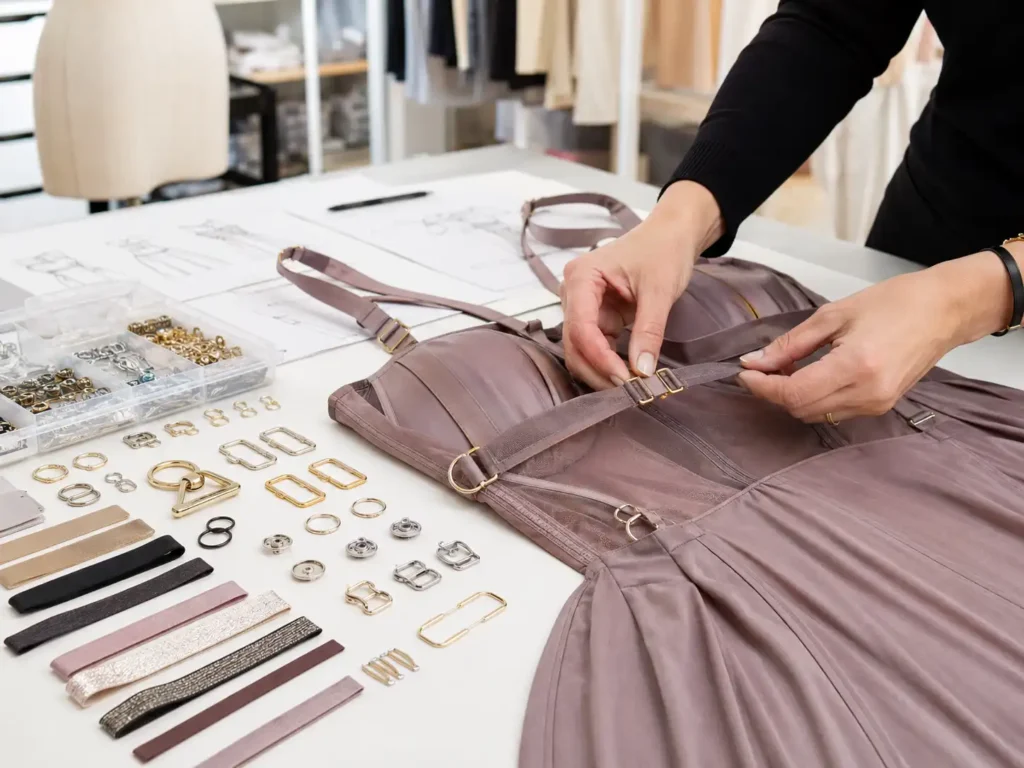
Hardware Detail

O-rings, sliders and decorative hardware create stress points on mesh.

Reinforcement, backing and placement are designed to distribute load without visible bulk.

  • Confirm hardware weight and finish.
  • Reinforce surrounding fabric.
  • Check comfort and snag risk.

Construction Plans Matched to Each Skirt Concept

A style reference can hide the construction needed underneath. Development converts the desired look into a clear layer plan, pattern set, seam strategy and inspection standard before sampling moves forward.

Double-Layer Bodycon

Two synchronized stretch layers improve coverage and surface depth. Both layers are cut in the approved direction, matched at control points and checked for differential shrinkage or recovery before bulk release.

  • Best for fitted minis and ruched skirts.
  • Primary risk: one layer growing longer.
  • Approval record: combined stretch and finished length.

Overlay With Inner Skirt

A separate inner skirt provides stable coverage while the mesh overlay carries the visual line. Waist attachment and hem proportions are planned so the layers move together without looking fused.
  • Best for midi overlays and asymmetric silhouettes.
  • Primary risk: inner skirt twisting.
  • Approval record: lining edge and overlay drop.

Mesh With Attached Brief

The brief is developed as part of the pattern set, with rise, leg opening and attachment position matched to the skirt.
Seam bulk is kept away from visible or high-pressure areas.

  • Best for micro lengths and cut-outs.
  • Primary risk: brief exposure or tightness.
  • Approval record: movement and coverage check.

Mesh With Built-In Shorts

Shorts support high-activity wear while preserving a mini silhouette.

Outer and inner pieces need compatible stretch and a shared waistband strategy.

  • Best for festival and dance-inspired styles.
  • Primary risk: shorts pulling up the skirt.
  • Approval record: repeated movement test.

Decorated Mesh Structure

Flocked, printed, sequin or rhinestone mesh may require special seam planning, protected handling and different folding. Surface treatment is considered before pattern placement and bulk cutting.
  • Best for holiday and statement styles.
  • Primary risk: surface damage or decoration loss.
  • Approval record: decoration mockup and packing method.

Mixed-Material Skirt

Mesh can be combined with satin, jersey, lace, faux leather or stretch knit. Each material behaves differently, so seam placement and pattern balance are adjusted to avoid pulling, twisting or uneven recovery.
  • Best for multi-texture clubwear capsules.
  • Primary risk: incompatible stretch and weight.
  • Approval record: fabric pair and seam behavior.

Sample Mesh Skirts Before Locking Bulk Production

Sampling is a technical verification stage, not a photo exercise. A strong first sample identifies issues early; a controlled revision process converts feedback into production-ready standards.

Project Review

Reference images, tech packs, size charts, target quantities, launch date and private-label needs are reviewed before sample work begins. Outcome: development scope, risk list and required missing information.

Fabric Direction

Mesh, lining and trims are matched to the required opacity, stretch, surface effect and target cost.
Outcome: swatch direction and sourcing plan.

Pattern Development

Waist, hip, length, slit, lining, brief or short structures are drafted for the selected base size.
Outcome: first production-oriented pattern set.

First Sample

The first garment checks silhouette, fabric behavior, coverage, workmanship and construction feasibility. Typical time: 7-10 days for simple styles; 10-15 days for standard styles.

Fit Review

Measurements, photos, video and wear feedback are compared with the specification and intended visual result.
Outcome: clear correction list.

Revised Sample

Pattern, fabric, lining, trims or sewing methods are updated and recorded rather than changed informally. Complex mesh or embellished styles may require 15-25 days depending on materials.

PP Sample

Pre-production approval locks fabric, color, pattern, measurements, workmanship, labels and packing before bulk cutting.
Outcome: bulk-ready standard.

Golden Sample

The approved garment remains the visual and construction reference for production and final inspection. Outcome: repeatable benchmark for bulk and future reorders.

Workmanship That Protects Mesh Performance

Strong workmanship is visible in flat seams, balanced ruching, stable waistlines, synchronized layers and clean edges. Each operation is tied to a defined visual or movement result rather than treated as a generic sewing step. Primary CTA: Review Workmanship Secondary CTA: Share Construction Notes

Stretch-Compatible Seams

Seam construction is selected around mesh elasticity, weight and stress location. Finished seams are checked for flatness, extension and recovery so the garment can move without visible rippling or thread failure.
  • Inspect extension against the fabric.
  • Avoid rigid seam sections on fitted areas.
  • Check recovery after repeated stretch.

Ruching Distribution

Ruching is controlled with pattern marks, finished-length references and symmetric sewing instructions. Uneven gather density can make one side look longer or change the apparent waist-to-hip shape.
  • Set gather start and stop points.
  • Compare left and right finished lengths.
  • Inspect the approved amount by size.

Waistband Attachment

A clubwear waistband must grip without rolling, twisting or cutting into the body. Elastic, self-fabric or shaped waistband options are reviewed for tension and recovery.
  • Check waistband join position.
  • Measure relaxed and stretched dimensions.
  • Confirm return after wear movement.

Lining Synchronization

Outer and inner layers are joined at planned control points while allowing enough movement for the skirt to sit naturally. Over-attachment can restrict drape; under-attachment can cause twisting.
  • Match layer notches during sewing.
  • Check inner layer remains centered.
  • Compare front, side and back lengths.

Clean Edge Finishing

Fine mesh hems need a finish that remains light, even and flexible. Edge treatment is chosen according to mesh stability, visual transparency and the required level of refinement.
  • Inspect waviness and skipped sections.
  • Check edge softness against skin.
  • Measure hem balance after hanging.

Reinforced Stress Points

Slit tops, drawcord exits, hardware attachment and zipper ends carry concentrated force. Reinforcement is placed locally so strength increases without creating visible stiffness.
  • Mark reinforcement on the technical file.
  • Check snagging and abrasion risk.
  • Inspect before and after pressing.

Validate Mesh Skirts Beyond Static Fitting

Clubwear garments are worn while sitting, walking, dancing and dressing repeatedly. Sample review should include controlled movement so coverage, comfort and construction remain aligned with the intended use.

Sitting Check

The skirt is reviewed for waistband pressure, back-length reduction, lining migration and increased transparency across the hip while seated.
  • Record visible coverage changes.
  • Check zipper and slit stress.
  • Confirm comfort at the waist.

Walking Check

Repeated steps reveal ride-up, twisting and layer separation that may not appear in static fitting.
  • Observe front and side hem.
  • Check inner shorts or brief position.
  • Review seam movement.

Dance Movement

Controlled turns, side steps and raised-leg movement help evaluate high-activity clubwear concepts without making unsupported performance claims.
  • Check skirt rise and recovery.
  • Inspect embellishment movement.
  • Review waistband grip.

Waist Extension

The waistband is extended and released to observe recovery, seam security and permanent growth.
  • Compare relaxed measurement before and after.
  • Inspect elastic join and top edge.
  • Check outer mesh tension.

Hip Extension

The widest garment area is stretched to examine opacity, seam strain and return to shape.
  • Review transparency at maximum wear stretch.
  • Check side-seam straightness.
  • Inspect inner and outer layer balance.

Repeated Dressing

Putting the skirt on and removing it several times can expose weak openings, hardware snagging, fragile seams or overly tight lining.
  • Check zipper or opening durability.
  • Inspect mesh for pulls.
  • Confirm final measurements remain stable.

Convert Approved Samples Into Repeatable Bulk Orders

Sample approval only creates value when the approved fit, fabric, construction and finish can be repeated across colors, sizes and production batches. Bulk control uses documented standards instead of memory or chat messages.

Lock the Standard

Bulk preparation begins after the final pattern, approved fabric and color, size chart, grade rules, BOM, sewing instructions, label files, packing requirements and PP sample are confirmed. Changes after PP approval are reviewed for cost and schedule impact before production continues.
  • Reference files: PP sample, Golden sample, BOM and measurement chart.
  • Control goal: one approved interpretation for every factory team.
  • Change control: written approval for fabric, trim, size or packing revisions.

Control Production

Material lots are identified, cutting follows the approved direction, size bundles remain separated and inline checks focus on seam flatness, ruching, lining position, waistband recovery and measurements. Problems are corrected during production instead of being left for final inspection.
  • Control points: materials, cutting, sewing, measurements and visual balance.
  • Escalation: stop, correct and recheck affected batches.
  • Record: inspection findings and corrective action.

Protect Repeat Orders

Pattern files, approved measurements, fabric references, color records, trim details, packing instructions and previous QC findings are retained for reorder planning. Material availability and new dye lots are still rechecked because repeat production does not remove supply-chain variation.

  • Retained records reduce re-development loss.
  • New fabric lots require renewed approval.
  • Reorders can be split into planned production batches.

Quality Control for Mesh Skirt Bulk Production

Mesh skirt inspection begins before sewing and continues through packing. The focus changes by stage: material checks protect the starting standard, cutting checks protect direction and shape, sewing checks protect performance, and final checks protect fit, appearance, branding and delivery accuracy.

QC StageCore ChecksMesh-Specific RiskRelease Requirement
Incoming FabricColor, hand feel, weight, width, stretch direction, surface condition and lot identitySnags, holes, inconsistent opening, growth and shade differenceApproved swatch or bulk lot standard confirmed
CuttingPattern version, fabric direction, size bundle, layer count and cut accuracyDistortion, mixed stretch direction and surface damageCut panels match approved direction and size identification
SewingSeam quality, ruching, waistband, lining attachment, slit, zipper and hardwareSeam wave, needle marks, skipped stitches and layer mismatchInline measurements and visual checks pass before continuation
MeasurementsWaist, high hip, full hip, front/back length, slit, lining and built-in short pointsRide-up, exposure change and inconsistent gradeResults remain within the approved specification and tolerance
AppearanceTransparency, symmetry, hem balance, stains, holes, pulls and pressing resultVisible lining drift, uneven ruching and snag damageGarment matches the Golden sample appearance
Branding and TrimsMain label, size label, care label, hangtag, barcode, hardware and embellishmentsIncorrect placement, loose stones, sequin loss and snaggingBrand files and approved placement are followed
PackingSize sticker, folding, polybag, SKU, carton ratio, carton mark and shipment documentsSurface abrasion, mixed sizes and damaged decorative areasPacked quantity and identification match the order files

Build Mesh Skirts Into Complete Clubwear Capsules

Mesh skirts often perform best as part of a coordinated drop. Fabric, color, waist position and visual details can connect across tops, bodysuits, dresses and two-piece sets while each product keeps its own fit and construction standard. Primary CTA: Plan Your Capsule Secondary CTA: Send Line Sheet

Corset Top Set

Pair a mesh skirt with a corset or structured crop top for a defined party silhouette. Fabric color, hardware finish and waist alignment should connect across both pieces.
  • Coordinate exposure and waist position.
  • Plan separate and set-based sizing.
  • Pack as individual SKUs or complete sets.

Mesh Bodysuit Set

A bodysuit creates a clean line beneath a sheer or cut-out skirt. Mesh tone, stretch and closure comfort need coordinated approval.
  • Align mesh shade across products.
  • Check torso and skirt stretch separately.
  • Manage separate care and size labels.

Halter Crop Set

A ruched or asymmetric skirt can share fabric with a halter crop top, improving visual cohesion and material utilization.
  • Use a common fabric lot where possible.
  • Coordinate ruching direction.
  • Confirm top and skirt size-ratio planning.

Sequin Party Set

Sequin mesh skirts can be paired with a simplified crop top or bralette-style fashion piece. Decoration density and lining comfort should remain consistent across the set.
  • Approve decoration direction.
  • Protect embellished surfaces in packing.
  • Coordinate color and shine.

Cut-Out Two-Piece

Cut-out placement can continue from top to skirt for a strong collection identity. Exposure zones and grade rules must be reviewed across both pieces.
  • Align design lines at the waist.
  • Check movement between separate garments.
  • Maintain coverage across sizes.

Dress-to-Skirt Story

A successful mesh fabric or visual detail can extend into dresses, skirts and matching separates, helping a brand build a recognizable capsule without repeating one silhouette.
  • Reuse approved material standards.
  • Adjust construction for each product.
  • Keep color, label and packing systems aligned.

Private-Label Mesh Skirts Ready for Your Sales Channel

Brand completion continues after sewing. Labels, hangtags, barcodes, folding, polybags, carton ratios and shipment marks are confirmed as part of the production file so finished goods arrive ready for the planned retail or ecommerce workflow.

Main Label

Woven, printed or soft-touch main labels are selected around the garment construction and comfort requirement. Placement avoids visible distortion through sheer mesh.
  • Confirm size, material and fold.
  • Approve placement during PP sampling.
  • Protect confidential brand artwork.

Size Label

Size identification follows the approved size system and can be integrated with the main label or applied separately.
  • Match garment and polybag size.
  • Check US, UK, EU or alpha sizing.
  • Maintain clear SKU records.

Care Label

Fiber content, care symbols, country-of-origin information and language requirements are prepared from confirmed material and market requirements.
  • Do not finalize before fabric confirmation.
  • Keep the label soft against skin.
  • Verify content before bulk printing.

Hangtag

Hangtag material, string and attachment location are reviewed to prevent puncturing, pulling or snagging delicate mesh.
  • Use protected attachment points.
  • Confirm barcode and price-ticket area.
  • Check finish against brand standards.

Barcode and SKU

Barcode, color, size and SKU stickers must match the packing list and carton breakdown, especially for multi-style clubwear programs.
  • Validate file version.
  • Scan or visually check as required.
  • Separate sizes and colors accurately.

Polybag and Carton

Folding and protective layers are adapted for flocked, sequin, rhinestone or soft mesh surfaces. Carton marks, ratios and shipment labels follow the agreed warehouse or forwarder instructions.
  • Prevent decoration-to-decoration rubbing.
  • Keep light colors clean.
  • Confirm carton data before pickup.

MOQ Planning for Mesh Skirt Collections

Clear quantity planning protects fabric purchasing, pattern development, sample work, production allocation, quality control and private-label packing. Quotations become more accurate when style, color, size and delivery plans are defined from the beginning.

Standard Order Unit

MOQ starts from 200 pcs per style/color for standard custom production. One black style at 200 pieces forms one assessable unit. One style in black and red at 200 pieces per color forms a 400-piece program.
  • Size quantities can be distributed within each approved color.
  • Color and size ratios should be submitted before quotation.
  • Production feasibility still depends on fabric, trims and schedule.

Fabric-Driven Changes

Stock mesh and standard linings are more likely to support the normal order structure. Custom dyeing, custom printing, certified fabric, special flocking, sequin mesh, rhinestone layouts or specially developed trims may carry separate supplier minimums.
  • Confirm stock availability before sampling.
  • Review dye-lot and repeat-order requirements.
  • Include special materials in the initial brief.

Multi-Style Planning

Large clubwear collections are more efficient when styles are grouped by mesh family, lining, color and trim. A 10-30 style program can be planned as production groups while each style/color still follows its approved quantity and material requirements.
  • Submit a line sheet with quantity by style/color.
  • Mark hero SKUs and launch priorities.
  • Consolidate compatible materials where suitable.

Manufacturing Support for Multi-Style Clubwear Programs

Jinfeng Apparel operates 6 owned women’s fashion factories, works with 10+ long-term production partners and manages 18+ sewing lines, 6+ flexible lines and 2 sample rooms. Capacity becomes useful only when product allocation, approvals, materials, QC and packing remain coordinated.

Product Allocation

Styles are assigned according to mesh type, construction, embellishment, order size and approved schedule. A simple stretch mesh mini and a rhinestone layered skirt do not follow the same production path.
  • Match product structure with the right production resource.
  • Separate complex styles from standard workflows.
  • Reserve capacity after PP approval and material readiness.

Multi-Style Sampling

Programs with 10-30 styles are grouped by fabric family, pattern complexity, trim readiness and launch priority.

Revision status remains visible so key styles do not become blocked behind less urgent development.

  • Prioritize hero SKUs and photo samples.
  • Track first sample, revision and PP status.
  • Keep comments linked to each style number.

Material Booking

Bulk fabric, lining, elastic, zippers, labels and packaging are booked against approved specifications.
Special mesh or decorated materials require earlier confirmation because surface treatment and supplier availability can affect timing.

  • Confirm color and lot strategy.
  • Review supplier minimums.
  • Protect approved material references.

Production Management

12+ merchandisers coordinate style information, approvals, material status, factory allocation and production follow-up. Communication is converted into project files and action points rather than left in scattered messages.
  • Maintain style and approval records.
  • Coordinate factory, QC and packing teams.
  • Escalate schedule or specification changes.

Quality Oversight

15+ QC inspectors support incoming, inline, measurement, final and packing checks. Inspection emphasis changes with the product: mesh requires extra attention to snags, transparency, stretch direction, lining and seam behavior.
  • Use approved specifications and Golden sample.
  • Record findings and corrective action.
  • Support client inspection requirements.

Packing and Delivery

30+ finishing and packing workers support pressing, label checks, folding, polybags, carton ratios and shipment preparation. Launch-sensitive programs may reserve 10-30% of selected quantities for faster air shipment while the balance moves by sea, subject to the agreed plan.
  • Confirm warehouse and forwarder rules.
  • Separate shipment documents by batch.
  • Protect decorated mesh during packing.

Representative Clubwear Mesh Skirt Programs

The following anonymized order profiles reflect the scale and development patterns commonly handled across established fashion programs. Brand identities, design files, pricing, labels and unpublished product details remain protected.

U.S. Clubwear Drop - 18 Styles, 38,400 Pieces

An 18-style clubwear program included five mesh skirt SKUs totaling 11,200 pieces across black, wine, charcoal and printed color stories. The size range covered XS-XL. Product directions included ruched stretch-mesh minis, an asymmetric overlay skirt, a cut-out mini with attached brief and a sequin-mesh statement style. The first development round exposed different recovery between the outer mesh and lining, visible lining movement on the cut-out style and inconsistent ruching length between left and right sides.
  • Development action: regrouped fabric and lining pairs by stretch behavior, then revised negative ease and attachment points.
  • Pattern action: added ruching start/stop marks, separate front/back length controls and size-specific lining lengths.
  • Approval action: locked each style through revised samples, PP samples, measurement files and Golden samples.
  • Production action: separated decorated mesh from standard stretch-mesh workflows and scheduled inline checks around the highest-risk operations.
  • Packing action: managed style, color and size ratios under private-label SKU and carton instructions.

Multi-Channel Partywear Collection - 26 Styles, 72,000 Pieces

A 26-style partywear collection included seven mesh skirt SKUs totaling 18,600 pieces across XS-XXL. The skirt group combined flocked mesh, rhinestone mesh, printed stretch mesh, built-in shorts and matching tops. The central risks were surface damage during handling, decoration security, consistency between top and skirt fabric lots, size-ratio complexity and a launch calendar that prioritized selected hero SKUs ahead of the remaining assortment.
  • Material action: grouped styles by mesh family and reserved matching lots for two-piece sets.
  • Detail action: approved rhinestone placement mockups, backing methods and protected fold lines before bulk release.
  • Size action: created separate checks for waistband, hip, lining, shorts rise and finished skirt length across the range.
  • Project action: prioritized hero styles, maintained revision and PP status by SKU and prepared production groups around material readiness.
  • Delivery action: structured packing records so selected launch quantities could be separated for faster shipment if required.

Mesh Skirt Manufacturing Frequently Asked Questions
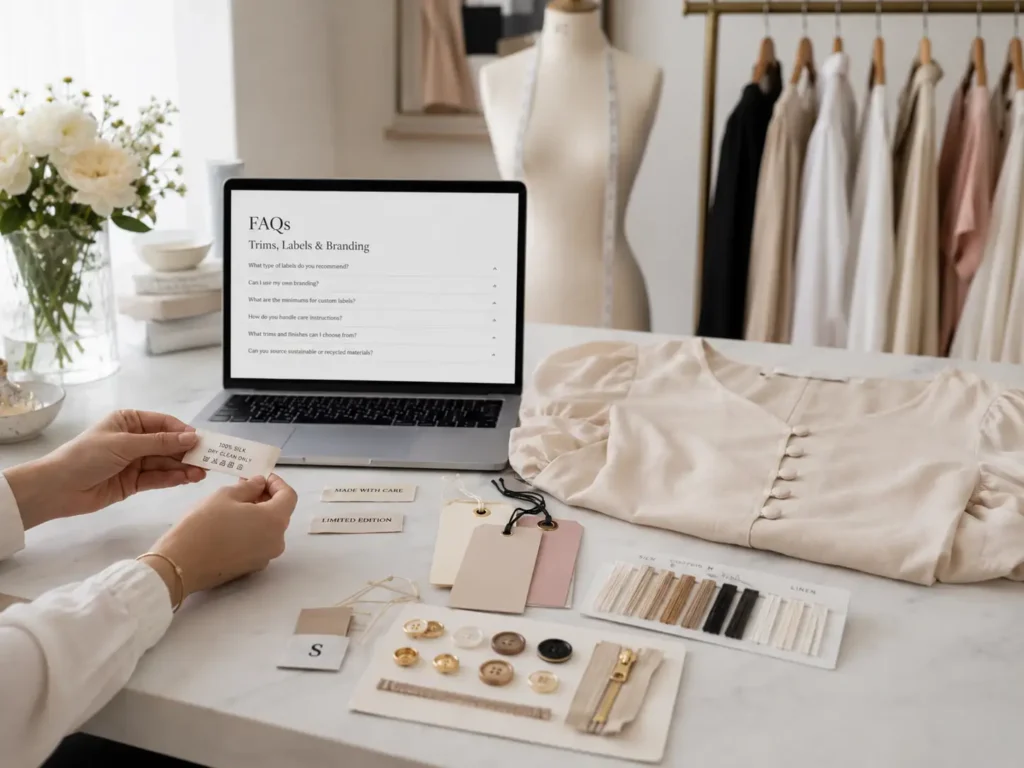
We can review stretch mesh, power mesh, soft tulle, double-layer mesh, printed mesh, flocked mesh, sequin mesh, rhinestone mesh and related lining options according to the required silhouette, opacity, movement and cost direction. Fabric availability, color, supplier minimums and certificate scope are confirmed by material and batch before quotation or bulk booking.
MOQ starts from 200 pcs per style/color for standard custom production. Stock mesh and standard lining are more likely to follow the normal structure. Custom-dyed, printed, flocked, certified, sequin or specially embellished materials may require higher quantities according to the fabric or trim supplier. Submit quantity by style, color and size for an accurate review.
Yes. A reference image can begin an initial feasibility review, but accurate development also needs preferred length, waist position, lining or coverage direction, size range, target quantity, material effect and branding requirements. A tech pack, original sample or detailed sketch reduces interpretation risk and supports a more accurate sample and bulk quotation.
Simple styles usually require 7-10 days, standard styles 10-15 days and complex mesh or embellished styles 15-25 days. Timing starts after the development brief, base size, material direction and required trims are confirmed. Special fabric, custom color, rhinestones, sequins, hardware or several revision rounds may extend the schedule.
Yes. Mesh and lining are reviewed together for color, stretch, layer count and visible coverage. Full lining, partial lining, attached briefs and built-in shorts can be developed according to the intended look. Approval should include body stretch, bright light and movement checks because transparency may change significantly across the hip or when the garment is stretched.
Yes. Pattern development can follow US, UK, EU, AU or brand-specific measurements. XS-XL is common, while extended, plus-size, petite or tall grading can be developed according to the approved size chart and grade rules. Mesh skirts need special attention to waistband tension, hip stretch, opacity, lining length, slit height and built-in short measurements across sizes.
Seam construction, stitch balance, needle choice, handling and local reinforcement are selected according to mesh weight, elasticity and stress location. Inline checks focus on seam flatness, needle marks, skipped sections, stretched edges, ruching symmetry and layer alignment. Decorative mesh also receives protected handling and packing to reduce surface abrasion.
Yes. Main labels, size labels, care labels, hangtags, barcodes, SKU stickers, polybags, carton ratios and carton marks can be developed from approved brand files. Delicate or embellished mesh may need protective tissue, interleaving or adjusted folding. Label and packing details should be approved with the PP sample before bulk production.
Bulk production begins after the final pattern, fabric, color, lining, trims, measurements, workmanship, labels and packing are confirmed through a PP sample. A Golden sample, BOM, size chart, sewing instructions and QC checklist provide the reference for production. Any later change to fabric, size, trim or packing is reviewed for cost and schedule impact.
Yes. NDA-based cooperation can cover tech packs, samples, patterns, fabric plans, trims, private-label files, unpublished designs, quantities, pricing and launch information. Public case material is anonymized unless written authorization is provided. Project files are used for development, production and repeat-order control without disclosing protected brand information.

Start Your Mesh Skirt Development

Send the available project files to Kelly for a structured review of style complexity, fabric direction, lining, size development, MOQ, sampling and bulk-production risk. A complete brief helps the development team compare mesh and lining behavior, identify difficult stress points, estimate sample timing and prepare a quotation based on the real construction rather than a visual guess. Programs with 10-30 styles can be reviewed through a line sheet so hero SKUs, shared materials, sample priorities and launch dates are planned together.

  • Reference image, sketch, original sample or tech pack
  • Quantity per style/color and expected size ratio
  • Preferred mesh effect, opacity and lining direction
  • US, UK, EU, AU or brand-specific size chart
  • Ruching, slit, cut-out, hardware or embellishment details
  • Main label, care label, hangtag, barcode and packing files
  • Target sample date, launch date and delivery window
  • Destination country, warehouse rules or nominated forwarder details when available
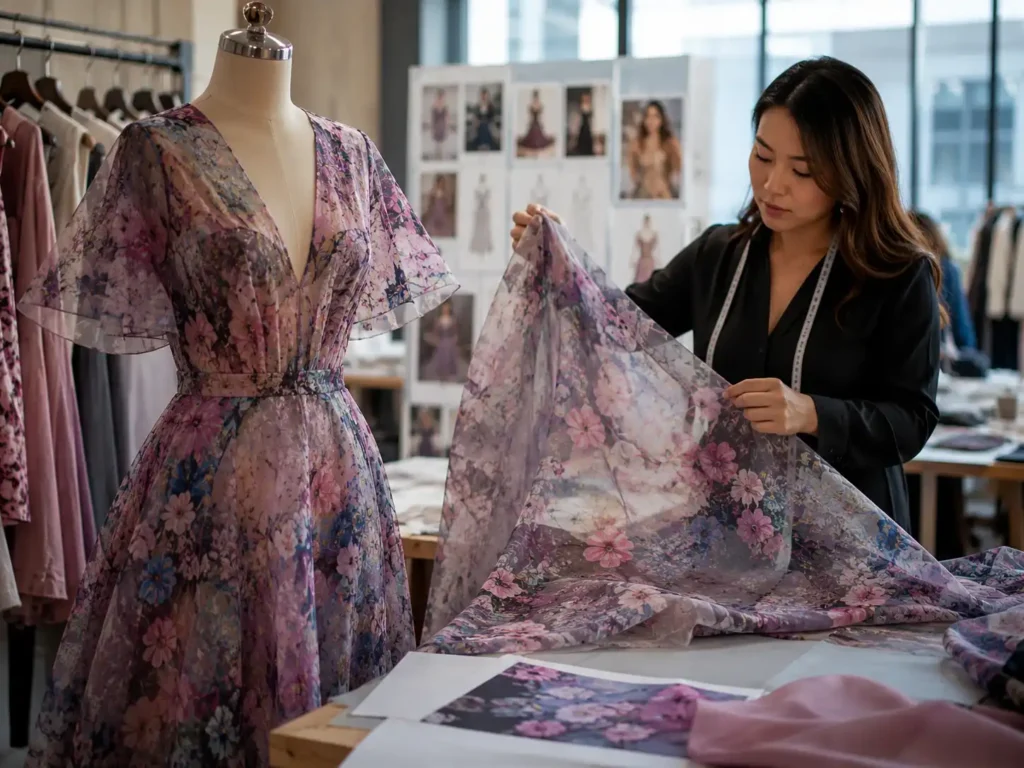
Tell Us About Your Dress Project

Share your product details, estimated quantity and development requirements. Our team will review your project and provide practical OEM/ODM production feedback.

Premium Women’s Apparel Production for Fashion Brands

From dress sample development to bulk production, JF Apparel supports fashion brands with confidential OEM/ODM manufacturing, reliable quality control and scalable production support.

START YOUR DRESS PROJECT

Ready to Develop Your Next Dress Collection?

Share your design concept, product requirements or sourcing plans with our team. We’ll review your project and provide practical feedback on development, materials, MOQ and production.

7-10 Days

Sample Development

200 PCS

Starting MOQ

Fast Response

Professional Follow-Up


