Skip to content
Cut-Out Top Manufacturer for Clubwear Brands
Custom cut-out top development for clubwear labels that need strong visual impact, secure fit, repeatable sizing and reliable bulk production.
Jinfeng Apparel develops cut-out tops from tech packs, reference images, original samples, sketches and line sheets. Each style is reviewed for opening position, bust coverage, fabric stretch, edge stability, strap balance, trim pressure and grading before bulk production. The program is supported by two sample rooms, 7+ senior pattern makers, 20+ sample machinists, 15+ QC inspectors, six owned women’s fashion factories and more than ten long-term production partners.
- MOQ starts from 200 pcs per style/color.
- Monthly capacity exceeds 100,000 pieces across the production network.
- Cut-out, mesh, corset, bodycon and partywear styles receive product-specific fit and QC checks.
- OEM, ODM, private label, NDA-based development and export coordination are available.
Development Capacity Behind Every Cut-Out Top
Pattern and Sample Team
Scalable Production Network
Quality and Order Support
Built for Structured Clubwear Development
Best Fit For
Not Designed For
Where Cut-Out Top Development Commonly Fails
Opening Distortion
Bust Instability
Wavy Cut-Out Edges
Weak Stretch Recovery
Uneven Size Grading
Sample-Bulk Mismatch
Cut-Out Top Styles for Clubwear Collections

Front Bust Cut-Out

Side Waist Cut-Out

Underbust Cut-Out

Asymmetric Cut-Out

Keyhole Halter Top

O-Ring Cut-Out Top

Strappy Cut-Out Top

Long-Sleeve Cut-Out Top

Mesh Panel Cut-Out

Corset Cut-Out Top

Cut-Out Bodysuit Top

Cut-Out Set Top
Cut-Out Design Structure Map
A cut-out is not an isolated decorative hole. Its shape is controlled by the surrounding body landmarks, supporting seams, fabric tension, closures and movement. The development team maps every opening against the bust, shoulder, armhole, waist and back before deciding how the style should be patterned and finished.
| Design Variable | Development Options | Main Control Point |
|---|---|---|
| Opening location | Center bust, underbust, side waist, shoulder, neckline, back | Coverage, body landmark and visual balance |
| Opening shape | Oval, keyhole, diamond, curved, angular, asymmetric | Edge length, symmetry and stretch distortion |
| Silhouette | Bodycon, corset, halter, long sleeve, bodysuit, crop top | Support, movement and hem stability |
| Fixing method | Strap, tie, O-ring, clasp, zipper, elastic bridge | Pull direction, load and skin comfort |
| Coverage system | Double layer, partial lining, power mesh, cups, internal bridge | Transparency, support and modesty control |
| Fabric behavior | One-way stretch, two-way stretch, four-way stretch, low-stretch woven | Pattern reduction, recovery and seam method |
Fabrics That Hold the Cut-Out Shape
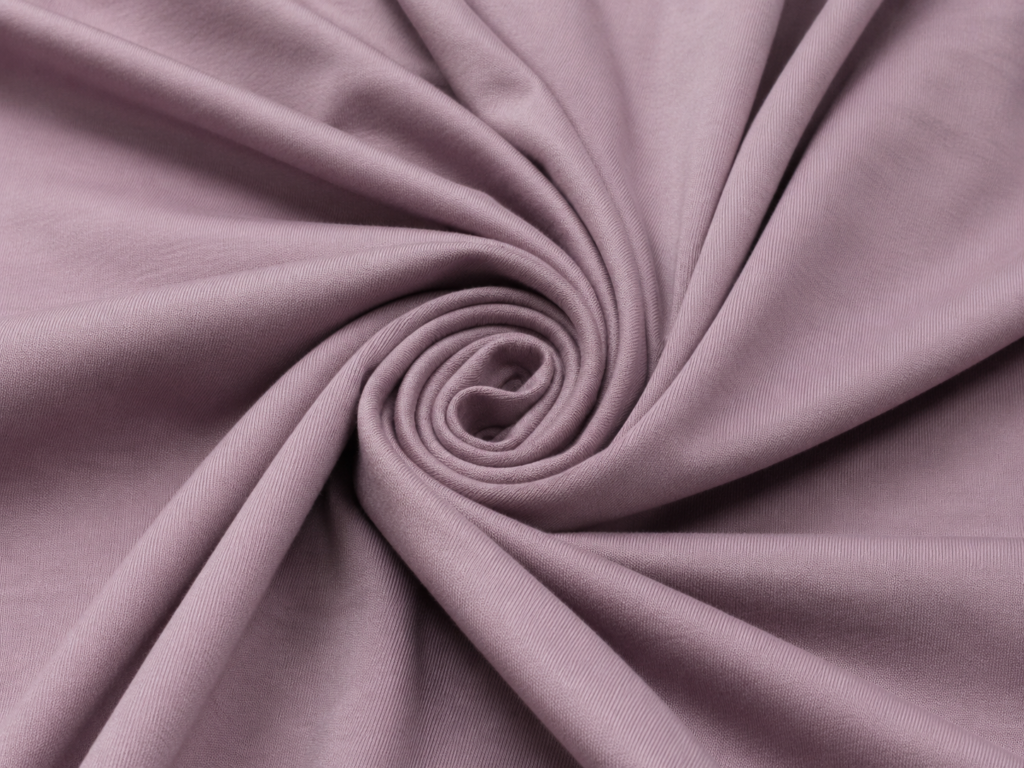
Stretch Jersey
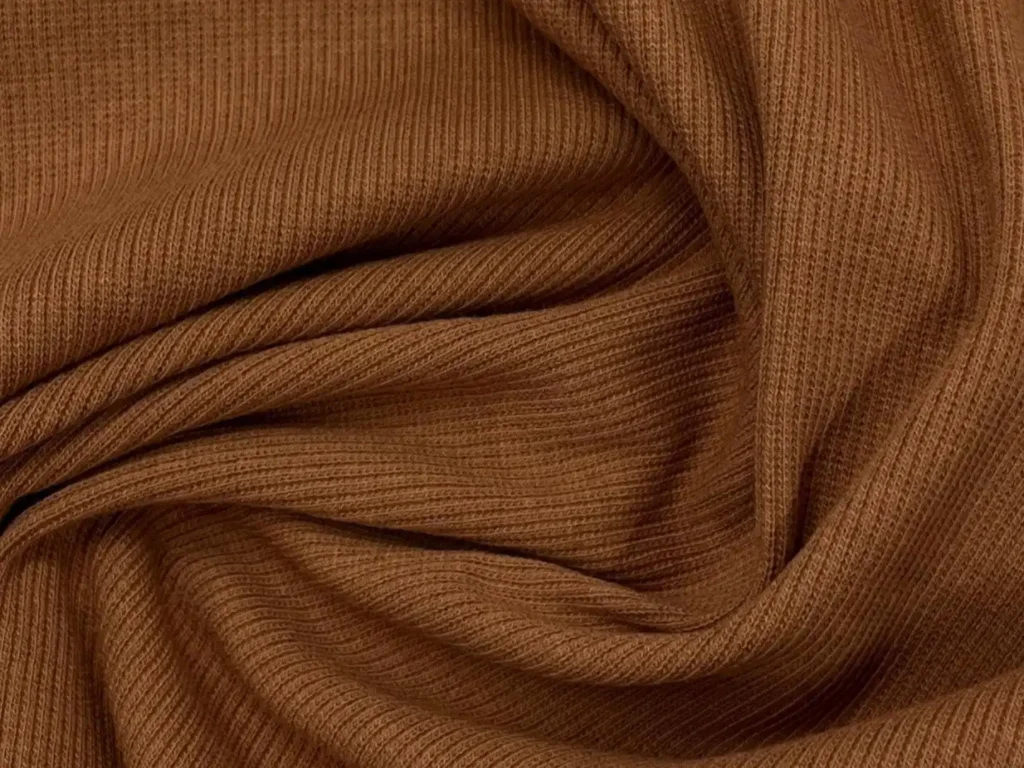
Rib Knit

Ponte and Structured Knit
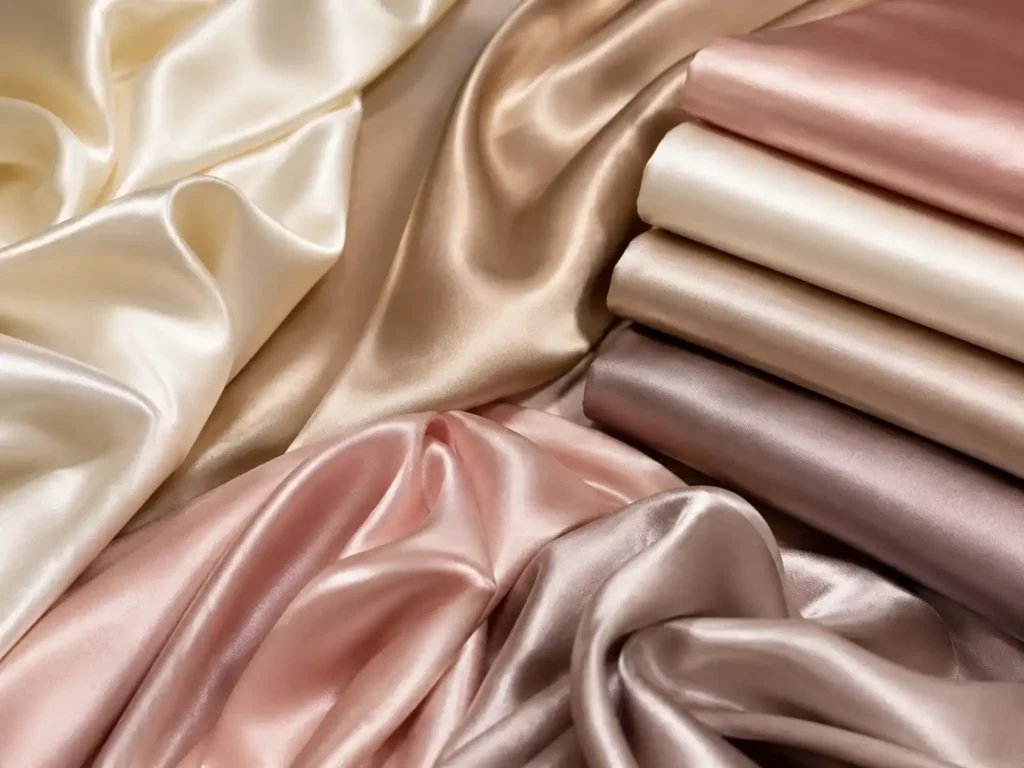
Stretch Satin

Regular Mesh
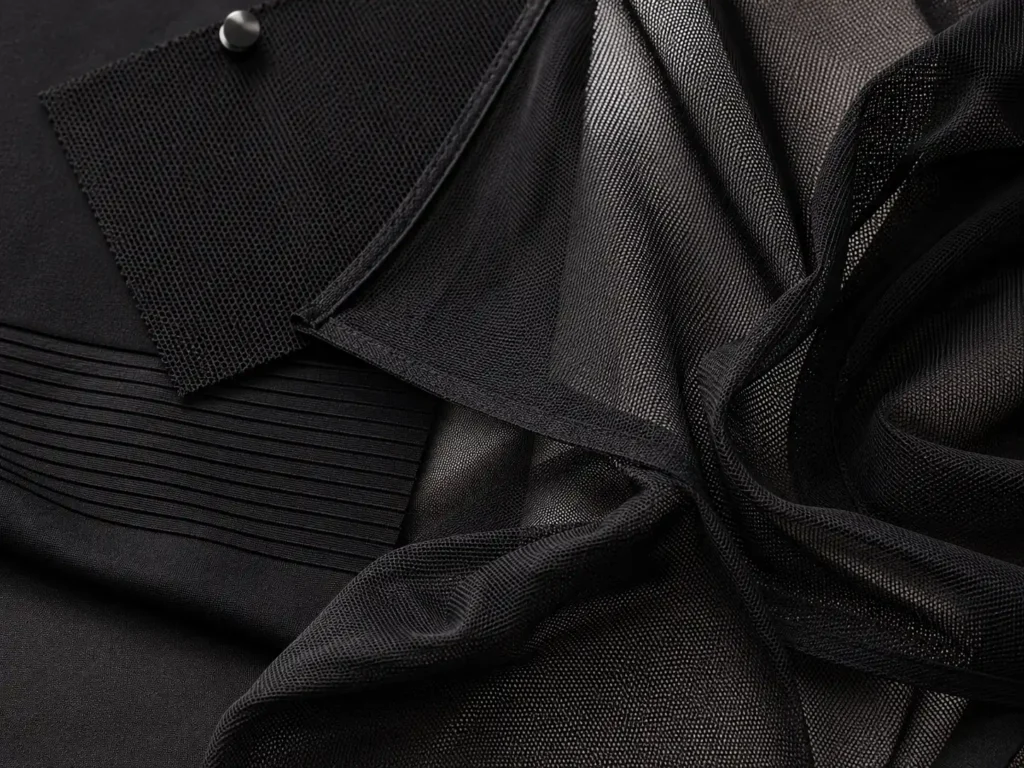
Power Mesh
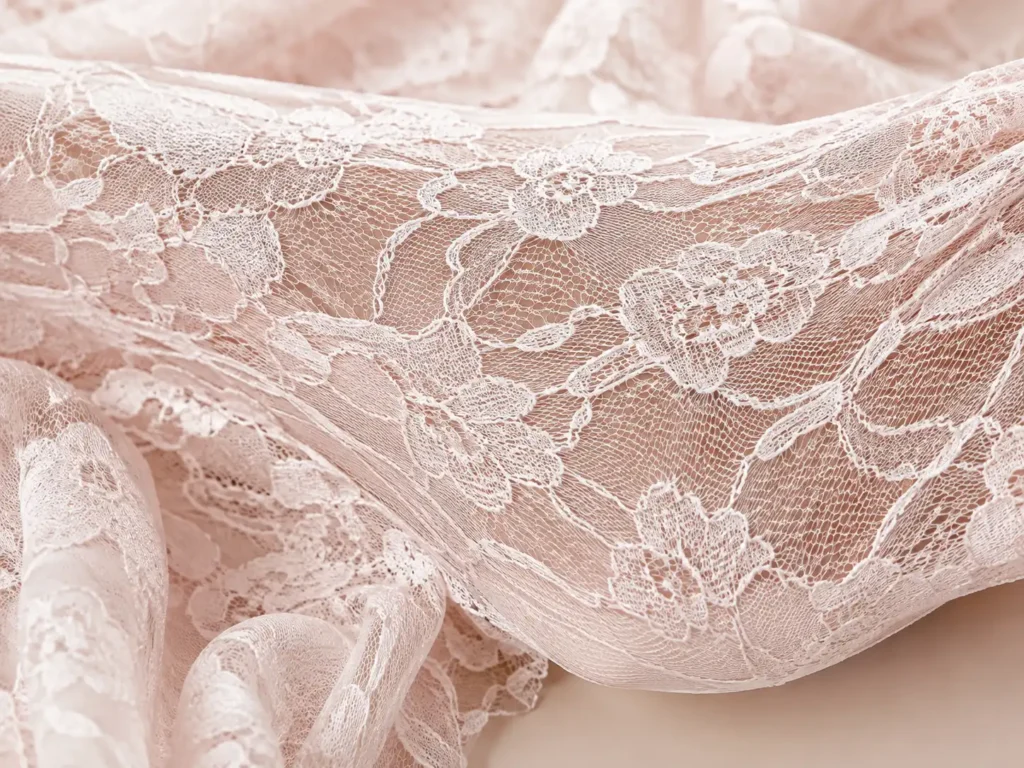
Lace

Velvet and Sequin
Fit Engineering for Movement and Coverage
Clubwear fit is judged during movement, not only in a still front view. Jinfeng Apparel reviews the load around the opening, the body landmarks supporting it and the way fabric recovers after wear. Fit comments are translated into pattern revisions and measurable production points.

Bust and Neckline Stability
Bust coverage begins with cup area, apex position, neckline shape and underbust tension. A front cut-out can expose more than intended when the surrounding pattern is too flat or when the neckline lacks support. During fitting, the garment is reviewed from front, side and three-quarter angles. The team checks whether the outer edge sits flat, whether the opening widens during breathing and whether the bust remains supported when the wearer lifts her arms.
Where the style needs more control, several options can be evaluated: a double front layer, partial lining, internal power mesh, bra cups, an underbust seam, narrow elastic or a hidden bridge. Each option changes hand feel and cost, so the selected construction must match the retail position. Fit comments are recorded against specific points such as neckline depth, cut-out width, cut-out height, bust width and center-front length.

Strap and Armhole Balance
Straps do more than hold the garment. Their angle controls neckline tension, bust position and armhole coverage. A strap placed too far outward can slide or expose the side bust; a strap placed too close to the neck can create pressure and pull the opening upward. Fixed straps, adjustable straps, halter ties and multi-strap constructions are assessed differently.
The sample is checked with arms relaxed, raised and extended forward. Armhole depth, side seam position and underarm coverage are reviewed at the same time because changing one area affects the others. Strap length rules are then built into grading. Where sliders are used, the usable adjustment range is confirmed so the garment remains functional across the intended size range rather than relying on a single average setting.

Stretch and Recovery Control
Stretch must be measured in the direction where the garment carries load. A fabric with strong horizontal stretch but weak vertical recovery may work for a side cut-out and fail on a halter top. Development compares one-way, two-way and four-way stretch, then considers how the material behaves after holding tension for several minutes.
The pattern is not reduced by a generic percentage. Bust, waist, hem, straps and openings may each need a different relationship to the body. After fitting, the garment rests before remeasurement to identify growth. If the opening becomes larger or the hem loses grip, the team may adjust pattern reduction, change fabric, add stabilization or alter the internal construction. Bulk measurement points are selected from the areas most likely to change under stretch.

Movement Validation
The fitting sequence includes standing, sitting, turning, bending slightly, raising the arms and walking. For clubwear, controlled dance-like movement may also be used to check whether straps shift, hardware rotates or an opening exposes more than intended. The goal is not to remove the visual impact but to define a safe, repeatable range of movement.
Movement issues are traced back to their source. If a center-front opening widens, the cause may be weak recovery, excess bust width or insufficient neckline tension. If a side opening rises, the hem or back width may be too tight. If an O-ring turns, the attachment angle may be wrong. Each correction is made in the pattern or construction standard before the next sample, reducing the chance of informal sewing adjustments during bulk production.
Construction That Keeps Every Opening Stable
Workmanship around the cut-out determines whether the top keeps a clean line through sewing, pressing, wear and packing. One finishing method cannot suit every fabric. Jinfeng Apparel selects the edge, support and seam solution according to fabric behavior, visual requirements and expected movement.

Clean-Finished Openings
A clean-finished opening may use a facing, a full double layer, an internal shaped piece or a turned construction. The method is chosen according to thickness, stretch and visibility. Stretch satin often benefits from a shaped facing or double front that avoids a visible binding line. Jersey can use a double layer when a more polished outer edge is required. Angular openings need precise clipping and turning, while curves need enough seam control to remain smooth.
The inside finish receives equal attention because clubwear often exposes the garment interior during movement. Facing width, understitching, seam allowance and internal anchoring are planned so the facing does not roll outward. Bulk inspection checks edge flatness, opening size, symmetry, seam visibility and pressing marks. Where an opening contains an acute angle, reinforcement and turning quality become separate control points.

Elastic Stabilization
Clear elastic, narrow elastic or stabilizing tape can help a stretch opening recover and stay close to the body. The support must be applied with controlled tension. Too little adds no value; too much gathers the edge or creates pressure. The correct elastic width, stretch ratio and placement are established during sampling and recorded for production.
Elastic can be hidden inside a turned edge, sewn into a seam or applied behind a binding. The method depends on how much support is needed and whether the edge should remain soft. Skin comfort is checked because hard elastic or exposed ends can irritate the wearer. During bulk production, the elastic length and attachment method are monitored, especially at underbust and neckline areas where small differences can alter the fit.

Mesh and Lining Support
Partial lining and mesh reinforcement can stabilize an opening without changing the outer design. Power mesh may support the bust or waist, while regular mesh may create a transparent visual bridge. The internal shape should follow the load path rather than simply covering the whole garment. Strategic support keeps the top lighter and prevents unnecessary bulk.
The joining seam between outer fabric and mesh is tested for differential stretch. If the outer fabric stretches more than the mesh, the seam can pucker or restrict movement. If the mesh stretches more, the opening may lose control. Lining color, opacity and edge placement are reviewed under studio and natural light. A well-designed internal layer should support the cut-out while remaining visually discreet.
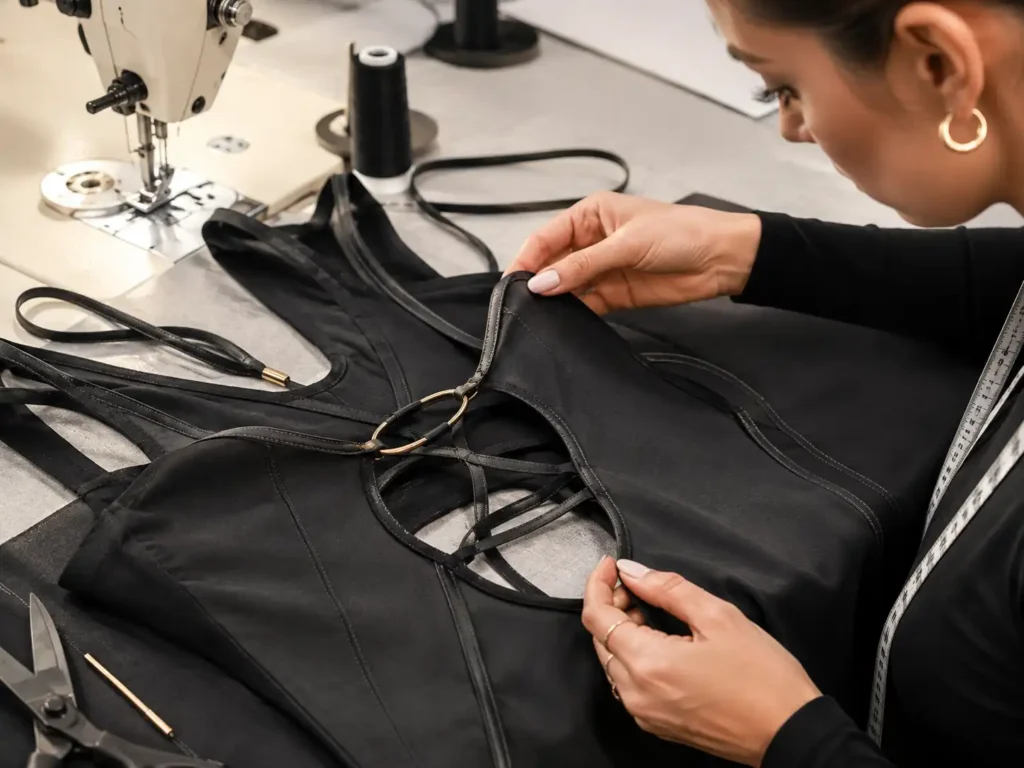
Seam and Tension Control
Thread, stitch type, stitch length, seam allowance and machine feeding influence the final edge. Stretch fabrics need seams that extend without breaking, while delicate mesh and satin need low, even tension. Construction intersections around rings, straps and sharp corners often require reinforcement or a change in seam sequence.
Bulk sewing instructions identify where stretch must be preserved and where stability is required. First-piece checks confirm seam elasticity, edge flatness and attachment strength before the line continues. Pressing temperature and pressure are also controlled because excessive heat can stretch jersey, mark satin, flatten velvet or distort elastic. Workmanship is judged before and after pressing, not only at the sewing stage.
Trims That Complete the Clubwear Structure

O-Rings

Metal Clasps

Strap Sliders

Hooks and Eyes

Clear Elastic

Bra Cups

Boning

Rhinestone and Chain Trims
From Clubwear Concept to Approved Sample
Project Review
Risk Analysis
Fabric Direction
Pattern Development
First Sample
Fit Revision
PP Sample Approval
Golden Sample Record
Complex Cut-Out Styles Need Sample Validation
A complex cut-out style should not move directly from a reference image into bulk production. Physical sampling is needed to test how pattern, material and support behave on the body. The review becomes more detailed when the top includes cups, boning, mesh, lace, sequin fabric, multiple straps, asymmetric sleeves or hardware.
What the First Sample Must Prove
The first sample should answer structural questions rather than simply resemble the reference image. The opening must sit in the intended position, remain flat and preserve enough coverage. Straps must carry the correct load. Mesh or lining must support without showing unexpectedly. Hardware must sit at the correct angle. The garment should recover after wear instead of stretching permanently.
Measurements are taken for the whole top and for the cut-out itself. Useful points include neckline depth, cut-out width and height, distance from shoulder, distance from center front, underbust position, strap length, armhole depth and side opening length. Photographs are taken from several angles so visual changes can be compared after revision.
When a Second Sample Is Necessary
A revised sample is required when the correction changes pattern shape, fabric, internal support or key trim placement. Moving a cut-out by a few millimeters may be handled through a controlled pattern change, while changing from jersey to satin or replacing soft mesh with power mesh can alter the entire fit. Significant cup, boning, strap or lining changes should also be verified physically.
A photo sample or salesman sample may prioritize visual presentation, while the PP sample must represent the confirmed production standard. These roles should not be mixed. A visually strong sample made from substitute material cannot automatically become the basis for bulk cutting.
Typical Development Timing
Timing is confirmed after reviewing style complexity, material availability and trim development. A simple cut-out jersey top using available materials can move faster than a corset style with custom hardware, lace placement or special color development. Fabric and trim preparation may add several days or several weeks depending on supplier readiness. Metal zipper development, for example, can require approximately 7-15 days for regular development and 15-25 days for special versions.
For multi-style programs, priority is assigned by launch date, hero SKU, material readiness and complexity. Key styles can enter pattern and fitting first, while later styles move after shared fabric and trim decisions are approved. This prevents all 10-30 styles from becoming blocked by the same unresolved material or fit issue.

Grading the Cut-Out Across Every Size
Size grading should preserve design intent, coverage and movement rather than enlarge every line equally. Bulk orders can be distributed across multiple sizes within the confirmed style and color quantity. A realistic size ratio supports more efficient cutting, measurement and SKU management.
| Area | Common Grading Failure | Development Control |
|---|---|---|
| Bust opening | Exposure increases too quickly in larger sizes | Grade from bust apex, coverage and neckline relationship |
| Side waist opening | Opening shifts upward or backward | Anchor to waistline and side seam position |
| Straps | Larger sizes become loose or smaller sizes become tight | Build separate strap length and adjustment rules |
| Armhole | Side-bust coverage changes unevenly | Grade armhole with bust width and shoulder position |
| Underbust curve | Opening no longer follows the bust | Grade cup depth, underbust length and support together |
| Mesh insert | Tension changes across sizes | Adjust insert pattern to fabric stretch and surrounding load |
| Hardware position | Ring or clasp moves away from the intended point | Grade panel lengths on both sides of the trim |
| Bodysuit torso | Top pulls downward in larger sizes | Grade torso length and vertical stretch separately |
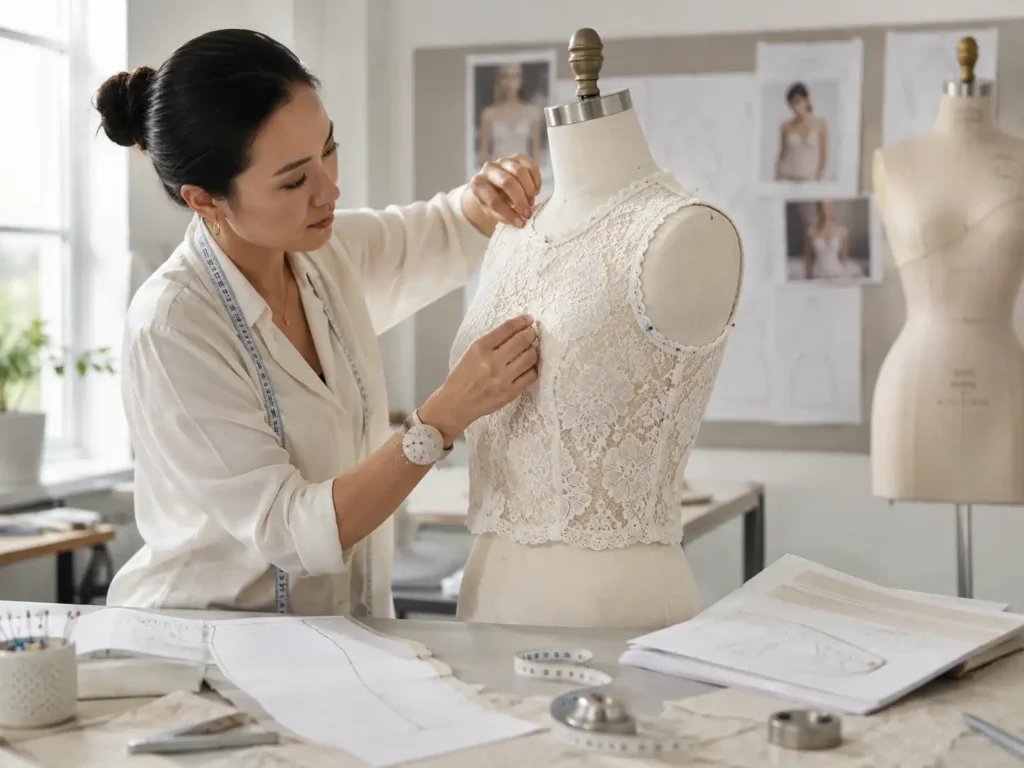
Locking the Approved Sample into Bulk Production
The move from sample to bulk is a controlled handover. Jinfeng Apparel converts the approved garment into a production package that connects pattern, materials, construction, measurements, labels, packing and inspection. Each record reduces informal interpretation on the sewing floor.
- Final Pattern and Measurement Lock: The approved pattern version is identified and stored. The size chart includes garment measurements, tolerances and cut-out-specific points. Strap lengths, opening placement, cup position, hardware location and lining coverage are defined so production does not rely on visual estimation.
- Fabric and Trim Approval: Fabric reference, composition, weight, stretch, color, surface direction and lining are confirmed. The trim card records rings, clasps, elastic, sliders, cups, boning, labels and packaging items. When a supplier batch differs from the sample material, the change is reviewed before cutting.
- Workmanship Instructions: Sewing order, seam allowance, reinforcement, elastic application, facing, mesh support, pressing and finishing requirements are written into the production standard. Critical areas receive clearer instructions, particularly sharp corners, curved openings, strap attachment and hardware joins.
- PP and Golden Standard: The PP sample represents the confirmed bulk specification. A retained Golden sample supports visual comparison during sewing, final inspection and pressing. Written records remain essential because a sample alone cannot communicate tolerances, hidden construction or packing details.
- Change Control: Changes requested after PP approval are evaluated before acceptance. A new fabric can alter fit; a new ring can alter panel length; a new color can affect material availability; a new printed polybag can add supplier lead time. Cost and schedule are therefore updated before the revised instruction enters production.
Production Capacity for Multi-Style Clubwear Drops
Style Classification
Factory Allocation
Material Booking
Line Scheduling
Multi-Color Control
Repeat-Order Planning
Quality Control Focused on Cut-Out Details
Quality control follows the product risk from material arrival through packing. Cut-out tops receive specific checks for opening shape, edge flatness, coverage, elastic tension, strap placement, hardware security, measurement and size consistency. Inspection standards can also be aligned with a brand quality manual, internal AQL requirements or an appointed third-party inspection.
Incoming Material Inspection
Fabric is reviewed for color, hand feel, weight, stretch, recovery, transparency, surface damage and batch consistency. Mesh is checked for holes and uneven stretch; lace for motif and damage; satin for snags and shade variation; sequin fabric for missing or loose decoration. Elastic, rings, clasps, sliders, cups and boning are compared with the approved trim card.
Material approval is important because a cut-out pattern reacts directly to stretch and recovery. A fabric that looks similar but behaves differently can change opening size and bust coverage. Suspect batches are held for review before cutting.
Cutting Inspection
Cutting checks confirm grain direction, fabric face, nap or shine direction, cut quantity, notch position and opening shape. Left and right components are paired where symmetry matters. Lace motifs, stripes or decorative surfaces receive placement control. Cut parts are identified by style, color and size to reduce mixing across a multi-style program.
Critical cut-out dimensions may be checked on the cut panel before sewing. Early detection prevents a full line from producing openings that are too large, too small or incorrectly positioned.
First-Piece Review
The first completed bulk garment is compared with the PP sample, Golden sample, measurements and workmanship notes. Opening width, height, position, edge flatness, strap length, hardware orientation, lining visibility and overall fit are reviewed before the line continues at full speed.
Corrections are communicated to sewing and QC teams with a clear reference. The first-piece stage is where pattern interpretation, material behavior and line workmanship meet, so approval should not be replaced by a simple visual glance.
Inline Inspection
Inline QC checks sewing while production is active. Inspectors review seam tension, skipped stitches, edge waves, reinforcement, strap placement, ring and clasp security, mesh puckering, cup position and symmetry. Problems are corrected before they spread through the order.
For high-risk styles, inspection frequency can be increased around critical operations. The goal is not only to find defects but also to keep the method stable across operators, sizes and color batches.
Measurement and Final Review
Finished garments are measured against the approved chart and tolerances. Standard points include bust, waist, hem, body length, sleeve and armhole. Cut-out programs add opening width, opening height, distance from landmarks, strap length and trim position where relevant.
Final visual checks cover shape, coverage, cleanliness, pressing, color, decoration and inside finishing. The garment is also reviewed for recovery after handling so a top is not packed while stretched out of shape.
Packing and Pre-Shipment Control
Packing QC verifies style, color, size, labels, barcode, SKU sticker, polybag, carton quantity and carton marks. Decorative hardware and sequin surfaces may need tissue, protective layers or individual positioning. Carton breakdown is compared with the order and packing list before release.
Internal AQL inspection or a client-appointed third-party check can be coordinated according to the agreed standard. AQL is used as a sampling method with defined critical, major and minor defect rules; it does not replace product-specific controls during production.
Private-Label Delivery for Clubwear Brands

Main Labels

Size Labels

Care Labels

Hangtags

Barcode Stickers

SKU Labels

Custom Polybags

Cartons and Marks
Develop More Than One Isolated Top
Multi-Style Clubwear Drop
Shared Fabric Direction
Launch, Repeat and Extend
Relevant Womenswear Development Experience
U.S. Clubwear Capsule
An established U.S. nightlife label planned an 18-style drop totaling approximately 42,600 pieces. The assortment included stretch jersey tops, mesh-panel bodysuits, corset-inspired tops and matching mini skirts in three core colors and five sizes. The main development risks were uneven cut-out placement, strap tension, mesh transparency and hardware orientation.
Jinfeng Apparel grouped styles by fabric and construction, prioritized six hero SKUs for the first fit cycle and built separate critical measurement points for openings, straps and O-ring locations. Two fit rounds were used for the most exposed styles, while simpler jersey shapes moved faster. Bulk production was released after PP approval and split into two delivery batches so priority colors could move first.
Program data: 18 styles; 42,600 pieces; 3 core colors; XS-XL; approximately 270 style-color-size SKU combinations.
Australian Mesh Partywear
An Australian partywear label developed a 14-style mesh and bodycon program of about 28,000 pieces. The line used regular mesh, power mesh, lined jersey and lace details across tops, mini dresses and bodysuits. Challenges included transparency under photography, lining visibility, differential stretch and side-seam movement.
The development team reviewed mesh and lining combinations under studio and natural light, adjusted power-mesh placement and recorded opening dimensions at the bust, waist and back. Styles were grouped into two fabric families to control color and recovery. Inline checks focused on mesh puckering, lining exposure and seam tension. Packing used clear SKU separation because the collection contained multiple similar black styles.
Program data: 14 styles; 28,000 pieces; 2 fabric groups; 4-5 sizes; two planned shipment releases.
UK Corset-Led Collection
A UK occasion and clubwear brand organized a 22-style collection totaling around 61,600 pieces. The range combined corset tops, underbust cut-out tops, satin mini dresses and fitted matching sets. Key risks involved cup shape, boning comfort, underbust opening position, satin surface marks and back-closure alignment.
Jinfeng Apparel created structured fit comments by bust, underbust, waist, cup and closure area. Boning hardness, cup thickness, lining and hook-and-eye specifications were confirmed during sampling. PP samples locked the final satin direction, cut-out dimensions and closure spacing before bulk. Production allocation separated structured corset styles from simpler stretch tops while maintaining shared color and private-label standards.
Program data: 22 styles; 61,600 pieces; 4 color directions; 5 sizes; 2-3 sample rounds for structured styles.
Frequently Asked Questions About Cut-Out Tops
Yes. Jinfeng Apparel can begin from a reference image, sketch, original sample, line sheet or tech pack. The development team reviews construction, cut-out position, fabric direction, lining, trims, size range and production feasibility before pattern work begins. A reference image alone can support an initial review, but accurate sampling and quotation improve when target measurements, quantity, color plan, fabric preference and private-label requirements are also supplied.
Stretch jersey, rib knit, ponte, stretch satin, regular mesh, power mesh, lace, velvet and sequin fabrics can all support cut-out clubwear, but they do not behave in the same way. The best choice depends on opening shape, support, transparency, stretch recovery, hand feel and target price. Fabric approval considers composition, weight, stretch direction, recovery, shrinkage, color, lining needs, supplier minimum and bulk availability.
Edge control begins with the correct pattern and fabric, followed by a suitable finishing method. Options may include a facing, double layer, binding, internal elastic, stabilizing tape, power mesh or partial lining. Sewing tension, seam allowance, feeding and pressing are tested during sampling. The selected method is recorded for production, and first-piece plus inline checks verify edge flatness before the order moves forward.
Yes. Bust coverage can be adjusted through neckline shape, opening width, cup position, underbust length, strap placement, lining, mesh support or internal elastic. Fit review includes front, side and movement views. A change to coverage can affect the surrounding pattern, so revisions are made as structured pattern corrections rather than informal sewing changes. Significant changes are confirmed in a revised sample before bulk.
Cut-out width, height and placement are graded from body landmarks rather than enlarged evenly. Bust apex, neckline, shoulder, armhole, waistline, side seam and strap rules are reviewed together. Bulk orders can include multiple sizes within the confirmed style and color quantity. Extended sizes may require an additional fit sample where ordinary grade increments no longer preserve coverage, support or design proportion.
Yes. O-rings, clasps, sliders, hooks, chains, rhinestone trims and other accessories can be sourced or developed according to the style. Specification review covers material, dimensions, weight, color, coating, skin comfort, load, attachment method, supplier minimum and lead time. Special hardware may add development time and may require a separate supplier minimum, particularly for custom shapes, colors or plating.
The standard MOQ starts from 200 pieces per style and color. It is calculated by style and color, not by the total quantity across different styles. Stock fabrics and regular trims are the most efficient route. Custom dyeing, custom printing, special lace, sequin materials, certified fabrics, custom hardware and printed packaging may require higher supplier minimums or additional lead time.
Yes. Private-label support can include main labels, size labels, care labels, hangtags, strings, barcode stickers, SKU labels, polybags, stickers, thank-you cards, cartons, carton marks and warehouse labels. Artwork, position, materials, colors and supplier minimums are confirmed before bulk. Delicate mesh, lace, sequin and hardware styles may also need specific protective packing.
Yes. Multi-style programs can be managed by grouping fabric, fit block, construction, trim, color and launch priority. Each style and color still follows its own MOQ and approval standard. Key styles are normally prioritized first, while shared material and trim decisions are resolved early. A complete line sheet, quantity plan, size ratio and launch calendar help the team build a realistic sample and production schedule.
Yes. Jinfeng Apparel supports NDA-based cooperation and protects tech packs, original samples, patterns, unpublished designs, label files, packaging files, pricing, order information and brand materials. Client names, logos, unreleased styles, quantities and commercial information are not disclosed without permission. Public project examples are presented anonymously unless written authorization is provided.

Start Your Cut-Out Top Project
Send the available style information to Kelly for an initial development review. A complete brief allows the team to evaluate cut-out position, fabric behavior, support, trim, size range, MOQ, sample work, bulk price factors and production timing with fewer assumptions.
Reference images are welcome, while tech packs, original samples and line sheets provide the clearest path to pattern development and quotation.
Please include as many of the following details as available:
- Product type and reference images
- Tech pack, sketch or original sample information
- Quantity per style and color
- Fabric preference, stretch direction and target hand feel
- Color plan and size range
- Cut-out dimensions, coverage requirements and trim details
- Main labels, care labels, hangtags, barcode and packaging needs
- Target market, launch date and shipping destination
- Company name, website and sales channel