
Lace Top Manufacturer for Womenswear Collections
Develop commercially balanced lace tops with controlled transparency, fit, motif placement, bulk consistency and private-label delivery.
- Collection programs commonly contain 10-30 styles and 20,000-80,000 total pieces, requiring coordinated material booking, sample priorities and production scheduling.
- Lace ranges from approximately 60-250 gsm and may be non-stretch, lightly stretchable or engineered with spandex, so pattern ease and lining behavior must be confirmed before grading.
- Jinfeng Apparel supports fashion tops, bodysuits, corset tops, matching sets and coordinated womenswear from lace sourcing and pattern development through PP approval, bulk production, QC, packing and export delivery.
Development Resources for Multi-Style Lace Collections
Since 2008
6 Owned Factories
10+ Production Partners
2 Sample Rooms
7+ Pattern Makers
15+ QC Inspectors
Built for Established Womenswear Collection Teams
Global Fashion Brands
Regional Leading Labels
Premium Ecommerce Brands
Occasionwear Collections
Product Development Teams
Sourcing Teams
Where Lace Top Collections Commonly Lose Consistency
Uneven Motif Placement
Uncontrolled Transparency
Poor Lining Match
Unstable Bust Fit
Sample-to-Bulk Drift
Multi-Style Delivery Gaps
Lace Top Styles for Commercial Womenswear Collections
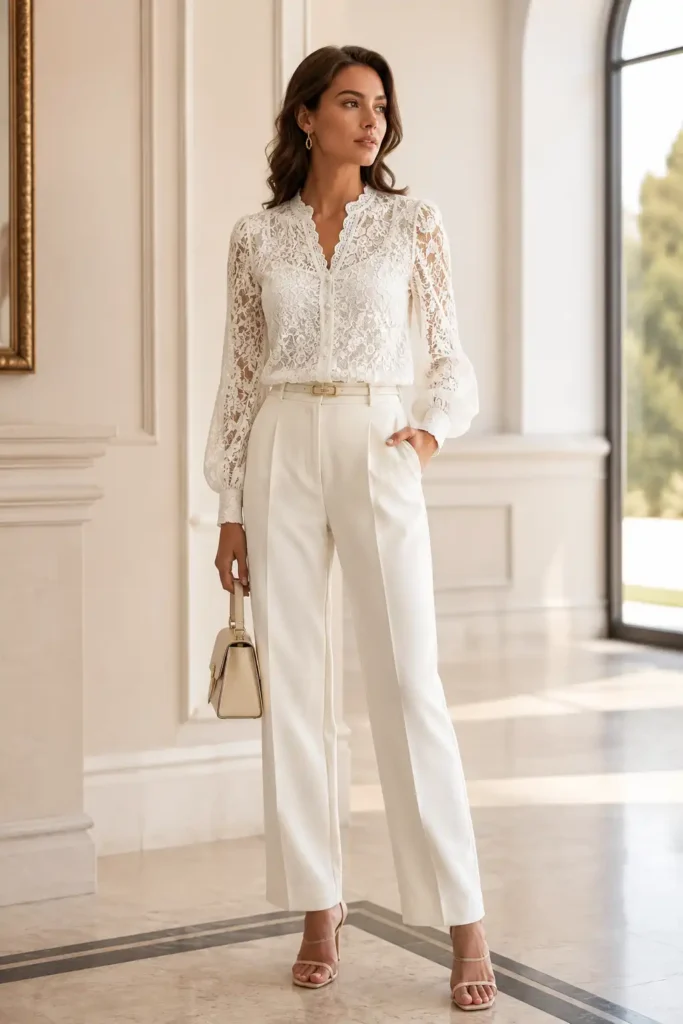
Lace Blouse
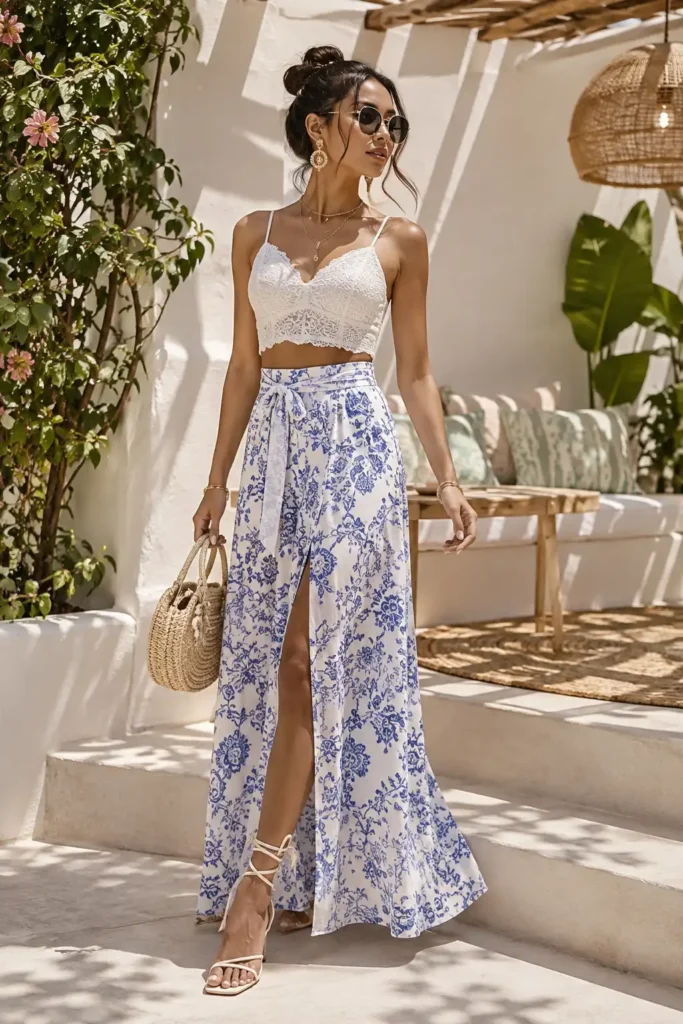
Cropped Lace Top

Lace Camisole
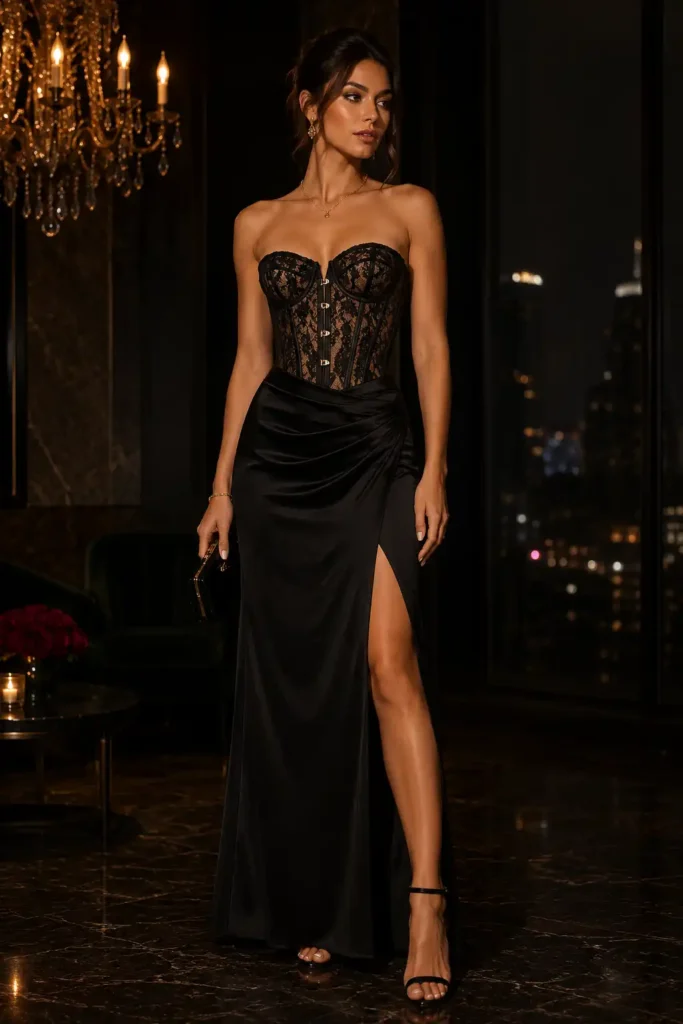
Lace Corset Top
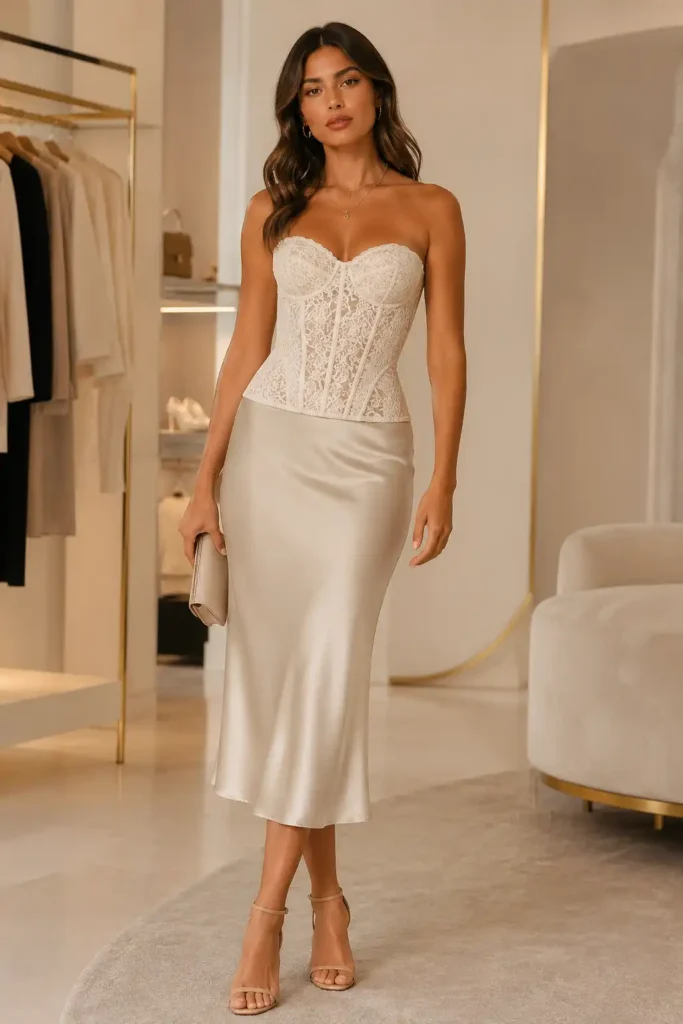
Lace Bustier Top
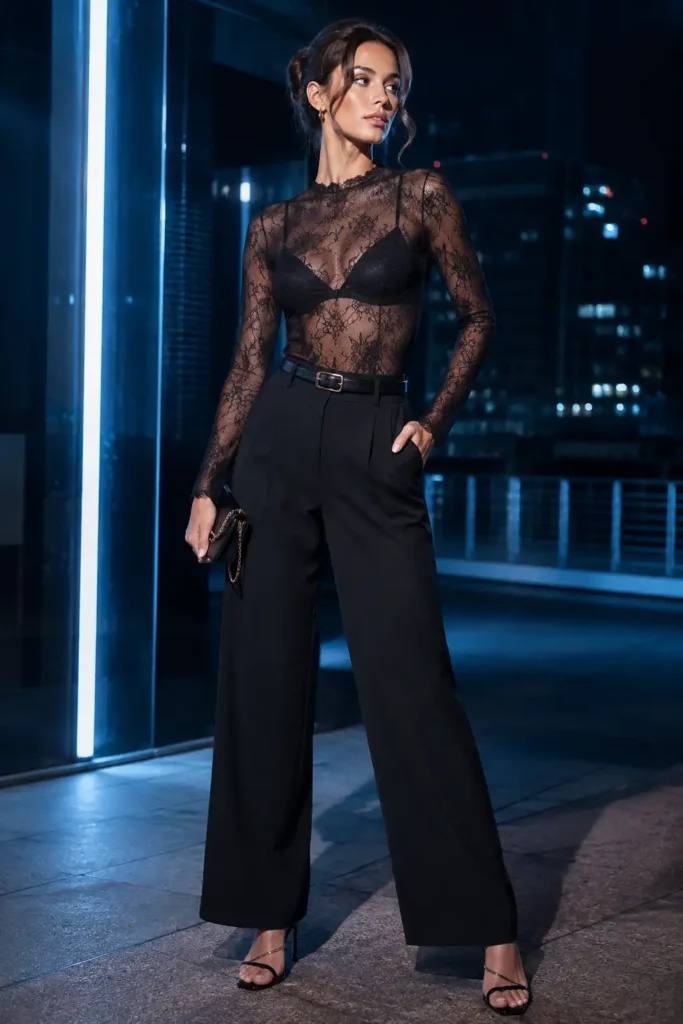
Sheer Long-Sleeve Top
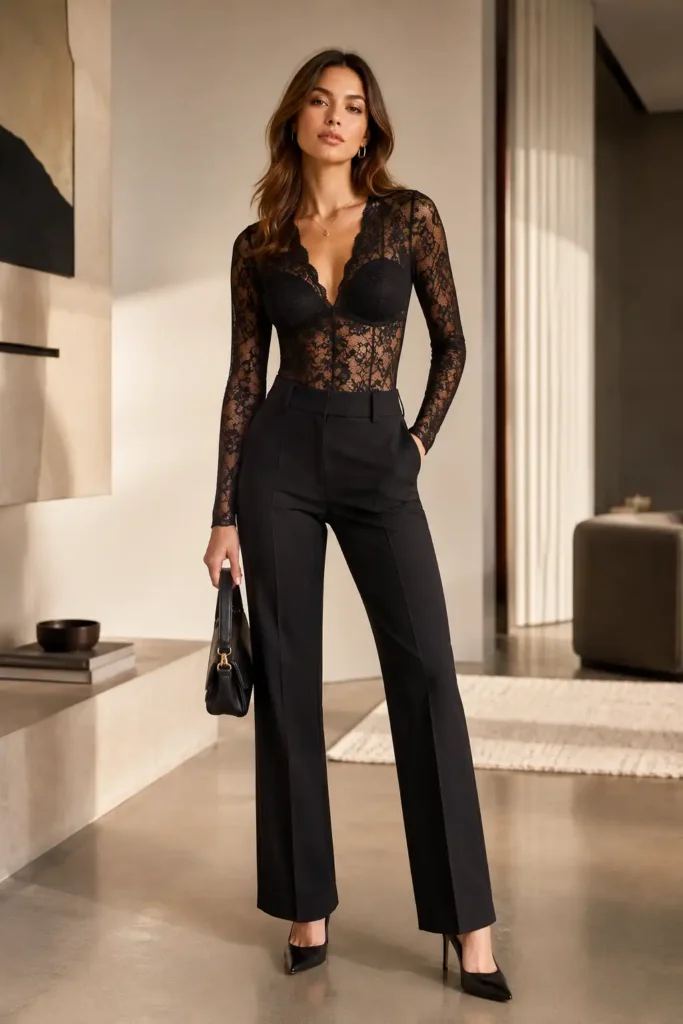
Lace Bodysuit
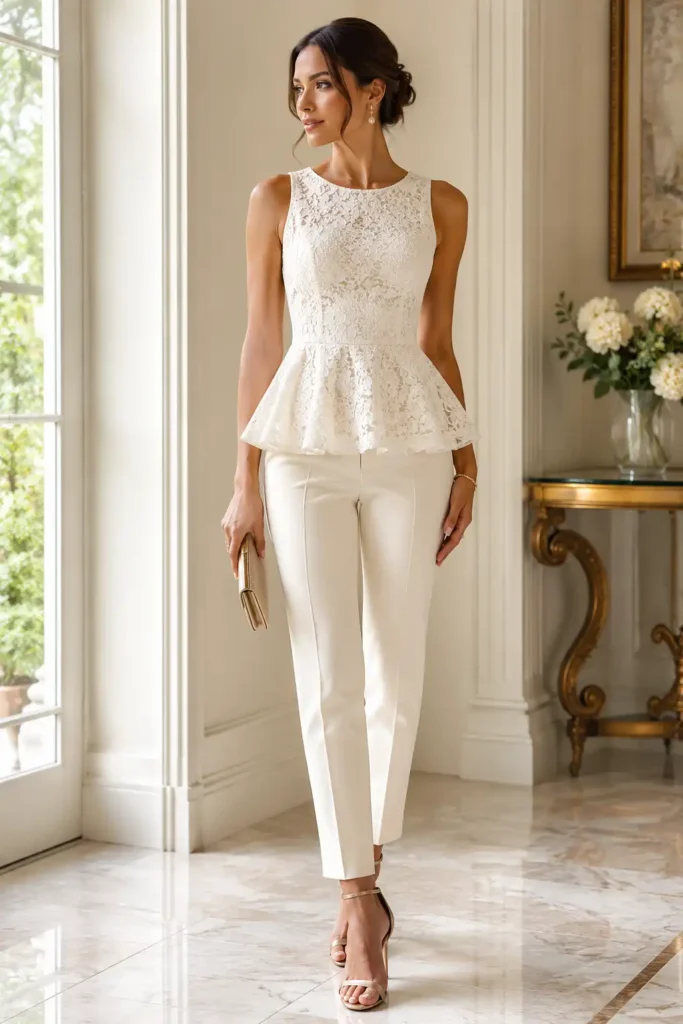
Lace Peplum Top
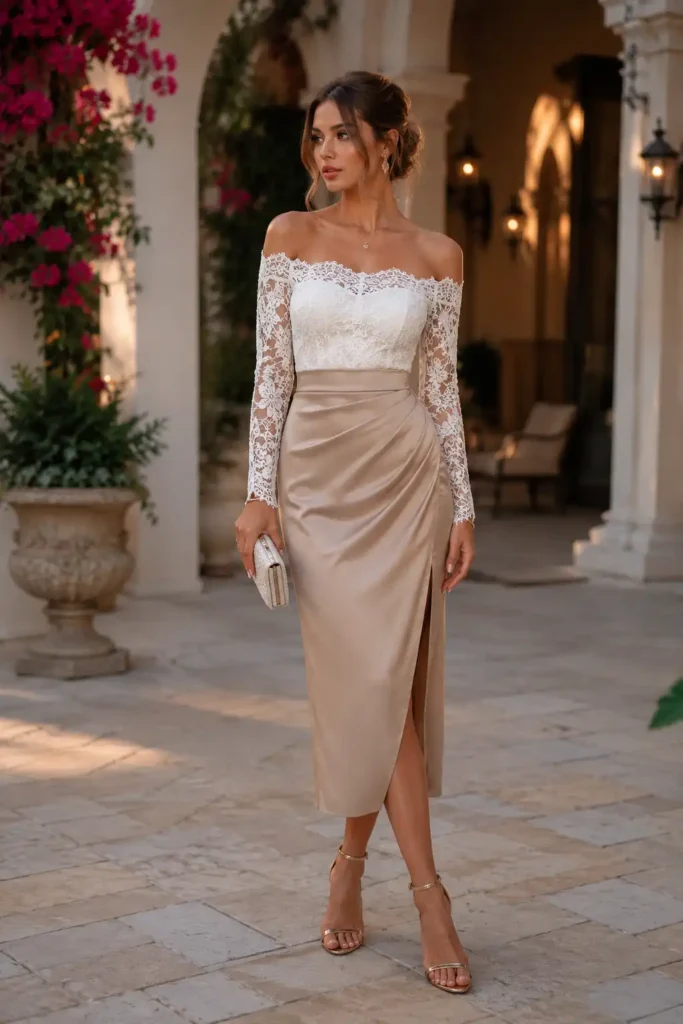
Off-Shoulder Lace Top
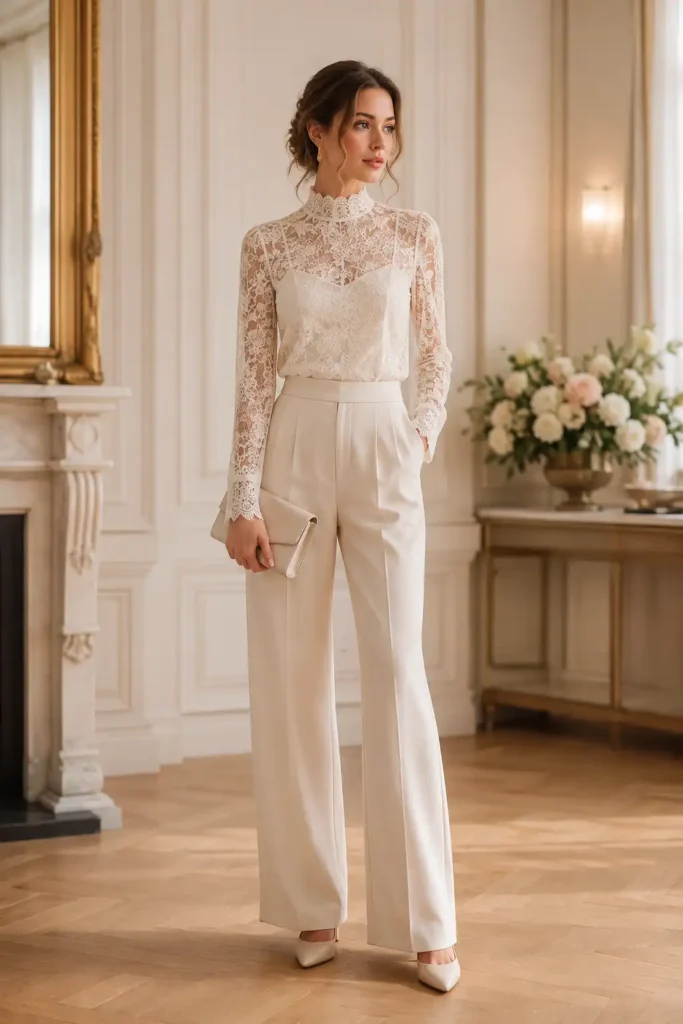
High-Neck Lace Blouse
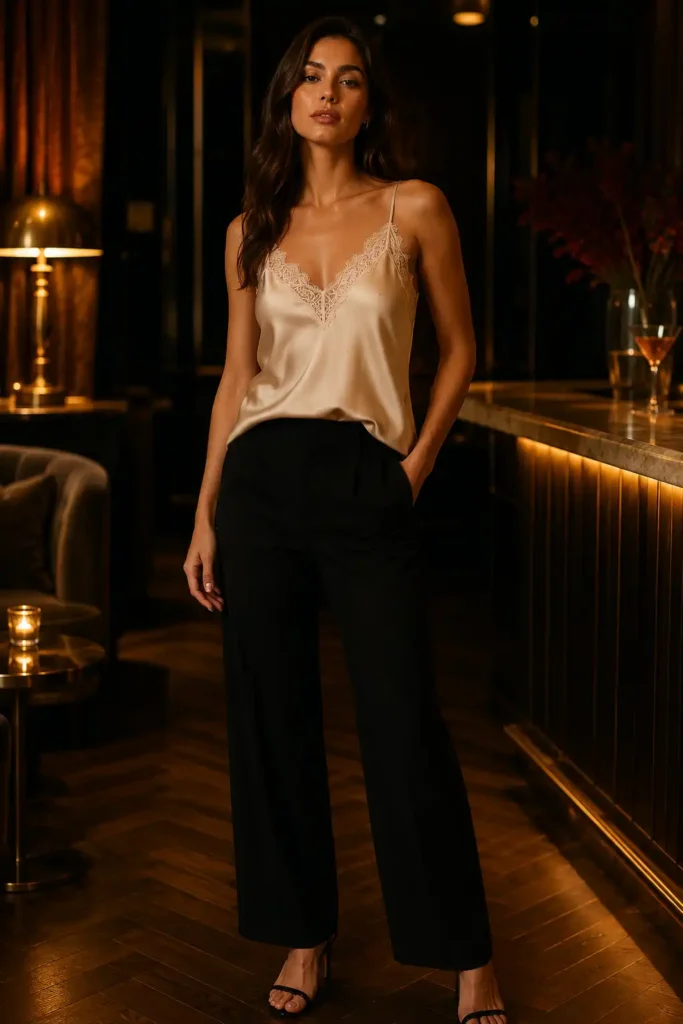
Lace-Trim Satin Top
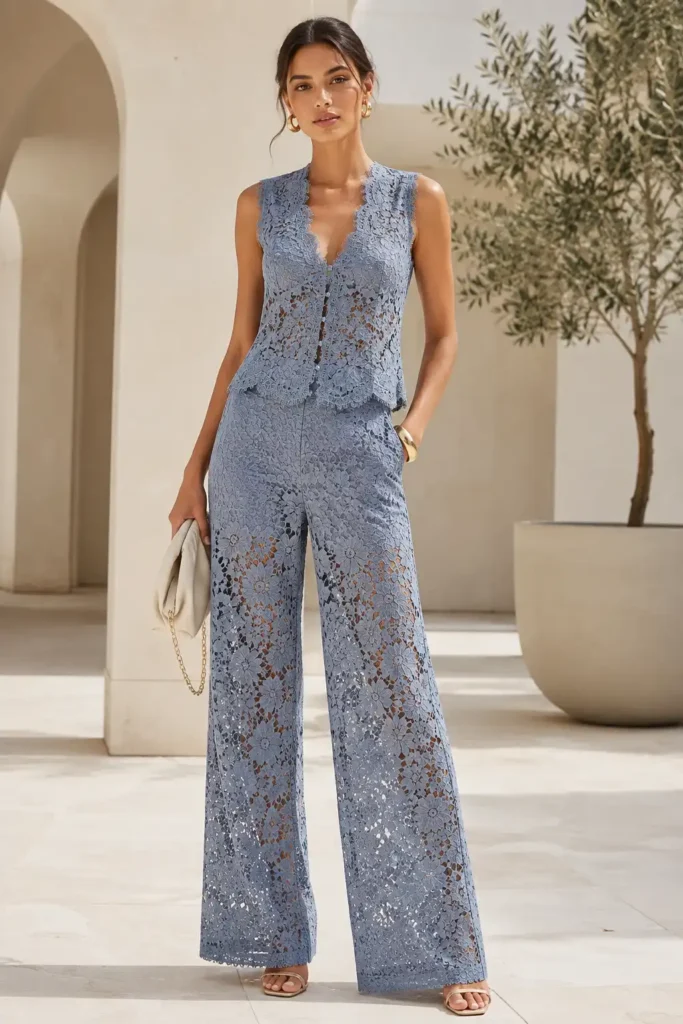
Matching-Set Lace Top
Build Lace Tops Into a Coherent Collection
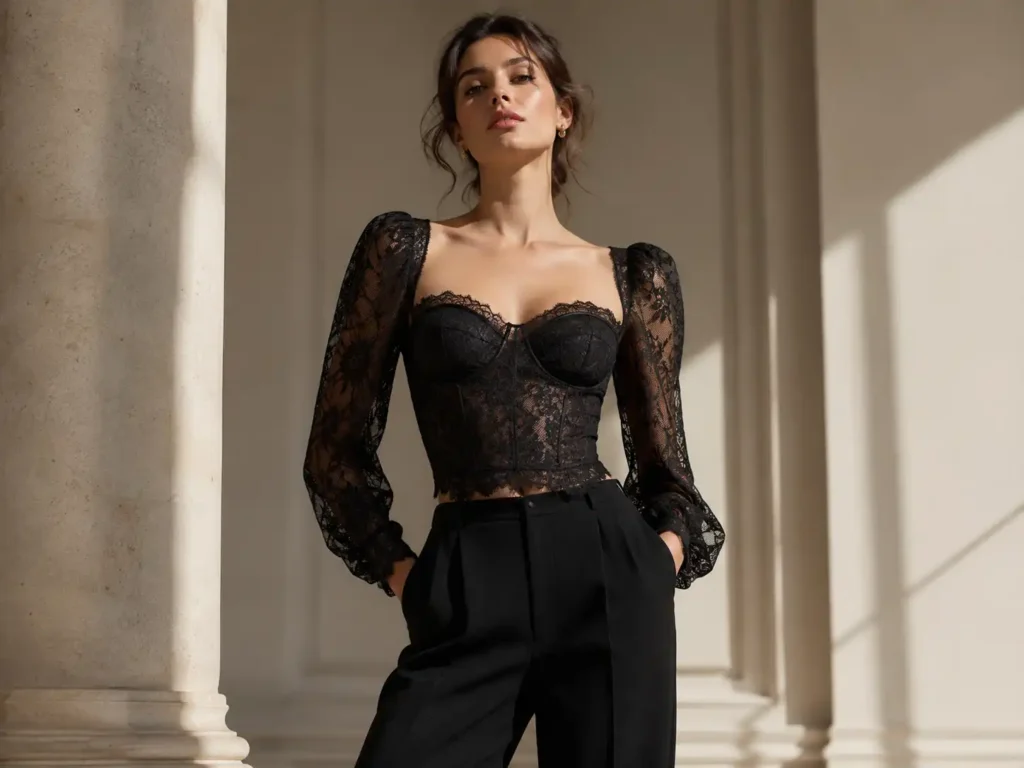
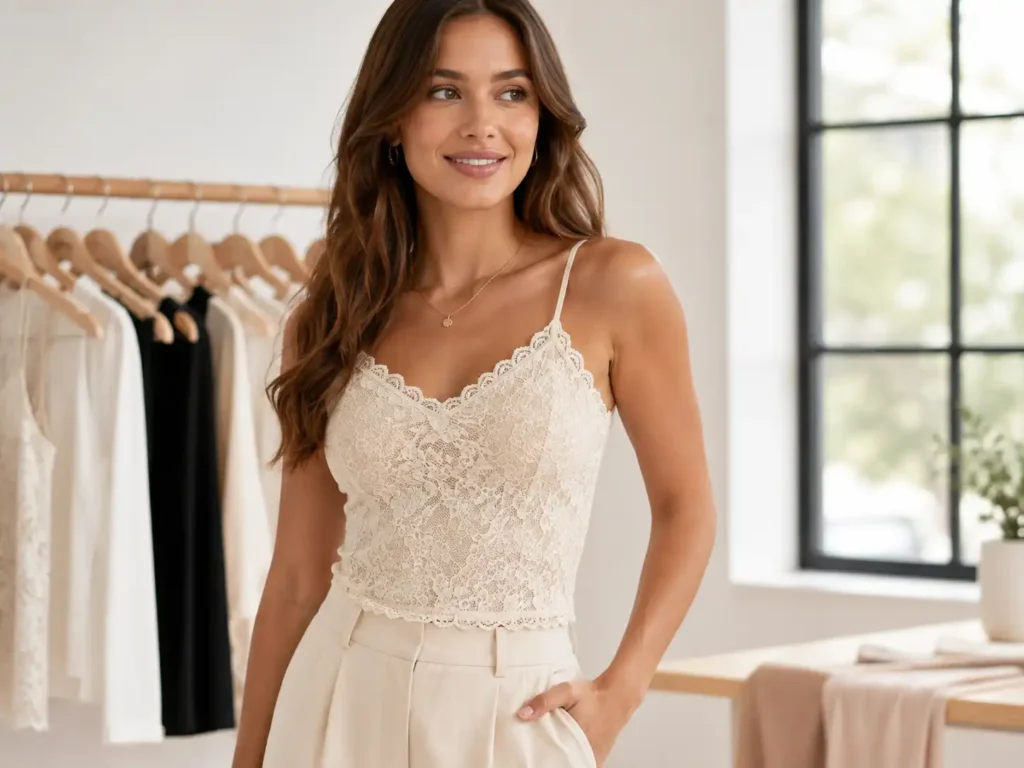
Hero Styles
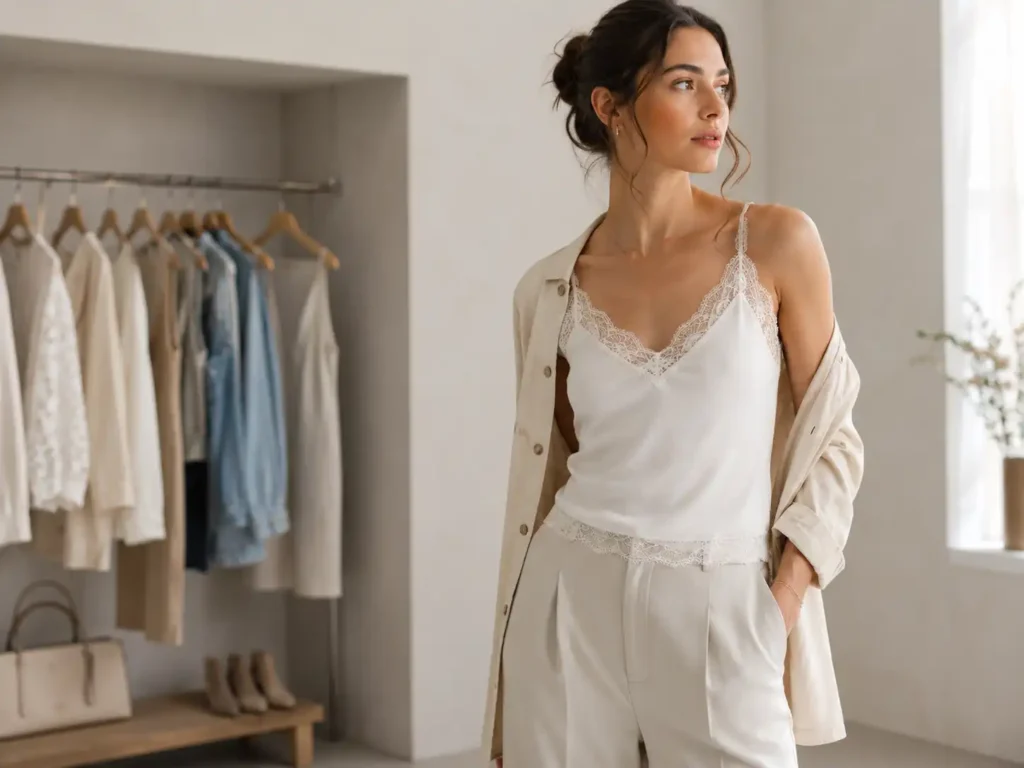
Volume Styles
Supporting Styles
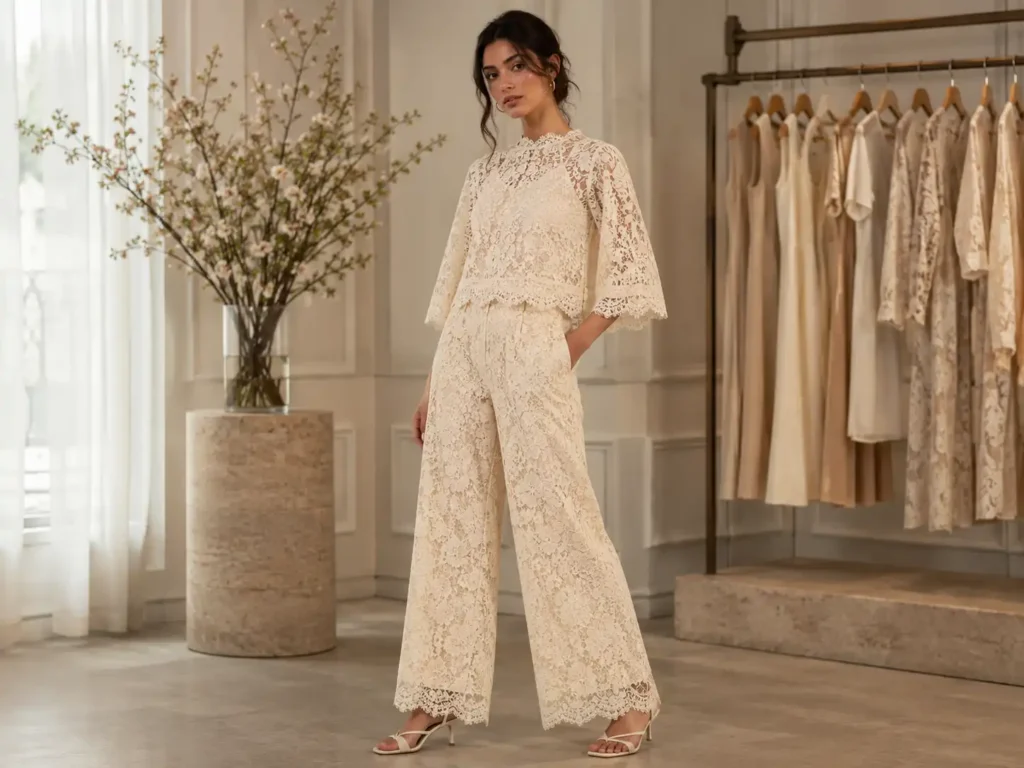
Coordinated Sets
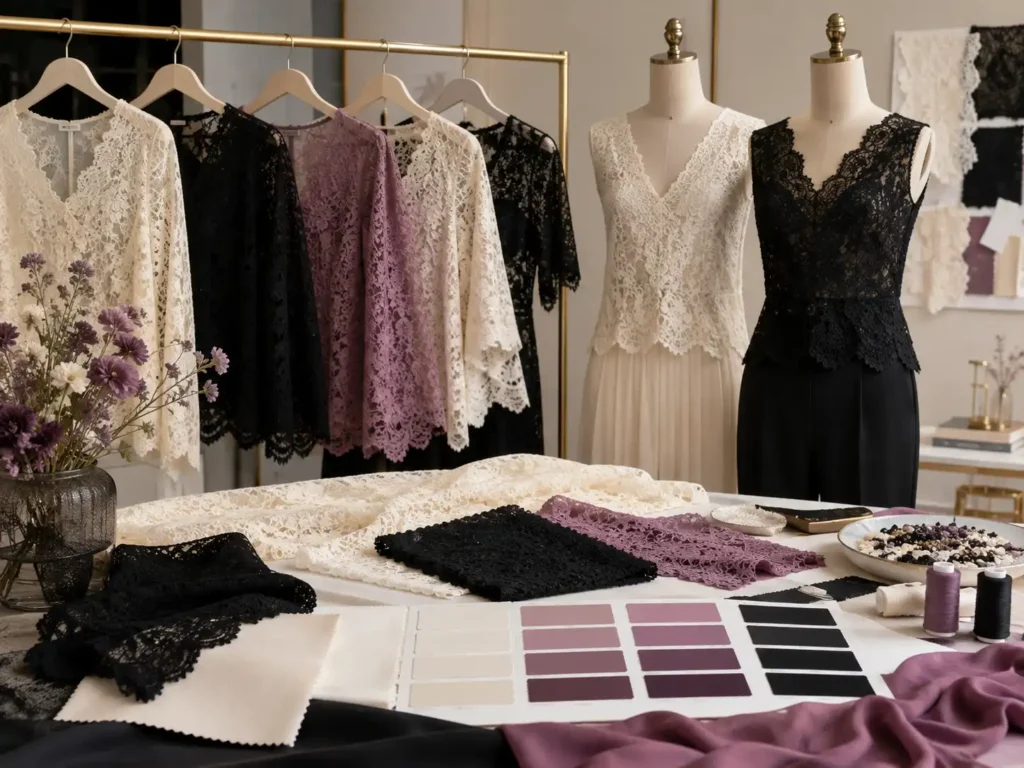
Color Architecture
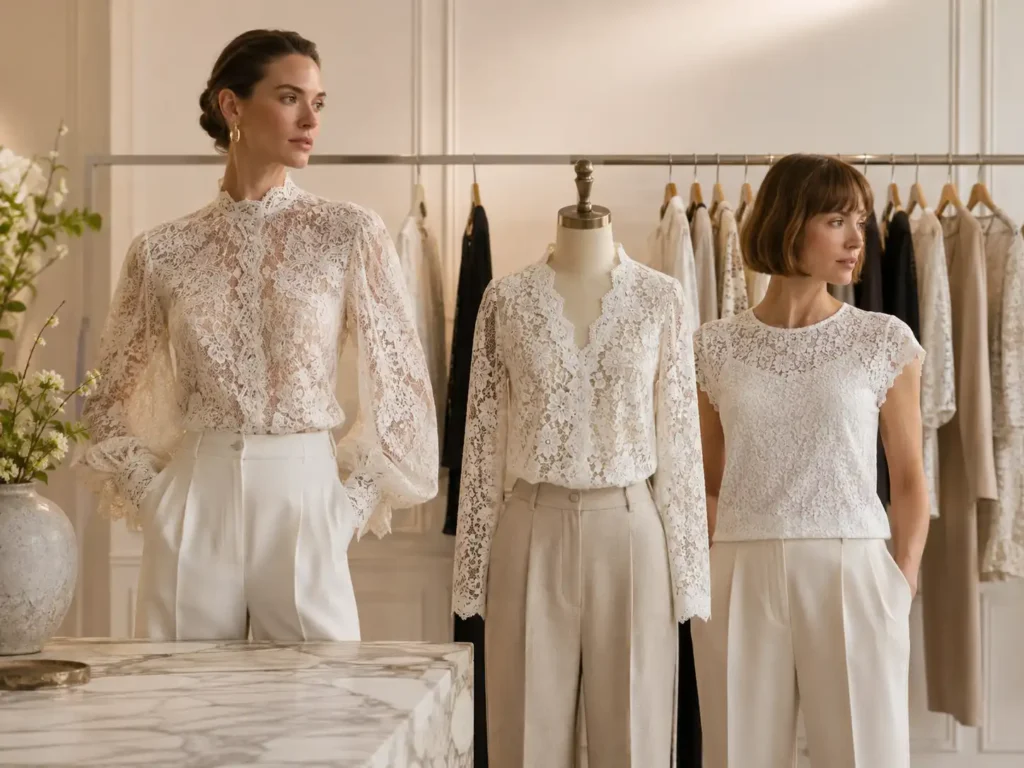
Price Architecture
Lace Options Selected by Structure and Scale
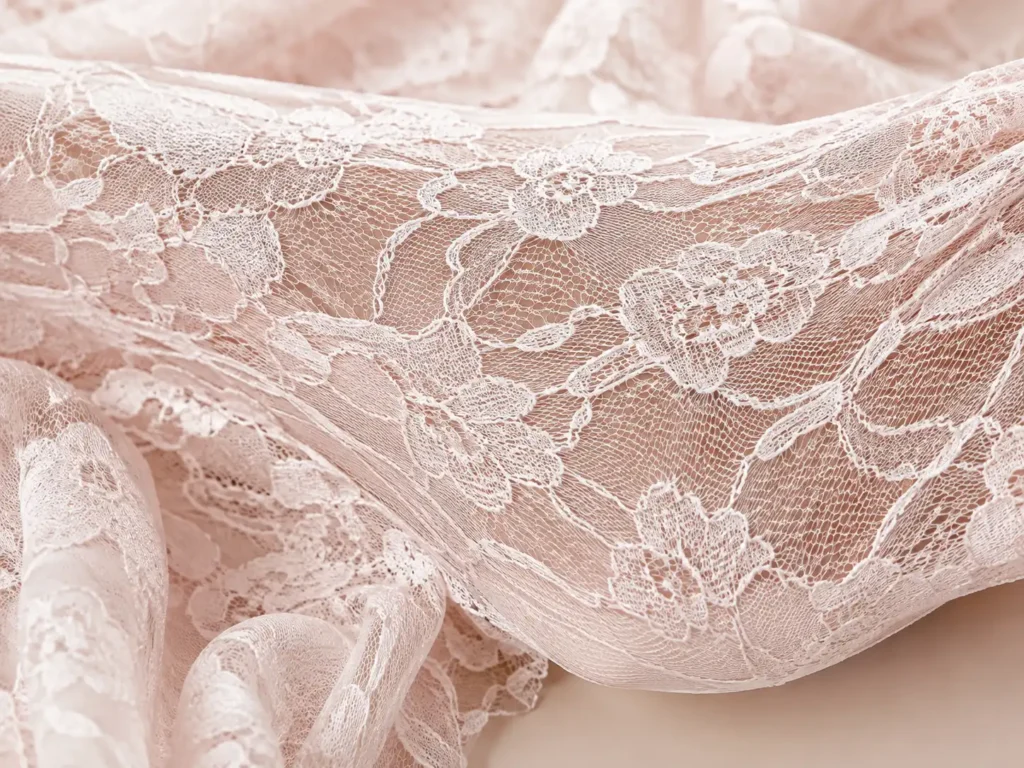
Stretch Lace
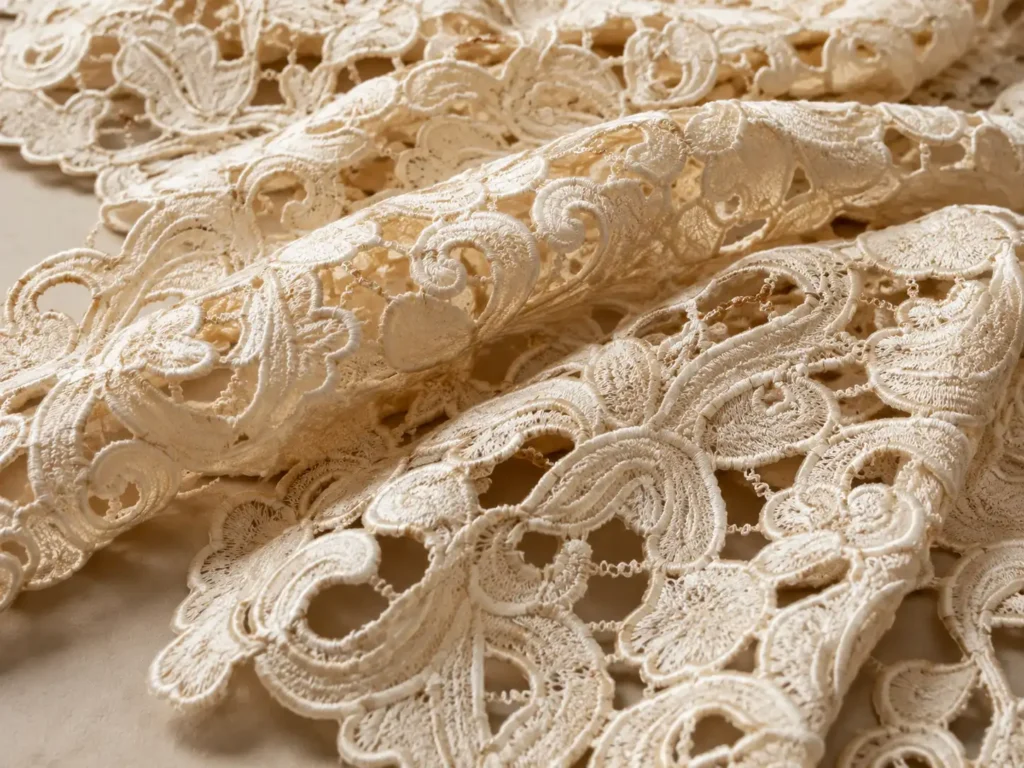
Guipure Lace
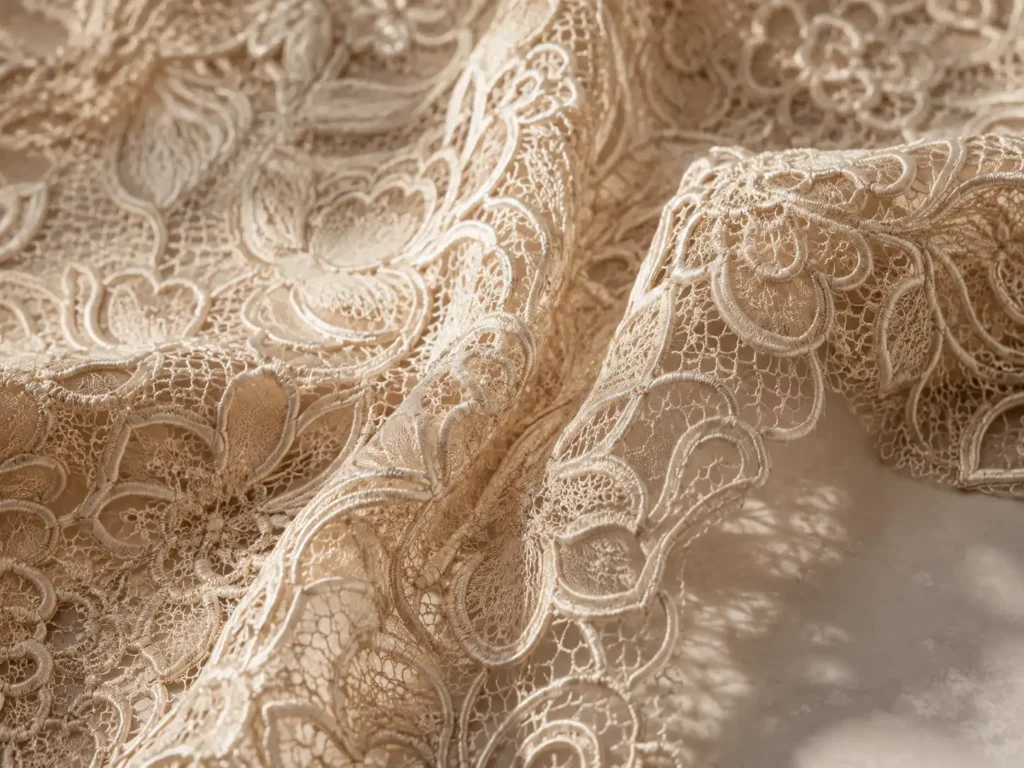
Corded Lace
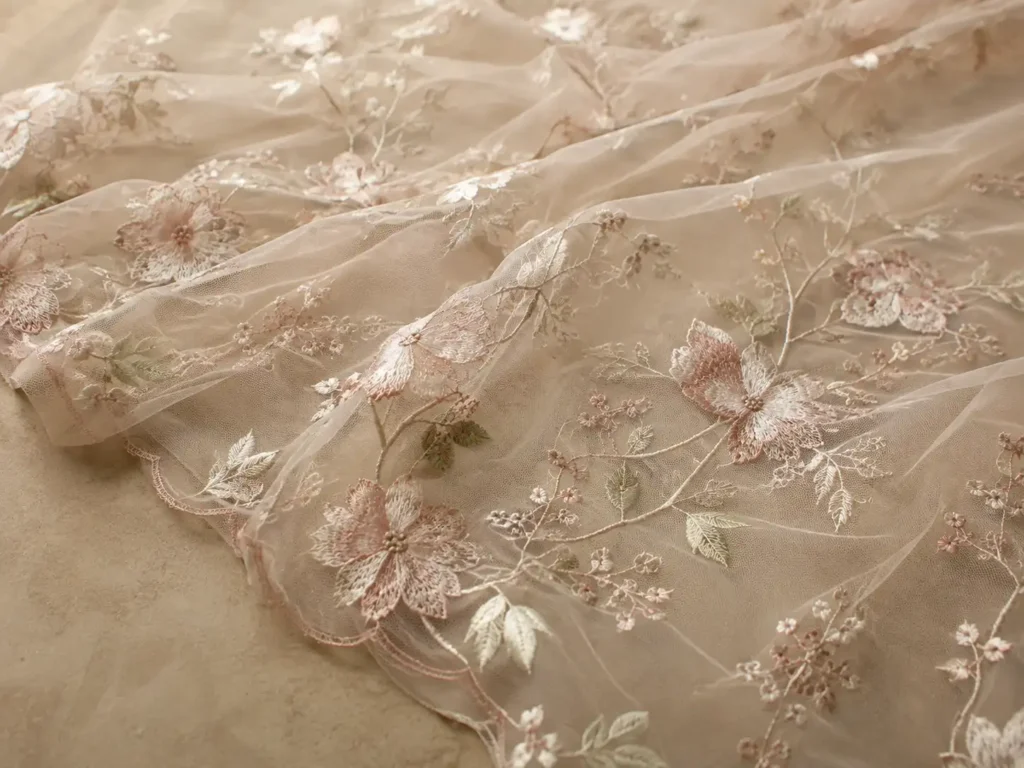
Embroidered Tulle
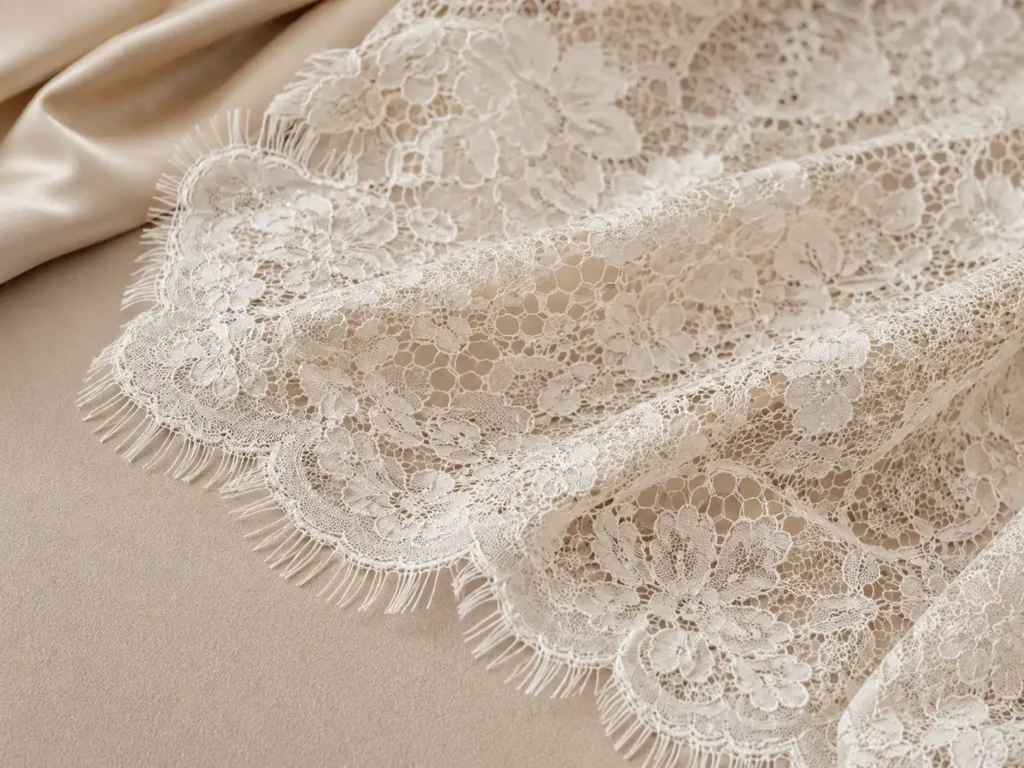
Eyelash Lace
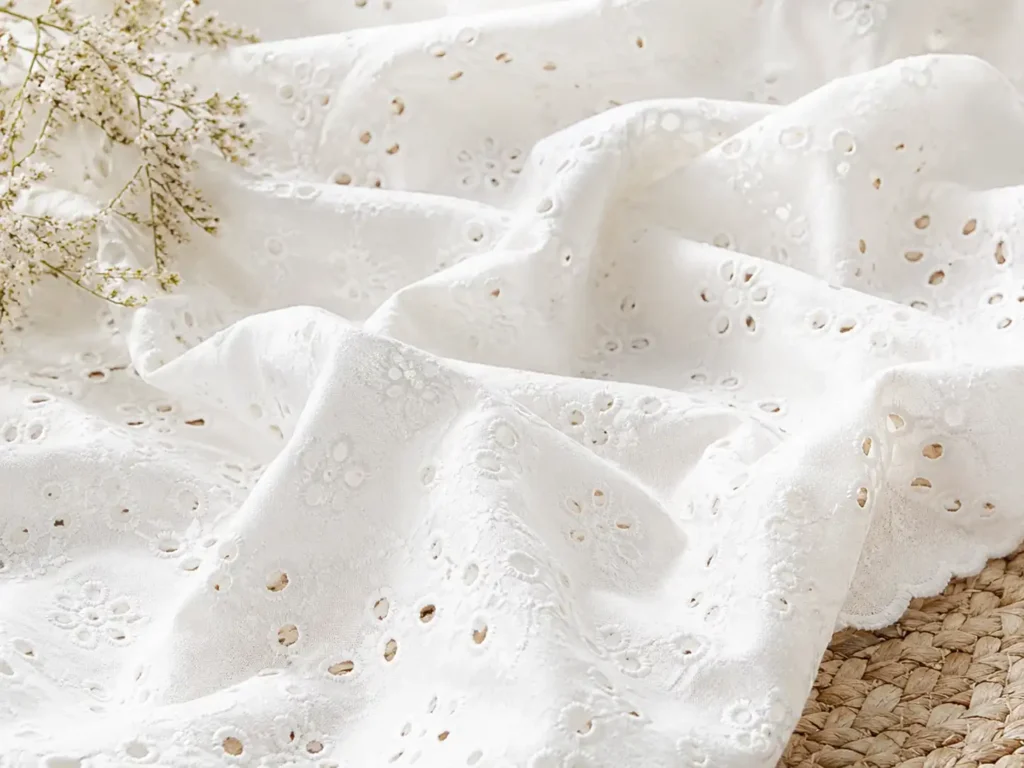
Cotton Eyelet
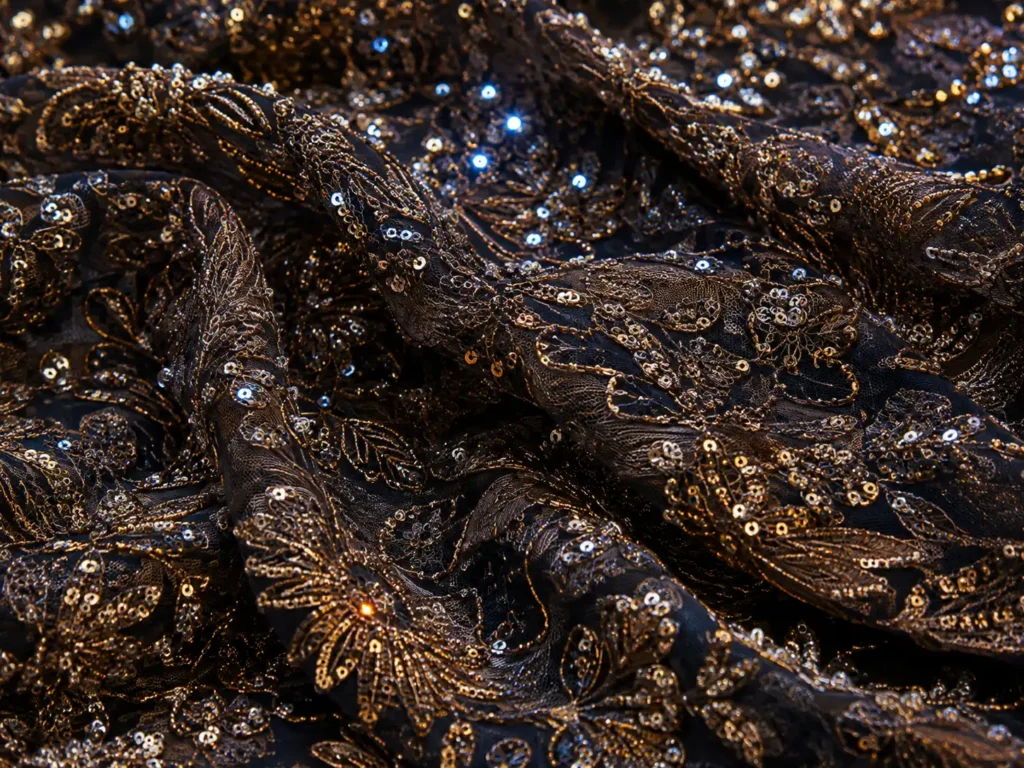
Metallic Lace
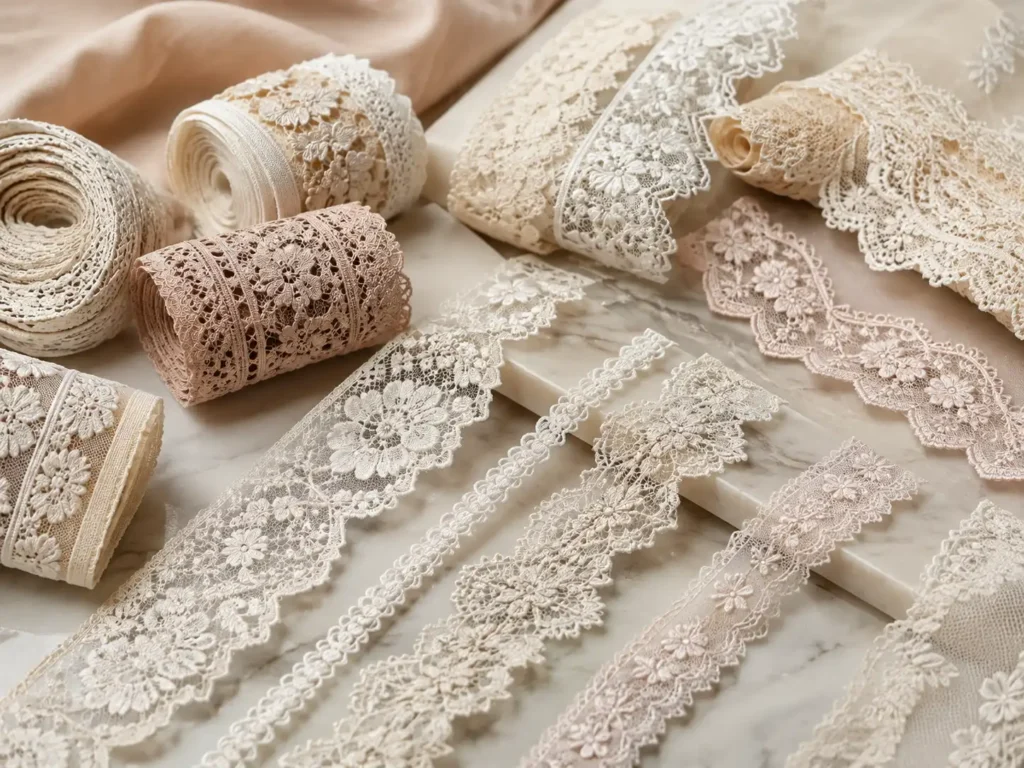
Lace Trims
Match Lace Direction to Top Structure
The comparison below helps product teams connect material behavior with silhouette, lining and production risk before committing to samples or bulk material.
| Lace Direction | Stretch / Transparency | Best Uses | Lining Direction | Main Production Risk | Cost Level |
|---|---|---|---|---|---|
| Stretch lace | Medium stretch / high transparency | Fitted tops, bodysuits, camisoles | Stretch lining, partial or full | Growth, weak recovery, edge waving | Medium |
| Guipure lace | Low stretch / very open | Peplums, structured blouses, panels | Full or strategic backing | Cutting loss, bulky seams, motif breaks | Medium-high |
| Corded lace | Low stretch / medium-high transparency | Occasion blouses, corset overlays | Soft lining or backing | Raised cords at seams and zippers | High |
| Embroidered tulle | Low-medium stretch / high transparency | Sheer sleeves, yokes, overlays | Body lining with sheer zones | Net distortion, embroidery damage | Medium-high |
| Eyelash lace | Low-medium stretch / high transparency | Camisoles, evening tops, edge detail | Light lining or selective coverage | Fringe damage and edge inconsistency | Medium-high |
| Cotton eyelet | Low stretch / medium transparency | Resort blouses, summer crop tops | Cotton voile or partial lining | Shrinkage, border direction, holes | Medium |
| Metallic lace | Low-medium stretch / variable transparency | Holiday and party tops | Soft protective lining | Snagging, roughness, metallic breakage | High |
| Lace trim | Varies by construction | Necklines, straps, sleeves, hems | Depends on base fabric | Color mismatch, tension, supplier MOQ | Low-high |
Design Details That Define the Collection
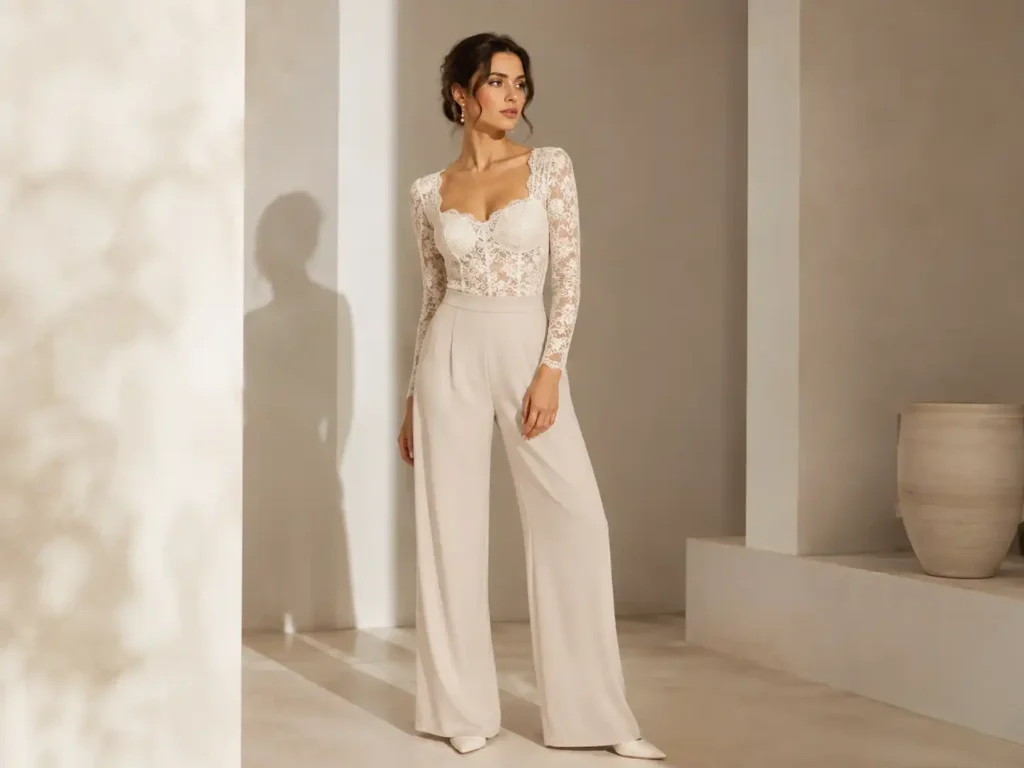
Neckline Shape
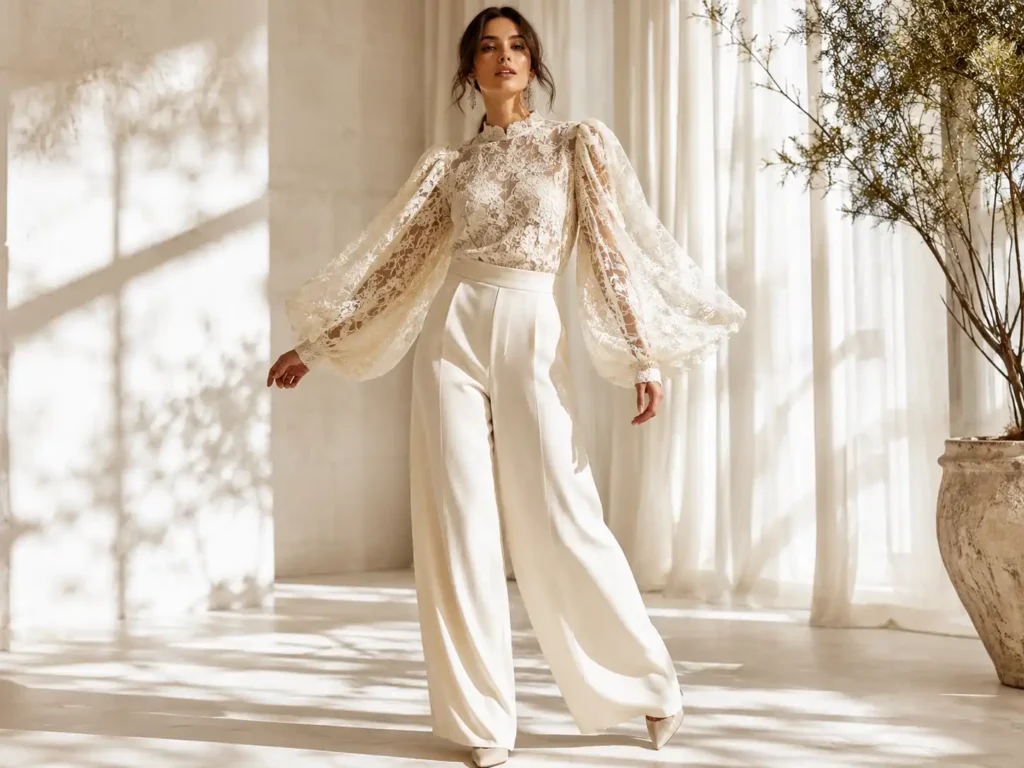
Sleeve Volume
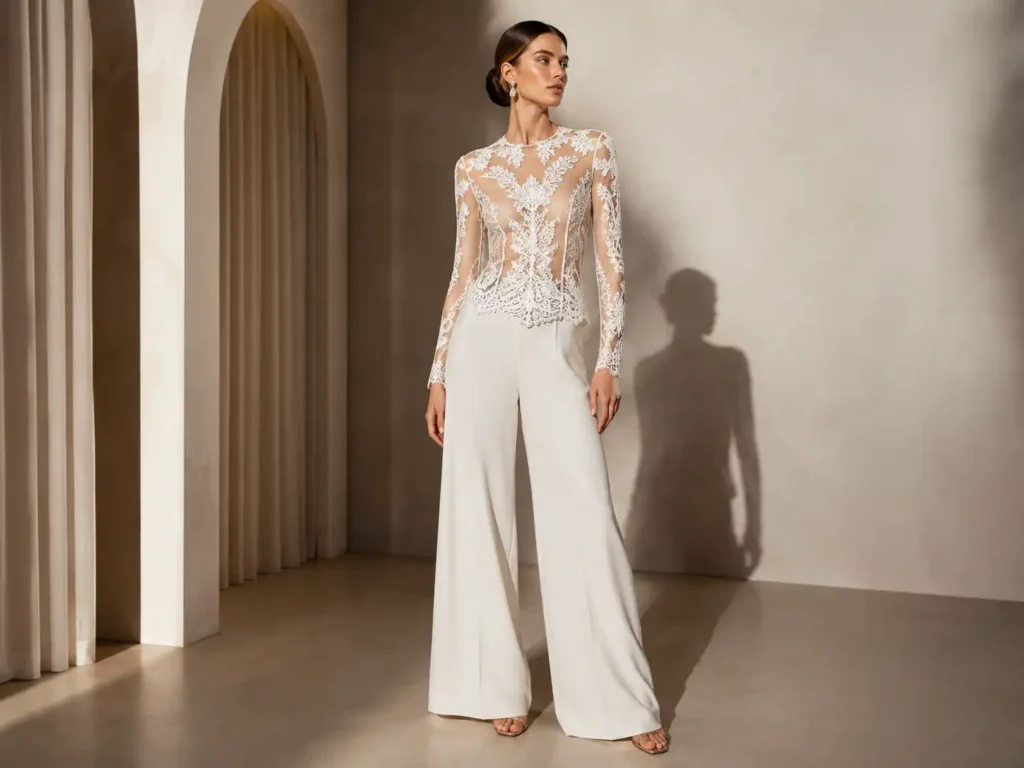
Motif Placement
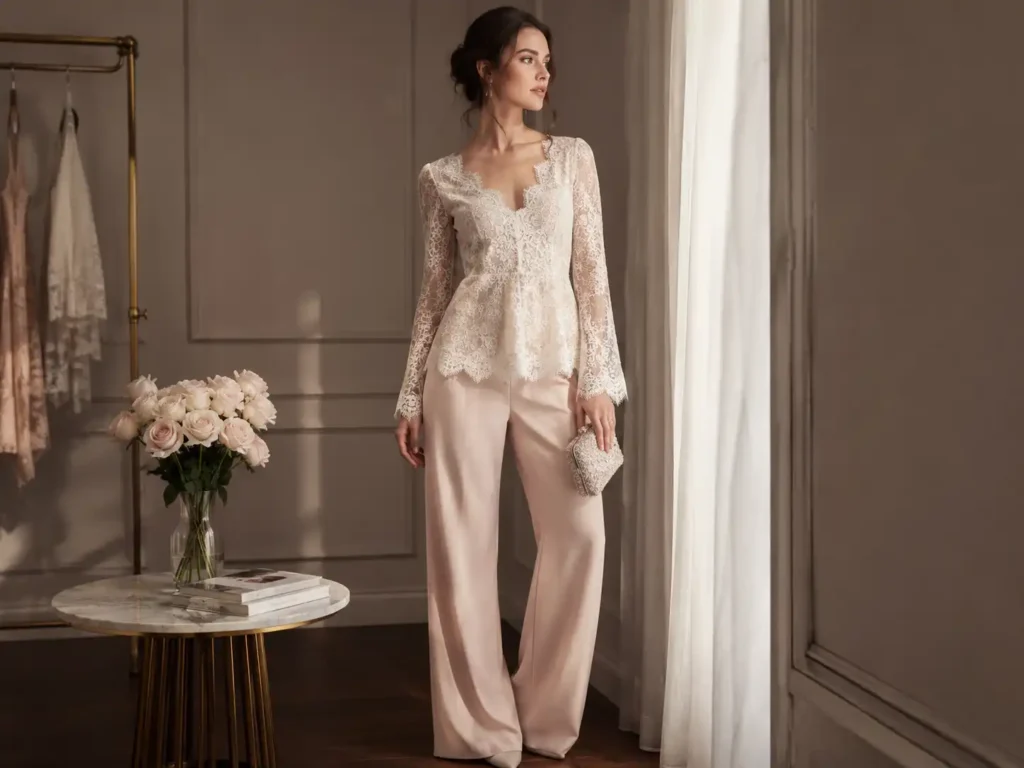
Scalloped Edges
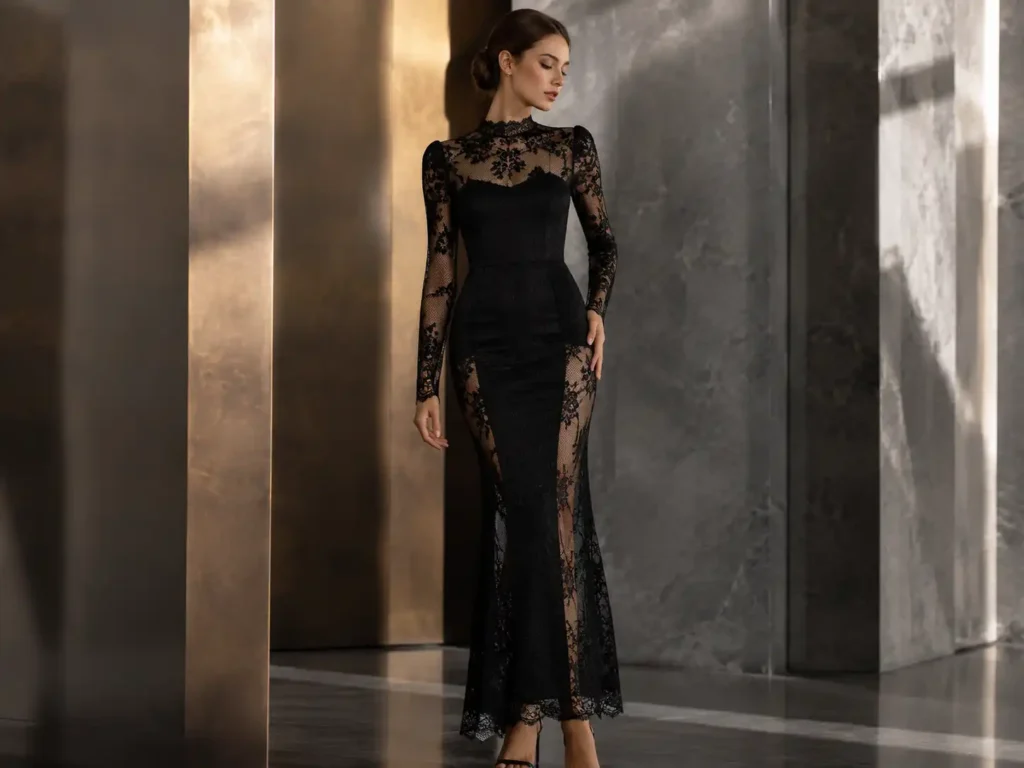
Sheer Panels
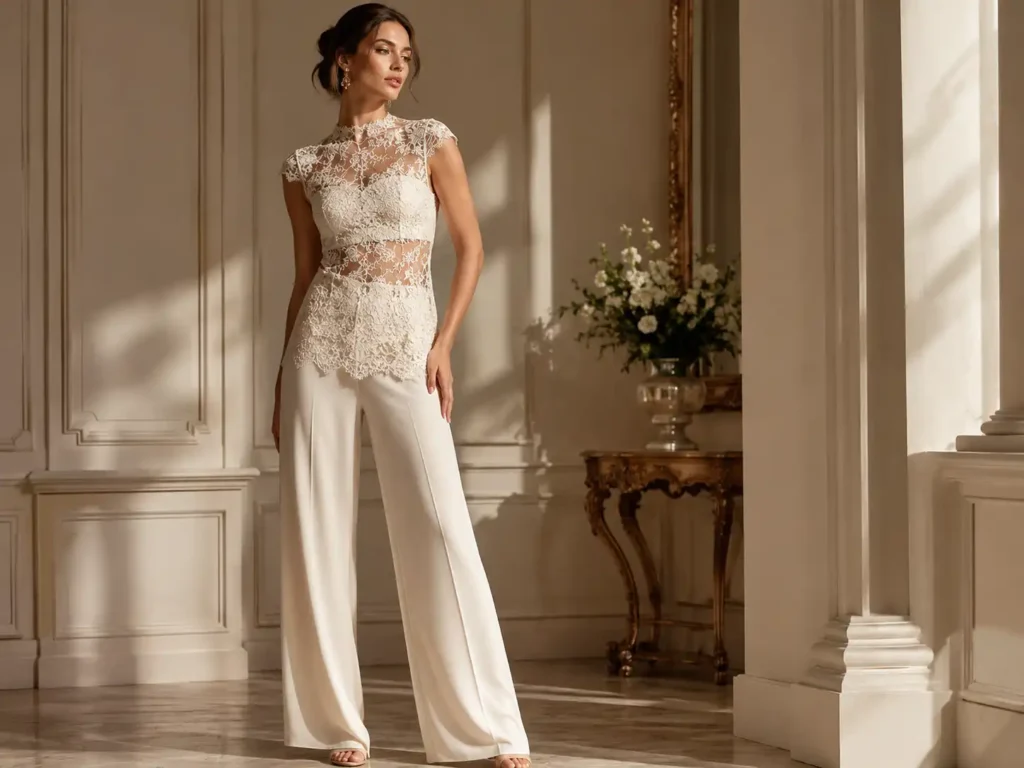
Lining Coverage
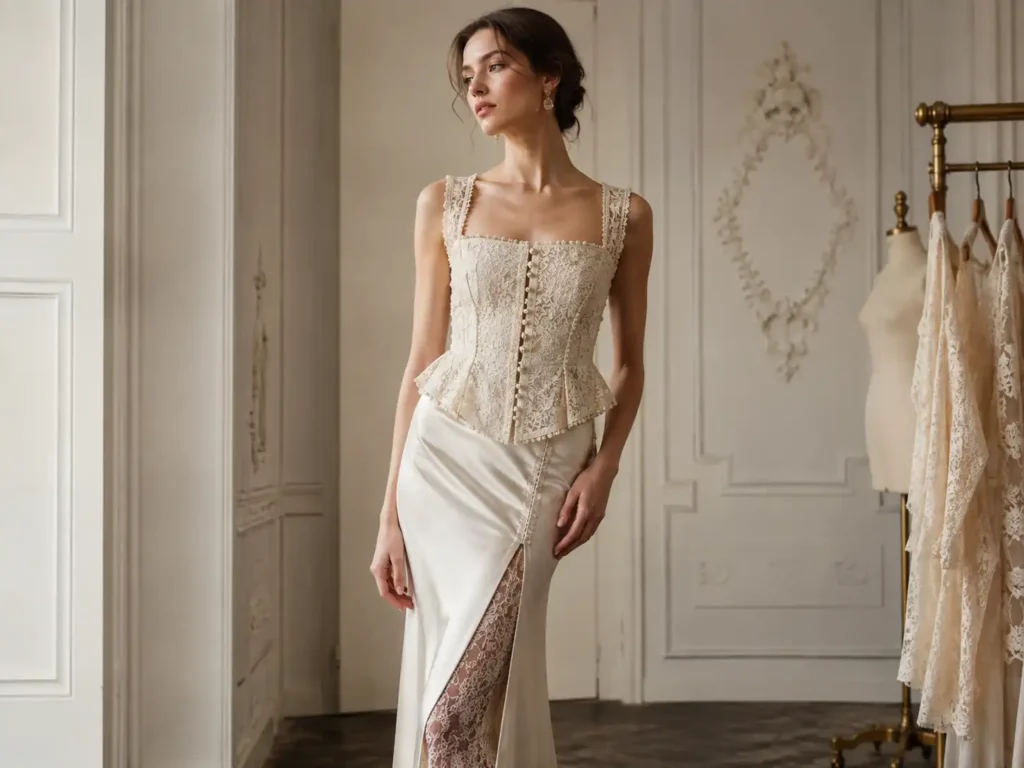
Closures and Trims
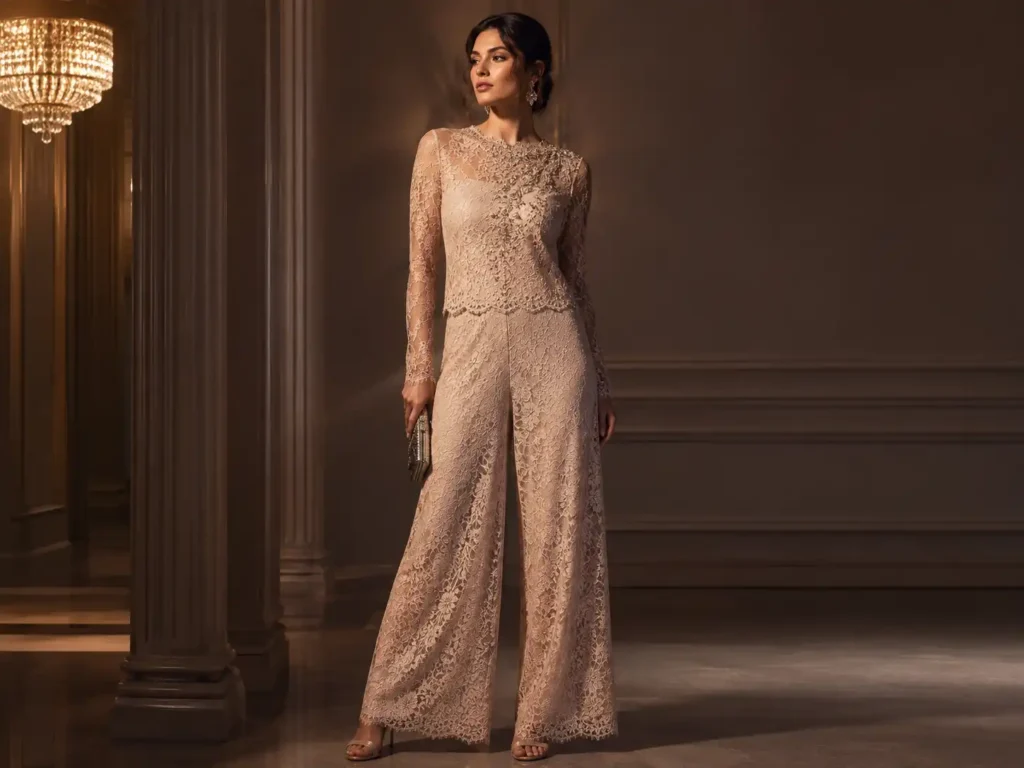
Embellishment Balance
Pattern Engineering for Consistent Lace Top Fit
Lace patterns must translate a design into repeatable fit across sizes while accounting for stretch, transparency, lining and support. A visually attractive sample is not enough unless the pattern can be graded and reproduced.
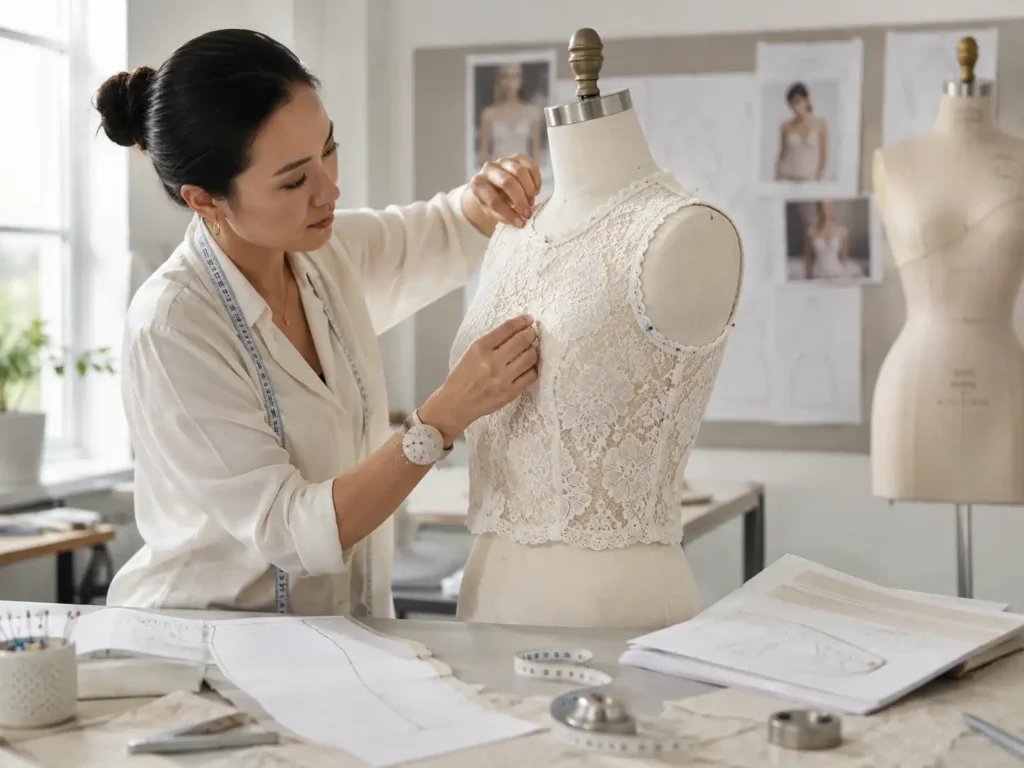
Bust, Neckline and Armhole Control
Upper bust, full bust and underbust measurements influence neckline position, cup shaping and side-seam balance. A square or sweetheart neckline can gape when the upper bodice is too long or when lace stretches more than expected. Fitted armholes can pull the neckline outward, while deep armholes may expose lining or undergarments. Pattern review therefore links bust shaping, shoulder angle, armhole depth, strap position and neckline tension. For corset or bustier tops, cup position, boning channels and closure tension are assessed together. For softer blouses, darts, gathers or panel seams distribute volume without creating sharp distortion in the lace motif. Fit comments are recorded by measurement point and visual effect, then translated into pattern changes before the next sample.
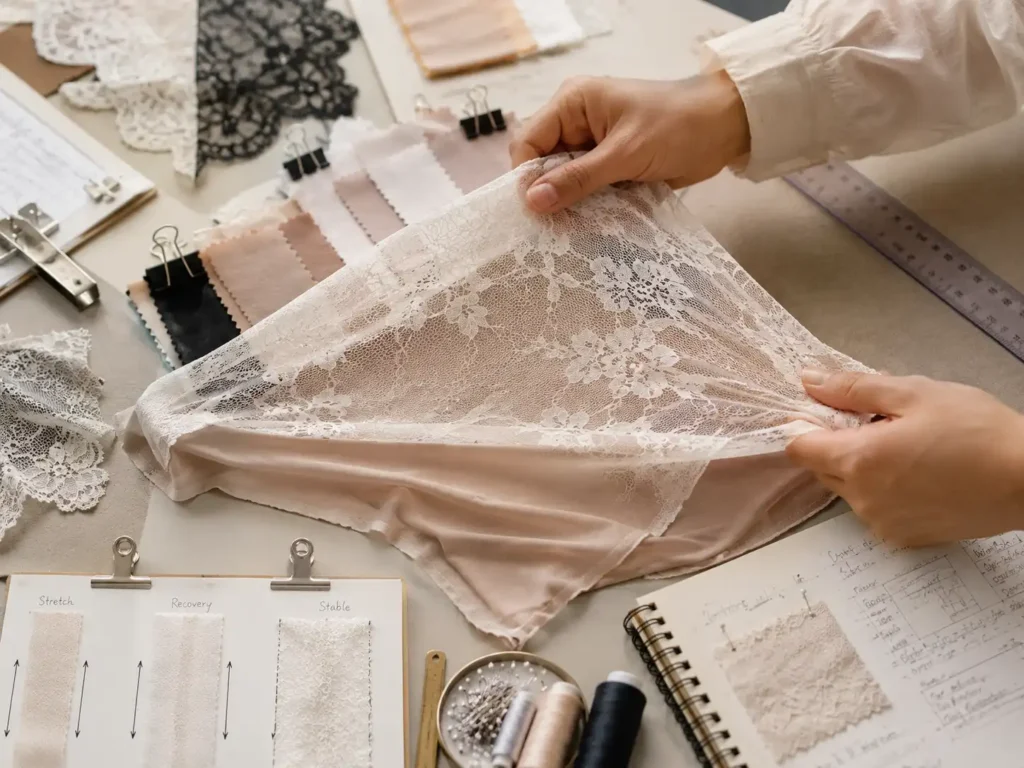
Stretch Behavior and Layer Compatibility
Outer lace and lining rarely stretch in exactly the same way. A rigid lining under stretch lace may restrict movement and create wrinkles; an overly soft lining may fail to stabilize the neckline. Stretch is checked across width and length, then compared after recovery. Pattern ease and seam construction are adjusted around the combined material behavior rather than the lace alone. For close-fit tops, the team reviews body length, side seam, hem tension and garment growth after handling. For unlined sheer tops, shoulder seams, neck openings and cuffs may still need tape, elastic or binding. Material testing at sample stage helps prevent bulk measurements from shifting after garments hang, steam or remain packed for several days.
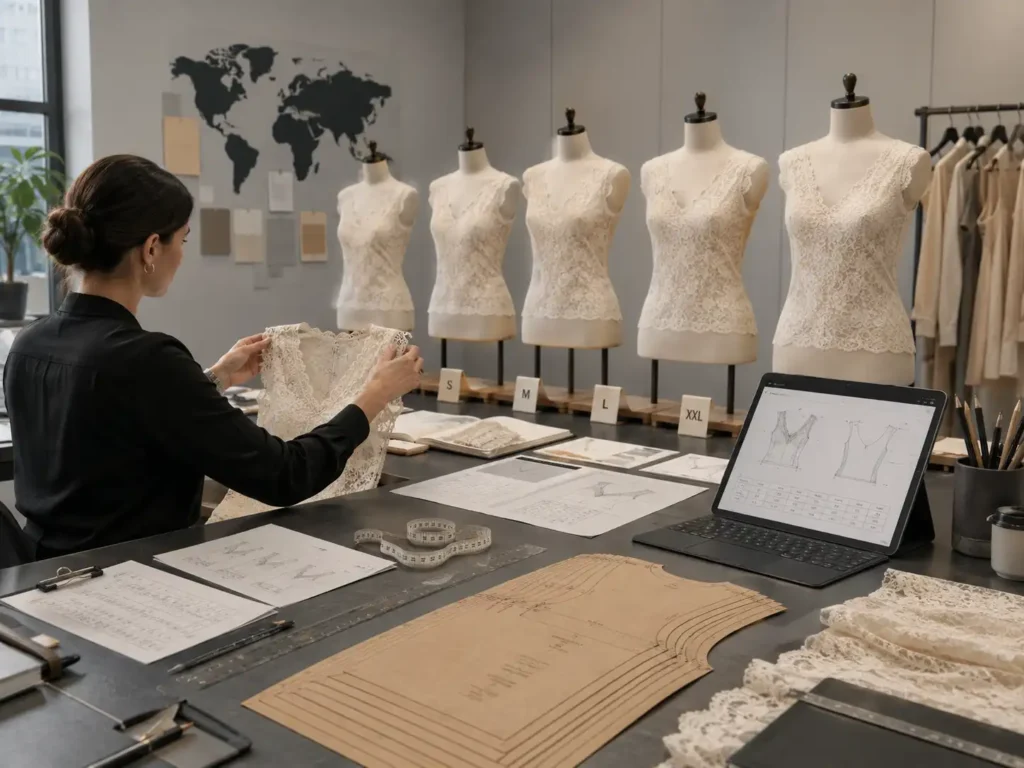
Grading for Global Size Programs
Jinfeng Apparel can develop according to US, UK, EU and AU measurement standards, alpha sizes from XS-XL, extended ranges, plus-size requirements and brand-specific petite or tall adjustments. Grading is not a simple percentage increase. Neckline depth, bust point, armhole, sleeve width, body length, cup position and lining coverage may need controlled grade rules. A motif positioned correctly in one size can move into an awkward area after grading, especially on corset panels or engineered lace. Key sizes can be sampled when a style has high fit risk. Approved measurement charts, pattern files and fit comments are retained for bulk production and repeat orders.
Control Motifs From Cutting Through Assembly
Lace workmanship is decided before sewing begins. Material inspection, marker planning, paired cutting, seam selection and edge handling must follow the same approved visual standard.
Map Motifs Before Marker Approval
Large repeats and directional borders are reviewed against the pattern before bulk markers are finalized. Center-front flowers, mirrored princess panels, shoulder motifs and scalloped hems may require fixed placement. Fixed placement increases consumption because pattern pieces cannot be nested freely. The merchandising and pattern teams therefore compare the desired appearance with width, repeat size, usable border length and order quantity. Placement points can be marked on pattern pieces or recorded in construction instructions. A commercially balanced approach may reserve engineered placement for the front bodice and use controlled random placement on lower-risk panels, protecting visual impact without creating unnecessary cutting loss across every garment.
Inspect and Pair Cut Components
Incoming lace is checked for holes, skipped embroidery, shade differences, width variation, damaged edges and inconsistent motifs. Defects are marked before spreading. Symmetrical front panels, cups, collars, cuffs and sleeves may be pair cut so left and right components remain visually related. Bundles are separated by style, color and size, with direction and face side clearly identified. A wrong-way panel or damaged motif discovered after sewing is expensive to replace and can interrupt the production line. Cutting inspection therefore confirms quantity, component identity, placement, direction and visible material quality before bundles move to assembly.
Build Seams Without Distorting Lace
Seam choice depends on net strength, motif density, lining and required transparency. Fine lace may need narrow overlock, binding, enclosed seams or carefully controlled straight stitching. Thick guipure can become bulky when seam allowances overlap. Stretch lace requires balanced thread tension and compatible stitches so seams recover with the fabric. Operators follow the approved PP sample, seam allowance, stitch type, thread color and reinforcement points. In-line inspection watches for puckering, stretched edges, broken embroidery, uneven panel joins, visible seam allowance and inconsistent scallop depth. Problems are corrected before a large quantity repeats the same construction error.
Finish, Press and Pack Delicate Surfaces
Heat, pressure and rough handling can flatten corded lace, distort synthetic netting or damage metallic yarn. Pressing temperature and method are confirmed during sampling. Garments are checked for loose threads, stains, snags and crushed motifs before folding. Tissue, protective sheets, individual polybags or reduced compression may be used according to surface risk and packing specification. Labels, hangtags, barcodes and size stickers are verified before cartons are closed. Carton assortment and marks must match the packing list because a well-made garment can still be rejected by a warehouse when SKU or carton information is wrong.
Balance Sheerness, Coverage, Support and Comfort
Fully Lined Tops
Partial Coverage
Unlined Layering
Structured Support
Develop Lace Tops Through Controlled Sampling

Project Review
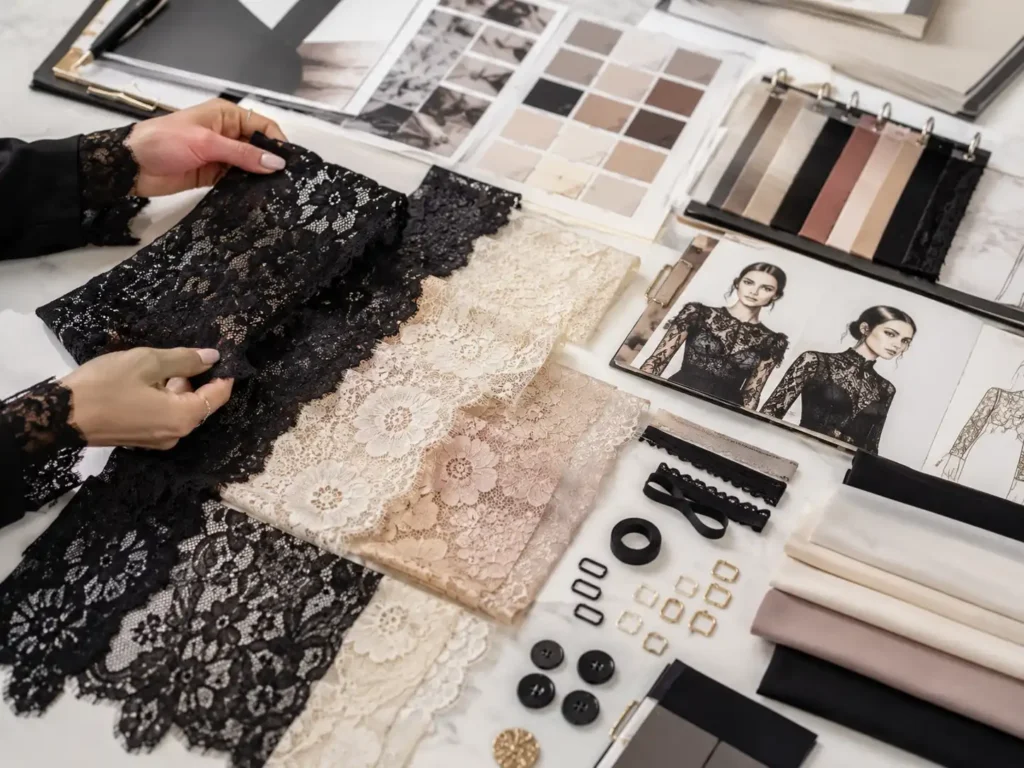
Material Direction

Pattern Development
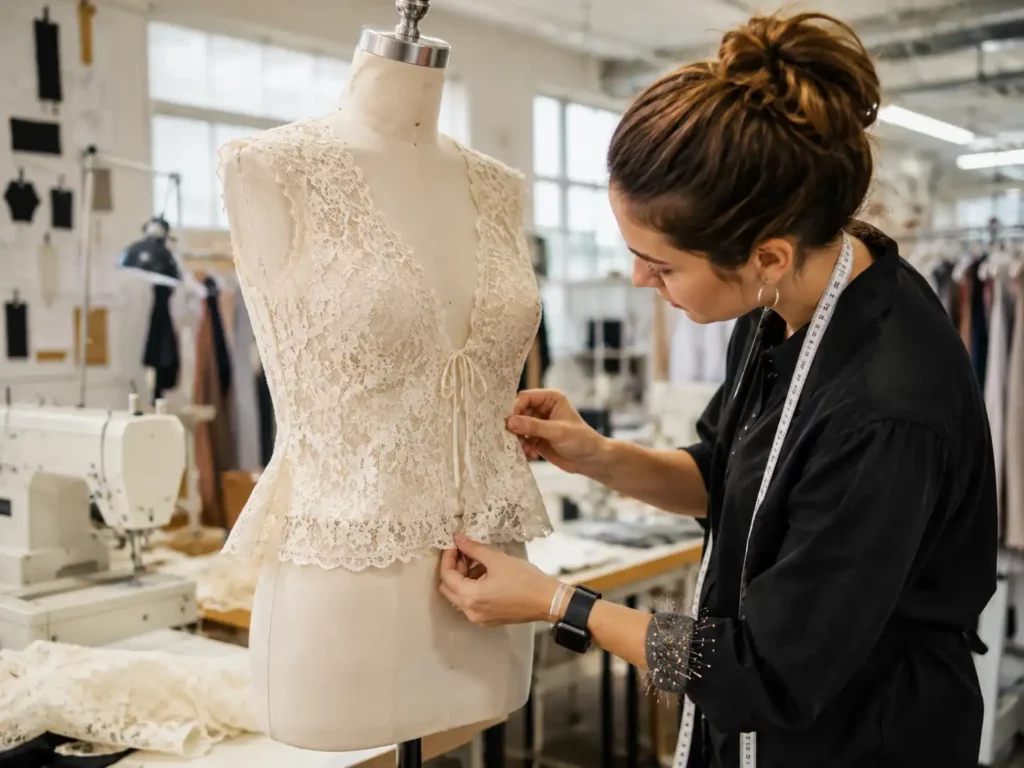
First Sample
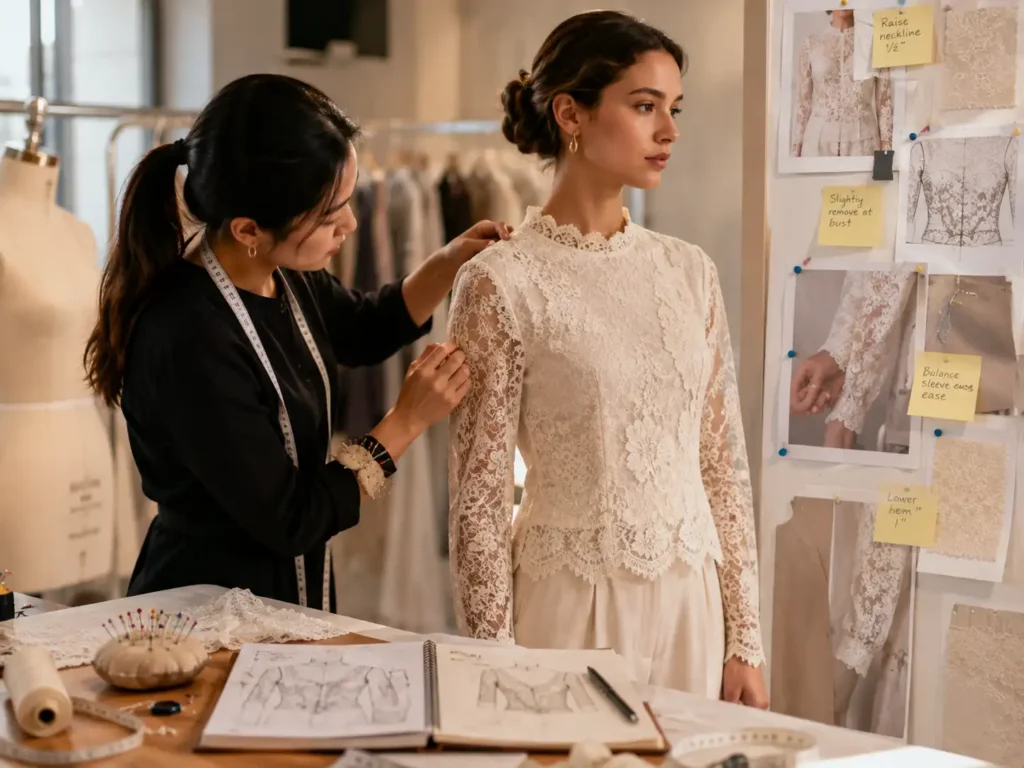
Revision and Fit
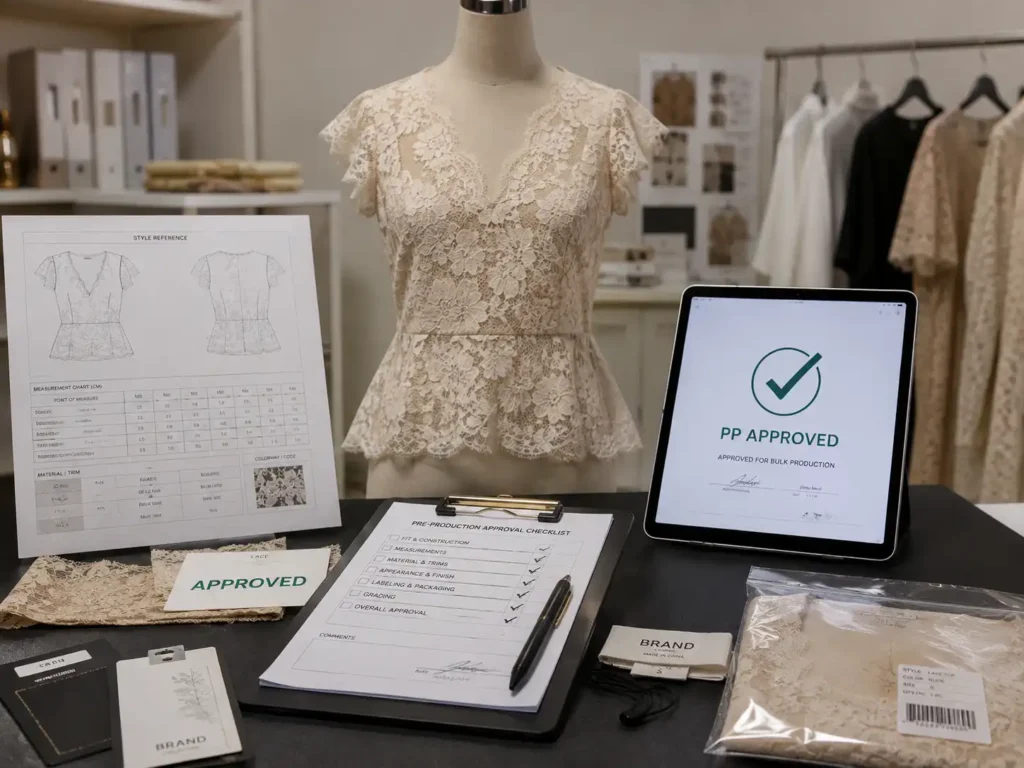
PP Approval
Coordinate Multi-Style Collections Into Bulk Production
Material Booking
PP Lock
Style Allocation
Production Calendar
In-Line Control
Delivery Planning
Lace-Specific Quality Control Before Retail Delivery
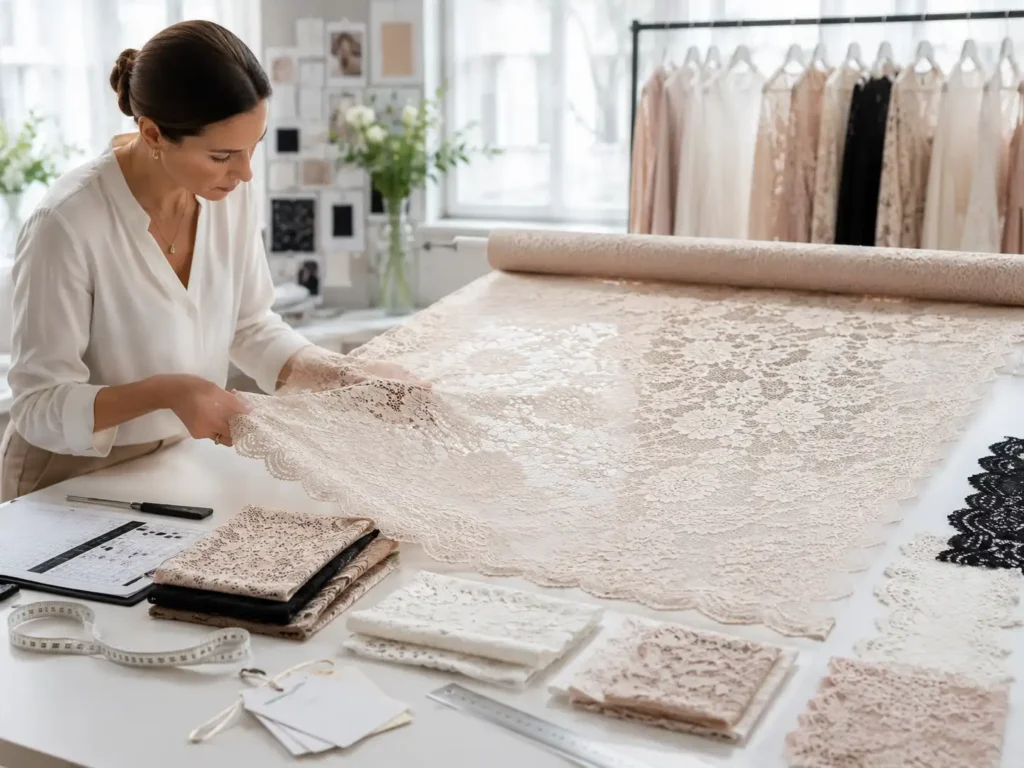
Incoming Lace
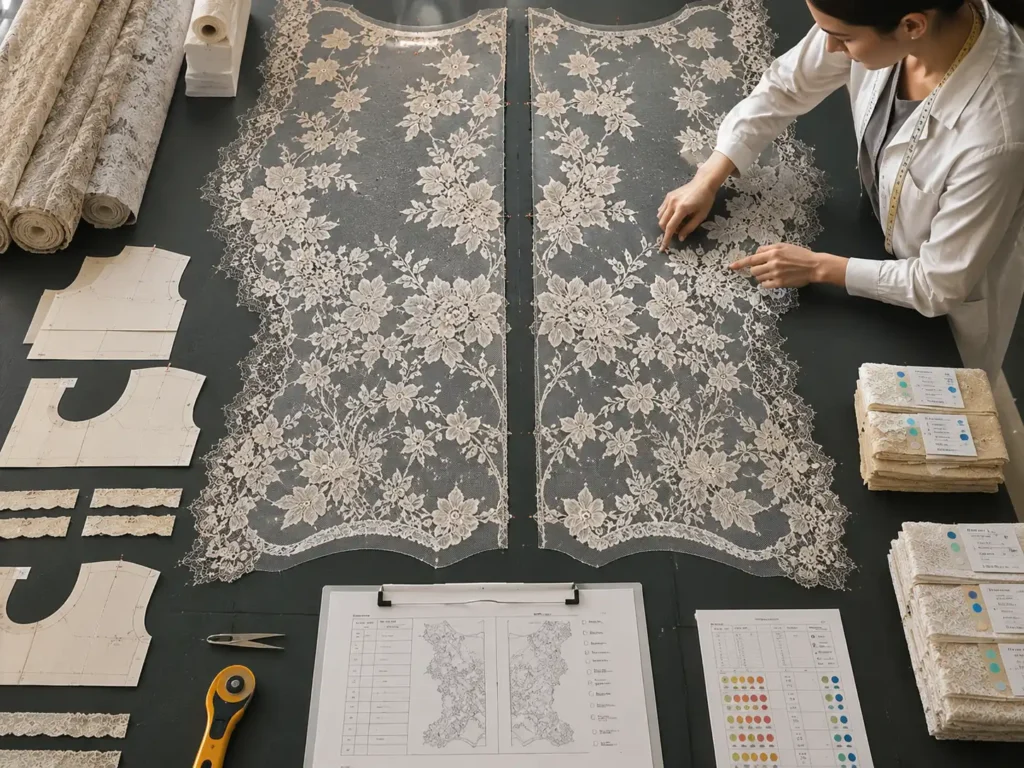
Cutting Symmetry
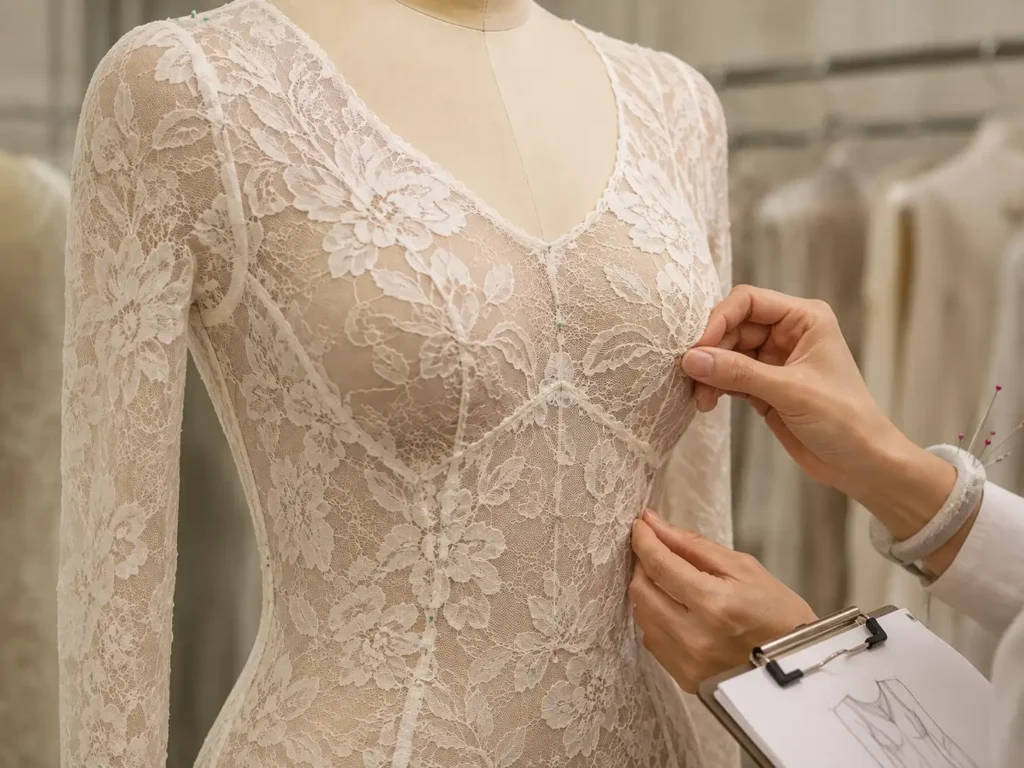
Seam Alignment
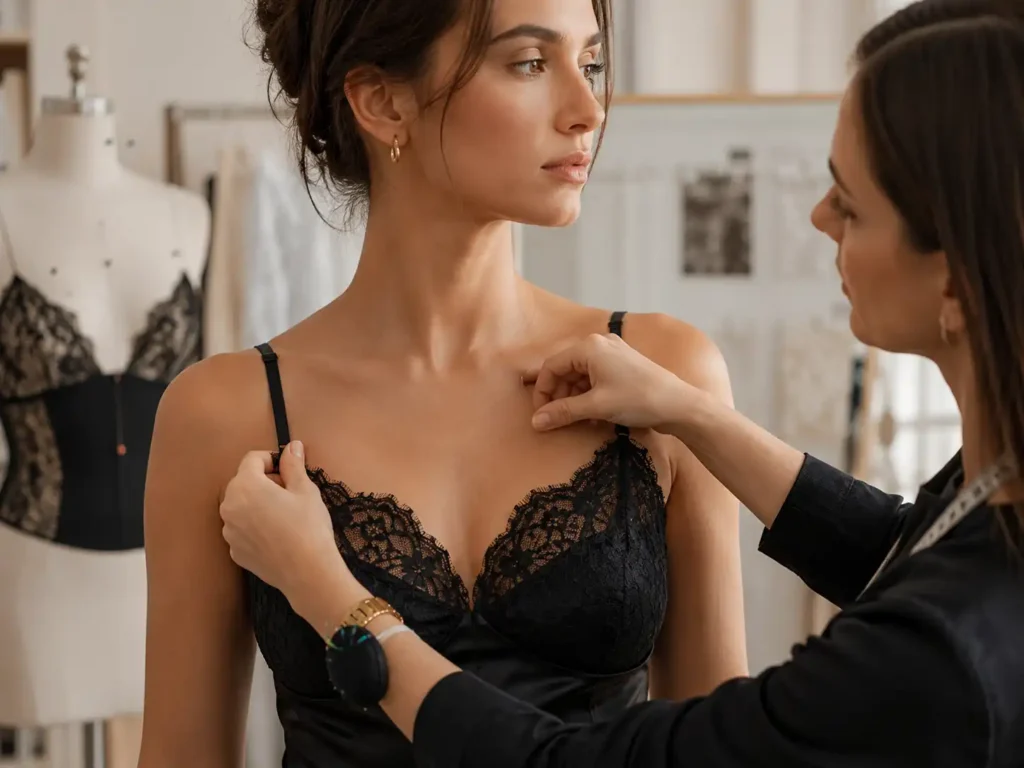
Neckline Stability
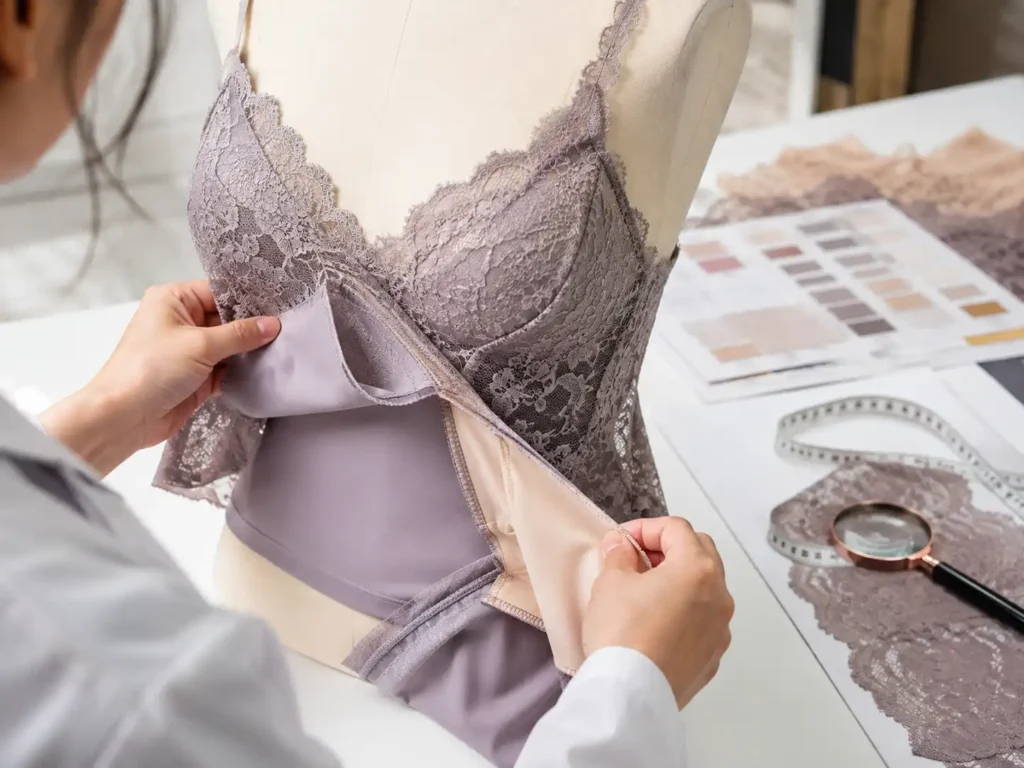
Lining Control
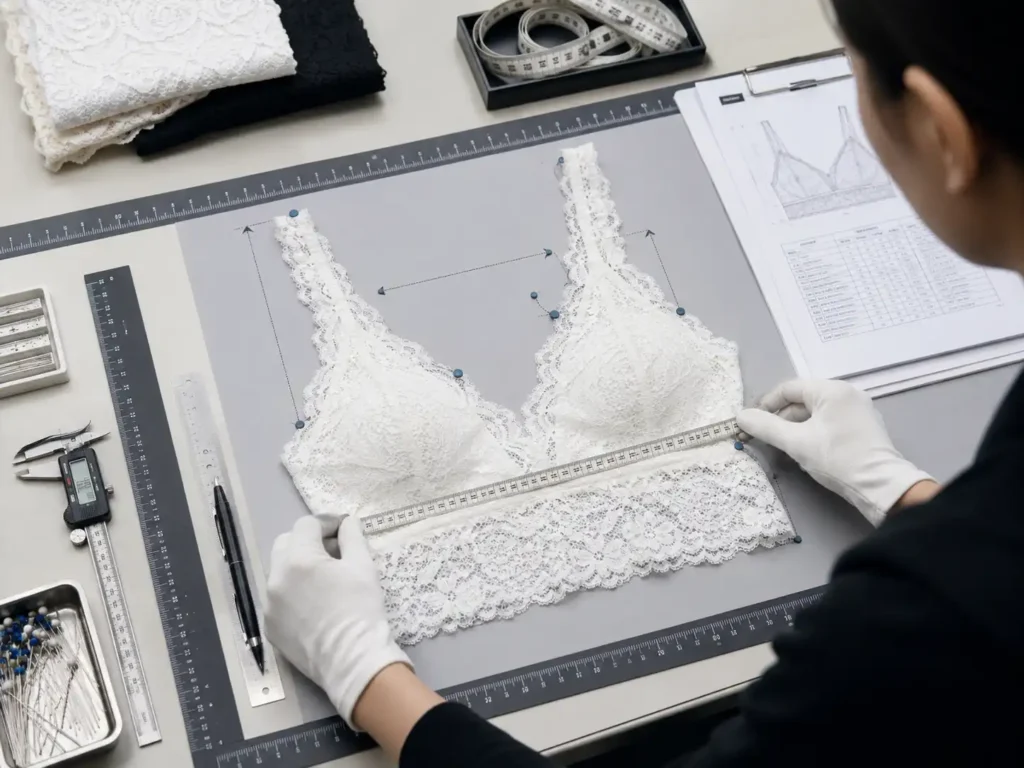
Measurement Review
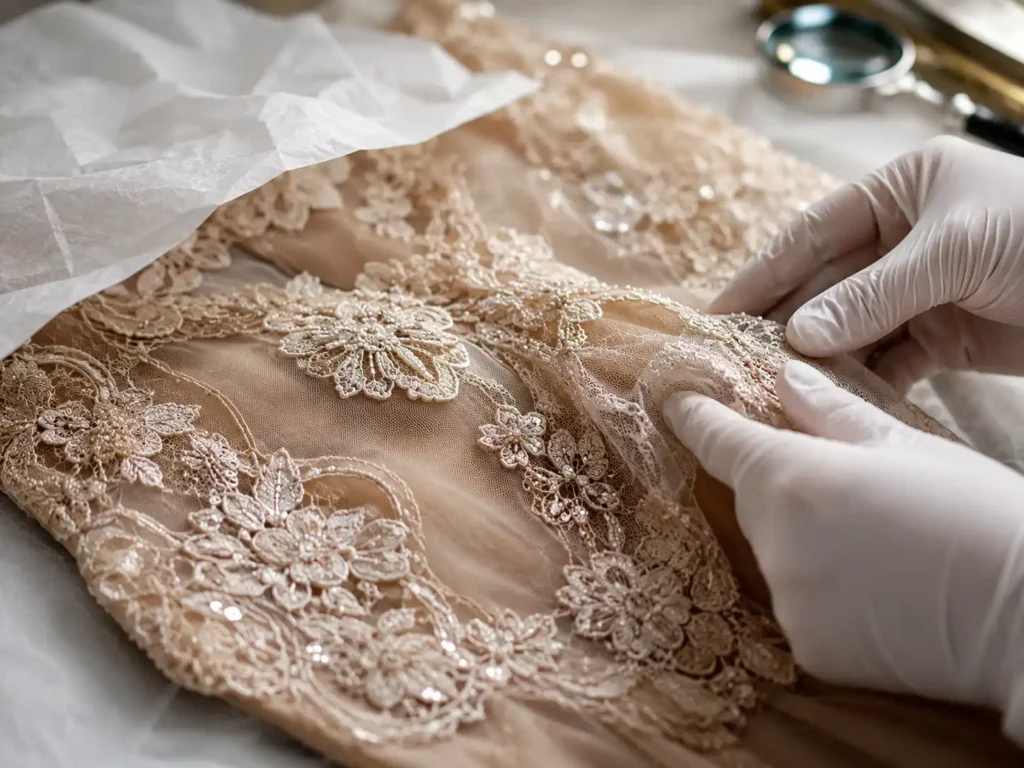
Surface Protection
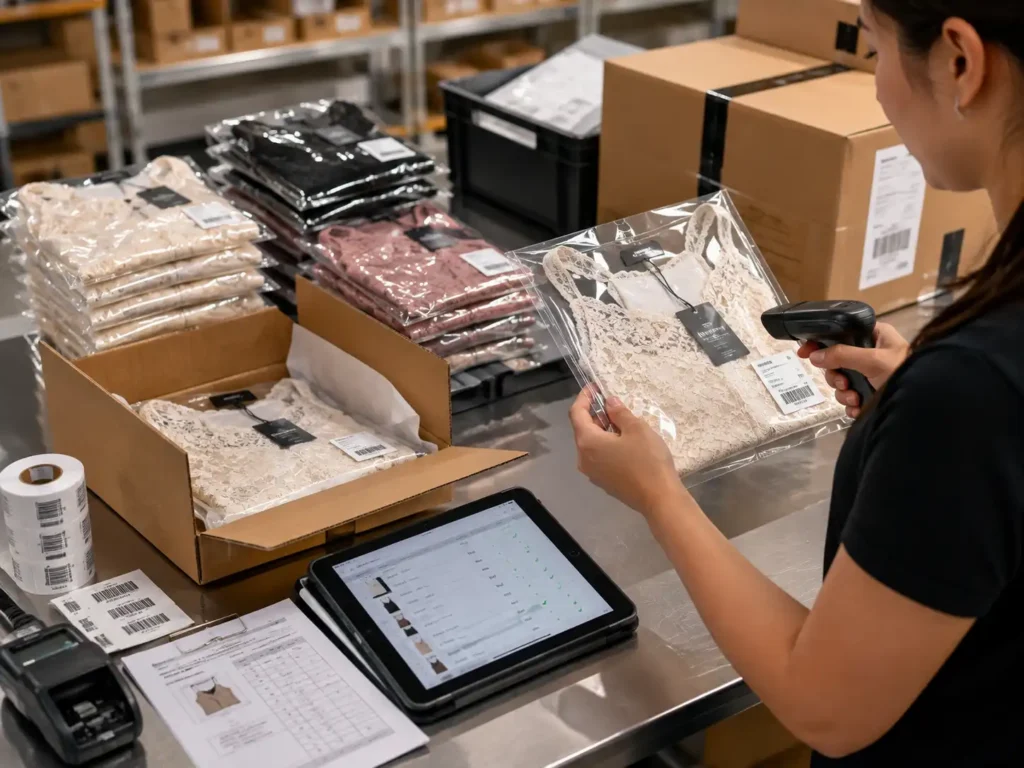
Packing Accuracy
MOQ and Cost Logic for Lace Top Collections
MOQ starts from 200 pieces per style/color, subject to lace availability, custom color requirements, trims, construction, packaging and production schedule. A total collection quantity cannot replace the minimum needed for each style and color.
| Cost or MOQ Factor | What Changes | Commercial Effect | Planning Response |
|---|---|---|---|
| Lace type and grade | Fiber, motif density, finish and supplier | Material price and minimum purchase | Compare approved alternatives by swatch and sample |
| Fabric width and repeat | Usable width, border, directional motif | Consumption and cutting loss | Calculate marker efficiency before final quote |
| Engineered placement | Fixed motif position and symmetry | Higher consumption and cutting labor | Reserve placement for visible focal areas |
| Lining construction | None, partial, full or double layer | Material, sewing time and fit behavior | Approve coverage and stretch at sample stage |
| Structured support | Cups, boning, underwire, power mesh | Development time, trim MOQ and labor | Confirm support level before sourcing components |
| Color count | Each color requires material and SKU control | Separate MOQ, shade approval and QC | Prioritize core colors, then expand after sales data |
| Size range | XS-XL, numeric, extended or plus | Grading, fit review, cutting and packing complexity | Supply a clear measurement chart and size ratio |
| Private label | Labels, hangtags, barcodes and packaging | Separate supplier MOQ and setup | Approve artwork and quantities early |
| Delivery window | Standard or compressed schedule | Material choice, capacity and freight impact | Lock PP and booking dates before production |
Resources Assigned by Lace and Style Complexity
Pattern Team
Sample Rooms
Merchandising Team
Production Network
Quality Team
Packing Support
Private-Label Packing and Export Delivery Support
Collection delivery continues after garments pass inspection. Brand identity, SKU accuracy, carton structure, freight method and warehouse requirements must remain aligned with the approved order files.
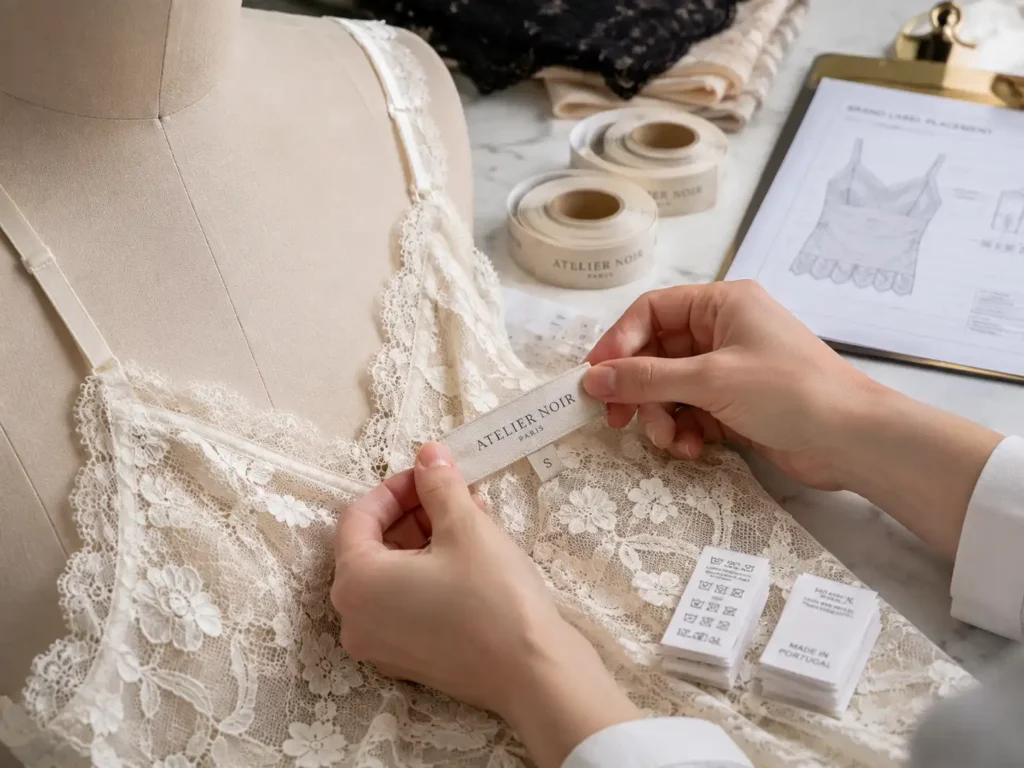
Brand Labels
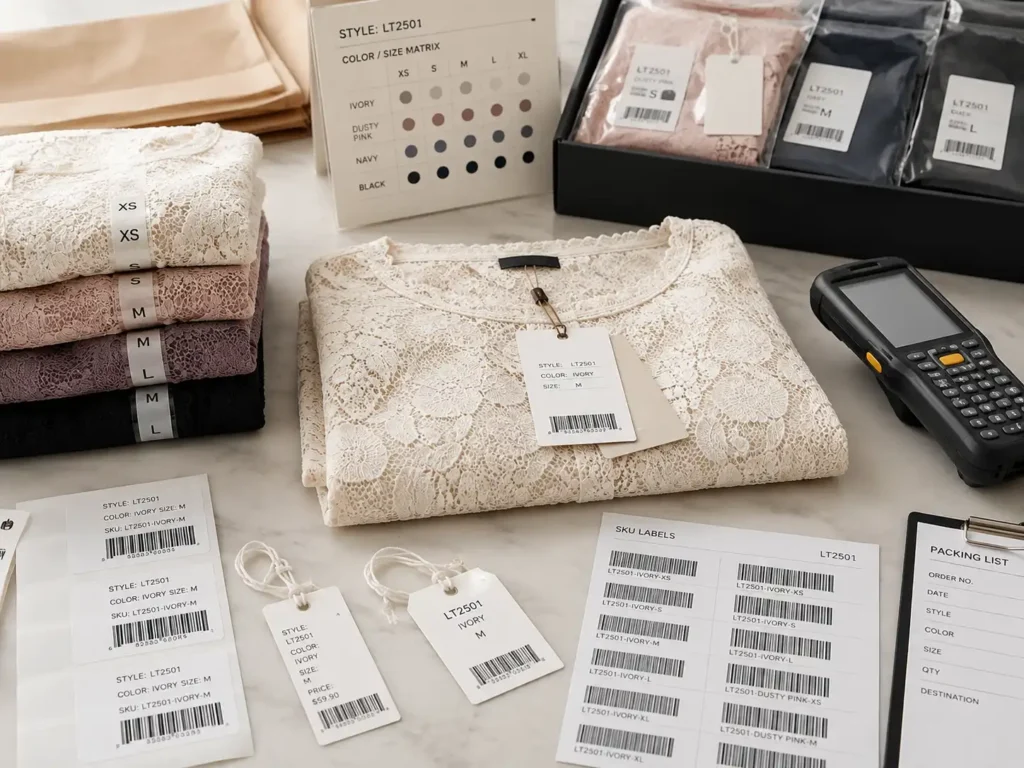
Hangtags and Barcodes
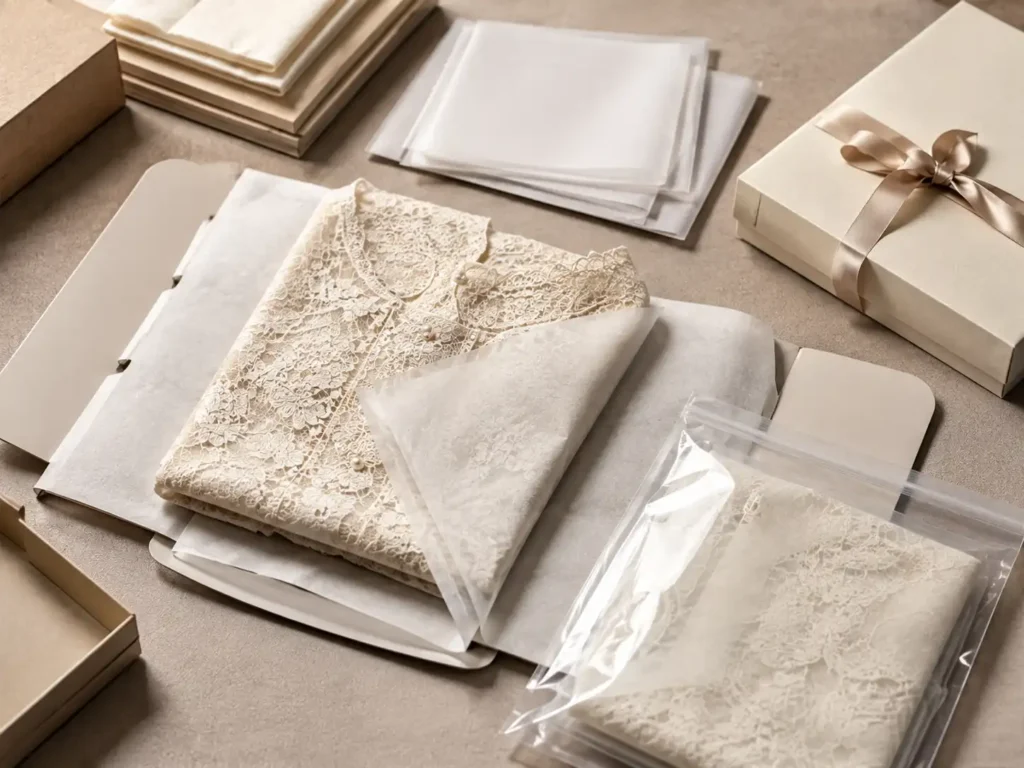
Retail Packaging
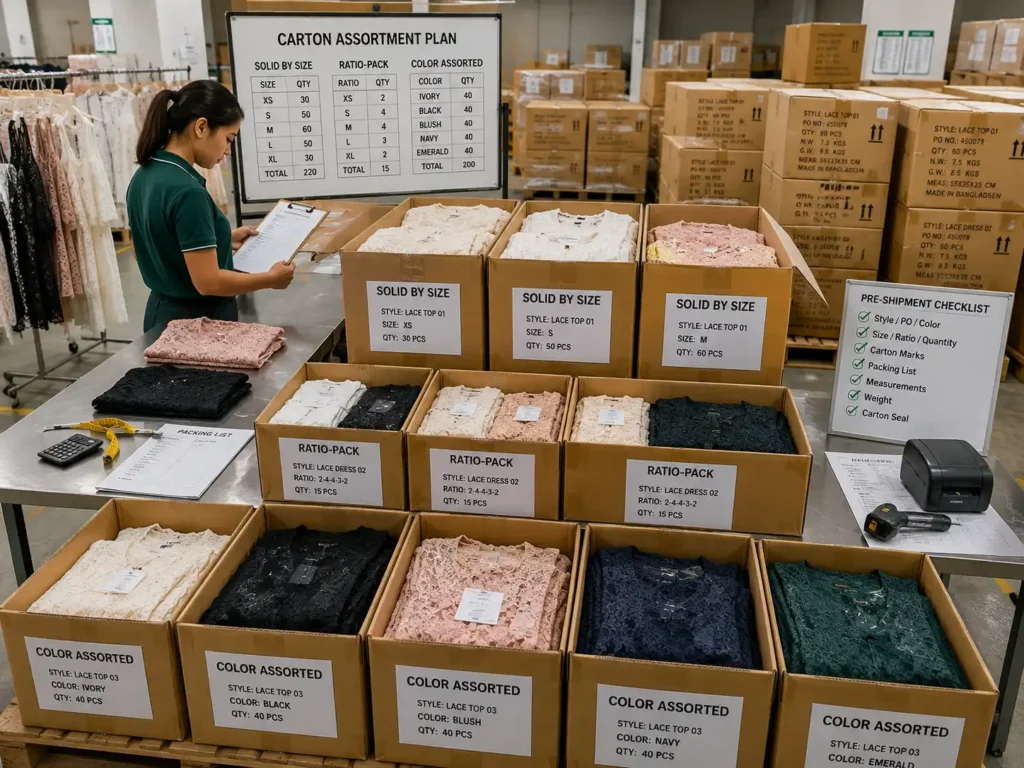
Carton Assortment

Freight Coordination
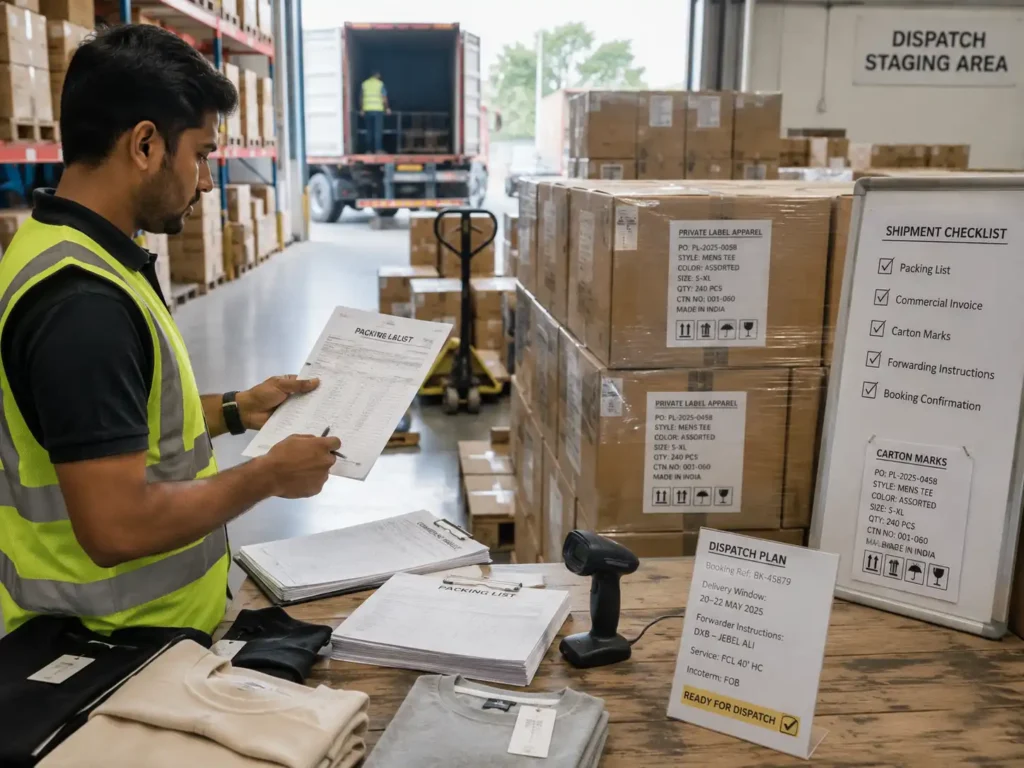
Warehouse Readiness
Lace Collection Production Examples
US Occasionwear Program
Premium Ecommerce Capsule
Seasonal Multi-Style Launch
Protect Designs and Build Repeatable Supply
NDA and Design Protection
Repeat-Order Records
Compliance Matching
Frequently Asked Questions About Lace Top Manufacturing
MOQ starts from 200 pieces per style/color. Availability of stock lace, custom dyeing, engineered motifs, special trims, structured support and private-label materials can raise the required minimum. Quantities are reviewed per style and per color, not as one combined collection total.
Yes. Development may begin from reference images, sketches, original garments, tech packs or line sheets. Accurate evaluation improves when neckline, length, fabric direction, lining, closure, size range, target quantity and fit preference are supplied. A visual reference alone cannot lock final cost or production timing.
Standard lace blouses and tops are commonly planned within about 7-15 working days after key materials are confirmed. Structured corset tops, bodysuits, special trims or engineered placement may require about 12-20 working days. Final timing depends on material arrival, pattern complexity and the active sample schedule.
Yes. Pattern development can follow US, UK, EU, AU, alpha-size, extended, plus, petite or tall requirements according to the supplied measurement chart and brand fit standard. High-risk necklines, cups and fitted bodices may need key-size fit samples before the full grade is approved.
Custom color development can be arranged when the lace and lining suppliers support dyeing. Pantone reference, lab dip, shade approval, minimum dye quantity, certificate scope and lead time must be confirmed. Stock colors or close alternatives may provide a faster and more economical route when exact dyeing is unnecessary.
Motifs are reviewed against pattern pieces before marker approval. Center-front, cup, collar, shoulder, sleeve and scalloped border positions may be fixed or controlled within an agreed tolerance. Pair cutting and placement marks are used when symmetry is part of the approved design.
Yes. Jinfeng Apparel can develop structured tops using bra cups, boning, power mesh, underwire, hook-and-eye tape, zippers and internal elastic according to the design. Cup position, support, comfort, neckline security, motif placement and grading must be validated through samples before bulk production.
Yes. Services can include woven labels, size labels, care labels, hangtags, barcode labels, SKU stickers, polybags, tissue, folding methods, carton assortment and carton marks. Artwork, data, placement and supplier MOQ should be confirmed early in the development calendar.
Yes. Measurement tolerances, AQL level, defect classifications, packing standards, label rules and third-party inspection requirements can be reviewed before production. Quality checkpoints are translated into material, cutting, sewing, in-line, final and packing inspection tasks for the assigned order.
Yes. NDA-based cooperation is supported for tech packs, patterns, original samples, materials, trims, private-label information, packaging and unpublished designs. Anonymous examples may describe product type and production solution without revealing protected brand identity or confidential files.

Start Your Lace Top Collection Review
Send the information already available for your collection, even when every detail has not been finalized. Kelly will organize the files for an initial review of product structure, lace direction, lining, trims, pattern risk, sample route, MOQ fit, production planning and packing requirements.
A reference image can support an early feasibility discussion, while a tech pack, measurement chart and quantity plan allow a more useful cost and timeline assessment. Final quotation follows confirmation of materials, construction, labels and packaging. For a 10-30 style collection, include launch priorities so hero styles, photo samples and volume styles can be scheduled in the correct order.
- Reference images, sketches, original samples, tech packs or line sheets
- Target quantity for each style and color
- Lace, lining, trim and color direction
- US, UK, EU, AU or brand-specific size range
- Brand labels, hangtags, barcodes and packaging requirements
- Target sample date, launch date and delivery destination

