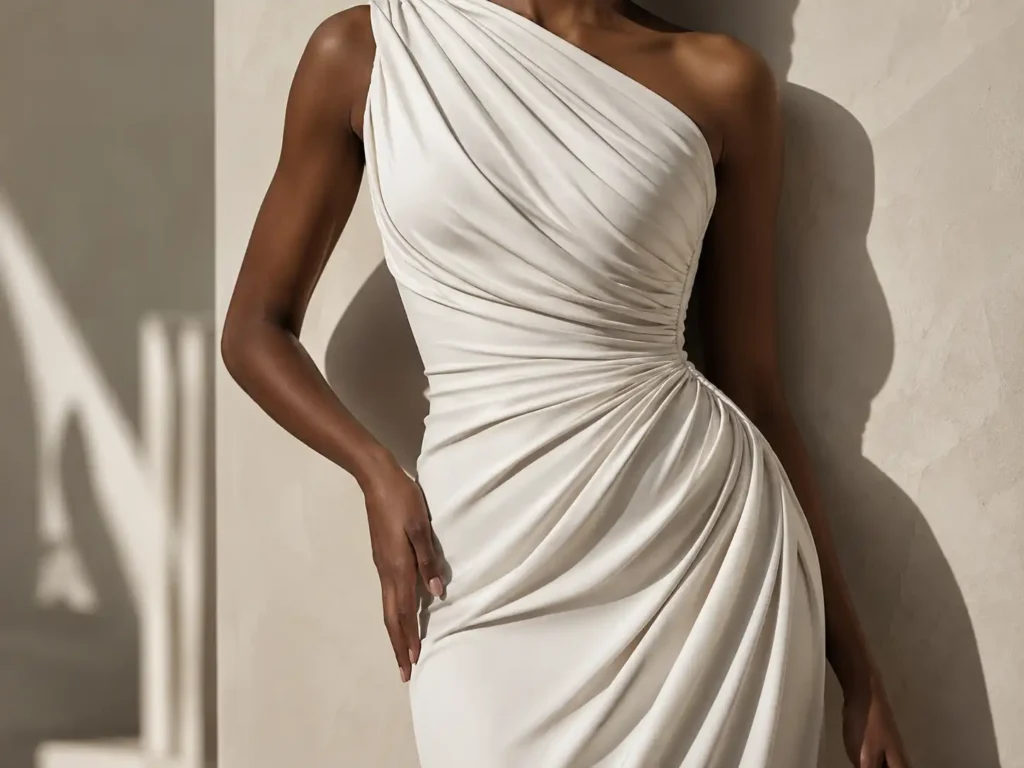
Seasonal Occasionwear Collection Manufacturer

Coordinated development and bulk production for wedding season, graduation, resort events, holiday parties and year-round occasionwear launches.

Jinfeng Apparel helps established fashion brands move from line sheet and seasonal color direction to approved samples, controlled bulk production and retail-ready delivery. Collection programs can combine dresses, jumpsuits, matching sets and dressy separates across satin, chiffon, lace, mesh, sequin, velvet and structured fabrics. Each program is reviewed around product role, fabric readiness, fit risk, sample priority, order volume, private-label requirements and the required launch window.

  • 10-30 Styles Per Program: Multi-style development is grouped by fabric, silhouette, complexity and launch priority rather than handled as unrelated single garments.
  • 20,000-80,000 Pieces Per Brand Order: Production planning supports commercial seasonal volumes across multiple colors, sizes and delivery batches.
  • 6 Owned Factories + 10+ Partners: Styles are allocated according to woven or stretch construction, fabric behavior, workmanship level, quantity and timing.
  • 2 Sample Rooms: A team of 7+ senior pattern makers and 20+ sample machinists supports parallel development, revisions, PP samples and Golden samples.
  • MOQ From 200 Pieces: Standard MOQ begins at 200 pieces per style and color, subject to fabric, trims, construction, packaging and production schedule.
  • 15+ QC Inspectors: Material, cutting, sewing, measurement, finishing and packing controls are coordinated against approved product standards.

Production Capacity for Multi-Style Occasionwear Programs

Seasonal collections require more than available sewing space. Development resources, material coordination, production allocation, quality control and packing accuracy must operate as one program. Jinfeng Apparel uses a factory network and specialized teams to support established brands with defined assortment plans and commercial production volumes.

Since 2008

Long-term womenswear manufacturing experience supports pattern judgment, fabric selection, complex dress construction, bulk control and export coordination. The value lies in repeated exposure to fit-sensitive and event-driven products where a visually attractive sample must also remain wearable, scalable and consistent across size and color ranges.

Six Owned Factories

Owned production resources provide greater control over factory matching and schedule planning. Satin dresses, stretch bodycon styles, structured corset pieces, chiffon dresses, jumpsuits and coordinated sets do not require identical production methods, so allocation is based on product structure rather than convenience alone.

Ten Plus Partners

Long-term satellite production partners add capacity and category flexibility during busy wedding, graduation and holiday periods. Partner use is managed by style requirements, material group, workmanship level and quality standards; production is not transferred blindly to whichever line becomes available first.

Two Sample Rooms

Two sample rooms support parallel development for collections containing hero styles, commercial volume styles, photo samples and PP samples. Sample order is arranged around launch urgency, material readiness and technical risk, preventing a complex embellished style from blocking every easier commercial SKU.

Project Team Depth

Seven or more senior pattern makers, twenty or more sample machinists, twelve or more merchandisers, fifteen or more QC inspectors and thirty or more finishing and packing workers create a connected path from development files to shipment preparation. Clear responsibility reduces lost comments and uncontrolled version changes.

Best Program Fit

The manufacturing model suits brands with a defined range plan, professional sampling process, clear order quantities and scheduled bulk launches. Product development teams can submit line sheets, tech packs, original samples or reference images together with fabric direction, size range, label files and delivery targets.

Where Seasonal Occasionwear Collections Lose Time and Consistency

Occasionwear programs fail commercially when development decisions remain isolated by style. Delays usually begin with unclear priorities, fragmented materials, uncontrolled revisions or late production standards. Jinfeng Apparel reviews risks early so the collection can move through development in a planned sequence.

Sample Bottlenecks

A 20-style collection rarely needs every sample on the same day. Photo-shoot styles, retail presentation samples, high-risk corset pieces and long-lead fabrics require different priorities. Treating all styles equally often creates queues without protecting the launch-critical garments. Jinfeng groups styles by launch role, fabric readiness and construction risk, then establishes an approval tracker for first sample, fit sample, revision, PP and Golden sample status.

Fabric Fragmentation

Satin, mesh, lace, chiffon, sequin and velvet each carry different supplier MOQ, dye-lot, cutting and finishing requirements. A collection can lose weeks when fabrics are sourced style by style without a shared color and delivery plan. Material planning reviews shared bases, lining compatibility, color coordination, special trim lead times and bulk availability before expensive sample rounds begin.

Bulk Drift

Approved samples can still drift in bulk when final patterns, measurements, fabrics, trim cards, sewing instructions and pressing standards are not transferred together. Common results include zipper bulging, exposed lining, uneven ruching, shifted boning and inconsistent length. PP samples, Golden samples, BOM files, approved measurements and production checklists create a repeatable standard for each SKU.

Missed Launch Windows

Wedding season, prom, graduation and holiday party programs have limited selling windows. Late lab dips, incomplete comments, unapproved labels or delayed packaging can erase the value of otherwise strong products. A working launch plan links approvals, material booking, bulk allocation, QC, packing and freight decisions, while highlighting deadlines requiring brand-side feedback.

What Makes an Occasionwear Collection Production-Ready

A collection becomes ready for production only when commercial roles, product architecture, fabrics, fit standards, quantities and delivery dates are coordinated. More styles do not automatically create a stronger assortment; each SKU needs a clear purpose and a controllable manufacturing route.

Planning AreaQuestions to ConfirmManufacturing ControlCommercial ResultTypical Evidence
Product RoleHero, volume, entry or repeat style?Allocate complexity and sampling priority by role.A balanced range rather than duplicated silhouettes.Line sheet and SKU role notes
Occasion WindowWedding, graduation, resort, holiday or formal event?Match fabric, sleeve, color and delivery timing to the season.Products arrive inside the selling period.Launch calendar
Product MixMini, midi, maxi, jumpsuit, set or separates?Balance fitted, fluid and structured constructions.Broader use occasions and clearer merchandising.Assortment matrix
Fabric StoryWhich bases and colors can be shared?Review MOQ, dye lot, lining, trim and bulk availability.Lower fragmentation and stronger color consistency.Fabric swatches and approvals
Fit LanguageWhich bust, waist, hip and length standards define the brand?Build final patterns, grade rules and tolerances.Consistent sizing across different silhouettes.Size chart and fit comments
Delivery PlanWhich samples, quantities and shipment dates are required?Sequence first samples, PP approval, bulk, QC and packing.Launch-critical styles receive priority.Project timeline

Occasionwear Collections for Major Selling Seasons

Seasonal planning begins with where, when and how the garments will be worn. Fabric weight, color, sleeve coverage, travel behavior, photography and delivery urgency change across each commercial window. Product choices below can be mixed into a unified brand range.

Spring Event Collection

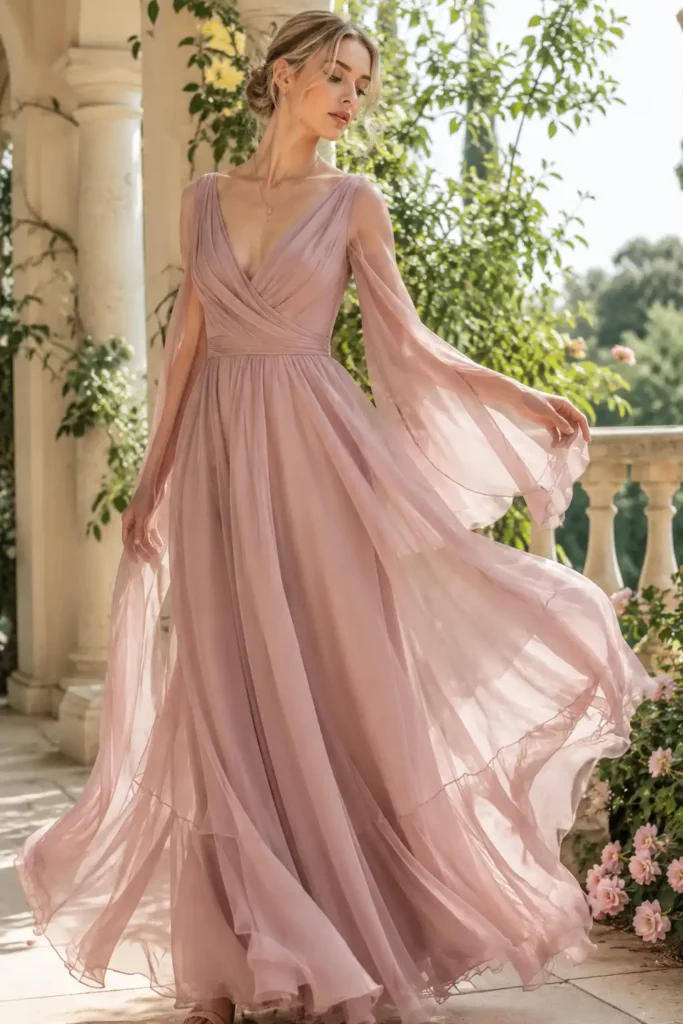
Spring programs often combine wedding guest dresses, brunch-ready midis and polished day-to-evening styles. Chiffon, crepe, lightweight satin, lace and soft mesh work well when transparency, lining and wind movement are controlled. Commercial focus: fresh color, fluid movement, comfortable coverage and photographic softness. Production focus: pale-color shading, lining tone, zipper smoothness, hem balance and wrinkle-aware packing.

Wedding Season

Wedding guest collections need enough silhouette variety to serve ceremony, reception and destination settings without resembling bridal products. Satin midis, lace dresses, draped maxis, one-shoulder styles and dressy jumpsuits create useful price and occasion levels. Commercial focus: repeatable color stories and fit confidence. Production focus: neckline security, lining coverage, slit control, lace placement and consistency across coordinated colors.

Prom and Graduation

Prom and graduation ranges typically require strong social-media appearance, photo-ready samples and disciplined calendar control. Corset minis, mesh maxis, satin slips, embellished dresses and structured midis can serve different age, price and event requirements. Commercial focus: visual impact and reliable fit. Production focus: bust support, strap position, length grading, embellishment security and arrival before campaign and event dates.

Resort Events

Destination weddings, cruise dinners and resort celebrations favor lighter constructions, travel-friendly packing and strong movement. Printed chiffon, satin, draped jersey, linen blends and coordinated sets can extend a dress-led range. Commercial focus: vacation versatility and easy styling. Production focus: print placement, opacity, colorfastness, wrinkle recovery, pack volume and fluid hem control.

Holiday Party

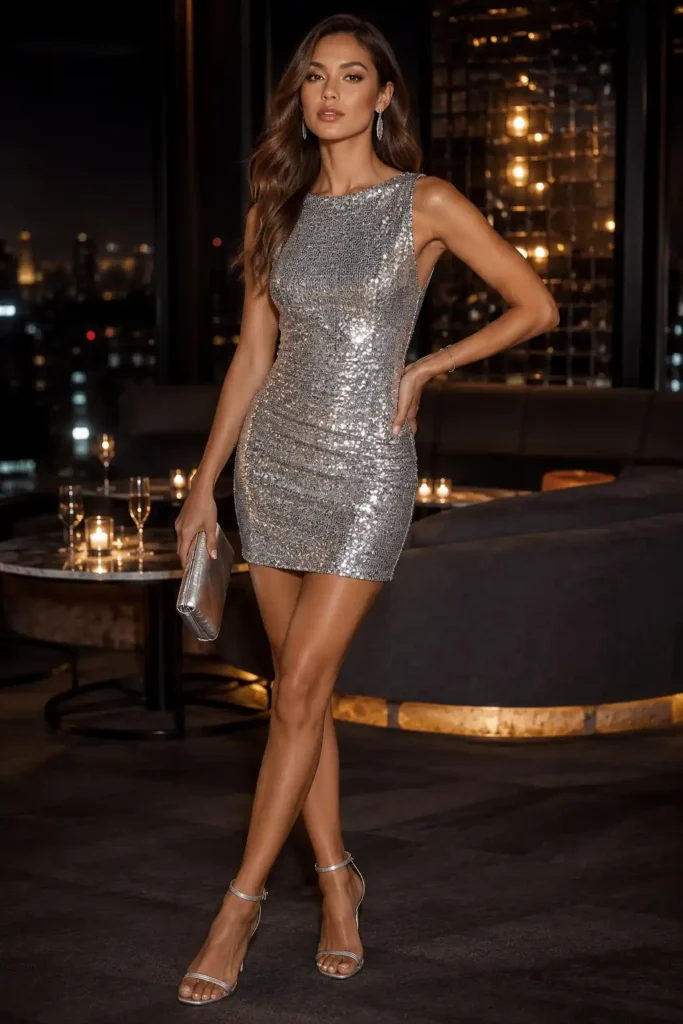
Holiday collections carry higher demand for sequin, metallic surfaces, velvet, rich satin, black, jewel colors and statement silhouettes. Minis, corset dresses, fitted midis, jumpsuits and embellished separates create a balanced festive offer. Commercial focus: immediate visual impact. Production focus: sequin loss, skin contact, velvet direction, dark-color shade control, stronger seams and protective packing.

Fall Winter Events

Autumn and winter occasionwear benefits from heavier satin, crepe, velvet, lace sleeves, structured bodices and longer lengths. Deeper colors and controlled coverage can support formal dinners, galas and year-end functions. Commercial focus: polished warmth without excessive weight. Production focus: sleeve mobility, lining bulk, fabric direction, deep-color consistency and pressing marks.

Build a Balanced Seasonal Occasionwear Product Mix

A commercially useful collection needs visual leaders, dependable volume styles and silhouettes suited to different occasions. Jinfeng Apparel develops each category around fabric behavior, fit risk, construction sequence and bulk repeatability rather than treating every garment as a decorative variation.

Satin Cocktail Dress

A satin cocktail dress often acts as a core commercial style because the silhouette photographs cleanly and can extend into multiple colors. Bias-cut slips, ruched midis, one-shoulder dresses and draped necklines all require controlled grain, zipper application and pressing. Key controls: face-side protection, shine direction, snag prevention, lining compatibility, seam puckering, zipper bulging, color approval and crease-reducing folding. Stretch satin also requires recovery checks before pattern dimensions are finalized.

Wedding Guest Midi

Wedding guest midis provide a dependable center for spring and summer assortments. Wrap effects, asymmetric necklines, draped skirts, pleats and controlled slits can create occasion value without requiring heavy embellishment. Key controls: neckline coverage, waist placement, movement while seated, slit height, skirt balance, pale-color opacity and size grading. A successful midi should maintain proportion from smaller through extended sizes rather than merely widening the same pattern.

Mesh Bodycon Dress

Mesh bodycon styles can deliver strong fashion impact and lower visual weight, yet poor recovery or unstable lining quickly creates complaints. Ruched mesh, printed mesh and double-layer constructions need coordinated stretch directions. Key controls: transparency zoning, lining length, bust-waist-hip proportion, side-seam twisting, neckline stabilization, elastic recovery and measurement tolerance after hanging. Print and lining colors must remain visually compatible under natural and artificial light.

Chiffon Occasion Maxi

Chiffon maxis support weddings, resort events and formal summer programs. Tiered skirts, gathered panels, flutter sleeves and draped overlays create movement but increase cutting, seam and hem complexity. Key controls: fabric layer count, opacity, narrow hemming, panel grain, snagging, skirt weight, hem level and packed wrinkle behavior. Long lengths require careful grading so the dress remains balanced without creating unsafe excess at the floor.

Lace Event Dress

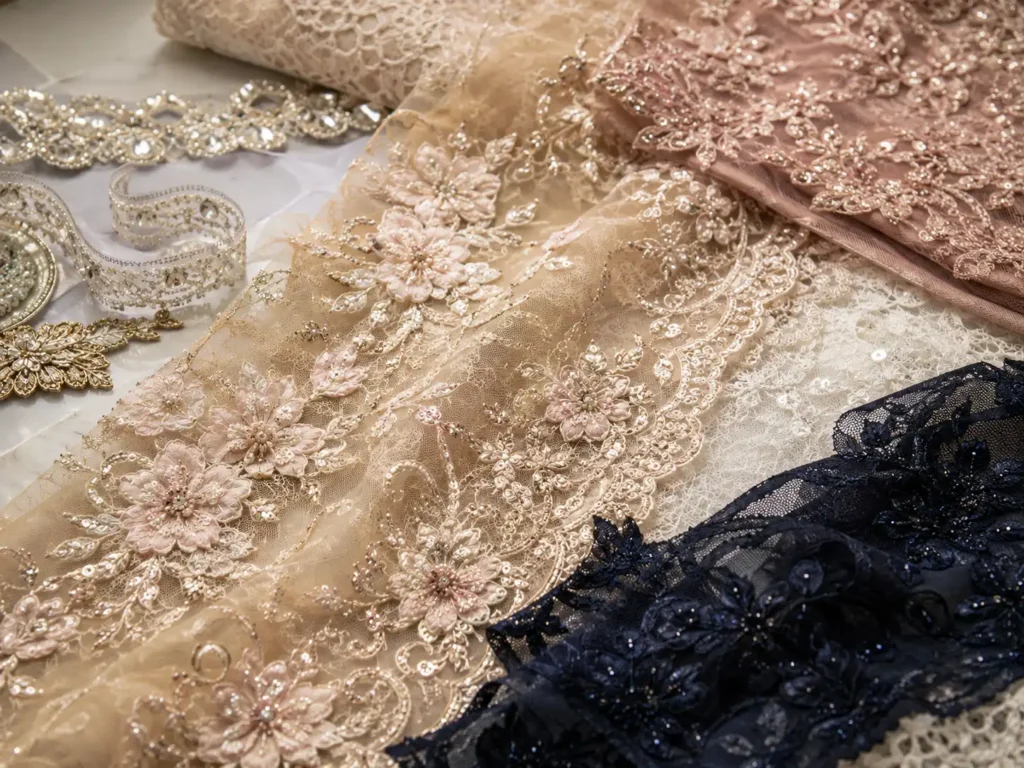
Lace can elevate a commercial silhouette when flower placement, edge treatment and lining color are planned before cutting. Full-lace dresses, lace panels, sleeves and corset overlays require different placement rules. Key controls: motif matching, border use, damaged areas, seam visibility, skin comfort, zipper insertion and lining coverage. Bulk lace approval should cover color, hand feel, pattern repeat and usable width rather than only a small swatch.

Sequin Party Mini

Sequin minis are strong holiday and party image styles, yet they create more production and packing risk than plain fabric garments. Surface direction, sequin density and base-fabric stretch affect both pattern and sewing method. Key controls: removal from seam allowance, replacement around closures, scratch protection, loose sequin inspection, thread security, lining comfort and individual garment separation during packing. Bulk appearance must be reviewed under movement, not only flat on a table.

Corset Evening Dress

Corset dresses can carry the highest perceived value in an occasionwear range when bust support and waist shaping remain comfortable. Boning, cups, panel lines, anti-slip components and closure tension must work together. Key controls: cup shape, upper-bust fit, center-front balance, boning length, waist pressure, neckline security and back closure. Complex structure should pass first sample, fit sample and revised sample stages before PP approval.

Occasion Jumpsuit

A dressy jumpsuit expands the assortment without leaving the occasionwear category. Draped wide-leg, corset, halter and one-shoulder designs can appeal to brands seeking alternatives to dresses. Key controls: body rise, crotch length, waist placement, torso length, arm movement, zipper access and trouser balance. Size grading must account for vertical body dimensions, not only bust, waist and hip circumference.

Dressy Matching Set

Matching sets create styling flexibility and can increase average order value when tops and skirts or trousers coordinate as a complete look. They also create additional SKU and packaging requirements. Key controls: color and fabric batch, waist compatibility, top length, closure position, set ratio, separate labeling and carton assortment. Brands should decide whether pieces sell together or separately before labels, barcodes and size ratios are prepared.

Fabric and Color Direction Across the Collection

Occasionwear fabric selection affects silhouette, fit, cost, color, production speed and packing. Jinfeng Apparel reviews the intended appearance together with bulk availability, supplier MOQ, usable width, shrinkage, stretch, lining, dye lot and finishing risk before locking material direction.

Fluid Occasion Fabrics

Satin, stretch satin, chiffon and crepe create movement and clean photographic surfaces, but each behaves differently in cutting and sewing. Satin may show every needle mark, seam ripple and pressing error. Chiffon needs controlled layers, fine seams and stable hems. Crepe can offer easier handling, although weight and stretch still affect fit.

Material review covers composition, weight, width, surface shine, drape, stretch, recovery, opacity and bulk availability. For a 10-30 style program, shared fabric bases can reduce fragmentation, but a shared base is only useful when color, hand feel and construction remain suitable for each silhouette.

Color control begins with Pantone or physical standards, fabric swatches and lab dips where required. Lining, zipper, sewing thread and trims are evaluated alongside the shell fabric. Satin colors also need review under natural light and indoor lighting because surface reflection can alter perceived tone.

  • Recommended checks: Shade approval, grain direction, snagging risk, seam puckering, shrinkage, opacity and pressing response.
  • Bulk protection: Face-side handling, clean work surfaces, limited stacking pressure and fold planning for shipment.
  • Cost control: Compare fiber, weight, width and construction alternatives without weakening the intended brand appearance.

Sheer and Textured Fabrics

Lace, mesh, tulle and organza create depth and surface interest while introducing transparency, placement and edge-control decisions. A mesh style can appear balanced on one size and overexposed on another when lining and stretch are not graded together. Lace can lose premium appearance when motifs break randomly at key seams.

Jinfeng reviews lining zones, fabric stretch direction, usable lace width, motif repeat, border placement, seam location and skin-contact areas during sampling. Sheer panels may require stabilizing tape, narrow elastic, binding or clean finishing depending on neckline, armhole and cut-out structure.

Color coordination requires more than matching shell swatches. Nude, tonal or contrast lining changes the visual result, especially under flash photography. Mesh, lace, thread, elastic and zipper colors should be viewed as one component set before bulk ordering.

  • Recommended checks: Transparency on body, hole and damage inspection, motif placement, edge stability, recovery and lining coverage.
  • Bulk protection: Separate bundles, controlled tension, needle condition and early inline checks for stretching or damage.
  • Series planning: Use repeated lace or mesh bases across selected styles only where stretch, repeat and scale remain compatible.

Statement and Cold-Season Fabrics

Sequin, velvet and embellished fabrics deliver strong occasion value but require slower handling and more protective finishing. Sequin density and base construction influence cutting, seam allowance preparation, machine control and garment weight. Velvet requires directional cutting and careful pressing to preserve the pile.

Material approval should cover full surface appearance, usable width, weight, direction, stretch, color consistency and repair feasibility. Hand-beaded or attached trims need construction review so weight does not distort necklines, armholes or hems. High-decoration styles should enter sample development earlier than plain commercial dresses.

Packing standards are decided before bulk finishing. Soft interleaving, inside-out folding, protective tissue, reduced compression or individual separation may be required depending on surface sensitivity. Packaging choices affect carton utilization and freight cost, so protection and logistics should be considered together.

  • Recommended checks: Sequin loss, scratch risk, velvet pile, attachment strength, garment weight, color shading and seam security.
  • Bulk protection: Surface-safe handling, repair standard, finishing inspection and protective packing sequence.
  • Delivery planning: Reserve added production and QC time for high-decoration styles and avoid late material replacement.

Construction Details That Define Premium Occasionwear
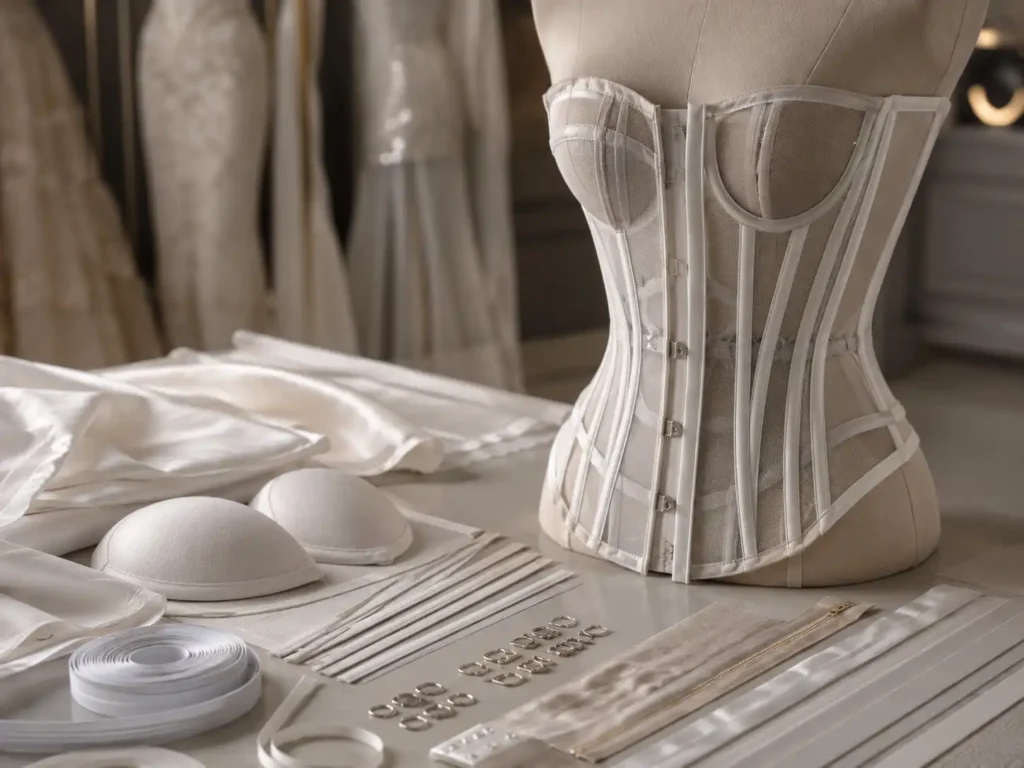
Premium appearance comes from controlled internal structure as much as visible fabric. Support, lining, drape, closures and edge finishing determine whether an occasion style holds its shape, feels secure and remains repeatable through bulk production.

Corset Support

Boning, cups, panel seams and waist shaping need a shared structural plan. Boning that is too short may collapse near the waist; excessively rigid components can create discomfort and visible pressure points. Sampling checks cup position, upper-bust contact, center-front balance, anti-slip placement, waist tension and closure security. Bulk control includes component specification, placement marks and measurement references against the Golden sample.

Lining Coverage

Lining affects opacity, comfort, movement and fit. Pale satin, lace, mesh, high slits and deep necklines require deliberate coverage zones rather than one standard lining length. The lining pattern is checked for pull, exposure, twisting and bulk. Shell and lining stretch must remain compatible. Color selection is reviewed under lighting conditions relevant to event photography.
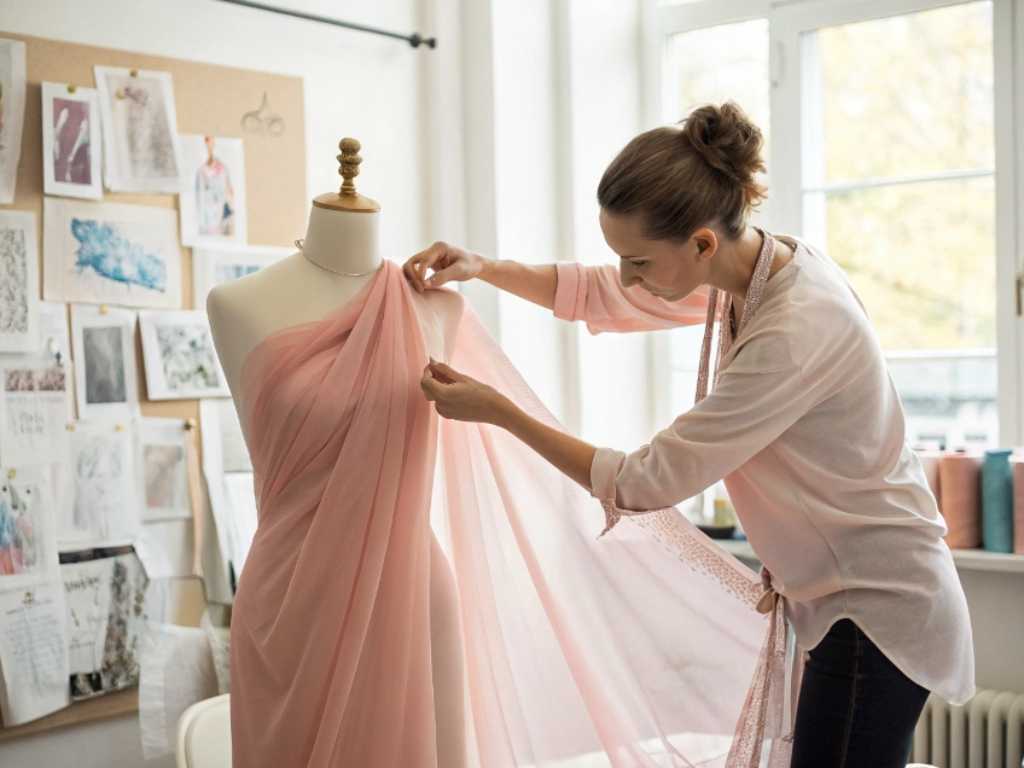
Fashion designer draping pink chiffon fabric on dress form in bright studio.

Draping and Ruching

Draping and ruching can flatter different body areas, but uneven fullness or uncontrolled seam tension quickly lowers perceived quality. Marking, stitch sequence and fabric behavior must be defined before bulk production. Approved placement, finished width, direction and symmetry are documented in sewing instructions. Inline checks focus on balance at side seams, waist and bust points before defects spread through the order.

Lace Placement

Lace placement should support the silhouette and protect visual focal points. Random motif cutting around bust panels, necklines or center fronts can make otherwise expensive fabric appear poorly planned. Pattern pieces are mapped against motif repeat and usable borders. Bulk inspection checks matching, damaged lace, seam joins, edge finish, lining contrast and zipper area stability.

Sequin Protection

Sequins around seam allowance, underarms, neckline and closures can scratch skin, block stitching or damage neighboring garments. Protection begins before sewing rather than only during final inspection. Required removal, replacement and repair standards are established in the sample. Lining coverage, seam cleaning, loose-piece checks and pack separation are verified before carton closure.

Closures and Slits

Invisible zippers, hook-and-eye closures, lace-up backs and side slits carry both functional and visual responsibility. Misalignment can distort the waist, create bulging or change garment length. Closure position, top stop, seam allowance, reinforcement and slit height are confirmed on PP samples. Bulk measurement and finishing checks protect symmetry and safe movement.

One Fit Language Across Multiple Occasionwear Styles

A collection can contain bodycon minis, draped midis, corset dresses, maxis and jumpsuits while still feeling consistent on the body. Jinfeng Apparel builds shared fit principles, then adapts ease, support and vertical proportions for each construction.

Fitted and Structured Styles

Bodycon and corset styles are controlled around upper bust, full bust, underbust, waist, high hip and full hip rather than relying on a single chest measurement. Stretch percentage and recovery influence finished garment dimensions, while cups, boning and lining influence internal space.

Fit review includes neckline security, armhole exposure, waist pressure, side-seam position and seated comfort. For a structured style, a correct flat measurement can still produce poor wearability when vertical balance or component placement is wrong.

Size grading is checked at bust shape, cup coverage, strap position and waist-to-hip transition. Larger sizes may require adjusted support and shaping rather than a uniform grade increase.

Fluid Dresses and Jumpsuits

Draped dresses require controlled shoulder, bust point, waist placement, front and back length, slit height and hem balance. Long skirts are reviewed while standing and walking so movement does not pull the bodice or create an uneven hem.

Jumpsuits add torso length, body rise and crotch depth to the fit system. Vertical dimensions are particularly important for US, UK, European, Australian and Canadian size ranges. Extending only trouser length cannot correct a short torso or restricted rise.

Fit comments are translated into final pattern changes, revised measurements and grade rules before PP approval. Photos, body measurements and written notes are compared rather than accepted as isolated comments.

Size Range Development

Size charts can begin from an established brand block, an original sample or a newly developed base. The team confirms measurement points, garment ease, tolerance, intended body fit and size ratio before bulk cutting.

A common commercial range may include XS-XL or broader sizes, but the correct range depends on the brand. Petite, tall and extended-size programs require separate review of length, bust position, waist placement, slit height, strap length and support.

Bulk measurement plans identify critical points by style. QC sampling covers size and color combinations according to the order structure, with stronger attention on measurements that influence fit complaints or returns.
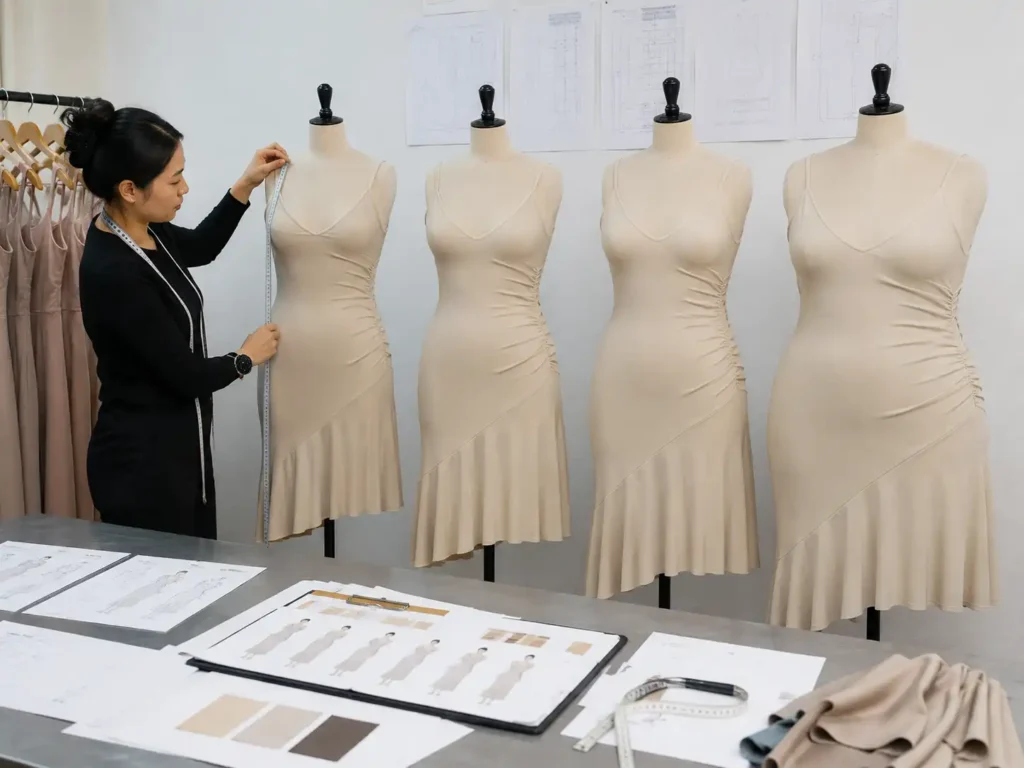
What We Need to Review Your Seasonal Collection

Complete project information allows faster feasibility review, clearer sample planning and more reliable quotation. Early files do not need to be perfect, although missing quantities, color plans or dates limit the accuracy of any production commitment.

Line Sheet

A line sheet shows style count, product mix, color direction and intended assortment. Jinfeng uses it to group products by fabric, silhouette, construction risk and launch priority before creating a development sequence.

Tech Packs

Tech packs provide construction, measurements, stitches, trims and artwork. When a tech pack is incomplete, reference garments, marked photos and written fit priorities can support an initial technical review.

Quantity Plan

Quantity by style and color is required for MOQ, fabric booking, production allocation and costing. Standard MOQ begins at 200 pieces per style and color, while special materials or packaging may carry separate supplier requirements.

Fabric Direction

Fabric references should include desired composition, weight, surface, stretch, drape, color and price level where known. Jinfeng can propose alternatives after reviewing appearance and construction requirements.

Color Plan

Pantone references, physical swatches or approved color samples help coordinate shell fabric, lining, thread, zipper and trims. Shared colors across different materials still require separate visual approval.

Size Range

Size range, base size, measurement chart and expected fit are needed for pattern planning and grading. Sales-market information also helps identify length, coverage and proportion risks.

Brand Packaging

Main labels, care labels, size labels, hangtags, barcodes, polybags, carton marks and warehouse guides should be introduced early because artwork approval and supplier MOQ can affect timing.

Launch Date

The target launch and delivery location are used to work backward through sampling, PP approval, bulk, QC, packing and freight. A requested date is assessed against material readiness and project complexity before commitment.

Sample Management for Multi-Style Occasionwear Collections

Samples serve different decisions across design, fit, photography, sales and production. A multi-style program is managed with version records and approval status so comments from one sample do not overwrite standards for another.

First Sample

The first sample tests silhouette, material direction, structure, construction feasibility and major proportions. The goal is not automatic final approval; the goal is to expose design and production risks early. A working plan may reserve roughly 7-15 working days for straightforward styles after materials are ready. Complex corset, lace, sequin, draped or specially sourced styles require an individually confirmed schedule.

Fit Sample

Fit samples focus on body proportion, ease, support, length, neckline, armhole, waist, hip and movement. Comments should include measurements, worn photos and priority notes whenever possible. The pattern team reviews whether feedback requires pattern correction, component changes, material changes or construction changes before producing the next version.

Revised Sample

A revised sample verifies agreed corrections rather than reopening every design decision. Version control records changes to pattern, measurements, fabric, trims and workmanship so later approvals remain traceable. Multiple revisions may be required for complex styles. Development timing depends on comment speed, material availability and the scale of requested changes.

Photo Sample

Photo samples support campaign, ecommerce and social content. Fabric color, fit, finishing and visual details need enough accuracy for photography, although a photo sample is not automatically the final production standard. Hero styles and campaign samples can receive priority when the launch calendar is shared early.

PP Sample

The pre-production sample confirms the approved production route: final pattern, bulk fabric, trims, measurements, construction, labels and finishing. Major design changes after PP approval can affect price, material use and schedule. Bulk cutting begins only after required standards and approvals are aligned.

Golden Sample

A Golden sample provides a physical reference for production, QC, packing review and repeat orders. It should reflect the approved garment rather than an earlier development version. Pattern files, size charts, BOM, color records and packing instructions are stored with the approved reference for later replenishment or seasonal extensions.

Plan Sampling and Production Around Your Launch Calendar

Launch timing is managed through linked approvals rather than one unsupported delivery promise. The planning ranges below are working references for collection scheduling; final timing is confirmed after style complexity, material readiness, quantity, packaging and freight are reviewed.

StagePlanning ReferenceBrand Approval NeededJinfeng ControlMain Delay Risk
Project Review2-5 working days after complete filesStyle list, quantity, target market and launch dateFeasibility, MOQ, risk and priority reviewIncomplete quantities or unclear product direction
Material Direction5-15+ working days depending on sourcingFabric, color, lining and trim directionSwatches, alternatives, supplier MOQ and lead-time reviewSpecial dyeing, lace, sequin or custom trims
First Samples7-15 working days for simpler styles after material readinessInitial silhouette and construction commentsPattern, sample making, internal measurement and workmanship reviewComplex structure or late material changes
Revisions and Fit5-12 working days per planned revisionConsolidated fit and design commentsPattern correction, change log and revised sampleContradictory or repeated new comments
PP ApprovalScheduled after bulk materials and final details are availableFinal fit, fabric, trims, labels and workmanshipProduction route, BOM, size chart and QC standard lockUnapproved label, color or packaging files
Bulk ProductionOften planned around 35-55 days after PP and material confirmationChange control and required milestone reviewsFactory allocation, cutting, sewing, inline QC, finishing and final inspectionMaterial delay, added colors or late design changes
Packing and Delivery7-35+ days depending on packing and freight modeCarton, warehouse, forwarder and document requirementsLabel, barcode, packing, shipment and document coordinationLate warehouse guide or freight booking

Plan MOQ and Cost Across Multiple Occasionwear Styles

Collection costing should preserve product hierarchy and brand appearance while keeping material, construction and SKU complexity under control. The most effective savings usually come from early assortment decisions rather than late pressure on sewing price.

Collection MOQ Planning

Standard MOQ begins at 200 pieces per style and color. A 12-style collection totaling 2,400 pieces does not automatically meet MOQ when individual styles or colors fall below the required level. One style in two colors normally requires separate quantity planning for each color. Special fabrics, custom dyeing, printing, lace, sequin, custom trims and printed packaging may carry independent supplier MOQ. Size quantities are allocated within the style-color quantity according to the approved size ratio. Efficient planning may use shared fabrics, consolidated colors or a smaller number of first-launch colorways while keeping product differentiation through silhouette and detail. Any consolidation is reviewed against the intended merchandising story.

Collection Cost Planning

Quotation reflects fabric, lining, trims, pattern work, sampling, cutting, sewing time, pressing, QC, packing, wastage, testing requirements, logistics and a reasonable manufacturing margin. Corset structure, handwork, lace placement, ruching, sequin handling and special packing add real labor and control requirements. Cost can often be improved through fabric substitution, construction simplification, shared material bases, trim replacement, cutting-layout planning, color consolidation, size-ratio planning and split-shipment decisions. The goal is cost control without weakening brand-level appearance. A rough estimate can support early direction. Final pricing requires confirmed material, construction, quantity, size-color breakdown, labels, packing and delivery terms.

How We Allocate Multi-Style Occasionwear Production

Multi-style production is not one large sewing order. Fabric groups, structure, workmanship, quantity and launch priority are separated before factory and line allocation, then brought back under one project standard for quality, packing and delivery.
Factory Matching by Construction

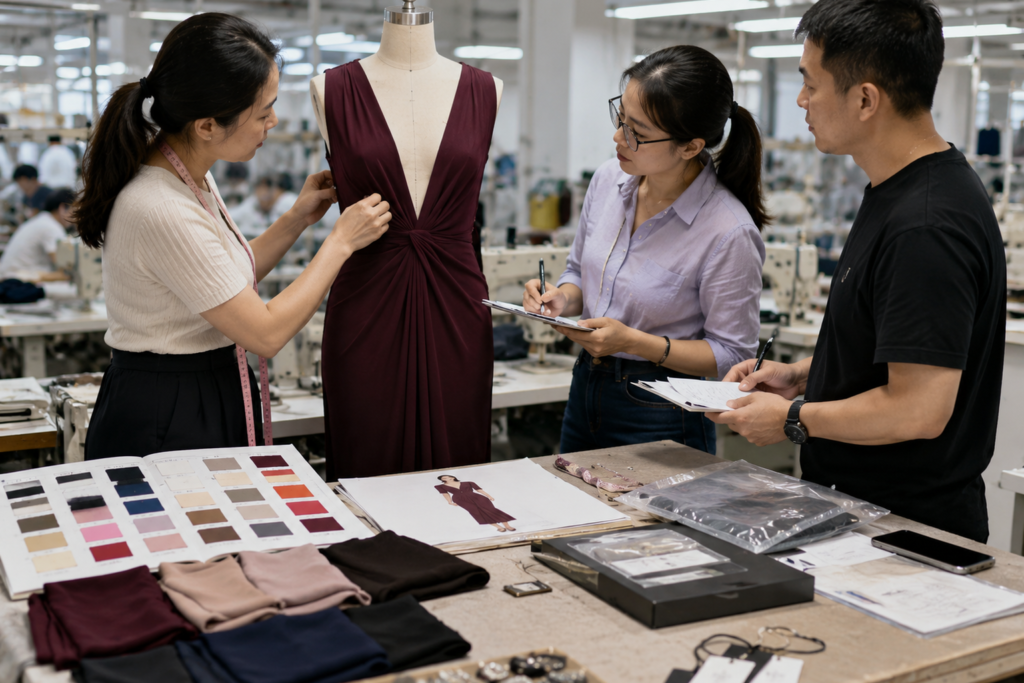
Woven satin dresses, stretch mesh bodycon styles, corset dresses, chiffon maxis, jumpsuits and matching sets require different operator skills and production rhythms. Jinfeng reviews fabric type, stretch, structure, decoration, quantity and finish level before allocating production.

Owned factories form the core production network, while long-term partner factories add category flexibility and peak-season capacity. Partner allocation is confirmed against available process control and schedule rather than treated as unlimited overflow.

High-risk styles can be assigned to production teams already familiar with corset support, delicate surfaces or complex lining. Commercially simpler styles can run separately without slowing the entire collection.

Style Grouping and Material Booking

Styles are grouped by fabric base, color family, trim set, construction difficulty and launch priority. Grouping reduces repeated material handling and makes color, thread, zipper, lining and label control easier across the collection.

Material booking considers bulk availability, supplier MOQ, dye lot and arrival order. A style cannot be scheduled reliably when critical fabric or custom trim remains unconfirmed. Early booking is especially important for holiday sequins, specialty lace and custom-colored components.

Production release follows approved files and PP standards. A style with incomplete labels or measurements is held rather than allowed to move forward on assumptions.

Unified Project Control

Different production units still work from one project system: approved sample, final pattern, BOM, size chart, grade rule, color record, sewing instruction, QC checklist, label file and packing guide.

Merchandising, production, QC, finishing and logistics teams track material arrival, cutting, sewing, inline inspection, finishing, packing and shipment preparation.

Milestone updates can include photos or issue alerts for major programs and complex styles.

Unified records also support repeat orders, new colors and multi-batch delivery without restarting the product definition from memory.

Protect Sample Accuracy During Bulk Production

Sample approval creates a design decision; production accuracy requires a complete technical transfer. Jinfeng Apparel converts approved samples into controlled patterns, measurements, materials, instructions and QC references before bulk cutting begins.

Final Pattern and Grade Rule

Fit comments are transferred into final pattern corrections rather than left as email notes.

The pattern team checks base-size changes, balance, seam position, length, neckline, strap, slit and support before grading.

Grade rules are reviewed for critical measurements and vertical proportions.

Corset cups, armholes, waistlines, jumpsuit rise and maxi length may need more careful grading than basic circumference changes.

Final pattern versions are identified clearly so earlier development patterns cannot be used by mistake.

Approved Material and BOM

Bulk fabric, lining, zipper, cups, boning, elastic, lace, sequin, labels and packaging components are recorded in the bill of materials.

Color, supplier reference, size and placement are linked to the approved product.

Changes caused by material availability are reviewed before substitution.

A visually similar fabric may alter stretch, drape, opacity, seam behavior or pattern dimensions.

Trim cards and color records help production and QC verify components before use.

PP and Golden Sample Control

The PP sample confirms the intended bulk route using approved details. The Golden sample remains a reference for workmanship, measurement, finishing and packing when the order moves across departments.

Sewing instructions define seam allowance, stitch type, thread color, closure position, lining method, ruching placement, label position and special handling. QC checklists identify style-specific risks rather than relying on one generic inspection sheet.

Any approved deviation is documented so bulk teams do not make informal corrections independently.

Workmanship and Processes for Complex Occasionwear

Occasionwear quality depends on how fabric and structure are handled at every production stage. Workmanship standards below focus on visible finish, internal comfort and repeatability across thousands of garments rather than decorative claims without process control.

Precision Cutting

Cutting begins with fabric inspection, relaxation where required, direction confirmation and approved marker planning. Satin shine, velvet pile, print position, lace motif, mesh damage and sequin direction are identified before bundles enter sewing. Bundles are separated by size, color and style. Front and back orientation, cut quantity, notches and component counts are checked. Early cutting control prevents large-scale mismatch that cannot be repaired during final inspection.

Stable Seam Construction

Seam choice must suit fabric weight, stretch and transparency. Fine chiffon requires narrow, clean finishing; stretch mesh requires controlled elasticity; satin needs balanced tension; sequin seams require surface preparation and repair. Stitch type, density, thread, needle condition, seam allowance and reinforcement are defined in the production instruction. Inline checks identify puckering, skipped stitches, twisting and uneven tension before the error spreads.

Structured Bodice Assembly

Corset and supported bodices are built in a sequence that protects panel balance, cup position, boning placement and lining. Incorrect assembly order can distort the neckline or create uncomfortable pressure. Internal components are checked for size, orientation, edge protection and attachment. The completed bodice is compared with PP and Golden references for bust coverage, waist shaping, symmetry and closure alignment.

Draping and Gathering

Ruching, pleating, draping and gathered sections are measured and marked rather than shaped by eye alone. Fullness distribution, direction and attachment length must remain consistent across operators and sizes. Production checks compare left-right balance, waist placement, seam alignment and bulk thickness. Irregular fullness is corrected during sewing, not hidden during pressing.

Clean Lining Integration

Lining should support opacity and comfort without pulling the shell or showing at the neckline, slit or hem. Shell and lining patterns are reviewed for stretch, ease, seam position and finished length. Bagged, bound or attached lining methods are selected by product structure. Turning points, under-stitching, internal seams and closure areas are checked for bulk and smoothness.

Controlled Pressing and Finishing

Pressing shapes seams and restores garment presentation, yet excessive heat or pressure can damage satin shine, velvet pile, mesh elasticity, sequin surfaces and delicate trims.

Quality Control for Complex Occasionwear Collections

Quality is controlled through materials, cutting, sewing, measurements, finishing and packing. Each style receives risk points linked to its fabric and construction, while collection-level checks protect color, size, labels, barcodes and carton accuracy.

Material and Trim Control

Incoming review covers fabric type, color, batch, width, visible defects, stretch, recovery, opacity and surface condition according to the product. Lace, mesh and sequin materials receive additional damage and usable-width review. Zippers, cups, boning, elastic, labels, hangtags and packaging components are compared with approved specifications. Color coordination is checked across shell, lining, thread and closures before production use.
  • Satin focus: Shade, snagging, surface direction, seam response and pressing sensitivity.
  • Mesh focus: Transparency, holes, stretch direction, recovery and lining compatibility.
  • Lace focus: Motif, damage, edge, usable width and placement requirements.
  • Sequin focus: Surface loss, scratch risk, direction, weight and repair standard.
Cutting and Sewing Control

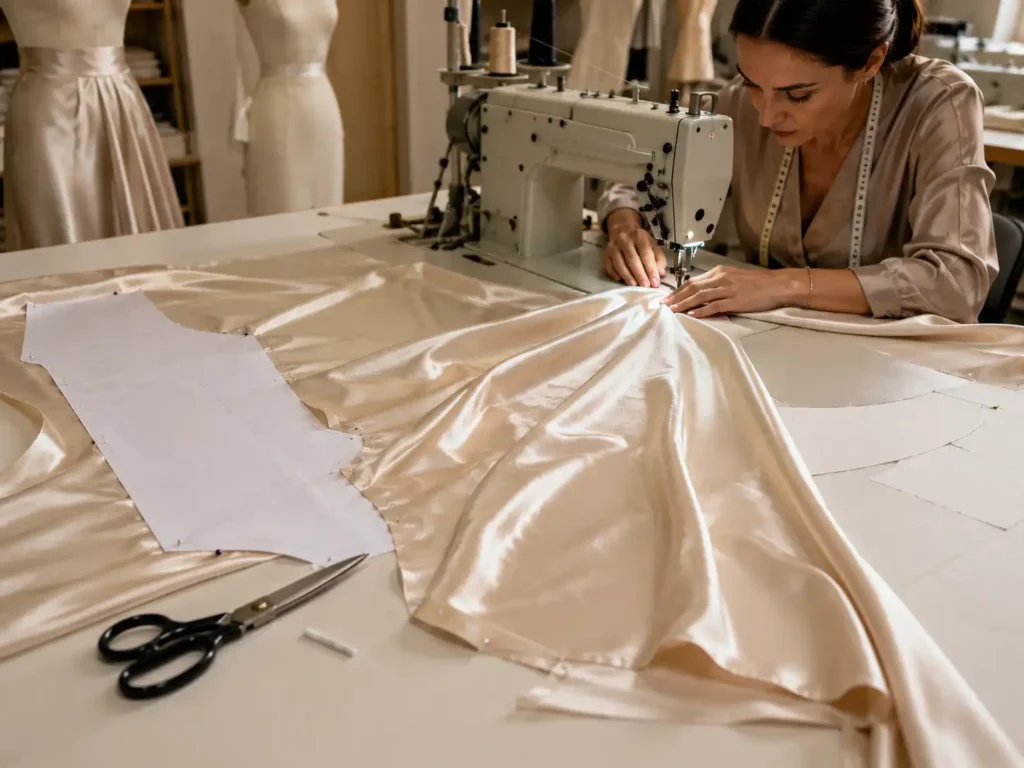
Cutting inspection confirms direction, size bundle, quantity, damage, pattern placement and component completeness before sewing.

Process control is more effective than waiting for finished garments to expose repeated defects. Inline inspection checks neckline, straps, armholes, closures, ruching, waistline, lining, slit, symmetry, seam stability and fabric damage.

Problems are corrected while affected quantities remain limited.

Fit and Measurement Control

Measurement plans identify points affecting fit and returns: bust, underbust, waist, hip, length, strap, neckline, slit and jumpsuit rise. Tolerance is confirmed by style rather than assumed from a universal chart. QC sampling covers relevant sizes and colors from the production lot. Measurement findings are compared with approved size charts and the Golden sample, with correction or hold decisions made before packing.

Finishing and Packing Control

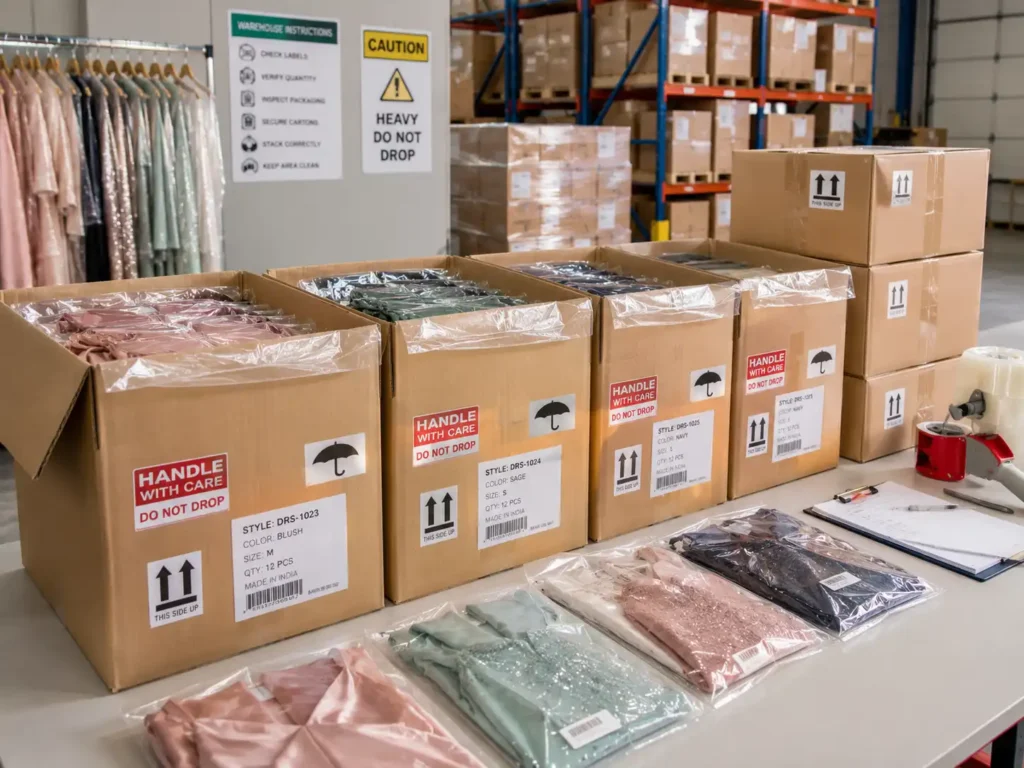
Final garment checks cover appearance, stains, thread ends, holes, snagging, sequin loss, closure function, pressing, lining exposure and label position. AQL or client-specific inspection can be coordinated according to project requirements. Packing control verifies size, color, SKU, barcode, hangtag, polybag, assortment, carton mark and carton quantity. Packing errors are treated as shipment risks because incorrect identification can disrupt warehouse receiving and online inventory.

Private Label Packing and Delivery for Seasonal Launches

Retail-ready delivery requires the correct garment inside the correct identification and packing system. Jinfeng Apparel coordinates brand labels, SKU data, protective packing, cartons, shipping documents and freight options according to the collection and receiving destination.

Brand Labels and Identification

Private-label support can include main labels, care labels, size labels, hangtags, barcodes and SKU stickers. Artwork, wording, fiber content, care information, placement and supplier MOQ require approval before bulk packing. Each color-size combination is connected to the correct identification. Label changes are controlled so older artwork or wrong barcodes do not enter later production batches.

Protective Occasionwear Packing

Packing method is selected according to garment structure and surface. Satin may need fold planning and reduced compression; sequin and embellishment may need tissue or separation; corset styles require shape protection; long dresses need controlled folding. Polybags, tissue, hangers, boxes or other materials are confirmed by project. Special packing affects supplier MOQ, carton volume, labor and freight, so it is costed before final order release.

Carton and Warehouse Accuracy

Carton marks, assortment, carton quantity, dimensions, weight and warehouse labels follow the approved packing guide. Ecommerce and retail warehouses may require different barcode, master-carton and advance-shipment information. Packing teams verify SKU, size and color against carton records. Mixed-size or mixed-color cartons are prepared only according to an approved assortment rather than convenience.

Launch-Timed Delivery

Express, air freight, sea freight and split air-sea delivery can be evaluated according to quantity, value, launch urgency and destination. Urgent hero styles may be separated from later commercial quantities when the economics and packing plan support it. Jinfeng can coordinate with a nominated forwarder or support freight planning. Commercial invoice, packing list, carton information and shipment documents are prepared according to the agreed trade and logistics arrangement. 

Protected, Compliant and Repeatable Brand Partnerships

Seasonal programs often contain unreleased products, sensitive launch plans and detailed brand assets. Jinfeng Apparel combines confidentiality, project-specific compliance support and retained production records to support long-term development and repeat orders.

NDA and Design Protection

NDA-based cooperation can protect brand names, tech packs, line sheets, original samples, patterns, measurements, fabric and trim plans, labels, packaging artwork, quantities, prices and unpublished designs. Real client names, logos, technical files, order numbers and unreleased products are not displayed publicly without written permission. Case content can be anonymized around market, product category, scale, challenge and manufacturing solution.

Compliance by Project

Fabric certification, testing and factory-audit requirements are confirmed against the selected material, supplier, production factory, target market and current documents. OEKO-TEX, GOTS, recycled material or other claims are never assumed to apply across every fabric, color and order. Jinfeng can coordinate available supplier documentation, client audit review, third-party testing or inspection requirements according to the project. Final responsibility and scope are defined before bulk production.

Repeat Order Control

Patterns, size charts, BOM files, fabric references, color records, trims, sewing instructions, packing requirements, QC records and Golden samples are retained for repeat-order support. A reorder still requires fabric-batch, color, trim, quantity, packaging and schedule confirmation. Record retention reduces repeated development work while recognizing that material availability and new colors can change production conditions.

Frequently Asked Questions About Seasonal Occasionwear Manufacturing

Standard MOQ starts from 200 pieces per style and color. MOQ is not calculated only from the total collection quantity. Special fabric, custom dyeing, printing, trims or packaging may have separate supplier requirements. Send the style-color quantity plan for a project-specific review.
Yes, when drape, stretch, weight, opacity, color and construction remain suitable for every style. Shared bases can reduce material fragmentation, but Jinfeng will not force one fabric across silhouettes where fit or appearance would be weakened.
Yes. A line sheet can establish style count, category, color and priority. Reference images, original samples, tech packs, target quantities, fabric direction, size range and launch date improve the accuracy of pattern, sample, MOQ and costing review.
Priority is normally based on campaign date, hero SKU, material readiness, structural risk, photo-sample need and bulk timing. A 10-30 style program is divided into waves so critical styles can be reviewed without leaving all other development idle.
Timing depends on material readiness and construction. A working plan may reserve about 7-15 working days for straightforward first samples after materials are ready, while complex corset, lace, sequin, draped or custom-material styles require an individually confirmed schedule. Revisions are scheduled after consolidated comments.
Yes, as one collection program, although the styles may require different production groups, material booking, workmanship and QC standards. Unified size, color, label, packing and delivery records keep the assortment connected commercially.
Jinfeng uses brand measurements or developed blocks together with style-specific ease and structure. Bust, underbust, waist, hip, length, straps, neckline, slit and jumpsuit rise are reviewed where relevant. Final patterns, grade rules, PP samples and bulk measurement plans carry approvals into production.
Yes. Main labels, care labels, size labels, hangtags, barcodes, SKU stickers, polybags and carton marks can be coordinated. Artwork, wording, position, supplier MOQ, warehouse guides and color-size identification must be approved before bulk packing.
Yes, where the order, packing and freight economics support it. Campaign samples, launch-critical quantities or early SKUs may travel by express or air while remaining bulk travels by sea. The split plan is confirmed against carton data, destination and required dates.
Yes. Jinfeng Apparel supports NDA-based cooperation and protects tech packs, line sheets, samples, patterns, labels, packaging and unpublished styles. Brand identities and confidential project materials are not published without permission.

Plan Your Next Occasionwear Collection With Jinfeng

Share the collection structure before asking for a final quotation. A useful review includes the style list, reference images or tech packs, quantity per style and color, fabric and trim direction, size range, target market, private-label requirements, launch date and delivery location.

Kelly and the development team will review product complexity, material options, MOQ fit, sample sequence, bulk production risk, packing requirements and the information still needed for a reliable project plan. Complete files support faster evaluation, while early-stage line sheets can still receive a structured feasibility review before formal sampling begins.

  • Brand or company name and primary contact
  • Line sheet, tech packs, reference images or original sample information
  • Number of styles and product categories
  • Quantity per style and color
  • Fabric, lining, trim and seasonal color direction
  • Base size, size range and target sales market
  • Main label, care label, hangtag, barcode and packing requirements
  • Target launch date, delivery country and warehouse requirements

Tell Us About Your Dress Project

Share your product details, estimated quantity and development requirements. Our team will review your project and provide practical OEM/ODM production feedback.

Premium Women’s Apparel Production for Fashion Brands

From dress sample development to bulk production, JF Apparel supports fashion brands with confidential OEM/ODM manufacturing, reliable quality control and scalable production support.

START YOUR DRESS PROJECT

Ready to Develop Your Next Dress Collection?

Share your design concept, product requirements or sourcing plans with our team. We’ll review your project and provide practical feedback on development, materials, MOQ and production.

7-10 Days

Sample Development

200 PCS

Starting MOQ

Fast Response

Professional Follow-Up