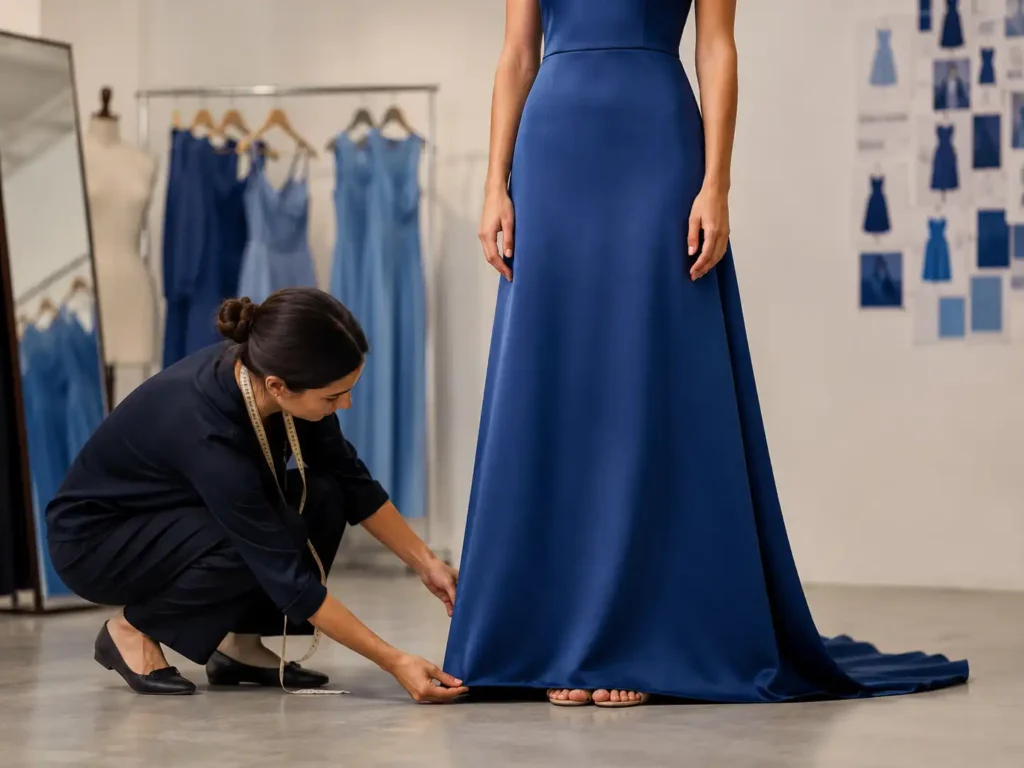
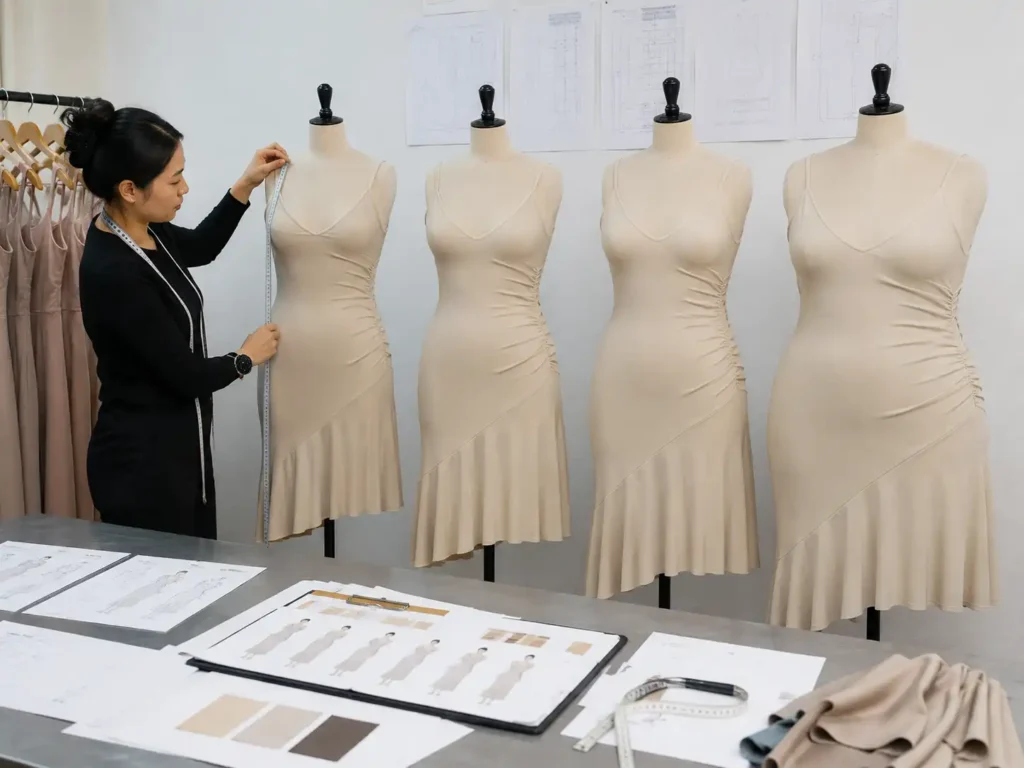
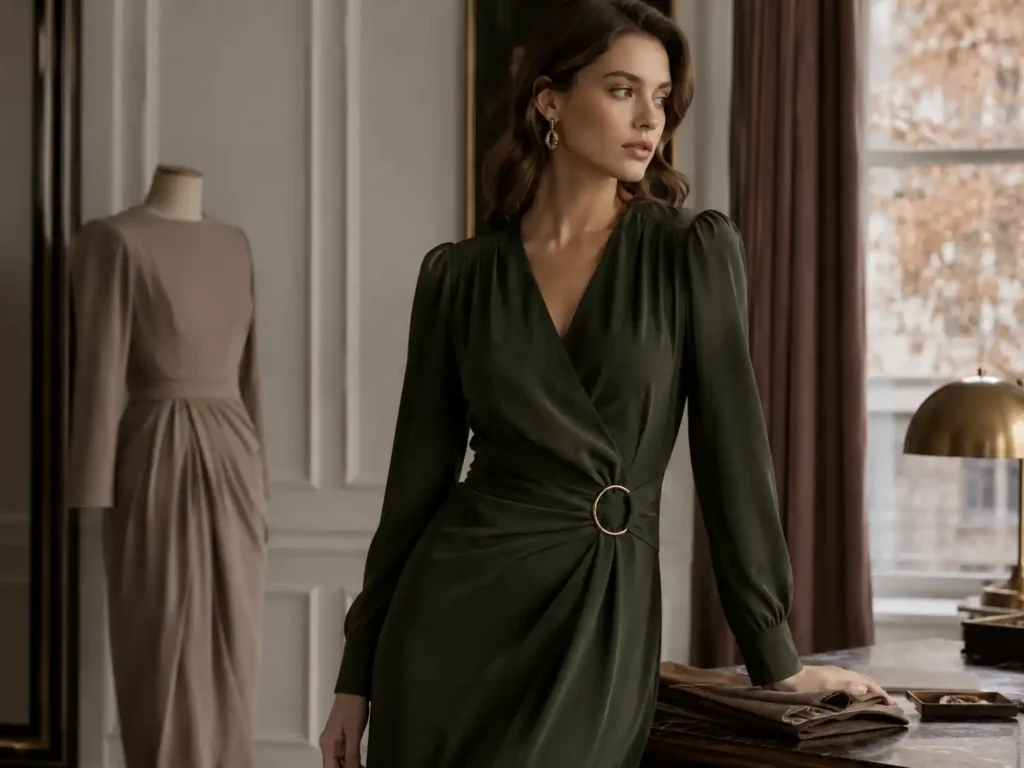
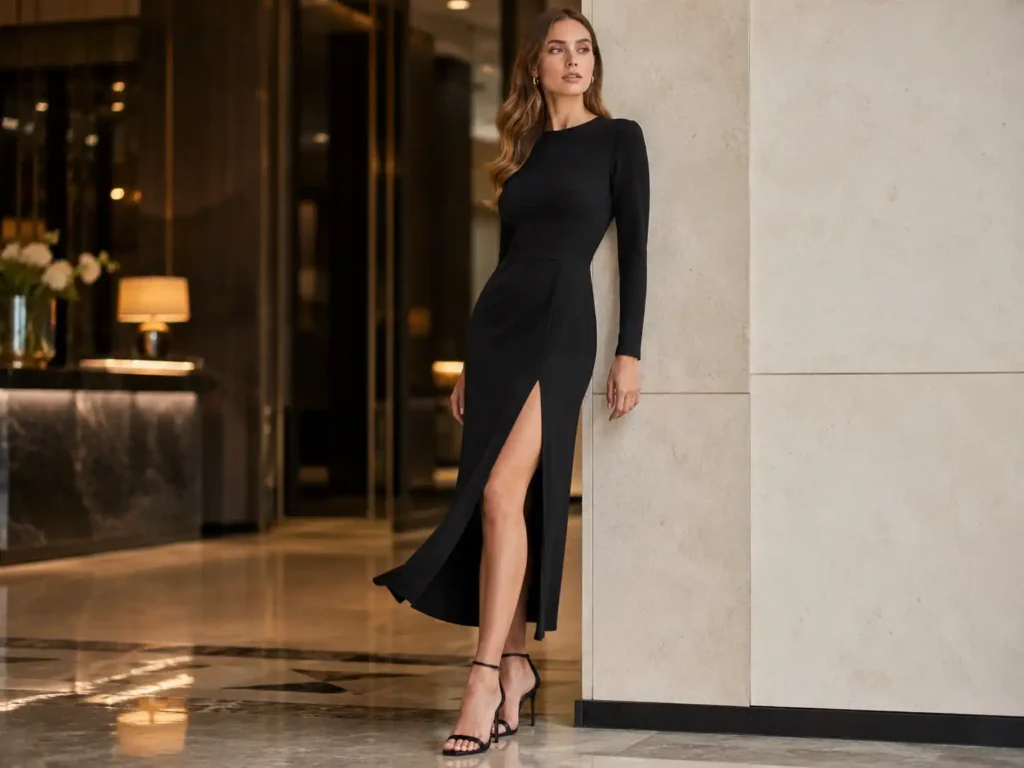
Multi-Occasion Dress Collection Manufacturer

Coordinated dress collection development for fashion brands selling across wedding, party, evening, graduation, resort and holiday occasions.

Jinfeng Apparel develops multi-occasion dress collections from line sheet review, fabric direction and pattern development through multi-style sampling, PP approval, bulk production, quality control, private-label packing and export delivery. Programs are structured for brands managing several silhouettes, fabrics, colors and launch windows within one collection.

  • Typical collection scope: 10-30 styles developed under one coordinated product plan.
  • Typical brand order scale: 20,000-80,000 pieces across approved styles, colors and size ratios.
  • Standard MOQ starts from 200 pieces per style and color, subject to fabric, trims and construction.
  • Development support includes 2 sample rooms, 7+ senior pattern makers and 20+ sample machinists.

Collection Capacity Built for Multi-Style Programs

Collection orders require more than a large sewing floor. Sampling, production allocation, quality control, packing and delivery must stay connected across many styles and material groups.

Since 2008

Long-term experience in custom women’s fashion development, dress production and export coordination for established brands.

6 Owned Factories

Core production is supported by six owned women’s fashion factories with product-focused allocation.

10+ Production Partners

Long-term satellite production partners add specialist capacity for different fabrics, structures and delivery windows.

100,000+ Monthly Capacity

Regular monthly capacity supports collection programs, repeat orders and phased deliveries, subject to style complexity.

15+ QC Inspectors

Quality teams cover incoming materials, cutting, sewing, measurements, final garments and packing.

12+ Merchandisers

Project follow-up specialists coordinate samples, materials, approvals, production schedules, packaging and shipment records.

Built for Structured Dress Collection Programs

A strong working relationship begins with a clear product direction, measurable approval standards and a realistic production plan. The following project profiles align best with Jinfeng Apparel’s manufacturing model.

Established Fashion Brands

Suitable programs already have a defined market position, planned sales channels and a clear reason for building a multi-occasion assortment.
  • Seasonal or continuous dress launches
  • Multi-channel retail and ecommerce distribution
  • Repeat-order and collection extension potential

Prepared Development Teams

The strongest starting materials are line sheets, tech packs, original samples, reference images, size charts or a confirmed design brief.
  • Target quantities by style and color
  • Fabric and trim direction
  • Launch date and packaging requirements

Batch Production Projects

Jinfeng Apparel is structured for custom development followed by organized bulk production, private-label packing and export delivery.
  • MOQ from 200 pieces per style/color
  • Multi-size orders within the confirmed quantity
  • Sampling fees charged for development work

What Is a Multi-Occasion Dress Collection Manufacturer?

A multi-occasion dress collection manufacturer develops a coordinated group of dresses for different wearing occasions while keeping one brand identity, fit language, quality standard and private-label presentation. The work covers assortment structure, fabric and trim selection, pattern development, sampling, approval, bulk execution and repeat-order records.

One Versatile Dress

A single style can move between brunch, dinner, work events or social occasions through length, coverage, color and styling. Manufacturing priorities include wearable proportions, lining, movement, closure comfort and fabric recovery so the garment performs outside one narrowly defined event.

One Collection, Many Occasions

A full collection assigns different styles to wedding guest, cocktail, party, evening, graduation, resort and holiday use. The styles do not need identical fabrics or structures, but they should share a recognizable color story, fit balance, finishing level and brand presentation.

Dress Categories Across Multiple Wearing Occasions
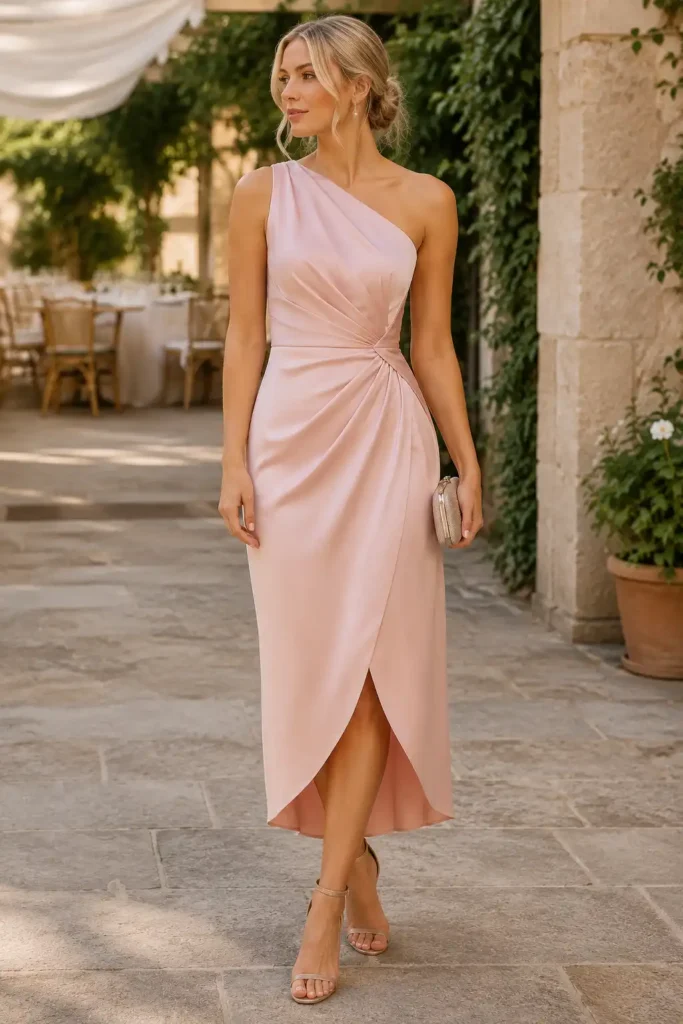
A commercially useful assortment covers different levels of formality without losing brand direction. Each category below needs its own fabric, fit and construction controls rather than one generic dress-production method.

Wedding Guest Dresses

Wedding guest collections usually need polished midi and maxi proportions, camera-friendly color, secure necklines and comfortable movement. Satin, chiffon, lace, crepe and printed woven fabrics can create different formal levels. Important checks include bust coverage, lining opacity, slit height, hem balance and the ability to sit, walk and dance without shifting. Daytime garden weddings may need softer prints and lighter structures, while evening weddings can support deeper colors, cleaner drape and more internal support.

Cocktail Dresses

Cocktail styles sit between formal eveningwear and going-out fashion. Mini and midi lengths, one-shoulder lines, fitted waists, asymmetric drape and structured necklines are common. Stretch satin, crepe, mesh, lace and compact woven fabrics are frequently used. Pattern development must control waist position, zipper shape, neckline stability and the relationship between fitted sections and movement ease. Finishing should look polished under close lighting because cocktail products are often photographed at short distance.

Party Dresses

Party collections rely on visual impact, body shape and movement. Ruched mini dresses, mesh overlays, cut-outs, sequins, backless structures and fitted silhouettes are common. Production risk is higher because stretch, transparency, embellishment, side-seam control and hem safety must work together. Jinfeng Apparel reviews recovery, lining coverage, stress points, zipper behavior and skin contact before bulk. Packaging also matters because sequins, rhinestones and glossy surfaces can scratch adjacent garments.

Evening Dresses

Evening dresses require controlled drape, balanced length and a clean internal structure. Column, corset, draped, off-shoulder and high-slit silhouettes may use heavy satin, crepe, velvet, chiffon layers or lace. The pattern must support the bust and waist without restricting movement. Long hems need front-to-back balance, and slits must be tested for standing, walking and sitting. Pressing and packing standards should protect surface appearance until retail or campaign use.

Graduation Dresses

Graduation programs often combine shorter lengths, photo-ready structure and broad size coverage. Light colors require opacity checks under natural and flash lighting. Corset-inspired minis, fit-and-flare shapes, one-shoulder dresses and clean A-lines are common. Safe hem length, secure straps, stable necklines and comfortable movement are essential because the wearer may sit through a ceremony and take outdoor photographs. Launch timing should be planned backward from campaign photography, preorder and warehouse receiving dates.

Resort Dresses

Resort and vacation collections favor fluid movement, lightweight fabrics, prints and packable construction. Halter, slip, tiered, wrap and flowing maxi dresses are common in chiffon, rayon blends, linen blends, soft satin and printed woven fabrics. Production controls include print direction, transparency, lining weight, neckline stability, seam puckering and wrinkle-sensitive packing. A strong resort style should look relaxed without appearing unfinished, and it should recover well after folding and travel.

Dinner and Date Dresses

Date-night products balance body shape, comfort and soft sensuality. Satin slips, fitted midi dresses, ruched bodycon styles, halter dresses, backless dresses and cut-out designs are typical. Fit development focuses on bust coverage, waist placement, hip ease, strap stability and a hem length that works while seated. Fabric should feel comfortable against the skin, and stretch materials need recovery checks so the dress keeps its shape through repeated wear.

Holiday Event Dresses

Holiday capsules often use velvet, sequins, metallic surfaces, deep satin colors and long sleeves. These materials create strong seasonal value but also raise production risk. Velvet requires pile-direction control, sequins need secure attachment and skin protection, and metallic or glossy fabrics can show pressing marks. Color approval under different lighting is important. Packing should prevent crushing, snagging and surface transfer during long-distance delivery.

Brunch and Garden Dresses

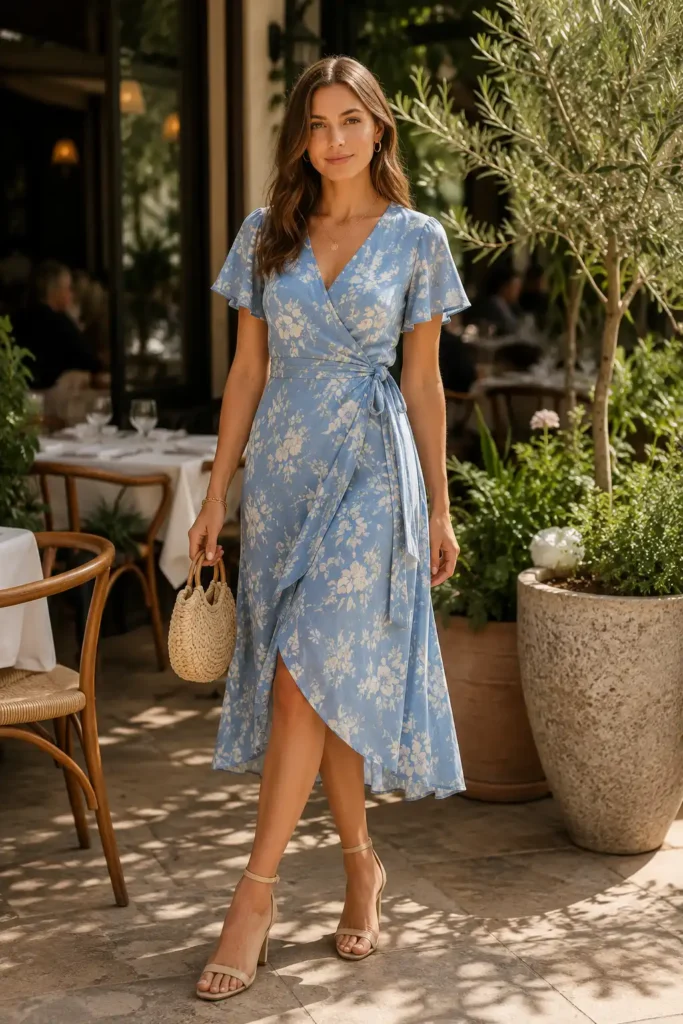
Brunch and garden-event dresses usually need a lighter formal level, flattering movement and easy daytime wear. Printed midi dresses, soft A-lines, wrap shapes, puff sleeves, ruffles and linen-blend styles work well. Key controls include print alignment, sleeve comfort, lining coverage, waist balance and a clean hem. The product should photograph well in daylight while remaining wearable for extended social occasions, making comfort and opacity as important as decoration.

Build a Commercially Balanced Occasion Dress Collection

A collection becomes easier to cost, sample, launch and replenish when every style has a clear commercial role. Jinfeng Apparel can review the manufacturing implications of the assortment without replacing the brand’s merchandising decisions.

Hero Styles

Hero styles carry campaign imagery, social content and collection identity. They may use corsetry, statement drape, sequins, lace placement or a more demanding silhouette. Order depth can be lower than a commercial core style, but development and workmanship standards must be higher because every visible detail is amplified in photography.

Commercial Core

Core styles are designed for broader volume and repeatability. Clean midi dresses, fitted minis, simple slips and flattering A-lines often fill this role. Material availability, sewing efficiency, stable fit and consistent color matter more than extreme novelty. The goal is reliable conversion, manageable production and a clear path to repeat orders.

Occasion Extensions

One design language can be extended across different events through length, coverage, fabric and construction. A fitted bodice can become a wedding guest midi, a cocktail mini or an evening maxi. Shared pattern logic may reduce development time, but each version still requires separate balance, movement and cost review.

Fabric Extensions

A proven silhouette can shift in formality through fabric. Crepe may create a commercial day-to-evening option, satin can raise visual polish, mesh adds a party direction and velvet introduces holiday value. Pattern and sewing methods must be reassessed because drape, stretch, thickness and surface behavior change with every material.

Color Extensions

A disciplined color plan protects MOQ and inventory. Core shades can support deeper volume, while seasonal shades add freshness in controlled quantities. Satin, velvet and mesh should be reviewed under the intended lighting because surface shine and transparency affect color perception. Lining color must also be included in approval.

Repeatable Styles

Repeat-order candidates should use stable materials, proven patterns and manageable trims. Jinfeng Apparel keeps approved pattern, measurement, fabric, trim and packing references for future production. When the original material is unavailable, a substitute should be evaluated for weight, stretch, drape, color and sewing behavior before approval.

Match Silhouettes, Lengths and Fabrics to Each Occasion

Product roles become clearer when silhouette, length, fabric and fit priorities are reviewed together. The matrix below can guide an initial line-sheet discussion before individual style development begins.

Occasion RoleTypical LengthCommon SilhouettesFabric DirectionPrimary Fit Focus
Day WeddingMidi / MaxiA-line, wrap, halter, soft corsetChiffon, crepe, lace, printBust coverage, movement, opacity
CocktailMini / MidiBodycon, one-shoulder, asymmetricStretch satin, crepe, meshWaist shaping, neckline, zipper
Formal EveningMidi / MaxiColumn, draped, corset, slitHeavy satin, velvet, crepeSupport, hem balance, slit safety
PartyMini / MidiRuched, cut-out, mesh, sequinJersey, mesh, sequins, satinRecovery, lining, stress points
GraduationMini / MidiFit-and-flare, corset, A-lineSatin, crepe, lace, wovenSafe length, light-color opacity
ResortMidi / MaxiHalter, slip, tiered, wrapChiffon, rayon, linen blendDrape, transparency, packing
Date NightMini / MidiSlip, bodycon, backless, halterSatin, jersey, ponte, meshBust, hip fit, seated comfort
Holiday EventMini / MaxiVelvet column, sequin miniVelvet, sequin, metallic satinPile direction, snagging, pressing

Fabric Direction for Multi-Occasion Dress Collections

Fabric determines not only appearance and cost, but also pattern balance, sewing method, lining, pressing, packaging and reorder stability. Every material group should be approved against the style role and the intended wearing occasion.

Satin and Crepe

Satin creates visual polish for cocktail, wedding guest, date-night and evening styles, yet it exposes direction, shade, snagging, pressure marks and uneven pressing. Stretch satin around 120-250 gsm can support fitted party or cocktail shapes, while heavier satin gives stronger structure and drape. Crepe provides a more controlled surface and often works well for commercial core styles. Bulk approval should cover face direction, lab dip or physical color standard, lining color, seam appearance and packing method.

Chiffon and Organza

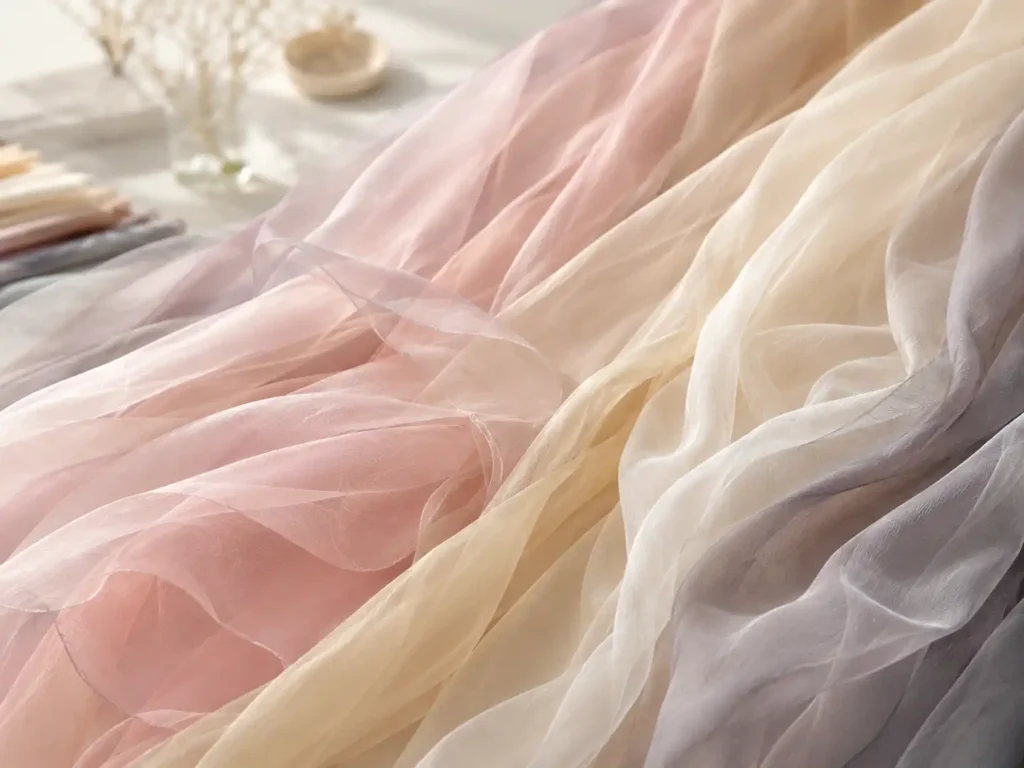
Chiffon supports fluid wedding, resort and evening products, while organza adds controlled volume and visual lightness. Both require attention to transparency, layering, seam finish and edge control. Chiffon can show puckering or pulled threads when needle, tension or seam method is unsuitable. Organza may crease or distort at structured seams. The sample should establish layer count, lining length, drape, hem treatment and how the garment looks in movement and daylight.

Mesh and Tulle

Stretch mesh, power mesh, double-layer mesh and decorative tulle create party, bodycon and layered effects. The main risk is inconsistent transparency and recovery. Lining coverage must remain stable across sizes, and stretch direction should be marked before cutting. Seams, cut-outs and edges need reinforcement where tension is concentrated. Bulk QC should check holes, runs, distortion, shade, recovery and the relationship between outer mesh and inner lining.

Lace and Embroidery

Lace may be a full fabric, placed motif or trim, and each form requires different costing and workmanship. Motif direction, seam placement, matching, edge finishing, lining color and hole inspection should be decided during sampling. Embroidery can change the hand, drape and usable width of the base fabric. Production planning should allow for placement, cutting loss and possible shade or pattern variation between lots.

Velvet and Sequins

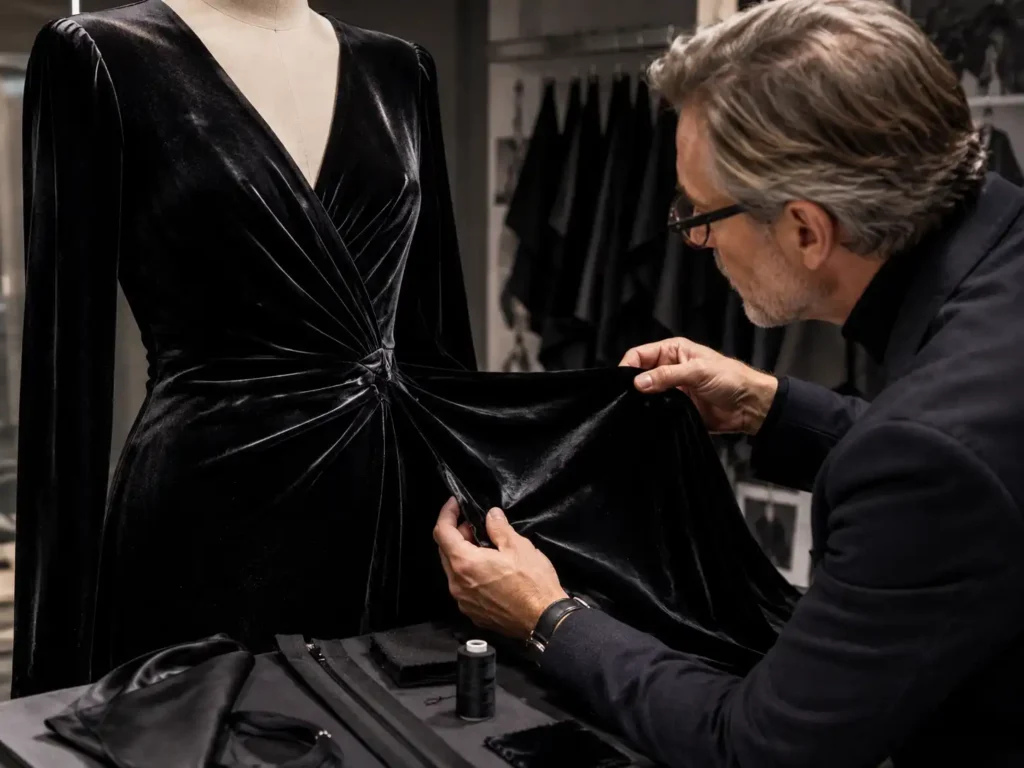
Velvet and sequins add strong holiday and evening value but demand specialist handling. Velvet must be cut in one pile direction, protected from crushing and pressed carefully. Sequin fabrics need direction control, seam allowance preparation, secure attachment and protection from skin contact. Loose sequins can scratch other garments, so inner wrapping or separated packing may be required. Bulk inspection should include shedding, sharp edges, missing areas and surface damage.

Jersey, Ponte and Knit

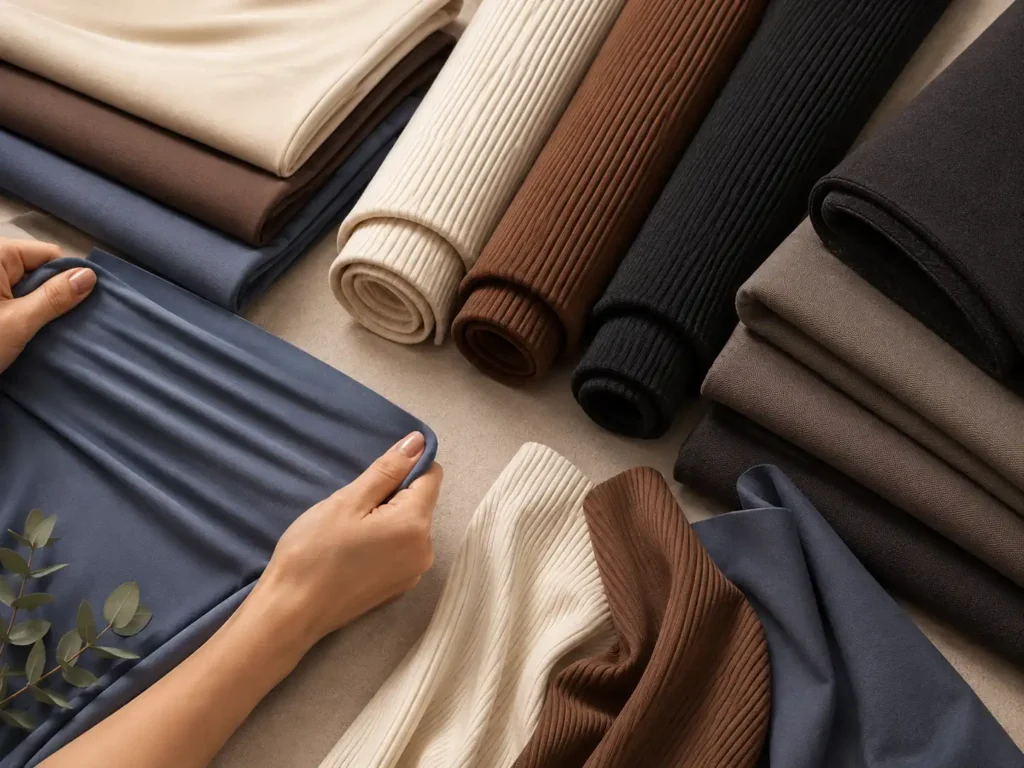
Stretch materials work well for bodycon, dinner, party and day-to-evening products. Fabric weight, stretch percentage, recovery and shrinkage affect the final size more than appearance alone. Ponte adds support and can hold cleaner lines, while lighter jersey gives softer drape but may reveal body contours or twist at seams. Pattern measurements should be developed with stretch compensation, and bulk checks should include recovery, side-seam position, hem waving and wash-related dimensional change.

Fit Engineering Across Different Dress Structures

One brand size chart can guide the collection, but corset minis, slip dresses, mesh bodycon styles and chiffon maxis cannot share identical pattern logic. Fit is controlled through structure-specific measurements and movement checks.

Bust and Neckline

Bust, upper bust, under bust, cup position, neckline depth, armhole shape and strap placement determine security and visual balance. Strapless and corset styles may need cups, boning, anti-slip support or stronger internal construction. Deep-V and halter shapes require tension control so the neckline stays positioned during movement. Fit comments should be translated into measurable pattern changes rather than vague instructions such as “make it tighter.”

Waist Position

Waist placement changes the proportion of the entire dress. High-waist, natural-waist and low-waist designs create different torso lengths and affect where ruching, seams, cut-outs and skirt volume begin. A waistline that is only 1-2 cm out of position can make a fitted style look unbalanced. Pattern review should compare body measurement, garment measurement and the intended visual line before grading.

Hip and Ease

Bodycon and fitted midi styles need controlled negative ease, while woven cocktail or evening dresses require enough hip and seat room for movement. Fabric stretch and recovery must be considered together. Too little ease causes strain, zipper distortion and seam opening; too much ease weakens shape. Sitting, walking and step tests reveal problems that a static dress form cannot show.

Length and Hem

Mini length must remain safe across sizes and movement, while midi and maxi lengths need consistent front-to-back balance. Bias-cut, satin and chiffon dresses may drop after hanging, so hem confirmation should follow the appropriate resting period. Slits, asymmetric hems and trains require separate reference points. Final measurements should define dress length, slit height and hem width for QC.

Internal Support

Cups, boning, underwire, interfacing, elastic, lining and anti-slip tape shape the garment from inside. The support level should match the fabric and occasion. A wedding guest midi may need light stabilization, while a corset party dress requires more structured channels and secure cup placement. Comfort, symmetry and edge coverage should be checked before PP approval.

Size Grading

Grading must preserve design proportions, not only add equal amounts around the body. Neckline depth, strap length, cut-out width, cup position, slit height and hem length may need controlled rules across sizes. Bulk orders can include multiple sizes within the confirmed style/color quantity, based on the brand’s size chart and size ratio. Measurement tolerances should be defined for critical points before production.

Design Details That Define Each Occasion

Design details carry the visual identity of an occasion collection, yet every feature changes pattern work, sewing time, material consumption and QC. The following details should be confirmed through samples before bulk production.

Ruching and Draping

Ruching can shape the waist, soften body contours or create a directional focal point. Control depends on gathering ratio, stitch security, symmetry and the behavior of the base fabric. Satin and mesh show uneven gathering quickly, while jersey can recover differently across sections. Bulk standards should define placement, fullness and left-right balance.

Corsetry and Boning

Corsetry uses internal support to control the bust and waist. Cup shape, boning hardness, channel position, center-front balance, zipper support and lining coverage must work together. A visually strong bodice can still fail if it pinches, collapses or shifts. The PP sample should lock support materials, measurements and construction.

Straps and Sleeves

Strap width, length, slider position and attachment strength affect neckline stability and comfort. Puff sleeves, fitted sleeves and one-shoulder structures require separate armhole and mobility checks. Delicate straps need secure reinforcement without bulky stitching. Bulk inspection should compare length, symmetry and attachment against the approved sample.

Slits and Cut-Outs

Slit height and cut-out placement influence both style and wearability. Proportions should remain controlled across sizes, and edges need enough stability to resist stretching. Lining or internal tape may be required around high-stress areas. Sitting and movement tests help confirm coverage before grading and bulk production.

Lace Placement

Placed lace can frame a neckline, waist or sleeve, while all-over lace creates a different construction problem. Motif direction, seam location, edge finish and lining color should be planned before cutting. Visible mismatch or broken motifs can make a premium dress look inconsistent. Placement references should be included in the production handover.

Print Placement

Directional, border and engineered prints require a clear cutting map. Center-front alignment, side-seam continuity, motif position and upside-down risk should be reviewed. A placement print may have a separate fabric MOQ and usable-width limitation. Bulk QC should compare print orientation and critical motif locations across sizes.

Sequins and Embellishment

Sequins, rhinestones and bead chains increase visual impact but add handling and packing risk. Attachment, missing areas, sharp edges, weight distribution and skin contact need inspection. Seam allowances may require trimming or backing. Finished garments should be protected so embellishment does not damage neighboring pieces during transport.

Zippers and Closures

Invisible zippers, metal zippers, hooks, snaps and buttons should match the structure and fabric weight. Satin and fitted woven dresses easily show zipper bulging when the seam, allowance or support is incorrect. Opening length must allow dressing without overstressing the garment. Color, smooth operation and top-stop finishing should be checked.

Lining and Clean Finish

Lining controls opacity, comfort and internal appearance. The lining type, color, stretch, length and attachment method should follow the outer fabric and silhouette. A lining that is too short can expose the body; one that is too long can show at the hem. Armholes, necklines, vents and zippers should remain clean without twisting or pulling.

Workmanship Standards for Multi-Occasion Dress Production

Workmanship should follow the material and structure instead of relying on one sewing method for every style. Collection consistency comes from clear standards for cutting, seams, edges, pressing, finishing and packing.

Cutting Direction

Satin shine, velvet pile, prints, lace motifs and stretch direction must be marked before cutting. Incorrect orientation can create visible shade changes or inconsistent recovery even when the fabric comes from one lot. Cut panels should be bundled by style, color, size and batch so components do not mix across production groups.

Seam Selection

Seam type should match transparency, stretch, weight and stress. Chiffon may need narrow clean finishes, mesh needs stretch-compatible construction, satin requires tension control, and lined structured dresses need seam allowance management. Sample sewing tests help set needle, thread, tension and seam method before bulk.

Edge Finishing

Necklines, armholes, slits, cut-outs and hems are highly visible on occasion dresses. Binding, facing, narrow hemming, lining turn-back or clean bagging can be selected according to fabric and design. Edges should remain flat, smooth and stable without rippling, bulk or exposed raw areas.

Pressing Control

Pressing shapes the garment but can also damage glossy, pile or embellished fabrics. Temperature, pressure and contact method should be tested during sampling. Satin can show shine or pressure marks, velvet can crush, and sequins can deform. Final pressing should follow a style-specific instruction rather than a single finishing routine.

Symmetry and Balance

One-shoulder lines, ruching, cups, straps, side seams, slits and layered hems must be compared left to right or front to back. A dress may meet individual measurements and still appear visually unbalanced. Final garment inspection should include hanger review, flat review and, when required, dress-form review.

Protective Packing

Occasion dresses may need tissue, hangers, inner protection or separated folding depending on surface and structure. Sequins and rhinestones should not rub adjacent garments, corset cups should not collapse and satin should be folded to reduce hard creases. Packing instructions are locked with labels, barcodes and carton requirements before bulk completion.

Balance Commercial Price Tiers Across the Collection

A healthy assortment does not force every style into one cost level. Core volume, elevated occasion products and statement pieces can use different fabric, structure and trim investments while maintaining a consistent brand appearance.

Fabric Consolidation

Using selected fabric groups across several styles can improve sourcing efficiency, color coordination and reorder stability. Consolidation should not force unsuitable material onto a silhouette; weight, stretch, drape and surface still need to match the design.

Construction Editing

Hidden layers, excessive seam complexity or unnecessary support can be reviewed when they do not improve appearance or wearability. Simplification should protect neckline stability, opacity, shape and durability rather than merely remove cost.

Trim Control

Cups, boning, zippers, hooks, rhinestones, labels and packaging each influence cost and supplier MOQ. A trim plan can separate essential functional components from decorative options and standardize selected items across related styles.

Color Planning

Launching with one or two core colors per style supports the standard MOQ and reduces fragmented material purchasing. New colors can be added to proven styles after sales feedback, provided fabric and trim availability remain stable.

Size-Ratio Planning

Sizes can be distributed within the confirmed style/color quantity. A rational ratio improves cutting, packing and inventory flow. Very fragmented size plans, separate petite or tall programs and extended-size development should be reviewed for grading, material use and QC impact.

Split Delivery

When a collection contains urgent hero styles and later commercial volume, phased delivery can protect the launch calendar. Air and sea freight, or separate production waves, should be planned against warehouse dates and cost rather than used as a last-minute recovery method.

Manage Multi-Style Sampling Without Losing Control

A 10-30 style collection can become difficult to track when fabrics, trims, patterns and comments move at different speeds. Jinfeng Apparel groups the work and records every approval so key launch styles are not delayed by less urgent products.

Line Sheet Review

The initial review identifies style count, occasion role, target quantity, fabric direction, complexity, color plan, size range and launch priority. Missing information is listed before sample work begins. The review also separates styles that can share fabric or trim from those needing independent development.

Sample Priority

Hero styles, photo samples and products with early launch dates are normally prioritized first. Styles waiting for custom fabric, special trims or unresolved construction are placed on a separate path. Priority should be agreed with the brand so speed is applied where it has commercial value.

Fabric Groups

Satin, mesh, lace, chiffon, knit and embellished products are grouped according to sourcing and sewing behavior. Grouping allows swatch approval, color direction and risk review to move efficiently. A change in fabric can require pattern, lining, price, MOQ and sample reassessment.

Revision Tracker

Every revision records measurement changes, pattern changes, fabric replacement, trim adjustment, sewing method, brand comments and approval status. The tracker prevents old instructions from returning in later samples and provides a clear path from first sample to revised sample and PP standard.

PP Approval

The PP sample locks fabric, color, measurements, construction, trims, labels and packing method before bulk. Photo or salesman samples are not automatically bulk standards. Any change after PP approval should be documented because it may affect material purchasing, cost, schedule and quality consistency.

From Collection Brief to Retail-Ready Delivery

Every approval should create a usable production standard. The workflow below connects design information, materials, samples, bulk production, quality control and private-label delivery without leaving critical details in informal messages.

Collection Brief

Receive line sheet, tech packs, reference images, original samples, quantity plan, size range, target market and launch date.

Feasibility Review

Assess style structure, fabric direction, trims, MOQ fit, development risk, cost drivers and production-unit suitability.

Material Direction

Source or review fabrics, linings, zippers, cups, boning, lace, embellishment, labels and packaging components.

Pattern Development

Build or correct patterns around bust, waist, hip, length, neckline, straps, slits, lining and movement requirements.

First Samples

Verify proportion, construction, fabric behavior, workmanship, comfort, measurements and commercial appearance.

Revision and Fit

Translate comments into pattern changes, measurement updates, material changes and a traceable revision record.

PP Lock

Approve fabric, color, final pattern, measurement chart, trims, sewing details, labels, barcodes, polybags and carton marks.

Bulk and QC

Allocate production, inspect materials, monitor cutting and sewing, measure garments, inspect appearance and check packing.

Delivery and Records

Coordinate shipment documents and forwarder requirements, then retain approved pattern, fabric, trim and packing references for repeats.

Match Each Style With the Right Production Unit

A multi-occasion collection may combine simple woven core styles, fitted stretch dresses, complex corsetry, fluid maxis and embellished products. Production is allocated by material, construction, quantity and delivery requirement rather than sending every style through one identical route.

Owned Factory Control

Six owned women’s fashion factories support core dress programs, complex products, sample-to-bulk transfer and repeat orders.

  • Mini, midi, maxi and occasion dresses
  • Satin, mesh, lace, bodycon and structured styles
  • Project standards controlled by Jinfeng Apparel

Specialized Partners

More than ten long-term satellite production partners provide specialist capacity for different product and timing requirements.
  • Factory match by fabric and construction
  • Capacity support for multi-style orders
  • Long-term partners, not temporary unknown workshops

Central Project Standards

Allocation can change by style, but approval and quality records stay centralized.

  • Final pattern and size chart
  • Approved fabric and trim references
  • QC checklist, label placement and packing instructions

Control Quality Across Styles, Fabrics and Production Batches

Quality control begins before sewing and continues through packing. Multi-style orders require separate checks by fabric, pattern, size, color and SKU so one issue does not spread across the entire collection.

Incoming Material QC

Fabric and trims are checked against approved references for type, color, surface, stretch, width, defects and quantity. Satin direction, mesh transparency, lace damage, velvet pile and sequin condition require material-specific review. Dye lots and fabric batches should remain separated and recorded when visual variation is possible.

Cutting Control

Cutting checks cover pattern version, grain or stretch direction, print placement, velvet pile, satin face direction, size markers and bundle identity. Incorrect orientation or mixed pattern versions can create a large quality problem before sewing starts. Critical panels should be compared with the approved cutting instruction.

Inline Sewing Check

Inline inspection identifies puckering, seam tension, zipper shape, gathering balance, lining attachment, cup or boning position and other construction issues while correction is still possible. The purpose is to stop repeated defects rather than wait for final inspection. Findings should be communicated to the production team and rechecked.

Measurement Control

Critical measurements are selected by style: bust, waist, hip, dress length, strap length, armhole, neckline depth, slit height, hem width and, for jumpsuits, crotch length. Checks compare garments with the approved size chart and tolerance. Out-of-tolerance results are isolated, corrected and measured again.

Final Garment Inspection

Final inspection reviews appearance, symmetry, workmanship, color, stains, damage, closure function, lining, embellishment security, pressing and measurements. Occasion dresses may also need hanger or dress-form review to confirm balance and drape. The approved sample, final pattern and QC checklist remain the comparison standards.

Packing and SKU Check

Main labels, size labels, care labels, hangtags, barcodes, SKU stickers, polybags, size ratios, carton marks and packing lists are checked before shipment. Collection orders carry a higher mixing risk because many styles and colors share one packing period. Carton and warehouse requirements should be confirmed before final packing begins.

Private Label, Launch Planning and Repeat-Order Support

The finished collection must arrive with the correct brand presentation and enough production history to support later replenishment. Packaging, launch dates and repeat records are handled as part of the manufacturing project.

Private Label Delivery

Jinfeng Apparel supports woven labels, size labels, care labels, hangtags, hang strings, barcode stickers, SKU labels, polybags, stickers, thank-you cards, cartons, carton marks and warehouse labels.
  • Packaging supplier MOQ may differ from garment MOQ
  • Label position and barcode data are approved before packing
  • Retail-ready and ecommerce-ready methods are reviewed by project

Launch Calendar

Sample priority, PP approval, fabric arrival, production, QC, packing and shipment are planned backward from the required warehouse or launch date.
  • Hero styles can move first when approved earlier
  • Air and sea split shipment may be evaluated
  • Late design or material changes require schedule review

Repeat and Extension

Approved pattern, fabric, trim, measurement and packing references are retained to reduce repeated communication and improve consistency.
  • Repeat colors and replenishment
  • Same pattern in a new fabric
  • Seasonal extensions and multi-batch delivery

MOQ and Size Planning for Multi-Style Collections

Jinfeng Apparel’s standard MOQ starts from 200 pieces per style and color. The quantity is not calculated by combining unrelated styles or colors. Multiple sizes can be distributed within the confirmed style/color quantity according to the approved size chart and ratio.

Order StructureGeneral AssessmentPlanning Note
1 style x 1 color x 200 pcsCan be reviewedSizes may be split within the 200 pieces
1 style x 2 colors x 200 pcs eachCan be reviewedEach color has its own fabric, cutting, SKU and QC work
1 style x 2 colors x 100 pcs eachUsually below standard MOQA combined total does not replace per-color MOQ
4 styles x 50 pcs eachDoes not meet standard MOQEach style/color needs an efficient production quantity
10-30 style collectionSupported by project reviewEvery style/color is assessed with fabric and production grouping
Custom dye, print, lace or sequinSeparate review requiredFabric supplier MOQ may be higher than garment MOQ
Multiple sizes within MOQSupportedSubmit size chart and size ratio before production
Petite, tall or extended sizesDevelopment review requiredGrading, consumption and QC scope may change

Multi-Occasion Collection Project Profiles

The following profiles reflect normal collection-order structures handled under NDA. Brand names, design files, prices and unpublished product details remain confidential. Figures are presented to show the scale, timeline and control logic used for multi-style programs.

US Occasionwear Program

A multi-channel US occasionwear brand developed 24 styles across wedding guest, cocktail, party and evening categories. The collection used five main fabric groups: stretch satin, crepe, mesh, lace and sequins. The initial order totaled 48,600 pieces in six colors with sizes XS-XL. Six hero styles were prioritized for first samples within 12-16 days; the remaining styles followed within 16-23 days. Revisions were closed in 7-10 days by style group, and PP standards were locked in week six. Bulk production was completed over 47 calendar days after final material and PP approval. An urgent 4,800-piece launch allocation moved by air, while the balance shipped by sea.

UK Multi-Channel Collection

A UK retailer required 16 dress styles covering day wedding, dinner, holiday and formal evening use. The order totaled 27,200 pieces across four fabric groups and UK sizes 6-16. Product planning separated eight commercial core styles, five elevated occasion styles and three statement pieces. Two satin colors showed a visible shade shift between fabric lots during incoming inspection. The affected lot was isolated before cutting, the approved physical standard was rechecked under natural and indoor lighting, and replacement material was confirmed. Bulk production continued by unaffected color group, avoiding a full-program delay.

Australian Resort-to-Party Range

An Australian fashion brand developed 28 styles and 72,000 pieces for resort, dinner, party and holiday launches. Materials included printed rayon blends, chiffon, stretch satin, mesh, velvet and sequins, with AU sizes 6-18. Sampling was divided into resort, fitted stretch and embellished groups. During the mesh-mini PP review, lining coverage became inconsistent after grading in the upper sizes. The lining pattern and attachment points were corrected, the revised size set was measured again, and the updated standard was transferred to bulk QC. Delivery was phased over 52 calendar days so resort and campaign styles could arrive before the later holiday group.

Frequently Asked Questions About Multi-Occasion Collections

It is a coordinated assortment of dresses designed for several wearing occasions, such as wedding guest, cocktail, party, evening, graduation, resort and holiday events. Each style has a clear product role, while the collection maintains a consistent brand direction, size logic, quality level and private-label presentation.

Yes. Jinfeng Apparel can review line sheets, tech packs, reference images, original samples or sketches. A stronger review also includes style quantities, colors, size range, fabric direction, target price level, packaging requirements and launch date. Complete information improves the accuracy of material, MOQ, cost and sampling decisions.

The standard MOQ starts from 200 pieces per style and color. Several styles cannot be combined to reach one 200-piece total, and two colors normally require 200 pieces per color. Custom dyeing, custom printing, certified fabrics, lace, sequins, special trims and custom packaging may have separate supplier MOQ.

Yes. Multiple sizes can be distributed within the confirmed style/color quantity according to the brand’s size chart and size ratio. XS-XL, numeric sizing or another market-specific system can be reviewed. Petite, tall, extended-size or highly fragmented ratios may require additional grading, consumption and QC evaluation.

Styles are grouped by fabric, construction, trim requirement and launch priority. Hero styles and photo samples can be moved first, while products waiting for custom materials follow a separate schedule. Every style uses a revision tracker covering pattern, measurement, fabric, trim, sewing method and approval status before PP lock.

Every bulk style needs a clearly approved production standard. A PP sample is normally used to lock fabric, color, measurement, construction, trims, labels and packing. A photo sample or salesman sample is not automatically the final bulk standard. Changes after PP approval require written review because they can affect cost, material purchasing and timing.

Yes. Jinfeng Apparel develops satin, mesh, lace, chiffon, crepe, velvet, jersey, ponte and sequin dresses. Material-specific risks are reviewed during sampling, including satin shade and snagging, mesh transparency and recovery, lace placement and damage, velvet pile direction, and sequin shedding or skin contact.

Yes. Available items include woven labels, size labels, care labels, hangtags, hang strings, barcode stickers, SKU labels, polybags, stickers, inserts, cartons, carton marks and warehouse labels. Garment MOQ and packaging MOQ are separate; printed bags, woven labels or special boxes may have their own supplier minimums.

Yes. Jinfeng Apparel supports NDA-based cooperation and protects tech packs, original samples, patterns, unpublished designs, label files, packaging files, prices and order information. Brand names, logos, sample photographs and exact commercial data are not disclosed without authorization. Case studies are normally presented anonymously.

Yes. Approved pattern, measurement, fabric, trim, workmanship and packing references can be retained for repeats. Reorder feasibility still depends on material and trim availability. When an original material is unavailable, a substitute is reviewed for weight, stretch, drape, color, surface and sewing behavior before approval.

Start Your Multi-Occasion Dress Collection

Send the available collection materials to Kelly for an initial project review. A complete brief allows Jinfeng Apparel to assess style complexity, fabric direction, MOQ, sample requirements, production allocation, private-label scope and launch timing with fewer assumptions.

Line sheets and tech packs are preferred, but clear reference images or original samples can also support the first evaluation when the product direction is well defined.

  • Line sheet, tech packs, reference images or original samples
  • Number of styles and occasion categories
  • Target quantity per style and color
  • Fabric, lining and trim direction
  • Color plan and size range
  • Target launch or warehouse date
  • Main labels, care labels, hangtags and barcode requirements
  • Polybags, carton marks, warehouse labels and delivery instructions

Tell Us About Your Dress Project

Share your product details, estimated quantity and development requirements. Our team will review your project and provide practical OEM/ODM production feedback.

Premium Women’s Apparel Production for Fashion Brands

From dress sample development to bulk production, JF Apparel supports fashion brands with confidential OEM/ODM manufacturing, reliable quality control and scalable production support.

START YOUR DRESS PROJECT

Ready to Develop Your Next Dress Collection?

Share your design concept, product requirements or sourcing plans with our team. We’ll review your project and provide practical feedback on development, materials, MOQ and production.

7-10 Days

Sample Development

200 PCS

Starting MOQ

Fast Response

Professional Follow-Up