...

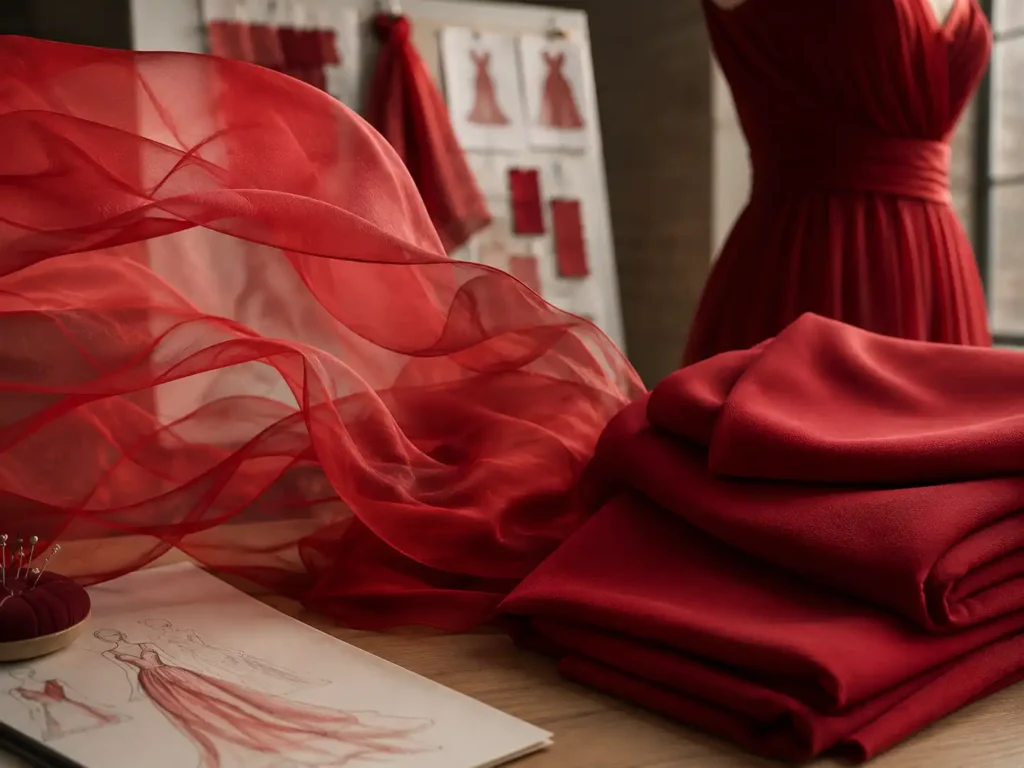
Dress Manufacturer for Collection Planning Teams

Turn seasonal line plans into coordinated dress samples, approved production standards and retail-ready multi-style collections.

Jinfeng Apparel supports collection planning, merchandising, product development and sourcing teams that need one manufacturing structure across multiple dress styles. Programs can begin with a line sheet, tech packs, original samples or reference images, then move through fabric grouping, pattern development, controlled sample waves, PP approval, bulk allocation, quality control, private-label packing and export coordination.

  • 10-30 styles can be organized as one collection program with style-level tracking.
  • MOQ starts from 200 pcs per style/color, with separate review for fabric, trim and packaging requirements.
  • 2 sample rooms, 7+ senior pattern makers and 20+ sample machinists support parallel development.
  • 6 owned factories and 10+ long-term satellite partners support category-based production allocation.

Built for Teams Planning Seasonal Dress Collections

A coordinated collection needs more than separate quotations for separate dresses. Jinfeng Apparel works with the teams responsible for assortment structure, development approvals, target cost, launch timing and production readiness.

Collection Planning and Merchandising

Collection planning and merchandising teams need every style to serve a clear role inside the range. Jinfeng Apparel reviews hero products, commercial volume styles, entry price options, occasion pieces, color extensions and complementary womenswear. The review connects design ambition with fabric availability, construction level, MOQ, target quantity and planned launch timing. A structured line sheet makes it easier to identify duplicated silhouettes, fragmented material choices and styles likely to absorb more development time than their commercial role justifies.

Product Development and Sourcing

Product development and sourcing teams need reliable movement from concept to approved production files. Jinfeng Apparel can begin from tech packs, original samples, line sheets, sketches or reference photos, then organize fabric direction, pattern work, first samples, fit comments, revised samples, PP standards and bulk files. Sourcing review also covers supplier MOQ, trim development, target cost, factory allocation, inspection requirements, private-label packing and shipment responsibilities before production commitments are locked.

Manufacturing Capacity Behind Multi-Style Collection Programs

Collection work depends on development depth, production coordination and inspection capacity. The figures below show the resources used to move multiple styles through one controlled program.

6 Owned Factories

Six owned women’s fashion factories provide a stable base for dress, skirt, jumpsuit, matching-set and private-label production. Production units are selected by fabric behavior, construction complexity, order scale and required workmanship rather than placing every style into one generic line.

10+ Partner Factories

More than ten long-term satellite production partners extend capacity when a collection contains different fabric groups, techniques or delivery waves. Allocation remains project-managed through approved samples, production files, quality checkpoints, packing instructions and delivery requirements.

18+ Sewing Lines

Eighteen or more sewing lines support category-based planning across woven dresses, stretch dresses, occasion pieces, sets and related womenswear. Line allocation is reviewed after PP approval, material readiness and style-level risk have been confirmed.

2 Sample Rooms

Two sample rooms support multi-style development, sample priority planning and controlled revision waves. Complex pieces can be isolated for deeper pattern and construction review while commercial styles continue through a separate approval path.

7+ Pattern Makers

Seven or more senior pattern makers review bust, waist, hip, neckline, strap, armhole, dress length, slit, lining, crotch and movement requirements. Bulk-relevant comments are converted into updated patterns and measurement files before production.

15+ QC Inspectors

Fifteen or more QC inspectors support incoming material checks, cutting review, in-line sewing inspection, measurements, finished-garment review, pressing, packing and pre-shipment checks across multi-style orders.

Where Dress Collections Lose Time, Margin and Consistency

Most collection delays begin before bulk production. Style overload, scattered materials, unclear approvals and late packaging decisions create pressure that cannot be corrected by faster sewing alone.

Unbalanced Style Mix

A collection can become visually strong but commercially weak when too many high-complexity styles compete for the same development time and budget. Hero dresses, commercial core styles and price-entry options need different construction levels and approval priorities. Jinfeng Apparel reviews silhouette mix, fabric family, target quantity and intended sales role so development resources follow the commercial importance of each style.

Fragmented Fabric Choices

Using a different fabric for every style increases supplier MOQ, lab-dip work, shade control, trim matching, testing needs and leftover risk. Fabric consolidation does not mean making every dress look alike.

A better structure uses controlled families such as satin, crepe, mesh, jersey or chiffon, then creates variety through silhouette, color, cut, lining and detail.

Sample Bottlenecks

Sending twenty styles into sampling without priority creates queues and unclear feedback.
|Complex corset, lace placement, sequin, cut-out and jumpsuit styles usually need more pattern and construction work than a standard slip or commercial jersey dress. Sample waves should begin with high-risk styles, photo-critical styles and core fit blocks before color extensions or closely related designs.

MOQ Fragmentation

A collection total can look large while individual style-color quantities remain too fragmented for stable material purchasing and production. Jinfeng Apparel reviews quantity by style and color, fabric supplier requirements, trim MOQ, print or dyeing needs and packaging quantities before a line plan is treated as production-ready.

Cost Drift

Cost often rises through many small changes: wider fabric consumption, full lining, more ruching, custom hardware, complex boning, extra color splits, special labels or repeated sample revisions. Early cost review links each design choice to target FOB and intended price tier, allowing controlled changes before the final range is locked.

Launch Date Slippage

A planned launch can be missed even when sewing finishes on time. Fabric booking, trim approvals, PP sealing, inspection windows, barcode files, warehouse labels, carton marks and freight booking all affect delivery. A collection calendar must work backward from photo dates, warehouse intake and market launch rather than beginning with a generic production estimate. Review Collection Risks

More Than Producing One Dress Style at a Time

A collection manufacturing partner connects range planning with development and production decisions. Each style remains individually controlled, while shared materials, fit language, approvals and delivery milestones are managed as one program.

Collection-Level Review Before Sampling

Jinfeng Apparel begins by reading the collection as a commercial range rather than a folder of unrelated sketches. The first review identifies the number of styles, dress lengths, silhouettes, wearing occasions, fabric groups, color directions, size range, target quantities, target price tiers, sample requirements and planned launch dates. A twenty-style collection may contain six hero pieces, eight commercial dresses, three price-entry styles and three extensions. Those roles affect fabric choice, construction depth and sample priority.

Shared resources are mapped before development begins. Similar styles may use one approved stretch satin, one common lining family or related zipper standards, while still keeping different necklines, sleeve treatments, draping and color stories. Fit blocks may also be shared where body shape and fabric behavior allow. A bodycon knit block cannot simply be transferred to a woven corset dress, and a bias-cut satin slip needs a different pattern approach from a structured evening style.

Early review produces clearer questions: which styles carry campaign importance, which styles need photo samples, which fabrics require lab dips, which trims have supplier lead time, which styles can share blocks, and which products must be isolated because their risk is too high. Those answers create a realistic development order rather than sending every style into one queue.

Manufacturing Feasibility and Risk Classification

Every style is assessed for fabric behavior, structural difficulty, trim dependency, fit sensitivity, cutting waste, workmanship and production repeatability. A ruched mesh dress may appear simple in a line sheet but requires control over stretch direction, lining coverage, seam recovery and gathering consistency. A corset dress needs cup position, boning, neckline security and zipper flatness. A sequin style needs skin-contact protection, seam cleanliness and finishing methods that do not damage the surface.

Feasibility review also checks commercial boundaries. A design may be possible but poorly matched to its target cost or launch window. Jinfeng Apparel can propose fabric substitution, structural simplification, trim adjustment, lining changes, color consolidation or a different production sequence while preserving brand-level appearance. Recommendations are explained with the cost, fit and timing effect attached, allowing planning teams to decide with full context.

Risk classification continues into sampling and bulk production. High-risk styles receive earlier sample priority, deeper fit review and stronger PP documentation. Stable commercial styles can move through a more direct path after fabric, pattern and construction are approved. The goal is not to slow complex design; the goal is to prevent late discoveries after material commitment.

One Program With Style-Level Accountability

A collection program requires one overall calendar and one record for each style. Jinfeng Apparel tracks the line sheet, style code, color list, size range, fabric status, trim status, sample version, revision comments, PP approval, bulk material arrival, production unit, QC status, packing file and shipment batch. Shared information remains standardized, while exceptions remain visible.

Style-level accountability prevents one delayed component from hiding inside a collection-wide update. If twelve styles are ready and two are waiting for a custom trim, production planning can separate the blocked styles rather than holding the whole range. If a key fabric arrives in two dye lots, shade control and cutting allocation can be managed by style, color and batch. If a launch requires priority stock, selected styles or sizes can be prepared for an earlier shipment with separate packing lists and carton marks.

The same structure supports repeat orders. Approved patterns, size charts, BOM details, fabric references, trim records, sewing instructions, QC notes, Golden samples and packing files are retained for future production. New colors, new fabrics or construction changes still require review, but the approved foundation reduces repeated communication and protects brand consistency.
What We Review Before Collection Development Starts

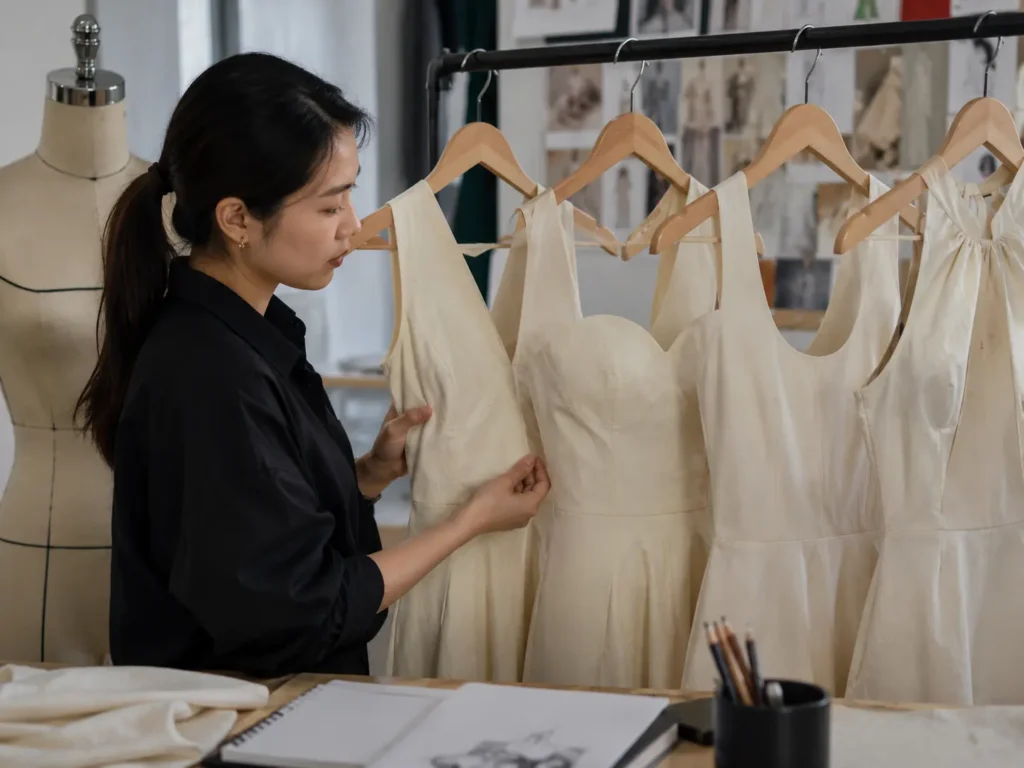
A complete collection brief improves fabric matching, sample planning, costing and capacity decisions. Each input below answers a different production question.

Line Sheet

A line sheet shows the full range, style codes, color plans and intended product mix. It allows early grouping by silhouette, fabric, construction and priority. A clear line sheet also reveals duplicated styles, missing commercial roles and product groups suitable for shared materials or fit blocks.

Tech Packs

Tech packs provide measurements, construction, seams, trims, artwork and labeling requirements. Jinfeng Apparel reviews whether instructions match the visual design, whether measurements support the intended fit and whether any construction detail creates cost, comfort or production risk.

Reference Samples

Original samples or detailed reference photos help clarify hand feel, drape, proportion, fit and finishing where drawings are not enough. Photos should include front, back, side and close-up details. Physical samples are assessed for fabric, pattern, workmanship and production feasibility.

Style Quantities

Quantity by style and color is required for MOQ review, material purchasing, cutting plans and line allocation. Collection totals alone do not show whether individual styles and colors form stable production units. Priority quantities also help separate launch stock from later replenishment.

Fabric Direction

Fabric preferences should include composition, weight, stretch, surface, drape, transparency, lining need, color direction and target cost. Swatches, Pantone references, approved standards or desired hand-feel descriptions help the fabric team present more relevant options.

Size Plan

Provide size range, base size, grade rules and expected size ratio. XS-XL can be supported within suitable production quantities, while plus, petite or tall ranges need separate grading and fit review. Size ratios affect cutting, measurement inspection, labels, packing and carton breakdown.

Target Cost

A target FOB or price tier helps balance material, construction and commercial role. Cost review includes fabric, lining, trims, pattern, cutting, sewing, finishing, QC, packing, waste, testing and delivery terms rather than treating every dress as one generic price.

Launch Calendar

Key dates should include first sample review, campaign or photo sample need, PP approval, material commitment, bulk completion, inspection, warehouse intake and launch. Earlier visibility allows realistic material booking, sample priority and shipment planning.

Turn Your Line Plan Into a Balanced Dress Assortment

A strong dress collection combines visual impact, commercial volume, price architecture and repeat potential. Jinfeng Apparel helps convert those roles into suitable fabrics, construction levels and production plans.

Hero Occasion Styles

Hero dresses carry campaign imagery and brand identity. Common directions include sculpted corset dresses, draped satin gowns, lace placement styles, sequin statements, asymmetric necklines and dramatic maxi silhouettes. Development focuses on chest support, waist definition, neckline security, slit height, hem balance, lining and finish. Hero styles usually receive early sampling because their fabric and construction decisions can influence the rest of the range.

Commercial Mini Dresses

Commercial mini dresses need strong visual appeal without unstable construction. Bodycon, ruched, halter, strapless, backless and fitted woven styles require careful control of bust coverage, waist and hip shape, dress length, zipper behavior and movement. Fabric choice should support repeatable bulk production, color extension and consistent sizing. Commercial styles often carry larger quantities, so cutting efficiency and workmanship stability matter as much as first-sample appearance.

Midi and Maxi Core

Midi and maxi styles broaden wearing occasions and often support higher order depth. Slip, A-line, wrap, column, tiered and resort silhouettes depend on drape, length balance, sweep, slit placement and lining. Rayon, viscose, chiffon, crepe, satin and linen blends may suit different price tiers. Hem control and pressing need extra attention because small length or grain problems become visible across a longer silhouette.

Price-Entry Styles

Price-entry products should remain consistent with brand appearance rather than looking disconnected from the collection. Cost can be managed through stable fabric families, fewer high-cost trims, cleaner pattern pieces, partial lining where appropriate, controlled gathering and simplified fastening. Fabric substitution or construction adjustment is reviewed against drape, opacity, fit and durability before approval.

Premium Party Styles

Premium party and club styles use visual detail and close fit to justify a higher price position. Mesh, power mesh, stretch satin, lace, velvet, sequins, rhinestone trims, cut-outs, bra cups and boning introduce fit and comfort risks. Sampling verifies transparency, skin contact, stretch recovery, cup placement, neckline stability, zipper flatness and seam strength before bulk standards are sealed.

Collection Extensions

Skirts, matching sets, jumpsuits and fashion tops can extend the same color and fabric story while increasing styling combinations. A satin cami can connect to a bias skirt, a corset top can pair with a maxi skirt, and a jumpsuit can carry the same occasion direction as the dress range. Extensions still need independent fit, size pairing, labeling, packing and MOQ review.

Consolidate Fabrics Without Flattening the Collection
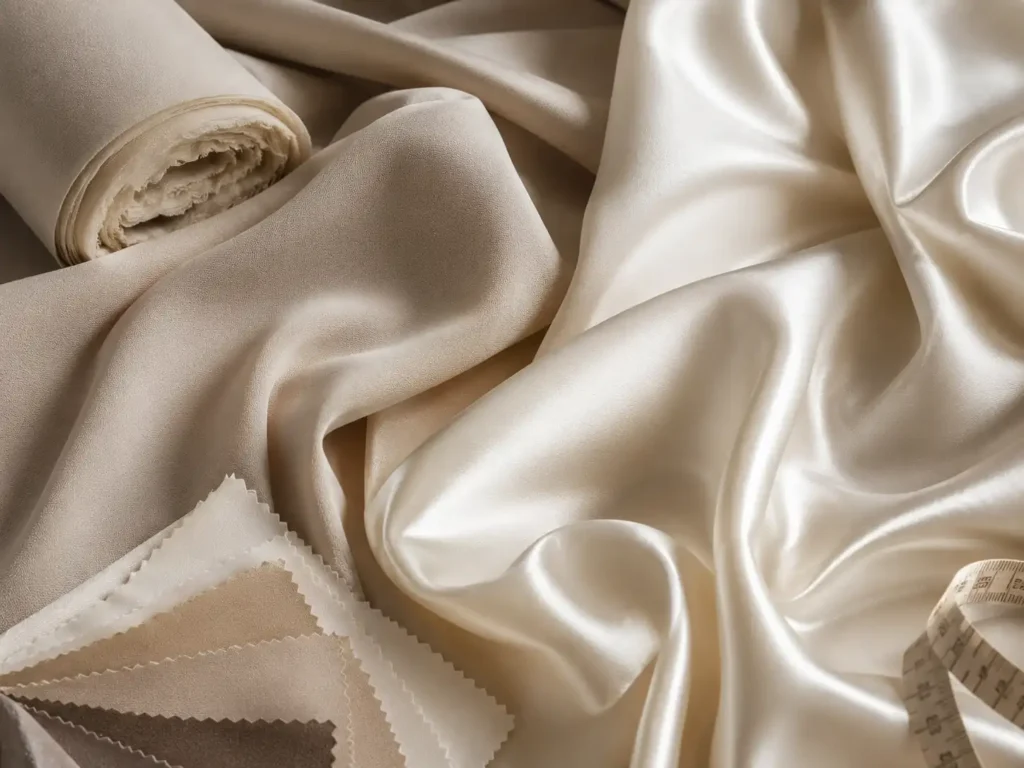
Fabric grouping reduces sourcing fragmentation while protecting variety. Each family below has different fit, color, cutting, sewing, finishing and bulk-control requirements.

Satin Family

Satin and stretch satin support slip dresses, corset styles, occasion dresses, draped minis and formal maxi silhouettes. Planning checks include weight, shine direction, snagging, crease recovery, color appearance under light, lining compatibility and bias movement. Shared satin across several styles can improve shade consistency and purchasing efficiency, but structured and bias-cut products may still require different weights or stretch levels. Bulk cutting must follow one agreed face and grain direction.

Chiffon and Crepe

Chiffon, georgette-style qualities and crepe support layered, draped, ruffled, wrap and resort dresses. Key decisions include transparency, lining coverage, hem method, shrinkage, seam puckering and print registration. One base fabric can support multiple silhouettes through solid colors, prints, gathers or layered construction. Very light qualities need careful cutting and handling, while heavier crepe can support cleaner commercial shapes and more stable production.

Mesh and Power Mesh

Mesh creates transparency, stretch and contour, while power mesh adds support and recovery. Collection planning must separate decorative mesh from structural stretch mesh. Controls include stretch direction, recovery, seam stability, lining coverage, edge finishing, skin comfort and color matching. Mesh can connect bodycon, corset, cut-out and layered styles, but one quality rarely performs every function. Sampling confirms both visual effect and movement safety.

Lace and Tulle

Lace and tulle support occasion, party, wedding guest and evening collections. Motif scale, placement direction, edge shape, transparency and color matching affect pattern layout and material consumption. Lace placement may require controlled cutting or hand positioning, while tulle layers need volume and softness review. Shared lace can create a recognizable collection signature, yet different silhouettes may need different lining, reinforcement or seam treatments.

Jersey and Ponte

Jersey, rib knit and ponte support fitted commercial dresses, ruched silhouettes, easy midi styles and matching sets. Fabric weight, four-way or two-way stretch, recovery, shrinkage, opacity and surface quality determine fit. A stable knit family can support high-volume styles and color extensions, but measurement standards must reflect fabric behavior. Side-seam twisting, neckline growth and post-wash size changes are checked during development and bulk inspection.

Velvet and Sequins

Velvet, sequin fabric and other occasion surfaces create premium visual impact but need slower handling and stronger protection. Velvet requires pile direction, shade and pressing control. Sequin fabric requires seam planning, skin-contact protection, surface repair and careful packing. Those materials are best assigned to selected hero or premium styles rather than spread across the whole range without cost and production review.

Build Collection Costs Around Clear Price Tiers

Cost planning works best when each design choice is linked to its commercial role. Jinfeng Apparel reviews cost without weakening brand-level appearance, using material, construction and quantity decisions that can be explained and approved before bulk commitment.

Planning VariableCost and Production RiskJinfeng ReviewPlanning Output
Shell FabricWeight, width, yield, waste, color MOQ and supplier lead timeCompare approved quality with suitable alternatives and consumption impactApproved fabric tier by style group
LiningFull, partial, double-layer or support-panel constructionCheck transparency, comfort, movement, structure and color matchingLining specification by silhouette
ConstructionCorset, drape, ruching, pleats, cut-outs, gathering and layered panelsSeparate visual priority from unnecessary labor or unstable detailsApproved workmanship level
TrimsZippers, cups, boning, sliders, hooks, lace trims and embellishmentConsolidate trim families and confirm bulk availabilityApproved trim card and backup options
ColorsDyeing, lab dips, separate cutting, thread and lining matchingPrioritize core colors and controlled seasonal extensionsColor count and quantity plan
SizesGrading, fit review, cutting ratio, measurement and packing complexityConfirm base size, grade rules and commercial size ratioProduction size breakdown
Private LabelLabels, hangtags, barcode, polybag, carton and warehouse marksMatch packaging level to sales channel and warehouse requirementsApproved packing standard
Testing and DeliveryMarket tests, inspection, trade terms, freight split and timingConfirm responsibility, document needs and project-specific allowancesLanded planning assumptions

Plan Style, Color and Size Quantities Before Sampling

Quantity structure affects material purchasing, sample decisions, cutting, production allocation and packing. Early planning prevents a large collection total from hiding unstable style-level quantities.

MOQ by Style and Color

Jinfeng Apparel’s standard MOQ starts from 200 pcs per style/color. One style in black at 200 pieces forms one standard production unit. The same style in black 100 and ivory 100 does not normally equal 200 per color.

Special fabrics, printing, custom dyeing, trims and private-label materials may carry separate supplier MOQ. A line sheet should show quantity by style, color and delivery wave rather than only the collection total.

Controlled Color Planning

Color depth should follow sales role and fabric reality. Core commercial styles may carry two or three proven colors, while hero pieces may launch in one or two controlled shades.
Ten colors with very small splits create repeated material, cutting, thread, label, barcode, packing and QC work. Color planning also includes lining, zipper, thread, lab dip, Pantone, bulk shade approval and warehouse SKU accuracy.

Commercial Size Ratios

XS-XL can be split within suitable quantities when size ratios are clear. Plus, petite or tall ranges require separate grading and fit evaluation. A balanced ratio may differ by silhouette, market and past sales. Tight bodycon dresses, structured corset styles and easy resort dresses should not automatically use the same ratio. Size planning connects pattern grading, measurement tolerances, cutting, labels, carton breakdown and replenishment decisions.

Develop Collection Samples in Controlled Approval Waves

Multi-style sampling works best in planned waves. Priority follows commercial importance, construction risk, campaign needs, shared fit blocks and material readiness rather than style-code order.

Set Sample Priorities Before Pattern Work

The first wave should contain styles that influence later decisions: key fit blocks, shared fabric qualities, campaign hero pieces and high-risk structures. A collection with twenty styles might begin with six to eight representative products rather than launching every pattern at once. One fitted knit style can establish the bodycon block, one woven mini can establish key bust-waist-hip proportions, and one structured corset piece can resolve cup, boning and neckline standards before related styles follow.

Sample timing depends on complexity, material availability, trim development and feedback speed. Internal reference windows are 7-10 days for a simple first sample, 10-15 days for a standard dress, 12-18 days for a medium-complex dress, set or jumpsuit, and 15-25 days for corset, strapless, lace, mesh or sequin styles. Custom fabric or special trims may require 20-35 days or the supplier’s confirmed cycle. Revised and PP samples commonly require 7-15 days after comments and materials are ready.

Those windows are planning references, not automatic promises. A sample calendar is confirmed after reviewing the design, material source, trim requirements, pattern complexity, number of styles and approval sequence.

Separate Sample Purpose and Approval Authority

First samples test overall interpretation, fabric direction, pattern and construction. Fit samples focus on body measurements, balance, neckline, straps, armholes, waist, hip, length, slit and movement. Revised samples verify recorded corrections. Photo samples prioritize approved appearance for campaign or ecommerce use, while salesman samples may require a controlled quantity and presentation standard.

PP samples are produced with approved bulk-relevant fabric, trims, construction, measurements and packing details. The PP sample is not a casual design experiment; it is the final pre-production reference before material and line commitments. Golden sample sealing records the approved standard for production and later inspection. Keeping sample purposes separate prevents photo priorities from overriding fit or bulk requirements.

Approval authority should also be clear. Design, merchandising, product development and QA comments can conflict when they arrive separately. Jinfeng Apparel records consolidated comments by version, including the requested change, cause, action, cost impact, schedule impact and need for another sample.

Convert Every Approved Comment Into Production Files

Sample approval has value only when changes reach the files used by production. Approved comments are converted into updated patterns, size charts, BOM details, fabric records, trim records, sewing instructions, measurement tolerances, QC checklists and packing instructions. Photos and videos can support communication, but production teams should not rely on message history alone.

Major pattern changes, fabric replacement, structure changes or complex workmanship adjustments normally require a revised sample. Color changes may require a new swatch, lab dip, color sample or bulk color approval depending on fabric and risk. New trims require confirmation of material, color, size, comfort, MOQ, lead time and bulk availability.

A locked PP package creates a common standard for production management, sewing lines, QC, finishing and packing. Any approved post-PP change must be assessed for material, cost, timing, file updates and inspection impact before implementation.

Keep Fit and Construction Consistent Across Styles
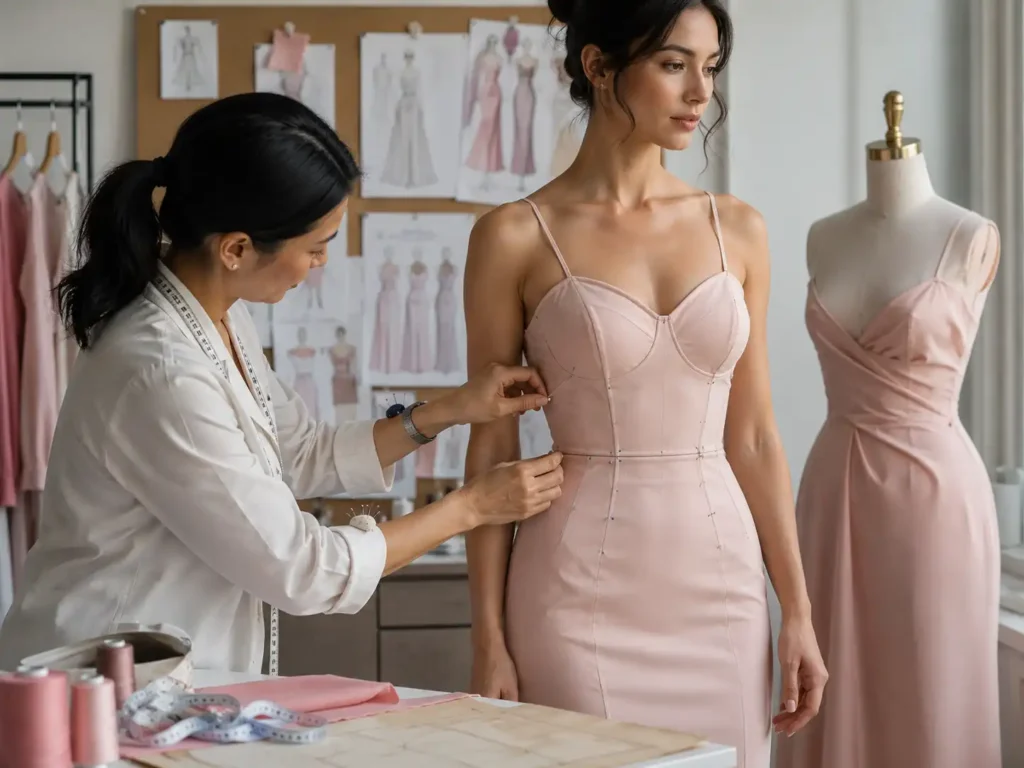
A coherent range needs a recognizable fit language. Jinfeng Apparel controls shared proportions where suitable and isolates styles whose fabric or structure requires an independent pattern solution.

Bust and Waist Balance

Bust coverage, dart position, cup placement, waist height and front-back balance shape the first impression of a dress. Structured, stretch and bias styles react differently. Pattern review compares intended silhouette with fabric behavior, while fit comments record exact measurement and shape changes instead of relying on phrases such as make it tighter or more flattering.

Neckline and Straps

Halter, strapless, one-shoulder, deep-V, cowl and thin-strap designs require separate checks for security, comfort and proportion. Strap length, slider range, neckline depth, armhole shape, elastic or silicone support and bra-cup position affect movement and coverage. Approved points are measured and added to the pattern and workmanship file.

Hip Shape and Side Seams

Bodycon and fitted woven dresses need controlled hip curve, side-seam balance and fabric stretch. Uneven tension can twist side seams, pull zippers or create horizontal drag lines. Sampling checks standing, walking and sitting, while bulk inspection follows measurement points and seam appearance rather than checking flat dimensions alone.

Dress Length and Slits

Mini length, midi balance, maxi sweep and slit height affect both product identity and wearability. Length is reviewed with waist position, shoe expectation, lining and movement. Slit openings need reinforcement, smooth edges and consistent height. Long silhouettes also require grain and hem checks to avoid uneven drop after hanging.

Lining and Transparency

Satin, chiffon, mesh, lace and light colors need deliberate lining choices. Full lining, partial lining, power-mesh panels, cups or modesty layers may be combined according to silhouette. Lining color, stretch, softness, length and attachment method affect comfort and external appearance. Coverage is checked under normal and strong light.

Grading and Tolerances

Approved base-size fit is translated into grading rules for each size. Growth cannot be applied mechanically when necklines, straps, cups, slits or fitted waists need controlled movement. Measurement tolerances are selected by point and construction. Bulk QC compares the approved size chart, pattern, Golden sample and fabric behavior.

Build Production Backward From the Launch Date

A reliable calendar starts with campaign, warehouse and launch commitments, then works backward through approvals, material booking, production, inspection and freight. Every milestone needs a named input and a clear decision.

StageRequired DecisionOperational CheckRisk if Delayed
Range LockStyle list, priority and commercial roleConfirm hero, core, entry and extension groupsLate scope changes disrupt fabric and sample planning
Material DirectionFabric family, color and backup sourceCheck availability, MOQ, lab dip, trims and liningKey styles wait for unavailable or unapproved materials
Sample Wave 1Representative high-risk and fit-block stylesReview pattern, fit, construction and fabric behaviorLater styles repeat unresolved fit or structure problems
Sample RevisionsConsolidated comments and file updatesTrack version, cost effect, schedule effect and resample needConflicting feedback creates version confusion
PP ApprovalFinal fabric, trims, measurements, workmanship and packingSeal PP and Golden sample referencesBulk cannot start with a stable standard
Material ArrivalBulk shell, lining, trims and labelsInspect quantity, color, quality and batchProduction lines wait or cut mixed material batches
Bulk ProductionFactory and line allocation by style groupTrack cutting, sewing, finishing and output statusHigh-risk styles block the whole collection
QC and PackingInspection plan, barcode, labels, cartons and marksVerify style-color-size breakdown and packing filesWarehouse rejection or mixed SKU cartons
Shipment PlanPriority styles, trade term, forwarder and batch splitConfirm documents, carton data and booking cut-offFinished goods miss warehouse or launch windows

Allocate Each Style to the Right Production Unit

Multi-factory capacity only creates value when allocation follows product risk. Jinfeng Apparel assigns styles by fabric, structure, workmanship, quantity, priority and approved production standard.

Group Styles by Fabric and Construction

Stretch jersey bodycon dresses, woven satin slips, structured corset pieces and sequin occasion styles should not be treated as one sewing category. Each group has different cutting, machine handling, operator skill, pressing, finishing and inspection needs. Jinfeng Apparel reviews the collection after PP approval and groups styles according to shell fabric, lining, stretch, seam type, zipper, cup, boning, embellishment and finishing method.

Fabric grouping also protects consistency. Satin styles must follow agreed face and shine direction. Velvet styles require pile control. Mesh styles need stretch and recovery checks. Lace placement may require controlled cutting, while sequin styles need surface protection. Production allocation uses those requirements together with approved samples and workmanship instructions.

Closely related styles may remain within one production unit to improve communication and shared standards. Styles with different technical demands can move to separate units while still following the same project calendar, reporting structure and packing specification.

Match Commercial Priority With Line Capacity

Hero styles, high-volume commercial styles and later extensions do not need identical production priority. High-volume core products require stable line capacity and repeatable workmanship. Complex hero products may need a more specialized unit, closer QC and earlier start. Lower-priority extensions can follow after critical launch stock is protected.

Jinfeng Apparel operates 6 owned factories, works with 10+ long-term satellite partners and coordinates 18+ sewing lines. Capacity is reviewed against material readiness, PP approval, style complexity, quantity and required completion sequence. Allocation is not confirmed from collection total alone; each style needs a production-ready file and material plan.

When a collection contains 10-30 styles, production can be divided into logical groups rather than released all at once. Grouping reduces congestion in cutting, sewing, finishing and packing and makes style-level delays easier to isolate.

Keep One Standard Across Different Units

Different production units still work from the same approved structure: PP sample, Golden sample, pattern, size chart, BOM, trim card, sewing instruction, QC checklist, label file and packing guide. Jinfeng Apparel’s merchandising and production teams coordinate file release and issue tracking so style standards do not depend on verbal explanation.

QC follows the product risk. Structured dresses may need checks for cup position, boning, neckline and zipper. Knit bodycon styles need stretch recovery, seam balance and measurement stability. Satin needs shade, shine direction, snagging and pressing review. Packing teams verify labels, barcodes, SKU stickers and carton marks against each style-color-size breakdown.

A shared reporting system allows collection planning teams to see which styles are at material, cutting, sewing, finishing, inspection, packing or shipment stage without losing style-level accountability.
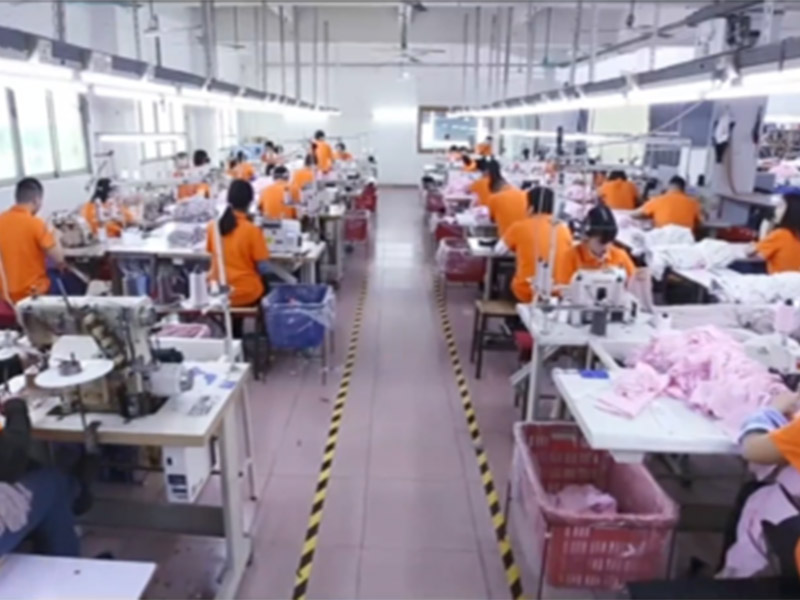
Track Every Style Through One Project Structure

Clear status reporting reduces repeated follow-up and makes blocked decisions visible. Each update should show what is complete, what is pending, who must respond and how the launch calendar is affected. Set Reporting Format

Material Tracking

Track requested fabric, available options, approved swatch, color status, lab dip where required, bulk order, supplier schedule and arrival. Shell fabric, lining and critical trims should remain separate so one approved component does not hide another missing component.

Sample Tracking

Record pattern start, sample type, planned completion, shipment, feedback date, revision requirement and next version. First, fit, revised, photo, salesman, PP and Golden samples should remain clearly identified because each serves a different approval purpose.

Revision Log

Every comment should include style code, version, issue, reason, requested action, responsible file, cost effect, schedule effect and need for resampling. Consolidated comments prevent design, merchandising, development and QA feedback from creating conflicting instructions.

Bulk Status

Status can be reported through material arrival, cutting, sewing, finishing, inspection, packing and completion quantities. Complex programs benefit from style-level updates rather than one overall percentage that hides delayed styles.

QC Feedback

Inspection records should identify the checkpoint, quantity checked, issue type, affected style or batch, corrective action and recheck result. Photos support the record, while approved patterns, measurements and workmanship files remain the standard.

Shipment Preparation

Track packing approval, barcode files, warehouse labels, carton marks, packing list, commercial invoice, carton dimensions, gross and net weight, forwarder contact, booking and cargo cut-off. Separate shipment batches need separate records to prevent SKU and document mixing.

Protect Collection Consistency From Fabric to Carton

Quality control begins before cutting and continues through packing. Multi-style programs need product checks and data checks because a correct dress can still fail through the wrong label, barcode, size pack or carton mark.

Fabric Inspection

Incoming shell, lining and key materials are checked against approved quality, color, hand feel, width, weight, stretch, surface and visible defects. Dye lots and shade differences are identified before cutting. Satin shine, velvet pile, mesh recovery, lace motif and sequin surface receive fabric-specific review.

Cutting Inspection

Cutting checks grain, face direction, shade grouping, marker accuracy, notches, pair matching and quantity. Placement lace, stripes, prints, velvet and satin require special control. Early cutting review prevents repeated sewing defects caused by incorrect or mixed components.

In-Line Sewing Check

In-line inspection checks seam method, stitch quality, tension, matching, zipper insertion, lining attachment, gathering, cups, boning, straps, slits and reinforcement while correction is still possible. High-risk operations are compared with the approved PP and sewing instructions.

Measurement Review

Measurements are checked against the approved size chart and tolerance by size and style. Critical points include bust, waist, hip, length, strap, armhole, neckline, slit, sleeve, rise and inseam where relevant. Fit-sensitive points receive stronger control than non-critical dimensions.

Garment Inspection

Finished garments are reviewed for overall appearance, fit-related balance, workmanship, stains, holes, color, trims, pressing and surface damage. Satin snagging, sequin loss, lace edges, mesh distortion, velvet marks and bodycon seam twisting require category-specific inspection.

Label and Barcode

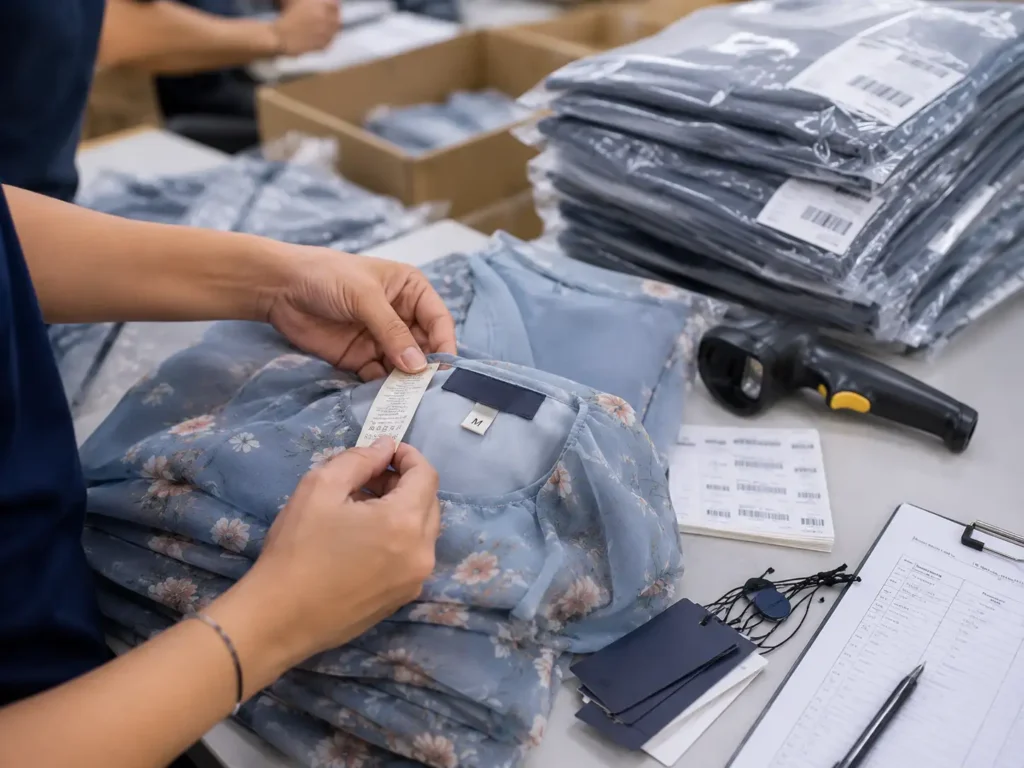
Woven labels, size labels, care labels, hangtags, barcode stickers and SKU labels are checked for content, style, color, size, language, placement and scan accuracy where required. Approved artwork and barcode lists are treated as controlled production files.

Packing Verification

Polybag size, warning text, folding, tissue, hanger, sticker, carton quantity, color-size ratio and assortment are checked against the packing guide. Retail and ecommerce programs may require warehouse labels, carton IDs or special inner packs.

Pre-Shipment Check

Final review combines garment status, packing completion, quantity breakdown, inspection records, carton data and shipment documents. AQL or third-party inspection can be coordinated according to project requirements and the agreed inspection standard.

Plan Launch Batches, Replenishment and Future Collections

A collection does not always need one production finish date and one shipment. Planned batches can protect launch timing, freight cost, warehouse capacity and repeat-order readiness.

Phased Launch Delivery

Production and packing can be organized by launch priority, style group, color group, size ratio, market or warehouse. Hero products and core commercial colors may move first, while lower-priority styles follow in a later batch. Each batch needs separate packing lists, carton marks, invoice data and warehouse instructions.

Air and Sea Split

For launch-sensitive programs, 10-30% of urgent goods may be considered for air freight while the remaining bulk moves by sea, subject to project review and forwarder confirmation. Priority can follow hero styles, proven colors, main sizes or photo-launch stock. SKU separation and document accuracy are essential when freight methods are split.

Repeat and Extension

Approved patterns, size charts, BOM details, fabric references, colors, trims, workmanship, QC notes, Golden samples and packing files are retained for repeat orders. New colors still require shade, lining, zipper, thread, label and SKU review. New fabrics require fit, stretch, drape, shrinkage, opacity and pattern assessment before production.

A 22-Style Private Label Collection Managed as One Program

An anonymous US womenswear program shows how multi-style planning can be translated into controlled development, production and delivery without exposing brand identity or unpublished design files.

Collection Scope and Commercial Structure

The program covered 22 styles and 48,600 garments across mini, midi, maxi, bodycon, corset, party, resort and matching-set directions.

The line used five main fabric families: satin and stretch satin, mesh and power mesh, jersey and ponte, lace and tulle, and crepe-based woven qualities. Thirty-six approved colorways were distributed across XS-XL with style-specific size ratios.

The range was divided into four commercial groups. Six hero occasion styles represented 11,400 pieces. Eight commercial dress styles represented 21,600 pieces.

Four knit and bodycon styles represented 8,400 pieces. Four skirts and matching-set extensions represented 7,200 pieces. Each style-color quantity was reviewed against garment MOQ, fabric supplier requirements and private-label material quantities before final costing.

A fixed campaign window and warehouse intake plan required early identification of styles needing photo samples, styles needing complex fit work and styles suitable for later launch batches.

Development and Production Control

Sampling was divided into three approval waves. Wave one focused on shared fit blocks, hero dresses and high-risk corset, mesh and lace structures. Wave two covered core commercial dresses and high-volume colors. Wave three completed extensions, additional colors and closely related styles after key fit and material standards were stable.

Fabric sourcing was consolidated into approved families rather than twenty-two separate material routes. Shared linings, zipper standards, labels and packaging components reduced unnecessary variation. Style-specific differences remained documented through BOM records, trim cards and sewing instructions. Approved comments were converted into patterns, size charts, QC points and packing files before PP sealing.

Bulk production was allocated across four product groups according to stretch, woven structure, embellishment and finishing requirements. Merchandising updates tracked material, cutting, sewing, finishing, inspection and packing by style. QC focused on satin shade and shine, mesh recovery and coverage, bodycon seam balance, corset support, lace placement, measurements and barcode accuracy.

Packing, Delivery and Repeat Readiness

Private-label requirements included woven labels, size labels, care labels, hangtags, barcode stickers, SKU labels, polybags, carton marks and warehouse data. The packing team checked style-color-size breakdowns against the approved barcode and carton files before shipment. Collection-wide packing standards remained consistent, while individual style instructions were controlled separately.

The order was prepared in two shipping batches aligned with launch priority and warehouse intake. Priority styles, core colors and main size ratios were separated with independent carton and document records. Remaining quantities followed after completion and final inspection. Freight route and timing were coordinated with the appointed forwarder.

Patterns, measurements, approved fabric references, trims, workmanship, Golden samples, packing details and QC notes were retained for repeat orders. The record allowed later replenishment and color extensions to begin from an approved technical base while still reviewing new material batches and color-specific risks.

Qualification Support for Established Fashion Brands

Supplier approval requires evidence beyond product photos. Jinfeng Apparel can support project-based review of manufacturing structure, quality processes, documentation, inspection and design protection.

Supplier Qualification

Qualification materials can cover company profile, owned and partner factory structure, sample rooms, pattern and sample teams, production workflow, merchandising, QC, packing and logistics support. Actual production units for a program should be confirmed by product category, order scale, audit requirement and schedule. Factory visits, video review or project-specific documentation can be coordinated according to the evaluation process.

Compliance and Inspection

Audit and compliance support is handled according to the factory, material supplier, certificate scope, batch and project requirement. Jinfeng Apparel can coordinate available factory information, audit-related documents, fabric certificate review, testing, AQL inspection, client inspection and third-party inspection. OEKO-TEX, GOTS, GRS, BSCI, Sedex or related claims must be verified against the actual source and valid scope rather than applied automatically to every order.

NDA and Design Protection

NDA-based cooperation protects line sheets, tech packs, original samples, patterns, measurements, BOM files, fabric and trim directions, target pricing, labels, packaging, barcodes, order information, launch calendars and unpublished designs. Brand names, logos, sample photos, quantities and pricing are not published without authorization. Anonymous examples focus on product type, manufacturing challenge and control method rather than revealing protected commercial information.

Frequently Asked Questions About Collection Manufacturing
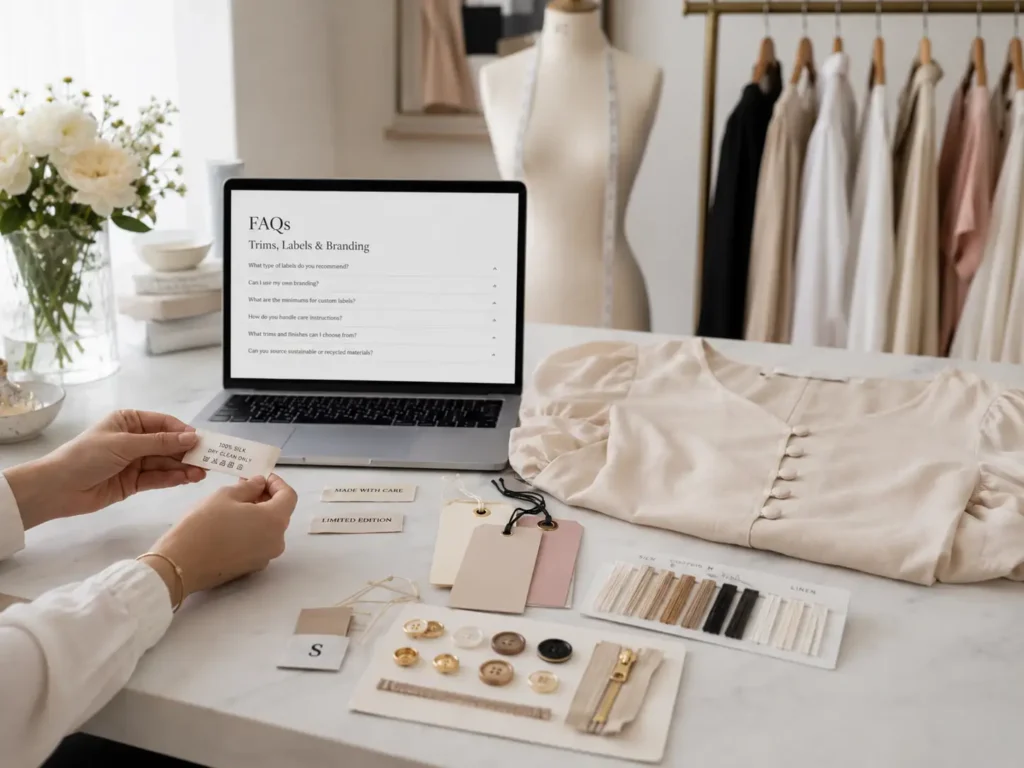
Yes. Jinfeng Apparel can organize multi-style dress programs from line sheet and fabric review through pattern work, sample waves, PP approval, bulk allocation, QC, private-label packing and multi-batch delivery. Collection scope, complexity, quantities and schedule are evaluated before a production plan is confirmed.
Send the line sheet, tech packs or reference images, style and color quantities, fabric direction, size range, target cost, sample needs, launch calendar and packing requirements. Original samples, BOM files, label artwork and warehouse guides improve accuracy when available.
Jinfeng Apparel commonly supports collection programs containing 10-30 styles. Development is normally divided into priority waves so fit blocks, high-risk structures, hero products and shared materials are approved before closely related or lower-priority styles.
No. Standard MOQ starts from 200 pcs per style/color. A large collection total does not automatically replace the style-color requirement. Special fabrics, dyeing, printing, trims, labels and packaging may have separate supplier MOQ.
Each color normally needs its own quantity review. One style in black 100 and ivory 100 does not usually equal 200 per color. Core colors, seasonal colors and future extensions should be planned with fabric availability, dyeing and SKU complexity in mind.
XS-XL can be supported with suitable size ratios. Plus, petite or tall ranges need separate grading, fit evaluation and measurement standards. Size structure affects cutting, QC, labels, packing and replenishment, so the intended market and sales ratio should be provided.
Comments are consolidated by style and version, then recorded with the issue, requested action, cost effect, schedule effect and need for another sample. Approved changes are transferred into patterns, size charts, BOM details, sewing instructions, QC points and packing files.
Jinfeng Apparel uses shared fit blocks where silhouette and fabric allow, then develops independent patterns for styles with different stretch, bias, corset, drape or structural needs. Bust, waist, hip, neckline, straps, length, slit, lining and grading remain style-controlled.
Yes. Delivery can be planned by launch priority, style, color, size ratio, warehouse or freight method. Every batch requires accurate SKU separation, carton marks, packing list, invoice data and forwarder instructions. Air-sea split options are reviewed by project.
Yes. Jinfeng Apparel supports NDA-based cooperation and protects line sheets, tech packs, original samples, patterns, fabrics, trims, labels, packaging, quantities, target pricing, launch schedules and unpublished designs throughout development and production.

Send Your Collection Plan for Manufacturing Review

A focused review can begin before every detail is final.

Send the materials already available, and Jinfeng Apparel will assess the collection structure, style complexity, fabric direction, quantity plan, sample priorities, MOQ, target cost, production allocation and launch timing. The review is designed to identify missing decisions and manufacturing risks before patterns, materials and bulk capacity are committed.

  • Line sheet or style list with style codes and commercial priorities
  • Tech packs, original sample photos, sketches or reference images
  • Quantity by style, color and planned delivery wave
  • Fabric, color, lining and trim direction
  • Size range, base size and expected size ratio
  • Target FOB or price tier by product group
  • First sample, photo sample, PP, warehouse and launch dates
  • Private-label, barcode, polybag, carton and warehouse requirements
  • Testing, inspection, trade term and forwarder information
Tell Us About Your Dress Project

Share your product details, estimated quantity and development requirements. Our team will review your project and provide practical OEM/ODM production feedback.

Premium Women’s Apparel Production for Fashion Brands

From dress sample development to bulk production, JF Apparel supports fashion brands with confidential OEM/ODM manufacturing, reliable quality control and scalable production support.

START YOUR DRESS PROJECT

Ready to Develop Your Next Dress Collection?

Share your design concept, product requirements or sourcing plans with our team. We’ll review your project and provide practical feedback on development, materials, MOQ and production.

7-10 Days

Sample Development

200 PCS

Starting MOQ

Fast Response

Professional Follow-Up