Skip to content
Lace Event Dress Collection Manufacturer
Develop coordinated lace occasionwear from fabric direction and fit sampling to repeatable bulk production and retail-ready private-label delivery.
Jinfeng Apparel supports established fashion brands with lace mini, midi, maxi, cocktail, wedding guest, graduation, homecoming and evening collections. Product development begins with the line sheet, reference sample or tech pack, followed by lace and lining review, pattern development, sample revision, PP approval, bulk production, product-specific QC and export packing.
- Collection planning: commonly 10-30 coordinated styles with each style and color evaluated against a 200-piece MOQ.
- Lace engineering: typical lace resources range from 60-250 gsm, with motif placement, transparency, lining color and edge security reviewed by style.
- Complex sample timing: lace, corset, mesh and formal structures generally require about 15-25 days for the first sample, subject to material readiness and construction.
- Size development: US, UK, EU and AU standards, including XS-XL alpha sizing and extended, petite or tall adjustments when required.
Manufacturing Resources Behind Your Lace Collection
Development Resources
- Complex lace first samples: normally about 15-25 days after material and details are confirmed.
- Pattern development: US, UK, EU, AU, XS-XL and extended ranges according to the brand size standard.
- Sample records: measurements, comments, version status and approved changes are retained for production handover.
Production Network
- High-risk first orders remain with production units experienced in the relevant lace and structure.
- Repeat and regular styles may be allocated across approved units under one production file and QC standard.
- Multi-style orders are grouped by fabric, color, trim, complexity and launch date instead of being released as one undifferentiated order.
Project and Quality Teams
- Merchandising: line sheet, material, sample, approval and schedule tracking.
- QC: incoming lace, cutting, in-line sewing, measurement, final garment and packing checks.
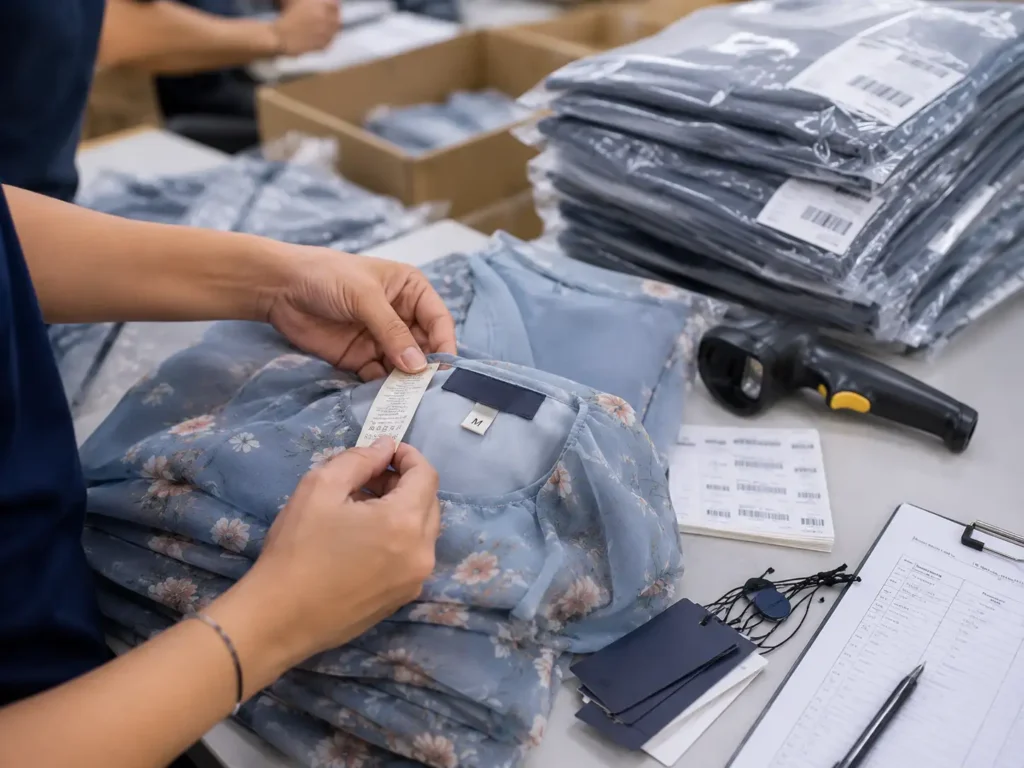
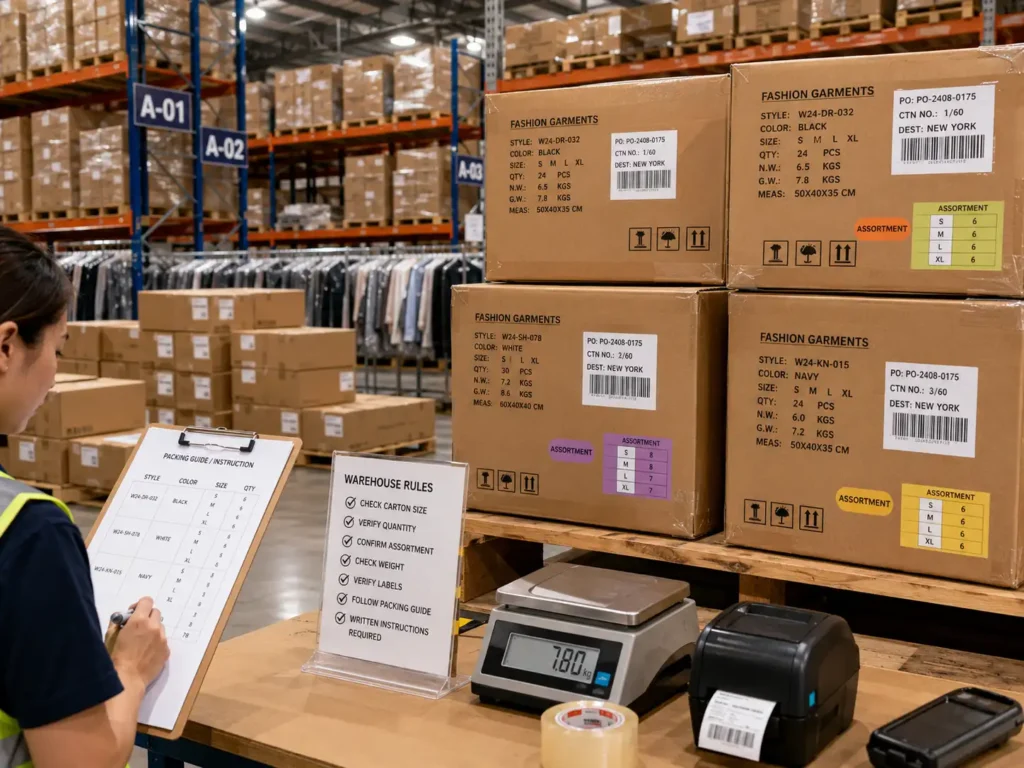
- Finishing and packing: pressing, thread cleaning, label verification, barcode control, garment protection and carton breakdown.
A Manufacturing Fit for Established Fashion Programs
Best Fit Programs
- Wedding guest, cocktail, graduation, homecoming, prom, holiday party and evening collections.
- Multi-style programs requiring coordinated lace, lining, colors, labels and packaging.
- Programs needing photo-ready samples, PP approval, bulk QC, phased shipment or repeat-order records.
Project Readiness
Accurate review requires more than a single inspiration image. A style can be assessed from a tech pack, line sheet, original sample, sketch or reference image, but the material direction, color plan, quantities, size range, target market and required launch date must be clarified before a reliable sampling and production plan can be prepared.
- MOQ starts from 200 pieces per style and color, subject to lace, dyeing, trims and packaging requirements.
- Sample fees are quoted by development complexity and may be credited by project when the approved style enters qualifying bulk production.
- Unconfirmed materials or repeated structural changes will change cost and timing.
Where Lace Event Collections Commonly Lose Control
Motif Misalignment
Transparency Drift
Fit Variation
Batch Difference
Fragile Construction
Calendar Slippage
Lace Event Dresses Developed as a Collection
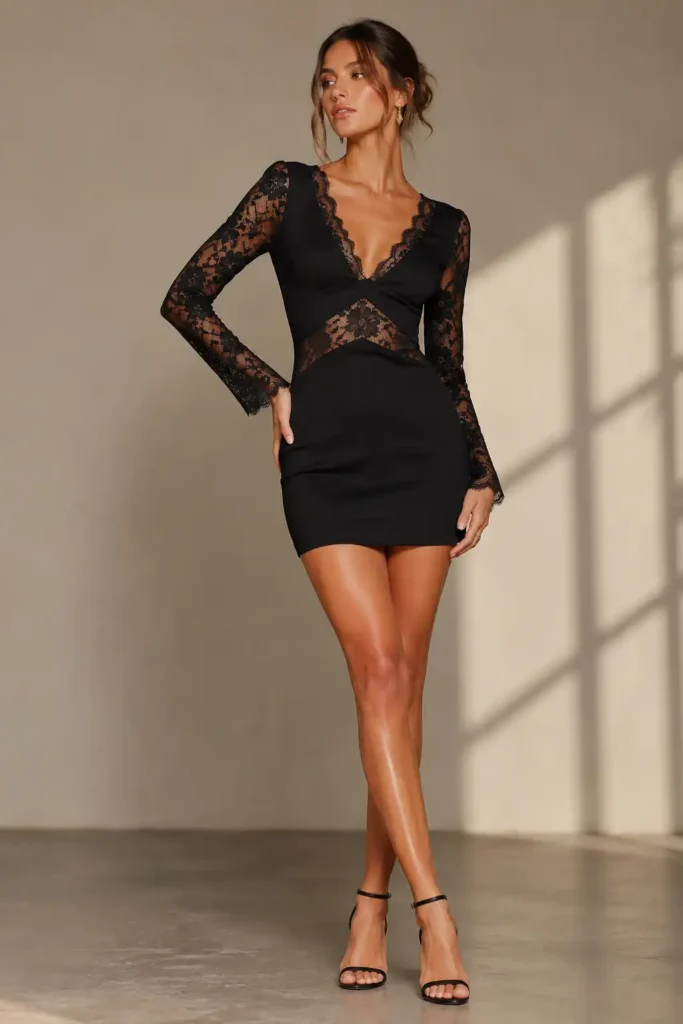
Lace Mini Dress
- Recommended directions: stretch lace bodycon, structured lace A-line, lace overlay or corset mini.
- Sampling focus: bust coverage, strap length, waist shaping and skirt length in the target size.
- Bulk focus: size-to-size length balance, lining exposure, side-seam stability and clean light-color packing.
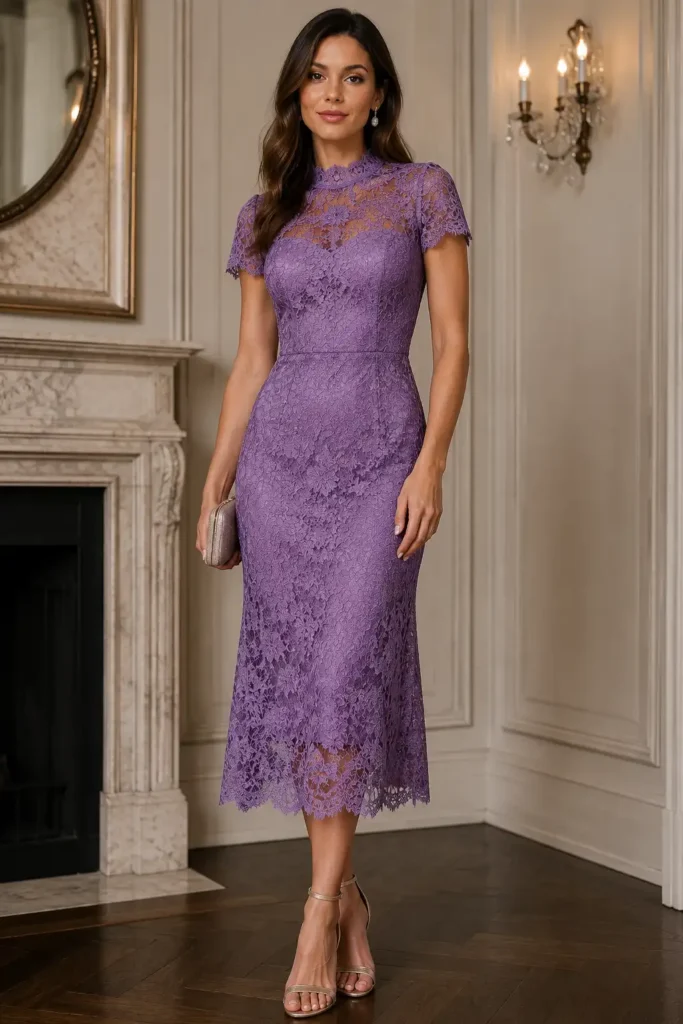
Lace Midi Dress
- Recommended directions: fitted lace midi, A-line midi, one-shoulder midi and soft-lined column dress.
- Sampling focus: calf length, walking ease, slit security and lining-to-lace proportion.
- Bulk focus: shade consistency, zipper line, symmetrical panels and hem balance.

Lace Maxi Dress
- Recommended directions: lace overlay maxi, fitted evening column, soft A-line and paneled wedding guest maxi.
- Sampling focus: body length, heel allowance, train or no-train decision, slit movement and bodice support.
- Bulk focus: hanging length, hem leveling, snag protection, pressing and long-garment packing.

Lace Cocktail Dress
- Recommended directions: lace-and-crepe dress, illusion neckline, one-shoulder cocktail and fitted sheath.
- Sampling focus: neckline position, armhole comfort, waist placement and visual balance under flash photography.
- Bulk focus: matching, seam smoothness, lining attachment and consistent finishing.
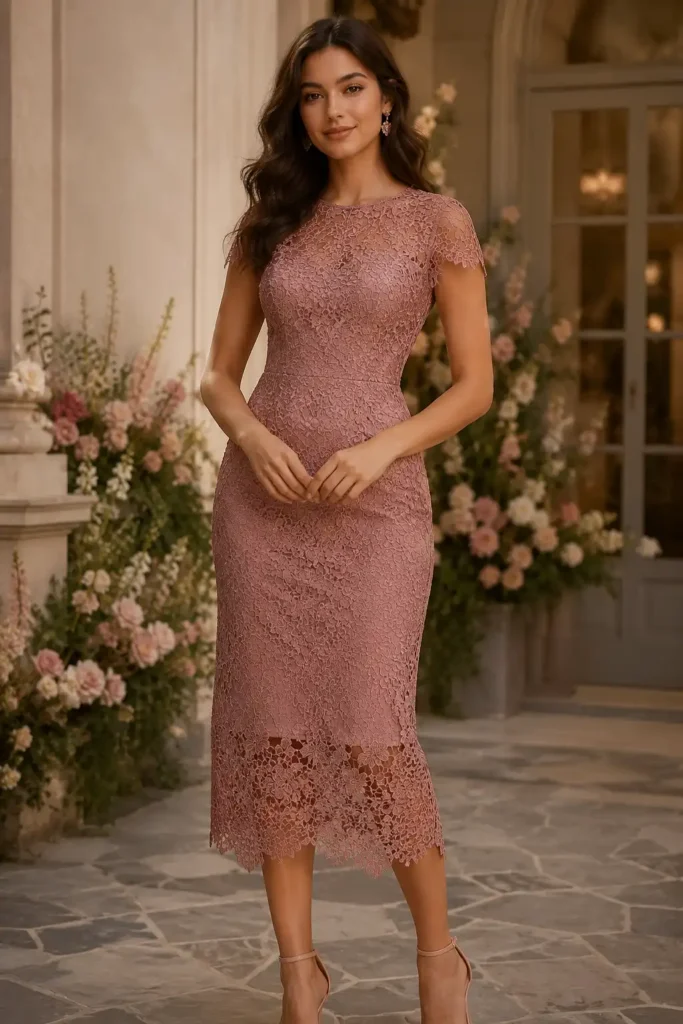
Wedding Guest Dress
- Recommended directions: lace midi, soft maxi, one-shoulder dress, long-sleeve lace and mixed lace-crepe styles.
- Sampling focus: lining tone, sleeve comfort, slit height, neckline security and event-ready movement.
- Bulk focus: shade bands, size grading, hem balance, color-size SKU control and phased delivery.
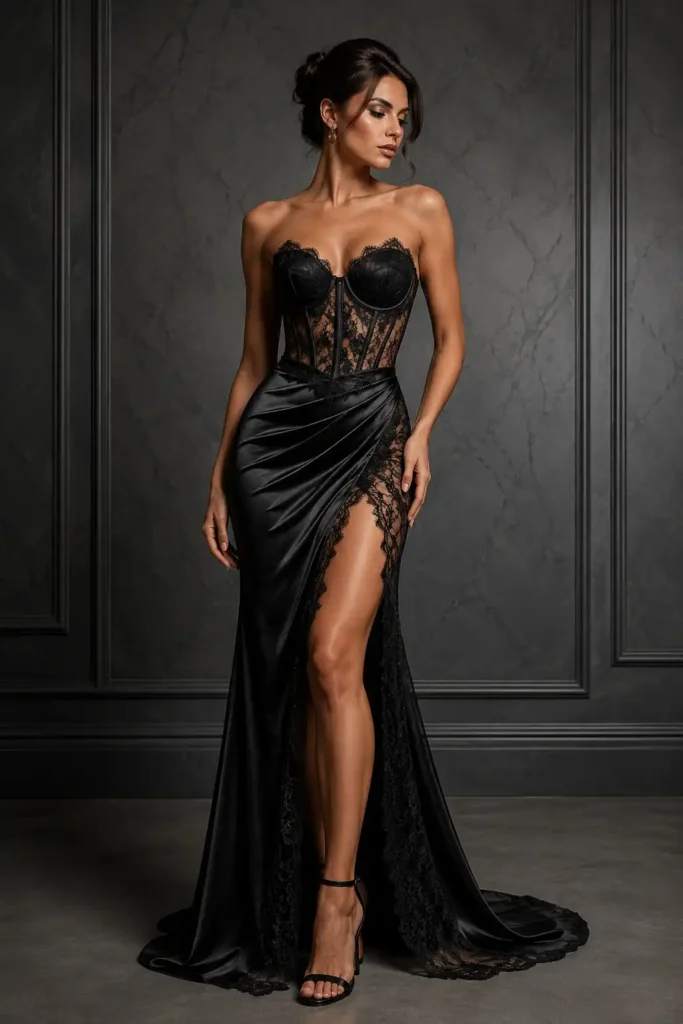
Lace Corset Dress
- Recommended directions: corset mini, structured midi, lace-up back and strapless occasion dress.
- Sampling focus: cup shape, boning position, anti-slip support, waist compression and back closure.
- Bulk focus: symmetrical bodices, boning channels, cup consistency, lace damage and zipper or lacing strength.

Lace Bodycon Dress
Stretch lace bodycon dresses depend on recovery as much as appearance. The lace and lining must return after extension, hold the chest and waist, and avoid side-seam twisting or hem ride-up during movement.
- Recommended directions: lined stretch lace mini, ruched midi, long-sleeve bodycon and paneled evening bodycon.
- Sampling focus: stretch direction, bust-waist-hip proportion, lining tension and hem position.
- Bulk focus: fabric relaxing, cutting direction, recovery, measurement tolerance and post-wash stability where required.

Prom and Homecoming
- Recommended directions: lace corset mini, fit-and-flare, embellished lace, lace-up back and formal maxi.
- Sampling focus: bust support, skirt volume, dress length, color under photography and dancing comfort.
- Bulk focus: seasonal deadlines, decoration security, light-color cleanliness and protective packing.
Build a Balanced Lace Event Collection
Collection architecture should create enough variety for merchandising without forcing every style into a different material and production route. Shared lace groups, repeatable blocks and planned construction differences improve coherence and control.
| Planning Dimension | Recommended Direction | Commercial and Production Role |
|---|---|---|
| Length | Mini, midi, maxi, floor length | Covers youthful events, wedding guest, cocktail and evening demand without repeating one silhouette. |
| Silhouette | Bodycon, A-line, corset, column, fit-and-flare | Creates distinct fit stories and price levels while reusing selected base blocks where suitable. |
| Occasion | Graduation, homecoming, wedding guest, cocktail, holiday, evening | Connects products to launch calendars, color stories and campaign content. |
| Lace Use | Full lace, overlay, insert, trim, applique | Balances visual impact, fabric cost, motif control and comfort. |
| Structure | Soft-lined, corset, illusion, slit, sleeve, back detail | Creates SKU differentiation through construction rather than unnecessary fabric proliferation. |
| Color Plan | Core neutral, seasonal tone, event color, repeat color | Reduces color fragmentation and supports clearer fabric booking, SKU control and replenishment. |
Plan Development Around the Event Calendar
Eventwear revenue depends on arrival before the campaign, pre-sale and warehouse windows. A backward plan should be built from the required receiving date, not from an assumed factory start date.

Wedding Guest Season

Graduation Window

Homecoming Launch
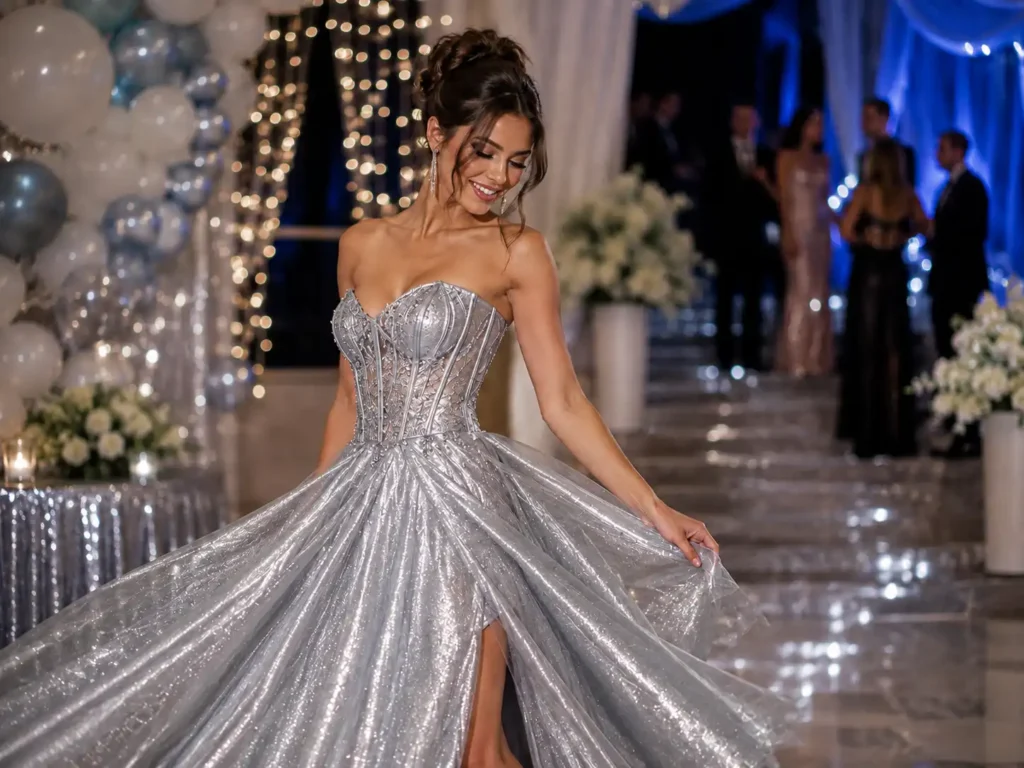
Prom and Formal

Holiday Party
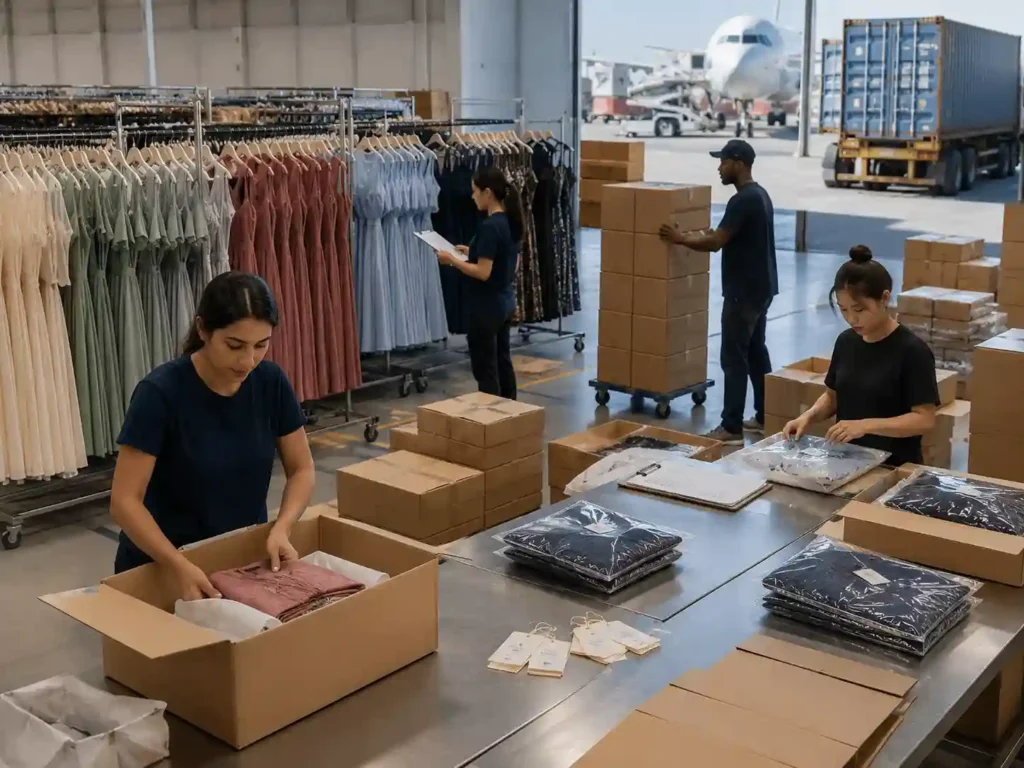
Phased Delivery
Choose Lace by Structure, Fit and Occasion
Lace selection should begin with garment performance. Composition, weight, density, stretch, motif scale, edge type and transparency influence the pattern, lining, sewing method, cutting loss, sample result and final price. Typical lace resources used in event dresses range from about 60-250 gsm.
| Lace Direction | Typical Construction | Behavior | Best Applications | Main Bulk Risk |
|---|---|---|---|---|
| Lightweight Open Lace | Polyester or nylon; often 60-120 gsm | Low stretch, high transparency | Sleeves, overlays, layered romantic dresses | Holes, distortion, seam show-through |
| Structured Guipure Style | Polyester, cotton blend or mixed yarn; often 120-250 gsm | Low stretch, medium-high transparency | Midi dresses, formal panels, statement hems | High motif waste, bulky seams, edge thickness |
| Stretch Lace | Nylon/polyester with spandex; weight varies | Medium stretch with required recovery | Bodycon, fitted mini, sleeves, close-fit panels | Recovery loss, measurement drift, lining tension |
| Fine Floral Lace | Polyester or nylon, soft hand | Low to slight stretch, high transparency | Wedding guest, cocktail, illusion and soft maxi | Snagging, shade difference, delicate edges |
| Lace Trim | Narrow decorative lace or scalloped edge | Varies by construction | Necklines, sleeves, hems, inserts, straps | Joint visibility, scratchy contact, color mismatch |
Full Lace Fabric and Decorative Lace Trim
Full-width lace and narrow lace trim follow different purchasing, pattern and quality rules. Treating both as interchangeable leads to inaccurate consumption, unsuitable seam construction and missed supplier MOQ.

Full Lace Fabric Requires Pattern-Level Planning
Full lace may form the garment body, an outer overlay, complete sleeves or large panels. Fabric width, motif repeat and scalloped edges determine how pattern pieces can be arranged. A center-front floral placement, mirrored bodice or balanced hem can increase consumption well beyond the basic marker. Before quoting, the team reviews whether motifs must align across princess seams, waist seams, side seams or sleeves; whether the scallop is kept at the neckline or hem; and whether the design requires one-way cutting.
- Purchasing control: composition, usable width, weight, color, stretch, motif repeat, defect allowance and dye-lot quantity.
- Pattern control: mirrored pieces, center-front focus, seam position, scallop use and grading impact.
- Construction control: seam bulk, lining attachment, zipper reinforcement, edge security and pressing limitations.
- QC control: holes, uneven density, broken threads, motif shift, shade difference and mixed lots.

Lace Trim Works as a Precision Component
Lace trim is used around necklines, cuffs, waist inserts, straps, side panels, slits and hems. Even a narrow trim affects comfort and appearance.
Width, scallop shape, softness, stretch, color and joining method must match the garment. A scratchy trim at the underarm or neckline can create a higher return risk than a visible sewing defect.
Trim joints should be positioned away from key visual areas, and the sewing method should prevent rolling, waving or detachment after wear.
- Appearance: trim width, flower scale and edge shape must suit the body area and garment proportion.
- Comfort: skin-contact zones require softness, smooth seam allowance and secure ends.
- Color: trim, main lace, lining and thread should be approved together under consistent lighting.
- Supply: special colors, custom widths or logo-related decorative components may create separate MOQ and development time.
Control Lace Motifs from Cutting to Sewing
Motif control turns decorative fabric into a repeatable garment. The work begins during pattern review, continues through marker planning and cutting, and remains visible at every seam where separate pieces meet.
Motif Placement Sets the Visual Standard
The dominant flower, border or geometric repeat should be positioned intentionally around the center front, bust, waist, shoulder, sleeve and hem. Placement is especially sensitive on corset cups, deep necklines, one-shoulder styles and fitted midis.
During sampling, reference photos identify acceptable visual zones and areas where a motif must not be cut. The approved PP sample and placement record then provide the production standard. Without a visual reference, different cutting bundles can produce garments that share the same pattern but look like different products.
Cutting Direction Changes Consumption and Symmetry
One-way motifs, scalloped borders and asymmetric placements reduce marker flexibility. Mirrored left and right pieces may require extra fabric because both sides cannot be nested freely. Large motifs may also force a wider gap between pattern pieces. Consumption is therefore calculated from usable width and actual placement requirements, not from dress length alone. Cutting bundles are separated by style, color and size, then checked for front and back orientation, motif position, quantity and visible defects before release to sewing.
Seam Placement Protects the Lace Story
Princess seams, waist seams, side seams, sleeve seams and zipper lines should either support the motif or become visually quiet. A major flower cut in half at the bust or shifted at the waist can make a premium fabric look poorly engineered. Seam allowances also need suitable stabilization: open lace may stretch, dense lace may become bulky, and delicate edges may fray. Test sewing is used to confirm stitch type, seam allowance, reinforcement and lining attachment before the bulk instruction is issued.
Edges Need a Defined Finishing Method
Scalloped and eyelash edges can be preserved as a design feature, trimmed into shape, reinforced, bound or attached over a lining edge. The finishing method depends on yarn stability, skin contact, expected movement and the visual target. Loose ends around the neckline, armhole or slit are not only appearance defects; they may continue opening during wear. Edge treatment, thread color and allowable hand finishing should therefore be defined in the sample record and checked again during final inspection.
Fit Control for Eight Lace Event Silhouettes
One approved sample cannot represent every silhouette. Each shape requires different measurement priorities, support, lining tension and grading rules before it becomes a stable multi-size product.

Bodycon
- Risk: side-seam twisting, hem ride-up, lining drag and size variation.
- Sample test: movement, recovery and bust-waist-hip proportion.
- Bulk check: measured garment, fabric lot and post-relaxation stability.

A-Line
- Risk: uneven hem, bulky waist seam and lining restriction.
- Sample test: standing, walking, sitting and waist-to-hem proportion.
- Bulk check: length grading, hem leveling and seam smoothness.

Corset
- Risk: gaping cups, boning pressure, uneven lace and unstable neckline.
- Sample test: support, breathing comfort, sitting and movement.
- Bulk check: cup consistency, boning position, symmetry and closure strength.
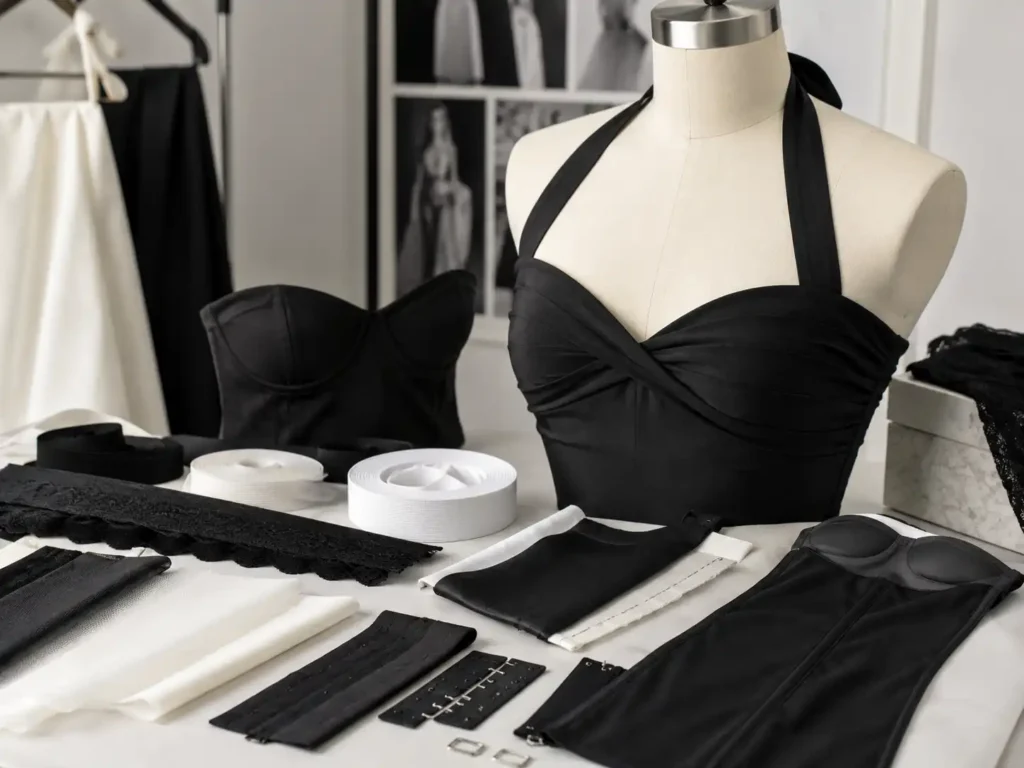
Strapless
- Risk: downward slipping, neckline gaping and distorted cups.
- Sample test: arm movement, walking and extended wear.
- Bulk check: upper-bust measurement, anti-slip tape, support placement and zipper height.
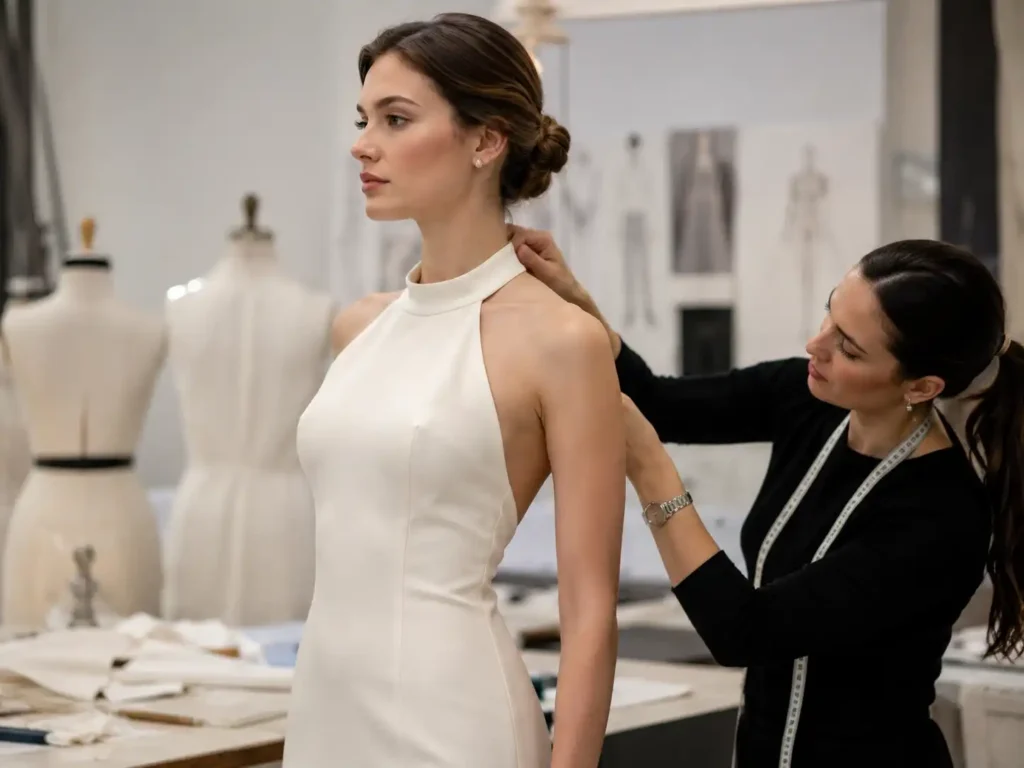
Halter
- Risk: neck pressure, armhole gaping and unstable side coverage.
- Sample test: strap length, neck comfort, bust position and back balance.
- Bulk check: attachment strength, strap symmetry and armhole measurement.

Backless
- Risk: side gaping, low-back distortion and limited support.
- Sample test: sitting, bending, walking and bra solution compatibility.
- Bulk check: back depth, side coverage, waist anchoring and edge stability.

Deep V
- Risk: neckline spreading, asymmetric motifs and inadequate coverage.
- Sample test: movement, tape or mesh support, bust fit and front balance.
- Bulk check: neckline measurement, center-front reinforcement and motif symmetry.
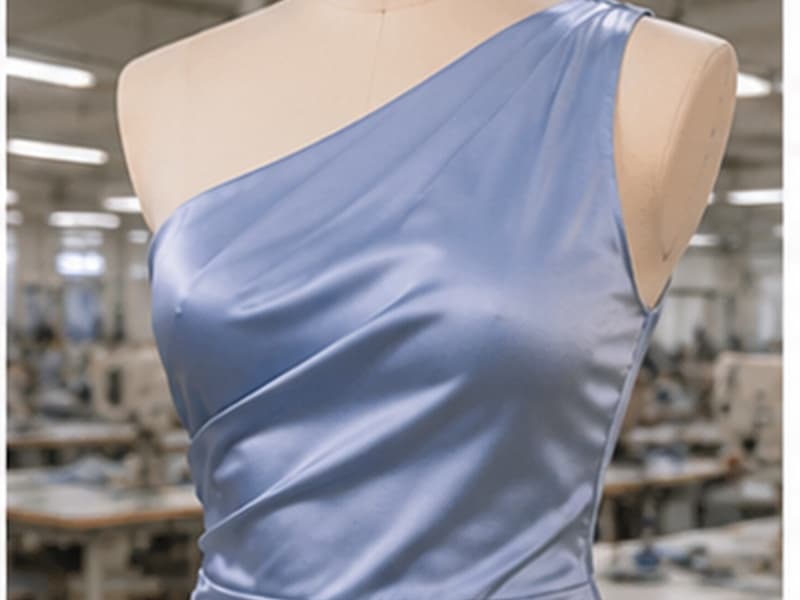
One-Shoulder
- Risk: neckline rotation, side-seam imbalance and uneven bust coverage.
- Sample test: shoulder movement, neckline position and waist alignment.
- Bulk check: left-right pattern identity, seam direction and lining attachment.
Manage Multi-Style Lace Sampling Without Confusion
Project Review
Fabric Grouping
Sample Priority
First Sample
Revision Control
PP and Golden
Transfer Approved Samples into Repeatable Bulk Production
PP Approval
Pattern Lock
Material Reference
Cutting Release
Sewing Standard
Measurement Control
Final Finishing
Shipment Release
Lace-Specific Quality Control Before Shipment
Quality is controlled from the fabric roll to the packed carton. Lace requires earlier inspection than ordinary solid fabric because holes, motif defects and edge damage become more expensive to correct after sewing.
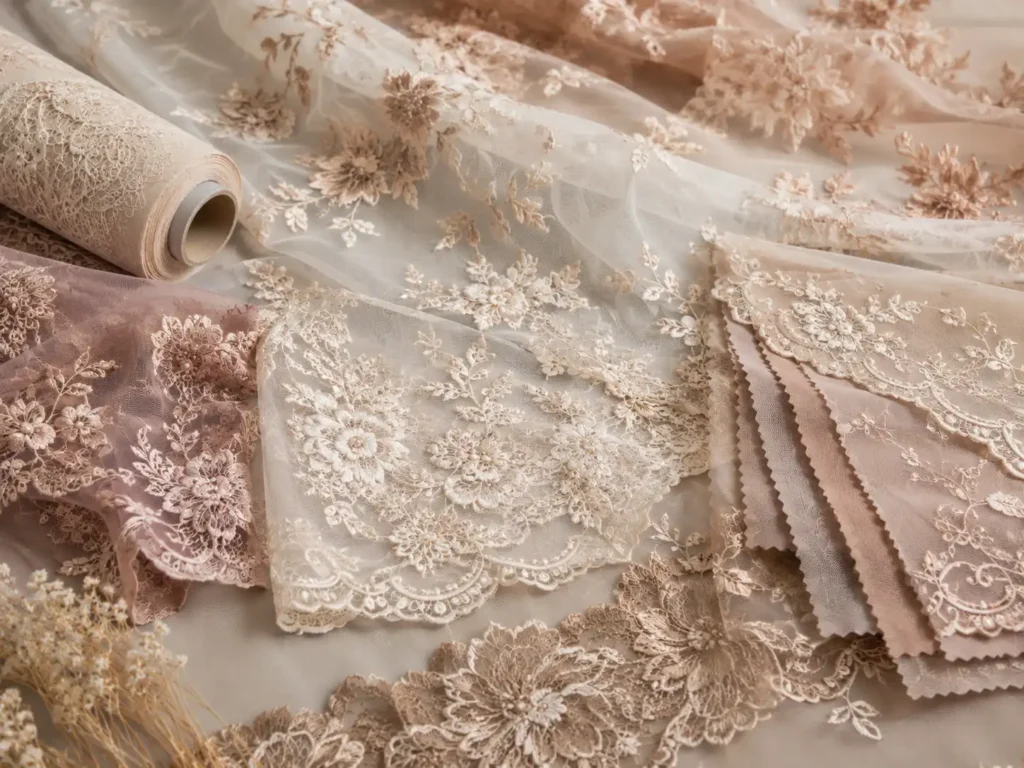
Incoming Lace and Color Review
Incoming material checks cover color, lot identity, usable width, motif repeat, density, handfeel, stretch, visible holes, broken yarns and contamination. Lace is compared with the approved lining, thread, zipper tape and trims. Mixed dye lots are separated, and material concerns are raised before cutting rather than hidden inside production bundles.

Cutting and Bundle Inspection
Pattern direction, mirrored pieces, center-front motifs, scalloped edges, size quantity and front-back orientation are checked during cutting. Damaged areas are rejected before sewing. Bundles are labeled by style, color and size, reducing the risk of mixed panels, reversed motifs or incorrect size assembly.
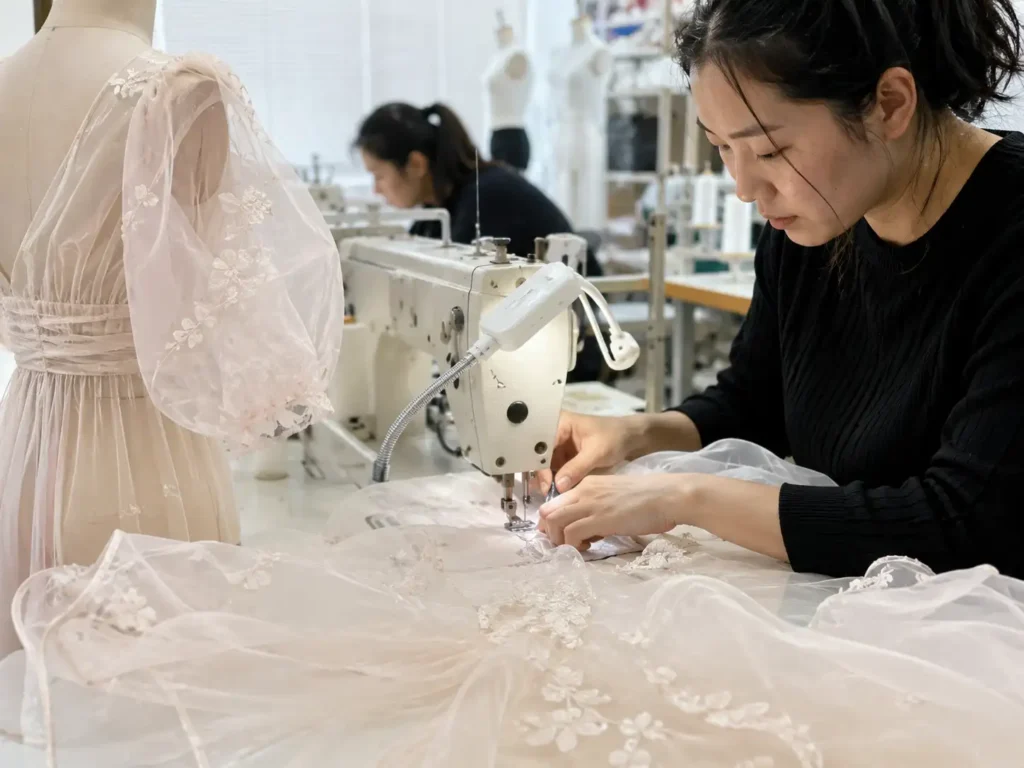
In-Line Sewing Inspection
Inspection during sewing focuses on motif connection, seam smoothness, lining attachment, zipper flatness, neckline shape, armhole comfort, shoulder or strap placement, slit height, edge security and visible fabric damage. Problems are corrected at the operation where they begin, and related bundles are reviewed to prevent repetition.
Fit and Measurement Checks
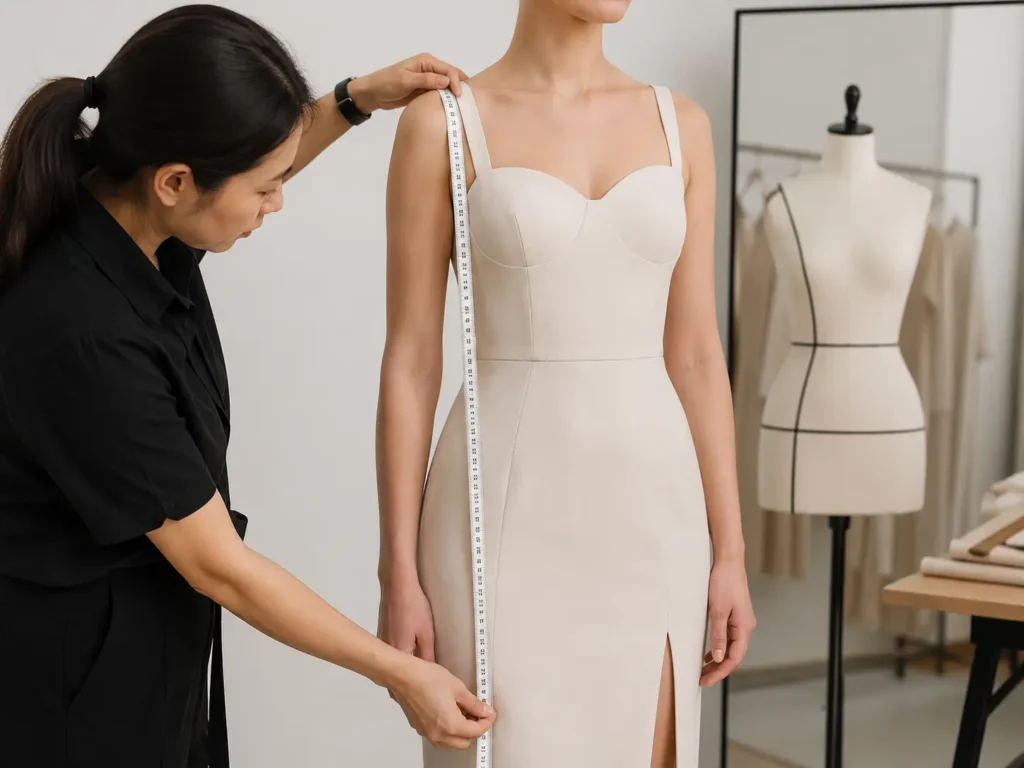
Bust, waist, hip, front and back length, strap, neckline, armhole, slit and lining length are checked against the approved size chart and tolerance. Stretch styles also require recovery and side-seam observation. Long dresses are allowed to hang where needed before final hem review, reducing uneven finished lengths.

Appearance and Comfort Review
Final garments are assessed for symmetry, transparency, lining visibility, puckering, fraying, snagging, stains, loose threads, scratchy edges, boning pressure, hook comfort and zipper operation. The dress is reviewed as a wearable product, not only as a flat measurement set.

Packing and Shipment Verification
Labels, size marks, care content, hangtags, barcodes, SKU stickers, polybags, carton marks and color-size breakdown are checked before carton closure. Lace garments are folded to reduce crushing and snagging; embellished or long styles receive added protection according to the approved packing method. Final inspection and client-appointed inspection can be coordinated before shipment.
Plan MOQ and Cost Across a Lace Collection
MOQ starts from 200 pieces per style and color. Collection totals, material supplier requirements and production efficiency must be reviewed together, because ten styles totaling 2,000 pieces do not automatically create 200 pieces for every style and color.
Style and Color Quantities
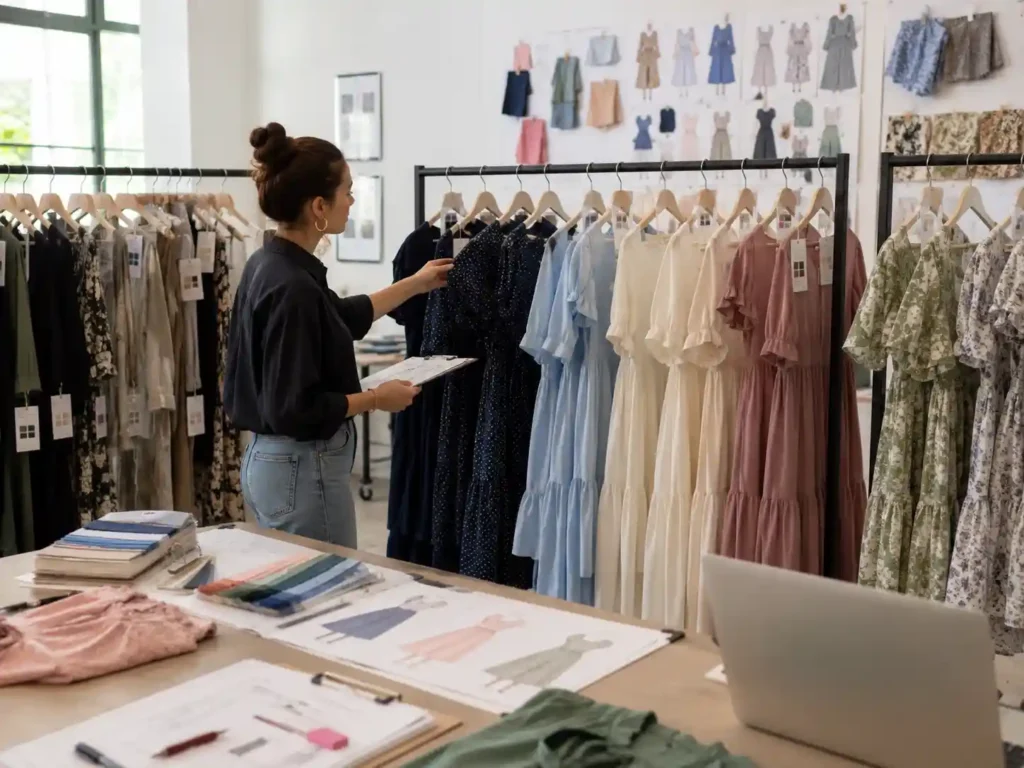
Each style and color creates its own fabric booking, cutting bundles, size ratio, labels, SKU records, inspection and packing work. A 200-piece style may be distributed across XS-XL in a commercially workable ratio, but overly fragmented sizes increase cutting, measurement and carton complexity. Multiple colors normally require the MOQ for each color unless a specific material and project arrangement is approved.

Lace Width and Motif Loss
Garment cost depends on usable lace width, motif repeat and placement loss as well as price per meter. Mirrored panels, center-front flowers, scalloped hems and one-way motifs can reduce marker efficiency. A lower-priced lace with narrow usable width or large placement loss may create a higher garment cost than a more efficient alternative.

Lining and Structural Components
Full or partial lining changes material usage and sewing time. Corset cups, boning, anti-slip tape, hooks, zipper quality, lace trim, applique, rhinestones or sequins add separate material, MOQ, development and labor requirements. Special colors, custom components or branded hardware may also extend preparation time.
Construction and Labor
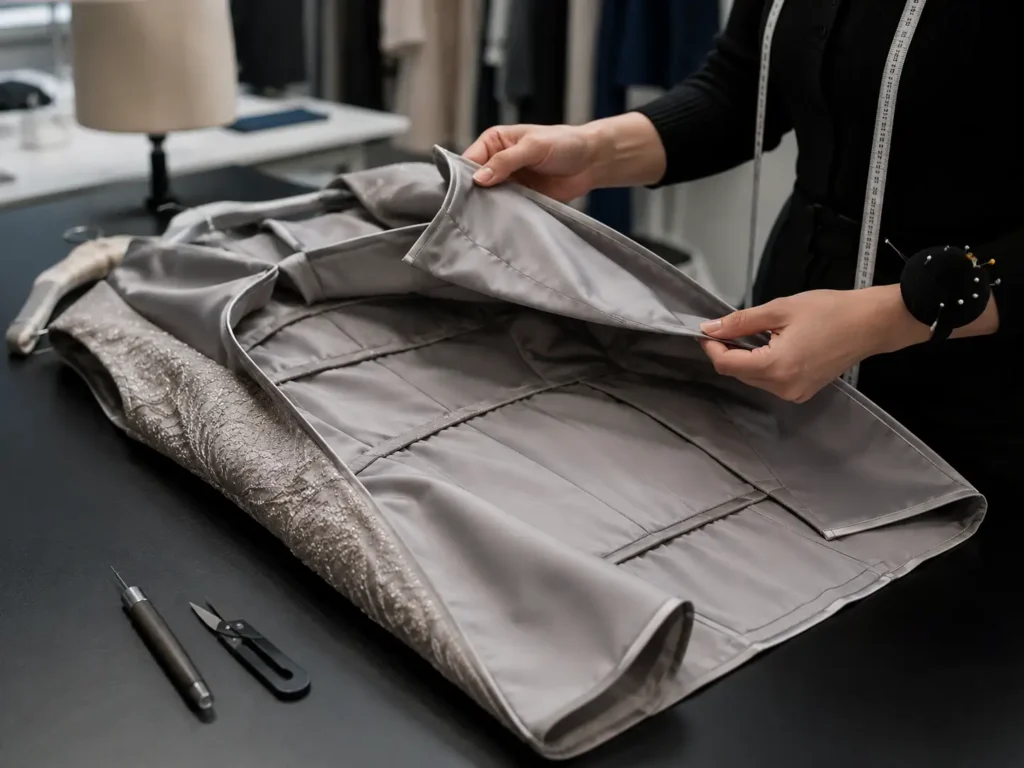
Lace placement, hand positioning, scalloped-edge work, lining attachment, corset channels, invisible zippers, shaped seams, long hems and delicate finishing require different labor time. Price is built from the approved construction rather than from a product photo alone. Simplification is possible when it protects the visual identity and fit rather than removing essential support or QC.

Private Label and Packing
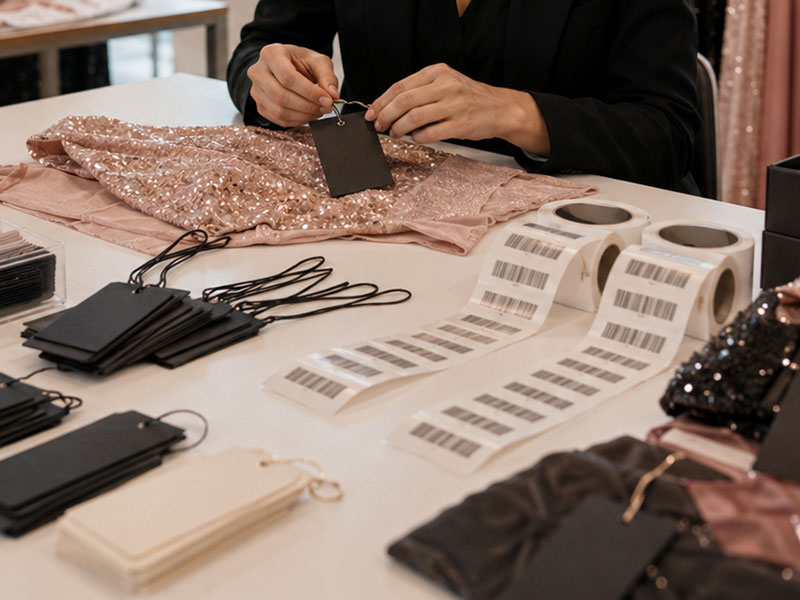
Woven labels, size labels, care labels, hangtags, printed polybags, barcodes and cartons have supplier MOQ and artwork lead times. Common custom label and packaging components often require around 500-1,000 pieces and approximately 7-20 days depending on the item and specification. Artwork, language, size, color and placement should be approved before bulk packing.

Quotation Inputs
A dependable quotation needs the style file, fabric direction, color count, size ratio, quantity per style and color, trim specification, label and packing details, testing needs, destination and required receiving date. Quotations can then separate development, material, construction, packing and logistics assumptions so internal approvals are easier to manage.
Retail-Ready Private Label for Lace Collections

Brand Labels
Hangtags
Barcode and SKU

Garment Protection
Carton Planning

Export Coordination
Protect Unreleased Designs and Repeat-Order Standards
NDA and Design Protection
Jinfeng Apparel supports NDA-based cooperation and protects brand names, tech packs, line sheets, reference samples, patterns, size charts, lace selections, trims, labels, packaging, order quantities, target prices and launch plans.
Unreleased styles, client artwork and order documents are not used publicly without authorization.
- Public case studies remain anonymous.
- Factory and process images are cropped or de-identified when required.
- Unreleased labels, barcodes, order numbers and private patterns are excluded from marketing materials.
Repeat-Order Records
- Same style, new color: confirm shade, lining, thread, zipper and material availability.
- Same pattern, new fabric: review stretch, weight, drape, shrinkage, transparency and possible pattern adjustment.
- Repeat order: confirm quantity, size ratio, material price, production schedule, packing and shipment plan.
Evaluate a Lace Event Dress Manufacturing Partner
Development Evidence
Ask how reference images, tech packs, line sheets and original samples are converted into patterns and sample plans.
Confirm the types of samples available, who makes fit corrections, how comments are recorded and how the PP sample becomes the production standard.
- Can the team explain lace-specific fit and construction risks before quoting?
- Are sample versions, measurements and approvals traceable?
- Does the supplier distinguish photo-ready, PP and Golden Samples?
Production Evidence
Review how lace lots, motifs, cutting direction, lining, trims and size bundles are controlled. Ask where the proposed styles will be produced, how instructions reach the sewing team, what in-line inspection covers and how multi-style schedules are separated.
- Can the supplier show de-identified cutting, sewing, QC and packing evidence?
- Are production files and lace placement references used?
- Can 10-30 styles be grouped by fabric, complexity and launch priority?
Lace Event Dress Manufacturing Frequently Asked Questions

Start Your Lace Event Dress Collection
Send the files already available for the collection, even when the full package is still being completed.
Kelly and the development team can review the product structure, lace direction, lining requirements, sample complexity, MOQ fit, size plan, private-label needs and likely production risks before formal sampling begins. More complete information allows a more accurate material, quotation and launch assessment.
- Tech pack, line sheet, reference images, sketches or an original sample.
- Style count and target quantity for each style and color.
- Lace preference, lining direction, trims and required construction details.
- Target market and size range, including the size chart or fit sample size.
- Campaign date, required warehouse date and any phased shipment priority.
- Main label, size label, care label, hangtag, barcode, polybag and carton requirements.
- Shipping destination and appointed forwarder details when already available.