 Skip to content
Mesh Party Dress Collection Manufacturer
Custom mesh partywear development for global fashion brands requiring strong visual impact, reliable fit, scalable production and retail-ready delivery.
Jinfeng Apparel develops mesh party dress collections from line sheets, tech packs, reference samples and approved design files. Product teams receive support across mesh selection, lining coverage, pattern correction, sample revisions, PP approval, bulk production, inspection, private-label packing and export coordination. Programs are organized around product role, fabric group, fit block, color story and launch timing, allowing multiple styles to move through development without losing design consistency or production control.
- Collection scale: structured for 10-30 styles and total order plans of approximately 20,000-80,000 pieces.
- Mesh direction: common mesh references range from 40-120 gsm, with stretch, transparency, drape and lining assessed by style.
- Complex first samples: mesh, corset, lace and sequin constructions commonly require 15-25 days after materials and specifications are confirmed.
- Production entry: MOQ starts from 200 pieces per style and color; special mesh, dyeing, trims and packaging may carry separate supplier minimums.
Production Capacity Built for Multi-Style Party Collections
Since 2008
Six Owned Factories
Ten Plus Partners
Monthly Capacity
Sample Development
Quality Team
Built for Brands Developing Commercial Mesh Partywear
Global Fashion Brands
Partywear Labels
Occasionwear Teams
Premium Ecommerce
Product Developers
Private Label Programs
Six Risks That Break Mesh Party Dress Programs
Wrong Mesh Direction
- Confirm weight, width, stretch direction and recovery.
- Check drape and skin feel with the proposed lining.
- Reassess the pattern when the approved mesh changes.
Uncontrolled Transparency
- Review bust, hip, slit and cut-out zones separately.
- Test lining shade against the approved mesh color.
- Check front, side and back views on body.
Weak Stretch Recovery
- Measure stretch and return after extension.
- Compare shell and lining recovery.
- Review garment dimensions after fitting and handling.
Unstable Fit Blocks
A 12-style collection should not feel like 12 unrelated fit systems.
Similar silhouettes need shared measurement logic, while corset, strapless, bodycon and draped products require different fit rules. Without structure, size grading becomes inconsistent across the line.
- Group styles by silhouette and stretch behavior.
- Lock bust-waist-hip relationships by fit block.
- Control cut-out, strap and neckline grading separately.
Sample Version Confusion
- Record version, issue, action and approval status.
- Update pattern, size chart, BOM and sewing notes.
- Use PP comments as the final production checkpoint.
Missed Launch Window
- Prioritize campaign and commercial core styles first.
- Book materials after direction and color are approved.
- Reserve QC, packing and freight windows before bulk completion.
Build a Commercial Mesh Party Dress Product Matrix

Ruched Mesh Mini
- Core role: repeatable commercial style.
- Control: ruching symmetry, recovery and hem ride-up.
- Extensions: mini, midi, one-shoulder and printed versions.

Corset Mesh Dress
- Hero role: structured statement piece.
- Control: cup position, boning ends and zipper flatness.
- Extensions: strapless, halter, embellished and midi versions.

Cut-Out Bodycon
- Statement role: night-out and social campaign style.
- Control: opening stability, skin comfort and movement.
- Extensions: waist, back, shoulder and side cut-outs.

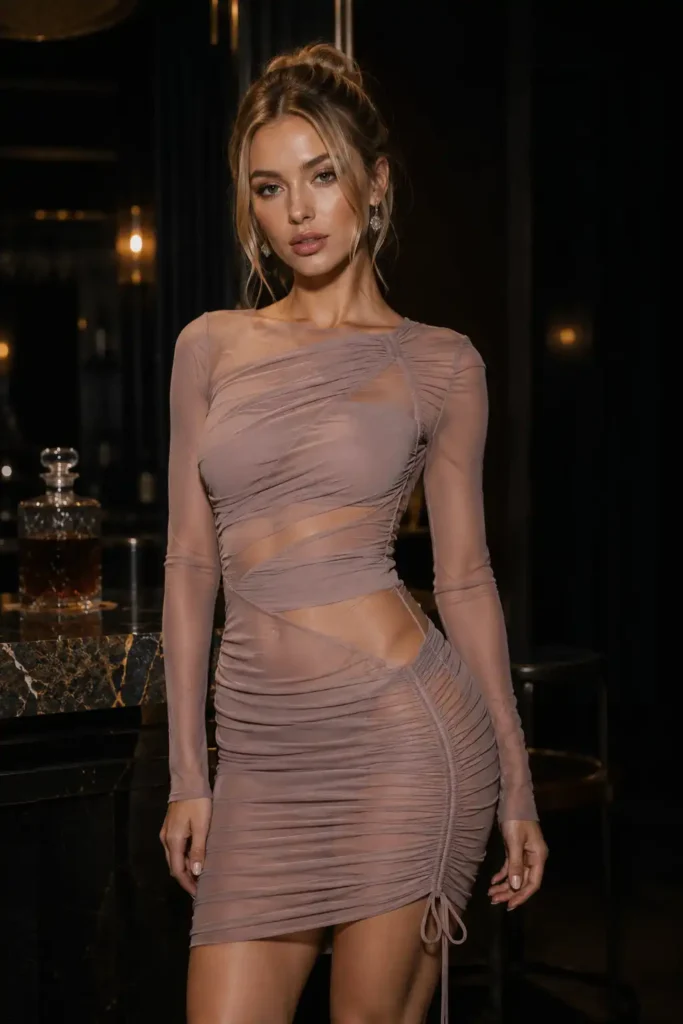
Asymmetric Mesh Midi
- Bridge role: party-to-occasion crossover.
- Control: drape placement, lining balance and hem relationship.
- Extensions: one-shoulder, gathered and layered versions.

Rhinestone Mesh Dress
- Hero role: campaign and event statement.
- Control: attachment, weight distribution and skin protection.
- Extensions: scattered stones, gradient placement and crystal straps.

Printed Mesh Dress
- Theme role: collection identity and color story.
- Control: print scale, placement, dye lot and lining shade.
- Extensions: floral, abstract, animal and placement prints.
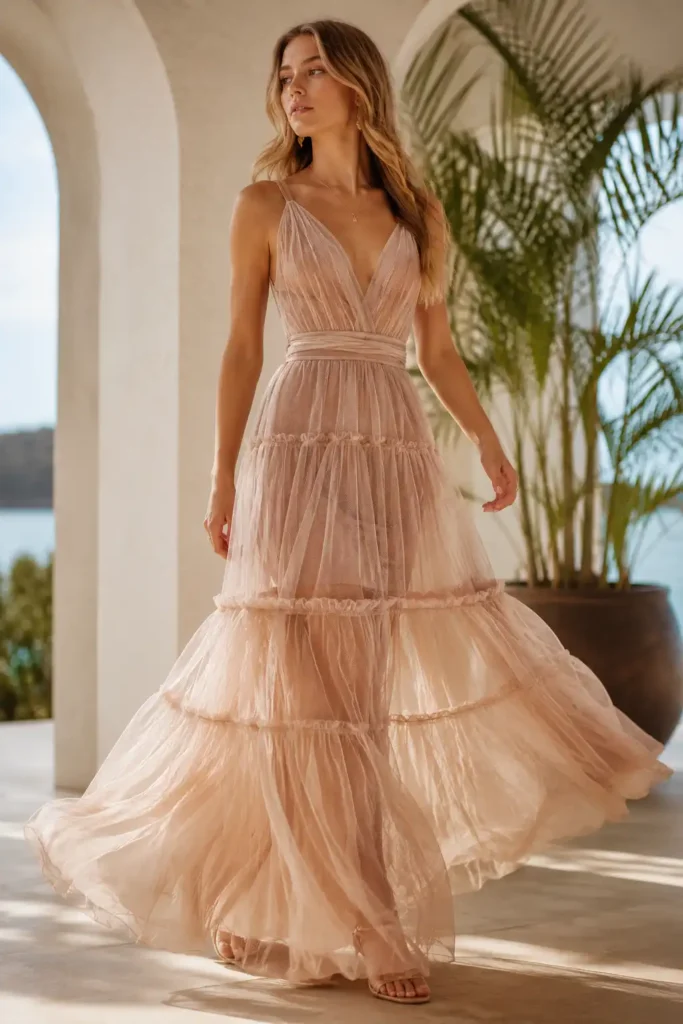
Layered Mesh Dress
- Volume role: feminine and occasion-led option.
- Control: layer count, gathering, static and hem balance.
- Extensions: tiered, high-low, ruffled and draped versions.
Mesh Hybrid Dress
- Assortment role: texture and price differentiation.
- Control: material compatibility, seam behavior and color match.
- Extensions: mesh-satin, mesh-lace, mesh-jersey and mesh-sequin.
Structure the Collection Around Product Roles and Launch Timing
Hero Styles
Commercial Core
Entry Price Styles
Color Story
Shared Fit Blocks
Launch Waves
Select Mesh by Structure, Transparency and Commercial Role
Mesh selection is a product-engineering decision. Weight, stretch, return, hand feel, transparency, surface treatment and lining compatibility influence fit, comfort, price and bulk stability. Common mesh references range from approximately 40-120 gsm, while final specifications depend on the approved style and supplier availability.
| Mesh Type | Material Behavior | Best Product Use | Main Bulk Risk | Approval Focus |
|---|---|---|---|---|
| Fine Mesh | Light, soft, transparent, usually low to medium stretch | Draped overlays, sleeves, gathered panels, layered minis | Holes, edge curling, seam visibility, low recovery | Confirm lining shade, seam finish, layer count and hand feel |
| Stretch Mesh | Medium to high stretch with softer body | Bodycon, ruched, cut-out and fitted mini dresses | Weak recovery, neckline growth, side-seam twisting | Measure stretch direction, return and shell-lining compatibility |
| Power Mesh | Firm stretch, compression and support | Corset panels, bust support, waist control, internal lining | Excess pressure, skin discomfort, seam tension | Validate comfort, negative ease and grading on body |
| Illusion Mesh | Sheer, often selected near skin tone | Necklines, backs, cut-outs, support panels | Shade mismatch, visible seams, unexpected flash transparency | Approve against skin-tone direction and lighting conditions |
| Printed Mesh | Visual pattern over a transparent base | Festival, party, bodycon and statement dresses | Print scale, placement, color difference, lining influence | Approve strike-off, repeat direction and combined shell-lining effect |
| Embellished Mesh | Rhinestones, sequins, beads or embroidery | Birthday, holiday, evening and premium hero styles | Weight, snagging, attachment loss, skin scratching | Test decoration strength, edge protection and packing separation |
Engineer Transparency, Lining and Coverage by Body Zone
Coverage should be planned around product use, lighting, movement and brand positioning. One lining rule cannot solve bust support, hip coverage, cut-outs, high slits and sheer sleeves at the same time.

Nude Tone Lining

Stretch Lining
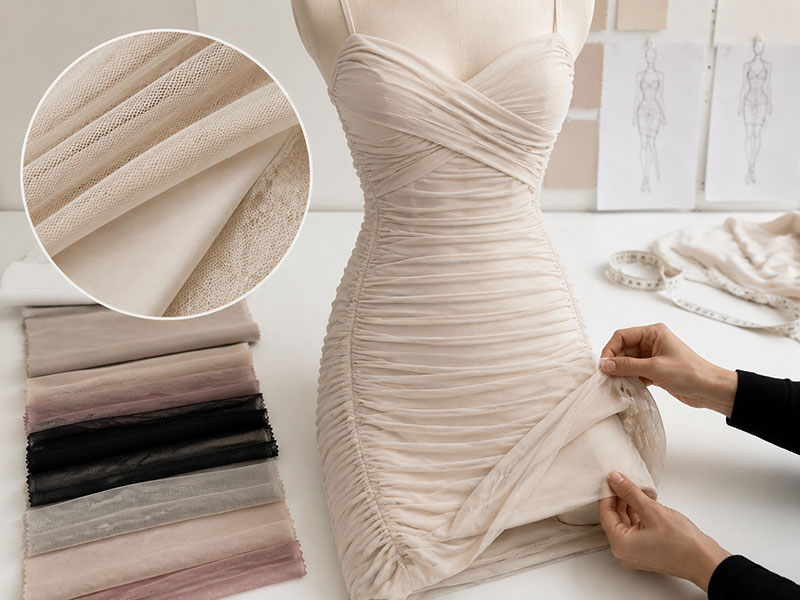
Double Mesh Layers

Power Mesh Support
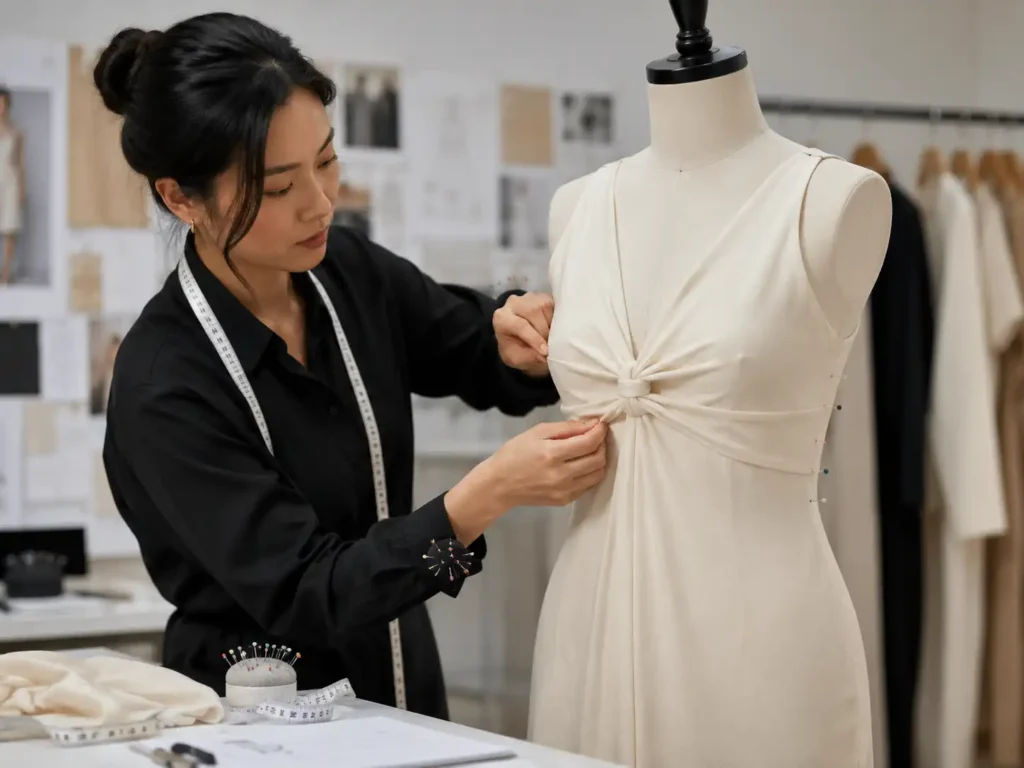
Bust Coverage Panels
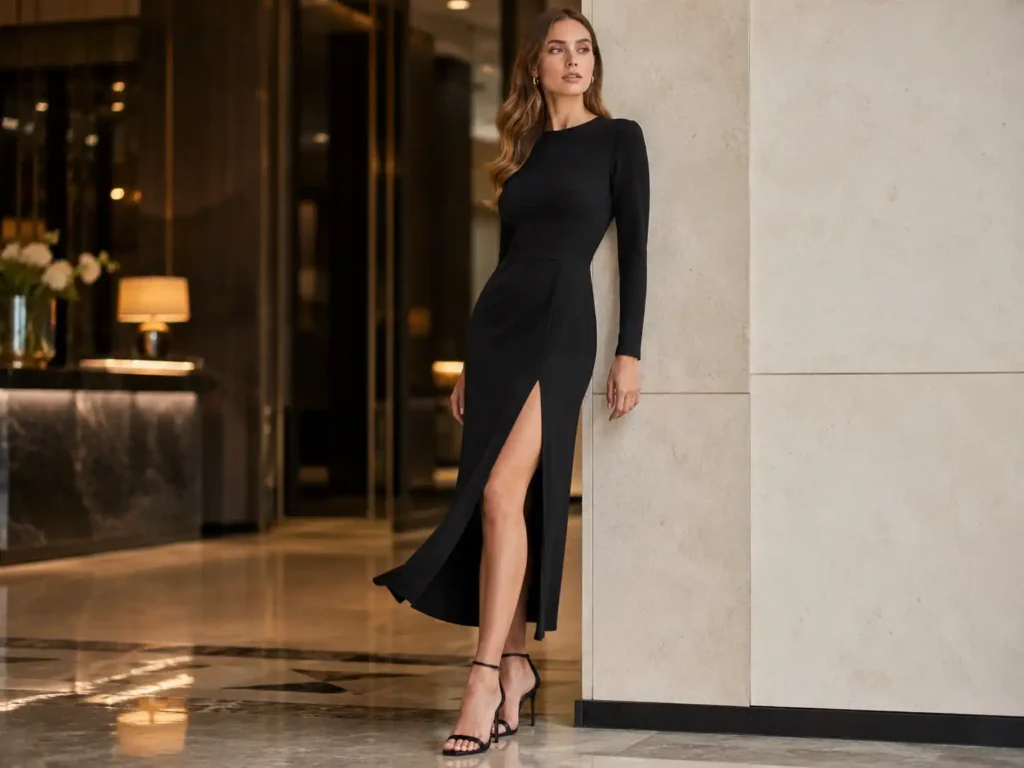
Slit Privacy Control
Turn Partywear Design Details into Repeatable Bulk Standards
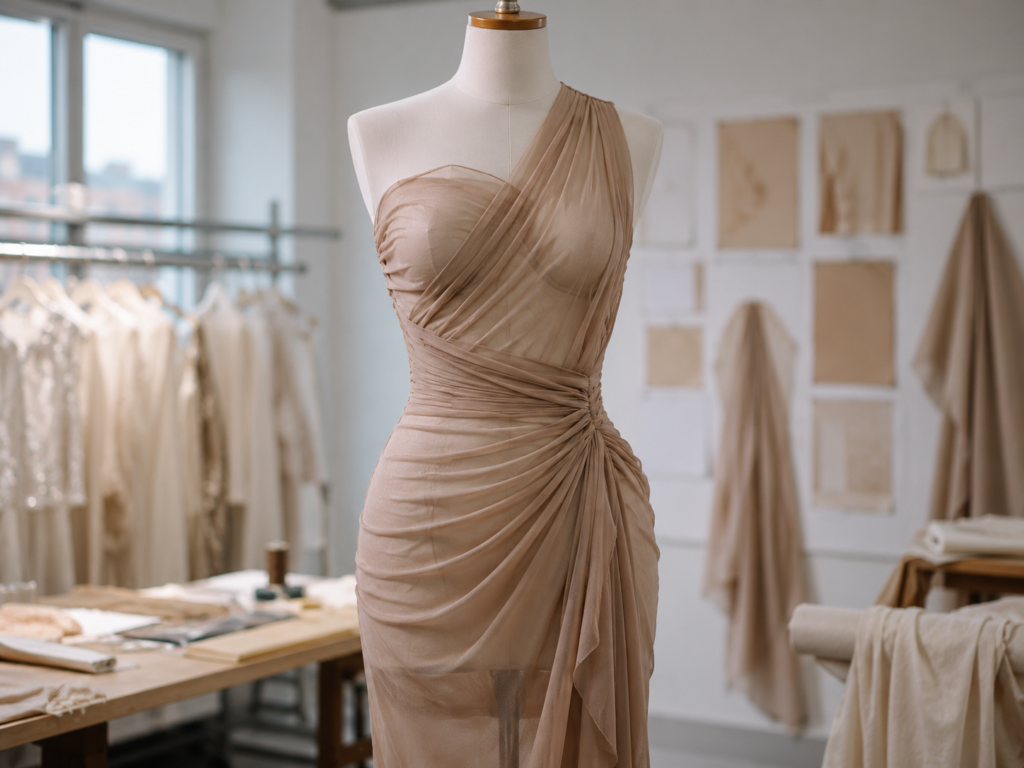
Ruching Geometry

Corset Support
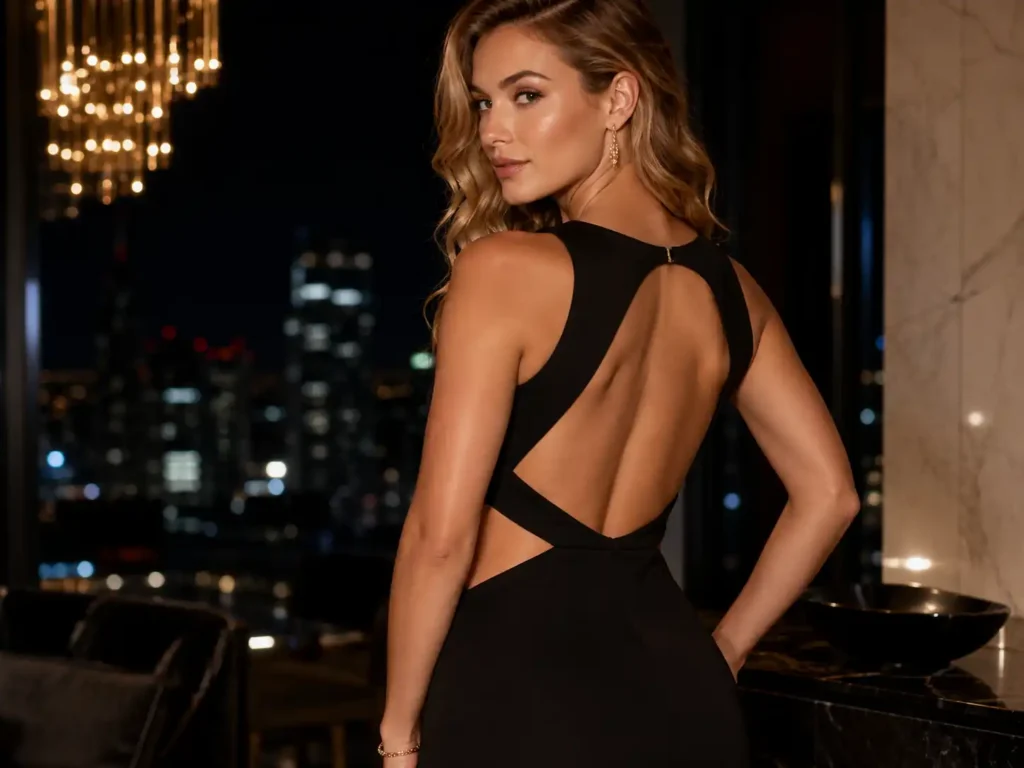
Cut-Out Stability
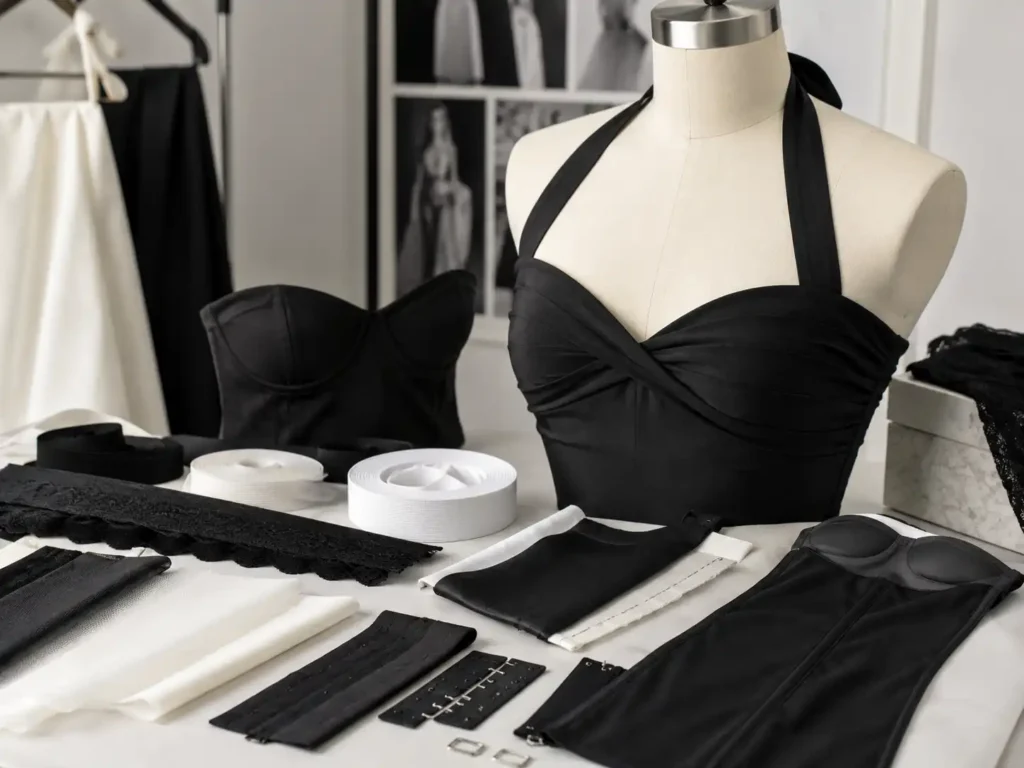
Strapless Security
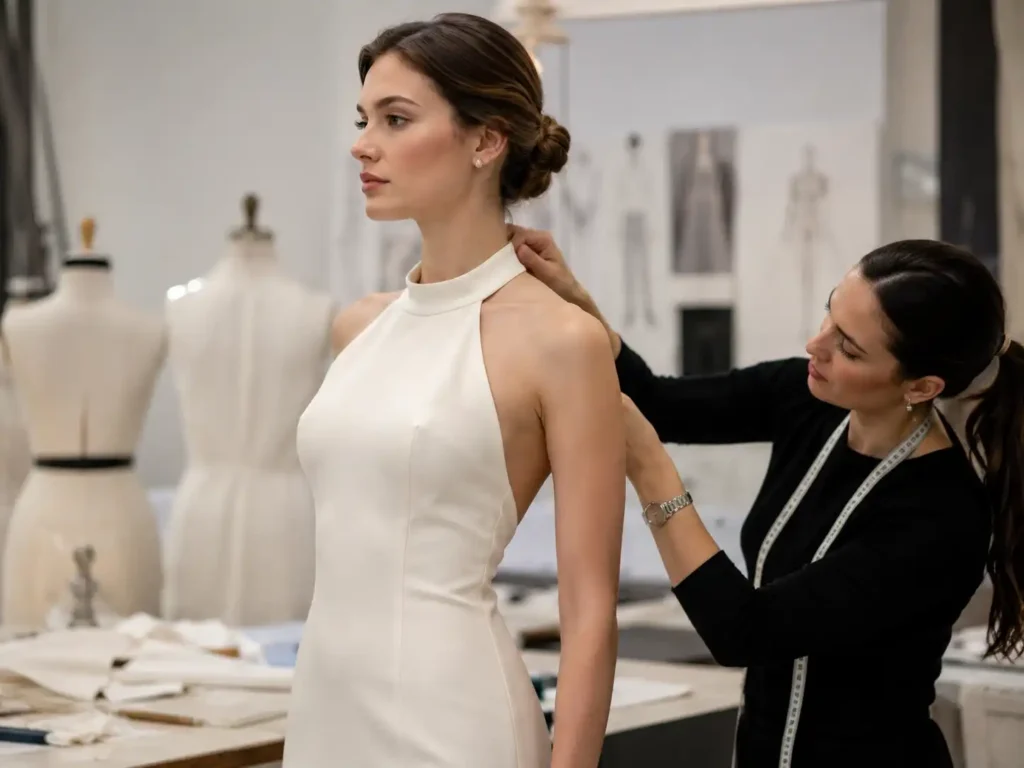
Halter Load
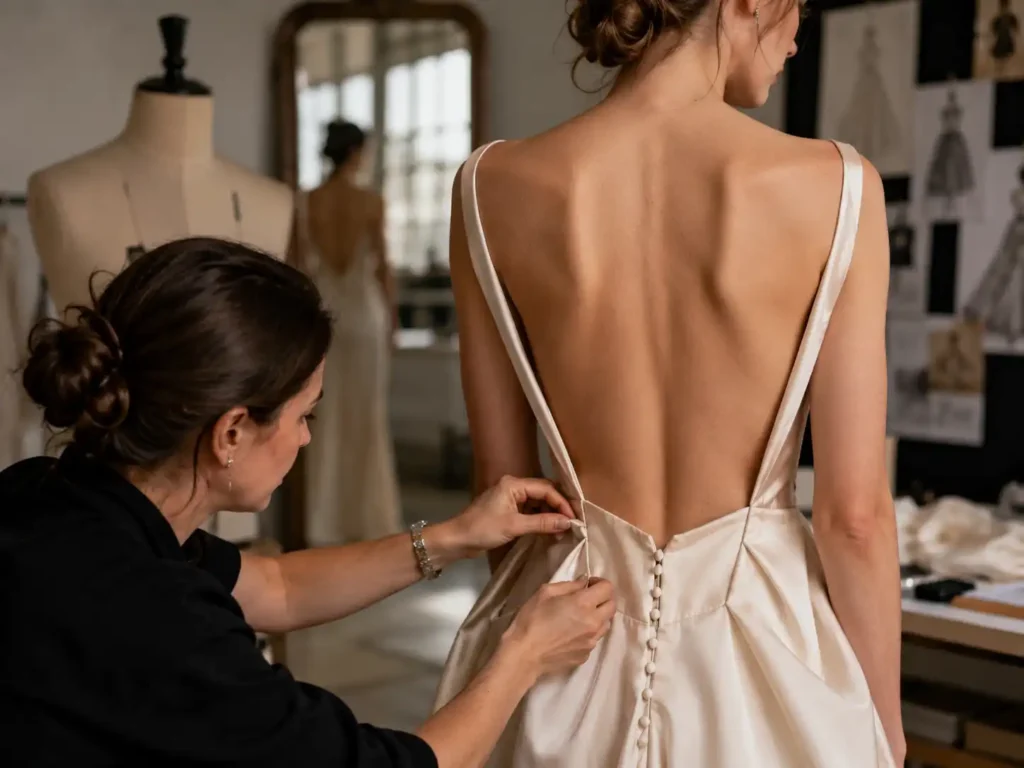
Backless Control
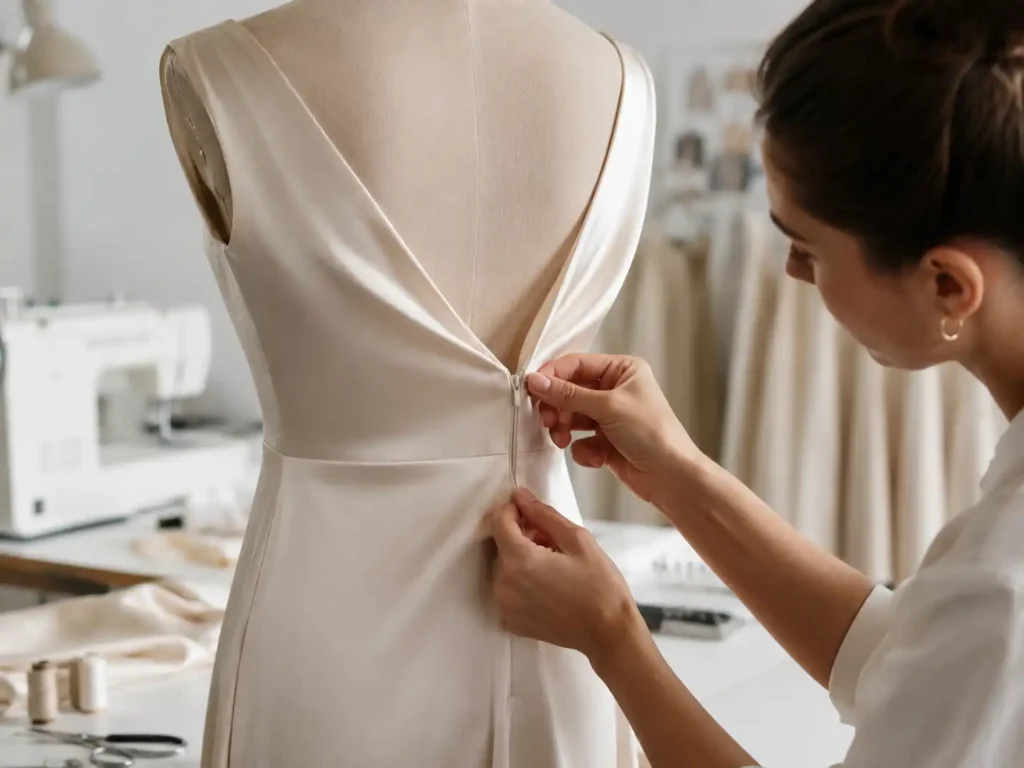
Zipper Flatness

Slit and Hem
Use the Right Sample for Every Approval Decision
Complex mesh partywear moves through defined sample stages. Each stage answers a different question, allowing design, fit, materials, campaign needs and bulk standards to be approved without confusing one sample purpose with another.

First Sample

Fit Sample
Revised Sample

Photo-Ready Sample
Salesman Sample
PP and Golden
Keep Multi-Style Development Traceable from Brief to Shipment
Style Grouping
Fabric Grouping
Approval Tracker
BOM and Files
SKU Control
Delivery Phases
Move from Collection Brief to Retail-Ready Bulk Delivery
Review the Brief
Plan the Assortment
Source Materials
Develop Patterns
Make and Revise
Lock PP Standard
Allocate Production
Inspect and Pack
Deliver and Archive
Control Mesh Workmanship Before Problems Reach Bulk Production
Mesh workmanship depends on how the fabric is handled, stabilized and combined with lining, trims and support components. Small errors can become visible as waviness, twisting, holes, gaping or uneven gathering.

Cutting Direction and Panel Stability
Mesh can shift, stretch or distort during spreading and cutting. Stretch direction, print direction, embellishment direction and panel orientation are confirmed before cutting begins. Cut pieces are organized by style, color and size so similar transparent panels do not become mixed. Printed mesh also needs repeat and placement review, while embellished mesh may require higher cutting allowance because damaged areas cannot always be used.
Lining pieces, support panels and outer mesh are checked as one structure. A stable lining pattern cannot compensate for an outer layer cut in the wrong direction. When the mesh is highly elastic, pattern dimensions and seam positions are reviewed after the first sewing trial before the bulk cutting standard is released.
- Control stretch direction, pattern placement and panel identification.
- Separate damaged or distorted mesh before sewing.
- Confirm shell, lining and support patterns as one system.

Seam Tension and Edge Stabilization
Seam waviness often comes from incorrect tension between mesh, lining, zipper tape, elastic or stabilizing material.
The goal is not the tightest seam; it is a seam that lies flat, returns after stretch and remains comfortable against skin. Necklines, armholes, cut-outs and back openings may need tape, elastic or lining support according to the approved design.
Edge finishing is chosen by appearance, stretch and comfort. Narrow hems, binding, turn-back edges or enclosed finishes create different visual weight. A finish that looks clean on one mesh may curl or become bulky on another, so edge treatment is confirmed in the sample before bulk instructions are issued.
- Balance seam tension across shell and lining.
- Stabilize high-stress openings without creating stiffness.
- Check edge finish after stretch and movement.

Ruching, Draping and Zipper Execution
Ruching is controlled through marked start and end points, gathering ratio, finished length and seam alignment. Bulk garments are compared for placement and density because uneven gathering changes both fit and visual value. Draped overlays require stable anchor points so the garment does not twist after wear or hanging.
Invisible zippers are tested for smooth operation, color match and flatness. Stretch mesh may pull away from zipper tape, while rigid lining may create bulging if the layers are not balanced. Zipper seams are checked from front, side and back views before the garment moves to pressing and packing.
- Use measurable ruching and draping references.
- Check zipper flatness on body, not only on a hanger.
- Protect seam alignment through pressing and packing.
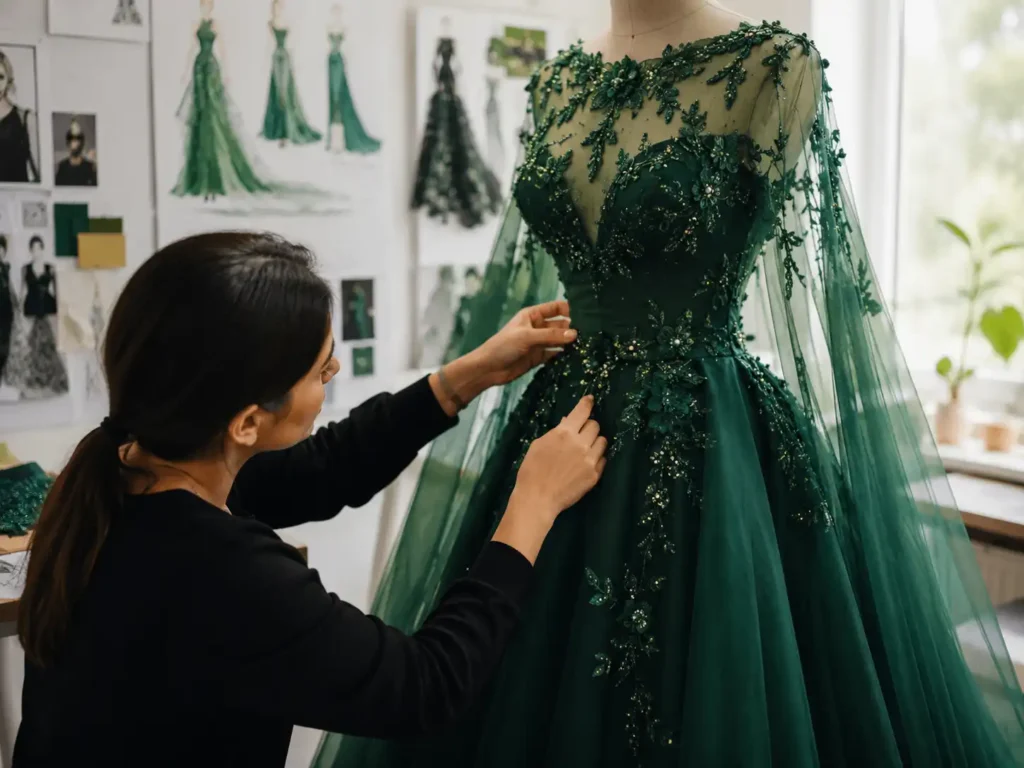
Embellishment and Skin Comfort
Rhinestones, sequins, beads and decorative chains add weight and friction. Attachment strength, spacing, seam thickness and skin contact are reviewed at the sample stage. Underarm, neckline, side seam and hem areas need special attention because decoration can scratch the wearer or catch on adjacent mesh.
Lining, binding or edge protection may be added where decoration meets skin. Packing separates embellished surfaces from delicate mesh to reduce rubbing, imprinting and snagging. Finished inspection checks missing decoration, loose attachment, sharp edges, color consistency and garment balance.
- Test attachment and weight before approving bulk use.
- Protect skin-contact areas and delicate mesh surfaces.
- Use packing separation for embellished styles.
Inspect Mesh Party Dresses at Product-Specific Quality Gates
Incoming Fabric QC
Cutting QC
Sewing QC
Inline Review
Measurement QC
Appearance Review
Pressing and Finish
Packing and AQL
MOQ, Sample Timing and Launch Planning Data
Commercial planning becomes more accurate when style count, color count, size ratio, sample type, material development and freight method are separated. The figures below are working references; final timing and cost are confirmed after project review.
| Planning Item | Working Reference | What Changes the Result |
|---|---|---|
| Standard MOQ | 200 pieces per style and color | One style in two colors normally requires 200 pieces per color. Special mesh, dyeing, printing, trims and packaging may carry separate minimums. |
| Collection Scale | Often 10-30 styles and 20,000-80,000 total pieces | Program size is divided by style, color, size ratio, fabric group and delivery phase rather than treated as one undifferentiated quantity. |
| Complex First Sample | 15-25 days | Typical for mesh, corset, lace and sequin constructions after specifications and available materials are confirmed. |
| Revised Sample | Usually 7-15 days | Timing depends on whether changes affect pattern, fabric, stretch, support structure, lining or embellishment. |
| PP Sample | Usually 7-15 days | Final fabric, trims, color, measurements, labels and packing must be available. Major redesign should be closed before PP sampling. |
| Size Ratio Example | XS:S:M:L:XL = 1:2:3:3:1 | Planning example only. Final ratio follows sales history, market demand, size chart and warehouse requirements. |
| Order Math Example | 12 styles x 2 colors x 200 = 4,800 pieces | Total quantity does not replace the per-style and per-color minimum. Multi-style programs can be much larger after commercial quantities are assigned. |
| Bulk Timing | Confirmed after PP approval and material booking | Style complexity, fabric lead time, color count, production allocation, QC window, packing and peak-season capacity determine the final schedule. |
| Freight Planning | Express, air, sea or split shipment | Launch-critical quantities may move by air while the remaining bulk moves by sea. Route, cartons, trade term and destination determine the delivery window. |
Deliver Every Style with Retail-Ready Private Label Control
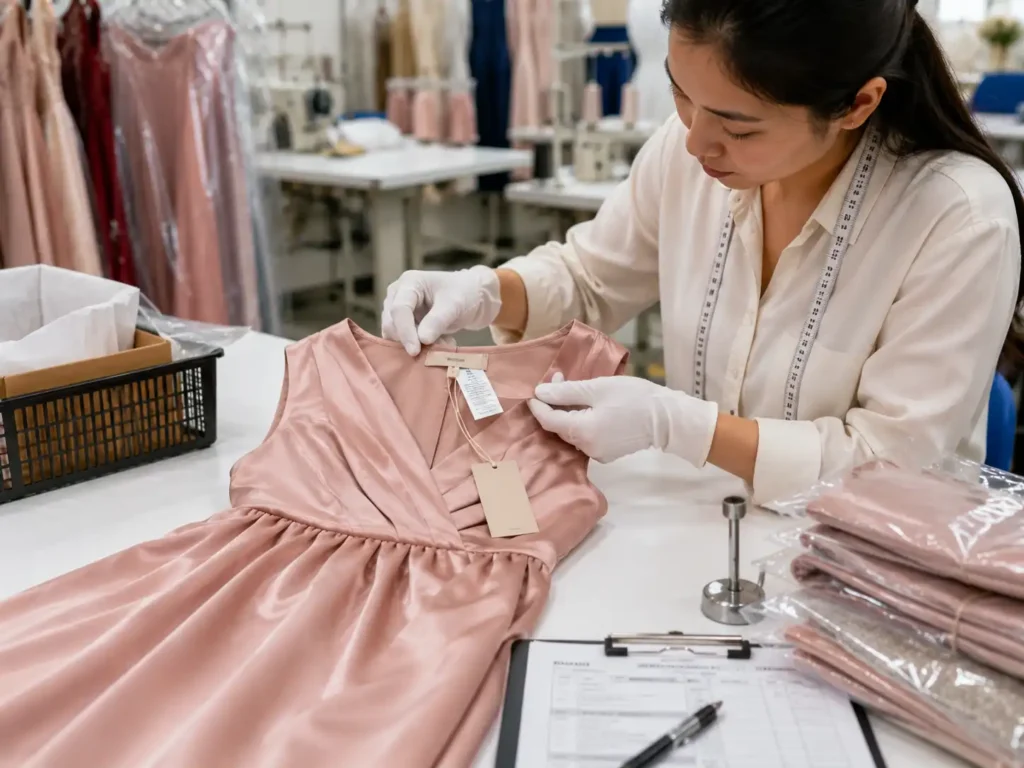
Private-label execution connects the garment to the brand, SKU system, warehouse and selling channel. Files are confirmed by style, color and size before packing begins.
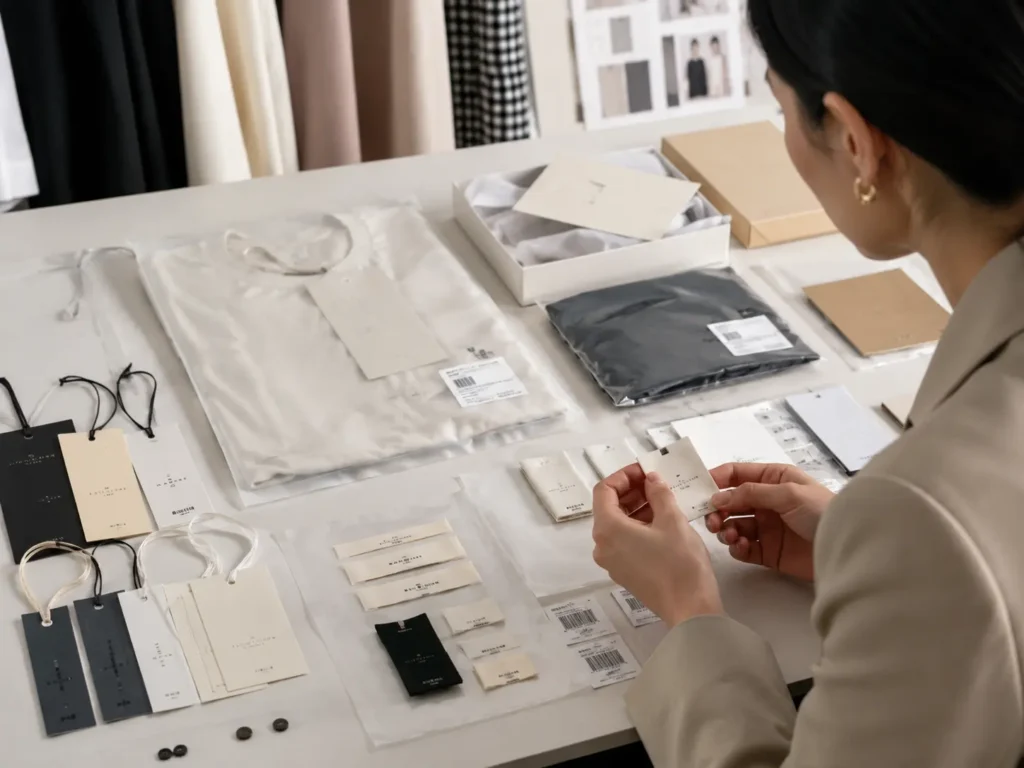
Brand Labels
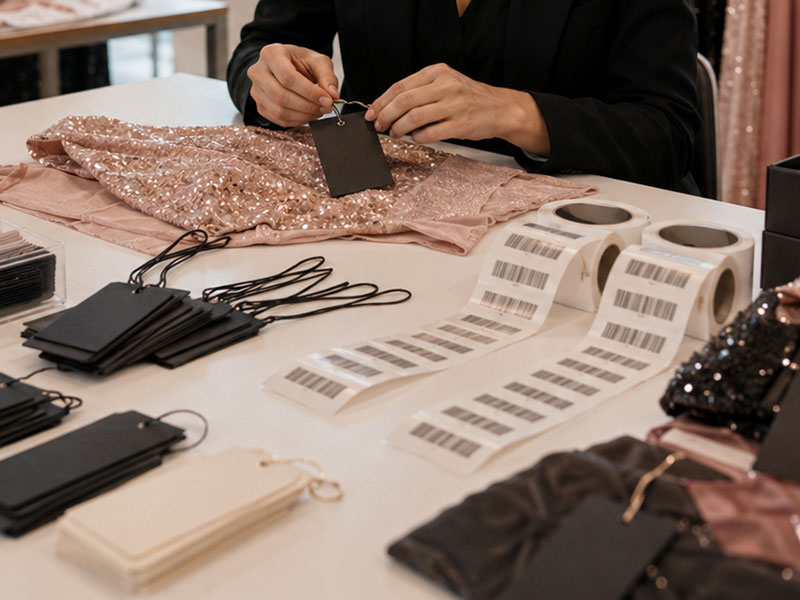
Hangtags
Barcode and SKU
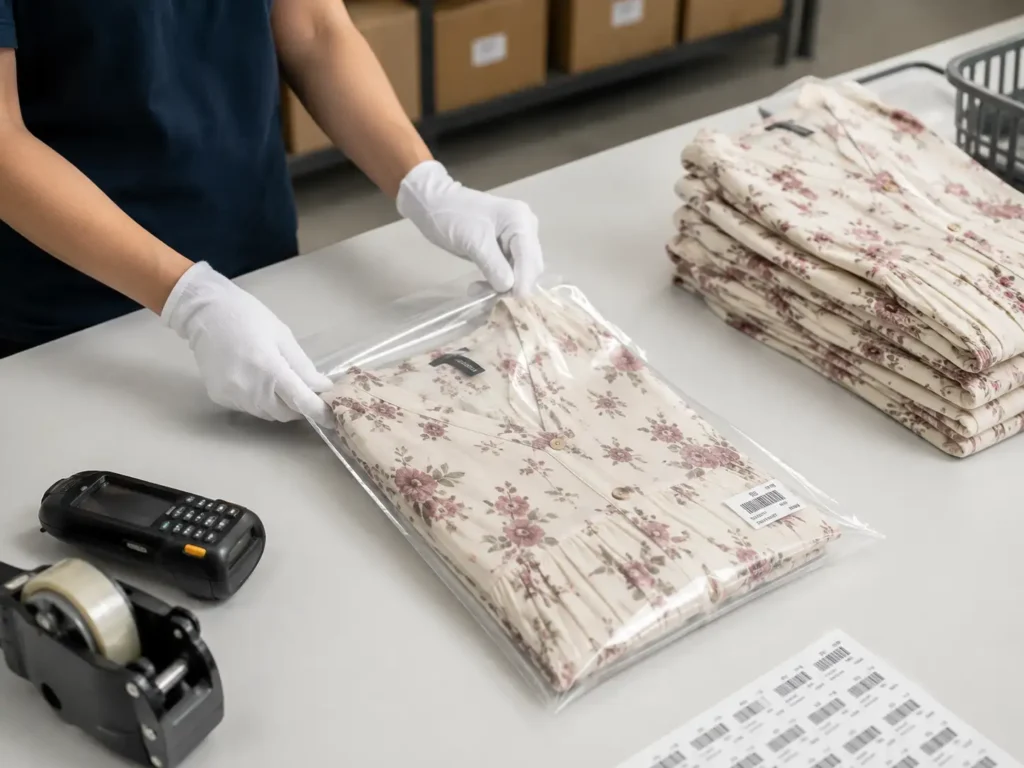
Polybags
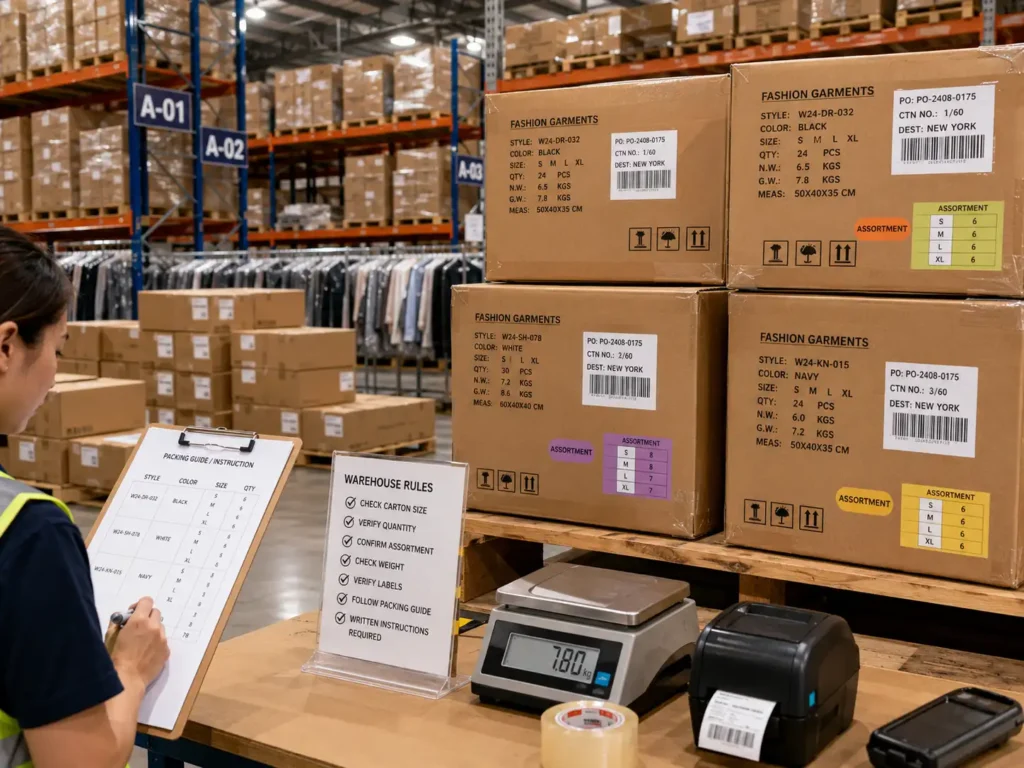
Carton Marks
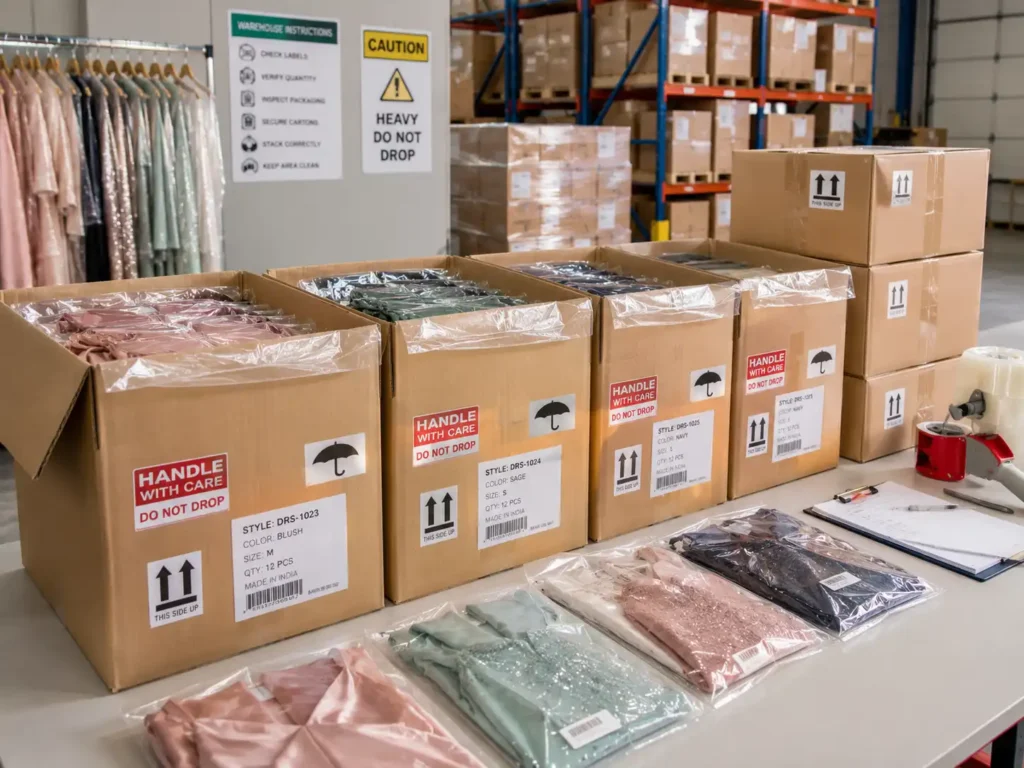
Warehouse Packing
Mesh Partywear Programs Managed at Brand Scale
The examples below use anonymized project structures to show how multi-style mesh partywear can be organized. Brand names, unreleased designs, prices and confidential files remain protected.

US Partywear Launch - 18 Styles, 42,600 Pieces
An established US partywear label developed an 18-style program covering ruched mesh minis, corset mesh dresses, cut-out bodycon styles, rhinestone mesh statements and asymmetric midis. The total order reached 42,600 pieces across five core colors and an XS-XL size range. Seven mesh or support directions were used, including stretch mesh, fine mesh, power mesh, nude lining and embellished mesh.
Development began with style grouping. Six campaign-critical designs entered the first sample wave, followed by eight commercial core styles and four lower-risk extensions. Complex first samples were scheduled within the 15-25 day reference window, while revised samples were tracked by issue category: fit, transparency, ruching, cup position, zipper and decoration. A shared bodycon fit block reduced repeated corrections across related styles, while corset products used separate torso and cup rules.
Bulk preparation linked each style to BOM, size chart, label file, barcode list and packing instruction. Incoming mesh was checked by batch, and inline inspection focused on seam waviness, ruching placement, neckline stability and zipper flatness. The launch-critical quantity moved in the first delivery phase, with the remaining bulk organized in the main shipment. The project preserved a consistent color story and reduced style-to-style fit variation without forcing every product into one construction.
- Program data: 18 styles, 42,600 pieces, 5 colors, XS-XL.
- Main controls: transparency, stretch recovery, ruching symmetry, corset fit and SKU packing.
- Delivery structure: prioritized launch styles followed by the main bulk phase.
Premium Ecommerce Drop - 12 Styles, 24,800 Pieces
A premium ecommerce womenswear brand planned a 12-style party capsule for a campaign-led drop. Product mix included printed mesh bodycon dresses, one-shoulder ruched minis, sheer-sleeve midis, mesh-satin hybrids and three embellished hero styles.
The order totaled 24,800 pieces in four colors, with size planning from XS through XL and higher quantities concentrated in S, M and L.
Campaign appearance was treated separately from bulk approval. Photo-ready samples used final color and finishing for the lead styles, while PP samples remained the formal production standard.
Printed mesh was reviewed with the selected lining because the underlayer changed color depth and print contrast. Embellished styles received additional checks for stone attachment, underarm comfort and packing separation.
The brand needed part of the program for a fixed content and sales date. Approximately 20% of selected launch SKUs were prepared for air shipment, while the balance moved through the main freight plan. Packing lists and invoices were separated by shipment phase, and carton marks distinguished urgent units from standard stock. The approach protected the sales window without treating air freight as a substitute for unresolved samples or unapproved materials.
- Program data: 12 styles, 24,800 pieces, 4 colors, XS-XL.
- Main controls: photo sample versus PP sample, printed mesh color, embellishment comfort and split packing.
- Delivery structure: selected launch SKUs first, remaining bulk under the main freight plan.
Regional Brand Group - 26 Styles, 68,400 Pieces
A regional fashion group developed a 26-style party and occasionwear program totaling 68,400 pieces. Mesh products were combined with satin, lace, crepe and sequin fabric to create multiple price and formality levels. The line included mini, midi and limited maxi silhouettes across nine color directions and a broad size assortment.
The principal risk was coordination rather than one single garment. Styles were divided into fabric groups and production risk levels. Complex corset mesh and embellished pieces remained within experienced production units, while repeatable lined bodycon and draped styles were distributed after PP standards were locked. One project tracker connected sample versions, material status, color approvals, labels, barcodes, inspection and shipping documents.
Quality control used incoming material review, cutting checks, sewing inspection, inline measurement, final appearance review, packing inspection and AQL sampling. Private-label files covered woven labels, care labels, hangtags, barcode stickers, polybags, carton marks and warehouse breakdowns. Shipments were phased by product readiness and destination requirements. The project demonstrates how larger collections need disciplined allocation and file control rather than a promise that every style can be handled identically.
- Program data: 26 styles, 68,400 pieces, 9 color directions, multi-fabric assortment.
- Main controls: factory allocation, fabric grouping, approval tracking, private labels and inspection.
- Delivery structure: phased shipment by product readiness and warehouse instruction.
Evaluate a Mesh Party Dress Manufacturer with Clear Evidence
Product Specialization
Sample System
Mesh Knowledge
Bulk Control
Private Label
Brand Protection
Frequently Asked Questions About Mesh Party Dress Manufacturing

Send Your Mesh Party Dress Collection for Review
Send Kelly the collection files needed for a focused development and production review. A useful brief allows the team to assess mesh direction, lining, fit, support components, sample stages, MOQ, production allocation, private-label packing and delivery planning before a formal quotation is prepared.
Line sheets and tech packs are preferred, while reference images or original samples can also be reviewed when measurements and product goals are available. Project information is handled under NDA-based cooperation when requested. The first response will identify missing files, high-risk styles, material questions and the next development step rather than offering a blind price based on one image.
- Line sheet, tech packs, sketches, reference images or original sample details
- Target quantity by style and color, plus planned size range and size ratio
- Preferred mesh, lining, color, embellishment and support requirements
- Target market, price position, campaign date and bulk delivery window
- Brand labels, hangtags, barcodes, polybags, carton marks and warehouse rules
- Destination country, trade term and appointed forwarder details when available


