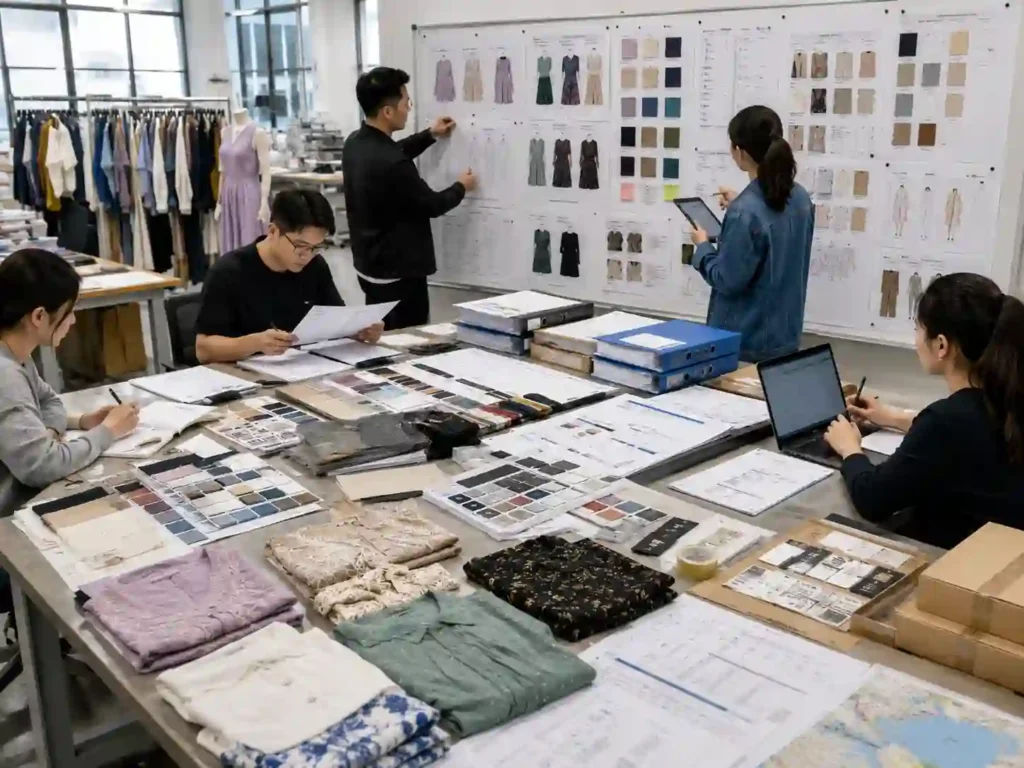
...

Dress Manufacturer for Brand Compliance Teams

Compliance-ready dress development for global fashion brands requiring clear factory records, controlled production, verified materials, and retail-ready delivery.

  • Since 2008, focused on custom women’s fashion development and bulk manufacturing.
  • 6 owned women’s fashion factories plus 10+ long-term satellite production partners.
  • 15+ QC inspectors supporting incoming, cutting, sewing, garment, packing, and AQL inspection stages.
  • 2 sample rooms, 7+ senior pattern makers, and 20+ sample machinists for development and PP approval.
  • Factory, audit, testing, and certification records are reviewed against the assigned production unit and material source.
  • MOQ starts from 200 pcs per style/color, subject to fabric, trim, construction, testing, and packing requirements.

Compliance-Relevant Manufacturing Facts at a Glance

Brand approval depends on more than a factory introduction. Scale, assigned production responsibility, sample control, QC staffing, document availability, and repeat-order records all influence supplier qualification. Jinfeng Apparel presents each capability in a form a compliance team can verify during onboarding.

Since 2008

Jinfeng Apparel has worked in custom women’s fashion manufacturing since 2008. Long-term experience covers dress development, pattern correction, fabric and trim sourcing, sample revision, bulk production, private-label packing, and export coordination for the United States, United Kingdom, Europe, Australia, and Canada. Established operating history also supports document retention, repeat-order comparison, and corrective follow-up across multiple seasons.

Six Owned Factories

Six owned women’s fashion factories form the core production base. Factory allocation depends on woven or knit construction, dress category, material behavior, workmanship difficulty, order volume, launch timing, and inspection requirements.
Assigned-factory information can be discussed during project qualification so audit records and production responsibility remain connected to the unit making the garments.

Long-Term Partner Network

More than 10 long-term satellite production partners support specialized categories and planned capacity expansion. Partner factories are not presented as owned facilities. Each project requires factory matching, production responsibility, approval status, QC planning, and change control. Brand-specific restrictions concerning subcontracting, external processes, or approved production locations should be provided before allocation.

Development Team

Two sample rooms, 7+ senior pattern makers, and 20+ sample machinists support first samples, fit samples, revised samples, photo samples, salesman samples, PP samples, and Golden sample sealing. Sample feedback is converted into updated patterns, measurement charts, fabric records, trim records, sewing instructions, QC checkpoints, and packing instructions before bulk release.

Quality Team

A team of 15+ QC inspectors supports incoming material checks, cutting checks, sewing checks, in-line inspection, garment inspection, pressing review, packing inspection, AQL inspection, client inspection coordination, and repeat-order quality records. Inspection scope follows the approved garment standard, risk level, size range, material, finishing, and brand manual.

Monthly Capacity

Combined monthly capacity exceeds 100,000 pieces across suitable product categories and production units. Capacity is planned by style complexity, fabric readiness, color count, size breakdown, inspection windows, packing method, and shipment schedule. Complex corset, sequin, lace, mesh, or evening styles are scheduled according to real workmanship requirements rather than a generic capacity figure.

Built Around Brand Compliance Responsibilities

Compliance professionals review different forms of risk. Jinfeng Apparel organizes production information so social responsibility, product safety, quality, sourcing, legal, and vendor-management functions can evaluate the same project without receiving conflicting records.

Brand Compliance Teams

Brand compliance teams often coordinate factory approval, document review, policy acknowledgement, audit scheduling, corrective actions, and annual renewal. Jinfeng Apparel can receive a supplier manual, questionnaire, Code of Conduct, audit checklist, restricted substances list, testing protocol, and document calendar at project opening, then assign responsibilities across merchandising, production, QC, packing, and logistics.

Responsible Sourcing Teams

Responsible sourcing functions need visibility into legal entities, production locations, material sources, external processes, audit status, and change notifications. Jinfeng Apparel supports assigned-factory discussion, material supplier identification by project, available audit documentation, approved process mapping, and records linked to the garment program rather than unsupported group-level claims.

Vendor Onboarding Teams

Vendor onboarding teams require consistent company details, factory profiles, licenses, banking information, policy signatures, contact lists, and operational documents. Kelly coordinates initial information collection and routes technical questions to development, merchandising, QC, packing, or logistics colleagues. Missing files, expiry dates, scope questions, and project-specific gaps can be listed before sampling begins.

Product Compliance Teams

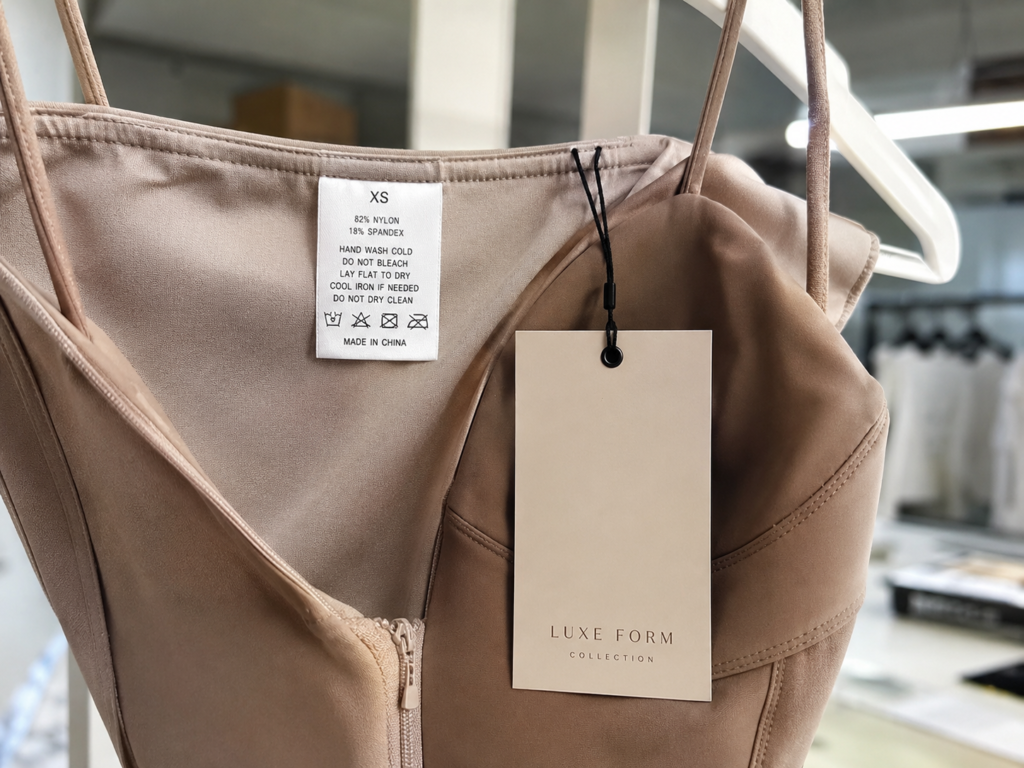
Product compliance functions focus on fiber content, care instructions, country of origin, material testing, restricted substances, trim safety, label accuracy, and market requirements. Jinfeng Apparel supports laboratory coordination, swatch identification, sample submission, care-label artwork review, fiber-content documentation, and bulk label verification according to the approved specification.

Quality Assurance Teams

Quality assurance teams need measurable standards rather than broad quality promises. Jinfeng Apparel works from approved PP samples, Golden samples, measurement charts, tolerances, grade rules, workmanship notes, defect definitions, packing instructions, and AQL requirements. Inspection results can be reviewed by style, color, size, production lot, and shipment batch.

ESG and Legal Teams

ESG and legal teams may request social compliance files, environmental information, material declarations, confidentiality terms, supplier acknowledgements, and origin records. Jinfeng Apparel supports NDA-based cooperation and protects tech packs, patterns, samples, trim details, private-label files, unpublished designs, order information, and launch plans throughout development and production.

Risks Commonly Delaying Supplier Approval

Approval delays usually begin with missing links between documents and real production. Jinfeng Apparel addresses the points most likely to create rework during vendor qualification, sample approval, bulk release, or shipment authorization.

Unclear Production Location

A factory profile has limited value when the listed site is not the site producing the order. Jinfeng Apparel allocates factories by product and production requirement, then discusses the assigned unit during qualification. Changes involving the sewing site or a major external process require project review and brand confirmation when required by the sourcing policy.

Expired Audit Records

Audit reports, membership records, and corrective-action evidence can expire or apply only to a different legal entity. Available SMETA, Sedex, BSCI-related, ISO-related, or client-audit documents are reviewed against the assigned unit, current validity, report scope, and requested onboarding standard. Missing evidence is identified rather than covered by a general certification statement.

Undeclared External Processes

Printing, embroidery, washing, pleating, embellishment, special finishing, or other outsourced operations may create hidden risk when locations are not disclosed. Jinfeng Apparel maps required processes during product review and confirms whether a process sits inside the assigned unit or with an external specialist. Brand approval rules are applied before production release.

Unmatched Material Claims

A fabric certificate may belong to a different mill, composition, color, or production batch. Material records are checked by supplier, fabric type, fiber composition, color, certificate holder, certificate scope, validity, and purchase reference. OEKO-TEX, GOTS, organic cotton, or GRS-related resources are confirmed per material and project rather than assumed across all fabrics.

Incomplete Test Reports

Testing loses value when the sample description, color, composition, or style does not match bulk production. Jinfeng Apparel coordinates test submissions with clear sample identification and follows the brand’s laboratory instruction. Bulk changes involving material, trim, construction, color, or finish are reviewed for possible retesting before shipment.

Incorrect Label Information

Fiber content, care instructions, country of origin, size, SKU, barcode, and legal text can create rework or warehouse rejection when artwork is not locked. Label files are placed under version control before production. Approved artwork, position, material, color, language, quantity, and packing application are checked during PP and bulk stages.

Unclosed Corrective Actions

Open corrective actions can block vendor approval even when the underlying issue is manageable. Jinfeng Apparel can coordinate evidence collection, responsibility assignment, target dates, and closure files for matters within the assigned factory’s control. Final acceptance remains subject to the brand or nominated audit body.

Slow Document Response

Long delays often come from unclear ownership rather than unavailable information. Kelly collects the initial request, while merchandising, QC, packing, logistics, and factory teams supply their sections. A document tracker can list requested items, responsible contacts, current status, expiry date, missing details, and next action.

Six Pillars of Compliance-Ready Dress Production

A reliable dress program connects factory approval, responsible sourcing, material evidence, product testing, controlled manufacturing, and retail delivery. Jinfeng Apparel manages the six areas as one project flow so evidence follows the garment from development through shipment.

Factory Transparency

Production allocation is based on product category, material, construction, workmanship, capacity, launch timing, and inspection requirements. Assigned factories, legal entities, production addresses, relevant audit documents, and major external processes can be reviewed against the brand’s approval procedure before bulk production begins.

Social Compliance Support

Jinfeng Apparel can support SMETA, Sedex, BSCI-related documentation, client factory audits, third-party assessments, factory questionnaires, policy signatures, and corrective-action follow-up according to available records and assigned-site status. No universal claim is applied to every factory or every order.

Material Traceability

Fabric and trim records can include supplier identity, composition, color, lot, purchase reference, swatch approval, certificate scope, test report, and substitution history. Material changes are reviewed for fit, appearance, cost, MOQ, lead time, testing, and label impact before approval.

Product Testing

Testing support may cover fiber composition, colorfastness, shrinkage, dimensional stability, seam performance, appearance after care, restricted substances, and other brand-defined requirements. SGS, Intertek, Bureau Veritas, or another nominated laboratory can be used according to project instructions.

Documented Quality Control

QC starts with materials and continues through cutting, sewing, in-line review, finished garments, pressing, packing, AQL inspection, client inspection, and shipment release. Approved PP samples, Golden samples, measurements, tolerances, workmanship criteria, and packing instructions form the control basis.

Retail-Ready Delivery

Private-label support covers woven labels, size labels, care labels, hangtags, barcode stickers, SKU labels, polybags, carton marks, warehouse labels, packing lists, commercial invoices, and nominated-forwarder coordination. Final files follow approved artwork and destination requirements.

Assigned Factory and Production-Site Transparency

A compliance program must identify where garments are developed, sewn, finished, inspected, packed, and released. Jinfeng Apparel uses a structured allocation process rather than assigning every style to the same unit. Product requirements and approval rules guide each production decision.

Factory Allocation by Product

Woven dresses, stretch bodycon styles, satin occasionwear, mesh overlays, lace dresses, sequin styles, jumpsuits, and matching sets do not share the same production risks. Jinfeng Apparel reviews fabric behavior, construction, seam type, lining, support trims, embellishment, finishing, expected volume, and launch priority before selecting a production unit. Six owned factories and 10+ long-term partner factories provide category-specific options without presenting every site as interchangeable. Allocation records can cover:
  • Proposed production unit and legal entity
  • Product category and construction reason
  • Available capacity window
  • Required external processes
  • QC and inspection arrangement
  • Audit or onboarding status
  • Packing and shipment location
  • Brand approval status

Production-Site Confirmation

Factory documents need to match the real order. Jinfeng Apparel can discuss the assigned production site during onboarding and before bulk release. Where a brand requires prior site approval, bulk production does not move to an unapproved location without review. A factory change may affect audit status, production schedule, QC planning, material movement, cost, or shipment timing, so the change is evaluated before implementation. Typical confirmation points include:
  • Company and factory profile
  • Business registration details
  • Production address
  • Main contact and project owner
  • Relevant audit records
  • Corrective-action status
  • Product capability
  • External process list
  • Production and inspection schedule

Controlled Partner-Factory Use

Long-term satellite factories extend category specialization and planned capacity. They are not described as temporary unknown subcontractors.

Jinfeng Apparel keeps project responsibility through merchandising, approved samples, production instructions, QC checkpoints, packing requirements, and shipment coordination. Brands with strict rules for subcontracting, shared production, or external finishing should provide the policy before factory assignment so the correct unit and evidence package can be selected.
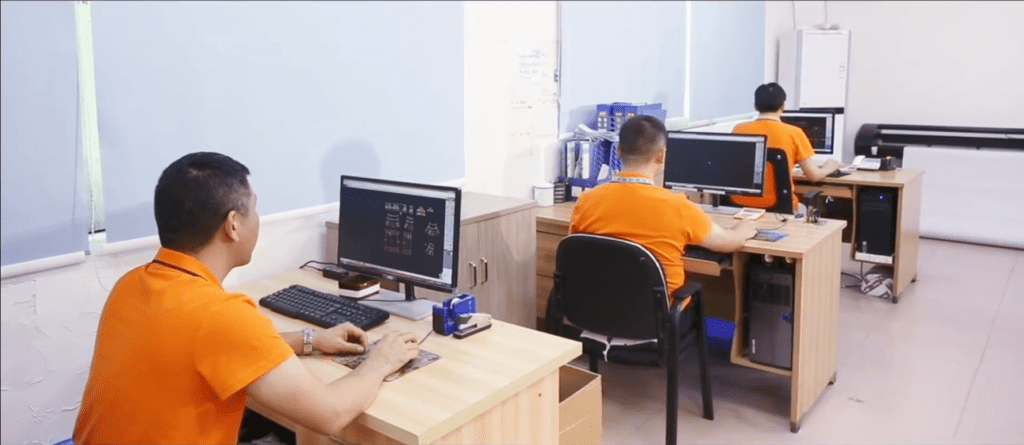
jinfengapparel

Core Vendor Document Matrix

A useful onboarding package connects each file to a legal entity, production location, material source, garment program, or shipment. Generic certificates without scope or ownership create more questions than confidence. Jinfeng Apparel organizes requested information by purpose and approval stage.

Core Vendor Document Matrix

Document Category

Typical Records

Review Stage

Matching Basis

Company identity

Company profile, business registration, contact list, banking details

Initial qualification

Contracting entity

Factory identity

Factory profile, address, capability summary, production contact

Factory review

Assigned production unit

Social compliance

Available audit report, membership record, CAP evidence, policy acknowledgement

Onboarding and renewal

Assigned factory and validity

Product development

Tech pack review, pattern notes, sample comments, PP approval, Golden sample record

Sampling and pre-production

Style and approved version

Materials

Fabric source, composition, swatch, lot, certificate, test report

Material approval

Supplier, quality, color, batch

Quality control

QC checklist, measurement chart, tolerance, inspection report, AQL result

Production and release

Style, color, size, lot

Labels and packing

Care label, fiber label, size label, hangtag, barcode, polybag, carton mark

PP and packing approval

Approved artwork and SKU

Shipment

Packing list, commercial invoice, carton details, forwarder instruction, shipping document

Shipment release

Purchase order and shipment batch

A brand may also send a Supplier Code of Conduct, restricted substances list, testing manual, label guide, packing manual, warehouse routing guide, security requirement, NDA, or vendor questionnaire. Jinfeng Apparel reviews required files at project opening and records gaps before the sample-to-bulk timeline is locked.

Audit Documentation and Corrective-Action Support

Audit cooperation must remain tied to the factory assigned to the order. Jinfeng Apparel supports available documentation and brand-led verification while keeping claims limited to the real legal entity, report scope, validity, and project requirement.

SMETA and Sedex Support

SMETA reports and Sedex records can support social compliance review, but the report must match the factory under consideration. Jinfeng Apparel can provide available documents, answer factory-profile questions, coordinate clarification, and support requested follow-up. Membership, report availability, report date, pillar scope, findings, and closure status remain subject to document review.

BSCI-Related Records

BSCI-related information may form part of a brand’s vendor qualification process. Jinfeng Apparel can review available factory records, disclose document scope, coordinate questionnaires, and identify gaps. No statement implies every owned or partner factory carries identical status. Selection begins with the production unit suitable for the dress program and the brand’s required approval threshold.

Client Factory Audits

Brand-appointed audits may include legal documentation, working hours, wages, health and safety, fire protection, worker communication, environmental practices, production records, subcontracting, and facility conditions. Jinfeng Apparel can coordinate scheduling, access, responsible contacts, requested files, production-area review, and follow-up evidence for matters controlled by the assigned factory.

Corrective Actions

An audit finding needs ownership, evidence, and a realistic closure date. Jinfeng Apparel can help organize finding classification, responsible person, corrective step, supporting document, photograph, training record, or updated procedure. Closure remains subject to the brand, auditor, or platform. Serious findings affecting approval or production are escalated before bulk scheduling.

Material Traceability and Certified Fabric Resources
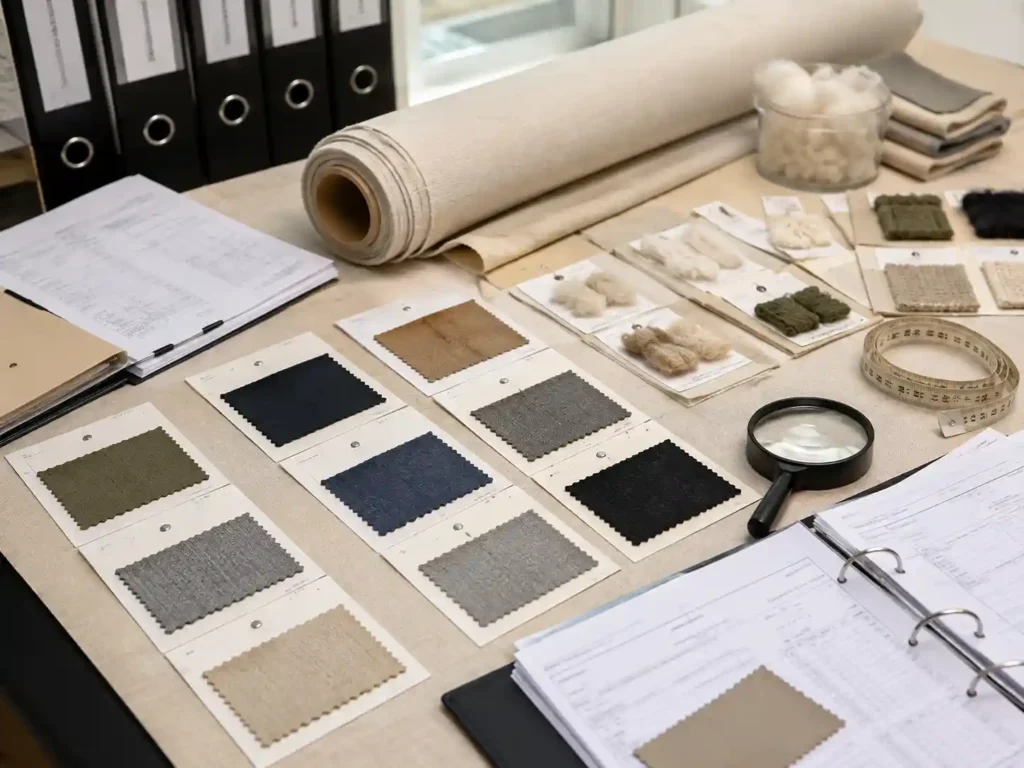
Material compliance begins with identifying the real fabric and trim used in production. Jinfeng Apparel links approved swatches, supplier references, fiber information, color lots, certificates, tests, and purchase records to the project. Certified options are confirmed by source and scope rather than treated as a universal claim.

Fabric Source Record

A fabric record can include mill or supplier name, article number, fiber composition, construction, weight, width, stretch direction, finish, color, lot, purchase date, and approved swatch. Records help explain differences between sample fabric and bulk fabric and support repeat-order review when the same material is requested in a later season.

Composition Control

Fiber content affects labeling, care instructions, performance, cost, and market documentation. Composition can be checked against supplier information and laboratory testing when required. Changes involving shell fabric, lining, mesh, lace, elastic, rib, or other material components are reviewed before label artwork and bulk production are finalized.

OEKO-TEX Resources

OEKO-TEX-related fabric resources may be available through the supply chain. Confirmation covers the certificate holder, certificate number, scope, material article, validity, supplier, color, MOQ, and batch relevance. A certificate for one fabric or mill is not presented as coverage for every material used by Jinfeng Apparel.

Organic and GOTS Options

Organic cotton and GOTS-related resources can be sourced for suitable styles where fiber, fabric construction, color, quantity, certification scope, and production timing align. Brand claims and label wording require approved evidence. Fabric sourcing begins before sampling when a certified route is mandatory, because mill MOQ and lead time may shape the collection plan.

GRS Recycled Options

GRS-related recycled polyester, recycled nylon, or blended fabric options can be evaluated by project. Material selection considers recycled content, certificate chain, hand feel, weight, stretch, color, finish, minimum order, availability, and garment performance. Brand teams should identify required claim wording and documentation before purchase.

Color and Batch Control

Color records can include Pantone reference, physical standard, lab dip, fabric swatch, shade band, dye lot, lighting notes, and approval date. Satin shine, mesh transparency, lace density, lining color, and sequin reflection can change visual color. Bulk approval therefore considers both color measurement and garment appearance.

U.S. Product Testing and Label Controls

Testing and labeling plans should be defined before PP approval, not added after bulk completion. Jinfeng Apparel supports brand protocols, nominated laboratories, sample identification, report collection, label artwork control, and bulk verification for U.S. dress programs.

Control AreaCommon RiskJinfeng Apparel SupportApproval Evidence
Fiber compositionLabel does not match garmentSupplier documents and laboratory coordinationComposition report and approved label
ColorfastnessCrocking, wash transfer, perspiration transferFabric or garment submission to nominated labTest report linked to material/color
ShrinkageGarment measurements change after carePre-bulk testing and measurement comparisonTest result and updated care instruction
Dimensional stabilityTwist, distortion, length changeSample review and test coordinationBefore/after measurements
Seam performanceSeam opening or breakageConstruction review and performance testing when requiredTest report and sewing standard
Appearance after careWrinkling, puckering, surface damageCare-cycle assessmentApproved result and care label
Restricted substancesMaterial or trim fails brand RSLNominated-lab testing by risk and materialValid report matching submitted item
Care instructionsWrong symbols or wordingArtwork review against approved instructionSigned label artwork
Country of originMissing or incorrect origin statementProduction-location confirmation and label file controlApproved origin label
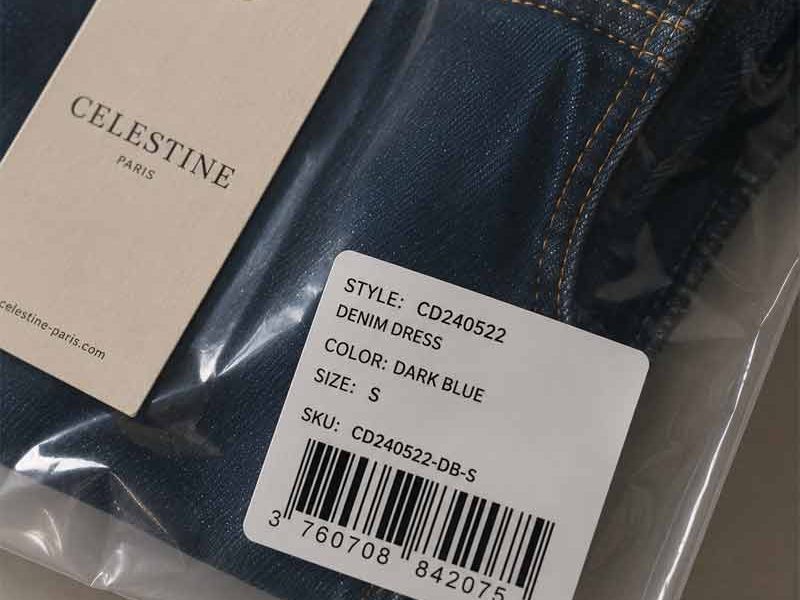
SKU and barcodeWarehouse rejection or wrong allocationBarcode, size, color, and packing verificationApproved SKU matrix and packing report

Dress Categories Built for Controlled Bulk Production

Compliance approval has little commercial value without the right product capability. Jinfeng Apparel develops fashion dresses across multiple materials and structures, with risk controls linked to fit, workmanship, testing, labeling, packing, and bulk consistency.

Woven Fashion Dresses

Woven mini, midi, maxi, shirt, wrap, A-line, and fitted dresses require fabric stability, grain control, seam balance, zipper quality, lining coverage, and accurate measurements. Development reviews bust, waist, hip, length, armhole, neckline, sleeve, slit, hem, and closure. Bulk inspection pays close attention to twisting, puckering, shade variation, seam opening, and packing creases.

Party and Occasion Dresses

Party, cocktail, evening, wedding guest, graduation, homecoming, and event dresses combine visual impact with structural risk. Satin, lace, mesh, sequins, corset details, cut-outs, ruching, and special trims may appear in one style. Jinfeng Apparel separates material, fit, support, embellishment, comfort, pressing, and packing controls so a strong sample can be reproduced in bulk.

Bodycon Dresses

Bodycon dresses depend on stretch direction, recovery, fabric weight, lining, negative ease, seam strength, and stable bust-waist-hip proportions. Sample review considers movement, opacity, ride-up, neckline stability, zipper stress, and size grading. Bulk checks compare measurement, stretch performance, seam shape, lining position, and appearance across sizes.

Satin Dresses

Matte satin, stretch satin, heavy satin, and other satin qualities need careful handling of shine direction, shade difference, snagging, pressing marks, seam puckering, and crease control. Slip, cocktail, bridesmaid, party, and evening dresses also require stable necklines, bias behavior, lining, zipper application, and protective packing.

Mesh Dresses

Regular mesh, stretch mesh, power mesh, printed mesh, fine mesh, and double-layer mesh create different transparency and recovery results. Jinfeng Apparel controls layer count, lining color, lining length, stretch direction, neckline reinforcement, print placement, seam allowance, hole inspection, and hem finish for club, party, resort, festival, and occasion styles.

Lace Dresses

Polyester, nylon, cotton, and stretch lace require control of motif placement, panel matching, seam position, edge finishing, lining color, opacity, fraying, snagging, and holes. Lace fabric and lace trim are reviewed separately. Occasion, wedding guest, cocktail, and lingerie-inspired styles often need additional protection around bust coverage and skin contact.

Sequin Dresses

Sequin garments need assessment of sequin type, base fabric, direction, coverage, cutting method, seam allowance, attachment strength, skin protection, lining, loose-piece risk, and protective packing. Bulk QC checks missing sequins, sharp edges, pattern continuity, seam damage, color variation, and carton compression risk before release.

Private-Label Collections

Private-label dress collections may include 10-30 styles across several fabrics, colors, sizes, and delivery windows. Jinfeng Apparel groups development by fabric family, pattern complexity, trim group, sample priority, factory allocation, testing need, and packing instruction. Woven labels, care labels, hangtags, barcodes, polybags, and carton marks are approved before production application.

Fit, Pattern, Size, and Design Detail Control

Fit failures can lead to returns, negative reviews, compliance complaints, or canceled repeat orders. Jinfeng Apparel’s pattern and sample teams convert brand comments into measurable pattern, construction, and QC instructions before bulk release.

Core Fit Proportions

Bust, waist, hip, shoulder, armhole, neckline, dress length, strap length, slit height, lining length, sleeve, rise, and crotch length are reviewed according to style. A bodycon dress, corset dress, slip dress, jumpsuit, and loose resort dress need different ease, balance, support, and grading logic. Fit comments are marked by measurement and location rather than broad phrases such as “make it smaller.”

Pattern Correction

Sample feedback is classified by pattern, measurement, fabric, construction, or workmanship cause. Pattern makers update shape, balance, seam position, dart, neckline, cup, waistline, hip line, hem, or grade rule as required. Revised files replace informal chat comments, creating a traceable standard for the next sample and bulk production.

Size Grading

Brand-defined size ranges can cover core sizes, extended sizing, petite, tall, or market-specific blocks. Grading follows approved rules rather than scaling every point by the same amount. Bust, waist, hip, length, armhole, neckline, strap, slit, and support details are checked for proportional change. Size labels, bundle identification, measurement inspection, and carton breakdown must match the approved size matrix.

Bust and Support Details

Strapless, corset, deep V, halter, backless, cut-out, and one-shoulder styles require careful control of bust coverage, cup position, boning, elastic, anti-slip tape, strap placement, neckline stability, side coverage, and lining. Support components are assessed for comfort, movement, appearance, and bulk availability before PP approval.

Decorative Construction

Ruching, pleats, ruffles, lace placement, mesh panels, cut-outs, sequin sections, low waistlines, asymmetry, and draped details need repeatable reference points. Pattern notches, sewing instructions, placement measurements, approved photos, and QC checkpoints help keep left-right balance, gathering amount, motif position, and exposure consistent across production.

Measurement and Workmanship QC

QC compares finished garments with the approved chart, tolerance, Golden sample, and construction notes. Measurement checks are selected by style risk and size range. Workmanship checks cover seam quality, zipper flatness, neckline shape, lining coverage, hem level, symmetry, pressing, surface cleanliness, loose threads, and brand-defined defect classification.

Sampling From Review to Golden Sample

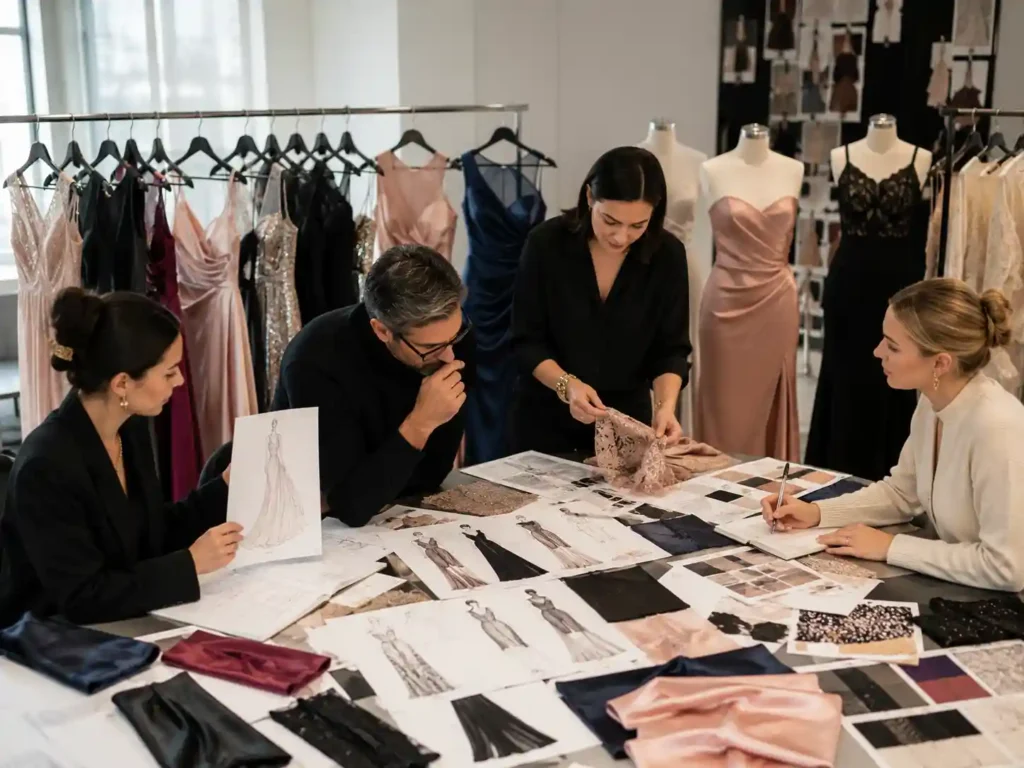
Sample development is a controlled conversion from design information to a production standard. Jinfeng Apparel distinguishes each sample purpose so photography, fitting, sales, compliance, and bulk approval are not mixed into one garment with unclear status.

Requirement Review

Projects may begin with a tech pack, original sample, reference image, sketch, line sheet, fabric swatch, trim card, target cost, size chart, label file, or launch date. Development teams review structure, material direction, support details, construction, MOQ, testing, packing, and production risk. Missing information is listed before pattern work begins.

First Sample

The first sample validates silhouette, construction, fabric direction, workmanship feasibility, and cost logic. It is not automatically the final bulk standard. Comments may cover fit, fabric, color, trims, proportions, transparency, support, lining, closure, decoration, labels, or packing. All approved changes move into updated records.

Fit and Revised Samples

Fit samples focus on measurement, balance, movement, support, coverage, and grading direction. Revised samples confirm documented corrections. When a program contains 10-30 styles, sample priorities can be grouped by launch date, hero SKU, fabric readiness, pattern complexity, photo requirement, and bulk timing so the most important approvals move first.

Photo and Sales Samples

Photo-ready and salesman samples serve marketing, ecommerce photography, line reviews, or sales meetings.
Their purpose and quantity are agreed separately. A visually approved photo sample does not replace PP approval when bulk materials, trims, labels, or packing differ. Any difference is recorded before production release.

PP Sample

PP approval begins only after pattern, measurements, fabric, color, trims, construction, lining, decoration, labels, packing, cost, MOQ, and bulk timing are confirmed.
Major design changes do not belong in the PP stage. Final comments are converted into the production package and QC checklist.

Golden Sample

The sealed Golden sample serves as the physical reference for bulk production, in-line review, final inspection, and repeat-order comparison. Supporting records include final pattern, measurement chart, grade rule, BOM, fabric approval, trim approval, sewing instruction, label artwork, packing instruction, and approved comments. Any production change after sealing requires review.

Multi-Style Bulk Production With Document Control

Large fashion programs often contain 10-30 styles, multiple fabric families, color groups, size ratios, packaging versions, and shipment windows. Jinfeng Apparel manages the collection through grouped planning rather than treating every style as an isolated order.

Style and Fabric Grouping

Styles are grouped by woven, knit, satin, mesh, lace, sequin, lining, stretch, print, and trim requirements. Shared materials may simplify purchasing and shade control, while high-risk materials need separate approval. Grouping also identifies which styles can share a production unit and which need specialist workmanship.

Production Allocation

Six owned factories, 10+ long-term partner factories, 18+ sewing lines, and 6+ flexible production lines support product-based allocation. Production lines are selected for dresses, skirts, jumpsuits, matching sets, stretch styles, woven dresses, occasionwear, and private-label programs. Allocation remains subject to factory approval, PP readiness, material arrival, capacity, and launch priority.

Pre-Production Lock

Bulk release requires approved PP samples, Golden samples, final patterns, grade rules, measurement charts, BOMs, fabric and trim approvals, sewing instructions, label files, packing instructions, testing requirements, and inspection criteria. A pre-production review resolves conflicting versions before cutting begins.

Color and Size Control

Color batches are identified by material lot, shade approval, color code, SKU, and packing instruction. Size production uses approved grade rules, bundle identification, measurement checks, size labels, stickers, and carton breakdown. Multi-color and multi-size programs receive separate controls to reduce mixed labels, mixed cartons, and incorrect warehouse allocation.

Schedule and Risk Board

A project timeline can include material approval, trim approval, pattern completion, sample dates, PP approval, bulk material arrival, cutting, sewing, in-line QC, finishing, packing, AQL or client inspection, shipment, and warehouse window. Risks such as late materials, open PP comments, testing delays, artwork changes, or production-site restrictions are tracked before they affect delivery.

Multi-Batch Delivery

Large orders may be divided by launch priority, hero style, color, size, warehouse, or transport method. Air-and-sea split shipment, several production batches, or phased warehouse delivery can be planned when approved. SKU separation, carton marks, packing lists, gross and net weight, and shipment documents remain aligned with each batch.

Quality Control From Material to Shipment

Quality is managed through linked checkpoints rather than a single final inspection. Jinfeng Apparel uses approved samples, measurements, workmanship criteria, packing instructions, and inspection records to control dresses from incoming materials through shipment release.

Incoming Material QC

Fabric and trims are checked against approved references for article, composition, color, shade, weight, width, stretch, hand feel, surface condition, defects, quantity, and relevant documentation. Satin snagging, mesh holes, lace damage, sequin loss, zipper function, lining opacity, and trim color receive product-specific attention.

Cutting QC

Cutting checks cover marker direction, grain, shade separation, print or lace placement, stretch direction, panel matching, size identification, quantity, and defect avoidance. Satin shine direction, printed mesh placement, lace motifs, sequins, stripes, and directional prints require extra control before bundles move to sewing.

Sewing QC

Sewing checks review seam type, stitch quality, seam allowance, puckering, tension, symmetry, zipper application, support construction, lining, decorative placement, and measurement. Problems are corrected during production rather than stored for final inspection. In-line findings are linked to style, line, operation, and corrective action.

Garment and Pressing QC

Finished garments are compared with the approved PP and Golden samples. Checks cover appearance, measurements, shape, color, shade, surface defects, lining, support, closures, decoration, thread ends, stains, pressing marks, wrinkles, and symmetry. Satin and sequin garments require careful pressing and surface protection.

Packing QC

Packing inspection verifies label content, size, color, barcode, SKU, hangtag, polybag, warning text, folding, tissue, hanger, carton quantity, carton mark, assortment, gross weight, net weight, and warehouse instruction.
Packing errors can cause rejection even when garment quality is acceptable, so packing approval is treated as a production standard.

AQL and Client Inspection

AQL inspection follows the brand’s selected level and defect classification. Critical, major, and minor defects are handled according to the agreed standard. Jinfeng Apparel can support internal final inspection, third-party inspection, client-appointed inspection, and evidence submission before release. Failed results require containment, rework, reinspection, or another agreed action.

Shipment Release

Shipment release occurs after required QC, testing, label, packing, and document approvals are complete.

Release records may include inspection results, packing list, commercial invoice, carton details, shipment photographs, forwarder instruction, and agreed shipping documents. Exceptions are escalated before cargo handover.

Repeat-Order Review

Pattern records, measurement files, fabric references, trim details, sewing instructions, packing standards, Golden sample records, and prior QC notes support repeat production.
New colors, new fabric batches, altered trims, changed packing, or new factories still require review because repeat orders are not assumed to be identical under changed conditions.

Retail Labels, Packing, and Shipment Records
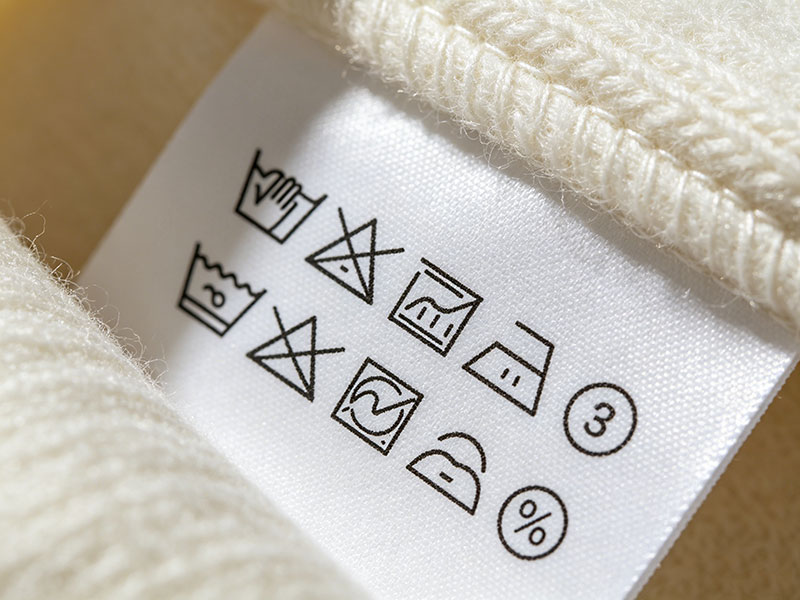
Compliance continues after garment inspection. Labels, barcodes, SKU identification, polybags, carton marks, warehouse information, and export documents need the same version control as patterns and fabrics. Jinfeng Apparel supports private-label delivery according to approved files.

Garment Labels

Woven labels, printed main labels, size labels, care labels, fiber-content labels, and country-of-origin labels are produced from approved artwork. Review covers wording, language, font, color, material, dimensions, fold, position, quantity, and durability. Content approval remains with the brand and qualified market specialists.

Hangtags and Tickets

Hangtags may include brand information, style, size, color, price, barcode, certification claim, warning, or marketing message. Jinfeng Apparel checks approved artwork, paper, print, hole position, string, attachment point, SKU match, and quantity. Claims requiring evidence should be approved before printing.
5.-Barcode-SKU-Sticker

Barcode and SKU Control

Barcode stickers, SKU labels, color codes, size codes, warehouse labels, and carton assortments are managed through an approved matrix. Packing teams verify garment, label, polybag, carton, and packing-list alignment. Multi-style programs receive separate identification rules to reduce mixed styles, colors, sizes, and destinations.

Polybags and Folding

Polybags can be plain or custom printed according to project requirements. Size, thickness, closure, ventilation, warning text, recycling mark, barcode location, folding method, tissue, hanger, and protective materials are confirmed before production. Satin, sequin, lace, white, and embellished dresses may need added surface protection.

Cartons and Warehouse Rules

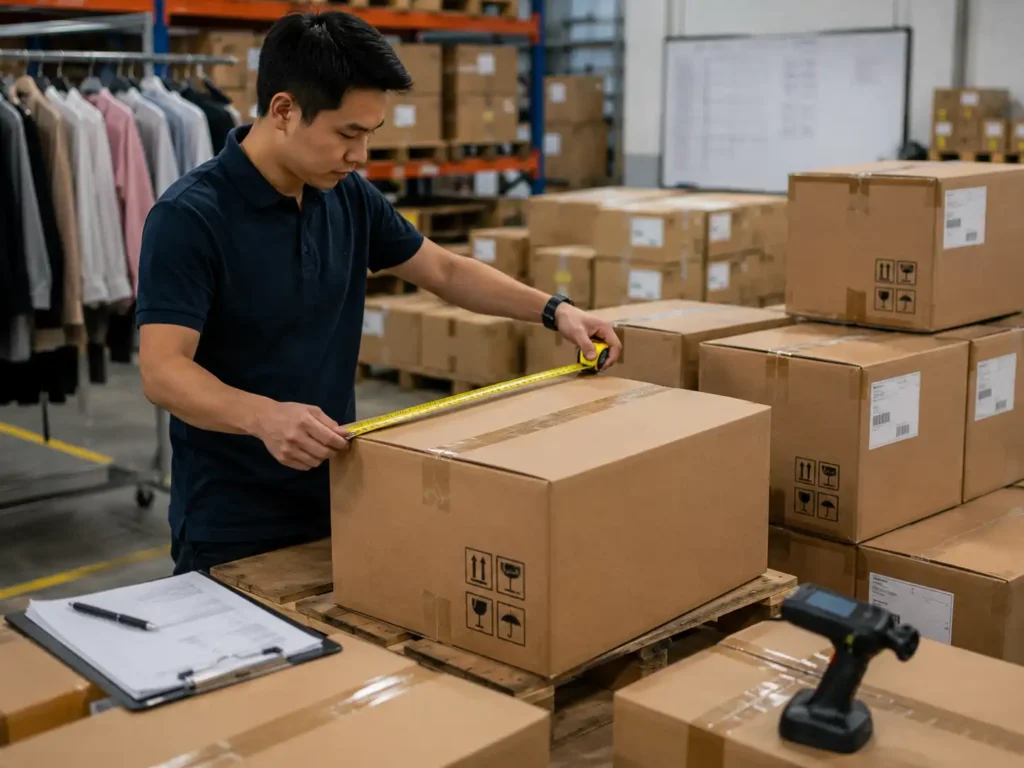
Carton dimensions, strength, quantity, assortment, carton marks, PO reference, destination, gross weight, net weight, and warehouse label are checked against routing instructions. Carton planning also considers garment compression, wrinkle risk, embellishment damage, freight efficiency, and warehouse receiving requirements.

Export and Forwarder Support

Jinfeng Apparel can support commercial invoices, packing lists, carton details, HS code information, certificate of origin by request, bill of lading or air waybill coordination, shipment tracking, and client-nominated forwarders. EXW, FOB, CIF, DAP, DDP by project, air freight, sea freight, and split shipment can be evaluated according to destination and schedule.

Change Control, Subcontracting, and Corrective Follow-Up

Uncontrolled changes create more compliance risk than a known issue with a documented solution. Jinfeng Apparel records changes involving production location, materials, construction, testing, labels, packing, or shipment so approval teams can assess impact before implementation.

Production-Site Changes

A proposed factory change is reviewed for product capability, audit status, capacity, schedule, QC arrangement, material movement, and brand approval. Where prior site approval is required, production is not transferred without the required review. Updated records replace assumptions made during the original qualification.

Material or Trim Changes

A substitute fabric, lining, zipper, elastic, lace, sequin, label, or packing material may affect appearance, fit, cost, MOQ, lead time, testing, claim evidence, care instructions, and bulk consistency. Samples, swatches, updated BOMs, revised reports, or new artwork are submitted according to the level of change.

Process Changes

Printing, embroidery, washing, pleating, embellishment, special pressing, or external finishing may require a new process location or method. Jinfeng Apparel identifies the process, responsible party, location, approval need, quality risk, and inspection step. Major process changes are documented before production continues.

Corrective and Preventive Action

Quality, audit, packing, or document issues are classified by cause and risk. Corrective action can include containment, rework, retraining, updated instructions, pattern correction, supplier replacement, added inspection, or process change. Preventive action is written into future QC checkpoints, approval records, and repeat-order files when relevant.

Anonymized Compliance-Driven Dress Programs

Brand names, unpublished designs, tech packs, prices, and private-label files remain protected under NDA. The following anonymized program profiles show how multi-style dress orders can combine development, factory allocation, material records, testing, QC, packing, and staged delivery.

U.S. Multi-Channel Dress Program

An established U.S. fashion label developed 18 styles across woven mini dresses, bodycon dresses, satin slips, and matching sets. Total order quantity reached 42,600 pieces across 6 colors and a brand-defined core size range. Development was arranged in three sample waves, allowing hero styles and photo samples to move before the remaining assortment. Compliance and control scope included assigned-factory profiles, material composition records, care-label artwork, SKU and barcode matrix, PP and Golden samples, in-line QC, final AQL inspection, and two shipment windows. Sample-to-PP work ran across 31 calendar days because several satin colors and fit corrections required approval. Bulk production and packing were completed 49 days after PP and material readiness. Priority styles shipped first, while the remaining quantity followed under the approved packing plan.

Occasionwear Collection

A regional occasionwear label placed 24 styles totaling 67,800 pieces. The collection used satin, mesh, lace, sequins, structured lining, boning, cups, invisible zippers, and private-label packaging across 8 colors. Product risk was divided by fabric family and support structure rather than managed as one uniform category. The program used four sample groups, separate bulk-color approvals, a shared label manual, material testing by risk, two in-line inspection windows, and final inspection by shipment batch.
The sample and approval phase covered 36 calendar days. Bulk manufacturing, inspection, packing, and release were completed in 56 days after final PP approvals and material arrival. Air freight was reserved for selected launch styles, while the main quantity moved by sea.

Repeat-Order Color Expansion

A premium ecommerce dress label reordered 12 approved styles in new seasonal colors, totaling 28,400 pieces. Existing patterns, grade rules, workmanship instructions, packing records, and Golden samples reduced repeated development work, but new fabric lots, colors, labels, and barcode files still required approval. Color review, updated swatches, revised SKU files, and confirmation samples were completed in 21 calendar days. Production, QC, packing, and shipment preparation took 34 days after approval and material readiness.
Prior QC notes were used to strengthen satin surface protection, mesh-hole inspection, size-label verification, and carton assortment control. The brand received separate packing lists and inspection records for two warehouse destinations.

NDA Protection and Long-Term Compliance Records

Compliance cooperation requires access to sensitive design, sourcing, pricing, and launch information. Jinfeng Apparel supports NDA-based work and maintains records needed for repeat orders, seasonal collections, audits, and internal brand review.

Protected Development Information

Protected information may include brand identity, tech packs, line sheets, sketches, reference images, original samples, patterns, measurement charts, fabric and trim plans, target prices, label artwork, barcodes, packing designs, order quantities, launch schedules, and unpublished styles. Public case content uses anonymized product and process information unless written permission is provided.

Controlled Project Records

Project records can include patterns, grade rules, measurement charts, BOMs, fabric approvals, color standards, trim cards, sample comments, PP approvals, Golden sample records, sewing instructions, QC checklists, packing instructions, test reports, inspection results, and shipment documents. Access and retention follow project needs and agreed confidentiality terms.

Repeat and Seasonal Programs

Long-term cooperation benefits from stored pattern, fabric, trim, color, measurement, workmanship, packing, and QC records. Reorders can begin from the approved baseline while checking new material lots, new colors, changed regulations, revised labels, factory allocation, and current cost. Seasonal collections can group 10-30 styles by material, complexity, priority, and delivery window.

Frequently Asked Compliance and Production Questions

Yes. Jinfeng Apparel can coordinate brand-appointed or third-party factory audits for the assigned production unit, subject to scheduling, access, document availability, and factory status. Requested scope may include company records, social compliance, health and safety, production areas, quality systems, subcontracting, packing, and corrective-action follow-up.
No universal approval claim is made. Jinfeng Apparel can support SMETA, Sedex, BSCI-related documentation and client-audit requirements according to the assigned factory, current records, validity, scope, and brand standard. Factory selection and document review occur before bulk release where approval is mandatory.
Available company and factory information can be reviewed during vendor qualification. Sensitive reports, personal data, commercial details, or controlled documents may require an NDA or a defined project. Jinfeng Apparel identifies which records are available, which need updating, and which depend on the final production unit.
Certificates are checked against certificate holder, material article, fiber type, color, supplier, scope, validity, and production relevance. OEKO-TEX, GOTS, organic cotton, and GRS-related resources are confirmed per material and project. A certificate for one supplier or fabric does not cover every fabric used in production.
Yes. Jinfeng Apparel can coordinate fabric or garment testing with SGS, Intertek, Bureau Veritas, or another nominated laboratory according to the brand protocol. Testing may cover composition, colorfastness, shrinkage, dimensional stability, seam performance, appearance after care, restricted substances, or other specified areas.
Jinfeng Apparel produces labels from approved files and can support composition, care, origin, size, SKU, and packing information. Final legal wording, symbols, market claims, and destination requirements remain subject to brand approval and qualified compliance advice.
Major changes involving the sewing site, external process, fabric, trim, construction, test scope, label, or packing method are reviewed for compliance, quality, cost, MOQ, timing, and documentation impact. Brand confirmation is obtained when required by the project rules.
Records may include approved PP and Golden samples, final patterns, grade rules, measurement charts, BOMs, fabric and trim approvals, sewing instructions, QC checklists, in-line findings, final inspection results, AQL reports, packing checks, and shipment release files.
MOQ starts from 200 pcs per style/color. Fabric availability, custom dyeing, printing, lace, sequins, special trims, packaging, testing, construction complexity, and production schedule may raise the required quantity. MOQ is calculated by style and color rather than total collection quantity.
Timelines are built after reviewing style complexity, fabric availability, trim development, sample type, revision rounds, testing, quantity, color count, size range, packing, inspection, launch date, and shipping method. Jinfeng Apparel issues project milestones covering samples, PP approval, material arrival, cutting, sewing, QC, packing, inspection, and shipment.
Yes. NDA support covers tech packs, original samples, patterns, fabric and trim plans, private-label files, unpublished designs, pricing, order quantities, launch plans, and supply-chain information. Public images or case details are not used without authorization.
Yes. Jinfeng Apparel can coordinate client-appointed inspectors and forwarders. Required contacts, booking instructions, inspection scope, warehouse address, cut-off time, packing list format, carton details, and shipping documents should be provided before the release window.

Begin a Documented Dress Manufacturing Review

Send the materials already used by your compliance, sourcing, product, QA, or vendor-management teams. Kelly will organize the first review, identify the likely production path, and coordinate answers from development, factory, QC, packing, and logistics colleagues. A complete package helps Jinfeng Apparel evaluate factory fit, documentation readiness, sampling scope, material risks, testing needs, MOQ, quotation basis, and launch timing before a formal program begins.
Please include:

  • Supplier questionnaire or vendor onboarding checklist
  • Code of Conduct and audit requirement
  • Tech pack, reference image, original sample, or line sheet
  • Quantity by style and color
  • Fabric, trim, and certification requirements
  • Size range and grade-rule expectations
  • Testing and restricted-substances protocol
  • Care-label, barcode, and packaging manual
  • Target PP date, launch date, delivery date, and destination
  • NDA or confidentiality requirements

Tell Us About Your Dress Project

Share your product details, estimated quantity and development requirements. Our team will review your project and provide practical OEM/ODM production feedback.

Premium Women’s Apparel Production for Fashion Brands

From dress sample development to bulk production, JF Apparel supports fashion brands with confidential OEM/ODM manufacturing, reliable quality control and scalable production support.

START YOUR DRESS PROJECT

Ready to Develop Your Next Dress Collection?

Share your design concept, product requirements or sourcing plans with our team. We’ll review your project and provide practical feedback on development, materials, MOQ and production.

7-10 Days

Sample Development

200 PCS

Starting MOQ

Fast Response

Professional Follow-Up