
Dress Manufacturer for Private Label Managers
A structured manufacturing partner for private-label dress programs, from assortment development and fit approval to retail-ready delivery.
- Manage 10-30 styles within one collection plan, with order programs commonly ranging from 20,000 to 80,000 total garments.
- Develop samples through 2 sample rooms supported by 7+ senior pattern makers and 20+ sample machinists.
- Coordinate files, materials, revisions, production and packing through 12+ merchandisers and order follow-up specialists.
- Protect approved standards through 15+ QC inspectors and 30+ finishing and packing workers.
- Start production planning from 200 pieces per style and color, subject to fabric, trim and packaging requirements.
Manufacturing Resources Behind Your Private Label Program
10-30 Styles Per Program
20,000-80,000 Garments
2 Sample Rooms
12+ Merchandisers
15+ QC Inspectors
30+ Packing Workers
Built for Structured Private Label Dress Programs
Brand Program Fit
- Defined sales channel and product positioning
- Planned quantities by style and color
- Sample approval and bulk production pathway
- Private-label and retail-ready packing needs
- Launch, campaign or warehouse delivery target
Operating Model Fit
- Consolidated feedback from authorized approvers
- Written confirmation of critical materials and measurements
- Style-level MOQ and color planning
- Packaging artwork approved before packing materials are produced
- Delivery planning tied to production and freight windows
Decisions Private Label Managers Must Control
Product Direction
Target Margin
Launch Calendar
SKU Accuracy
Quality Risk
Vendor Accountability
Where Private Label Dress Programs Lose Control
Sample-Bulk Drift
Material Substitution
Revision Confusion
Barcode Errors
Calendar Compression
Reorder Variation
One Manufacturing Partner Across the Product Lifecycle
Private-label execution becomes easier when product development, bulk production and retail-ready delivery are managed as one connected process. Each stage has a clear output, approval requirement and risk-control purpose.
From Program Brief to Development Plan
A project starts with the assortment structure rather than a single unit price. The brief should identify style count, product categories, target market, reference files, planned quantities, color strategy, size range, target cost, private-label requirements and delivery window. Jinfeng Apparel reviews the information to identify missing construction details, material risks, MOQ constraints and styles that deserve priority.
The first planning output separates styles into workable groups. Satin slips, mesh party dresses, structured corset pieces, knit bodycon designs and lightweight resort dresses may require different fabrics, pattern logic and production resources. Grouping allows shared materials where appropriate while preventing unsuitable combinations from being forced into one development method.
- Product and style grouping
- Initial material direction
- Fit-risk review
- MOQ and quantity review
- Sample priority plan
- Preliminary project timeline
From Pattern to Approved Sample
Pattern development converts a reference image, tech pack or original sample into a garment that can be measured, fitted, revised, graded and reproduced. The pattern team works on bust, waist, hip, neckline, strap length, armhole, dress length, slit height, back coverage, lining and other style-specific points. Fit comments are translated into recorded pattern changes rather than left as informal sewing adjustments.
Sample stages are selected according to the program. A first sample tests structure and visual direction; a fit sample checks balance and measurements; a photo-ready sample may serve campaign needs; a PP sample confirms bulk specifications; a Golden sample becomes the physical reference for production and inspection. Every stage should answer a defined question before the next stage begins.
- First sample and internal review
- Fit and measurement evaluation
- Consolidated revision record
- Material and trim approval
- PP sample approval
- Golden sample retention
From PP Approval to Controlled Bulk Production
Bulk production begins only after the critical standard is clear. The production package can include the approved pattern, size chart, grade rules, BOM, fabric and trim references, sewing details, label placement, packing instructions and QC checkpoints. Production allocation considers fabric behavior, construction complexity, quantity, required skill and delivery priority.
The manufacturing sequence covers material arrival, incoming inspection, relaxation where needed, cutting, bundling, sewing, inline checks, finishing, pressing, measurement review, final inspection and packing. Progress updates remain style-specific so one delayed fabric or trim does not obscure the status of the rest of the collection.
- Material status and production readiness
- Cutting and sewing release
- Inline workmanship and measurement checks
- Finishing and pressing standards
- Label and packing readiness
- Final inspection and shipment approval
From Packed Goods to Repeatable Programs
Retail-ready delivery requires more than finished garments. Style numbers, color names, size codes, barcodes, polybags, carton marks, packing ratios and shipping documents must align with the purchase order and warehouse rules.
The logistics team can coordinate express samples, air freight, sea freight, split shipments, client-appointed forwarders and export documentation according to the agreed trade arrangement.
After shipment, retained patterns, size charts, BOM files, fabric records, trim details, QC notes, packing requirements and Golden samples support future orders.
A repeat order can start faster when records are complete, but current material availability, color lots, costs and delivery dates are always reconfirmed before production.
Dress Categories for Private Label Assortments

Mini Dresses

Midi Dresses
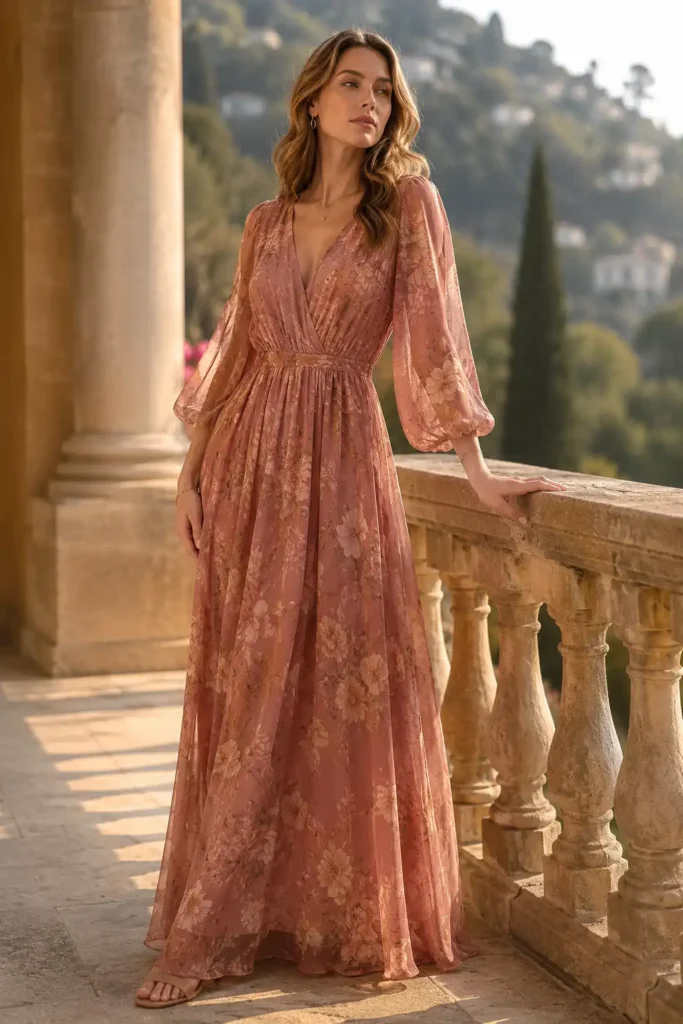
Maxi Dresses

Party Dresses
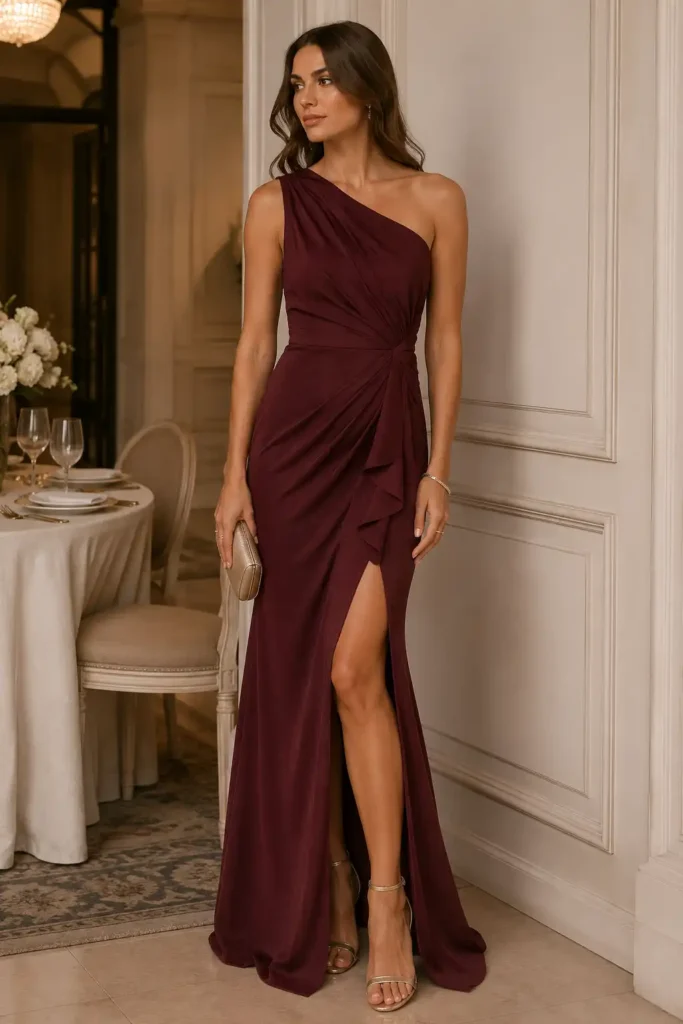
Occasion Dresses

Bodycon Dresses

Corset Dresses

Resort Dresses
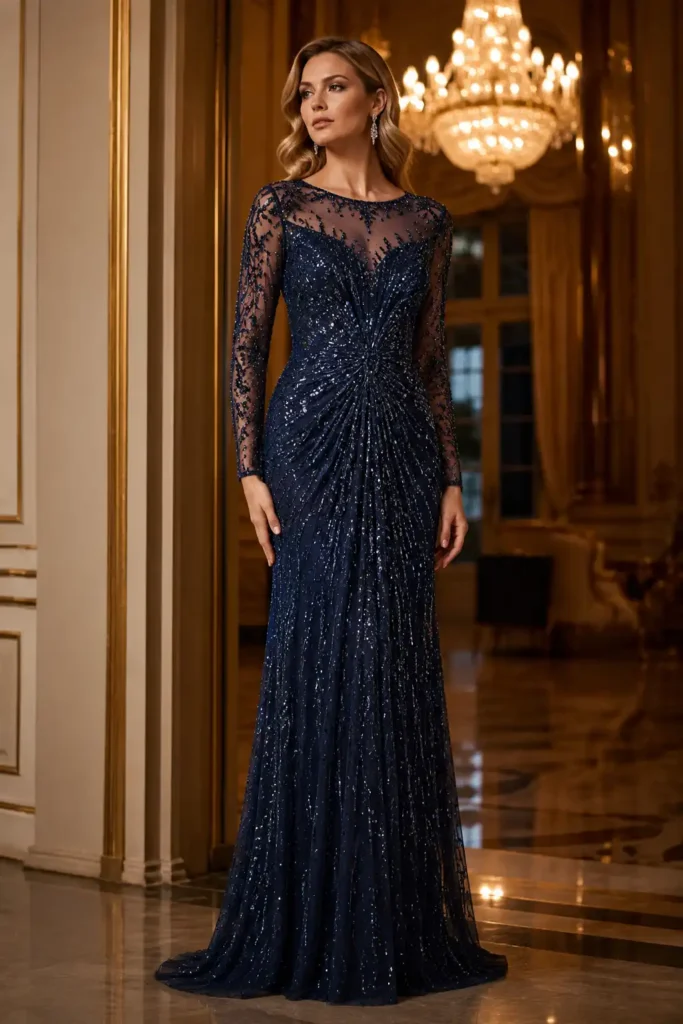
Evening Dresses
Build a Balanced Private Label Dress Assortment

Hero Styles

Volume Styles

Entry Price Styles

Premium Styles

Seasonal Styles

Repeatable Styles
Fabric and Trim Decisions Protect Product Positioning
Fabric and trims determine how a dress hangs, stretches, photographs, feels and survives production. Material decisions must be reviewed with pattern, construction, cost, MOQ and delivery rather than treated as a separate sourcing exercise.
Commercial Fabrics for Repeatable Volume
Commercial fabrics need a balance of appearance, availability, cost and manufacturing stability. Crepe, jersey, ponte, stretch woven, rayon blends and selected polyester constructions can support volume dresses when weight, stretch, recovery, shrinkage and color consistency are suitable. Fabric selection starts with the product role and target market rather than a generic request for a cheaper alternative.
For stretch dresses, the team reviews stretch percentage in both directions, recovery after extension, opacity under tension and seam compatibility. For woven dresses, drape, surface texture, wrinkling, width and cutting behavior influence both appearance and consumption. Lining may be required for opacity, comfort, support or cleaner internal finishing, and its color and stretch should match the outer fabric.
Bulk approval should identify the exact fabric name, composition, weight, width, hand feel, color standard and supplier reference. When available material is substituted, the pattern team reassesses fit and construction before approving the change.
- Crepe and stretch woven for commercial structure
- Jersey and ponte for bodycon and easy-fit programs
- Rayon blends for soft drape and resort silhouettes
- Chiffon for layered and fluid shapes
- Cotton and linen blends for breathable seasonal dresses
Satin, Mesh, Lace and Sequin Control
Fashion-led materials create greater visual value and greater production risk. Satin can snag, shade differently under changing light and show seam puckering. Mesh can vary in transparency and stretch. Lace may require motif placement, edge control and careful joining. Sequin fabrics can lose decoration, scratch skin, increase seam bulk and require protective packing.
Satin development checks surface direction, dye lot, lining, stitch tension, seam allowance, pressing temperature and packaging. Mesh styles require clear coverage decisions, lining boundaries and reinforcement at high-stress points. Lace needs motif direction, symmetrical placement and an agreed method for edge finishing or appliqué. Sequin styles require seam preparation, broken-sequin removal, skin-contact protection and inspection after packing.
The material approval should identify acceptable visual variation and inspection points before production. A sample that looks strong under studio lighting may still need changes for movement, comfort, pressing or repeatable sewing.
- Satin: shine direction, snagging, color and pressing
- Mesh: stretch, transparency, recovery and lining
- Lace: motif placement, edge finishing and breakage
- Sequins: attachment, skin comfort and packaging protection
- Chiffon: cutting stability, seam control and hem finish
Structural Trims and Wearability
Small components often determine whether a dress feels secure and refined. Invisible zippers must match fabric weight, color and seam position; a zipper that waves or bulges can weaken the entire garment appearance. Bra cups, boning, elastic, hooks, sliders and anti-slip materials need the correct size, hardness and placement for the intended support level.
Corset and strapless styles require a coordinated internal system rather than separate components chosen by appearance. Boning channels, cup position, under-bust shape, zipper support and lining all influence comfort and stability. Adjustable straps need hardware that matches the strap width and garment weight. Rhinestone straps or decorative chains require testing for pull strength, skin contact and transport damage.
Trim approval records material, color, size, finish, supplier MOQ, lead time, cost and bulk availability. A trim change may require a revised sample when weight, stretch or placement affects fit.
- Invisible zippers and top closures
- Bra cups, boning and internal support
- Strap sliders, rings and adjusters
- Elastic, clear tape and reinforcement
- Rhinestones, chains and decorative hardware
Brand Trims and Packaging Materials
Private-label components are part of the finished product standard.
Woven labels, care labels, size labels, hangtags, hang strings, barcode stickers, polybags, cartons and warehouse labels need correct artwork, material, placement and quantity.
Their supplier MOQ and production time should be reviewed early, especially when many styles share the same brand identity but require different size or barcode information.
Comfort matters as well as appearance. A stiff main label can irritate the neck or side seam; a care label can become visible through light fabric; a dark printed label may show through white lining.
Packaging material thickness, vent holes, warning text, fold method and size influence presentation and shipping efficiency.
Artwork approval should verify spelling, dimensions, color, logo position, legal wording, size mapping and barcode data. Once bulk materials are printed, changes usually create waste and schedule impact.
Fit and Construction Control for Commercial Dresses
Fit is the link between design appeal and sellable inventory. Jinfeng Apparel develops for US, UK, EU and AU sizing, alpha sizes from XS-XL, extended size ranges, plus-size standards and petite or tall adjustments according to the supplied brand specification.
Bust and Neckline Balance

The upper body controls support, coverage and visual proportion. Development reviews bust, upper bust, under bust, cup position, neckline depth, armhole, shoulder angle and strap placement. Strapless, halter, deep-V, corset and low-back dresses need different internal solutions, and the same base measurement cannot be used without considering fabric stretch and support structure.
Fit comments should state the observed problem and the desired result. Examples include raising the neckline by a measured amount, moving the cup position, shortening a strap, reducing armhole exposure or adjusting under-bust shaping. Pattern changes are recorded before the revised sample is produced, allowing the same correction to transfer into grading and bulk production.
Waist, Hip and Body Proportion
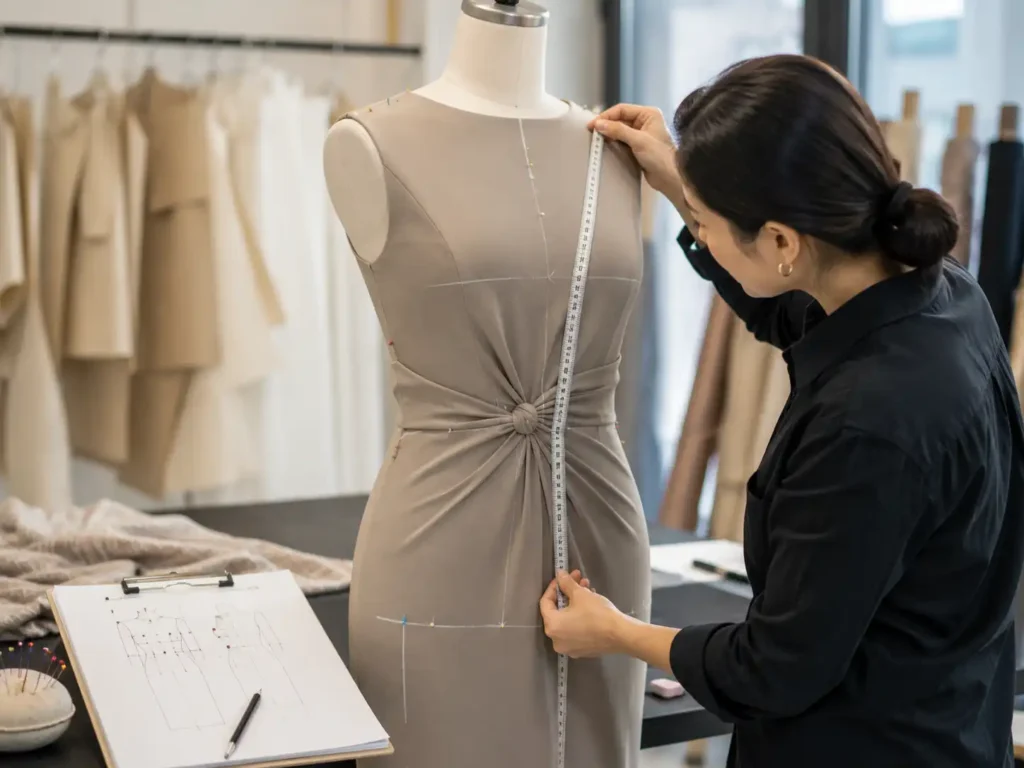
Waist placement changes the perceived length of the torso and skirt. A waistline set too high or low can make a well-made dress look incorrect on body. Bodycon, corset and bias-cut dresses require different ease and shaping. Development checks natural waist, high or low waist position, hip level, seat curve, side-seam balance and fabric recovery.
Size grading must preserve the intended silhouette across the range. Adding equal amounts everywhere may distort neckline, cup position, waist placement or skirt volume. Grade rules can be adjusted for key measurements and special size groups. Extended sizes may require additional support, revised strap widths, different cup shaping or changes in slit and hem proportions.
Straps, Sleeves and Open Backs

Straps and open-back structures carry load while defining the style. Adjustable straps require correct finished length, hardware size and attachment strength. Fixed straps need accurate placement so the neckline sits correctly without gaping or pulling. One-shoulder and halter styles require balance between visual asymmetry and secure wear.
Open-back dresses may need hidden elastic, cross straps, internal support or controlled neckline tension. Sleeve fit involves bicep, cap height, armhole, movement and fabric behavior. Stretch mesh sleeves need recovery and seam strength; woven sleeves require enough mobility without excess fabric. Bulk checks should compare placement and symmetry against the approved sample.
Length, Slits and Movement

Dress length must be measured from a defined reference point. Mini, midi and maxi categories need different movement and coverage controls. Slit height should be checked from the waist or hem according to the tech pack, and lining length must support coverage without appearing below the outer layer.
Maxi dresses require front-back balance, hem sweep and consideration of fabric growth. Bias-cut or heavy fabrics may lengthen after hanging, so finishing and measurement timing should be defined. Jumpsuits and romper-style programs add crotch depth, inseam and torso length to the measurement plan. Movement testing helps identify pulling, riding up, restricted steps or unstable necklines before production.
Sampling Gates Before Bulk Production
Sampling is a sequence of decisions, not a request for one attractive prototype. The selected sample stages depend on style complexity, material readiness, photography needs and the level of fit or packaging confirmation required before production.
First Sample and Fit Review
A first sample tests the initial structure, silhouette, fabric direction and construction method. It may reveal that a neckline needs support, a waistline is misplaced, a fabric lacks recovery or a trim is too heavy. Internal review covers measurements, workmanship and obvious construction risks before photos, video or physical shipment are sent for feedback.
A fit sample places greater emphasis on body balance and the approved size chart. Bust, waist, hip, length, strap, armhole, neckline depth, slit height and lining are measured against the specification. Fit comments should be consolidated by an authorized team member so pattern and sewing changes are not based on conflicting messages.
For calendar planning, many first samples are scheduled within roughly 7-15 working days after the required fabric, trims, measurements and construction details are ready. Complex corsetry, custom fabric, heavy embellishment or several material combinations require a project-specific schedule rather than a blanket promise.
Revised and Photo-Ready Samples
A revised sample should resolve documented points from the previous review. Each comment is classified as a pattern, measurement, fabric, trim, construction or finishing change. The pattern file, size chart, BOM and technical notes are updated where needed. A second sample is not useful when the written standard still reflects the first version.
Photo-ready samples may be prioritized for campaign production. Their fit, color and visible finishing should represent the planned product, but they do not automatically replace PP approval. Marketing teams sometimes request styling adjustments or a temporary material for photography; any difference from the production standard must be identified so it does not enter bulk files by mistake.
A revision cycle is commonly planned around 5-10 working days after consolidated comments and required materials are available. The exact window changes with pattern rework, trim development, fabric replacement and the number of styles moving simultaneously.
PP Sample and Golden Sample
The PP sample is the production authorization point. Fabric, color, lining, trims, measurements, construction, label placement, hangtags, packaging and any critical workmanship requirements should be confirmed.
Changes after PP approval can affect material usage, price, production instructions, inspection standards and delivery timing, so approval must come from the authorized brand representative.
A Golden sample is retained as the physical comparison standard for production, QC, packing and future orders. It supports visual decisions that are difficult to communicate through measurements alone, including drape, neckline shape, ruching, trim placement and finished pressing. Bulk teams compare the garment and supporting documents rather than relying on memory or informal photos.
Bulk Calendar and Delivery Planning
A standard production program often reserves approximately 30-50 days after PP approval, material readiness and production-line confirmation. Multi-style programs totaling 20,000-80,000 garments may use phased cutting, sewing, QC and packing windows rather than one single completion date. Complex embellishment, custom dyeing, certified materials, special packaging or peak-season loading can extend the schedule.
Freight is planned separately from production. Air freight supports urgent launches and priority SKUs; sea freight controls transport cost for larger volumes; split air and sea shipments can place hero colors or initial size runs into market first. Final delivery timing depends on destination, trade terms, forwarder bookings, customs and warehouse requirements.
Keep Multi-Style Dress Programs Organized
A collection with 10-30 styles creates hundreds of linked decisions. Jinfeng Apparel separates every style into controlled records while maintaining one program view for launch timing, capacity, packaging and shipment planning.
Style and Material Grouping
Styles are grouped by fabric family, construction type, fit risk and production suitability. Several satin dresses may share color development and lining direction, while a mesh corset dress needs separate structural planning. Grouping helps consolidate suitable materials and trims without forcing unrelated products into the same standard.
The line sheet should identify hero styles, volume styles, photography priority, expected quantities and target delivery. High-risk designs enter development earlier. Commercial carryover shapes can move faster when the pattern and material direction are stable. Material sharing is reviewed against color, weight, stretch, width, MOQ and intended price tier.
Revision and Approval Tracking
Every style receives a separate revision record. The log can include pattern changes, measurement changes, fabric replacements, trim changes, sewing methods, client comments, sample version and approval status. A collection should never depend on one long email thread where several styles and sample generations are mixed together.
Approval status is visible for fabric, color, trims, fit, PP sample, labels and packaging. A style cannot be described as production-ready when one critical component remains open. Consolidated sign-off reduces the risk of one department approving color while another still expects a fabric change.
Production and QC Status
The production tracker can show style number, product name, color, size range, quantity, fabric status, trim status, sample status, PP status, cutting, sewing, QC, packing and shipment. Status remains factual: waiting for fabric, in cutting, at sewing, under repair, packed or released for shipment. Percentages should be supported by actual output rather than optimistic estimates.
Production allocation considers line skill, fabric handling, construction difficulty, quantity and delivery priority. Inline QC feedback is linked to the relevant style and production unit. When one style requires correction, the issue can be contained without confusing the remainder of the collection.
Packing and Shipment Coordination
Packing files are managed by style, color, size and destination. Barcode data, labels, pack ratios, carton marks and warehouse instructions should be approved before final packing. Split shipments require clear separation of priority SKUs and synchronized packing lists so the brand can receive each wave without reconciliation problems.
Air, sea or combined shipping decisions are made against launch timing, volume and cost. A program may release photo priorities, hero colors or initial size quantities by air while the main volume moves by sea. The project plan records the selected freight method and required export documents for each shipment.
Costing Decisions Behind a Viable Private Label Dress
A reliable quotation reflects the complete garment rather than a simplified fabric-plus-sewing estimate. Jinfeng Apparel reviews materials, construction, pattern work, production time, quality, packing and delivery so cost changes can be traced to a real product decision.
| Cost Driver | Manufacturing Effect | Cost-Control Direction |
|---|---|---|
| Main fabric | Weight, width, consumption, print, dyeing and surface behavior influence material cost and cutting efficiency. | Compare suitable weights, blends or stocked alternatives without weakening the intended appearance. |
| Lining and internal layers | Opacity, comfort, support and clean finishing may require full, partial or stretch lining. | Use lining only where function requires it, with color and stretch matched to the shell. |
| Corset and support structure | Cups, boning, channels, elastic and closure reinforcement increase material and sewing time. | Simplify hidden construction only after fit and support are protected in sampling. |
| Ruching, draping and pleats | Extra consumption, placement work and operator time increase with detail density. | Focus detail in high-visibility areas and define repeatable placement standards. |
| Lace, mesh and sequins | Motif matching, transparency, breakage, skin comfort and special handling affect yield and QC. | Select production-suitable quality levels and consolidate colors where possible. |
| Pattern and sampling | Complex silhouettes, revisions and size development require more technical work. | Consolidate comments, approve measurements early and avoid late structural changes. |
| Size and color range | More combinations increase cutting, labels, barcodes, packing and inventory complexity. | Plan commercial size ratios and avoid excessive color fragmentation. |
| Private-label packaging | Woven labels, hangtags, barcode materials, polybags and cartons have setup and MOQ costs. | Standardize brand-wide components while retaining SKU-specific information. |
| QC and testing | Product risk, inspection level and third-party requirements affect time and cost. | Define testing and inspection needs at quotation stage rather than after production. |
| Delivery method | Air, sea, split shipment and destination rules affect landed timing and cost. | Use priority air freight for launch-critical units and sea freight for main volume where suitable. |
Plan Garment, Fabric and Packaging Quantities Together

Garment Quantity

Fabric and Color

Trims and Labels
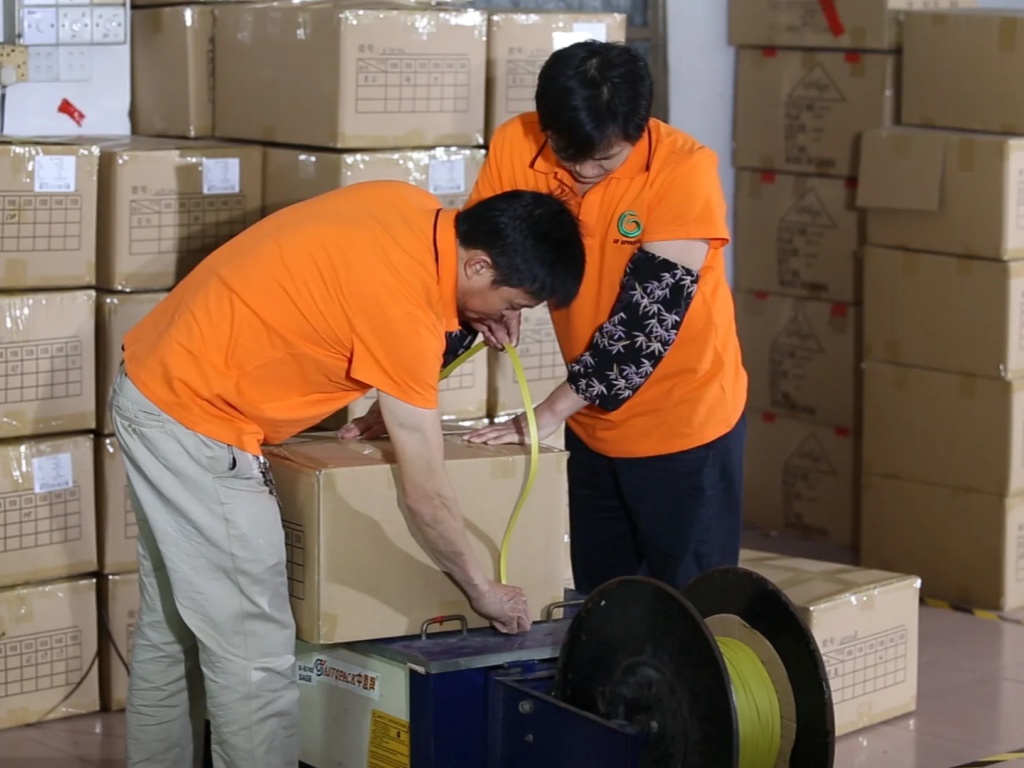
Packaging and Cartons
Private Label Components Controlled Before Bulk Production
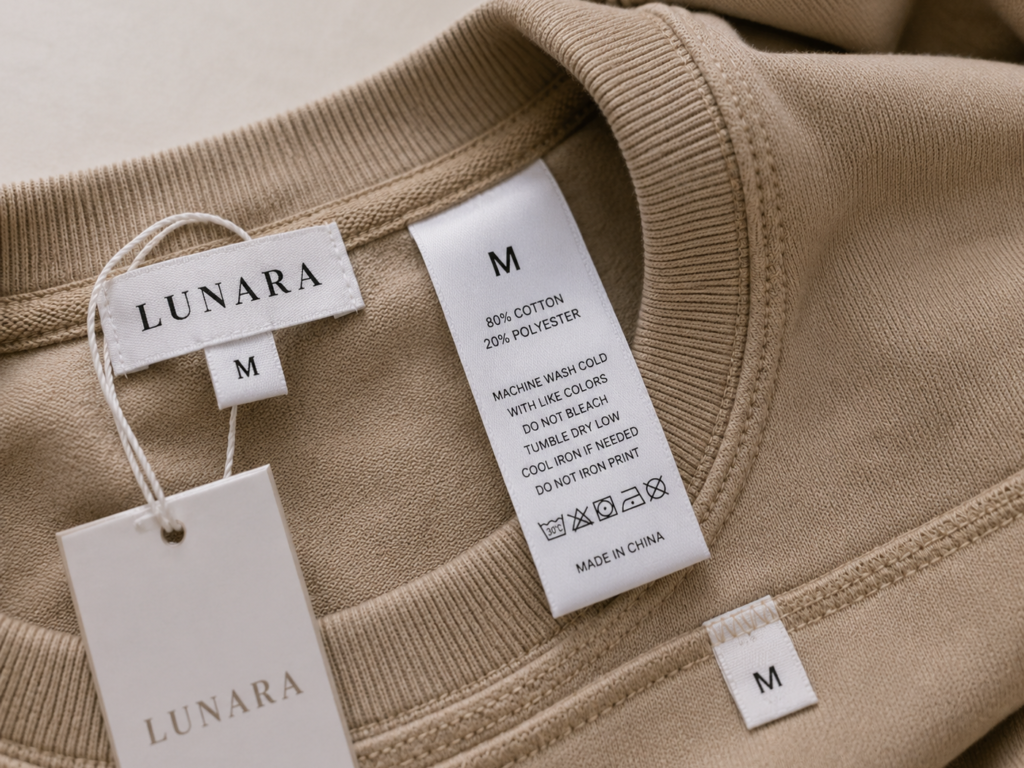
Woven Labels
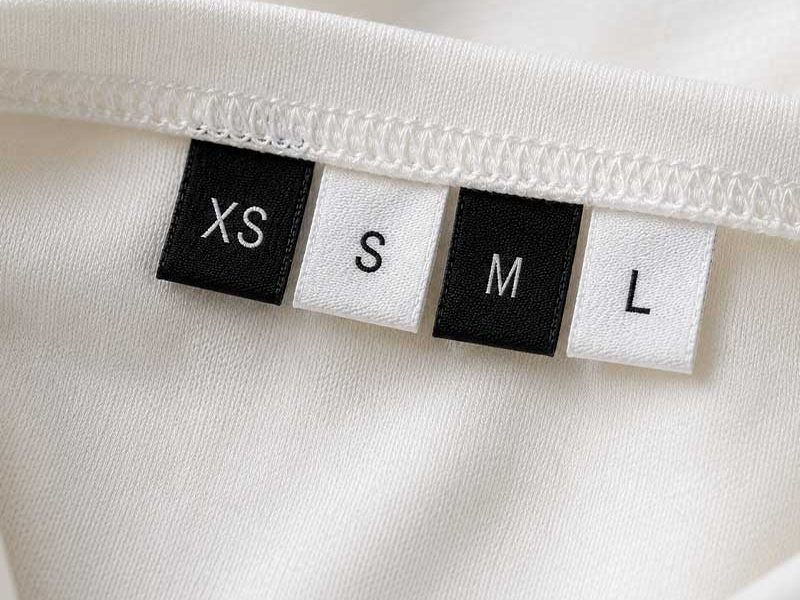
Size Labels
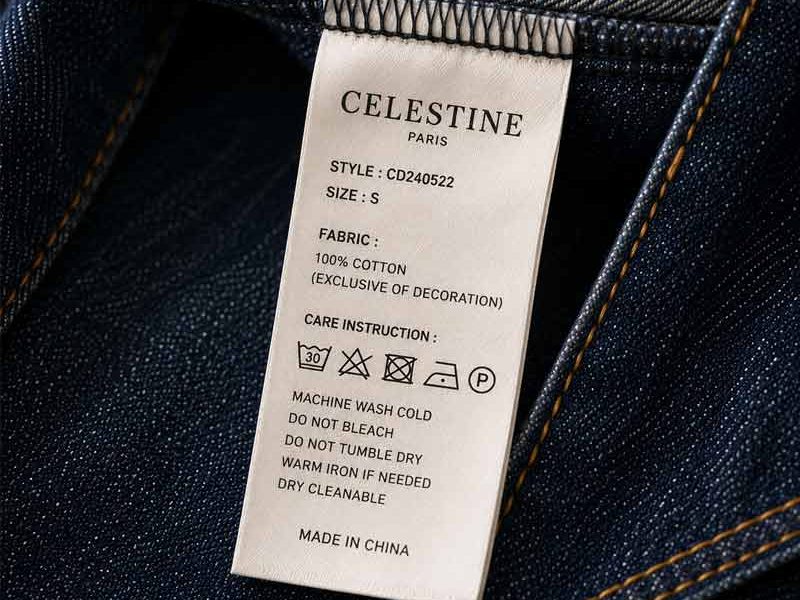
Care Labels
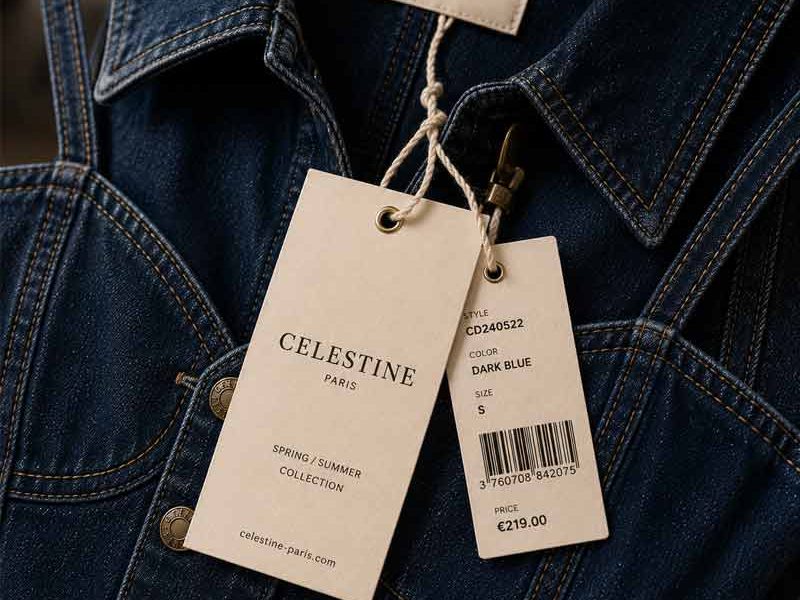
Hangtags
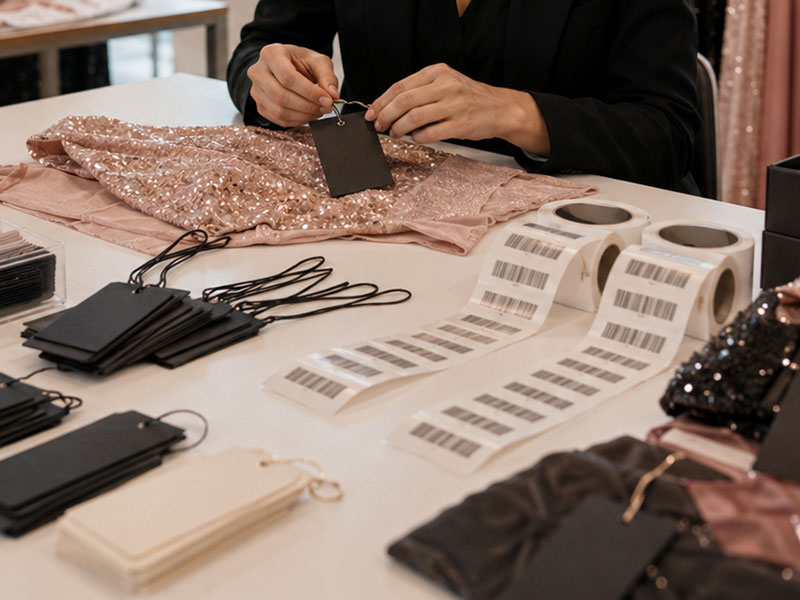
Barcode Stickers

Branded Polybags

Carton Marks
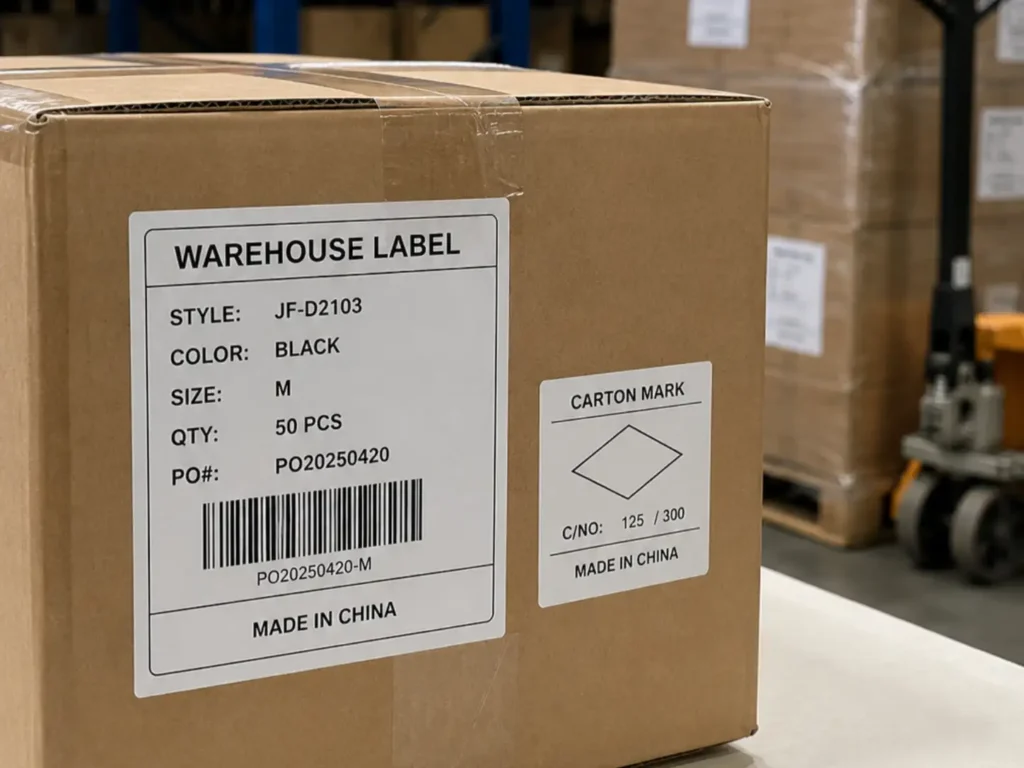
Warehouse Labels
From Finished Garments to Retail-Ready Inventory
Retail-ready delivery links garment quality with SKU control, packing accuracy and warehouse information. The finished product should be identifiable, scannable and traceable from the individual polybag to the packing list and shipment documents.
SKU Mapping and File Control
SKU mapping joins style number, color code, size, barcode and quantity. The brand file becomes the reference for labels, stickers, packing ratios and shipment documents. Final mapping should be locked after color and size planning, then version-controlled so an outdated spreadsheet is not used during barcode printing or carton preparation.
Excel files are useful for large programs, but column structure and naming must remain consistent. The project team reviews totals by style, color and size, then checks printed barcode samples before mass production. Any change in quantity or size ratio triggers a corresponding review of label and packing-material counts.
Folding, Polybag and Pack Ratios
Folding methods influence presentation, polybag size and carton efficiency. Structured dresses, sequins, corsetry and long hems may require tissue, surface protection or different folding from simple knit dresses. The approved packing instruction should show fold direction, hangtag position, barcode placement, bag sealing and any warning text.
Pack ratios may be solid-size, mixed-size, color-assorted or destination-specific. The packing team uses written ratios and performs count checks before carton sealing. Mixed cartons require especially clear inner labels and packing-list detail so warehouse teams can receive and allocate inventory accurately.
Carton and Warehouse Readiness
Carton size, net weight, gross weight, quantity, carton number and shipping mark are recorded for freight and receiving. Cartons should protect garments without excessive compression or unnecessary volume. Delicate fabrics and embellishment may need lower packing density. Warehouse labels are applied according to the supplied receiving guide.
Packing inspection checks style, color, size, labels, barcode, polybag, quantity and carton information. Retail-ready quality cannot be repaired easily after export, so document and physical checks are completed before release to the forwarder.
Shipment Documents and Forwarder Coordination
The logistics team can prepare or support commercial invoices, packing lists, carton details, style-color-size breakdowns, gross and net weights, carton measurements, HS-code information support and origin documents when required by the destination arrangement. Client-appointed forwarders receive pickup timing, cargo details and booking coordination.
Air, sea, FOB, EXW, CIF, DAP or project-specific DDP solutions may be considered according to destination and forwarder capability. Trade terms and responsibilities must be confirmed for each shipment rather than assumed across all countries.
Production Allocation Based on Dress Construction
Jinfeng Apparel uses 6 owned women’s fashion factories and more than 10 long-term production partners. Styles are allocated according to fabric type, construction, quantity, skill requirement and delivery plan rather than placed on one interchangeable production line.

Woven Fashion Dresses

Stretch Bodycon Styles

Party and Occasion Dresses

Mesh and Lace Dresses

Sequin and Embellished Dresses

Jumpsuits and Matching Sets
Workmanship Standards for Brand-Level Dress Production
Workmanship quality comes from defined methods, skilled execution and inspection at the point where errors can still be corrected. The standard changes with fabric and construction, yet the core goal remains flat seams, secure structures, balanced appearance and repeatable measurements.
Cutting, Direction and Component Control
Cutting determines whether pattern accuracy survives into production. Fabric is reviewed for face and back, grain direction, nap, shine, stretch, print placement, lace motifs and visible defects. Satin and velvet require direction control; printed dresses may need placement alignment; stretch fabrics may need relaxation; lace and mesh require careful handling to prevent distortion.
Bundles are separated by style, color and size. Cut components are checked for count, notches, symmetry and visible damage before sewing. Corset panels, cups, lining pieces and decorative overlays must correspond to the correct pattern version. A cutting error repeated across several bundles is more expensive than a single sewing repair, so early checks protect both quality and schedule.
Sewing Methods and Seam Appearance
Seam method is chosen according to fabric weight, stretch, transparency and stress. Lightweight chiffon needs narrow, controlled seams and clean hems; satin requires suitable needles, tension and pressing; stretch knits need seam elasticity; mesh and lace may require reinforcement or concealed joining. Structured bodices need stable panel assembly and secure channels.
Visual standards include flat side seams, balanced neckline, smooth zipper insertion, even ruching, aligned waist seams and symmetrical straps. Workmanship standards are shown through approved samples, technical notes and critical reference images. Operators and inline inspectors need the same interpretation of acceptable appearance.
Internal Structure, Support and Comfort
Internal work determines whether a fashion dress remains wearable. Lining should cover required areas, move with the shell and avoid pulling at seams. Cups and boning need stable placement without sharp edges. Hooks, elastic, anti-slip materials and reinforcements should support the garment without causing irritation or visible bulk.
Sequin, rhinestone and hardware styles receive skin-contact checks. Decorative areas near armholes, underarms, necklines or seats may need backing or removal of sharp elements inside seams.
Comfort problems often appear only after movement, so internal review considers sitting, walking, raising arms and dressing or undressing.
Pressing, Finishing and Final Presentation
Pressing is part of construction quality, not cosmetic cleanup. Temperature, pressure and steam must suit the fabric. Satin can mark or shine incorrectly; mesh can distort; synthetic fabrics can react to heat; pleats and ruching need controlled shaping. Finished garments are checked for seam impressions, puckering, wrinkles and balanced hems.
Finishing includes thread trimming, spot cleaning, closure checks, measurement, hangtag placement, folding and packaging. Long dresses may be allowed to hang before final length review. Embellished pieces are inspected again after pressing and packing preparation because handling can loosen decoration or damage delicate surfaces.
Quality Controls Preserve Approved Product Standards
Quality control follows the product from incoming materials to sealed cartons. Each checkpoint protects a different part of the approved standard, and inspection depth is adjusted for the fabric, construction and private-label requirements.
| Control Stage | Main Checks | Risk Controlled |
| Incoming fabric | Fabric identity, composition reference, width, color, dye lot, defects, stretch, hand feel and quantity. | Wrong material, color variation, insufficient bulk fabric and inconsistent performance. |
| Incoming trims | Zippers, cups, boning, hardware, lace, labels, hangtags and packaging materials. | Incorrect color, size, quality, branding or missing components. |
| Cutting | Grain, nap, shine direction, print or lace placement, defects, component count and size separation. | Distorted shape, mismatched panels, repeated cutting defects and size mixing. |
| Sewing inline | Seam method, symmetry, zipper flatness, ruching, lining, support structure, measurements and workmanship. | Large-scale repetition of construction or fit errors. |
| Measurement review | Bust, waist, hip, length, strap, armhole, neckline, slit, lining and jumpsuit crotch or inseam where applicable. | Unstable sizing, grading errors and higher fit-related returns. |
| Finished garment | Appearance, pressing, closures, decoration, comfort, stains, loose threads and comparison with PP or Golden sample. | Sample-to-bulk drift and visible retail defects. |
| Packing QC | Main label, size, care label, hangtag, barcode, polybag, pack ratio, carton quantity and carton mark. | SKU errors, warehouse receiving failures and rework after production. |
| Final inspection | Agreed sampling level, quantity status, workmanship, measurement, packing and shipment release records. | Uncontrolled shipment of nonconforming goods. |
Compliance and Confidentiality for Private Label Programs
Audit and Factory Records
Material Documentation
Testing Coordination
NDA and Design Protection
Private Label Dress Programs From Sample to Delivery
U.S. Fast-Fashion Dress Drop - 28,800 Pieces
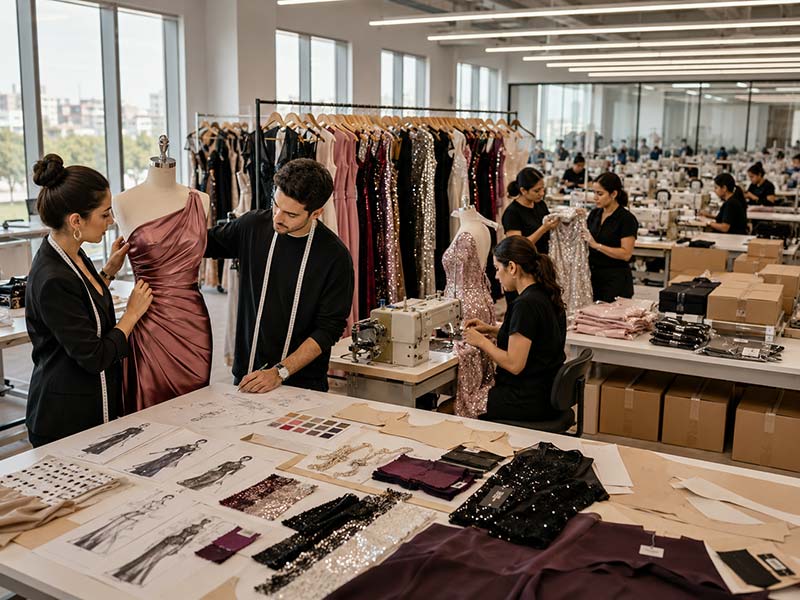
U.S. Retail Private Brand Program - 46,200 Pieces

Seasonal Party and Occasion Collection - 68,400 Pieces
Frequently Asked Questions for Private Label Managers

Send Your Private Label Dress Program
A useful project review begins with the files and commercial conditions that shape development. Send the line sheet, tech packs or reference images together with quantities by style and color. Fabric direction, size range, target market, label artwork, barcode files, packaging requirements and the preferred warehouse or delivery window allow Jinfeng Apparel to evaluate material availability, MOQ, sample work, production allocation, quality controls and shipment planning.
The review does not require every detail to be finished. Mature programs often begin with a line sheet and priority list, then move into structured confirmation. Kelly coordinates the initial assessment and routes product, sampling, production, QC and packing questions to the relevant team.
Please include:
- Company name and target market
- Line sheet, tech pack, original-sample photos or reference images
- Quantity by style and color
- Color plan and size range
- Preferred fabric or performance direction
- Required labels, hangtags, barcodes and packaging
- Campaign, warehouse or delivery target
- Testing, audit or documentation requirements


