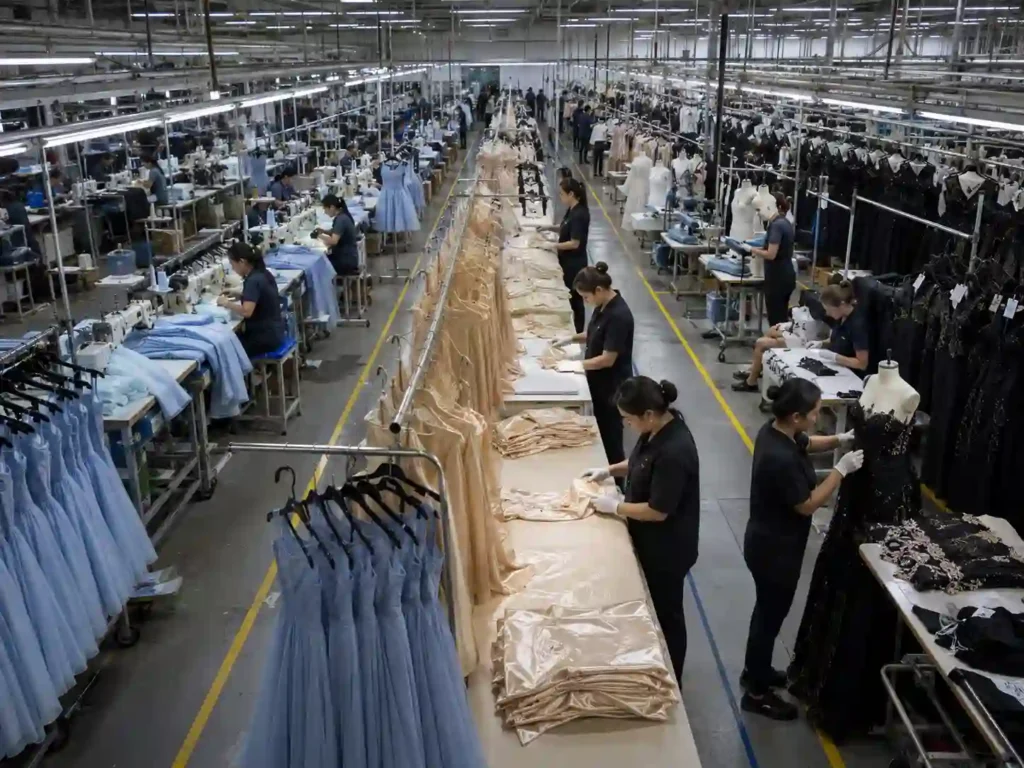
Holiday Party Dress Collection Manufacturer
Seasonal partywear development for fashion brands that need coordinated styles, controlled festive fabrics, reliable fit, and production timed around the holiday selling window.
Jinfeng Apparel develops holiday party dress collections from line review and fabric direction through pattern making, multi-style sampling, PP approval, bulk production, private-label packing, and export delivery. Each collection is organized around commercial roles, material risk, fit sensitivity, launch priority, and repeat-order potential rather than treating every dress as an isolated style.
- Typical seasonal programs: 10-30 coordinated styles and 20,000-80,000 total pieces.
- MOQ starts from 200 pieces per style/color, subject to fabric, trim, and construction requirements.
- First-sample timing generally ranges from 7-10 days for simple styles, 10-15 days for standard dresses, and 15-25 days for complex corset, sequin, lace, or embellished designs.
- Collection planning can include Christmas party, office cocktail, formal dinner, campaign hero, and New Year’s Eve styles.
- Air, sea, and split-shipment plans can be arranged around launch priority, carton data, destination, and confirmed production timing.
Holiday Collection Manufacturing at a Glance
Since 2008
Long-term womenswear manufacturing experience supports dress development, fit correction, material sourcing, private-label production, and export coordination for overseas fashion programs. The working method is built around approved specifications, recorded revisions, and controlled handover from sample room to bulk production.
Six Owned Factories
Ten Plus Partners
100,000+ Monthly
Two Sample Rooms
MOQ From 200
Built for Established Fashion Teams
Best Fit For
- Seasonal collections with 10-30 styles and planned bulk production.
- Brands that need fit development, material control, and private-label delivery.
- Programs requiring multiple colors, sizes, SKU labels, barcodes, and carton breakdowns.
- Long-term seasonal development, repeat orders, and bestseller replenishment.
Not Designed For
The production model is not built around ready-stock resale, one-piece fulfillment, personal made-to-measure orders, or unstructured micro runs. Accurate development also requires enough information to evaluate construction, materials, quantities, branding, and timing. A single inspiration photo without quantity, size, material, or launch information can support an early discussion, but it cannot support a final quotation or a responsible delivery promise.
- Ready-stock wholesale or one-piece shipment programs.
- Orders without a defined product direction or production plan.
- Requests based only on the lowest possible unit price.
- Projects that skip sample approval, PP approval, or material confirmation.
Where Holiday Collections Usually Fail
Disconnected Assortment
Concept Lost in Sample
Fit Varies by Style
Festive Fabrics Fail
Bulk Misses Approval
Launch Window Slips
Build a Complete Holiday Party Assortment

Sequin Mini Dresses
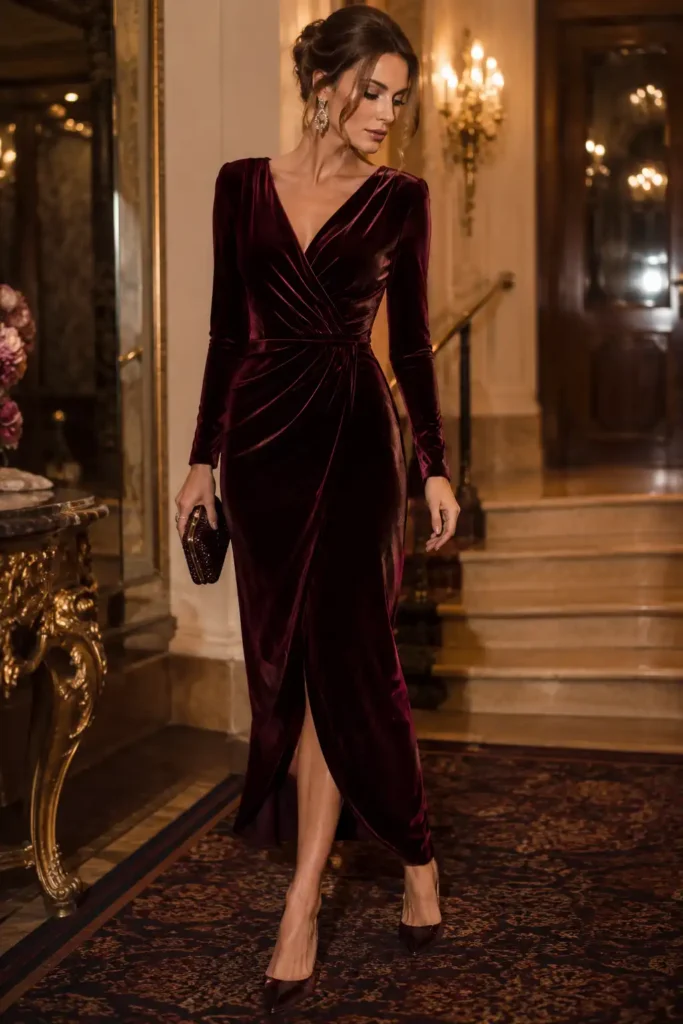
Velvet Midi Dresses

Satin Slip Dresses
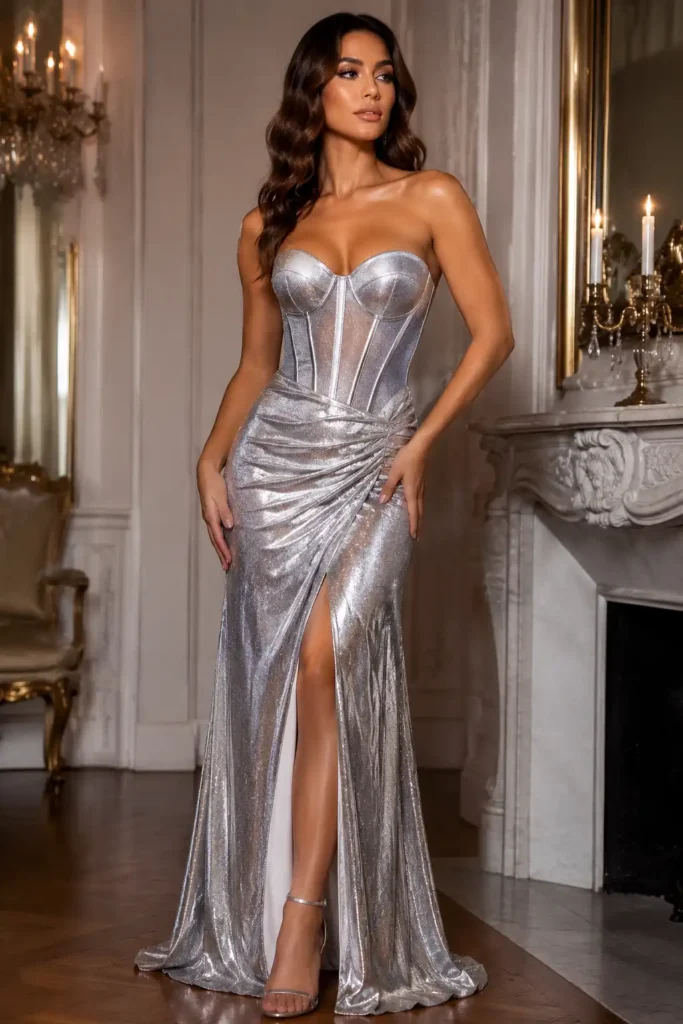
Corset Party Dresses

Rhinestone Dresses

Metallic Dresses

Mesh Bodycon Dresses
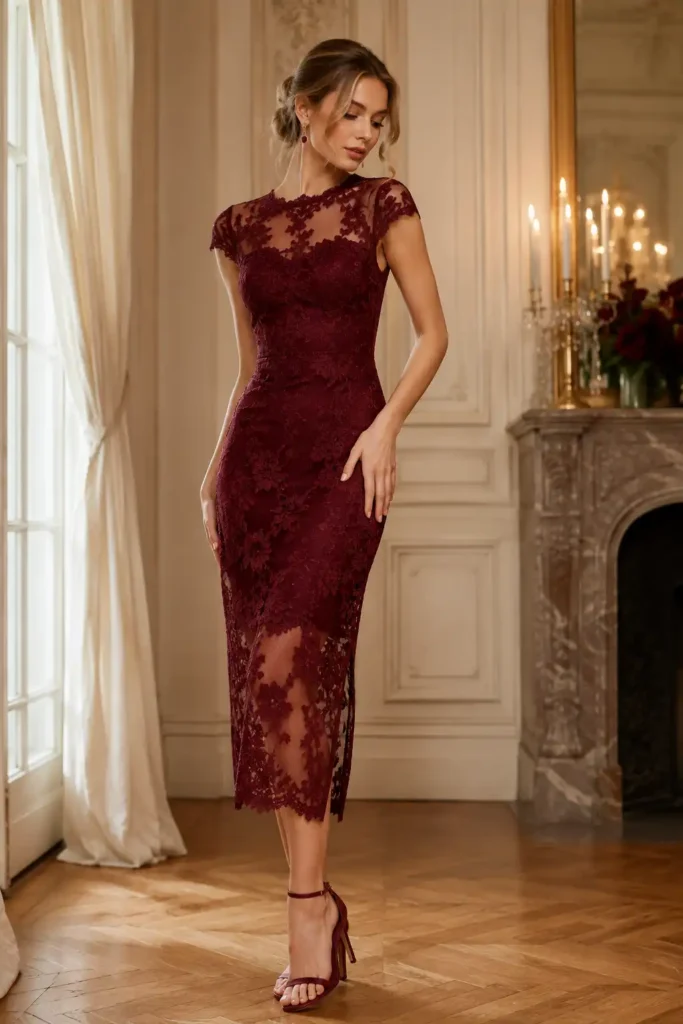
Lace Cocktail Dresses

Long-Sleeve Party Dresses

One-Shoulder Dresses

Evening Maxi Dresses

Party Jumpsuits
Balance Hero, Core, and Margin Styles
A holiday collection performs better when every style has a commercial job. Product roles guide design investment, sample priority, material selection, price architecture, photography, production scheduling, and replenishment planning.
| Collection Role | Typical Style Direction | Commercial Purpose | Material Direction | Planning Note |
|---|---|---|---|---|
| Campaign Hero | Rhinestone corset, metallic drape, dramatic sequin mini | Create launch visibility and social content | Rhinestones, metallic surfaces, dense sequins, sculpted mesh | Start early; long-lead trims and complex approvals |
| Core Party | Satin mini, velvet midi, fitted cocktail, one-shoulder dress | Carry the main seasonal sales volume | Satin, velvet, crepe, lace, stretch blends | Prioritize fit, repeatable construction, and color depth |
| Commercial Volume | Long-sleeve mini, clean bodycon, ruched midi, slip dress | Support margin and broader wearability | Stretch satin, jersey, power mesh, crepe | Control color count and use shared trims where suitable |
| Formal Extension | Evening maxi, lace gown, draped velvet dress | Serve higher-price formal occasions | Heavy satin, lace, velvet, chiffon, tulle | Plan longer sampling, pressing, and packing time |
| Non-Dress Option | Party jumpsuit or matching set | Add assortment variety without leaving the theme | Satin, crepe, velvet, metallic jersey | Review torso fit, rise, closures, and separate SKU logic |
Festive Fabrics Engineered for Bulk Production
Holiday materials create value through light, texture, depth, and movement, yet the same surfaces can introduce color, sewing, comfort, inspection, and packing risks. Fabric selection begins with the intended silhouette and production method.
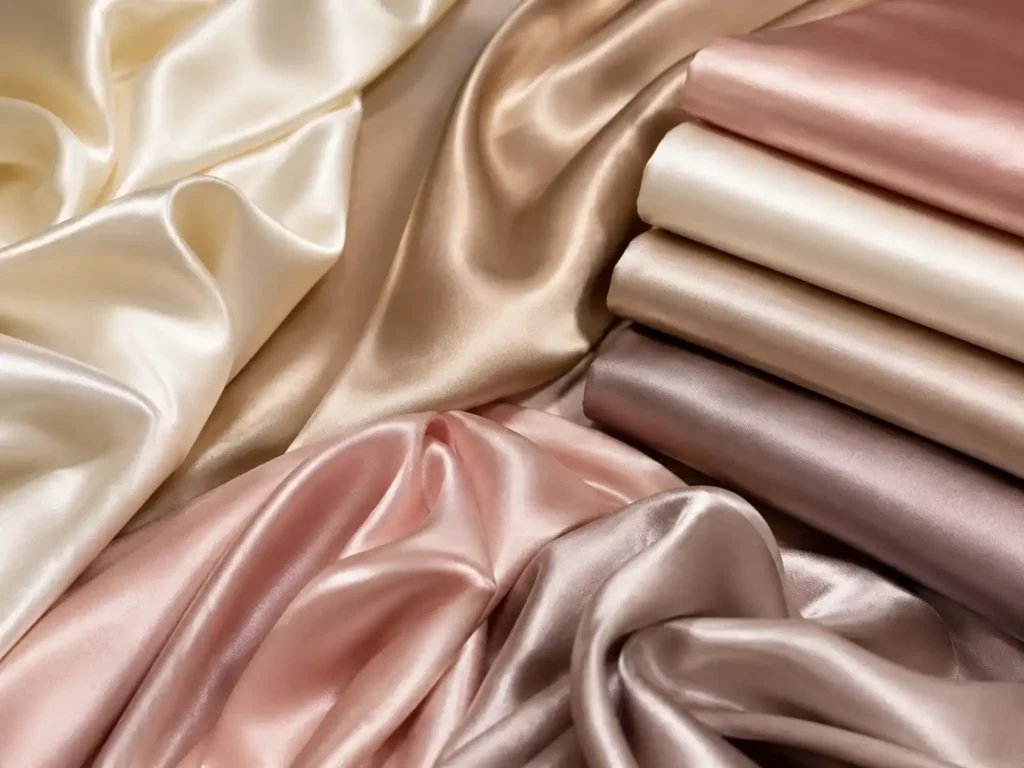
Satin and Metallic Surface Control
Satin direction is checked before cutting because panels placed in different directions can appear as different shades under retail lighting.
Fabric weight, weave density, stretch, and finish are reviewed against the silhouette: a bias slip needs fluid drape, while a fitted corset dress needs enough stability for seams and internal structure.
Needle choice, seam tension, pressing temperature, and protective handling help reduce snags, shine marks, puckering, and surface scratches. Metallic fabrics require a separate trial for stretch cracking, coating damage, heat reaction, fold recovery, and transfer. Production markers should avoid unnecessary seam stress, and individual packing may need tissue, protective film, or reduced folding depending on the surface.
- Check shine direction and dye-lot consistency under directional light.
- Confirm pressing temperature on production fabric before line use.
- Test seam appearance at curved bust, waist, and hip areas.
- Select folding and bag size to reduce permanent pressure lines.

Sequin and Rhinestone Stability
Sequin fabrics differ by base cloth, sequin size, density, direction, and attachment method. Cutting may require removing sequins from seam allowances, protecting the wearer from sharp edges, and controlling skipped stitches or broken needles. Rhinestone styles need a placement map, weight review, stretch allowance, and attachment test. Heat-set stones, glued stones, sewn stones, and rhinestone mesh each require different inspections. Bulk checks focus on missing decoration, loose attachment, seam interference, zipper obstruction, skin-contact comfort, and friction during packing. Heavily embellished styles receive more handling time than smooth fabrics, so production plans should reflect labor and inspection intensity rather than garment count alone.
- Review embellishment density against garment weight and fabric recovery.
- Protect underarm, side-seam, zipper, and sitting areas from excess friction.
- Confirm repair standards and spare trim availability before bulk production.
- Use packing methods that keep decorated surfaces from rubbing each other.
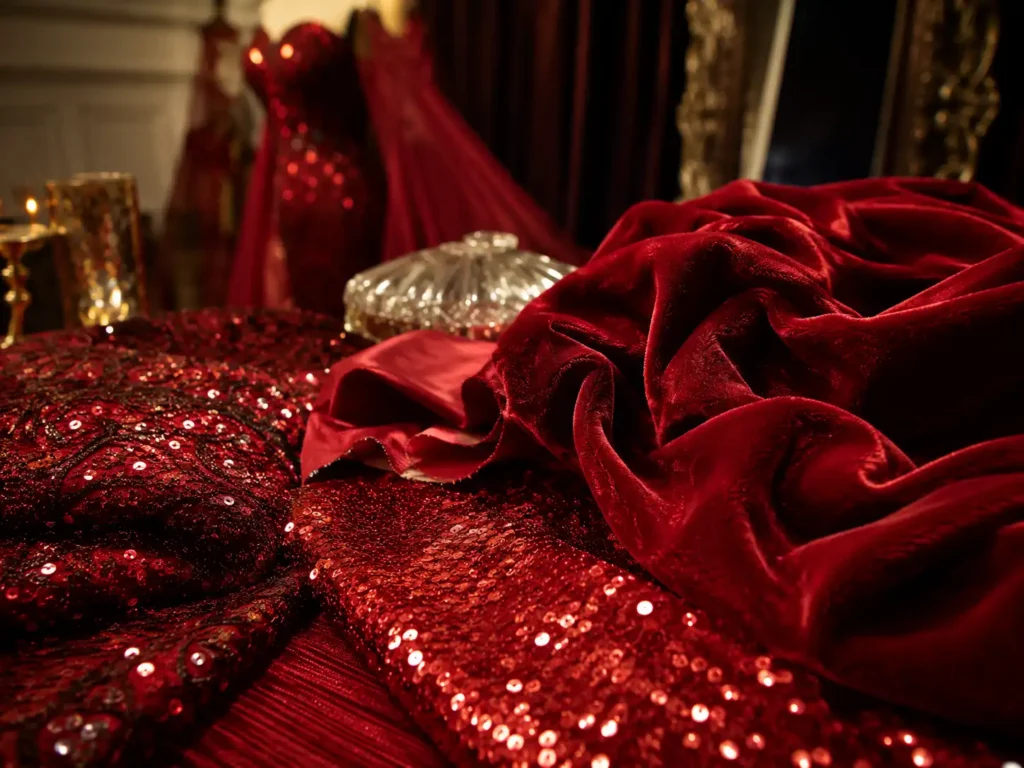
Velvet and Lace Direction
Velvet gains depth from its pile, but inconsistent direction can create visible shade changes across one garment. Cutting plans, bundle identification, sewing direction, pressing, hanging, and packing must preserve the selected nap. Excessive pressure can flatten the surface, especially around waist seams, zippers, folded sleeves, and carton compression. Lace requires a different control method. Motif placement, scallop use, repeat size, lining shade, seam visibility, and pattern symmetry influence both cost and appearance. A lace with a large repeat may increase consumption, while fragile edges may require binding, clean lining, or reinforcement. The chosen lining should support the intended transparency without hiding the lace character.
- Keep velvet pile direction consistent across all visible panels.
- Use controlled steam and low-pressure finishing where appropriate.
- Map lace motifs at center front, neckline, sleeves, waist, and hem.
- Approve lining color under daylight and warm indoor lighting.

Mesh, Tulle, and Organza Layers
Mesh and tulle can create transparency, body shaping, ruching, volume, or floating layers. Stretch direction and recovery must match the pattern, especially for bodycon dresses and corset overlays. Outer mesh and lining should move together without twisting, exposing seam allowances, or pulling the neckline. Power mesh can provide internal support, while soft mesh may be used for drape and layered transparency. Organza offers crisp volume but can fray, crease, or feel sharp at unfinished edges. Gathering ratios, layer counts, seam finish, hem method, and pressing all affect consistency. Sample review should include movement, sitting, arm reach, and lighting checks rather than only a static fitting photo.
- Record stretch percentage and direction for outer and inner layers.
- Confirm lining coverage at bust, waist, hip, and slit areas.
- Check gathering distribution and layer symmetry before closing seams.
- Test edge finish for comfort, transparency, and production repeatability.
Fit and Structure Behind Party-Ready Dresses
Partywear fit must hold its shape under movement, lighting, photography, and several hours of wear. Pattern development focuses on support, proportion, mobility, and size consistency rather than a single attractive sample photo.

Corset Bodices With Wearable Support
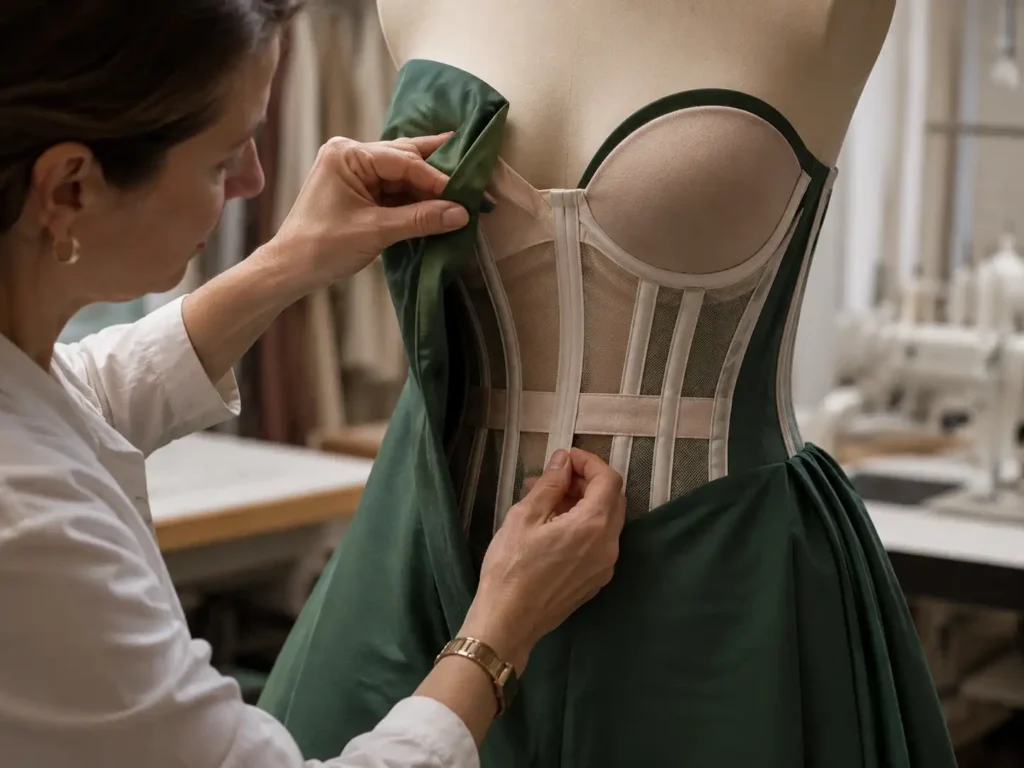
A corset-style dress is developed from the intended support level. Decorative seam lines, flexible boning, firm boning, bra cups, underwire, waist tape, elastic, and lining all produce different results. Bust point, cup volume, underbust placement, neckline height, center-front length, side height, waist position, and zipper tension must work as one system. Strong compression without enough cup or torso length can push the garment upward; too little structure can cause the neckline to collapse. Sample fittings review front support, side coverage, back stability, breathing comfort, sitting, and arm movement. Once approved, boning length, placement, cup type, seam allowance, stitch method, and internal finishing are recorded for bulk production.
- Approve cup position and bust coverage on the intended size range.
- Balance waist shaping with movement and zipper performance.
- Prevent boning ends from creating pressure points or visible ridges.
- Lock internal construction before grading and PP approval.

Bodycon Fit Without Distortion
Bodycon dresses depend on fabric recovery and a controlled negative-ease plan. Bust, waist, hip, thigh, skirt opening, and garment length are reviewed together because excess reduction in one area can create ride-up, drag lines, twisted side seams, or exposed lining. Ruching can improve fit tolerance, but the gathering ratio and placement must remain consistent across sizes. Outer fabric and lining should have compatible stretch so one layer does not pull against the other. During development, measurements are checked before and after wear, and the sample is reviewed while walking, sitting, and raising the arms. Size grading should preserve design proportion instead of adding the same amount at every point.
- Confirm stretch and recovery before finalizing pattern reduction.
- Check side-seam position and hem level after movement.
- Balance outer fabric and lining stretch to reduce twisting.
- Grade bust, waist, hip, and length according to silhouette needs.
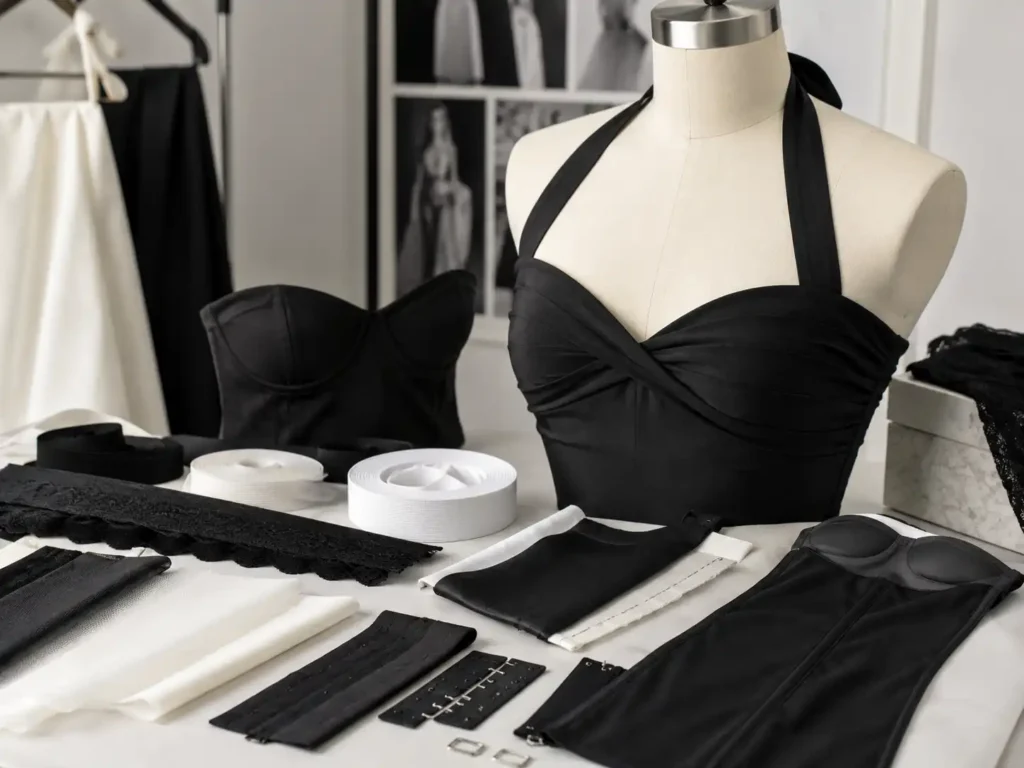
Strapless and Low-Back Security
Strapless and low-back dresses need internal support that remains discreet. Upper-bust circumference, cup shape, neckline curve, back height, side seam, waist grip, and fabric stretch determine stability. Silicone tape, elastic, boning, waist stay, cups, or a structured lining may be used according to the design. Too much grip can be uncomfortable, while too little grip causes sliding. Low-back styles also need enough support around the side body and center front. Fittings include arm movement, bending, sitting, and repeated zipper use. Strapless designs are not released for bulk only because they look correct on a mannequin; the garment must remain secure on a moving body.
- Test neckline stability without relying on excessive tightness.
- Check silicone or elastic placement for comfort and durability.
- Review side and back coverage from multiple angles.
- Confirm cup, boning, lining, and closure compatibility.
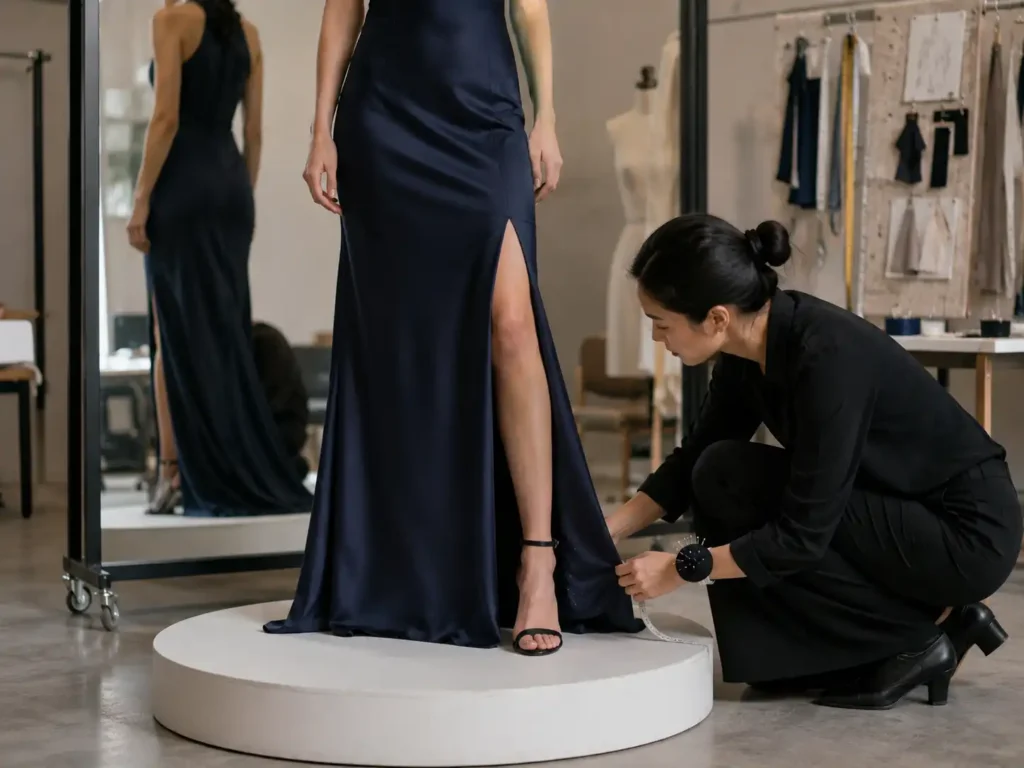
Maxi Length, Slits, and Movement
Evening maxis and high-slit dresses must look balanced while standing and remain wearable while walking, sitting, and climbing stairs. Hem length is confirmed with the intended shoe allowance and fabric drape. Slit height, overlap, lining opening, seam reinforcement, and stretch influence both movement and coverage. Bias-cut satin may grow after hanging, while velvet and embellished fabrics may pull differently under their own weight. Samples can be rested or hung before final hem review. Train length and skirt volume also affect packing and carton size. The approved standard records finished length, measurement method, slit position, lining length, hem construction, pressing method, and folding direction.
- Measure length from a fixed body reference, not only the hanger.
- Check slit opening during walking, sitting, and turning.
- Allow fabric to relax before final hem confirmation when needed.
- Coordinate long-garment packing with fold and pressure control.
Structural Trims and Festive Finishing Details
Trims influence support, comfort, appearance, production stability, and brand presentation. Every selected component should be approved for function, color, size, finish, and bulk availability.

Rhinestones and Crystals
Stone size, color, backing, attachment method, density, and placement determine garment weight and visual effect. Approval includes a placement map, attachment test, spare quantity, repair method, and packing protection. High-friction and high-stretch zones may require reduced density or a different application method.

Sequins and Beads
Loose sequins, bead chains, fringe, and hand-applied decoration are reviewed for attachment, movement, skin contact, seam interference, and consistency. Bulk standards should define acceptable variation, repair rules, thread color, knot security, and inspection under light rather than relying on a general “same as sample” instruction.
Boning and Cups
Boning type, stiffness, width, length, casing, and end protection affect support and comfort. Bra cups are selected by shape, thickness, size range, and neckline. Components must remain stable after sewing and pressing without showing through the outer fabric or creating uneven pressure.

Underwire and Waist Tape
Underwire can support specific cup structures but requires correct size, channeling, end protection, and placement. Waist tape or internal elastic can stabilize strapless and corset styles. Length, tension, attachment point, and body comfort are confirmed during fitting and recorded before grading.

Zippers and Closures
Invisible zippers, metal zippers, hooks, snaps, and buttons are selected according to garment weight, stretch, opening length, and brand finish. Zipper tape color, slider quality, top closure, seam reinforcement, and flatness are inspected. Embellishment should not block zipper movement or damage the tape.

Feathers and Decorative Trims
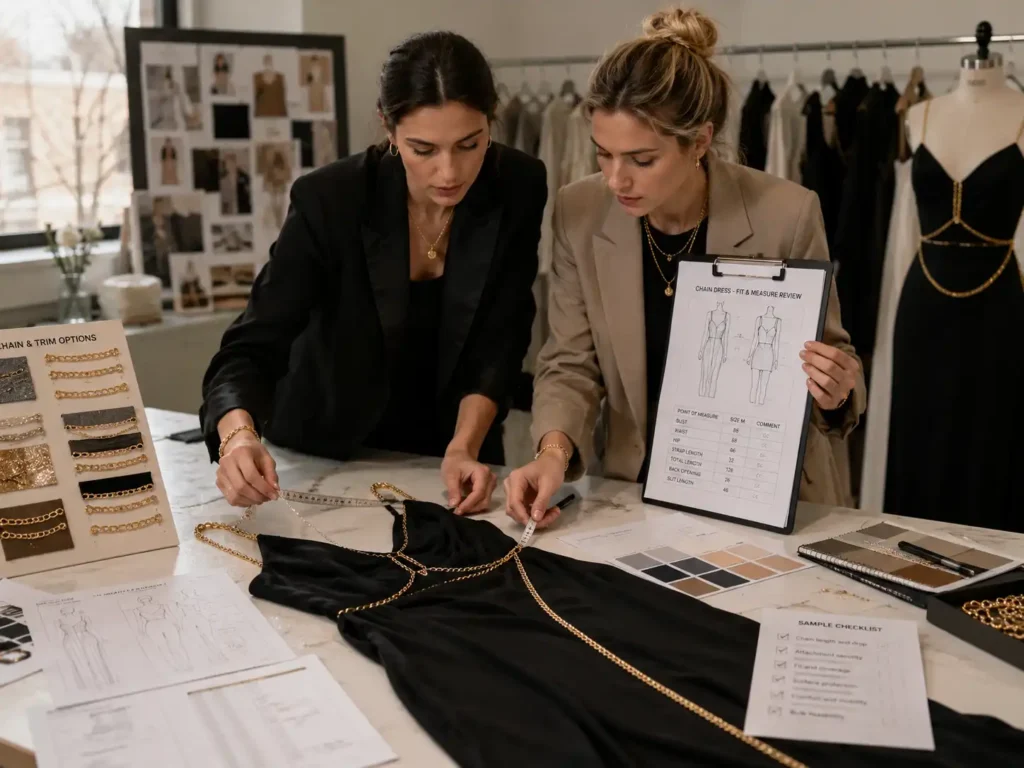
Feathers, fringe, bows, flower appliques, lace trims, and metallic chains add visual identity but can create shedding, crushing, weight, and packing issues. Attachment points, removal options, replacement stock, care labeling, and carton protection should be agreed before bulk production.
From Collection Brief to Production Plan
A structured collection plan turns creative direction into approved styles, materials, specifications, and delivery milestones. Each stage produces a decision that the next stage can follow.

Line Review and Commercial Grouping
Development begins with the line sheet, reference images, tech packs, target market, launch date, expected quantities, price positioning, and size range. Styles are grouped by commercial role, fabric family, fit sensitivity, trim lead time, and production difficulty. Hero looks may receive early photo-sample priority, while commercial core styles may receive earlier fabric booking because they carry more volume. Similar silhouettes can share fit logic, but shared measurements are not forced where a corset, slip, bodycon, and evening maxi require different pattern behavior. The review also identifies missing information, duplicated styles, excessive color fragmentation, and material choices that could create unnecessary cost or timing risk.
- Define style count, color count, target quantity, size range, and launch priority.
- Separate hero, core, formal, and volume styles before sampling.
- Flag long-lead fabrics, trims, custom colors, and embellished constructions.
- Set the order of pattern development and sample review.

Fabric Direction and Cost Alignment
Fabric selection is reviewed against silhouette, target appearance, wearability, production risk, and cost. A mood-board satin may be too light for a fitted corset, while a stable satin may not drape correctly for a cowl-neck slip. The team can present primary options and controlled alternatives with differences in weight, stretch, shine, hand feel, transparency, lining need, MOQ, and price impact. Trim and lining choices are considered at the same time because they influence support and total garment cost. Final costing becomes more reliable after fabric, trim, construction, packaging, and size details are confirmed; early estimates without these inputs remain indicative rather than locked.
- Match material behavior to each silhouette and retail positioning.
- Compare primary and alternative materials on visible and technical criteria.
- Review lining, support components, decoration, and packing together.
- Confirm supplier MOQ and lead time before final line commitment.
Pattern, Sample, and Revision Control
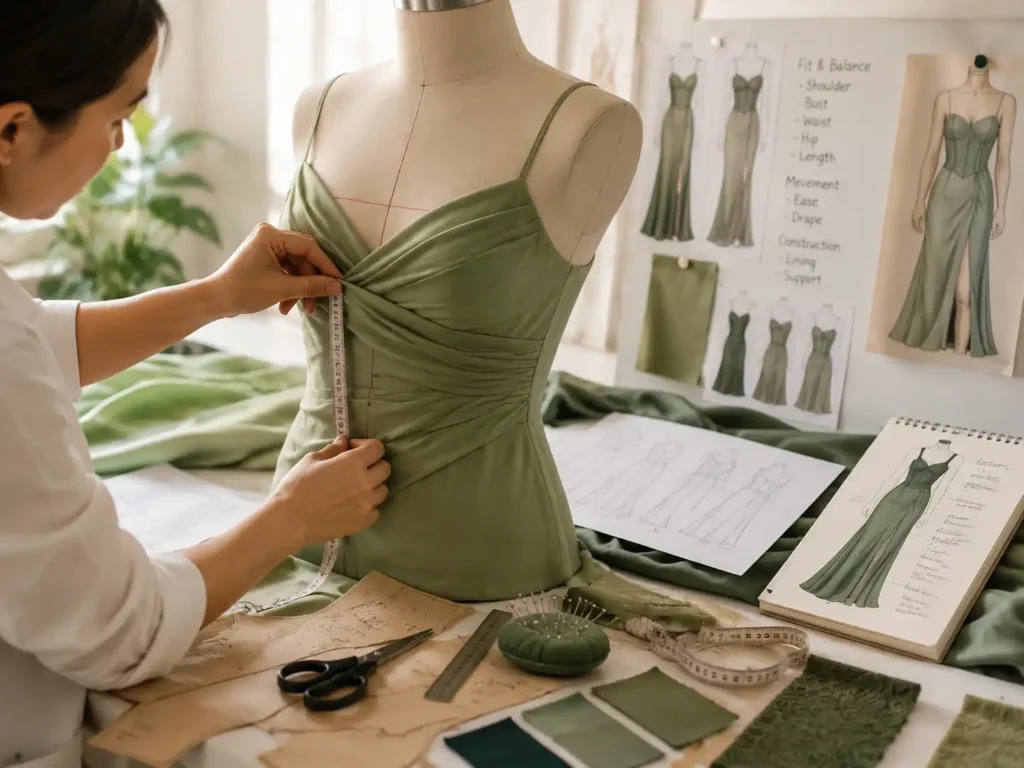
Pattern development converts the approved design direction into measurable shape and construction. The first sample tests silhouette, proportion, fit, material behavior, and construction feasibility.
Comments are separated into fit, design, material, workmanship, and specification changes so the revision can be tracked. Photo-ready samples can be prioritized for campaign timing, but production standards still require PP approval.
Each revised version should carry a clear status and a consolidated comment record. Changes after PP approval are reviewed for cost and timing impact because even a small neckline, trim, or fabric change can affect pattern pieces, consumption, sewing method, grading, labels, or packaging.
- Use version control for each sample and comment round.
- Separate visual approval from production approval.
- Record measurement and construction changes in one current file.
- Escalate late changes before they reach the production line.

Bulk Handover and Delivery Planning
Bulk production begins after the approved fabric, trims, measurements, construction, labels, packaging, and PP sample are locked. Styles are allocated by fabric group, construction complexity, factory suitability, launch priority, and confirmed material readiness. Production files, approved samples, QC points, and packing instructions travel with the project. Delivery planning covers carton quantity, carton dimensions, gross and net weight, style-color-size breakdown, barcode data, commercial documents, and freight method. When timing is tight, selected hero styles or priority colors can be separated for air shipment while the remaining volume moves by sea, provided each batch has independent packing and document control.
- Release production only from approved technical and material standards.
- Allocate styles by real complexity and readiness, not only quantity.
- Link production sequence to packing, warehouse, and freight milestones.
- Maintain clear records for each shipment batch and repeat order.
Manage Multi-Style Sampling Without Losing Control
Group the Styles
Styles are grouped by satin, velvet, sequin, mesh, lace, metallic, or mixed-material families; by simple, fitted, structured, or embellished construction; and by shared trims or lining.
Grouping helps fabric approval, pattern planning, sample-room allocation, and bulk risk review.
It also reveals where the line is overdependent on one supplier, one custom color, or one complex trim.
- Fabric family and dye-lot dependency.
- Pattern and fit sensitivity.
- Trim lead time and embellishment labor.
- Campaign, launch, and bulk priority.
Prioritize Key Samples
- Hero styles for photography and launch communication.
- Complex styles with longer pattern or trim development.
- High-volume styles that need early fabric commitment.
- Shared-fit styles that can establish a base block.
Track Every Revision
Each style receives a version, date, sample type, material status, measurement status, comment summary, and approval level. A consolidated tracker avoids contradictory feedback from separate emails and teams. Revised samples should clearly state which issues were corrected and which remain open. The current approved file replaces older versions, while historical comments remain archived for accountability and repeat orders.
- First, fit, revised, photo-ready, PP, and golden sample status.
- Open and closed fit comments.
- Fabric and trim changes with cost or timing impact.
- Approval owner and required response date.
Lock Every Style Before Bulk Production
A reference image starts the conversation, but an approved technical standard starts bulk production. Holiday collections need a controlled handover because different style groups carry different fit, material, and finishing risks.

Fit Sample Defines Proportion
The fit sample confirms garment balance, body measurements, ease, length, neckline, waist position, hip shape, sleeves, straps, slit, and movement. Comments should identify the exact measurement or shape issue instead of only using broad terms such as tighter, looser, or more flattering. Fit approval can establish the base for grading, but style-specific details remain separate where fabric stretch or internal structure changes the result.

Photo Sample Defines Appearance
Photo-ready samples prioritize the intended color, surface, drape, decoration, and visual proportion needed for campaigns or selling content. A photo sample may be produced before the full bulk file is closed, but any temporary material, unconfirmed trim, hand adjustment, or unfinished internal detail must be clearly recorded. Visual approval does not replace production approval, especially for reflective, embellished, or structured styles.

PP Sample Defines Production
The pre-production sample should use confirmed bulk fabric, lining, trims, labels, measurements, sewing method, finishing, and packing direction wherever possible. It is checked against the current specification and approved comments. Production begins after the remaining differences are understood and accepted. Changes requested after PP approval are reviewed for pattern, material, cost, schedule, and line impact before implementation.
Golden Sample Preserves Standard
The approved reference sample and final file set provide the working standard for production, QC, finishing, packing, and repeat orders. The record can include pattern version, measurement chart, BOM, fabric reference, color, trim code, stitch details, label placement, care instruction, folding, polybag, barcode, and carton breakdown. Clear records reduce interpretation differences when several factories, lines, or later replenishment batches are involved.
Work Backward From the Holiday Launch
The required warehouse date should drive development, approval, production, packing, and freight decisions. Early clarity protects selling time and gives complex styles enough room for responsible testing and correction.
| Milestone | Recommended Planning Window | Key Decisions | Main Risk if Delayed |
|---|---|---|---|
| Collection brief | 18-24 weeks before warehouse date | Style count, quantity, color plan, size range, price level, launch priority | No reliable material, sample, or capacity plan |
| Fabric and trim direction | 16-22 weeks before warehouse date | Stock or custom material, color, lining, embellishment, supplier MOQ | Samples and bulk booking move later |
| First samples | 14-20 weeks before warehouse date | Silhouette, construction, material behavior, initial fit | Photo and revision schedule compresses |
| Fit and revised samples | 12-18 weeks before warehouse date | Measurements, proportion, movement, visual corrections | PP approval carries unresolved issues |
| Photo-ready samples | 10-16 weeks before warehouse date | Campaign styles, correct visible materials, delivery priority | Content production and pre-launch activity slip |
| PP approval | 8-14 weeks before warehouse date | Bulk fabric, trims, workmanship, labels, measurements, packing | Production cannot start responsibly |
| Bulk and QC | 4-10 weeks before warehouse date | Line allocation, checkpoints, finishing, final inspection | Freight options become expensive or insufficient |
| Packing and shipping | Based on destination and freight plan | Barcode, SKU, cartons, documents, air/sea split, receiving rules | Goods miss warehouse or arrive with receiving errors |
Plan MOQ and Cost Across the Collection
Stock Satin Styles
Mesh and Lace Styles
Sequin Fabric Styles
Rhinestone Hero Styles
Custom Color Programs
SKU and Size Planning
Scale Multi-Style Holiday Dress Production
Production scale comes from organized allocation, approved standards, realistic rates, and controlled finishing. A seasonal line is divided by fabric behavior and workmanship intensity rather than treated as one uniform order.

Allocate by Fabric and Construction
Satin, velvet, sequin, mesh, lace, structured corset, and clean crepe styles may require different production strengths. Style allocation considers fabric handling, pattern difficulty, trim application, expected rate, finishing method, and inspection intensity.
Similar materials can be grouped for cutting, thread, needle, pressing, and quality control, while high-risk styles receive separate work instructions. Production is not distributed only to fill available lines; the selected route should protect the approved sample standard and delivery sequence. Long-term production partners follow the same approved files, samples, QC points, label instructions, and packing requirements used for owned factories.
- Group styles with compatible fabric handling and sewing methods.
- Separate heavy embellishment from high-speed smooth-fabric production.
- Match structured bodices with teams experienced in internal support.
- Assign responsibility for each style, batch, and QC checkpoint.
Control Cutting and Bundle Identity
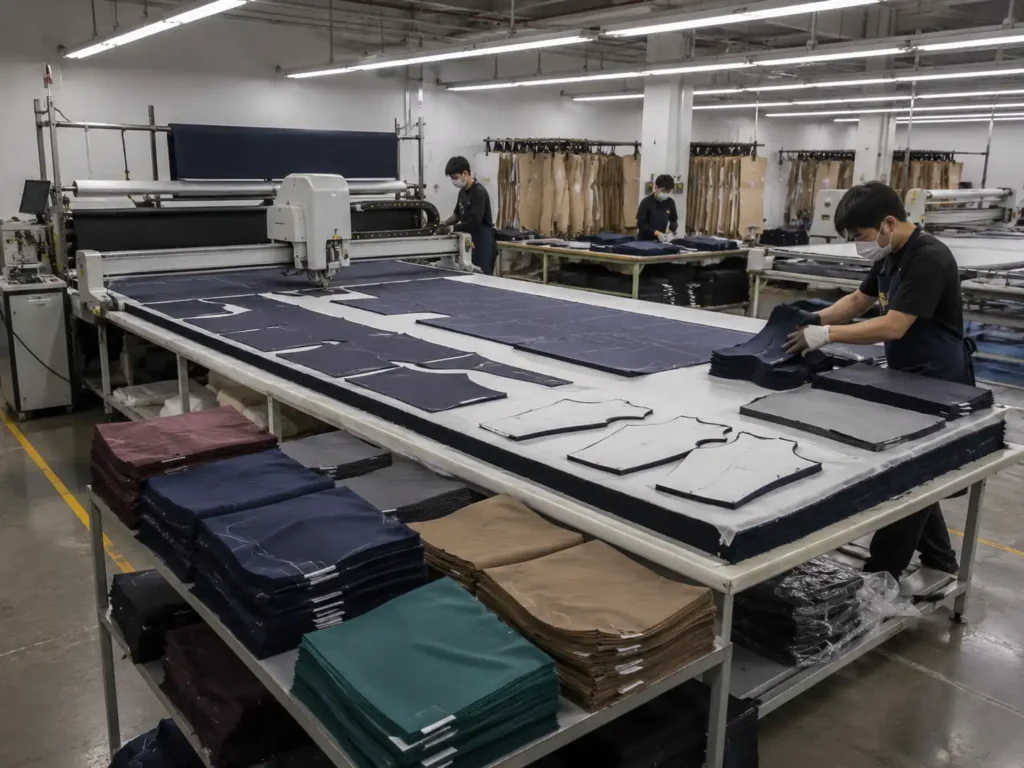
Cutting control protects direction, placement, shade, size, and style identity before sewing begins. Satin shine and velvet pile direction are marked; lace motifs, prints, metallic surfaces, and sequin areas are reviewed against the pattern. Dye lots are separated when visible shade differences exist. Bundles carry style, color, size, quantity, and component information so lining, cups, boning, zippers, and labels remain matched. Defects are avoided or recorded at cutting rather than hidden later. For mixed-material dresses, every panel must be checked for compatible stretch direction and grain. Accurate bundle control reduces size mixing, component shortages, and style confusion across a collection with many similar black, burgundy, silver, or champagne pieces.
- Confirm nap, shine, grain, print, or motif direction before bulk cutting.
- Keep dye lots and approved color references identifiable.
- Match outer fabric, lining, support components, and labels by bundle.
- Record cut quantity and replacement requirements by style and size.
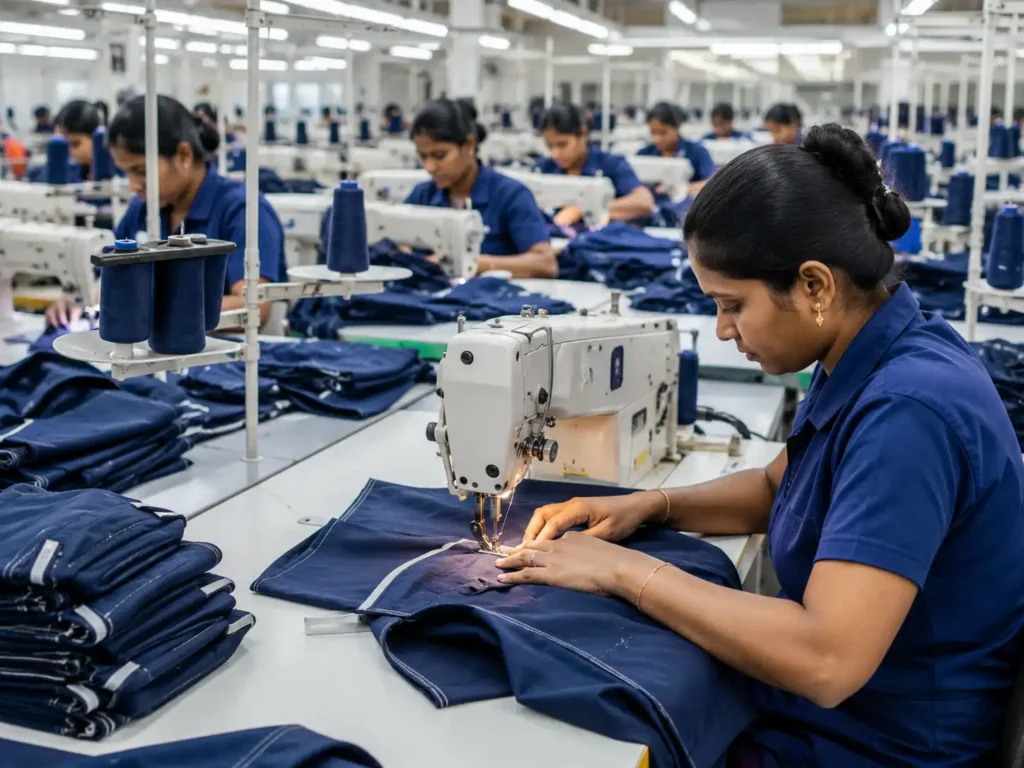
Sewing Standards for Festive Materials
Needle size, thread, stitch length, seam type, reinforcement, seam allowance, and machine tension are selected according to each material. Smooth satin requires flat seams without puckering; stretch mesh requires controlled elasticity; velvet needs careful feed and pressing; sequin fabric may need cleared seam allowances and protected edges. Corset dresses require repeatable boning, cup, underwire, waist tape, and lining placement. Workmanship checks focus on zipper flatness, neckline symmetry, strap security, ruching distribution, slit reinforcement, lining coverage, decorative attachment, and clean internal finishing. When a style needs a slower operation to protect appearance, the production plan reflects the real method rather than forcing an unsuitable rate.
- Issue style-specific sewing and finishing instructions.
- Approve trial seams on production fabric where behavior is uncertain.
- Set in-line checkpoints around fit-critical and decoration-critical operations.
- Prevent decorative surfaces from being damaged by handling or worktables.

Finishing, Pressing, and Batch Release
Finishing turns sewn garments into retail-ready pieces, but heat and pressure can damage holiday materials. Satin, velvet, metallic coating, sequin fabric, lace, and rhinestone surfaces receive different pressing methods. Garments are checked for thread ends, stains, shape, hem balance, zipper function, trim security, measurement, labels, and appearance before packing. Batch release follows the approved quality standard and order breakdown. Priority air-freight styles may be finished and inspected first, while the main sea-freight volume continues under the same standard. Each released batch needs its own quantity, SKU, carton, and document reconciliation so early delivery does not create inventory confusion.
- Use material-appropriate steam, temperature, pressure, and protection.
- Inspect decoration and reflective surfaces after finishing, not only before.
- Release batches against confirmed style-color-size quantities.
- Link finished quantity to packing, shipment, and replenishment records.
Quality Control for Festive Fabrics and Finishes
Holiday partywear needs material-specific and construction-specific inspection. Quality control follows the garment from incoming fabric through cutting, sewing, finishing, measurement, packing, and shipment reconciliation.

Incoming Fabric and Trim Inspection
Incoming materials are checked against the approved reference for color, hand feel, weight, width, stretch, recovery, transparency, surface condition, and visible defects. Satin and velvet are viewed under directional light for shade and surface direction. Sequin, rhinestone, lace, mesh, metallic, and coated materials receive checks relevant to attachment, pattern, holes, missing decoration, abrasion, or coating damage. Shrinkage or dimensional behavior can be reviewed when the material and project require it. Trims such as zippers, cups, boning, underwire, elastic, hooks, labels, and packaging are checked for specification, color, size, finish, and quantity before line use.
- Separate dye lots and record visible shade differences.
- Confirm fabric width and usable quality before final cutting quantity.
- Check trim compatibility with pressing, stretch, and garment weight.
- Hold nonconforming materials before they enter production.
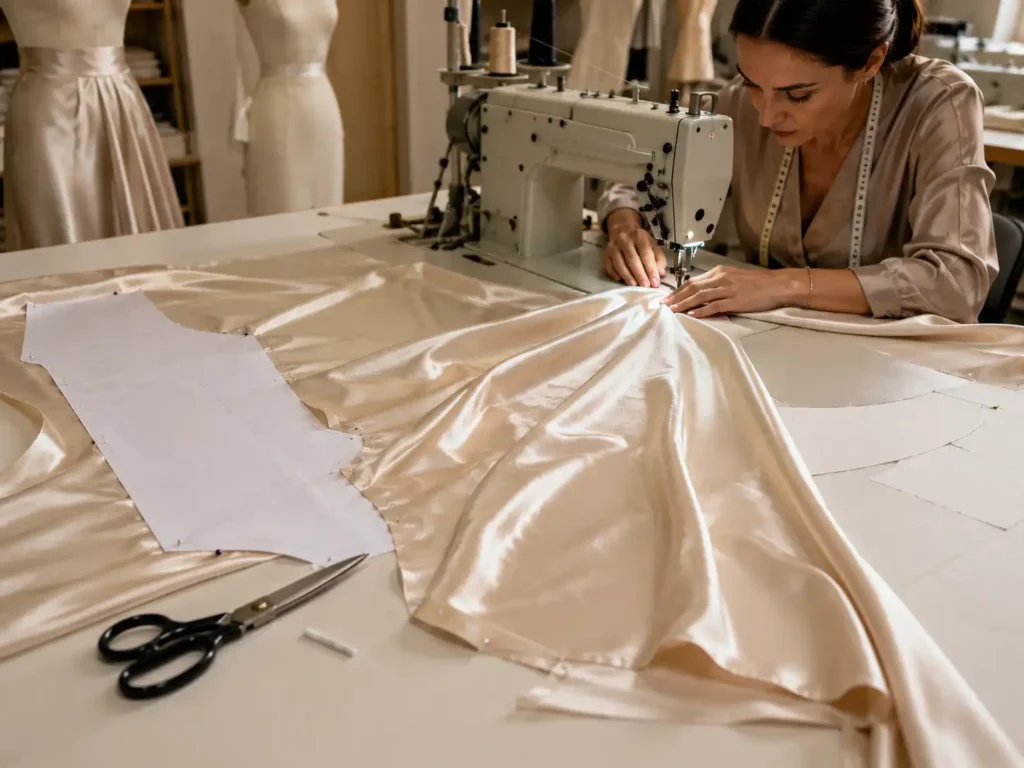
Cutting and Pre-Sewing Verification
Before bulk sewing, cut components are reviewed for direction, placement, symmetry, defects, notches, and correct size identification. Lace motifs, velvet nap, satin shine, prints, stripes, sequin direction, and metallic surfaces are controlled at marker and bundle level. Structured styles require confirmation of lining, interfacing, cups, boning channels, underwire, elastic, and support pieces. A pre-production meeting or line briefing aligns the approved sample, specification, sewing method, critical measurements, quality risks, labels, and packing requirements. The goal is to solve interpretation issues before they become repeated workmanship problems across hundreds or thousands of garments.
- Verify high-risk panels before full cutting proceeds.
- Review support components and internal structure against the PP sample.
- Identify critical operations and inspection points for each style.
- Keep current specifications accessible to production and QC teams.

Inline Workmanship and Measurement Checks
Inline checks detect repeated issues while correction is still manageable. Inspection points are selected around the garment risk: zipper insertion, neckline and strap assembly, cup and boning placement, ruching, side-seam balance, slit reinforcement, lining attachment, sleeve mobility, decoration security, and hem construction.
Measurements are checked against the approved chart using the defined method. Early pieces and ongoing output are reviewed so a problem is not discovered only after finishing. Nonconforming work is separated, corrected, reinspected, and recorded. When a pattern or method issue is found, the root cause is addressed rather than repeatedly repairing finished garments.
- Check fit-critical measurements during production, not only at final inspection.
- Inspect left-right symmetry and visible line balance.
- Test zippers, hooks, straps, and support components through repeated use.
- Record corrective action and verify the following output.

Finished Garment and Appearance Inspection
Finished garments are reviewed for measurement, workmanship, appearance, function, cleanliness, pressing, and consistency with the approved sample. Reflective and embellished dresses are inspected under suitable lighting to reveal missing stones, uneven sequins, scratches, snags, shade differences, pressure marks, glue residue, puckering, and asymmetry. The inspection also covers neckline security, bust and waist shape, zipper flatness, lining coverage, slit height, hem level, strap strength, decoration attachment, loose threads, and stains. Sampling level or third-party inspection can be arranged according to the project agreement, but internal process control remains necessary because final inspection alone cannot prevent repeated production defects.
- Inspect under directional and general light where surface appearance matters.
- Compare measurements and visual shape with the approved standard.
- Check movement-related functions such as closures, straps, slits, and stretch.
- Separate repairable, non-repairable, and accepted garments clearly.
Private-Label Packing for Retail-Ready Delivery
Main and Size Labels
Care and Content Labels
Hangtags and Tickets
Barcode and SKU Labels
Polybags and Protection
Cartons and Marks
Plan Air, Sea, and Split Shipments
Priority Air Freight
Main Volume by Sea
Air and Sea Split
See the People and Process Behind Production
Real development and manufacturing evidence should show how designs are reviewed, sampled, produced, inspected, packed, and prepared for delivery. Every image should explain a control point, not act as decoration.

Fabric Review and Pattern Development
Use photographs of fabric swatches under light, stretch review, satin direction, velvet pile, lace motifs, sequin bases, trim boards, pattern drafting, and pattern correction. Captions should explain the decision being made: material suitability, transparency, stretch, lining, support, consumption, grain, or fit. Pattern images can show bodice shaping, corset panels, cup placement, slit position, or grading review without revealing protected client designs. The visual goal is to demonstrate a working development system rather than display shelves of fabric with no project context.

Sample Room and Fit Review
Use photographs of sample cutting, sewing, corset internal construction, fitting, measurement, revised patterns, and approved sample comparison. A good caption identifies the sample stage and the issue under review, such as neckline stability, waist position, hip balance, lining coverage, skirt length, movement, or decoration placement. Photo-ready samples and PP samples should be distinguished because their purpose is not identical. Protected tech packs, brand names, unreleased designs, and private order information should remain covered or excluded unless written permission has been obtained.
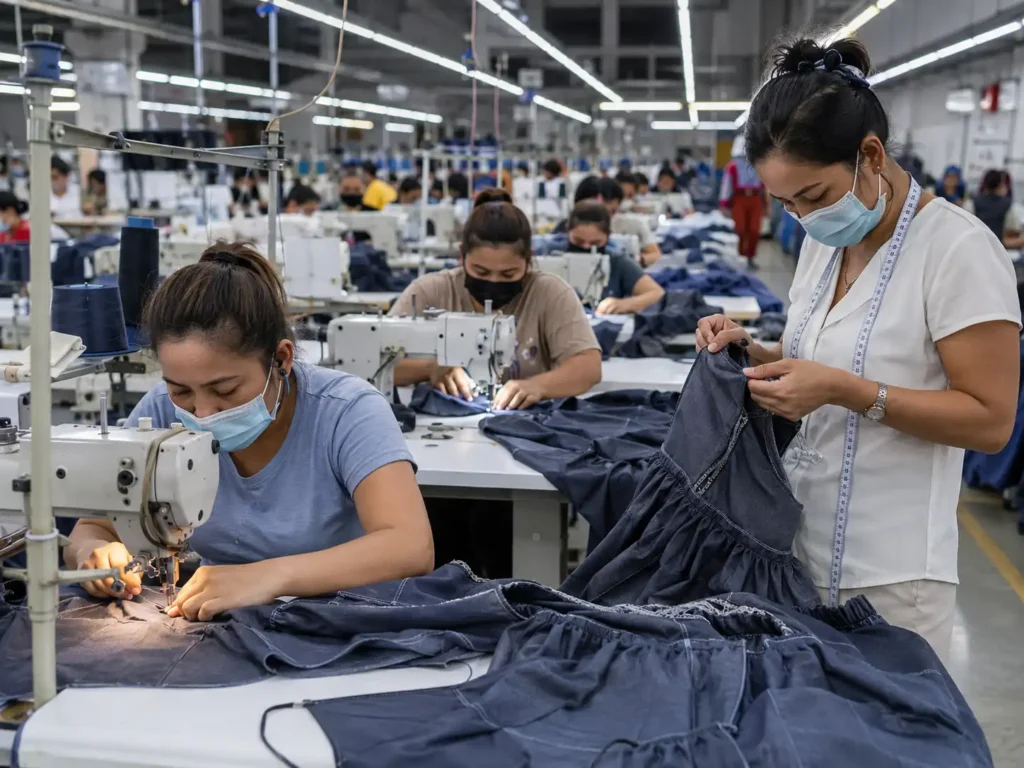
Bulk Sewing and Inline QC
Use production images showing controlled cutting direction, bundle identification, sewing operations, zipper insertion, boning channels, lining, ruching, decoration checks, measurement, and inline inspection. The strongest evidence links a visible operation to a garment risk. A photograph of a sewing line alone says little; a close view of velvet direction control, sequin seam preparation, zipper flatness, or rhinestone inspection communicates actual partywear capability. Captions can state the check point and the defect being prevented without disclosing confidential style information.
Finishing, Packing, and Shipment
Use photographs of material-appropriate pressing, final appearance inspection, loose-thread cleaning, label verification, barcode checks, protective folding, individual bags, carton marks, carton measurement, weighing, and shipment preparation. Holiday fabrics should be shown with the protection they receive: tissue between embellished surfaces, reduced folding for satin, pressure control for velvet, and organized long-dress packing. Shipment photos should match the project records and avoid showing another brand’s private data without permission.
Prepare Repeat Orders Before the Season Peaks
Keep the Technical Record
Recheck Materials and Color
Plan Replenishment Batches
Holiday Dress Manufacturing Frequently Asked Questions

Start Your Holiday Party Dress Collection
Send your holiday collection plan to Kelly for a structured project review. The most useful starting file is a line sheet or tech pack that shows each style, fabric direction, colors, size range, quantity per style/color, branding requirements, and target warehouse or launch date.
Reference images, original samples, mood boards, target retail positioning, and quality standards can also be included. Jinfeng Apparel will review the collection structure, material risks, fit-sensitive styles, likely MOQ, sample sequence, production complexity, private-label needs, and delivery timing before recommending the next step. Early information does not need to be perfect, but quantity, market, launch timing, and product direction should be clear enough to support a responsible assessment.
- Reference images, line sheet, tech packs, or original samples.
- Number of styles and quantity per style/color.
- Fabric, color, trim, and embellishment direction.
- Size range and any existing measurement standard.
- Main label, care label, hangtag, barcode, and packing requirements.
- Target sample date, launch date, warehouse date, and destination.
- Company name, market, sales channel, and contact information.