
Wedding Guest Capsule Manufacturer
Multi-style occasionwear development for global fashion brands planning coordinated wedding-season collections, private labels and repeatable bulk programs.
- Capsule programs commonly include 10-30 styles across mini, midi, maxi, jumpsuit and matching-set categories.
- Typical brand orders range from 20,000 to 80,000 pieces, organized by fabric group, color story, launch priority and delivery batch.
- Jinfeng Apparel supports development through 2 sample rooms, 7+ senior pattern makers and 20+ sample machinists.
- Bulk planning is supported by 6 owned womenswear factories, 10+ long-term production partners and 100,000+ pieces of monthly capacity.
- MOQ starts from 200 pieces per style/color, subject to fabric, color, trims, construction and packing requirements.
Built for Multi-Style Occasionwear Programs
Global Fashion Brands
Occasionwear Labels
Product Development Teams
Sourcing Offices
Premium Ecommerce Brands
Regional Retail Leaders
Why Capsule Manufacturing Needs Collection Control
Assortment Balance
Shared Development Logic
One Launch Calendar
Build a Commercial Wedding Guest Capsule
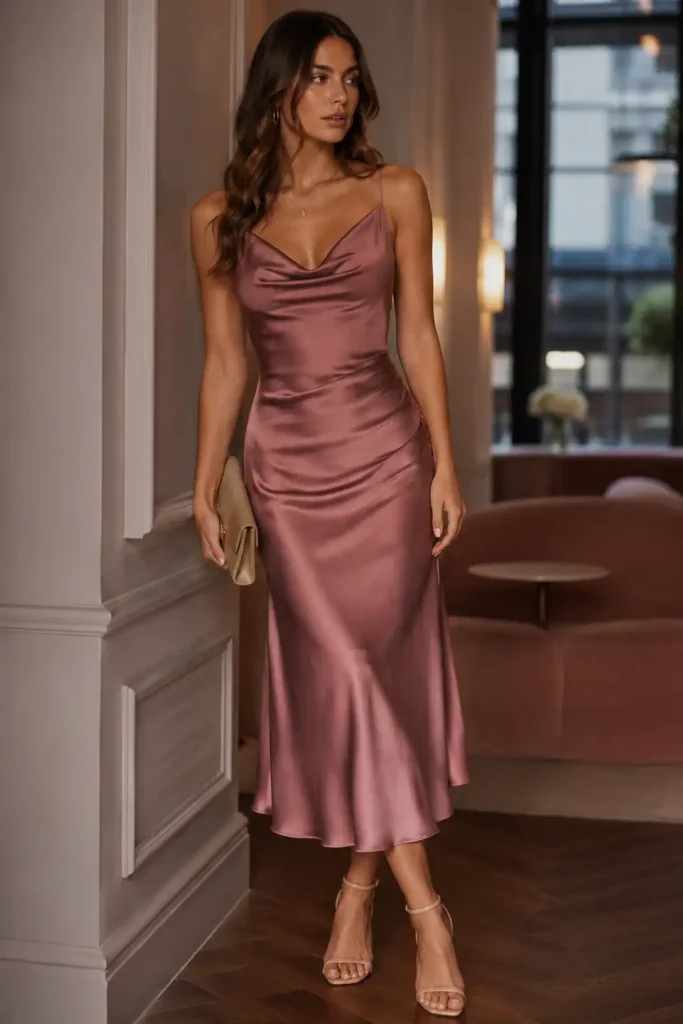
Satin Slip Midi

Corset Mini Dress
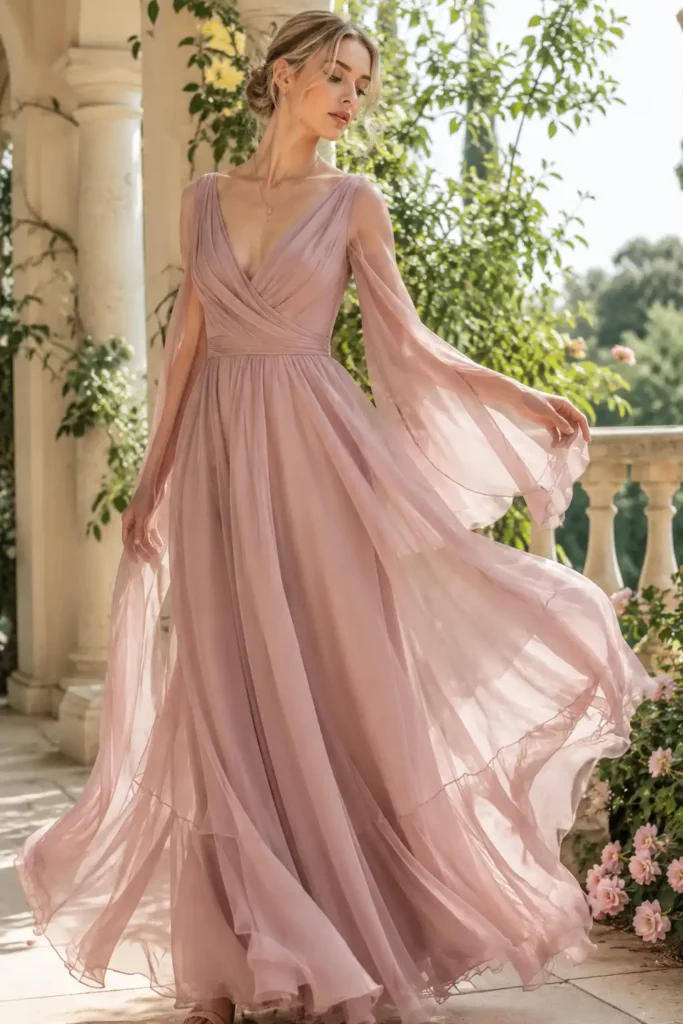
Chiffon Maxi Dress
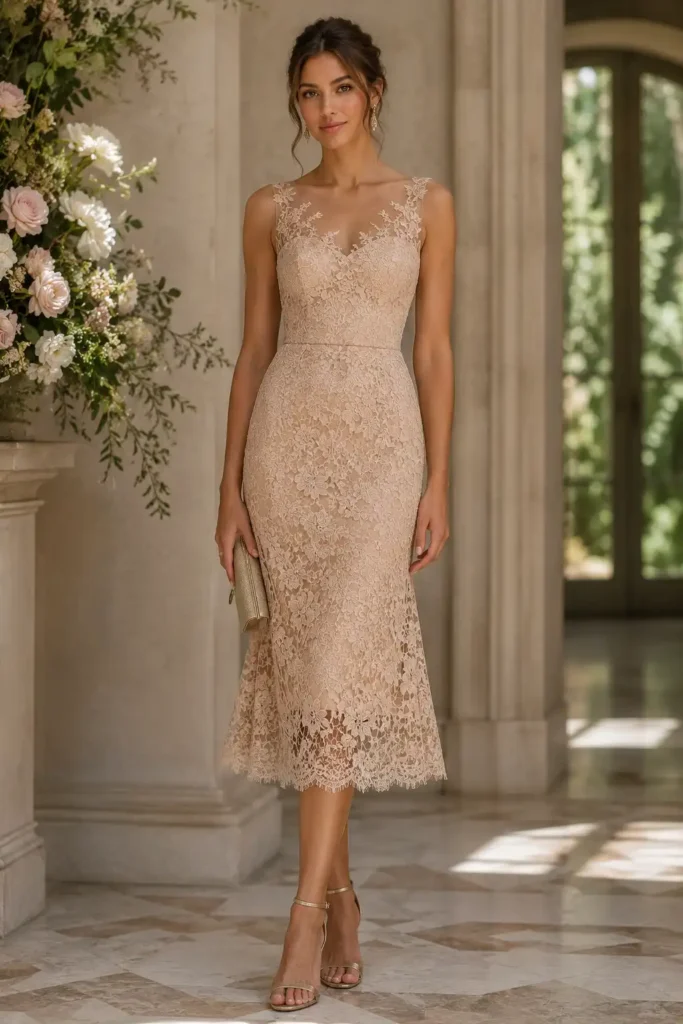
Lace Midi Dress
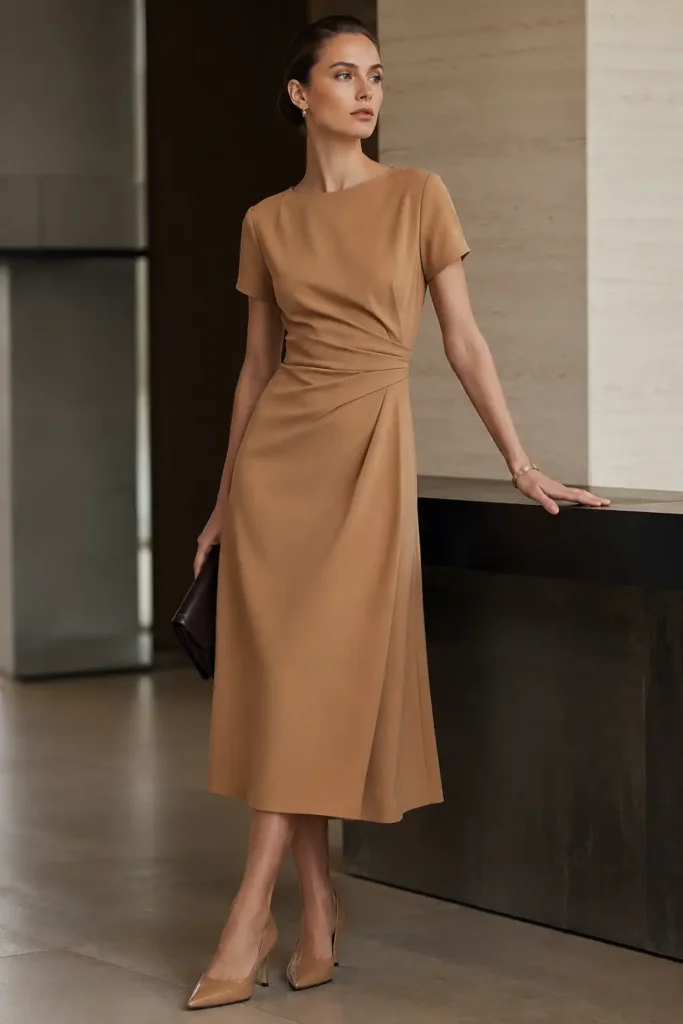
Ruched Bodycon Dress

One-Shoulder Midi
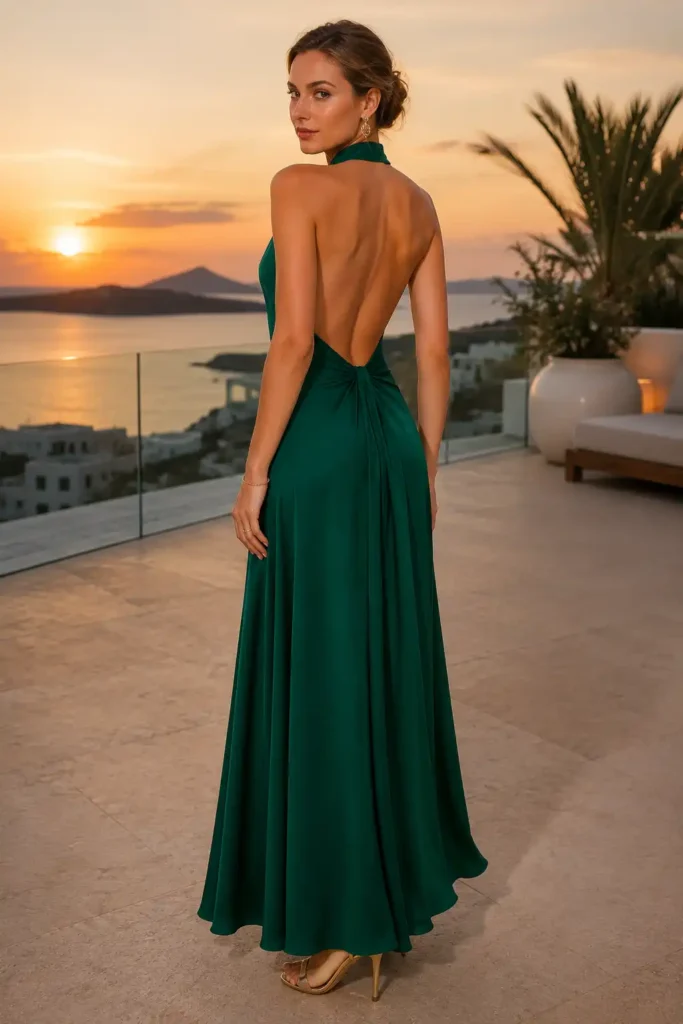
Halter Maxi Dress

Printed Garden Dress
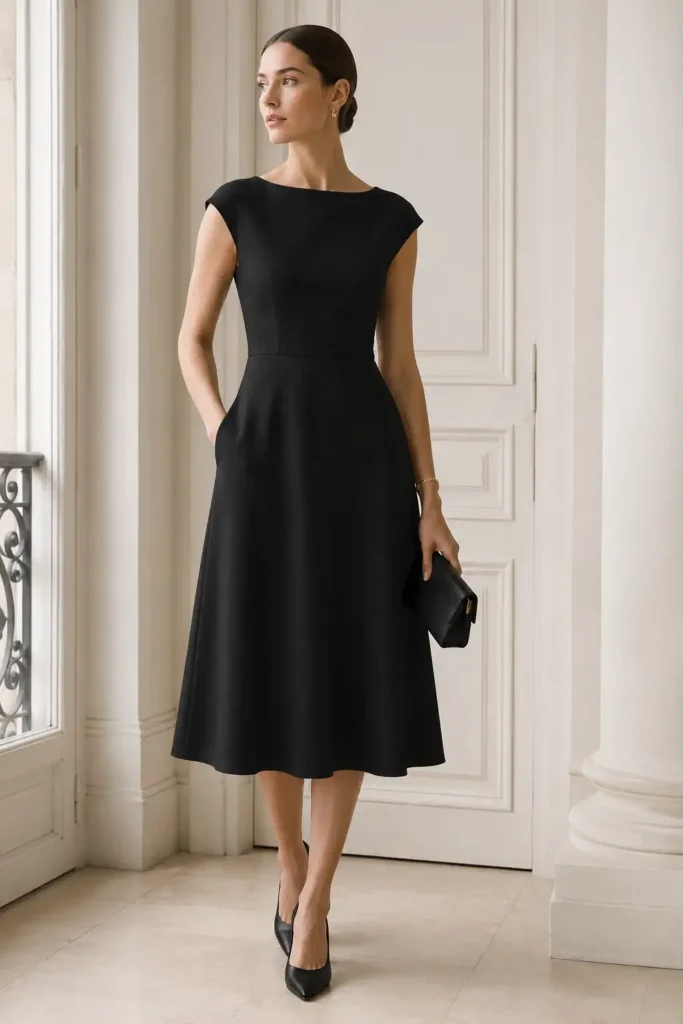
Crepe Cocktail Dress

Dressy Jumpsuit

Two-Piece Occasion Set
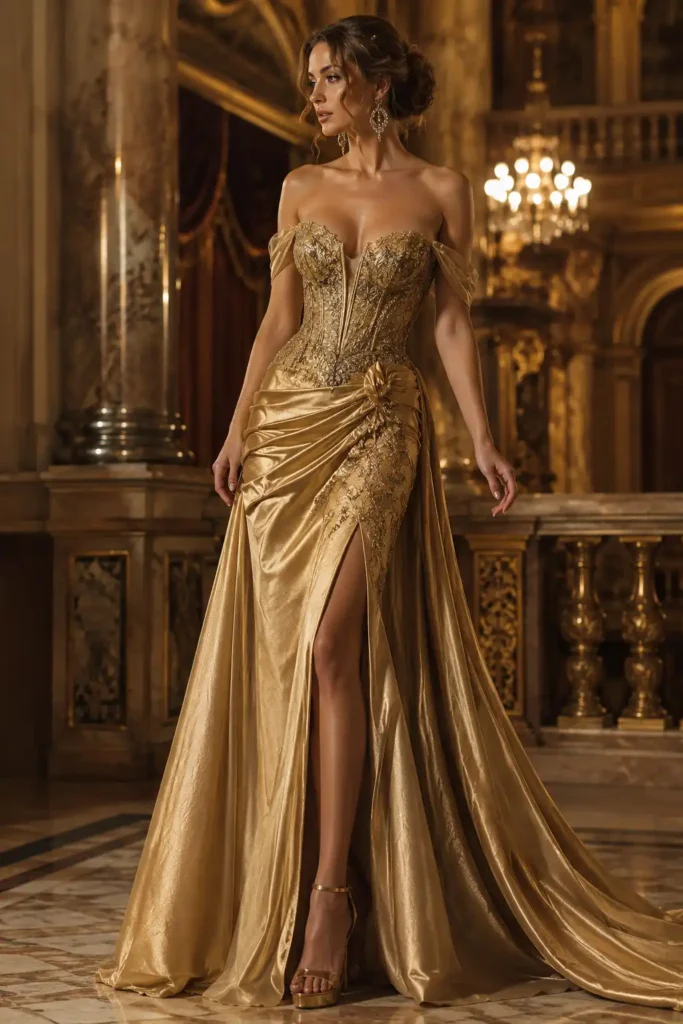
Evening Statement Gown
Cover Every Wedding Dress Code
Garden Weddings

Destination Weddings

Cocktail Receptions
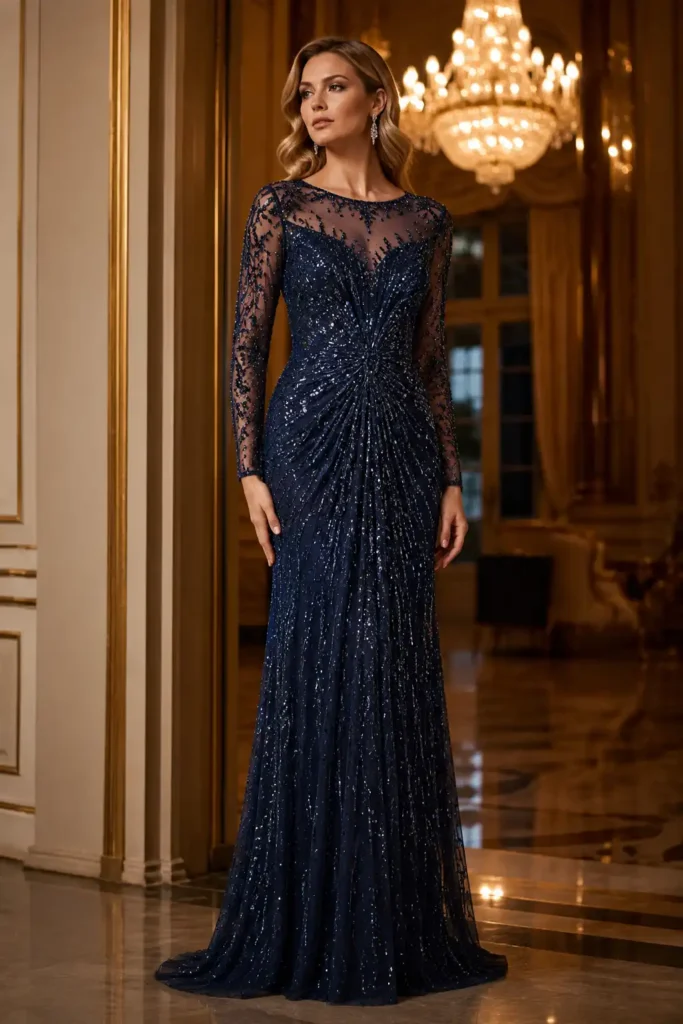
Black-Tie Evenings

City Ceremonies

Multi-Event Weekends
Fabrics Engineered for Occasionwear Performance
Wedding guest collections depend on fabric behavior as much as visual direction. Hand feel, drape, shine, stretch, transparency, wrinkle response, lining and color consistency are reviewed against the intended silhouette and selling season.

Satin for Shine, Drape and Color Depth
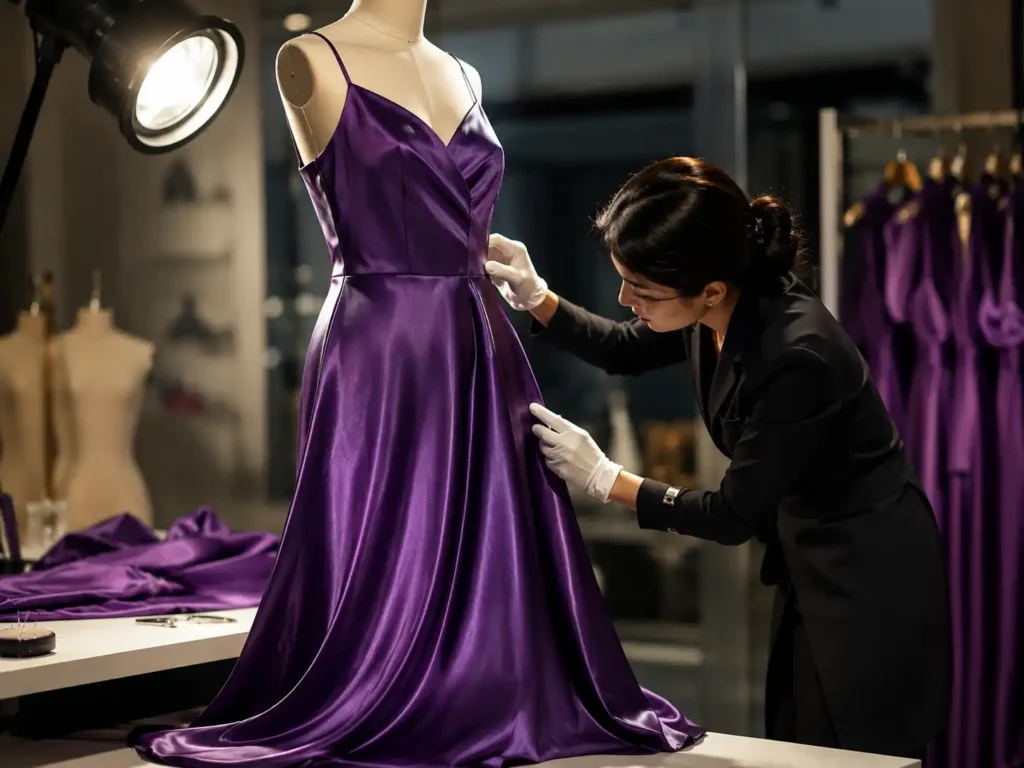
Satin can elevate a capsule quickly, yet its reflective surface exposes cutting, sewing, pressing and packing errors. Jinfeng Apparel reviews composition, weight, width, surface direction, slip level, snagging risk and dye-lot variation before approving a bulk direction. A fluid slip midi may need a lighter satin, while a corset or structured mini needs more body and stable seam performance.
Color control: Pantone references, physical swatches, lab dips and bulk shade bands are compared under consistent light. Lining and zipper colors are matched to the main fabric rather than selected independently.
Construction control: Needle selection, seam tension, zipper insertion and pressing temperature are adjusted to reduce puckering, shine marks and zipper bulging.
Packing control: Garments are cooled after pressing, folded around structure points and protected from abrasion. Long gowns may require additional tissue or hanging solutions depending on the delivery plan.

Chiffon for Lightweight Movement
Chiffon supports destination, garden and summer wedding ranges through fluid movement and layered volume.
Its low opacity and cutting mobility require full attention to grain, panel alignment, seam treatment and lining.A lightweight outer layer can look refined only when the inside structure remains clean and the hem hangs evenly.
Transparency: Lining coverage is checked at bust, waist, hip and skirt under natural and indoor light. Light colors often require a closer lining tone or additional opacity.
Cutting and sewing: Panels are stabilized to reduce shifting.
Seam type, stitch density and handling method are matched to the fabric weight.
Hem balance: Maxi and asymmetric styles are allowed to settle before final hem review when fabric behavior requires it. Front, side and back lengths are checked on the approved size.
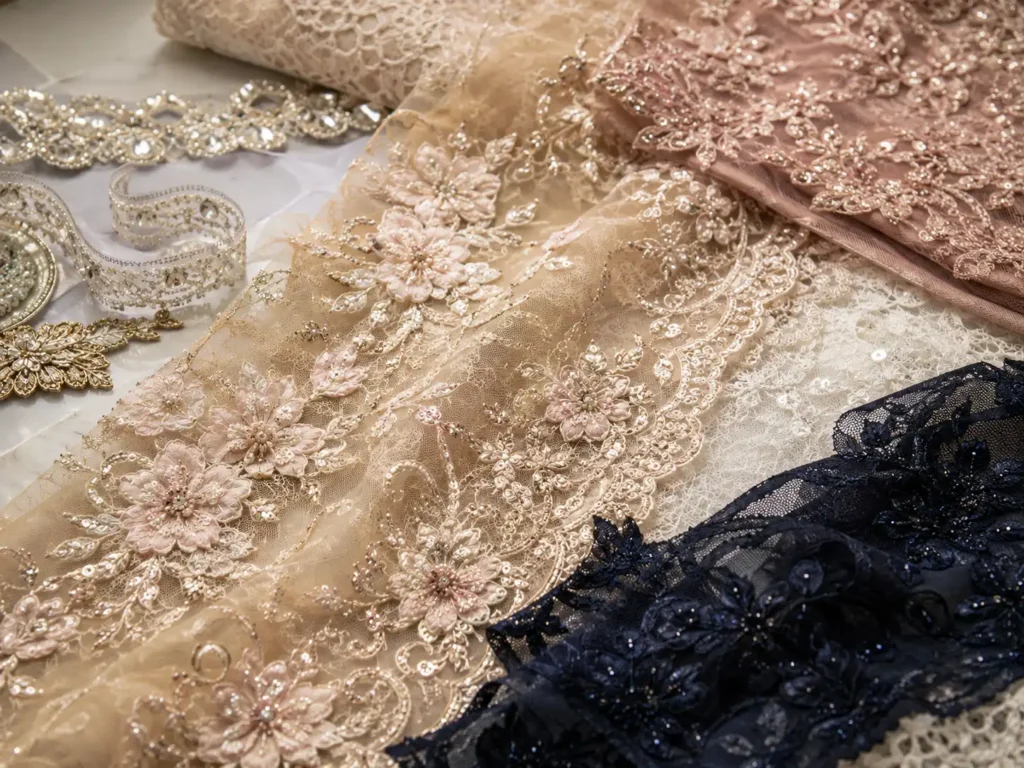
Lace and Mesh for Controlled Sheerness
Lace and mesh create depth, texture and visual exposure, but both materials demand clear coverage rules. Lace requires motif planning and edge decisions; mesh requires stretch, recovery, transparency and hole-resistance checks. Placement is developed around the body rather than applied as decoration after the pattern is complete.
Motif placement: Lace flowers, scallops or borders are positioned around neckline, waist, seams and hem to create balance. Bulk cutting follows approved placement references.
Mesh stability: Stretch direction and recovery are checked for bodycon panels, sleeves and inserts. Necklines and armholes receive reinforcement where needed.
Comfort: Seam edges, sequins, lace borders and internal joins are reviewed against skin-contact areas. Lining or binding is added where abrasion risk is present.
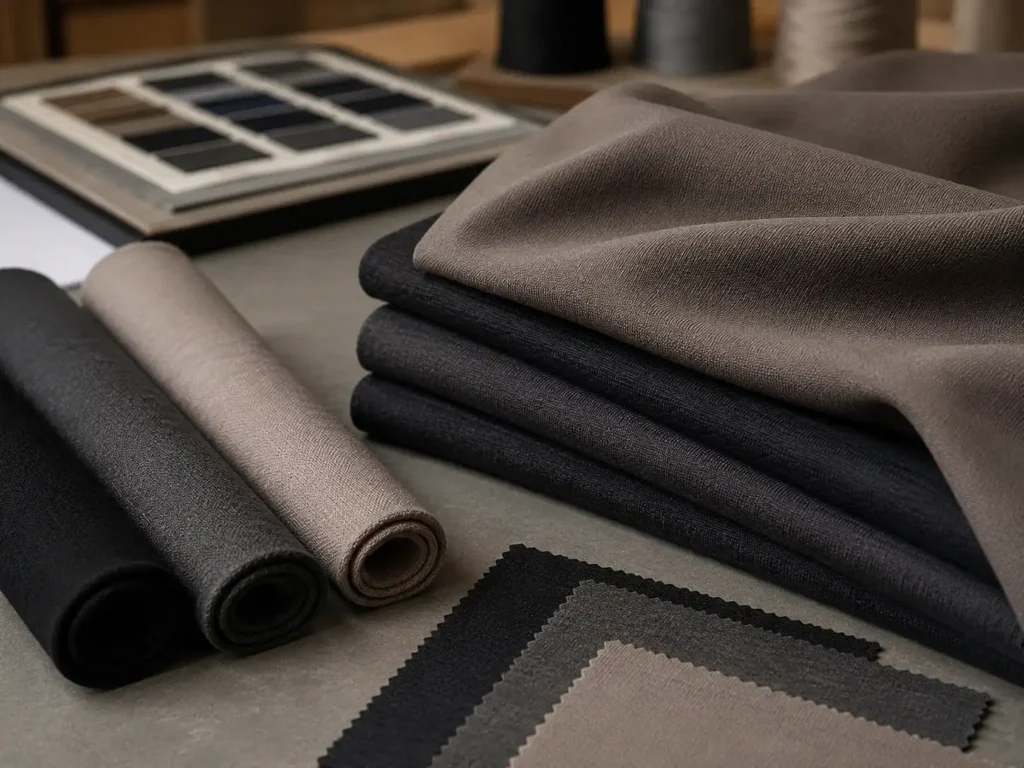
Crepe, Jersey and Ponte for Commercial Fit
Crepe, jersey and ponte can create reliable volume styles within a capsule. Crepe gives controlled drape and cleaner formal lines; jersey supports comfort and movement; ponte provides shape with stretch. Each fabric changes the required ease, pattern allowance, seam method and grading behavior.
Fit behavior: Stretch percentage and recovery are evaluated before pattern confirmation. A grade rule developed for woven satin cannot be reused blindly for jersey or ponte.
Surface and weight: Fabric thickness must support the style without showing seam bulk, lining edges or undergarment marks.
Repeat potential: Commercial colors and stable fabric references can support replenishment, but each new dye lot still requires shade and hand-feel confirmation.
Coordinate Color Across the Full Collection
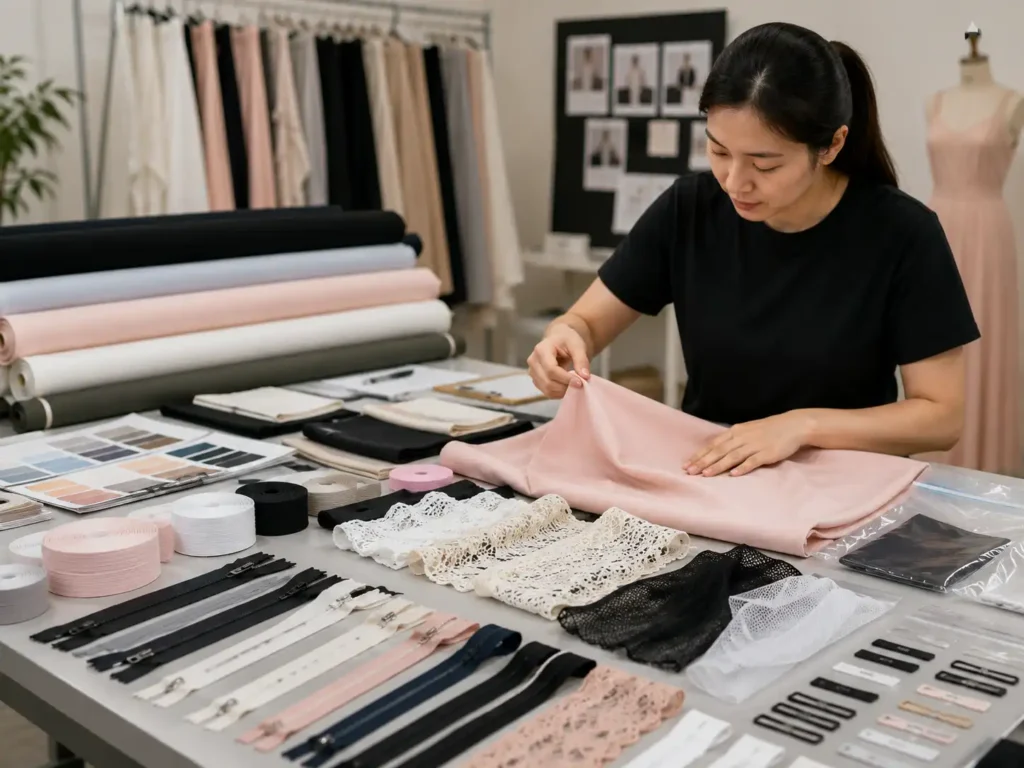
Wedding-season assortments often rely on grouped pastels, jewel tones, neutrals or exclusive brand colors. Color control must connect outer fabric, lining, zippers, thread, trims and packaging across multiple styles and production batches.
Build One Approved Color Standard
A digital color image is not enough for bulk control. Color approval can use a Pantone reference, physical standard, lab dip or approved fabric swatch. Satin requires additional care because shine direction and lighting can make one dye lot appear different across photographs. The color record should state the approved reference, fabric type, lighting condition and lining match.
Color family: Group related shades into a clear range, such as powder pink, rose, wine and burgundy, rather than treating every shade as an isolated decision.
Material relationship: Outer fabric, lining, zipper tape, thread and labels are checked together because a close match on paper may look incorrect when materials reflect light differently.
Approval record: Approved swatches, photos and written notes remain linked to the style and batch for PP and bulk QC.
Control Dye Lots and Shade Bands
Large programs may use several rolls or dye lots.
Materials are identified by batch, inspected before cutting and allocated by style or delivery lot. Visible panels should not mix shade groups inside one garment. When multiple batches are unavoidable, the brand receives a clear shade review before production continues.
Roll allocation: Fabric rolls are grouped before marker planning so front and back panels remain visually consistent.
Bulk approval: A shade band or bulk swatch can be compared with the approved lab dip before mass cutting.
Multi-batch delivery: Color and packing records stay linked to each shipment so later replenishment can be evaluated against the original program.
Use Color to Structure the Assortment
Color should support merchandising rather than create uncontrolled SKU growth. Hero shades can anchor campaign images, commercial shades can carry volume, and limited colors can create urgency. Shared colors across satin, chiffon, crepe and lace require separate approval because each surface changes visual depth.
SKU discipline: Select colors by role – hero, commercial, neutral and extension – then allocate them to silhouettes with the strongest sales logic.
MOQ planning: Each style/color normally starts from 200 pieces, while custom dyeing, special fabric and packaging may introduce separate material minimums.
Reorder logic: Approved color references support future extensions, but new dye lots still need confirmation before repeat production.

Control Fit Across Styles and Sizes
Wedding guest capsules combine different silhouettes, fabrics and coverage levels. One size chart cannot deliver consistent fit unless each pattern is developed around fabric behavior, garment structure and the intended body relationship.
Define the Base Size Before Grading
The base size establishes bust, waist, hip, shoulder, back length, garment length and key construction positions. Jinfeng Apparel can work from a brand size chart, approved sample or measurement specification. Programs may cover six to ten sizes, such as US 0-14, US 2-16 or a brand-specific range, but the final grade rule must reflect the target market and product category.
Base-size review: The first fit is assessed from front, side and back. Balance, posture, neckline, waistline, hip ease and hem are reviewed together.
Style-specific ease: A woven slip dress, stretch bodycon style and structured corset require different ease and grade logic even when sold under the same numeric size.
Approval basis: Final measurements are locked through approved pattern, size chart, PP sample and QC checkpoints.
Stabilize Bust, Waist and Hip Proportion
Occasionwear often fails when the bust fits but the waist or hip does not, or when visual shaping shifts between sizes. Cup position, dart length, princess seams, ruching, boning and waist seams are developed as a connected system. Fit feedback should identify the exact location and measurement issue rather than use broad comments such as “too loose” or “not flattering.”
Bust support: Neckline coverage, cup position, strap length, under-bust shape and internal support are checked in movement.
Waist placement: Natural, high and low waist designs are measured from fixed points so the intended proportion remains consistent across sizes.
Hip and seat: Bodycon, slip, jumpsuit and fitted midi styles are reviewed for standing, walking and seated comfort.
Grade Length, Straps and Openings
Length changes affect modesty, movement and overall proportion. Mini dresses require front and back coverage; maxis require controlled hem sweep; jumpsuits require inseam and crotch development.
Strap, slit, neckline and armhole positions also need grade rules rather than one fixed measurement across all sizes.
Mini length: Front, side and back coverage are reviewed with movement and sitting tests.
Maxi balance: Garment length is checked with the intended shoe and sample height assumption. Hem sweep must remain visually balanced.
Openings: Slits, cut-outs, necklines and backs are graded to preserve design intent while maintaining wearability.
Convert Fit Feedback Into Production Standards
Fit comments become useful only when translated into pattern corrections and measurable controls. Jinfeng Apparel reviews marked photos, measurement changes, fitting notes and reference garments, then updates the paper pattern, size chart and revision record. Approved changes move into the PP sample and bulk QC file rather than remaining inside informal chat messages.
Revision tracking: Every change should identify style, sample version, measurement point, requested action and approval status.
PP lock: Fabric, measurements, trims, construction and packing are confirmed before bulk production begins.
Bulk measurement: Critical points are checked during production to prevent an approved sample from drifting in mass output.
Design Details That Increase Perceived Value

Corset Support

Draped Necklines

Ruching Symmetry
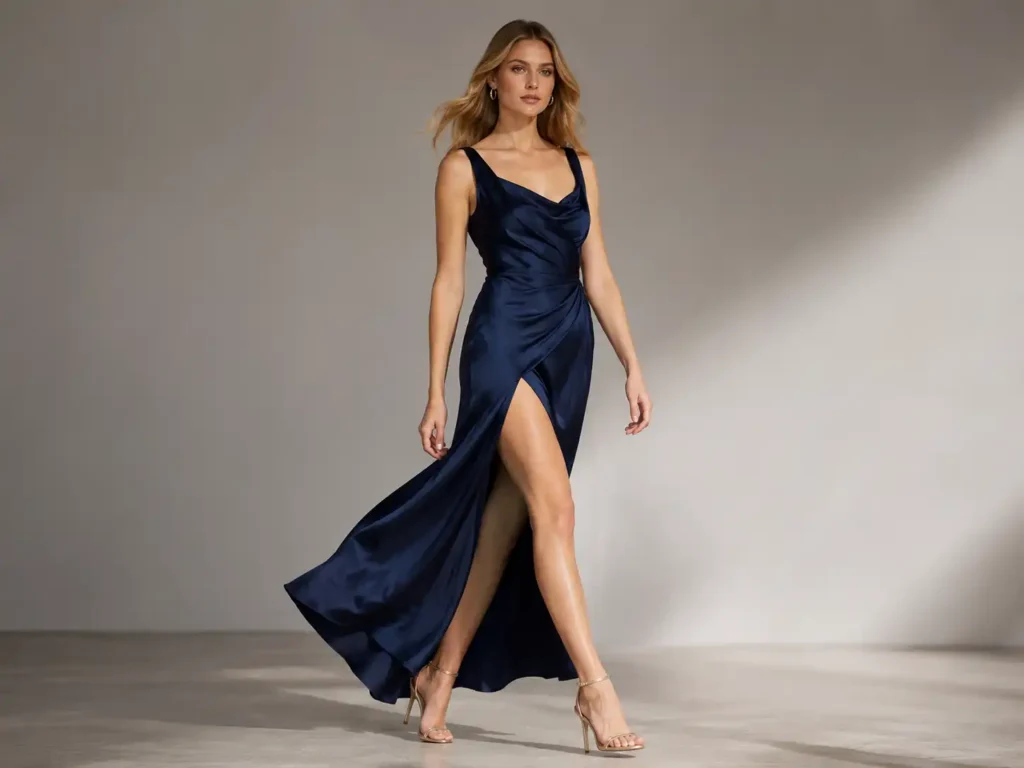
Slit Placement
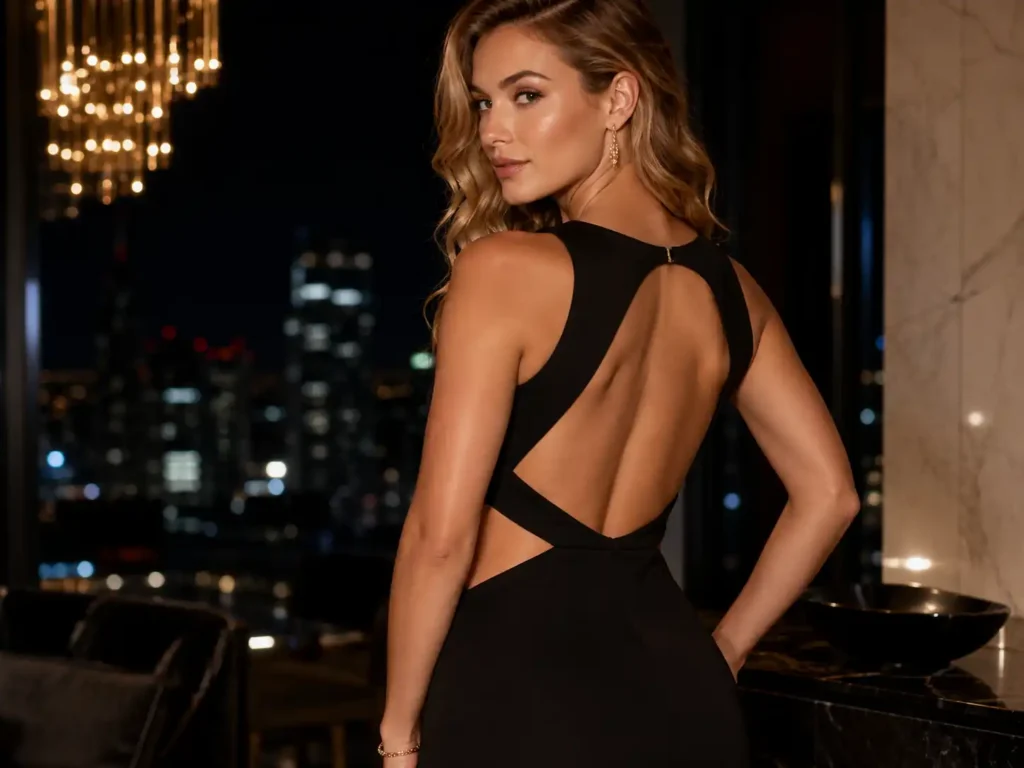
Backless Structure

Lace Placement

Invisible Zippers

Lining Coverage
Construction Standards Behind Premium Occasionwear
Good workmanship must remain repeatable across thousands of garments. Construction standards connect the approved sample with cutting, sewing, finishing, pressing and packing so visual quality does not depend on individual interpretation.

Cutting Accuracy and Fabric Direction
Pattern placement begins with the approved grain, nap, print or shine direction. Satin, velvet, lace, printed fabric and sequins require separate marker logic. Front and back panels are kept within compatible shade groups, and visible pattern placement follows the approved reference. Notches, drill points and construction marks must remain clear enough to guide sewing without damaging the fabric.
Directional materials: All panels follow one shine, nap or print direction unless the design intentionally specifies contrast.
Paired parts: Left and right pieces are checked for symmetry, especially around lace, prints, cut-outs and draped elements.
Lining patterns: Lining receives its own approved pattern so length, ease and attachment remain controlled rather than improvised during sewing.

Seam, Stitch and Reinforcement Control
Seam type and stitch density are matched to fabric weight, stretch and stress points. Fine woven satin needs smooth tension; stretch mesh needs recovery; corset seams need secure support; chiffon requires clean, low-bulk finishing. Stress points around straps, zipper ends, slit tops, hooks, waist seams and crotch seams receive reinforcement suited to the construction.
Seam allowance: Defined allowances support consistent assembly and measurement control.
Thread and tension: Thread color, strength and machine tension are checked against puckering, skipped stitches and visible contrast.
Internal cleanliness: Loose threads, exposed seam edges, abrasive trim backs and bulky joins are corrected before finishing.

Pressing, Shape and Final Appearance
Pressing can improve or damage occasionwear. Temperature, pressure, steam and protective cloth are selected according to satin, crepe, lace, mesh, velvet or sequin material. Corset tops, waist seams, lapels, pleats and hems must keep their intended shape without shine marks, flattening or stretch. Garments are allowed to cool before folding or bagging.
Shape retention: Drapes, pleats, cups and structured panels are restored after pressing rather than flattened for packing convenience.
Surface protection: Satin, velvet and embellished surfaces are protected from direct pressure and abrasion.
Final presentation: The finished garment is reviewed on hanger or form so asymmetry, twisting and hem imbalance remain visible before packing.

Packing Without Damaging the Garment
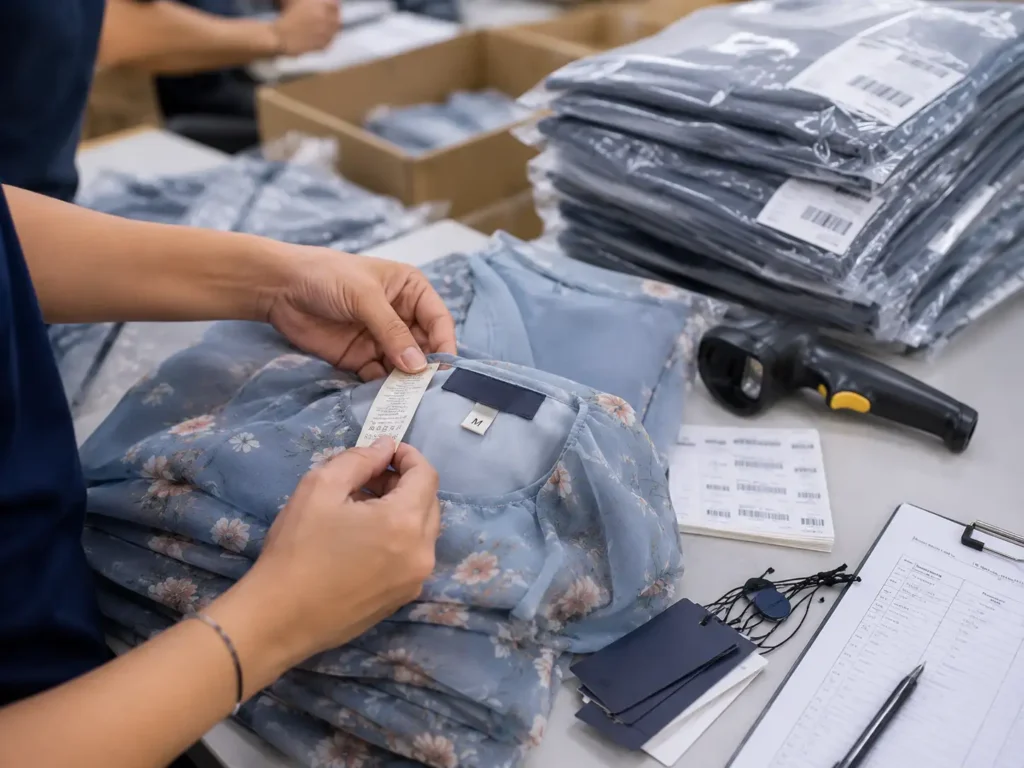
Packing is part of product quality for formal and occasionwear. Fold lines, compression, embellishment contact and humidity can change the arrival condition. Jinfeng Apparel confirms label placement, folding method, tissue support, polybag size, hanger requirement, carton quantity and carton marks according to the shipping plan. Long gowns and structured bodices may need different packing from commercial midi dresses.
Fold planning: Folds avoid cups, boning, sequins, draped fronts and key visual areas where deep creases are difficult to recover.
Protection: Tissue, garment bags, backing cards or extra polybag space are assessed according to style and destination.
Carton discipline: Style, color and size breakdown remains clear so warehouse receiving and allocation can proceed without repacking.
Sample Timelines for Capsule Development
Sample timing depends on construction, fabric availability, trim development, pattern complexity and feedback speed. Multi-style capsules move more efficiently when hero SKUs and shared fabric groups receive clear priority.
| Sample Stage | Typical Reference Time | Primary Objective | Main Dependencies |
|---|---|---|---|
| Simple first sample | 7-10 days | Confirm basic silhouette, proportion and construction direction | Available fabric, complete measurements and regular trims |
| Standard dress first sample | 10-15 days | Validate pattern, fabric, fit, lining and finish | Fabric readiness, pattern detail and clear reference |
| Moderate dress, set or jumpsuit | 12-18 days | Resolve connected fit points and multi-piece construction | Rise, waist, lining, closure and trim decisions |
| Corset, strapless, lace, mesh or sequin style | 15-25 days | Validate support, coverage, placement and complex workmanship | Cups, boning, lace/mesh, embellishment and fit review |
| Special fabric or custom trim sample | 20-35 days or supplier cycle | Develop exclusive material, color or component | Lab dip, custom dye, print, hardware or trim MOQ |
| Revised sample | Usually 7-15 days | Apply approved fit, material or construction changes | Clear revision notes and available materials |
| PP sample | Usually 7-15 days | Lock final bulk standard before production | Final fabric, trims, labels, packing and measurements |
Manage Multi-Style Samples Without Losing Control

Group by Fabric

Rank by Launch Priority

Track Every Revision

Lock Before Bulk
Move Approved Samples Into Stable Bulk Production
Bulk consistency depends on a controlled transfer from approved sample to production. Patterns, materials, workmanship, measurements, labels, packing and QC instructions must reach every responsible team in one aligned standard.

Translate Approval Into a Production File
The approved sample is supported by final pattern, size chart, grade rule, fabric reference, trim card, workmanship instructions, label placement, packing method and QC points. A visual sample alone cannot communicate every requirement to cutting, sewing and finishing teams. The production file records what must remain fixed and which details require special checking.
Pattern handover: Final shell, lining and supporting patterns are identified by version.
Material handover: Bulk fabric, lining, zippers, cups, boning, trims and labels are matched to approved references.
Workmanship handover: Stitch type, seam allowance, reinforcement, ruching, pleat, zipper and lining methods are documented.

Group Styles by Production Logic
A 10-30 style capsule cannot be scheduled as one undifferentiated order. Styles are grouped by fabric, construction difficulty, required skill, launch priority and material readiness. Commercial satin midis may follow one flow, while corset minis, lace dresses and sequin gowns receive separate production planning. Grouping reduces repeated setup and prevents complex styles from disrupting stable volume output.
Material group: Shared fabric and color batches are allocated together.
Complexity group: Structured, stretch, embellished and lightweight styles receive appropriate control intensity.
Delivery group: First-launch, regional allocation and replenishment quantities can be separated into clear production and packing lots.

Inspect During Production, Not Only at the End
Inline checks identify problems before they spread across thousands of garments. Shoulder placement, neckline shape, zipper flatness, waistline, ruching, lining, slit position, seam quality and surface damage are reviewed while sewing is active. Corrective instructions are issued at the point where the operation can still be adjusted efficiently.
First output review: Initial completed units are compared with the PP standard before full flow continues.
Measurement control: Critical measurements are checked during production rather than waiting for final inspection.
Issue containment: Affected bundles or batches are isolated until cause and corrective action are confirmed.
Finish, Pack and Release by Approved Lot
After sewing, garments move through thread cleaning, measurement, appearance inspection, pressing, label and barcode review, packing and carton confirmation. Each lot is linked to style, color, size and shipment data. Release depends on confirmed quality and packing status, not only completion quantity.
Appearance: Surface, symmetry, drape, hem, pressing and visible construction are reviewed.
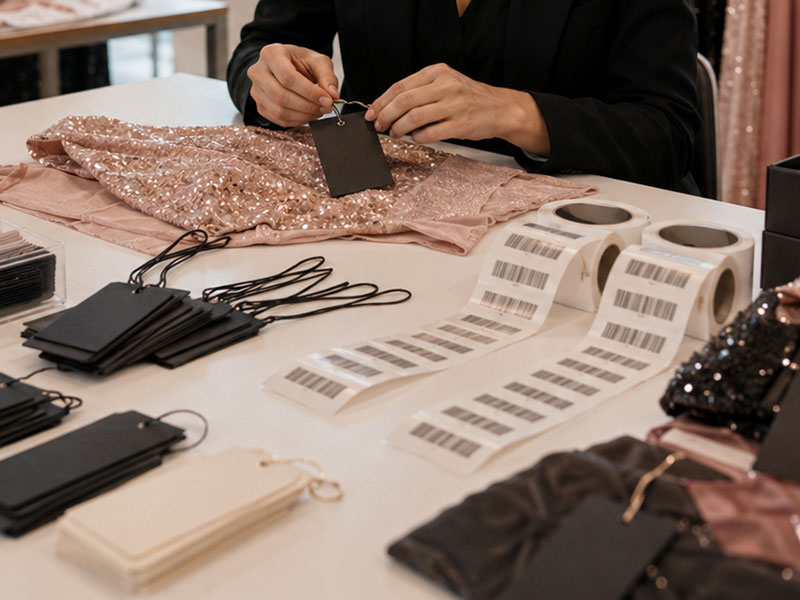
Identity: Labels, hangtags, barcodes, SKU stickers and carton marks match the packing instruction.
Shipment readiness: Packing list, carton quantity, dimensions, gross weight and delivery breakdown are prepared for logistics coordination.
Quality Control for Wedding Guest Collections
Review QC Standards
Fabric Batch
Color Matching
Pattern Accuracy
Fit Measurements
Construction Details
Surface Protection
Private Labels
Final Packing
Protect the Wedding Season Launch Calendar

Campaign Sample Deadline
Material Booking Window
Bulk and QC Window

Split Delivery Strategy
Plan MOQ, Volume, Cost and Delivery
Jinfeng Apparel starts from 200 pieces per style/color. Capsule economics improve when styles share approved materials and trims, but each color, construction and packaging decision still affects minimums, unit cost and schedule.
| Planning Scenario | Style Count | Color Structure | Illustrative Total Volume | Recommended Production Logic |
|---|---|---|---|---|
| Focused capsule | 10-12 styles | 1-2 colors per style | 20,000-30,000 pieces | Prioritize 2-3 hero styles; share satin, crepe and lining groups; one main delivery plus selected early samples |
| Seasonal capsule | 14-20 styles | 2-4 colors per style | 35,000-55,000 pieces | Group by fabric and complexity; run commercial styles separately from corset, lace and embellished styles |
| Expanded program | 20-30 styles | 2-5 colors per style | 55,000-80,000 pieces | Use staged approvals, factory allocation, batch QC and split packing or delivery by market or launch phase |
Deliver Retail-Ready Private Label Collections

Brand Labels
Hangtags and Strings
Barcode and SKU
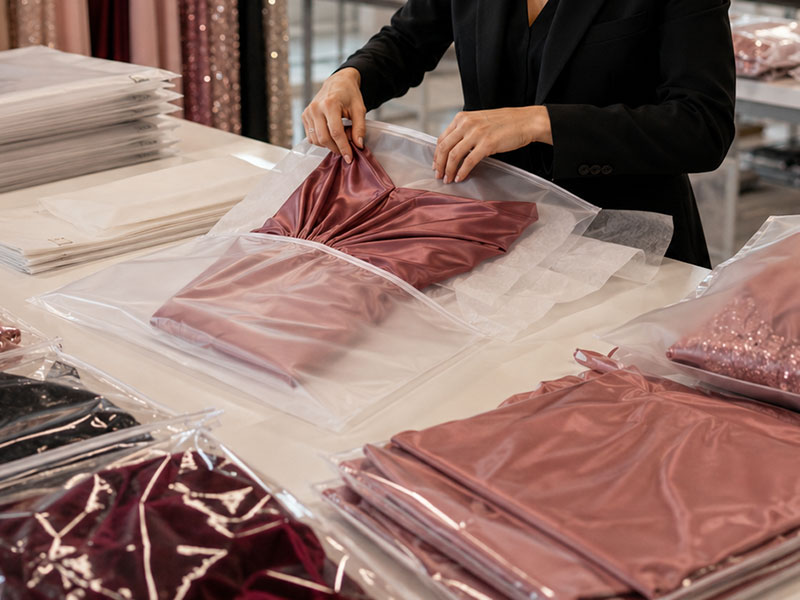
Polybags and Stickers
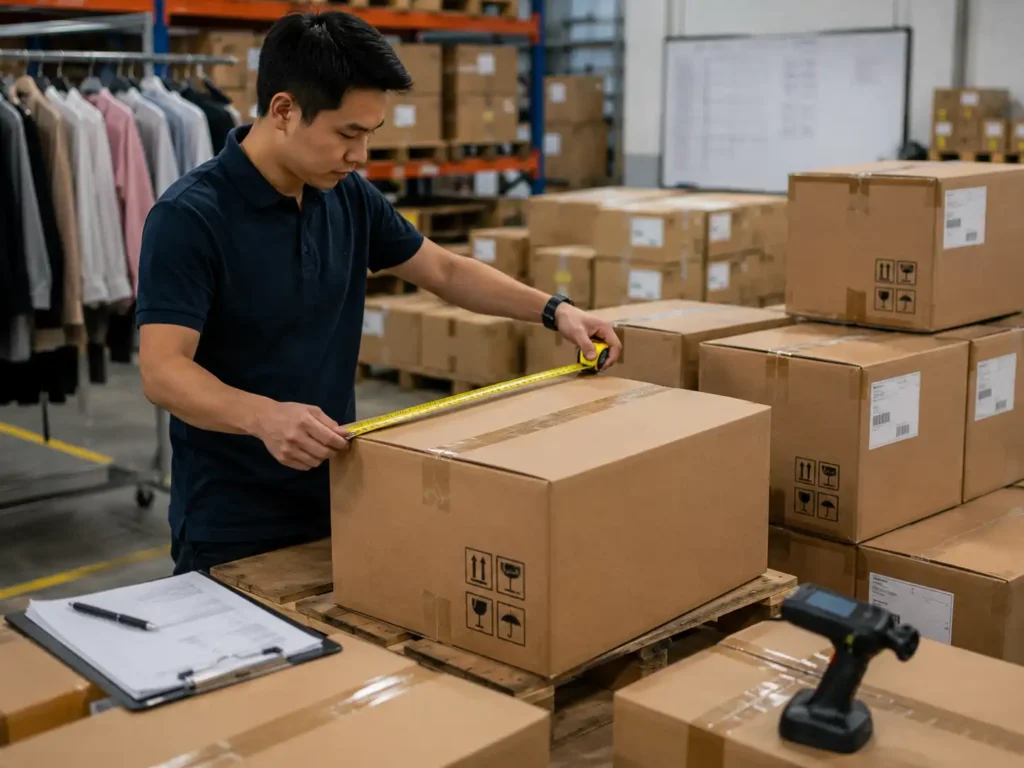
Cartons and Marks
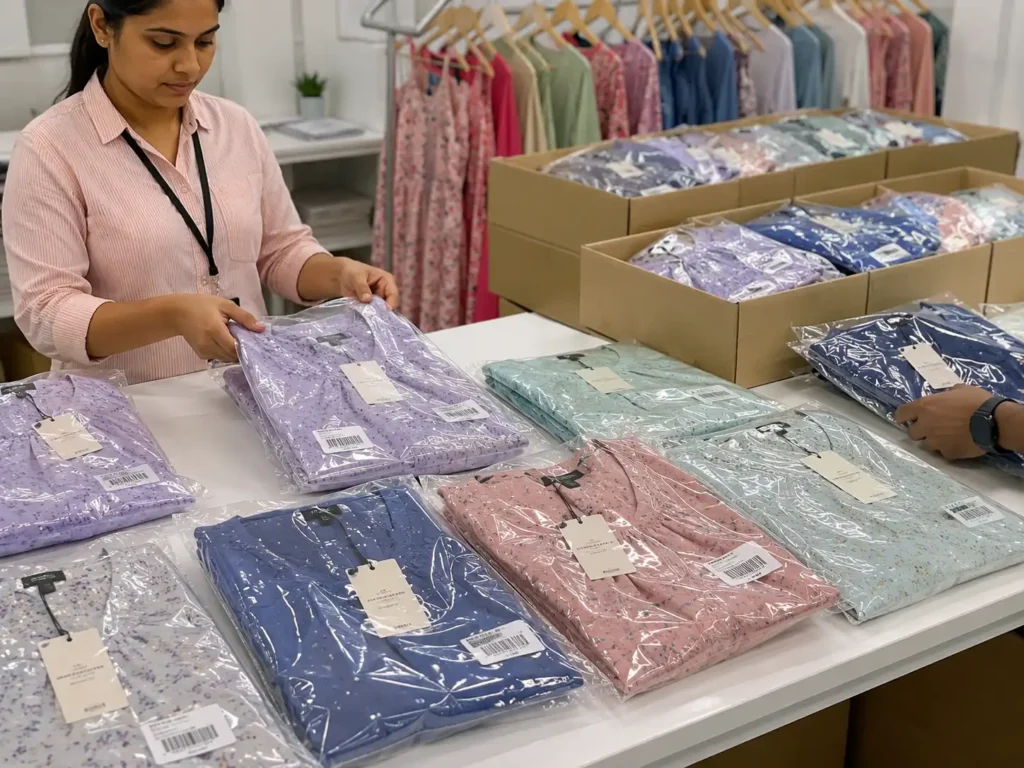
Retail Presentation
Manufacturing Capacity for Large Brand Programs
Since 2008
6 Owned Factories
10+ Production Partners
2 Sample Rooms
7+ Pattern Makers
20+ Sample Machinists
Sample machinists handle lightweight satin, chiffon, mesh, lace, sequins, structure, drape and complex detail validation before bulk transfer.
Wedding Guest Collection Production Cases

US Satin Occasion Program
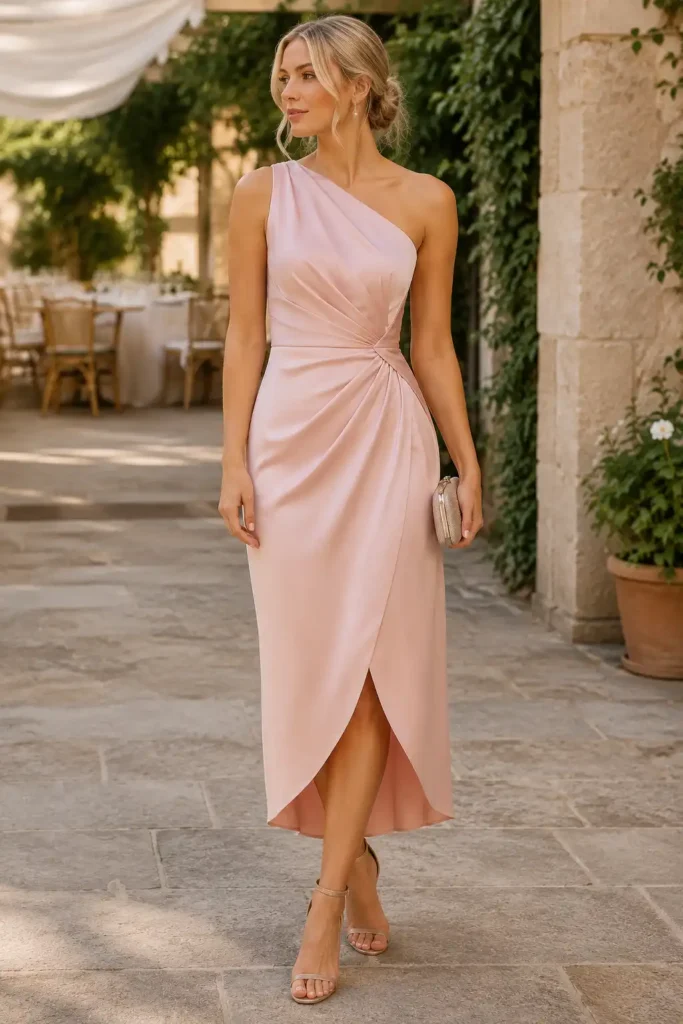
Australian Wedding-Season Range

UK Multi-Fabric Capsule
Protect Designs and Support Repeat Orders
NDA Protection
Private Style Handling
Repeat-Order Records
Frequently Asked Questions
The range can include mini, midi and maxi dresses, cocktail styles, evening gowns, jumpsuits, matching sets, skirts and fashion tops. Product selection should cover several dress codes while sharing a clear color, fabric or design language.
MOQ starts from 200 pieces per style/color. Custom dyeing, exclusive printing, special lace, sequin fabric, hardware, certified material and custom packaging may have separate supplier minimums.
Simple samples usually require 7-10 days, standard dresses 10-15 days, moderate styles 12-18 days, and complex corset, lace, mesh or sequin styles 15-25 days. Timing begins after required information, materials and sample payment are confirmed.
Yes. Development can begin from reference images, sketches, line sheets or original samples. Accurate evaluation still requires target quantity, fabric direction, size range, target market, label requirements and launch timing.
Yes. Satin, chiffon, crepe, lace, mesh, jersey, ponte, velvet, sequins and printed woven fabrics can be combined. Each group receives separate pattern, sewing, color and QC controls.
Each style uses an approved base pattern, size chart and grade rule. Fit comments are converted into pattern changes, then locked through revised or PP samples before bulk measurement control.
Yes. Photo-ready or salesman samples can be planned after the relevant fit, fabric and workmanship standards are approved. Quantity, deadline and whether final bulk material is required must be confirmed in advance.
Yes. Support includes woven labels, size and care labels, hangtags, barcode stickers, SKU labels, polybags, stickers, cartons, carton marks and warehouse labels according to approved files.
Yes. NDA-based cooperation can begin before project review, sampling, bulk production or private-label work to protect designs, technical files, samples, labels, packaging and launch information.
Bulk timing is confirmed after PP approval, fabric and trim readiness, style quantity, production allocation, QC plan, packing and shipping method are known. Wedding-season programs should be planned backward from warehouse and on-sale dates.

Start Your Wedding Guest Capsule
Send Jinfeng Apparel your collection direction for a structured project review. Kelly will coordinate the initial assessment with the product development team, covering style complexity, fabric and trim direction, size range, MOQ fit, sample priorities, private-label requirements and production timing.
A clear brief allows the team to identify shared materials, separate high-risk styles, estimate sample stages and build a more reliable launch plan before formal development begins.
- Reference images, line sheet, original sample or tech pack
- Expected number of styles and colors
- Target quantity per style/color and total program volume
- Fabric, lining, trim and color preferences
- Target market and size range
- Label, barcode, packaging and warehouse requirements
- Photo sample, PP approval, bulk delivery and launch dates


