 Skip to content
Dress Manufacturer for Creative Directors
Transform creative direction into production-ready dress collections without losing silhouette, material character or brand identity.
- 2 sample rooms support parallel development for hero styles, commercial core styles and supporting SKUs.
- 7+ senior pattern makers control bust, waist, hip, neckline, strap, slit, length and internal support before bulk approval.
- 20+ sample machinists support first samples, fit samples, revised samples, photo samples, PP samples and Golden samples.
- 6 owned women’s fashion factories and 10+ long-term production partners support multi-style programs with 100,000+ pieces of regular monthly capacity.
Jinfeng Apparel works with creative, design, product development, merchandising, sourcing and quality teams to convert visual concepts into dresses that can be fitted, costed, graded, produced, inspected, packed and reordered. Projects may begin with a moodboard, sketch, reference garment, line sheet or complete tech pack. Every route moves through fabric approval, pattern development, sample review, PP approval and documented production standards.
Built for Creative-Led Fashion Teams
Creative Direction
Product Development
Product developers need clear files, measurable corrections and reliable sample versions. Jinfeng translates design direction into fabric options, pattern points, measurements,
BOM details, construction notes and sample actions. Fit comments are converted into revised patterns and updated size charts instead of remaining inside chat messages. First samples, revised samples, photo samples and PP samples keep separate purposes, helping internal teams review the right standard at the right stage.
Sourcing and Quality
Sourcing and quality teams need accurate MOQ boundaries, material availability, production allocation, inspection points and packing requirements.
Jinfeng reviews quantity by style and color, confirms supplier MOQ for special fabrics or trims, and locks production files before bulk cutting. Material checks, cutting checks, in-line sewing checks, measurements, finishing, packing and final inspection support the creative result after approval, not only the garment’s basic construction.
Where Strong Dress Concepts Commonly Fail
Silhouette Gets Flattened
Fabric Changes the Design
Fit Looks Wrong
Details Are Simplified
Revisions Lose Control
Bulk Drifts From Samples
What Your Team Can Send First
Moodboard
Hand Sketch
Reference Image
Original Sample
Line Sheet
Tech Pack
From Creative Direction to Production-Ready Dresses
Visual direction becomes a manufacturable product through disciplined interpretation, measurable specifications and early risk review. Jinfeng keeps the creative intention visible while building the technical standard behind it.
Define the Design Elements Worth Protecting
The first review separates the concept into appearance-critical and flexible elements. Appearance-critical elements may include a raised waist, a low asymmetric neckline, controlled transparency, exaggerated skirt volume, a particular drape direction or a sharp corset line. Flexible elements may include hidden seam placement, lining construction, zipper type or an internal reinforcement method. The creative team receives clearer decisions when these categories are separated before sampling.
- Silhouette: body line, volume, length and proportion across front, side and back views.
- Surface character: shine, texture, transparency, print placement, lace motif or embellishment density.
- Movement: drape, stretch, recovery, swing, slit opening and comfort during sitting or walking.
- Brand cues: recurring necklines, waist treatments, hardware, trims, colors or finishing details.
Early agreement prevents a factory adjustment from quietly changing the visual identity. Any proposed alteration is reviewed against the intended appearance, wearability, production repeatability, cost and timing.
Translate Visual Language Into Specifications
Pattern and sample teams need measurable information. A description such as “clean, elongated and body-skimming” must become decisions about total length, waist placement, hip ease, seam position, fabric stretch, lining coverage and hem behavior. A “structured corset effect” must become cup shape, boning placement, panel symmetry, support level, back closure and comfort requirements.
- Measurements: bust, waist, hip, shoulder, neckline depth, strap length, armhole, slit and garment length.
- Materials: composition, weight, width, stretch direction, recovery, drape, transparency, shine and shrinkage.
- Construction: lining, interfacing, boning, cups, closures, seam allowance, edge finish and reinforcement.
- Branding: woven label, care label, hangtag, barcode, polybag and carton mark requirements.
The resulting file set may include an updated tech pack, pattern notes, size chart, BOM, sewing instruction, sample comments and QC checklist. Decisions remain connected rather than being scattered across email and messaging threads.
Review Feasibility Before Sampling
Not every visually striking idea should move directly into sample sewing. Material availability, minimums, trim development, pattern complexity and bulk repeatability require review first. Jinfeng flags designs where the chosen fabric cannot hold the intended structure, where embellishment weight changes the hang, where a neckline lacks support or where an asymmetric construction is difficult to grade consistently.
- Feasible as drawn: proceed with confirmed materials and construction.
- Feasible with adjustment: propose a controlled change while retaining the main visual effect.
- Feasible at a different cost or MOQ: explain material or trim consequences before approval.
- Sample validation required: test structure, stretch, transparency, comfort or finish before bulk planning.
Clear feasibility advice protects the concept from late-stage compromises. It also gives merchandising and sourcing teams a realistic basis for cost, MOQ and launch planning.

Dress Categories for Creative-Led Collections

Statement Mini Dresses

Satin Slip Dresses

Structured Corset Dresses
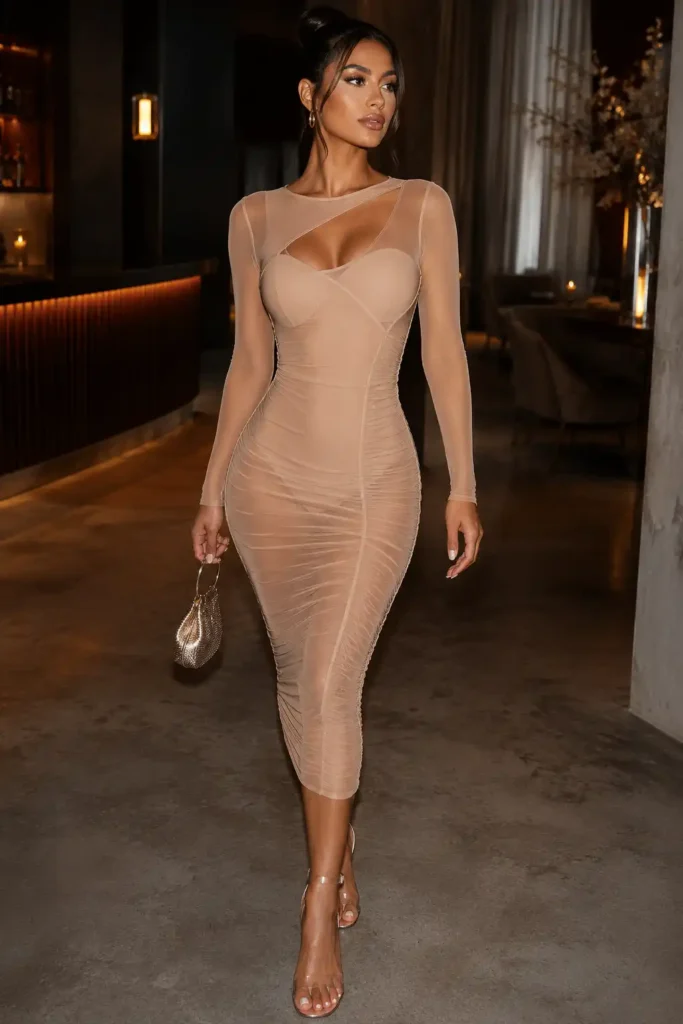
Mesh Bodycon Dresses
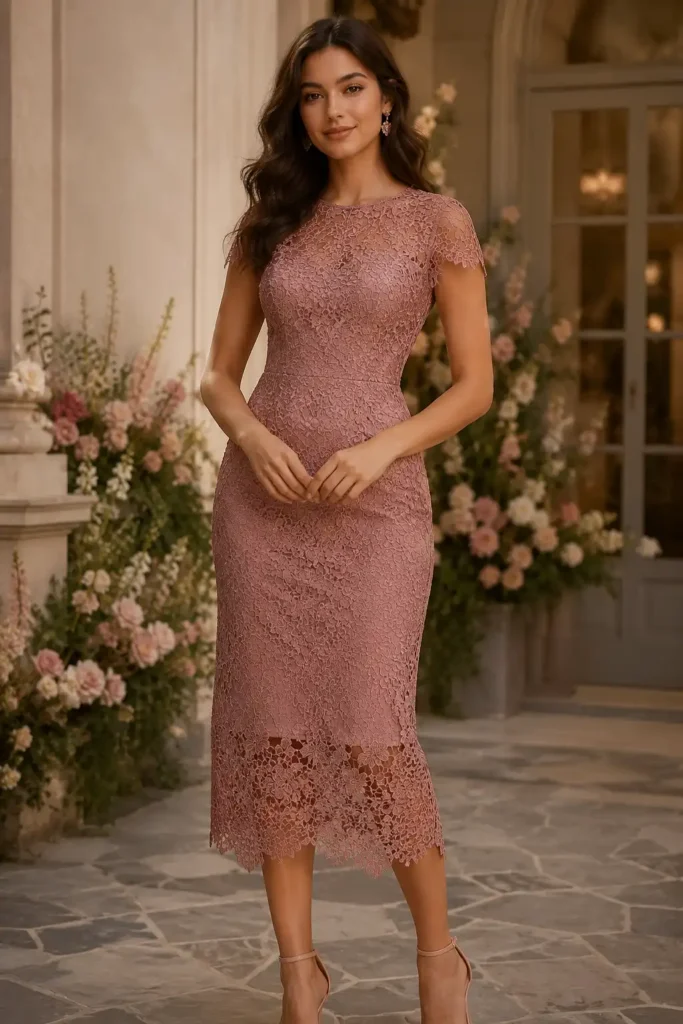
Lace Occasion Dresses
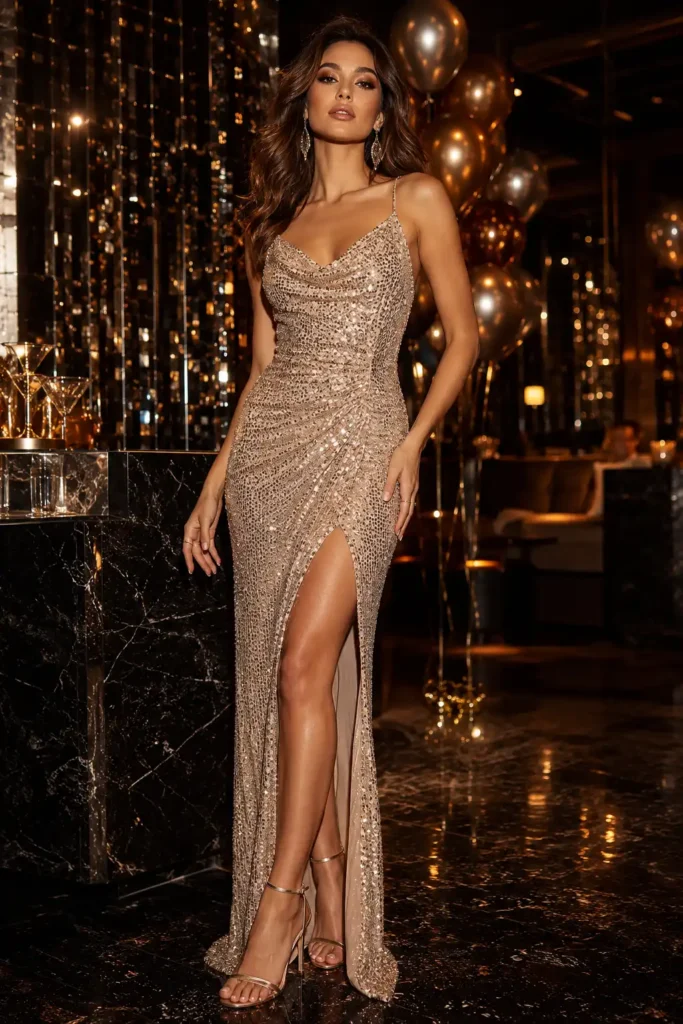
Sequin Party Dresses
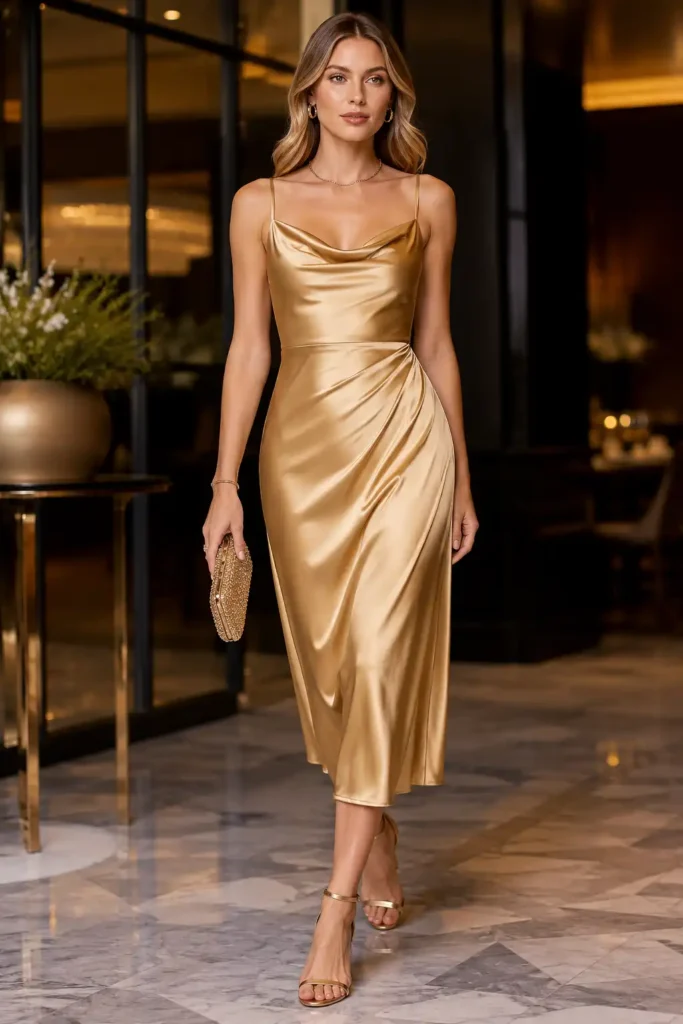
Draped Midi Dresses

Resort Maxi Dresses
Fabric, Color and Surface Development

Satin and Shine
- Confirm face direction before cutting.
- Test lining and seam construction.
- Approve pressing and packing method.
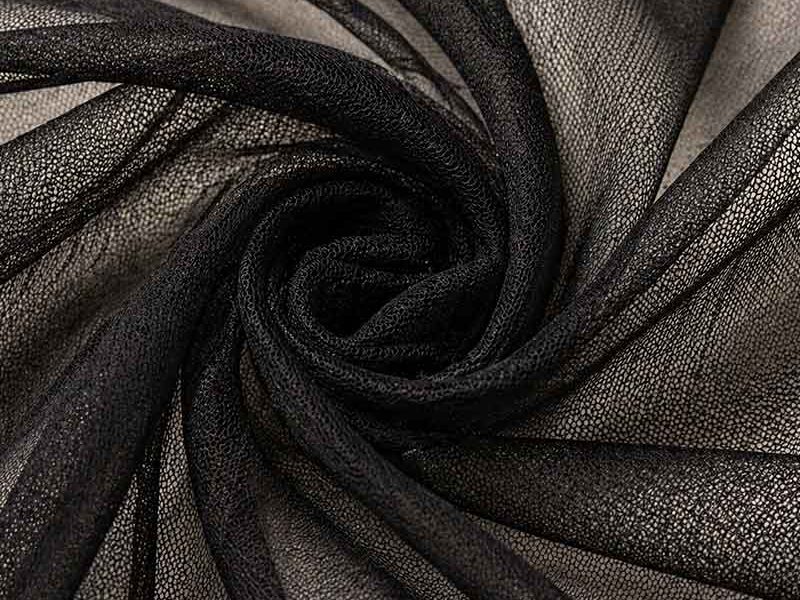
Mesh and Transparency
- Review transparency on body.
- Confirm stretch direction.
- Reinforce unstable openings.
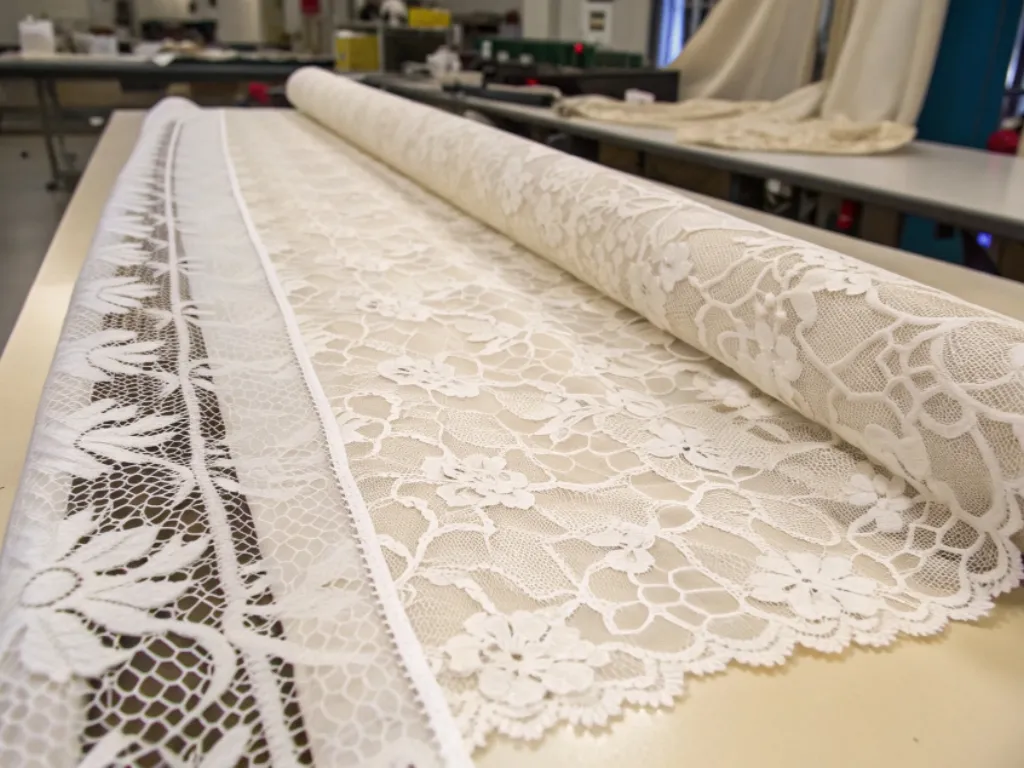
Lace and Motifs
- Map motif priority areas.
- Confirm lining color.
- Define acceptable placement tolerance.

Sequin and Embellishment
- Test skin-contact areas.
- Protect zipper and seam zones.
- Inspect missing or damaged pieces.

Chiffon and Draping
- Confirm layer structure.
- Test hem and seam finish.
- Review color across overlapping areas.

Jersey and Recovery
Jersey, rib knit, ponte and stretch blends serve fitted dresses, soft midis and commercial repeat styles. Stretch percentage alone is not enough; recovery, weight, direction and washing stability influence fit. Side-seam twisting, neckline growth and measurement variation require early testing. Pattern dimensions and tolerances must match the approved fabric. Key controls:
- Record stretch and recovery.
- Approve fit after wear testing.
- Measure bulk against fabric behavior.
Fit, Silhouette and Complex Construction Control
Creative impact depends on the relationship between body proportion, fabric behavior and internal construction. Jinfeng validates those relationships through pattern review, fitting and documented revisions.
Protect the Intended Silhouette
Silhouette review begins with the visual center of the garment. A raised waist can lengthen the leg line; a dropped waist creates a different attitude; a fitted hip can change how a skirt falls; a wide neckline can alter shoulder proportion. Jinfeng compares front, side and back views rather than judging fit from a single photo.
- Upper body: shoulder line, neckline, bust shaping, cup position, armhole and back coverage.
- Mid body: waist placement, contour, dart direction, cut-out position and internal support.
- Lower body: hip ease, skirt volume, slit opening, hem level and movement.
- Wearability: sitting comfort, walking range, bra compatibility, strap stability and closure access.
Approved corrections are entered into the pattern and measurement file. Surface alterations alone do not solve an underlying pattern problem.
Engineer Complex Dress Structures
Complex construction is reviewed as a system. Boning, cups, lining, interfacing, elastic, anti-slip tape, hooks, zippers and reinforcement must work with the outer fabric. Too much support can look rigid; too little can cause collapse or exposure. Draping, ruching and asymmetric panels also need repeatable anchor points so the shape can be reproduced across sizes and production operators.
- Corset and bustier structures: cup shape, support, boning position, center balance and comfort.
- Strapless designs: upper-edge tension, anti-slip support, back closure and movement security.
- Cut-outs and low backs: edge stability, stretch control, coverage and seam reinforcement.
- Draped and ruched designs: direction, density, anchor points, symmetry and bulk consistency.
Turn Fit Feedback Into Pattern Action
Fit feedback becomes useful when it identifies location, amount and intended result. A comment such as “waist feels loose” needs a measurement, affected panel and balance review. A comment such as “neckline sits too low” may require strap, shoulder, cup or neckline correction rather than one isolated adjustment.
- Feedback sources: fit photos, marked samples, measurement reports, video fitting and written comments.
- Pattern response: revise lines, balance panels, adjust ease, update notches and confirm grading impact.
- Sample response: produce a revised sample when the change affects appearance, fit or production method.
- File response: update size chart, BOM, sewing instruction, QC point and PP comments before bulk.

Feasibility, Cost and MOQ Review
Early review aligns visual ambition with material supply, construction time and order structure. Pricing remains meaningful only when the approved product definition is clear.
| Review Area | Jinfeng Checks | Commercial Impact | Recommended Decision |
|---|---|---|---|
| Fabric | Composition, weight, width, stretch, drape, transparency, finish and availability | Unit cost, silhouette, lining, MOQ and lead time | Approve selected fabric or compare controlled alternatives |
| Color | Stock shade, lab dip, dye lot, light response and cross-fabric match | Color MOQ, shade risk and timing | Consolidate shades or approve fabric-specific color standards |
| Construction | Panels, lining, boning, draping, cut-outs, ruching and closures | Pattern work, sewing time, sample rounds and QC | Protect key features and simplify only non-critical elements |
| Trims | Zippers, cups, hooks, elastic, hardware, lace trim and embellishment | Supplier MOQ, development time, comfort and durability | Use approved stock trims or develop brand-specific options |
| Quantity | Units per style, color and size; total program volume; repeat potential | MOQ, unit price, material purchase and line allocation | Plan quantities by style and color, not by total collection only |
| Packaging | Labels, hangtags, barcode, polybag, carton marks and warehouse guide | Artwork timing, packing cost, SKU accuracy and delivery readiness | Confirm files before bulk packing materials are ordered |
Dress Sample Development Roadmap
Project Review
Fabric Direction
Pattern Development
First Sample
Fit and Revision
PP and Golden Sample
Sample Versions and Approval Control
Every sample version serves a different decision. Clear labels prevent a photo garment, fitting garment or early prototype from being mistaken for the final production reference.
| Sample Version | Main Purpose | Review Focus | Required Output |
|---|---|---|---|
| First Sample | Validate design and construction direction | Proportion, material behavior, structure and initial workmanship | Consolidated revision comments |
| Fit Sample | Evaluate body fit and movement | Bust, waist, hip, neckline, straps, length, slit and comfort | Pattern correction and updated measurements |
| Revised Sample | Confirm agreed corrections | Changed areas, secondary fit effects and updated details | Approved revision record or next action |
| Photo Sample | Support campaign, lookbook or sales presentation | Visual finish, color, styling appearance and photography readiness | Photo-use approval; not automatic bulk approval |
| PP Sample | Lock production standard | Final materials, trims, pattern, measurements, workmanship and packing | Written bulk approval |
| Golden Sample | Reference production and quality standard | Complete approved garment against final files | Sealed standard for bulk, QC and repeat orders |
Managing Multi-Style Dress Collections
Programs with 10-30 styles need grouping, priority and version control. Jinfeng organizes development around shared materials and technical risk instead of treating every SKU as a separate conversation.
Group Styles by Material and Construction
A collection is divided into working groups such as satin, stretch, lace or mesh, structured corset, embellished and lightweight woven. Styles sharing fabrics or trims can be reviewed together for color, MOQ and availability. Similar structures may use related pattern blocks while preserving unique design details.
- Fabric group: shared material, color, supplier and testing decisions.
- Construction group: similar lining, support, stretch or embellishment requirements.
- Trim group: common zippers, cups, hardware, labels or decorative components.
- Risk group: styles needing early validation because of fit, transparency, draping or handwork.
Grouping reduces duplicate material work and reveals conflicts before sample orders are released.
Set Priorities Around the Launch
Not every style needs the same sample priority.
Hero styles may be needed for campaign photography; commercial core styles may carry the highest unit volume; supporting styles may complete the range but allow later confirmation. Jinfeng can build a priority sequence using launch date, fabric readiness, complexity, photo-sample need and production lead time.
- Priority A: campaign or sales-driving styles requiring early photo and fit approval.
- Priority B: high-volume commercial styles requiring early material reservation.
- Priority C: supporting styles following shared fabric or trim approvals.
- Hold list: designs waiting for cost, material, color or internal brand decisions.
Keep One Approval Record Per Style
Each style retains its own sample version, measurements, pattern status, fabric approval, trim approval, PP status and packing requirement. A collection tracker then shows the overall program: not started, sourcing, pattern, first sample, revision, PP, bulk ready, production, QC or shipped. Clear status prevents one approved fabric or comment from being applied to the wrong style.
- Style identification: style number, name, color and size range.
- Development record: sample version, comments, approval date and open issue.
- Production record: factory allocation, material arrival, cutting and sewing status.
- Delivery record: packing file, inspection, shipment lot and document status.


Protect Collection Consistency and Launch Timing
A coherent range needs more than individually approved dresses. Silhouette, color, material tier and delivery milestones must work together across the assortment.
- Build a Recognizable Silhouette Language
Creative teams often repeat specific proportions across a season: a raised waist, narrow shoulder line, deep back, elongated midi length or controlled body fit. Jinfeng records those cues across related styles. Pattern teams can compare necklines, waist placement, skirt volume and length balance so the range feels connected without forcing every dress into one block.
- Control Color Across Different Materials
One color name can appear different on satin, mesh, lace, jersey and crepe because surface, transparency and dye absorption change the result. Cross-fabric color review should focus on visual harmony rather than an unrealistic identical reading. Color cards, swatches, lab dips or bulk lot approvals establish the expected relationship between materials.
- Plan Milestones Backward From Launch
Launch planning begins with the required warehouse or campaign date and works backward through shipping, inspection, packing, finishing, sewing, cutting, bulk material arrival, PP approval, revised samples and first sample review. A tight launch can only be assessed after style complexity, material availability, sample rounds, order volume, color count, size count and packing requirements are known. Air, sea, DAP or DDP options are evaluated by project rather than promised before shipment data is available.
Resources for Multi-Style Fashion Programs
Development Resources
Production Network
Project Coordination
From Approved Sample to Consistent Bulk Production
Bulk execution begins only after the production standard is locked. Jinfeng controls the handover from creative approval to repeatable manufacturing through files, physical references and product-specific inspections.
Lock the Standard Before Cutting
The production package aligns every department around the approved garment. Final pattern, size chart, grade rule, BOM, material approval, trim approval, PP sample, Golden sample, sewing instruction, QC checklist, label file and packing instruction must agree. Differences are resolved before material cutting.
- Style and order file: style number, color, size range, quantity and delivery lot.
- Pattern and fit file: final pattern, measurements, tolerances and grading rules.
- Material file: approved fabric, lining, trims, color, supplier and batch requirements.
- Workmanship file: seam, stitch, lining, support, pressing and finishing instructions.
- Packing file: labels, barcode, polybag, carton ratio, carton mark and warehouse requirements.
Major changes after PP approval trigger a new review of cost, lead time, sample need and production risk.
Control Production at Multiple Checkpoints
Quality control begins before sewing. Incoming materials are checked against approved references; cutting checks protect direction, placement and dimensional stability; in-line checks address construction and measurements before defects multiply. Finished garments receive measurement, appearance, pressing and packing review.
- Incoming material: color, hand, width, weight, defects, stretch and approved lot.
- Cutting: grain or shine direction, print or lace placement, panel accuracy and ply stability.
- Sewing: seam type, stitch quality, support, symmetry, zipper, lining and detail placement.
- In-line measurement: key points linked to fit and approved size tolerances.
- Finishing: loose threads, stains, pressing, shape, embellishment and final appearance.
- Packing: correct SKU, label, barcode, polybag, size ratio, carton quantity and carton mark.
Protect Creative Details in Bulk
Generic inspection is not enough for design-led dresses. Product-specific checkpoints are added according to fabric and construction. Satin needs shine direction, snag and pressing control. Mesh needs transparency, hole and recovery checks. Lace needs motif and edge review. Sequin styles need missing-piece and scratch-point inspection. Corset dresses need cup, boning and symmetry checks. Draped or ruched styles need fold direction, density and balance checks.
- Visual standard: approved front, side and back appearance against the Golden sample.
- Fit standard: key measurements and construction points linked to the approved pattern.
- Material standard: approved batch, color relationship and surface condition.
- Packing standard: protection against crushing, snagging, creasing or embellishment damage.

Private Label, Packing and Delivery Readiness
Woven and Size Labels
Care Labels
Hangtags and Strings
Barcode and SKU Labels
Polybags and Carton Marks
Export Delivery Support
Protect Unreleased Collections and Brand Files
Design File Protection
Sample and Pattern Protection
Launch and Order Protection
Anonymous U.S. Multi-Style Dress Program
A representative program shows how a creative-led assortment can move through grouped development, controlled approvals and phased production without losing the collection’s visual structure.
Program Scope and Assortment
An established U.S. fashion brand planned a 24-style dress program totaling 54,000 pieces. The range combined 6 campaign-led hero styles, 12 commercial core styles and 6 supporting styles. Materials covered stretch satin, fine mesh, lace, crepe, jersey and sequin fabric. Nine commercial colors were spread across the range, while the approved size offer covered seven sizes. Private-label requirements included woven labels, care labels, hangtags, barcode labels, individual polybags and carton marks.
- 24 dress styles across mini, midi, bodycon, corset, slip and occasion silhouettes.
- 54,000 pieces allocated by style, color and size rather than equal splits.
- 6 material groups with separate sourcing and quality requirements.
- 3 planned delivery lots aligned with campaign, core launch and supporting assortment.
Development Risks Identified Early
The initial range contained several connected risks. Stretch satin and jersey needed different pattern ease; mesh transparency varied by color; lace motifs could not be placed identically across every size; sequin seam zones created scratch and shedding concerns; corset styles required cup and boning validation. A single sampling sequence would have delayed key campaign styles and mixed incompatible material approvals.
- Hero styles needed photo-ready samples before the remaining collection.
- Cross-fabric colors required visual harmony rather than one universal shade standard.
- Seven-size grading required separate review for corset, bodycon and draped shapes.
- Labels, barcodes and carton data had to remain accurate across hundreds of SKUs.
Jinfeng Development and Production Plan
Jinfeng divided the range by fabric, construction and sample priority. Campaign styles entered fabric and pattern review first.
Commercial core styles followed shared fabric approvals, while supporting styles used confirmed trim and color decisions wherever possible.
Each style carried a revision record, fabric approval, pattern status, PP status and packing file.
Final production allocation considered fabric handling, construction complexity, order quantity and delivery lot.
- Sample priority: hero styles first, core volume styles second, supporting styles third.
- Version control: first, revised, photo and PP samples kept as separate approvals.
- Bulk standard: final pattern, size chart, BOM, sewing notes, PP sample and Golden sample.
- Packing control: master barcode list, SKU verification, carton ratio and shipment-lot tracking.
Resulting Brand Value
The program moved forward with a clearer relationship between creative approval and manufacturing execution. Hero styles received early visual attention, commercial styles received volume-focused material planning, and every product retained its own approval record. Multi-style production, private-label packing, inspection and phased delivery were managed through one project structure. No brand identity, sales result or confidential order term is disclosed.

Frequently Asked Questions for Creative Directors

Share Your Creative Direction With Jinfeng
Send the available development materials to Kelly for an initial project review. Jinfeng will assess dress structure, fabric direction, pattern complexity, sample route, MOQ fit, private-label needs and likely production risks before recommending the next step. A clear review protects the design from rushed commitments and gives creative, product, sourcing and quality teams a shared starting point. Files remain confidential and are used only for feasibility assessment, sampling, bulk production, QC, packing and delivery coordination.
- Development files: moodboard, sketch, reference image, line sheet or tech pack
- Order plan: quantity per style/color, size range and target delivery
- Material plan: preferred fabric, colors, trims and sample type
- Branding plan: labels, barcodes, polybags and carton instructions
- Contact and upload fields: name, company, country, email, WhatsApp and project files


