
Dress Manufacturer for US DTC Fashion Brands
From photo-ready development to controlled bulk production, Jinfeng Apparel helps established US ecommerce fashion teams launch repeatable dress collections.
Jinfeng Apparel develops party, occasion, bodycon, corset, satin, mesh, lace, sequin and resort dresses from tech packs, line sheets, original samples or design references. Collection programs can be structured around 10-30 styles and 20,000-80,000 total units, with sampling, PP approval, production, QC, private-label packing and US warehouse coordination managed through one development path.
- 10-15 working days for standard first samples; 15-25 working days for complex corset, lace, mesh or sequin styles.
- Multi-style programs planned around photo shoots, launch dates, size curves, barcode files and warehouse receiving windows.
- MOQ starts from 200 pieces per style/color, subject to fabric, trims, construction, packaging and production scheduling.
- Patterns, measurement files, color references, BOM details and packing records retained for controlled repeat orders.
Production Depth Built for DTC Growth
Development Capacity
Production Network
Commercial Readiness
Is Jinfeng the Right Manufacturing Fit?
Best Fit For
- Established US DTC fashion brands, premium ecommerce labels, occasionwear programs and merchandising teams working with monthly drops or seasonal collections.
- Strong fit also includes brands managing 10-30 styles per order, multiple colors, expanded size ranges, private-label files and scheduled replenishment.
Production Model
- Custom development begins with a tech pack, line sheet, original sample, reference image or an approved design direction.
- Jinfeng does not operate as a ready-stock wholesaler, one-piece fulfillment service or public catalog reseller.
- Each program moves through material, fit, sample and production approval.
The Pressures Behind Every DTC Dress Launch
Launch Deadline Pressure
Photo-to-Bulk Gaps
Fit-Related Returns
Multi-SKU Complexity
Inventory Exposure
Replenishment Delays

Why Dress Specialization Protects Product Performance
Dresses combine body balance, moving hemlines, visible seams and fabric behavior in one product. A general apparel factory may sew a dress, yet sustained online performance depends on how the pattern, material and construction work together on the body and remain stable through bulk production.
- Fit Drives the Product Image
Bust shaping, waist position, hip contour, neckline depth, shoulder balance, strap length and skirt proportion determine whether a dress looks intentional on camera. Jinfeng evaluates the reference silhouette against the selected base size before pattern cutting. For close-fitting products, ease and stretch recovery are mapped around the bust, waist and hip rather than distributed evenly. For fluid silhouettes, the team checks hang, bias movement, side-seam balance and hem level. Fit comments are translated into measurable pattern changes, allowing the approved look to move from a studio sample into graded production sizes. - Fabric Controls the Silhouette
A satin slip dress, power-mesh bodycon dress and lined lace occasion dress require different engineering even when the sketch appears similar. Fabric weight, stretch direction, recovery, opacity, surface friction and drape affect seam choice, lining, zipper application, edge treatment and pressing. Jinfeng compares proposed materials with the intended retail look and target price, then records approved composition, weight, color, hand feel and surface behavior. Substitutions are reviewed against the same visual and fit target rather than chosen only because the price is lower. - Details Must Survive Scale
Ruching, boning, bra cups, cut-outs, appliqué, lace placement, invisible zippers, slits and delicate hems create strong visual value but introduce repeatability risk. Development considers how each detail will be marked, cut, sewn, inspected and pressed in bulk. Symmetry points, seam allowances, stitch density, reinforcement locations and finished measurements are captured before production. A detail is not approved merely because one sample looks attractive; approval depends on whether the construction can be reproduced across the full size range and order volume.
Dress Categories Built for Online Fashion Sales

Party and Going-Out Dresses

Occasion and Event Dresses

Bodycon and Corset Dresses

Satin and Slip Dresses

Mesh, Lace and Sequin Dresses

Resort and Seasonal Dresses
Fabric Choices That Shape Margin and Performance
Material decisions affect retail appearance, sewing efficiency, return risk, packing condition and reorder continuity. Jinfeng reviews fabric as a commercial component of the dress program, combining target hand feel, silhouette, required construction, color plan and expected order volume before committing the collection to one source.
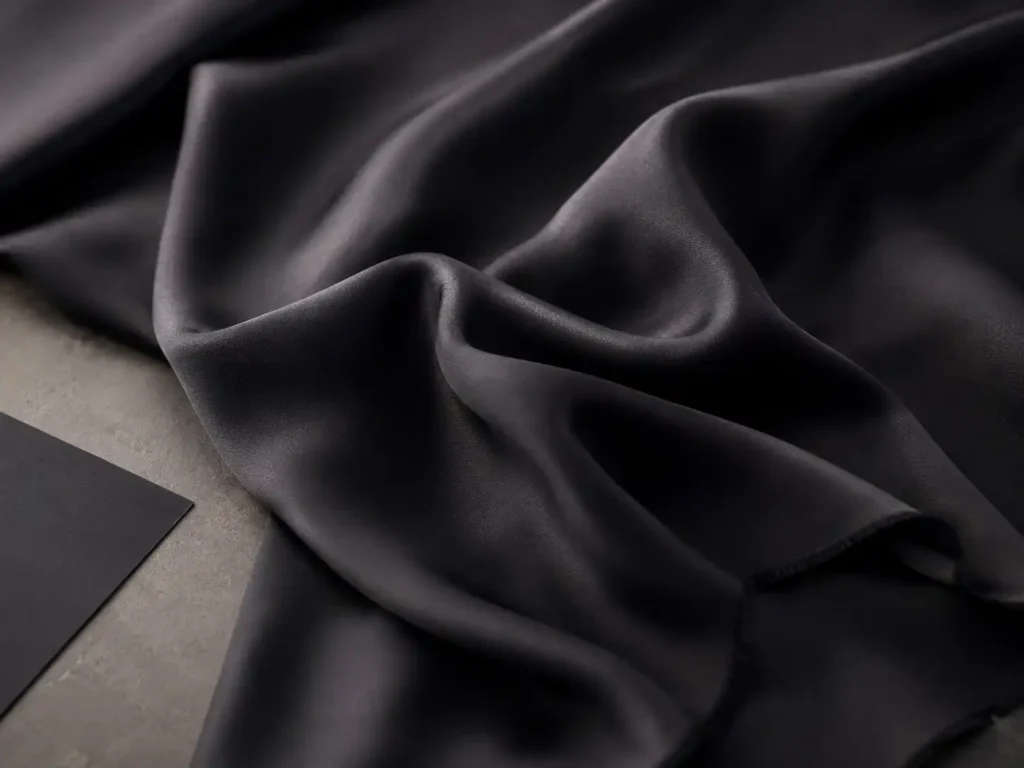
Satin and Fluid Wovens
Satin is selected by weight, composition, weave density, surface luster, drape and snag resistance. Lightweight satin can create elegant movement but may reveal seam tension, underwear lines or lining edges. Heavier satin gives structure but may feel rigid in slip or draped silhouettes. Development checks shade under daylight and studio lighting, because dark colors can show dye variation while pale colors can become transparent. Cutting direction is marked to keep shine consistent. Needle size, thread tension, seam choice and pressing temperature are trialed before PP approval. Reorder planning also checks whether the approved mill can maintain color and hand feel across later batches.
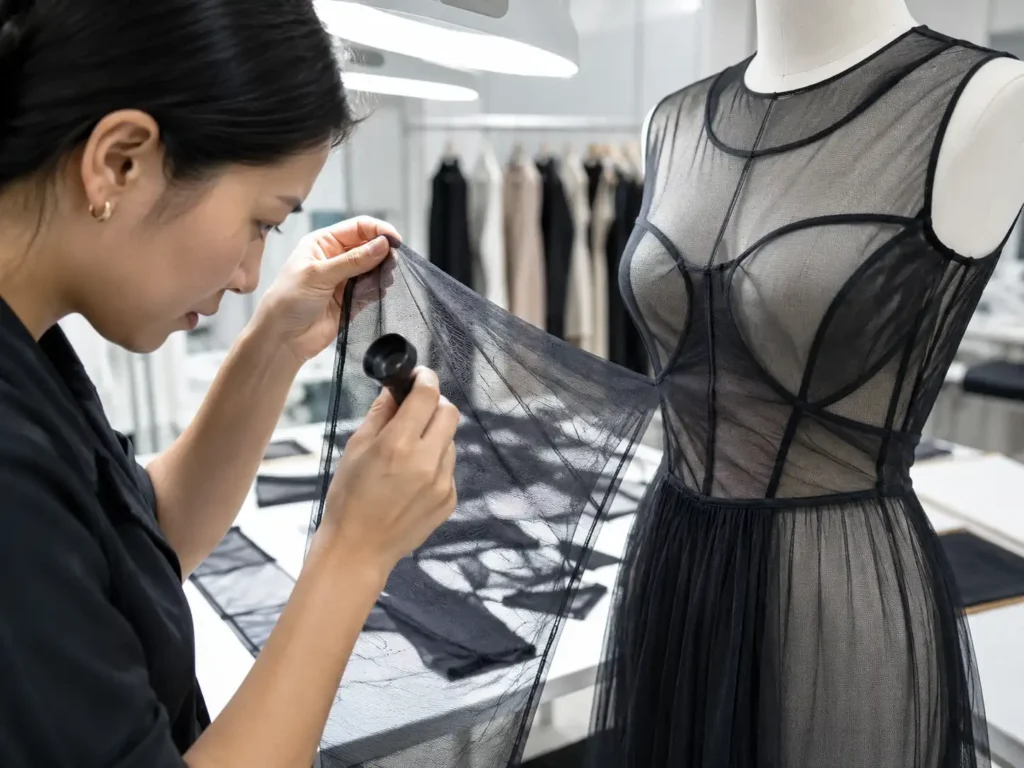
Mesh, Lace and Transparency
Mesh is commonly 40-120 gsm and lace often falls between 60-250 gsm, but weight alone does not define performance. Stretch mesh must be evaluated in both directions and after recovery, while regular mesh requires neckline and armhole stabilization. Lace selection considers motif scale, density, scalloped edges, color matching and whether pattern placement needs manual control. Lining color can change the perceived shade and coverage of both materials. Sample approval includes transparency under flash photography, seam visibility, skin contact, edge comfort and movement. Bulk inspection checks holes, broken motifs, uneven stretch, exposed lining and inconsistent motif position.

Stretch Knits for Bodycon Fit
Jersey, rib knit, ponte, power mesh and stretch satin must be chosen by stretch percentage, direction, recovery, weight, opacity and wash stability. A fabric that stretches easily but recovers poorly may look acceptable in the first fitting and then grow during wear. Jinfeng tests the fabric against the intended negative ease, seam construction and size range. Side-seam twisting, hem waving, neckline growth and measurement changes after washing are reviewed before bulk. Production layers are controlled during cutting to limit distortion, and measurements are taken after the garment has relaxed rather than immediately after sewing.

Lightweight Resort Fabrics
Chiffon, rayon, viscose, linen blends and printed wovens are selected for movement and climate, yet each carries different risks. Rayon can shrink and distort if relaxation is ignored. Chiffon can shift during cutting and expose uneven hems. Linen blends can crease heavily and vary in slub character. Printed materials require colorfastness and print-direction control. Jinfeng checks width, weight, shrinkage, skew, opacity, hand feel and pressing response before sample approval. Packing trials determine whether tissue, garment supports or revised folding can reduce wrinkles during long-distance delivery.
Fit and Construction Control for US Ecommerce
No single “US size” fits every fashion brand. Jinfeng develops against the approved measurement chart, target body profile, fit direction and product category. Control begins with a defined base size and continues through fitting comments, grade rules, production tolerances and final measurement checks.

Bust, Waist and Hip Balance
Close-fitting dresses are reviewed at the upper bust, full bust, under bust, natural waist, high hip and full hip. Measurement balance matters as much as the individual numbers. A waist positioned too high can distort the bust and shorten the torso; excessive hip tension can pull side seams forward and lift the hem. Jinfeng records the intended ease or negative ease by fabric type, then adjusts darts, princess seams, panel curves or stretch allocation. Fit approval includes front, side and back views, movement and seated posture where the product category requires it.

Necklines, Straps and Coverage
Neckline depth, armhole shape, strap length and back exposure influence comfort, bra compatibility and product reviews. Adjustable straps require secure hardware and sufficient adjustment range. Fixed straps require stable length across production. Low backs and cut-outs are checked for edge tension, gaping and reinforcement. For graduation, event and white dresses, coverage is reviewed under strong light and camera flash. Construction notes define stabilizing tape, elastic, binding or facing where needed, preventing neckline growth without making the edge rigid.

Corset and Strapless Support
Corset and strapless products are evaluated as support systems. Cup shape, cup position, boning type, panel direction, lining strength, top-edge grip, zipper length and waist shaping must work together. Too much compression creates discomfort and size complaints; too little support creates gaping and downward movement. Jinfeng checks support through fitting, movement and wear time before sealing the sample. Bulk control uses position marks and critical measurements for cups, panels, boning and top-edge circumference, with reinforcement at points that carry repeated strain.

Size Grading and Tolerance
Grading is not a fixed percentage enlargement. Bust, waist, hip, length, neckline, strap and armhole increments are reviewed according to the silhouette and intended size range. Projects commonly use XS-XL or XS-3XL, but the approved range follows the brand plan. Critical points receive tighter tolerances than non-critical details. Measurement methods are written into the specification so production and inspection teams measure from the same reference points. Size-set approval can be added when a style has unusual proportions, complex support or an extended range.
Photo-Ready Samples Before Campaign Production
The photography sample and the production sample serve different purposes. Campaign garments must present the intended visual result, while PP approval must confirm the actual bulk fabric, trims, construction and measurements. Separating the two decisions prevents a polished studio sample from becoming an unreliable production standard.
| Development Stage | Primary Review | Indicative Timing | Approval Output |
|---|---|---|---|
| Project Review | Tech pack, reference images, quantity plan, size range, fabric direction and launch date | 2-4 working days after complete files | Feasibility notes, development route and sample quotation |
| First Sample | Silhouette, base-size pattern, structure, fabric behavior and initial workmanship | 10-15 working days standard; 15-25 complex | First fitting sample with review notes |
| Fit Revision | Bust, waist, hip, length, neckline, strap, lining and design corrections | 5-10 working days per revision | Revised sample and updated measurement record |
| Photo Sample | Camera appearance, color, shine, drape, detailing and campaign presentation | Scheduled after fit direction is stable | Campaign-ready garment; not automatically the PP standard |
| PP Sample | Bulk fabric, trims, labels, construction, measurements and packing details | 7-12 working days after materials are locked | Production approval and sealed specifications |
| Golden Reference | Final approved garment, measurement file, BOM, workmanship and packing method | Sealed before bulk cutting | Reference for line setup, QC and repeat orders |
Managing Multi-Style DTC Collection Development
Line Sheet Review
Style Grouping
Fabric Grouping
Sample Priority
Revision Records
Production Allocation
Building Production Around Your Launch Calendar
Campaign Readiness
PP Approval Gate
Bulk Production Window
Inspection and Packing
US Transport Window
Contingency Planning
Workmanship Standards for High-Visibility Dresses
DTC dresses are inspected in product photography, unboxing videos and close consumer reviews. Construction must look clean at normal viewing distance and remain sound under movement, wear and care. Jinfeng sets workmanship according to fabric, structure and retail position rather than applying one generic sewing standard to every product.

Seams, Tension and Surface Control
Seam type and stitch setting are selected according to stretch, transparency, weight and surface sensitivity. Satin requires balanced tension and controlled pressing to avoid puckering and glazing. Mesh needs stable edges without excessive bulk. Jersey requires stretch-compatible seams and recovery. Lace and sequin materials may need seam cleaning, backing or protective binding. Pilot sewing identifies needle marks, skipped stitches, twisting, rippling and feed problems before the line standard is confirmed. Visible areas receive stricter appearance control than concealed construction, while stress points receive reinforcement based on use.

Lining, Facing and Internal Finish
Internal construction influences opacity, comfort and long-term shape. Lining selection considers stretch compatibility, color, static, breathability and edge visibility. Corset and strapless products may require stronger lining or interlining, while fluid dresses need enough support to prevent distortion without making the garment heavy. Facings, bindings and clean-finish methods are chosen to keep necklines and armholes stable. Seam allowances are managed so they do not shadow through pale or lightweight fabric. Internal labels are positioned to avoid skin irritation and visible distortion.
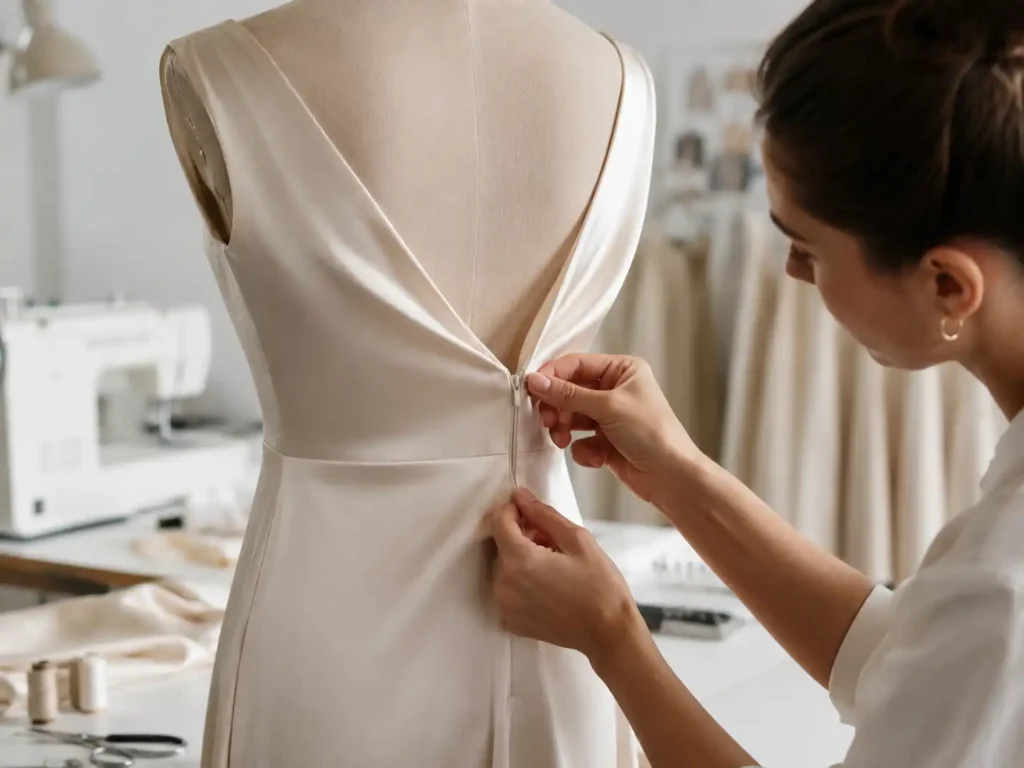
Zippers, Closures and Stress Points
Invisible zippers are tested for smooth movement, top alignment and seam flatness. Hook-and-eye, buttons, snaps and adjustable hardware are checked for secure attachment and compatibility with the fabric weight. Openings around corset panels, fitted waists and side seams receive reinforcement where repeated dressing creates strain. Slit tops, cut-out corners and strap joins are treated as stress points, not decorative details. Closure length is reviewed against ease of dressing, because an attractive product that is difficult to put on can generate negative product feedback.

Hems, Pressing and Final Appearance
Hem construction is matched to fabric behavior: narrow roll hems for chiffon, clean narrow hems for satin, cover or twin-needle finishes for knit, and specialized approaches for lace or mesh edges. Hem level is checked after the garment hangs and relaxes. Pressing temperatures and pressure are trialed to prevent shine, water marks, seam impressions or crushed texture. Final appearance review covers symmetry, thread ends, stains, puckering, trim security, drape and packing creases. The goal is a garment ready for presentation without rework at the US warehouse.
Scalable Bulk Production Without Losing Control
Scale depends on disciplined preparation. Jinfeng confirms material status, sealed specifications and resource allocation before production, then follows defined control points from pre-production through packing. Capacity figures are not treated as an automatic promise for every style mix.
Product-Based Factory Matching
Stretch bodycon, fluid satin, structured occasionwear, mesh/lace and embellished dresses do not belong on the same production route. Jinfeng assigns styles according to fabric handling, construction complexity, order volume, size range and finishing requirements. Owned factories and long-term satellite partners are used within a controlled allocation plan, while project files, PP references and QC expectations remain consistent across the program. High-risk styles receive earlier line preparation and closer first-output review.
Pre-Production Preparation
Bulk readiness includes approved fabric and trims, final pattern, graded nest, marker planning, BOM, measurement chart, sewing instruction, label files, packing method and sealed PP sample. A pre-production discussion identifies critical details such as stretch direction, shine direction, lace placement, cup position, boning, slit height or color-sensitive components. Initial output is checked before the full line continues, allowing construction or handling issues to be corrected while the affected quantity is still limited.
Production Visibility
Progress reporting follows material arrival, cutting, sewing, inline inspection, finishing, packing and shipping preparation. Multi-style programs are tracked by style rather than reported as one total percentage, making delays easier to isolate. When a material, trim or workmanship issue appears, the affected styles are separated from the stable program and a corrective route is agreed. Reliable updates require verified floor status; approximate reassurance is avoided when the situation still needs inspection.

Quality Control Designed Around Ecommerce Risk
Online brands feel quality problems through returns, reviews, support tickets, rework and missed launch dates. Jinfeng connects inspection points to the risks most likely to affect dress appearance, fit, SKU accuracy and warehouse acceptance instead of relying on one final visual check.
Fabric and Color Control
Incoming fabric is reviewed for shade, hand feel, weight, usable width, surface defects, stretch, recovery, opacity, shrinkage, skew and colorfastness as required by the material. Satin receives shine-direction and snag review; mesh receives hole and stretch checks; lace receives motif and damage review; printed materials receive direction and placement checks. Rolls with visible batch differences are identified before cutting. Approved fabric references are retained for production and repeat-order comparison.
Cutting and Sewing Control
Cutting checks include direction, layer stability, notches, symmetry, print or motif placement and panel accuracy. Inline sewing inspection focuses on seam tension, puckering, twisting, skipped stitches, zipper alignment, ruching, lining, cups, boning, slits, straps and reinforcement. First outputs are compared with the PP sample before volume increases. Defects are corrected at the process where they occur rather than pushed into final inspection, where repair may be slower or leave visible marks.
Measurement and Fit Control
Measurements follow the approved chart and written measurement method. Critical points include bust, waist, hip, garment length, strap length, neckline depth, slit position and opening circumference according to style. Inspectors allow garments to relax before measuring stretch products. Size checks are distributed across the production lot rather than limited to one sample. When variation appears, the cause is traced to pattern, cutting, sewing, pressing or material behavior before the order moves forward.
Finishing, SKU and Packing Control
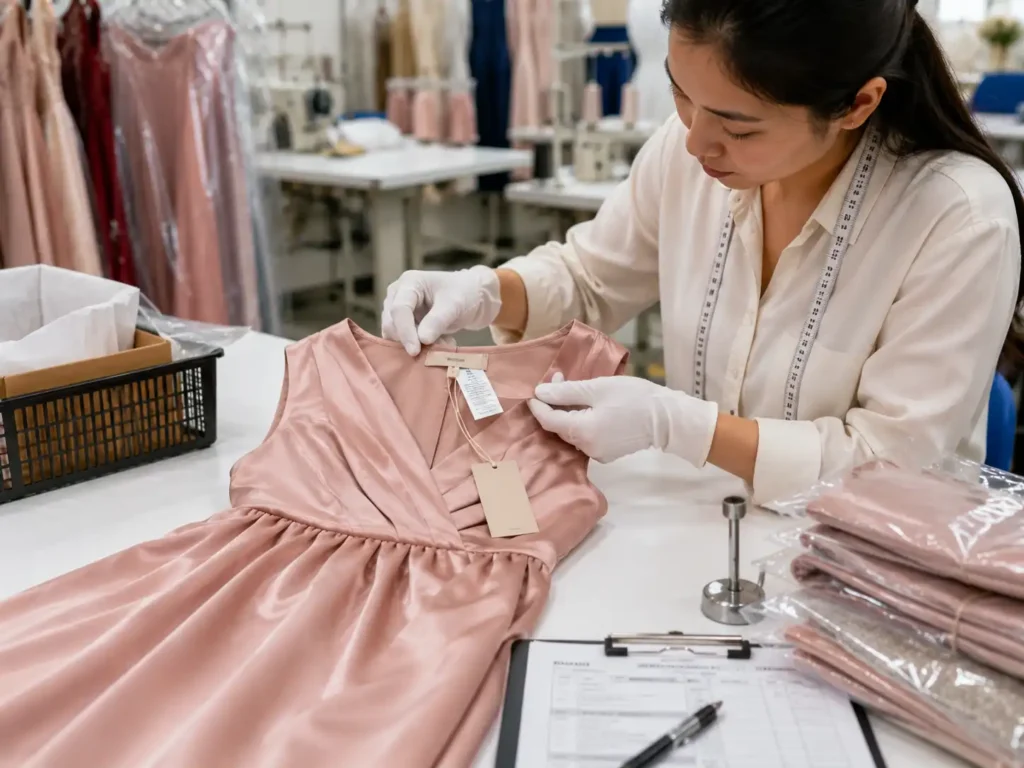
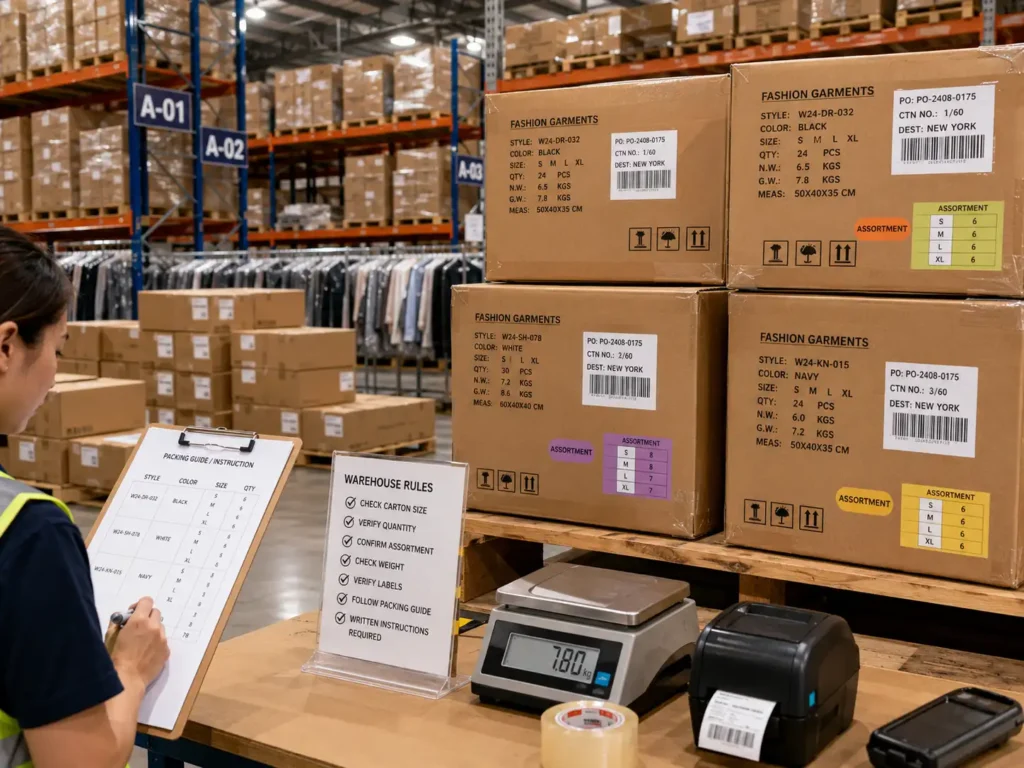
Final review covers appearance, stains, thread ends, pressing, loose trims, symmetry, labels, hangtags, size stickers, barcode readability, polybags, packing ratios and carton marks. SKU reconciliation compares garment, label, barcode, polybag and carton information. Carton counts are checked against the approved packing list and warehouse instructions. Final random inspection can follow the brand’s agreed AQL requirement or a project-specific inspection plan, with criteria confirmed before production.
Private Label Packing Ready for Fulfillment

Brand Labels
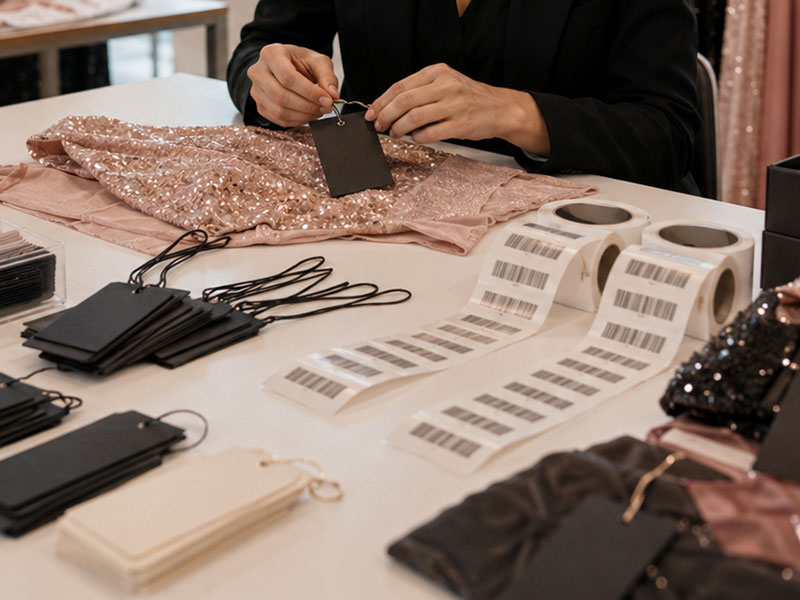
Hangtags and Strings
Barcode and SKU

Branded Polybags

Cartons and Marks
Warehouse Instructions
MOQ and Cost Planning for DTC Collections
Quantity Structure
Cost Engineering
Delivery Planning for US Warehouses and 3PLs
Production is not complete when cartons leave the sewing facility. Export documents, carton data, forwarder coordination and warehouse instructions must align with the commercial launch. Jinfeng supports US delivery planning while keeping freight terms and destination responsibilities clear before shipment.
Export Documents and Forwarder Coordination
Commercial invoice, packing list, carton details, shipping marks and transport documents are prepared according to the agreed trade term. Jinfeng can coordinate with a nominated forwarder or discuss available routing. Product descriptions, quantities, weights and carton counts are reconciled before handover. Any special document requirement should be provided before packing, especially when a brand uses a compliance portal, customs broker or warehouse appointment process.
Shipping Options by Launch Need
Express is normally used for samples and urgent small parcels. Air freight supports launch-sensitive quantities but increases landed cost.
Sea freight suits planned inventory and larger programs when the schedule allows. Some collections use a controlled split: an initial quantity by air for launch, followed by the main balance by sea. The split should be based on sales timing and margin, not used as a routine fix for late production.
US Warehouse Preparation
Before shipment, the project team confirms warehouse address, receiving window, carton-label format, SKU labels, packing ratio, carton quantity, pallet or floor-loading requirements and any 3PL routing guide. EXW, FOB, CIF and DAP can be discussed according to the project. DDP is evaluated case by case because feasibility depends on destination, product, shipment value, tax treatment and forwarder capability.

From First Launch to Bestseller Replenishment
Fast replenishment is built during the first order. Jinfeng retains the production information needed to restart an approved style, while every repeat still receives material, color, trim and capacity checks before a new delivery date is confirmed.
Records Retained for Reorders
Final patterns, grade rules, measurement charts, BOM details, fabric references, color records, trim cards, workmanship instructions, packing methods, barcode files and QC notes are archived according to the approved order. The golden sample remains the visual and construction reference. Record retention reduces repeated explanation and supports consistency, especially when a style returns after several months or moves into a new color.
Replenishment Paths
Repeat options include the same style and color, the same pattern in a new color, a proven shape in a new fabric, selected-size replenishment, seasonal extensions and controlled design updates. When sell-through data shows a strong curve, quantity can be adjusted by size rather than repeated in the original ratio. Air and sea splitting may be considered for urgent demand, but material availability and production setup remain the first constraints.
What Must Be Reconfirmed
Fabric mills can change batches, dye lots or stock status. Trims may be discontinued, packaging artwork may change and peak production slots may fill. Before a reorder, Jinfeng rechecks fabric continuity, shade, hand feel, shrinkage, trim availability, labels, barcode data, packing instructions and required delivery. Historical approval shortens the route, but it does not replace verification of the current production inputs.

A US DTC Dress Collection From Sample to Launch
The following anonymous program reflects the order scale and operating structure used for an established US DTC occasionwear collection. Brand identity, proprietary artwork and unreleased designs remain confidential. Figures focus on manufacturing scope rather than sales claims.
| Program Item | Anonymous Project Data | Manufacturing Approach |
|---|---|---|
| Collection Scope | 18 dress styles; 46,800 total pieces | Six satin/slip, four mesh, three corset, three bodycon and two sequin occasion styles |
| Color and Size Plan | 7 core colors; XS-3XL; 246 retail SKUs | Color and size files were frozen before barcode and packing setup |
| Style Quantities | 1,800-3,600 pieces per style | Volumes allocated by sales role, fabric economics and replenishment potential |
| Sampling | 14-22 working days for first samples; two structured revision rounds | High-risk corset and mesh styles moved first; photo samples followed fit approval |
| Material Control | 11 main fabrics, 8 linings and 19 trim references | Shared materials consolidated where visual identity and performance remained suitable |
| Bulk Timeline | 42 days after final PP and material readiness | Production allocation separated stretch, fluid and structured styles |
| Inspection Plan | Inline checks at staged production points plus final inspection to the agreed brand standard | Critical focus on fit measurements, shade, transparency, zipper, embellishment and SKU accuracy |
| Packing and Freight | Woven label, care label, hangtag, barcode, individual polybag and 3PL carton label | 4,800 launch units moved by air; 42,000 units moved by planned sea shipment |
What US Brands Should Verify in a Manufacturer
Dress Specialization
Pattern and Sampling
Multi-Style Capacity
Bulk QC System
Ecommerce Packaging
Repeat-Order Readiness
Design Protection and Project-Based Compliance Support
NDA and Design Protection
Private Label File Protection
Testing and Documentation
Frequently Asked Questions for US DTC Brands

Start Your Next DTC Dress Collection
Send the available project files for an initial manufacturing review. A complete tech pack supports the most accurate assessment, while a line sheet, reference image or original-sample photos can also start a feasibility discussion.
Jinfeng reviews product structure, fabric direction, quantity by style/color, size range, private-label requirements, launch timing and US delivery before confirming the sampling route and quotation basis. Kelly coordinates the first review and routes the program to the relevant development, sourcing and production teams.
- Reference image, tech pack, line sheet or original-sample photos
- Planned quantity for each style and color
- Fabric direction, color plan and required design details
- Size range, base-size chart and fit direction
- Main label, care label, hangtag, barcode and packing requirements
- Target photo-sample date, launch date and US warehouse receiving window
- Name, company, email, WhatsApp and destination market


