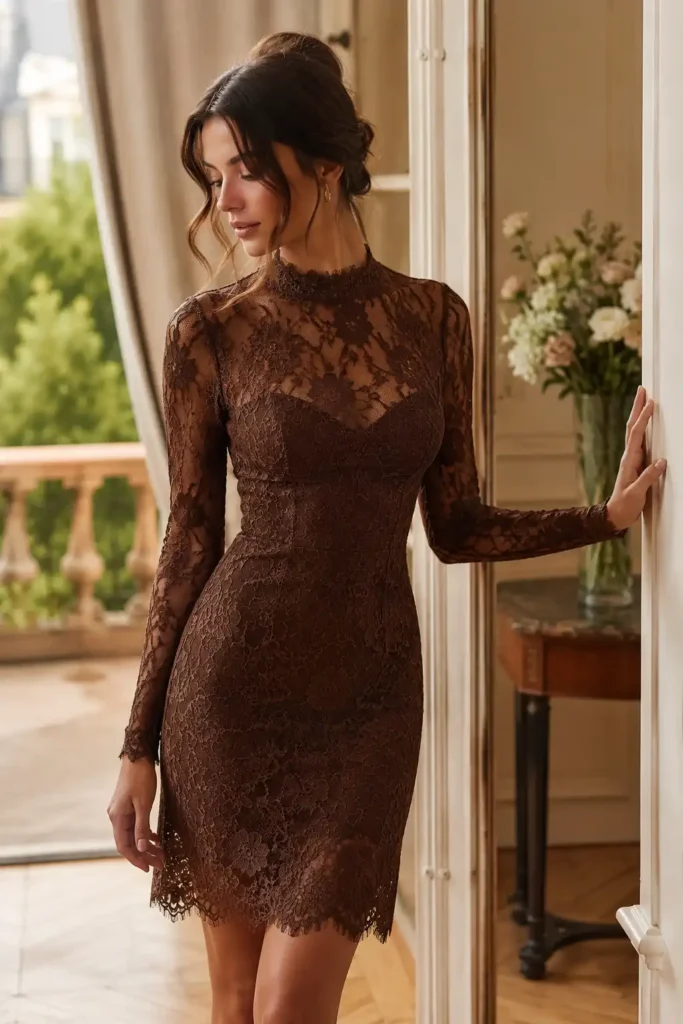
Dress Manufacturer for Fashion QA Managers

Controlled dress development, documented approvals, and bulk quality management for global fashion brands.

  • 15+ QC inspectors support incoming material, cutting, sewing, final garment, and packing checks.
  • 7+ senior pattern makers, 2 sample rooms, and 20+ sample machinists support fit correction before bulk production.
  • 6 owned women’s fashion factories and 18+ sewing lines support multi-style dress programs and phased production.
  • PP samples, Golden samples, size charts, BOM files, QC checklists, and packing instructions establish one approved standard.

Jinfeng Apparel develops and manufactures premium custom dresses for brand quality teams that need fit control, fabric-specific risk management, sample approval discipline, transparent production checkpoints, and retail-ready delivery. Send a tech pack, quality manual, approved sample reference, or inspection standard for an initial project review.

Quality Capability at a Glance

A dress quality program needs trained people, clear ownership, and enough production structure to keep approved standards visible from development through packing.

Since 2008

Jinfeng Apparel has focused on custom women’s fashion manufacturing since 2008. Long-term experience covers dress pattern development, fabric sourcing, sampling, bulk production, private-label packing, and export coordination for global brands with structured product and quality requirements.

6 Owned Factories

Six owned women’s fashion factories support planned allocation by dress construction, fabric type, order scale, and delivery sequence. Production is not assigned only by available capacity; style complexity and quality risk are reviewed before factory matching.

2 Sample Rooms

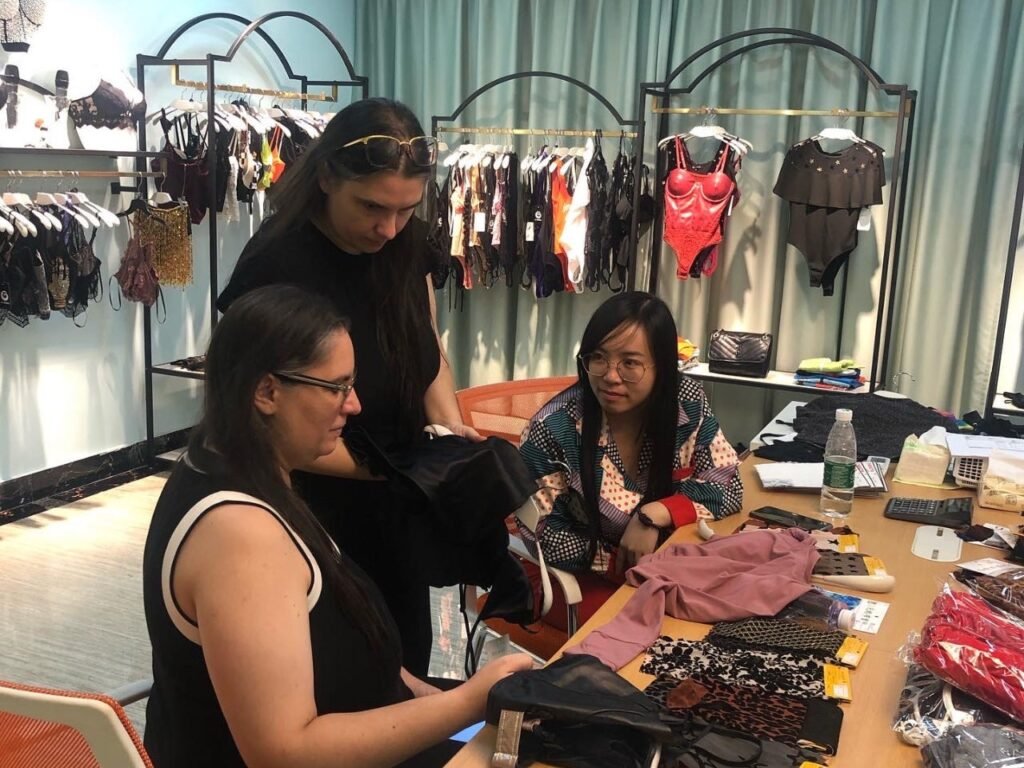
Two sample rooms support pattern trials, fit samples, revisions, photo-ready samples, PP samples, and construction verification. Separating development work from bulk lines gives quality teams a clearer approval path before production materials and operations are released.

7+ Pattern Makers

Seven or more senior women’s fashion pattern makers work on bust, under-bust, waist, hip, neckline, strap, armhole, slit, hem, lining, and jumpsuit rise control. Pattern decisions are recorded before size grading and bulk cutting.

15+ QC Inspectors

More than fifteen QC inspectors support material, cutting, sewing, measurement, final appearance, and packing checks. Inspection points are adjusted by dress category, approved sample, defect classification, and the brand’s own quality manual.

12+ Merchandisers

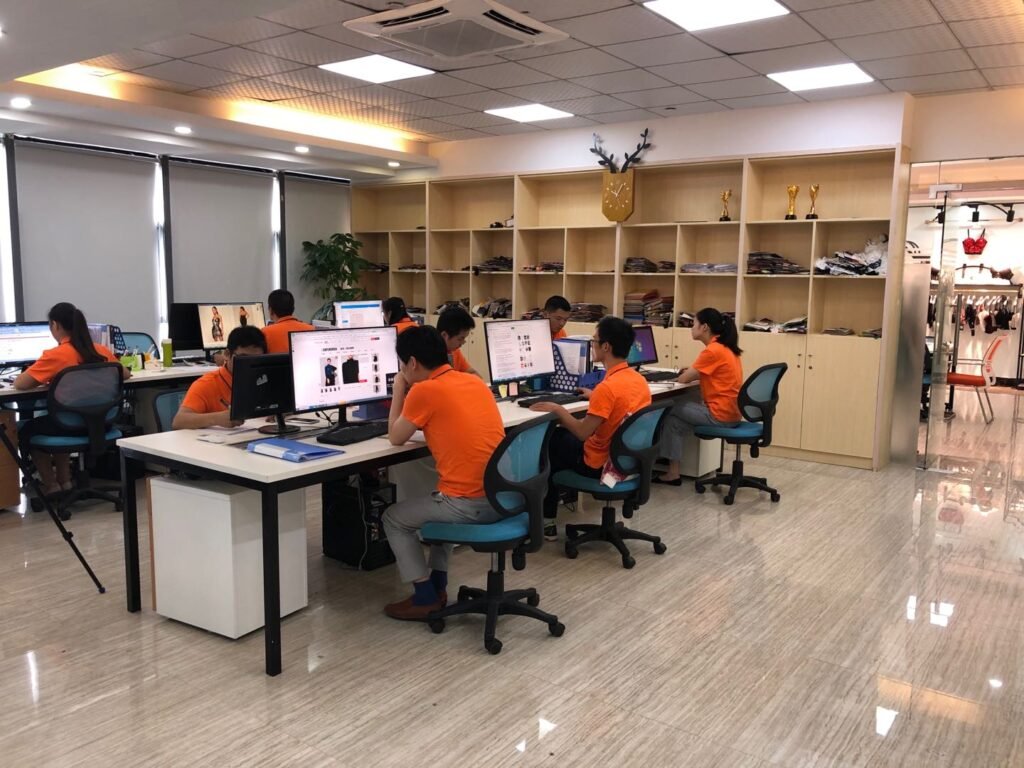
Twelve or more merchandisers coordinate sample comments, material approvals, production files, inspection feedback, packing requirements, and shipment records. Clear project ownership helps QA findings move quickly from report to production action.

Built for Fashion Quality Teams

Quality responsibilities differ by role. Jinfeng Apparel aligns development and production records with the people who approve fit, product integrity, factory execution, and shipment release.

Brand QA Managers

Brand QA managers need a manufacturer that can work from approved standards rather than broad claims. Jinfeng Apparel receives quality manuals, measurement tolerances, defect definitions, packing guides, and inspection requirements before bulk release. Product-specific concerns such as satin snagging, mesh transparency, lace damage, sequin loss, corset support, or bodycon recovery are linked to sample and production checkpoints. Findings are directed to the responsible pattern, material, production, or packing team instead of remaining only in an inspection report.

Product Integrity Teams

Product integrity teams often connect garment quality with fabric performance, labeling accuracy, wearing safety, and market requirements. Jinfeng Apparel can coordinate material and garment testing by project, maintain BOM and trim records, confirm care label and fiber-content information supplied by the brand, and separate critical, major, and minor issues according to the agreed standard. Testing scope, laboratory, certificate range, fabric batch, and target market are confirmed before any compliance statement is used.

Technical and Vendor QA

Technical and vendor QA teams need evidence that approved fit and construction can be repeated on the production floor. Pattern versions, measurement charts, grading rules, PP samples, Golden samples, sewing instructions, trim placement, and packing requirements are controlled as connected files. When a change is introduced after approval, the affected pattern, BOM, measurement, sample, cost, and schedule are reviewed together so the production team does not work from mixed versions.

Where Dress Quality Programs Break Down

Most costly garment failures begin before final inspection. Fit, material, construction, labeling, and packing risks need visible control points while correction is still possible.

Sample-to-Bulk Drift

A sample may look correct while bulk production changes the fabric lot, lining shade, zipper specification, seam allowance, stitch method, ruching position, or pressing result. Jinfeng Apparel reduces drift by linking PP approval with the BOM, pattern version, size chart, sewing instruction, trim reference, label placement, and packing guide. Changes are not treated as isolated comments; every affected file and approval point must be updated before the production team proceeds.

Fit Variation

Dress fit can shift through pattern grading, fabric stretch, cutting relaxation, seam handling, or inconsistent measurement method. A small error at the upper bust, waist, hip, strap, neckline, slit, or hem may create exposure, tightness, twisting, or uneven balance. Jinfeng Apparel defines measurement points and tolerances with the brand, verifies graded sizes, and checks critical points during sewing and final inspection rather than relying on one end-stage measurement.

Material Defects

Satin can snag or show pressing marks; mesh can tear or recover poorly; lace can arrive with motif or edge damage; sequins can shed or scratch; chiffon can slip or pull at seams. Material inspection alone is not enough. Each fabric needs a compatible cutting direction, needle and seam approach, lining decision, handling rule, and packing method. Jinfeng Apparel connects material risk with garment construction before production begins.

Packing Errors

A well-made dress can still fail warehouse receiving when the care label, size label, barcode, SKU sticker, color name, polybag warning, carton mark, or size ratio is wrong. Jinfeng Apparel keeps garment inspection and packing verification as separate control stages. Packing teams work from approved instructions, while final checks compare physical units, labels, quantities, and carton information against the order and shipment documents.

How QA Managers Qualify Dress Manufacturers

A supplier review becomes more reliable when evidence is requested for each quality area. The following structure can be used during RFI, sample review, factory assessment, or vendor onboarding.

Qualification AreaWhat the QA Team Should VerifyJinfeng Apparel Evidence
Dress specializationRelevant products, fabrics, fit risks, and construction experienceMini, midi, maxi, bodycon, corset, satin, mesh, lace, sequin, party, occasion, and resort dresses
Pattern and fitPattern ownership, critical measurements, grading, and revision control7+ senior pattern makers, size charts, grade rules, sample revisions, PP pattern, and bulk pattern records
Material controlFabric lot, shade, width, stretch, shrinkage risk, trim specification, and approvalFabric and trim records, swatch approval, bulk material checks, BOM, and substitution review
Sample approvalWhich sample authorizes production and how changes are recordedFirst, fit, revised, photo-ready, PP, and Golden sample management
Process controlCutting, sewing, measurement, appearance, and packing checkpointsIncoming checks, cutting inspection, inline inspection, final garment review, and packing verification
Defect managementCritical, major, and minor definitions; containment and corrective actionBrand-defined classification, affected-unit isolation, cause review, correction, and re-inspection
Testing and auditLaboratory scope, third-party inspection access, factory documents, and certificate rangeProject-based testing and third-party coordination with documents confirmed by factory, material, batch, and validity
Retail deliveryLabel, barcode, SKU, polybag, carton, ratio, and shipment document accuracyPrivate-label packing instructions, carton checks, packing lists, and pre-shipment verification

Our Dress Quality Control Framework

Quality decisions are placed at six connected stages. Each stage has an input, a review action, and a release condition before work moves forward.

Pre-Production Review

The project team checks the tech pack, reference sample, size chart, BOM, fabric direction, trims, construction, labels, packing guide, testing needs, and delivery plan. Missing or conflicting information is identified before pattern work or material ordering creates avoidable cost.

Material Verification

Fabric and trims are checked against the approved direction for color, hand feel, stretch, width, transparency, surface condition, lining compatibility, zipper behavior, support components, and branding details. Batch and replacement decisions are recorded when the original option changes.

Cutting Control

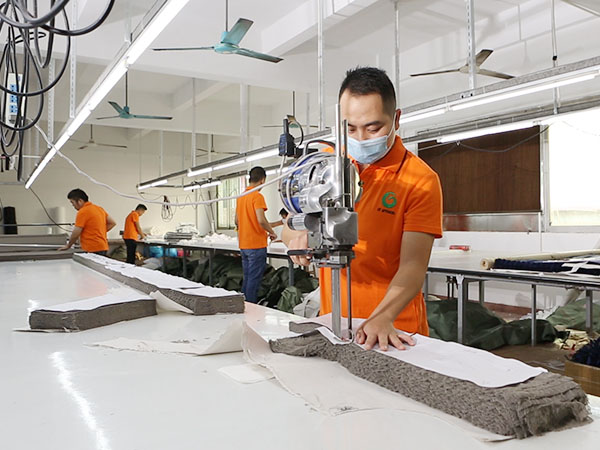
Cutting reviews cover fabric direction, face and back, shade grouping, motif placement, stripe or print alignment, size marker, quantity, notches, drill marks, and bundle separation. Bias-cut, lace-placement, sequin, and long-hem styles receive added handling rules.

Inline Sewing Checks

Early pieces are checked against the approved sample and construction file. Inspectors focus on neckline shape, straps, armholes, bust support, waistline, side seams, zippers, ruching, lining, slits, hems, and trim placement before the same issue spreads across the line.

Final Garment Review

Finished garments are reviewed for workmanship, measurements, symmetry, appearance, stains, pressing, loose threads, closures, lining, comfort-related details, and comparison with the approved standard. Nonconforming units are separated for correction or disposition.

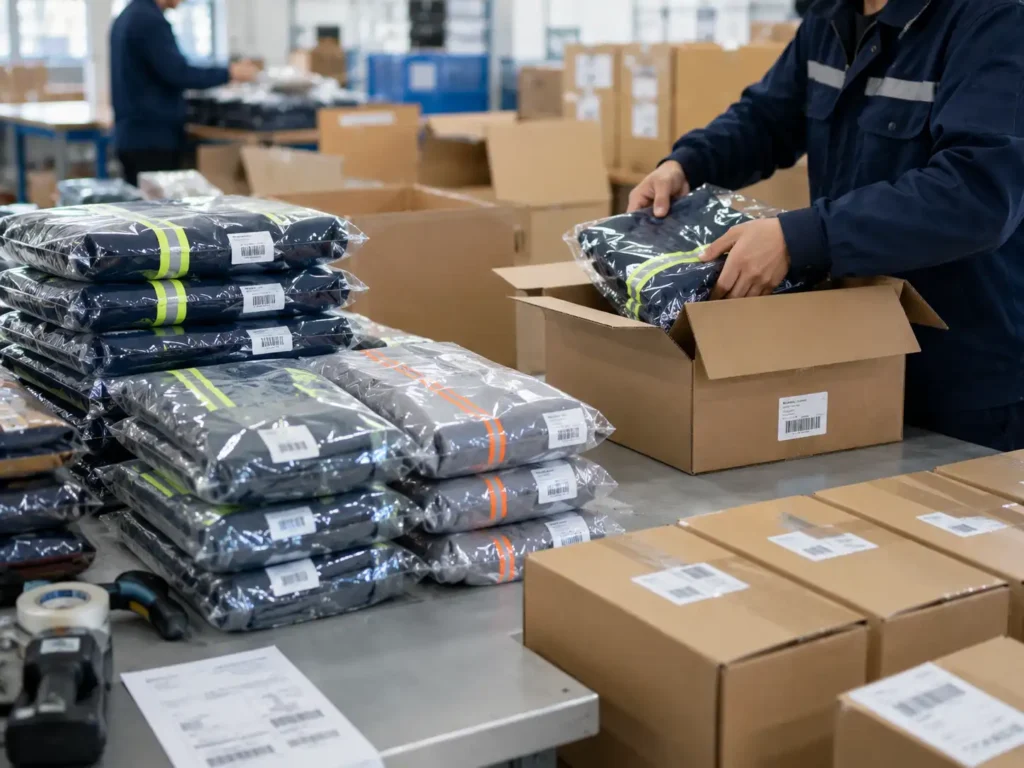
Packing Verification

Size labels, care labels, hangtags, barcodes, SKU stickers, polybags, folding, carton marks, size ratios, quantities, and warehouse instructions are checked independently from garment appearance. Shipment release follows the agreed inspection and document requirements.

Quality Planning Before Sampling

Good QA begins before the first pattern is cut. Development files must translate brand expectations into measurable, producible, and inspectable requirements.

Convert Standards Into Production Files

Jinfeng Apparel starts with the available tech pack, reference garment, sketch, line sheet, measurement chart, quality manual, or approved construction example. The review does not simply ask whether the dress can be sewn. The team identifies which requirements must become controlled files: pattern version, measurement method, tolerance, fabric specification, lining, trim specification, seam and stitch requirement, label position, packing method, and testing scope.

For a satin slip dress, the file set may need fabric face direction, bias or straight-grain cutting, strap length, neckline depth, side-seam behavior, zipper or pull-on construction, lining coverage, pressing limitation, and fold protection. For a corset dress, cup shape, boning position, under-bust level, waist reduction, support layer, zipper stress, and anti-slip structure need separate attention. A mesh dress needs stretch direction, recovery, transparency, lining boundaries, seam reinforcement, and edge finishing.

When a requirement is unclear, the team records the open decision instead of allowing different departments to interpret it differently. The result is a working standard that pattern makers, sample machinists, merchandisers, production teams, QC inspectors, and packing staff can follow.

Define Approval Gates

Every sample has a purpose, and only the correct approval stage should release bulk production. Jinfeng Apparel separates development review from production authorization. First and fit samples establish silhouette and measurement direction. Revised samples close fit, material, trim, and construction comments. Photo-ready samples may prioritize visual presentation for campaign work, but visual approval alone does not automatically authorize bulk production.

The PP sample is used to lock the production-ready combination of fabric, color, trims, measurement, construction, labels, and packing details. A Golden sample provides the physical reference for production, final inspection, and future repeat orders. When a brand requests a change after PP approval, the effect on pattern, measurement, BOM, material purchase, sewing instruction, cost, and production calendar is reviewed before release.

Clear gates protect both sides. QA managers know which version is authoritative, while factory teams avoid working from email fragments, outdated comments, or mixed sample references.

Build a Quality Calendar

Multi-style collections need a quality calendar rather than one undifferentiated deadline. Programs of 10 to 30 styles are grouped by launch priority, fabric readiness, pattern complexity, trim development, photo-sample need, and planned bulk sequence. Hero styles can move first while special fabrics, molded cups, engineered lace, custom hardware, or complex embellishment follow a separate approval path.

A working calendar identifies material confirmation, pattern completion, first-sample review, revision response, PP approval, bulk material arrival, cutting release, early-line inspection, mid-production review, final inspection, packing verification, and shipment release. Numeric lead times are confirmed only after style complexity and material readiness are known; a simple jersey dress and a structured sequin corset dress cannot share one fixed sample promise.

QA, merchandising, and production responsibilities are assigned at each gate. Delayed comments, changed measurements, unapproved materials, or late packing instructions are visible as schedule risks rather than hidden until delivery becomes urgent.

Dress Fit and Measurement Control

Dress quality is judged on the body, not only on a hanger. Pattern balance, fabric behavior, size grading, and measurement method must work together.

Control Critical Measurement Points

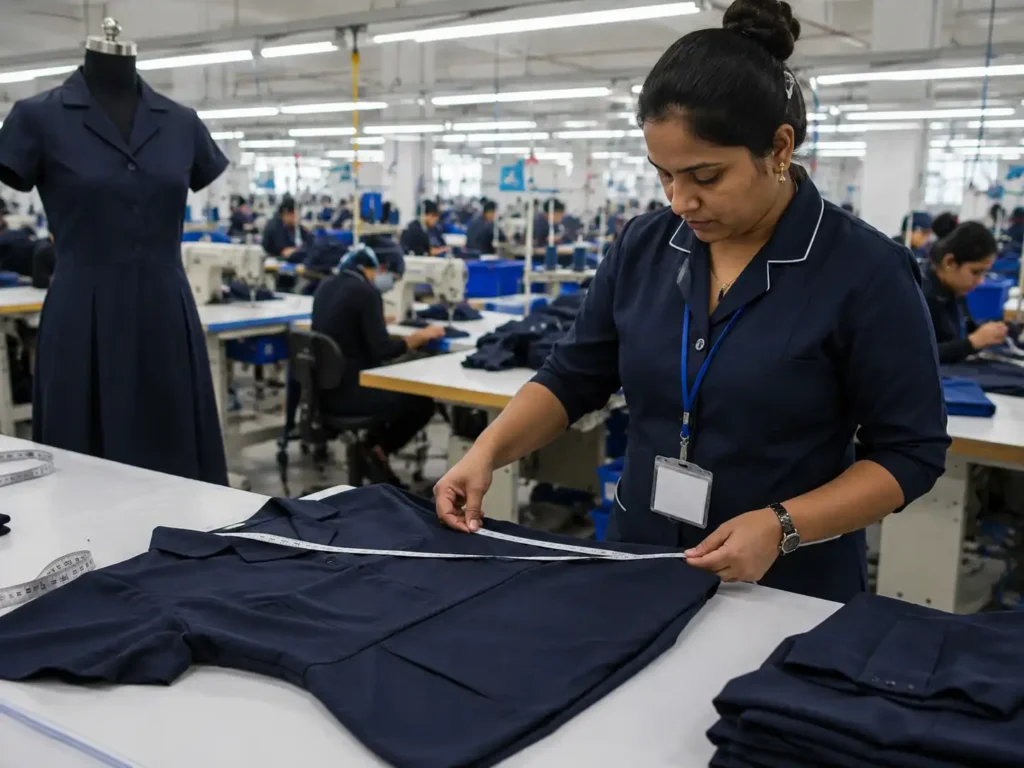
Jinfeng Apparel’s pattern and sample teams control measurements that directly affect coverage, comfort, proportion, and appearance. Core points include bust, upper bust, under-bust, waist, high or low waistline, hip, front length, back length, total dress length, shoulder width, strap length, armhole, neckline depth, slit height, hem sweep, lining length, and jumpsuit rise.

Measurement diagrams are agreed before bulk inspection so every person measures from the same landmarks and under the same garment condition. Stretch garments need a defined relaxed state; lined garments need outer and lining measurements distinguished; adjustable straps require a stated adjustment position; asymmetrical or draped designs need reference points that can be repeated.

A tolerance is not selected only because it is common in the industry. The acceptable range depends on garment function, fabric recovery, construction, size, and visual sensitivity. A small neckline or strap variation may create a larger wearing risk than the same numeric variation at a loose hem. Critical points therefore receive tighter attention than low-risk dimensions.

Apply Category-Specific Fit Logic

Bodycon dresses require controlled negative ease, stretch recovery, side-seam balance, waist placement, hip shaping, and hem behavior. Making the garment simply tighter can cause seam twisting, transparent stress zones, riding up, or inconsistent size feel. Strapless and corset dresses need upper-edge stability, cup and under-bust alignment, boning position, zipper strength, waist shaping, and support without sharp pressure.

Slip and satin dresses depend on neckline height, strap angle, armhole coverage, bias behavior, bust shaping, and smooth side seams. Maxi dresses need hanging balance, floor clearance, front-to-back length control, and an even hem after the garment relaxes. Jumpsuits add torso length, crotch depth, waist placement, and movement clearance to the normal dress measurement system.

Fit comments are converted into pattern changes rather than left as subjective notes such as “make it better” or “more flattering.” The revised pattern, sample measurement, and approval record show exactly what changed and why.

Verify Grading and Bulk Sizes

A base-size sample does not prove that every graded size will fit correctly. Jinfeng Apparel reviews the grade rule for key widths, lengths, neckline exposure, strap length, armhole, cup or support components, slit height, and overall proportion. Styles using molded cups, boning, placement lace, engineered prints, or fixed embellishment may need special grade decisions because components do not scale in the same way as fabric measurements.

For an XS-XL program, the size ratio may be planned around sales history, for example 1:2:3:2:1, but the final breakdown comes from the brand. Excessive fragmentation across colors and sizes affects cutting, bundle control, measurement workload, labels, packing ratios, and inventory efficiency. Size labels and carton ratios are linked to the same approved breakdown.

Bulk measurement checks focus on critical points at line start, during production, and before packing. Out-of-tolerance findings are traced to pattern, cutting, seam allowance, fabric relaxation, operator method, pressing, or measurement technique before correction is verified.

Fabric and Trim Risk Control

Complex dress materials need different handling rules. Fabric appearance, recovery, support, and surface protection are linked to pattern, sewing, pressing, and packing.

Satin Control

Satin quality depends on face direction, shade consistency, surface protection, seam smoothness, pressing temperature, and fold management. Light can expose panels cut in different directions, while rough handling can create snags or pressure marks. Jinfeng Apparel confirms fabric face, cutting direction, lining, zipper behavior, seam method, pressing limits, and packing protection through sample and bulk controls.

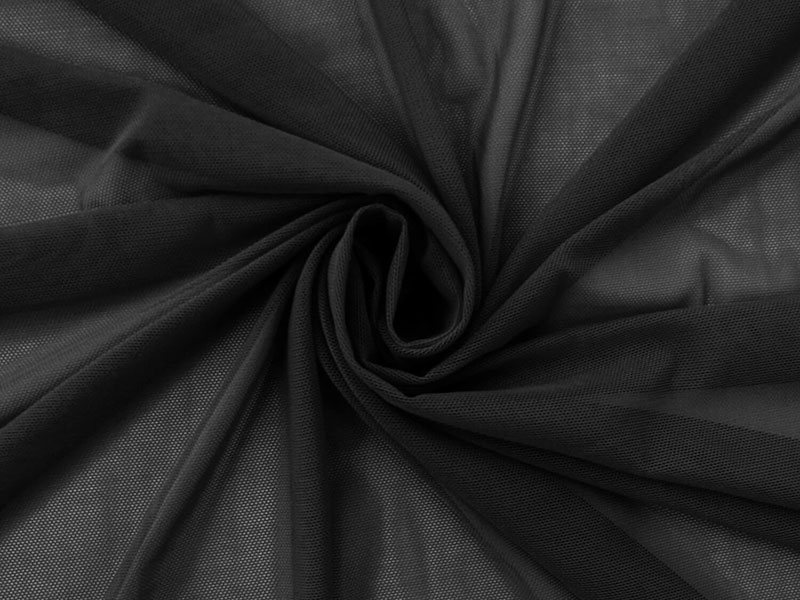
Mesh Control

Mesh is reviewed for stretch direction, recovery, transparency, holes, edge stability, lining boundaries, and skin comfort. A mesh panel may appear correct flat but distort around the neckline, armhole, bust, or ruched areas during wear. Pattern ease, reinforcement, thread tension, seam allowance, and handling need to match the exact mesh quality rather than a generic fabric name.

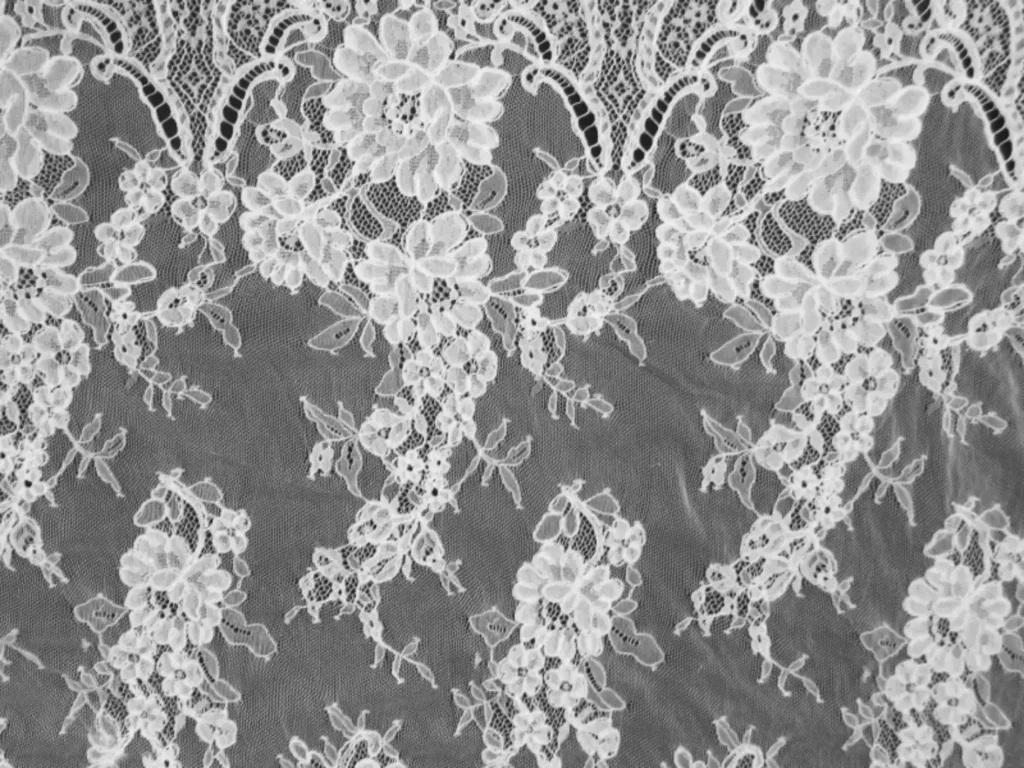
Lace Control

Lace introduces motif placement, symmetry, edge use, seam visibility, damage, lining color, and joining decisions. Engineered motifs and scalloped edges may affect marker efficiency and grading. Jinfeng Apparel checks usable width, motif repeat, left-right balance, placement reference, cutting allowance, repair standards, and packing protection before bulk cutting.

Sequin Control

Sequin dresses require planning for missing or loose sequins, broken needles, rough seam allowances, skin scratching, weight, lining, zipper clearance, and protective packing. Sequin removal around seam lines may be needed for a cleaner stitch, followed by controlled replacement. Final review includes surface appearance, attachment security, comfort zones, and loss caused by folding or transport.

Support Trims

Bra cups, boning, underwires, elastic, anti-slip tape, hooks, and strap sliders influence fit and wearing safety. The sample review checks specification, position, symmetry, comfort, attachment strength, and compatibility with the outer fabric and lining. Special shapes, colors, or sizes may require separate supplier development and a longer approval path.

Branding Trims

Woven labels, size labels, care labels, hangtags, barcode stickers, SKU labels, polybags, and cartons are treated as controlled order components. Artwork, text, color, size, location, quantity, and packing sequence are approved before bulk use. A branding change after production starts can affect both garment completion and warehouse receiving.

Sample Approval and Version Control

Each sample answers a different question. Version names, comments, measurements, and approval status must remain clear before bulk materials and production are released.

First Sample

The first sample tests the initial pattern, fabric direction, overall silhouette, construction feasibility, and major design proportions. It is expected to reveal development issues. It should not be treated as the final fit standard or used to release bulk production.

Fit Sample

The fit sample focuses on body balance, coverage, comfort, movement, and critical measurements. Comments should identify the affected measurement or pattern area, not only visual preference. Fit review may use a model, mannequin, brand block, or original garment reference.

Revised Sample

A revised sample closes documented fit, construction, material, trim, or visual comments. The revision tracker records what changed, which file was updated, and whether the change affects cost, material use, grading, testing, or production timing.

Photo-Ready Sample

A photo-ready sample supports campaign, ecommerce, or lookbook work. Visual drape, color, styling, and camera appearance may receive priority. Production authorization still depends on the complete PP requirements, especially when campaign material or hand finishing differs from the bulk method.

Salesman Sample

Salesman samples support wholesale review, market presentation, or internal line approval. Quantity, color, material, and packing requirements are planned separately from the main fit path. They remain controlled versions so feedback does not become mixed with PP approval comments.

PP Sample

The pre-production sample confirms the production-ready combination of fabric, color, trims, pattern, measurement, construction, labels, and packing details. Open issues are listed before approval. Bulk cutting should not begin from a sample with unresolved critical decisions.

Golden Sample

The Golden sample is the physical standard for production comparison, final inspection, packing reference, and repeat orders. It is stored with its supporting pattern, BOM, measurement chart, construction notes, and approval record so future production can restart from a known standard.

Revision Record

Every change needs a date, version, comment source, action owner, and approval status. Pattern, sample, BOM, size chart, trim, label, and packing changes are cross-checked. One controlled tracker prevents production from following an old attachment or an informal message.

Transferring Approved Samples Into Bulk

An approved sample becomes repeatable only when its physical details are translated into controlled materials, files, line instructions, and inspection references.

Lock Materials and Construction

After PP approval, the team confirms the bulk fabric and lining reference, color approval, trim specifications, thread color, zipper type, support components, label artwork, hangtag, barcode, polybag, and carton requirements. Any bulk material difference from the approved sample is raised before use. Substitution is reviewed for composition, weight, width, stretch, hand feel, drape, transparency, shade, cost, and pattern effect.

Construction details are recorded in a production instruction covering seam type, seam allowance, stitch density, reinforcement, neckline and armhole finish, zipper placement, ruching, pleating, boning, cup position, slit, lining method, hem, embellishment, pressing, and folding. Photos or marked diagrams are used where words alone could be interpreted differently.

The goal is not to create excessive paperwork. The goal is to keep pattern, material, sewing, QC, and packing teams working from one synchronized standard.

Release Pattern and Cutting

The approved pattern version and grade rule are released only after sample comments are closed. Fabric relaxation, usable width, direction, shade grouping, motif repeat, bias behavior, lining shrinkage, and cutting loss are considered before the marker is finalized. Long hems, placement lace, engineered prints, sequins, stripes, and one-way nap require added planning.

Cut panels are identified by style, color, size, fabric lot, and bundle. Inspection checks direction, symmetry, notches, drill marks, panel count, surface defects, and key dimensions. A cutting issue can create repeated sewing and measurement defects, so early correction protects both quality and production efficiency.

When a pattern or measurement change is introduced after cutting, affected bundles and sizes are identified immediately. Uncontrolled “small adjustments” on the line are avoided because they make final consistency difficult to verify.

Brief Production and QC Teams

Before line start, merchandising, production, and QC teams review the approved sample, construction file, critical measurements, defect risks, and packing requirements. The first completed pieces are compared with the Golden sample and measured at the agreed points. Line release follows only after significant deviations are corrected.

Inline inspectors monitor high-risk operations while correction is still possible: bust shaping, corset structure, shoulder straps, necklines, armholes, zippers, waist seams, side seams, ruching, lace or sequin placement, lining, slits, and hems. Findings are communicated with clear location, defect type, affected quantity, and required action.

A final sample-to-bulk comparison checks fabric appearance, silhouette, measurement, construction, trims, labels, pressing, and packing. Production quantity alone does not release shipment; the agreed QA gate and document set must also be complete.

Quality Checks During Bulk Production

Visible checkpoints help QA teams confirm when and where quality is controlled. Each image area should use authentic production or inspection photography from the relevant stage.

Incoming Fabric

Inspect color, dye lot, usable width, weight or hand feel where specified, stretch and recovery, transparency, surface defects, shade variation, print or motif direction, and lining compatibility. Approved swatches and bulk references should be available during review.

Cutting Inspection

Check fabric face, grain or bias direction, marker, size, quantity, panel symmetry, placement motifs, notches, drill marks, shade grouping, damaged areas, and bundle identity. Errors found here are separated before sewing creates larger rework.

Line Start Check

Compare first completed units with the PP and Golden samples. Verify measurements, silhouette, construction sequence, seam allowance, stitch quality, trims, zipper, support details, lining, and critical visual features before full-line continuation.

Inline Inspection

Review high-risk operations during production and record defects by type and location. Repeated issues trigger containment, operator or method review, correction, and verification. Inline work protects quality more effectively than waiting for final inspection.

Final Garment Check

Inspect workmanship, measurements, symmetry, appearance, stains, loose threads, pressing, closures, lining, embellishment security, comfort-related details, and comparison with the approved standard. Nonconforming units remain separated until disposition.

Packing Inspection

Confirm care and size labels, hangtags, barcodes, SKU stickers, polybags, folding, accessories, carton marks, quantities, size ratios, and warehouse instructions. Packing checks are linked to the packing list and shipment plan.

Measurement, AQL and Defect Standards

Measurement points and defect rules are confirmed by project. Jinfeng Apparel can follow brand-defined tolerances, classifications, and sampling plans rather than forcing one standard onto every dress program.

Control ItemReferenceInspection StageTypical Response When Out
Bust / under-bustApproved size chart and measurement diagramSample, line start, inline, finalVerify pattern, cup or support position, seam allowance, and measurement method
Waist / waistlineApproved size chart and Golden sampleSample, cutting, inline, finalCheck pattern, seam take-up, elastic or boning, and waist seam position
HipApproved measurement and fabric stretch conditionSample, inline, finalReview ease, recovery, side seam, lining, and pressing
Strap / necklineApproved sample and diagramSample, line start, finalCorrect length, angle, attachment, adjustment position, or neckline seam
Dress length / hemApproved measurement and hanging conditionCutting, finishing, finalCheck relaxation, front-back balance, hem method, and pressing
Slit heightApproved size chart and sampleInline and finalStop affected operation, re-measure, correct, and re-inspect
Critical defectBrand quality manualAll stagesContain immediately; do not release affected product
Major defectBrand defect list and AQL planInline and finalSegregate, correct where possible, verify root cause, and re-inspect
Minor defectBrand appearance standardInline and finalCorrect according to agreed acceptance and workmanship level
Packing accuracyPacking guide, order breakdown, and shipment documentsPacking and pre-shipmentHold affected cartons, reconcile labels and quantities, and verify again

Nonconformance Response and Corrective Action

A defect report has value only when the affected product is contained, the real cause is identified, and correction is verified before work continues.

Contain the Issue

Affected fabric, cut panels, work-in-progress, finished garments, or packed cartons are identified and separated. The team records style, color, size, lot, operation, quantity, and discovery point. Containment prevents a local issue from becoming a full-order problem while production, material, or packing teams determine the next action.

Identify the Cause

Cause review distinguishes symptoms from the process that created them. Pattern, grading, fabric behavior, cutting direction, seam allowance, thread tension, machine setting, operation method, trim specification, pressing, measurement technique, label file, or packing instruction may be involved. The responsible team checks evidence rather than assuming the operator alone caused the defect.

Correct and Verify

Correction may involve pattern update, material replacement, method change, operator instruction, re-cutting, re-sewing, label replacement, re-packing, or inspection expansion. Corrected units are re-measured and re-inspected. The same defect is checked on surrounding production so closure is based on verified product, not only a verbal promise.

Quality Evidence Your Team Can Review

Use genuine, project-appropriate records with sensitive brand information removed. Evidence should show the stage, inspected item, result, and action rather than decorative factory photography.

Fabric Inspection Record

Show approved swatch reference, bulk lot or roll identification, color and surface review, fabric direction, and any segregated issue. A useful record explains what was checked and whether production release was allowed.

Measurement Diagram

Show exact measurement points, garment condition, size, tolerance, and revision. Diagrams reduce disagreement between development, factory, third-party inspector, and brand teams when measurements are taken in different locations.

Inline Check Record

Show style, color, size, operation, defect type, affected quantity, action owner, and verification. Inline evidence should connect a finding with production correction before the line advances too far.

Final Inspection Sheet

Show workmanship, measurements, appearance, trims, labels, and result against the agreed sampling plan. Critical, major, and minor findings should follow the brand’s approved definitions.

Packing Verification

Show label, barcode, SKU, polybag, folding, carton mark, quantity, and size-ratio checks. A packing record supports warehouse acceptance and protects against errors that garment inspection alone cannot detect.

Pre-Shipment Photos

Show representative finished garments, labels, packing method, cartons, and shipment status where appropriate. Photos supplement inspection records; they do not replace measurement, workmanship, or document verification.

Third-Party Inspection, Testing and Audit Support

Brand-appointed inspection, laboratory testing, and factory documentation can be coordinated by project. Scope and validity are confirmed before claims are made.

Third-Party Inspection

Jinfeng Apparel can coordinate with a brand-appointed inspection company or nominated representative for production review, pre-shipment inspection, document checking, or factory access. The inspection date, sampling plan, defect definitions, required product status, location, and report recipient are confirmed in advance. Findings are communicated to merchandising, production, QC, and packing teams for containment and follow-up. Shipment release remains subject to the agreed brand procedure rather than a generic internal statement.

Fabric and Garment Testing

Testing may cover fiber composition, dimensional change, color fastness, pH, formaldehyde, restricted azo colorants, pilling, seam or fabric strength, and other market- or product-specific requirements. Laboratory, sample quantity, test method, target market, pass criteria, cost, and lead time are confirmed by project. Not every test applies to every garment, and testing is not described as automatic or free. Reports are linked to the relevant fabric, color, supplier, batch, and product whenever traceability is required.

Factory and Document Review

Factory information, production flow, QC procedure, social-compliance documents, material certificates, and testing records are provided according to the actual factory and project. Certificate scope, issuer, validity, supplier, fabric category, color, and batch are checked before use. Jinfeng Apparel does not present every certification as universally covering every order. A QA team receives the latest applicable documents for the proposed production unit and material source, allowing vendor approval to be based on verified scope.

Retail-Ready Label and Packing Control

Garment quality continues through labeling, SKU accuracy, folding, carton ratios, and shipment documents. Packing controls are planned before production completion.

Care Label

Care instructions, fiber content, country wording, language, symbols, supplier details, and artwork are confirmed from brand-approved files. Label content is not invented by the factory. Position, orientation, seam attachment, legibility, and comfort are checked during production.

Size Label

Size naming and placement follow the approved size range and garment specification. Labels must match the physical garment, polybag sticker, barcode, packing list, and carton ratio. Mixed size identity creates inventory and return problems even when fit is correct.

Hangtag Control

Hangtag artwork, string, safety attachment, price or market information, and position are approved before use. Teams verify that tags do not damage satin, mesh, lace, sequins, or delicate finishes during handling and transport.

Barcode and SKU

Barcode data, SKU, color, size, and market labels are matched against the order breakdown. Scannability and visual accuracy are checked where required. Repeated or swapped codes are contained before cartons are closed.

Polybag and Folding

Bag size, warning text, ventilation, adhesive, fold method, tissue, protective layer, and accessory placement are selected for garment type. Satin, sequins, long hems, structured cups, and embellishments need different protection from basic jersey dresses.

Carton and Ratio

Carton marks, purchase order, style, color, size ratio, quantity, destination, and warehouse instructions are verified against the packing list. Split shipments and multi-batch programs use separate carton identification to avoid receiving confusion.

Quality Risks by Dress Category

Different silhouettes and materials fail in different ways. Product-specific inspection points keep the quality plan relevant to the garment being made.

Satin Dresses
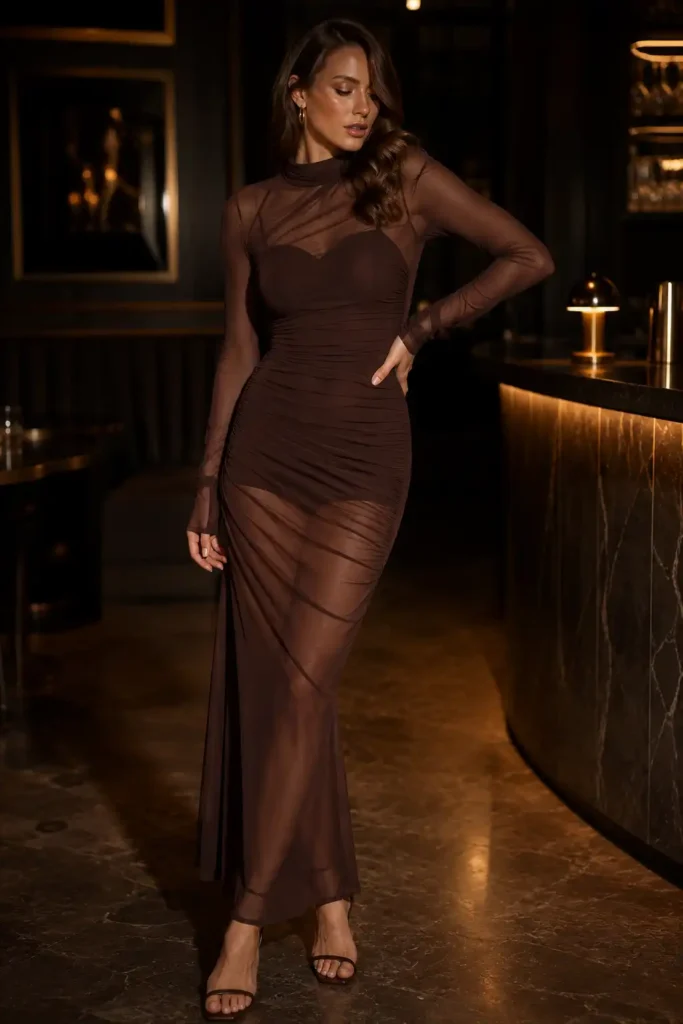
Main risks include shade and sheen mismatch, reversed face direction, snagging, seam puckering, zipper waves, pressing marks, and packing creases. Controls focus on lot and direction management, smooth seam construction, controlled pressing, clean handling, and protective folding.

Mesh Dresses

Main risks include transparency, holes, poor recovery, stretched necklines, unstable armholes, visible seam allowances, and mismatched lining. Controls focus on stretch direction, reinforcement, tension, coverage boundaries, edge stability, and careful inspection under light.

Lace Dresses

Main risks include damaged motifs, poor placement, left-right imbalance, visible joins, rough edges, lining mismatch, and excessive cutting waste. Controls focus on usable width, repeat planning, symmetry, seam placement, scalloped-edge use, repair standard, and packing protection.

Sequin Dresses

Main risks include missing or loose sequins, broken needles, rough seam zones, scratching, weight distortion, zipper interference, and transport damage. Controls focus on seam preparation, attachment security, lining, comfort areas, reinforcement, surface review, and protective packing.

Bodycon Dresses

Main risks include inconsistent stretch, weak recovery, transparent stress points, twisted side seams, waist movement, hip tightness, and hem riding. Controls focus on fabric direction, negative ease, grade rule, relaxed measurement, seam balance, recovery, and wash-related risk.

Corset Dresses

Main risks include poor cup shape, boning position, under-bust mismatch, weak support, zipper stress, sharp pressure, asymmetry, and discomfort. Controls focus on cup and boning specifications, waist shaping, support layers, anti-slip options, symmetry, trial fit, and attachment security.

Strapless Dresses

Main risks include slipping, gaping, neckline distortion, inadequate coverage, cup movement, and over-tight upper edges. Controls focus on upper bust, under-bust, support structure, anti-slip tape where suitable, zipper stability, cup position, and wearing tests.

Maxi Dresses

Main risks include uneven hems, incorrect front-back balance, excessive length, twist, print-direction errors, and transport creasing. Controls focus on fabric relaxation, hanging balance, length measurement, marker direction, hem method, pressing, and long-garment packing.

Factory, Team and Project Ownership

Quality systems work only when people know who owns each decision. Jinfeng Apparel connects development, production, inspection, packing, and delivery roles around one project record.
jinfengapparel

Manufacturing Network

Six owned women’s fashion factories, more than ten long-term satellite production partners, and 18+ sewing lines support allocation by style, fabric, complexity, quantity, and schedule. For quality approval, the actual proposed production unit matters more than group-level capacity. Factory selection is reviewed against the dress category and required control points before bulk placement.
jinfengapparel

Development Team

Two sample rooms, 7+ senior pattern makers, and 20+ sample machinists support pattern trials, fit correction, construction verification, sample revisions, PP samples, and Golden samples. Development comments are converted into controlled pattern, measurement, BOM, trim, and construction changes so quality decisions remain usable during bulk production.
jinfengapparel

Merchandising Ownership

Twelve or more merchandisers coordinate brand files, material approvals, sample comments, production schedules, inspection findings, packing instructions, and shipment documents. One project owner keeps open issues, decision dates, and approval status visible. QA feedback is routed to the responsible team rather than buried in long email chains.
jinfengapparel

QC and Packing Team

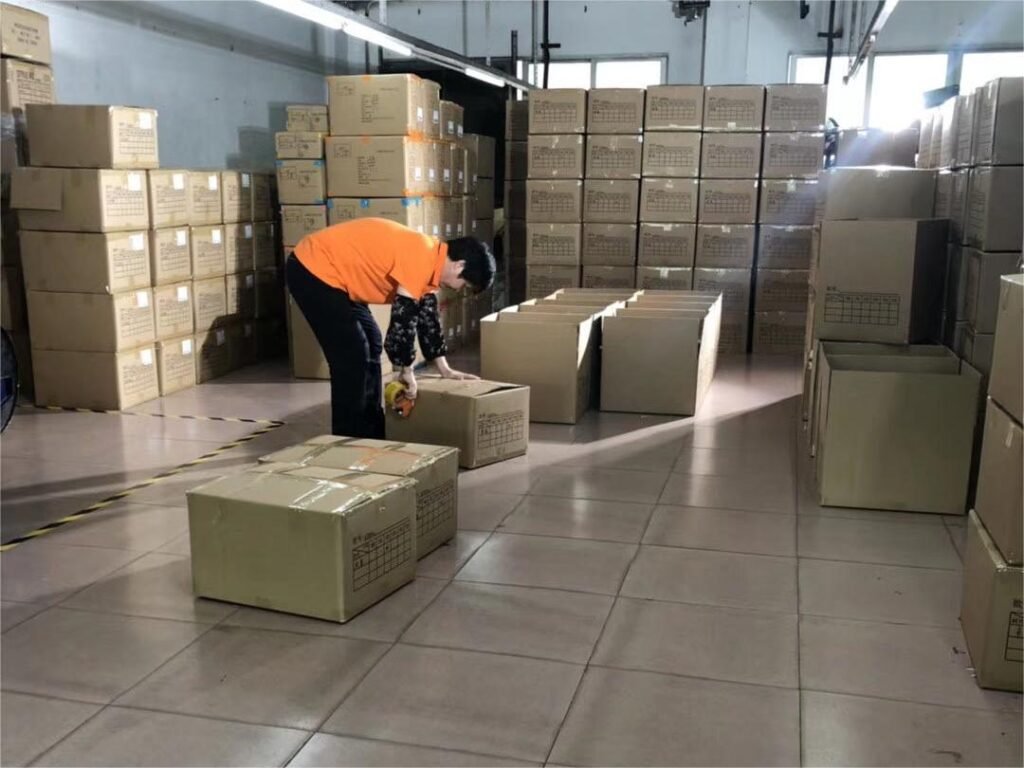
More than 15 QC inspectors and 30+ finishing and packing workers support incoming, cutting, sewing, final garment, pressing, labeling, packing, and carton checks. Inspection focus is adjusted for satin, mesh, lace, sequin, bodycon, corset, maxi, jumpsuit, and retail-ready programs. Packing personnel work from the same approved order breakdown and label files used by merchandising and QA.

Anonymized Quality Program and QA Checklist

A multi-style order shows how quality planning, sample priority, production control, and shipment records work together. Brand identity and unpublished designs remain protected.

18-Style Occasionwear Program

An anonymized U.S. occasionwear program included 18 styles and 48,600 garments across satin, mesh, lace, sequin, bodycon, and corset constructions. Sizes ran from XS to XL, with three planned delivery waves aligned to campaign and retail dates. The order structure reflected a normal established-brand program: several hero SKUs carried larger quantities, while visual statement styles carried lower but still production-scale volumes. Development was grouped into four fabric families so color approval, lining, trims, and sewing risk could be managed together. Five priority styles moved first for fit and campaign review. Remaining styles followed by material readiness and pattern complexity. Every style had a separate sample version, measurement chart, BOM, PP status, packing instruction, and shipment allocation. The QA plan focused on satin direction and snag control, mesh transparency and recovery, lace motif placement, sequin attachment and comfort, bodycon measurement stability, corset cup and boning position, label accuracy, and carton ratios. Production was not released as one undifferentiated order. Style-level approvals and phased checkpoints allowed the brand team to track readiness, isolate issues, and protect the planned launch sequence without exposing confidential brand information.

Dress QA Evaluation Checklist

Use a focused checklist before approving a dress manufacturer for development or bulk production. The downloadable version should cover:

– Factory and product-category fit
– Pattern, fit, grading, and measurement ownership
– Fabric and trim approval records
– Sample names, version control, PP approval, and Golden sample
– Critical measurement points and tolerances
– Cutting, line-start, inline, final, and packing checks
– Critical, major, and minor defect definitions
– AQL or brand-defined sampling requirements
– Nonconformance containment and corrective action
– Third-party inspection and laboratory coordination
– Label, barcode, SKU, polybag, carton, and warehouse controls
– Repeat-order pattern, material, QC, and packing records

Frequently Asked Questions for Fashion QA Managers
Yes. Send the applicable quality manual, measurement method, tolerance table, defect classification, sampling plan, workmanship standard, testing requirement, and packing guide. Jinfeng Apparel reviews the requirements against the proposed dress categories, materials, construction, factory, and order structure. Any requirement that needs clarification, added testing, special documentation, or a different production plan is raised before PP approval and bulk release.
PP and Golden samples are connected with the approved pattern version, size chart, BOM, fabric and trim references, sewing instruction, label files, packing guide, and revision record. Bulk materials are compared with the approved direction, while line-start, inline, final, and packing checks use the same standard. A change introduced after approval is reviewed for its effect on fit, material, construction, cost, and production timing before implementation.
Yes. Jinfeng Apparel can follow a brand-defined AQL plan or coordinate with an appointed third-party inspector. Sampling level, limits, critical-major-minor definitions, measurement tolerances, product readiness, re-inspection rules, and shipment-release authority need to be confirmed before the inspection date. Critical concerns are contained and addressed even when a general sampled result might otherwise appear acceptable.
Measurement points are defined on an approved diagram and linked to the size chart and tolerance. Checks may occur during sample review, line start, inline production, and final inspection, with added focus on bust, under-bust, waist, hip, straps, neckline, armhole, slit, length, hem, lining, and jumpsuit rise where relevant. Garment condition, stretch state, fastening, and adjustable-strap position are standardized so results remain comparable.
Factory visits and third-party inspections can be coordinated according to the proposed production unit, schedule, confidentiality requirements, and inspection scope. Share the inspection company, contact, preferred date, sampling plan, required product completion level, document list, and report recipient. Jinfeng Apparel coordinates access and ensures the relevant merchandising, production, QC, and packing teams are prepared for the agreed review.
Testing can be arranged according to product, fabric, color, target market, and brand standard. Possible areas include fiber composition, dimensional change, color fastness, pH, formaldehyde, restricted azo colorants, pilling, fabric or seam strength, and other specified tests. Laboratory, method, pass criteria, sample quantity, cost, and lead time are confirmed by project. Reports are linked to the applicable material or garment scope.
The PP sample confirms the production-ready fabric, color, trims, pattern, measurement, construction, labels, and packing direction. The Golden sample becomes the physical reference for production, inspection, packing, and repeat orders. Both are supported by controlled files and an approval record. When post-approval changes are accepted, the sample and related documents are updated so teams do not follow conflicting standards.
Affected work is identified and contained, then the team reviews the real source of the issue. Pattern, material, cutting, operation method, seam allowance, thread tension, trim, pressing, measurement, or packing instruction may be involved. Corrective action is applied to the responsible process, corrected units are checked again, and surrounding production is reviewed for the same defect before closure.
Project-appropriate records can include fabric inspection references, measurement diagrams, inline findings, final inspection checklists, packing verification sheets, and pre-shipment photos. The exact document set is agreed before production. Brand names, unpublished designs, pricing, and sensitive order details are protected; sample records shown for supplier evaluation are anonymized or shared under the agreed confidentiality arrangement.
Jinfeng Apparel can retain approved pattern versions, grade rules, size charts, BOM files, fabric and color references, trim details, construction notes, Golden samples, QC records, packing requirements, and shipment information. Before a repeat order begins, material availability and any requested changes are reviewed. A fabric, stretch, lining, length, neckline, support, or packing change may require a revised sample rather than blind reuse of the old standard.

Send Your Quality Standards for Review

Share the product and quality information your team already uses so Jinfeng Apparel can review manufacturing fit before formal sampling or quotation. Useful files include tech packs, reference images, original-sample photos, size charts, grading rules, measurement tolerances, BOMs, approved fabric directions, trim specifications, quality manuals, defect lists, AQL requirements, testing standards, label artwork, packing guides, target quantities, size and color breakdowns, launch dates, and delivery locations.

Kelly and the project team will review dress category, fit complexity, material risk, sample path, production allocation, inspection requirements, documentation, packing, MOQ, and delivery planning. Where information is incomplete, the reply will identify the missing decisions and the safest next step rather than offering an unsupported promise.

Please include:

  • Company and brand information
  • 10-30 style line sheet or selected priority styles
  • Quantity per style and color
  • XS-XL or other size range and ratio
  • Required sample types and approval dates
  • Inspection, testing, and audit requirements
  • Packing, barcode, carton, and warehouse instructions
  • Target shipment window and destination

Tell Us About Your Dress Project

Share your product details, estimated quantity and development requirements. Our team will review your project and provide practical OEM/ODM production feedback.

Premium Women’s Apparel Production for Fashion Brands

From dress sample development to bulk production, JF Apparel supports fashion brands with confidential OEM/ODM manufacturing, reliable quality control and scalable production support.

START YOUR DRESS PROJECT

Ready to Develop Your Next Dress Collection?

Share your design concept, product requirements or sourcing plans with our team. We’ll review your project and provide practical feedback on development, materials, MOQ and production.

7-10 Days

Sample Development

200 PCS

Starting MOQ

Fast Response

Professional Follow-Up