
Dress Manufacturer for Apparel Operations Teams
Structured dress development, production control and shipment coordination for fashion brands managing complex seasonal programs.
Jinfeng Apparel connects product files, sample approvals, material status, bulk production, quality control, packing and export delivery through one coordinated manufacturing workflow.
- Since 2008, with 6 owned women’s fashion factories and 10+ long-term production partners.
- 18+ sewing lines and 6+ flexible lines for multi-style, multi-color and multi-batch dress programs.
- 12+ merchandisers, 15+ QC inspectors and 30+ finishing and packing workers supporting order execution.
- Built for programs involving 10-30 styles and total order volumes commonly ranging from 20,000 to 80,000 pieces.
Production Capacity for Structured Dress Programs
Since 2008
6 Owned Factories
10+ Production Partners
18+ Sewing Lines
6+ Flexible Lines
100,000+ Monthly Capacity
Built Around Apparel Operations Responsibilities
Operations Leadership
Production Operations
Vendor Operations
Sourcing Teams
Quality Teams
Merchandising Teams
Production Risks Operations Teams Need Controlled
Wrong File Version
Material Approval Gap
Hidden Schedule Drift
PP-to-Bulk Variation
SKU Packing Errors
Weak Exception Ownership
One Connected Workflow From Brief to Delivery
01. Production Brief
02. Feasibility Review
03. Material Direction
04. Pattern Development
05. First Sample
06. Revision Control
07. PP Approval
08. Material Booking
09. Bulk Production
10. Final Inspection
11. Packing Release
12. Shipment Coordination
Program Fit and Working Conditions
Strong Program Fit
Clear Production Basis
Information Needed Before Program Review
Complete project files shorten the review cycle and allow clearer decisions on development workload, material risk, capacity, cost and shipment planning.
| Information Provided | Operational Decision Supported | Recommended Format |
|---|---|---|
| Style list or line sheet | Defines total development workload, product mix and priority sequence. | Excel, PDF or PLM export |
| Tech pack or original sample | Supports construction, measurement, workmanship and costing review. | PDF, AI file, physical sample |
| Quantity by style and color | Supports MOQ review, line allocation and material consumption planning. | SKU or PO breakdown |
| Color and size ratio | Supports grading, fabric booking, labels, packing ratios and carton planning. | Size-color matrix |
| Fabric and trim direction | Supports availability, bulk risk, lead-time and substitute material review. | Swatches, BOM or reference photos |
| Approval requirements | Defines first sample, revised sample, photo sample, PP and Golden sample needs. | Approval calendar |
| Private-label guide | Supports labels, hangtags, barcode, polybag, carton and warehouse compliance. | Artwork and packing manual |
| Delivery and inspection plan | Supports production calendar, inspection window, booking and phased delivery. | Target dates and shipping terms |
Feasibility, Cost and MOQ Review
Product Feasibility
Material Feasibility
Commercial Feasibility
- Review Cost Drivers
- Send Quantity Plan
Controlled Sample Versions Before Bulk Release
Sample approval is a production-control process, not a single garment decision. Each round must close specific risks and update the files used by the next stage.
First Sample Establishes the Product Direction
The first sample checks whether the dress can move from design information into a production-ready structure. Pattern makers review bust, waist, hip, length, neckline, armhole, straps, slit, lining and closure positions against the supplied size chart and intended silhouette. Fabric behavior is reviewed at the same time because drape, stretch, weight and transparency can change the fit result.
The internal review covers measurement, proportion, construction, seam behavior, support, comfort and visible finish. A satin slip dress may need bias stability and zipper control; a mesh bodycon dress may require lining coverage and neckline reinforcement; a corset dress may require cup, boning and waist balance checks. Observations are recorded before the sample is released for external review.
The first sample is not treated as a bulk standard. Its purpose is to identify what must change before the next round and to establish whether the selected fabric, trim and construction route can be repeated at production scale.
Revised Samples Convert Comments Into Updated Files
Feedback is separated into pattern, measurement, fabric, trim, construction, workmanship, lining, label and packing categories. Each approved change is translated into the working documents instead of remaining only in email or chat history. Pattern corrections can include bust shaping, waist position, hip ease, dress length, strap length, neckline depth, armhole shape, slit height and lining length.
Material changes are reviewed for their effect on drape, stretch, shrinkage, seam appearance, cost and MOQ. A change from matte satin to stretch satin can alter pattern ease and zipper behavior. A change from soft mesh to power mesh can change compression, transparency and neckline tension. Additional sampling may be required when the new material changes the construction result.
Revision records identify the requested change, responsible person, updated file, approval status and next action. The revised sample then confirms whether the correction has produced the intended fit and appearance.
PP and Golden Samples Lock the Bulk Standard
The PP sample confirms the final pattern, size chart, fabric, color, trims, construction, lining, labels and packing direction before bulk release. Production does not begin from an unapproved development sample. Any open issue is closed, recorded or formally accepted before material cutting.
For larger or technically demanding orders, a Golden sample can be retained as the reference for production and inspection. It defines visible appearance, measurement points, stitch and seam execution, trim placement, pressing, label position and packing presentation. Quality checkpoints are developed from the same standard so inline and final inspection teams are checking against an agreed garment rather than a general description.
Jinfeng operates 2 sample rooms with 7+ senior womenswear pattern makers and 20+ sample machinists. Sample timing is planned by construction complexity, material readiness, number of styles, revision scope and approval speed. A written schedule is set after the files and materials have been reviewed.

Multi-Style and SKU Coordination Without Lost Detail
Large dress programs require style-level ownership. One late fabric or one incorrect barcode should not obscure the status of the remaining collection.
Style-Level Tracking Across Development and Production
Each style is managed through its own identity, material status, sample version, approval stage, quantity breakdown and packing requirement. A program may contain satin midi dresses, mesh mini dresses, jersey bodycon styles, lace occasion dresses and crepe jumpsuits, yet each group requires a different factory fit and quality focus.
The working record can include style number, product category, fabric, lining, trims, color list, size ratio, sample status, PP approval, bulk material status, assigned production unit, planned cutting date, sewing status, inspection date, packing requirement and shipment batch. The format can align with the brand’s line sheet, PO structure or internal reporting method.
Clear style-level records prevent one approved style from being confused with another style still under revision. They also allow operations teams to prioritize photo samples, launch-critical items, long-lead materials and high-volume repeat styles without losing visibility across the complete order.
Approval and File Control Across Teams
Pattern files, measurement charts, BOM details, comments, color approvals, label artwork, barcode data and packing guides must move together. A change to one element can affect several downstream actions. A size chart revision may require a new pattern, updated inspection points and revised label data. A fabric change may affect cost, consumption, drape, lining, sewing method and production timing.
Jinfeng’s 12+ merchandisers coordinate information between the client team, sample room, material suppliers, production units, QC staff and packing team. Their role is not limited to sending updates. They check whether the latest approved information has reached the people responsible for the next operation.
Open items are separated from approved items. A style is not marked ready for bulk when fabric, trim, PP or packing information remains unresolved. Clear release conditions protect production from beginning on partial instructions.
Phased Delivery for Complex Seasonal Programs
A multi-style collection does not always need to leave as one shipment. When product readiness, warehouse plans or launch dates differ, selected styles can be grouped into controlled shipment batches. Phased delivery may reduce the risk of holding completed styles while waiting for a late material or a more complex garment.
Batch planning considers inspection readiness, carton data, shipping method, cargo cut-off, warehouse receiving requirements and the commercial impact of splitting freight. Air and sea combinations can be evaluated by project when selected launch-critical styles need earlier arrival.
Every shipment batch requires its own packing list, carton totals, weight and dimension data, invoice details, carton marks and handover instructions. A split shipment is only useful when documentation and SKU separation remain accurate.

Factory Allocation by Dress Construction
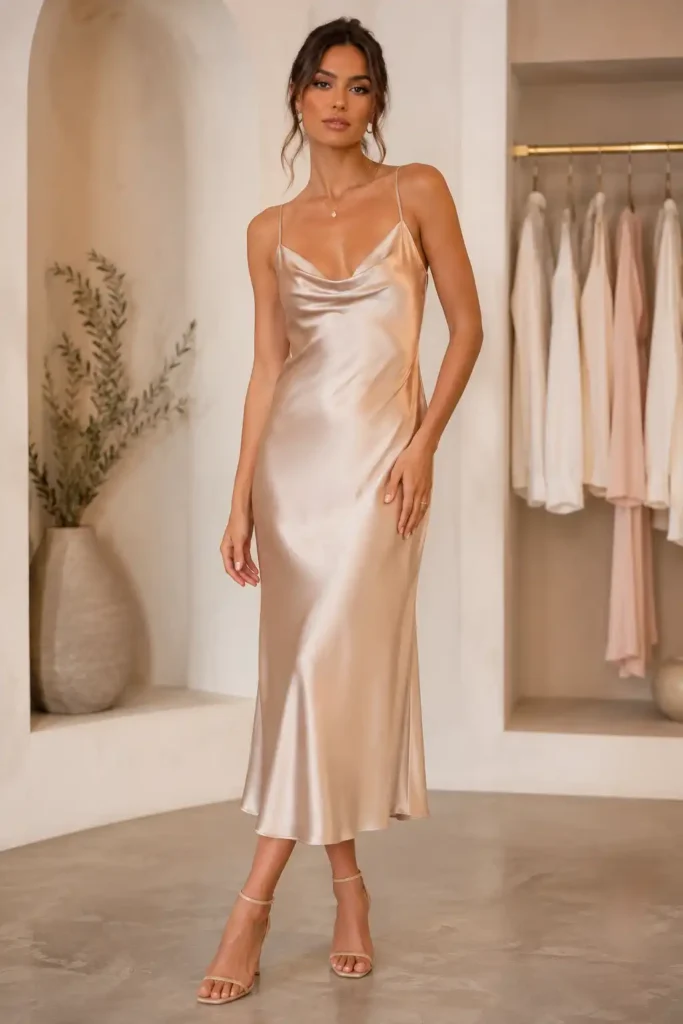
Satin Dresses
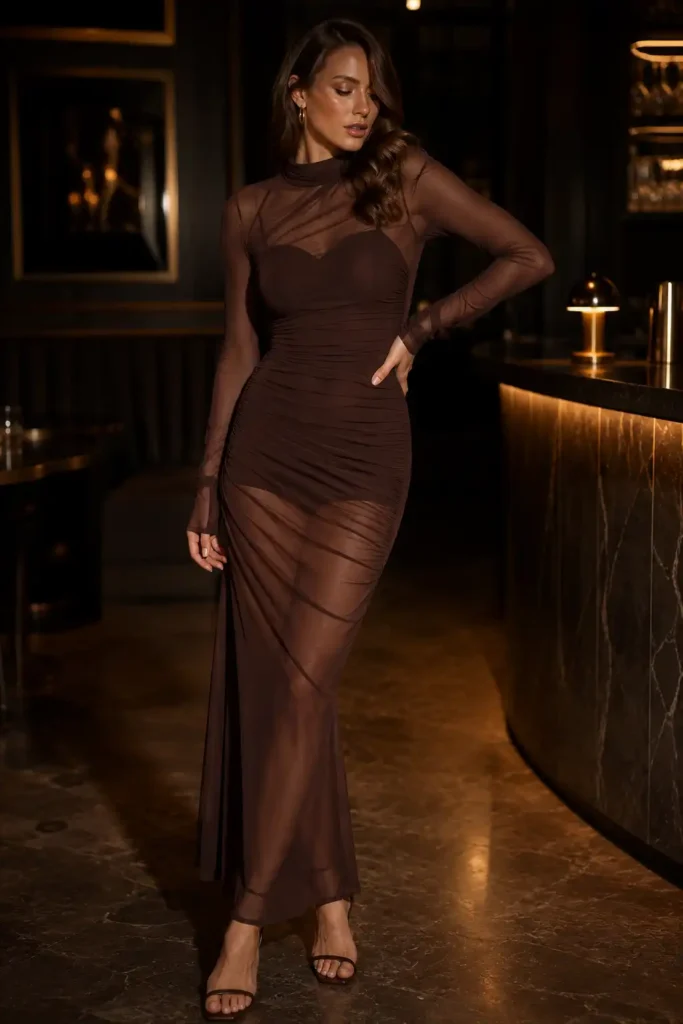
Mesh and Bodycon

Lace Dresses

Sequin Styles

Occasion Dresses

Jumpsuits and Sets
Production Visibility and Exception Management
Operations teams receive meaningful stage information: what is complete, what is open, what changed and what action protects the delivery plan.
| Production Stage | Status Information | Operational Control |
| Material booking | Supplier confirmation, expected arrival and open approvals | Identifies late-start risk before line booking |
| Incoming inspection | Shade, defects, width, stretch or usable quantity findings | Prevents unsuitable material from entering cutting |
| Cutting | Planned start, completed quantity and panel issues | Shows whether sewing can start on schedule |
| Sewing | Line start, progress, major workmanship issue and correction | Exposes work-in-progress drift early |
| Inline QC | Defect pattern, affected quantity and corrective action | Stops repeated defects from moving downstream |
| Finishing | Pressing, repair and final preparation status | Protects the packing and inspection window |
| Packing | SKU readiness, labels, barcode, carton quantities and open items | Reduces warehouse receiving errors |
| Shipment | Inspection release, booking, cargo cut-off and document readiness | Protects vessel, flight or forwarder handover |
A Coordinated Team Behind Every Program
12+ Merchandisers
15+ QC Inspectors
30+ Finishing Staff
Quality Control From Fabric Receipt to Packed Cartons
Quality is built through linked controls. Final inspection alone cannot correct material, cutting or construction mistakes already repeated across thousands of garments.
Material and Cutting Controls
Incoming fabric is reviewed according to product requirements, including shade, visible defects, width, hand feel, stretch, recovery, transparency and usable quantity. Relevant test or certification documentation can be checked by material, supplier, batch and project requirement. Special fabric claims are confirmed against current documents rather than treated as universal.
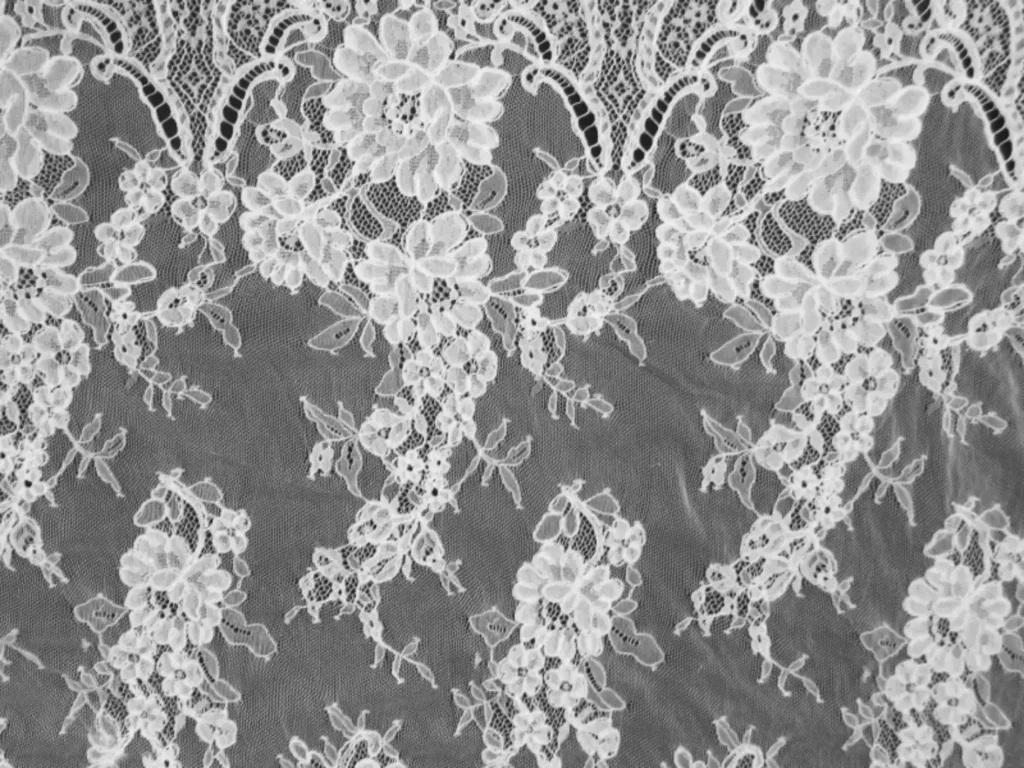
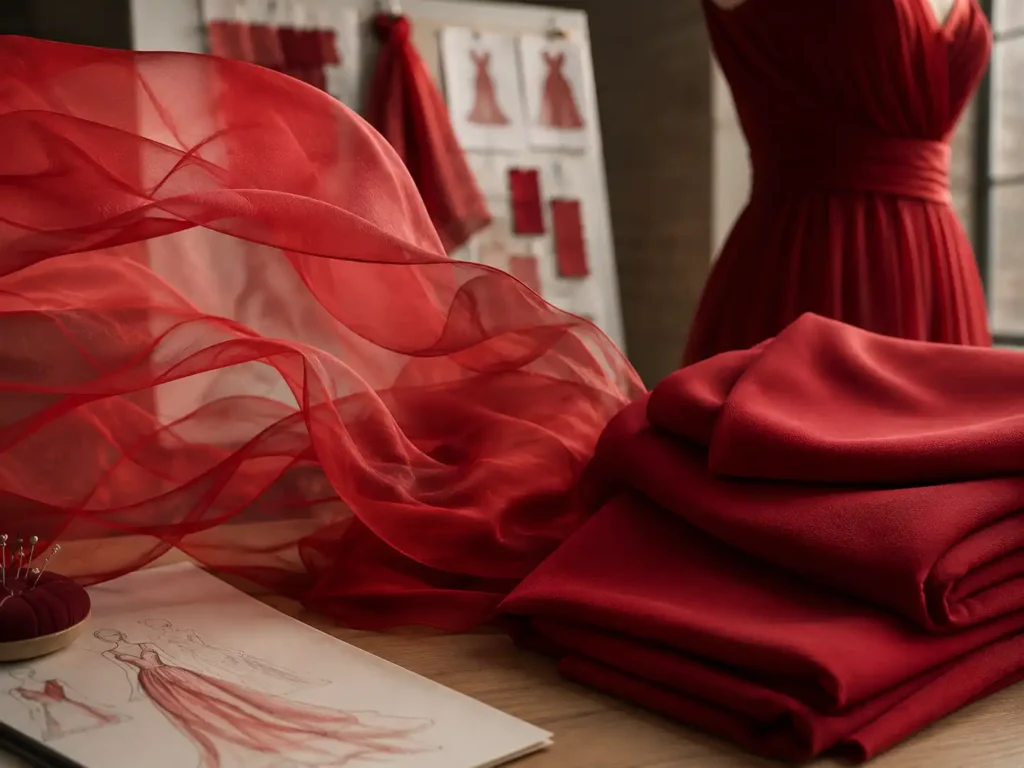
Fabric relaxation, nap or shine direction, print direction, shade grouping and cutting orientation are determined before bulk cutting. Satin requires careful direction and handling; mesh requires stretch orientation and panel stability; printed resort fabrics require motif direction; lace may require placement planning; rayon and viscose may require shrinkage review.
Cut panels are checked for shape, notches, alignment, matched components, shade and visible damage. A cutting error cannot be repaired reliably at the end of production, so affected panels are isolated before sewing.
Sewing, Measurement and Inline Controls
Inline inspection focuses on the operations most likely to create repeated defects. Zipper flatness, neckline tension, ruching balance, lining attachment, seam stretch, lace edges, slit reinforcement, strap placement and internal support are reviewed while corrective action is still possible.
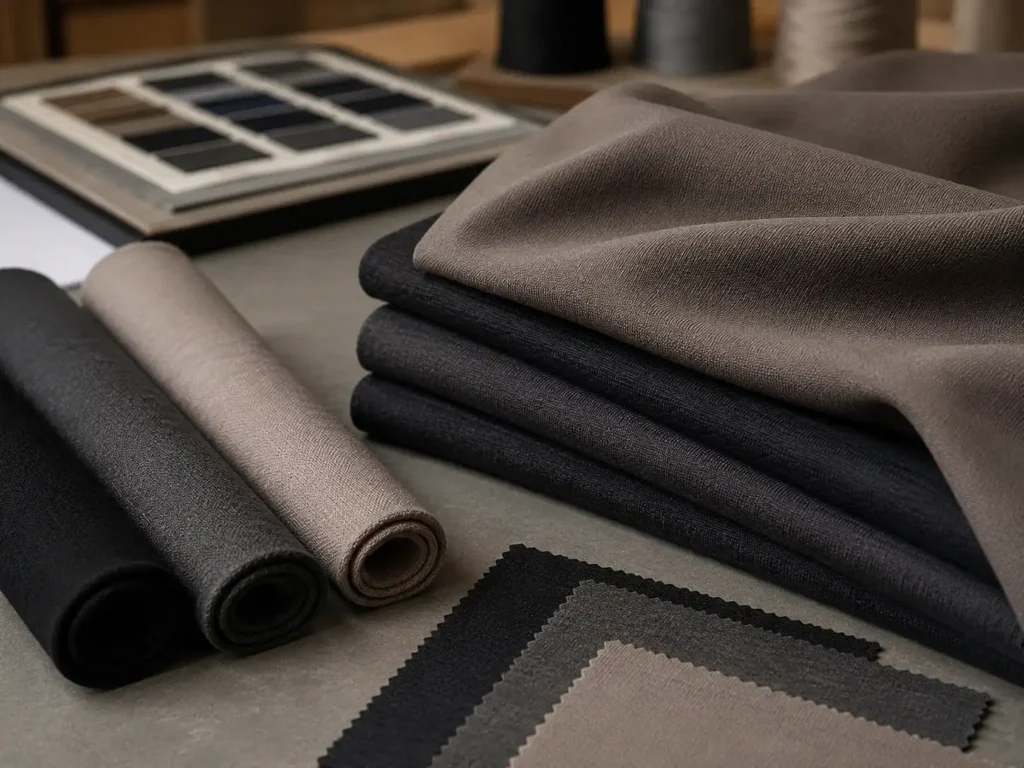
Measurements are checked against the approved chart and agreed tolerances. Important dress points can include bust, upper bust, under bust, waist, hip, front length, back length, strap length, armhole, neckline depth, slit height, hem width and lining length. Jumpsuits add rise and inseam. Bodycon styles require special attention to stretch and recovery because flat garment measurements alone do not explain fit behavior.
When a repeated issue appears, the team identifies the operation, affected quantity, correction method and recheck point. Production does not rely on final repair to solve a process problem.
Final Appearance, Packing and Inspection Release
Finished garments are reviewed for measurement, workmanship, symmetry, surface condition, pressing, closure function, lining, labels and overall appearance against the approved standard. Product-specific defects receive priority: press marks and snags on satin, holes or distorted edges on mesh, missing decoration on sequin fabric, motif or edge problems on lace, and measurement drift on stretch garments.
Packing inspection verifies style, color, size, labels, barcode, polybag, pack ratio, carton quantity and carton marks. Client-nominated inspection, third-party inspection or an agreed AQL plan can be coordinated according to the purchase requirements. AQL sampling and piece-by-piece process checks serve different purposes and should not be described as the same activity.
Shipment release follows the agreed inspection result, repair completion and packing record. Repeat-order notes are retained so recurring risks receive attention on later production runs.
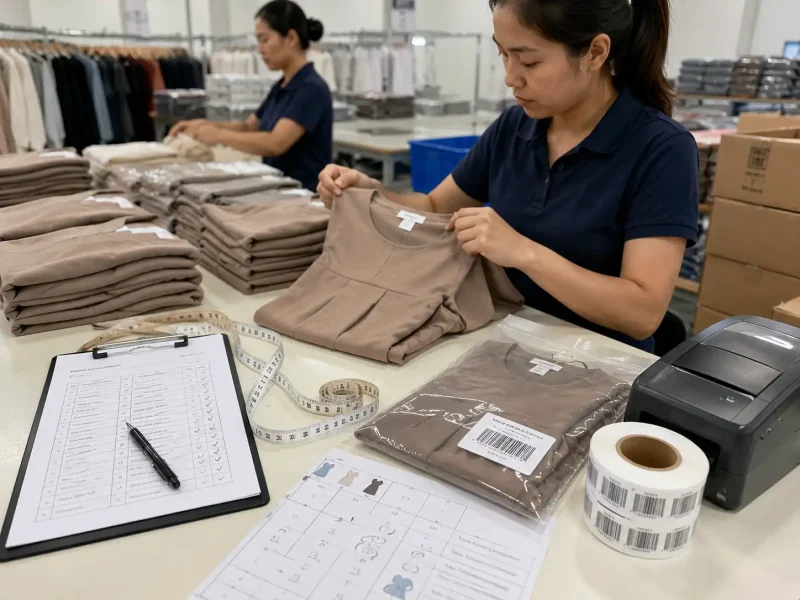
Operational Controls for High-Risk Dress Materials

Satin Control
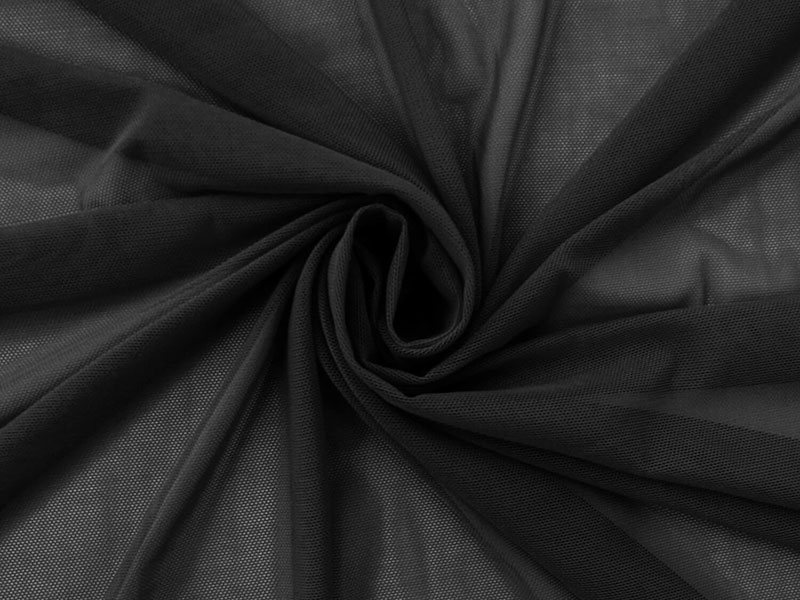
Mesh Control
Lace Control

Sequin Control
Jersey and Ponte
Chiffon and Crepe
Private Label, SKU and Packing Control

Brand Labels
Hangtags
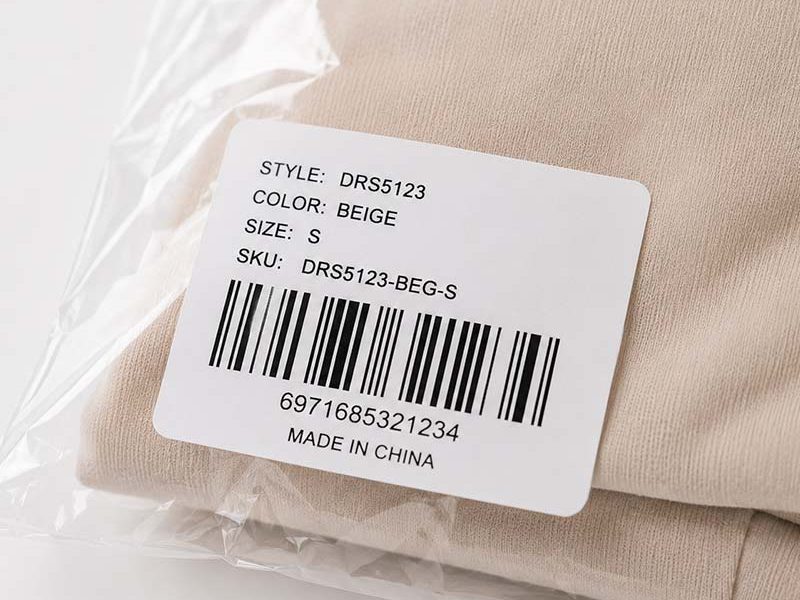
Barcode Labels

Individual Packing

Pack Ratios

Carton Marks
Shipment Preparation for Your Receiving Process
Document Preparation
Forwarder Coordination
Delivery Sequencing
How an 18-Style US Dress Program Was Coordinated
An anonymous US private-label apparel group developed a mixed-fabric dress program with Jinfeng Apparel, combining product, SKU, inspection and delivery requirements in one schedule.
Program Scope and Operating Pressure
The order covered 18 styles and approximately 28,000 pieces across satin, mesh, jersey, lace and crepe dresses. The product mix created several operating tracks at the same time: different fabrics, different sample risks, multiple color and size combinations, private-label components, client inspection and phased shipment requirements.
The central challenge was not the total unit count alone. Satin needed shade, zipper and pressing control; mesh required transparency, lining and stretch review; jersey required recovery and measurement stability; lace required placement and edge handling; crepe required drape and seam control. A single production method would not have protected the collection.
The client also required consistent hangtags, barcodes, polybags and carton marks across all styles. Packing files had to remain linked to the correct style, color and size while production units moved at different speeds.
Controls Applied During Development and Bulk
Jinfeng created a program timeline and tracked materials, sample versions, PP approvals and production readiness by style. Product groups were reviewed for factory fit before allocation. Changes in sample measurements, lining, trim or construction were moved into updated records before bulk release.
Material and trim status were followed separately because one late component should not hide the readiness of another style. The merchandising team coordinated approval information with sample rooms, factories, quality staff and the packing team. Quality focus was defined by product category rather than one generic checklist.
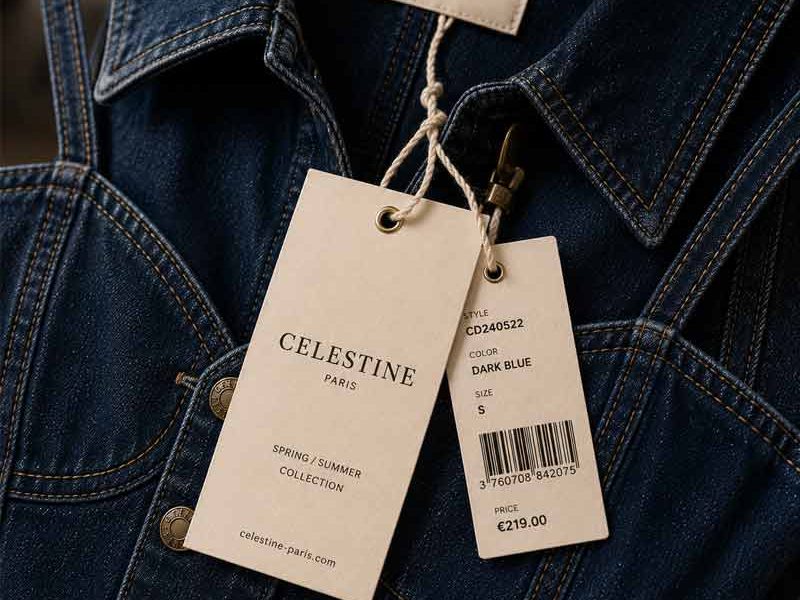
Packing standards for hangtags, barcode labels, polybags, SKU information and carton marks were confirmed before final packing. Client inspection requirements were scheduled against actual production readiness, reducing the risk of an inspection date being booked before the relevant styles were complete.
Inspection, Phased Shipment and Program Continuity
Completed styles moved through final garment and packing checks before shipment release. Styles ready earlier were prepared for the first shipment batch, while later styles followed under separate carton and document control. Packing lists, carton marks and shipment files were prepared for each batch.
The phased approach helped protect delivery of ready styles without merging incomplete or unapproved items into the same release decision. It also allowed inspection findings to be closed against the affected styles rather than delaying every product in the program.
After delivery, pattern, measurement, fabric, trim, label, packing and quality records remained available for future development and repeat orders. The program demonstrated how 18 styles and 28,000 pieces can be managed through style-level controls rather than one general production promise.

Repeat Orders With Operational Continuity
Product Records
Material Records
Packing and QC Records
Frequently Asked Questions for Apparel Operations Teams
Yes. Multi-style programs are tracked by style number, fabric, sample version, approval status, quantity, assigned production unit, quality focus, packing requirement and shipment batch. Capacity and scheduling are confirmed after the complete style mix is reviewed.
Fit, measurement, fabric, trim, construction, workmanship and packing comments are converted into updated patterns, size charts, BOM details, sewing instructions and approval records. Bulk production follows the approved PP standard.
Updates can cover material booking, material arrival, incoming inspection, cutting, sewing, inline QC, finishing, packing, inspection release, shipment booking and open exceptions. Reporting format can align with the agreed program structure.
The bulk schedule is confirmed after PP approval, material and trim readiness, quantity breakdown, factory allocation, quality requirements, packing instructions and delivery targets have been reviewed.
MOQ starts from 200 pieces per style and color. Fabric mills, dyeing, printing, special trims and printed packing may carry separate minimums. A complete quantity matrix is needed for accurate review.
Yes. Client inspection or third-party inspection can be coordinated according to the purchase requirements, production readiness and agreed inspection standard. Inspection timing should be planned before the order reaches final packing.
Yes. Jinfeng can follow approved label, barcode, polybag, pack-ratio, carton-mark and warehouse receiving instructions. Files need to be supplied and approved before packing preparation.
Yes, when phased delivery is operationally and commercially suitable. Each batch requires separate SKU control, packing records, carton data, documents and forwarder instructions.
Yes. Jinfeng supports NDA-based cooperation and protects tech packs, samples, patterns, trim details, private-label files, unpublished designs, order information and launch plans.
Send a style list, tech packs or references, quantities by style and color, size ratios, fabric direction, required approvals, packing guide, inspection needs and delivery window.

Review Your Dress Production Program With Jinfeng
Send your style list, tech packs, reference samples, quantity matrix and target delivery window for a structured production review. Jinfeng Apparel will assess dress construction, fabric and trim readiness, sample workload, MOQ, factory fit, capacity, quality checkpoints, private-label packing and shipment requirements before proposing the next actions.
Useful files include:
- Style list or line sheet
- Tech packs, sketches or reference photos
- Quantity by style, color and size
- Fabric swatches, BOM or trim cards
- Sample and PP approval calendar
- Label, barcode and packing guide
- Inspection standard and warehouse requirements
- Target shipment date and destination


